
Animals and Nature


Emily Dickinson
A little road not made man
A little road not made of man,
Enabled of the eye,
Accessible to thill of bee,
Or cart of butterfly.
If town it have, beyond itself,
'T is that I cannot say;
I only sigh,--no vehicle
Bears me along that way.
Enabled of the eye,
Accessible to thill of bee,
Or cart of butterfly.
If town it have, beyond itself,
'T is that I cannot say;
I only sigh,--no vehicle
Bears me along that way.
351
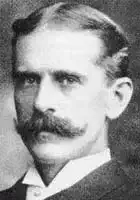
Henry Van Dyke
Pan Learns Music
Limber-limbed, lazy god, stretched on the rock,
Where is sweet Echo, and where is your flock?
What are you making here? "Listen," said Pan, -"
Out of a river-reed music for man!"
Where is sweet Echo, and where is your flock?
What are you making here? "Listen," said Pan, -"
Out of a river-reed music for man!"
349
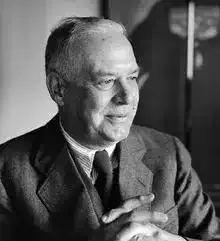
Wallace Stevens
Domination Of Black
At night, by the fire,
The colors of the bushes
And of the fallen leaves,
Repeating themselves,
Turned in the room,
Like the leaves themselves
Turning in the wind.
Yes: but the color of the heavy hemlocks
Came striding.
And I remembered the cry of the peacocks.
The colors of their tails
Were like the leaves themselves
Turning in the wind,
In the twilight wind.
They swept over the room,
Just as they flew from the boughs of the hemlocks
Down to the ground.
I heard them cry -- the peacocks.
Was it a cry against the twilight
Or against the leaves themselves
Turning in the wind,
Turning as the flames
Turned in the fire,
Turning as the tails of the peacocks
Turned in the loud fire,
Loud as the hemlocks
Full of the cry of the peacocks?
Or was it a cry against the hemlocks?
Out of the window,
I saw how the planets gathered
Like the leaves themselves
Turning in the wind.
I saw how the night came,
Came striding like the color of the heavy hemlocks
I felt afraid.
And I remembered the cry of the peacocks.
350

Billy Collins
Another Reason Why I Don't Keep A Gun In The House
The neighbors' dog will not stop barking.
He is barking the same high, rhythmic bark
that he barks every time they leave the house.
They must switch him on on their way out.
The neighbors' dog will not stop barking.
I close all the windows in the house
and put on a Beethoven symphony full blast
but I can still hear him muffled under the music,
barking, barking, barking,
and now I can see him sitting in the orchestra,
his head raised confidently as if Beethoven
had included a part for barking dog.
When the record finally ends he is still barking,
sitting there in the oboe section barking,
his eyes fixed on the conductor who is
entreating him with his baton
while the other musicians listen in respectful
silence to the famous barking dog solo,
that endless coda that first established
Beethoven as an innovative genius.
349

James Whitcomb Riley
The Old Tramp
A Old Tramp slep' in our stable wunst,
An' The Raggedy Man he caught
An' roust him up, an' chased him off
Clean out through our back lot!
An' th' Old Tramp hollered back an' said,-'
You're a _purty_ man!--_You_ air!--
With a pair o' eyes like two fried eggs,
An' a nose like a Bartlutt pear!'
An' The Raggedy Man he caught
An' roust him up, an' chased him off
Clean out through our back lot!
An' th' Old Tramp hollered back an' said,-'
You're a _purty_ man!--_You_ air!--
With a pair o' eyes like two fried eggs,
An' a nose like a Bartlutt pear!'
349

Carl Sandburg
Ice Handler
I know an ice handler who wears a flannel shirt with pearl buttons the size of a dollar,
And he lugs a hundred-pound hunk into a saloon ice-box, helps himself to cold ham
and rye bread,
Tells the bartender it’s hotter than yesterday and will be hotter yet to-morrow, by
Jesus,
And is on his way with his head in the air and a hard pair of fists.
He spends a dollar or so every Saturday night on a two hundred pound woman who
washes dishes in the Hotel Morrison.
He remembers when the union was organized he broke the noses of two scabs and
loosened the nuts so the wheels came off six different wagons one morning, and he
came around and watched the ice melt in the street.
All he was sorry for was one of the scabs bit him on the knuckles of the right hand so
they bled when he came around to the saloon to tell the boys about it.
350

Johann Wolfgang von Goethe
The Yelpers
OUR rides in all directions bend,
For business or for pleasure,
Yet yelpings on our steps attend,
And barkings without measure.
The dog that in our stable dwells,
After our heels is striding,
And all the while his noisy yells
But show that we are riding.
For business or for pleasure,
Yet yelpings on our steps attend,
And barkings without measure.
The dog that in our stable dwells,
After our heels is striding,
And all the while his noisy yells
But show that we are riding.
349

Walter de la Mare
Off the Ground
Three jolly Farmers
Once bet a pound
Each dance the others would
Off the ground.
Out of their coats
They slipped right soon,
And neat and nicesome
Put each his shoon.
One--Two--Three!
And away they go,
Not too fast,
And not too slow;
Out from the elm-tree's
Noonday shadow,
Into the sun
And across the meadow.
Past the schoolroom,
With knees well bent,
Fingers a flicking,
They dancing went.
Up sides and over,
And round and round,
They crossed click-clacking
The Parish bound;
By Tupman's meadow
They did their mile,
Tee-to-tum
On a three-barred stile.
Then straight through Whipham,
Downhill to Week,
Footing it lightsome,
But not too quick,
Up fields to Watchet
And on through Wye,
Till seven fine churches
They'd seen slip by --
Seven fine churches,
And five old mills,
Farms in the valley,
And sheep on the hills;
Old Man's Acre
And Dead Man's Pool
All left behind,
As they danced through Wool.
And Wool gone by,
Like tops that seem
To spin in sleep
They danced in dream:
Withy -- Wellover --
Wassop -- Wo --
Like an old clock
Their heels did go.
A league and a league
And a league they went,
And not one weary,
And not one spent.
And log, and behold!
Past Willow-cum-Leigh
Stretched with its waters
The great green sea.
Says Farmer Bates,
'I puffs and I blows,
What's under the water,
Why, no man knows !'
Says Farmer Giles,
'My mind comes weak,
And a good man drownded
Is far to seek. '
But Farmer Turvey,
On twirling toes,
Up's with his gaiters,
And in he goes:
Down where the mermaids
Pluck and play
On their twangling harps
In a sea-green day;
Down where the mermaids
Finned and fair,
Sleek with their combs
Their yellow hair. . . .
Bates and Giles --
On the shingle sat,
Gazing at Turvey's
Floating hat.
But never a ripple
Nor bubble told
Where he was supping
Off plates of gold.
Never an echo
Rilled through the sea
Of the feasting and dancing
And minstrelsy.
They called -- called -- called;
Came no reply:
Nought but the ripples'
Sandy sigh.
Then glum and silent
They sat instead,
Vacantly brooding
On home and bed,
Till both together
Stood up and said: --
'Us knows not, dreams not,
Where you be,
Turvey, unless
In the deep blue sea;
But axcusing silver --
And it comes most willing --
Here's us two paying our forty shilling;
For it's sartin sure, Turvey,
Safe and sound,
You danced us a square, Turvey,
Off the ground.'
350

Ella Wheeler Wilcox
Voice of the Voiceless
I am the Voice of the Voiceless
Through me the dumb shall speak
Till the world's deaf ear be made to hear
The wrongs of the wordless weak.
Oh shame on the mothers of mortals
Who do not stoop to teach
The sorrow that lies in dear dumb eyes
The sorrow that has no speech.
From street, from cage, from kennel
From stable and from zoo
The wall of my tortured kin proclaims the sin
Of the mighty against the frail.
But I am my brother's keeper
And I shall fight their fight
And speak the word for beast and bird
Till the world shall set things right.
350
James Whitcomb Riley
When June Is Here
When June is here--what art have we to sing
The whiteness of the lilies midst the green
Of noon-tranced lawns? Or flash of roses seen
Like redbirds' wings? Or earliest ripening
Prince-Harvest apples, where the cloyed bees cling
Round winey juices oozing down between
The peckings of the robin, while we lean
In under-grasses, lost in marveling.
Or the cool term of morning, and the stir
Of odorous breaths from wood and meadow walks,
The bobwhite's liquid yodel, and the whir
Of sudden flight; and, where the milkmaid talks
Across the bars, on tilted barley-stalks
The dewdrops' glint in webs of gossamer.
350

Robert Louis Stevenson
Singing
Of speckled eggs the birdie sings
And nests among the trees;
The sailor sings of ropes and things
In ships upon the seas.
The children sing in far Japan,
The children sing in Spain;
The organ with the organ man
Is singing in the rain.
And nests among the trees;
The sailor sings of ropes and things
In ships upon the seas.
The children sing in far Japan,
The children sing in Spain;
The organ with the organ man
Is singing in the rain.
351

Edna St. Vincent Millay
Wild Swans
I looked in my heart while the wild swans went over.
And what did I see I had not seen before?
Only a question less or a question more:
Nothing to match the flight of wild birds flying.
Tiresome heart, forever living and dying,
House without air, I leave you and lock your door.
Wild swans, come over the town, come over
The town again, trailing your legs and crying!
347
Emily Dickinson
The wind trapped like a tired man
The wind tapped like a tired man,
And like a host, 'Come in,'
I boldly answered; entered then
My residence within
A rapid, footless guest,
To offer whom a chair
Were as impossible as hand
A sofa to the air.
No bone had he to bind him,
His speech was like the push
Of numerous humming-birds at once
From a superior bush.
His countenance a billow,
His fingers, if he pass,
Let go a music, as of tunes
Blown tremulous in glass.
He visited, still flitting;
Then, like a timid man,
Again he tapped--'t was flurriedly--
And I became alone.
347
Henry Van Dyke
The White Bees
I
LEGEND
Long ago Apollo called to Aristæus,
youngest of the shepherds,
Saying, "I will make you keeper of my bees."
Golden were the hives, and golden was the honey;
golden, too, the music,
Where the honey-makers hummed among the trees.
Happy Aristæus loitered in the garden, wandered
in the orchard,
Careless and contented, indolent and free;
Lightly took his labour, lightly took his pleasure,
till the fated moment
When across his pathway came Eurydice.
Then her eyes enkindled burning love within him;
drove him wild with longing,
For the perfect sweetness of her flower-like face;
Eagerly he followed, while she fled before him,
over mead and mountain,
On through field and forest, in a breathless race.
But the nymph, in flying, trod upon a serpent;
like a dream she vanished;
Pluto's chariot bore her down among the dead;
Lonely Aristæus, sadly home returning, found his
garden empty,
All the hives deserted, all the music fled.
Mournfully bewailing, -- "ah, my honey-makers,
where have you departed?" --
Far and wide he sought them, over sea and shore;
Foolish is the tale that says he ever found them,
brought them home in triumph,
Joys that once escape us fly for evermore.
Yet I dream that somewhere, clad in downy
whiteness, dwell the honey-makers,
In aerial gardens that no mortal sees:
And at times returning, lo, they flutter round us,
gathering mystic harvest,
So I weave the legend of the long-lost bees.
II
THE SWARMING OF THE BEES
I
WHO can tell the hiding of the white bees' nest?
Who can trace the guiding of their swift home flight?
Far would be his riding on a life-long quest:
Surely ere it ended would his beard grow white.
Never in the coming of the rose-red Spring,
Never in the passing of the wine-red Fall,
May you hear the humming of the white bee's wing
Murmur o'er the meadow, ere the night bells call.
Wait till winter hardens in the cold grey sky,
Wait till leaves are fallen and the brooks all freeze,
Then above the gardens where the dead flowers lie,
Swarm the merry millions of the wild white bees.
II
Out of the high-built airy hive,
Deep in the clouds that veil the sun,
Look how the first of the swarm arrive;
Timidly venturing, one by one,
Down through the tranquil air,
Wavering here and there,
Large, and lazy in flight, --
Caught by a lift of the breeze,
Tangled among the naked trees, --
Dropping then, without a sound,
Feather-white, feather-light,
To their rest on the ground.
III
Thus the swarming is begun.
Count the leaders, every one
Perfect as a perfect star
Till the slow descent is done.
Look beyond them, see how far
Down the vistas dim and grey,
Multitudes are on the way.
Now a sudden brightness
Dawns within the sombre day,
Over fields of whiteness;
And the sky is swiftly alive
With the flutter and the flight
Of the shimmering bees, that pour
From the hidden door of the hive
Till you can count no more.
IV
Now on the branches of hemlock and pine
Thickly they settle and cluster and swing,
Bending them low; and the trellised vine
And the dark elm-boughs are traced with a line
Of beauty wherever the white bees cling.
Now they are hiding the wrecks of the flowers,
Softly, softly, covering all,
Over the grave of the summer hours
Spreading a silver pall.
Now they are building the broad roof ledge,
Into a cornice smooth and fair,
Moulding the terrace, from edge to edge,
Into the sweep of a marble stair.
Wonderful workers, swift and dumb,
Numberless myriads, still they come,
Thronging ever faster, faster, faster!
Where is their queen? Who is their master?
The gardens are faded, the fields are frore,
How will they fare in a world so bleak?
Where is the hidden honey they seek?
What is the sweetness they toil to store
In the desolate day, where no blossoms gleam?
Forgetfulness and a dream!
V
But now the fretful wind awakes;
I hear him girding at the trees;
He strikes the bending boughs, and shakes
The quiet clusters of the bees
To powdery drift;
He tosses them away,
He drives them like spray;
He makes them veer and shift
Around his blustering path.
In clouds blindly whirling,
In rings madly swirling,
Full of crazy wrath,
So furious and fast they fly
They blur the earth and blot the sky
In wild, white mirk.
They fill the air with frozen wings
And tiny, angry, icy stings;
They blind the eyes, and choke the breath,
They dance a maddening dance of death
Around their work,
Sweeping the cover from the hill,
Heaping the hollows deeper still,
Effacing every line and mark,
And swarming, storming in the dark
Through the long night;
Until, at dawn, the wind lies down,
Weary of fight.
The last torn cloud, with trailing gown,
Passes the open gates of light;
And the white bees are lost in flight.
VI
Look how the landscape glitters wide and still,
Bright with a pure surprise!
The day begins with joy, and all past ill,
Buried in white oblivion, lies
Beneath the snowdrifts under crystal skies.
New hope, new love, new life, new cheer,
Flow in the sunrise beam,--
The gladness of Apollo when he sees,
Upon the bosom of the wintry year,
The honey-harvest of his wild white bees,
Forgetfulness and a dream!
III
LEGEND
LISTEN, my beloved, while the silver morning,
like a tranquil vision,
Fills the world around us and our hearts with peace;
Quiet is the close of Aristæus' legend, happy is
the ending --
Listen while I tell you how he found release.
Many months he wandered far away in sadness,
desolately thinking
Only of the vanished joys he could not find;
Till the great Apollo, pitying his shepherd, loosed
him from the burden
Of a dark, reluctant, backward-looking mind.
Then he saw around him all the changeful beauty
of the changing seasons,
In the world-wide regions where his journey lay;
Birds that sang to cheer him, flowers that bloomed
beside him, stars that shone to guide him, -Traveller's
joy was plenty all along the way!
Everywhere he journeyed strangers made him
welcome, listened while he taught them
Secret lore of field and forest he had learned:
How to train the vines and make the olives fruitful;
how to guard the sheepfolds;
How to stay the fever when the dog-star burned.
Friendliness and blessing followed in his footsteps;
richer were the harvests,
Happier the dwellings, wheresoe'er he came;
Little children loved him, and he left behind him,
in the hour of parting,
Memories of kindness and a god-like name.
So he travelled onward, desolate no longer,
patient in his seeking,
Reaping all the wayside comfort of his quest;
Till at last in Thracia, high upon Mount Hæmus,
far from human dwelling,
Weary Aristæus laid him down to rest.
Then the honey-makers, clad in downy whiteness,
fluttered soft around him,
Wrapt him in a dreamful slumber pure and deep.
This is life, beloved: first a sheltered garden,
then a troubled journey,
Joy and pain of seeking, -- and at last we sleep!
LEGEND
Long ago Apollo called to Aristæus,
youngest of the shepherds,
Saying, "I will make you keeper of my bees."
Golden were the hives, and golden was the honey;
golden, too, the music,
Where the honey-makers hummed among the trees.
Happy Aristæus loitered in the garden, wandered
in the orchard,
Careless and contented, indolent and free;
Lightly took his labour, lightly took his pleasure,
till the fated moment
When across his pathway came Eurydice.
Then her eyes enkindled burning love within him;
drove him wild with longing,
For the perfect sweetness of her flower-like face;
Eagerly he followed, while she fled before him,
over mead and mountain,
On through field and forest, in a breathless race.
But the nymph, in flying, trod upon a serpent;
like a dream she vanished;
Pluto's chariot bore her down among the dead;
Lonely Aristæus, sadly home returning, found his
garden empty,
All the hives deserted, all the music fled.
Mournfully bewailing, -- "ah, my honey-makers,
where have you departed?" --
Far and wide he sought them, over sea and shore;
Foolish is the tale that says he ever found them,
brought them home in triumph,
Joys that once escape us fly for evermore.
Yet I dream that somewhere, clad in downy
whiteness, dwell the honey-makers,
In aerial gardens that no mortal sees:
And at times returning, lo, they flutter round us,
gathering mystic harvest,
So I weave the legend of the long-lost bees.
II
THE SWARMING OF THE BEES
I
WHO can tell the hiding of the white bees' nest?
Who can trace the guiding of their swift home flight?
Far would be his riding on a life-long quest:
Surely ere it ended would his beard grow white.
Never in the coming of the rose-red Spring,
Never in the passing of the wine-red Fall,
May you hear the humming of the white bee's wing
Murmur o'er the meadow, ere the night bells call.
Wait till winter hardens in the cold grey sky,
Wait till leaves are fallen and the brooks all freeze,
Then above the gardens where the dead flowers lie,
Swarm the merry millions of the wild white bees.
II
Out of the high-built airy hive,
Deep in the clouds that veil the sun,
Look how the first of the swarm arrive;
Timidly venturing, one by one,
Down through the tranquil air,
Wavering here and there,
Large, and lazy in flight, --
Caught by a lift of the breeze,
Tangled among the naked trees, --
Dropping then, without a sound,
Feather-white, feather-light,
To their rest on the ground.
III
Thus the swarming is begun.
Count the leaders, every one
Perfect as a perfect star
Till the slow descent is done.
Look beyond them, see how far
Down the vistas dim and grey,
Multitudes are on the way.
Now a sudden brightness
Dawns within the sombre day,
Over fields of whiteness;
And the sky is swiftly alive
With the flutter and the flight
Of the shimmering bees, that pour
From the hidden door of the hive
Till you can count no more.
IV
Now on the branches of hemlock and pine
Thickly they settle and cluster and swing,
Bending them low; and the trellised vine
And the dark elm-boughs are traced with a line
Of beauty wherever the white bees cling.
Now they are hiding the wrecks of the flowers,
Softly, softly, covering all,
Over the grave of the summer hours
Spreading a silver pall.
Now they are building the broad roof ledge,
Into a cornice smooth and fair,
Moulding the terrace, from edge to edge,
Into the sweep of a marble stair.
Wonderful workers, swift and dumb,
Numberless myriads, still they come,
Thronging ever faster, faster, faster!
Where is their queen? Who is their master?
The gardens are faded, the fields are frore,
How will they fare in a world so bleak?
Where is the hidden honey they seek?
What is the sweetness they toil to store
In the desolate day, where no blossoms gleam?
Forgetfulness and a dream!
V
But now the fretful wind awakes;
I hear him girding at the trees;
He strikes the bending boughs, and shakes
The quiet clusters of the bees
To powdery drift;
He tosses them away,
He drives them like spray;
He makes them veer and shift
Around his blustering path.
In clouds blindly whirling,
In rings madly swirling,
Full of crazy wrath,
So furious and fast they fly
They blur the earth and blot the sky
In wild, white mirk.
They fill the air with frozen wings
And tiny, angry, icy stings;
They blind the eyes, and choke the breath,
They dance a maddening dance of death
Around their work,
Sweeping the cover from the hill,
Heaping the hollows deeper still,
Effacing every line and mark,
And swarming, storming in the dark
Through the long night;
Until, at dawn, the wind lies down,
Weary of fight.
The last torn cloud, with trailing gown,
Passes the open gates of light;
And the white bees are lost in flight.
VI
Look how the landscape glitters wide and still,
Bright with a pure surprise!
The day begins with joy, and all past ill,
Buried in white oblivion, lies
Beneath the snowdrifts under crystal skies.
New hope, new love, new life, new cheer,
Flow in the sunrise beam,--
The gladness of Apollo when he sees,
Upon the bosom of the wintry year,
The honey-harvest of his wild white bees,
Forgetfulness and a dream!
III
LEGEND
LISTEN, my beloved, while the silver morning,
like a tranquil vision,
Fills the world around us and our hearts with peace;
Quiet is the close of Aristæus' legend, happy is
the ending --
Listen while I tell you how he found release.
Many months he wandered far away in sadness,
desolately thinking
Only of the vanished joys he could not find;
Till the great Apollo, pitying his shepherd, loosed
him from the burden
Of a dark, reluctant, backward-looking mind.
Then he saw around him all the changeful beauty
of the changing seasons,
In the world-wide regions where his journey lay;
Birds that sang to cheer him, flowers that bloomed
beside him, stars that shone to guide him, -Traveller's
joy was plenty all along the way!
Everywhere he journeyed strangers made him
welcome, listened while he taught them
Secret lore of field and forest he had learned:
How to train the vines and make the olives fruitful;
how to guard the sheepfolds;
How to stay the fever when the dog-star burned.
Friendliness and blessing followed in his footsteps;
richer were the harvests,
Happier the dwellings, wheresoe'er he came;
Little children loved him, and he left behind him,
in the hour of parting,
Memories of kindness and a god-like name.
So he travelled onward, desolate no longer,
patient in his seeking,
Reaping all the wayside comfort of his quest;
Till at last in Thracia, high upon Mount Hæmus,
far from human dwelling,
Weary Aristæus laid him down to rest.
Then the honey-makers, clad in downy whiteness,
fluttered soft around him,
Wrapt him in a dreamful slumber pure and deep.
This is life, beloved: first a sheltered garden,
then a troubled journey,
Joy and pain of seeking, -- and at last we sleep!
347

William Butler Yeats
A Man Young And Old: IV. The Death Of The Hare
I have pointed out the yelling pack,
The hare leap to the wood,
And when I pass a compliment
Rejoice as lover should
At the drooping of an eye,
At the mantling of the blood.
Then suddenly my heart is wrung
By her distracted air
And I remember wildness lost
And after, swept from there,
Am set down standing in the wood
At the death of the hare.
349

John Greenleaf Whittier
The Double-Headed Snake of Newbury
Far away in the twilight time
Of every people, in every clime,
Dragons and griffins and monsters dire,
Born of water, and air, and fire,
Or nursed, like the Python, in the mud
And ooze of the old Deucalion flood,
Crawl and wriggle and foam with rage,
Through dusk tradition and ballad age.
So from the childhood of Newbury town
And its time of fable the tale comes down
Of a terror which haunted bush and brake,
The Amphisbaena, the Double Snake!
Thou who makest the tale thy mirth,
Consider that strip of Christian earth
On the desolate shore of a sailless sea,
Full of terror and mystery,
Half redeemed from the evil hold
Of the wood so dreary, and dark, and old,
Which drank with its lips of leaves the dew
When Time was young, and the world was new,
And wove its shadows with sun and moon,
Ere the stones of Cheops were squared and hewn.
Think of the sea's dread monotone,
Of the mournful wail from the pine-wood blown,
Of the strange, vast splendors that lit the North,
Of the troubled throes of the quaking earth,
And the dismal tales the Indian told,
Till the settler's heart at his hearth grew cold,
And he shrank from the tawny wizard boasts,
And the hovering shadows seemed full of ghosts,
And above, below, and on every side,
The fear of his creed seemed verified;
And
think, if his lot were now thine own,
To grope with terrors nor named nor known,
How laxer muscle and weaker nerve
And a feebler faith thy need might serve;
And own to thyself the wonder more
That the snake had two heads, and not a score!
Whether he lurked in the Oldtown fen
Or the gray earth-flax of the Devil's Den,
Or swam in the wooded Artichoke,
Or coiled by the Northman's Written Rock,
Nothing on record is left to show;
Only the fact that be lived, we know,
And left the cast of a double head
In the scaly mask which he yearly shed.
For he carried a head where his tail should be,
And the two, of course, could never agree,
But wriggled about with main and might,
Now to the left and now to the right;
Pulling and twisting this way and that,
Neither knew what the other was at.
A snake with two beads, lurking so near!
Judge of the wonder, guess at the fear!
Think what ancient gossips might say,
Shaking their heads in their dreary way,
Between the meetings on Sabbath-day!
How urchins, searching at day's decline
The Common Pasture for sheep or kine,
The terrible double-ganger heard
In leafy rustle or whir of bird!
Think what a zest it gave to the sport,
In berry-time, of the younger sort,
As over pastures blackberry-twined,
Reuben and Dorothy lagged behind,
And closer and closer, for fear of harm,
The maiden clung to her lover's arm;
And how the spark, who was forced to stay,
By his sweetheart's fears, till the break of day,
Thanked the snake for the fond delay.
Far and wide the tale was told,
Like a snowball growing while it rolled.
The nurse hushed with it the baby's cry;
And it served, in the worthy minister's eye,
To paint the primitive serpent by.
Cotton Mather came galloping down
All the way to Newbury town,
With his eyes agog and his ears set wide,
And his marvellous inkhorn at his side;
Stirring the while in the shallow pool
Of his brains for the lore he learned at school,
To garnish the story, with here a streak
Of Latin, and there another of Greek
And the tales he heard and the notes he took,
Behold! are they not in his Wonder-Book?
Stories, like dragons, are hard to kill.
If the snake does not, the tale runs still
In Byfield Meadows, on Pipestave Hill.
And still, whenever husband and wife
Publish the shame of their daily strife,
And, with mad cross-purpose, tug and strain
At either end of the marriage-chain,
The gossips say, with a knowing shake
Of their gray heads, 'Look at the Double Snake
One in body and two in will,
The Amphisbaena is living still!'
348
Walter de la Mare
Full Moon
One night as Dick lay half asleep,
Into his drowsy eyes
A great still light began to creep
From out the silent skies.
It was the lovely moon's, for when
He raised his dreamy head,
Her surge of silver filled the pane
And streamed across his bed.
So, for a while, each gazed at each --
Dick and the solemn moon --
Till, climbing slowly on her way,
She vanished, and was gone.
349

Thomas Hardy
Ah, Are You Digging on My Grave?
"Ah, are you digging on my grave,
My loved one? -- planting rue?"
-- "No: yesterday he went to wed
One of the brightest wealth has bred.
'It cannot hurt her now,' he said,
'That I should not be true.'"
"Then who is digging on my grave,
My nearest dearest kin?"
-- "Ah, no: they sit and think, 'What use!
What good will planting flowers produce?
No tendance of her mound can loose
Her spirit from Death's gin.'"
"But someone digs upon my grave?
My enemy? -- prodding sly?"
-- "Nay: when she heard you had passed the Gate
That shuts on all flesh soon or late,
She thought you no more worth her hate,
And cares not where you lie.
"Then, who is digging on my grave?
Say -- since I have not guessed!"
-- "O it is I, my mistress dear,
Your little dog , who still lives near,
And much I hope my movements here
Have not disturbed your rest?"
"Ah yes! You dig upon my grave...
Why flashed it not to me
That one true heart was left behind!
What feeling do we ever find
To equal among human kind
A dog's fidelity!"
"Mistress, I dug upon your grave
To bury a bone, in case
I should be hungry near this spot
When passing on my daily trot.
I am sorry, but I quite forgot
It was your resting place."
347
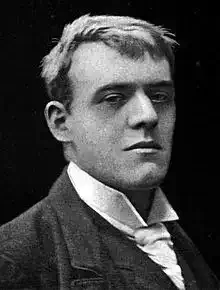
Hilaire Belloc
To A Rhinoceros
Rhinoceros, your hide looks all undone,
You do not take my fancy in the least:
You have a horn where other brutes have none:
Rhinoceros, you are an ugly beast.
You do not take my fancy in the least:
You have a horn where other brutes have none:
Rhinoceros, you are an ugly beast.
345
Hilaire Belloc
The Yak
As a friend to the children commend me the Yak.
You will find it exactly the thing:
It will carry and fetch, you can ride on its back,
Or lead it about with a string.
The Tartar who dwells on the plains of Thibet
(A desolate region of snow)
Has for centuries made it a nursery pet.
And surely the Tartar should know!
Then tell your papa where the Yak can be got,
And if he is awfully rich
He will buy you the creature - or else he will not.
(I cannot be positive which.)
346

John Clare
The Shepherd's Calendar - October
Nature now spreads around in dreary hue
A pall to cover all that summer knew
Yet in the poets solitary way
Some pleasing objects for his praise delay
Somthing that makes him pause and turn again
As every trifle will his eye detain
The free horse rustling through the stubble land
And bawling herd boy with his motly band
Of hogs and sheep and cows who feed their fill
Oer cleard fields rambling where so ere they will
The geese flock gabbling in the splashy fields
And quaking ducks in pondweeds half conseald
Or seeking worms along the homclose sward
Right glad of freedom from the prison yard
While every cart rut dribbles its low tide
And every hollow splashing sports provide
The hedger stopping gaps wi pointed bough
Made by intruding horse and blundering cow
The milk maid tripping on her morning way
And fodderers oft tho early cutting hay
Dropping the littering forkfulls from his back
Side where the thorn fence circles round the stack
The cotter journying wi his noisev swine
Along the wood side where the brambles twine
Shaking from dinted cups the acorns brown
And from the hedges red awes dashing down
And nutters rustling in the yellow woods
Scaring from their snug lairs the pheasant broods
And squirrels secret toils oer winter dreams
Picking the brown nuts from the yellow beams
And hunters from the thickets avenue
In scarlet jackets startling on the view
Skiming a moment oer the russet plain
Then hiding in the colord woods again
The ploping guns sharp momentary shock
Which eccho bustles from her cave to mock
The sticking groups in many a ragged set
Brushing the woods their harmless loads to get
And gipseys camps in some snug shelterd nook
Where old lane hedges like the pasture brook
Run crooking as they will by wood and dell
In such lone spots these wild wood roamers dwell
On commons where no farmers claims appear
Nor tyrant justice rides to interfere
Such the abodes neath hedge or spreading oak
And but discovered by its curling smoak
Puffing and peeping up as wills the breeze
Between the branches of the colord trees
Such are the pictures that october yields
To please the poet as he walks the fields
Oft dames in faded cloak of red or grey
Loiters along the mornings dripping way
Wi wicker basket on their witherd arms
Searching the hedges of home close or farms
Where brashy elder trees to autum fade
Each cotters mossy hut and garden shade
Whose glossy berrys picturesquly weaves
Their swathy bunches mid the yellow leaves
Where the pert sparrow stains his little bill
And tutling robin picks his meals at will
Black ripening to the wan suns misty ray
Here the industrious huswives wend their way
Pulling the brittle branches carefull down
And hawking loads of berrys to the town
Wi unpretending skill yet half divine
To press and make their eldern berry wine
That bottld up becomes a rousing charm
To kindle winters icy bosom warm
That wi its merry partner nut brown beer
Makes up the peasants christmass keeping cheer
While nature like fair woman in decay
Which pale consumption hourly wastes away
Upon her waining features pale and chill
Wears dreams of beauty that seem lovely still
Among the heath furze still delights to dwell
Quaking as if with cold the harvest bell
The mushroom buttons each moist morning brings
Like spots of snow in the green tawney rings
And fuzz balls swelld like bladders in the grass
Which oft the merry laughing milking lass
Will stoop to gather in her sportive airs
And slive in mimickd fondness unawares
To smut the brown cheek of the teazing swain
Wi the black powder which their balls contain
Who feigns offence at first that love may speed
Then charms a kiss to recompence the deed
The flying clouds urged on in swiftest pace
Like living things as if they runned a race
The winds that oer each coming tempest broods
Waking like spirits in their startling moods
Fluttering the sear leaves on the blasting lea
That litters under every fading tree
And pausing oft as falls the pattering rain
Then gathering strength and twirling them again
The startld stockdove hurried wizzing bye
As the still hawk hangs oer him in the sky
Crows from the oak trees qawking as they spring
Dashing the acorns down wi beating wing
Waking the woodlands sleep in noises low
Pattring on crimpt brakes withering brown below
While from their hollow nest the squirrels (pop)
Adown the tree to pick them as they drop
The starnel crowds that dim the muddy light
The crows and jackdaws flapping home at night
And puddock circling round its lazy flight
Round the wild sweeing wood in motion slow
Before it perches on the oaks below
And hugh black beetles revelling alone
In the dull evening with their heavy drone
Buzzing from barn door straw and hovel sides
Where fodderd cattle from the night abides
These pictures linger thro the shortning day
And cheer the lone bards mellancholy way
And now and then a solitary boy
Journeying and muttering oer his dreams of joy
346

Robert Browning
The Glove
(PETER RONSARD _loquitur_.)
``Heigho!'' yawned one day King Francis,
``Distance all value enhances!
``When a man's busy, why, leisure
``Strikes him as wonderful pleasure:
`` 'Faith, and at leisure once is he?
``Straightway he wants to be busy.
``Here we've got peace; and aghast I'm
``Caught thinking war the true pastime.
``Is there a reason in metre?
``Give us your speech, master Peter!''
I who, if mortal dare say so,
Ne'er am at loss with my Naso,
``Sire,'' I replied, ``joys prove cloudlets:
``Men are the merest Ixions''---
Here the King whistled aloud, ``Let's
``---Heigho---go look at our lions!''
Such are the sorrowful chances
If you talk fine to King Francis.
And so, to the courtyard proceeding,
Our company, Francis was leading,
Increased by new followers tenfold
Before be arrived at the penfold;
Lords, ladies, like clouds which bedizen
At sunset the western horizon.
And Sir De Lorge pressed 'mid the foremost
With the dame he professed to adore most.
Oh, what a face! One by fits eyed
Her, and the horrible pitside;
For the penfold surrounded a hollow
Which led where the eye scarce dared follow,
And shelved to the chamber secluded
Where Bluebeard, the great lion, brooded.
The King bailed his keeper, an Arab
As glossy and black as a scarab,*
And bade him make sport and at once stir
Up and out of his den the old monster.
They opened a hole in the wire-work
Across it, and dropped there a firework,
And fled: one's heart's beating redoubled;
A pause, while the pit's mouth was troubled,
The blackness and silence so utter,
By the firework's slow sparkling and sputter;
Then earth in a sudden contortion
Gave out to our gaze her abortion.
Such a brute! Were I friend Clement Marot
(Whose experience of nature's but narrow,
And whose faculties move in no small mist
When he versifies David the Psalmist)
I should study that brute to describe you
_Illim Juda Leonem de Tribu_.
One's whole blood grew curdling and creepy
To see the black mane, vast and heapy,
The tail in the air stiff and straining,
The wide eyes, nor waxing nor waning,
As over the barrier which bounded
His platform, and us who surrounded
The barrier, they reached and they rested
On space that might stand him in best stead:
For who knew, he thought, what the amazement,
The eruption of clatter and blaze meant,
And if, in this minute of wonder,
No outlet, 'mid lightning and thunder,
Lay broad, and, his shackles all shivered,
The lion at last was delivered?
Ay, that was the open sky o'erhead!
And you saw by the flash on his forehead,
By the hope in those eyes wide and steady,
He was leagues in the desert already,
Driving the flocks up the mountain,
Or catlike couched hard by the fountain
To waylay the date-gathering negress:
So guarded he entrance or egress.
``How he stands!'' quoth the King: ``we may well swear,
(``No novice, we've won our spurs elsewhere
``And so can afford the confession,)
``We exercise wholesome discretion
``In keeping aloof from his threshold;
``Once hold you, those jaws want no fresh hold,
``Their first would too pleasantly purloin
``The visitor's brisket or surloin:
``But who's he would prove so fool-hardy?
``Not the best man of Marignan, pardie!''
The sentence no sooner was uttered,
Than over the rails a glove flattered,
Fell close to the lion, and rested:
The dame 'twas, who flung it and jested
With life so, De Lorge had been wooing
For months past; he sat there pursuing
His suit, weighing out with nonchalance
Fine speeches like gold from a balance.
Sound the trumpet, no true knight's a tarrier!
De Lorge made one leap at the barrier,
Walked straight to the glove,---while the lion
Neer moved, kept his far-reaching eye on
The palm-tree-edged desert-spring's sapphire,
And the musky oiled skin of the Kaffir,---
Picked it up, and as calmly retreated,
Leaped back where the lady was seated,
And full in the face of its owner
Flung the glove.
``Your heart's queen, you dethrone her?
``So should I!''---cried the King---``'twas mere vanity,
``Not love, set that task to humanity!''
Lords and ladies alike turned with loathing
From such a proved wolf in sheep's clothing.
Not so, I; for I caught an expression
In her brow's undisturbed self-possession
Amid the Court's scoffing and merriment,---
As if from no pleasing experiment
She rose, yet of pain not much heedful
So long as the process was needful,---
As if she had tried in a crucible,
To what ``speeches like gold'' were reducible,
And, finding the finest prove copper,
Felt the smoke in her face was but proper;
To know what she had _not_ to trust to,
Was worth all the ashes and dust too.
She went out 'mid hooting and laughter;
Clement Marot stayed; I followed after,
And asked, as a grace, what it all meant?
If she wished not the rash deed's recalment?
``For I''---so I spoke---``am a poet:
``Human nature,---behoves that I know it!''
She told me, ``Too long had I heard
``Of the deed proved alone by the word:
``For my love---what De Lorge would not dare!
``With my scorn---what De Lorge could compare!
``And the endless descriptions of death
``He would brave when my lip formed a breath,
``I must reckon as braved, or, of course,
``Doubt his word---and moreover, perforce,
``For such gifts as no lady could spurn,
``Must offer my love in return.
``When I looked on your lion, it brought
``All the dangers at once to my thought,
``Encountered by all sorts of men,
``Before he was lodged in his den,---
``From the poor slave whose club or bare hands
``Dug the trap, set the snare on the sands,
``With no King and no Court to applaud,
``By no shame, should he shrink, overawed,
``Yet to capture the creature made shift,
``That his rude boys might laugh at the gift,
``---To the page who last leaped o'er the fence
``Of the pit, on no greater pretence
``Than to get back the bonnet he dropped,
``Lest his pay for a week should be stopped.
``So, wiser I judged it to make
``One trial what `death for my sake'
``Really meant, while the power was yet mine,
``Than to wait until time should define
``Such a phrase not so simply as I,
``Who took it to mean just `to die.'
``The blow a glove gives is but weak:
``Does the mark yet discolour my cheek?
``But when the heart suffers a blow,
``Will the pain pass so soon, do you know?''
I looked, as away she was sweeping,
And saw a youth eagerly keeping
As close as he dared to the doorway.
No doubt that a noble should more weigh
His life than befits a plebeian;
And yet, had our brute been Nemean---
(I judge by a certain calm fervour
The youth stepped with, forward to serve her)
---He'd have scarce thought you did him the worst turn
If you whispered ``Friend, what you'd get, first earn!''
And when, shortly after, she carried
Her shame from the Court, and they married,
To that marriage some happiness, maugre
The voice of the Court, I dared augur.
For De Lorge, he made women with men vie,
Those in wonder and praise, these in envy;
And in short stood so plain a head taller
That he wooed and won ... how do you call her?
The beauty, that rose in the sequel
To the King's love, who loved her a week well.
And 'twas noticed he never would honour
De Lorge (who looked daggers upon her)
With the easy commission of stretching
His legs in the service, and fetching
His wife, from her chamber, those straying
Sad gloves she was always mislaying,
While the King took the closet to chat in,---
But of course this adventure came pat in.
And never the King told the story,
How bringing a glove brought such glory,
But the wife smiled---``His nerves are grown firmer:
``Mine he brings now and utters no murmur.''
_Venienti occurrite morbo!_
With which moral I drop my theorbo.
* A beetle.
346
Carl Sandburg
The Year
I
A storm of white petals,
Buds throwing open baby fists
Into hands of broad flowers.
II
Red roses running upward,
Clambering to the clutches of life
Soaked in crimson.
III
Rabbles of tattered leaves
Holding golden flimsy hopes
Against the tramplings
Into the pits and gullies.
IV
Hoarfrost and silence:
Only the muffling
Of winds dark and lonesome--
Great lullabies to the long sleepers.
345