
Soul
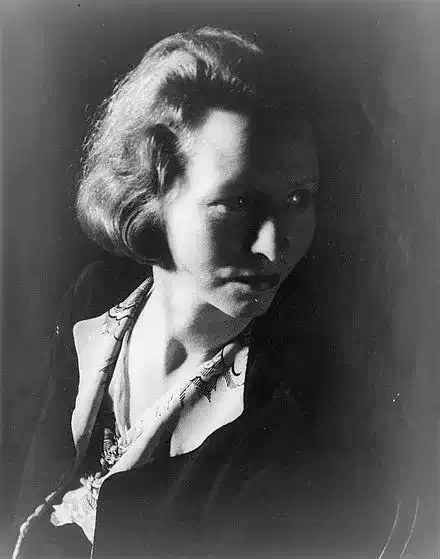
Edna St. Vincent Millay
Sonnets 02: Into The Golden Vessel Of Great Song
Into the golden vessel of great song
Let us pour all our passion; breast to breast
Let other lovers lie, in love and rest;
Not we,—articulate, so, but with the tongue
Of all the world: the churning blood, the long
Shuddering quiet, the desperate hot palms pressed
Sharply together upon the escaping guest,
The common soul, unguarded, and grown strong.
Longing alone is singer to the lute;
Let still on nettles in the open sigh
The minstrel, that in slumber is as mute
As any man, and love be far and high,
That else forsakes the topmost branch, a fruit
Found on the ground by every passer-by.
Read more →
242

Henry Wadsworth Longfellow
The Good Shepherd (From The Spanish Of Lope De Vega)
Shepherd! who with thine amorous sylvan songs
Hast broken the slumber that encompassed me,
Who mad'st thy crook from the accursed tree,
On which thy powerful arms were stretched so long!
Lead me to mercy's ever-flowing fountains;
For thou my shepherd, guard, and guide shalt be ;
I will obey thy voice, and wait to see
Thy feet all beautiful upon the mountains.
Hear, Shepherd! thou who for thy flock art dying,
Oh, wash away these scarlet sins, for thou
Rejoicest at the contrite sinner's vow.
Oh, wait! to thee my weary soul is crying,
Wait for me! Yet why ask it, when I see,
With feet nailed to the cross, thou'rt waiting still for me?
Read more →
243
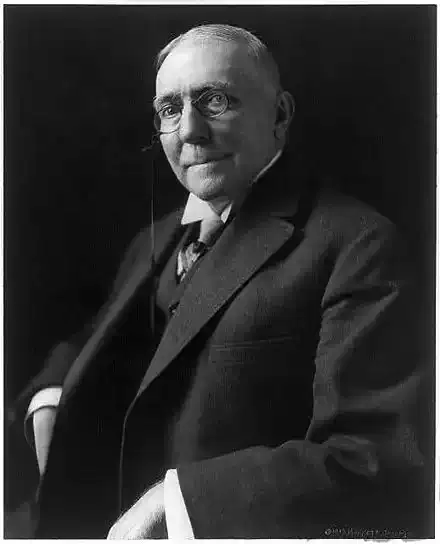
James Whitcomb Riley
Orlie Wilde
A goddess, with a siren's grace,--
A sun-haired girl on a craggy place
Above a bay where fish-boats lay
Drifting about like birds of prey.
Wrought was she of a painter's dream,--
Wise only as are artists wise,
My artist-friend, Rolf Herschkelhiem,
With deep sad eyes of oversize,
And face of melancholy guise.
I pressed him that he tell to me
This masterpiece's history.
He turned--REturned--and thus beguiled
Me with the tale of Orlie Wilde:-
"We artists live ideally:
We breed our firmest facts of air;
We make our own reality--
We dream a thing and it is so.
The fairest scenes we ever see
Are mirages of memory;
The sweetest thoughts we ever know
We plagiarize from Long Ago:
And as the girl on canvas there
Is marvelously rare and fair,
'Tis only inasmuch as she
Is dumb and may not speak to me!"
He tapped me with his mahlstick--then
The picture,--and went on again:
"Orlie Wilde, the fisher's child--
I see her yet, as fair and mild
As ever nursling summer day
Dreamed on the bosom of the bay:
For I was twenty then, and went
Alone and long-haired--all content
With promises of sounding name
And fantasies of future fame,
And thoughts that now my mind discards
As editor a fledgling bard's.
"At evening once I chanced to go,
With pencil and portfolio,
Adown the street of silver sand
That winds beneath this craggy land,
To make a sketch of some old scurf
Of driftage, nosing through the surf
A splintered mast, with knarl and strand
Of rigging-rope and tattered threads
Of flag and streamer and of sail
That fluttered idly in the gale
Or whipped themselves to sadder shreds.
The while I wrought, half listlessly,
On my dismantled subject, came
A sea-bird, settling on the same
With plaintive moan, as though that he
Had lost his mate upon the sea;
And--with my melancholy trend--
It brought dim dreams half understood--
It wrought upon my morbid mood,--
I thought of my own voyagings
That had no end--that have no end.--
And, like the sea-bird, I made moan
That I was loveless and alone.
And when at last with weary wings
It went upon its wanderings,
With upturned face I watched its flight
Until this picture met my sight:
A goddess, with a siren's grace,--
A sun-haired girl on a craggy place
Above a bay where fish-boats lay
Drifting about like birds of prey.
"In airy poise she, gazing, stood
A machless form of womanhood,
That brought a thought that if for me
Such eyes had sought across the sea,
I could have swum the widest tide
That ever mariner defied,
And, at the shore, could on have gone
To that high crag she stood upon,
To there entreat and say, 'My Sweet,
Behold thy servant at thy feet.'
And to my soul I said: 'Above,
There stands the idol of thy love!'
"In this rapt, awed, ecstatic state
I gazed--till lo! I was aware
A fisherman had joined her there--
A weary man, with halting gait,
Who toiled beneath a basket's weight:
Her father, as I guessed, for she
Had run to meet him gleefully
And ta'en his burden to herself,
That perched upon her shoulder's shelf
So lightly that she, tripping, neared
A jutting crag and disappeared;
But she left the echo of a song
That thrills me yet, and will as long
As I have being! . . .
. . . "Evenings came
And went,--but each the same--the same:
She watched above, and even so
I stood there watching from below;
Till, grown so bold at last, I sung,-(
What matter now the theme thereof!)--
It brought an answer from her tongue--
Faint as the murmur of a dove,
Yet all the more the song of love. . . .
"I turned and looked upon the bay,
With palm to forehead--eyes a-blur
In the sea's smile--meant but for her!--
I saw the fish-boats far away
In misty distance, lightly drawn
In chalk-dots on the horizon--
Looked back at her, long, wistfully;--
And, pushing off an empty skiff,
I beckoned her to quit the cliff
And yield me her rare company
Upon a little pleasure-cruise.--
She stood, as loathful to refuse,
To muse for full a moment's time,--
Then answered back in pantomime
'She feared some danger from the sea
Were she discovered thus with me.'
I motioned then to ask her if
I might not join her on the cliff
And back again, with graceful wave
Of lifted arm, she anwer gave
'She feared some danger from the sea.'
"Impatient, piqued, impetuous, I
Sprang in the boat, and flung 'Good-by'
From pouted mouth with angry hand,
And madly pulled away from land
With lusty stroke, despite that she
Held out her hands entreatingly:
And when far out, with covert eye
I shoreward glanced, I saw her fly
In reckless haste adown the crag,
Her hair a-flutter like a flag
Of gold that danced across the strand
In little mists of silver sand.
All curious I, pausing, tried
To fancy what it all implied,--
When suddenly I found my feet
Were wet; and, underneath the seat
On which I sat, I heard the sound
Of gurgling waters, and I found
The boat aleak alarmingly. . . .
I turned and looked upon the sea,
Whose every wave seemed mocking me;
I saw the fishers' sails once more--
In dimmer distance than before;
I saw the sea-bird wheeling by,
With foolish wish that _I_ could fly:
I thought of firm earth, home and friends--
I thought of everything that tends
To drive a man to frenzy and
To wholly lose his own command;
I thought of all my waywardness--
Thought of a mother's deep distress;
Of youthful follies yet unpurged--
Sins, as the seas, about me surged--
Thought of the printer's ready pen
To-morrow drowning me again;--
A million things without a name--
I thought of everything but--Fame. . . .
"A memory yet is in my mind,
So keenly clear and sharp-defined,
I picture every phase and line
Of life and death, and neither mine,--
While some fair seraph, golden-haired,
Bends over me,--with white arms bared,
That strongly plait themselves about
My drowning weight and lift me out--
With joy too great for words to state
Or tongue to dare articulate!
"And this seraphic ocean-child
And heroine was Orlie Wilde:
And thus it was I came to hear
Her voice's music in my ear--
Ay, thus it was Fate paved the way
That I walk desolate to-day!" . . .
The artist paused and bowed his face
Within his palms a little space,
While reverently on his form
I bent my gaze and marked a storm
That shook his frame as wrathfully
As some typhoon of agony,
And fraught with sobs--the more profound
For that peculiar laughing sound
We hear when strong men weep. . . . I leant
With warmest sympathy--I bent
To stroke with soothing hand his brow,
He murmuring--"Tis over now!--
And shall I tie the silken thread
Of my frail romance?" "Yes," I said.--
He faintly smiled; and then, with brow
In kneading palm, as one in dread-
His tasseled cap pushed from his head
" 'Her voice's music,' I repeat,"
He said,--" 'twas sweet--O passing sweet!--
Though she herself, in uttering
Its melody, proved not the thing
Of loveliness my dreams made meet
For me--there, yearning, at her feet--
Prone at her feet--a worshiper,--
For lo! she spake a tongue," moaned he,
"Unknown to me;--unknown to me
As mine to her--as mine to her."
Read more →
242

Phillis Wheatley
To Maecenas
MAECENAS, you, beneath the myrtle shade,
Read o'er what poets sung, and shepherds play'd.
What felt those poets but you feel the same?
Does not your soul possess the sacred flame?
Their noble strains your equal genius shares
In softer language, and diviner airs.
While Homer paints, lo! circumfus'd in air,
Celestial Gods in mortal forms appear;
Swift as they move hear each recess rebound,
Heav'n quakes, earth trembles, and the shores resound.
Great Sire of verse, before my mortal eyes,
The lightnings blaze across the vaulted skies,
And, as the thunder shakes the heav'nly plains,
A deep felt horror thrills through all my veins.
When gentler strains demand thy graceful song,
The length'ning line moves languishing along.
When great Patroclus courts Achilles' aid,
The grateful tribute of my tears is paid;
Prone on the shore he feels the pangs of love,
And stern Pelides tend'rest passions move.
Great Maro's strain in heav'nly numbers flows,
The Nine inspire, and all the bosom glows.
O could I rival thine and Virgil's page,
Or claim the Muses with the Mantuan Sage;
Soon the same beauties should my mind adorn,
And the same ardors in my soul should burn:
Then should my song in bolder notes arise,
And all my numbers pleasingly surprise;
But here I sit, and mourn a grov'ling mind,
That fain would mount, and ride upon the wind.
Not you, my friend, these plaintive strains become,
Not you, whose bosom is the Muses home;
When they from tow'ring Helicon retire,
They fan in you the bright immortal fire,
But I less happy, cannot raise the song,
The fault'ring music dies upon my tongue.
The happier Terence* all the choir inspir'd,
His soul replenish'd, and his bosom fir'd;
But say, ye Muses, why this partial grace,
To one alone of Afric's sable race;
From age to age transmitting thus his name
With the finest glory in the rolls of fame?
Thy virtues, great Maecenas! shall be sung
In praise of him, from whom those virtues sprung:
While blooming wreaths around thy temples spread,
I'll snatch a laurel from thine honour'd head,
While you indulgent smile upon the deed.
*He was an African by birth.
As long as Thames in streams majestic flows,
Or Naiads in their oozy beds repose
While Phoebus reigns above the starry train
While bright Aurora purples o'er the main,
So long, great Sir, the muse thy praise shall sing,
So long thy praise shal' make Parnassus ring:
Then grant, Maecenas, thy paternal rays,
Hear me propitious, and defend my lays.
Read more →
242

Christina Rossetti
After This The Judgement
As eager homebound traveller to the goal,
Or steadfast seeker on an unsearched main,
Or martyr panting for an aureole,
My fellow-pilgrims pass me, and attain
That hidden mansion of perpetual peace
Where keen desire and hope dwell free from pain:
That gate stands open of perennial ease;
I view the glory till I partly long,
Yet lack the fire of love which quickens these.
O passing Angel, speed me with a song,
A melody of heaven to reach my heart
And rouse me to the race and make me strong;
Till in such music I take up my part
Swelling those Hallelujahs full of rest,
One, tenfold, hundredfold, with heavenly art,
Fulfilling north and south and east and west,
Thousand, ten thousandfold, innumerable,
All blent in one yet each one manifest;
Each one distinguished and beloved as well
As if no second voice in earth or heaven
Were lifted up the Love of God to tell.
Ah, Love of God, which Thine own Self hast given
To me most poor, and made me rich in love,
Love that dost pass the tenfold seven times seven,
Draw Thou mine eyes, draw Thou my heart above,
My treasure ad my heart store Thou in Thee,
Brood over me with yearnings of a dove;
Be Husband, Brother, closest Friend to me;
Love me as very mother loves her son,
Her sucking firstborn fondled on her knee:
Yea, more than mother loves her little one;
For, earthly, even a mother may forget
And feel no pity for its piteous moan;
But thou, O Love of God, remember yet,
Through the dry desert, through the waterflood
(Life, death) until the Great White Throne is set.
If now I am sick in chewing the bitter cud
Of sweet past sin, though solaced by Thy grace
And ofttimes strengthened by Thy Flesh and Blood,
How shall I then stand up before Thy face
When from Thine eyes repentance shall be hid
And utmost Justice stand in Mercy's place:
When every sin I thought or spoke or did
Shall meet me at the inexorable bar,
And there be no man standing in the mid
To plead for me; while star fallen after star
With heaven and earth are like a ripened shock,
And all time's mighty works and wonders are
Consumed as in a moment; when no rock
Remains to fall on me, no tree to hide,
But I stand all creation's gazing-stock
Exposed and comfortless on every side,
Placed trembling in the final balances
Whose poise this hour, this moment, must be tried?—
Ah Love of God, if greater love than this
Hath no man, that a man die for his friend,
And if such love of love Thine Own Love is,
Plead with Thyself, with me, before the end;
Redeem me from the irrevocable past;
Pitch Thou Thy Presence round me to defend;
Yea seek with pierced feet, yea hold me fast
With pierced hands whose wounds were made by love;
Not what I am, remember what Thou wast
When darkness hid from Thee Thy heavens above,
And sin Thy Father's Face, while thou didst drink
The bitter cup of death, didst taste thereof
For every man; while Thou wast nigh to sink
Beneath the intense intolerable rod,
Grown sick of love; not what I am, but think
Thy Life then ransomed mine, my God, my God.
Read more →
242

Henry Lawson
The Spirits for Good
We come with peace and reason,
We come with love and light,
To banish black self-treason
And everlasting night.
We know no god nor devil,
We neither drive nor lead—
We come to banish evil
In thought as well as deed.
And this our grandest mission,
And this our purest worth;
To banish superstition,
The blackest curse on earth.
We come to pass no sentence,
For ours is not the power—
The coward’s vain repentance
But wastes the waiting hour.
’Tis not for us to lengthen
The years of wasted lives;
We come to help and strengthen
The goodness that survives.
We promise nought hereafter,
We cannot conquer pain,
But work, and rest, and laughter,
Will soothe the tortured brain.
That which is lost, we cannot
Restore to any one—
But Truth and Right must triumph,
And Justice must be done!
We come in many guises;
But every one is plain
To each pure thought that rises
Again and yet again.
We are ourselves and human,
And ours our destiny;
The souls of Man and Woman
Divorced by Vanity.
Read more →
242

Emily Dickinson
There is a Languor of the Life
There is a Languor of the Life
More imminent than Pain'
Tis Pain's Successor-When the Soul
Has suffered all it can-
A Drowsiness-diffuses-
A Dimness like a Fog
Envelops Consciousness-
As Mists-obliterate a Crag.
The Surgeon-does not blanch-at pain
His Habit-is severe-
But tell him that it ceased to feel-
The Creature lying there-
And he will tell you-skill is late-
A Mightier than He-
Has ministered before HimThere's
no Vitality.
Read more →
242

George Herbert
The Altar
A broken ALTAR, Lord, thy servant rears,
Made of a heart and cemented with tears;
Whose parts are as thy hand did frame;
No workman's tool hath touch'd the same.
A HEART alone
Is such a stone,
As nothing but
Thy pow'r doth cut.
Wherefore each part
Of my hard heart
Meets in this frame
To praise thy name.
That if I chance to hold my peace,
These stones to praise thee may not cease.
Oh, let thy blessed SACRIFICE be mine,
And sanctify this ALTAR to be thine.
Read more →
240

Robert W. Service
Dreams
I had a dream, a dream of dread:
I thought that horror held the house;
A burglar bent above my bed,
He moved as quiet as a mouse.
With hairy hand and naked knife
He poised to plunge a bloody stroke,
Until despairful of my life
I shrieked with terror - and awoke.
I had a dream of weary woes:
In weather that was fit to freeze,
I thought that I had lost my cloths,
And only wore a short chemise.
The wind was wild; so catch a train
I ran, but no advance did make;
My legs were pistoning in vain -
How I was happy to awake!
I had a dream: Upon the stair
I met a maid who kissed my lips;
A nightie was her only wear,
We almost came to loving grips.
And then she opened wide a door,
And pointed to a bonny bed . . .
Oh blast! I wakened up before
I could discover - were we wed?
Alas! Those dreams of broken bliss,
Of wakenings too sadly soon!
With memories of sticky kiss,
And limbs so languidly a-swoon!
Alas those nightmares devil driven!
Those pantless prowlings in Pall Mall!
Oh why should some dreams be like heaven
And others so resemble hell?
Read more →
241
James Whitcomb Riley
Knee-Deep in June
Tell you what I like the best -'
Long about knee-deep in June,
'Bout the time strawberries melts
On the vine, -- some afternoon
Like to jes' git out and rest,
And not work at nothin' else!
Orchard's where I'd ruther be -Needn't
fence it in fer me! --
Jes' the whole sky overhead,
And the whole airth underneath --
Sort o' so's a man kin breathe
Like he ort, and kind o' has
Elbow-room to keerlessly
Sprawl out len'thways on the grass
Where the shadders thick and soft
As the kivvers on the bed
Mother fixes in the loft
Allus, when they's company!
Jes' a-sort o' lazin there S'lazy,
'at you peek and peer
Through the wavin' leaves above,
Like a feller 'ats in love
And don't know it, ner don't keer!
Ever'thing you hear and see
Got some sort o' interest -
Maybe find a bluebird's nest
Tucked up there conveenently
Fer the boy 'at's ap' to be
Up some other apple tree!
Watch the swallers skootin' past
Bout as peert as you could ast;
Er the Bob-white raise and whiz
Where some other's whistle is.
Ketch a shadder down below,
And look up to find the crow --
Er a hawk, - away up there,
'Pearantly froze in the air! --
Hear the old hen squawk, and squat
Over ever' chick she's got,
Suddent-like! - and she knows where
That-air hawk is, well as you! --
You jes' bet yer life she do! --
Eyes a-glitterin' like glass,
Waitin' till he makes a pass!
Pee-wees wingin', to express
My opinion, 's second-class,
Yit you'll hear 'em more er less;
Sapsucks gittin' down to biz,
Weedin' out the lonesomeness;
Mr. Bluejay, full o' sass,
In them baseball clothes o' his,
Sportin' round the orchad jes'
Like he owned the premises!
Sun out in the fields kin sizz,
But flat on yer back, I guess,
In the shade's where glory is!
That's jes' what I'd like to do
Stiddy fer a year er two!
Plague! Ef they ain't somepin' in
Work 'at kind o' goes ag'in'
My convictions! - 'long about
Here in June especially! --
Under some ole apple tree,
Jes' a-restin through and through,
I could git along without
Nothin' else at all to do
Only jes' a-wishin' you
Wuz a-gittin' there like me,
And June wuz eternity!
Lay out there and try to see
Jes' how lazy you kin be! --
Tumble round and souse yer head
In the clover-bloom, er pull
Yer straw hat acrost yer eyes
And peek through it at the skies,
Thinkin' of old chums 'ats dead,
Maybe, smilin' back at you
In betwixt the beautiful
Clouds o'gold and white and blue! --
Month a man kin railly love --
June, you know, I'm talkin' of!
March ain't never nothin' new! -April's
altogether too
Brash fer me! and May -- I jes'
'Bominate its promises, --
Little hints o' sunshine and
Green around the timber-land --
A few blossoms, and a few
Chip-birds, and a sprout er two, --
Drap asleep, and it turns in
Fore daylight and snows ag'in! --
But when June comes - Clear my th'oat
With wild honey! -- Rench my hair
In the dew! And hold my coat!
Whoop out loud! And th'ow my hat! --
June wants me, and I'm to spare!
Spread them shadders anywhere,
I'll get down and waller there,
And obleeged to you at that!
Read more →
241
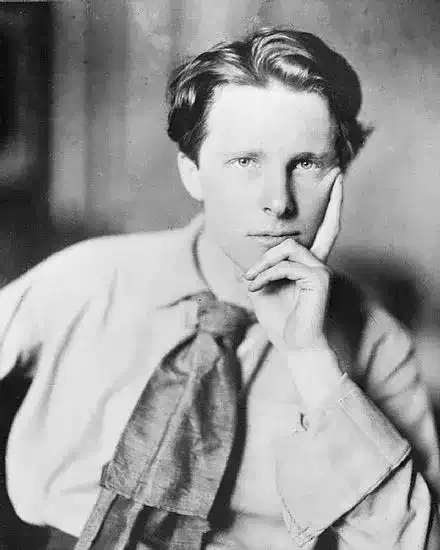
Rupert Brooke
Paralysis
For moveless limbs no pity I crave,
That never were swift! Still all I prize,
Laughter and thought and friends, I have;
No fool to heave luxurious sighs
For the woods and hills that I never knew.
The more excellent way's yet mine! And you
Flower-laden come to the clean white cell,
And we talk as ever -- am I not the same?
With our hearts we love, immutable,
You without pity, I without shame.
We talk as of old; as of old you go
Out under the sky, and laughing, I know,
Flit through the streets, your heart all me;
Till you gain the world beyond the town.
Then -- I fade from your heart, quietly;
And your fleet steps quicken. The strong down
Smiles you welcome there; the woods that love you
Close lovely and conquering arms above you.
O ever-moving, O lithe and free!
Fast in my linen prison I press
On impassable bars, or emptily
Laugh in my great loneliness.
And still in the white neat bed I strive
Most impotently against that gyve;
Being less now than a thought, even,
To you alone with your hills and heaven.
Read more →
242
Robert W. Service
The Rhyme Of The Restless Ones
We couldn't sit and study for the law;
The stagnation of a bank we couldn't stand;
For our riot blood was surging, and we didn't need much urging
To excitements and excesses that are banned.
So we took to wine and drink and other things,
And the devil in us struggled to be free;
Till our friends rose up in wrath, and they pointed out the path,
And they paid our debts and packed us o'er the sea.
Oh, they shook us off and shipped us o'er the foam,
To the larger lands that lure a man to roam;
And we took the chance they gave
Of a far and foreign grave,
And we bade good-by for evermore to home.
And some of us are climbing on the peak,
And some of us are camping on the plain;
By pine and palm you'll find us, with never claim to bind us,
By track and trail you'll meet us once again.
We are the fated serfs to freedom -- sky and sea;
We have failed where slummy cities overflow;
But the stranger ways of earth know our pride and know our worth,
And we go into the dark as fighters go.
Yes, we go into the night as brave men go,
Though our faces they be often streaked with woe;
Yet we're hard as cats to kill,
And our hearts are reckless still,
And we've danced with death a dozen times or so.
And you'll find us in Alaska after gold,
And you'll find us herding cattle in the South.
We like strong drink and fun, and, when the race is run,
We often die with curses in our mouth.
We are wild as colts unbroke, but never mean.
Of our sins we've shoulders broad to bear the blame;
But we'll never stay in town and we'll never settle down,
And we'll never have an object or an aim.
No, there's that in us that time can never tame;
And life will always seem a careless game;
And they'd better far forget -Those
who say they love us yet --
Forget, blot out with bitterness our name.
Read more →
241

D.H. Lawrence
Discipline
It is stormy, and raindrops cling like silver bees to the pane,
The thin sycamores in the playground are swinging with flattened leaves;
The heads of the boys move dimly through a yellow gloom that stains
The class; over them all the dark net of my discipline weaves.
It is no good, dear, gentleness and forbearance, I endured too long:
I have pushed my hands in the dark soil, under the flower of my soul
And the gentle leaves, and have felt where the roots are strong
Fixed in the darkness, grappling for the deep soil’s little control.
And there is the dark, my darling, where the roots are entangled and fight
Each one for its hold on the oblivious darkness, I know that there
In the night where we first have being, before we rise on the light,
We are not brothers, my darling, we fight and we do not spare.
And in the original dark the roots cannot keep, cannot know
Any communion whatever, but they bind themselves on to the dark,
And drawing the darkness together, crush from it a twilight, a slow
Burning that breaks at last into leaves and a flower’s bright spark.
I came to the boys with love, my dear, but they turned on me;
I came with gentleness, with my heart ’twixt my hands like a bowl,
Like a loving-cup, like a grail, but they spilt it triumphantly
And tried to break the vessel, and to violate my soul.
But what have I to do with the boys, deep down in my soul, my love?
I throw from out of the darkness my self like a flower into sight,
Like a flower from out of the night-time, I lift my face, and those
Who will may warm their hands at me, comfort this night.
But whosoever would pluck apart my flowering shall burn their hands,
So flowers are tender folk, and roots can only hide,
Yet my flowerings of love are a fire, and the scarlet brands
Of my love are roses to look at, but flames to chide.
But comfort me, my love, now the fires are low,
Now I am broken to earth like a winter destroyed, and all
Myself but a knowledge of roots, of roots in the dark that throw
A net on the undersoil, which lies passive beneath their thrall.
But comfort me, for henceforth my love is yours alone,
To you alone will I offer the bowl, to you will I give
My essence only, but love me, and I will atone
To you for my general loving, atone as long as I live.
Read more →
241
Christina Rossetti
Advent
This Advent moon shines cold and clear,
These Advent nights are long;
Our lamps have burned year after year
And still their flame is strong.
'Watchman, what of the night?' we cry,
Heart-sick with hope deferred:
'No speaking signs are in the sky,'
Is still the watchman's word.
The Porter watches at the gate,
The servants watch within;
The watch is long betimes and late,
The prize is slow to win.
'Watchman, what of the night?' But still
His answer sounds the same:
'No daybreak tops the utmost hill,
Nor pale our lamps of flame.'
One to another hear them speak
The patient virgins wise:
'Surely He is not far to seek'—
'All night we watch and rise.'
'The days are evil looking back,
The coming days are dim;
Yet count we not His promise slack,
But watch and wait for Him.'
One with another, soul with soul,
They kindle fire from fire:
'Friends watch us who have touched the goal.'
'They urge us, come up higher.'
'With them shall rest our waysore feet,
With them is built our home,
With Christ.'—'They sweet, but He most sweet,
Sweeter than honeycomb.'
There no more parting, no more pain,
The distant ones brought near,
The lost so long are found again,
Long lost but longer dear:
Eye hath not seen, ear hath not heard,
Nor heart conceived that rest,
With them our good things long deferred,
With Jesus Christ our Best.
We weep because the night is long,
We laugh for day shall rise,
We sing a slow contented song
And knock at Paradise.
Weeping we hold Him fast, Who wept
For us, we hold Him fast;
And will not let Him go except
He bless us first or last.
Weeping we hold Him fast to-night;
We will not let Him go
Till daybreak smite our wearied sight
And summer smite the snow:
Then figs shall bud, and dove with dove
Shall coo the livelong day;
Then He shall say, 'Arise, My love,
My fair one, come away.'
Read more →
241
Rupert Brooke
A Memory
(From a sonnet-sequence)
Somewhile before the dawn I rose, and stept
Softly along the dim way to your room,
And found you sleeping in the quiet gloom,
And holiness about you as you slept.
I knelt there; till your waking fingers crept
About my head, and held it. I had rest
Unhoped this side of Heaven, beneath your breast.
I knelt a long time, still; nor even wept.
It was great wrong you did me; and for gain
Of that poor moment’s kindliness, and ease,
And sleepy mother-comfort!
Child, you know
How easily love leaps out to dreams like these,
Who has seen them true. And love that’s wakened so
Takes all too long to lay asleep again.
Read more →
241

Anonymous
Ubi sunt qui ante nos fuerunt?
Were beth they that biforen us weren,
Houndes ladden and havekes beren,
And hadden feld and wode?
The riche levedies in hoere bour,
That wereden gold in hoere tressour,
With hoere brightte rode;
Eten and drounken, and maden hem glad;
Hoere lif was al with gamen i-lad,
Men kneleden hem biforen;
They beren hem wel swithe heye;
And in a twincling of an eye
Hoere soules weren forloren.
Were is that lawhing and that song,
That trayling and that proude gong,
Tho havekes and tho houndes?
Al that joye is went away,
That wele is comen to weylaway,
To manye harde stoundes.
Hoere paradis they nomen here,
And nou they lyen in helle i-fere;
The fuir hit brennes hevere:
Long is ay, and long is o,
Long is wy, and long is wo;
Thennes ne cometh they nevere.
Read more →
240
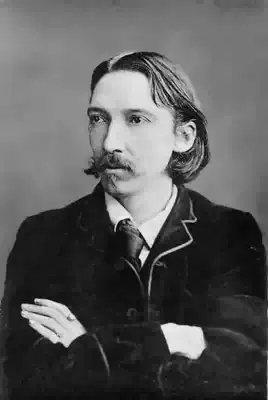
Robert Louis Stevenson
Variant Form Of The Preceding Poem
COME to me, all ye that labour; I will give your spirits rest;
Here apart in starry quiet I will give you rest.
Come to me, ye heavy laden, sin defiled and care opprest,
In your father's quiet mansions, soon to prove a welcome guest.
But an hour you bear your trial, sin and suffer, bleed and die;
But an hour you toil and combat here in day's inspiring eye.
See the feet of your deliverer; lo, the hour of freedom nigh.
Read more →
241
D.H. Lawrence
The Enkindled Spring
This spring as it comes bursts up in bonfires green,
Wild puffing of emerald trees, and flame-filled bushes,
Thorn-blossom lifting in wreaths of smoke between
Where the wood fumes up and the watery, flickering rushes.
I am amazed at this spring, this conflagration
Of green fires lit on the soil of the earth, this blaze
Of growing, and sparks that puff in wild gyration,
Faces of people streaming across my gaze.
And I, what fountain of fire am I among
This leaping combustion of spring? My spirit is tossed
About like a shadow buffeted in the throng
Of flames, a shadow that’s gone astray, and is lost.
Read more →
241
Emily Dickinson
A Weight with Needles on the pounds
A Weight with Needles on the pounds-
To push, and pierce, besides-
That if the Flesh resist the Heft-
The puncture-coolly tries-
That not a pore be overlooked
Of all this Compound Frame-
As manifold for Anguish-
As Species-be-for name-
Read more →
241

William Wordsworth
After-Thought
. I thought of Thee, my partner and my guide,
As being past away.--Vain sympathies!
For, backward, Duddon! as I cast my eyes,
I see what was, and is, and will abide;
Still glides the Stream, and shall for ever glide;
The Form remains, the Function never dies;
While we, the brave, the mighty, and the wise,
We Men, who in our morn of youth defied
The elements, must vanish;--be it so!
Enough, if something from our hands have power
To live, and act, and serve the future hour;
And if, as toward the silent tomb we go,
Through love, through hope, and faith's transcendent dower,
We feel that we are greater than we know.
Read more →
241
Christina Rossetti
Three Little Children
Three little children
On the wide wide earth,
Motherless children -
Cared for from their birth
By tender angels.
Three little children
On the wide wide sea,
Motherless children -
Safe as safe can be
With guardian angels.
Read more →
240
Emily Dickinson
A nearness to Tremendousness
A nearness to Tremendousness-
An Agony procures-
Affliction ranges Boundlessness-
Vicinity to Laws
Contentment's quiet Suburb-
Affliction cannot stay
In Acres-Its Location
Is Illocality-
Read more →
240
Robert W. Service
Rhyme For My Tomb
Here lyeth one
Who loved the sun;
Who lived with zest,
Whose work was done,
Reward, dear Lord,
Thy weary son:
May he be blest
With peace and rest,
Nor wake again,
Amen.
Read more →
241
Robert W. Service
Dark Trinity
Said I to Pain: "You would not dare
Do ill to me."
Said Pain: "Poor fool! Why should I care
Whom you may be?
To clown and king alike I bring
My meed of bane;
Why should you shirk my chastening?"
Said Pain.
Said I to Grief: "No tears have I,
Go on your way."
Said Grief: "Why should I pass you by,
While others pay?
All men must know the way of woe,
From saint to thief,
And tears were meant to overflow,"
Said Grief.
Said I to Death: "From ail and fret
Grant me relief."
Said Death: "I know you are beset
By Pain and Grief.
But my good will you must await
Since human breath
To suffering is consecrate,"
Said Death.
Said I to God: "Pale Sister Grief,
Bleak Brother Pain,
Bedevil me beyond belief,
And Death's unfain . . ."
Said God: "Curse not that blessed Three,
Poor human clod!
Have faith! Believe the One with Me,"
Said God.
Read more →
238