
Soul

William Shakespeare
Sonnet 69: Those parts of thee that the world's eye doth view
Those parts of thee that the world's eye doth view
Want nothing that the thought of hearts can mend;
All tongues, the voice of souls, give thee that due,
Utt'ring bare truth, even so as foes commend.
Thy outward thus with outward praise is crowned,
But those same tongues that give thee so thine own
In other accents do this praise confound
By seeing farther than the eye hath shown.
They look into the beauty of thy mind,
And that, in guess, they measure by thy deeds;
Then churls their thoughts, although their eyes were kind,
To thy fair flower add the rank smell of weeds.
But why thy odour matcheth not thy show,
The soil is this, that thou dost common grow.
Read more →
Want nothing that the thought of hearts can mend;
All tongues, the voice of souls, give thee that due,
Utt'ring bare truth, even so as foes commend.
Thy outward thus with outward praise is crowned,
But those same tongues that give thee so thine own
In other accents do this praise confound
By seeing farther than the eye hath shown.
They look into the beauty of thy mind,
And that, in guess, they measure by thy deeds;
Then churls their thoughts, although their eyes were kind,
To thy fair flower add the rank smell of weeds.
But why thy odour matcheth not thy show,
The soil is this, that thou dost common grow.
659

Rabindranath Tagore
Dungeon
He whom I enclose with my name is weeping in this dungeon.
I am ever busy building this wall all around; and as this wall goes up into
the sky day by day I lose sight of my true being in its dark shadow.
I take pride in this great wall, and I plaster it with dust and sand
lest a least hole should be left in this name;
and for all the care I take I lose sight of my true being.
Read more →
I am ever busy building this wall all around; and as this wall goes up into
the sky day by day I lose sight of my true being in its dark shadow.
I take pride in this great wall, and I plaster it with dust and sand
lest a least hole should be left in this name;
and for all the care I take I lose sight of my true being.
658
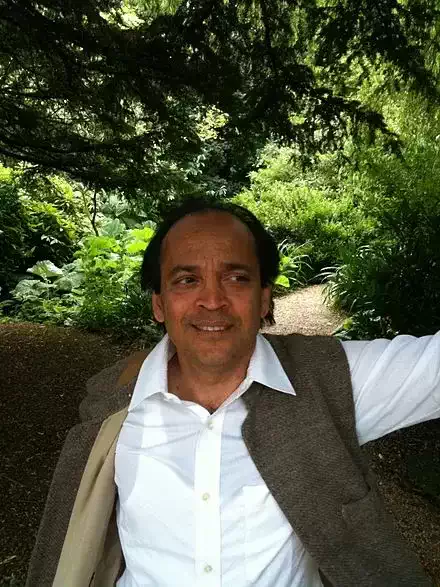
Vikram Seth
At Evening
Let me now sleep, let me not think, let me
Not ache with inconsistent tenderness.
It was untenable delight; we are free--
Separate, equal--and if loverless,
Love consumes time which is more dear than love,
More unreplicable. With everything
Thus posited, the choice was clear enough
And daylight ratified our reckoning.
Now only movement marks the birds from the pines;
Now it's dark; the blinded stars appear;
I am alone, you cannot read these lines
Who are with me when no one else is here,
Who are with me and cannot hear my voice
And take my hand and abrogate the choice.
Read more →
Not ache with inconsistent tenderness.
It was untenable delight; we are free--
Separate, equal--and if loverless,
Love consumes time which is more dear than love,
More unreplicable. With everything
Thus posited, the choice was clear enough
And daylight ratified our reckoning.
Now only movement marks the birds from the pines;
Now it's dark; the blinded stars appear;
I am alone, you cannot read these lines
Who are with me when no one else is here,
Who are with me and cannot hear my voice
And take my hand and abrogate the choice.
659

John Keats
Endymion: Book IV
Muse of my native land! loftiest Muse!
O first-born on the mountains! by the hues
Of heaven on the spiritual air begot:
Long didst thou sit alone in northern grot,
While yet our England was a wolfish den;
Before our forests heard the talk of men;
Before the first of Druids was a child;--
Long didst thou sit amid our regions wild
Rapt in a deep prophetic solitude.
There came an eastern voice of solemn mood:--
Yet wast thou patient. Then sang forth the Nine,
Apollo's garland:--yet didst thou divine
Such home-bred glory, that they cry'd in vain,
"Come hither, Sister of the Island!" Plain
Spake fair Ausonia; and once more she spake
A higher summons:--still didst thou betake
Thee to thy native hopes. O thou hast won
A full accomplishment! The thing is done,
Which undone, these our latter days had risen
On barren souls. Great Muse, thou know'st what prison
Of flesh and bone, curbs, and confines, and frets
Our spirit's wings: despondency besets
Our pillows; and the fresh to-morrow morn
Seems to give forth its light in very scorn
Of our dull, uninspired, snail-paced lives.
Long have I said, how happy he who shrives
To thee! But then I thought on poets gone,
And could not pray:--nor can I now--so on
I move to the end in lowliness of heart.---
"Ah, woe is me! that I should fondly part
From my dear native land! Ah, foolish maid!
Glad was the hour, when, with thee, myriads bade
Adieu to Ganges and their pleasant fields!
To one so friendless the clear freshet yields
A bitter coolness, the ripe grape is sour:
Yet I would have, great gods! but one short hour
Of native air--let me but die at home."
Endymion to heaven's airy dome
Was offering up a hecatomb of vows,
When these words reach'd him. Whereupon he bows
His head through thorny-green entanglement
Of underwood, and to the sound is bent,
Anxious as hind towards her hidden fawn.
"Is no one near to help me? No fair dawn
Of life from charitable voice? No sweet saying
To set my dull and sadden'd spirit playing?
No hand to toy with mine? No lips so sweet
That I may worship them? No eyelids meet
To twinkle on my bosom? No one dies
Before me, till from these enslaving eyes
Redemption sparkles!--I am sad and lost."
Thou, Carian lord, hadst better have been tost
Into a whirlpool. Vanish into air,
Warm mountaineer! for canst thou only bear
A woman's sigh alone and in distress?
See not her charms! Is Phoebe passionless?
Phoebe is fairer far--O gaze no more:--
Yet if thou wilt behold all beauty's store,
Behold her panting in the forest grass!
Do not those curls of glossy jet surpass
For tenderness the arms so idly lain
Amongst them? Feelest not a kindred pain,
To see such lovely eyes in swimming search
After some warm delight, that seems to perch
Dovelike in the dim cell lying beyond
Their upper lids?--Hist! "O for Hermes' wand
To touch this flower into human shape!
That woodland Hyacinthus could escape
From his green prison, and here kneeling down
Call me his queen, his second life's fair crown!
Ah me, how I could love!--My soul doth melt
For the unhappy youth--Love! I have felt
So faint a kindness, such a meek surrender
To what my own full thoughts had made too tender,
That but for tears my life had fled away!--
Ye deaf and senseless minutes of the day,
And thou, old forest, hold ye this for true,
There is no lightning, no authentic dew
But in the eye of love: there's not a sound,
Melodious howsoever, can confound
The heavens and earth in one to such a death
As doth the voice of love: there's not a breath
Will mingle kindly with the meadow air,
Till it has panted round, and stolen a share
Of passion from the heart!"-
Upon a bough
He leant, wretched. He surely cannot now
Thirst for another love: O impious,
That he can even dream upon it thus!--
Thought he, "Why am I not as are the dead,
Since to a woe like this I have been led
Through the dark earth, and through the wondrous sea?
Goddess! I love thee not the less: from thee
By Juno's smile I turn not--no, no, no--
While the great waters are at ebb and flow.--
I have a triple soul! O fond pretence--
For both, for both my love is so immense,
I feel my heart is cut in twain for them."
And so he groan'd, as one by beauty slain.
The lady's heart beat quick, and he could see
Her gentle bosom heave tumultuously.
He sprang from his green covert: there she lay,
Sweet as a muskrose upon new-made hay;
With all her limbs on tremble, and her eyes
Shut softly up alive. To speak he tries.
"Fair damsel, pity me! forgive that I
Thus violate thy bower's sanctity!
O pardon me, for I am full of grief--
Grief born of thee, young angel! fairest thief!
Who stolen hast away the wings wherewith
I was to top the heavens. Dear maid, sith
Thou art my executioner, and I feel
Loving and hatred, misery and weal,
Will in a few short hours be nothing to me,
And all my story that much passion slew me;
Do smile upon the evening of my days:
And, for my tortur'd brain begins to craze,
Be thou my nurse; and let me understand
How dying I shall kiss that lily hand.--
Dost weep for me? Then should I be content.
Scowl on, ye fates! until the firmament
Outblackens Erebus, and the full-cavern'd earth
Crumbles into itself. By the cloud girth
Of Jove, those tears have given me a thirst
To meet oblivion."--As her heart would burst
The maiden sobb'd awhile, and then replied:
"Why must such desolation betide
As that thou speakest of? Are not these green nooks
Empty of all misfortune? Do the brooks
Utter a gorgon voice? Does yonder thrush,
Schooling its half-fledg'd little ones to brush
About the dewy forest, whisper tales?--
Speak not of grief, young stranger, or cold snails
Will slime the rose to night. Though if thou wilt,
Methinks 'twould be a guilt--a very guilt--
Not to companion thee, and sigh away
The light--the dusk--the dark--till break of day!"
"Dear lady," said Endymion, "'tis past:
I love thee! and my days can never last.
That I may pass in patience still speak:
Let me have music dying, and I seek
No more delight--I bid adieu to all.
Didst thou not after other climates call,
And murmur about Indian streams?"--Then she,
Sitting beneath the midmost forest tree,
For pity sang this roundelay-----
"O Sorrow,
Why dost borrow
The natural hue of health, from vermeil lips?-To
give maiden blushes
To the white rose bushes?
Or is it thy dewy hand the daisy tips?
"O Sorrow,
Why dost borrow
The lustrous passion from a falcon-eye?-To
give the glow-worm light?
Or, on a moonless night,
To tinge, on syren shores, the salt sea-spry?
"O Sorrow,
Why dost borrow
The mellow ditties from a mourning tongue?-To
give at evening pale
Unto the nightingale,
That thou mayst listen the cold dews among?
"O Sorrow,
Why dost borrow
Heart's lightness from the merriment of May?-A
lover would not tread
A cowslip on the head,
Though he should dance from eve till peep of day-Nor
any drooping flower
Held sacred for thy bower,
Wherever he may sport himself and play.
"To Sorrow
I bade good-morrow,
And thought to leave her far away behind;
But cheerly, cheerly,
She loves me dearly;
She is so constant to me, and so kind:
I would deceive her
And so leave her,
But ah! she is so constant and so kind.
"Beneath my palm trees, by the river side,
I sat a weeping: in the whole world wide
There was no one to ask me why I wept,-
And so I kept
Brimming the water-lily cups with tears
Cold as my fears.
"Beneath my palm trees, by the river side,
I sat a weeping: what enamour'd bride,
Cheated by shadowy wooer from the clouds,
But hides and shrouds
Beneath dark palm trees by a river side?
"And as I sat, over the light blue hills
There came a noise of revellers: the rills
Into the wide stream came of purple hue-
'Twas Bacchus and his crew!
The earnest trumpet spake, and silver thrills
From kissing cymbals made a merry din-
'Twas Bacchus and his kin!
Like to a moving vintage down they came,
Crown'd with green leaves, and faces all on flame;
All madly dancing through the pleasant valley,
To scare thee, Melancholy!
O then, O then, thou wast a simple name!
And I forgot thee, as the berried holly
By shepherds is forgotten, when, in June,
Tall chesnuts keep away the sun and moon:-
I rush'd into the folly!
"Within his car, aloft, young Bacchus stood,
Trifling his ivy-dart, in dancing mood,
With sidelong laughing;
And little rills of crimson wine imbrued
His plump white arms, and shoulders, enough white
For Venus' pearly bite;
And near him rode Silenus on his ass,
Pelted with flowers as he on did pass
Tipsily quaffing.
"Whence came ye, merry Damsels! whence came ye!
So many, and so many, and such glee?
Why have ye left your bowers desolate,
Your lutes, and gentler fate?-‘
We follow Bacchus! Bacchus on the wing?
A conquering!
Bacchus, young Bacchus! good or ill betide,
We dance before him thorough kingdoms wide:--
Come hither, lady fair, and joined be
To our wild minstrelsy!'
"Whence came ye, jolly Satyrs! whence came ye!
So many, and so many, and such glee?
Why have ye left your forest haunts, why left
Your nuts in oak-tree cleft?-‘
For wine, for wine we left our kernel tree;
For wine we left our heath, and yellow brooms,
And cold mushrooms;
For wine we follow Bacchus through the earth;
Great God of breathless cups and chirping mirth!--
Come hither, lady fair, and joined be
To our mad minstrelsy!'
"Over wide streams and mountains great we went,
And, save when Bacchus kept his ivy tent,
Onward the tiger and the leopard pants,
With Asian elephants:
Onward these myriads--with song and dance,
With zebras striped, and sleek Arabians' prance,
Web-footed alligators, crocodiles,
Bearing upon their scaly backs, in files,
Plump infant laughers mimicking the coil
Of seamen, and stout galley-rowers' toil:
With toying oars and silken sails they glide,
Nor care for wind and tide.
"Mounted on panthers' furs and lions' manes,
From rear to van they scour about the plains;
A three days' journey in a moment done:
And always, at the rising of the sun,
About the wilds they hunt with spear and horn,
On spleenful unicorn.
"I saw Osirian Egypt kneel adown
Before the vine-wreath crown!
I saw parch'd Abyssinia rouse and sing
To the silver cymbals' ring!
I saw the whelming vintage hotly pierce
Old Tartary the fierce!
The kings of Inde their jewel-sceptres vail,
And from their treasures scatter pearled hail;
Great Brahma from his mystic heaven groans,
And all his priesthood moans;
Before young Bacchus' eye-wink turning pale.--
Into these regions came I following him,
Sick hearted, weary--so I took a whim
To stray away into these forests drear
Alone, without a peer:
And I have told thee all thou mayest hear.
"Young stranger!
I've been a ranger
In search of pleasure throughout every clime:
Alas! 'tis not for me!
Bewitch'd I sure must be,
To lose in grieving all my maiden prime.
"Come then, Sorrow!
Sweetest Sorrow!
Like an own babe I nurse thee on my breast:
I thought to leave thee
And deceive thee,
But now of all the world I love thee best.
"There is not one,
No, no, not one
But thee to comfort a poor lonely maid;
Thou art her mother,
And her brother,
Her playmate, and her wooer in the shade."
O what a sigh she gave in finishing,
And look, quite dead to every worldly thing!
Endymion could not speak, but gazed on her;
And listened to the wind that now did stir
About the crisped oaks full drearily,
Yet with as sweet a softness as might be
Remember'd from its velvet summer song.
At last he said: "Poor lady, how thus long
Have I been able to endure that voice?
Fair Melody! kind Syren! I've no choice;
I must be thy sad servant evermore:
I cannot choose but kneel here and adore.
Alas, I must not think--by Phoebe, no!
Let me not think, soft Angel! shall it be so?
Say, beautifullest, shall I never think?
O thou could'st foster me beyond the brink
Of recollection! make my watchful care
Close up its bloodshot eyes, nor see despair!
Do gently murder half my soul, and I
Shall feel the other half so utterly!-
I'm giddy at that cheek so fair and smooth;
O let it blush so ever! let it soothe
My madness! let it mantle rosy-warm
With the tinge of love, panting in safe alarm.--
This cannot be thy hand, and yet it is;
And this is sure thine other softling--this
Thine own fair bosom, and I am so near!
Wilt fall asleep? O let me sip that tear!
And whisper one sweet word that I may know
This is this world--sweet dewy blossom!"--Woe!
Woe! Woe to that Endymion! Where is he?--
Even these words went echoing dismally
Through the wide forest--a most fearful tone,
Like one repenting in his latest moan;
And while it died away a shade pass'd by,
As of a thunder cloud. When arrows fly
Through the thick branches, poor ring-doves sleek forth
Their timid necks and tremble; so these both
Leant to each other trembling, and sat so
Waiting for some destruction--when lo,
Foot-feather'd Mercury appear'd sublime
Beyond the tall tree tops; and in less time
Than shoots the slanted hail-storm, down he dropt
Towards the ground; but rested not, nor stopt
One moment from his home: only the sward
He with his wand light touch'd, and heavenward
Swifter than sight was gone--even before
The teeming earth a sudden witness bore
Of his swift magic. Diving swans appear
Above the crystal circlings white and clear;
And catch the cheated eye in wild surprise,
How they can dive in sight and unseen rise--
So from the turf outsprang two steeds jet-black,
Each with large dark blue wings upon his back.
The youth of Caria plac'd the lovely dame
On one, and felt himself in spleen to tame
The other's fierceness. Through the air they flew,
High as the eagles. Like two drops of dew
Exhal'd to Phoebus' lips, away they are gone,
Far from the earth away--unseen, alone,
Among cool clouds and winds, but that the free,
The buoyant life of song can floating be
Above their heads, and follow them untir'd.--
Muse of my native land, am I inspir'd?
This is the giddy air, and I must spread
Wide pinions to keep here; nor do I dread
Or height, or depth, or width, or any chance
Precipitous: I have beneath my glance
Those towering horses and their mournful freight.
Could I thus sail, and see, and thus await
Fearless for power of thought, without thine aid?--
There is a sleepy dusk, an odorous shade
From some approaching wonder, and behold
Those winged steeds, with snorting nostrils bold
Snuff at its faint extreme, and seem to tire,
Dying to embers from their native fire!
There curl'd a purple mist around them; soon,
It seem'd as when around the pale new moon
Sad Zephyr droops the clouds like weeping willow:
'Twas Sleep slow journeying with head on pillow.
For the first time, since he came nigh dead born
From the old womb of night, his cave forlorn
Had he left more forlorn; for the first time,
He felt aloof the day and morning's prime--
Because into his depth Cimmerian
There came a dream, shewing how a young man,
Ere a lean bat could plump its wintery skin,
Would at high Jove's empyreal footstool win
An immortality, and how espouse
Jove's daughter, and be reckon'd of his house.
Now was he slumbering towards heaven's gate,
That he might at the threshold one hour wait
To hear the marriage melodies, and then
Sink downward to his dusky cave again.
His litter of smooth semilucent mist,
Diversely ting'd with rose and amethyst,
Puzzled those eyes that for the centre sought;
And scarcely for one moment could be caught
His sluggish form reposing motionless.
Those two on winged steeds, with all the stress
Of vision search'd for him, as one would look
Athwart the sallows of a river nook
To catch a glance at silver throated eels,--
Or from old Skiddaw's top, when fog conceals
His rugged forehead in a mantle pale,
With an eye-guess towards some pleasant vale
Descry a favourite hamlet faint and far.
These raven horses, though they foster'd are
Of earth's splenetic fire, dully drop
Their full-veined ears, nostrils blood wide, and stop;
Upon the spiritless mist have they outspread
Their ample feathers, are in slumber dead,--
And on those pinions, level in mid air,
Endymion sleepeth and the lady fair.
Slowly they sail, slowly as icy isle
Upon a calm sea drifting: and meanwhile
The mournful wanderer dreams. Behold! he walks
On heaven's pavement; brotherly he talks
To divine powers: from his hand full fain
Juno's proud birds are pecking pearly grain:
He tries the nerve of Phoebus' golden bow,
And asketh where the golden apples grow:
Upon his arm he braces Pallas' shield,
And strives in vain to unsettle and wield
A Jovian thunderbolt: arch Hebe brings
A full-brimm'd goblet, dances lightly, sings
And tantalizes long; at last he drinks,
And lost in pleasure at her feet he sinks,
Touching with dazzled lips her starlight hand.
He blows a bugle,--an ethereal band
Are visible above: the Seasons four,-Green-
kyrtled Spring, flush Summer, golden store
In Autumn's sickle, Winter frosty hoar,
Join dance with shadowy Hours; while still the blast,
In swells unmitigated, still doth last
To sway their floating morris. "Whose is this?
Whose bugle?" he inquires: they smile--"O Dis!
Why is this mortal here? Dost thou not know
Its mistress' lips? Not thou?--'Tis Dian's: lo!
She rises crescented!" He looks, 'tis she,
His very goddess: good-bye earth, and sea,
And air, and pains, and care, and suffering;
Good-bye to all but love! Then doth he spring
Towards her, and awakes--and, strange, o'erhead,
Of those same fragrant exhalations bred,
Beheld awake his very dream: the gods
Stood smiling; merry Hebe laughs and nods;
And Phoebe bends towards him crescented.
O state perplexing! On the pinion bed,
Too well awake, he feels the panting side
Of his delicious lady. He who died
For soaring too audacious in the sun,
Where that same treacherous wax began to run,
Felt not more tongue-tied than Endymion.
His heart leapt up as to its rightful throne,
To that fair shadow'd passion puls'd its way--
Ah, what perplexity! Ah, well a day!
So fond, so beauteous was his bed-fellow,
He could not help but kiss her: then he grew
Awhile forgetful of all beauty save
Young Phoebe's, golden hair'd; and so 'gan crave
Forgiveness: yet he turn'd once more to look
At the sweet sleeper,--all his soul was shook,--
She press'd his hand in slumber; so once more
He could not help but kiss her and adore.
At this the shadow wept, melting away.
The Latmian started up: "Bright goddess, stay!
Search my most hidden breast! By truth's own tongue,
I have no dædale heart: why is it wrung
To desperation? Is there nought for me,
Upon the bourne of bliss, but misery?"
These words awoke the stranger of dark tresses:
Her dawning love-look rapt Endymion blesses
With 'haviour soft. Sleep yawned from underneath.
"Thou swan of Ganges, let us no more breathe
This murky phantasm! thou contented seem'st
Pillow'd in lovely idleness, nor dream'st
What horrors may discomfort thee and me.
Ah, shouldst thou die from my heart-treachery!--
Yet did she merely weep--her gentle soul
Hath no revenge in it: as it is whole
In tenderness, would I were whole in love!
Can I prize thee, fair maid, all price above,
Even when I feel as true as innocence?
I do, I do.--What is this soul then? Whence
Came it? It does not seem my own, and I
Have no self-passion or identity.
Some fearful end must be: where, where is it?
By Nemesis, I see my spirit flit
Alone about the dark--Forgive me, sweet:
Shall we away?" He rous'd the steeds: they beat
Their wings chivalrous into the clear air,
Leaving old Sleep within his vapoury lair.
The good-night blush of eve was waning slow,
And Vesper, risen star, began to throe
In the dusk heavens silvery, when they
Thus sprang direct towards the Galaxy.
Nor did speed hinder converse soft and strange--
Eternal oaths and vows they interchange,
In such wise, in such temper, so aloof
Up in the winds, beneath a starry roof,
So witless of their doom, that verily
'Tis well nigh past man's search their hearts to see;
Whether they wept, or laugh'd, or griev'd, or toy'd--
Most like with joy gone mad, with sorrow cloy'd.
Full facing their swift flight, from ebon streak,
The moon put forth a little diamond peak,
No bigger than an unobserved star,
Or tiny point of fairy scymetar;
Bright signal that she only stoop'd to tie
Her silver sandals, ere deliciously
She bow'd into the heavens her timid head.
Slowly she rose, as though she would have fled,
While to his lady meek the Carian turn'd,
To mark if her dark eyes had yet discern'd
This beauty in its birth--Despair! despair!
He saw her body fading gaunt and spare
In the cold moonshine. Straight he seiz'd her wrist;
It melted from his grasp: her hand he kiss'd,
And, horror! kiss'd his own--he was alone.
Her steed a little higher soar'd, and then
Dropt hawkwise to the earth. There lies a den,
Beyond the seeming confines of the space
Made for the soul to wander in and trace
Its own existence, of remotest glooms.
Dark regions are around it, where the tombs
Of buried griefs the spirit sees, but scarce
One hour doth linger weeping, for the pierce
Of new-born woe it feels more inly smart:
And in these regions many a venom'd dart
At random flies; they are the proper home
Of every ill: the man is yet to come
Who hath not journeyed in this native hell.
But few have ever felt how calm and well
Sleep may be had in that deep den of all.
There anguish does not sting; nor pleasure pall:
Woe-hurricanes beat ever at the gate,
Yet all is still within and desolate.
Beset with painful gusts, within ye hear
No sound so loud as when on curtain'd bier
The death-watch tick is stifled. Enter none
Who strive therefore: on the sudden it is won.
Just when the sufferer begins to burn,
Then it is free to him; and from an urn,
Still fed by melting ice, he takes a draught--
Young Semele such richness never quaft
In her maternal longing. Happy gloom!
Dark Paradise! where pale becomes the bloom
Of health by due; where silence dreariest
Is most articulate; where hopes infest;
Where those eyes are the brightest far that keep
Their lids shut longest in a dreamless sleep.
O happy spirit-home! O wondrous soul!
Pregnant with such a den to save the whole
In thine own depth. Hail, gentle Carian!
For, never since thy griefs and woes began,
Hast thou felt so content: a grievous feud
Hath let thee to this Cave of Quietude.
Aye, his lull'd soul was there, although upborne
With dangerous speed: and so he did not mourn
Because he knew not whither he was going.
So happy was he, not the aerial blowing
Of trumpets at clear parley from the east
Could rouse from that fine relish, that high feast.
They stung the feather'd horse: with fierce alarm
He flapp'd towards the sound. Alas, no charm
Could lift Endymion's head, or he had view'd
A skyey mask, a pinion'd multitude,--
And silvery was its passing: voices sweet
Warbling the while as if to lull and greet
The wanderer in his path. Thus warbled they,
While past the vision went in bright array.
"Who, who from Dian's feast would be away?
For all the golden bowers of the day
Are empty left? Who, who away would be
From Cynthia's wedding and festivity?
Not Hesperus: lo! upon his silver wings
He leans away for highest heaven and sings,
Snapping his lucid fingers merrily!--
Ah, Zephyrus! art here, and Flora too!
Ye tender bibbers of the rain and dew,
Young playmates of the rose and daffodil,
Be careful, ere ye enter in, to fill
Your baskets high
With fennel green, and balm, and golden pines,
Savory, latter-mint, and columbines,
Cool parsley, basil sweet, and sunny thyme;
Yea, every flower and leaf of every clime,
All gather'd in the dewy morning: hie
Away! fly, fly!--
Crystalline brother of the belt of heaven,
Aquarius! to whom king Jove has given
Two liquid pulse streams 'stead of feather'd wings,
Two fan-like fountains,--thine illuminings
For Dian play:
Dissolve the frozen purity of air;
Let thy white shoulders silvery and bare
Shew cold through watery pinions; make more bright
The Star-Queen's crescent on her marriage night:
Haste, haste away!--
Castor has tamed the planet Lion, see!
And of the Bear has Pollux mastery:
A third is in the race! who is the third,
Speeding away swift as the eagle bird?
The ramping Centaur!
The Lion's mane's on end: the Bear how fierce!
The Centaur's arrow ready seems to pierce
Some enemy: far forth his bow is bent
Into the blue of heaven. He'll be shent,
Pale unrelentor,
When he shall hear the wedding lutes a playing.--
Andromeda! sweet woman! why delaying
So timidly among the stars: come hither!
Join this bright throng, and nimbly follow whither
They all are going.
Danae's Son, before Jove newly bow'd,
Has wept for thee, calling to Jove aloud.
Thee, gentle lady, did he disenthral:
Ye shall for ever live and love, for all
Thy tears are flowing.--
By Daphne's fright, behold Apollo!--"
More
Endymion heard not: down his steed him bore,
Prone to the green head of a misty hill.
His first touch of the earth went nigh to kill.
"Alas!" said he, "were I but always borne
Through dangerous winds, had but my footsteps worn
A path in hell, for ever would I bless
Horrors which nourish an uneasiness
For my own sullen conquering: to him
Who lives beyond earth's boundary, grief is dim,
Sorrow is but a shadow: now I see
The grass; I feel the solid ground--Ah, me!
It is thy voice--divinest! Where?--who? who
Left thee so quiet on this bed of dew?
Behold upon this happy earth we are;
Let us ay love each other; let us fare
On forest-fruits, and never, never go
Among the abodes of mortals here below,
Or be by phantoms duped. O destiny!
Into a labyrinth now my soul would fly,
But with thy beauty will I deaden it.
Where didst thou melt too? By thee will I sit
For ever: let our fate stop here--a kid
I on this spot will offer: Pan will bid
Us live in peace, in love and peace among
His forest wildernesses. I have clung
To nothing, lov'd a nothing, nothing seen
Or felt but a great dream! O I have been
Presumptuous against love, against the sky,
Against all elements, against the tie
Of mortals each to each, against the blooms
Of flowers, rush of rivers, and the tombs
Of heroes gone! Against his proper glory
Has my own soul conspired: so my story
Will I to children utter, and repent.
There never liv'd a mortal man, who bent
His appetite beyond his natural sphere,
But starv'd and died. My sweetest Indian, here,
Here will I kneel, for thou redeemed hast
My life from too thin breathing: gone and past
Are cloudy phantasms. Caverns lone, farewel!
And air of visions, and the monstrous swell
Of visionary seas! No, never more
Shall airy voices cheat me to the shore
Of tangled wonder, breathless and aghast.
Adieu, my daintiest Dream! although so vast
My love is still for thee. The hour may come
When we shall meet in pure elysium.
On earth I may not love thee; and therefore
Doves will I offer up, and sweetest store
All through the teeming year: so thou wilt shine
On me, and on this damsel fair of mine,
And bless our simple lives. My Indian bliss!
My river-lily bud! one human kiss!
One sigh of real breath--one gentle squeeze,
Warm as a dove's nest among summer trees,
And warm with dew at ooze from living blood!
Whither didst melt? Ah, what of that!--all good
We'll talk about--no more of dreaming.--Now,
Where shall our dwelling be? Under the brow
Of some steep mossy hill, where ivy dun
Would hide us up, although spring leaves were none;
And where dark yew trees, as we rustle through,
Will drop their scarlet berry cups of dew?
O thou wouldst joy to live in such a place;
Dusk for our loves, yet light enough to grace
Those gentle limbs on mossy bed reclin'd:
For by one step the blue sky shouldst thou find,
And by another, in deep dell below,
See, through the trees, a little river go
All in its mid-day gold and glimmering.
Honey from out the gnarled hive I'll bring,
And apples, wan with sweetness, gather thee,--
Cresses that grow where no man may them see,
And sorrel untorn by the dew-claw'd stag:
Pipes will I fashion of the syrinx flag,
That thou mayst always know whither I roam,
When it shall please thee in our quiet home
To listen and think of love. Still let me speak;
Still let me dive into the joy I seek,--
For yet the past doth prison me. The rill,
Thou haply mayst delight in, will I fill
With fairy fishes from the mountain tarn,
And thou shalt feed them from the squirrel's barn.
Its bottom will I strew with amber shells,
And pebbles blue from deep enchanted wells.
Its sides I'll plant with dew-sweet eglantine,
And honeysuckles full of clear bee-wine.
I will entice this crystal rill to trace
Love's silver name upon the meadow's face.
I'll kneel to Vesta, for a flame of fire;
And to god Phoebus, for a golden lyre;
To Empress Dian, for a hunting spear;
To Vesper, for a taper silver-clear,
That I may see thy beauty through the night;
To Flora, and a nightingale shall light
Tame on thy finger; to the River-gods,
And they shall bring thee taper fishing-rods
Of gold, and lines of Naiads' long bright tress.
Heaven shield thee for thine utter loveliness!
Thy mossy footstool shall the altar be
'Fore which I'll bend, bending, dear love, to thee:
Those lips shall be my Delphos, and shall speak
Laws to my footsteps, colour to my cheek,
Trembling or stedfastness to this same voice,
And of three sweetest pleasurings the choice:
And that affectionate light, those diamond things,
Those eyes, those passions, those supreme pearl springs,
Shall be my grief, or twinkle me to pleasure.
Say, is not bliss within our perfect seisure?
O that I could not doubt?"
The mountaineer
Thus strove by fancies vain and crude to clear
His briar'd path to some tranquillity.
It gave bright gladness to his lady's eye,
And yet the tears she wept were tears of sorrow;
Answering thus, just as the golden morrow
Beam'd upward from the vallies of the east:
"O that the flutter of this heart had ceas'd,
Or the sweet name of love had pass'd away.
Young feather'd tyrant! by a swift decay
Wilt thou devote this body to the earth:
And I do think that at my very birth
I lisp'd thy blooming titles inwardly;
For at the first, first dawn and thought of thee,
With uplift hands I blest the stars of heaven.
Art thou not cruel? Ever have I striven
To think thee kind, but ah, it will not do!
When yet a child, I heard that kisses drew
Favour from thee, and so I kisses gave
To the void air, bidding them find out love:
But when I came to feel how far above
All fancy, pride, and fickle maidenhood,
All earthly pleasure, all imagin'd good,
Was the warm tremble of a devout kiss,--
Even then, that moment, at the thought of this,
Fainting I fell into a bed of flowers,
And languish'd there three days. Ye milder powers,
Am I not cruelly wrong'd? Believe, believe
Me, dear Endymion, were I to weave
With my own fancies garlands of sweet life,
Thou shouldst be one of all. Ah, bitter strife!
I may not be thy love: I am forbidden--
Indeed I am--thwarted, affrighted, chidden,
By things I trembled at, and gorgon wrath.
Twice hast thou ask'd whither I went: henceforth
Ask me no more! I may not utter it,
Nor may I be thy love. We might commit
Ourselves at once to vengeance; we might die;
We might embrace and die: voluptuous thought!
Enlarge not to my hunger, or I'm caught
In trammels of perverse deliciousness.
No, no, that shall not be: thee will I bless,
And bid a long adieu."
The Carian
No word return'd: both lovelorn, silent, wan,
Into the vallies green together went.
Far wandering, they were perforce content
To sit beneath a fair lone beechen tree;
Nor at each other gaz'd, but heavily
Por'd on its hazle cirque of shedded leaves.
Endymion! unhappy! it nigh grieves
Me to behold thee thus in last extreme:
Ensky'd ere this, but truly that I deem
Truth the best music in a first-born song.
Thy lute-voic'd brother will I sing ere long,
And thou shalt aid--hast thou not aided me?
Yes, moonlight Emperor! felicity
Has been thy meed for many thousand years;
Yet often have I, on the brink of tears,
Mourn'd as if yet thou wert a forester,--
Forgetting the old tale.
He did not stir
His eyes from the dead leaves, or one small pulse
Of joy he might have felt. The spirit culls
Unfaded amaranth, when wild it strays
Through the old garden-ground of boyish days.
A little onward ran the very stream
By which he took his first soft poppy dream;
And on the very bark 'gainst which he leant
A crescent he had carv'd, and round it spent
His skill in little stars. The teeming tree
Had swollen and green'd the pious charactery,
But not ta'en out. Why, there was not a slope
Up which he had not fear'd the antelope;
And not a tree, beneath whose rooty shade
He had not with his tamed leopards play'd.
Nor could an arrow light, or javelin,
Fly in the air where his had never been--
And yet he knew it not.
O treachery!
Why does his lady smile, pleasing her eye
With all his sorrowing? He sees her not.
But who so stares on him? His sister sure!
Peona of the woods!--Can she endure-Impossible--
how dearly they embrace!
His lady smiles; delight is in her face;
It is no treachery.
"Dear brother mine!
Endymion, weep not so! Why shouldst thou pine
When all great Latmos so exalt wilt be?
Thank the great gods, and look not bitterly;
And speak not one pale word, and sigh no more.
Sure I will not believe thou hast such store
Of grief, to last thee to my kiss again.
Thou surely canst not bear a mind in pain,
Come hand in hand with one so beautiful.
Be happy both of you! for I will pull
The flowers of autumn for your coronals.
Pan's holy priest for young Endymion calls;
And when he is restor'd, thou, fairest dame,
Shalt be our queen. Now, is it not a shame
To see ye thus,--not very, very sad?
Perhaps ye are too happy to be glad:
O feel as if it were a common day;
Free-voic'd as one who never was away.
No tongue shall ask, whence come ye? but ye shall
Be gods of your own rest imperial.
Not even I, for one whole month, will pry
Into the hours that have pass'd us by,
Since in my arbour I did sing to thee.
O Hermes! on this very night will be
A hymning up to Cynthia, queen of light;
For the soothsayers old saw yesternight
Good visions in the air,--whence will befal,
As say these sages, health perpetual
To shepherds and their flocks; and furthermore,
In Dian's face they read the gentle lore:
Therefore for her these vesper-carols are.
Our friends will all be there from nigh and far.
Many upon thy death have ditties made;
And many, even now, their foreheads shade
With cypress, on a day of sacrifice.
New singing for our maids shalt thou devise,
And pluck the sorrow from our huntsmen's brows.
Tell me, my lady-queen, how to espouse
This wayward brother to his rightful joys!
His eyes are on thee bent, as thou didst poise
His fate most goddess-like. Help me, I pray,
To lure--Endymion, dear brother, say
What ails thee?" He could bear no more, and so
Bent his soul fiercely like a spiritual bow,
And twang'd it inwardly, and calmly said:
"I would have thee my only friend, sweet maid!
My only visitor! not ignorant though,
That those deceptions which for pleasure go
'Mong men, are pleasures real as real may be:
But there are higher ones I may not see,
If impiously an earthly realm I take.
Since I saw thee, I have been wide awake
Night after night, and day by day, until
Of the empyrean I have drunk my fill.
Let it content thee, Sister, seeing me
More happy than betides mortality.
A hermit young, I'll live in mossy cave,
Where thou alone shalt come to me, and lave
Thy spirit in the wonders I shall tell.
Through me the shepherd realm shall prosper well;
For to thy tongue will I all health confide.
And, for my sake, let this young maid abide
With thee as a dear sister. Thou alone,
Peona, mayst return to me. I own
This may sound strangely: but when, dearest girl,
Thou seest it for my happiness, no pearl
Will trespass down those cheeks. Companion fair!
Wilt be content to dwell with her, to share
This sister's love with me?" Like one resign'd
And bent by circumstance, and thereby blind
In self-commitment, thus that meek unknown:
"Aye, but a buzzing by my ears has flown,
Of jubilee to Dian:--truth I heard!
Well then, I see there is no little bird,
Tender soever, but is Jove's own care.
Long have I sought for rest, and, unaware,
Behold I find it! so exalted too!
So after my own heart! I knew, I knew
There was a place untenanted in it:
In that same void white Chastity shall sit,
And monitor me nightly to lone slumber.
With sanest lips I vow me to the number
Of Dian's sisterhood; and, kind lady,
With thy good help, this very night shall see
My future days to her fane consecrate."
As feels a dreamer what doth most create
His own particular fright, so these three felt:
Or like one who, in after ages, knelt
To Lucifer or Baal, when he'd pine
After a little sleep: or when in mine
Far under-ground, a sleeper meets his friends
Who know him not. Each diligently bends
Towards common thoughts and things for very fear;
Striving their ghastly malady to cheer,
By thinking it a thing of yes and no,
That housewives talk of. But the spirit-blow
Was struck, and all were dreamers. At the last
Endymion said: "Are not our fates all cast?
Why stand we here? Adieu, ye tender pair!
Adieu!" Whereat those maidens, with wild stare,
Walk'd dizzily away. Pained and hot
His eyes went after them, until they got
Near to a cypress grove, whose deadly maw,
In one swift moment, would what then he saw
Engulph for ever. "Stay!" he cried, "ah, stay!
Turn, damsels! hist! one word I have to say.
Sweet Indian, I would see thee once again.
It is a thing I dote on: so I'd fain,
Peona, ye should hand in hand repair
Into those holy groves, that silent are
Behind great Dian's temple. I'll be yon,
At vesper's earliest twinkle--they are gone--
But once, once, once again--" At this he press'd
His hands against his face, and then did rest
His head upon a mossy hillock green,
And so remain'd as he a corpse had been
All the long day; save when he scantly lifted
His eyes abroad, to see how shadows shifted
With the slow move of time,--sluggish and weary
Until the poplar tops, in journey dreary,
Had reach'd the river's brim. Then up he rose,
And, slowly as that very river flows,
Walk'd towards the temple grove with this lament:
"Why such a golden eve? The breeze is sent
Careful and soft, that not a leaf may fall
Before the serene father of them all
Bows down his summer head below the west.
Now am I of breath, speech, and speed possest,
But at the setting I must bid adieu
To her for the last time. Night will strew
On the damp grass myriads of lingering leaves,
And with them shall I die; nor much it grieves
To die, when summer dies on the cold sward.
Why, I have been a butterfly, a lord
Of flowers, garlands, love-knots, silly posies,
Groves, meadows, melodies, and arbour roses;
My kingdom's at its death, and just it is
That I should die with it: so in all this
We miscal grief, bale, sorrow, heartbreak, woe,
What is there to plain of? By Titan's foe
I am but rightly serv'd." So saying, he
Tripp'd lightly on, in sort of deathful glee;
Laughing at the clear stream and setting sun,
As though they jests had been: nor had he done
His laugh at nature's holy countenance,
Until that grove appear'd, as if perchance,
And then his tongue with sober seemlihed
Gave utterance as he entered: "Ha!" I said,
"King of the butterflies; but by this gloom,
And by old Rhadamanthus' tongue of doom,
This dusk religion, pomp of solitude,
And the Promethean clay by thief endued,
By old Saturnus' forelock, by his head
Shook with eternal palsy, I did wed
Myself to things of light from infancy;
And thus to be cast out, thus lorn to die,
Is sure enough to make a mortal man
Grow impious." So he inwardly began
On things for which no wording can be found;
Deeper and deeper sinking, until drown'd
Beyond the reach of music: for the choir
Of Cynthia he heard not, though rough briar
Nor muffling thicket interpos'd to dull
The vesper hymn, far swollen, soft and full,
Through the dark pillars of those sylvan aisles.
He saw not the two maidens, nor their smiles,
Wan as primroses gather'd at midnight
By chilly finger'd spring. "Unhappy wight!
Endymion!" said Peona, "we are here!
What wouldst thou ere we all are laid on bier?"
Then he embrac'd her, and his lady's hand
Press'd, saying:" Sister, I would have command,
If it were heaven's will, on our sad fate."
At which that dark-eyed stranger stood elate
And said, in a new voice, but sweet as love,
To Endymion's amaze: "By Cupid's dove,
And so thou shalt! and by the lily truth
Of my own breast thou shalt, beloved youth!"
And as she spake, into her face there came
Light, as reflected from a silver flame:
Her long black hair swell'd ampler, in display
Full golden; in her eyes a brighter day
Dawn'd blue and full of love. Aye, he beheld
Phoebe, his passion! joyous she upheld
Her lucid bow, continuing thus; "Drear, drear
Has our delaying been; but foolish fear
Withheld me first; and then decrees of fate;
And then 'twas fit that from this mortal state
Thou shouldst, my love, by some unlook'd for change
Be spiritualiz'd. Peona, we shall range
These forests, and to thee they safe shall be
As was thy cradle; hither shalt thou flee
To meet us many a time." Next Cynthia bright
Peona kiss'd, and bless'd with fair good night:
Her brother kiss'd her too, and knelt adown
Before his goddess, in a blissful swoon.
She gave her fair hands to him, and behold,
Before three swiftest kisses he had told,
They vanish'd far away!--Peona went
Home through the gloomy wood in wonderment.
Read more →
O first-born on the mountains! by the hues
Of heaven on the spiritual air begot:
Long didst thou sit alone in northern grot,
While yet our England was a wolfish den;
Before our forests heard the talk of men;
Before the first of Druids was a child;--
Long didst thou sit amid our regions wild
Rapt in a deep prophetic solitude.
There came an eastern voice of solemn mood:--
Yet wast thou patient. Then sang forth the Nine,
Apollo's garland:--yet didst thou divine
Such home-bred glory, that they cry'd in vain,
"Come hither, Sister of the Island!" Plain
Spake fair Ausonia; and once more she spake
A higher summons:--still didst thou betake
Thee to thy native hopes. O thou hast won
A full accomplishment! The thing is done,
Which undone, these our latter days had risen
On barren souls. Great Muse, thou know'st what prison
Of flesh and bone, curbs, and confines, and frets
Our spirit's wings: despondency besets
Our pillows; and the fresh to-morrow morn
Seems to give forth its light in very scorn
Of our dull, uninspired, snail-paced lives.
Long have I said, how happy he who shrives
To thee! But then I thought on poets gone,
And could not pray:--nor can I now--so on
I move to the end in lowliness of heart.---
"Ah, woe is me! that I should fondly part
From my dear native land! Ah, foolish maid!
Glad was the hour, when, with thee, myriads bade
Adieu to Ganges and their pleasant fields!
To one so friendless the clear freshet yields
A bitter coolness, the ripe grape is sour:
Yet I would have, great gods! but one short hour
Of native air--let me but die at home."
Endymion to heaven's airy dome
Was offering up a hecatomb of vows,
When these words reach'd him. Whereupon he bows
His head through thorny-green entanglement
Of underwood, and to the sound is bent,
Anxious as hind towards her hidden fawn.
"Is no one near to help me? No fair dawn
Of life from charitable voice? No sweet saying
To set my dull and sadden'd spirit playing?
No hand to toy with mine? No lips so sweet
That I may worship them? No eyelids meet
To twinkle on my bosom? No one dies
Before me, till from these enslaving eyes
Redemption sparkles!--I am sad and lost."
Thou, Carian lord, hadst better have been tost
Into a whirlpool. Vanish into air,
Warm mountaineer! for canst thou only bear
A woman's sigh alone and in distress?
See not her charms! Is Phoebe passionless?
Phoebe is fairer far--O gaze no more:--
Yet if thou wilt behold all beauty's store,
Behold her panting in the forest grass!
Do not those curls of glossy jet surpass
For tenderness the arms so idly lain
Amongst them? Feelest not a kindred pain,
To see such lovely eyes in swimming search
After some warm delight, that seems to perch
Dovelike in the dim cell lying beyond
Their upper lids?--Hist! "O for Hermes' wand
To touch this flower into human shape!
That woodland Hyacinthus could escape
From his green prison, and here kneeling down
Call me his queen, his second life's fair crown!
Ah me, how I could love!--My soul doth melt
For the unhappy youth--Love! I have felt
So faint a kindness, such a meek surrender
To what my own full thoughts had made too tender,
That but for tears my life had fled away!--
Ye deaf and senseless minutes of the day,
And thou, old forest, hold ye this for true,
There is no lightning, no authentic dew
But in the eye of love: there's not a sound,
Melodious howsoever, can confound
The heavens and earth in one to such a death
As doth the voice of love: there's not a breath
Will mingle kindly with the meadow air,
Till it has panted round, and stolen a share
Of passion from the heart!"-
Upon a bough
He leant, wretched. He surely cannot now
Thirst for another love: O impious,
That he can even dream upon it thus!--
Thought he, "Why am I not as are the dead,
Since to a woe like this I have been led
Through the dark earth, and through the wondrous sea?
Goddess! I love thee not the less: from thee
By Juno's smile I turn not--no, no, no--
While the great waters are at ebb and flow.--
I have a triple soul! O fond pretence--
For both, for both my love is so immense,
I feel my heart is cut in twain for them."
And so he groan'd, as one by beauty slain.
The lady's heart beat quick, and he could see
Her gentle bosom heave tumultuously.
He sprang from his green covert: there she lay,
Sweet as a muskrose upon new-made hay;
With all her limbs on tremble, and her eyes
Shut softly up alive. To speak he tries.
"Fair damsel, pity me! forgive that I
Thus violate thy bower's sanctity!
O pardon me, for I am full of grief--
Grief born of thee, young angel! fairest thief!
Who stolen hast away the wings wherewith
I was to top the heavens. Dear maid, sith
Thou art my executioner, and I feel
Loving and hatred, misery and weal,
Will in a few short hours be nothing to me,
And all my story that much passion slew me;
Do smile upon the evening of my days:
And, for my tortur'd brain begins to craze,
Be thou my nurse; and let me understand
How dying I shall kiss that lily hand.--
Dost weep for me? Then should I be content.
Scowl on, ye fates! until the firmament
Outblackens Erebus, and the full-cavern'd earth
Crumbles into itself. By the cloud girth
Of Jove, those tears have given me a thirst
To meet oblivion."--As her heart would burst
The maiden sobb'd awhile, and then replied:
"Why must such desolation betide
As that thou speakest of? Are not these green nooks
Empty of all misfortune? Do the brooks
Utter a gorgon voice? Does yonder thrush,
Schooling its half-fledg'd little ones to brush
About the dewy forest, whisper tales?--
Speak not of grief, young stranger, or cold snails
Will slime the rose to night. Though if thou wilt,
Methinks 'twould be a guilt--a very guilt--
Not to companion thee, and sigh away
The light--the dusk--the dark--till break of day!"
"Dear lady," said Endymion, "'tis past:
I love thee! and my days can never last.
That I may pass in patience still speak:
Let me have music dying, and I seek
No more delight--I bid adieu to all.
Didst thou not after other climates call,
And murmur about Indian streams?"--Then she,
Sitting beneath the midmost forest tree,
For pity sang this roundelay-----
"O Sorrow,
Why dost borrow
The natural hue of health, from vermeil lips?-To
give maiden blushes
To the white rose bushes?
Or is it thy dewy hand the daisy tips?
"O Sorrow,
Why dost borrow
The lustrous passion from a falcon-eye?-To
give the glow-worm light?
Or, on a moonless night,
To tinge, on syren shores, the salt sea-spry?
"O Sorrow,
Why dost borrow
The mellow ditties from a mourning tongue?-To
give at evening pale
Unto the nightingale,
That thou mayst listen the cold dews among?
"O Sorrow,
Why dost borrow
Heart's lightness from the merriment of May?-A
lover would not tread
A cowslip on the head,
Though he should dance from eve till peep of day-Nor
any drooping flower
Held sacred for thy bower,
Wherever he may sport himself and play.
"To Sorrow
I bade good-morrow,
And thought to leave her far away behind;
But cheerly, cheerly,
She loves me dearly;
She is so constant to me, and so kind:
I would deceive her
And so leave her,
But ah! she is so constant and so kind.
"Beneath my palm trees, by the river side,
I sat a weeping: in the whole world wide
There was no one to ask me why I wept,-
And so I kept
Brimming the water-lily cups with tears
Cold as my fears.
"Beneath my palm trees, by the river side,
I sat a weeping: what enamour'd bride,
Cheated by shadowy wooer from the clouds,
But hides and shrouds
Beneath dark palm trees by a river side?
"And as I sat, over the light blue hills
There came a noise of revellers: the rills
Into the wide stream came of purple hue-
'Twas Bacchus and his crew!
The earnest trumpet spake, and silver thrills
From kissing cymbals made a merry din-
'Twas Bacchus and his kin!
Like to a moving vintage down they came,
Crown'd with green leaves, and faces all on flame;
All madly dancing through the pleasant valley,
To scare thee, Melancholy!
O then, O then, thou wast a simple name!
And I forgot thee, as the berried holly
By shepherds is forgotten, when, in June,
Tall chesnuts keep away the sun and moon:-
I rush'd into the folly!
"Within his car, aloft, young Bacchus stood,
Trifling his ivy-dart, in dancing mood,
With sidelong laughing;
And little rills of crimson wine imbrued
His plump white arms, and shoulders, enough white
For Venus' pearly bite;
And near him rode Silenus on his ass,
Pelted with flowers as he on did pass
Tipsily quaffing.
"Whence came ye, merry Damsels! whence came ye!
So many, and so many, and such glee?
Why have ye left your bowers desolate,
Your lutes, and gentler fate?-‘
We follow Bacchus! Bacchus on the wing?
A conquering!
Bacchus, young Bacchus! good or ill betide,
We dance before him thorough kingdoms wide:--
Come hither, lady fair, and joined be
To our wild minstrelsy!'
"Whence came ye, jolly Satyrs! whence came ye!
So many, and so many, and such glee?
Why have ye left your forest haunts, why left
Your nuts in oak-tree cleft?-‘
For wine, for wine we left our kernel tree;
For wine we left our heath, and yellow brooms,
And cold mushrooms;
For wine we follow Bacchus through the earth;
Great God of breathless cups and chirping mirth!--
Come hither, lady fair, and joined be
To our mad minstrelsy!'
"Over wide streams and mountains great we went,
And, save when Bacchus kept his ivy tent,
Onward the tiger and the leopard pants,
With Asian elephants:
Onward these myriads--with song and dance,
With zebras striped, and sleek Arabians' prance,
Web-footed alligators, crocodiles,
Bearing upon their scaly backs, in files,
Plump infant laughers mimicking the coil
Of seamen, and stout galley-rowers' toil:
With toying oars and silken sails they glide,
Nor care for wind and tide.
"Mounted on panthers' furs and lions' manes,
From rear to van they scour about the plains;
A three days' journey in a moment done:
And always, at the rising of the sun,
About the wilds they hunt with spear and horn,
On spleenful unicorn.
"I saw Osirian Egypt kneel adown
Before the vine-wreath crown!
I saw parch'd Abyssinia rouse and sing
To the silver cymbals' ring!
I saw the whelming vintage hotly pierce
Old Tartary the fierce!
The kings of Inde their jewel-sceptres vail,
And from their treasures scatter pearled hail;
Great Brahma from his mystic heaven groans,
And all his priesthood moans;
Before young Bacchus' eye-wink turning pale.--
Into these regions came I following him,
Sick hearted, weary--so I took a whim
To stray away into these forests drear
Alone, without a peer:
And I have told thee all thou mayest hear.
"Young stranger!
I've been a ranger
In search of pleasure throughout every clime:
Alas! 'tis not for me!
Bewitch'd I sure must be,
To lose in grieving all my maiden prime.
"Come then, Sorrow!
Sweetest Sorrow!
Like an own babe I nurse thee on my breast:
I thought to leave thee
And deceive thee,
But now of all the world I love thee best.
"There is not one,
No, no, not one
But thee to comfort a poor lonely maid;
Thou art her mother,
And her brother,
Her playmate, and her wooer in the shade."
O what a sigh she gave in finishing,
And look, quite dead to every worldly thing!
Endymion could not speak, but gazed on her;
And listened to the wind that now did stir
About the crisped oaks full drearily,
Yet with as sweet a softness as might be
Remember'd from its velvet summer song.
At last he said: "Poor lady, how thus long
Have I been able to endure that voice?
Fair Melody! kind Syren! I've no choice;
I must be thy sad servant evermore:
I cannot choose but kneel here and adore.
Alas, I must not think--by Phoebe, no!
Let me not think, soft Angel! shall it be so?
Say, beautifullest, shall I never think?
O thou could'st foster me beyond the brink
Of recollection! make my watchful care
Close up its bloodshot eyes, nor see despair!
Do gently murder half my soul, and I
Shall feel the other half so utterly!-
I'm giddy at that cheek so fair and smooth;
O let it blush so ever! let it soothe
My madness! let it mantle rosy-warm
With the tinge of love, panting in safe alarm.--
This cannot be thy hand, and yet it is;
And this is sure thine other softling--this
Thine own fair bosom, and I am so near!
Wilt fall asleep? O let me sip that tear!
And whisper one sweet word that I may know
This is this world--sweet dewy blossom!"--Woe!
Woe! Woe to that Endymion! Where is he?--
Even these words went echoing dismally
Through the wide forest--a most fearful tone,
Like one repenting in his latest moan;
And while it died away a shade pass'd by,
As of a thunder cloud. When arrows fly
Through the thick branches, poor ring-doves sleek forth
Their timid necks and tremble; so these both
Leant to each other trembling, and sat so
Waiting for some destruction--when lo,
Foot-feather'd Mercury appear'd sublime
Beyond the tall tree tops; and in less time
Than shoots the slanted hail-storm, down he dropt
Towards the ground; but rested not, nor stopt
One moment from his home: only the sward
He with his wand light touch'd, and heavenward
Swifter than sight was gone--even before
The teeming earth a sudden witness bore
Of his swift magic. Diving swans appear
Above the crystal circlings white and clear;
And catch the cheated eye in wild surprise,
How they can dive in sight and unseen rise--
So from the turf outsprang two steeds jet-black,
Each with large dark blue wings upon his back.
The youth of Caria plac'd the lovely dame
On one, and felt himself in spleen to tame
The other's fierceness. Through the air they flew,
High as the eagles. Like two drops of dew
Exhal'd to Phoebus' lips, away they are gone,
Far from the earth away--unseen, alone,
Among cool clouds and winds, but that the free,
The buoyant life of song can floating be
Above their heads, and follow them untir'd.--
Muse of my native land, am I inspir'd?
This is the giddy air, and I must spread
Wide pinions to keep here; nor do I dread
Or height, or depth, or width, or any chance
Precipitous: I have beneath my glance
Those towering horses and their mournful freight.
Could I thus sail, and see, and thus await
Fearless for power of thought, without thine aid?--
There is a sleepy dusk, an odorous shade
From some approaching wonder, and behold
Those winged steeds, with snorting nostrils bold
Snuff at its faint extreme, and seem to tire,
Dying to embers from their native fire!
There curl'd a purple mist around them; soon,
It seem'd as when around the pale new moon
Sad Zephyr droops the clouds like weeping willow:
'Twas Sleep slow journeying with head on pillow.
For the first time, since he came nigh dead born
From the old womb of night, his cave forlorn
Had he left more forlorn; for the first time,
He felt aloof the day and morning's prime--
Because into his depth Cimmerian
There came a dream, shewing how a young man,
Ere a lean bat could plump its wintery skin,
Would at high Jove's empyreal footstool win
An immortality, and how espouse
Jove's daughter, and be reckon'd of his house.
Now was he slumbering towards heaven's gate,
That he might at the threshold one hour wait
To hear the marriage melodies, and then
Sink downward to his dusky cave again.
His litter of smooth semilucent mist,
Diversely ting'd with rose and amethyst,
Puzzled those eyes that for the centre sought;
And scarcely for one moment could be caught
His sluggish form reposing motionless.
Those two on winged steeds, with all the stress
Of vision search'd for him, as one would look
Athwart the sallows of a river nook
To catch a glance at silver throated eels,--
Or from old Skiddaw's top, when fog conceals
His rugged forehead in a mantle pale,
With an eye-guess towards some pleasant vale
Descry a favourite hamlet faint and far.
These raven horses, though they foster'd are
Of earth's splenetic fire, dully drop
Their full-veined ears, nostrils blood wide, and stop;
Upon the spiritless mist have they outspread
Their ample feathers, are in slumber dead,--
And on those pinions, level in mid air,
Endymion sleepeth and the lady fair.
Slowly they sail, slowly as icy isle
Upon a calm sea drifting: and meanwhile
The mournful wanderer dreams. Behold! he walks
On heaven's pavement; brotherly he talks
To divine powers: from his hand full fain
Juno's proud birds are pecking pearly grain:
He tries the nerve of Phoebus' golden bow,
And asketh where the golden apples grow:
Upon his arm he braces Pallas' shield,
And strives in vain to unsettle and wield
A Jovian thunderbolt: arch Hebe brings
A full-brimm'd goblet, dances lightly, sings
And tantalizes long; at last he drinks,
And lost in pleasure at her feet he sinks,
Touching with dazzled lips her starlight hand.
He blows a bugle,--an ethereal band
Are visible above: the Seasons four,-Green-
kyrtled Spring, flush Summer, golden store
In Autumn's sickle, Winter frosty hoar,
Join dance with shadowy Hours; while still the blast,
In swells unmitigated, still doth last
To sway their floating morris. "Whose is this?
Whose bugle?" he inquires: they smile--"O Dis!
Why is this mortal here? Dost thou not know
Its mistress' lips? Not thou?--'Tis Dian's: lo!
She rises crescented!" He looks, 'tis she,
His very goddess: good-bye earth, and sea,
And air, and pains, and care, and suffering;
Good-bye to all but love! Then doth he spring
Towards her, and awakes--and, strange, o'erhead,
Of those same fragrant exhalations bred,
Beheld awake his very dream: the gods
Stood smiling; merry Hebe laughs and nods;
And Phoebe bends towards him crescented.
O state perplexing! On the pinion bed,
Too well awake, he feels the panting side
Of his delicious lady. He who died
For soaring too audacious in the sun,
Where that same treacherous wax began to run,
Felt not more tongue-tied than Endymion.
His heart leapt up as to its rightful throne,
To that fair shadow'd passion puls'd its way--
Ah, what perplexity! Ah, well a day!
So fond, so beauteous was his bed-fellow,
He could not help but kiss her: then he grew
Awhile forgetful of all beauty save
Young Phoebe's, golden hair'd; and so 'gan crave
Forgiveness: yet he turn'd once more to look
At the sweet sleeper,--all his soul was shook,--
She press'd his hand in slumber; so once more
He could not help but kiss her and adore.
At this the shadow wept, melting away.
The Latmian started up: "Bright goddess, stay!
Search my most hidden breast! By truth's own tongue,
I have no dædale heart: why is it wrung
To desperation? Is there nought for me,
Upon the bourne of bliss, but misery?"
These words awoke the stranger of dark tresses:
Her dawning love-look rapt Endymion blesses
With 'haviour soft. Sleep yawned from underneath.
"Thou swan of Ganges, let us no more breathe
This murky phantasm! thou contented seem'st
Pillow'd in lovely idleness, nor dream'st
What horrors may discomfort thee and me.
Ah, shouldst thou die from my heart-treachery!--
Yet did she merely weep--her gentle soul
Hath no revenge in it: as it is whole
In tenderness, would I were whole in love!
Can I prize thee, fair maid, all price above,
Even when I feel as true as innocence?
I do, I do.--What is this soul then? Whence
Came it? It does not seem my own, and I
Have no self-passion or identity.
Some fearful end must be: where, where is it?
By Nemesis, I see my spirit flit
Alone about the dark--Forgive me, sweet:
Shall we away?" He rous'd the steeds: they beat
Their wings chivalrous into the clear air,
Leaving old Sleep within his vapoury lair.
The good-night blush of eve was waning slow,
And Vesper, risen star, began to throe
In the dusk heavens silvery, when they
Thus sprang direct towards the Galaxy.
Nor did speed hinder converse soft and strange--
Eternal oaths and vows they interchange,
In such wise, in such temper, so aloof
Up in the winds, beneath a starry roof,
So witless of their doom, that verily
'Tis well nigh past man's search their hearts to see;
Whether they wept, or laugh'd, or griev'd, or toy'd--
Most like with joy gone mad, with sorrow cloy'd.
Full facing their swift flight, from ebon streak,
The moon put forth a little diamond peak,
No bigger than an unobserved star,
Or tiny point of fairy scymetar;
Bright signal that she only stoop'd to tie
Her silver sandals, ere deliciously
She bow'd into the heavens her timid head.
Slowly she rose, as though she would have fled,
While to his lady meek the Carian turn'd,
To mark if her dark eyes had yet discern'd
This beauty in its birth--Despair! despair!
He saw her body fading gaunt and spare
In the cold moonshine. Straight he seiz'd her wrist;
It melted from his grasp: her hand he kiss'd,
And, horror! kiss'd his own--he was alone.
Her steed a little higher soar'd, and then
Dropt hawkwise to the earth. There lies a den,
Beyond the seeming confines of the space
Made for the soul to wander in and trace
Its own existence, of remotest glooms.
Dark regions are around it, where the tombs
Of buried griefs the spirit sees, but scarce
One hour doth linger weeping, for the pierce
Of new-born woe it feels more inly smart:
And in these regions many a venom'd dart
At random flies; they are the proper home
Of every ill: the man is yet to come
Who hath not journeyed in this native hell.
But few have ever felt how calm and well
Sleep may be had in that deep den of all.
There anguish does not sting; nor pleasure pall:
Woe-hurricanes beat ever at the gate,
Yet all is still within and desolate.
Beset with painful gusts, within ye hear
No sound so loud as when on curtain'd bier
The death-watch tick is stifled. Enter none
Who strive therefore: on the sudden it is won.
Just when the sufferer begins to burn,
Then it is free to him; and from an urn,
Still fed by melting ice, he takes a draught--
Young Semele such richness never quaft
In her maternal longing. Happy gloom!
Dark Paradise! where pale becomes the bloom
Of health by due; where silence dreariest
Is most articulate; where hopes infest;
Where those eyes are the brightest far that keep
Their lids shut longest in a dreamless sleep.
O happy spirit-home! O wondrous soul!
Pregnant with such a den to save the whole
In thine own depth. Hail, gentle Carian!
For, never since thy griefs and woes began,
Hast thou felt so content: a grievous feud
Hath let thee to this Cave of Quietude.
Aye, his lull'd soul was there, although upborne
With dangerous speed: and so he did not mourn
Because he knew not whither he was going.
So happy was he, not the aerial blowing
Of trumpets at clear parley from the east
Could rouse from that fine relish, that high feast.
They stung the feather'd horse: with fierce alarm
He flapp'd towards the sound. Alas, no charm
Could lift Endymion's head, or he had view'd
A skyey mask, a pinion'd multitude,--
And silvery was its passing: voices sweet
Warbling the while as if to lull and greet
The wanderer in his path. Thus warbled they,
While past the vision went in bright array.
"Who, who from Dian's feast would be away?
For all the golden bowers of the day
Are empty left? Who, who away would be
From Cynthia's wedding and festivity?
Not Hesperus: lo! upon his silver wings
He leans away for highest heaven and sings,
Snapping his lucid fingers merrily!--
Ah, Zephyrus! art here, and Flora too!
Ye tender bibbers of the rain and dew,
Young playmates of the rose and daffodil,
Be careful, ere ye enter in, to fill
Your baskets high
With fennel green, and balm, and golden pines,
Savory, latter-mint, and columbines,
Cool parsley, basil sweet, and sunny thyme;
Yea, every flower and leaf of every clime,
All gather'd in the dewy morning: hie
Away! fly, fly!--
Crystalline brother of the belt of heaven,
Aquarius! to whom king Jove has given
Two liquid pulse streams 'stead of feather'd wings,
Two fan-like fountains,--thine illuminings
For Dian play:
Dissolve the frozen purity of air;
Let thy white shoulders silvery and bare
Shew cold through watery pinions; make more bright
The Star-Queen's crescent on her marriage night:
Haste, haste away!--
Castor has tamed the planet Lion, see!
And of the Bear has Pollux mastery:
A third is in the race! who is the third,
Speeding away swift as the eagle bird?
The ramping Centaur!
The Lion's mane's on end: the Bear how fierce!
The Centaur's arrow ready seems to pierce
Some enemy: far forth his bow is bent
Into the blue of heaven. He'll be shent,
Pale unrelentor,
When he shall hear the wedding lutes a playing.--
Andromeda! sweet woman! why delaying
So timidly among the stars: come hither!
Join this bright throng, and nimbly follow whither
They all are going.
Danae's Son, before Jove newly bow'd,
Has wept for thee, calling to Jove aloud.
Thee, gentle lady, did he disenthral:
Ye shall for ever live and love, for all
Thy tears are flowing.--
By Daphne's fright, behold Apollo!--"
More
Endymion heard not: down his steed him bore,
Prone to the green head of a misty hill.
His first touch of the earth went nigh to kill.
"Alas!" said he, "were I but always borne
Through dangerous winds, had but my footsteps worn
A path in hell, for ever would I bless
Horrors which nourish an uneasiness
For my own sullen conquering: to him
Who lives beyond earth's boundary, grief is dim,
Sorrow is but a shadow: now I see
The grass; I feel the solid ground--Ah, me!
It is thy voice--divinest! Where?--who? who
Left thee so quiet on this bed of dew?
Behold upon this happy earth we are;
Let us ay love each other; let us fare
On forest-fruits, and never, never go
Among the abodes of mortals here below,
Or be by phantoms duped. O destiny!
Into a labyrinth now my soul would fly,
But with thy beauty will I deaden it.
Where didst thou melt too? By thee will I sit
For ever: let our fate stop here--a kid
I on this spot will offer: Pan will bid
Us live in peace, in love and peace among
His forest wildernesses. I have clung
To nothing, lov'd a nothing, nothing seen
Or felt but a great dream! O I have been
Presumptuous against love, against the sky,
Against all elements, against the tie
Of mortals each to each, against the blooms
Of flowers, rush of rivers, and the tombs
Of heroes gone! Against his proper glory
Has my own soul conspired: so my story
Will I to children utter, and repent.
There never liv'd a mortal man, who bent
His appetite beyond his natural sphere,
But starv'd and died. My sweetest Indian, here,
Here will I kneel, for thou redeemed hast
My life from too thin breathing: gone and past
Are cloudy phantasms. Caverns lone, farewel!
And air of visions, and the monstrous swell
Of visionary seas! No, never more
Shall airy voices cheat me to the shore
Of tangled wonder, breathless and aghast.
Adieu, my daintiest Dream! although so vast
My love is still for thee. The hour may come
When we shall meet in pure elysium.
On earth I may not love thee; and therefore
Doves will I offer up, and sweetest store
All through the teeming year: so thou wilt shine
On me, and on this damsel fair of mine,
And bless our simple lives. My Indian bliss!
My river-lily bud! one human kiss!
One sigh of real breath--one gentle squeeze,
Warm as a dove's nest among summer trees,
And warm with dew at ooze from living blood!
Whither didst melt? Ah, what of that!--all good
We'll talk about--no more of dreaming.--Now,
Where shall our dwelling be? Under the brow
Of some steep mossy hill, where ivy dun
Would hide us up, although spring leaves were none;
And where dark yew trees, as we rustle through,
Will drop their scarlet berry cups of dew?
O thou wouldst joy to live in such a place;
Dusk for our loves, yet light enough to grace
Those gentle limbs on mossy bed reclin'd:
For by one step the blue sky shouldst thou find,
And by another, in deep dell below,
See, through the trees, a little river go
All in its mid-day gold and glimmering.
Honey from out the gnarled hive I'll bring,
And apples, wan with sweetness, gather thee,--
Cresses that grow where no man may them see,
And sorrel untorn by the dew-claw'd stag:
Pipes will I fashion of the syrinx flag,
That thou mayst always know whither I roam,
When it shall please thee in our quiet home
To listen and think of love. Still let me speak;
Still let me dive into the joy I seek,--
For yet the past doth prison me. The rill,
Thou haply mayst delight in, will I fill
With fairy fishes from the mountain tarn,
And thou shalt feed them from the squirrel's barn.
Its bottom will I strew with amber shells,
And pebbles blue from deep enchanted wells.
Its sides I'll plant with dew-sweet eglantine,
And honeysuckles full of clear bee-wine.
I will entice this crystal rill to trace
Love's silver name upon the meadow's face.
I'll kneel to Vesta, for a flame of fire;
And to god Phoebus, for a golden lyre;
To Empress Dian, for a hunting spear;
To Vesper, for a taper silver-clear,
That I may see thy beauty through the night;
To Flora, and a nightingale shall light
Tame on thy finger; to the River-gods,
And they shall bring thee taper fishing-rods
Of gold, and lines of Naiads' long bright tress.
Heaven shield thee for thine utter loveliness!
Thy mossy footstool shall the altar be
'Fore which I'll bend, bending, dear love, to thee:
Those lips shall be my Delphos, and shall speak
Laws to my footsteps, colour to my cheek,
Trembling or stedfastness to this same voice,
And of three sweetest pleasurings the choice:
And that affectionate light, those diamond things,
Those eyes, those passions, those supreme pearl springs,
Shall be my grief, or twinkle me to pleasure.
Say, is not bliss within our perfect seisure?
O that I could not doubt?"
The mountaineer
Thus strove by fancies vain and crude to clear
His briar'd path to some tranquillity.
It gave bright gladness to his lady's eye,
And yet the tears she wept were tears of sorrow;
Answering thus, just as the golden morrow
Beam'd upward from the vallies of the east:
"O that the flutter of this heart had ceas'd,
Or the sweet name of love had pass'd away.
Young feather'd tyrant! by a swift decay
Wilt thou devote this body to the earth:
And I do think that at my very birth
I lisp'd thy blooming titles inwardly;
For at the first, first dawn and thought of thee,
With uplift hands I blest the stars of heaven.
Art thou not cruel? Ever have I striven
To think thee kind, but ah, it will not do!
When yet a child, I heard that kisses drew
Favour from thee, and so I kisses gave
To the void air, bidding them find out love:
But when I came to feel how far above
All fancy, pride, and fickle maidenhood,
All earthly pleasure, all imagin'd good,
Was the warm tremble of a devout kiss,--
Even then, that moment, at the thought of this,
Fainting I fell into a bed of flowers,
And languish'd there three days. Ye milder powers,
Am I not cruelly wrong'd? Believe, believe
Me, dear Endymion, were I to weave
With my own fancies garlands of sweet life,
Thou shouldst be one of all. Ah, bitter strife!
I may not be thy love: I am forbidden--
Indeed I am--thwarted, affrighted, chidden,
By things I trembled at, and gorgon wrath.
Twice hast thou ask'd whither I went: henceforth
Ask me no more! I may not utter it,
Nor may I be thy love. We might commit
Ourselves at once to vengeance; we might die;
We might embrace and die: voluptuous thought!
Enlarge not to my hunger, or I'm caught
In trammels of perverse deliciousness.
No, no, that shall not be: thee will I bless,
And bid a long adieu."
The Carian
No word return'd: both lovelorn, silent, wan,
Into the vallies green together went.
Far wandering, they were perforce content
To sit beneath a fair lone beechen tree;
Nor at each other gaz'd, but heavily
Por'd on its hazle cirque of shedded leaves.
Endymion! unhappy! it nigh grieves
Me to behold thee thus in last extreme:
Ensky'd ere this, but truly that I deem
Truth the best music in a first-born song.
Thy lute-voic'd brother will I sing ere long,
And thou shalt aid--hast thou not aided me?
Yes, moonlight Emperor! felicity
Has been thy meed for many thousand years;
Yet often have I, on the brink of tears,
Mourn'd as if yet thou wert a forester,--
Forgetting the old tale.
He did not stir
His eyes from the dead leaves, or one small pulse
Of joy he might have felt. The spirit culls
Unfaded amaranth, when wild it strays
Through the old garden-ground of boyish days.
A little onward ran the very stream
By which he took his first soft poppy dream;
And on the very bark 'gainst which he leant
A crescent he had carv'd, and round it spent
His skill in little stars. The teeming tree
Had swollen and green'd the pious charactery,
But not ta'en out. Why, there was not a slope
Up which he had not fear'd the antelope;
And not a tree, beneath whose rooty shade
He had not with his tamed leopards play'd.
Nor could an arrow light, or javelin,
Fly in the air where his had never been--
And yet he knew it not.
O treachery!
Why does his lady smile, pleasing her eye
With all his sorrowing? He sees her not.
But who so stares on him? His sister sure!
Peona of the woods!--Can she endure-Impossible--
how dearly they embrace!
His lady smiles; delight is in her face;
It is no treachery.
"Dear brother mine!
Endymion, weep not so! Why shouldst thou pine
When all great Latmos so exalt wilt be?
Thank the great gods, and look not bitterly;
And speak not one pale word, and sigh no more.
Sure I will not believe thou hast such store
Of grief, to last thee to my kiss again.
Thou surely canst not bear a mind in pain,
Come hand in hand with one so beautiful.
Be happy both of you! for I will pull
The flowers of autumn for your coronals.
Pan's holy priest for young Endymion calls;
And when he is restor'd, thou, fairest dame,
Shalt be our queen. Now, is it not a shame
To see ye thus,--not very, very sad?
Perhaps ye are too happy to be glad:
O feel as if it were a common day;
Free-voic'd as one who never was away.
No tongue shall ask, whence come ye? but ye shall
Be gods of your own rest imperial.
Not even I, for one whole month, will pry
Into the hours that have pass'd us by,
Since in my arbour I did sing to thee.
O Hermes! on this very night will be
A hymning up to Cynthia, queen of light;
For the soothsayers old saw yesternight
Good visions in the air,--whence will befal,
As say these sages, health perpetual
To shepherds and their flocks; and furthermore,
In Dian's face they read the gentle lore:
Therefore for her these vesper-carols are.
Our friends will all be there from nigh and far.
Many upon thy death have ditties made;
And many, even now, their foreheads shade
With cypress, on a day of sacrifice.
New singing for our maids shalt thou devise,
And pluck the sorrow from our huntsmen's brows.
Tell me, my lady-queen, how to espouse
This wayward brother to his rightful joys!
His eyes are on thee bent, as thou didst poise
His fate most goddess-like. Help me, I pray,
To lure--Endymion, dear brother, say
What ails thee?" He could bear no more, and so
Bent his soul fiercely like a spiritual bow,
And twang'd it inwardly, and calmly said:
"I would have thee my only friend, sweet maid!
My only visitor! not ignorant though,
That those deceptions which for pleasure go
'Mong men, are pleasures real as real may be:
But there are higher ones I may not see,
If impiously an earthly realm I take.
Since I saw thee, I have been wide awake
Night after night, and day by day, until
Of the empyrean I have drunk my fill.
Let it content thee, Sister, seeing me
More happy than betides mortality.
A hermit young, I'll live in mossy cave,
Where thou alone shalt come to me, and lave
Thy spirit in the wonders I shall tell.
Through me the shepherd realm shall prosper well;
For to thy tongue will I all health confide.
And, for my sake, let this young maid abide
With thee as a dear sister. Thou alone,
Peona, mayst return to me. I own
This may sound strangely: but when, dearest girl,
Thou seest it for my happiness, no pearl
Will trespass down those cheeks. Companion fair!
Wilt be content to dwell with her, to share
This sister's love with me?" Like one resign'd
And bent by circumstance, and thereby blind
In self-commitment, thus that meek unknown:
"Aye, but a buzzing by my ears has flown,
Of jubilee to Dian:--truth I heard!
Well then, I see there is no little bird,
Tender soever, but is Jove's own care.
Long have I sought for rest, and, unaware,
Behold I find it! so exalted too!
So after my own heart! I knew, I knew
There was a place untenanted in it:
In that same void white Chastity shall sit,
And monitor me nightly to lone slumber.
With sanest lips I vow me to the number
Of Dian's sisterhood; and, kind lady,
With thy good help, this very night shall see
My future days to her fane consecrate."
As feels a dreamer what doth most create
His own particular fright, so these three felt:
Or like one who, in after ages, knelt
To Lucifer or Baal, when he'd pine
After a little sleep: or when in mine
Far under-ground, a sleeper meets his friends
Who know him not. Each diligently bends
Towards common thoughts and things for very fear;
Striving their ghastly malady to cheer,
By thinking it a thing of yes and no,
That housewives talk of. But the spirit-blow
Was struck, and all were dreamers. At the last
Endymion said: "Are not our fates all cast?
Why stand we here? Adieu, ye tender pair!
Adieu!" Whereat those maidens, with wild stare,
Walk'd dizzily away. Pained and hot
His eyes went after them, until they got
Near to a cypress grove, whose deadly maw,
In one swift moment, would what then he saw
Engulph for ever. "Stay!" he cried, "ah, stay!
Turn, damsels! hist! one word I have to say.
Sweet Indian, I would see thee once again.
It is a thing I dote on: so I'd fain,
Peona, ye should hand in hand repair
Into those holy groves, that silent are
Behind great Dian's temple. I'll be yon,
At vesper's earliest twinkle--they are gone--
But once, once, once again--" At this he press'd
His hands against his face, and then did rest
His head upon a mossy hillock green,
And so remain'd as he a corpse had been
All the long day; save when he scantly lifted
His eyes abroad, to see how shadows shifted
With the slow move of time,--sluggish and weary
Until the poplar tops, in journey dreary,
Had reach'd the river's brim. Then up he rose,
And, slowly as that very river flows,
Walk'd towards the temple grove with this lament:
"Why such a golden eve? The breeze is sent
Careful and soft, that not a leaf may fall
Before the serene father of them all
Bows down his summer head below the west.
Now am I of breath, speech, and speed possest,
But at the setting I must bid adieu
To her for the last time. Night will strew
On the damp grass myriads of lingering leaves,
And with them shall I die; nor much it grieves
To die, when summer dies on the cold sward.
Why, I have been a butterfly, a lord
Of flowers, garlands, love-knots, silly posies,
Groves, meadows, melodies, and arbour roses;
My kingdom's at its death, and just it is
That I should die with it: so in all this
We miscal grief, bale, sorrow, heartbreak, woe,
What is there to plain of? By Titan's foe
I am but rightly serv'd." So saying, he
Tripp'd lightly on, in sort of deathful glee;
Laughing at the clear stream and setting sun,
As though they jests had been: nor had he done
His laugh at nature's holy countenance,
Until that grove appear'd, as if perchance,
And then his tongue with sober seemlihed
Gave utterance as he entered: "Ha!" I said,
"King of the butterflies; but by this gloom,
And by old Rhadamanthus' tongue of doom,
This dusk religion, pomp of solitude,
And the Promethean clay by thief endued,
By old Saturnus' forelock, by his head
Shook with eternal palsy, I did wed
Myself to things of light from infancy;
And thus to be cast out, thus lorn to die,
Is sure enough to make a mortal man
Grow impious." So he inwardly began
On things for which no wording can be found;
Deeper and deeper sinking, until drown'd
Beyond the reach of music: for the choir
Of Cynthia he heard not, though rough briar
Nor muffling thicket interpos'd to dull
The vesper hymn, far swollen, soft and full,
Through the dark pillars of those sylvan aisles.
He saw not the two maidens, nor their smiles,
Wan as primroses gather'd at midnight
By chilly finger'd spring. "Unhappy wight!
Endymion!" said Peona, "we are here!
What wouldst thou ere we all are laid on bier?"
Then he embrac'd her, and his lady's hand
Press'd, saying:" Sister, I would have command,
If it were heaven's will, on our sad fate."
At which that dark-eyed stranger stood elate
And said, in a new voice, but sweet as love,
To Endymion's amaze: "By Cupid's dove,
And so thou shalt! and by the lily truth
Of my own breast thou shalt, beloved youth!"
And as she spake, into her face there came
Light, as reflected from a silver flame:
Her long black hair swell'd ampler, in display
Full golden; in her eyes a brighter day
Dawn'd blue and full of love. Aye, he beheld
Phoebe, his passion! joyous she upheld
Her lucid bow, continuing thus; "Drear, drear
Has our delaying been; but foolish fear
Withheld me first; and then decrees of fate;
And then 'twas fit that from this mortal state
Thou shouldst, my love, by some unlook'd for change
Be spiritualiz'd. Peona, we shall range
These forests, and to thee they safe shall be
As was thy cradle; hither shalt thou flee
To meet us many a time." Next Cynthia bright
Peona kiss'd, and bless'd with fair good night:
Her brother kiss'd her too, and knelt adown
Before his goddess, in a blissful swoon.
She gave her fair hands to him, and behold,
Before three swiftest kisses he had told,
They vanish'd far away!--Peona went
Home through the gloomy wood in wonderment.
652
Rabindranath Tagore
Stray Birds 71 - 80
THE woodcutter's axe begged for its handle from the tree.
The tree gave it.
72
IN my solitude of heart
I feel the sigh of this widowed evening
veiled with mist and rain.
73
CHASTITY
is a wealth that comes from
abundance of love.
74
THE mist,
like love,
plays upon the heart of the hills
and brings out surprises of beauty.
75
WE read the world wrong
and say that it deceives us.
76
THE poet wind is out over the sea
and the forest to seek his own voice.
77
EVERY child
comes with the message
that God is not yet discouraged
of man.
78
THE grass seeks her crowd in the earth.
The tree seeks his solitude of the sky.
79
MAN barricades against himself.
80
YOUR voice, my friend,
wanders in my heart,
like the muffled sound of the sea
among these listening pines.
Read more →
The tree gave it.
72
IN my solitude of heart
I feel the sigh of this widowed evening
veiled with mist and rain.
73
CHASTITY
is a wealth that comes from
abundance of love.
74
THE mist,
like love,
plays upon the heart of the hills
and brings out surprises of beauty.
75
WE read the world wrong
and say that it deceives us.
76
THE poet wind is out over the sea
and the forest to seek his own voice.
77
EVERY child
comes with the message
that God is not yet discouraged
of man.
78
THE grass seeks her crowd in the earth.
The tree seeks his solitude of the sky.
79
MAN barricades against himself.
80
YOUR voice, my friend,
wanders in my heart,
like the muffled sound of the sea
among these listening pines.
640
William Shakespeare
Sonnet 8: Music to hear, why hear'st thou music sadly?
Music to hear, why hear'st thou music sadly?
Sweets with sweets war not, joy delights in joy.
Why lov'st thou that which thou receiv'st not gladly,
Or else receiv'st with pleasure thine annoy?
If the true concord of well-tunèd sounds,
By unions married, do offend thine ear,
They do but sweetly chide thee, who confounds
In singleness the parts that thou shouldst bear.
Mark how one string, sweet husband to another,
Strikes each in each by mutual ordering,
Resembling sire and child and happy mother,
Who, all in one, one pleasing note do sing;
Whose speechless song being many, seeming one,
Sings this to thee: "Thou single wilt prove none."
Read more →
Sweets with sweets war not, joy delights in joy.
Why lov'st thou that which thou receiv'st not gladly,
Or else receiv'st with pleasure thine annoy?
If the true concord of well-tunèd sounds,
By unions married, do offend thine ear,
They do but sweetly chide thee, who confounds
In singleness the parts that thou shouldst bear.
Mark how one string, sweet husband to another,
Strikes each in each by mutual ordering,
Resembling sire and child and happy mother,
Who, all in one, one pleasing note do sing;
Whose speechless song being many, seeming one,
Sings this to thee: "Thou single wilt prove none."
649
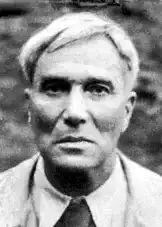
Boris Pasternak
Lessons of English
When Desdemona sang a ditty-
In her last hours among the living-
It wasn't love that she lamented,
And not her star-she mourned a willow.
When Desdemona started singing,
With tears near choking off her voice,
Her evil demon for her evil day
Stored up of weeping rills a choice.
And when Ophelia sang a ballad-
In her last hours among the living-
All dryness of her soul was carried
Aloft by gusts of wind, like cinders.
The day Ophelia started singing,
By bitterness of daydreams jaded,
What trophies did she clutch, when sinking?
A bunch of buttercups and daisies.
Their shoulders stripped of passion's tatters,
They took, their hearts a-quake with fear,
The Universe's chilly baptism-
To stun their loving forms with spheres.
Read more →
In her last hours among the living-
It wasn't love that she lamented,
And not her star-she mourned a willow.
When Desdemona started singing,
With tears near choking off her voice,
Her evil demon for her evil day
Stored up of weeping rills a choice.
And when Ophelia sang a ballad-
In her last hours among the living-
All dryness of her soul was carried
Aloft by gusts of wind, like cinders.
The day Ophelia started singing,
By bitterness of daydreams jaded,
What trophies did she clutch, when sinking?
A bunch of buttercups and daisies.
Their shoulders stripped of passion's tatters,
They took, their hearts a-quake with fear,
The Universe's chilly baptism-
To stun their loving forms with spheres.
646

William Blake
Love and Harmony
Love and harmony combine,
And round our souls entwine
While thy branches mix with mine,
And our roots together join.
Joys upon our branches sit,
Chirping loud and singing sweet;
Like gentle streams beneath our feet
Innocence and virtue meet.
Thou the golden fruit dost bear,
I am clad in flowers fair;
Thy sweet boughs perfume the air,
And the turtle buildeth there.
There she sits and feeds her young,
Sweet I hear her mournful song;
And thy lovely leaves among,
There is love, I hear his tongue.
There his charming nest doth lay,
There he sleeps the night away;
There he sports along the day,
And doth among our branches play.
Read more →
And round our souls entwine
While thy branches mix with mine,
And our roots together join.
Joys upon our branches sit,
Chirping loud and singing sweet;
Like gentle streams beneath our feet
Innocence and virtue meet.
Thou the golden fruit dost bear,
I am clad in flowers fair;
Thy sweet boughs perfume the air,
And the turtle buildeth there.
There she sits and feeds her young,
Sweet I hear her mournful song;
And thy lovely leaves among,
There is love, I hear his tongue.
There his charming nest doth lay,
There he sleeps the night away;
There he sports along the day,
And doth among our branches play.
634

William Butler Yeats
A Prayer For My Son
BID a strong ghost stand at the head
That my Michael may sleep sound,
Nor cry, nor turn in the bed
Till his morning meal come round;
And may departing twilight keep
All dread afar till morning's back.
That his mother may not lack
Her fill of sleep.
Bid the ghost have sword in fist:
Some there are, for I avow
Such devilish things exist,
Who have planned his murder, for they know
Of some most haughty deed or thought
That waits upon his future days,
And would through hatred of the bays
Bring that to nought.
Though You can fashion everything
From nothing every day, and teach
The morning stats to sing,
You have lacked articulate speech
To tell Your simplest want, and known,
Wailing upon a woman's knee,
All of that worst ignominy
Of flesh and bone;
And when through all the town there ran
The servants of Your enemy,
A woman and a man,
Unless the Holy Writings lie,
Hurried through the smooth and rough
And through the fertile and waste,
protecting, till the danger past,
With human love.
Read more →
That my Michael may sleep sound,
Nor cry, nor turn in the bed
Till his morning meal come round;
And may departing twilight keep
All dread afar till morning's back.
That his mother may not lack
Her fill of sleep.
Bid the ghost have sword in fist:
Some there are, for I avow
Such devilish things exist,
Who have planned his murder, for they know
Of some most haughty deed or thought
That waits upon his future days,
And would through hatred of the bays
Bring that to nought.
Though You can fashion everything
From nothing every day, and teach
The morning stats to sing,
You have lacked articulate speech
To tell Your simplest want, and known,
Wailing upon a woman's knee,
All of that worst ignominy
Of flesh and bone;
And when through all the town there ran
The servants of Your enemy,
A woman and a man,
Unless the Holy Writings lie,
Hurried through the smooth and rough
And through the fertile and waste,
protecting, till the danger past,
With human love.
646
William Shakespeare
Sonnet 63: Against my love shall be, as I am now
Against my love shall be, as I am now,
With Time's injurious hand crushed and o'erworn;
When hours have drained his blood and filled his brow
With lines and wrinkles; when his youthful morn
Hath travelled on to age's steepy night,
And all those beauties whereof now he's king
Are vanishing, or vanished out of sight,
Stealing away the treasure of his spring;
For such a time do I now fortify
Against confounding age's cruel knife,
That he shall never cut from memory
My sweet love's beauty, though my lover's life.
His beauty shall in these black lines be seen,
And they shall live, and he in them still green.
Read more →
With Time's injurious hand crushed and o'erworn;
When hours have drained his blood and filled his brow
With lines and wrinkles; when his youthful morn
Hath travelled on to age's steepy night,
And all those beauties whereof now he's king
Are vanishing, or vanished out of sight,
Stealing away the treasure of his spring;
For such a time do I now fortify
Against confounding age's cruel knife,
That he shall never cut from memory
My sweet love's beauty, though my lover's life.
His beauty shall in these black lines be seen,
And they shall live, and he in them still green.
644
Rabindranath Tagore
Closed Path
I thought that my voyage had come to its end
at the last limit of my power,---that the path before me was closed,
that provisions were exhausted
and the time come to take shelter in a silent obscurity.
But I find that thy will knows no end in me.
And when old words die out on the tongue,
new melodies break forth from the heart;
and where the old tracks are lost,
new country is revealed with its wonders.
Read more →
at the last limit of my power,---that the path before me was closed,
that provisions were exhausted
and the time come to take shelter in a silent obscurity.
But I find that thy will knows no end in me.
And when old words die out on the tongue,
new melodies break forth from the heart;
and where the old tracks are lost,
new country is revealed with its wonders.
633
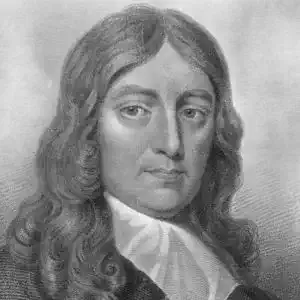
John Milton
On Time
Fly, envious Time, till thou run out thy race,
Call on the lazy leaden-stepping hours,
Whose speed is but the heavy plummet's pace;
And glut thyself with what thy womb devours,
Which is no more than what is false and vain,
And merely mortal dross;
So little is our loss,
So little is thy gain.
For when as each thing bad thou hast intombed,
And last of all thy greedy self consumed,
Then long Eternity shall greet our bliss
With an individual kiss,
And Joy shall overtake us as a flood;
When every thing that is sincerely good
And perfectly divine,
With truth, and peace, and love, shall ever shine
About the supreme throne
Of Him, t' whose happy-making sight alone
When once our heav'nly-guided soul shall climb,
Then, all this earthly grossness quit,
Attired with stars, we shall for ever sit,
Triumphing over Death, and Chance, and thee, O Time.
Read more →
Call on the lazy leaden-stepping hours,
Whose speed is but the heavy plummet's pace;
And glut thyself with what thy womb devours,
Which is no more than what is false and vain,
And merely mortal dross;
So little is our loss,
So little is thy gain.
For when as each thing bad thou hast intombed,
And last of all thy greedy self consumed,
Then long Eternity shall greet our bliss
With an individual kiss,
And Joy shall overtake us as a flood;
When every thing that is sincerely good
And perfectly divine,
With truth, and peace, and love, shall ever shine
About the supreme throne
Of Him, t' whose happy-making sight alone
When once our heav'nly-guided soul shall climb,
Then, all this earthly grossness quit,
Attired with stars, we shall for ever sit,
Triumphing over Death, and Chance, and thee, O Time.
644

Robert Frost
Putting In The Seed
You come to fetch me from my work to-night
When supper's on the table, and we'll see
If I can leave off burying the white
Soft petals fallen from the apple tree
(Soft petals, yes, but not so barren quite,
Mingled with these, smooth bean and wrinkled pea);
And go along with you ere you lose sight
Of what you came for and become like me,
Slave to a Springtime passion for the earth.
How Love burns through the Putting in the Seed
On through the watching for that early birth
When, just as the soil tarnishes with weed,
The sturdy seedling with arched body comes
Shouldering its way and shedding the earth crumbs.
Read more →
When supper's on the table, and we'll see
If I can leave off burying the white
Soft petals fallen from the apple tree
(Soft petals, yes, but not so barren quite,
Mingled with these, smooth bean and wrinkled pea);
And go along with you ere you lose sight
Of what you came for and become like me,
Slave to a Springtime passion for the earth.
How Love burns through the Putting in the Seed
On through the watching for that early birth
When, just as the soil tarnishes with weed,
The sturdy seedling with arched body comes
Shouldering its way and shedding the earth crumbs.
645
Boris Pasternak
August
This was its promise, held to faithfully:
The early morning sun came in this way
Until the angle of its saffron beam
Between the curtains and the sofa lay,
And with its ochre heat it spread across
The village houses, and the nearby wood,
Upon my bed and on my dampened pillow
And to the corner where the bookcase stood.
Then I recalled the reason why my pillow
Had been so dampened by those tears that fell
I'd
dreamt I saw you coming one by one
Across the wood to wish me your farewell.
You came in ones and twos, a straggling crowd;
Then suddenly someone mentioned a word:
It was the sixth of August, by Old Style,
And the Transfiguration of Our Lord.
For from Mount Tabor usually this day
There comes a light without a flame to shine,
And autumn draws all eyes upon itself
As clear and unmistaken as a sign.
But you came forward through the tiny, stripped,
The pauperly and trembling alder grove,
Into the graveyard's coppice, russet-red,
Which, like stamped gingerbread, lay there and glowed.
And with the silence of those high treetops
Was neighbour only the imposing sky
And in the echoed crowing of the cocks
The distances and distances rang by:
There in the churchyard underneath the trees,
Like some surveyor from the government
Death gazed on my pale face to estimate
How large a grave would suit my measurement.
All those who stood there could distinctly hear
A quiet voice emerge from where I lay:
The voice was mine, my past; prophetic words
That sounded now, unsullied by decay:
'Farewell, wonder of azure and of gold
Surrounding the Transfiguration's power:
Assuage now with a woman's last caress
The bitterness of my predestined hour!
'Farewell timeless expanse of passing years!
Farewell, woman who flung your challenge steeled
Against the abyss of humiliations:
For it is I who am your battlefield!
'Farewell, you span of open wings outspread,
The voluntary obstinacy of flight,
O figure of the world revealed in speech,
Creative genius, wonder-working might!'
Read more →
The early morning sun came in this way
Until the angle of its saffron beam
Between the curtains and the sofa lay,
And with its ochre heat it spread across
The village houses, and the nearby wood,
Upon my bed and on my dampened pillow
And to the corner where the bookcase stood.
Then I recalled the reason why my pillow
Had been so dampened by those tears that fell
I'd
dreamt I saw you coming one by one
Across the wood to wish me your farewell.
You came in ones and twos, a straggling crowd;
Then suddenly someone mentioned a word:
It was the sixth of August, by Old Style,
And the Transfiguration of Our Lord.
For from Mount Tabor usually this day
There comes a light without a flame to shine,
And autumn draws all eyes upon itself
As clear and unmistaken as a sign.
But you came forward through the tiny, stripped,
The pauperly and trembling alder grove,
Into the graveyard's coppice, russet-red,
Which, like stamped gingerbread, lay there and glowed.
And with the silence of those high treetops
Was neighbour only the imposing sky
And in the echoed crowing of the cocks
The distances and distances rang by:
There in the churchyard underneath the trees,
Like some surveyor from the government
Death gazed on my pale face to estimate
How large a grave would suit my measurement.
All those who stood there could distinctly hear
A quiet voice emerge from where I lay:
The voice was mine, my past; prophetic words
That sounded now, unsullied by decay:
'Farewell, wonder of azure and of gold
Surrounding the Transfiguration's power:
Assuage now with a woman's last caress
The bitterness of my predestined hour!
'Farewell timeless expanse of passing years!
Farewell, woman who flung your challenge steeled
Against the abyss of humiliations:
For it is I who am your battlefield!
'Farewell, you span of open wings outspread,
The voluntary obstinacy of flight,
O figure of the world revealed in speech,
Creative genius, wonder-working might!'
645

Claude Mckay
Joy in the Woods
There is joy in the woods just now,
The leaves are whispers of song,
And the birds make mirth on the bough
And music the whole day long,
And God! to dwell in the town
In these springlike summer days,
On my brow an unfading frown
And hate in my heart always—
A machine out of gear, aye, tired,
Yet forced to go on—for I’m hired.
Just forced to go on through fear,
For every day I must eat
And find ugly clothes to wear,
And bad shoes to hurt my feet
And a shelter for work-drugged sleep!
A mere drudge! but what can one do?
A man that’s a man cannot weep!
Suicide? A quitter? Oh, no!
But a slave should never grow tired,
Whom the masters have kindly hired.
But oh! for the woods, the flowers
Of natural, sweet perfume,
The heartening, summer showers
And the smiling shrubs in bloom,
Dust-free, dew-tinted at morn,
The fresh and life-giving air,
The billowing waves of corn
And the birds’ notes rich and clear:—
For a man-machine toil-tired
May crave beauty too—though he’s hired
Read more →
The leaves are whispers of song,
And the birds make mirth on the bough
And music the whole day long,
And God! to dwell in the town
In these springlike summer days,
On my brow an unfading frown
And hate in my heart always—
A machine out of gear, aye, tired,
Yet forced to go on—for I’m hired.
Just forced to go on through fear,
For every day I must eat
And find ugly clothes to wear,
And bad shoes to hurt my feet
And a shelter for work-drugged sleep!
A mere drudge! but what can one do?
A man that’s a man cannot weep!
Suicide? A quitter? Oh, no!
But a slave should never grow tired,
Whom the masters have kindly hired.
But oh! for the woods, the flowers
Of natural, sweet perfume,
The heartening, summer showers
And the smiling shrubs in bloom,
Dust-free, dew-tinted at morn,
The fresh and life-giving air,
The billowing waves of corn
And the birds’ notes rich and clear:—
For a man-machine toil-tired
May crave beauty too—though he’s hired
640
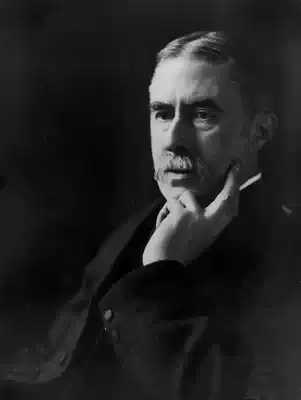
Alfred Edward Housman
Is My Team Ploughing
"Is my team ploughing,
That I was used to drive
And hear the harness jingle
When I was man alive?"
Ay, the horses trample,
The harness jingles now;
No change though you lie under
The land you used to plough.
"Is football playing
Along the river shore,
With lads to chase the leather,
Now I stand up no more?"
Ay, the ball is flying,
The lads play heart and soul;
The goal stands up, the keeper
Stands up to keep the goal.
"Is my girl happy,
That I thought hard to leave,
And has she tired of weeping
As she lies down at eve?"
Ay, she lies down lightly,
She lies not down to weep,
Your girl is well contented.
Be still, my lad, and sleep.
"Is my friend hearty,
Now I am thin and pine,
And has he found to sleep in
A better bed than mine?"
Yes, lad, I lie easy,
I lie as lads would choose;
I cheer a dead man's sweetheart,
Never ask me whose.
Read more →
That I was used to drive
And hear the harness jingle
When I was man alive?"
Ay, the horses trample,
The harness jingles now;
No change though you lie under
The land you used to plough.
"Is football playing
Along the river shore,
With lads to chase the leather,
Now I stand up no more?"
Ay, the ball is flying,
The lads play heart and soul;
The goal stands up, the keeper
Stands up to keep the goal.
"Is my girl happy,
That I thought hard to leave,
And has she tired of weeping
As she lies down at eve?"
Ay, she lies down lightly,
She lies not down to weep,
Your girl is well contented.
Be still, my lad, and sleep.
"Is my friend hearty,
Now I am thin and pine,
And has he found to sleep in
A better bed than mine?"
Yes, lad, I lie easy,
I lie as lads would choose;
I cheer a dead man's sweetheart,
Never ask me whose.
640
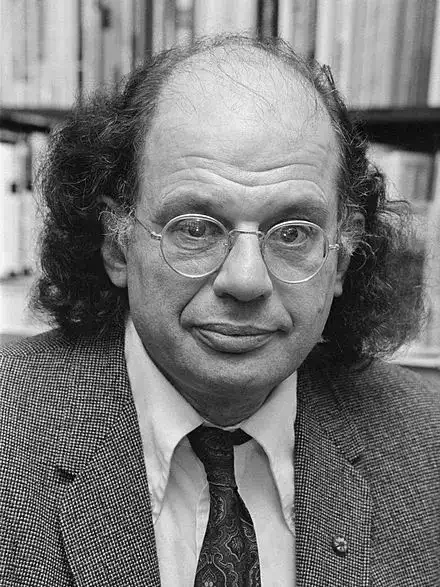
Allen Ginsberg
Song
The weight of the world
is love.
Under the burden
of solitude,
under the burden
of dissatisfaction
the weight,
the weight we carry
is love.
Who can deny?
In dreams
it touches
the body,
in thought
constructs
a miracle,
in imagination
anguishes
till born
in human-looks
out of the heart
burning with purity-for
the burden of life
is love,
but we carry the weight
wearily,
and so must rest
in the arms of love
at last,
must rest in the arms
of love.
No rest
without love,
no sleep
without dreams
of love-be
mad or chill
obsessed with angels
or machines,
the final wish
is love
--cannot be bitter,
cannot deny,
cannot withhold
if denied:
the weight is too heavy
--must give
for no return
as thought
is given
in solitude
in all the excellence
of its excess.
The warm bodies
shine together
in the darkness,
the hand moves
to the center
of the flesh,
the skin trembles
in happiness
and the soul comes
joyful to the eye-
yes, yes,
that's what
I wanted,
I always wanted,
I always wanted,
to return
to the body
where I was born.
Read more →
is love.
Under the burden
of solitude,
under the burden
of dissatisfaction
the weight,
the weight we carry
is love.
Who can deny?
In dreams
it touches
the body,
in thought
constructs
a miracle,
in imagination
anguishes
till born
in human-looks
out of the heart
burning with purity-for
the burden of life
is love,
but we carry the weight
wearily,
and so must rest
in the arms of love
at last,
must rest in the arms
of love.
No rest
without love,
no sleep
without dreams
of love-be
mad or chill
obsessed with angels
or machines,
the final wish
is love
--cannot be bitter,
cannot deny,
cannot withhold
if denied:
the weight is too heavy
--must give
for no return
as thought
is given
in solitude
in all the excellence
of its excess.
The warm bodies
shine together
in the darkness,
the hand moves
to the center
of the flesh,
the skin trembles
in happiness
and the soul comes
joyful to the eye-
yes, yes,
that's what
I wanted,
I always wanted,
I always wanted,
to return
to the body
where I was born.
645
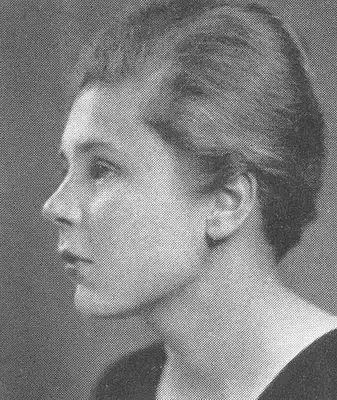
Elizabeth Bishop
Anaphora
Each day with so much ceremony
begins, with birds, with bells,
with whistles from a factory;
such white-gold skies our eyes
first open on, such brilliant walls
that for a moment we wonder
"Where is the music coming from, the energy?
The day was meant for what ineffable creature
we must have missed?" Oh promptly he
appears and takes his earthly nature
instantly, instantly falls
victim of long intrigue,
assuming memory and mortal
mortal fatigue.
More slowly falling into sight
and showering into stippled faces,
darkening, condensing all his light;
in spite of all the dreaming
squandered upon him with that look,
suffers our uses and abuses,
sinks through the drift of bodies,
sinks through the drift of vlasses
to evening to the beggar in the park
who, weary, without lamp or book
prepares stupendous studies:
the fiery event
of every day in endless
endless assent.
Read more →
begins, with birds, with bells,
with whistles from a factory;
such white-gold skies our eyes
first open on, such brilliant walls
that for a moment we wonder
"Where is the music coming from, the energy?
The day was meant for what ineffable creature
we must have missed?" Oh promptly he
appears and takes his earthly nature
instantly, instantly falls
victim of long intrigue,
assuming memory and mortal
mortal fatigue.
More slowly falling into sight
and showering into stippled faces,
darkening, condensing all his light;
in spite of all the dreaming
squandered upon him with that look,
suffers our uses and abuses,
sinks through the drift of bodies,
sinks through the drift of vlasses
to evening to the beggar in the park
who, weary, without lamp or book
prepares stupendous studies:
the fiery event
of every day in endless
endless assent.
633
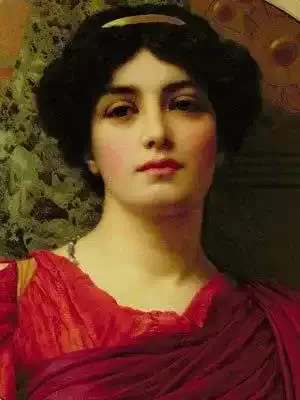
Safo
With his venom
With his venom
irresistible
and bittersweet
that loosener
of limbs, Love
reptile-like
strikes me down
Read more →
irresistible
and bittersweet
that loosener
of limbs, Love
reptile-like
strikes me down
643
Rabindranath Tagore
Innermost One
He it is, the innermost one,
who awakens my being with his deep hidden touches.
He it is who puts his enchantment upon these eyes
and joyfully plays on the chords of my heart
in varied cadence of pleasure and pain.
He it is who weaves the web of this maya
in evanescent hues of gold and silver, blue and green,
and lets peep out through the folds his feet,
at whose touch I forget myself.
Days come and ages pass,
and it is ever he who moves my heart in many a name,
in many a guise, in many a rapture of joy and of sorrow.
Read more →
who awakens my being with his deep hidden touches.
He it is who puts his enchantment upon these eyes
and joyfully plays on the chords of my heart
in varied cadence of pleasure and pain.
He it is who weaves the web of this maya
in evanescent hues of gold and silver, blue and green,
and lets peep out through the folds his feet,
at whose touch I forget myself.
Days come and ages pass,
and it is ever he who moves my heart in many a name,
in many a guise, in many a rapture of joy and of sorrow.
639
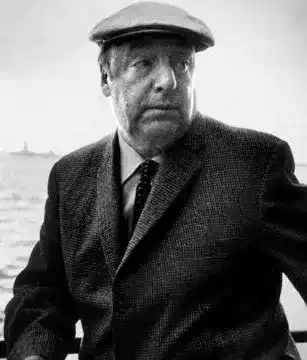
Pablo Neruda
Waltz
I touch hatred like a covered breast;
I without stopping go from garment to garment,
sleeping at a distance.
I am not, I'm of no use, I do not know
anyone; I have no weapons of ocean or wood,
I do not live in this house.
My mouth is full of night and water.
The abiding moon determines
what I do not have.
What I have is in the midst of the waves,
a ray of water, a day for myself,
an iron depth.
There is no cross-tide, there is no shield, no costume,
there is no special solution too deep to be sounded,
no vicious eyelid.
I live suddenly and other times I follow.
I touch a face suddenly and it murders me.
I have no time.
Do not look for me when drawing
the usual wild thread or the
bleeding net.
Do not call me: that is my occupation.
Do not ask my name or my condition.
Leave me in the middle of my own moon
in my wounded ground.
Read more →
I without stopping go from garment to garment,
sleeping at a distance.
I am not, I'm of no use, I do not know
anyone; I have no weapons of ocean or wood,
I do not live in this house.
My mouth is full of night and water.
The abiding moon determines
what I do not have.
What I have is in the midst of the waves,
a ray of water, a day for myself,
an iron depth.
There is no cross-tide, there is no shield, no costume,
there is no special solution too deep to be sounded,
no vicious eyelid.
I live suddenly and other times I follow.
I touch a face suddenly and it murders me.
I have no time.
Do not look for me when drawing
the usual wild thread or the
bleeding net.
Do not call me: that is my occupation.
Do not ask my name or my condition.
Leave me in the middle of my own moon
in my wounded ground.
646
Hermann Hesse
In Secret We Thirst
Graceful, spiritual,
with the gentleness of arabesques
our life is similar
to the existence of fairies
that spin in soft cadence
around nothingness
to which we sacrifice
the here and now
Dreams of beauty, youthful joy
like a breath in pure harmony
with the depth of your young surface
where sparkles the longing for the night
for blood and barbarity
In the emptiness, spinning, without aims or needs
dance free our lives
always ready for the game
yet, secretly, we thirst for reality
for the conceiving, for the birth
we are thirst for sorrows and death
Read more →
with the gentleness of arabesques
our life is similar
to the existence of fairies
that spin in soft cadence
around nothingness
to which we sacrifice
the here and now
Dreams of beauty, youthful joy
like a breath in pure harmony
with the depth of your young surface
where sparkles the longing for the night
for blood and barbarity
In the emptiness, spinning, without aims or needs
dance free our lives
always ready for the game
yet, secretly, we thirst for reality
for the conceiving, for the birth
we are thirst for sorrows and death
642
Rabindranath Tagore
The Beginning
"Where have I come from, where did you pick me up?" the baby asked
its mother.
She answered, half crying, half laughing, and clasping the
baby to her breast
"You were hidden in my heart as its desire, my darling.
You were in the dolls of my childhood's games; and when with
clay I made the image of my god every morning, I made the unmade
you then.
You were enshrined with our household deity, in his worship
I worshipped you.
In all my hopes and my loves, in my life, in the life of my
mother you have lived.
In the lap of the deathless Spirit who rules our home you have
been nursed for ages.
When in girlhood my heart was opening its petals, you hovered
as a fragrance about it.
Your tender softness bloomed in my youthful limbs, like a glow
in the sky before the sunrise.
Heaven's first darling, twain-born with the morning light, you
have floated down the stream of the world's life, and at last you
have stranded on my heart.
As I gaze on your face, mystery overwhelms me; you who belong
to all have become mine.
For fear of losing you I hold you tight to my breast. What
magic has snared the world's treasure in these slender arms of
mine?"
Read more →
its mother.
She answered, half crying, half laughing, and clasping the
baby to her breast
"You were hidden in my heart as its desire, my darling.
You were in the dolls of my childhood's games; and when with
clay I made the image of my god every morning, I made the unmade
you then.
You were enshrined with our household deity, in his worship
I worshipped you.
In all my hopes and my loves, in my life, in the life of my
mother you have lived.
In the lap of the deathless Spirit who rules our home you have
been nursed for ages.
When in girlhood my heart was opening its petals, you hovered
as a fragrance about it.
Your tender softness bloomed in my youthful limbs, like a glow
in the sky before the sunrise.
Heaven's first darling, twain-born with the morning light, you
have floated down the stream of the world's life, and at last you
have stranded on my heart.
As I gaze on your face, mystery overwhelms me; you who belong
to all have become mine.
For fear of losing you I hold you tight to my breast. What
magic has snared the world's treasure in these slender arms of
mine?"
645
John Keats
Epistle To My Brother George
Full many a dreary hour have I past,
My brain bewildered, and my mind o'ercast
With heaviness; in seasons when I've thought
No spherey strains by me could e'er be caught
From the blue dome, though I to dimness gaze
On the far depth where sheeted lightning plays;
Or, on the wavy grass outstretched supinely,
Pry 'mong the stars, to strive to think divinely:
That I should never hear Apollo's song,
Though feathery clouds were floating all along
The purple west, and, two bright streaks between,
The golden lyre itself were dimly seen:
That the still murmur of the honey bee
Would never teach a rural song to me:
That the bright glance from beauty's eyelids slanting
Would never make a lay of mine enchanting,
Or warm my breast with ardour to unfold
Some tale of love and arms in time of old.
But there are times, when those that love the bay,
Fly from all sorrowing far, far away;
A sudden glow comes on them, nought they see
In water, earth, or air, but poesy.
It has been said, dear George, and true I hold it,
(For knightly Spenser to Libertas told it,)
That when a Poet is in such a trance,
In air her sees white coursers paw, and prance,
Bestridden of gay knights, in gay apparel,
Who at each other tilt in playful quarrel,
And what we, ignorantly, sheet-lightning call,
Is the swift opening of their wide portal,
When the bright warder blows his trumpet clear,
Whose tones reach nought on earth but Poet's ear.
When these enchanted portals open wide,
And through the light the horsemen swiftly glide,
The Poet's eye can reach those golden halls,
And view the glory of their festivals:
Their ladies fair, that in the distance seem
Fit for the silv'ring of a seraph's dream;
Their rich brimmed goblets, that incessant run
Like the bright spots that move about the sun;
And, when upheld, the wine from each bright jar
Pours with the lustre of a falling star.
Yet further off, are dimly seen their bowers,
Of which, no mortal eye can reach the flowers;
And 'tis right just, for well Apollo knows
'Twould make the Poet quarrel with the rose.
All that's revealed from that far seat of blisses
Is the clear fountains' interchanging kisses,
As gracefully descending, light and thin,
Like silver streaks across a dolphin's fin,
When he upswimmeth from the coral caves,
And sports with half his tail above the waves.
These wonders strange he sees, and many more,
Whose head is pregnant with poetic lore.
Should he upon an evening ramble fare
With forehead to the soothing breezes bare,
Would he nought see but the dark, silent blue
With all its diamonds trembling through and through?
Or the coy moon, when in the waviness
Of whitest clouds she does her beauty dress,
And staidly paces higher up, and higher,
Like a sweet nun in holy-day attire?
Ah, yes! much more would start into his sight-
The revelries and mysteries of night:
And should I ever see them, I will tell you
Such tales as needs must with amazement spell you.
These are the living pleasures of the bard:
But richer far posterity's reward.
What does he murmur with his latest breath,
While his proud eye looks though the film of death?
"What though I leave this dull and earthly mould,
Yet shall my spirit lofty converse hold
With after times.-The patriot shall feel
My stern alarum, and unsheath his steel;
Or, in the senate thunder out my numbers
To startle princes from their easy slumbers.
The sage will mingle with each moral theme
My happy thoughts sententious; he will teem
With lofty periods when my verses fire him,
And then I'll stoop from heaven to inspire him.
Lays have I left of such a dear delight
That maids will sing them on their bridal night.
Gay villagers, upon a morn of May,
When they have tired their gentle limbs with play
And formed a snowy circle on the grass,
And placed in midst of all that lovely lass
Who chosen is their queen,-with her fine head
Crowned with flowers purple, white, and red:
For there the lily, and the musk-rose, sighing,
Are emblems true of hapless lovers dying:
Between her breasts, that never yet felt trouble,
A bunch of violets full blown, and double,
Serenely sleep:-she from a casket takes
A little book,-and then a joy awakes
About each youthful heart,-with stifled cries,
And rubbing of white hands, and sparkling eyes:
For she's to read a tale of hopes, and fears;
One that I fostered in my youthful years:
The pearls, that on each glist'ning circlet sleep,
Must ever and anon with silent creep,
Lured by the innocent dimples. To sweet rest
Shall the dear babe, upon its mother's breast,
Be lulled with songs of mine. Fair world, adieu!
Thy dales, and hills, are fading from my view:
Swiftly I mount, upon wide spreading pinions,
Far from the narrow bound of thy dominions.
Full joy I feel, while thus I cleave the air,
That my soft verse will charm thy daughters fair,
And warm thy sons!" Ah, my dear friend and brother,
Could I, at once, my mad ambition smother,
For tasting joys like these, sure I should be
Happier, and dearer to society.
At times, 'tis true, I've felt relief from pain
When some bright thought has darted through my brain:
Through all that day I've felt a greater pleasure
Than if I'd brought to light a hidden treasure.
As to my sonnets, though none else should heed them,
I feel delighted, still, that you should read them.
Of late, too, I have had much calm enjoyment,
Stretched on the grass at my best loved employment
Of scribbling lines for you. These things I thought
While, in my face, the freshest breeze I caught.
E'en now I'm pillowed on a bed of flowers
That crowns a lofty clift, which proudly towers
Above the ocean-waves, The stalks, and blades,
Chequer my tablet with their quivering shades.
On one side is a field of drooping oats,
Through which the poppies show their scarlet coats;
So pert and useless, that they bring to mind
The scarlet coats that pester human-kind.
And on the other side, outspread, is seen
Ocean's blue mantle streaked with purple, and green.
Now 'tis I see a canvassed ship, and now
Mark the bright silver curling round her prow.
I see the lark dowm-dropping to his nest,
And the broad winged sea-gull never at rest;
For when no more he spreads his feathers free,
His breast is dancing on the restless sea.
Now I direct my eyes into the west,
Which at this moment is in sunbeams drest:
Why westward turn? 'Twas but to say adieu!
'Twas but to kiss my hand, dear George, to you!
Read more →
My brain bewildered, and my mind o'ercast
With heaviness; in seasons when I've thought
No spherey strains by me could e'er be caught
From the blue dome, though I to dimness gaze
On the far depth where sheeted lightning plays;
Or, on the wavy grass outstretched supinely,
Pry 'mong the stars, to strive to think divinely:
That I should never hear Apollo's song,
Though feathery clouds were floating all along
The purple west, and, two bright streaks between,
The golden lyre itself were dimly seen:
That the still murmur of the honey bee
Would never teach a rural song to me:
That the bright glance from beauty's eyelids slanting
Would never make a lay of mine enchanting,
Or warm my breast with ardour to unfold
Some tale of love and arms in time of old.
But there are times, when those that love the bay,
Fly from all sorrowing far, far away;
A sudden glow comes on them, nought they see
In water, earth, or air, but poesy.
It has been said, dear George, and true I hold it,
(For knightly Spenser to Libertas told it,)
That when a Poet is in such a trance,
In air her sees white coursers paw, and prance,
Bestridden of gay knights, in gay apparel,
Who at each other tilt in playful quarrel,
And what we, ignorantly, sheet-lightning call,
Is the swift opening of their wide portal,
When the bright warder blows his trumpet clear,
Whose tones reach nought on earth but Poet's ear.
When these enchanted portals open wide,
And through the light the horsemen swiftly glide,
The Poet's eye can reach those golden halls,
And view the glory of their festivals:
Their ladies fair, that in the distance seem
Fit for the silv'ring of a seraph's dream;
Their rich brimmed goblets, that incessant run
Like the bright spots that move about the sun;
And, when upheld, the wine from each bright jar
Pours with the lustre of a falling star.
Yet further off, are dimly seen their bowers,
Of which, no mortal eye can reach the flowers;
And 'tis right just, for well Apollo knows
'Twould make the Poet quarrel with the rose.
All that's revealed from that far seat of blisses
Is the clear fountains' interchanging kisses,
As gracefully descending, light and thin,
Like silver streaks across a dolphin's fin,
When he upswimmeth from the coral caves,
And sports with half his tail above the waves.
These wonders strange he sees, and many more,
Whose head is pregnant with poetic lore.
Should he upon an evening ramble fare
With forehead to the soothing breezes bare,
Would he nought see but the dark, silent blue
With all its diamonds trembling through and through?
Or the coy moon, when in the waviness
Of whitest clouds she does her beauty dress,
And staidly paces higher up, and higher,
Like a sweet nun in holy-day attire?
Ah, yes! much more would start into his sight-
The revelries and mysteries of night:
And should I ever see them, I will tell you
Such tales as needs must with amazement spell you.
These are the living pleasures of the bard:
But richer far posterity's reward.
What does he murmur with his latest breath,
While his proud eye looks though the film of death?
"What though I leave this dull and earthly mould,
Yet shall my spirit lofty converse hold
With after times.-The patriot shall feel
My stern alarum, and unsheath his steel;
Or, in the senate thunder out my numbers
To startle princes from their easy slumbers.
The sage will mingle with each moral theme
My happy thoughts sententious; he will teem
With lofty periods when my verses fire him,
And then I'll stoop from heaven to inspire him.
Lays have I left of such a dear delight
That maids will sing them on their bridal night.
Gay villagers, upon a morn of May,
When they have tired their gentle limbs with play
And formed a snowy circle on the grass,
And placed in midst of all that lovely lass
Who chosen is their queen,-with her fine head
Crowned with flowers purple, white, and red:
For there the lily, and the musk-rose, sighing,
Are emblems true of hapless lovers dying:
Between her breasts, that never yet felt trouble,
A bunch of violets full blown, and double,
Serenely sleep:-she from a casket takes
A little book,-and then a joy awakes
About each youthful heart,-with stifled cries,
And rubbing of white hands, and sparkling eyes:
For she's to read a tale of hopes, and fears;
One that I fostered in my youthful years:
The pearls, that on each glist'ning circlet sleep,
Must ever and anon with silent creep,
Lured by the innocent dimples. To sweet rest
Shall the dear babe, upon its mother's breast,
Be lulled with songs of mine. Fair world, adieu!
Thy dales, and hills, are fading from my view:
Swiftly I mount, upon wide spreading pinions,
Far from the narrow bound of thy dominions.
Full joy I feel, while thus I cleave the air,
That my soft verse will charm thy daughters fair,
And warm thy sons!" Ah, my dear friend and brother,
Could I, at once, my mad ambition smother,
For tasting joys like these, sure I should be
Happier, and dearer to society.
At times, 'tis true, I've felt relief from pain
When some bright thought has darted through my brain:
Through all that day I've felt a greater pleasure
Than if I'd brought to light a hidden treasure.
As to my sonnets, though none else should heed them,
I feel delighted, still, that you should read them.
Of late, too, I have had much calm enjoyment,
Stretched on the grass at my best loved employment
Of scribbling lines for you. These things I thought
While, in my face, the freshest breeze I caught.
E'en now I'm pillowed on a bed of flowers
That crowns a lofty clift, which proudly towers
Above the ocean-waves, The stalks, and blades,
Chequer my tablet with their quivering shades.
On one side is a field of drooping oats,
Through which the poppies show their scarlet coats;
So pert and useless, that they bring to mind
The scarlet coats that pester human-kind.
And on the other side, outspread, is seen
Ocean's blue mantle streaked with purple, and green.
Now 'tis I see a canvassed ship, and now
Mark the bright silver curling round her prow.
I see the lark dowm-dropping to his nest,
And the broad winged sea-gull never at rest;
For when no more he spreads his feathers free,
His breast is dancing on the restless sea.
Now I direct my eyes into the west,
Which at this moment is in sunbeams drest:
Why westward turn? 'Twas but to say adieu!
'Twas but to kiss my hand, dear George, to you!
647