
Soul
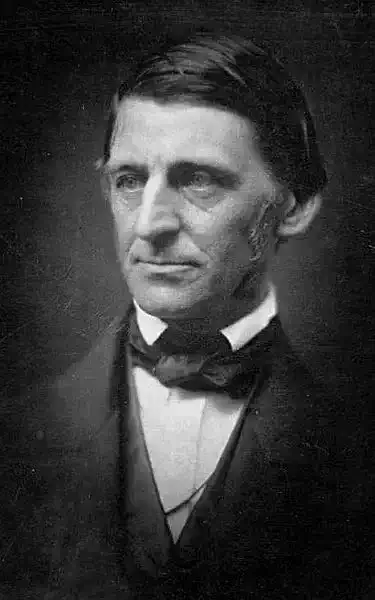
Ralph Waldo Emerson
Uriel.
IT fell in the ancient periods
Which the brooding soul surveys,
Or ever the wild Time coin'd itself
Into calendar months and days.
This was the lapse of Uriel,
Which in Paradise befell.
Once, among the Pleiads walking,
Sayd overheard the young gods talking;
And the treason, too long pent,
To his ears was evident.
The young deities discuss'd
Laws of form, and metre just,
Orb, quintessence, and sunbeams,
What subsisteth, and what seems.
One, with low tones that decide,
And doubt and reverend use defied,
With a look that solved the sphere,
And stirr'd the devils everywhere,
Gave his sentiment divine
Against the being of a line.
'Line in nature is not found;
Unit and universe are round;
In vain produced, all rays return;
Evil will bless, and ice will burn.'
As Uriel spoke with piercing eye,
A shudder ran around the sky;
The stern old war-gods shook their heads;
The seraphs frown'd from myrtle-beds;
Seem'd to the holy festival
The rash word boded ill to all;
The balance-beam of Fate was bent;
The bounds of good and ill were rent;
Strong Hades could not keep his own,
But all slid to confusion.
A sad self-knowledge withering fell
On the beauty of Uriel;
In heaven once eminent, the god
Withdrew that hour into his cloud;
Whether doom'd to long gyration
In the sea of generation,
Or by knowledge grown too bright
To hit the nerve of feebler sight.
Straightway a forgetting wind
Stole over the celestial kind,
And their lips the secret kept,
If in ashes the fire-seed slept.
But, now and then, truth-speaking things
Shamed the angels' veiling wings;
And, shrilling from the solar course,
Or from fruit of chemic force,
Procession of a soul in matter,
Or the speeding change of water,
Or out of the good of evil born,
Came Uriel's voice of cherub scorn,
And a blush tinged the upper sky,
And the gods shook, they knew not why
Read more →
Which the brooding soul surveys,
Or ever the wild Time coin'd itself
Into calendar months and days.
This was the lapse of Uriel,
Which in Paradise befell.
Once, among the Pleiads walking,
Sayd overheard the young gods talking;
And the treason, too long pent,
To his ears was evident.
The young deities discuss'd
Laws of form, and metre just,
Orb, quintessence, and sunbeams,
What subsisteth, and what seems.
One, with low tones that decide,
And doubt and reverend use defied,
With a look that solved the sphere,
And stirr'd the devils everywhere,
Gave his sentiment divine
Against the being of a line.
'Line in nature is not found;
Unit and universe are round;
In vain produced, all rays return;
Evil will bless, and ice will burn.'
As Uriel spoke with piercing eye,
A shudder ran around the sky;
The stern old war-gods shook their heads;
The seraphs frown'd from myrtle-beds;
Seem'd to the holy festival
The rash word boded ill to all;
The balance-beam of Fate was bent;
The bounds of good and ill were rent;
Strong Hades could not keep his own,
But all slid to confusion.
A sad self-knowledge withering fell
On the beauty of Uriel;
In heaven once eminent, the god
Withdrew that hour into his cloud;
Whether doom'd to long gyration
In the sea of generation,
Or by knowledge grown too bright
To hit the nerve of feebler sight.
Straightway a forgetting wind
Stole over the celestial kind,
And their lips the secret kept,
If in ashes the fire-seed slept.
But, now and then, truth-speaking things
Shamed the angels' veiling wings;
And, shrilling from the solar course,
Or from fruit of chemic force,
Procession of a soul in matter,
Or the speeding change of water,
Or out of the good of evil born,
Came Uriel's voice of cherub scorn,
And a blush tinged the upper sky,
And the gods shook, they knew not why
634
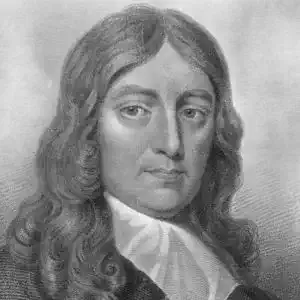
John Milton
Comus (excerpts)
SONG1Sweet
Echo, sweetest nymph that liv'st unseen
-
Within thy airy shell
-
By slow Meander's margent green,
-
And in the violet-imbroider'd vale
-
Where the love-lorn nightingale
-
Nightly to thee her sad song mourneth well:
-
Canst thou not tell me of a gentle pair
-
That likest thy Narcissus are?
-
O if thou have
-
Hid them in some flow'ry cave,
-
Tell me but where
-
Sweet Queen of Parley, Daughter of the Sphere,
-
So mayst thou be translated to the skies,
-
And give resounding grace to all heav'ns harmonies.
SONG
-
Sabrina fair
-
Listen where thou art sitting
-
Under the glassy, cool, translucent wave,
-
In twisted braids of lilies knitting
-
The loose train of thy amber-dropping hair;
-
Listen for dear honour's sake,
-
Goddess of the silver lake,
-
Listen and save.
-
Listen and appear to us
-
In name of great Oceanus,
-
By the earth-shaking Neptune's mace,
-
And Tethys' grave majestic pace;
-
By hoary Nereus' wrinkled look,
-
And the Carpathian wizard's hook;
-
By scaly Triton's winding shell,
-
And old soothsaying Glaucus' spell;
-
By Leucothea's lovely hands,
-
And her son that rules the strands;
-
By Thetis' tinsel-slipper'd feet,
-
And the songs of Sirens sweet;
-
By dead Parthenope's dear tomb,
-
And fair Ligea's golden comb,
-
Wherewith she sits on diamond rocks
-
Sleeking her soft alluring locks;
-
By all the nymphs that nightly dance
-
Upon thy streams with wily glance,
-
Rise, rise, and heave thy rosy head
-
From thy coral-pav'n bed,
-
And bridle in thy headlong wave,
-
Till thou our summons answer'd have.
-
Listen and save.
SABRINA RISES, ATTENDED BY WATER-NYMPHS, AND SINGS
-
By the rushy-fringed bank,
-
Where grows the willow and the osier dank,
-
My sliding chariot stays,
-
Thick set with agate, and the azurn sheen
-
Of turkis blue, and em'rald green
-
That in the channel strays,
-
Whilst from off the waters fleet
-
Thus I set my printless feet
-
O'er the cowslip's velvet head,
-
That bends not as I tread;
-
Gentle swain at thy request
-
I am here.
Read more →
Echo, sweetest nymph that liv'st unseen
-
Within thy airy shell
-
By slow Meander's margent green,
-
And in the violet-imbroider'd vale
-
Where the love-lorn nightingale
-
Nightly to thee her sad song mourneth well:
-
Canst thou not tell me of a gentle pair
-
That likest thy Narcissus are?
-
O if thou have
-
Hid them in some flow'ry cave,
-
Tell me but where
-
Sweet Queen of Parley, Daughter of the Sphere,
-
So mayst thou be translated to the skies,
-
And give resounding grace to all heav'ns harmonies.
SONG
-
Sabrina fair
-
Listen where thou art sitting
-
Under the glassy, cool, translucent wave,
-
In twisted braids of lilies knitting
-
The loose train of thy amber-dropping hair;
-
Listen for dear honour's sake,
-
Goddess of the silver lake,
-
Listen and save.
-
Listen and appear to us
-
In name of great Oceanus,
-
By the earth-shaking Neptune's mace,
-
And Tethys' grave majestic pace;
-
By hoary Nereus' wrinkled look,
-
And the Carpathian wizard's hook;
-
By scaly Triton's winding shell,
-
And old soothsaying Glaucus' spell;
-
By Leucothea's lovely hands,
-
And her son that rules the strands;
-
By Thetis' tinsel-slipper'd feet,
-
And the songs of Sirens sweet;
-
By dead Parthenope's dear tomb,
-
And fair Ligea's golden comb,
-
Wherewith she sits on diamond rocks
-
Sleeking her soft alluring locks;
-
By all the nymphs that nightly dance
-
Upon thy streams with wily glance,
-
Rise, rise, and heave thy rosy head
-
From thy coral-pav'n bed,
-
And bridle in thy headlong wave,
-
Till thou our summons answer'd have.
-
Listen and save.
SABRINA RISES, ATTENDED BY WATER-NYMPHS, AND SINGS
-
By the rushy-fringed bank,
-
Where grows the willow and the osier dank,
-
My sliding chariot stays,
-
Thick set with agate, and the azurn sheen
-
Of turkis blue, and em'rald green
-
That in the channel strays,
-
Whilst from off the waters fleet
-
Thus I set my printless feet
-
O'er the cowslip's velvet head,
-
That bends not as I tread;
-
Gentle swain at thy request
-
I am here.
646
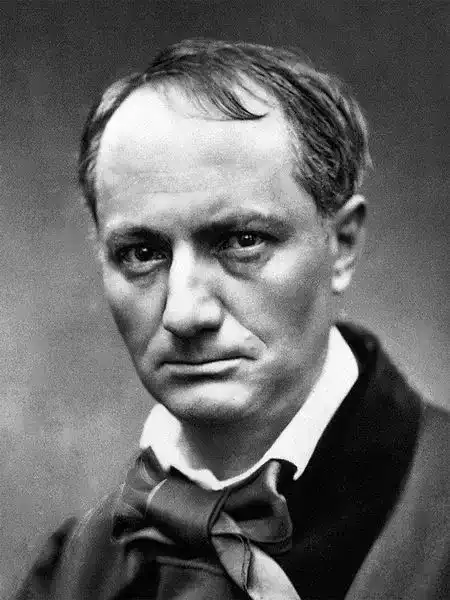
Charles Baudelaire
Lethe
Come to my heart, cruel, insensible one,
Adored tiger, monster with the indolent air;
I would for a long time plunge my trembling fingers
Into the heavy tresses of your hair;
And in your garments that exhale your perfume
I would bury my aching head,
And breathe, like a withered flower,
The sweet, stale reek of my love that is dead.
I want to sleep! sleep rather than live!
And in a slumber, dubious as the tomb's,
I would lavish my kisses without remorse
Upon the burnished copper of your limbs.
To swallow my abated sobs
Nothing equals your bed's abyss;
Forgetfulness dwells in your mouth,
And Lethe flows from your kiss.
My destiny, henceforth my pleasure,
I shall obey, predestined instrument,
Docile martyr, condemned innocent,
Whose fervour but augments his torment.
I shall suck, to drown my rancour,
Nepenthe, hemlock, an opiate,
At the charming tips of this pointed breast
That has never imprisoned a heart.
Read more →
Adored tiger, monster with the indolent air;
I would for a long time plunge my trembling fingers
Into the heavy tresses of your hair;
And in your garments that exhale your perfume
I would bury my aching head,
And breathe, like a withered flower,
The sweet, stale reek of my love that is dead.
I want to sleep! sleep rather than live!
And in a slumber, dubious as the tomb's,
I would lavish my kisses without remorse
Upon the burnished copper of your limbs.
To swallow my abated sobs
Nothing equals your bed's abyss;
Forgetfulness dwells in your mouth,
And Lethe flows from your kiss.
My destiny, henceforth my pleasure,
I shall obey, predestined instrument,
Docile martyr, condemned innocent,
Whose fervour but augments his torment.
I shall suck, to drown my rancour,
Nepenthe, hemlock, an opiate,
At the charming tips of this pointed breast
That has never imprisoned a heart.
637

Walt Whitman
Kosmos
WHO includes diversity, and is Nature,
Who is the amplitude of the earth, and the coarseness and sexuality
of the earth, and the great charity of the earth, and the
equilibrium also,
Who has not look'd forth from the windows, the eyes, for nothing, or
whose brain held audience with messengers for nothing;
Who contains believers and disbelievers--Who is the most majestic
lover;
Who holds duly his or her triune proportion of realism, spiritualism,
and of the aesthetic, or intellectual,
Who, having consider'd the Body, finds all its organs and parts good;
Who, out of the theory of the earth, and of his or her body,
understands by subtle analogies all other theories,
The theory of a city, a poem, and of the large politics of These
States;
Who believes not only in our globe, with its sun and moon, but in
other globes, with their suns and moons;
Who, constructing the house of himself or herself, not for a day, but
for all time, sees races, eras, dates, generations,
The past, the future, dwelling there, like space, inseparable
together.
Read more →
Who is the amplitude of the earth, and the coarseness and sexuality
of the earth, and the great charity of the earth, and the
equilibrium also,
Who has not look'd forth from the windows, the eyes, for nothing, or
whose brain held audience with messengers for nothing;
Who contains believers and disbelievers--Who is the most majestic
lover;
Who holds duly his or her triune proportion of realism, spiritualism,
and of the aesthetic, or intellectual,
Who, having consider'd the Body, finds all its organs and parts good;
Who, out of the theory of the earth, and of his or her body,
understands by subtle analogies all other theories,
The theory of a city, a poem, and of the large politics of These
States;
Who believes not only in our globe, with its sun and moon, but in
other globes, with their suns and moons;
Who, constructing the house of himself or herself, not for a day, but
for all time, sees races, eras, dates, generations,
The past, the future, dwelling there, like space, inseparable
together.
643
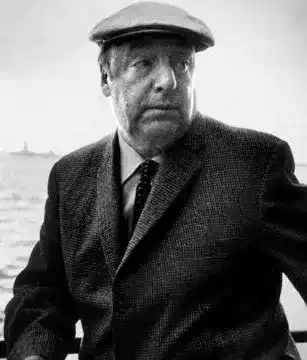
Pablo Neruda
Ode To Wine
Day-colored wine,
night-colored wine,
wine with purple feet
or wine with topaz blood,
wine,
starry child
of earth,
wine, smooth
as a golden sword,
soft
as lascivious velvet,
wine, spiral-seashelled
and full of wonder,
amorous,
marine;
never has one goblet contained you,
one song, one man,
you are choral, gregarious,
at the least, you must be shared.
At times
you feed on mortal
memories;
your wave carries us
from tomb to tomb,
stonecutter of icy sepulchers,
and we weep
transitory tears;
your
glorious
spring dress
is different,
blood rises through the shoots,
wind incites the day,
nothing is left
of your immutable soul.
Wine
stirs the spring, happiness
bursts through the earth like a plant,
walls crumble,
and rocky cliffs,
chasms close,
as song is born.
A jug of wine, and thou beside me
in the wilderness,
sang the ancient poet.
Let the wine pitcher
add to the kiss of love its own.
My darling, suddenly
the line of your hip
becomes the brimming curve
of the wine goblet,
your breast is the grape cluster,
your nipples are the grapes,
the gleam of spirits lights your hair,
and your navel is a chaste seal
stamped on the vessel of your belly,
your love an inexhaustible
cascade of wine,
light that illuminates my senses,
the earthly splendor of life.
But you are more than love,
the fiery kiss,
the heat of fire,
more than the wine of life;
you are
the community of man,
translucency,
chorus of discipline,
abundance of flowers.
I like on the table,
when we're speaking,
the light of a bottle
of intelligent wine.
Drink it,
and remember in every
drop of gold,
in every topaz glass,
in every purple ladle,
that autumn labored
to fill the vessel with wine;
and in the ritual of his office,
let the simple man remember
to think of the soil and of his duty,
to propagate the canticle of the wine.
Read more →
night-colored wine,
wine with purple feet
or wine with topaz blood,
wine,
starry child
of earth,
wine, smooth
as a golden sword,
soft
as lascivious velvet,
wine, spiral-seashelled
and full of wonder,
amorous,
marine;
never has one goblet contained you,
one song, one man,
you are choral, gregarious,
at the least, you must be shared.
At times
you feed on mortal
memories;
your wave carries us
from tomb to tomb,
stonecutter of icy sepulchers,
and we weep
transitory tears;
your
glorious
spring dress
is different,
blood rises through the shoots,
wind incites the day,
nothing is left
of your immutable soul.
Wine
stirs the spring, happiness
bursts through the earth like a plant,
walls crumble,
and rocky cliffs,
chasms close,
as song is born.
A jug of wine, and thou beside me
in the wilderness,
sang the ancient poet.
Let the wine pitcher
add to the kiss of love its own.
My darling, suddenly
the line of your hip
becomes the brimming curve
of the wine goblet,
your breast is the grape cluster,
your nipples are the grapes,
the gleam of spirits lights your hair,
and your navel is a chaste seal
stamped on the vessel of your belly,
your love an inexhaustible
cascade of wine,
light that illuminates my senses,
the earthly splendor of life.
But you are more than love,
the fiery kiss,
the heat of fire,
more than the wine of life;
you are
the community of man,
translucency,
chorus of discipline,
abundance of flowers.
I like on the table,
when we're speaking,
the light of a bottle
of intelligent wine.
Drink it,
and remember in every
drop of gold,
in every topaz glass,
in every purple ladle,
that autumn labored
to fill the vessel with wine;
and in the ritual of his office,
let the simple man remember
to think of the soil and of his duty,
to propagate the canticle of the wine.
644

William Shakespeare
Sonnet 81: Or I shall live your epitaph to make
Or I shall live your epitaph to make,
Or you survive when I in earth am rotten,
From hence your memory death cannot take,
Although in me each part will be forgotten.
Your name from hence immortal life shall have,
Though I, once gone, to all the world must die;
The earth can yield me but a common grave,
When you entombèd in men's eyes shall lie.
Your monument shall be my gentle verse,
Which eyes not yet created shall o'er-read,
And tongues to be your being shall rehearse
When all the breathers of this world are dead.
You still shall live—such virtue hath my pen—
Where breath most breathes, even in the mouths of men.
Read more →
Or you survive when I in earth am rotten,
From hence your memory death cannot take,
Although in me each part will be forgotten.
Your name from hence immortal life shall have,
Though I, once gone, to all the world must die;
The earth can yield me but a common grave,
When you entombèd in men's eyes shall lie.
Your monument shall be my gentle verse,
Which eyes not yet created shall o'er-read,
And tongues to be your being shall rehearse
When all the breathers of this world are dead.
You still shall live—such virtue hath my pen—
Where breath most breathes, even in the mouths of men.
638
Charles Baudelaire
Spleen
I'm like the king of a rain-country, rich
but sterile, young but with an old wolf's itch,
one who escapes Fénelon's apologues,
and kills the day in boredom with his dogs;
nothing cheers him, darts, tennis, falconry,
his people dying by the balcony;
the bawdry of the pet hermaphrodite
no longer gets him through a single night;
his bed of fleur-de-lys becomes a tomb;
even the ladies of the court, for whom
all kings are beautiful, cannot put on
shameful enough dresses for this skeleton;
the scholar who makes his gold cannot invent
washes to cleanse the poisoned element;
even in baths of blood, Rome's legacy,
our tyrants' solace in senility,
we cannot warm up his shot corpse, whose food
is syrup-green Lethean ooze, not blood.
Read more →
but sterile, young but with an old wolf's itch,
one who escapes Fénelon's apologues,
and kills the day in boredom with his dogs;
nothing cheers him, darts, tennis, falconry,
his people dying by the balcony;
the bawdry of the pet hermaphrodite
no longer gets him through a single night;
his bed of fleur-de-lys becomes a tomb;
even the ladies of the court, for whom
all kings are beautiful, cannot put on
shameful enough dresses for this skeleton;
the scholar who makes his gold cannot invent
washes to cleanse the poisoned element;
even in baths of blood, Rome's legacy,
our tyrants' solace in senility,
we cannot warm up his shot corpse, whose food
is syrup-green Lethean ooze, not blood.
636
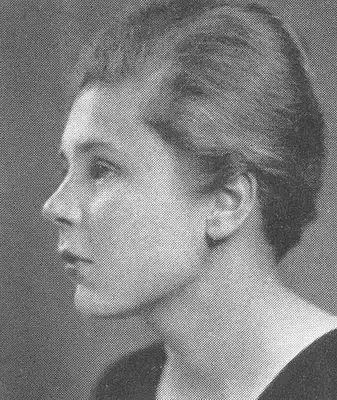
Elizabeth Bishop
The Weed
I dreamed that dead, and meditating,
I lay upon a grave, or bed,
(at least, some cold and close-built bower).
In the cold heart, its final thought
stood frozen, drawn immense and clear,
stiff and idle as I was there;
and we remained unchanged together
for a year, a minute, an hour.
Suddenly there was a motion,
as startling, there, to every sense
as an explosion. Then it dropped
to insistent, cautious creeping
in the region of the heart,
prodding me from desperate sleep.
I raised my head. A slight young weed
had pushed up through the heart and its
green head was nodding on the breast.
(All this was in the dark.)
It grew an inch like a blade of grass;
next, one leaf shot out of its side
a twisting, waving flag, and then
two leaves moved like a semaphore.
The stem grew thick. The nervous roots
reached to each side; the graceful head
changed its position mysteriously,
since there was neither sun nor moon
to catch its young attention.
The rooted heart began to change
(not beat) and then it split apart
and from it broke a flood of water.
Two rivers glanced off from the sides,
one to the right, one to the left,
two rushing, half-clear streams,
(the ribs made of them two cascades)
which assuredly, smooth as glass,
went off through the fine black grains of earth.
The weed was almost swept away;
it struggled with its leaves,
lifting them fringed with heavy drops.
A few drops fell upon my face
and in my eyes, so I could see
(or, in that black place, thought I saw)
that each drop contained a light,
a small, illuminated scene;
the weed-deflected stream was made
itself of racing images.
(As if a river should carry all
the scenes that it had once reflected
shut in its waters, and not floating
on momentary surfaces.)
The weed stood in the severed heart.
"What are you doing there?" I asked.
It lifted its head all dripping wet
(with my own thoughts?)
and answered then: "I grow," it said,
"but to divide your heart again."
Read more →
I lay upon a grave, or bed,
(at least, some cold and close-built bower).
In the cold heart, its final thought
stood frozen, drawn immense and clear,
stiff and idle as I was there;
and we remained unchanged together
for a year, a minute, an hour.
Suddenly there was a motion,
as startling, there, to every sense
as an explosion. Then it dropped
to insistent, cautious creeping
in the region of the heart,
prodding me from desperate sleep.
I raised my head. A slight young weed
had pushed up through the heart and its
green head was nodding on the breast.
(All this was in the dark.)
It grew an inch like a blade of grass;
next, one leaf shot out of its side
a twisting, waving flag, and then
two leaves moved like a semaphore.
The stem grew thick. The nervous roots
reached to each side; the graceful head
changed its position mysteriously,
since there was neither sun nor moon
to catch its young attention.
The rooted heart began to change
(not beat) and then it split apart
and from it broke a flood of water.
Two rivers glanced off from the sides,
one to the right, one to the left,
two rushing, half-clear streams,
(the ribs made of them two cascades)
which assuredly, smooth as glass,
went off through the fine black grains of earth.
The weed was almost swept away;
it struggled with its leaves,
lifting them fringed with heavy drops.
A few drops fell upon my face
and in my eyes, so I could see
(or, in that black place, thought I saw)
that each drop contained a light,
a small, illuminated scene;
the weed-deflected stream was made
itself of racing images.
(As if a river should carry all
the scenes that it had once reflected
shut in its waters, and not floating
on momentary surfaces.)
The weed stood in the severed heart.
"What are you doing there?" I asked.
It lifted its head all dripping wet
(with my own thoughts?)
and answered then: "I grow," it said,
"but to divide your heart again."
621
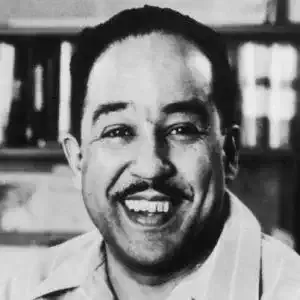
Langston Hughes
The Negro Mother
Children, I come back today
To tell you a story of the long dark way
That I had to climb, that I had to know
In order that the race might live and grow.
Look at my face -- dark as the night --
Yet shining like the sun with love's true light.
I am the dark girl who crossed the red sea
Carrying in my body the seed of the free.
I am the woman who worked in the field
Bringing the cotton and the corn to yield.
I am the one who labored as a slave,
Beaten and mistreated for the work that I gave --
Children sold away from me, I'm husband sold, too.
No safety , no love, no respect was I due.
Three hundred years in the deepest South:
But God put a song and a prayer in my mouth .
God put a dream like steel in my soul.
Now, through my children, I'm reaching the goal.
Now, through my children, young and free,
I realized the blessing deed to me.
I couldn't read then. I couldn't write.
I had nothing, back there in the night.
Sometimes, the valley was filled with tears,
But I kept trudging on through the lonely years.
Sometimes, the road was hot with the sun,
But I had to keep on till my work was done:
I had to keep on! No stopping for me --
I was the seed of the coming Free.
I nourished the dream that nothing could smother
Deep in my breast -- the Negro mother.
I had only hope then , but now through you,
Dark ones of today, my dreams must come true:
All you dark children in the world out there,
Remember my sweat, my pain, my despair.
Remember my years, heavy with sorrow --
And make of those years a torch for tomorrow.
Make of my pass a road to the light
Out of the darkness, the ignorance, the night.
Lift high my banner out of the dust.
Stand like free men supporting my trust.
Believe in the right, let none push you back.
Remember the whip and the slaver's track.
Remember how the strong in struggle and strife
Still bar you the way, and deny you life --
But march ever forward, breaking down bars.
Look ever upward at the sun and the stars.
Oh, my dark children, may my dreams and my prayers
Impel you forever up the great stairs --
For I will be with you till no white brother
Dares keep down the children of the Negro Mother.
Read more →
To tell you a story of the long dark way
That I had to climb, that I had to know
In order that the race might live and grow.
Look at my face -- dark as the night --
Yet shining like the sun with love's true light.
I am the dark girl who crossed the red sea
Carrying in my body the seed of the free.
I am the woman who worked in the field
Bringing the cotton and the corn to yield.
I am the one who labored as a slave,
Beaten and mistreated for the work that I gave --
Children sold away from me, I'm husband sold, too.
No safety , no love, no respect was I due.
Three hundred years in the deepest South:
But God put a song and a prayer in my mouth .
God put a dream like steel in my soul.
Now, through my children, I'm reaching the goal.
Now, through my children, young and free,
I realized the blessing deed to me.
I couldn't read then. I couldn't write.
I had nothing, back there in the night.
Sometimes, the valley was filled with tears,
But I kept trudging on through the lonely years.
Sometimes, the road was hot with the sun,
But I had to keep on till my work was done:
I had to keep on! No stopping for me --
I was the seed of the coming Free.
I nourished the dream that nothing could smother
Deep in my breast -- the Negro mother.
I had only hope then , but now through you,
Dark ones of today, my dreams must come true:
All you dark children in the world out there,
Remember my sweat, my pain, my despair.
Remember my years, heavy with sorrow --
And make of those years a torch for tomorrow.
Make of my pass a road to the light
Out of the darkness, the ignorance, the night.
Lift high my banner out of the dust.
Stand like free men supporting my trust.
Believe in the right, let none push you back.
Remember the whip and the slaver's track.
Remember how the strong in struggle and strife
Still bar you the way, and deny you life --
But march ever forward, breaking down bars.
Look ever upward at the sun and the stars.
Oh, my dark children, may my dreams and my prayers
Impel you forever up the great stairs --
For I will be with you till no white brother
Dares keep down the children of the Negro Mother.
630
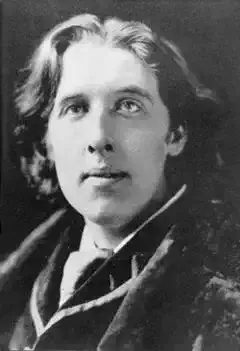
Oscar Wilde
From Spring Days To Winter (For Music)
In the glad springtime when leaves were green,
O merrily the throstle sings!
I sought, amid the tangled sheen,
Love whom mine eyes had never seen,
O the glad dove has golden wings!
Between the blossoms red and white,
O merrily the throstle sings!
My love first came into my sight,
O perfect vision of delight,
O the glad dove has golden wings!
The yellow apples glowed like fire,
O merrily the throstle sings!
O Love too great for lip or lyre,
Blown rose of love and of desire,
O the glad dove has golden wings!
But now with snow the tree is grey,
Ah, sadly now the throstle sings!
My love is dead: ah! well-a-day,
See at her silent feet I lay
A dove with broken wings!
Ah, Love! ah, Love! that thou wert slain -
Fond Dove, fond Dove return again!
Read more →
O merrily the throstle sings!
I sought, amid the tangled sheen,
Love whom mine eyes had never seen,
O the glad dove has golden wings!
Between the blossoms red and white,
O merrily the throstle sings!
My love first came into my sight,
O perfect vision of delight,
O the glad dove has golden wings!
The yellow apples glowed like fire,
O merrily the throstle sings!
O Love too great for lip or lyre,
Blown rose of love and of desire,
O the glad dove has golden wings!
But now with snow the tree is grey,
Ah, sadly now the throstle sings!
My love is dead: ah! well-a-day,
See at her silent feet I lay
A dove with broken wings!
Ah, Love! ah, Love! that thou wert slain -
Fond Dove, fond Dove return again!
629

John Keats
Endymion: A Poetic Romance (Excerpt)
BOOK I
A thing of beauty is a joy for ever:
Its loveliness increases; it will never
Pass into nothingness; but still will keep
A bower quiet for us, and a sleep
Full of sweet dreams, and health, and quiet breathing.
Therefore, on every morrow, are we wreathing
A flowery band to bind us to the earth,
Spite of despondence, of the inhuman dearth
Of noble natures, of the gloomy days,
Of all the unhealthy and o'er-darkened ways
Made for our searching: yes, in spite of all,
Some shape of beauty moves away the pall
From our dark spirits. Such the sun, the moon,
Trees old and young, sprouting a shady boon
For simple sheep; and such are daffodils
With the green world they live in; and clear rills
That for themselves a cooling covert make
'Gainst the hot season; the mid forest brake,
Rich with a sprinkling of fair musk-rose blooms:
And such too is the grandeur of the dooms
We have imagined for the mighty dead;
All lovely tales that we have heard or read:
An endless fountain of immortal drink,
Pouring unto us from the heaven's brink.
Nor do we merely feel these essences
For one short hour; no, even as the trees
That whisper round a temple become soon
Dear as the temple's self, so does the moon,
The passion poesy, glories infinite,
Haunt us till they become a cheering light
Unto our souls, and bound to us so fast,
That, whether there be shine, or gloom o'ercast;
They always must be with us, or we die.
Therefore, 'tis with full happiness that I
Will trace the story of Endymion.
The very music of the name has gone
Into my being, and each pleasant scene
Is growing fresh before me as the green
Of our own valleys: so I will begin
Now while I cannot hear the city's din;
Now while the early budders are just new,
And run in mazes of the youngest hue
About old forests; while the willow trails
Its delicate amber; and the dairy pails
Bring home increase of milk. And, as the year
Grows lush in juicy stalks, I'll smoothly steer
My little boat, for many quiet hours,
With streams that deepen freshly into bowers.
Many and many a verse I hope to write,
Before the daisies, vermeil rimm'd and white,
Hide in deep herbage; and ere yet the bees
Hum about globes of clover and sweet peas,
I must be near the middle of my story.
O may no wintry season, bare and hoary,
See it half finish'd: but let Autumn bold,
With universal tinge of sober gold,
Be all about me when I make an end.
And now, at once adventuresome, I send
My herald thought into a wilderness:
There let its trumpet blow, and quickly dress
My uncertain path with green, that I may speed
Easily onward, thorough flowers and weed....
Read more →
A thing of beauty is a joy for ever:
Its loveliness increases; it will never
Pass into nothingness; but still will keep
A bower quiet for us, and a sleep
Full of sweet dreams, and health, and quiet breathing.
Therefore, on every morrow, are we wreathing
A flowery band to bind us to the earth,
Spite of despondence, of the inhuman dearth
Of noble natures, of the gloomy days,
Of all the unhealthy and o'er-darkened ways
Made for our searching: yes, in spite of all,
Some shape of beauty moves away the pall
From our dark spirits. Such the sun, the moon,
Trees old and young, sprouting a shady boon
For simple sheep; and such are daffodils
With the green world they live in; and clear rills
That for themselves a cooling covert make
'Gainst the hot season; the mid forest brake,
Rich with a sprinkling of fair musk-rose blooms:
And such too is the grandeur of the dooms
We have imagined for the mighty dead;
All lovely tales that we have heard or read:
An endless fountain of immortal drink,
Pouring unto us from the heaven's brink.
Nor do we merely feel these essences
For one short hour; no, even as the trees
That whisper round a temple become soon
Dear as the temple's self, so does the moon,
The passion poesy, glories infinite,
Haunt us till they become a cheering light
Unto our souls, and bound to us so fast,
That, whether there be shine, or gloom o'ercast;
They always must be with us, or we die.
Therefore, 'tis with full happiness that I
Will trace the story of Endymion.
The very music of the name has gone
Into my being, and each pleasant scene
Is growing fresh before me as the green
Of our own valleys: so I will begin
Now while I cannot hear the city's din;
Now while the early budders are just new,
And run in mazes of the youngest hue
About old forests; while the willow trails
Its delicate amber; and the dairy pails
Bring home increase of milk. And, as the year
Grows lush in juicy stalks, I'll smoothly steer
My little boat, for many quiet hours,
With streams that deepen freshly into bowers.
Many and many a verse I hope to write,
Before the daisies, vermeil rimm'd and white,
Hide in deep herbage; and ere yet the bees
Hum about globes of clover and sweet peas,
I must be near the middle of my story.
O may no wintry season, bare and hoary,
See it half finish'd: but let Autumn bold,
With universal tinge of sober gold,
Be all about me when I make an end.
And now, at once adventuresome, I send
My herald thought into a wilderness:
There let its trumpet blow, and quickly dress
My uncertain path with green, that I may speed
Easily onward, thorough flowers and weed....
629
John Keats
On the Sea
It keeps eternal whisperings around
Desolate shores, and with its mighty swell
Gluts twice ten thousand Caverns, till the spell
Of Hecate leaves them their old shadowy sound.
Often 'tis in such gentle temper found,
That scarcely will the very smallest shell
Be moved for days from where it sometime fell.
When last the winds of Heaven were unbound.
Oh, ye! who have your eyeballs vexed and tired,
Feast them upon the wideness of the Sea;
Oh ye! whose ears are dinned with uproar rude,
Or fed too much with cloying melody---
Sit ye near some old Cavern's Mouth and brood,
Until ye start, as if the sea nymphs quired!
Read more →
Desolate shores, and with its mighty swell
Gluts twice ten thousand Caverns, till the spell
Of Hecate leaves them their old shadowy sound.
Often 'tis in such gentle temper found,
That scarcely will the very smallest shell
Be moved for days from where it sometime fell.
When last the winds of Heaven were unbound.
Oh, ye! who have your eyeballs vexed and tired,
Feast them upon the wideness of the Sea;
Oh ye! whose ears are dinned with uproar rude,
Or fed too much with cloying melody---
Sit ye near some old Cavern's Mouth and brood,
Until ye start, as if the sea nymphs quired!
626
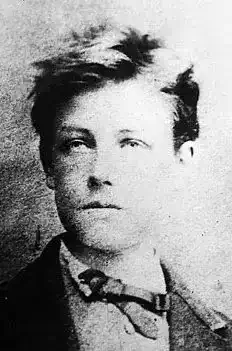
Arthur Rimbaud
Antique
Gracious son of Pan! Around your forehead
crowned with flowerets
and with laurel, restlessly roll
those precious balls, your eyes.
Spotted with brown lees, your cheeks are hollow.
Your fangs gleam. Your breast is like a lyre,
tinklings circulate through your pale arms.
Your heart beats in that belly where sleeps the double sex.
Walk through the night, gently moving that thigh,
that second thigh, and that left leg.
Read more →
crowned with flowerets
and with laurel, restlessly roll
those precious balls, your eyes.
Spotted with brown lees, your cheeks are hollow.
Your fangs gleam. Your breast is like a lyre,
tinklings circulate through your pale arms.
Your heart beats in that belly where sleeps the double sex.
Walk through the night, gently moving that thigh,
that second thigh, and that left leg.
622

Ella Wheeler Wilcox
Life Is A Privilege
Life is a privilege. Its youthful days
Shine with the radiance of continuous Mays.
To live, to breathe, to wonder and desire,
To feed with dreams the heart’s perpetual fire,
To thrill with virtuous passions, and to glow
With great ambitions – in one hour to know
The depths and heights of feeling – God! in truth,
How beautiful, how beautiful is youth!
Life is a privilege. Like some rare rose
The mysteries of the human mind unclose.
What marvels lie in the earth, and air, and sea!
What stores of knowledge wait our opening key!
What sunny roads of happiness lead out
Beyond the realms of indolence and doubt!
And what large pleasures smile upon and bless
The busy avenues of usefulness!
Life is a privilege. Thought the noontide fades
And shadows fall along the winding glades,
Though joy-blooms wither in the autumn air,
Yet the sweet scent of sympathy is there.
Pale sorrow leads us closer to our kind,
And in the serious hours of life we find
Depths in the souls of men which lend new worth
And majesty to this brief span of earth.
Life is a privilege. If some sad fate
Sends us alone to seek the exit gate,
If men forsake us and as shadows fall,
Still does the supreme privilege of all
Come in that reaching upward of the soul
To find the welcoming Presence at the goal,
And in the Knowledge that our feet have trod
Paths that led from, and must wind back, to God.
Read more →
Shine with the radiance of continuous Mays.
To live, to breathe, to wonder and desire,
To feed with dreams the heart’s perpetual fire,
To thrill with virtuous passions, and to glow
With great ambitions – in one hour to know
The depths and heights of feeling – God! in truth,
How beautiful, how beautiful is youth!
Life is a privilege. Like some rare rose
The mysteries of the human mind unclose.
What marvels lie in the earth, and air, and sea!
What stores of knowledge wait our opening key!
What sunny roads of happiness lead out
Beyond the realms of indolence and doubt!
And what large pleasures smile upon and bless
The busy avenues of usefulness!
Life is a privilege. Thought the noontide fades
And shadows fall along the winding glades,
Though joy-blooms wither in the autumn air,
Yet the sweet scent of sympathy is there.
Pale sorrow leads us closer to our kind,
And in the serious hours of life we find
Depths in the souls of men which lend new worth
And majesty to this brief span of earth.
Life is a privilege. If some sad fate
Sends us alone to seek the exit gate,
If men forsake us and as shadows fall,
Still does the supreme privilege of all
Come in that reaching upward of the soul
To find the welcoming Presence at the goal,
And in the Knowledge that our feet have trod
Paths that led from, and must wind back, to God.
628

Robert Browning
The Laboratory-Ancien Régime
I.
Now that I, tying thy glass mask tightly,
May gaze thro' these faint smokes curling whitely,
As thou pliest thy trade in this devil's-smithy---
Which is the poison to poison her, prithee?
II.
He is with her, and they know that I know
Where they are, what they do: they believe my tears flow
While they laugh, laugh at me, at me fled to the drear
Empty church, to pray God in, for them!---I am here.
III
Grind away, moisten and mash up thy paste,
Pound at thy powder,---I am not in haste!
Better sit thus, and observe thy strange things,
Than go where men wait me and dance at the King's.
IV
That in the mortar---you call it a gum?
Ah, the brave tree whence such gold oozings come!
And yonder soft phial, the exquisite blue,
Sure to taste sweetly,---is that poison too?
V
Had I but all of them, thee and thy treasures,
What a wild crowd of invisible pleasures!
To carry pure death in an earring, a casket,
A signet, a fan-mount, a filigree basket!
VI
Soon, at the King's, a mere lozenge to give,
And Pauline should have just thirty minutes to live!
But to light a pastile, and Elise, with her head
And her breast and her arms and her hands, should drop dead!
VII
Quick---is it finished? The colour's too grim!
Why not soft like the phial's, enticing and dim?
Let it brighten her drink, let her turn it and stir,
And try it and taste, ere she fix and prefer!
VIII
What a drop! She's not little, no minion like me!
That's why she ensnared him: this never will free
The soul from those masculine eyes,---Say, ``no!''
To that pulse's magnificent come-and-go.
IX
For only last night, as they whispered, I brought
My own eyes to bear on her so, that I thought
Could I keep them one half minute fixed, she would fall
Shrivelled; she fell not; yet this does it all!
X
Not that I bid you spare her the pain;
Let death be felt and the proof remain:
Brand, burn up, bite into its grace---
He is sure to remember her dying face!
XI
Is it done? Take my mask off! Nay, be not morose;
It kills her, and this prevents seeing it close;
The delicate droplet, my whole fortune's fee!
If it hurts her, beside, can it ever hurt me?
XII
Now, take all my jewels, gorge gold to your fill,
You may kiss me, old man, on my mouth if you will!
But brush this dust off me, lest horror it brings
Ere I know it---next moment I dance at the King's!
Read more →
Now that I, tying thy glass mask tightly,
May gaze thro' these faint smokes curling whitely,
As thou pliest thy trade in this devil's-smithy---
Which is the poison to poison her, prithee?
II.
He is with her, and they know that I know
Where they are, what they do: they believe my tears flow
While they laugh, laugh at me, at me fled to the drear
Empty church, to pray God in, for them!---I am here.
III
Grind away, moisten and mash up thy paste,
Pound at thy powder,---I am not in haste!
Better sit thus, and observe thy strange things,
Than go where men wait me and dance at the King's.
IV
That in the mortar---you call it a gum?
Ah, the brave tree whence such gold oozings come!
And yonder soft phial, the exquisite blue,
Sure to taste sweetly,---is that poison too?
V
Had I but all of them, thee and thy treasures,
What a wild crowd of invisible pleasures!
To carry pure death in an earring, a casket,
A signet, a fan-mount, a filigree basket!
VI
Soon, at the King's, a mere lozenge to give,
And Pauline should have just thirty minutes to live!
But to light a pastile, and Elise, with her head
And her breast and her arms and her hands, should drop dead!
VII
Quick---is it finished? The colour's too grim!
Why not soft like the phial's, enticing and dim?
Let it brighten her drink, let her turn it and stir,
And try it and taste, ere she fix and prefer!
VIII
What a drop! She's not little, no minion like me!
That's why she ensnared him: this never will free
The soul from those masculine eyes,---Say, ``no!''
To that pulse's magnificent come-and-go.
IX
For only last night, as they whispered, I brought
My own eyes to bear on her so, that I thought
Could I keep them one half minute fixed, she would fall
Shrivelled; she fell not; yet this does it all!
X
Not that I bid you spare her the pain;
Let death be felt and the proof remain:
Brand, burn up, bite into its grace---
He is sure to remember her dying face!
XI
Is it done? Take my mask off! Nay, be not morose;
It kills her, and this prevents seeing it close;
The delicate droplet, my whole fortune's fee!
If it hurts her, beside, can it ever hurt me?
XII
Now, take all my jewels, gorge gold to your fill,
You may kiss me, old man, on my mouth if you will!
But brush this dust off me, lest horror it brings
Ere I know it---next moment I dance at the King's!
633
John Milton
Psalm CXXXVI
Let us with a gladsome mind
Praise the Lord for he is kind;
For his mercies aye endure,
Ever faithful, ever sure.
Let us blaze his Name abroad,
For of gods he is the God;
For his, &c.
O let us his praises tell,
That doth the wrathful tyrants quell;
For his, &c.
That with his miracles doth make
Amazèd Heaven and Earth to shake;
For his, &c.
That by his wisdom did create
The painted heavens so full of state;
For his, &c.
That did the solid Earth ordain
To rise above the watery plain;
For his, &c.
That by his all-commanding might,
Did fill the new-made world with light;
For his, &c.
And caused the golden-tressèd Sun
All the day long his course to run;
For his, &c.
The hornèd Moon to shine by night
Amongst her spangled sisters bright;
For his, &c.
He, with his thunder-clasping hand,
Smote the first-born of Egypt land;
For his, &c.
And, in despite of Pharao fell,
He brought from thence his Israel;
For his, &c.
The ruddy waves he cleft in twain
Of the Erythræan main;
For his, &c.
The floods stood still, like walls of glass,
While the Hebrew bands did pass;
For his, &c.
But full soon they did devour
The tawny King with all his power;
For his, &c.
His chosen people he did bless
In the wasteful Wilderness;
For his, &c.
In bloody battail he brought down
Kings of prowess and renown;
For his, &c.
He foiled bold Seon and his host,
That ruled the Amorrean coast;
For his, &c.
And large-limbed Og he did subdue,
With all his over-hardy crew;
For his, &c.
And to his servant Israel
He gave their land, therein to dwell;
For his, &c.
He hath, with a piteous eye,
Beheld us in our misery;
For his, &c.
And freed us from the slavery
Of the invading enemy;
For his, &c.
All living creatures he doth feed,
And with full hand supplies their need;
For his, &c.
Let us, therefore, warble forth
His mighty majesty and worth;
For his, &c.
That his mansion hath on high,
Above the reach of mortal eye;
For his, &c.
Read more →
Praise the Lord for he is kind;
For his mercies aye endure,
Ever faithful, ever sure.
Let us blaze his Name abroad,
For of gods he is the God;
For his, &c.
O let us his praises tell,
That doth the wrathful tyrants quell;
For his, &c.
That with his miracles doth make
Amazèd Heaven and Earth to shake;
For his, &c.
That by his wisdom did create
The painted heavens so full of state;
For his, &c.
That did the solid Earth ordain
To rise above the watery plain;
For his, &c.
That by his all-commanding might,
Did fill the new-made world with light;
For his, &c.
And caused the golden-tressèd Sun
All the day long his course to run;
For his, &c.
The hornèd Moon to shine by night
Amongst her spangled sisters bright;
For his, &c.
He, with his thunder-clasping hand,
Smote the first-born of Egypt land;
For his, &c.
And, in despite of Pharao fell,
He brought from thence his Israel;
For his, &c.
The ruddy waves he cleft in twain
Of the Erythræan main;
For his, &c.
The floods stood still, like walls of glass,
While the Hebrew bands did pass;
For his, &c.
But full soon they did devour
The tawny King with all his power;
For his, &c.
His chosen people he did bless
In the wasteful Wilderness;
For his, &c.
In bloody battail he brought down
Kings of prowess and renown;
For his, &c.
He foiled bold Seon and his host,
That ruled the Amorrean coast;
For his, &c.
And large-limbed Og he did subdue,
With all his over-hardy crew;
For his, &c.
And to his servant Israel
He gave their land, therein to dwell;
For his, &c.
He hath, with a piteous eye,
Beheld us in our misery;
For his, &c.
And freed us from the slavery
Of the invading enemy;
For his, &c.
All living creatures he doth feed,
And with full hand supplies their need;
For his, &c.
Let us, therefore, warble forth
His mighty majesty and worth;
For his, &c.
That his mansion hath on high,
Above the reach of mortal eye;
For his, &c.
627
Robert Browning
A Grammarian's Funeral
SHORTLY AFTER THE REVIVAL OF
LEARNING IN EUROPE.
Let us begin and carry up this corpse,
Singing together.
Leave we the common crofts, the vulgar thorpes
Each in its tether
Sleeping safe on the bosom of the plain,
Cared-for till cock-crow:
Look out if yonder be not day again
Rimming the rock-row!
That's the appropriate country; there, man's thought,
Rarer, intenser,
Self-gathered for an outbreak, as it ought,
Chafes in the censer.
Leave we the unlettered plain its herd and crop;
Seek we sepulture
On a tall mountain, citied to the top,
Crowded with culture!
All the peaks soar, but one the rest excels;
Clouds overcome it;
No! yonder sparkle is the citadel's
Circling its summit.
Thither our path lies; wind we up the heights:
Wait ye the warning?
Our low life was the level's and the night's;
He's for the morning.
Step to a tune, square chests, erect each head,
'Ware the beholders!
This is our master, famous calm and dead,
Borne on our shoulders.
Sleep, crop and herd! sleep, darkling thorpe and croft,
Safe from the weather!
He, whom we convoy to his grave aloft,
Singing together,
He was a man born with thy face and throat,
Lyric Apollo!
Long he lived nameless: how should spring take note
Winter would follow?
Till lo, the little touch, and youth was gone!
Cramped and diminished,
Moaned he, ``New measures, other feet anon!
``My dance is finished?''
No, that's the world's way: (keep the mountain-side,
Make for the city!)
He knew the signal, and stepped on with pride
Over men's pity;
Left play for work, and grappled with the world
Bent on escaping:
``What's in the scroll,'' quoth he, ``thou keepest furled?
``Show me their shaping,
``Theirs who most studied man, the bard and sage,---
``Give!''---So, he gowned him,
Straight got by heart that hook to its last page:
Learned, we found him.
Yea, but we found him bald too, eyes like lead,
Accents uncertain:
``Time to taste life,'' another would have said,
``Up with the curtain!''
This man said rather, ``Actual life comes next?
``Patience a moment!
``Grant I have mastered learning's crabbed text,
``Still there's the comment.
``Let me know all! Prate not of most or least,
``Painful or easy!
``Even to the crumbs I'd fain eat up the feast,
``Ay, nor feel queasy.''
Oh, such a life as he resolved to live,
When he had learned it,
When he had gathered all books had to give!
Sooner, he spurned it.
Image the whole, then execute the parts---
Fancy the fabric
Quite, ere you build, ere steel strike fire from quartz,
Ere mortar dab brick!
(Here's the town-gate reached: there's the market-place
Gaping before us.)
Yea, this in him was the peculiar grace
(Hearten our chorus!)
That before living he'd learn how to live---
No end to learning:
Earn the means first---God surely will contrive
Use for our earning.
Others mistrust and say, ``But time escapes:
``Live now or never!''
He said, ``What's time? Leave Now for dogs and apes!
``Man has Forever.''
Back to his book then: deeper drooped his head
_Calculus_ racked him:
Leaden before, his eyes grew dross of lead:
_Tussis_ attacked him.
``Now, master, take a little rest!''---not he!
(Caution redoubled,
Step two abreast, the way winds narrowly!)
Not a whit troubled
Back to his studies, fresher than at first,
Fierce as a dragon
He (soul-hydroptic with a sacred thirst)
Sucked at the flagon.
Oh, if we draw a circle premature,
Heedless of far gain,
Greedy for quick returns of profit, sure
Bad is our bargain!
Was it not great? did not he throw on God,
(He loves the burthen)---
God's task to make the heavenly period
Perfect the earthen?
Did not he magnify the mind, show clear
Just what it all meant?
He would not discount life, as fools do here,
Paid by instalment.
He ventured neck or nothing---heaven's success
Found, or earth's failure:
``Wilt thou trust death or not?'' He answered ``Yes:
``Hence with life's pale lure!''
That low man seeks a little thing to do,
Sees it and does it:
This high man, with a great thing to pursue,
Dies ere he knows it.
That low man goes on adding nine to one,
His hundred's soon hit:
This high man, aiming at a million,
Misses an unit.
That, has the world here---should he need the next,
Let the world mind him!
This, throws himself on God, and unperplexed
Seeking shall find him.
So, with the throttling hands of death at strife,
Ground he at grammar;
Still, thro' the rattle, parts of speech were rife:
While he could stammer
He settled _Hoti's_ business---let it be!---
Properly based _Oun_---
Gave us the doctrine of the enclitic _De_,
Dead from the waist down.
Well, here's the platform, here's the proper place:
Hail to your purlieus,
All ye highfliers of the feathered race,
Swallows and curlews!
Here's the top-peak; the multitude below
Live, for they can, there:
This man decided not to Live but Know---
Bury this man there?
Here---here's his place, where meteors shoot, clouds form,
Lightnings are loosened,
Stars come and go! Let joy break with the storm,
Peace let the dew send!
Lofty designs must close in like effects
Loftily lying,
Leave him---still loftier than the world suspects,
Living and dying.
Read more →
LEARNING IN EUROPE.
Let us begin and carry up this corpse,
Singing together.
Leave we the common crofts, the vulgar thorpes
Each in its tether
Sleeping safe on the bosom of the plain,
Cared-for till cock-crow:
Look out if yonder be not day again
Rimming the rock-row!
That's the appropriate country; there, man's thought,
Rarer, intenser,
Self-gathered for an outbreak, as it ought,
Chafes in the censer.
Leave we the unlettered plain its herd and crop;
Seek we sepulture
On a tall mountain, citied to the top,
Crowded with culture!
All the peaks soar, but one the rest excels;
Clouds overcome it;
No! yonder sparkle is the citadel's
Circling its summit.
Thither our path lies; wind we up the heights:
Wait ye the warning?
Our low life was the level's and the night's;
He's for the morning.
Step to a tune, square chests, erect each head,
'Ware the beholders!
This is our master, famous calm and dead,
Borne on our shoulders.
Sleep, crop and herd! sleep, darkling thorpe and croft,
Safe from the weather!
He, whom we convoy to his grave aloft,
Singing together,
He was a man born with thy face and throat,
Lyric Apollo!
Long he lived nameless: how should spring take note
Winter would follow?
Till lo, the little touch, and youth was gone!
Cramped and diminished,
Moaned he, ``New measures, other feet anon!
``My dance is finished?''
No, that's the world's way: (keep the mountain-side,
Make for the city!)
He knew the signal, and stepped on with pride
Over men's pity;
Left play for work, and grappled with the world
Bent on escaping:
``What's in the scroll,'' quoth he, ``thou keepest furled?
``Show me their shaping,
``Theirs who most studied man, the bard and sage,---
``Give!''---So, he gowned him,
Straight got by heart that hook to its last page:
Learned, we found him.
Yea, but we found him bald too, eyes like lead,
Accents uncertain:
``Time to taste life,'' another would have said,
``Up with the curtain!''
This man said rather, ``Actual life comes next?
``Patience a moment!
``Grant I have mastered learning's crabbed text,
``Still there's the comment.
``Let me know all! Prate not of most or least,
``Painful or easy!
``Even to the crumbs I'd fain eat up the feast,
``Ay, nor feel queasy.''
Oh, such a life as he resolved to live,
When he had learned it,
When he had gathered all books had to give!
Sooner, he spurned it.
Image the whole, then execute the parts---
Fancy the fabric
Quite, ere you build, ere steel strike fire from quartz,
Ere mortar dab brick!
(Here's the town-gate reached: there's the market-place
Gaping before us.)
Yea, this in him was the peculiar grace
(Hearten our chorus!)
That before living he'd learn how to live---
No end to learning:
Earn the means first---God surely will contrive
Use for our earning.
Others mistrust and say, ``But time escapes:
``Live now or never!''
He said, ``What's time? Leave Now for dogs and apes!
``Man has Forever.''
Back to his book then: deeper drooped his head
_Calculus_ racked him:
Leaden before, his eyes grew dross of lead:
_Tussis_ attacked him.
``Now, master, take a little rest!''---not he!
(Caution redoubled,
Step two abreast, the way winds narrowly!)
Not a whit troubled
Back to his studies, fresher than at first,
Fierce as a dragon
He (soul-hydroptic with a sacred thirst)
Sucked at the flagon.
Oh, if we draw a circle premature,
Heedless of far gain,
Greedy for quick returns of profit, sure
Bad is our bargain!
Was it not great? did not he throw on God,
(He loves the burthen)---
God's task to make the heavenly period
Perfect the earthen?
Did not he magnify the mind, show clear
Just what it all meant?
He would not discount life, as fools do here,
Paid by instalment.
He ventured neck or nothing---heaven's success
Found, or earth's failure:
``Wilt thou trust death or not?'' He answered ``Yes:
``Hence with life's pale lure!''
That low man seeks a little thing to do,
Sees it and does it:
This high man, with a great thing to pursue,
Dies ere he knows it.
That low man goes on adding nine to one,
His hundred's soon hit:
This high man, aiming at a million,
Misses an unit.
That, has the world here---should he need the next,
Let the world mind him!
This, throws himself on God, and unperplexed
Seeking shall find him.
So, with the throttling hands of death at strife,
Ground he at grammar;
Still, thro' the rattle, parts of speech were rife:
While he could stammer
He settled _Hoti's_ business---let it be!---
Properly based _Oun_---
Gave us the doctrine of the enclitic _De_,
Dead from the waist down.
Well, here's the platform, here's the proper place:
Hail to your purlieus,
All ye highfliers of the feathered race,
Swallows and curlews!
Here's the top-peak; the multitude below
Live, for they can, there:
This man decided not to Live but Know---
Bury this man there?
Here---here's his place, where meteors shoot, clouds form,
Lightnings are loosened,
Stars come and go! Let joy break with the storm,
Peace let the dew send!
Lofty designs must close in like effects
Loftily lying,
Leave him---still loftier than the world suspects,
Living and dying.
630

Kazi Nazrul Islam
God
Who are you, my friend,
searching for God in heaven
and the underworld?
Who are you-searching
through the wilderness
and mountain peaks?
It's a pity-O Rishis and Dervishes,
you go on searching for Him
from country to country
while holding the Jewel of the Heart
in your own heart!
The whole creation looks at you
while your own eyes are shut.
You search for the creator
instead of searching for your self.
O self-inflicted Blind-open your eyes,
look at yourself in the mirror.
You'll see-His shadow falls on your body.
Don't shudder, Hero,
don't be intimidated
by the scholars of the scripturesthey're
not God's 'private secretaries'
We all are His manifestation,
He is present in us all.
Seeing myself, I see the unseen Creator..
The merchants at the seaport trade in gems.
But never ask them where the gems are mined.
They are merely traders of gems,
but they think that they know where the mine is too!
They have never taken a dive
into the fathomless depth of the gem-bearing ocean.
Instead of messing with the scriptures,
my friend, dive right into
the ocean of Truth!
[Translation: Sajed Kamal]
Read more →
searching for God in heaven
and the underworld?
Who are you-searching
through the wilderness
and mountain peaks?
It's a pity-O Rishis and Dervishes,
you go on searching for Him
from country to country
while holding the Jewel of the Heart
in your own heart!
The whole creation looks at you
while your own eyes are shut.
You search for the creator
instead of searching for your self.
O self-inflicted Blind-open your eyes,
look at yourself in the mirror.
You'll see-His shadow falls on your body.
Don't shudder, Hero,
don't be intimidated
by the scholars of the scripturesthey're
not God's 'private secretaries'
We all are His manifestation,
He is present in us all.
Seeing myself, I see the unseen Creator..
The merchants at the seaport trade in gems.
But never ask them where the gems are mined.
They are merely traders of gems,
but they think that they know where the mine is too!
They have never taken a dive
into the fathomless depth of the gem-bearing ocean.
Instead of messing with the scriptures,
my friend, dive right into
the ocean of Truth!
[Translation: Sajed Kamal]
626
Arthur Rimbaud
The Soul
Eternal Undines, split the pure water.
Venus, sister of azure, stir up the clear wave.
Wandering Jews of Norway, tell me of snow;
old beloved exiles tell me of the sea.
Myself: No, no more of these pure drinks,
these water-flowers for glasses;
neither legends nor faces quench my thirst;
singer, your god-child is my thirst so mad,
a mouthless intimate hydra
which consumes and ravages.
Read more →
Venus, sister of azure, stir up the clear wave.
Wandering Jews of Norway, tell me of snow;
old beloved exiles tell me of the sea.
Myself: No, no more of these pure drinks,
these water-flowers for glasses;
neither legends nor faces quench my thirst;
singer, your god-child is my thirst so mad,
a mouthless intimate hydra
which consumes and ravages.
627

Lord Byron
Translation Of A Romaic Love Song
Ah! Love was never yet without
The pang, the agony, the doubt,
Which rends my heart with ceaseless sigh,
While day and night roll darkling by.
Without one friend to hear my woe,
I faint, I die beneath the blow.
That Love had arrows well I knew;
Alas! I find them poison'd too.
Birds, yet in freedom, shun the net
Which Love around your haunts hath set;
Or, circled by his fatal fire,
Your hearts shall burn, your hopes expire.
A bird of free and careless wing
Was I through many a smiling spring;
But caught within the subtle snare,
I burn, and feebly flutter there.
Who ne'er have loved, and loved in vain,
Can neither feel nor pity pain,
The cold repulse, the look askance,
The lightning of Love's angry glance.
In flattering dreams I deem'd thee mine;
Now hope, and he who hoped, decline'
Like melting wax, or withering flower,
I feel my passion, and thy power.
My light of life! ah, tell me why
That pouting lip, and alter'd eye?
My bird of love! my beauteous mate!
And art thou changed, and canst thou hate?
Mine eyes like wintry streams o'erflow:
What wretch with me would barter woe?
My bird! relent: one note could give
A charm to bid thy lover live.
My curdling blood, my madd'ning brain,
In silent anguish I sustain
And still thy heart, without partaking
One pang, exults while
mine is breaking.
Pour me the poison; fear not thou!
Thou canst not murder more than now:
I've lived to curse my natal day,
And Love, that thus can lingering slay.
My wounded soul, my bleeding breast,
Can patience preach thee into rest?
Alas! too late, I dearly know
That joy is harbinger of woe.
Read more →
The pang, the agony, the doubt,
Which rends my heart with ceaseless sigh,
While day and night roll darkling by.
Without one friend to hear my woe,
I faint, I die beneath the blow.
That Love had arrows well I knew;
Alas! I find them poison'd too.
Birds, yet in freedom, shun the net
Which Love around your haunts hath set;
Or, circled by his fatal fire,
Your hearts shall burn, your hopes expire.
A bird of free and careless wing
Was I through many a smiling spring;
But caught within the subtle snare,
I burn, and feebly flutter there.
Who ne'er have loved, and loved in vain,
Can neither feel nor pity pain,
The cold repulse, the look askance,
The lightning of Love's angry glance.
In flattering dreams I deem'd thee mine;
Now hope, and he who hoped, decline'
Like melting wax, or withering flower,
I feel my passion, and thy power.
My light of life! ah, tell me why
That pouting lip, and alter'd eye?
My bird of love! my beauteous mate!
And art thou changed, and canst thou hate?
Mine eyes like wintry streams o'erflow:
What wretch with me would barter woe?
My bird! relent: one note could give
A charm to bid thy lover live.
My curdling blood, my madd'ning brain,
In silent anguish I sustain
And still thy heart, without partaking
One pang, exults while
mine is breaking.
Pour me the poison; fear not thou!
Thou canst not murder more than now:
I've lived to curse my natal day,
And Love, that thus can lingering slay.
My wounded soul, my bleeding breast,
Can patience preach thee into rest?
Alas! too late, I dearly know
That joy is harbinger of woe.
629
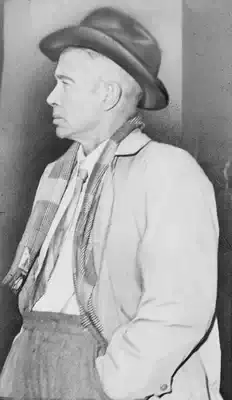
E. E. Cummings
Ballad of the Scholar's Lament
When I have struggled through three hundred years
of Roman history, and hastened o'er
Some French play-(though I have my private fears
Of flunking sorely when I take the floor
In class),-when I have steeped my soul in gore
And Greek, and figured over half a ream
With Algebra, which I do (not) adore,
How shall I manage to compose a theme?
It's well enough to talk of poor and peers,
And munch the golden apples' shiny core,
And lay a lot of heroes on their biers;While
the great Alec, knocking down a score,
Takes out his handkerchief, boohoo-ing, "More!"But
harshly I awaken from my dream,
To find a new,-er,-privilege,-in store:
How shall I manage to compose a theme?
After I've swallowed prophecies of seers,
And trailed Aeneas from the Trojan shore,
Learned how Achilles, after many jeers,
On piggy Agamemnon got to sore,
And heard how Hercules, Esq., tore
Around, and swept and dusted with a stream,
There's one last duty,-let's not call it bore,How
shall I manage to compose a theme?
Envoi
Of what avail is all my mighty lore?
I beat my breast, I tear my hair, I scream:
"Behold, I have a Herculean chore.
How shall I manage to compose a theme?"
Read more →
of Roman history, and hastened o'er
Some French play-(though I have my private fears
Of flunking sorely when I take the floor
In class),-when I have steeped my soul in gore
And Greek, and figured over half a ream
With Algebra, which I do (not) adore,
How shall I manage to compose a theme?
It's well enough to talk of poor and peers,
And munch the golden apples' shiny core,
And lay a lot of heroes on their biers;While
the great Alec, knocking down a score,
Takes out his handkerchief, boohoo-ing, "More!"But
harshly I awaken from my dream,
To find a new,-er,-privilege,-in store:
How shall I manage to compose a theme?
After I've swallowed prophecies of seers,
And trailed Aeneas from the Trojan shore,
Learned how Achilles, after many jeers,
On piggy Agamemnon got to sore,
And heard how Hercules, Esq., tore
Around, and swept and dusted with a stream,
There's one last duty,-let's not call it bore,How
shall I manage to compose a theme?
Envoi
Of what avail is all my mighty lore?
I beat my breast, I tear my hair, I scream:
"Behold, I have a Herculean chore.
How shall I manage to compose a theme?"
622
Pablo Neruda
La Reina (The Queen)
I have named you queen.
There are taller than you, taller.
There are purer than you, purer.
There are lovelier than you, lovelier.
But you are the queen.
When you go through the streets
No one recognizes you.
No one sees your crystal crown, no one looks
At the carpet of red gold
That you tread as you pass,
The nonexistent carpet.
And when you appear
All the rivers sound
In my body, bells
Shake the sky,
And a hymn fills the world.
Only you and I,
Only you and I, my love,
Listen to me.
Read more →
There are taller than you, taller.
There are purer than you, purer.
There are lovelier than you, lovelier.
But you are the queen.
When you go through the streets
No one recognizes you.
No one sees your crystal crown, no one looks
At the carpet of red gold
That you tread as you pass,
The nonexistent carpet.
And when you appear
All the rivers sound
In my body, bells
Shake the sky,
And a hymn fills the world.
Only you and I,
Only you and I, my love,
Listen to me.
627
Elizabeth Bishop
North Haven
In Memoriam: Robert Lowell
I can make out the rigging of a schooner
a mile off; I can count
the new cones on the spruce. It is so still
the pale bay wears a milky skin; the sky
no clouds except for one long, carded horse¹s tail.
The islands haven't shifted since last summer,
even if I like to pretend they have-drifting,
in a dreamy sort of way,
a little north, a little south, or sidewise-and
that they¹re free within the blue frontiers of bay.
This month our favorite one is full of flowers:
buttercups, red clover, purple vetch,
hackweed still burning, daisies pied, eyebright,
the fragrant bedstraw's incandescent stars,
and more, returned, to paint the meadows with delight.
The goldfinches are back, or others like them,
and the white-throated sparrow's five-note song,
pleading and pleading, brings tears to the eyes.
Nature repeats herself, or almost does:
repeat, repeat, repeat; revise, revise, revise.
Years ago, you told me it was here
(in 1932?) you first "discovered girls"
and learned to sail, and learned to kiss.
You had "such fun," you said, that classic summer.
("Fun"--it always seemed to leave you at a loss...)
You left North Haven, anchored in its rock,
afloat in mystic blue...And now--you've left
for good. You can't derange, or rearrange,
your poems again. (But the sparrows can their song.)
The words won't change again. Sad friend, you cannot change.
Read more →
I can make out the rigging of a schooner
a mile off; I can count
the new cones on the spruce. It is so still
the pale bay wears a milky skin; the sky
no clouds except for one long, carded horse¹s tail.
The islands haven't shifted since last summer,
even if I like to pretend they have-drifting,
in a dreamy sort of way,
a little north, a little south, or sidewise-and
that they¹re free within the blue frontiers of bay.
This month our favorite one is full of flowers:
buttercups, red clover, purple vetch,
hackweed still burning, daisies pied, eyebright,
the fragrant bedstraw's incandescent stars,
and more, returned, to paint the meadows with delight.
The goldfinches are back, or others like them,
and the white-throated sparrow's five-note song,
pleading and pleading, brings tears to the eyes.
Nature repeats herself, or almost does:
repeat, repeat, repeat; revise, revise, revise.
Years ago, you told me it was here
(in 1932?) you first "discovered girls"
and learned to sail, and learned to kiss.
You had "such fun," you said, that classic summer.
("Fun"--it always seemed to leave you at a loss...)
You left North Haven, anchored in its rock,
afloat in mystic blue...And now--you've left
for good. You can't derange, or rearrange,
your poems again. (But the sparrows can their song.)
The words won't change again. Sad friend, you cannot change.
625
Pablo Neruda
The Night in Isla Negra
Ancient night and the unruly salt
beat at the walls of my house.
The shadow is all one, the sky
throbs now along with the ocean,
and sky and shadow erupt
in the crash of their vast conflict.
All night long they struggle;
nobody knows the name
of the harsh light that keeps slowly opening
like a languid fruit.
So on the coast comes to light,
out of seething shadow, the harsh dawn,
gnawed at by the moving salt,
swept clean by the mass of night,
bloodstained in its sea-washed crater.
Read more →
beat at the walls of my house.
The shadow is all one, the sky
throbs now along with the ocean,
and sky and shadow erupt
in the crash of their vast conflict.
All night long they struggle;
nobody knows the name
of the harsh light that keeps slowly opening
like a languid fruit.
So on the coast comes to light,
out of seething shadow, the harsh dawn,
gnawed at by the moving salt,
swept clean by the mass of night,
bloodstained in its sea-washed crater.
625