
Soul
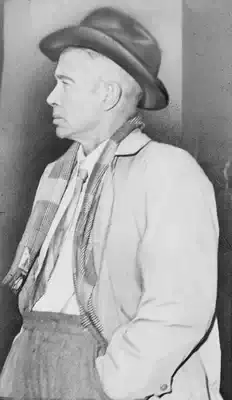
E. E. Cummings
my father moved through dooms of love
my father moved through dooms of love
through sames of am through haves of give,
singing each morning out of each night
my father moved through depths of height
this motionless forgetful where
turned at his glance to shining here;
that if(so timid air is firm)
under his eyes would stir and squirm
newly as from unburied which
floats the first who, his april touch
drove sleeping selves to swarm their fates
woke dreamers to their ghostly roots
and should some why completely weep
my father's fingers brought her sleep:
vainly no smallest voice might cry
for he could feel the mountains grow.
Lifting the valleys of the sea
my father moved through griefs of joy;
praising a forehead called the moon
singing desire into begin
joy was his song and joy so pure
a heart of star by him could steer
and pure so now and now so yes
the wrists of twilight would rejoice
keen as midsummer's keen beyond
conceiving mind of sun will stand,
so strictly(over utmost him
so hugely)stood my father's dream
his flesh was flesh his blood was blood:
no hungry man but wished him food;
no cripple wouldn't creep one mile
uphill to only see him smile.
Scorning the pomp of must and shall
my father moved through dooms of feel;
his anger was as right as rain
his pity was as green as grain
septembering arms of year extend
less humbly wealth to foe and friend
than he to foolish and to wise
offered immeasurable is
proudly and(by octobering flame
beckoned)as earth will downward climb,
so naked for immortal work
his shoulders marched against the dark
his sorrow was as true as bread:
no liar looked him in the head;
if every friend became his foe
he'd laugh and build a world with snow.
My father moved through theys of we,
singing each new leaf out of each tree
(and every child was sure that spring
danced when she heard my father sing)
then let men kill which cannot share,
let blood and flesh be mud and mire,
scheming imagine,passion willed,
freedom a drug that's bought and sold
giving to steal and cruel kind,
a heart to fear,to doubt a mind,
to differ a disease of same,
conform the pinnacle of am
though dull were all we taste as bright,
bitter all utterly things sweet,
maggoty minus and dumb death
all we inherit,all bequeath
and nothing quite so least as truth
-i say though hate were why men breathebecause
my father lived his soul
love is the whole and more than all
Read more →
through sames of am through haves of give,
singing each morning out of each night
my father moved through depths of height
this motionless forgetful where
turned at his glance to shining here;
that if(so timid air is firm)
under his eyes would stir and squirm
newly as from unburied which
floats the first who, his april touch
drove sleeping selves to swarm their fates
woke dreamers to their ghostly roots
and should some why completely weep
my father's fingers brought her sleep:
vainly no smallest voice might cry
for he could feel the mountains grow.
Lifting the valleys of the sea
my father moved through griefs of joy;
praising a forehead called the moon
singing desire into begin
joy was his song and joy so pure
a heart of star by him could steer
and pure so now and now so yes
the wrists of twilight would rejoice
keen as midsummer's keen beyond
conceiving mind of sun will stand,
so strictly(over utmost him
so hugely)stood my father's dream
his flesh was flesh his blood was blood:
no hungry man but wished him food;
no cripple wouldn't creep one mile
uphill to only see him smile.
Scorning the pomp of must and shall
my father moved through dooms of feel;
his anger was as right as rain
his pity was as green as grain
septembering arms of year extend
less humbly wealth to foe and friend
than he to foolish and to wise
offered immeasurable is
proudly and(by octobering flame
beckoned)as earth will downward climb,
so naked for immortal work
his shoulders marched against the dark
his sorrow was as true as bread:
no liar looked him in the head;
if every friend became his foe
he'd laugh and build a world with snow.
My father moved through theys of we,
singing each new leaf out of each tree
(and every child was sure that spring
danced when she heard my father sing)
then let men kill which cannot share,
let blood and flesh be mud and mire,
scheming imagine,passion willed,
freedom a drug that's bought and sold
giving to steal and cruel kind,
a heart to fear,to doubt a mind,
to differ a disease of same,
conform the pinnacle of am
though dull were all we taste as bright,
bitter all utterly things sweet,
maggoty minus and dumb death
all we inherit,all bequeath
and nothing quite so least as truth
-i say though hate were why men breathebecause
my father lived his soul
love is the whole and more than all
624

Rudyard Kipling
Quiquern
The People of the Eastern Ice, they are melting like the snow--
They beg for coffee and sugar; they go where the white men go.
The People of the Western Ice, they learn to steal and fight;
They sell their furs to the trading-post; they sell their souls to
the white.
The People of the Southern Ice, they trade with the whaler's
crew;
Their women have many ribbons, but their tents are torn and few.
But the People of the Elder Ice, beyond the white man's ken--
Their spears are made of the narwhal-horn, and they are the last
of the Men!
Read more →
They beg for coffee and sugar; they go where the white men go.
The People of the Western Ice, they learn to steal and fight;
They sell their furs to the trading-post; they sell their souls to
the white.
The People of the Southern Ice, they trade with the whaler's
crew;
Their women have many ribbons, but their tents are torn and few.
But the People of the Elder Ice, beyond the white man's ken--
Their spears are made of the narwhal-horn, and they are the last
of the Men!
626
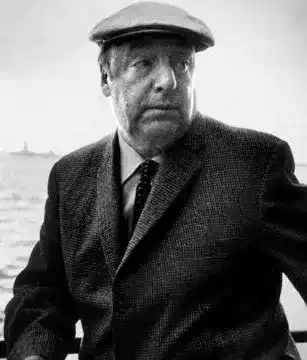
Pablo Neruda
Tower Of Light
O tower of light, sad beauty
that magnified necklaces and statues in the sea,
calcareous eye, insignia of the vast waters, cry
of the mourning petrel, tooth of the sea, wife
of the Oceanian wind, O separate rose
from the long stem of the trampled bush
that the depths, converted into archipelago,
O natural star, green diadem,
alone in your lonesome dynasty,
still unattainable, elusive, desolate
like one drop, like one grape, like the sea.
Read more →
that magnified necklaces and statues in the sea,
calcareous eye, insignia of the vast waters, cry
of the mourning petrel, tooth of the sea, wife
of the Oceanian wind, O separate rose
from the long stem of the trampled bush
that the depths, converted into archipelago,
O natural star, green diadem,
alone in your lonesome dynasty,
still unattainable, elusive, desolate
like one drop, like one grape, like the sea.
632
Pablo Neruda
‘In the wave-strike over unquiet stones’
In the wave-strike over unquiet stones
the brightness bursts and bears the rose
and the ring of water contracts to a cluster
to one drop of azure brine that falls.
O magnolia radiance breaking in spume,
magnetic voyager whose death flowers
and returns, eternal, to being and nothingness:
shattered brine, dazzling leap of the ocean.
Merged, you and I, my love, seal the silence
while the sea destroys its continual forms,
collapses its turrets of wildness and whiteness,
because in the weft of those unseen garments
of headlong water, and perpetual sand,
we bear the sole, relentless tenderness.
Read more →
the brightness bursts and bears the rose
and the ring of water contracts to a cluster
to one drop of azure brine that falls.
O magnolia radiance breaking in spume,
magnetic voyager whose death flowers
and returns, eternal, to being and nothingness:
shattered brine, dazzling leap of the ocean.
Merged, you and I, my love, seal the silence
while the sea destroys its continual forms,
collapses its turrets of wildness and whiteness,
because in the weft of those unseen garments
of headlong water, and perpetual sand,
we bear the sole, relentless tenderness.
622
Pablo Neruda
I Remember You As You Were
I remember you as you were in the last autumn.
You were the grey beret and the still heart.
In your eyes the flames of the twilight fought on.
And the leaves fell in the water of your soul.
Clasping my arms like a climbing plant
the leaves garnered your voice, that was slow and at peace.
Bonfire of awe in which my thirst was burning.
Sweet blue hyacinth twisted over my soul.
I feel your eyes traveling, and the autumn is far off:
Grey beret, voice of a bird, heart like a house
Towards which my deep longings migrated
And my kisses fell, happy as embers.
Sky from a ship. Field from the hills:
Your memory is made of light, of smoke, of a still pond!
Beyond your eyes, farther on, the evenings were blazing.
Dry autumn leaves revolved in your soul.
Read more →
You were the grey beret and the still heart.
In your eyes the flames of the twilight fought on.
And the leaves fell in the water of your soul.
Clasping my arms like a climbing plant
the leaves garnered your voice, that was slow and at peace.
Bonfire of awe in which my thirst was burning.
Sweet blue hyacinth twisted over my soul.
I feel your eyes traveling, and the autumn is far off:
Grey beret, voice of a bird, heart like a house
Towards which my deep longings migrated
And my kisses fell, happy as embers.
Sky from a ship. Field from the hills:
Your memory is made of light, of smoke, of a still pond!
Beyond your eyes, farther on, the evenings were blazing.
Dry autumn leaves revolved in your soul.
629

Henry Wadsworth Longfellow
Haunted Houses. (Birds Of Passage. Flight The First)
All houses wherein men have lived and died
Are haunted houses. Through the open doors
The harmless phantoms on their errands glide,
With feet that make no sound upon the floors.
We meet them at the doorway, on the stair,
Along the passages they come and go,
Impalpable impressions on the air,
A sense of something moving to and fro.
There are more guests at table, than the hosts
Invited; the illuminated hall
Is thronged with quiet, inoffensive ghosts,
As silent as the pictures on the wall.
The stranger at my fireside cannot see
The forms I see, nor hear the sounds I hear;
He but perceives what is; while unto me
All that has been is visible and clear.
We have no title-deeds to house or lands;
Owners and occupants of earlier dates
From graves forgotten stretch their dusty hands,
And hold in mortmain still their old estates.
The spirit-world around this world of sense
Floats like an atmosphere, and everywhere
Wafts through these earthly mists and vapors dense
A vital breath of more ethereal air.
Our little lives are kept in equipoise
By opposite attractions and desires;
The struggle of the instinct that enjoys,
And the more noble instinct that aspires.
These perturbations, this perpetual jar
Of earthly wants and aspirations high,
Come from the influence of an unseen star,
An undiscovered planet in our sky.
And as the moon from some dark gate of cloud
Throws o'er the sea a floating bridge of light,
Across whose trembling planks our fancies crowd
Into the realm of mystery and night,--
So from the world of spirits there descends
A bridge of light, connecting it with this,
O'er whose unsteady floor, that sways and bends,
Wander our thoughts above the dark abyss.
Read more →
Are haunted houses. Through the open doors
The harmless phantoms on their errands glide,
With feet that make no sound upon the floors.
We meet them at the doorway, on the stair,
Along the passages they come and go,
Impalpable impressions on the air,
A sense of something moving to and fro.
There are more guests at table, than the hosts
Invited; the illuminated hall
Is thronged with quiet, inoffensive ghosts,
As silent as the pictures on the wall.
The stranger at my fireside cannot see
The forms I see, nor hear the sounds I hear;
He but perceives what is; while unto me
All that has been is visible and clear.
We have no title-deeds to house or lands;
Owners and occupants of earlier dates
From graves forgotten stretch their dusty hands,
And hold in mortmain still their old estates.
The spirit-world around this world of sense
Floats like an atmosphere, and everywhere
Wafts through these earthly mists and vapors dense
A vital breath of more ethereal air.
Our little lives are kept in equipoise
By opposite attractions and desires;
The struggle of the instinct that enjoys,
And the more noble instinct that aspires.
These perturbations, this perpetual jar
Of earthly wants and aspirations high,
Come from the influence of an unseen star,
An undiscovered planet in our sky.
And as the moon from some dark gate of cloud
Throws o'er the sea a floating bridge of light,
Across whose trembling planks our fancies crowd
Into the realm of mystery and night,--
So from the world of spirits there descends
A bridge of light, connecting it with this,
O'er whose unsteady floor, that sways and bends,
Wander our thoughts above the dark abyss.
627

Ezra Pound
Dompna Pois De Me No'us Cal
FROM THE PROVENCAL OF EN BERTRANS DE BORN
Lady, since you care nothing for me,
And since you have shut me away from you
Causelessly,
I know not wnere to go seeking,
For certainly
I will never again gather
Joy so rich, and if I find not ever
A lady with look so speaking
To my desire, worth yours whom I have lost,
I’ll have no other love at any cost.
And since I could not find a peer to you,
Neither one so fair, nor of such heart,
So eager and alert,
Nor with such art
In attire, nor so gay
Nor with gift so bountiful and so true,
I will go out a-searching,
Culling from each a fair trait
To make me a borrowed lady
Till I again find you ready.
Bels Cembelins, I take of you your colour,
For it's your own, and your glance
Where love is,
A proud thing I do here,
For, as to colour and eyes
I shall have missed nothing at all,
Having yours.
I ask of Midons Aelis (of Montfort)
Her straight speech free-running,
That my phantom lack not in cunning,
At Chalais of the Viscountess, I would
That she give me outright
Her two hands and her throat,
So take I my road
To Rochechouart,
Swift-foot to my Lady Anhes,
Seeing that Tristan's lady Iseutz had never
Such grace of locks, I do ye to wit,
Though she'd the far fame for it.
Of Audiart at Malemort,
Though she with a full heart
Wish me ill,
I'd have her form that's laced
So cunningly,
Without blemish, for her love
Breaks not nor turns aside.
I of Miels-de-ben demand
Her straight fresh body,
She is so supple and young,
Her robes can but do her wrong.
Her white teeth, of the Lady Faidita
I ask, and the fine courtesy
She hath to welcome one,
And such replies she lavishes
Within her nest;
Of Bels Mirals, the rest,
Tall stature and gaiety,
To make these avail
She knoweth well, betide
No change nor turning aside.
Ah, Bels Senher, Maent, at last
I ask naught from you,
Save that I have such hunger for
This phantom
As I've for you, such flame-lap,
And yet I'd rather
Ask of you than hold another,
Mayhap, right close and kissed.
Ah, lady, why have you cast
Me out, knowing you hold me so fast!
Read more →
Lady, since you care nothing for me,
And since you have shut me away from you
Causelessly,
I know not wnere to go seeking,
For certainly
I will never again gather
Joy so rich, and if I find not ever
A lady with look so speaking
To my desire, worth yours whom I have lost,
I’ll have no other love at any cost.
And since I could not find a peer to you,
Neither one so fair, nor of such heart,
So eager and alert,
Nor with such art
In attire, nor so gay
Nor with gift so bountiful and so true,
I will go out a-searching,
Culling from each a fair trait
To make me a borrowed lady
Till I again find you ready.
Bels Cembelins, I take of you your colour,
For it's your own, and your glance
Where love is,
A proud thing I do here,
For, as to colour and eyes
I shall have missed nothing at all,
Having yours.
I ask of Midons Aelis (of Montfort)
Her straight speech free-running,
That my phantom lack not in cunning,
At Chalais of the Viscountess, I would
That she give me outright
Her two hands and her throat,
So take I my road
To Rochechouart,
Swift-foot to my Lady Anhes,
Seeing that Tristan's lady Iseutz had never
Such grace of locks, I do ye to wit,
Though she'd the far fame for it.
Of Audiart at Malemort,
Though she with a full heart
Wish me ill,
I'd have her form that's laced
So cunningly,
Without blemish, for her love
Breaks not nor turns aside.
I of Miels-de-ben demand
Her straight fresh body,
She is so supple and young,
Her robes can but do her wrong.
Her white teeth, of the Lady Faidita
I ask, and the fine courtesy
She hath to welcome one,
And such replies she lavishes
Within her nest;
Of Bels Mirals, the rest,
Tall stature and gaiety,
To make these avail
She knoweth well, betide
No change nor turning aside.
Ah, Bels Senher, Maent, at last
I ask naught from you,
Save that I have such hunger for
This phantom
As I've for you, such flame-lap,
And yet I'd rather
Ask of you than hold another,
Mayhap, right close and kissed.
Ah, lady, why have you cast
Me out, knowing you hold me so fast!
632
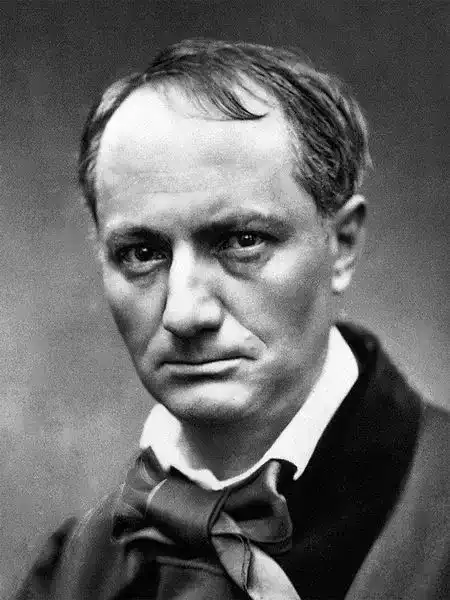
Charles Baudelaire
The Invitation to the Voyage
My sister, my child
imagine, exiled,
The sweetness, of being there, we two!
To live and to sigh,
to love and to die,
In the land that mirrors you!
The misted haze
of its clouded days
Has the same charm to my mind,
as mysterious,
as your traiterous
Eyes, behind glittering blinds.
There everything’s order and beauty,
calm, voluptuousness, and luxury.
The surface gleams
are polished it seems,
Through the years, to grace our room.
The rarest flowers
mix, with fragrant showers,
The vague, amber perfume.
The dark, painted halls,
the deep mirrored walls,
With Eastern splendour hung,
all secretly speak,
To the soul, its discrete,
Sweet, native tongue.
There, everything’s order and beauty,
calm, voluptuousness and luxury.
See, down the canals,
the sleeping vessels,
Those nomads, their white sails furled:
Now, to accomplish
your every wish,
They come from the ends of the world.
- The deep sunsets
surround the west,
The canals, the city, entire,
with blue-violet and gold;
And the Earth grows cold
In an incandescent fire.
There, everything’s order and beauty,
calm, voluptuousness and luxury.
Read more →
imagine, exiled,
The sweetness, of being there, we two!
To live and to sigh,
to love and to die,
In the land that mirrors you!
The misted haze
of its clouded days
Has the same charm to my mind,
as mysterious,
as your traiterous
Eyes, behind glittering blinds.
There everything’s order and beauty,
calm, voluptuousness, and luxury.
The surface gleams
are polished it seems,
Through the years, to grace our room.
The rarest flowers
mix, with fragrant showers,
The vague, amber perfume.
The dark, painted halls,
the deep mirrored walls,
With Eastern splendour hung,
all secretly speak,
To the soul, its discrete,
Sweet, native tongue.
There, everything’s order and beauty,
calm, voluptuousness and luxury.
See, down the canals,
the sleeping vessels,
Those nomads, their white sails furled:
Now, to accomplish
your every wish,
They come from the ends of the world.
- The deep sunsets
surround the west,
The canals, the city, entire,
with blue-violet and gold;
And the Earth grows cold
In an incandescent fire.
There, everything’s order and beauty,
calm, voluptuousness and luxury.
628
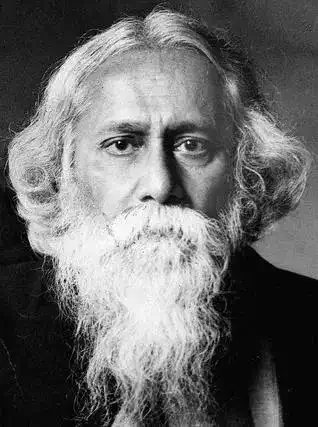
Rabindranath Tagore
I Am Restless
I am restless. I am athirst for far-away things.
My soul goes out in a longing to touch the skirt of the dim distance.
O Great Beyond, O the keen call of thy flute!
I forget, I ever forget, that I have no wings to fly, that I am bound in this spot
evermore.
I am eager and wakeful, I am a stranger in a strange land.
Thy breath comes to me whispering an impossible hope.
Thy tongue is known to my heart as its very own.
O Far-to-seek, O the keen call of thy flute!
I forget, I ever forget, that I know not the way, that I have not the winged horse.
I am listless, I am a wanderer in my heart.
In the sunny haze of the languid hours, what vast vision of thine takes shape in the
blue of the sky!
O Farthest end, O the keen call of thy flute!
I forget, I ever forget, that the gates are shut everywhere in the house where I dwell
alone!
Read more →
My soul goes out in a longing to touch the skirt of the dim distance.
O Great Beyond, O the keen call of thy flute!
I forget, I ever forget, that I have no wings to fly, that I am bound in this spot
evermore.
I am eager and wakeful, I am a stranger in a strange land.
Thy breath comes to me whispering an impossible hope.
Thy tongue is known to my heart as its very own.
O Far-to-seek, O the keen call of thy flute!
I forget, I ever forget, that I know not the way, that I have not the winged horse.
I am listless, I am a wanderer in my heart.
In the sunny haze of the languid hours, what vast vision of thine takes shape in the
blue of the sky!
O Farthest end, O the keen call of thy flute!
I forget, I ever forget, that the gates are shut everywhere in the house where I dwell
alone!
624

Kazi Nazrul Islam
My Explanation
I am a poet of today, not a prophet of a future day,
Poet or worthless, call me whatever, I put up with anything you say.
Some say, to the future you belong,
Your place, as a poet, tomorrow will come along.
How come you lack message enduring like that emanates from Rabi's hand?
I am blamed, but I wont' quit playing rising sun's music band.
My fellow poets are disappointed, they read my works and sigh,
Saying: the good one is becoming no good, as he can't say to politics good-bye.
Does not read a book - finished is this chap!
Some say: His wife has brought, indeed, all this mishap!
Some say: The fat one is spoiled, playing cards - non-stop - in the jail,
Others say: You were better there; toward jail again you should sail!
Mentor says: You're no good, except shaving using a sword!
Every Saturday my lover's letter conveys me, 'Nothing useful in you is stored.'
I say: Honey, shall I reveal the secret?
Letters stop in a hurry; not one more I get.
Sacrificing everything, I got married: Hindus say, 'Get lost'!
Am I Muslim or a heathen? Where is my pigtail or beard, or the hem of loin-cloth?
All the goody-searching priests or Mollahs wave their hands and pronounce:
This one invokes names of deities; this rogue one we must denounce!
Hear the Fatwa: Kafir is this Kazi; nothing else,
Even though he wants martyrdom, or so he tells!
Some scripture we know, and we still earn our livelihood!
Hindus detest my use of Persian words saying: from us, this guy deserves no good!
No one is happy with me; the disciples of non-violence? of course, not!
I am blamed I play the violin of violence; I get the revolutionaries' hot heads even
more hot.
The revolutionaries say: This one is non-violent,
My songs deal with spinning wheels: they resent.
Top Brahmins find me atheist, lesser ones regard me as one of the Confucians;
Independence lovers don't accept me; their opponents prefer me to be with those
Europeans!
Men think I am a feminist; women, however, think otherwise,
I never went to England; I am worthless in my expatriate friends' eyes!
My admirers see me as Rabi of new age,
If not of new age, at least a poet of these trendy days!
I hear all these, bemused; exercise for a stronger heart,
Lie down with eyeglasses on; sleeping through the day is my life's part.
I don't know what I write; Do I even understand anything of my own?
I couldn't raise my hand in protest, so I write with my head down.
Dear friends, I did not find appreciation in you,
but my name shines in government's list in lieu.
Honoring my works as invaluable, without value people take it.
Have you heard anything else? Be careful, may not be far a government spy's pit!
Friends, you have seen me engrossed in my own mind's temple,
I rebuke and admonish my mind, but bringing it under control I wish were so simple!
Every time I chain itself, somehow it escapes free
I beat it, and the same I repeat, to complete my victory,
I wish this mad mind would listen to me, but even to Rabi or Gandhi, it did not listen,
Abruptly it wakes up and then wanders in the jungle's darkness in search of roaring
tigers that glisten.
I say, O this insane one, you are doing so great in the community,
You are already a half-leader; but if you lose this opportunity,
would you ever be a full leader,
and weep with the crowd as a speaker?
Pick up the fish in the net now, O fool, before it slips away, I bet!
Take this break to get your leaky house fixed, otherwise soon you will regret.
Who understands that this minstrel's mind roams around singing and reciting!
This name hardly rings any bell; Days are passed chewing Betel leaves, ah, a taste so
inviting!
May be some day there won't be any more of epidemic of malaria,
Especially, since the autonomy is coming in its full pomp and euphoria.
Yes, we want moon, but those hapless ones cherish a meal, as teardrops of their little
ones dribble,
The agonized mother shouts: Hush, you miserables! See, independence is coming - no
more quibble!
But those hungry kids can't care less about autonomy; their desire: a little salt and
some rice,
Ah! the hour is late; nothing they have nibbled yet; the flame of hunger seeks no
advice.
When I hear that cry, my insane mind charges in a rush,
My intoxication for autonomy seeks shelter merely in my dream's brush!
I say, bemoaning: O God, are you still there? Why are they not, then,
Humiliated or destroyed, those who suck the blood of these children?
We all know, to bring independence, those lofty slogans we have devised,
And, at the same time, how burning hunger of so many million children, we have
compromised!
So much money was raised, but independence still remained a dream,
as the hungry people can't pay enough, they are so weak even to scream!
When a baby is snatched away from the mother's bosom, we plead, O royal tiger,
please eat grass!
The mother keeps begging from door to door, while in her shack hiding the baby's
carcass.
My friends, I can't say any more; my mind feels so much agony and pain,
I have gone mad; now, I utter whatever my mouth throws out in disdain.
My own blood won't make much difference,
With blood-ink I keep writing, hence,
My head can't forbear robust ideas or big thought any more; so agonized is this mortal,
All those who are in peace and happiness, it's your privilege to write epics immortal.
I don't care any more, if I live or don't, when gone is this trendy sensation,
Rabi is shining above our head, and then there are you, the golden generation.
Those who usurp the morsel of three hundred thirty million people: let our prayer keep
brewin',
In my blood-ink writing, may it be engraved and sealed their utter ruin.
[Original: Bengali, Translator: Dr. Mohammad Omar Farooq ]
Read more →
Poet or worthless, call me whatever, I put up with anything you say.
Some say, to the future you belong,
Your place, as a poet, tomorrow will come along.
How come you lack message enduring like that emanates from Rabi's hand?
I am blamed, but I wont' quit playing rising sun's music band.
My fellow poets are disappointed, they read my works and sigh,
Saying: the good one is becoming no good, as he can't say to politics good-bye.
Does not read a book - finished is this chap!
Some say: His wife has brought, indeed, all this mishap!
Some say: The fat one is spoiled, playing cards - non-stop - in the jail,
Others say: You were better there; toward jail again you should sail!
Mentor says: You're no good, except shaving using a sword!
Every Saturday my lover's letter conveys me, 'Nothing useful in you is stored.'
I say: Honey, shall I reveal the secret?
Letters stop in a hurry; not one more I get.
Sacrificing everything, I got married: Hindus say, 'Get lost'!
Am I Muslim or a heathen? Where is my pigtail or beard, or the hem of loin-cloth?
All the goody-searching priests or Mollahs wave their hands and pronounce:
This one invokes names of deities; this rogue one we must denounce!
Hear the Fatwa: Kafir is this Kazi; nothing else,
Even though he wants martyrdom, or so he tells!
Some scripture we know, and we still earn our livelihood!
Hindus detest my use of Persian words saying: from us, this guy deserves no good!
No one is happy with me; the disciples of non-violence? of course, not!
I am blamed I play the violin of violence; I get the revolutionaries' hot heads even
more hot.
The revolutionaries say: This one is non-violent,
My songs deal with spinning wheels: they resent.
Top Brahmins find me atheist, lesser ones regard me as one of the Confucians;
Independence lovers don't accept me; their opponents prefer me to be with those
Europeans!
Men think I am a feminist; women, however, think otherwise,
I never went to England; I am worthless in my expatriate friends' eyes!
My admirers see me as Rabi of new age,
If not of new age, at least a poet of these trendy days!
I hear all these, bemused; exercise for a stronger heart,
Lie down with eyeglasses on; sleeping through the day is my life's part.
I don't know what I write; Do I even understand anything of my own?
I couldn't raise my hand in protest, so I write with my head down.
Dear friends, I did not find appreciation in you,
but my name shines in government's list in lieu.
Honoring my works as invaluable, without value people take it.
Have you heard anything else? Be careful, may not be far a government spy's pit!
Friends, you have seen me engrossed in my own mind's temple,
I rebuke and admonish my mind, but bringing it under control I wish were so simple!
Every time I chain itself, somehow it escapes free
I beat it, and the same I repeat, to complete my victory,
I wish this mad mind would listen to me, but even to Rabi or Gandhi, it did not listen,
Abruptly it wakes up and then wanders in the jungle's darkness in search of roaring
tigers that glisten.
I say, O this insane one, you are doing so great in the community,
You are already a half-leader; but if you lose this opportunity,
would you ever be a full leader,
and weep with the crowd as a speaker?
Pick up the fish in the net now, O fool, before it slips away, I bet!
Take this break to get your leaky house fixed, otherwise soon you will regret.
Who understands that this minstrel's mind roams around singing and reciting!
This name hardly rings any bell; Days are passed chewing Betel leaves, ah, a taste so
inviting!
May be some day there won't be any more of epidemic of malaria,
Especially, since the autonomy is coming in its full pomp and euphoria.
Yes, we want moon, but those hapless ones cherish a meal, as teardrops of their little
ones dribble,
The agonized mother shouts: Hush, you miserables! See, independence is coming - no
more quibble!
But those hungry kids can't care less about autonomy; their desire: a little salt and
some rice,
Ah! the hour is late; nothing they have nibbled yet; the flame of hunger seeks no
advice.
When I hear that cry, my insane mind charges in a rush,
My intoxication for autonomy seeks shelter merely in my dream's brush!
I say, bemoaning: O God, are you still there? Why are they not, then,
Humiliated or destroyed, those who suck the blood of these children?
We all know, to bring independence, those lofty slogans we have devised,
And, at the same time, how burning hunger of so many million children, we have
compromised!
So much money was raised, but independence still remained a dream,
as the hungry people can't pay enough, they are so weak even to scream!
When a baby is snatched away from the mother's bosom, we plead, O royal tiger,
please eat grass!
The mother keeps begging from door to door, while in her shack hiding the baby's
carcass.
My friends, I can't say any more; my mind feels so much agony and pain,
I have gone mad; now, I utter whatever my mouth throws out in disdain.
My own blood won't make much difference,
With blood-ink I keep writing, hence,
My head can't forbear robust ideas or big thought any more; so agonized is this mortal,
All those who are in peace and happiness, it's your privilege to write epics immortal.
I don't care any more, if I live or don't, when gone is this trendy sensation,
Rabi is shining above our head, and then there are you, the golden generation.
Those who usurp the morsel of three hundred thirty million people: let our prayer keep
brewin',
In my blood-ink writing, may it be engraved and sealed their utter ruin.
[Original: Bengali, Translator: Dr. Mohammad Omar Farooq ]
628
Kazi Nazrul Islam
The Nightingale is silent
The bulbul bird is silent in the nargis garden
Listening to the laments of the fallen flower
In spring next to the lovers tomb young poet sobs in solace
Pensive sky is still with clouds burdened with water
Next to the barmaids glass of wine, tears of sorrow rol
Is like buds
The heart broken moon stares with melancholy eyes.
[Original: Bulbuli nirob; Translation: Kashfia Billah]
Read more →
Listening to the laments of the fallen flower
In spring next to the lovers tomb young poet sobs in solace
Pensive sky is still with clouds burdened with water
Next to the barmaids glass of wine, tears of sorrow rol
Is like buds
The heart broken moon stares with melancholy eyes.
[Original: Bulbuli nirob; Translation: Kashfia Billah]
614

Emily Dickinson
There is another sky
There is another sky,
Ever serene and fair,
And there is another sunshine,
Though it be darkness there;
Never mind faded forests, Austin,
Never mind silent fields-
Here is a little forest,
Whose leaf is ever green;
Here is a brighter garden,
Where not a frost has been;
In its unfading flowers
I hear the bright bee hum:
Prithee, my brother,
Into my garden come!
Read more →
Ever serene and fair,
And there is another sunshine,
Though it be darkness there;
Never mind faded forests, Austin,
Never mind silent fields-
Here is a little forest,
Whose leaf is ever green;
Here is a brighter garden,
Where not a frost has been;
In its unfading flowers
I hear the bright bee hum:
Prithee, my brother,
Into my garden come!
613
Ezra Pound
Homage To Sextus Propertius - V
Now if ever it is time to cleanse Helicon;
to lead Emathian horses afield,
And to name over the census of my chiefs in the Roman camp.
If I have not the faculty, 'The bare attempt would be praise-worthy.'
'In the things of similar magnitude
the mere will to act is sufficient.'
The primitive ages sang Venus,
the last sings of a tumult,
And I also will sing war when this matter of a girl is exhausted.
I with my beak hauled ashore would proceed in a more stately manner,
My Muse is eager to instruct me in a new gamut, or gambetto,
Up, up my soul, from your lowly cantilation,
put on a timely vigour.
Oh august Pierides! Now for a large-mouthed product.
Thus:
'The Euphrates denies its protection to the Parthian and
apologizes for Crassus,'
And 'It is, I think, India which now gives necks to your triumph,'
And so forth, Augustus. 'Virgin Arabia shakes in her inmost dwelling.'
If any land shrink into a distant seacoast,
it is a mere postponement of your domination.
And I shall follow the camp, I shall be duly celebrated
for singing the affairs of your cavalry.
May the fates watch over my day.
2
Yet you ask on what account I write so many love-lyrics
And whence this soft book comes into my mouth.
Neither Calliope nor Apollo sung these things into my ear,
My genius is no more than a girl.
If she with ivory fingers drive a tune through the lyre,
We look at the process.
How easy the moving fingers; if hair is mussed on her forehead,
If she goes in a gleam of Cos, in a slither of dyed stuff,
There is a volume in the matter; if her eyelids sink into sleep,
There are new jobs for the author;
And if she plays with me with her shirt off,
We shall construct many Iliads.
And whatever she does or says
We shall spin long yarns out of nothing.
Thus much the fates have allotted me, and if, Maecenas,
I were able to lead heroes into armour, I would not,
Neither would I warble of Titans, nor of Ossa
spiked onto Olympus,
Nor of causeways over Pelion,
Nor of Thebes in its ancient respectability,
nor of Homer's reputation in Pergamus,
Nor of Xerxes' two-barreled kingdom, nor of Remus and his royal family,
Nor of dignified Carthaginian characters,
Nor of Welsh mines and the profit Marus had out of them,
I should remember Caesar's affairs . . .
for a background,
Although Callimachus did without them,
and without Theseus,
Without an inferno, without Achilles attended of gods,
Without Ixion, and without the sons of Menoetius and
the Argo and without Jove's grave and the Titans.
And my ventricles do not palpitate to Caesarial ore rotundas,
Nor to the tune of the Phrygian fathers.
Sailor, of winds; a plowman, concerning his oxen;
Soldier, the enumeration of wounds; the sheep-feeder, of ewes;
We, in our narrow bed, turning aside from battles:
Each man where he can, wearing out the day in his manner.
3
It is noble to die of love, and honourable to remain
uncuckolded for a season.
And she speaks ill of light women,
and will not praise Homer
Because Helen's conduct is 'unsuitable'.
Read more →
to lead Emathian horses afield,
And to name over the census of my chiefs in the Roman camp.
If I have not the faculty, 'The bare attempt would be praise-worthy.'
'In the things of similar magnitude
the mere will to act is sufficient.'
The primitive ages sang Venus,
the last sings of a tumult,
And I also will sing war when this matter of a girl is exhausted.
I with my beak hauled ashore would proceed in a more stately manner,
My Muse is eager to instruct me in a new gamut, or gambetto,
Up, up my soul, from your lowly cantilation,
put on a timely vigour.
Oh august Pierides! Now for a large-mouthed product.
Thus:
'The Euphrates denies its protection to the Parthian and
apologizes for Crassus,'
And 'It is, I think, India which now gives necks to your triumph,'
And so forth, Augustus. 'Virgin Arabia shakes in her inmost dwelling.'
If any land shrink into a distant seacoast,
it is a mere postponement of your domination.
And I shall follow the camp, I shall be duly celebrated
for singing the affairs of your cavalry.
May the fates watch over my day.
2
Yet you ask on what account I write so many love-lyrics
And whence this soft book comes into my mouth.
Neither Calliope nor Apollo sung these things into my ear,
My genius is no more than a girl.
If she with ivory fingers drive a tune through the lyre,
We look at the process.
How easy the moving fingers; if hair is mussed on her forehead,
If she goes in a gleam of Cos, in a slither of dyed stuff,
There is a volume in the matter; if her eyelids sink into sleep,
There are new jobs for the author;
And if she plays with me with her shirt off,
We shall construct many Iliads.
And whatever she does or says
We shall spin long yarns out of nothing.
Thus much the fates have allotted me, and if, Maecenas,
I were able to lead heroes into armour, I would not,
Neither would I warble of Titans, nor of Ossa
spiked onto Olympus,
Nor of causeways over Pelion,
Nor of Thebes in its ancient respectability,
nor of Homer's reputation in Pergamus,
Nor of Xerxes' two-barreled kingdom, nor of Remus and his royal family,
Nor of dignified Carthaginian characters,
Nor of Welsh mines and the profit Marus had out of them,
I should remember Caesar's affairs . . .
for a background,
Although Callimachus did without them,
and without Theseus,
Without an inferno, without Achilles attended of gods,
Without Ixion, and without the sons of Menoetius and
the Argo and without Jove's grave and the Titans.
And my ventricles do not palpitate to Caesarial ore rotundas,
Nor to the tune of the Phrygian fathers.
Sailor, of winds; a plowman, concerning his oxen;
Soldier, the enumeration of wounds; the sheep-feeder, of ewes;
We, in our narrow bed, turning aside from battles:
Each man where he can, wearing out the day in his manner.
3
It is noble to die of love, and honourable to remain
uncuckolded for a season.
And she speaks ill of light women,
and will not praise Homer
Because Helen's conduct is 'unsuitable'.
617
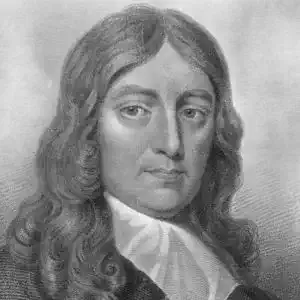
John Milton
The Passion
I
Erewhile of music, and ethereal mirth,
Wherewith the stage of Air and Earth did ring,
And joyous news of heavenly Infant’s birth,
My muse with Angels did divide to sing;
But headlong joy is ever on the wing,
In wintry solstice like the shortened light
Soon swallowed up in dark and long outliving night.
II
For now to sorrow must I tune my song,
And set my Harp to notes of saddest woe,
Which on our dearest Lord did seize ere long,
Dangers, and snares, and wrongs, and worse than so,
Which he for us did freely undergo:
Most perfect Hero, tried in heaviest plight
Of labours huge and hard, too hard for human wight!
III
He, sovran Priest, stooping his regal head,
That dropt with odorous oil down his fair eyes,
Poor fleshly Tabernacle enterèd,
His starry front low-roofed beneath the skies:
Oh, what a mask was there, what a disguise!
Yet more: the stroke of death he must abide;
Then lies him meekly down fast by his Brethren’s side.
IV
These latest scenes confine my roving verse;
To this horizon is my Phoebus bound.
His godlike acts, and his temptations fierce,
And former sufferings, otherwhere are found;
Loud o’er the rest Cremona’s trump doth sound:
Me softer airs befit, and softer strings
Of lute, or viol still, more apt for mournful things.
V
Befriend me, Night, best Patroness of grief!
Over the pole thy thickest mantle throw,
And work my flattered fancy to belief
That Heaven and Earth are coloured with my woe;
My sorrows are too dark for day to know:
The leaves should all be black whereon I write,
And letters, where my tears have washed, a wannish white.
VI
See, see the chariot, and those rushing wheels,
That whirled the prophet up at Chebar flood;
My spirit some transporting Cherub feels
To bear me where the Towers of Salem stood,
Once glorious towers, now sunk in guiltless blood.
There doth my soul in holy vision sit,
In pensive trance, and anguish, and ecstatic fit.
VII
Mine eye hath found that sad sepulchral rock
That was the casket of Heaven’s richest store,
And here, though grief my feeble hands up-lock,
Yet on the softened quarry would I score
My plaining verse as lively as before;
For sure so well instructed are my tears
That they would fitly fall in ordered characters.
VIII
Or, should I thence, hurried on viewless wing,
Take up a weeping on the mountains wild,
The gentle neighbourhood of grove and spring
Would soon unbosom all their Echoes mild;
And I (for grief is easily beguiled)
Might think the infection of my sorrows loud
Had got a race of mourners on some pregnant cloud.
This Subject the Author finding to be above the years he had when he wrote it, and
nothing satisfied with what was begun, left it unfinished.
Read more →
Erewhile of music, and ethereal mirth,
Wherewith the stage of Air and Earth did ring,
And joyous news of heavenly Infant’s birth,
My muse with Angels did divide to sing;
But headlong joy is ever on the wing,
In wintry solstice like the shortened light
Soon swallowed up in dark and long outliving night.
II
For now to sorrow must I tune my song,
And set my Harp to notes of saddest woe,
Which on our dearest Lord did seize ere long,
Dangers, and snares, and wrongs, and worse than so,
Which he for us did freely undergo:
Most perfect Hero, tried in heaviest plight
Of labours huge and hard, too hard for human wight!
III
He, sovran Priest, stooping his regal head,
That dropt with odorous oil down his fair eyes,
Poor fleshly Tabernacle enterèd,
His starry front low-roofed beneath the skies:
Oh, what a mask was there, what a disguise!
Yet more: the stroke of death he must abide;
Then lies him meekly down fast by his Brethren’s side.
IV
These latest scenes confine my roving verse;
To this horizon is my Phoebus bound.
His godlike acts, and his temptations fierce,
And former sufferings, otherwhere are found;
Loud o’er the rest Cremona’s trump doth sound:
Me softer airs befit, and softer strings
Of lute, or viol still, more apt for mournful things.
V
Befriend me, Night, best Patroness of grief!
Over the pole thy thickest mantle throw,
And work my flattered fancy to belief
That Heaven and Earth are coloured with my woe;
My sorrows are too dark for day to know:
The leaves should all be black whereon I write,
And letters, where my tears have washed, a wannish white.
VI
See, see the chariot, and those rushing wheels,
That whirled the prophet up at Chebar flood;
My spirit some transporting Cherub feels
To bear me where the Towers of Salem stood,
Once glorious towers, now sunk in guiltless blood.
There doth my soul in holy vision sit,
In pensive trance, and anguish, and ecstatic fit.
VII
Mine eye hath found that sad sepulchral rock
That was the casket of Heaven’s richest store,
And here, though grief my feeble hands up-lock,
Yet on the softened quarry would I score
My plaining verse as lively as before;
For sure so well instructed are my tears
That they would fitly fall in ordered characters.
VIII
Or, should I thence, hurried on viewless wing,
Take up a weeping on the mountains wild,
The gentle neighbourhood of grove and spring
Would soon unbosom all their Echoes mild;
And I (for grief is easily beguiled)
Might think the infection of my sorrows loud
Had got a race of mourners on some pregnant cloud.
This Subject the Author finding to be above the years he had when he wrote it, and
nothing satisfied with what was begun, left it unfinished.
620

Lord Byron
So We'll Go No More a-Roving
So we'll go no more aroving
So late into the night,
Though the heart still be as loving,
And the moon still be as bright.
For the sword outwears its sheath,
And the soul outwears the breast,
And the heart must pause to breathe,
And love itself have rest.
Though the night was made for loving,
And the day returns too soon,
Yet we'll go no more aroving
By the light of the moon.
Read more →
So late into the night,
Though the heart still be as loving,
And the moon still be as bright.
For the sword outwears its sheath,
And the soul outwears the breast,
And the heart must pause to breathe,
And love itself have rest.
Though the night was made for loving,
And the day returns too soon,
Yet we'll go no more aroving
By the light of the moon.
607
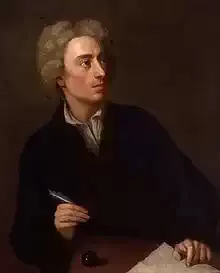
Alexander Pope
Eloisa to Abelard
In these deep solitudes and awful cells,
Where heav'nly-pensive contemplation dwells,
And ever-musing melancholy reigns;
What means this tumult in a vestal's veins?
Why rove my thoughts beyond this last retreat?
Why feels my heart its long-forgotten heat?
Yet, yet I love!--From Abelard it came,
And Eloisa yet must kiss the name.
Dear fatal name! rest ever unreveal'd,
Nor pass these lips in holy silence seal'd.
Hide it, my heart, within that close disguise,
Where mix'd with God's, his lov'd idea lies:
O write it not, my hand--the name appears
Already written--wash it out, my tears!
In vain lost Eloisa weeps and prays,
Her heart still dictates, and her hand obeys.
Relentless walls! whose darksome round contains
Repentant sighs, and voluntary pains:
Ye rugged rocks! which holy knees have worn;
Ye grots and caverns shagg'd with horrid thorn!
Shrines! where their vigils pale-ey'd virgins keep,
And pitying saints, whose statues learn to weep!
Though cold like you, unmov'd, and silent grown,
I have not yet forgot myself to stone.
All is not Heav'n's while Abelard has part,
Still rebel nature holds out half my heart;
Nor pray'rs nor fasts its stubborn pulse restrain,
Nor tears, for ages, taught to flow in vain.
Soon as thy letters trembling I unclose,
That well-known name awakens all my woes.
Oh name for ever sad! for ever dear!
Still breath'd in sighs, still usher'd with a tear.
I tremble too, where'er my own I find,
Some dire misfortune follows close behind.
Line after line my gushing eyes o'erflow,
Led through a sad variety of woe:
Now warm in love, now with'ring in thy bloom,
Lost in a convent's solitary gloom!
There stern religion quench'd th' unwilling flame,
There died the best of passions, love and fame.
Yet write, oh write me all, that I may join
Griefs to thy griefs, and echo sighs to thine.
Nor foes nor fortune take this pow'r away;
And is my Abelard less kind than they?
Tears still are mine, and those I need not spare,
Love but demands what else were shed in pray'r;
No happier task these faded eyes pursue;
To read and weep is all they now can do.
Then share thy pain, allow that sad relief;
Ah, more than share it! give me all thy grief.
Heav'n first taught letters for some wretch's aid,
Some banish'd lover, or some captive maid;
They live, they speak, they breathe what love inspires,
Warm from the soul, and faithful to its fires,
The virgin's wish without her fears impart,
Excuse the blush, and pour out all the heart,
Speed the soft intercourse from soul to soul,
And waft a sigh from Indus to the Pole.
Thou know'st how guiltless first I met thy flame,
When Love approach'd me under Friendship's name;
My fancy form'd thee of angelic kind,
Some emanation of th' all-beauteous Mind.
Those smiling eyes, attemp'ring ev'ry day,
Shone sweetly lambent with celestial day.
Guiltless I gaz'd; heav'n listen'd while you sung;
And truths divine came mended from that tongue.
From lips like those what precept fail'd to move?
Too soon they taught me 'twas no sin to love.
Back through the paths of pleasing sense I ran,
Nor wish'd an Angel whom I lov'd a Man.
Dim and remote the joys of saints I see;
Nor envy them, that heav'n I lose for thee.
How oft, when press'd to marriage, have I said,
Curse on all laws but those which love has made!
Love, free as air, at sight of human ties,
Spreads his light wings, and in a moment flies,
Let wealth, let honour, wait the wedded dame,
August her deed, and sacred be her fame;
Before true passion all those views remove,
Fame, wealth, and honour! what are you to Love?
The jealous God, when we profane his fires,
Those restless passions in revenge inspires;
And bids them make mistaken mortals groan,
Who seek in love for aught but love alone.
Should at my feet the world's great master fall,
Himself, his throne, his world, I'd scorn 'em all:
Not Caesar's empress would I deign to prove;
No, make me mistress to the man I love;
If there be yet another name more free,
More fond than mistress, make me that to thee!
Oh happy state! when souls each other draw,
When love is liberty, and nature, law:
All then is full, possessing, and possess'd,
No craving void left aching in the breast:
Ev'n thought meets thought, ere from the lips it part,
And each warm wish springs mutual from the heart.
This sure is bliss (if bliss on earth there be)
And once the lot of Abelard and me.
Alas, how chang'd! what sudden horrors rise!
A naked lover bound and bleeding lies!
Where, where was Eloise? her voice, her hand,
Her poniard, had oppos'd the dire command.
Barbarian, stay! that bloody stroke restrain;
The crime was common, common be the pain.
I can no more; by shame, by rage suppress'd,
Let tears, and burning blushes speak the rest.
Canst thou forget that sad, that solemn day,
When victims at yon altar's foot we lay?
Canst thou forget what tears that moment fell,
When, warm in youth, I bade the world farewell?
As with cold lips I kiss'd the sacred veil,
The shrines all trembl'd, and the lamps grew pale:
Heav'n scarce believ'd the conquest it survey'd,
And saints with wonder heard the vows I made.
Yet then, to those dread altars as I drew,
Not on the Cross my eyes were fix'd, but you:
Not grace, or zeal, love only was my call,
And if I lose thy love, I lose my all.
Come! with thy looks, thy words, relieve my woe;
Those still at least are left thee to bestow.
Still on that breast enamour'd let me lie,
Still drink delicious poison from thy eye,
Pant on thy lip, and to thy heart be press'd;
Give all thou canst--and let me dream the rest.
Ah no! instruct me other joys to prize,
With other beauties charm my partial eyes,
Full in my view set all the bright abode,
And make my soul quit Abelard for God.
Ah, think at least thy flock deserves thy care,
Plants of thy hand, and children of thy pray'r.
From the false world in early youth they fled,
By thee to mountains, wilds, and deserts led.
You rais'd these hallow'd walls; the desert smil'd,
And Paradise was open'd in the wild.
No weeping orphan saw his father's stores
Our shrines irradiate, or emblaze the floors;
No silver saints, by dying misers giv'n,
Here brib'd the rage of ill-requited heav'n:
But such plain roofs as piety could raise,
And only vocal with the Maker's praise.
In these lone walls (their days eternal bound)
These moss-grown domes with spiry turrets crown'd,
Where awful arches make a noonday night,
And the dim windows shed a solemn light;
Thy eyes diffus'd a reconciling ray,
And gleams of glory brighten'd all the day.
But now no face divine contentment wears,
'Tis all blank sadness, or continual tears.
See how the force of others' pray'rs I try,
(O pious fraud of am'rous charity!)
But why should I on others' pray'rs depend?
Come thou, my father, brother, husband, friend!
Ah let thy handmaid, sister, daughter move,
And all those tender names in one, thy love!
The darksome pines that o'er yon rocks reclin'd
Wave high, and murmur to the hollow wind,
The wand'ring streams that shine between the hills,
The grots that echo to the tinkling rills,
The dying gales that pant upon the trees,
The lakes that quiver to the curling breeze;
No more these scenes my meditation aid,
Or lull to rest the visionary maid.
But o'er the twilight groves and dusky caves,
Long-sounding aisles, and intermingled graves,
Black Melancholy sits, and round her throws
A death-like silence, and a dread repose:
Her gloomy presence saddens all the scene,
Shades ev'ry flow'r, and darkens ev'ry green,
Deepens the murmur of the falling floods,
And breathes a browner horror on the woods.
Yet here for ever, ever must I stay;
Sad proof how well a lover can obey!
Death, only death, can break the lasting chain;
And here, ev'n then, shall my cold dust remain,
Here all its frailties, all its flames resign,
And wait till 'tis no sin to mix with thine.
Ah wretch! believ'd the spouse of God in vain,
Confess'd within the slave of love and man.
Assist me, Heav'n! but whence arose that pray'r?
Sprung it from piety, or from despair?
Ev'n here, where frozen chastity retires,
Love finds an altar for forbidden fires.
I ought to grieve, but cannot what I ought;
I mourn the lover, not lament the fault;
I view my crime, but kindle at the view,
Repent old pleasures, and solicit new;
Now turn'd to Heav'n, I weep my past offence,
Now think of thee, and curse my innocence.
Of all affliction taught a lover yet,
'Tis sure the hardest science to forget!
How shall I lose the sin, yet keep the sense,
And love th' offender, yet detest th' offence?
How the dear object from the crime remove,
Or how distinguish penitence from love?
Unequal task! a passion to resign,
For hearts so touch'd, so pierc'd, so lost as mine.
Ere such a soul regains its peaceful state,
How often must it love, how often hate!
How often hope, despair, resent, regret,
Conceal, disdain--do all things but forget.
But let Heav'n seize it, all at once 'tis fir'd;
Not touch'd, but rapt; not waken'd, but inspir'd!
Oh come! oh teach me nature to subdue,
Renounce my love, my life, myself--and you.
Fill my fond heart with God alone, for he
Alone can rival, can succeed to thee.
How happy is the blameless vestal's lot!
The world forgetting, by the world forgot.
Eternal sunshine of the spotless mind!
Each pray'r accepted, and each wish resign'd;
Labour and rest, that equal periods keep;
"Obedient slumbers that can wake and weep;"
Desires compos'd, affections ever ev'n,
Tears that delight, and sighs that waft to Heav'n.
Grace shines around her with serenest beams,
And whisp'ring angels prompt her golden dreams.
For her th' unfading rose of Eden blooms,
And wings of seraphs shed divine perfumes,
For her the Spouse prepares the bridal ring,
For her white virgins hymeneals sing,
To sounds of heav'nly harps she dies away,
And melts in visions of eternal day.
Far other dreams my erring soul employ,
Far other raptures, of unholy joy:
When at the close of each sad, sorrowing day,
Fancy restores what vengeance snatch'd away,
Then conscience sleeps, and leaving nature free,
All my loose soul unbounded springs to thee.
Oh curs'd, dear horrors of all-conscious night!
How glowing guilt exalts the keen delight!
Provoking Daemons all restraint remove,
And stir within me every source of love.
I hear thee, view thee, gaze o'er all thy charms,
And round thy phantom glue my clasping arms.
I wake--no more I hear, no more I view,
The phantom flies me, as unkind as you.
I call aloud; it hears not what I say;
I stretch my empty arms; it glides away.
To dream once more I close my willing eyes;
Ye soft illusions, dear deceits, arise!
Alas, no more--methinks we wand'ring go
Through dreary wastes, and weep each other's woe,
Where round some mould'ring tower pale ivy creeps,
And low-brow'd rocks hang nodding o'er the deeps.
Sudden you mount, you beckon from the skies;
Clouds interpose, waves roar, and winds arise.
I shriek, start up, the same sad prospect find,
And wake to all the griefs I left behind.
For thee the fates, severely kind, ordain
A cool suspense from pleasure and from pain;
Thy life a long, dead calm of fix'd repose;
No pulse that riots, and no blood that glows.
Still as the sea, ere winds were taught to blow,
Or moving spirit bade the waters flow;
Soft as the slumbers of a saint forgiv'n,
And mild as opening gleams of promis'd heav'n.
Come, Abelard! for what hast thou to dread?
The torch of Venus burns not for the dead.
Nature stands check'd; Religion disapproves;
Ev'n thou art cold--yet Eloisa loves.
Ah hopeless, lasting flames! like those that burn
To light the dead, and warm th' unfruitful urn.
What scenes appear where'er I turn my view?
The dear ideas, where I fly, pursue,
Rise in the grove, before the altar rise,
Stain all my soul, and wanton in my eyes.
I waste the matin lamp in sighs for thee,
Thy image steals between my God and me,
Thy voice I seem in ev'ry hymn to hear,
With ev'ry bead I drop too soft a tear.
When from the censer clouds of fragrance roll,
And swelling organs lift the rising soul,
One thought of thee puts all the pomp to flight,
Priests, tapers, temples, swim before my sight:
In seas of flame my plunging soul is drown'd,
While altars blaze, and angels tremble round.
While prostrate here in humble grief I lie,
Kind, virtuous drops just gath'ring in my eye,
While praying, trembling, in the dust I roll,
And dawning grace is op'ning on my soul:
Come, if thou dar'st, all charming as thou art!
Oppose thyself to Heav'n; dispute my heart;
Come, with one glance of those deluding eyes
Blot out each bright idea of the skies;
Take back that grace, those sorrows, and those tears;
Take back my fruitless penitence and pray'rs;
Snatch me, just mounting, from the blest abode;
Assist the fiends, and tear me from my God!
No, fly me, fly me, far as pole from pole;
Rise Alps between us! and whole oceans roll!
Ah, come not, write not, think not once of me,
Nor share one pang of all I felt for thee.
Thy oaths I quit, thy memory resign;
Forget, renounce me, hate whate'er was mine.
Fair eyes, and tempting looks (which yet I view!)
Long lov'd, ador'd ideas, all adieu!
Oh Grace serene! oh virtue heav'nly fair!
Divine oblivion of low-thoughted care!
Fresh blooming hope, gay daughter of the sky!
And faith, our early immortality!
Enter, each mild, each amicable guest;
Receive, and wrap me in eternal rest!
See in her cell sad Eloisa spread,
Propp'd on some tomb, a neighbour of the dead.
In each low wind methinks a spirit calls,
And more than echoes talk along the walls.
Here, as I watch'd the dying lamps around,
From yonder shrine I heard a hollow sound.
"Come, sister, come!" (it said, or seem'd to say)
"Thy place is here, sad sister, come away!
Once like thyself, I trembled, wept, and pray'd,
Love's victim then, though now a sainted maid:
But all is calm in this eternal sleep;
Here grief forgets to groan, and love to weep,
Ev'n superstition loses ev'ry fear:
For God, not man, absolves our frailties here."
I come, I come! prepare your roseate bow'rs,
Celestial palms, and ever-blooming flow'rs.
Thither, where sinners may have rest, I go,
Where flames refin'd in breasts seraphic glow:
Thou, Abelard! the last sad office pay,
And smooth my passage to the realms of day;
See my lips tremble, and my eye-balls roll,
Suck my last breath, and catch my flying soul!
Ah no--in sacred vestments may'st thou stand,
The hallow'd taper trembling in thy hand,
Present the cross before my lifted eye,
Teach me at once, and learn of me to die.
Ah then, thy once-lov'd Eloisa see!
It will be then no crime to gaze on me.
See from my cheek the transient roses fly!
See the last sparkle languish in my eye!
Till ev'ry motion, pulse, and breath be o'er;
And ev'n my Abelard be lov'd no more.
O Death all-eloquent! you only prove
What dust we dote on, when 'tis man we love.
Then too, when fate shall thy fair frame destroy,
(That cause of all my guilt, and all my joy)
In trance ecstatic may thy pangs be drown'd,
Bright clouds descend, and angels watch thee round,
From op'ning skies may streaming glories shine,
And saints embrace thee with a love like mine.
May one kind grave unite each hapless name,
And graft my love immortal on thy fame!
Then, ages hence, when all my woes are o'er,
When this rebellious heart shall beat no more;
If ever chance two wand'ring lovers brings
To Paraclete's white walls and silver springs,
O'er the pale marble shall they join their heads,
And drink the falling tears each other sheds;
Then sadly say, with mutual pity mov'd,
"Oh may we never love as these have lov'd!"
From the full choir when loud Hosannas rise,
And swell the pomp of dreadful sacrifice,
Amid that scene if some relenting eye
Glance on the stone where our cold relics lie,
Devotion's self shall steal a thought from Heav'n,
One human tear shall drop and be forgiv'n.
And sure, if fate some future bard shall join
In sad similitude of griefs to mine,
Condemn'd whole years in absence to deplore,
And image charms he must behold no more;
Such if there be, who loves so long, so well;
Let him our sad, our tender story tell;
The well-sung woes will soothe my pensive ghost;
He best can paint 'em, who shall feel 'em most.
Read more →
Where heav'nly-pensive contemplation dwells,
And ever-musing melancholy reigns;
What means this tumult in a vestal's veins?
Why rove my thoughts beyond this last retreat?
Why feels my heart its long-forgotten heat?
Yet, yet I love!--From Abelard it came,
And Eloisa yet must kiss the name.
Dear fatal name! rest ever unreveal'd,
Nor pass these lips in holy silence seal'd.
Hide it, my heart, within that close disguise,
Where mix'd with God's, his lov'd idea lies:
O write it not, my hand--the name appears
Already written--wash it out, my tears!
In vain lost Eloisa weeps and prays,
Her heart still dictates, and her hand obeys.
Relentless walls! whose darksome round contains
Repentant sighs, and voluntary pains:
Ye rugged rocks! which holy knees have worn;
Ye grots and caverns shagg'd with horrid thorn!
Shrines! where their vigils pale-ey'd virgins keep,
And pitying saints, whose statues learn to weep!
Though cold like you, unmov'd, and silent grown,
I have not yet forgot myself to stone.
All is not Heav'n's while Abelard has part,
Still rebel nature holds out half my heart;
Nor pray'rs nor fasts its stubborn pulse restrain,
Nor tears, for ages, taught to flow in vain.
Soon as thy letters trembling I unclose,
That well-known name awakens all my woes.
Oh name for ever sad! for ever dear!
Still breath'd in sighs, still usher'd with a tear.
I tremble too, where'er my own I find,
Some dire misfortune follows close behind.
Line after line my gushing eyes o'erflow,
Led through a sad variety of woe:
Now warm in love, now with'ring in thy bloom,
Lost in a convent's solitary gloom!
There stern religion quench'd th' unwilling flame,
There died the best of passions, love and fame.
Yet write, oh write me all, that I may join
Griefs to thy griefs, and echo sighs to thine.
Nor foes nor fortune take this pow'r away;
And is my Abelard less kind than they?
Tears still are mine, and those I need not spare,
Love but demands what else were shed in pray'r;
No happier task these faded eyes pursue;
To read and weep is all they now can do.
Then share thy pain, allow that sad relief;
Ah, more than share it! give me all thy grief.
Heav'n first taught letters for some wretch's aid,
Some banish'd lover, or some captive maid;
They live, they speak, they breathe what love inspires,
Warm from the soul, and faithful to its fires,
The virgin's wish without her fears impart,
Excuse the blush, and pour out all the heart,
Speed the soft intercourse from soul to soul,
And waft a sigh from Indus to the Pole.
Thou know'st how guiltless first I met thy flame,
When Love approach'd me under Friendship's name;
My fancy form'd thee of angelic kind,
Some emanation of th' all-beauteous Mind.
Those smiling eyes, attemp'ring ev'ry day,
Shone sweetly lambent with celestial day.
Guiltless I gaz'd; heav'n listen'd while you sung;
And truths divine came mended from that tongue.
From lips like those what precept fail'd to move?
Too soon they taught me 'twas no sin to love.
Back through the paths of pleasing sense I ran,
Nor wish'd an Angel whom I lov'd a Man.
Dim and remote the joys of saints I see;
Nor envy them, that heav'n I lose for thee.
How oft, when press'd to marriage, have I said,
Curse on all laws but those which love has made!
Love, free as air, at sight of human ties,
Spreads his light wings, and in a moment flies,
Let wealth, let honour, wait the wedded dame,
August her deed, and sacred be her fame;
Before true passion all those views remove,
Fame, wealth, and honour! what are you to Love?
The jealous God, when we profane his fires,
Those restless passions in revenge inspires;
And bids them make mistaken mortals groan,
Who seek in love for aught but love alone.
Should at my feet the world's great master fall,
Himself, his throne, his world, I'd scorn 'em all:
Not Caesar's empress would I deign to prove;
No, make me mistress to the man I love;
If there be yet another name more free,
More fond than mistress, make me that to thee!
Oh happy state! when souls each other draw,
When love is liberty, and nature, law:
All then is full, possessing, and possess'd,
No craving void left aching in the breast:
Ev'n thought meets thought, ere from the lips it part,
And each warm wish springs mutual from the heart.
This sure is bliss (if bliss on earth there be)
And once the lot of Abelard and me.
Alas, how chang'd! what sudden horrors rise!
A naked lover bound and bleeding lies!
Where, where was Eloise? her voice, her hand,
Her poniard, had oppos'd the dire command.
Barbarian, stay! that bloody stroke restrain;
The crime was common, common be the pain.
I can no more; by shame, by rage suppress'd,
Let tears, and burning blushes speak the rest.
Canst thou forget that sad, that solemn day,
When victims at yon altar's foot we lay?
Canst thou forget what tears that moment fell,
When, warm in youth, I bade the world farewell?
As with cold lips I kiss'd the sacred veil,
The shrines all trembl'd, and the lamps grew pale:
Heav'n scarce believ'd the conquest it survey'd,
And saints with wonder heard the vows I made.
Yet then, to those dread altars as I drew,
Not on the Cross my eyes were fix'd, but you:
Not grace, or zeal, love only was my call,
And if I lose thy love, I lose my all.
Come! with thy looks, thy words, relieve my woe;
Those still at least are left thee to bestow.
Still on that breast enamour'd let me lie,
Still drink delicious poison from thy eye,
Pant on thy lip, and to thy heart be press'd;
Give all thou canst--and let me dream the rest.
Ah no! instruct me other joys to prize,
With other beauties charm my partial eyes,
Full in my view set all the bright abode,
And make my soul quit Abelard for God.
Ah, think at least thy flock deserves thy care,
Plants of thy hand, and children of thy pray'r.
From the false world in early youth they fled,
By thee to mountains, wilds, and deserts led.
You rais'd these hallow'd walls; the desert smil'd,
And Paradise was open'd in the wild.
No weeping orphan saw his father's stores
Our shrines irradiate, or emblaze the floors;
No silver saints, by dying misers giv'n,
Here brib'd the rage of ill-requited heav'n:
But such plain roofs as piety could raise,
And only vocal with the Maker's praise.
In these lone walls (their days eternal bound)
These moss-grown domes with spiry turrets crown'd,
Where awful arches make a noonday night,
And the dim windows shed a solemn light;
Thy eyes diffus'd a reconciling ray,
And gleams of glory brighten'd all the day.
But now no face divine contentment wears,
'Tis all blank sadness, or continual tears.
See how the force of others' pray'rs I try,
(O pious fraud of am'rous charity!)
But why should I on others' pray'rs depend?
Come thou, my father, brother, husband, friend!
Ah let thy handmaid, sister, daughter move,
And all those tender names in one, thy love!
The darksome pines that o'er yon rocks reclin'd
Wave high, and murmur to the hollow wind,
The wand'ring streams that shine between the hills,
The grots that echo to the tinkling rills,
The dying gales that pant upon the trees,
The lakes that quiver to the curling breeze;
No more these scenes my meditation aid,
Or lull to rest the visionary maid.
But o'er the twilight groves and dusky caves,
Long-sounding aisles, and intermingled graves,
Black Melancholy sits, and round her throws
A death-like silence, and a dread repose:
Her gloomy presence saddens all the scene,
Shades ev'ry flow'r, and darkens ev'ry green,
Deepens the murmur of the falling floods,
And breathes a browner horror on the woods.
Yet here for ever, ever must I stay;
Sad proof how well a lover can obey!
Death, only death, can break the lasting chain;
And here, ev'n then, shall my cold dust remain,
Here all its frailties, all its flames resign,
And wait till 'tis no sin to mix with thine.
Ah wretch! believ'd the spouse of God in vain,
Confess'd within the slave of love and man.
Assist me, Heav'n! but whence arose that pray'r?
Sprung it from piety, or from despair?
Ev'n here, where frozen chastity retires,
Love finds an altar for forbidden fires.
I ought to grieve, but cannot what I ought;
I mourn the lover, not lament the fault;
I view my crime, but kindle at the view,
Repent old pleasures, and solicit new;
Now turn'd to Heav'n, I weep my past offence,
Now think of thee, and curse my innocence.
Of all affliction taught a lover yet,
'Tis sure the hardest science to forget!
How shall I lose the sin, yet keep the sense,
And love th' offender, yet detest th' offence?
How the dear object from the crime remove,
Or how distinguish penitence from love?
Unequal task! a passion to resign,
For hearts so touch'd, so pierc'd, so lost as mine.
Ere such a soul regains its peaceful state,
How often must it love, how often hate!
How often hope, despair, resent, regret,
Conceal, disdain--do all things but forget.
But let Heav'n seize it, all at once 'tis fir'd;
Not touch'd, but rapt; not waken'd, but inspir'd!
Oh come! oh teach me nature to subdue,
Renounce my love, my life, myself--and you.
Fill my fond heart with God alone, for he
Alone can rival, can succeed to thee.
How happy is the blameless vestal's lot!
The world forgetting, by the world forgot.
Eternal sunshine of the spotless mind!
Each pray'r accepted, and each wish resign'd;
Labour and rest, that equal periods keep;
"Obedient slumbers that can wake and weep;"
Desires compos'd, affections ever ev'n,
Tears that delight, and sighs that waft to Heav'n.
Grace shines around her with serenest beams,
And whisp'ring angels prompt her golden dreams.
For her th' unfading rose of Eden blooms,
And wings of seraphs shed divine perfumes,
For her the Spouse prepares the bridal ring,
For her white virgins hymeneals sing,
To sounds of heav'nly harps she dies away,
And melts in visions of eternal day.
Far other dreams my erring soul employ,
Far other raptures, of unholy joy:
When at the close of each sad, sorrowing day,
Fancy restores what vengeance snatch'd away,
Then conscience sleeps, and leaving nature free,
All my loose soul unbounded springs to thee.
Oh curs'd, dear horrors of all-conscious night!
How glowing guilt exalts the keen delight!
Provoking Daemons all restraint remove,
And stir within me every source of love.
I hear thee, view thee, gaze o'er all thy charms,
And round thy phantom glue my clasping arms.
I wake--no more I hear, no more I view,
The phantom flies me, as unkind as you.
I call aloud; it hears not what I say;
I stretch my empty arms; it glides away.
To dream once more I close my willing eyes;
Ye soft illusions, dear deceits, arise!
Alas, no more--methinks we wand'ring go
Through dreary wastes, and weep each other's woe,
Where round some mould'ring tower pale ivy creeps,
And low-brow'd rocks hang nodding o'er the deeps.
Sudden you mount, you beckon from the skies;
Clouds interpose, waves roar, and winds arise.
I shriek, start up, the same sad prospect find,
And wake to all the griefs I left behind.
For thee the fates, severely kind, ordain
A cool suspense from pleasure and from pain;
Thy life a long, dead calm of fix'd repose;
No pulse that riots, and no blood that glows.
Still as the sea, ere winds were taught to blow,
Or moving spirit bade the waters flow;
Soft as the slumbers of a saint forgiv'n,
And mild as opening gleams of promis'd heav'n.
Come, Abelard! for what hast thou to dread?
The torch of Venus burns not for the dead.
Nature stands check'd; Religion disapproves;
Ev'n thou art cold--yet Eloisa loves.
Ah hopeless, lasting flames! like those that burn
To light the dead, and warm th' unfruitful urn.
What scenes appear where'er I turn my view?
The dear ideas, where I fly, pursue,
Rise in the grove, before the altar rise,
Stain all my soul, and wanton in my eyes.
I waste the matin lamp in sighs for thee,
Thy image steals between my God and me,
Thy voice I seem in ev'ry hymn to hear,
With ev'ry bead I drop too soft a tear.
When from the censer clouds of fragrance roll,
And swelling organs lift the rising soul,
One thought of thee puts all the pomp to flight,
Priests, tapers, temples, swim before my sight:
In seas of flame my plunging soul is drown'd,
While altars blaze, and angels tremble round.
While prostrate here in humble grief I lie,
Kind, virtuous drops just gath'ring in my eye,
While praying, trembling, in the dust I roll,
And dawning grace is op'ning on my soul:
Come, if thou dar'st, all charming as thou art!
Oppose thyself to Heav'n; dispute my heart;
Come, with one glance of those deluding eyes
Blot out each bright idea of the skies;
Take back that grace, those sorrows, and those tears;
Take back my fruitless penitence and pray'rs;
Snatch me, just mounting, from the blest abode;
Assist the fiends, and tear me from my God!
No, fly me, fly me, far as pole from pole;
Rise Alps between us! and whole oceans roll!
Ah, come not, write not, think not once of me,
Nor share one pang of all I felt for thee.
Thy oaths I quit, thy memory resign;
Forget, renounce me, hate whate'er was mine.
Fair eyes, and tempting looks (which yet I view!)
Long lov'd, ador'd ideas, all adieu!
Oh Grace serene! oh virtue heav'nly fair!
Divine oblivion of low-thoughted care!
Fresh blooming hope, gay daughter of the sky!
And faith, our early immortality!
Enter, each mild, each amicable guest;
Receive, and wrap me in eternal rest!
See in her cell sad Eloisa spread,
Propp'd on some tomb, a neighbour of the dead.
In each low wind methinks a spirit calls,
And more than echoes talk along the walls.
Here, as I watch'd the dying lamps around,
From yonder shrine I heard a hollow sound.
"Come, sister, come!" (it said, or seem'd to say)
"Thy place is here, sad sister, come away!
Once like thyself, I trembled, wept, and pray'd,
Love's victim then, though now a sainted maid:
But all is calm in this eternal sleep;
Here grief forgets to groan, and love to weep,
Ev'n superstition loses ev'ry fear:
For God, not man, absolves our frailties here."
I come, I come! prepare your roseate bow'rs,
Celestial palms, and ever-blooming flow'rs.
Thither, where sinners may have rest, I go,
Where flames refin'd in breasts seraphic glow:
Thou, Abelard! the last sad office pay,
And smooth my passage to the realms of day;
See my lips tremble, and my eye-balls roll,
Suck my last breath, and catch my flying soul!
Ah no--in sacred vestments may'st thou stand,
The hallow'd taper trembling in thy hand,
Present the cross before my lifted eye,
Teach me at once, and learn of me to die.
Ah then, thy once-lov'd Eloisa see!
It will be then no crime to gaze on me.
See from my cheek the transient roses fly!
See the last sparkle languish in my eye!
Till ev'ry motion, pulse, and breath be o'er;
And ev'n my Abelard be lov'd no more.
O Death all-eloquent! you only prove
What dust we dote on, when 'tis man we love.
Then too, when fate shall thy fair frame destroy,
(That cause of all my guilt, and all my joy)
In trance ecstatic may thy pangs be drown'd,
Bright clouds descend, and angels watch thee round,
From op'ning skies may streaming glories shine,
And saints embrace thee with a love like mine.
May one kind grave unite each hapless name,
And graft my love immortal on thy fame!
Then, ages hence, when all my woes are o'er,
When this rebellious heart shall beat no more;
If ever chance two wand'ring lovers brings
To Paraclete's white walls and silver springs,
O'er the pale marble shall they join their heads,
And drink the falling tears each other sheds;
Then sadly say, with mutual pity mov'd,
"Oh may we never love as these have lov'd!"
From the full choir when loud Hosannas rise,
And swell the pomp of dreadful sacrifice,
Amid that scene if some relenting eye
Glance on the stone where our cold relics lie,
Devotion's self shall steal a thought from Heav'n,
One human tear shall drop and be forgiv'n.
And sure, if fate some future bard shall join
In sad similitude of griefs to mine,
Condemn'd whole years in absence to deplore,
And image charms he must behold no more;
Such if there be, who loves so long, so well;
Let him our sad, our tender story tell;
The well-sung woes will soothe my pensive ghost;
He best can paint 'em, who shall feel 'em most.
615

Johann Wolfgang von Goethe
The Visit
FAIN had I to-day surprised my mistress,
But soon found I that her door was fasten'd.
Yet I had the key safe in my pocket,
And the darling door I open'd softly!
In the parlour found I not the maiden,
Found the maiden not within her closet,
Then her chamber-door I gently open'd,
When I found her wrapp'd in pleasing slumbers,
Fully dress'd, and lying on the sofa.
While at work had slumber stolen o'er her;
For her knitting and her needle found I
Resting in her folded bands so tender;
And I placed myself beside her softly,
And held counsel, whether I should wake her.
Then I looked upon the beauteous quiet
That on her sweet eyelids was reposing
On her lips was silent truth depicted,
On her cheeks had loveliness its dwelling,
And the pureness of a heart unsullied
In her bosom evermore was heaving.
All her limbs were gracefully reclining,
Set at rest by sweet and godlike balsam.
Gladly sat I, and the contemplation
Held the strong desire I felt to wake her
Firmer and firmer down, with mystic fetters.
"Oh, thou love," methought, "I see that slumber,
Slumber that betrayeth each false feature,
Cannot injure thee, can nought discover
That could serve to harm thy friend's soft feelings.
"Now thy beauteous eyes are firmly closed,
That, when open, form mine only rapture.
And thy sweet lips are devoid of motion,
Motionless for speaking or for kissing;
Loosen'd are the soft and magic fetters
Of thine arms, so wont to twine around me,
And the hand, the ravishing companion
Of thy sweet caresses, lies unmoving.
Were my thoughts of thee but based on error,
Were the love I bear thee self-deception,
I must now have found it out, since Amor
Is, without his bandage, placed beside me."
Long I sat thus, full of heartfelt pleasure
At my love, and at her matchless merit;
She had so delighted me while slumbering,
That I could not venture to awake her.
Then I on the little table near her
Softly placed two oranges, two roses;
Gently, gently stole I from her chamber.
When her eyes the darling one shall open,
She will straightway spy these colourd presents,
And the friendly gift will view with wonder,
For the door will still remain unopen'd.
If perchance I see to-night the angel,
How will she rejoice,--reward me doubly
For this sacrifice of fond affection!
Read more →
But soon found I that her door was fasten'd.
Yet I had the key safe in my pocket,
And the darling door I open'd softly!
In the parlour found I not the maiden,
Found the maiden not within her closet,
Then her chamber-door I gently open'd,
When I found her wrapp'd in pleasing slumbers,
Fully dress'd, and lying on the sofa.
While at work had slumber stolen o'er her;
For her knitting and her needle found I
Resting in her folded bands so tender;
And I placed myself beside her softly,
And held counsel, whether I should wake her.
Then I looked upon the beauteous quiet
That on her sweet eyelids was reposing
On her lips was silent truth depicted,
On her cheeks had loveliness its dwelling,
And the pureness of a heart unsullied
In her bosom evermore was heaving.
All her limbs were gracefully reclining,
Set at rest by sweet and godlike balsam.
Gladly sat I, and the contemplation
Held the strong desire I felt to wake her
Firmer and firmer down, with mystic fetters.
"Oh, thou love," methought, "I see that slumber,
Slumber that betrayeth each false feature,
Cannot injure thee, can nought discover
That could serve to harm thy friend's soft feelings.
"Now thy beauteous eyes are firmly closed,
That, when open, form mine only rapture.
And thy sweet lips are devoid of motion,
Motionless for speaking or for kissing;
Loosen'd are the soft and magic fetters
Of thine arms, so wont to twine around me,
And the hand, the ravishing companion
Of thy sweet caresses, lies unmoving.
Were my thoughts of thee but based on error,
Were the love I bear thee self-deception,
I must now have found it out, since Amor
Is, without his bandage, placed beside me."
Long I sat thus, full of heartfelt pleasure
At my love, and at her matchless merit;
She had so delighted me while slumbering,
That I could not venture to awake her.
Then I on the little table near her
Softly placed two oranges, two roses;
Gently, gently stole I from her chamber.
When her eyes the darling one shall open,
She will straightway spy these colourd presents,
And the friendly gift will view with wonder,
For the door will still remain unopen'd.
If perchance I see to-night the angel,
How will she rejoice,--reward me doubly
For this sacrifice of fond affection!
611
Rabindranath Tagore
Light
Light, my light, the world-filling light,
the eye-kissing light,
heart-sweetening light!
Ah, the light dances, my darling, at the center of my life;
the light strikes, my darling, the chords of my love;
the sky opens, the wind runs wild, laughter passes over the earth.
The butterflies spread their sails on the sea of light.
Lilies and jasmines surge up on the crest of the waves of light.
The light is shattered into gold on every cloud, my darling,
and it scatters gems in profusion.
Mirth spreads from leaf to leaf, my darling,
and gladness without measure.
The heaven's river has drowned its banks
and the flood of joy is abroad.
Read more →
the eye-kissing light,
heart-sweetening light!
Ah, the light dances, my darling, at the center of my life;
the light strikes, my darling, the chords of my love;
the sky opens, the wind runs wild, laughter passes over the earth.
The butterflies spread their sails on the sea of light.
Lilies and jasmines surge up on the crest of the waves of light.
The light is shattered into gold on every cloud, my darling,
and it scatters gems in profusion.
Mirth spreads from leaf to leaf, my darling,
and gladness without measure.
The heaven's river has drowned its banks
and the flood of joy is abroad.
619
Pablo Neruda
Sonnet VIII
If your eyes were not the color of the moon,
of a day full [here, interrupted by the baby waking -- continued about 26
hours later ]
of a day full of clay, and work, and fire,
if even held-in you did not move in agile grace like the air,
if you were not an amber week,
not the yellow moment
when autumn climbs up through the vines;
if you were not that bread the fragrant moon
kneads, sprinkling its flour across the sky,
oh, my dearest, I could not love you so!
But when I hold you I hold everything that is -sand,
time, the tree of the rain,
everything is alive so that I can be alive:
without moving I can see it all:
in your life I see everything that lives.
Read more →
of a day full [here, interrupted by the baby waking -- continued about 26
hours later ]
of a day full of clay, and work, and fire,
if even held-in you did not move in agile grace like the air,
if you were not an amber week,
not the yellow moment
when autumn climbs up through the vines;
if you were not that bread the fragrant moon
kneads, sprinkling its flour across the sky,
oh, my dearest, I could not love you so!
But when I hold you I hold everything that is -sand,
time, the tree of the rain,
everything is alive so that I can be alive:
without moving I can see it all:
in your life I see everything that lives.
619
Kazi Nazrul Islam
The Resurgence (Islamic Lyric)
There sounds the drum!
There on the ruined tower, dark and blank,
Flutters the once-mighty flag.
Raise your head, mussalmans,
Gird your loins and advance
The call of the New Age has come.
With the Kalma on your lips
And the sabre swinging against your hips,
With the fiery enthusiasm of Islam ill your
Shake off your lethargy and start.
With the love of Allah in your soul
Answer the call and take up your role.
There is nothing for you to dread.
You have that glorious amulet,
The Holy Quran, tied round your neck.
A pity that you overslept
And missed the Fazr prayer.
Neither did you awaken
When the Zohr did beckon.
And the Asr prayer you whiled away
In idleness and play.
The call for the Mughrib has also sounded.
You must hurry now to the Esha prayer.
Some room is still available there,
We are not really
Creatures of pomp and luxury.
Our Calipha once ru.led over half the universe
Dressed in clothes no better than beggers.
Once we only desired death
In the cause of our faith,
But now such a people as our's
Are numbed in a drunken stupor
While outside there rages a violent storm.
We had nothing but a dry piece of bread,
But we had a mighty faith and none did we dread,
A noble spirit of sacrifice we possessed.
And we moved from place to place without sleep or rest,
Always as victors great.
Let us bring back to our life
That faith and spirit of sacrifice:
Let the cry of Allah-o-Akbar
Resound in the lips of all.
Let the world tremble again
At the sound of that clarion call.
[Translation: Kabir Chowdhury]
Read more →
There on the ruined tower, dark and blank,
Flutters the once-mighty flag.
Raise your head, mussalmans,
Gird your loins and advance
The call of the New Age has come.
With the Kalma on your lips
And the sabre swinging against your hips,
With the fiery enthusiasm of Islam ill your
Shake off your lethargy and start.
With the love of Allah in your soul
Answer the call and take up your role.
There is nothing for you to dread.
You have that glorious amulet,
The Holy Quran, tied round your neck.
A pity that you overslept
And missed the Fazr prayer.
Neither did you awaken
When the Zohr did beckon.
And the Asr prayer you whiled away
In idleness and play.
The call for the Mughrib has also sounded.
You must hurry now to the Esha prayer.
Some room is still available there,
We are not really
Creatures of pomp and luxury.
Our Calipha once ru.led over half the universe
Dressed in clothes no better than beggers.
Once we only desired death
In the cause of our faith,
But now such a people as our's
Are numbed in a drunken stupor
While outside there rages a violent storm.
We had nothing but a dry piece of bread,
But we had a mighty faith and none did we dread,
A noble spirit of sacrifice we possessed.
And we moved from place to place without sleep or rest,
Always as victors great.
Let us bring back to our life
That faith and spirit of sacrifice:
Let the cry of Allah-o-Akbar
Resound in the lips of all.
Let the world tremble again
At the sound of that clarion call.
[Translation: Kabir Chowdhury]
616
Pablo Neruda
Always
I am not jealous
of what came before me.
Come with a man
on your shoulders,
come with a hundred men in your hair,
come with a thousand men between your breasts and your feet,
come like a river
full of drowned men
which flows down to the wild sea,
to the eternal surf, to Time!
Bring them all
to where I am waiting for you;
we shall always be alone,
we shall always be you and I
alone on earth,
to start our life!
Read more →
of what came before me.
Come with a man
on your shoulders,
come with a hundred men in your hair,
come with a thousand men between your breasts and your feet,
come like a river
full of drowned men
which flows down to the wild sea,
to the eternal surf, to Time!
Bring them all
to where I am waiting for you;
we shall always be alone,
we shall always be you and I
alone on earth,
to start our life!
610
Johann Wolfgang von Goethe
Book Of Suleika - Hatem 01
NOT occasion makes the thief;
She's the greatest of the whole;
For Love's relics, to my grief,
From my aching heart she stole.
She hath given it to thee,--
All the joy my life had known,
So that, in my poverty,
Life I seek from thee alone.
Yet compassion greets me straight
In the lustre of thine eye,
And I bless my newborn fate,
As within thine arms I lie.
Read more →
She's the greatest of the whole;
For Love's relics, to my grief,
From my aching heart she stole.
She hath given it to thee,--
All the joy my life had known,
So that, in my poverty,
Life I seek from thee alone.
Yet compassion greets me straight
In the lustre of thine eye,
And I bless my newborn fate,
As within thine arms I lie.
614
Elizabeth Bishop
Giant Snail
The rain has stopped. The waterfall will roar like that all
night. I have come out to take a walk and feed. My body--foot,
that is--is wet and cold and covered with sharp gravel. It is
white, the size of a dinner plate. I have set myself a goal, a
certain rock, but it may well be dawn before I get there.
Although I move ghostlike and my floating edges barely graze
the ground, I am heavy, heavy, heavy. My white muscles are
already tired. I give the impression of mysterious ease, but it is
only with the greatest effort of my will that I can rise above the
smallest stones and sticks. And I must not let myself be distracted
by those rough spears of grass. Don't touch them. Draw
back. Withdrawal is always best.
The rain has stopped. The waterfall makes such a noise! (And
what if I fall over it?) The mountains of black rock give off such
clouds of steam! Shiny streamers are hanging down their sides.
When this occurs, we have a saying that the Snail Gods have
come down in haste. I could never descend such steep escarpments,
much less dream of climbing them.
That toad was too big, too, like me. His eyes beseeched my
love. Our proportions horrify our neighbors.
Rest a minute; relax. Flattened to the ground, my body is like
a pallid, decomposing leaf. What's that tapping on my shell?
Nothing. Let's go on.
My sides move in rhythmic waves, just off the ground, from
front to back, the wake of a ship, wax-white water, or a slowly
melting floe. I am cold, cold, cold as ice. My blind, white bull's
head was a Cretan scare-head; degenerate, my four horns that
can't attack. The sides of my mouth are now my hands. They
press the earth and suck it hard. Ah, but I know my shell is
beautiful, and high, and glazed, and shining. I know it well,
although I have not seen it. Its curled white lip is of the finest
enamel. Inside, it is as smooth as silk, and I, I fill it to perfection.
My wide wake shines, now it is growing dark. I leave a lovely
opalescent ribbon: I know this.
But O! I am too big. I feel it. Pity me.
If and when I reach the rock, I shall go into a certain crack
there for the night. The waterfall below will vibrate through
my shell and body all night long. In that steady pulsing I can
rest. All night I shall be like a sleeping ear.
Read more →
night. I have come out to take a walk and feed. My body--foot,
that is--is wet and cold and covered with sharp gravel. It is
white, the size of a dinner plate. I have set myself a goal, a
certain rock, but it may well be dawn before I get there.
Although I move ghostlike and my floating edges barely graze
the ground, I am heavy, heavy, heavy. My white muscles are
already tired. I give the impression of mysterious ease, but it is
only with the greatest effort of my will that I can rise above the
smallest stones and sticks. And I must not let myself be distracted
by those rough spears of grass. Don't touch them. Draw
back. Withdrawal is always best.
The rain has stopped. The waterfall makes such a noise! (And
what if I fall over it?) The mountains of black rock give off such
clouds of steam! Shiny streamers are hanging down their sides.
When this occurs, we have a saying that the Snail Gods have
come down in haste. I could never descend such steep escarpments,
much less dream of climbing them.
That toad was too big, too, like me. His eyes beseeched my
love. Our proportions horrify our neighbors.
Rest a minute; relax. Flattened to the ground, my body is like
a pallid, decomposing leaf. What's that tapping on my shell?
Nothing. Let's go on.
My sides move in rhythmic waves, just off the ground, from
front to back, the wake of a ship, wax-white water, or a slowly
melting floe. I am cold, cold, cold as ice. My blind, white bull's
head was a Cretan scare-head; degenerate, my four horns that
can't attack. The sides of my mouth are now my hands. They
press the earth and suck it hard. Ah, but I know my shell is
beautiful, and high, and glazed, and shining. I know it well,
although I have not seen it. Its curled white lip is of the finest
enamel. Inside, it is as smooth as silk, and I, I fill it to perfection.
My wide wake shines, now it is growing dark. I leave a lovely
opalescent ribbon: I know this.
But O! I am too big. I feel it. Pity me.
If and when I reach the rock, I shall go into a certain crack
there for the night. The waterfall below will vibrate through
my shell and body all night long. In that steady pulsing I can
rest. All night I shall be like a sleeping ear.
620
Rabindranath Tagore
Roaming Cloud
I am like a remnant of a cloud of autumn
uselessly roaming in the sky, O my sun ever-glorious!
Thy touch has not yet melted my vapor,
making me one with thy light,
and thus I count months and years separated from thee.
If this be thy wish and if this be thy play,
then take this fleeting emptiness of mine,
paint it with colors, gild it with gold,
float it on the wanton wind and spread it in varied wonders.
And again when it shall be thy wish to end this play at night,
I shall melt and vanish away in the dark,
or it may be in a smile of the white morning,
in a coolness of purity transparent.
Read more →
uselessly roaming in the sky, O my sun ever-glorious!
Thy touch has not yet melted my vapor,
making me one with thy light,
and thus I count months and years separated from thee.
If this be thy wish and if this be thy play,
then take this fleeting emptiness of mine,
paint it with colors, gild it with gold,
float it on the wanton wind and spread it in varied wonders.
And again when it shall be thy wish to end this play at night,
I shall melt and vanish away in the dark,
or it may be in a smile of the white morning,
in a coolness of purity transparent.
615