
Soul
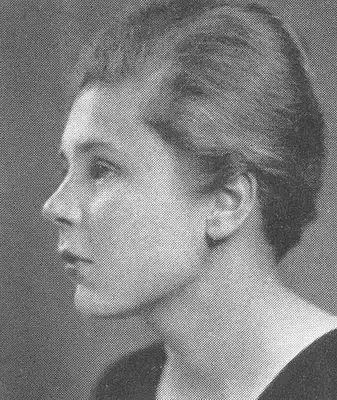
Elizabeth Bishop
Five Flights Up
Still dark.
The unknown bird sits on his usual branch.
The little dog next door barks in his sleep
inquiringly, just once.
Perhaps in his sleep, too, the bird inquires
once or twice, quavering.
Questions---if that is what they are--answered
directly, simply,
by day itself.
Enormous morning, ponderous, meticulous;
gray light streaking each bare branch,
each single twig, along one side,
making another tree, of glassy veins...
The bird still sits there. Now he seems to yawn.
The little black dog runs in his yard.
His owner's voice arises, stern,
"You ought to be ashamed!"
What has he done?
He bounces cheerfully up and down;
he rushes in circles in the fallen leaves.
Obviously, he has no sense of shame.
He and the bird know everything is answered,
all taken care of,
no need to ask again.
---Yesterday brought to today so lightly!
(A yesterday I find almost impossible to lift.)
Read more →
The unknown bird sits on his usual branch.
The little dog next door barks in his sleep
inquiringly, just once.
Perhaps in his sleep, too, the bird inquires
once or twice, quavering.
Questions---if that is what they are--answered
directly, simply,
by day itself.
Enormous morning, ponderous, meticulous;
gray light streaking each bare branch,
each single twig, along one side,
making another tree, of glassy veins...
The bird still sits there. Now he seems to yawn.
The little black dog runs in his yard.
His owner's voice arises, stern,
"You ought to be ashamed!"
What has he done?
He bounces cheerfully up and down;
he rushes in circles in the fallen leaves.
Obviously, he has no sense of shame.
He and the bird know everything is answered,
all taken care of,
no need to ask again.
---Yesterday brought to today so lightly!
(A yesterday I find almost impossible to lift.)
588

Rabindranath Tagore
Threshold
I was not aware of the moment
when I first crossed the threshold of this life.
What was the power that made me open out into this vast mystery
like a bud in the forest at midnight!
When in the morning I looked upon the light
I felt in a moment that I was no stranger in this world,
that the inscrutable without name and form
had taken me in its arms in the form of my own mother.
Even so, in death the same unknown will appear as ever known to me.
And because I love this life,
I know I shall love death as well.
The child cries out
when from the right breast the mother takes it away,
in the very next moment to find in the left one its consolation.
Read more →
when I first crossed the threshold of this life.
What was the power that made me open out into this vast mystery
like a bud in the forest at midnight!
When in the morning I looked upon the light
I felt in a moment that I was no stranger in this world,
that the inscrutable without name and form
had taken me in its arms in the form of my own mother.
Even so, in death the same unknown will appear as ever known to me.
And because I love this life,
I know I shall love death as well.
The child cries out
when from the right breast the mother takes it away,
in the very next moment to find in the left one its consolation.
590
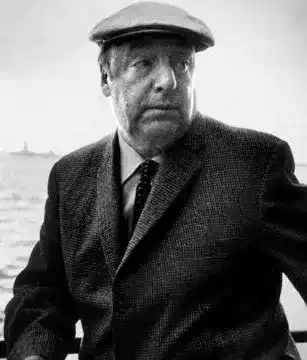
Pablo Neruda
From The Heights Of Maccho Picchu
Rise up to be born with me, brother.
Give me your hand from the deep
Zone seeded by your sorrow.
You won’t return from under the rocks.
You won’t return from your subterranean time.
Your hardened voice won’t return.
Your gouged-out eyes won’t return.
Look at me from the depth of the earth,
laborer, weaver, silent shepherd:
tamer of wild llamas like spirit images:
construction worker on a daring scaffold:
waterer of the tears of the Andes:
jeweler with broken fingers:
farmer trembling as you sow:
potter, poured out into your clay:
bring to the cup of this new life
your old buried sorrows.
Show me your blood and your furrow,
Tell me, “Here I was punished,
Because the jewel didn’t shine or the earth
Didn’t yield grain or stones on time.”
Show me the stone you fell over
And the wood on which they crucified you,
Make a spark from the old flints for me,
For the old lamps to show the whips still stuck
After centuries in the old wounds
And the axes shining with blood.
I come to speak for your dead mouth.
Across the earth come together all
The silent worn-out lips
And from the depth speak to me all this long night
Like I was pinned down there with you.
Tell me all, chain by chain,
Link by link and step by step,
Sharpen the knives which you hid,
Put them in my breast and in my hand,
Like a river of yellow lighting
Like a river of buried jaguars
And let me weep, hours, days, years,
For blind ages, cycles of stars.
Give me silence, water, hope.
Give me struggle, iron, volcanoes.
Stick bodies to me like magnets.
Draw near to my veins and my mouth.
Speak through my words and my blood.
Read more →
Give me your hand from the deep
Zone seeded by your sorrow.
You won’t return from under the rocks.
You won’t return from your subterranean time.
Your hardened voice won’t return.
Your gouged-out eyes won’t return.
Look at me from the depth of the earth,
laborer, weaver, silent shepherd:
tamer of wild llamas like spirit images:
construction worker on a daring scaffold:
waterer of the tears of the Andes:
jeweler with broken fingers:
farmer trembling as you sow:
potter, poured out into your clay:
bring to the cup of this new life
your old buried sorrows.
Show me your blood and your furrow,
Tell me, “Here I was punished,
Because the jewel didn’t shine or the earth
Didn’t yield grain or stones on time.”
Show me the stone you fell over
And the wood on which they crucified you,
Make a spark from the old flints for me,
For the old lamps to show the whips still stuck
After centuries in the old wounds
And the axes shining with blood.
I come to speak for your dead mouth.
Across the earth come together all
The silent worn-out lips
And from the depth speak to me all this long night
Like I was pinned down there with you.
Tell me all, chain by chain,
Link by link and step by step,
Sharpen the knives which you hid,
Put them in my breast and in my hand,
Like a river of yellow lighting
Like a river of buried jaguars
And let me weep, hours, days, years,
For blind ages, cycles of stars.
Give me silence, water, hope.
Give me struggle, iron, volcanoes.
Stick bodies to me like magnets.
Draw near to my veins and my mouth.
Speak through my words and my blood.
590
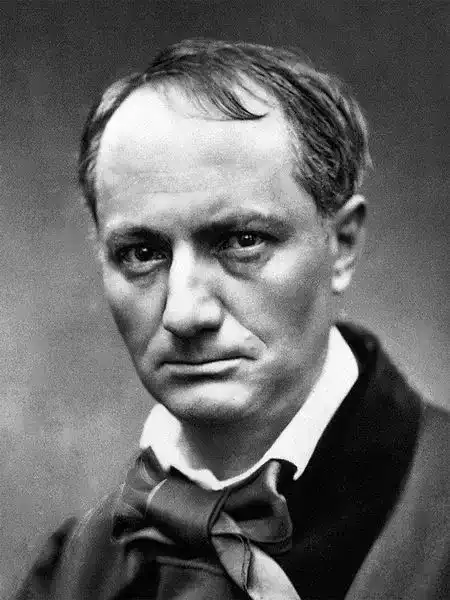
Charles Baudelaire
De Profundis Clamavi
Have pity, You alone whom I adore
From down this black pit where my heart is sped,
A sombre universe ringed round with lead
Where fear and curses the long night explore.
Six months a cold sun hovers overhead;
The other six is night upon this land.
No beast; no stream; no wood; no leaves expand.
The desert Pole is not a waste so dead.
Now in the whole world there's no horror quite
so cold and cruel as this glacial sun,
So like old Chaos as this boundless night;
I envy the least animals that run,
Which can find respite in brute slumber drowned,
So slowly is the skein of time unwound.
Read more →
From down this black pit where my heart is sped,
A sombre universe ringed round with lead
Where fear and curses the long night explore.
Six months a cold sun hovers overhead;
The other six is night upon this land.
No beast; no stream; no wood; no leaves expand.
The desert Pole is not a waste so dead.
Now in the whole world there's no horror quite
so cold and cruel as this glacial sun,
So like old Chaos as this boundless night;
I envy the least animals that run,
Which can find respite in brute slumber drowned,
So slowly is the skein of time unwound.
585

Lord Byron
In The Valley Of The Waters
In the valley of the waters we wept o'er the day
When the host of the stranger made Salem his prey,
And our heads on our bosoms all droopingly lay,
And our hearts were so full of the land far away.
The song they demanded in vainit
lay still
In our souls as the wind that died on the hill;
They called for the harpbut
our blood they shall spill
Ere our right hand shall teach them one tone of our skill.
All stringlessly hung on the willow's sad tree,
As dead as her dead leaf those mute harps must be;
Our hands may be fetter'dour
tears still are free,
For our God and our gloryand,
Sion!Oh,
thee.
Read more →
When the host of the stranger made Salem his prey,
And our heads on our bosoms all droopingly lay,
And our hearts were so full of the land far away.
The song they demanded in vainit
lay still
In our souls as the wind that died on the hill;
They called for the harpbut
our blood they shall spill
Ere our right hand shall teach them one tone of our skill.
All stringlessly hung on the willow's sad tree,
As dead as her dead leaf those mute harps must be;
Our hands may be fetter'dour
tears still are free,
For our God and our gloryand,
Sion!Oh,
thee.
575

Kazi Nazrul Islam
The Eternal Child
O the nameless eternal child
you have come across unknown lands,
what ornament of name you have put on!
What a prison it is for the chainless!
Tell me, by what name I'll call you again
to my heart's content,
you lost your way from this home
where you lived, where you do come back
over and over again losing your own name.
O my sweet dear,
you are the radiant pearl of my dark home
filling the hungry home with little butter
your tiny hand has brought.
That today in intimate happiness
a sea of wailing swells up in my bosom
to call you by a new name,
who is there to stop my voice
my mind, too, utterly dejected.
You came from settling down, O traveller
stepping toward rising up.
[Original: Chiro Shishu; Translation: Mohammad Nurul Huda]
Read more →
you have come across unknown lands,
what ornament of name you have put on!
What a prison it is for the chainless!
Tell me, by what name I'll call you again
to my heart's content,
you lost your way from this home
where you lived, where you do come back
over and over again losing your own name.
O my sweet dear,
you are the radiant pearl of my dark home
filling the hungry home with little butter
your tiny hand has brought.
That today in intimate happiness
a sea of wailing swells up in my bosom
to call you by a new name,
who is there to stop my voice
my mind, too, utterly dejected.
You came from settling down, O traveller
stepping toward rising up.
[Original: Chiro Shishu; Translation: Mohammad Nurul Huda]
578
Rabindranath Tagore
On the Seashore
On the seashore of endless worlds children meet.
The infinite sky is motionless overhead and the restless water is boisterous. On the
seashore of endless worlds the children meet with shouts and dances.
They build their houses with sand, and they play with empty shells. With withered
leaves they weave their boats and smilingly float them on the vast deep. Children have
their play on the seashore of worlds.
They know not how to swim, they know not how to cast nets. Pearl-fishers dive for
pearls, merchants sail in their ships, while children gather pebbles and scatter them
again. They seek not for hidden treasures, they know not how to cast nets.
The sea surges up with laughter, and pale gleams the smile of the sea-beach.
Death-dealing waves sing meaningless ballads to the children, even like a mother while
rocking her baby's cradle. The sea plays with children, and pale gleams the smile of the
sea-beach.
On the seashore of endless worlds children meet. Tempest roams in the pathless
sky, ships are wrecked in the trackless water, death is abroad and children play. On
the seashore of endless worlds is the great meeting of children.
Read more →
The infinite sky is motionless overhead and the restless water is boisterous. On the
seashore of endless worlds the children meet with shouts and dances.
They build their houses with sand, and they play with empty shells. With withered
leaves they weave their boats and smilingly float them on the vast deep. Children have
their play on the seashore of worlds.
They know not how to swim, they know not how to cast nets. Pearl-fishers dive for
pearls, merchants sail in their ships, while children gather pebbles and scatter them
again. They seek not for hidden treasures, they know not how to cast nets.
The sea surges up with laughter, and pale gleams the smile of the sea-beach.
Death-dealing waves sing meaningless ballads to the children, even like a mother while
rocking her baby's cradle. The sea plays with children, and pale gleams the smile of the
sea-beach.
On the seashore of endless worlds children meet. Tempest roams in the pathless
sky, ships are wrecked in the trackless water, death is abroad and children play. On
the seashore of endless worlds is the great meeting of children.
574
Kazi Nazrul Islam
The Month of Poush
Lo! Winter comes!
She comes across an ocean of sorrow and tears.
Beware! Beware!
She comes from behind the horizon enveloped
in thick mist.
With her advent, alas! in the Ieafy forest
A farewell dirge seems to go round
The parting Day (Ah me!) casts a sad look
Losing as she does-the Evening Star that
lights her path.
See! Winter sets in -
She represents the sadness of the year's
journey, a loss of Eternity,
The farewell season of ripe paddy,
the dread of new arrival-
Beware! Beware! She is come! -
Dry breath, and Oh! the choked voice
of a farewell deeply laden with tears -
Arise, wayfarer! Thou hast to cover
a long distance casting a sad look
from thy black eyes.
[Translation: Abdul Hakim]
Read more →
She comes across an ocean of sorrow and tears.
Beware! Beware!
She comes from behind the horizon enveloped
in thick mist.
With her advent, alas! in the Ieafy forest
A farewell dirge seems to go round
The parting Day (Ah me!) casts a sad look
Losing as she does-the Evening Star that
lights her path.
See! Winter sets in -
She represents the sadness of the year's
journey, a loss of Eternity,
The farewell season of ripe paddy,
the dread of new arrival-
Beware! Beware! She is come! -
Dry breath, and Oh! the choked voice
of a farewell deeply laden with tears -
Arise, wayfarer! Thou hast to cover
a long distance casting a sad look
from thy black eyes.
[Translation: Abdul Hakim]
573

Walt Whitman
As I Ponder'd In Silence
AS I ponder'd in silence,
Returning upon my poems, considering, lingering long,
A Phantom arose before me, with distrustful aspect,
Terrible in beauty, age, and power,
The genius of poets of old lands,
As to me directing like flame its eyes,
With finger pointing to many immortal songs,
And menacing voice, What singest thou? it said;
Know'st thou not, there is but one theme for ever-enduring bards?
And that is the theme of War, the fortune of battles,
The making of perfect soldiers?
Be it so, then I answer'd,
I too, haughty Shade, also sing war--and a longer and greater one
than any,
Waged in my book with varying fortune--with flight, advance, and
retreat--Victory deferr'd and wavering,
(Yet, methinks, certain, or as good as certain, at the last,)--The
field the world;
For life and death--for the Body, and for the eternal Soul,
Lo! too am come, chanting the chant of battles,
I, above all, promote brave soldiers.
Read more →
Returning upon my poems, considering, lingering long,
A Phantom arose before me, with distrustful aspect,
Terrible in beauty, age, and power,
The genius of poets of old lands,
As to me directing like flame its eyes,
With finger pointing to many immortal songs,
And menacing voice, What singest thou? it said;
Know'st thou not, there is but one theme for ever-enduring bards?
And that is the theme of War, the fortune of battles,
The making of perfect soldiers?
Be it so, then I answer'd,
I too, haughty Shade, also sing war--and a longer and greater one
than any,
Waged in my book with varying fortune--with flight, advance, and
retreat--Victory deferr'd and wavering,
(Yet, methinks, certain, or as good as certain, at the last,)--The
field the world;
For life and death--for the Body, and for the eternal Soul,
Lo! too am come, chanting the chant of battles,
I, above all, promote brave soldiers.
581
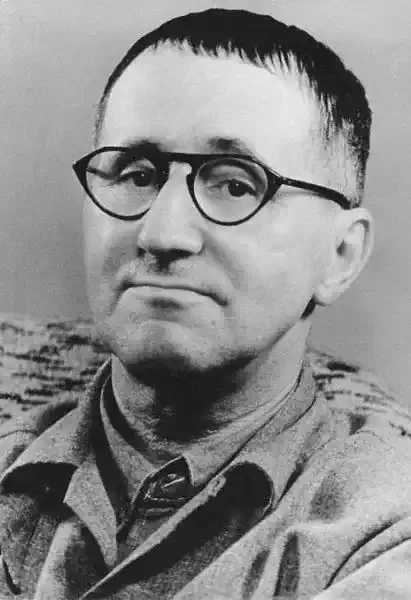
Bertolt Brecht
I Never Loved You More
I never loved you more, ma soeur
Than as I walked away from you that evening.
The forest swallowed me, the blue forest, ma soeur
The blue forest and above it pale stars in the west.
I did not laugh, not one little bit, ma soeur
As I playfully walked towards a dark fate –
While the faces behind me
Slowly paled in the evening of the blue forest.
Everything was grand that one night, ma soeur
Never thereafter and never before –
I admit it: I was left with nothing but the big birds
And their hungry cries in the dark evening sky.
Read more →
Than as I walked away from you that evening.
The forest swallowed me, the blue forest, ma soeur
The blue forest and above it pale stars in the west.
I did not laugh, not one little bit, ma soeur
As I playfully walked towards a dark fate –
While the faces behind me
Slowly paled in the evening of the blue forest.
Everything was grand that one night, ma soeur
Never thereafter and never before –
I admit it: I was left with nothing but the big birds
And their hungry cries in the dark evening sky.
577
Pablo Neruda
In You The Earth
Little
rose,
roselet,
at times,
tiny and naked,
it seems
as though you would fit
in one of my hands,
as though I’ll clasp you like this
and carry you to my mouth,
but
suddenly
my feet touch your feet and my mouth your lips:
you have grown,
your shoulders rise like two hills,
your breasts wander over my breast,
my arm scarcely manages to encircle the thin
new-moon line of your waist:
in love you loosened yourself like sea water:
I can scarcely measure the sky’s most spacious eyes
and I lean down to your mouth to kiss the earth.
Read more →
rose,
roselet,
at times,
tiny and naked,
it seems
as though you would fit
in one of my hands,
as though I’ll clasp you like this
and carry you to my mouth,
but
suddenly
my feet touch your feet and my mouth your lips:
you have grown,
your shoulders rise like two hills,
your breasts wander over my breast,
my arm scarcely manages to encircle the thin
new-moon line of your waist:
in love you loosened yourself like sea water:
I can scarcely measure the sky’s most spacious eyes
and I lean down to your mouth to kiss the earth.
581
Charles Baudelaire
The Living Torch
Those lit eyes go before me, in full view,
(Some cunning angel magnetised their light) -
Heavenly twins, yet my own brothers too,
Shaking their diamond blaze into my sight.
My steps from every trap or sin to save,
In the strait road of Beauty they conduct me,
They are my servants, and I am their slave,
Obedient in whatever they instruct me.
Delightful eyes, you burn with mystic rays
Like candles in broad day; red suns may blaze,
But cannot quench their still, fantastic light.
Those candles burn for death, but you for waking :
You sing the dawn that in my soul is breaking,
Stars which no sun could ever put to flight!
Read more →
(Some cunning angel magnetised their light) -
Heavenly twins, yet my own brothers too,
Shaking their diamond blaze into my sight.
My steps from every trap or sin to save,
In the strait road of Beauty they conduct me,
They are my servants, and I am their slave,
Obedient in whatever they instruct me.
Delightful eyes, you burn with mystic rays
Like candles in broad day; red suns may blaze,
But cannot quench their still, fantastic light.
Those candles burn for death, but you for waking :
You sing the dawn that in my soul is breaking,
Stars which no sun could ever put to flight!
576

Jonathan Swift
Stella's Birthday March 13, 1719
Stella this day is thirty-four,
(We shan't dispute a year or more:)
However, Stella, be not troubled,
Although thy size and years are doubled,
Since first I saw thee at sixteen,
The brightest virgin on the green;
So little is thy form declin'd;
Made up so largely in thy mind.
Oh, would it please the gods to split
Thy beauty, size, and years, and wit;
No age could furnish out a pair
Of nymphs so graceful, wise, and fair;
With half the lustre of your eyes,
With half your wit, your years, and size.
And then, before it grew too late,
How should I beg of gentle Fate,
(That either nymph might have her swain,)
To split my worship too in twain.
Read more →
(We shan't dispute a year or more:)
However, Stella, be not troubled,
Although thy size and years are doubled,
Since first I saw thee at sixteen,
The brightest virgin on the green;
So little is thy form declin'd;
Made up so largely in thy mind.
Oh, would it please the gods to split
Thy beauty, size, and years, and wit;
No age could furnish out a pair
Of nymphs so graceful, wise, and fair;
With half the lustre of your eyes,
With half your wit, your years, and size.
And then, before it grew too late,
How should I beg of gentle Fate,
(That either nymph might have her swain,)
To split my worship too in twain.
581

John Keats
An Extempore
When they were come into Faery's Court
They rang -- no one at home -- all gone to sport
And dance and kiss and love as faerys do
For Faries be as human lovers true --
Amid the woods they were so lone and wild
Where even the Robin feels himself exil'd
And where the very books as if affraid
Hurry along to some less magic shade.
'No one at home'! the fretful princess cry'd
'And all for nothing such a dre[a]ry ride
And all for nothing my new diamond cross
No one to see my persian feathers toss
No one to see my Ape, my Dwarf, my Fool
Or how I pace my Otaheitan mule.
Ape, Dwarf and Fool why stand you gaping there
Burst the door open, quick -- or I declare
I'll switch you soundly and in pieces tear.'
The Dwarf began to tremble and the Ape
Star'd at the Fool, the Fool was all agape
The Princess grasp'd her switch but just in time
The Dwarf with piteous face began to rhyme.
'O mighty Princess did you ne'er hear tell
What your poor servants know but too too well
Know you the three great crimes in faery land
The first alas! poor Dwarf I understand
I made a whipstock of a faery's wand
The next is snoring in their company
The next the last the direst of the three
Is making free when they are not at home.
I was a Prince -- a baby prince -- my doom
You see, I made a whipstock of a wand
My top has henceforth slept in faery land.
He was a Prince the Fool, a grown up Prince
But he has never been a King's son since
He fell a snoring at a faery Ball
Your poor Ape was a Prince and he poor thing
But ape -- so pray your highness stay awhile
'Tis sooth indeed we know it to our sorrow --
Persist and you may be an ape tomorrow --
While the Dwarf spake the Princess all for spite
Peal'd the brown hazel twig to lilly white
Clench'd her small teeth, and held her lips apart
Try'd to look unconcerned with beating heart.
They saw her highness had made up her mind
And quaver'd like the reeds before the wind
And they had had it, but O happy chance
The Ape for very fear began to dance
And grin'd as all his uglyness did ache--
She staid her vixen fingers for his sake
He was so very ugly: then she took
Her pocket mirror and began to look
First at herself and [then] at him and then
She smil'd at her own beauteous face again.
Yet for all this -- for all her pretty face
She took it in her head to see the place.
Women gain little from experience
Either in Lovers, husbands or expense.
The more their beauty the more fortune too
Beauty before the wide world never knew.
So each fair reasons -- tho' it oft miscarries.
She thought her pretty face would please the fa[e]ries.
'My darling Ape I wont whip you today
Give me the Picklock sirrah and go play.'
They all three wept but counsel was as vain
As crying cup biddy to drops of rain.
Yet lingeringly did the sad Ape forth draw
The Picklock from the Pocket in his Jaw.
The Princess took it and dismounting straight
Trip'd in blue silver'd slippers to the gate
And touch'd the wards, the Door full courteously
Opened -- she enter'd with her servants three.
Again it clos'd and there was nothing seen
But the Mule grasing on the herbage green.
End of Canto xii.
Canto the xiii.
The Mule no sooner saw himself alone
Than he prick'd up his Ears -- and said 'well done!
At least unhappy Prince I may be free --
No more a Princess shall side saddle me
O King of Othaiete -- tho' a Mule
'Aye every inch a King' -- tho' 'Fortune's fool.'
Well done -- for by what Mr. Dwarfy said
I would not give a sixpence for her head.'
Even as he spake he trotted in high glee
To the knotty side of an old Pollard tree
And rub'd his sides against the mossed bark
Till his Girths burst and left him naked stark
Except his Bridle -- how get rid of that
Buckled and tied with many a twist and plait.
At last it struck him to pretend to sleep
And then the thievish Monkies down would creep
And filch the unpleasant trammels quite away.
No sooner thought of than adown he lay
Sham'd a good snore -- the Monkey-men descended
And whom they thought to injure they befriended.
They hung his Bridle on a topmost bough
And of[f] he went run, trot, or anyhow--
Read more →
They rang -- no one at home -- all gone to sport
And dance and kiss and love as faerys do
For Faries be as human lovers true --
Amid the woods they were so lone and wild
Where even the Robin feels himself exil'd
And where the very books as if affraid
Hurry along to some less magic shade.
'No one at home'! the fretful princess cry'd
'And all for nothing such a dre[a]ry ride
And all for nothing my new diamond cross
No one to see my persian feathers toss
No one to see my Ape, my Dwarf, my Fool
Or how I pace my Otaheitan mule.
Ape, Dwarf and Fool why stand you gaping there
Burst the door open, quick -- or I declare
I'll switch you soundly and in pieces tear.'
The Dwarf began to tremble and the Ape
Star'd at the Fool, the Fool was all agape
The Princess grasp'd her switch but just in time
The Dwarf with piteous face began to rhyme.
'O mighty Princess did you ne'er hear tell
What your poor servants know but too too well
Know you the three great crimes in faery land
The first alas! poor Dwarf I understand
I made a whipstock of a faery's wand
The next is snoring in their company
The next the last the direst of the three
Is making free when they are not at home.
I was a Prince -- a baby prince -- my doom
You see, I made a whipstock of a wand
My top has henceforth slept in faery land.
He was a Prince the Fool, a grown up Prince
But he has never been a King's son since
He fell a snoring at a faery Ball
Your poor Ape was a Prince and he poor thing
But ape -- so pray your highness stay awhile
'Tis sooth indeed we know it to our sorrow --
Persist and you may be an ape tomorrow --
While the Dwarf spake the Princess all for spite
Peal'd the brown hazel twig to lilly white
Clench'd her small teeth, and held her lips apart
Try'd to look unconcerned with beating heart.
They saw her highness had made up her mind
And quaver'd like the reeds before the wind
And they had had it, but O happy chance
The Ape for very fear began to dance
And grin'd as all his uglyness did ache--
She staid her vixen fingers for his sake
He was so very ugly: then she took
Her pocket mirror and began to look
First at herself and [then] at him and then
She smil'd at her own beauteous face again.
Yet for all this -- for all her pretty face
She took it in her head to see the place.
Women gain little from experience
Either in Lovers, husbands or expense.
The more their beauty the more fortune too
Beauty before the wide world never knew.
So each fair reasons -- tho' it oft miscarries.
She thought her pretty face would please the fa[e]ries.
'My darling Ape I wont whip you today
Give me the Picklock sirrah and go play.'
They all three wept but counsel was as vain
As crying cup biddy to drops of rain.
Yet lingeringly did the sad Ape forth draw
The Picklock from the Pocket in his Jaw.
The Princess took it and dismounting straight
Trip'd in blue silver'd slippers to the gate
And touch'd the wards, the Door full courteously
Opened -- she enter'd with her servants three.
Again it clos'd and there was nothing seen
But the Mule grasing on the herbage green.
End of Canto xii.
Canto the xiii.
The Mule no sooner saw himself alone
Than he prick'd up his Ears -- and said 'well done!
At least unhappy Prince I may be free --
No more a Princess shall side saddle me
O King of Othaiete -- tho' a Mule
'Aye every inch a King' -- tho' 'Fortune's fool.'
Well done -- for by what Mr. Dwarfy said
I would not give a sixpence for her head.'
Even as he spake he trotted in high glee
To the knotty side of an old Pollard tree
And rub'd his sides against the mossed bark
Till his Girths burst and left him naked stark
Except his Bridle -- how get rid of that
Buckled and tied with many a twist and plait.
At last it struck him to pretend to sleep
And then the thievish Monkies down would creep
And filch the unpleasant trammels quite away.
No sooner thought of than adown he lay
Sham'd a good snore -- the Monkey-men descended
And whom they thought to injure they befriended.
They hung his Bridle on a topmost bough
And of[f] he went run, trot, or anyhow--
577

Boris Pasternak
Stars were racing
Stars were racing; waves were washing headlands.
Salt went blind, and tears were slowly drying.
Darkened were the bedrooms; thoughts were racing,
And the Sphinx was listening to the desert.
Candles swam. It seemed that the Colossus'
Blood grew cold; upon his lips was spreading
The blue shadow smile of the Sahara.
With the turning tide the night was waning.
Sea-breeze from Morocco touched the water.
Simooms blew. In snowdrifts snored Archangel.
Candles swam; the rough draft of 'The Prophet'
Slowly dried, and dawn broke on the Ganges.
Read more →
Salt went blind, and tears were slowly drying.
Darkened were the bedrooms; thoughts were racing,
And the Sphinx was listening to the desert.
Candles swam. It seemed that the Colossus'
Blood grew cold; upon his lips was spreading
The blue shadow smile of the Sahara.
With the turning tide the night was waning.
Sea-breeze from Morocco touched the water.
Simooms blew. In snowdrifts snored Archangel.
Candles swam; the rough draft of 'The Prophet'
Slowly dried, and dawn broke on the Ganges.
582

Sheldon Allan Silverstein
Enter This Deserted House
But please walk softly as you do.
Frogs dwell here and crickets too.
Ain't no ceiling, only blue.
Jays dwell here and sunbeams too.
Floors are flowers - take a few
Ferns grow here and daisies too.
Swoosh, whoosh - too-whit, too-woo
Bats dwell here and hoot owls too.
Ha-ha-ha, hee-hee, hoo-hoooo,
Gnomes dwell here and goblins too.
And my child, I thought you knew
I dwell here... and so do you
Read more →
Frogs dwell here and crickets too.
Ain't no ceiling, only blue.
Jays dwell here and sunbeams too.
Floors are flowers - take a few
Ferns grow here and daisies too.
Swoosh, whoosh - too-whit, too-woo
Bats dwell here and hoot owls too.
Ha-ha-ha, hee-hee, hoo-hoooo,
Gnomes dwell here and goblins too.
And my child, I thought you knew
I dwell here... and so do you
576
Arthur Rimbaud
Vigils
I.
It is a repose in the light,
neither fever nor languor,
on a bed or on a meadow.
It is the friend neither violent nor weak.
The friend.
It is the beloved neither
tormenting nor tormented.
The beloved.
Air and the world not sought.
Life. --Was it really this?
--And the dream grew cold.
II.
The lighting comes round
to the crown post again.
From the two extremities of the room
-- decorations negligible
-- harmonic elevations join.
The wall opposite the watcher
is a psychological succession
of atmospheric sections of friezes,
bands, and geological accidents.
Intense quick dream
of sentimental groups
with people of all possible characters
amidst all possible appearances.
III.
The lamps and the rugs
of the vigil make the noise
of waves in the night,
along the hull and around the steerage.
The sea of the vigil, like Emily's breasts.
The hangings, halfway up,
undergrowth of emerald tinted lace,
where dart the vigil doves. . . . . . . . . . . . . . . . . . . .
The plaque of the black hearth,
real suns of seashores! ah! magic wells;
only sight of dawn, this time.
Read more →
It is a repose in the light,
neither fever nor languor,
on a bed or on a meadow.
It is the friend neither violent nor weak.
The friend.
It is the beloved neither
tormenting nor tormented.
The beloved.
Air and the world not sought.
Life. --Was it really this?
--And the dream grew cold.
II.
The lighting comes round
to the crown post again.
From the two extremities of the room
-- decorations negligible
-- harmonic elevations join.
The wall opposite the watcher
is a psychological succession
of atmospheric sections of friezes,
bands, and geological accidents.
Intense quick dream
of sentimental groups
with people of all possible characters
amidst all possible appearances.
III.
The lamps and the rugs
of the vigil make the noise
of waves in the night,
along the hull and around the steerage.
The sea of the vigil, like Emily's breasts.
The hangings, halfway up,
undergrowth of emerald tinted lace,
where dart the vigil doves. . . . . . . . . . . . . . . . . . . .
The plaque of the black hearth,
real suns of seashores! ah! magic wells;
only sight of dawn, this time.
581
Rabindranath Tagore
Stray Birds 31 - 40
THE trees come up to my window
like the yearning voice of the dumb earth.
32
HIS own mornings are new surprises to God.
33
LIFE finds its wealth by the claims of the world,
and its worth by the claims of love.
34
THE dry river-bed finds no thanks for its past.
35
THE bird wishes it were a cloud.
The cloud wishes it were a bird.
36
THE waterfall sings,
'I find my song,
when I find my freedom.'
37
I CANNOT tell why this heart languishes in silence.
It is for small needs it never asks,
or knows or remembers.
38
WOMAN,
when you move about in your household service
your limbs sing like a hill stream among its pebbles.
39
THE sun goes to cross the Western sea,
leaving its last salutation to the East.
40
DO not blame your food because you have no appetite.
Read more →
like the yearning voice of the dumb earth.
32
HIS own mornings are new surprises to God.
33
LIFE finds its wealth by the claims of the world,
and its worth by the claims of love.
34
THE dry river-bed finds no thanks for its past.
35
THE bird wishes it were a cloud.
The cloud wishes it were a bird.
36
THE waterfall sings,
'I find my song,
when I find my freedom.'
37
I CANNOT tell why this heart languishes in silence.
It is for small needs it never asks,
or knows or remembers.
38
WOMAN,
when you move about in your household service
your limbs sing like a hill stream among its pebbles.
39
THE sun goes to cross the Western sea,
leaving its last salutation to the East.
40
DO not blame your food because you have no appetite.
583
Boris Pasternak
Meeting
The snow will dust the roadway,
And load the roofs still more.
I'll stretch my legs a little:
You're there outside the door.
Autumn, not winter coat,
Hat-none, galoshes-none.
You struggle with excitement
Out there all on your own.
Far, far into the darkness
Fences and trees withdraw.
You stand there on the corner,
Under the falling snow.
The water trickles down from
The kerchief that you wear
Into your sleeves, while dewdrops
Shine sparkling in your hair.
And now illumined by
A single strand of light
Are features, kerchief, figure
And coat of autumn cut.
There's wet snow on your lashes
And in your eyes, distress,
And your external image
Is all, all of apiece.
As if an iron point
With truly consummate art,
Dipped into antimony,
Had scribed you on my heart.
Those modest, humble features
Are in it now to stay,
And if the world's cruel-hearted,
That's merely by the way.
And therefore it is doubled,
All this night in snow;
To draw frontiers between us
Is more than I can do.
But who are we and whence,
If, of those years gone by,
Scandal alone remains
And we have ceased to be.
Read more →
And load the roofs still more.
I'll stretch my legs a little:
You're there outside the door.
Autumn, not winter coat,
Hat-none, galoshes-none.
You struggle with excitement
Out there all on your own.
Far, far into the darkness
Fences and trees withdraw.
You stand there on the corner,
Under the falling snow.
The water trickles down from
The kerchief that you wear
Into your sleeves, while dewdrops
Shine sparkling in your hair.
And now illumined by
A single strand of light
Are features, kerchief, figure
And coat of autumn cut.
There's wet snow on your lashes
And in your eyes, distress,
And your external image
Is all, all of apiece.
As if an iron point
With truly consummate art,
Dipped into antimony,
Had scribed you on my heart.
Those modest, humble features
Are in it now to stay,
And if the world's cruel-hearted,
That's merely by the way.
And therefore it is doubled,
All this night in snow;
To draw frontiers between us
Is more than I can do.
But who are we and whence,
If, of those years gone by,
Scandal alone remains
And we have ceased to be.
575
Lord Byron
On Chillon
Eternal Spirit of the chainless Mind!
Brightest in dungeons, Liberty, thou art;
For there thy habitation is the heart—
The heart which love of thee alone can bind;
And when thy sons to fetters are consigned,
To
fetters, and the damp vault's dayless gloom—
Their country conquers with their martyrdom,
And Freedom's fame finds wings on every wind.
Chillon! thy prison is a holy place,
And thy sad floor and altar, for 'twas trod,
Until his very steps have left a trace,
Worn, as if thy cold pavement were a sod,
By Bonnivard.—May none those marks efface!
For they appeal from tyranny to God.
Read more →
Brightest in dungeons, Liberty, thou art;
For there thy habitation is the heart—
The heart which love of thee alone can bind;
And when thy sons to fetters are consigned,
To
fetters, and the damp vault's dayless gloom—
Their country conquers with their martyrdom,
And Freedom's fame finds wings on every wind.
Chillon! thy prison is a holy place,
And thy sad floor and altar, for 'twas trod,
Until his very steps have left a trace,
Worn, as if thy cold pavement were a sod,
By Bonnivard.—May none those marks efface!
For they appeal from tyranny to God.
578

Elizabeth Barrett Browning
A Man's Requirements
I
Love me Sweet, with all thou art,
Feeling, thinking, seeing;
Love me in the lightest part,
Love me in full being.
II
Love me with thine open youth
In its frank surrender;
With the vowing of thy mouth,
With its silence tender.
III
Love me with thine azure eyes,
Made for earnest grantings;
Taking colour from the skies,
Can Heaven's truth be wanting?
IV
Love me with their lids, that fall
Snow-like at first meeting;
Love me with thine heart, that all
Neighbours then see beating.
V
Love me with thine hand stretched out
Freely -- open-minded:
Love me with thy loitering foot, --
Hearing one behind it.
VI
Love me with thy voice, that turns
Sudden faint above me;
Love me with thy blush that burns
When I murmur 'Love me!'
VII
Love me with thy thinking soul,
Break it to love-sighing;
Love me with thy thoughts that roll
On through living -- dying.
VIII
Love me in thy gorgeous airs,
When the world has crowned thee;
Love me, kneeling at thy prayers,
With the angels round thee.
IX
Love me pure, as muses do,
Up the woodlands shady:
Love me gaily, fast and true,
As a winsome lady.
X
Through all hopes that keep us brave,
Farther off or nigher,
Love me for the house and grave,
And for something higher.
XI
Thus, if thou wilt prove me, Dear,
Woman's love no fable,
I will love thee -- half a year --
As a man is able.
Read more →
Love me Sweet, with all thou art,
Feeling, thinking, seeing;
Love me in the lightest part,
Love me in full being.
II
Love me with thine open youth
In its frank surrender;
With the vowing of thy mouth,
With its silence tender.
III
Love me with thine azure eyes,
Made for earnest grantings;
Taking colour from the skies,
Can Heaven's truth be wanting?
IV
Love me with their lids, that fall
Snow-like at first meeting;
Love me with thine heart, that all
Neighbours then see beating.
V
Love me with thine hand stretched out
Freely -- open-minded:
Love me with thy loitering foot, --
Hearing one behind it.
VI
Love me with thy voice, that turns
Sudden faint above me;
Love me with thy blush that burns
When I murmur 'Love me!'
VII
Love me with thy thinking soul,
Break it to love-sighing;
Love me with thy thoughts that roll
On through living -- dying.
VIII
Love me in thy gorgeous airs,
When the world has crowned thee;
Love me, kneeling at thy prayers,
With the angels round thee.
IX
Love me pure, as muses do,
Up the woodlands shady:
Love me gaily, fast and true,
As a winsome lady.
X
Through all hopes that keep us brave,
Farther off or nigher,
Love me for the house and grave,
And for something higher.
XI
Thus, if thou wilt prove me, Dear,
Woman's love no fable,
I will love thee -- half a year --
As a man is able.
584

John Milton
How Soon Hath Time
How soon hath Time, the subtle thief of youth,
Stoln on his wing my three and twentieth year!
My hasting days fly on wtih full career,
But my late spring no bud or blossom shew'th.
Perhaps my semblance might deceive the truth,
That I to manhood am arrived so near,
And inward ripeness doth much less appear,
That some more timely-happy spirits endu'th.
Yet be it less or more, or soon or slow,
It shall be still in strictest measure even
To that same lot, however mean or high,
Toward which Time leads me, and the will of Heaven;
All is, if I have grace to use it so,
As ever in my great Taskmaster's eye.
Read more →
Stoln on his wing my three and twentieth year!
My hasting days fly on wtih full career,
But my late spring no bud or blossom shew'th.
Perhaps my semblance might deceive the truth,
That I to manhood am arrived so near,
And inward ripeness doth much less appear,
That some more timely-happy spirits endu'th.
Yet be it less or more, or soon or slow,
It shall be still in strictest measure even
To that same lot, however mean or high,
Toward which Time leads me, and the will of Heaven;
All is, if I have grace to use it so,
As ever in my great Taskmaster's eye.
580
Lord Byron
To Romance
Parent of golden dreams, Romance!
Auspicious Queen of childish joys,
Who lead'st along, in airy dance,
Thy votive train of girls and boys;
At length, in spells no longer bound,
I break the fetters of my youth;
No more I tread thy mystic round,
But leave thy realms for those of Truth.
And yet 'tis hard to quit the dreams
Which haunt the unsuspicious soul,
Where every nymph a goddess seems,
Whose eyes through rays immortal roll;
While Fancy holds her boundless reign,
And all assume a varied hue;
When Virgins seem no longer vain,
And even Woman's smiles are true.
And must we own thee, but a name,
And from thy hall of clouds descend?
Nor find a Sylph in every dame,
A Pylades in every friend?
But leave, at once, thy realms of air i
To mingling bands of fairy elves;
Confess that woman's false as fair,
And friends have feeling forthemselves?
With shame, I own, I've felt thy sway;
Repentant, now thy reign is o'er;
No more thy precepts I obey,
No more on fancied pinions soar;
Fond fool! to love a sparkling eye,
And think that eye to truth was dear;
To trust a passing wanton's sigh,
And melt beneath a wanton's tear!
Romance! disgusted with deceit,
Far from thy motley court I fly,
Where Affectation holds her seat,
And sickly Sensibility;
Whose silly tears can never flow
For any pangs excepting thine;
Who turns aside from real woe,
To steep in dew thy gaudy shrine.
Now join with sable Sympathy,
With cypress crown'd, array'd in weeds,
Who heaves with thee her simple sigh,
Whose breast for every bosom bleeds;
And call thy sylvan female choir,
To mourn a Swain for ever gone,
Who once could glow with equal fire,
But bends not now before thy throne.
Ye genial Nymphs, whose ready tears
On all occasions swiftly flow;
Whose bosoms heave with fancied fears,
With fancied flames and phrenzy glow
Say, will you mourn my absent name,
Apostate from your gentle train
An infant Bard, at least, may claim
From you a sympathetic strain.
Adieu, fond race! a long adieu!
The hour of fate is hovering nigh;
E'en now the gulf appears in view,
Where unlamented you must lie:
Oblivion's blackening lake is seen,
Convuls'd by gales you cannot weather,
Where you, and eke your gentle queen,
Alas! must perish altogether.
Read more →
Auspicious Queen of childish joys,
Who lead'st along, in airy dance,
Thy votive train of girls and boys;
At length, in spells no longer bound,
I break the fetters of my youth;
No more I tread thy mystic round,
But leave thy realms for those of Truth.
And yet 'tis hard to quit the dreams
Which haunt the unsuspicious soul,
Where every nymph a goddess seems,
Whose eyes through rays immortal roll;
While Fancy holds her boundless reign,
And all assume a varied hue;
When Virgins seem no longer vain,
And even Woman's smiles are true.
And must we own thee, but a name,
And from thy hall of clouds descend?
Nor find a Sylph in every dame,
A Pylades in every friend?
But leave, at once, thy realms of air i
To mingling bands of fairy elves;
Confess that woman's false as fair,
And friends have feeling forthemselves?
With shame, I own, I've felt thy sway;
Repentant, now thy reign is o'er;
No more thy precepts I obey,
No more on fancied pinions soar;
Fond fool! to love a sparkling eye,
And think that eye to truth was dear;
To trust a passing wanton's sigh,
And melt beneath a wanton's tear!
Romance! disgusted with deceit,
Far from thy motley court I fly,
Where Affectation holds her seat,
And sickly Sensibility;
Whose silly tears can never flow
For any pangs excepting thine;
Who turns aside from real woe,
To steep in dew thy gaudy shrine.
Now join with sable Sympathy,
With cypress crown'd, array'd in weeds,
Who heaves with thee her simple sigh,
Whose breast for every bosom bleeds;
And call thy sylvan female choir,
To mourn a Swain for ever gone,
Who once could glow with equal fire,
But bends not now before thy throne.
Ye genial Nymphs, whose ready tears
On all occasions swiftly flow;
Whose bosoms heave with fancied fears,
With fancied flames and phrenzy glow
Say, will you mourn my absent name,
Apostate from your gentle train
An infant Bard, at least, may claim
From you a sympathetic strain.
Adieu, fond race! a long adieu!
The hour of fate is hovering nigh;
E'en now the gulf appears in view,
Where unlamented you must lie:
Oblivion's blackening lake is seen,
Convuls'd by gales you cannot weather,
Where you, and eke your gentle queen,
Alas! must perish altogether.
579
Robert Frost
Ghost House
I dwell in a lonely house I know
That vanished many a summer ago,
And left no trace but the cellar walls,
And a cellar in which the daylight falls,
And the purple-stemmed wild raspberries grow.
O'er ruined fences the grape-vines shield
The woods come back to the mowing field;
The orchard tree has grown one copse
Of new wood and old where the woodpecker chops;
The footpath down to the well is healed.
I dwell with a strangely aching heart
In that vanished abode there far apart
On that disused and forgotten road
That has no dust-bath now for the toad.
Night comes; the black bats tumble and dart;
The whippoorwill is coming to shout
And hush and cluck and flutter about:
I hear him begin far enough away
Full many a time to say his say
Before he arrives to say it out.
It is under the small, dim, summer star.
I know not who these mute folk are
Who share the unlit place with me--
Those stones out under the low-limbed tree
Doubtless bear names that the mosses mar.
They are tireless folk, but slow and sad,
Though two, close-keeping, are lass and lad,--
With none among them that ever sings,
And yet, in view of how many things,
As sweet companions as might be had.
Read more →
That vanished many a summer ago,
And left no trace but the cellar walls,
And a cellar in which the daylight falls,
And the purple-stemmed wild raspberries grow.
O'er ruined fences the grape-vines shield
The woods come back to the mowing field;
The orchard tree has grown one copse
Of new wood and old where the woodpecker chops;
The footpath down to the well is healed.
I dwell with a strangely aching heart
In that vanished abode there far apart
On that disused and forgotten road
That has no dust-bath now for the toad.
Night comes; the black bats tumble and dart;
The whippoorwill is coming to shout
And hush and cluck and flutter about:
I hear him begin far enough away
Full many a time to say his say
Before he arrives to say it out.
It is under the small, dim, summer star.
I know not who these mute folk are
Who share the unlit place with me--
Those stones out under the low-limbed tree
Doubtless bear names that the mosses mar.
They are tireless folk, but slow and sad,
Though two, close-keeping, are lass and lad,--
With none among them that ever sings,
And yet, in view of how many things,
As sweet companions as might be had.
585