
Soul

Johann Wolfgang von Goethe
The Spinner
As I calmly sat and span,
Toiling with all zeal,
Lo! a young and handsome man
Pass'd my spinning-wheel.
And he praised,--what harm was there?--
Sweet the things he said--
Praised my flax-resembling hair,
And the even thread.
He with this was not content,
But must needs do more;
And in twain the thread was rent,
Though 'twas safe before.
And the flax's stonelike weight
Needed to be told;
But no longer was its state
Valued as of old.
When I took it to the weaver,
Something felt I start,
And more quickly, as with fever,
Throbb'd my trembling heart.
Then I bear the thread at length
Through the heat, to bleach;
But, alas, I scarce have strength
To the pool to reach.
What I in my little room
Span so fine and slight,--
As was likely. I presume--
Came at last to light.
Read more →
421

Ella Wheeler Wilcox
The Meeting Of The Centuries
A CURIOUS vision, on mine eyes unfurled
In the deep night. I saw, or seemed to see,
Two Centuries meet, and sit down vis-a-vis,
Across the great round table of the world.
One with suggested sorrows in his mien
And on his brow the furrowed lines of thought.
And one whose glad expectant presence brought
A glow and radiance from the realms unseen.
Hand clasped with hand, in silence for a space,
The Centuries sat; the sad old eyes of one
(As grave paternal eyes regard a son)
Gazing upon that other eager face.
And then a voice, as cadenceless and gray
As the sea's monody in winter time,
Mingled with tones melodious, as the chime
Of bird choirs, singing in the dawns of May.
THE OLD CENTURY SPEAKS:
By you, Hope stands. With me, Experience walks.
Like a fair jewel in a faded box,
In my tear-rusted heart, sweet pity lies.
For all the dreams that look forth from your eyes,
And those bright-hued ambitions, which I know
Must fall like leaves and perish in Time's snow,
(Even as my soul's garden stands bereft,)
I give you pity! 'tis the one gift left.
THE NEW CENTURY:
Nay, nay, good friend! not pity, but Godspeed,
Here in the morning of my life I need.
Counsel, and not condolence; smiles, not tears,
To guide me through the channels of the years.
Oh, I am blinded by the blaze of light
That shines upon me from the Infinite.
Blurred is my vision by the close approach
To unseen shores, whereon the times encroach.
THE OLD CENTURY:
Illusion, all illusion. List and hear
The Godless cannons, booming far and near.
Flaunting the flag of Unbelief, with Greed
For pilot, lo! the pirate age in speed
Bears on to ruin. War's most hideous crimes
Besmirch the record of these modern times.
Degenerate is the world I leave to you, --
My happiest speech to earth will be -- adieu.
THE NEW CENTURY:
You speak as one too weary to be just.
I hear the guns-I see the greed and lust.
The death throes of a giant evil fill
The air with riot and confusion. Ill
Ofttimes makes fallow ground for Good; and Wrong
Builds Right's foundation, when it grows too strong.
Pregnant with promise is the hour, and grand
The trust you leave in my all-willing hand.
THE OLD CENTURY:
As one who throws a flickering taper's ray
To light departing feet, my shadowed way
You brighten with your faith. Faith makes the man.
Alas, that my poor foolish age outran
Its early trust in God. The death of art
And progress follows, when the world's hard heart
Casts out religion. 'Tis the human brain
Men worship now, and heaven, to them, means gain.
THE NEW CENTURY:
Faith is not dead, tho' priest and creed may pass,
For thought has leavened the whole unthinking mass.
And man looks now to find the God within.
We shall talk more of love, and less of sin,
In this new era. We are drawing near
Unatlassed boundaries of a larger sphere.
With awe, I wait, till Science leads us on,
Into the full effulgence of its dawn.
Read more →
418
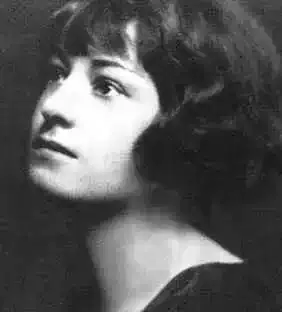
Dorothy Parker
Recurrence
We shall have our little day.
Take my hand and travel still
Round and round the little way,
Up and down the little hill.
It is good to love again;
Scan the renovated skies,
Dip and drive the idling pen,
Sweetly tint the paling lies.
Trace the dripping, pierced heart,
Speak the fair, insistent verse,
Vow to God, and slip apart,
Little better, Little worse.
Would we need not know before
How shall end this prettiness;
One of us must love the more,
One of us shall love the less.
Thus it is, and so it goes;
We shall have our day, my dear.
Where, unwilling, dies the rose
Buds the new, another year.
Read more →
419
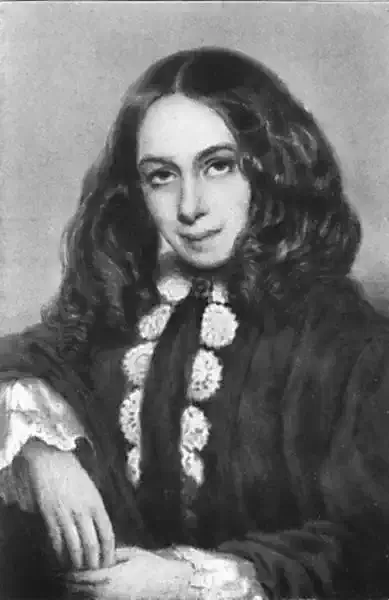
Elizabeth Barrett Browning
Sonnet XXVIII: My Letters
My letters-- all dead paper, mute and white!
And yet they seem alive and quivering
Against my tremulous hands which loose the string
And let them drop down on my knee to-night,
This said,--he wished to have me in his sight
Once, as a friend: this fixed a day in spring
To come and touch my hand...a simple thing,
Yet I wept for it!--this...the paper's light...
Said, Dear, I love thee; and I sank and quailed
As if God's future thundered on my past.
This said, I am thine--and so its ink has paled
With lying at my heart that beat too fast.
And this...O Love, thy words have ill availed
If, what this said, I dared repeat at last!
Read more →
420
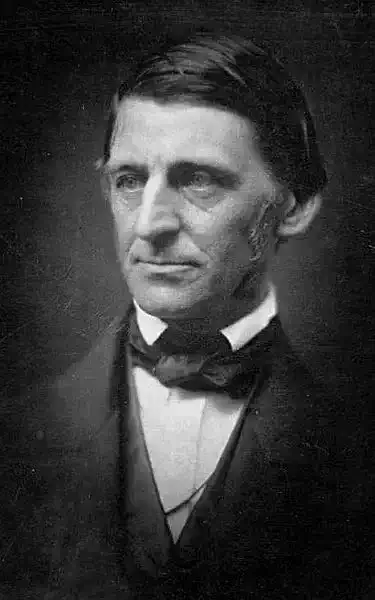
Ralph Waldo Emerson
Brahma
If the red slayer think he slays,
Or if the slain think he is slain,
They know not well the subtle ways
I keep, and pass, and turn again.
Far or forgot to me is near;
Shadow and sunlight are the same;
The vanished gods to me appear;
And one to me are shame and fame.
They reckon ill who leave me out;
When me they fly, I am the wings;
I am the doubter and the doubt,
And I the hymn the Brahmin sings.
The strong gods pine for my abode,
And pine in vain the sacred Seven;
But thou, meek lover of the good!
Find me, and turn thy back on heaven.
Read more →
421
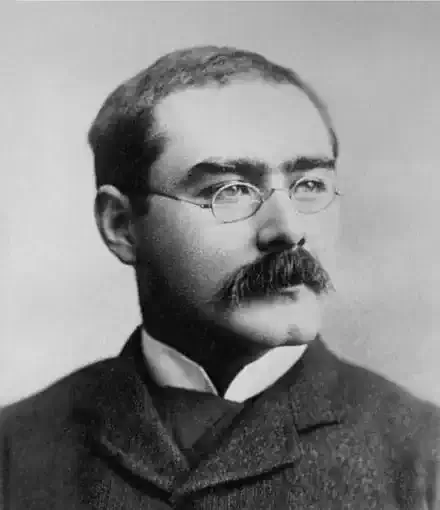
Rudyard Kipling
The Rabbi's Song
Samuel XIV. .
If Thought can reach to Heaven,
On Heaven let it dwell,
For fear the Thought be given
Like power to reach to Hell.
For fear the desolation
And darkness of thy mind
Perplex an habitation
Which thou hast left behind.
Let nothing linger after--
No whimpering gost remain,
In wall, or beam, or rafter,
Of any hate or pain.
Cleans and call home thy spirit,
Deny her leave to cast,
On aught thy heirs inherit,
The shadow of her past.
For think, in all thy sadness,
What road our griefs may take;
Whose brain reflect our madness,
Or whom our terrors shake:
For think, lest any languish
By cause of thy distress--
The arrows of our anguish
Fly farther than we guess.
Our lives, our tears, as water,
Are spilled upon the ground;
God giveth no man quarter,
Yet God a means hath found,
Though Faith and Hope have vanished,
And even Love grows dim--
A means whereby His banished
Be not expelled from Him!
Read more →
420

Kabir
To be a Slave of Intensity
Friend, hope for the guest while you are alive.
Jump into experience while you are alive!
Think...and think...while you are alive.
What you call 'salvation' belongs to the time before death.
If you don't break your ropes while you're alive,
do you think
ghosts will do it after?
The idea that the soul will join with the ecstatic
Just because the body is rotten that
is all fantasy.
What is found now is found then.
If you find nothing now,
you will simply end up with an apartment in the City of Death.
If you make love with the divine now, in the next life you will have the face of satisfied
desire.
So plunge into the truth, find out who the Teacher is,
Believe in the Great Sound!
Kabir says this: When the guest is being searched for, it is the intensity of the longing
for the Guest that does all the work.
Look at me, and you will see a slave of that intensity.
Read more →
420
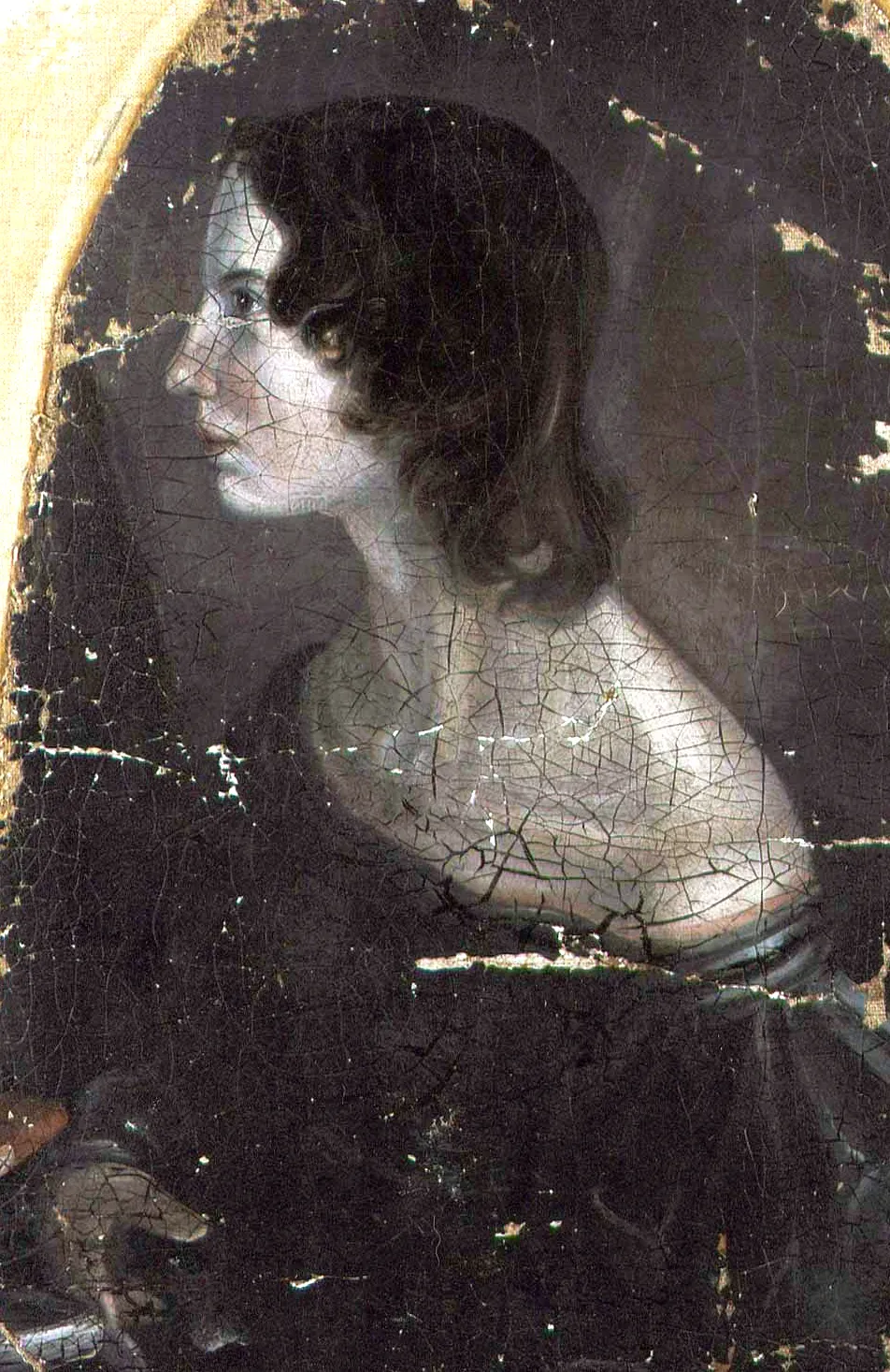
Emily Jane Brontë
Loud Without the Wind Was Roaring
Loud without the wind was roaring
Through th' autumnal sky;
Drenching wet, the cold rain pouring,
Spoke of winter nigh.
All too like that dreary eve,
Did my exiled spirit grieve.
Grieved at first, but grieved not long,
Sweet—how softly sweet!—it came;
Wild words of an ancient song,
Undefined, without a name.
'It was spring, and the skylark was singing';
Those words they awakened a spell;
They unlocked a deep fountain, whose springing,
Nor absence, nor distance can quell.
In the gloom of a cloudy November
They uttered the music of May;
They kindled the perishing ember
Into fervour that could not decay.
Awaken, o'er all my dear moorland,
West-wind, in thy glory and pride!
Oh! call me from valley and lowland,
To walk by the hill-torrent's side!
It is swelled with the first snowy weather;
The rocks they are icy and hoar,
And sullenly waves the long heather,
And the fern leaves are sunny no more.
There are no yellow stars on the mountain
The bluebells have long died away
From the brink of the moss-bedded fountain—
From the side of the wintry brae.
But lovelier than corn-fields all waving
In emerald, and vermeil, and gold,
Are the heights where the north-wind is raving,
And the crags where I wandered of old.
It was morning: the bright sun was beaming;
How sweetly it brought back to me
The time when nor labour nor dreaming
Broke the sleep of the happy and free!
But blithely we rose as the dawn-heaven
Was melting to amber and blue,
And swift were the wings to our feet given,
As we traversed the meadows of dew.
For the moors! For the moors, where the short grass
Like velvet beneath us should lie!
For the moors! For the moors, where each high pass
Rose sunny against the clear sky!
For the moors, where the linnet was trilling
Its song on the old granite stone;
Where the lark, the wild sky-lark, was filling
Every breast with delight like its own!
What language can utter the feeling
Which rose, when in exile afar,
On the brow of a lonely hill kneeling,
I saw the brown heath growing there?
It was scattered and stunted, and told me
That soon even that would be gone:
It whispered, 'The grim walls enfold me,
I have bloomed in my last summer's sun.'
But not the loved music, whose waking
Makes the soul of the Swiss die away,
Has a spell more adored and heartbreaking
Than, for me, in that blighted heath lay.
The spirit which bent 'neath its power,
How it longed—how it burned to be free!
If I could have wept in that hour,
Those tears had been heaven to me.
Well—well; the sad minutes are moving,
Though loaded with trouble and pain;
And some time the loved and the loving
Shall meet on the mountains again!
Read more →
420
Ella Wheeler Wilcox
The Universal Route
As we journey along, with a laugh and a song,
We see, on youth’s flower-decked slope,
Like a beacon of light, shining fair on the sight,
The beautiful Station of Hope.
But the wheels of old Time roll along as we climb,
And our youth speeds away on the years;
And with hearts that are numb with life’s sorrows we come
To the mist-covered Station of Tears.
Still onward we pass, where the milestones, alas!
Are tombs of our dead, to the West,
Where glitters and gleams, in the dying sunbeams,
The sweet, silent Station of Rest.
All rest is but change, and no grave can estrange
The soul from its Parent above;
And, scorning the rod, it soars back to God,
To the limitless City of Love.
Read more →
418
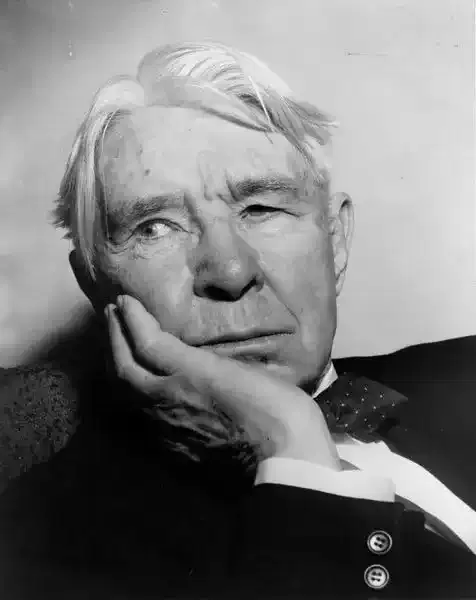
Carl Sandburg
Interior
In the cool of the night time
The clocks pick off the points
And the mainsprings loosen.
They will need winding.
One of these days
they will need winding.
Rabelais in red boards,
Walt Whitman in green,
Hugo in ten-cent paper covers,
Here they stand on shelves
In the cool of the night time
And there is nothing . . . .
To be said against them . . . .
Or for them . . . .
In the cool of the night time
And the docks.
A man in pigeon-gray pyjamas.
The open window begins at his feet
And goes taller than his head.
Eight feet high is the pattern.
Moon and mist make an oblong layout.
Silver at the man's bare feet.
He swings one foot in a moon silver.
And it costs nothing.
(One more day of bread and work.
One more day . . . .so much rags .
The man barefoot in moon silver
Mutters "You" and "You"
To things hidden
In the cool of the night time,
In Rabelais, Whitman, Hugo,
In an oblong of moon mist.
Out from the window . . . . prairielands.
Moon mist whitens a golf ground.
Whiter yet is a limestone quarry.
The crickets keep on chirring.
Switch engines of the Great Western
Sidetrack box cars, make up trains
For Weehawken, Oskaloosa, Saskatchewan;
The cattle, the coal, the corn, must go
In the night . . . . on the prairielands.
Chuff-chuff go the pulses.
They beat in the cool of the night time.
Chuff-chuff and chuff-chuff . . . .
These heartbeats travel the night a mile
And touch the moon silver at the window
And the hones of the man.
It costs nothing.
Rabelais in red boards,
Whitman in green,
Hugo in ten-cent paper covers,
Here they stand on shelves
In the cool of the night time
And the clocks.
Read more →
418
Kabir
The Swan flies away
The Swan Will Fly Away All Alone,
Spectacle of the World Will Be a Mere Fair
As the Leaf Falls from the Tree
Is Difficult to Find
Who Knows Where it Will Fall
Once it is Struck with a Gust Of Wind
When Life Span is Complete
Then Listening to Orders, Following Others, Will Be Over
The Messengers of Yama are Very Strong
It's an Entanglement with the Yama
Servant Kabir Praises the Attributes of the Lord
He Finds the Lord Soon
Guru Will Go According to His Doings
The Disciple According to His!
Read more →
419
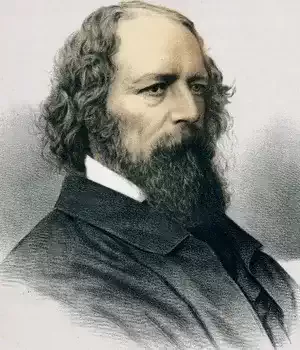
Alfred Lord Tennyson
To Edward Lear: on His Travels in Greece
Illyrian woodlands, echoing falls
Of water, sheets of summer glass,
The long divine Peneian pass,
The vast Akrokeraunian walls,
Tomohrit, Athos, all things fair,
With such a pencil, such a pen,
You shadow forth to distant men,
I read and felt that I was there:
And trust me while I turn'd the page,
And track'd you still on classic ground,
I grew in gladness till I found
My spirits in the golden age.
For me the torrent ever pour'd
And glisten'd -- here and there alone
The broad-limb'd gods at random thrown
By fountain urns; -- and Naiads oar'd
A glimmering shoulder under gloom
Of cavern pillars; on the swell
The silver lily heaved and fell;
And many a slope was rich in bloom
From him that on the mountain lea
By dancing rivulets fed his flocks,
To him who sat upon the rocks,
And fluted to the morning sea.
Read more →
420
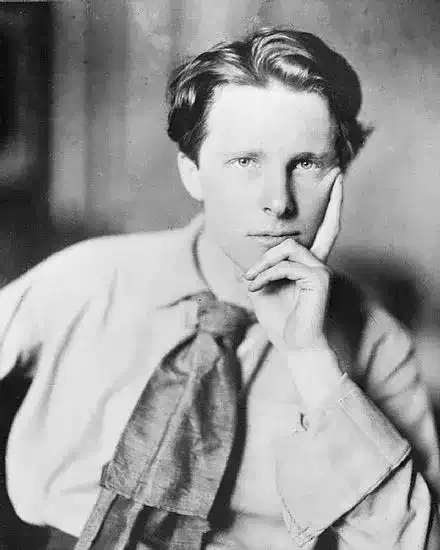
Rupert Brooke
The Way That Lovers Use
The Way that lovers use is this;
They bow, catch hands, with never a word,
And their lips meet, and they do kiss,
—So I have heard.
They queerly find some healing so,
And strange attainment in the touch;
There is a secret lovers know,
—I have read as much.
And theirs no longer joy nor smart,
Changing or ending, night or day;
But mouth to mouth, and heart on heart,
—So lovers say.
Read more →
421
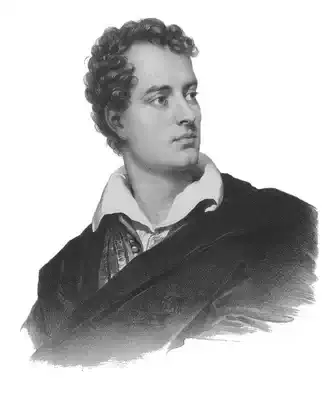
Lord Byron
Were My Bosom As False as Thou Deem'st It To Be
Were my bosom as false as thou deem'st it to be,
I need not have wander'd from far Galilee;
It was but abjuring my creed to efface
The curse which, thou say'st, is the crime of my race.
If the bad never triumph, then God is with thee!
If the slave only sin, thou art spotless and free!
If the Exile on earth is an Outcast on high,
Live on in thy faith, but in mine I will die.
I have lost for that faith more than thou canst bestow,
As the God who permits thee to prosper doth know;
In his hand is my heart and my hope and
in thine
The land and the life which for him I resign.
Read more →
419
Ella Wheeler Wilcox
Are you Loving Enough?
Are you loving enough? There is some one dear,
Some one you hold as the dearest of all
In the holiest shrine of your heart.
Are you making it known? Is the truth of it clear
To the one you love? If death's quick call
Should suddenly tear you apart,
Leaving no time for a long farewell,
Would you feel you had nothing to tell---
Nothing you wished you had said before
The closing of that dark door?
Are you loving enough? The swift years fly---
Oh, faster and faster they hurry away,
And each one carries its dead.
The good deed left for the by and by,
The word to be uttered another day,
May never be done or said.
Let the love word sound in the listening ear,
Nor wait to speak it above a bier.
Oh the time for telling your love is brief,
But long, long, long is the time for grief.
Are you loving enough?
Read more →
420
Johann Wolfgang von Goethe
To Charlotte
'MIDST the noise of merriment and glee,
'Midst full many a sorrow, many a care,
Charlotte, I remember, we remember thee,
How, at evening's hour so fair,
Thou a kindly hand didst reach us,
When thou, in some happy place
Where more fair is Nature s face,
Many a lightly-hidden trace
Of a spirit loved didst teach us.
Well 'tis that thy worth I rightly knew,--
That I, in the hour when first we met,
While the first impression fill'd me yet,
Call'd thee then a girl both good and true.
Rear'd in silence, calmly, knowing nought,
On the world we suddenly are thrown;
Hundred thousand billows round us sport;
All things charm us--many please alone,
Many grieve us, and as hour on hour is stealing,
To and fro our restless natures sway;
First we feel, and then we find each feeling
By the changeful world-stream borne away.
Well I know, we oft within us find
Many a hope and many a smart.
Charlotte, who can know our mind?
Charlotte, who can know our heart?
Ah! 'twould fain be understood, 'twould fain o'erflow
In some creature's fellow-feelings blest,
And, with trust, in twofold measure know
All the grief and joy in Nature's breast.
Then thine eye is oft around thee cast,
But in vain, for all seems closed for ever.
Thus the fairest part of life is madly pass'd
Free from storm, but resting never:
To thy sorrow thou'rt to-day repell'd
By what yesterday obey'd thee.
Can that world by thee be worthy held
Which so oft betray'd thee?
Which, 'mid all thy pleasures and thy pains,
Lived in selfish, unconcern'd repose?
See, the soul its secret cells regains,
And the heart--makes haste to close.
Thus found I thee, and gladly went to meet thee;
"She's worthy of all love!" I cried,
And pray'd that Heaven with purest bliss might greet thee,
Which in thy friend it richly hath supplied.
Read more →
419
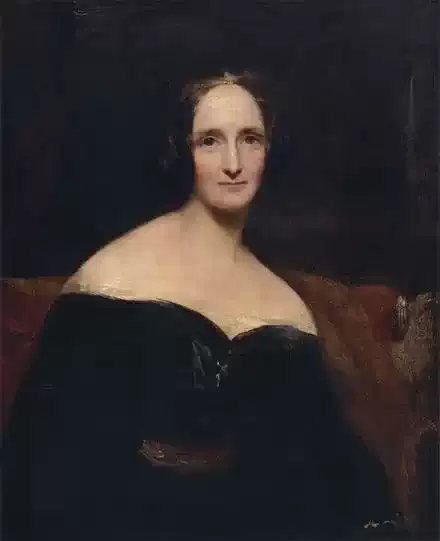
Percy Bysshe Shelley
Queen Mab: Part VI (excerpts)
"Throughout these infinite orbs of mingling light,
Of which yon earth is one, is wide diffus'd
A Spirit of activity and life,
That knows no term, cessation, or decay;
That fades not when the lamp of earthly life,
Extinguish'd in the dampness of the grave,
Awhile there slumbers, more than when the babe
In the dim newness of its being feels
The impulses of sublunary things,
And all is wonder to unpractis'd sense:
But, active, steadfast and eternal, still
Guides the fierce whirlwind, in the tempest roars,
Cheers in the day, breathes in the balmy groves,
Strengthens in health, and poisons in disease;
And in the storm of change, that ceaselessly
Rolls round the eternal universe and shakes
Its undecaying battlement, presides,
Apportioning with irresistible law
The place each spring of its machine shall fill;
So that when waves on waves tumultuous heap
Confusion to the clouds, and fiercely driven
Heaven's lightnings scorch the uprooted ocean-fords,
Whilst, to the eye of shipwreck'd mariner,
Lone sitting on the bare and shuddering rock,
All seems unlink'd contingency and chance,
No atom of this turbulence fulfils
A vague and unnecessitated task,
Or acts but as it must and ought to act.
Even the minutest molecule of light,
That in an April sunbeam's fleeting glow
Fulfils its destin'd, though invisible work,
The universal Spirit guides; nor less,
When merciless ambition, or mad zeal,
Has led two hosts of dupes to battlefield,
That, blind, they there may dig each other's graves,
And call the sad work glory, does it rule
All passions: not a thought, a will, an act,
No working of the tyrant's moody mind,
Nor one misgiving of the slaves who boast
Their servitude to hide the shame they feel,
Nor the events enchaining every will,
That from the depths of unrecorded time
Have drawn all-influencing virtue, pass
Unrecogniz'd or unforeseen by thee,
Soul of the Universe! eternal spring
Of life and death, of happiness and woe,
Of all that chequers the phantasmal scene
That floats before our eyes in wavering light,
Which gleams but on the darkness of our prison,
Whose chains and massy walls
We feel, but cannot see.
"Spirit of Nature! all-sufficing Power,
Necessity! thou mother of the world!
Unlike the God of human error, thou
Requir'st no prayers or praises; the caprice
Of man's weak will belongs no more to thee
Than do the changeful passions of his breast
To thy unvarying harmony: the slave,
Whose horrible lusts spread misery o'er the world,
And the good man, who lifts with virtuous pride
His being in the sight of happiness
That springs from his own works; the poison-tree,
Beneath whose shade all life is wither'd up,
And the fair oak, whose leafy dome affords
A temple where the vows of happy love
Are register'd, are equal in thy sight:
No love, no hate thou cherishest; revenge
And favouritism, and worst desire of fame
Thou know'st not: all that the wide world contains
Are but thy passive instruments, and thou
Regard'st them all with an impartial eye,
Whose joy or pain thy nature cannot feel,
Because thou hast not human sense,
Because thou art not human mind.
"Yes! when the sweeping storm of time
Has sung its death-dirge o'er the ruin'd fanes
And broken altars of the almighty Fiend
Whose name usurps thy honours, and the blood
Through centuries clotted there has floated down
The tainted flood of ages, shalt thou live
Unchangeable! A shrine is rais'd to thee,
Which, nor the tempest-breath of time,
Nor the interminable flood
Over earth's slight pageant rolling,
Availeth to destroy--
The sensitive extension of the world.
That wondrous and eternal fane,
Where pain and pleasure, good and evil join,
To do the will of strong necessity,
And life, in multitudinous shapes,
Still pressing forward where no term can be,
Like hungry and unresting flame
Curls round the eternal columns of its strength."
Read more →
416
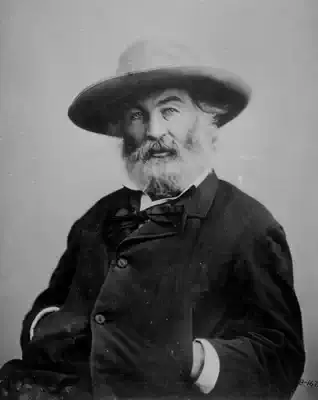
Walt Whitman
City Of Orgies
CITY of orgies, walks and joys!
City whom that I have lived and sung in your midst will one day make
you illustrious,
Not the pageants of you--not your shifting tableaux, your spectacles,
repay me;
Not the interminable rows of your houses--nor the ships at the
wharves,
Nor the processions in the streets, nor the bright windows, with
goods in them;
Nor to converse with learn'd persons, or bear my share in the soiree
or feast;
Not those--but, as I pass, O Manhattan! your frequent and swift flash
of eyes offering me love,
Offering response to my own--these repay me;
Lovers, continual lovers, only repay me.
Read more →
417
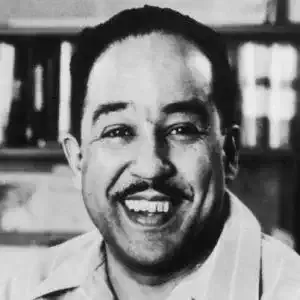
Langston Hughes
My People
The night is beautiful,
So the faces of my people.
The stars are beautiful,
So the eyes of my people.
Beautiful, also, is the sun.
Beautiful, also, are the souls of my people.
Read more →
417
Ella Wheeler Wilcox
To Men
Sirs, when you pity us, I say
You waste your pity. Let it stay,
Well corked and stored upon your shelves,
Until you need it for yourselves.
We do appreciate God's thought
In forming you, before He brought
Us into life. His art was crude,
But oh, so virile in its rude
Large elemental strength: and then
He learned His trade in making men;
Learned how to mix and mould the clay
And fashion in a finer way.
How fine that skilful way can be
You need but lift your eyes to see;
And we are glad God placed you there
To lift your eyes and find us fair.
Apprentice labour though you were,
He made you great enough to stir
The best and deepest depths of us,
And we are glad he made you thus.
Ay! we are glad of many things.
God strung our hearts with such fine strings
The least breath movces them, and we hear
Music where silence greets your ear.
We suffer so? but women's souls
Like violet powder dropped on coals,
Give forth their best in anguish. Oh,
The subtle secrets that we know,
Of joy in sorrow, strange delights
Of ecstasy in pain-filled nights,
And mysteries of gain in loss
Known but to Christ upon the Cross!
Our tears are pitiful to you?
Look how the heaven-reflecting dew
Dissolves its life in tears. The sand
Meanwhile lies hard upon the strand.
How could your pity find a place
For us, the mothers of the race?
Men may be fathers unaware,
So poor the title is you wear,
But mothers -? Who that crown adorns
Knows all its mingled blooms and thorns;
And she whose feet that path hath trod
Has walked upon the heights with God.
No, offer us not pity's cup.
There is no looking down or up
Between us: eye looks straight in eye:
Born equals, so we live and die.
Read more →
417
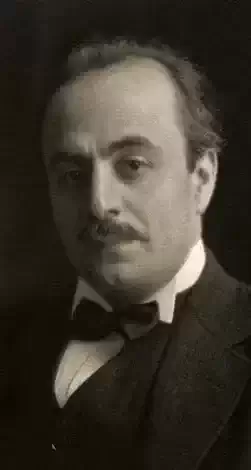
Khalil Gibran
The Creation I
The God separated a spirit from Himself and fashioned it into Beauty. He showered
upon her all the blessings of gracefulness and kindness. He gave her the cup of
happiness and said, "Drink not from this cup unless you forget the past and the future,
for happiness is naught but the moment." And He also gave her a cup of sorrow and
said, "Drink from this cup and you will understand the meaning of the fleeting instants
of the joy of life, for sorrow ever abounds."
And the God bestowed upon her a love that would desert he forever upon her first sigh
of earthly satisfaction, and a sweetness that would vanish with her first awareness of
flattery.
And He gave her wisdom from heaven to lead to the all-righteous path, and placed in
the depth of her heart and eye that sees the unseen, and created in he an affection
and goodness toward all things. He dressed her with raiment of hopes spun by the
angels of heaven from the sinews of the rainbow. And He cloaked her in the shadow of
confusion, which is the dawn of life and light.
Then the God took consuming fire from the furnace of anger, and searing wind from
the desert of ignorance, and sharp- cutting sands from the shore of selfishness, and
coarse earth from under the feet of ages, and combined them all and fashioned Man.
He gave to Man a blind power that rages and drives him into a madness which
extinguishes only before gratification of desire, and placed life in him which is the
specter of death.
And the god laughed and cried. He felt an overwhelming love and pity for Man, and
sheltered him beneath His guidance.
Read more →
416

Henry Wadsworth Longfellow
The Phantom Ship. (Birds Of Passage. Flight The First)
In Mather's Magnalia Christi,
Of the old colonial time,
May be found in prose the legend
That is here set down in rhyme.
A ship sailed from New Haven,
And the keen and frosty airs,
That filled her sails at parting,
Were heavy with good men's prayers.
'O Lord! if it be thy pleasure'--
Thus prayed the old divine-'
To bury our friends in the ocean,
Take them, for they are thine!'
But Master Lamberton muttered,
And under his breath said he,
'This ship is so crank and walty
I fear our grave she will be!'
And the ships that came from England,
When the winter months were gone,
Brought no tidings of this vessel
Nor of Master Lamberton.
This put the people to praying
That the Lord would let them hear
What in his greater wisdom
He had done with friends so dear.
And at last their prayers were answered:--
It was in the month of June,
An hour before the sunset
Of a windy afternoon,
When, steadily steering landward,
A ship was seen below,
And they knew it was Lamberton, Master,
Who sailed so long ago.
On she came, with a cloud of canvas,
Right against the wind that blew,
Until the eye could distinguish
The faces of the crew.
Then fell her straining topmasts,
Hanging tangled in the shrouds,
And her sails were loosened and lifted,
And blown away like clouds.
And the masts, with all their rigging,
Fell slowly, one by one,
And the hulk dilated and vanished,
As a sea-mist in the sun!
And the people who saw this marvel
Each said unto his friend,
That this was the mould of their vessel,
And thus her tragic end.
And the pastor of the village
Gave thanks to God in prayer,
That, to quiet their troubled spirits,
He had sent this Ship of Air.
Read more →
417
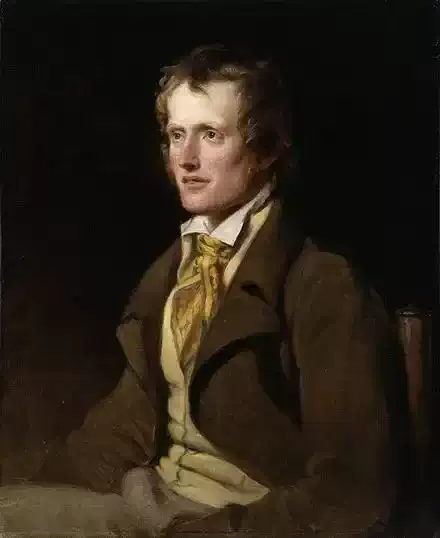
John Clare
Farewell And Defiance To Love
Love and thy vain employs, away
From this too oft deluded breast!
No longer will I court thy stay,
To be my bosom's teazing guest.
Thou treacherous medicine, reckoned pure,
Thou quackery of the harassed heart,
That kills what it pretends to cure,
Life's mountebank thou art.
With nostrums vain of boasted powers,
That, ta'en, a worse disorder leave;
An asp hid in a group of flowers,
That bites and stings when few perceive;
Thou mock-truce to the troubled mind,
Leading it more in sorrow's way,
Freedom, that leaves us more confined,
I bid thee hence away.
Dost taunt, and deem thy power beyond
The resolution reason gave?
Tut! Falsity hath snapt each bond,
That kept me once thy quiet slave,
And made thy snare a spider's thread,
Which een my breath can break in twain;
Nor will I be, like Sampson, led
To trust thy wiles again.
I took thee as my staff to guide
Me on the road I did pursue,
And when my weakness most relied
Upon its strength it broke in two.
I took thee as my friendly host
That counsel might in dangers show,
But when I needed thee the most
I found thou wert my foe.
Tempt me no more with rosy cheeks,
Nor daze my reason with bright eyes;
I'm wearied with thy painted freaks,
And sicken at such vanities:
Be roses fine as eer they will,
They, with the meanest, fade and die,
And eyes, though thronged with darts to kill,
Share like mortality.
Feed the young bard, that madly sips
His nectar-draughts from folly's flowers,
Bright eyes, fair cheeks, and ruby lips,
Till muses melt to honey showers;
Lure him to thrum thy empty lays,
While flattery listens to the chimes,
Till words themselves grow sick with praise
And stop for want of rhymes.
Let such be still thy paramours,
And chaunt love's old and idle tune,
Robbing the spring of all its flowers,
And heaven of all her stars and moon,
To gild with dazzling similes
Blind folly's vain and empty lay:
I'm sobered from such phantasies,
So get thee hence away.
Nor bid me sigh for mine own cost,
Nor count its loss, for mine annoy,
Nor say my stubbornness hath lost
A paradise of dainty joy:
I'll not believe thee, till I know
That sober reason turns an ape,
And acts the harlequin, to show
That cares in every shape,
Heart-achings, sighs, and grief-wrung tears,
Shame-blushes at betrayed distress,
Dissembled smiles, and jealous fears,
Are nought but real happiness:
Then will I mourn what now I brave,
And suffer Celia's quirks to be
(Like a poor fate-bewilder'd slave,)
The rulers of my destiny.
I'll weep and sigh wheneer she wills
To frown, and when she deigns to smile
It shall be cure for all my ills,
And, foolish still, I'll laugh the while;
But till that comes, I'll bless the rules
Experience taught, and deem it wise
To hold thee as the game of fools,
And all thy tricks despise.
Read more →
417

Robert Browning
Women And Roses
I.
I dream of a red-rose tree.
And which of its roses three
Is the dearest rose to me?
II.
Round and round, like a dance of snow
In a dazzling drift, as its guardians, go
Floating the women faded for ages,
Sculptured in stone, on the poet's pages.
Then follow women fresh and gay,
Living and loving and loved to-day.
Last, in the rear, flee the multitude of maidens,
Beauties yet unborn. And all, to one cadence,
They circle their rose on my rose tree.
III.
Dear rose, thy term is reached,
Thy leaf hangs loose and bleached:
Bees pass it unimpeached.
IV.
Stay then, stoop, since I cannot climb,
You, great shapes of the antique time!
How shall I fix you, fire you, freeze you,
Break my heart at your feet to please you?
Oh, to possess and be possessed!
Hearts that beat 'neath each pallid breast!
Once but of love, the poesy, the passion,
Drink but once and die!---In vain, the same fashion,
They circle their rose on my rose tree.
V.
Dear rose, thy joy's undimmed,
Thy cup is ruby-rimmed,
Thy cup's heart nectar-brimmed.
VI.
Deep, as drops from a statue's plinth
The bee sucked in by the hyacinth,
So will I bury me while burning,
Quench like him at a plunge my yearning,
Eyes in your eyes, lips on your lips!
Fold me fast where the cincture slips,
Prison all my soul in eternities of pleasure,
Girdle me for once! But no---the old measure,
They circle their rose on my rose tree.
VII.
Dear rose without a thorn,
Thy bud's the babe unborn:
First streak of a new morn.
VIII.
Wings, lend wings for the cold, the clear!
What is far conquers what is near.
Roses will bloom nor want beholders,
Sprung from the dust where our flesh moulders.
What shall arrive with the cycle's change?
A novel grace and a beauty strange.
I will make an Eve, be the artist that began her,
Shaped her to his mind!---Alas! in like manner
They circle their rose on my rose tree.
Read more →
417