

Poems in this topic
Society and the World
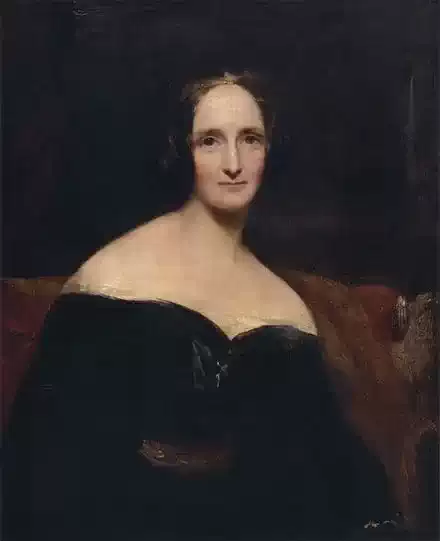
Percy Bysshe Shelley
English In
English In
An old, mad, blind, despised, and dying king,--
Princes, the dregs of their dull race, who
Through public scorn,--mud from a muddy spring,--
Rulers who neither see, nor feel, nor know,
But leech-like to their fainting country cling,
Till they drop, blind in blood, without a blow,--
A people starved and stabbed in the untilled field,--
An army, which liberticide and prey
Makes as a two-edged sword to all who wield,--
Golden and sanguine laws which tempt and slay;
Religion Christless, Godless--a book sealed;
A Senate, Time's worst statute unrepealed,--
Are graves, from which a glorious Phantom may
Burst, to illumine our tempestuous day.
An old, mad, blind, despised, and dying king,--
Princes, the dregs of their dull race, who
Through public scorn,--mud from a muddy spring,--
Rulers who neither see, nor feel, nor know,
But leech-like to their fainting country cling,
Till they drop, blind in blood, without a blow,--
A people starved and stabbed in the untilled field,--
An army, which liberticide and prey
Makes as a two-edged sword to all who wield,--
Golden and sanguine laws which tempt and slay;
Religion Christless, Godless--a book sealed;
A Senate, Time's worst statute unrepealed,--
Are graves, from which a glorious Phantom may
Burst, to illumine our tempestuous day.
490

Paul Laurence Dunbar
The Haunted Oak
The Haunted Oak
Pray why are you so bare, so bare,
Oh, bough of the old oak-tree;
And why, when I go through the shade you throw,
Runs a shudder over me?
My leaves were green as the best, I trow,
And sap ran free in my veins,
But I say in the moonlight dim and weird
A guiltless victim's pains.
They'd charged him with the old, old crime,
And set him fast in jail:
Oh, why does the dog howl all night long,
And why does the night wind wail?
He prayed his prayer and he swore his oath,
And he raised his hand to the sky;
But the beat of hoofs smote on his ear,
And the steady tread drew nigh.
Who is it rides by night, by night,
Over the moonlit road?
And what is the spur that keeps the pace,
What is the galling goad?
And now they beat at the prison door,
"Ho, keeper, do not stay!
We are friends of him whom you hold within,
And we fain would take him away
"From those who ride fast on our heels
With mind to do him wrong;
They have no care for his innocence,
And the rope they bear is long."
They have fooled the jailer with lying words,
They have fooled the man with lies;
The bolts unbar, the locks are drawn,
And the great door open flies.
Now they have taken him from the jail,
And hard and fast they ride,
And the leader laughs low down in his throat,
As they halt my trunk beside.
Oh, the judge, he wore a mask of black,
And the doctor one of white,
And the minister, with his oldest son,
Was curiously bedight.
Oh, foolish man, why weep you now?
'Tis but a little space,
And the time will come when these shall dread
The mem'ry of your face.
I feel the rope against my bark,
And the weight of him in my grain,
I feel in the throe of his final woe
The touch of my own last pain.
And never more shall leaves come forth
On the bough that bears the ban;
I am burned with dread, I am dried and dead,
From the curse of a guiltless man.
And ever the judge rides by, rides by,
And goes to hunt the deer,
And ever another rides his soul
In the guise of a mortal fear.
And ever the man he rides me hard,
And never a night stays he;
For I feel his curse as a haunted bough,
On the trunk of a haunted tree.
Pray why are you so bare, so bare,
Oh, bough of the old oak-tree;
And why, when I go through the shade you throw,
Runs a shudder over me?
My leaves were green as the best, I trow,
And sap ran free in my veins,
But I say in the moonlight dim and weird
A guiltless victim's pains.
They'd charged him with the old, old crime,
And set him fast in jail:
Oh, why does the dog howl all night long,
And why does the night wind wail?
He prayed his prayer and he swore his oath,
And he raised his hand to the sky;
But the beat of hoofs smote on his ear,
And the steady tread drew nigh.
Who is it rides by night, by night,
Over the moonlit road?
And what is the spur that keeps the pace,
What is the galling goad?
And now they beat at the prison door,
"Ho, keeper, do not stay!
We are friends of him whom you hold within,
And we fain would take him away
"From those who ride fast on our heels
With mind to do him wrong;
They have no care for his innocence,
And the rope they bear is long."
They have fooled the jailer with lying words,
They have fooled the man with lies;
The bolts unbar, the locks are drawn,
And the great door open flies.
Now they have taken him from the jail,
And hard and fast they ride,
And the leader laughs low down in his throat,
As they halt my trunk beside.
Oh, the judge, he wore a mask of black,
And the doctor one of white,
And the minister, with his oldest son,
Was curiously bedight.
Oh, foolish man, why weep you now?
'Tis but a little space,
And the time will come when these shall dread
The mem'ry of your face.
I feel the rope against my bark,
And the weight of him in my grain,
I feel in the throe of his final woe
The touch of my own last pain.
And never more shall leaves come forth
On the bough that bears the ban;
I am burned with dread, I am dried and dead,
From the curse of a guiltless man.
And ever the judge rides by, rides by,
And goes to hunt the deer,
And ever another rides his soul
In the guise of a mortal fear.
And ever the man he rides me hard,
And never a night stays he;
For I feel his curse as a haunted bough,
On the trunk of a haunted tree.
541
Paul Laurence Dunbar
The Haunted Oak
The Haunted Oak
Pray why are you so bare, so bare,
Oh, bough of the old oak-tree;
And why, when I go through the shade you throw,
Runs a shudder over me?
My leaves were green as the best, I trow,
And sap ran free in my veins,
But I say in the moonlight dim and weird
A guiltless victim's pains.
They'd charged him with the old, old crime,
And set him fast in jail:
Oh, why does the dog howl all night long,
And why does the night wind wail?
He prayed his prayer and he swore his oath,
And he raised his hand to the sky;
But the beat of hoofs smote on his ear,
And the steady tread drew nigh.
Who is it rides by night, by night,
Over the moonlit road?
And what is the spur that keeps the pace,
What is the galling goad?
And now they beat at the prison door,
"Ho, keeper, do not stay!
We are friends of him whom you hold within,
And we fain would take him away
"From those who ride fast on our heels
With mind to do him wrong;
They have no care for his innocence,
And the rope they bear is long."
They have fooled the jailer with lying words,
They have fooled the man with lies;
The bolts unbar, the locks are drawn,
And the great door open flies.
Now they have taken him from the jail,
And hard and fast they ride,
And the leader laughs low down in his throat,
As they halt my trunk beside.
Oh, the judge, he wore a mask of black,
And the doctor one of white,
And the minister, with his oldest son,
Was curiously bedight.
Oh, foolish man, why weep you now?
'Tis but a little space,
And the time will come when these shall dread
The mem'ry of your face.
I feel the rope against my bark,
And the weight of him in my grain,
I feel in the throe of his final woe
The touch of my own last pain.
And never more shall leaves come forth
On the bough that bears the ban;
I am burned with dread, I am dried and dead,
From the curse of a guiltless man.
And ever the judge rides by, rides by,
And goes to hunt the deer,
And ever another rides his soul
In the guise of a mortal fear.
And ever the man he rides me hard,
And never a night stays he;
For I feel his curse as a haunted bough,
On the trunk of a haunted tree.
Pray why are you so bare, so bare,
Oh, bough of the old oak-tree;
And why, when I go through the shade you throw,
Runs a shudder over me?
My leaves were green as the best, I trow,
And sap ran free in my veins,
But I say in the moonlight dim and weird
A guiltless victim's pains.
They'd charged him with the old, old crime,
And set him fast in jail:
Oh, why does the dog howl all night long,
And why does the night wind wail?
He prayed his prayer and he swore his oath,
And he raised his hand to the sky;
But the beat of hoofs smote on his ear,
And the steady tread drew nigh.
Who is it rides by night, by night,
Over the moonlit road?
And what is the spur that keeps the pace,
What is the galling goad?
And now they beat at the prison door,
"Ho, keeper, do not stay!
We are friends of him whom you hold within,
And we fain would take him away
"From those who ride fast on our heels
With mind to do him wrong;
They have no care for his innocence,
And the rope they bear is long."
They have fooled the jailer with lying words,
They have fooled the man with lies;
The bolts unbar, the locks are drawn,
And the great door open flies.
Now they have taken him from the jail,
And hard and fast they ride,
And the leader laughs low down in his throat,
As they halt my trunk beside.
Oh, the judge, he wore a mask of black,
And the doctor one of white,
And the minister, with his oldest son,
Was curiously bedight.
Oh, foolish man, why weep you now?
'Tis but a little space,
And the time will come when these shall dread
The mem'ry of your face.
I feel the rope against my bark,
And the weight of him in my grain,
I feel in the throe of his final woe
The touch of my own last pain.
And never more shall leaves come forth
On the bough that bears the ban;
I am burned with dread, I am dried and dead,
From the curse of a guiltless man.
And ever the judge rides by, rides by,
And goes to hunt the deer,
And ever another rides his soul
In the guise of a mortal fear.
And ever the man he rides me hard,
And never a night stays he;
For I feel his curse as a haunted bough,
On the trunk of a haunted tree.
541
Paul Laurence Dunbar
The Made to Order Smile
The Made to Order Smile
When a woman looks up at you with a twist about her eyes,
And her brows are half uplifted in a nicely feigned surprise
As you breathe some pretty sentence, though she hates you all the while,
She is very apt to stun you with a made to order smile.
It's a sublte combination of a sneer and a caress,
With a dash of warmth thrown in to relieve its iciness,
And she greets you when she meets you with that look as if a file
Had been used to fix and fashion out the made to order smile.
I confess that I'm eccentric and am not a woman's man,
For they seem to be constructed on the bunko fakir plan,
And it somehow sets me thinking that her heart is full of guile
When a woman looks up at me with a made to order smile.
Now, all maidens, young and aged, hear the lesson I would teach:
Ye who meet us in the ballroom, ye who meet us at the beach,
Pray consent to try and charm us by some other sort of wile
And relieve us from the burden of that made to order smile.
When a woman looks up at you with a twist about her eyes,
And her brows are half uplifted in a nicely feigned surprise
As you breathe some pretty sentence, though she hates you all the while,
She is very apt to stun you with a made to order smile.
It's a sublte combination of a sneer and a caress,
With a dash of warmth thrown in to relieve its iciness,
And she greets you when she meets you with that look as if a file
Had been used to fix and fashion out the made to order smile.
I confess that I'm eccentric and am not a woman's man,
For they seem to be constructed on the bunko fakir plan,
And it somehow sets me thinking that her heart is full of guile
When a woman looks up at me with a made to order smile.
Now, all maidens, young and aged, hear the lesson I would teach:
Ye who meet us in the ballroom, ye who meet us at the beach,
Pray consent to try and charm us by some other sort of wile
And relieve us from the burden of that made to order smile.
493
Paul Laurence Dunbar
Frederick Douglass
Frederick Douglass
A hush is over all the teeming lists,
And there is pause, a breath-space in the strife;
A spirit brave has passed beyond the mists
And vapors that obscure the sun of life.
And Ethiopia, with bosom torn,
Laments the passing of her noblest born.
She weeps for him a mother's burning tears--
She loved him with a mother's deepest love
He was her champion thro' direful years,
And held her weal all other ends above.
When Bondage held her bleeding in the dust,
He raised her up and whispered, 'Hope and Trust.'
For her his voice, a fearless clarion, rung
That broke in warning on the ears of men;
For her the strong bow of his pow'r he strung
And sent his arrows to the very den
Where grim Oppression held his bloody place
And gloated o'er the mis'ries of a race.
And he was no soft-tongued apologist;
He spoke straight-forward, fearlessly uncowed;
The sunlight of his truth dispelled the mist
And set in bold relief each dark-hued cloud;
To sin and crime he gave their proper hue,
And hurled at evil what was evil's due.
Thro' good and ill report he cleaved his way
Right onward, with his face set toward the heights,
Nor feared to face the foeman's dread array--
The lash of scorn, the sting of petty spites.
He dared the lightning in the lightning's track,
And answered thunder with his thunder back.
When men maligned him and their torrent wrath
In furious imprecations o'er him broke,
He kept his counsel as he kept his path;
'Twas for his race, not for himself, he spoke.
He knew the import of his Master's call
And felt himself too mighty to be small.
No miser in the good he held was he--
His kindness followed his horizon's rim.
His heart, his talents and his hands were free
To all who truly needed aught of him.
Where poverty and ignorance were rife,
He gave his bounty as he gave his life.
The place and cause that first aroused his might
Still proved its pow'r until his latest day.
In Freedom's lists and for the aid of Right
Still in the foremost rank he waged the fray;
Wrong lived; His occupation was not gone.
He died in action with his armor on!
We weep for him, but we have touched his hand,
And felt the magic of his presence nigh,
The current that he sent thro' out the land,
The kindling spirit of his battle-cry
O'er all that holds us we shall triumph yet
And place our banner where his hopes were set!
Oh, Douglass, thou hast passed beyond the shore,
But still thy voice is ringing o'er the gale!
Thou 'st taught thy race how high her hopes may soar
And bade her seek the heights, nor faint, nor fail.
She will not fail, she heeds thy stirring cry,
She knows thy guardian spirit will be nigh,
And rising from beneath the chast'ning rod,
She stretches out her bleeding hands to God!
A hush is over all the teeming lists,
And there is pause, a breath-space in the strife;
A spirit brave has passed beyond the mists
And vapors that obscure the sun of life.
And Ethiopia, with bosom torn,
Laments the passing of her noblest born.
She weeps for him a mother's burning tears--
She loved him with a mother's deepest love
He was her champion thro' direful years,
And held her weal all other ends above.
When Bondage held her bleeding in the dust,
He raised her up and whispered, 'Hope and Trust.'
For her his voice, a fearless clarion, rung
That broke in warning on the ears of men;
For her the strong bow of his pow'r he strung
And sent his arrows to the very den
Where grim Oppression held his bloody place
And gloated o'er the mis'ries of a race.
And he was no soft-tongued apologist;
He spoke straight-forward, fearlessly uncowed;
The sunlight of his truth dispelled the mist
And set in bold relief each dark-hued cloud;
To sin and crime he gave their proper hue,
And hurled at evil what was evil's due.
Thro' good and ill report he cleaved his way
Right onward, with his face set toward the heights,
Nor feared to face the foeman's dread array--
The lash of scorn, the sting of petty spites.
He dared the lightning in the lightning's track,
And answered thunder with his thunder back.
When men maligned him and their torrent wrath
In furious imprecations o'er him broke,
He kept his counsel as he kept his path;
'Twas for his race, not for himself, he spoke.
He knew the import of his Master's call
And felt himself too mighty to be small.
No miser in the good he held was he--
His kindness followed his horizon's rim.
His heart, his talents and his hands were free
To all who truly needed aught of him.
Where poverty and ignorance were rife,
He gave his bounty as he gave his life.
The place and cause that first aroused his might
Still proved its pow'r until his latest day.
In Freedom's lists and for the aid of Right
Still in the foremost rank he waged the fray;
Wrong lived; His occupation was not gone.
He died in action with his armor on!
We weep for him, but we have touched his hand,
And felt the magic of his presence nigh,
The current that he sent thro' out the land,
The kindling spirit of his battle-cry
O'er all that holds us we shall triumph yet
And place our banner where his hopes were set!
Oh, Douglass, thou hast passed beyond the shore,
But still thy voice is ringing o'er the gale!
Thou 'st taught thy race how high her hopes may soar
And bade her seek the heights, nor faint, nor fail.
She will not fail, she heeds thy stirring cry,
She knows thy guardian spirit will be nigh,
And rising from beneath the chast'ning rod,
She stretches out her bleeding hands to God!
1,119
Paul Laurence Dunbar
Frederick Douglass
Frederick Douglass
A hush is over all the teeming lists,
And there is pause, a breath-space in the strife;
A spirit brave has passed beyond the mists
And vapors that obscure the sun of life.
And Ethiopia, with bosom torn,
Laments the passing of her noblest born.
She weeps for him a mother's burning tears--
She loved him with a mother's deepest love
He was her champion thro' direful years,
And held her weal all other ends above.
When Bondage held her bleeding in the dust,
He raised her up and whispered, 'Hope and Trust.'
For her his voice, a fearless clarion, rung
That broke in warning on the ears of men;
For her the strong bow of his pow'r he strung
And sent his arrows to the very den
Where grim Oppression held his bloody place
And gloated o'er the mis'ries of a race.
And he was no soft-tongued apologist;
He spoke straight-forward, fearlessly uncowed;
The sunlight of his truth dispelled the mist
And set in bold relief each dark-hued cloud;
To sin and crime he gave their proper hue,
And hurled at evil what was evil's due.
Thro' good and ill report he cleaved his way
Right onward, with his face set toward the heights,
Nor feared to face the foeman's dread array--
The lash of scorn, the sting of petty spites.
He dared the lightning in the lightning's track,
And answered thunder with his thunder back.
When men maligned him and their torrent wrath
In furious imprecations o'er him broke,
He kept his counsel as he kept his path;
'Twas for his race, not for himself, he spoke.
He knew the import of his Master's call
And felt himself too mighty to be small.
No miser in the good he held was he--
His kindness followed his horizon's rim.
His heart, his talents and his hands were free
To all who truly needed aught of him.
Where poverty and ignorance were rife,
He gave his bounty as he gave his life.
The place and cause that first aroused his might
Still proved its pow'r until his latest day.
In Freedom's lists and for the aid of Right
Still in the foremost rank he waged the fray;
Wrong lived; His occupation was not gone.
He died in action with his armor on!
We weep for him, but we have touched his hand,
And felt the magic of his presence nigh,
The current that he sent thro' out the land,
The kindling spirit of his battle-cry
O'er all that holds us we shall triumph yet
And place our banner where his hopes were set!
Oh, Douglass, thou hast passed beyond the shore,
But still thy voice is ringing o'er the gale!
Thou 'st taught thy race how high her hopes may soar
And bade her seek the heights, nor faint, nor fail.
She will not fail, she heeds thy stirring cry,
She knows thy guardian spirit will be nigh,
And rising from beneath the chast'ning rod,
She stretches out her bleeding hands to God!
A hush is over all the teeming lists,
And there is pause, a breath-space in the strife;
A spirit brave has passed beyond the mists
And vapors that obscure the sun of life.
And Ethiopia, with bosom torn,
Laments the passing of her noblest born.
She weeps for him a mother's burning tears--
She loved him with a mother's deepest love
He was her champion thro' direful years,
And held her weal all other ends above.
When Bondage held her bleeding in the dust,
He raised her up and whispered, 'Hope and Trust.'
For her his voice, a fearless clarion, rung
That broke in warning on the ears of men;
For her the strong bow of his pow'r he strung
And sent his arrows to the very den
Where grim Oppression held his bloody place
And gloated o'er the mis'ries of a race.
And he was no soft-tongued apologist;
He spoke straight-forward, fearlessly uncowed;
The sunlight of his truth dispelled the mist
And set in bold relief each dark-hued cloud;
To sin and crime he gave their proper hue,
And hurled at evil what was evil's due.
Thro' good and ill report he cleaved his way
Right onward, with his face set toward the heights,
Nor feared to face the foeman's dread array--
The lash of scorn, the sting of petty spites.
He dared the lightning in the lightning's track,
And answered thunder with his thunder back.
When men maligned him and their torrent wrath
In furious imprecations o'er him broke,
He kept his counsel as he kept his path;
'Twas for his race, not for himself, he spoke.
He knew the import of his Master's call
And felt himself too mighty to be small.
No miser in the good he held was he--
His kindness followed his horizon's rim.
His heart, his talents and his hands were free
To all who truly needed aught of him.
Where poverty and ignorance were rife,
He gave his bounty as he gave his life.
The place and cause that first aroused his might
Still proved its pow'r until his latest day.
In Freedom's lists and for the aid of Right
Still in the foremost rank he waged the fray;
Wrong lived; His occupation was not gone.
He died in action with his armor on!
We weep for him, but we have touched his hand,
And felt the magic of his presence nigh,
The current that he sent thro' out the land,
The kindling spirit of his battle-cry
O'er all that holds us we shall triumph yet
And place our banner where his hopes were set!
Oh, Douglass, thou hast passed beyond the shore,
But still thy voice is ringing o'er the gale!
Thou 'st taught thy race how high her hopes may soar
And bade her seek the heights, nor faint, nor fail.
She will not fail, she heeds thy stirring cry,
She knows thy guardian spirit will be nigh,
And rising from beneath the chast'ning rod,
She stretches out her bleeding hands to God!
1,119
Paul Laurence Dunbar
Frederick Douglass
Frederick Douglass
A hush is over all the teeming lists,
And there is pause, a breath-space in the strife;
A spirit brave has passed beyond the mists
And vapors that obscure the sun of life.
And Ethiopia, with bosom torn,
Laments the passing of her noblest born.
She weeps for him a mother's burning tears--
She loved him with a mother's deepest love
He was her champion thro' direful years,
And held her weal all other ends above.
When Bondage held her bleeding in the dust,
He raised her up and whispered, 'Hope and Trust.'
For her his voice, a fearless clarion, rung
That broke in warning on the ears of men;
For her the strong bow of his pow'r he strung
And sent his arrows to the very den
Where grim Oppression held his bloody place
And gloated o'er the mis'ries of a race.
And he was no soft-tongued apologist;
He spoke straight-forward, fearlessly uncowed;
The sunlight of his truth dispelled the mist
And set in bold relief each dark-hued cloud;
To sin and crime he gave their proper hue,
And hurled at evil what was evil's due.
Thro' good and ill report he cleaved his way
Right onward, with his face set toward the heights,
Nor feared to face the foeman's dread array--
The lash of scorn, the sting of petty spites.
He dared the lightning in the lightning's track,
And answered thunder with his thunder back.
When men maligned him and their torrent wrath
In furious imprecations o'er him broke,
He kept his counsel as he kept his path;
'Twas for his race, not for himself, he spoke.
He knew the import of his Master's call
And felt himself too mighty to be small.
No miser in the good he held was he--
His kindness followed his horizon's rim.
His heart, his talents and his hands were free
To all who truly needed aught of him.
Where poverty and ignorance were rife,
He gave his bounty as he gave his life.
The place and cause that first aroused his might
Still proved its pow'r until his latest day.
In Freedom's lists and for the aid of Right
Still in the foremost rank he waged the fray;
Wrong lived; His occupation was not gone.
He died in action with his armor on!
We weep for him, but we have touched his hand,
And felt the magic of his presence nigh,
The current that he sent thro' out the land,
The kindling spirit of his battle-cry
O'er all that holds us we shall triumph yet
And place our banner where his hopes were set!
Oh, Douglass, thou hast passed beyond the shore,
But still thy voice is ringing o'er the gale!
Thou 'st taught thy race how high her hopes may soar
And bade her seek the heights, nor faint, nor fail.
She will not fail, she heeds thy stirring cry,
She knows thy guardian spirit will be nigh,
And rising from beneath the chast'ning rod,
She stretches out her bleeding hands to God!
A hush is over all the teeming lists,
And there is pause, a breath-space in the strife;
A spirit brave has passed beyond the mists
And vapors that obscure the sun of life.
And Ethiopia, with bosom torn,
Laments the passing of her noblest born.
She weeps for him a mother's burning tears--
She loved him with a mother's deepest love
He was her champion thro' direful years,
And held her weal all other ends above.
When Bondage held her bleeding in the dust,
He raised her up and whispered, 'Hope and Trust.'
For her his voice, a fearless clarion, rung
That broke in warning on the ears of men;
For her the strong bow of his pow'r he strung
And sent his arrows to the very den
Where grim Oppression held his bloody place
And gloated o'er the mis'ries of a race.
And he was no soft-tongued apologist;
He spoke straight-forward, fearlessly uncowed;
The sunlight of his truth dispelled the mist
And set in bold relief each dark-hued cloud;
To sin and crime he gave their proper hue,
And hurled at evil what was evil's due.
Thro' good and ill report he cleaved his way
Right onward, with his face set toward the heights,
Nor feared to face the foeman's dread array--
The lash of scorn, the sting of petty spites.
He dared the lightning in the lightning's track,
And answered thunder with his thunder back.
When men maligned him and their torrent wrath
In furious imprecations o'er him broke,
He kept his counsel as he kept his path;
'Twas for his race, not for himself, he spoke.
He knew the import of his Master's call
And felt himself too mighty to be small.
No miser in the good he held was he--
His kindness followed his horizon's rim.
His heart, his talents and his hands were free
To all who truly needed aught of him.
Where poverty and ignorance were rife,
He gave his bounty as he gave his life.
The place and cause that first aroused his might
Still proved its pow'r until his latest day.
In Freedom's lists and for the aid of Right
Still in the foremost rank he waged the fray;
Wrong lived; His occupation was not gone.
He died in action with his armor on!
We weep for him, but we have touched his hand,
And felt the magic of his presence nigh,
The current that he sent thro' out the land,
The kindling spirit of his battle-cry
O'er all that holds us we shall triumph yet
And place our banner where his hopes were set!
Oh, Douglass, thou hast passed beyond the shore,
But still thy voice is ringing o'er the gale!
Thou 'st taught thy race how high her hopes may soar
And bade her seek the heights, nor faint, nor fail.
She will not fail, she heeds thy stirring cry,
She knows thy guardian spirit will be nigh,
And rising from beneath the chast'ning rod,
She stretches out her bleeding hands to God!
1,119
Paul Laurence Dunbar
Frederick Douglass
Frederick Douglass
A hush is over all the teeming lists,
And there is pause, a breath-space in the strife;
A spirit brave has passed beyond the mists
And vapors that obscure the sun of life.
And Ethiopia, with bosom torn,
Laments the passing of her noblest born.
She weeps for him a mother's burning tears--
She loved him with a mother's deepest love
He was her champion thro' direful years,
And held her weal all other ends above.
When Bondage held her bleeding in the dust,
He raised her up and whispered, 'Hope and Trust.'
For her his voice, a fearless clarion, rung
That broke in warning on the ears of men;
For her the strong bow of his pow'r he strung
And sent his arrows to the very den
Where grim Oppression held his bloody place
And gloated o'er the mis'ries of a race.
And he was no soft-tongued apologist;
He spoke straight-forward, fearlessly uncowed;
The sunlight of his truth dispelled the mist
And set in bold relief each dark-hued cloud;
To sin and crime he gave their proper hue,
And hurled at evil what was evil's due.
Thro' good and ill report he cleaved his way
Right onward, with his face set toward the heights,
Nor feared to face the foeman's dread array--
The lash of scorn, the sting of petty spites.
He dared the lightning in the lightning's track,
And answered thunder with his thunder back.
When men maligned him and their torrent wrath
In furious imprecations o'er him broke,
He kept his counsel as he kept his path;
'Twas for his race, not for himself, he spoke.
He knew the import of his Master's call
And felt himself too mighty to be small.
No miser in the good he held was he--
His kindness followed his horizon's rim.
His heart, his talents and his hands were free
To all who truly needed aught of him.
Where poverty and ignorance were rife,
He gave his bounty as he gave his life.
The place and cause that first aroused his might
Still proved its pow'r until his latest day.
In Freedom's lists and for the aid of Right
Still in the foremost rank he waged the fray;
Wrong lived; His occupation was not gone.
He died in action with his armor on!
We weep for him, but we have touched his hand,
And felt the magic of his presence nigh,
The current that he sent thro' out the land,
The kindling spirit of his battle-cry
O'er all that holds us we shall triumph yet
And place our banner where his hopes were set!
Oh, Douglass, thou hast passed beyond the shore,
But still thy voice is ringing o'er the gale!
Thou 'st taught thy race how high her hopes may soar
And bade her seek the heights, nor faint, nor fail.
She will not fail, she heeds thy stirring cry,
She knows thy guardian spirit will be nigh,
And rising from beneath the chast'ning rod,
She stretches out her bleeding hands to God!
A hush is over all the teeming lists,
And there is pause, a breath-space in the strife;
A spirit brave has passed beyond the mists
And vapors that obscure the sun of life.
And Ethiopia, with bosom torn,
Laments the passing of her noblest born.
She weeps for him a mother's burning tears--
She loved him with a mother's deepest love
He was her champion thro' direful years,
And held her weal all other ends above.
When Bondage held her bleeding in the dust,
He raised her up and whispered, 'Hope and Trust.'
For her his voice, a fearless clarion, rung
That broke in warning on the ears of men;
For her the strong bow of his pow'r he strung
And sent his arrows to the very den
Where grim Oppression held his bloody place
And gloated o'er the mis'ries of a race.
And he was no soft-tongued apologist;
He spoke straight-forward, fearlessly uncowed;
The sunlight of his truth dispelled the mist
And set in bold relief each dark-hued cloud;
To sin and crime he gave their proper hue,
And hurled at evil what was evil's due.
Thro' good and ill report he cleaved his way
Right onward, with his face set toward the heights,
Nor feared to face the foeman's dread array--
The lash of scorn, the sting of petty spites.
He dared the lightning in the lightning's track,
And answered thunder with his thunder back.
When men maligned him and their torrent wrath
In furious imprecations o'er him broke,
He kept his counsel as he kept his path;
'Twas for his race, not for himself, he spoke.
He knew the import of his Master's call
And felt himself too mighty to be small.
No miser in the good he held was he--
His kindness followed his horizon's rim.
His heart, his talents and his hands were free
To all who truly needed aught of him.
Where poverty and ignorance were rife,
He gave his bounty as he gave his life.
The place and cause that first aroused his might
Still proved its pow'r until his latest day.
In Freedom's lists and for the aid of Right
Still in the foremost rank he waged the fray;
Wrong lived; His occupation was not gone.
He died in action with his armor on!
We weep for him, but we have touched his hand,
And felt the magic of his presence nigh,
The current that he sent thro' out the land,
The kindling spirit of his battle-cry
O'er all that holds us we shall triumph yet
And place our banner where his hopes were set!
Oh, Douglass, thou hast passed beyond the shore,
But still thy voice is ringing o'er the gale!
Thou 'st taught thy race how high her hopes may soar
And bade her seek the heights, nor faint, nor fail.
She will not fail, she heeds thy stirring cry,
She knows thy guardian spirit will be nigh,
And rising from beneath the chast'ning rod,
She stretches out her bleeding hands to God!
1,119
Paul Laurence Dunbar
Frederick Douglass
Frederick Douglass
A hush is over all the teeming lists,
And there is pause, a breath-space in the strife;
A spirit brave has passed beyond the mists
And vapors that obscure the sun of life.
And Ethiopia, with bosom torn,
Laments the passing of her noblest born.
She weeps for him a mother's burning tears--
She loved him with a mother's deepest love
He was her champion thro' direful years,
And held her weal all other ends above.
When Bondage held her bleeding in the dust,
He raised her up and whispered, 'Hope and Trust.'
For her his voice, a fearless clarion, rung
That broke in warning on the ears of men;
For her the strong bow of his pow'r he strung
And sent his arrows to the very den
Where grim Oppression held his bloody place
And gloated o'er the mis'ries of a race.
And he was no soft-tongued apologist;
He spoke straight-forward, fearlessly uncowed;
The sunlight of his truth dispelled the mist
And set in bold relief each dark-hued cloud;
To sin and crime he gave their proper hue,
And hurled at evil what was evil's due.
Thro' good and ill report he cleaved his way
Right onward, with his face set toward the heights,
Nor feared to face the foeman's dread array--
The lash of scorn, the sting of petty spites.
He dared the lightning in the lightning's track,
And answered thunder with his thunder back.
When men maligned him and their torrent wrath
In furious imprecations o'er him broke,
He kept his counsel as he kept his path;
'Twas for his race, not for himself, he spoke.
He knew the import of his Master's call
And felt himself too mighty to be small.
No miser in the good he held was he--
His kindness followed his horizon's rim.
His heart, his talents and his hands were free
To all who truly needed aught of him.
Where poverty and ignorance were rife,
He gave his bounty as he gave his life.
The place and cause that first aroused his might
Still proved its pow'r until his latest day.
In Freedom's lists and for the aid of Right
Still in the foremost rank he waged the fray;
Wrong lived; His occupation was not gone.
He died in action with his armor on!
We weep for him, but we have touched his hand,
And felt the magic of his presence nigh,
The current that he sent thro' out the land,
The kindling spirit of his battle-cry
O'er all that holds us we shall triumph yet
And place our banner where his hopes were set!
Oh, Douglass, thou hast passed beyond the shore,
But still thy voice is ringing o'er the gale!
Thou 'st taught thy race how high her hopes may soar
And bade her seek the heights, nor faint, nor fail.
She will not fail, she heeds thy stirring cry,
She knows thy guardian spirit will be nigh,
And rising from beneath the chast'ning rod,
She stretches out her bleeding hands to God!
A hush is over all the teeming lists,
And there is pause, a breath-space in the strife;
A spirit brave has passed beyond the mists
And vapors that obscure the sun of life.
And Ethiopia, with bosom torn,
Laments the passing of her noblest born.
She weeps for him a mother's burning tears--
She loved him with a mother's deepest love
He was her champion thro' direful years,
And held her weal all other ends above.
When Bondage held her bleeding in the dust,
He raised her up and whispered, 'Hope and Trust.'
For her his voice, a fearless clarion, rung
That broke in warning on the ears of men;
For her the strong bow of his pow'r he strung
And sent his arrows to the very den
Where grim Oppression held his bloody place
And gloated o'er the mis'ries of a race.
And he was no soft-tongued apologist;
He spoke straight-forward, fearlessly uncowed;
The sunlight of his truth dispelled the mist
And set in bold relief each dark-hued cloud;
To sin and crime he gave their proper hue,
And hurled at evil what was evil's due.
Thro' good and ill report he cleaved his way
Right onward, with his face set toward the heights,
Nor feared to face the foeman's dread array--
The lash of scorn, the sting of petty spites.
He dared the lightning in the lightning's track,
And answered thunder with his thunder back.
When men maligned him and their torrent wrath
In furious imprecations o'er him broke,
He kept his counsel as he kept his path;
'Twas for his race, not for himself, he spoke.
He knew the import of his Master's call
And felt himself too mighty to be small.
No miser in the good he held was he--
His kindness followed his horizon's rim.
His heart, his talents and his hands were free
To all who truly needed aught of him.
Where poverty and ignorance were rife,
He gave his bounty as he gave his life.
The place and cause that first aroused his might
Still proved its pow'r until his latest day.
In Freedom's lists and for the aid of Right
Still in the foremost rank he waged the fray;
Wrong lived; His occupation was not gone.
He died in action with his armor on!
We weep for him, but we have touched his hand,
And felt the magic of his presence nigh,
The current that he sent thro' out the land,
The kindling spirit of his battle-cry
O'er all that holds us we shall triumph yet
And place our banner where his hopes were set!
Oh, Douglass, thou hast passed beyond the shore,
But still thy voice is ringing o'er the gale!
Thou 'st taught thy race how high her hopes may soar
And bade her seek the heights, nor faint, nor fail.
She will not fail, she heeds thy stirring cry,
She knows thy guardian spirit will be nigh,
And rising from beneath the chast'ning rod,
She stretches out her bleeding hands to God!
1,119
Paul Laurence Dunbar
Encouraged
Encouraged
Because you love me I have much achieved,
Had you despised me then I must have failed,
But since I knew you trusted and believed,
I could not disappoint you and so prevailed.
Because you love me I have much achieved,
Had you despised me then I must have failed,
But since I knew you trusted and believed,
I could not disappoint you and so prevailed.
492
Paul Laurence Dunbar
Common Things
Common Things
I like to hear of wealth and gold,
And El Doradoes in their glory;
I like for silks and satins bold
To sweep and rustle through a story.
The nightingale is sweet of song;
The rare exotic smells divinely;
And knightly men who stride along,
The role heroic carry finely.
But then, upon the other hand,
Our minds have got a way of running
To things that aren't quite so grand,
Which, maybe, we are best in shunning.
For some of us still like to see
The poor man in his dwelling narrow,
The hollyhock, the bumblebee,
The meadow lark, and chirping sparrow.
We like the man who soars and sings
With high and lofty inspiration;
But he who sings of common things
Shall always share our admiration.
I like to hear of wealth and gold,
And El Doradoes in their glory;
I like for silks and satins bold
To sweep and rustle through a story.
The nightingale is sweet of song;
The rare exotic smells divinely;
And knightly men who stride along,
The role heroic carry finely.
But then, upon the other hand,
Our minds have got a way of running
To things that aren't quite so grand,
Which, maybe, we are best in shunning.
For some of us still like to see
The poor man in his dwelling narrow,
The hollyhock, the bumblebee,
The meadow lark, and chirping sparrow.
We like the man who soars and sings
With high and lofty inspiration;
But he who sings of common things
Shall always share our admiration.
527
Paul Laurence Dunbar
Distinction
Distinction
"I am but clay," the sinner plead,
Who fed each vain desire.
"Not only clay," another said,
"But worse, for thou art mire."
"I am but clay," the sinner plead,
Who fed each vain desire.
"Not only clay," another said,
"But worse, for thou art mire."
379
Paul Laurence Dunbar
Accountability
Accountability
FOLKS ain't got no right to censuah othah folks about dey habits;
Him dat giv' de squir'ls de bushtails made de bobtails fu' de rabbits.
Him dat built de gread big mountains hollered out de little valleys,
Him dat made de streets an' driveways wasn't shamed to make de alleys.
We is all constructed diff'ent, d'ain't no two of us de same;
We cain't he'p ouah likes an' dislikes, ef we'se bad we ain't to blame.
Ef we'se good, we need n't show off, case you bet it ain't ouah doin'
We gits into su'ttain channels dat we jes' cain't he'p pu'suin'.
But we all fits into places dat no othah ones could fill,
An' we does the things we has to, big er little, good er ill.
John cain't tek de place o' Henry, Su an' Sally ain't alike;
Bass ain't nuthin' like a suckah, chub ain't nuthin' like a pike.
When you come to think about it, how it's all planned out it's splendid.
Nuthin's done er evah happens, 'dout hit's somefin' dat's intended;
Don't keer whut you does, you has to, an' hit sholy beats de dickens,--
Viney, go put on de kittle, I got one o' mastah's chickens.
FOLKS ain't got no right to censuah othah folks about dey habits;
Him dat giv' de squir'ls de bushtails made de bobtails fu' de rabbits.
Him dat built de gread big mountains hollered out de little valleys,
Him dat made de streets an' driveways wasn't shamed to make de alleys.
We is all constructed diff'ent, d'ain't no two of us de same;
We cain't he'p ouah likes an' dislikes, ef we'se bad we ain't to blame.
Ef we'se good, we need n't show off, case you bet it ain't ouah doin'
We gits into su'ttain channels dat we jes' cain't he'p pu'suin'.
But we all fits into places dat no othah ones could fill,
An' we does the things we has to, big er little, good er ill.
John cain't tek de place o' Henry, Su an' Sally ain't alike;
Bass ain't nuthin' like a suckah, chub ain't nuthin' like a pike.
When you come to think about it, how it's all planned out it's splendid.
Nuthin's done er evah happens, 'dout hit's somefin' dat's intended;
Don't keer whut you does, you has to, an' hit sholy beats de dickens,--
Viney, go put on de kittle, I got one o' mastah's chickens.
480
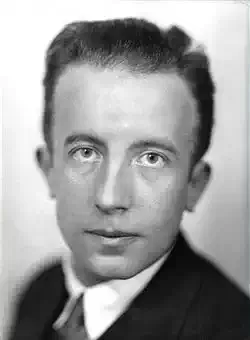
Paul Éluard
Head Against The Walls
Head Against The Walls
There were only a few of them
In all the earth
Each one thought he was alone
They sang, they were right
To sing
But they sang the way you sack a city
The way you kill yourself.
Frayed moist night
Shall we endure you
Longer
Shall we not shake
Your cloacal evidence
We shall not wait for a morning
Made to measure
We wanted to see in other people's eyes
Their nights of love exhausted
They dream only of dying
Their lovely flesh forgotten
Bees caught in their honey
They are ignorant of life
And we suffer everywhere
Red roofs dissolve under the tongue
Dog days in the full beds
Come, empty your sacks of fresh blood
There is still a shadow here
A shred of imbecile there
In the wind their masks, their cast-offs
In lead their traps, their chains
And their prudent blind-men's gestures
There is fire under rocks
If you put out the fire
Be careful we have
Despite the night it breeds
More strength than the belly
Of your wives and sisters
And we will reproduce
Without them but by ax strokes
In your prisons
Torrents of stone labors of foam
Where eyes float without rancor
Just eyes without hope
That know you
And that you should have put out
Rather than ignore
With a safety pin quicker than your gibbets
We shall take our booty where we want it to be
There were only a few of them
In all the earth
Each one thought he was alone
They sang, they were right
To sing
But they sang the way you sack a city
The way you kill yourself.
Frayed moist night
Shall we endure you
Longer
Shall we not shake
Your cloacal evidence
We shall not wait for a morning
Made to measure
We wanted to see in other people's eyes
Their nights of love exhausted
They dream only of dying
Their lovely flesh forgotten
Bees caught in their honey
They are ignorant of life
And we suffer everywhere
Red roofs dissolve under the tongue
Dog days in the full beds
Come, empty your sacks of fresh blood
There is still a shadow here
A shred of imbecile there
In the wind their masks, their cast-offs
In lead their traps, their chains
And their prudent blind-men's gestures
There is fire under rocks
If you put out the fire
Be careful we have
Despite the night it breeds
More strength than the belly
Of your wives and sisters
And we will reproduce
Without them but by ax strokes
In your prisons
Torrents of stone labors of foam
Where eyes float without rancor
Just eyes without hope
That know you
And that you should have put out
Rather than ignore
With a safety pin quicker than your gibbets
We shall take our booty where we want it to be
423
Paul Éluard
Head Against The Walls
Head Against The Walls
There were only a few of them
In all the earth
Each one thought he was alone
They sang, they were right
To sing
But they sang the way you sack a city
The way you kill yourself.
Frayed moist night
Shall we endure you
Longer
Shall we not shake
Your cloacal evidence
We shall not wait for a morning
Made to measure
We wanted to see in other people's eyes
Their nights of love exhausted
They dream only of dying
Their lovely flesh forgotten
Bees caught in their honey
They are ignorant of life
And we suffer everywhere
Red roofs dissolve under the tongue
Dog days in the full beds
Come, empty your sacks of fresh blood
There is still a shadow here
A shred of imbecile there
In the wind their masks, their cast-offs
In lead their traps, their chains
And their prudent blind-men's gestures
There is fire under rocks
If you put out the fire
Be careful we have
Despite the night it breeds
More strength than the belly
Of your wives and sisters
And we will reproduce
Without them but by ax strokes
In your prisons
Torrents of stone labors of foam
Where eyes float without rancor
Just eyes without hope
That know you
And that you should have put out
Rather than ignore
With a safety pin quicker than your gibbets
We shall take our booty where we want it to be
There were only a few of them
In all the earth
Each one thought he was alone
They sang, they were right
To sing
But they sang the way you sack a city
The way you kill yourself.
Frayed moist night
Shall we endure you
Longer
Shall we not shake
Your cloacal evidence
We shall not wait for a morning
Made to measure
We wanted to see in other people's eyes
Their nights of love exhausted
They dream only of dying
Their lovely flesh forgotten
Bees caught in their honey
They are ignorant of life
And we suffer everywhere
Red roofs dissolve under the tongue
Dog days in the full beds
Come, empty your sacks of fresh blood
There is still a shadow here
A shred of imbecile there
In the wind their masks, their cast-offs
In lead their traps, their chains
And their prudent blind-men's gestures
There is fire under rocks
If you put out the fire
Be careful we have
Despite the night it breeds
More strength than the belly
Of your wives and sisters
And we will reproduce
Without them but by ax strokes
In your prisons
Torrents of stone labors of foam
Where eyes float without rancor
Just eyes without hope
That know you
And that you should have put out
Rather than ignore
With a safety pin quicker than your gibbets
We shall take our booty where we want it to be
423
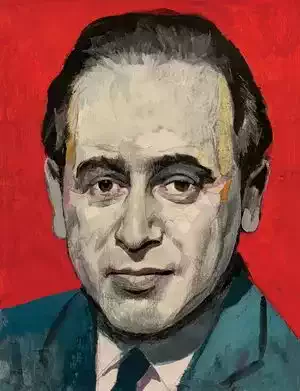
Paul Celan
There Was Earth
There Was Earth
There was Earth in them, and
they dug.
They dug and they dug, and so
their Day went by, and their Night. And they did not praise God,
who, so they heard, wanted all this,
who, so they heard, knew of all this.
They dug and they heard nothing more;
did not grow wise, invented no Song,
thought up for themselves no Language.
They dug.
There came a Silence, there came a Storm,
There came every Ocean.
I dig, you dig, and it digs, the Worm,
and the Singing, there, says: They dig.
O someone, o none, o no one, o you:
Where did it lead to, that nowhere-leading?
O you dig and I dig, and I dig towards you,
and on our finger awakens the Ring.
There was Earth in them, and
they dug.
They dug and they dug, and so
their Day went by, and their Night. And they did not praise God,
who, so they heard, wanted all this,
who, so they heard, knew of all this.
They dug and they heard nothing more;
did not grow wise, invented no Song,
thought up for themselves no Language.
They dug.
There came a Silence, there came a Storm,
There came every Ocean.
I dig, you dig, and it digs, the Worm,
and the Singing, there, says: They dig.
O someone, o none, o no one, o you:
Where did it lead to, that nowhere-leading?
O you dig and I dig, and I dig towards you,
and on our finger awakens the Ring.
498
Paul Celan
Fugue of Death
Fugue of Death
Black milk of daybreak we drink it at nightfall
we drink it at noon in the morning we drink it at night
we drink it and drink it
we are digging a grave in the sky it is ample to lie there
A man in the house he plays with the serpents he writes
he writes when the night falls to Germany your golden
hair Margarete
he writes it and walks from the house the stars glitter he
whistles his dogs up
he whistles his Jews out and orders a grave to be dug in
the earth
he commands us strike up for the dance
Black milk of daybreak we drink you at night
we drink you in the morning at noon we drink you at
nightfall
drink you and drink you
A man in the house he plays with the serpents he writes
he writes when the night falls to Germany your golden
hair Margarete
Your ashen hair Shulamith we are digging a grave in the
sky it is
ample to lie there
He shouts stab deeper in earth you there and you others
you sing and you play
he grabs at the iron in his belt and swings it and blue are
his eyes
stab deeper your spades you there and you others play on
for the dancing
Black milk of daybreak we drink you at nightfall
we drink you at noon in the mornings we drink you at
nightfall
drink you and drink you
a man in the house your golden hair Margarete
your ashen hair Shulamith he plays with the serpents
He shouts play sweeter death's music death comes as a
master from Germany
he shouts stroke darker the strings and as smoke you
shall climb to the sky
then you'll have a grave in the clouds it is ample to lie
there
Black milk of daybreak we drink you at night
we drink you at noon death comes as a master from
Germany
we drink you at nightfall and morning we drink you and
drink you
a master from Germany death comes with eyes that are
blue
with a bullet of lead he will hit in the mark he will hit
you
a man in the house your golden hair Margarete
he hunts us down with his dogs in the sky he gives us a
grave
he plays with the serpents and dreams death comes as a
master from Germany
your golden hair Margarete
your ashen hair Shulamith.
Black milk of daybreak we drink it at nightfall
we drink it at noon in the morning we drink it at night
we drink it and drink it
we are digging a grave in the sky it is ample to lie there
A man in the house he plays with the serpents he writes
he writes when the night falls to Germany your golden
hair Margarete
he writes it and walks from the house the stars glitter he
whistles his dogs up
he whistles his Jews out and orders a grave to be dug in
the earth
he commands us strike up for the dance
Black milk of daybreak we drink you at night
we drink you in the morning at noon we drink you at
nightfall
drink you and drink you
A man in the house he plays with the serpents he writes
he writes when the night falls to Germany your golden
hair Margarete
Your ashen hair Shulamith we are digging a grave in the
sky it is
ample to lie there
He shouts stab deeper in earth you there and you others
you sing and you play
he grabs at the iron in his belt and swings it and blue are
his eyes
stab deeper your spades you there and you others play on
for the dancing
Black milk of daybreak we drink you at nightfall
we drink you at noon in the mornings we drink you at
nightfall
drink you and drink you
a man in the house your golden hair Margarete
your ashen hair Shulamith he plays with the serpents
He shouts play sweeter death's music death comes as a
master from Germany
he shouts stroke darker the strings and as smoke you
shall climb to the sky
then you'll have a grave in the clouds it is ample to lie
there
Black milk of daybreak we drink you at night
we drink you at noon death comes as a master from
Germany
we drink you at nightfall and morning we drink you and
drink you
a master from Germany death comes with eyes that are
blue
with a bullet of lead he will hit in the mark he will hit
you
a man in the house your golden hair Margarete
he hunts us down with his dogs in the sky he gives us a
grave
he plays with the serpents and dreams death comes as a
master from Germany
your golden hair Margarete
your ashen hair Shulamith.
421
Paul Celan
Fugue of Death
Fugue of Death
Black milk of daybreak we drink it at nightfall
we drink it at noon in the morning we drink it at night
we drink it and drink it
we are digging a grave in the sky it is ample to lie there
A man in the house he plays with the serpents he writes
he writes when the night falls to Germany your golden
hair Margarete
he writes it and walks from the house the stars glitter he
whistles his dogs up
he whistles his Jews out and orders a grave to be dug in
the earth
he commands us strike up for the dance
Black milk of daybreak we drink you at night
we drink you in the morning at noon we drink you at
nightfall
drink you and drink you
A man in the house he plays with the serpents he writes
he writes when the night falls to Germany your golden
hair Margarete
Your ashen hair Shulamith we are digging a grave in the
sky it is
ample to lie there
He shouts stab deeper in earth you there and you others
you sing and you play
he grabs at the iron in his belt and swings it and blue are
his eyes
stab deeper your spades you there and you others play on
for the dancing
Black milk of daybreak we drink you at nightfall
we drink you at noon in the mornings we drink you at
nightfall
drink you and drink you
a man in the house your golden hair Margarete
your ashen hair Shulamith he plays with the serpents
He shouts play sweeter death's music death comes as a
master from Germany
he shouts stroke darker the strings and as smoke you
shall climb to the sky
then you'll have a grave in the clouds it is ample to lie
there
Black milk of daybreak we drink you at night
we drink you at noon death comes as a master from
Germany
we drink you at nightfall and morning we drink you and
drink you
a master from Germany death comes with eyes that are
blue
with a bullet of lead he will hit in the mark he will hit
you
a man in the house your golden hair Margarete
he hunts us down with his dogs in the sky he gives us a
grave
he plays with the serpents and dreams death comes as a
master from Germany
your golden hair Margarete
your ashen hair Shulamith.
Black milk of daybreak we drink it at nightfall
we drink it at noon in the morning we drink it at night
we drink it and drink it
we are digging a grave in the sky it is ample to lie there
A man in the house he plays with the serpents he writes
he writes when the night falls to Germany your golden
hair Margarete
he writes it and walks from the house the stars glitter he
whistles his dogs up
he whistles his Jews out and orders a grave to be dug in
the earth
he commands us strike up for the dance
Black milk of daybreak we drink you at night
we drink you in the morning at noon we drink you at
nightfall
drink you and drink you
A man in the house he plays with the serpents he writes
he writes when the night falls to Germany your golden
hair Margarete
Your ashen hair Shulamith we are digging a grave in the
sky it is
ample to lie there
He shouts stab deeper in earth you there and you others
you sing and you play
he grabs at the iron in his belt and swings it and blue are
his eyes
stab deeper your spades you there and you others play on
for the dancing
Black milk of daybreak we drink you at nightfall
we drink you at noon in the mornings we drink you at
nightfall
drink you and drink you
a man in the house your golden hair Margarete
your ashen hair Shulamith he plays with the serpents
He shouts play sweeter death's music death comes as a
master from Germany
he shouts stroke darker the strings and as smoke you
shall climb to the sky
then you'll have a grave in the clouds it is ample to lie
there
Black milk of daybreak we drink you at night
we drink you at noon death comes as a master from
Germany
we drink you at nightfall and morning we drink you and
drink you
a master from Germany death comes with eyes that are
blue
with a bullet of lead he will hit in the mark he will hit
you
a man in the house your golden hair Margarete
he hunts us down with his dogs in the sky he gives us a
grave
he plays with the serpents and dreams death comes as a
master from Germany
your golden hair Margarete
your ashen hair Shulamith.
421
Paul Celan
Death Fugue
Death Fugue
Black milk of daybreak we drink it at sundown
we drink it at noon in the morning we drink it at night
we drink it and drink it
we dig a grave in the breezes there one lies unconfined
A man lives in the house he plays with the serpents
he writes
he writes when dusk falls to Germany your golden
hair Margarete
he writes it ans steps out of doors and the stars are
flashing he whistles his pack out
he whistles his Jews out in earth has them dig for a
grave
he commands us strike up for the dance
Black milk of daybreak we drink you at night
we drink you in the morning at noon we drink you at
sundown
we drink and we drink you
A man lives in the house he plays with the serpents
he writes
he writes when dusk falls to Germany your golden hair
Margarete
your ashen hair Sulamith we dig a grave in the breezes
there one lies unconfined
He calls out jab deeper into the earth you lot you
others sing now and play
he grabs at teh iron in his belt he waves it his
eyes are blue
jab deper you lot with your spades you others play
on for the dance
Black milk of daybreak we drink you at night
we drink you at at noon in the morning we drink you
at sundown
we drink and we drink you
a man lives in the house your golden hair Margarete
your ashen hair Sulamith he plays with the serpents
He calls out more sweetly play death death is a master
from Germany
he calls out more darkly now stroke your strings then
as smoke you will rise into air
then a grave you will have in the clouds there one
lies unconfined
Black milk of daybreak we drink you at night
we drink you at noon death is a master from Germany
we drink you at sundown and in the morning we drink
and we drink you
death is a master from Germany his eyes are blue
he strikes you with leaden bullets his aim is true
a man lives in the house your golden hair Margarete
he sets his pack on to us he grants us a grave in
the air
He plays with the serpents and daydreams death is
a master from Germany
your golden hair Margarete
your ashen hair Shulamith
Translated by Michael Hamburger
Anonymous submission.
Black milk of daybreak we drink it at sundown
we drink it at noon in the morning we drink it at night
we drink it and drink it
we dig a grave in the breezes there one lies unconfined
A man lives in the house he plays with the serpents
he writes
he writes when dusk falls to Germany your golden
hair Margarete
he writes it ans steps out of doors and the stars are
flashing he whistles his pack out
he whistles his Jews out in earth has them dig for a
grave
he commands us strike up for the dance
Black milk of daybreak we drink you at night
we drink you in the morning at noon we drink you at
sundown
we drink and we drink you
A man lives in the house he plays with the serpents
he writes
he writes when dusk falls to Germany your golden hair
Margarete
your ashen hair Sulamith we dig a grave in the breezes
there one lies unconfined
He calls out jab deeper into the earth you lot you
others sing now and play
he grabs at teh iron in his belt he waves it his
eyes are blue
jab deper you lot with your spades you others play
on for the dance
Black milk of daybreak we drink you at night
we drink you at at noon in the morning we drink you
at sundown
we drink and we drink you
a man lives in the house your golden hair Margarete
your ashen hair Sulamith he plays with the serpents
He calls out more sweetly play death death is a master
from Germany
he calls out more darkly now stroke your strings then
as smoke you will rise into air
then a grave you will have in the clouds there one
lies unconfined
Black milk of daybreak we drink you at night
we drink you at noon death is a master from Germany
we drink you at sundown and in the morning we drink
and we drink you
death is a master from Germany his eyes are blue
he strikes you with leaden bullets his aim is true
a man lives in the house your golden hair Margarete
he sets his pack on to us he grants us a grave in
the air
He plays with the serpents and daydreams death is
a master from Germany
your golden hair Margarete
your ashen hair Shulamith
Translated by Michael Hamburger
Anonymous submission.
468
Paul Celan
Death Fugue
Death Fugue
Black milk of daybreak we drink it at sundown
we drink it at noon in the morning we drink it at night
we drink it and drink it
we dig a grave in the breezes there one lies unconfined
A man lives in the house he plays with the serpents
he writes
he writes when dusk falls to Germany your golden
hair Margarete
he writes it ans steps out of doors and the stars are
flashing he whistles his pack out
he whistles his Jews out in earth has them dig for a
grave
he commands us strike up for the dance
Black milk of daybreak we drink you at night
we drink you in the morning at noon we drink you at
sundown
we drink and we drink you
A man lives in the house he plays with the serpents
he writes
he writes when dusk falls to Germany your golden hair
Margarete
your ashen hair Sulamith we dig a grave in the breezes
there one lies unconfined
He calls out jab deeper into the earth you lot you
others sing now and play
he grabs at teh iron in his belt he waves it his
eyes are blue
jab deper you lot with your spades you others play
on for the dance
Black milk of daybreak we drink you at night
we drink you at at noon in the morning we drink you
at sundown
we drink and we drink you
a man lives in the house your golden hair Margarete
your ashen hair Sulamith he plays with the serpents
He calls out more sweetly play death death is a master
from Germany
he calls out more darkly now stroke your strings then
as smoke you will rise into air
then a grave you will have in the clouds there one
lies unconfined
Black milk of daybreak we drink you at night
we drink you at noon death is a master from Germany
we drink you at sundown and in the morning we drink
and we drink you
death is a master from Germany his eyes are blue
he strikes you with leaden bullets his aim is true
a man lives in the house your golden hair Margarete
he sets his pack on to us he grants us a grave in
the air
He plays with the serpents and daydreams death is
a master from Germany
your golden hair Margarete
your ashen hair Shulamith
Translated by Michael Hamburger
Anonymous submission.
Black milk of daybreak we drink it at sundown
we drink it at noon in the morning we drink it at night
we drink it and drink it
we dig a grave in the breezes there one lies unconfined
A man lives in the house he plays with the serpents
he writes
he writes when dusk falls to Germany your golden
hair Margarete
he writes it ans steps out of doors and the stars are
flashing he whistles his pack out
he whistles his Jews out in earth has them dig for a
grave
he commands us strike up for the dance
Black milk of daybreak we drink you at night
we drink you in the morning at noon we drink you at
sundown
we drink and we drink you
A man lives in the house he plays with the serpents
he writes
he writes when dusk falls to Germany your golden hair
Margarete
your ashen hair Sulamith we dig a grave in the breezes
there one lies unconfined
He calls out jab deeper into the earth you lot you
others sing now and play
he grabs at teh iron in his belt he waves it his
eyes are blue
jab deper you lot with your spades you others play
on for the dance
Black milk of daybreak we drink you at night
we drink you at at noon in the morning we drink you
at sundown
we drink and we drink you
a man lives in the house your golden hair Margarete
your ashen hair Sulamith he plays with the serpents
He calls out more sweetly play death death is a master
from Germany
he calls out more darkly now stroke your strings then
as smoke you will rise into air
then a grave you will have in the clouds there one
lies unconfined
Black milk of daybreak we drink you at night
we drink you at noon death is a master from Germany
we drink you at sundown and in the morning we drink
and we drink you
death is a master from Germany his eyes are blue
he strikes you with leaden bullets his aim is true
a man lives in the house your golden hair Margarete
he sets his pack on to us he grants us a grave in
the air
He plays with the serpents and daydreams death is
a master from Germany
your golden hair Margarete
your ashen hair Shulamith
Translated by Michael Hamburger
Anonymous submission.
468
Paul Celan
Cologne
Cologne
In Kohln, a town of monks and bones,
And pavements fang'd with murderous stones
And rags, and hags, and hideous wenches;
I counted two and seventy stenches,
All well defined, and several stinks!
Ye Nymphs that reign o'er sewers and sinks,
The river Rhine, it is well known,
Doth wash your city of Cologne;
But tell me, Nymphs, what power divine
Shall henceforth wash the river Rhine?
In Kohln, a town of monks and bones,
And pavements fang'd with murderous stones
And rags, and hags, and hideous wenches;
I counted two and seventy stenches,
All well defined, and several stinks!
Ye Nymphs that reign o'er sewers and sinks,
The river Rhine, it is well known,
Doth wash your city of Cologne;
But tell me, Nymphs, what power divine
Shall henceforth wash the river Rhine?
435
Paul Celan
Cologne
Cologne
In Kohln, a town of monks and bones,
And pavements fang'd with murderous stones
And rags, and hags, and hideous wenches;
I counted two and seventy stenches,
All well defined, and several stinks!
Ye Nymphs that reign o'er sewers and sinks,
The river Rhine, it is well known,
Doth wash your city of Cologne;
But tell me, Nymphs, what power divine
Shall henceforth wash the river Rhine?
In Kohln, a town of monks and bones,
And pavements fang'd with murderous stones
And rags, and hags, and hideous wenches;
I counted two and seventy stenches,
All well defined, and several stinks!
Ye Nymphs that reign o'er sewers and sinks,
The river Rhine, it is well known,
Doth wash your city of Cologne;
But tell me, Nymphs, what power divine
Shall henceforth wash the river Rhine?
435
Paul Celan
Afternoon Of Circus And Citadel
Afternoon Of Circus And Citadel
In Brest, before the Fire-Hoops burning,
In the Tent, where Tigers sprang,
there I heard you, Finite, singing,
there I saw you, Mandelstam.
The Sky hung over the Roadstead,
the Gull, hung over the Crane.
The Finite sang there, the Constant –
you, the Gunboat, Baobab.
I hailed the Tricolor
with a Russian Word –
the Lost was Un-Lost,
the Heart Anchored there.
In Brest, before the Fire-Hoops burning,
In the Tent, where Tigers sprang,
there I heard you, Finite, singing,
there I saw you, Mandelstam.
The Sky hung over the Roadstead,
the Gull, hung over the Crane.
The Finite sang there, the Constant –
you, the Gunboat, Baobab.
I hailed the Tricolor
with a Russian Word –
the Lost was Un-Lost,
the Heart Anchored there.
447
Pablo Neruda
The People
The People
I recall that man and not two centuries
have passed since I saw him,
he went neither by horse nor by carriage:
purely on foot
he outstripped
distances,
and carried no sword or armour,
only nets on his shoulder,
axe or hammer or spade,
never fighting the rest of his species:
his exploits were with water and earth,
with wheat so that it turned into bread,
with giant trees to render them wood,
with walls to open up doors,
with sand to construct the walls,
and with ocean for it to bear.
I knew him and he is still not cancelled in me.
The carriages fell to pieces,
war destroyed doors and walls,
the city was a handful of ashes,
all the clothes turned to dust,
and he remains to me,
he survives in the sand,
when everything before
seemed imperishable but him.
In the going and coming of families
at times he was my father or kinsman
or perhaps it was scarcely him or not
the one who did not return to his house
because water or earth swallowed him up
or a tree or an engine killed him,
or he was the saddened carpenter
who went behind the coffin, without tears,
someone in the end who had no name,
except those that metal or timber have,
and on whom others gazed from on high
without seeing the ant
for the anthill
and so that when his feet did not stir,
because the poor exhausted one had died,
they never saw what they had not seen:
already there were other feet where he'd been.
The other feet were still his,
and the other hands,
the man remained:
when it seemed that now he was done for
he was the same once more,
there he was digging again at the earth,
cutting cloth, minus a shirt,
there he was and was not, like before,
he had gone down and was once more,
and since he never owned graveyards,
or tombs, nor was his name carved
on the stone he sweated to quarry,
no one knew he had come
and no one knew when he died,
so that only when the poor man could
he returned to life once more, without it being noted.
He was the man, no doubt of it, without heritage,
without cattle, without a flag,
and he was not distinguished from others,
the others who were him,
from the heights he was grey like the subsoil,
tanned like the leather,
he was yellow reaping the wheat,
he was black down in the mine,
he was the colour of stone on the fortress,
in the fishing boat the colour of tuna,
and the colour of horses in the meadow:
how could anyone distinguish him
if he was inseparable, elemental,
earth, coal or sea vested in man?
Where he lived whatever
a man touched grew:
the hostile stones,
quarried
by his hands,
took on order
and one by one formed
the right clarity of a building,
he made bread with his hands,
moved the engines,
the distances peopled themselves with towns,
other men grew,
bees arrived,
and by man's creating and breeding
spring walked the market squares
between bakeries and doves.
The maker of loaves was forgotten,
he who quarried and journeyed, beating down
and opening furrows, transporting sand,
when everything existed he no longer existed,
he gave his existence, that's all.
He went elsewhere to labour, and at last
he was dead, rolling
like a stone in the river:
death carried him downstream.
I, who knew him, saw him descend
till he was no longer except what he left:
roads he could scarcely know,
houses he never ever would live in.
I turn to see him, and I await him
I see him in his grave and resurrected.
I distinguish him among all
who are his equals
and it seems to me it cannot be,
that like this we go nowhere,
that to survive like this holds no glory.
I believe that this man
must be enthroned, rightly shod and crowned.
I believe that those who made such things
must be the masters of all these things.
And that those who made bread should eat!
And those in the mines must have light!
Enough now of grey men enslaved!
Enough of the pale 'missing ones'!
Not another man passes except as a king.
Not a single woman without her crown.
Golden gauntlets for every hand.
Fruits of the sun for all the unknowns!
I knew that man and when I could,
when he still had eyes in his head,
when he still had a voice in his mouth
I searched for him among tombs, and I said
grasping his arm that was not yet dust:
'All will be gone, you will live on,
You ignite life.
You made what is yours.'
So let no one trouble themselves when
I seem to be alone and am not alone,
I am with no one and speak for them all:
Some listen to me, without knowing,
but those I sing, those who do know
go on being born, and will fill up the Earth.
I recall that man and not two centuries
have passed since I saw him,
he went neither by horse nor by carriage:
purely on foot
he outstripped
distances,
and carried no sword or armour,
only nets on his shoulder,
axe or hammer or spade,
never fighting the rest of his species:
his exploits were with water and earth,
with wheat so that it turned into bread,
with giant trees to render them wood,
with walls to open up doors,
with sand to construct the walls,
and with ocean for it to bear.
I knew him and he is still not cancelled in me.
The carriages fell to pieces,
war destroyed doors and walls,
the city was a handful of ashes,
all the clothes turned to dust,
and he remains to me,
he survives in the sand,
when everything before
seemed imperishable but him.
In the going and coming of families
at times he was my father or kinsman
or perhaps it was scarcely him or not
the one who did not return to his house
because water or earth swallowed him up
or a tree or an engine killed him,
or he was the saddened carpenter
who went behind the coffin, without tears,
someone in the end who had no name,
except those that metal or timber have,
and on whom others gazed from on high
without seeing the ant
for the anthill
and so that when his feet did not stir,
because the poor exhausted one had died,
they never saw what they had not seen:
already there were other feet where he'd been.
The other feet were still his,
and the other hands,
the man remained:
when it seemed that now he was done for
he was the same once more,
there he was digging again at the earth,
cutting cloth, minus a shirt,
there he was and was not, like before,
he had gone down and was once more,
and since he never owned graveyards,
or tombs, nor was his name carved
on the stone he sweated to quarry,
no one knew he had come
and no one knew when he died,
so that only when the poor man could
he returned to life once more, without it being noted.
He was the man, no doubt of it, without heritage,
without cattle, without a flag,
and he was not distinguished from others,
the others who were him,
from the heights he was grey like the subsoil,
tanned like the leather,
he was yellow reaping the wheat,
he was black down in the mine,
he was the colour of stone on the fortress,
in the fishing boat the colour of tuna,
and the colour of horses in the meadow:
how could anyone distinguish him
if he was inseparable, elemental,
earth, coal or sea vested in man?
Where he lived whatever
a man touched grew:
the hostile stones,
quarried
by his hands,
took on order
and one by one formed
the right clarity of a building,
he made bread with his hands,
moved the engines,
the distances peopled themselves with towns,
other men grew,
bees arrived,
and by man's creating and breeding
spring walked the market squares
between bakeries and doves.
The maker of loaves was forgotten,
he who quarried and journeyed, beating down
and opening furrows, transporting sand,
when everything existed he no longer existed,
he gave his existence, that's all.
He went elsewhere to labour, and at last
he was dead, rolling
like a stone in the river:
death carried him downstream.
I, who knew him, saw him descend
till he was no longer except what he left:
roads he could scarcely know,
houses he never ever would live in.
I turn to see him, and I await him
I see him in his grave and resurrected.
I distinguish him among all
who are his equals
and it seems to me it cannot be,
that like this we go nowhere,
that to survive like this holds no glory.
I believe that this man
must be enthroned, rightly shod and crowned.
I believe that those who made such things
must be the masters of all these things.
And that those who made bread should eat!
And those in the mines must have light!
Enough now of grey men enslaved!
Enough of the pale 'missing ones'!
Not another man passes except as a king.
Not a single woman without her crown.
Golden gauntlets for every hand.
Fruits of the sun for all the unknowns!
I knew that man and when I could,
when he still had eyes in his head,
when he still had a voice in his mouth
I searched for him among tombs, and I said
grasping his arm that was not yet dust:
'All will be gone, you will live on,
You ignite life.
You made what is yours.'
So let no one trouble themselves when
I seem to be alone and am not alone,
I am with no one and speak for them all:
Some listen to me, without knowing,
but those I sing, those who do know
go on being born, and will fill up the Earth.
555