

Poems in this topic
New Beginnings and Rebirth

Kazi Nazrul Islam
Eid Mobarak
Eid Mobarak
After the lapse of a year
you have come, Eid,
having crossed many a desert
of hundreds of miles,
having caused many a tear to
be shed on many a sand-field.
You have brought from one of the seven
heavens a present to the door of the hungry,
the bliss of the flower-garden
to the forest of thorns.
And have asked the cup-bearer
to hurry up with the cup of wine.
The hawk-cuckoo sings on all sides,
the bride keeps awake without a
wink in the bridal chamber of midnight!
Flowers weep but where's the
flower vase?
There's no sleep for lover
in the distant land away from home.
He remembers only the smell, akin
to the dry land wetted by rain,
of the loose coiffure of his beloved,
the distracted braid of her hair
being at sixes and sevens!!
Tidings of joy came last evening at
signal from the second day of the moon,
the budding mind is boiling up
with happiness!
The shanai sings unto tune Ashabari.
The stone-hard mind has softened
in the smell of perfume,
minds are mortgaged to each other
today in debt without any document,
without any debt to bother about
Yazid, Hasan and Hussain are
bosom friends today.
Hell and heaven, flowers and fire
all fall for one another,
Shirin and Farhad are in each
other's embrace!
Leili has snake-like embroiled
Qayes in herself.
The lover in the arms of his
beloved closes his eyes in pleasure,
kisses around on cheeks,
the hell of revelry is ablaze,
Satan distributes cups of wine in heaven,
friends and enemies from the same assembly.
The field of Arafat is spread out
Today from village to village,
emperors and fakirs embrace
one another like brothers.
The two figures Lat-Manat hold on to
the Kaaba and dance.
The trumpet of Islam resounds today
through out the world,
there are no high and low - all men are equal,
nobody is another's king or subject.
Who are you, Oh noble man, a
Nawab or Badsha in the upper mansion?
You are a blot on all time; you
have been responsible for raising
doubts about Islam.
Says Islam, we are all for one another,
we are all brothers and shall
share joy and sorrow equally,
none of us has the right to hold.
Is it ordained for some people
to shed tears and for others to
light up the chandeliers!
And just two people to have princely
luck, millions to suffer from bad luck?
That is not the prescription of Islam.
So has Idul-Fitr ushered in the new dispensation,
you who are hoarding up, you should
give away all surplus,
you must have food to satisfy your hunger!
The cup of enjoyment boils over in your hands,
but those who are thirsty have a
share in the cup,
you must, a my hero, give them
and then enjoy profusely.
You must empty your heart and
make a gift of yourself;
you who are very calculating,
do not sit down to calculate!
Rather let your calculation
go wrong for once.
Today the wayward play the
teasing games in their hearts,
today even the ascetic is
reddened by kiss from Sayel and Laila!
Jamshed lives and demands
wine to drink.
Today I shall go about on the
streets crying: Eid-Mobarak,
a my friends, Assalam!
Today I shall distribute from
lip to lip the message of
flowers as sweetmeat for the day.
This is Eid, an occasion
for giving oneself away.
The Eidgah is red with the ardour of my gift!
Not the body but the
heart will give of itself to
everybody and make a martyr of itself.
[(Original: Eid mobarak; Translation: Basudha Chakravarty]
After the lapse of a year
you have come, Eid,
having crossed many a desert
of hundreds of miles,
having caused many a tear to
be shed on many a sand-field.
You have brought from one of the seven
heavens a present to the door of the hungry,
the bliss of the flower-garden
to the forest of thorns.
And have asked the cup-bearer
to hurry up with the cup of wine.
The hawk-cuckoo sings on all sides,
the bride keeps awake without a
wink in the bridal chamber of midnight!
Flowers weep but where's the
flower vase?
There's no sleep for lover
in the distant land away from home.
He remembers only the smell, akin
to the dry land wetted by rain,
of the loose coiffure of his beloved,
the distracted braid of her hair
being at sixes and sevens!!
Tidings of joy came last evening at
signal from the second day of the moon,
the budding mind is boiling up
with happiness!
The shanai sings unto tune Ashabari.
The stone-hard mind has softened
in the smell of perfume,
minds are mortgaged to each other
today in debt without any document,
without any debt to bother about
Yazid, Hasan and Hussain are
bosom friends today.
Hell and heaven, flowers and fire
all fall for one another,
Shirin and Farhad are in each
other's embrace!
Leili has snake-like embroiled
Qayes in herself.
The lover in the arms of his
beloved closes his eyes in pleasure,
kisses around on cheeks,
the hell of revelry is ablaze,
Satan distributes cups of wine in heaven,
friends and enemies from the same assembly.
The field of Arafat is spread out
Today from village to village,
emperors and fakirs embrace
one another like brothers.
The two figures Lat-Manat hold on to
the Kaaba and dance.
The trumpet of Islam resounds today
through out the world,
there are no high and low - all men are equal,
nobody is another's king or subject.
Who are you, Oh noble man, a
Nawab or Badsha in the upper mansion?
You are a blot on all time; you
have been responsible for raising
doubts about Islam.
Says Islam, we are all for one another,
we are all brothers and shall
share joy and sorrow equally,
none of us has the right to hold.
Is it ordained for some people
to shed tears and for others to
light up the chandeliers!
And just two people to have princely
luck, millions to suffer from bad luck?
That is not the prescription of Islam.
So has Idul-Fitr ushered in the new dispensation,
you who are hoarding up, you should
give away all surplus,
you must have food to satisfy your hunger!
The cup of enjoyment boils over in your hands,
but those who are thirsty have a
share in the cup,
you must, a my hero, give them
and then enjoy profusely.
You must empty your heart and
make a gift of yourself;
you who are very calculating,
do not sit down to calculate!
Rather let your calculation
go wrong for once.
Today the wayward play the
teasing games in their hearts,
today even the ascetic is
reddened by kiss from Sayel and Laila!
Jamshed lives and demands
wine to drink.
Today I shall go about on the
streets crying: Eid-Mobarak,
a my friends, Assalam!
Today I shall distribute from
lip to lip the message of
flowers as sweetmeat for the day.
This is Eid, an occasion
for giving oneself away.
The Eidgah is red with the ardour of my gift!
Not the body but the
heart will give of itself to
everybody and make a martyr of itself.
[(Original: Eid mobarak; Translation: Basudha Chakravarty]
823
Kazi Nazrul Islam
A Call from Behind
A Call from Behind
Dear! Wilt thou remember me in thy new home?
There dost thou begin the world under
new auspices with new offerings
Deserted is now the leafy cottage; its
shady neighborhood where we two
first exchanged our looks, where
every particle of dust, every.
creeper and leaf is redolent
of the wealth of eternal acquaintance
in the worship of hearts,
And a dismal void now cries in the wilderness.
As didst thou forget me, many a man could
come to thee,
Then out of sympathy for me would that
cottage weep out an offended heart,
Wherever dist thou turn thy eyes,
my reminiscences there made thy heart ache,
Thou wilt drown that reproach here
in the depths of new field;
I alone am lost in the woods' of oblivion.
The distance between thee and me was so
long no real distance,
As that old mansion would bring my
distance into nearness.
Now hast thou formed new ties,
Opened a new fountain of laughter and tears,
New performance and new revelry of song,
Under the impulse of new welcome!
To the cold storage my own tune is consigned.
Dear! Mine is today forlorn hope, as
pre-ordained by the divinity,
Today on my grave will be built thy bridal
sanctum sanatorium
In the air is echoed and re-echoed
The music of the Sylvan flute in the mouth
of some cow-herd,
Lost, lost am I in the western horizon!
Farewell, Dear, our role comes to an end
with the setting sun,
Now art thou a new one in a new home!
[Translation: Abdul Hakim]
Dear! Wilt thou remember me in thy new home?
There dost thou begin the world under
new auspices with new offerings
Deserted is now the leafy cottage; its
shady neighborhood where we two
first exchanged our looks, where
every particle of dust, every.
creeper and leaf is redolent
of the wealth of eternal acquaintance
in the worship of hearts,
And a dismal void now cries in the wilderness.
As didst thou forget me, many a man could
come to thee,
Then out of sympathy for me would that
cottage weep out an offended heart,
Wherever dist thou turn thy eyes,
my reminiscences there made thy heart ache,
Thou wilt drown that reproach here
in the depths of new field;
I alone am lost in the woods' of oblivion.
The distance between thee and me was so
long no real distance,
As that old mansion would bring my
distance into nearness.
Now hast thou formed new ties,
Opened a new fountain of laughter and tears,
New performance and new revelry of song,
Under the impulse of new welcome!
To the cold storage my own tune is consigned.
Dear! Mine is today forlorn hope, as
pre-ordained by the divinity,
Today on my grave will be built thy bridal
sanctum sanatorium
In the air is echoed and re-echoed
The music of the Sylvan flute in the mouth
of some cow-herd,
Lost, lost am I in the western horizon!
Farewell, Dear, our role comes to an end
with the setting sun,
Now art thou a new one in a new home!
[Translation: Abdul Hakim]
672
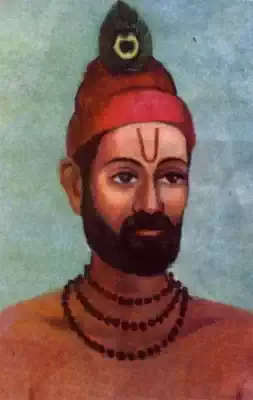
Kabir
When The Day Came
When The Day Came
When the Day came -
The Day I had lived and died for -
The Day that is not in any calendar -
Clouds heavy with love
Showered me with wild abundance.
Inside me, my soul was drenched.
Around me, even the desert grew green.
When the Day came -
The Day I had lived and died for -
The Day that is not in any calendar -
Clouds heavy with love
Showered me with wild abundance.
Inside me, my soul was drenched.
Around me, even the desert grew green.
406
Kabir
To be a Slave of Intensity
To be a Slave of Intensity
Friend, hope for the guest while you are alive.
Jump into experience while you are alive!
Think...and think...while you are alive.
What you call 'salvation' belongs to the time before death.
If you don't break your ropes while you're alive,
do you think
ghosts will do it after?
The idea that the soul will join with the ecstatic
Just because the body is rotten that
is all fantasy.
What is found now is found then.
If you find nothing now,
you will simply end up with an apartment in the City of Death.
If you make love with the divine now, in the next life you will have the face of satisfied
desire.
So plunge into the truth, find out who the Teacher is,
Believe in the Great Sound!
Kabir says this: When the guest is being searched for, it is the intensity of the longing
for the Guest that does all the work.
Look at me, and you will see a slave of that intensity.
Friend, hope for the guest while you are alive.
Jump into experience while you are alive!
Think...and think...while you are alive.
What you call 'salvation' belongs to the time before death.
If you don't break your ropes while you're alive,
do you think
ghosts will do it after?
The idea that the soul will join with the ecstatic
Just because the body is rotten that
is all fantasy.
What is found now is found then.
If you find nothing now,
you will simply end up with an apartment in the City of Death.
If you make love with the divine now, in the next life you will have the face of satisfied
desire.
So plunge into the truth, find out who the Teacher is,
Believe in the Great Sound!
Kabir says this: When the guest is being searched for, it is the intensity of the longing
for the Guest that does all the work.
Look at me, and you will see a slave of that intensity.
410
Kabir
Knowing Nothing Shuts The Iron Gates
Knowing Nothing Shuts The Iron Gates
Knowing nothing shuts the iron gates;
the new love opens them.
The sound of the gates opening wakes
the beautiful woman asleep.
Kabir says: Fantastic!
Don't let a chance like this go by!
Knowing nothing shuts the iron gates;
the new love opens them.
The sound of the gates opening wakes
the beautiful woman asleep.
Kabir says: Fantastic!
Don't let a chance like this go by!
431
Kabir
Friend, Wake Up! Why Do You Go On Sleeping?
Friend, Wake Up! Why Do You Go On Sleeping?
Friend, wake up! Why do you go on sleeping?
The night is over— do you want to lose the day
the same way?
Other women who managed to get up early have
already found an elephant or a jewel...
so much was lost already while you slept...
and that was so unnecessary!
The one who loves you understood, but you did not.
You forgot to make a place in your bed next to you.
Instead you spent your life playing.
In your twenties you did not grow
because you did not know who your Lord was.
Wake up! Wake up! There's no one in your bed—
He left you during the long night.
Kabir says: The only woman awake is the woman
who has heard the flute!
Friend, wake up! Why do you go on sleeping?
The night is over— do you want to lose the day
the same way?
Other women who managed to get up early have
already found an elephant or a jewel...
so much was lost already while you slept...
and that was so unnecessary!
The one who loves you understood, but you did not.
You forgot to make a place in your bed next to you.
Instead you spent your life playing.
In your twenties you did not grow
because you did not know who your Lord was.
Wake up! Wake up! There's no one in your bed—
He left you during the long night.
Kabir says: The only woman awake is the woman
who has heard the flute!
516
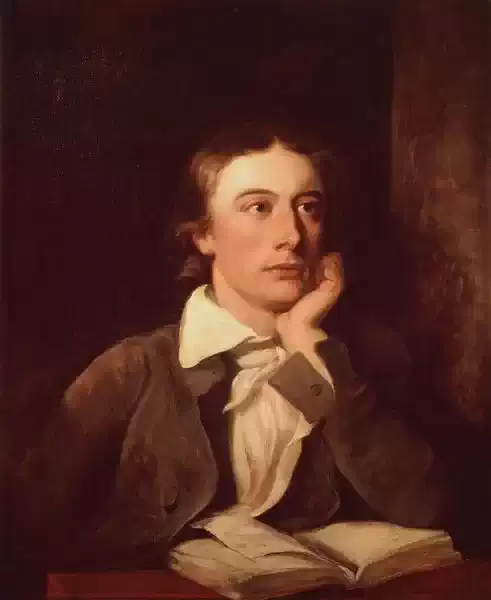
John Keats
Written Before Re-Reading King Lear
Written Before Re-Reading King Lear
O golden-tongued Romance with serene lute!
Fair plumed Syren! Queen of far away!
Leave melodizing on this wintry day,
Shut up thine olden pages, and be mute.
Adieu! for once again the fierce dispute
Betwixt damnation and impassioned clay
Must I burn through; once more humbly assay
The bitter-sweet of this Shakespearian fruit.
Chief Poet! and ye clouds of Albion,
Begetters of our deep eternal theme,
When through the old oak Forest I am gone,
Let me not wander in a barren dream,
But when I am consumed in the Fire,
Give me new Phoenix wings to fly at my desire.
O golden-tongued Romance with serene lute!
Fair plumed Syren! Queen of far away!
Leave melodizing on this wintry day,
Shut up thine olden pages, and be mute.
Adieu! for once again the fierce dispute
Betwixt damnation and impassioned clay
Must I burn through; once more humbly assay
The bitter-sweet of this Shakespearian fruit.
Chief Poet! and ye clouds of Albion,
Begetters of our deep eternal theme,
When through the old oak Forest I am gone,
Let me not wander in a barren dream,
But when I am consumed in the Fire,
Give me new Phoenix wings to fly at my desire.
445
John Keats
Sonnet. Written In Disgust Of Vulgar Superstition
Sonnet. Written In Disgust Of Vulgar Superstition
The church bells toll a melancholy round,
Calling the people to some other prayers,
Some other gloominess, more dreadful cares,
More hearkening to the sermon's horrid sound.
Surely the mind of man is closely bound
In some black spell; seeing that each one tears
Himself from fireside joys, and Lydian airs,
And converse high of those with glory crown'd.
Still, still they toll, and I should feel a damp,--
A chill as from a tomb, did I not know
That they are dying like an outburnt lamp;
That 'tis their sighing, wailing ere they go
Into oblivion; -- that fresh flowers will grow,
And many glories of immortal stamp.
The church bells toll a melancholy round,
Calling the people to some other prayers,
Some other gloominess, more dreadful cares,
More hearkening to the sermon's horrid sound.
Surely the mind of man is closely bound
In some black spell; seeing that each one tears
Himself from fireside joys, and Lydian airs,
And converse high of those with glory crown'd.
Still, still they toll, and I should feel a damp,--
A chill as from a tomb, did I not know
That they are dying like an outburnt lamp;
That 'tis their sighing, wailing ere they go
Into oblivion; -- that fresh flowers will grow,
And many glories of immortal stamp.
429
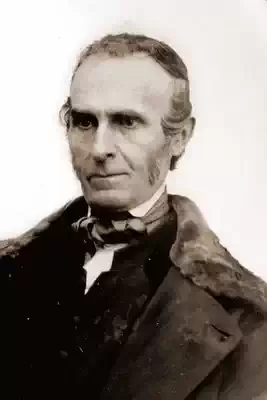
John Greenleaf Whittier
The Kansas Emigrants
The Kansas Emigrants
THE KANSAS EMIGRANTS.
WE cross the prairie as of old
The pilgrims crossed the sea,
To make the West, as they the East,
The homestead of the free!
We go to rear a wall of men
On Freedom's southern line,
And plant beside the cotton-tree
The rugged Northern pine!
We're flowing from our native hills
As our free rivers flow;
The blessing of our Mother-land
Is on us as we go.
We go to plant her common schools,
On distant prairie swells,
And give the Sabbaths of the wild
The music of her bells.
Upbearing, like the Ark of old,
The Bible in our van,
We go to test the truth of God
Against the fraud of man.
No pause, nor rest, save where the streams
That feed the Kansas run,
Save where our Pilgrim gonfalon
Shall flout the setting sun!
We'll tread the prairie as of old
Our fathers sailed the sea,
And make the West, as they the East,
The homestead of the free!
THE KANSAS EMIGRANTS.
WE cross the prairie as of old
The pilgrims crossed the sea,
To make the West, as they the East,
The homestead of the free!
We go to rear a wall of men
On Freedom's southern line,
And plant beside the cotton-tree
The rugged Northern pine!
We're flowing from our native hills
As our free rivers flow;
The blessing of our Mother-land
Is on us as we go.
We go to plant her common schools,
On distant prairie swells,
And give the Sabbaths of the wild
The music of her bells.
Upbearing, like the Ark of old,
The Bible in our van,
We go to test the truth of God
Against the fraud of man.
No pause, nor rest, save where the streams
That feed the Kansas run,
Save where our Pilgrim gonfalon
Shall flout the setting sun!
We'll tread the prairie as of old
Our fathers sailed the sea,
And make the West, as they the East,
The homestead of the free!
287
John Greenleaf Whittier
The Hive At Gettysburg
The Hive At Gettysburg
IN the old Hebrew myth the lion's frame,
So terrible alive,
Bleached by the desert's sun and wind, became
The wandering wild bees' hive;
And he who, lone and naked-handed, tore
Those jaws of death apart,
In after time drew forth their honeyed store
To strengthen his strong heart.
Dead seemed the legend: but it only slept
To wake beneath our sky;
Just on the spot whence ravening Treason crept
Back to its lair to die,
Bleeding and torn from Freedom's mountain bounds,
A stained and shattered drum
Is now the hive where, on their flowery rounds,
The wild bees go and come.
Unchallenged by a ghostly sentinel,
They wander wide and far,
Along green hillsides, sown with shot and shell,
Through vales once choked with war.
The low reveille of their battle-drum
Disturbs no morning prayer;
With deeper peace in summer noons their hum
Fills all the drowsy air.
And Samson's riddle is our own to-day,
Of sweetness from the strong,
Of union, peace, and freedom plucked away
From the rent jaws of wrong.
From Treason's death we draw a purer life,
As, from the beast he slew,
A sweetness sweeter for his bitter strife
The old-time athlete drew!
IN the old Hebrew myth the lion's frame,
So terrible alive,
Bleached by the desert's sun and wind, became
The wandering wild bees' hive;
And he who, lone and naked-handed, tore
Those jaws of death apart,
In after time drew forth their honeyed store
To strengthen his strong heart.
Dead seemed the legend: but it only slept
To wake beneath our sky;
Just on the spot whence ravening Treason crept
Back to its lair to die,
Bleeding and torn from Freedom's mountain bounds,
A stained and shattered drum
Is now the hive where, on their flowery rounds,
The wild bees go and come.
Unchallenged by a ghostly sentinel,
They wander wide and far,
Along green hillsides, sown with shot and shell,
Through vales once choked with war.
The low reveille of their battle-drum
Disturbs no morning prayer;
With deeper peace in summer noons their hum
Fills all the drowsy air.
And Samson's riddle is our own to-day,
Of sweetness from the strong,
Of union, peace, and freedom plucked away
From the rent jaws of wrong.
From Treason's death we draw a purer life,
As, from the beast he slew,
A sweetness sweeter for his bitter strife
The old-time athlete drew!
268
John Greenleaf Whittier
The Freed Islands
The Freed Islands
A FEW brief years have passed away
Since Britain drove her million slaves
Beneath the tropic's fiery ray:
God willed their freedom; and to-day
Life blooms above those island graves!
He spoke! across the Carib Sea,
We heard the clash of breaking chains,
And felt the heart-throb of the free,
The first, strong pulse of liberty
Which thrilled along the bondman's veins.
Though long delayed, and far, and slow,
The Briton's triumph shall be ours:
Wears slavery here a prouder brow
Than that which twelve short years ago
Scowled darkly from her island bowers?
Mighty alike for good or ill
With mother-land, we fully share
The Saxon strength, the nerve of steel,
The tireless energy of will,
The power to do, the pride to dare.
What she has done can we not do?
Our hour and men are both at hand;
The blast which Freedom's angel blew
O'er her green islands, echoes through
Each valley of our forest land.
Hear it, old Europe! we have sworn
The death of slavery. When it falls,
Look to your vassals in their turn,
Your poor dumb millions, crushed and worn,
Your prisons and your palace walls!
O kingly mockers! scoffing show
What deeds in Freedom's name we do;
Yet know that every taunt ye throw
Across the waters, goads our slow
Progression towards the right and true.
Not always shall your outraged poor,
Appalled by democratic crime,
Grind as their fathers ground before;
The hour which sees our prison door
Swing wide shall be their triumph time.
On then, my brothers! every blow
Ye deal is felt the wide earth through;
Whatever here uplifts the low
Or humbles Freedom's hateful foe,
Blesses the Old World through the New.
Take heart! The promised hour draws near;
I hear the downward beat of wings,
And Freedom's trumpet sounding clear:
'Joy to the people! woe and fear
To new-world tyrants, old-world kings!'
A FEW brief years have passed away
Since Britain drove her million slaves
Beneath the tropic's fiery ray:
God willed their freedom; and to-day
Life blooms above those island graves!
He spoke! across the Carib Sea,
We heard the clash of breaking chains,
And felt the heart-throb of the free,
The first, strong pulse of liberty
Which thrilled along the bondman's veins.
Though long delayed, and far, and slow,
The Briton's triumph shall be ours:
Wears slavery here a prouder brow
Than that which twelve short years ago
Scowled darkly from her island bowers?
Mighty alike for good or ill
With mother-land, we fully share
The Saxon strength, the nerve of steel,
The tireless energy of will,
The power to do, the pride to dare.
What she has done can we not do?
Our hour and men are both at hand;
The blast which Freedom's angel blew
O'er her green islands, echoes through
Each valley of our forest land.
Hear it, old Europe! we have sworn
The death of slavery. When it falls,
Look to your vassals in their turn,
Your poor dumb millions, crushed and worn,
Your prisons and your palace walls!
O kingly mockers! scoffing show
What deeds in Freedom's name we do;
Yet know that every taunt ye throw
Across the waters, goads our slow
Progression towards the right and true.
Not always shall your outraged poor,
Appalled by democratic crime,
Grind as their fathers ground before;
The hour which sees our prison door
Swing wide shall be their triumph time.
On then, my brothers! every blow
Ye deal is felt the wide earth through;
Whatever here uplifts the low
Or humbles Freedom's hateful foe,
Blesses the Old World through the New.
Take heart! The promised hour draws near;
I hear the downward beat of wings,
And Freedom's trumpet sounding clear:
'Joy to the people! woe and fear
To new-world tyrants, old-world kings!'
332
John Greenleaf Whittier
On Receiving An Eagle's Quill From Lake Superior
On Receiving An Eagle's Quill From Lake Superior
All day the darkness and the cold
Upon my heart have lain,
Like shadows on the winter sky,
Like frost upon the pane;
But now my torpid fancy wakes,
And, on thy Eagle's plume,
Rides forth, like Sindbad on his bird,
Or witch upon her broom!
Below me roar the rocking pines,
Before me spreads the lake
Whose long and solemn-sounding waves
Against the sunset break.
I hear the wild Rice-Eater thresh
The grain he has not sown;
I see, with flashing scythe of fire,
The prairie harvest mown!
I hear the far-off voyager's horn;
I see the Yankee's trail,-His
foot on every mountain-pass,
On every stream his sail.
By forest, lake, and waterfall,
I see his pedler show;
The mighty mingling with the mean,
The lofty with the low.
He's whittling by St. Mary's Falls,
Upon his loaded wain;
He's measuring o'er the Pictured Rocks,
With eager eyes of gain.
I hear the mattock in the mine,
The axe-stroke in the dell,
The clamor from the Indian lodge,
The Jesuit chapel bell!
I see the swarthy trappers come
From Mississippi's springs;
And war-chiefs with their painted brows,
And crests of eagle wings.
Behind the scared squaw's birch canoe,
The steamer smokes and raves;
And city lots are staked for sale
Above old Indian graves.
I hear the tread of pioneers
Of nations yet to be;
The first low wash of waves, where soon
Shall roll a human sea.
The rudiments of empire here
Are plastic yet and warm;
The chaos of a mighty world
Is rounding into form!
Each rude and jostling fragment soon
Its fitting place shall find,-The
raw material of a State,
Its muscle and its mind!
And, westering still, the star which leads
The New World in its train
Has tipped with fire the icy spears
Of many a mountain chain.
The snowy cones of Oregon
Are kindling on its way;
And California's golden sands
Gleam brighter in its ray!
Then blessings on thy eagle quill,
As, wandering far and wide,
I thank thee for this twilight dream
And Fancy's airy ride!
Yet, welcomer than regal plumes,
Which Western trappers find,
Thy free and pleasant thoughts, chance sown,
Like feathers on the wind.
Thy symbol be the mountain-bird,
Whose glistening quill I hold;
Thy home the ample air of hope,
And memory's sunset gold!
In thee, let joy with duty join,
And strength unite with love,
The eagle's pinions folding round
The warm heart of the dove!
So, when in darkness sleeps the vale
Where still the blind bird clings
The sunshine of the upper sky
Shall glitter on thy wings!
All day the darkness and the cold
Upon my heart have lain,
Like shadows on the winter sky,
Like frost upon the pane;
But now my torpid fancy wakes,
And, on thy Eagle's plume,
Rides forth, like Sindbad on his bird,
Or witch upon her broom!
Below me roar the rocking pines,
Before me spreads the lake
Whose long and solemn-sounding waves
Against the sunset break.
I hear the wild Rice-Eater thresh
The grain he has not sown;
I see, with flashing scythe of fire,
The prairie harvest mown!
I hear the far-off voyager's horn;
I see the Yankee's trail,-His
foot on every mountain-pass,
On every stream his sail.
By forest, lake, and waterfall,
I see his pedler show;
The mighty mingling with the mean,
The lofty with the low.
He's whittling by St. Mary's Falls,
Upon his loaded wain;
He's measuring o'er the Pictured Rocks,
With eager eyes of gain.
I hear the mattock in the mine,
The axe-stroke in the dell,
The clamor from the Indian lodge,
The Jesuit chapel bell!
I see the swarthy trappers come
From Mississippi's springs;
And war-chiefs with their painted brows,
And crests of eagle wings.
Behind the scared squaw's birch canoe,
The steamer smokes and raves;
And city lots are staked for sale
Above old Indian graves.
I hear the tread of pioneers
Of nations yet to be;
The first low wash of waves, where soon
Shall roll a human sea.
The rudiments of empire here
Are plastic yet and warm;
The chaos of a mighty world
Is rounding into form!
Each rude and jostling fragment soon
Its fitting place shall find,-The
raw material of a State,
Its muscle and its mind!
And, westering still, the star which leads
The New World in its train
Has tipped with fire the icy spears
Of many a mountain chain.
The snowy cones of Oregon
Are kindling on its way;
And California's golden sands
Gleam brighter in its ray!
Then blessings on thy eagle quill,
As, wandering far and wide,
I thank thee for this twilight dream
And Fancy's airy ride!
Yet, welcomer than regal plumes,
Which Western trappers find,
Thy free and pleasant thoughts, chance sown,
Like feathers on the wind.
Thy symbol be the mountain-bird,
Whose glistening quill I hold;
Thy home the ample air of hope,
And memory's sunset gold!
In thee, let joy with duty join,
And strength unite with love,
The eagle's pinions folding round
The warm heart of the dove!
So, when in darkness sleeps the vale
Where still the blind bird clings
The sunshine of the upper sky
Shall glitter on thy wings!
323
John Greenleaf Whittier
Naples – 1860
Naples – 1860
I GIVE thee joy!—I know to thee
The dearest spot on earth must be
Where sleeps thy loved one by the summer sea;
Where, near her sweetest poet’s tomb,
The land of Virgil gave thee room
To lay thy flower with her perpetual bloom.
I know that when the sky shut down
Behind thee on the gleaming town,
On Baiae’s baths and Posilippo’s crown;
And, through thy tears, the mocking day
Burned Ischia’s mountain lines away,
And Capri melted in its sunny bay;
Through thy great farewell sorrow shot
The sharp pang of a bitter thought
That slaves must tread around that holy spot.
Thou knewest not the land was blest
In giving thy beloved rest,
Holding the fond hope closer to her breast,
That every sweet and saintly grave
Was freedom’s prophecy, and gave
The pledge of Heaven to sanctify and save.
That pledge is answered. To thy ear
The unchained city sends its cheer,
And, tuned to joy, the muffled bells of fear
Ring Victor in. The land sits free
And happy by the summer sea,
And Bourbon Naples now is Italy!
She smiles above her broken chain
The languid smile that follows pain,
Stretching her cramped limbs to the sun again.
Oh, joy for all, who hear her call
From gray Camaldoli’s convent wall
And Elmo’s towers to freedom’s carnival!
A new life breathes among her vines
And olives, like the breath of pines
Blown downward from the breezy Apennines.
Lean, O my friend, to meet that breath,
Rejoice as one who witnesseth
Beauty from ashes rise, and life from death!
Thy sorrow shall no more be pain,
Its tears shall fall in sunlit rain,
Writing the grave with flowers: “Arisen again!”
I GIVE thee joy!—I know to thee
The dearest spot on earth must be
Where sleeps thy loved one by the summer sea;
Where, near her sweetest poet’s tomb,
The land of Virgil gave thee room
To lay thy flower with her perpetual bloom.
I know that when the sky shut down
Behind thee on the gleaming town,
On Baiae’s baths and Posilippo’s crown;
And, through thy tears, the mocking day
Burned Ischia’s mountain lines away,
And Capri melted in its sunny bay;
Through thy great farewell sorrow shot
The sharp pang of a bitter thought
That slaves must tread around that holy spot.
Thou knewest not the land was blest
In giving thy beloved rest,
Holding the fond hope closer to her breast,
That every sweet and saintly grave
Was freedom’s prophecy, and gave
The pledge of Heaven to sanctify and save.
That pledge is answered. To thy ear
The unchained city sends its cheer,
And, tuned to joy, the muffled bells of fear
Ring Victor in. The land sits free
And happy by the summer sea,
And Bourbon Naples now is Italy!
She smiles above her broken chain
The languid smile that follows pain,
Stretching her cramped limbs to the sun again.
Oh, joy for all, who hear her call
From gray Camaldoli’s convent wall
And Elmo’s towers to freedom’s carnival!
A new life breathes among her vines
And olives, like the breath of pines
Blown downward from the breezy Apennines.
Lean, O my friend, to meet that breath,
Rejoice as one who witnesseth
Beauty from ashes rise, and life from death!
Thy sorrow shall no more be pain,
Its tears shall fall in sunlit rain,
Writing the grave with flowers: “Arisen again!”
274
John Greenleaf Whittier
Hymn of The Dunkers
Hymn of The Dunkers
KLOSTER KEDAR, EPHRATA, PENNSYLVANIA (1738)
SISTER MARIA CHRISTINA sings
Wake, sisters, wake! the day-star shines;
Above Ephrata's eastern pines
The dawn is breaking, cool and calm.
Wake, sisters, wake to prayer and psalm!
Praised be the Lord for shade and light,
For toil by day, for rest by night!
Praised be His name who deigns to bless
Our Kedar of the wilderness!
Our refuge when the spoiler's hand
Was heavy on our native land;
And freedom, to her children due,
The wolf and vulture only knew.
We praised Him when to prison led,
We owned Him when the stake blazed red;
We knew, whatever might befall,
His love and power were over all.
He heard our prayers; with outstretched arm
He led us forth from cruel harm;
Still, wheresoe'er our steps were bent,
His cloud and fire before us went!
The watch of faith and prayer He set,
We kept it then, we keep it yet.
At midnight, crow of cock, or noon,
He cometh sure, He cometh soon.
He comes to chasten, not destroy,
To purge the earth from sin's alloy.
At last, at last shall all confess
His mercy as His righteousness.
The dead shall live, the sick be whole,
The scarlet sin be white as wool;
No discord mar below, above,
The music of eternal love!
Sound, welcome trump, the last alarm!
Lord God of hosts, make bare thine arm,
Fulfil this day our long desire,
Make sweet and clean the world with fire!
Sweep, flaming besom, sweep from sight
The lies of time; be swift to smite,
Sharp sword of God, all idols down,
Genevan creed and Roman crown.
Quake, earth, through all thy zones, till all
The fanes of pride and priesteraft fall;
And lift thou up in place of them
Thy gates of pearl, Jerusalem!
Lo! rising from baptismal flame,
Transfigured, glorious, yet the same,
Within the heavenly city's bound
Our Kloster Kedar shall be found.
He cometh soon! at dawn or noon
Or set of sun, He cometh soon.
Our prayers shall meet Him on His way;
Wake, sisters, wake! arise and pray!
KLOSTER KEDAR, EPHRATA, PENNSYLVANIA (1738)
SISTER MARIA CHRISTINA sings
Wake, sisters, wake! the day-star shines;
Above Ephrata's eastern pines
The dawn is breaking, cool and calm.
Wake, sisters, wake to prayer and psalm!
Praised be the Lord for shade and light,
For toil by day, for rest by night!
Praised be His name who deigns to bless
Our Kedar of the wilderness!
Our refuge when the spoiler's hand
Was heavy on our native land;
And freedom, to her children due,
The wolf and vulture only knew.
We praised Him when to prison led,
We owned Him when the stake blazed red;
We knew, whatever might befall,
His love and power were over all.
He heard our prayers; with outstretched arm
He led us forth from cruel harm;
Still, wheresoe'er our steps were bent,
His cloud and fire before us went!
The watch of faith and prayer He set,
We kept it then, we keep it yet.
At midnight, crow of cock, or noon,
He cometh sure, He cometh soon.
He comes to chasten, not destroy,
To purge the earth from sin's alloy.
At last, at last shall all confess
His mercy as His righteousness.
The dead shall live, the sick be whole,
The scarlet sin be white as wool;
No discord mar below, above,
The music of eternal love!
Sound, welcome trump, the last alarm!
Lord God of hosts, make bare thine arm,
Fulfil this day our long desire,
Make sweet and clean the world with fire!
Sweep, flaming besom, sweep from sight
The lies of time; be swift to smite,
Sharp sword of God, all idols down,
Genevan creed and Roman crown.
Quake, earth, through all thy zones, till all
The fanes of pride and priesteraft fall;
And lift thou up in place of them
Thy gates of pearl, Jerusalem!
Lo! rising from baptismal flame,
Transfigured, glorious, yet the same,
Within the heavenly city's bound
Our Kloster Kedar shall be found.
He cometh soon! at dawn or noon
Or set of sun, He cometh soon.
Our prayers shall meet Him on His way;
Wake, sisters, wake! arise and pray!
296
John Greenleaf Whittier
Howard At Atlanta
Howard At Atlanta
RIGHT in the track where Sherman
Ploughed his red furrow,
Out of the narrow cabin,
Up from the cellar's burrow,
Gathered the little black people,
With freedom newly dowered,
Where, beside their Northern teacher,
Stood the soldier, Howard.
He listened and heard the children
Of the poor and long-enslavëd
Reading the words of Jesus,
Singing the songs of David.
Behold! —the dumb lips speaking,
The blind eyes seeing!
Bones of the Prophet's vision
Warmed into being!
Transformed he saw them passing
Their new life's portal!
Almost it seemed the mortal
Put on the immortal.
No more with the beasts of burden,
No more with stone and clod,
But crowned with glory and honor
In the image of God!
There was the human chattel
Its manhood taking;
There, in each dark, brown statue,
A soul was waking!
The man of many battles,
With tears his eyelids pressing,
Stretched over those dusky foreheads
His one-armed blessing.
And he said: 'Who hears can never
Fear for or doubt you;
What shall I tell the children
Up North about you?'
Then ran round a whisper, a murmur,
Some answer devising;
And a little boy stood up: 'General,
Tell'em we're rising!'
O black boy of Atlanta!
But half was spoken:
The slave's chain and the master's
Alike are broken.
The one curse of the races
Held both in tether:
They are rising, — all are rising,
The black and white together!
O brave men and fair women!
Ill comes of hate and scorning:
Shall the dark faces only
Be turned to morning? —
Make Time your sole avenger,
All-healing, all-redressing;
Meet Fate half-way, and make it
A joy and blessing!
RIGHT in the track where Sherman
Ploughed his red furrow,
Out of the narrow cabin,
Up from the cellar's burrow,
Gathered the little black people,
With freedom newly dowered,
Where, beside their Northern teacher,
Stood the soldier, Howard.
He listened and heard the children
Of the poor and long-enslavëd
Reading the words of Jesus,
Singing the songs of David.
Behold! —the dumb lips speaking,
The blind eyes seeing!
Bones of the Prophet's vision
Warmed into being!
Transformed he saw them passing
Their new life's portal!
Almost it seemed the mortal
Put on the immortal.
No more with the beasts of burden,
No more with stone and clod,
But crowned with glory and honor
In the image of God!
There was the human chattel
Its manhood taking;
There, in each dark, brown statue,
A soul was waking!
The man of many battles,
With tears his eyelids pressing,
Stretched over those dusky foreheads
His one-armed blessing.
And he said: 'Who hears can never
Fear for or doubt you;
What shall I tell the children
Up North about you?'
Then ran round a whisper, a murmur,
Some answer devising;
And a little boy stood up: 'General,
Tell'em we're rising!'
O black boy of Atlanta!
But half was spoken:
The slave's chain and the master's
Alike are broken.
The one curse of the races
Held both in tether:
They are rising, — all are rising,
The black and white together!
O brave men and fair women!
Ill comes of hate and scorning:
Shall the dark faces only
Be turned to morning? —
Make Time your sole avenger,
All-healing, all-redressing;
Meet Fate half-way, and make it
A joy and blessing!
298
John Greenleaf Whittier
Chicago
Chicago
Men said at vespers: 'All is well!'
In one wild night the city fell;
Fell shrines of prayer and marts of gain
Before the fiery hurricane.
On threescore spires had sunset shone,
Where ghastly sunrise looked on none.
Men clasped each other's hands, and said
'The City of the West is dead!'
Brave hearts who fought, in slow retreat,
The fiends of fire from street to street,
Turned, powerless, to the blinding glare,
The dumb defiance of despair.
A sudden impulse thrilled each wire
That signalled round that sea of fire;
Swift words of cheer, warm heart-throbs came;
In tears of pity died the flame!
From East, from West, from South and North,
The messages of hope shot forth,
And, underneath the severing wave,
The world, full-handed, reached to save.
Fair seemed the old; but fairer still
The new, the dreary void shall fill
With dearer homes than those o'erthrown,
For love shall lay each corner-stone.
Rise, stricken city! from thee throw
The ashen sackcloth of thy woe;
And build, as to Amphion's strain,
To songs of cheer thy walls again!
How shrivelled in thy hot distress
The primal sin of selfishness!
How instant rose, to take thy part,
The angel in the human heart!
Ah! not in vain the flames that tossed
Above thy dreadful holocaust;
The Christ again has preached through thee
The Gospel of Humanity!
Then lift once more thy towers on high,
And fret with spires the western sky,
To tell that God is yet with us,
And love is still miraculous!
Men said at vespers: 'All is well!'
In one wild night the city fell;
Fell shrines of prayer and marts of gain
Before the fiery hurricane.
On threescore spires had sunset shone,
Where ghastly sunrise looked on none.
Men clasped each other's hands, and said
'The City of the West is dead!'
Brave hearts who fought, in slow retreat,
The fiends of fire from street to street,
Turned, powerless, to the blinding glare,
The dumb defiance of despair.
A sudden impulse thrilled each wire
That signalled round that sea of fire;
Swift words of cheer, warm heart-throbs came;
In tears of pity died the flame!
From East, from West, from South and North,
The messages of hope shot forth,
And, underneath the severing wave,
The world, full-handed, reached to save.
Fair seemed the old; but fairer still
The new, the dreary void shall fill
With dearer homes than those o'erthrown,
For love shall lay each corner-stone.
Rise, stricken city! from thee throw
The ashen sackcloth of thy woe;
And build, as to Amphion's strain,
To songs of cheer thy walls again!
How shrivelled in thy hot distress
The primal sin of selfishness!
How instant rose, to take thy part,
The angel in the human heart!
Ah! not in vain the flames that tossed
Above thy dreadful holocaust;
The Christ again has preached through thee
The Gospel of Humanity!
Then lift once more thy towers on high,
And fret with spires the western sky,
To tell that God is yet with us,
And love is still miraculous!
275
John Greenleaf Whittier
Astraea
Astraea
'Jove means to settle
Astraea in her seat again,
And let down his golden chain
An age of better metal.'
Ben Johnson 1615
O POET rare and old!
Thy words are prophecies;
Forward the age of gold,
The new Saturnian lies.
The universal prayer
And hope are not in vain;
Rise, brothers! and prepare
The way for Saturn's reign.
Perish shall all which takes
From labor's board and can;
Perish shall all which makes
A spaniel of the man!
Free from its bonds the mind,
The body from the rod;
Broken all chains that bind
The image of our God.
Just men no longer pine
Behind their prison-bars;
Through the rent dungeon shine
The free sun and the stars.
Earth own, at last, untrod
By sect, or caste, or clan,
The fatherhood of God,
The brotherhood of man!
Fraud fail, craft perish, forth
The money-changers driven,
And God's will done on earth,
As now in heaven;
'Jove means to settle
Astraea in her seat again,
And let down his golden chain
An age of better metal.'
Ben Johnson 1615
O POET rare and old!
Thy words are prophecies;
Forward the age of gold,
The new Saturnian lies.
The universal prayer
And hope are not in vain;
Rise, brothers! and prepare
The way for Saturn's reign.
Perish shall all which takes
From labor's board and can;
Perish shall all which makes
A spaniel of the man!
Free from its bonds the mind,
The body from the rod;
Broken all chains that bind
The image of our God.
Just men no longer pine
Behind their prison-bars;
Through the rent dungeon shine
The free sun and the stars.
Earth own, at last, untrod
By sect, or caste, or clan,
The fatherhood of God,
The brotherhood of man!
Fraud fail, craft perish, forth
The money-changers driven,
And God's will done on earth,
As now in heaven;
323
John Greenleaf Whittier
Adjustment
Adjustment
The tree of Faith its bare, dry boughs must shed
That nearer heaven the living ones may climb;
The false must fail, though from our shores of time
The old lament be heard, 'Great Pan is dead!'
That wail is Error's, from his high place hurled;
This sharp recoil is Evil undertrod;
Our time's unrest, an angel sent of God
Troubling with life the waters of the world.
Even as they list the winds of the Spirit blow
To turn or break our century-rusted vanes;
Sands shift and waste; the rock alone remains
Where, led of Heaven, the strong tides come and go,
And storm-clouds, rent by thunderbolt and wind,
Leave, free of mist, the permanent stars behind.
Therefore I trust, although to outward sense
Both true and false seem shaken; I will hold
With newer light my reverence for the old,
And calmly wait the births of Providence.
No gain is lost; the clear-eyed saints look down
Untroubled on the wreck of schemes and creeds;
Love yet remains, its rosary of good deeds
Counting in task-field and o'erpeopled town;
Truth has charmed life; the Inward Word survives,
And, day by day, its revelation brings;
Faith, hope, and charity, whatsoever things
Which cannot be shaken, stand. Still holy lives
Reveal the Christ of whom the letter told,
And the new gospel verifies the old.
The tree of Faith its bare, dry boughs must shed
That nearer heaven the living ones may climb;
The false must fail, though from our shores of time
The old lament be heard, 'Great Pan is dead!'
That wail is Error's, from his high place hurled;
This sharp recoil is Evil undertrod;
Our time's unrest, an angel sent of God
Troubling with life the waters of the world.
Even as they list the winds of the Spirit blow
To turn or break our century-rusted vanes;
Sands shift and waste; the rock alone remains
Where, led of Heaven, the strong tides come and go,
And storm-clouds, rent by thunderbolt and wind,
Leave, free of mist, the permanent stars behind.
Therefore I trust, although to outward sense
Both true and false seem shaken; I will hold
With newer light my reverence for the old,
And calmly wait the births of Providence.
No gain is lost; the clear-eyed saints look down
Untroubled on the wreck of schemes and creeds;
Love yet remains, its rosary of good deeds
Counting in task-field and o'erpeopled town;
Truth has charmed life; the Inward Word survives,
And, day by day, its revelation brings;
Faith, hope, and charity, whatsoever things
Which cannot be shaken, stand. Still holy lives
Reveal the Christ of whom the letter told,
And the new gospel verifies the old.
346
John Greenleaf Whittier
A Christmas Carmen
A Christmas Carmen
I.
Sound over all waters, reach out from all lands,
The chorus of voices, the clasping of hands;
Sing hymns that were sung by the stars of the morn,
Sing songs of the angels when Jesus was born!
With glad jubilations
Bring hope to the nations!
The dark night is ending and dawn has begun:
Rise, hope of the ages, arise like the sun,
All speech flow to music, all hearts beat as one!
II.
Sing the bridal of nations! with chorals of love
Sing out the war-vulture and sing in the dove,
Till the hearts of the peoples keep time in accord,
And the voice of the world is the voice of the Lord!
Clasp hands of the nations
In strong gratulations:
The dark night is ending and dawn has begun;
Rise, hope of the ages, arise like the sun,
All speech flow to music, all hearts beat as one!
III.
Blow, bugles of battle, the marches of peace;
East, west, north, and south let the long quarrel cease
Sing the song of great joy that the angels began,
Sing of glory to God and of good-will to man!
Hark! joining in chorus
The heavens bend o’er us!
The dark night is ending and dawn has begun;
Rise, hope of the ages, arise like the sun,
All speech flow to music, all hearts beat as one!
I.
Sound over all waters, reach out from all lands,
The chorus of voices, the clasping of hands;
Sing hymns that were sung by the stars of the morn,
Sing songs of the angels when Jesus was born!
With glad jubilations
Bring hope to the nations!
The dark night is ending and dawn has begun:
Rise, hope of the ages, arise like the sun,
All speech flow to music, all hearts beat as one!
II.
Sing the bridal of nations! with chorals of love
Sing out the war-vulture and sing in the dove,
Till the hearts of the peoples keep time in accord,
And the voice of the world is the voice of the Lord!
Clasp hands of the nations
In strong gratulations:
The dark night is ending and dawn has begun;
Rise, hope of the ages, arise like the sun,
All speech flow to music, all hearts beat as one!
III.
Blow, bugles of battle, the marches of peace;
East, west, north, and south let the long quarrel cease
Sing the song of great joy that the angels began,
Sing of glory to God and of good-will to man!
Hark! joining in chorus
The heavens bend o’er us!
The dark night is ending and dawn has begun;
Rise, hope of the ages, arise like the sun,
All speech flow to music, all hearts beat as one!
372
John Donne
To Mr. Rowland Woodward
To Mr. Rowland Woodward
LIKE one who in her third widowhood doth profess
Herself a nun, tied to retiredness,
So affects my Muse, now, a chaste fallowness.
Since she to few, yet to too many hath shown,
How love-song weeds and satiric thorns are grown,
Where seeds of better arts were early sown ;
Though to use and love poetry, to me,
Betroth'd to no one art, be no adultery ;
Omissions of good, ill, as ill deeds be.
For though to us it seems but light and thin,
Yet in those faithful scales, where God throws in
Men's works, vanity weighs as much as sin.
If our souls have stain'd their first white, yet we
May clothe them with faith, and dear honesty,
Which God imputes as native purity.
There is no virtue but religion.
Wise, valiant, sober, just, are names which none
Want, which want not vice-covering discretion.
Seek we then ourselves in ourselves ; for as
Men force the sun with much more force to pass,
By gathering his beams with a crystal glass,
So we—if we into ourselves will turn,
Blowing our spark of virtue—may out-burn
The straw which doth about our hearts sojourn.
You know physicians, when they would infuse
Into any oil the souls of simples, use
Places, where they may lie still warm, to choose.
So works retiredness in us. To roam
Giddily and be everywhere, but at home,
Such freedom doth a banishment become.
We are but farmers of ourselves, yet may,
If we can stock ourselves, and thrive, uplay
Much, much dear treasure for the great rent day.
Manure thyself then, to thyself be improved ;
And with vain outward things be no more moved,
But to know that I love thee and would be loved.
LIKE one who in her third widowhood doth profess
Herself a nun, tied to retiredness,
So affects my Muse, now, a chaste fallowness.
Since she to few, yet to too many hath shown,
How love-song weeds and satiric thorns are grown,
Where seeds of better arts were early sown ;
Though to use and love poetry, to me,
Betroth'd to no one art, be no adultery ;
Omissions of good, ill, as ill deeds be.
For though to us it seems but light and thin,
Yet in those faithful scales, where God throws in
Men's works, vanity weighs as much as sin.
If our souls have stain'd their first white, yet we
May clothe them with faith, and dear honesty,
Which God imputes as native purity.
There is no virtue but religion.
Wise, valiant, sober, just, are names which none
Want, which want not vice-covering discretion.
Seek we then ourselves in ourselves ; for as
Men force the sun with much more force to pass,
By gathering his beams with a crystal glass,
So we—if we into ourselves will turn,
Blowing our spark of virtue—may out-burn
The straw which doth about our hearts sojourn.
You know physicians, when they would infuse
Into any oil the souls of simples, use
Places, where they may lie still warm, to choose.
So works retiredness in us. To roam
Giddily and be everywhere, but at home,
Such freedom doth a banishment become.
We are but farmers of ourselves, yet may,
If we can stock ourselves, and thrive, uplay
Much, much dear treasure for the great rent day.
Manure thyself then, to thyself be improved ;
And with vain outward things be no more moved,
But to know that I love thee and would be loved.
347
John Donne
Resurrection, imperfect
Resurrection, imperfect
Sleep sleep old Sun, thou canst not have repast
As yet, the wound thou took’st on friday last;
Sleep then, and rest; The world may bearer thy stay,
A better Sun rose before thee to day,
Who, not content to’englighten all that dwell
On the earths face, as thou, enlightned hell,
And made the darker fires languish in that vale,
As, at thy presence here, our fires grow pale.
Whose body having walk’d on earth, and now
Hasting to Heaven, would, that he might allow
Himself unto all stations, and fill all,
For these three days become a mineral;
He was all gold when he lay down, but rose
All tincture, and doth not alone dispose
Leaden and iron wills to good, but is
Of power to make even sinful flesh like his.
Had one of those, whose credulous piety
Thought, that a Soul one might discern and see
Go from a body,’at this sepulcher been,
And, issuing from the sheet, this body seen,
He would have justly thought this body a soul,
If not of any man, yet of the whole.
Desunt cætera
Sleep sleep old Sun, thou canst not have repast
As yet, the wound thou took’st on friday last;
Sleep then, and rest; The world may bearer thy stay,
A better Sun rose before thee to day,
Who, not content to’englighten all that dwell
On the earths face, as thou, enlightned hell,
And made the darker fires languish in that vale,
As, at thy presence here, our fires grow pale.
Whose body having walk’d on earth, and now
Hasting to Heaven, would, that he might allow
Himself unto all stations, and fill all,
For these three days become a mineral;
He was all gold when he lay down, but rose
All tincture, and doth not alone dispose
Leaden and iron wills to good, but is
Of power to make even sinful flesh like his.
Had one of those, whose credulous piety
Thought, that a Soul one might discern and see
Go from a body,’at this sepulcher been,
And, issuing from the sheet, this body seen,
He would have justly thought this body a soul,
If not of any man, yet of the whole.
Desunt cætera
358
John Donne
Annunciation
Annunciation
Salvation to all that will is nigh;
That All, which always is all everywhere,
Which cannot sin, and yet all sins must bear,
Which cannot die, yet cannot choose but die,
Lo, faithful virgin, yields Himself to lie
In prison, in thy womb; and though He there
Can take no sin, nor thou give, yet He will wear,
Taken from thence, flesh, which death's force may try.
Ere by the spheres time was created, thou
Wast in His mind, who is thy Son and Brother;
Whom thou conceivst, conceived; yea thou art now
Thy Maker's maker, and thy Father's mother;
Thou hast light in dark, and shutst in little room,
Immensity cloistered in thy dear womb.
Salvation to all that will is nigh;
That All, which always is all everywhere,
Which cannot sin, and yet all sins must bear,
Which cannot die, yet cannot choose but die,
Lo, faithful virgin, yields Himself to lie
In prison, in thy womb; and though He there
Can take no sin, nor thou give, yet He will wear,
Taken from thence, flesh, which death's force may try.
Ere by the spheres time was created, thou
Wast in His mind, who is thy Son and Brother;
Whom thou conceivst, conceived; yea thou art now
Thy Maker's maker, and thy Father's mother;
Thou hast light in dark, and shutst in little room,
Immensity cloistered in thy dear womb.
377
John Donne
A Litany
A Litany
I.
THE FATHER.
FATHER of Heaven, and Him, by whom
It, and us for it, and all else for us,
Thou madest, and govern'st ever, come
And re-create me, now grown ruinous:
My heart is by dejection, clay,
And by self-murder, red.
From this red earth, O Father, purge away
All vicious tinctures, that new-fashioned
I may rise up from death, before I'm dead.
II.
THE SON.
O Son of God, who, seeing two things,
Sin and Death, crept in, which were never made,
By bearing one, tried'st with what stings
The other could Thine heritage invade ;
O be Thou nail'd unto my heart,
And crucified again ;
Part not from it, though it from Thee would part,
But let it be by applying so Thy pain,
Drown'd in Thy blood, and in Thy passion slain.
III.
THE HOLY GHOST.
O Holy Ghost, whose temple I
Am, but of mud walls , and condensèd dust,
And being sacrilegiously
Half wasted with youth's fires of pride and lust,
Must with new storms be weather-beat,
Double in my heart Thy flame,
Which let devout sad tears intend, and let—
Though this glass lanthorn, flesh, do suffer maim—
Fire, sacrifice, priest, altar be the same.
IV.
THE TRINITY.
O blessed glorious Trinity,
Bones to philosophy, but milk to faith,
Which, as wise serpents, diversely
Most slipperiness, yet most entanglings hath,
As you distinguish'd, undistinct,
By power, love, knowledge be,
Give me a such self different instinct,
Of these let all me elemented be,
Of power, to love, to know you unnumbered three.
V.
THE VIRGIN MARY.
For that fair blessed mother-maid,
Whose flesh redeem'd us, that she-cherubin,
Which unlock'd paradise, and made
One claim for innocence, and disseizèd sin,
Whose womb was a strange heaven, for there
God clothed Himself, and grew,
Our zealous thanks we pour. As her deeds were
Our helps, so are her prayers ; nor can she sue
In vain, who hath such titles unto you.
VI.
THE ANGELS.
And since this life our nonage is,
And we in wardship to Thine angels be,
Native in heaven's fair palaces
Where we shall be but denizen'd by Thee ;
As th' earth conceiving by the sun,
Yields fair diversity,
Yet never knows what course that light doth run ;
So let me study that mine actions be
Worthy their sight, though blind in how they see.
VII.
THE PATRIARCHS.
And let Thy patriarchs' desire,
—Those great grandfathers of Thy Church, which saw
More in the cloud than we in fire,
Whom nature clear'd more, than us grace and law,
And now in heaven still pray, that we
May use our new helps right—
Be satisfied, and fructify in me ;
Let not my mind be blinder by more light,
Nor faith by reason added lose her sight.
VIII.
THE PROPHETS.
Thy eagle-sighted prophets too,
—Which were Thy Church's organs, and did sound
That harmony which made of two
One law, and did unite, but not confound ;
Those heavenly poets which did see
Thy will, and it express
In rhythmic feet—in common pray for me,
That I by them excuse not my excess
In seeking secrets, or poeticness.
IX.
THE APOSTLES.
And thy illustrious zodiac
Of twelve apostles, which engirt this All,
—From whom whosoever do not take
Their light, to dark deep pits throw down and fall ;—
As through their prayers Thou'st let me know
That their books are divine,
May they pray still, and be heard, that I go
Th' old broad way in applying ; O decline
Me, when my comment would make Thy word mine.
X.
THE MARTYRS.
And since Thou so desirously
Didst long to die, that long before Thou couldst,
And long since Thou no more couldst die,
Thou in thy scatter'd mystic body wouldst
In Abel die, and ever since
In Thine ; let their blood come
To beg for us a discreet patience
Of death, or of worse life ; for O, to some
Not to be martyrs, is a martyrdom.
XI.
THE CONFESSORS.
Therefore with Thee triumpheth there
A virgin squadron of white confessors,
Whose bloods betroth'd not married were,
Tender'd, not taken by those ravishers.
They know, and pray that we may know,
In every Christian
Hourly tempestuous persecutions grow ;
Temptations martyr us alive ; a man
Is to himself a Diocletian.
XII.
THE VIRGINS.
The cold white snowy nunnery,
Which, as Thy Mother, their high abbess, sent
Their bodies back again to Thee,
As Thou hadst lent them, clean and innocent ;
Though they have not obtain'd of Thee,
That or Thy Church or I
Should keep, as they, our first integrity,
Divorce Thou sin in us, or bid it die,
And call chaste widowhead virginity.
XIII.
THE DOCTORS.
The sacred academy above
Of Doctors, whose pains have unclasp'd, and taught
Both books of life to us—for love
To know Thy scriptures tells us, we are wrote
In Thy other book—pray for us there,
That what they have misdone
Or missaid, we to that may not adhere.
Their zeal may be our sin. Lord, let us run
Mean ways, and call them stars, but not the sun.
XIV.
And whilst this universal quire,
That Church in triumph, this in warfare here,
Warm'd with one all-partaking fire
Of love, that none be lost, which cost Thee dear,
Prays ceaselessly, and Thou hearken too
—Since to be gracious
Our task is treble, to pray, bear, and do—
Hear this prayer, Lord ; O Lord, deliver us
From trusting in those prayers, though pour'd out
thus.
XV.
From being anxious, or secure,
Dead clods of sadness, or light squibs of mirth,
From thinking that great courts immure
All, or no happiness, or that this earth
Is only for our prison framed,
Or that Thou'rt covetous
To them whom Thou lovest, or that they are maim'd
From reaching this world's sweet who seek Thee
thus,
With all their might, good Lord, deliver us.
XVI.
From needing danger, to be good,
From owing Thee yesterday's tears to-day,
From trusting so much to Thy blood
That in that hope we wound our soul away,
From bribing Thee with alms, to excuse
Some sin more burdenous,
From light affecting, in religion, news,
From thinking us all soul, neglecting thus
Our mutual duties, Lord, deliver us.
XVII.
From tempting Satan to tempt us,
By our connivance, or slack company,
From measuring ill by vicious
Neglecting to choke sin's spawn, vanity,
From indiscreet humility,
Which might be scandalous
And cast reproach on Christianity,
From being spies, or to spies pervious,
From thirst or scorn of fame, deliver us.
XVIII.
Deliver us through Thy descent
Into the Virgin, whose womb was a place
Of middle kind ; and Thou being sent
To ungracious us, stay'dst at her full of grace ;
And through Thy poor birth, where first Thou
Glorified'st poverty ;
And yet soon after riches didst allow,
By accepting kings' gifts in th' Epiphany ;
Deliver us, and make us to both ways free.
XIX.
And through that bitter agony,
Which is still th' agony of pious wits,
Disputing what distorted Thee,
And interrupted evenness with fits ;
And through Thy free confession,
Though thereby they were then
Made blind, so that Thou mightst from them have gone ;
Good Lord, deliver us, and teach us when
We may not, and we may, blind unjust men.
XX.
Through Thy submitting all, to blows
Thy face, Thy robes to spoil, Thy fame to scorn,
All ways, which rage, or justice knows,
And by which Thou couldst show that Thou wast born ;
And through Thy gallant humbleness
Which Thou in death didst show,
Dying before Thy soul they could express ;
Deliver us from death, by dying so
To this world, ere this world do bid us go.
XXI.
When senses, which Thy soldiers are,
We arm against Thee, and they fight for sin ;
When want, sent but to tame, doth war,
And work despair a breach to enter in ;
When plenty, God's image, and seal,
Makes us idolatrous,
And love it, not him, whom it should reveal ;
When we are moved to seem religious
Only to vent wit ; Lord, deliver us.
XXII.
In churches, when th' infirmity
Of him which speaks, diminishes the word ;
When magistrates do misapply
To us, as we judge, lay or ghostly sword ;
When plague, which is Thine angel, reigns,
Or wars, Thy champions, sway ;
When heresy, Thy second deluge, gains ;
In th' hour of death, th' eve of last Judgment day ;
Deliver us from the sinister way.
XXIII.
Hear us, O hear us, Lord; to Thee
A sinner is more music, when he prays,
Than spheres' or angels' praises be,
In panegyric alleluias ;
Hear us, for till Thou hear us, Lord,
We know not what to say ;
Thine ear to our sighs, tears, thoughts, gives voice and word ;
O Thou, who Satan heard'st in Job's sick day,
Hear Thyself now, for Thou in us dost pray.
XXIV.
That we may change to evenness
This intermitting aguish piety ;
That snatching cramps of wickedness
And apoplexies of fast sin may die ;
That music of Thy promises,
Not threats in thunder may
Awaken us to our just offices ;
What in Thy book Thou dost, or creatures say,
That we may hear, Lord, hear us when we pray.
XXV.
That our ears' sickness we may cure,
And rectify those labyrinths aright,
That we by heark'ning not procure
Our praise, nor others' dispraise so invite ;
That we get not a slipp'riness
And senselessly decline,
From hearing bold wits jest at kings' excess,
To admit the like of majesty divine ;
That we may lock our ears, Lord, open Thine.
XXVI.
That living law, the magistrate,
Which to give us, and make us physic, doth
Our vices often aggravate ;
That preachers taxing sin, before her growth ;
That Satan, and envenom'd men—
Which will, if we starve, dine—
When they do most accuse us, may see then
Us to amendment hear them, Thee decline ;
That we may open our ears, Lord, lock Thine.
XXVII.
That learning, Thine ambassador,
From Thine allegiance we never tempt ;
That beauty, paradise's flower
For physic made, from poison be exempt ;
That wit—born apt high good to do—
By dwelling lazily
On nature's nothing be not nothing too ;
That our affections kill us not, nor die ;
Hear us, weak echoes, O, Thou Ear and Eye.
XXVIII.
Son of God, hear us, and since Thou
By taking our blood, owest it us again,
Gain to Thyself, or us allow ;
And let not both us and Thyself be slain ;
O Lamb of God, which took'st our sin,
Which could not stick to Thee,
O let it not return to us again ;
But patient and physician being free,
As sin is nothing, let it nowhere be.
I.
THE FATHER.
FATHER of Heaven, and Him, by whom
It, and us for it, and all else for us,
Thou madest, and govern'st ever, come
And re-create me, now grown ruinous:
My heart is by dejection, clay,
And by self-murder, red.
From this red earth, O Father, purge away
All vicious tinctures, that new-fashioned
I may rise up from death, before I'm dead.
II.
THE SON.
O Son of God, who, seeing two things,
Sin and Death, crept in, which were never made,
By bearing one, tried'st with what stings
The other could Thine heritage invade ;
O be Thou nail'd unto my heart,
And crucified again ;
Part not from it, though it from Thee would part,
But let it be by applying so Thy pain,
Drown'd in Thy blood, and in Thy passion slain.
III.
THE HOLY GHOST.
O Holy Ghost, whose temple I
Am, but of mud walls , and condensèd dust,
And being sacrilegiously
Half wasted with youth's fires of pride and lust,
Must with new storms be weather-beat,
Double in my heart Thy flame,
Which let devout sad tears intend, and let—
Though this glass lanthorn, flesh, do suffer maim—
Fire, sacrifice, priest, altar be the same.
IV.
THE TRINITY.
O blessed glorious Trinity,
Bones to philosophy, but milk to faith,
Which, as wise serpents, diversely
Most slipperiness, yet most entanglings hath,
As you distinguish'd, undistinct,
By power, love, knowledge be,
Give me a such self different instinct,
Of these let all me elemented be,
Of power, to love, to know you unnumbered three.
V.
THE VIRGIN MARY.
For that fair blessed mother-maid,
Whose flesh redeem'd us, that she-cherubin,
Which unlock'd paradise, and made
One claim for innocence, and disseizèd sin,
Whose womb was a strange heaven, for there
God clothed Himself, and grew,
Our zealous thanks we pour. As her deeds were
Our helps, so are her prayers ; nor can she sue
In vain, who hath such titles unto you.
VI.
THE ANGELS.
And since this life our nonage is,
And we in wardship to Thine angels be,
Native in heaven's fair palaces
Where we shall be but denizen'd by Thee ;
As th' earth conceiving by the sun,
Yields fair diversity,
Yet never knows what course that light doth run ;
So let me study that mine actions be
Worthy their sight, though blind in how they see.
VII.
THE PATRIARCHS.
And let Thy patriarchs' desire,
—Those great grandfathers of Thy Church, which saw
More in the cloud than we in fire,
Whom nature clear'd more, than us grace and law,
And now in heaven still pray, that we
May use our new helps right—
Be satisfied, and fructify in me ;
Let not my mind be blinder by more light,
Nor faith by reason added lose her sight.
VIII.
THE PROPHETS.
Thy eagle-sighted prophets too,
—Which were Thy Church's organs, and did sound
That harmony which made of two
One law, and did unite, but not confound ;
Those heavenly poets which did see
Thy will, and it express
In rhythmic feet—in common pray for me,
That I by them excuse not my excess
In seeking secrets, or poeticness.
IX.
THE APOSTLES.
And thy illustrious zodiac
Of twelve apostles, which engirt this All,
—From whom whosoever do not take
Their light, to dark deep pits throw down and fall ;—
As through their prayers Thou'st let me know
That their books are divine,
May they pray still, and be heard, that I go
Th' old broad way in applying ; O decline
Me, when my comment would make Thy word mine.
X.
THE MARTYRS.
And since Thou so desirously
Didst long to die, that long before Thou couldst,
And long since Thou no more couldst die,
Thou in thy scatter'd mystic body wouldst
In Abel die, and ever since
In Thine ; let their blood come
To beg for us a discreet patience
Of death, or of worse life ; for O, to some
Not to be martyrs, is a martyrdom.
XI.
THE CONFESSORS.
Therefore with Thee triumpheth there
A virgin squadron of white confessors,
Whose bloods betroth'd not married were,
Tender'd, not taken by those ravishers.
They know, and pray that we may know,
In every Christian
Hourly tempestuous persecutions grow ;
Temptations martyr us alive ; a man
Is to himself a Diocletian.
XII.
THE VIRGINS.
The cold white snowy nunnery,
Which, as Thy Mother, their high abbess, sent
Their bodies back again to Thee,
As Thou hadst lent them, clean and innocent ;
Though they have not obtain'd of Thee,
That or Thy Church or I
Should keep, as they, our first integrity,
Divorce Thou sin in us, or bid it die,
And call chaste widowhead virginity.
XIII.
THE DOCTORS.
The sacred academy above
Of Doctors, whose pains have unclasp'd, and taught
Both books of life to us—for love
To know Thy scriptures tells us, we are wrote
In Thy other book—pray for us there,
That what they have misdone
Or missaid, we to that may not adhere.
Their zeal may be our sin. Lord, let us run
Mean ways, and call them stars, but not the sun.
XIV.
And whilst this universal quire,
That Church in triumph, this in warfare here,
Warm'd with one all-partaking fire
Of love, that none be lost, which cost Thee dear,
Prays ceaselessly, and Thou hearken too
—Since to be gracious
Our task is treble, to pray, bear, and do—
Hear this prayer, Lord ; O Lord, deliver us
From trusting in those prayers, though pour'd out
thus.
XV.
From being anxious, or secure,
Dead clods of sadness, or light squibs of mirth,
From thinking that great courts immure
All, or no happiness, or that this earth
Is only for our prison framed,
Or that Thou'rt covetous
To them whom Thou lovest, or that they are maim'd
From reaching this world's sweet who seek Thee
thus,
With all their might, good Lord, deliver us.
XVI.
From needing danger, to be good,
From owing Thee yesterday's tears to-day,
From trusting so much to Thy blood
That in that hope we wound our soul away,
From bribing Thee with alms, to excuse
Some sin more burdenous,
From light affecting, in religion, news,
From thinking us all soul, neglecting thus
Our mutual duties, Lord, deliver us.
XVII.
From tempting Satan to tempt us,
By our connivance, or slack company,
From measuring ill by vicious
Neglecting to choke sin's spawn, vanity,
From indiscreet humility,
Which might be scandalous
And cast reproach on Christianity,
From being spies, or to spies pervious,
From thirst or scorn of fame, deliver us.
XVIII.
Deliver us through Thy descent
Into the Virgin, whose womb was a place
Of middle kind ; and Thou being sent
To ungracious us, stay'dst at her full of grace ;
And through Thy poor birth, where first Thou
Glorified'st poverty ;
And yet soon after riches didst allow,
By accepting kings' gifts in th' Epiphany ;
Deliver us, and make us to both ways free.
XIX.
And through that bitter agony,
Which is still th' agony of pious wits,
Disputing what distorted Thee,
And interrupted evenness with fits ;
And through Thy free confession,
Though thereby they were then
Made blind, so that Thou mightst from them have gone ;
Good Lord, deliver us, and teach us when
We may not, and we may, blind unjust men.
XX.
Through Thy submitting all, to blows
Thy face, Thy robes to spoil, Thy fame to scorn,
All ways, which rage, or justice knows,
And by which Thou couldst show that Thou wast born ;
And through Thy gallant humbleness
Which Thou in death didst show,
Dying before Thy soul they could express ;
Deliver us from death, by dying so
To this world, ere this world do bid us go.
XXI.
When senses, which Thy soldiers are,
We arm against Thee, and they fight for sin ;
When want, sent but to tame, doth war,
And work despair a breach to enter in ;
When plenty, God's image, and seal,
Makes us idolatrous,
And love it, not him, whom it should reveal ;
When we are moved to seem religious
Only to vent wit ; Lord, deliver us.
XXII.
In churches, when th' infirmity
Of him which speaks, diminishes the word ;
When magistrates do misapply
To us, as we judge, lay or ghostly sword ;
When plague, which is Thine angel, reigns,
Or wars, Thy champions, sway ;
When heresy, Thy second deluge, gains ;
In th' hour of death, th' eve of last Judgment day ;
Deliver us from the sinister way.
XXIII.
Hear us, O hear us, Lord; to Thee
A sinner is more music, when he prays,
Than spheres' or angels' praises be,
In panegyric alleluias ;
Hear us, for till Thou hear us, Lord,
We know not what to say ;
Thine ear to our sighs, tears, thoughts, gives voice and word ;
O Thou, who Satan heard'st in Job's sick day,
Hear Thyself now, for Thou in us dost pray.
XXIV.
That we may change to evenness
This intermitting aguish piety ;
That snatching cramps of wickedness
And apoplexies of fast sin may die ;
That music of Thy promises,
Not threats in thunder may
Awaken us to our just offices ;
What in Thy book Thou dost, or creatures say,
That we may hear, Lord, hear us when we pray.
XXV.
That our ears' sickness we may cure,
And rectify those labyrinths aright,
That we by heark'ning not procure
Our praise, nor others' dispraise so invite ;
That we get not a slipp'riness
And senselessly decline,
From hearing bold wits jest at kings' excess,
To admit the like of majesty divine ;
That we may lock our ears, Lord, open Thine.
XXVI.
That living law, the magistrate,
Which to give us, and make us physic, doth
Our vices often aggravate ;
That preachers taxing sin, before her growth ;
That Satan, and envenom'd men—
Which will, if we starve, dine—
When they do most accuse us, may see then
Us to amendment hear them, Thee decline ;
That we may open our ears, Lord, lock Thine.
XXVII.
That learning, Thine ambassador,
From Thine allegiance we never tempt ;
That beauty, paradise's flower
For physic made, from poison be exempt ;
That wit—born apt high good to do—
By dwelling lazily
On nature's nothing be not nothing too ;
That our affections kill us not, nor die ;
Hear us, weak echoes, O, Thou Ear and Eye.
XXVIII.
Son of God, hear us, and since Thou
By taking our blood, owest it us again,
Gain to Thyself, or us allow ;
And let not both us and Thyself be slain ;
O Lamb of God, which took'st our sin,
Which could not stick to Thee,
O let it not return to us again ;
But patient and physician being free,
As sin is nothing, let it nowhere be.
419
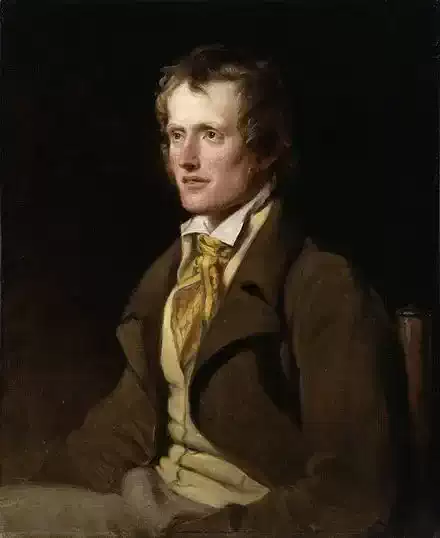
John Clare
Little Trotty Wagtail
Little Trotty Wagtail
Little trotty wagtail he went in the rain,
And tittering, tottering sideways he neer got straight again,
He stooped to get a worm, and looked up to get a fly,
And then he flew away ere his feathers they were dry.
Little trotty wagtail, he waddled in the mud,
And left his little footmarks, trample where he would.
He waddled in the water-pudge, and waggle went his tail,
And chirrupt up his wings to dry upon the garden rail.
Little trotty wagtail, you nimble all about,
And in the dimpling water-pudge you waddle in and out;
Your home is nigh at hand, and in the warm pig-stye,
So, little Master Wagtail, I'll bid you a good-bye.
Little trotty wagtail he went in the rain,
And tittering, tottering sideways he neer got straight again,
He stooped to get a worm, and looked up to get a fly,
And then he flew away ere his feathers they were dry.
Little trotty wagtail, he waddled in the mud,
And left his little footmarks, trample where he would.
He waddled in the water-pudge, and waggle went his tail,
And chirrupt up his wings to dry upon the garden rail.
Little trotty wagtail, you nimble all about,
And in the dimpling water-pudge you waddle in and out;
Your home is nigh at hand, and in the warm pig-stye,
So, little Master Wagtail, I'll bid you a good-bye.
375