

Poems in this topic
Longing and Absence
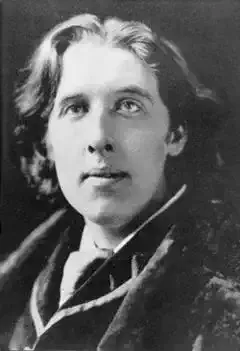
Oscar Wilde
Quia Multum Amavi
Quia Multum Amavi
DEAR Heart I think the young impassioned priest
When first he takes from out the hidden shrine
His God imprisoned in the Eucharist,
And eats the bread, and drinks the dreadful wine,
Feels not such awful wonder as I felt
When first my smitten eyes beat full on thee,
And all night long before thy feet I knelt
Till thou wert wearied of Idolatry.
Ah! had'st thou liked me less and loved me more,
Through all those summer days of joy and rain,
I had not now been sorrow's heritor,
Or stood a lackey in the House of Pain.
Yet, though remorse, youth's white-faced seneschal
Tread on my heels with all his retinue,
I am most glad I loved thee--think of all
The suns that go to make one speedwell blue!
DEAR Heart I think the young impassioned priest
When first he takes from out the hidden shrine
His God imprisoned in the Eucharist,
And eats the bread, and drinks the dreadful wine,
Feels not such awful wonder as I felt
When first my smitten eyes beat full on thee,
And all night long before thy feet I knelt
Till thou wert wearied of Idolatry.
Ah! had'st thou liked me less and loved me more,
Through all those summer days of joy and rain,
I had not now been sorrow's heritor,
Or stood a lackey in the House of Pain.
Yet, though remorse, youth's white-faced seneschal
Tread on my heels with all his retinue,
I am most glad I loved thee--think of all
The suns that go to make one speedwell blue!
240
Oscar Wilde
In The Forest
In The Forest
Out of the mid-wood's twilight
Into the meadow's dawn,
Ivory limbed and brown-eyed,
Flashes my Faun!
He skips through the copses singing,
And his shadow dances along,
And I know not which I should follow,
Shadow or song!
O Hunter, snare me his shadow!
O Nightingale, catch me his strain!
Else moonstruck with music and madness
I track him in vain!
Out of the mid-wood's twilight
Into the meadow's dawn,
Ivory limbed and brown-eyed,
Flashes my Faun!
He skips through the copses singing,
And his shadow dances along,
And I know not which I should follow,
Shadow or song!
O Hunter, snare me his shadow!
O Nightingale, catch me his strain!
Else moonstruck with music and madness
I track him in vain!
198
Oscar Wilde
Endymion
Endymion
THE apple trees are hung with gold,
And birds are loud in Arcady,
The sheep lie bleating in the fold,
The wild goat runs across the wold,
But yesterday his love he told,
I know he will come back to me.
O rising moon! O Lady moon!
Be you my lover's sentinel,
You cannot choose but know him well,
For he is shod with purple shoon,
You cannot choose but know my love,
For he a shepherd's crook doth bear,
And he is soft as any dove,
And brown and curly is his hair.
The turtle now has ceased to call
Upon her crimson-footed groom,
The grey wolf prowls about the stall,
The lily's singing seneschal
Sleeps in the lily-bell, and all
The violet hills are lost in gloom.
O risen moon! O holy moon!
Stand on the top of Helice,
And if my own true love you see,
Ah! if you see the purple shoon,
The hazel crook, the lad's brown hair,
The goat-skin wrapped about his arm,
Tell him that I am waiting where
The rushlight glimmers in the Farm.
The falling dew is cold and chill,
And no bird sings in Arcady,
The little fauns have left the hill,
Even the tired daffodil
Has closed its gilded doors, and still
My lover comes not back to me.
False moon! False moon! O waning moon!
Where is my own true lover gone,
Where are the lips vermilion,
The shepherd's crook, the purple shoon?
Why spread that silver pavilion,
Why wear that veil of drifting mist?
Ah! thou hast young Endymion,
Thou hast the lips that should be kissed!
THE apple trees are hung with gold,
And birds are loud in Arcady,
The sheep lie bleating in the fold,
The wild goat runs across the wold,
But yesterday his love he told,
I know he will come back to me.
O rising moon! O Lady moon!
Be you my lover's sentinel,
You cannot choose but know him well,
For he is shod with purple shoon,
You cannot choose but know my love,
For he a shepherd's crook doth bear,
And he is soft as any dove,
And brown and curly is his hair.
The turtle now has ceased to call
Upon her crimson-footed groom,
The grey wolf prowls about the stall,
The lily's singing seneschal
Sleeps in the lily-bell, and all
The violet hills are lost in gloom.
O risen moon! O holy moon!
Stand on the top of Helice,
And if my own true love you see,
Ah! if you see the purple shoon,
The hazel crook, the lad's brown hair,
The goat-skin wrapped about his arm,
Tell him that I am waiting where
The rushlight glimmers in the Farm.
The falling dew is cold and chill,
And no bird sings in Arcady,
The little fauns have left the hill,
Even the tired daffodil
Has closed its gilded doors, and still
My lover comes not back to me.
False moon! False moon! O waning moon!
Where is my own true lover gone,
Where are the lips vermilion,
The shepherd's crook, the purple shoon?
Why spread that silver pavilion,
Why wear that veil of drifting mist?
Ah! thou hast young Endymion,
Thou hast the lips that should be kissed!
227
Oscar Wilde
By The Arno
By The Arno
THE oleander on the wall
Grows crimson in the dawning light,
Though the grey shadows of the night
Lie yet on Florence like a pall.
The dew is bright upon the hill,
And bright the blossoms overhead,
But ah! the grasshoppers have fled,
The little Attic song is still.
Only the leaves are gently stirred
By the soft breathing of the gale,
And in the almond-scented vale
The lonely nightingale is heard.
The day will make thee silent soon,
O nightingale sing on for love!
While yet upon the shadowy grove
Splinter the arrows of the moon.
Before across the silent lawn
In sea-green mist the morning steals,
And to love's frightened eyes reveals
The long white fingers of the dawn
Fast climbing up the eastern sky
To grasp and slay the shuddering night,
All careless of my heart's delight,
Or if the nightingale should die.
THE oleander on the wall
Grows crimson in the dawning light,
Though the grey shadows of the night
Lie yet on Florence like a pall.
The dew is bright upon the hill,
And bright the blossoms overhead,
But ah! the grasshoppers have fled,
The little Attic song is still.
Only the leaves are gently stirred
By the soft breathing of the gale,
And in the almond-scented vale
The lonely nightingale is heard.
The day will make thee silent soon,
O nightingale sing on for love!
While yet upon the shadowy grove
Splinter the arrows of the moon.
Before across the silent lawn
In sea-green mist the morning steals,
And to love's frightened eyes reveals
The long white fingers of the dawn
Fast climbing up the eastern sky
To grasp and slay the shuddering night,
All careless of my heart's delight,
Or if the nightingale should die.
239
Oscar Wilde
At Verona
At Verona
HOW steep the stairs within Kings' houses are
For exile-wearied feet as mine to tread,
And O how salt and bitter is the bread
Which falls from this Hound's table,--better far
That I had died in the red ways of war,
Or that the gate of Florence bare my head,
Than to live thus, by all things comraded
Which seek the essence of my soul to mar.
'Curse God and die: what better hope than this?
He hath forgotten thee in all the bliss
Of his gold city, and eternal day'--
Nay peace: behind my prison's blinded bars
I do possess what none can take away,
My love, and all the glory of the stars.
HOW steep the stairs within Kings' houses are
For exile-wearied feet as mine to tread,
And O how salt and bitter is the bread
Which falls from this Hound's table,--better far
That I had died in the red ways of war,
Or that the gate of Florence bare my head,
Than to live thus, by all things comraded
Which seek the essence of my soul to mar.
'Curse God and die: what better hope than this?
He hath forgotten thee in all the bliss
Of his gold city, and eternal day'--
Nay peace: behind my prison's blinded bars
I do possess what none can take away,
My love, and all the glory of the stars.
255

Ogden Nash
Tin Wedding Whistle
Tin Wedding Whistle
Though you know it anyhow
Listen to me, darling, now,
Though you know it anyhow
Listen to me, darling, now,
319
Ogden Nash
The Shrimp
The Shrimp
A shrimp who sought his lady shrimp
Could catch no glimpse
Not even a glimp.
At times, translucence
Is rather a nuisance.
A shrimp who sought his lady shrimp
Could catch no glimpse
Not even a glimp.
At times, translucence
Is rather a nuisance.
281

Nazim Hikmet
Some Advice To Those Who Will Serve Time In Prison
Some Advice To Those Who Will Serve Time In Prison
If instead of being hanged by the neck
you're thrown inside
for not giving up hope
in the world, your country, your people,
if you do ten or fifteen years
apart from the time you have left,
you won't say,
"Better I had swung from the end of a rope
like a flag" --
You'll put your foot down and live.
It may not be a pleasure exactly,
but it's your solemn duty
to live one more day
to spite the enemy.
Part of you may live alone inside,
like a tone at the bottom of a well.
But the other part
must be so caught up
in the flurry of the world
that you shiver there inside
when outside, at forty days' distance, a leaf moves.
To wait for letters inside,
to sing sad songs,
or to lie awake all night staring at the ceiling
is sweet but dangerous.
Look at your face from shave to shave,
forget your age,
watch out for lice
and for spring nights,
and always remember
to eat every last piece of bread--
also, don't forget to laugh heartily.
And who knows,
the woman you love may stop loving you.
Don't say it's no big thing:
it's like the snapping of a green branch
to the man inside.
To think of roses and gardens inside is bad,
to think of seas and mountains is good.
Read and write without rest,
and I also advise weaving
and making mirrors.
I mean, it's not that you can't pass
ten or fifteen years inside
and more --
you can,
as long as the jewel
on the left side of your chest doesn't lose it's luster!
May
Trans. by Randy Blasing and Mutlu Konuk ()
If instead of being hanged by the neck
you're thrown inside
for not giving up hope
in the world, your country, your people,
if you do ten or fifteen years
apart from the time you have left,
you won't say,
"Better I had swung from the end of a rope
like a flag" --
You'll put your foot down and live.
It may not be a pleasure exactly,
but it's your solemn duty
to live one more day
to spite the enemy.
Part of you may live alone inside,
like a tone at the bottom of a well.
But the other part
must be so caught up
in the flurry of the world
that you shiver there inside
when outside, at forty days' distance, a leaf moves.
To wait for letters inside,
to sing sad songs,
or to lie awake all night staring at the ceiling
is sweet but dangerous.
Look at your face from shave to shave,
forget your age,
watch out for lice
and for spring nights,
and always remember
to eat every last piece of bread--
also, don't forget to laugh heartily.
And who knows,
the woman you love may stop loving you.
Don't say it's no big thing:
it's like the snapping of a green branch
to the man inside.
To think of roses and gardens inside is bad,
to think of seas and mountains is good.
Read and write without rest,
and I also advise weaving
and making mirrors.
I mean, it's not that you can't pass
ten or fifteen years inside
and more --
you can,
as long as the jewel
on the left side of your chest doesn't lose it's luster!
May
Trans. by Randy Blasing and Mutlu Konuk ()
354
Nazim Hikmet
Letters From A Man In Solitary
Letters From A Man In Solitary
I carved your name on my watchband
with my fingernail.
Where I am, you know,
I don't have a pearl-handled jackknife
(they won't give me anything sharp)
or a plane tree with its head in the clouds.
Trees may grow in the yard,
but I'm not allowed
to see the sky overhead...
How many others are in this place?
I don't know.
I'm alone far from them,
they're all together far from me.
To talk anyone besides myself
is forbidden.
So I talk to myself.
But I find my conversation so boring,
my dear wife, that I sing songs.
And what do you know,
that awful, always off-key voice of mine
touches me so
that my heart breaks.
And just like the barefoot orphan
lost in the snow
in those old sad stories, my heart
-- with moist blue eyes
and a little red runny rose --
wants to snuggle up in your arms.
It doesn't make me blush
that right now
I'm this weak,
this selfish,
this human simply.
No doubt my state can be explained
physiologically, psychologically, etc.
Or maybe it's
this barred window,
this earthen jug,
these four walls,
which for months have kept me from hearing
another human voice.
It's five o'clock, my dear.
Outside,
with its dryness,
eerie whispers,
mud roof,
and lame, skinny horse
standing motionless in infinity
-- I mean, it's enough to drive the man inside crazy with grief --
outside, with all its machinery and all its art,
a plains night comes down red on treeless space.
Again today, night will fall in no time.
A light will circle the lame, skinny horse.
And the treeless space, in this hopeless landscape
stretched out before me like the body of a hard man,
will suddenly be filled with stars.
We'll reach the inevitable end once more,
which is to say the stage is set
again today for an elaborate nostalgia.
Me,
the man inside,
once more I'll exhibit my customary talent,
and singing an old-fashioned lament
in the reedy voice of my childhood,
once more, by God, it will crush my unhappy heart
to hear you inside my head,
so far
away, as if I were watching you
in a smoky, broken mirror...
It's spring outside, my dear wife, spring.
Outside on the plain, suddenly the smell
of fresh earth, birds singing, etc.
It's spring, my dear wife,
the plain outside sparkles...
And inside the bed comes alive with bugs,
the water jug no longer freezes,
and in the morning sun floods the concrete...
The sun--
every day till noon now
it comes and goes
from me, flashing off
and on...
And as the day turns to afternoon, shadows climb the walls,
the glass of the barred window catches fire,
and it's night outside,
a cloudless spring night...
And inside this is spring's darkest hour.
In short, the demon called freedom,
with its glittering scales and fiery eyes,
possesses the man inside
especially in spring...
I know this from experience, my dear wife,
from experience...
Sunday today.
Today they took me out in the sun for the first time.
And I just stood there, struck for the first time in my life
by how far away the sky is,
how blue
and how wide.
Then I respectfully sat down on the earth.
I leaned back against the wall.
For a moment no trap to fall into,
no struggle, no freedom, no wife.
Only earth, sun, and me...
I am happy.
Trans. by Randy Blasing and Mutlu Konuk ()
I carved your name on my watchband
with my fingernail.
Where I am, you know,
I don't have a pearl-handled jackknife
(they won't give me anything sharp)
or a plane tree with its head in the clouds.
Trees may grow in the yard,
but I'm not allowed
to see the sky overhead...
How many others are in this place?
I don't know.
I'm alone far from them,
they're all together far from me.
To talk anyone besides myself
is forbidden.
So I talk to myself.
But I find my conversation so boring,
my dear wife, that I sing songs.
And what do you know,
that awful, always off-key voice of mine
touches me so
that my heart breaks.
And just like the barefoot orphan
lost in the snow
in those old sad stories, my heart
-- with moist blue eyes
and a little red runny rose --
wants to snuggle up in your arms.
It doesn't make me blush
that right now
I'm this weak,
this selfish,
this human simply.
No doubt my state can be explained
physiologically, psychologically, etc.
Or maybe it's
this barred window,
this earthen jug,
these four walls,
which for months have kept me from hearing
another human voice.
It's five o'clock, my dear.
Outside,
with its dryness,
eerie whispers,
mud roof,
and lame, skinny horse
standing motionless in infinity
-- I mean, it's enough to drive the man inside crazy with grief --
outside, with all its machinery and all its art,
a plains night comes down red on treeless space.
Again today, night will fall in no time.
A light will circle the lame, skinny horse.
And the treeless space, in this hopeless landscape
stretched out before me like the body of a hard man,
will suddenly be filled with stars.
We'll reach the inevitable end once more,
which is to say the stage is set
again today for an elaborate nostalgia.
Me,
the man inside,
once more I'll exhibit my customary talent,
and singing an old-fashioned lament
in the reedy voice of my childhood,
once more, by God, it will crush my unhappy heart
to hear you inside my head,
so far
away, as if I were watching you
in a smoky, broken mirror...
It's spring outside, my dear wife, spring.
Outside on the plain, suddenly the smell
of fresh earth, birds singing, etc.
It's spring, my dear wife,
the plain outside sparkles...
And inside the bed comes alive with bugs,
the water jug no longer freezes,
and in the morning sun floods the concrete...
The sun--
every day till noon now
it comes and goes
from me, flashing off
and on...
And as the day turns to afternoon, shadows climb the walls,
the glass of the barred window catches fire,
and it's night outside,
a cloudless spring night...
And inside this is spring's darkest hour.
In short, the demon called freedom,
with its glittering scales and fiery eyes,
possesses the man inside
especially in spring...
I know this from experience, my dear wife,
from experience...
Sunday today.
Today they took me out in the sun for the first time.
And I just stood there, struck for the first time in my life
by how far away the sky is,
how blue
and how wide.
Then I respectfully sat down on the earth.
I leaned back against the wall.
For a moment no trap to fall into,
no struggle, no freedom, no wife.
Only earth, sun, and me...
I am happy.
Trans. by Randy Blasing and Mutlu Konuk ()
361
Nazim Hikmet
Hymn To Life
Hymn To Life
The hair falling on your forehead
suddenly lifted.
Suddenly something stirred on the ground.
The trees are whispering
in the dark.
Your bare arms will be cold.
Far off
where we can't see,
the moon must be rising.
It hasn't reached us yet,
slipping through the leaves
to light up your shoulder.
But I know
a wind comes up with the moon.
The trees are whispering.
Your bare arms will be cold.
From above,
from the branches lost in the dark,
something dropped at your feet.
You moved closer to me.
Under my hand your bare flesh is like the fuzzy skin of a fruit.
Neither a song of the heart nor "common sense"--
before the trees, birds, and insects,
my hand on my wife's flesh
is thinking.
Tonight my hand
can't read or write.
Neither loving nor unloving...
It's the tongue of a leopard at a spring,
a grape leaf,
a wolf's paw.
To move, breathe, eat, drink.
My hand is like a seed
splitting open underground.
Neither a song of the heart nor "common sense,"
neither loving nor unloving.
My hand thinking on my wife's flesh
is the hand of the first man.
Like a root that finds water underground,
it says to me:
"To eat, drink, cold, hot, struggle, smell, color--
not to live in order to die
but to die to live..."
And now
as red female hair blows across my face,
as something stirs on the ground,
as the trees whisper in the dark,
and as the moon rises far off
where we can't see,
my hand on my wife's flesh
before the trees, birds, and insects,
I want the right of life,
of the leopard at the spring, of the seed splitting open--
I want the right of the first man.
Trans. by Randy Blasing and Mutlu Konuk ()
The hair falling on your forehead
suddenly lifted.
Suddenly something stirred on the ground.
The trees are whispering
in the dark.
Your bare arms will be cold.
Far off
where we can't see,
the moon must be rising.
It hasn't reached us yet,
slipping through the leaves
to light up your shoulder.
But I know
a wind comes up with the moon.
The trees are whispering.
Your bare arms will be cold.
From above,
from the branches lost in the dark,
something dropped at your feet.
You moved closer to me.
Under my hand your bare flesh is like the fuzzy skin of a fruit.
Neither a song of the heart nor "common sense"--
before the trees, birds, and insects,
my hand on my wife's flesh
is thinking.
Tonight my hand
can't read or write.
Neither loving nor unloving...
It's the tongue of a leopard at a spring,
a grape leaf,
a wolf's paw.
To move, breathe, eat, drink.
My hand is like a seed
splitting open underground.
Neither a song of the heart nor "common sense,"
neither loving nor unloving.
My hand thinking on my wife's flesh
is the hand of the first man.
Like a root that finds water underground,
it says to me:
"To eat, drink, cold, hot, struggle, smell, color--
not to live in order to die
but to die to live..."
And now
as red female hair blows across my face,
as something stirs on the ground,
as the trees whisper in the dark,
and as the moon rises far off
where we can't see,
my hand on my wife's flesh
before the trees, birds, and insects,
I want the right of life,
of the leopard at the spring, of the seed splitting open--
I want the right of the first man.
Trans. by Randy Blasing and Mutlu Konuk ()
358
Nazim Hikmet
Angina Pectoris
Angina Pectoris
If half my heart is here, doctor,
the other half is in China
with the army flowing
toward the Yellow River.
And, every morning, doctor,
every morning at sunrise my heart
is shot in Greece.
And every night,c doctor,
when the prisoners are asleep and the infirmary is deserted,
my heart stops at a run-down old house
in Istanbul.
And then after ten years
all i have to offer my poor people
is this apple in my hand, doctor,
one read apple:
my heart.
And that, doctor, that is the reason
for this angina pectoris--
not nicotine, prison, or arteriosclerosis.
I look at the night through the bars,
and despite the weight on my chest
my heart still beats with the most distant stars.
Trans. by Randy Blasing and Mutlu Konuk ()
If half my heart is here, doctor,
the other half is in China
with the army flowing
toward the Yellow River.
And, every morning, doctor,
every morning at sunrise my heart
is shot in Greece.
And every night,c doctor,
when the prisoners are asleep and the infirmary is deserted,
my heart stops at a run-down old house
in Istanbul.
And then after ten years
all i have to offer my poor people
is this apple in my hand, doctor,
one read apple:
my heart.
And that, doctor, that is the reason
for this angina pectoris--
not nicotine, prison, or arteriosclerosis.
I look at the night through the bars,
and despite the weight on my chest
my heart still beats with the most distant stars.
Trans. by Randy Blasing and Mutlu Konuk ()
409

Mirza Ghalib
No Hope
No Hope
I am left with no hope at all,
No possibility to reach my goal,
The Day of my death is fixed,
I am so very anxious that I can not sleep all night.
Though I know the reward of obedience and worship,
But I have no tendency for it.
I am silent for a certain reason,
Otherwise I can convince you with my words,
Why I shouldn't cry,
For when I don't, she asks about me,
My heart is burning, though you cannot see the spot,
But O my doctor, can't you smell my heart burn?
I have reached to a certain state,
From where even I cannot find myself.
I am dying (Waiting anxiously) for my death,
I don't know where the hell my death has gone.
With what face you will go to Ka'ba, O! Ghalib,
You should be ashamed of yourself while thinking to go there.
I am left with no hope at all,
No possibility to reach my goal,
The Day of my death is fixed,
I am so very anxious that I can not sleep all night.
Though I know the reward of obedience and worship,
But I have no tendency for it.
I am silent for a certain reason,
Otherwise I can convince you with my words,
Why I shouldn't cry,
For when I don't, she asks about me,
My heart is burning, though you cannot see the spot,
But O my doctor, can't you smell my heart burn?
I have reached to a certain state,
From where even I cannot find myself.
I am dying (Waiting anxiously) for my death,
I don't know where the hell my death has gone.
With what face you will go to Ka'ba, O! Ghalib,
You should be ashamed of yourself while thinking to go there.
345
Mirza Ghalib
Pain did not become grateful to medicine
Pain did not become grateful to medicine
Pain did not become grateful to medicine
I didn't get well; [but it] wasn't bad either
Why are you gathering the Rivals?
[It was just] a mere spectacle [that] took place, no complaint was made
Where would we go to test our fate/ destiny?
When you yourself did not put your dagger to test
How sweet are your lips, that the rival
[after] receiving abuse, did not lack pleasure
Recent/ hot news is that she is coming
Only today, in the house there was not a straw mat!
Does the divinity belonged to Namrood'?
[cause] in your servitude, my wellbeing did not happen
[God] gave life- the given [life] was His alone
The truth is; that the responsibility was not fulfilled [by us]
If the wound was pressed, the blood did not stop
[though] the task was halted, [but the bleeding still] set out
Is it highway robbery, or is it heart-theft?
Having taken the heart, the heart-thief set out [to depart]
Recite something, for people are saying
Today "Ghalib" was not a ghazal-reciter
Pain did not become grateful to medicine
I didn't get well; [but it] wasn't bad either
Why are you gathering the Rivals?
[It was just] a mere spectacle [that] took place, no complaint was made
Where would we go to test our fate/ destiny?
When you yourself did not put your dagger to test
How sweet are your lips, that the rival
[after] receiving abuse, did not lack pleasure
Recent/ hot news is that she is coming
Only today, in the house there was not a straw mat!
Does the divinity belonged to Namrood'?
[cause] in your servitude, my wellbeing did not happen
[God] gave life- the given [life] was His alone
The truth is; that the responsibility was not fulfilled [by us]
If the wound was pressed, the blood did not stop
[though] the task was halted, [but the bleeding still] set out
Is it highway robbery, or is it heart-theft?
Having taken the heart, the heart-thief set out [to depart]
Recite something, for people are saying
Today "Ghalib" was not a ghazal-reciter
318
Mirza Ghalib
In Her Every Indication
In Her Every Indication
Although in her every indication, the aim is something else
If she shows her affection(with me) , then different suspicion arises
Oh Lord, 'they' have not understood, nor will [they] understand, my speech
Give 'them' another heart, if you don't give me a different tongue
Does that glance of coquetry have a connection with the eyebrow?
It is certainly an arrow- perhaps it has a different bow
If you're in the city, then what grief do I have? when we get up
I will go and bring back from the bazaar a different heart and life
Although [I /we] became quick-handed / deft in idol-breaking
If I am alive, then in my path there will be many heavy-stones
The blood of the liver is in turmoil—or I would have wept to my heart's content
If I had had a number of different pure-blood-scattering eyes
I will die [of love] for that voice, although my head may fly off!
But let her keep saying to the executioner,'Yes, more/another! '
People are deceived about the world-{heating/burning} sun
Every day I show one different hidden scar/wound
There are many good poets in this world.
But it is said that Ghalib is in a league of his own.
Although in her every indication, the aim is something else
If she shows her affection(with me) , then different suspicion arises
Oh Lord, 'they' have not understood, nor will [they] understand, my speech
Give 'them' another heart, if you don't give me a different tongue
Does that glance of coquetry have a connection with the eyebrow?
It is certainly an arrow- perhaps it has a different bow
If you're in the city, then what grief do I have? when we get up
I will go and bring back from the bazaar a different heart and life
Although [I /we] became quick-handed / deft in idol-breaking
If I am alive, then in my path there will be many heavy-stones
The blood of the liver is in turmoil—or I would have wept to my heart's content
If I had had a number of different pure-blood-scattering eyes
I will die [of love] for that voice, although my head may fly off!
But let her keep saying to the executioner,'Yes, more/another! '
People are deceived about the world-{heating/burning} sun
Every day I show one different hidden scar/wound
There are many good poets in this world.
But it is said that Ghalib is in a league of his own.
321
Mirza Ghalib
A Thousand Desires
A Thousand Desires
Thousands of desires, each worth dying for...
Many of them I have realized...yet I yearn for more...
Why should my killer (lover) be afraid? No one will hold her responsible
For the blood which will continuously flow through my eyes all my life
We have heard about the dismissal of Adam from Heaven,
With a more humiliation, I am leaving the street on which you live...
Oh tyrant, your true personality will be known to all
If the curls of my hair slip through my turban!
But if someone wants to write her a letter, they can ask me,
Every morning I leave my house with my pen on my ear.
In that age, I turned to drinking (alcohol)
And then the time came when my entire world was occupied by alcohol
From whom I expected justice/praise for my weakness
Turned out to be more injured with the same cruel sword
When in love, there is little difference between life and death
We live by looking at the infidel who we are willing to die for
Put some pressure on your heart to remove that cruel arrow,
For if the arrow comes out, so will your heart...and your life.
For god's sake, don't lift the cover off any secrets you tyrant
The infidel might turn out to be my lover!
The preacher and the bar's entrance are way apart
Yet I saw him entering the bar as I was leaving!
Thousands of desires, each worth dying for...
>Many of them I have realized...yet I yearn for more
Thousands of desires, each worth dying for...
Many of them I have realized...yet I yearn for more...
Why should my killer (lover) be afraid? No one will hold her responsible
For the blood which will continuously flow through my eyes all my life
We have heard about the dismissal of Adam from Heaven,
With a more humiliation, I am leaving the street on which you live...
Oh tyrant, your true personality will be known to all
If the curls of my hair slip through my turban!
But if someone wants to write her a letter, they can ask me,
Every morning I leave my house with my pen on my ear.
In that age, I turned to drinking (alcohol)
And then the time came when my entire world was occupied by alcohol
From whom I expected justice/praise for my weakness
Turned out to be more injured with the same cruel sword
When in love, there is little difference between life and death
We live by looking at the infidel who we are willing to die for
Put some pressure on your heart to remove that cruel arrow,
For if the arrow comes out, so will your heart...and your life.
For god's sake, don't lift the cover off any secrets you tyrant
The infidel might turn out to be my lover!
The preacher and the bar's entrance are way apart
Yet I saw him entering the bar as I was leaving!
Thousands of desires, each worth dying for...
>Many of them I have realized...yet I yearn for more
424
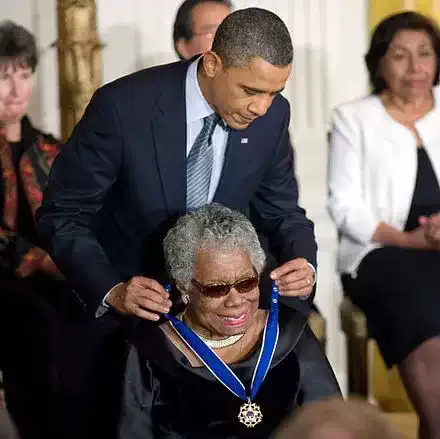
Maya Angelou
When You Come
When You Come
When you come to me, unbidden,
Beckoning me
To long-ago rooms,
Where memories lie.
Offering me, as to a child, an attic,
Gatherings of days too few.
Baubles of stolen kisses.
Trinkets of borrowed loves.
Trunks of secret words,
I CRY.
When you come to me, unbidden,
Beckoning me
To long-ago rooms,
Where memories lie.
Offering me, as to a child, an attic,
Gatherings of days too few.
Baubles of stolen kisses.
Trinkets of borrowed loves.
Trunks of secret words,
I CRY.
159

Mao Tsé-Tung
Reply to a Friend
Reply to a Friend
White clouds are sailing above Mount Chiuyi;
Riding the wind, the Princesses descend the green hills.
Once they speckled the bamboos with their profuse tears,
Now they are robed in rose-red clouds.
Tungting Lake's snow-topped waves surge skyward;
The long isle reverberates with earth-shaking song.
And I am lost in dreams, untrammelled dreams
Of the land of hibiscus glowing in the morning sun.
White clouds are sailing above Mount Chiuyi;
Riding the wind, the Princesses descend the green hills.
Once they speckled the bamboos with their profuse tears,
Now they are robed in rose-red clouds.
Tungting Lake's snow-topped waves surge skyward;
The long isle reverberates with earth-shaking song.
And I am lost in dreams, untrammelled dreams
Of the land of hibiscus glowing in the morning sun.
222
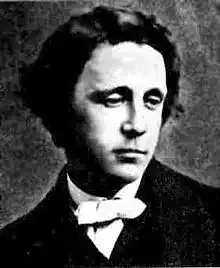
Lewis Carroll
The Lang Coortin'
The Lang Coortin'
The ladye she stood at her lattice high,
Wi' her doggie at her feet;
Thorough the lattice she can spy
The passers in the street,
'There's one that standeth at the door,
And tirleth at the pin:
Now speak and say, my popinjay,
If I sall let him in.'
Then up and spake the popinjay
That flew abune her head:
'Gae let him in that tirls the pin:
He cometh thee to wed.'
O when he cam' the parlour in,
A woeful man was he!
'And dinna ye ken your lover agen,
Sae well that loveth thee?'
'And how wad I ken ye loved me, Sir,
That have been sae lang away?
And how wad I ken ye loved me, Sir?
Ye never telled me sae.'
Said '
Ladye dear,' and the salt, salt tear
Cam' rinnin' doon his cheek,
'I have sent the tokens of my love
This many and many a week.
'O didna ye get the rings, Ladye,
The rings o' the gowd sae fine?
I wot that I have sent to thee
Four score, four score and nine.'
'They cam' to me,' said that fair ladye.
'Wow, they were flimsie things!'
Said '
that chain o' gowd, my doggie to howd,
It is made o' thae selfsame
rings.'
'And didna ye get the locks, the locks,
The locks o' my ain black hair,
Whilk I sent by post, whilk I sent by box,
Whilk I sent by the carrier?'
'They cam' to me,' said that fair ladye;
'And I prithee send nae mair!'
Said '
that cushion sae red, for my doggie's head,
It is stuffed wi' thae locks o' hair.'
'And didna ye get the letter, Ladye,
Tied wi' a silken string,
Whilk I sent to thee frae the far countrie,
A message of love to bring?'
'It cam' to me frae the far countrie
Wi' its silken string and a';
But it wasna prepaid,' said that highborn
maid,
'Sae I gar'd them tak' it awa'.'
'O ever alack that ye sent it back,
It was written sae clerkly and well!
Now the message it brought, and the boon that it sought,
I must even say it mysel'.'
Then up and spake the popinjay,
Sae wisely counselled he.
'Now say it in the proper way:
Gae doon upon thy knee!'
The lover he turned baith red and pale,
Went doon upon his knee:
'O Ladye, hear the waesome tale
That must be told to thee!
'For five lang years, and five lang years,
I coorted thee by looks;
By nods and winks, by smiles and tears,
As I had read in books.
'For ten lang years, O weary hours!
I coorted thee by signs;
By sending game, by sending flowers,
By sending Valentines.
'For five lang years, and five lang years,
I have dwelt in the far countrie,
Till that thy mind should be inclined
Mair tenderly to me.
'Now thirty years are gane and past,
I am come frae a foreign land:
I am come to tell thee my love at last O
Ladye, gie me thy hand!'
The ladye she turned not pale nor red,
But she smiled a pitiful smile:
'Sic' a coortin' as yours, my man,' she said
'Takes a lang and a weary while!'
And out and laughed the popinjay,
A laugh of bitter scorn:
'A coortin' done in sic' a way,
It ought not to be borne!'
Wi' that the doggie barked aloud,
And up and doon he ran,
And tugged and strained his chain o' gowd,
All for to bite the man.
'O hush thee, gentle popinjay!
O hush thee, doggie dear!
There is a word I fain wad say,
It needeth he should hear!'
Aye louder screamed that ladye fair
To drown her doggie's bark:
Ever the lover shouted mair
To make that ladye hark:
Shrill and more shrill the popinjay
Upraised his angry squall:
I trow the doggie's voice that day
Was louder than them all!
The servingmen
and servingmaids
Sat by the kitchen fire:
They heard sic' a din the parlour within
As made them much admire.
Out spake the boy in buttons
(I ween he wasna thin),
'Now wha will tae the parlour gae,
And stay this deadlie din?'
And they have taen a kerchief,
Casted their kevils in,
For wha will tae the parlour gae,
And stay that deadlie din.
When on that boy the kevil fell
To stay the fearsome noise,
'Gae in,' they cried, 'whate'er betide,
Thou prince of buttonboys!'
Syne, he has taen a supple cane
To swinge that dog sae fat:
The doggie yowled, the doggie howled
The louder aye for that.
Syne, he has taen a muttonbane
The
doggie ceased his noise,
And followed doon the kitchen stair
That prince of buttonboys!
Then sadly spake that ladye fair,
Wi' a frown upon her brow:
'O dearer to me is my sma' doggie
Than a dozen sic' as thou!
'Nae use, nae use for sighs and tears:
Nae use at all to fret:
Sin' ye've bided sae well for thirty years,
Ye may bide a wee langer yet!'
Sadly, sadly he crossed the floor
And tirled at the pin:
Sadly went he through the door
Where sadly he cam' in.
'O gin I had a popinjay
To fly abune my head,
To tell me what I ought to say,
I had by this been wed.
'O gin I find anither ladye,'
He said wi' sighs and tears,
'I wot my coortin' sall not be
Anither thirty years
'For gin I find a ladye gay,
Exactly to my taste,
I'll pop the question, aye or nay,
In twenty years at maist.'
The ladye she stood at her lattice high,
Wi' her doggie at her feet;
Thorough the lattice she can spy
The passers in the street,
'There's one that standeth at the door,
And tirleth at the pin:
Now speak and say, my popinjay,
If I sall let him in.'
Then up and spake the popinjay
That flew abune her head:
'Gae let him in that tirls the pin:
He cometh thee to wed.'
O when he cam' the parlour in,
A woeful man was he!
'And dinna ye ken your lover agen,
Sae well that loveth thee?'
'And how wad I ken ye loved me, Sir,
That have been sae lang away?
And how wad I ken ye loved me, Sir?
Ye never telled me sae.'
Said '
Ladye dear,' and the salt, salt tear
Cam' rinnin' doon his cheek,
'I have sent the tokens of my love
This many and many a week.
'O didna ye get the rings, Ladye,
The rings o' the gowd sae fine?
I wot that I have sent to thee
Four score, four score and nine.'
'They cam' to me,' said that fair ladye.
'Wow, they were flimsie things!'
Said '
that chain o' gowd, my doggie to howd,
It is made o' thae selfsame
rings.'
'And didna ye get the locks, the locks,
The locks o' my ain black hair,
Whilk I sent by post, whilk I sent by box,
Whilk I sent by the carrier?'
'They cam' to me,' said that fair ladye;
'And I prithee send nae mair!'
Said '
that cushion sae red, for my doggie's head,
It is stuffed wi' thae locks o' hair.'
'And didna ye get the letter, Ladye,
Tied wi' a silken string,
Whilk I sent to thee frae the far countrie,
A message of love to bring?'
'It cam' to me frae the far countrie
Wi' its silken string and a';
But it wasna prepaid,' said that highborn
maid,
'Sae I gar'd them tak' it awa'.'
'O ever alack that ye sent it back,
It was written sae clerkly and well!
Now the message it brought, and the boon that it sought,
I must even say it mysel'.'
Then up and spake the popinjay,
Sae wisely counselled he.
'Now say it in the proper way:
Gae doon upon thy knee!'
The lover he turned baith red and pale,
Went doon upon his knee:
'O Ladye, hear the waesome tale
That must be told to thee!
'For five lang years, and five lang years,
I coorted thee by looks;
By nods and winks, by smiles and tears,
As I had read in books.
'For ten lang years, O weary hours!
I coorted thee by signs;
By sending game, by sending flowers,
By sending Valentines.
'For five lang years, and five lang years,
I have dwelt in the far countrie,
Till that thy mind should be inclined
Mair tenderly to me.
'Now thirty years are gane and past,
I am come frae a foreign land:
I am come to tell thee my love at last O
Ladye, gie me thy hand!'
The ladye she turned not pale nor red,
But she smiled a pitiful smile:
'Sic' a coortin' as yours, my man,' she said
'Takes a lang and a weary while!'
And out and laughed the popinjay,
A laugh of bitter scorn:
'A coortin' done in sic' a way,
It ought not to be borne!'
Wi' that the doggie barked aloud,
And up and doon he ran,
And tugged and strained his chain o' gowd,
All for to bite the man.
'O hush thee, gentle popinjay!
O hush thee, doggie dear!
There is a word I fain wad say,
It needeth he should hear!'
Aye louder screamed that ladye fair
To drown her doggie's bark:
Ever the lover shouted mair
To make that ladye hark:
Shrill and more shrill the popinjay
Upraised his angry squall:
I trow the doggie's voice that day
Was louder than them all!
The servingmen
and servingmaids
Sat by the kitchen fire:
They heard sic' a din the parlour within
As made them much admire.
Out spake the boy in buttons
(I ween he wasna thin),
'Now wha will tae the parlour gae,
And stay this deadlie din?'
And they have taen a kerchief,
Casted their kevils in,
For wha will tae the parlour gae,
And stay that deadlie din.
When on that boy the kevil fell
To stay the fearsome noise,
'Gae in,' they cried, 'whate'er betide,
Thou prince of buttonboys!'
Syne, he has taen a supple cane
To swinge that dog sae fat:
The doggie yowled, the doggie howled
The louder aye for that.
Syne, he has taen a muttonbane
The
doggie ceased his noise,
And followed doon the kitchen stair
That prince of buttonboys!
Then sadly spake that ladye fair,
Wi' a frown upon her brow:
'O dearer to me is my sma' doggie
Than a dozen sic' as thou!
'Nae use, nae use for sighs and tears:
Nae use at all to fret:
Sin' ye've bided sae well for thirty years,
Ye may bide a wee langer yet!'
Sadly, sadly he crossed the floor
And tirled at the pin:
Sadly went he through the door
Where sadly he cam' in.
'O gin I had a popinjay
To fly abune my head,
To tell me what I ought to say,
I had by this been wed.
'O gin I find anither ladye,'
He said wi' sighs and tears,
'I wot my coortin' sall not be
Anither thirty years
'For gin I find a ladye gay,
Exactly to my taste,
I'll pop the question, aye or nay,
In twenty years at maist.'
189
Lewis Carroll
A Valentine
A Valentine
Sent to a friend who had complained that I was glad enough to see
him when he came, but didn't seem to miss him if he stayed away.
And cannot pleasures, while they last,
Be actual unless, when past,
They leave us shuddering and aghast,
With anguish smarting?
And cannot friends be firm and fast,
And yet bear parting?
And must I then, at Friendship's call,
Calmly resign the little all
(Trifling, I grant, it is and small)
I have of gladness,
And lend my being to the thrall
Of gloom and sadness?
And think you that I should be dumb,
And full DOLORUM OMNIUM,
Excepting when YOU choose to come
And share my dinner?
At other times be sour and glum
And daily thinner?
Must he then only live to weep,
Who'd prove his friendship true and deep
By day a lonely shadow creep,
At nighttime
languish,
Oft raising in his broken sleep
The moan of anguish?
The lover, if for certain days
His fair one be denied his gaze,
Sinks not in grief and wild amaze,
But, wiser wooer,
He spends the time in writing lays,
And posts them to her.
And if the verse flow free and fast,
Till even the poet is aghast,
A touching Valentine at last
The post shall carry,
When thirteen days are gone and past
Of February.
Farewell, dear friend, and when we meet,
In desert waste or crowded street,
Perhaps before this week shall fleet,
Perhaps tomorrow.
I trust to find YOUR heart the seat
Of wasting sorrow.
Sent to a friend who had complained that I was glad enough to see
him when he came, but didn't seem to miss him if he stayed away.
And cannot pleasures, while they last,
Be actual unless, when past,
They leave us shuddering and aghast,
With anguish smarting?
And cannot friends be firm and fast,
And yet bear parting?
And must I then, at Friendship's call,
Calmly resign the little all
(Trifling, I grant, it is and small)
I have of gladness,
And lend my being to the thrall
Of gloom and sadness?
And think you that I should be dumb,
And full DOLORUM OMNIUM,
Excepting when YOU choose to come
And share my dinner?
At other times be sour and glum
And daily thinner?
Must he then only live to weep,
Who'd prove his friendship true and deep
By day a lonely shadow creep,
At nighttime
languish,
Oft raising in his broken sleep
The moan of anguish?
The lover, if for certain days
His fair one be denied his gaze,
Sinks not in grief and wild amaze,
But, wiser wooer,
He spends the time in writing lays,
And posts them to her.
And if the verse flow free and fast,
Till even the poet is aghast,
A touching Valentine at last
The post shall carry,
When thirteen days are gone and past
Of February.
Farewell, dear friend, and when we meet,
In desert waste or crowded street,
Perhaps before this week shall fleet,
Perhaps tomorrow.
I trust to find YOUR heart the seat
Of wasting sorrow.
207
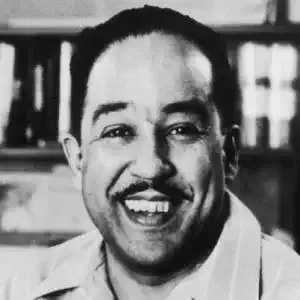
Langston Hughes
Trumpet Player
Trumpet Player
The Negro
With the trumpet at his lips
Has dark moons of weariness
Beneath his eyes
where the smoldering memory
of slave ships
Blazed to the crack of whips
about thighs
The negro
with the trumpet at his lips
has a head of vibrant hair
tamed down,
patent-leathered now
until it gleams
like jetwere
jet a crown
the music
from the trumpet at his lips
is honey
mixed with liquid fire
the rhythm
from the trumpet at his lips
is ecstasy
distilled from old desire-
Desire
that is longing for the moon
where the moonlight's but a spotlight
in his eyes,
desire
that is longing for the sea
where the sea's a bar-glass
sucker size
The Negro
with the trumpet at his lips
whose jacket
Has a fine one-button roll,
does not know
upon what riff the music slips
It's hypodermic needle
to his soul
but softly
as the tune comes from his throat
trouble
mellows to a golden note
The Negro
With the trumpet at his lips
Has dark moons of weariness
Beneath his eyes
where the smoldering memory
of slave ships
Blazed to the crack of whips
about thighs
The negro
with the trumpet at his lips
has a head of vibrant hair
tamed down,
patent-leathered now
until it gleams
like jetwere
jet a crown
the music
from the trumpet at his lips
is honey
mixed with liquid fire
the rhythm
from the trumpet at his lips
is ecstasy
distilled from old desire-
Desire
that is longing for the moon
where the moonlight's but a spotlight
in his eyes,
desire
that is longing for the sea
where the sea's a bar-glass
sucker size
The Negro
with the trumpet at his lips
whose jacket
Has a fine one-button roll,
does not know
upon what riff the music slips
It's hypodermic needle
to his soul
but softly
as the tune comes from his throat
trouble
mellows to a golden note
429
Langston Hughes
Bound No’th Blues
Bound No’th Blues
Goin’ down the road, Lawd,
Goin’ down the road.
Down the road, Lawd,
Way,way down the road.
Got to find somebody
To help me carry this load.
Road’s in front o’ me,
Nothin’ to do but walk.
Road’s in front of me,
Walk…an’ walk…an’ walk.
I’d like to meet a good friend
To come along an’ talk.
Hates to be lonely,
Lawd, I hates to be sad.
Says I hates to be lonely,
Hates to be lonely an’ sad,
But ever friend you finds seems
Like they try to do you bad.
Road, road, road, O!
Road, road…road…road, road!
Road, road, road, O!
On the no’thern road.
These Mississippi towns ain’t
Fit fer a hoppin’ toad.
Goin’ down the road, Lawd,
Goin’ down the road.
Down the road, Lawd,
Way,way down the road.
Got to find somebody
To help me carry this load.
Road’s in front o’ me,
Nothin’ to do but walk.
Road’s in front of me,
Walk…an’ walk…an’ walk.
I’d like to meet a good friend
To come along an’ talk.
Hates to be lonely,
Lawd, I hates to be sad.
Says I hates to be lonely,
Hates to be lonely an’ sad,
But ever friend you finds seems
Like they try to do you bad.
Road, road, road, O!
Road, road…road…road, road!
Road, road, road, O!
On the no’thern road.
These Mississippi towns ain’t
Fit fer a hoppin’ toad.
352
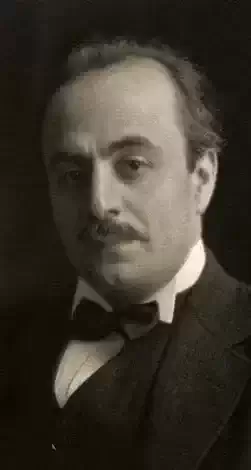
Khalil Gibran
The Widow and Her Son XXI
The Widow and Her Son XXI
Night fell over North Lebanon and snow was covering the villages surrounded by the
Kadeesha Valley, giving the fields and prairies the appearance of a great sheet of
parchment upon which the furious Nature was recording her many deeds. Men came
home from the streets while silence engulfed the night.
In a lone house near those villages lived a woman who sat by her fireside spinning
wool, and at her side was her only child, staring now at the fire and then at his mother.
A terrible roar of thunder shook the house and the little boy shook with fright. He threw
his arms about his mother, seeking protection from Nature in her affection. She took
him to her bosom and kissed him; then she say him on her lap and said, "Do not fear,
my son, for Nature is but comparing her great power to man's weakness. There is a
Supreme Being beyond the falling snow and the heavy clouds and the blowing wind,
and He knows the needs of the earth, for He made it; and He looks upon the weak with
merciful eyes.
"Be brave, my boy. Nature smiles in Spring and laughs in Summer and yawns in
Autumn, but now she is weeping; and with her tears she waters life, hidden under the
earth.
"Sleep, my dear child; your father is viewing us from Eternity. The snow and thunder
bring us closer to him at this time.
"Sleep, my beloved, for this white blanket which makes us cold, keeps the seeds warm,
and these war-like things will produce beautiful flowers when Nisan comes.
"Thus, my child, man cannot reap love until after sad and revealing separation, and
bitter patience, and desperate hardship. Sleep, my little boy; sweet dreams will find
your soul who is unafraid of the terrible darkness of night and the biting frost."
The little boy looked upon his mother with sleep-laden eyes and said, "Mother, my eyes
are heavy, but I cannot go to bed without saying my prayer."
The woman looked at his angelic face, her vision blurred by misted eyes, and said,
"Repeat with me, my boy - 'God, have mercy on the poor and protect them from the
winter; warm their thin-clad bodies with Thy merciful hands; look upon the orphans
who are sleeping in wretched houses, suffering from hunger and cold. Hear, oh Lord,
the call of widows who are helpless and shivering with fear for their young. Open, oh
Lord, the hearts of all humans, that they may see the misery of the weak. Have mercy
upon the sufferers who knock on doors, and lead the wayfarers into warm places.
Watch, oh Lord, over the little birds and protect the trees and fields from the anger of
the storm; for Thou art merciful and full of love.'"
As Slumber captured the boy's spirit, his mother placed him in the bed and kissed his
eyes with quivering lips. Then she went back and sat by the hearth, spinning the wool
to make him raiment.
Night fell over North Lebanon and snow was covering the villages surrounded by the
Kadeesha Valley, giving the fields and prairies the appearance of a great sheet of
parchment upon which the furious Nature was recording her many deeds. Men came
home from the streets while silence engulfed the night.
In a lone house near those villages lived a woman who sat by her fireside spinning
wool, and at her side was her only child, staring now at the fire and then at his mother.
A terrible roar of thunder shook the house and the little boy shook with fright. He threw
his arms about his mother, seeking protection from Nature in her affection. She took
him to her bosom and kissed him; then she say him on her lap and said, "Do not fear,
my son, for Nature is but comparing her great power to man's weakness. There is a
Supreme Being beyond the falling snow and the heavy clouds and the blowing wind,
and He knows the needs of the earth, for He made it; and He looks upon the weak with
merciful eyes.
"Be brave, my boy. Nature smiles in Spring and laughs in Summer and yawns in
Autumn, but now she is weeping; and with her tears she waters life, hidden under the
earth.
"Sleep, my dear child; your father is viewing us from Eternity. The snow and thunder
bring us closer to him at this time.
"Sleep, my beloved, for this white blanket which makes us cold, keeps the seeds warm,
and these war-like things will produce beautiful flowers when Nisan comes.
"Thus, my child, man cannot reap love until after sad and revealing separation, and
bitter patience, and desperate hardship. Sleep, my little boy; sweet dreams will find
your soul who is unafraid of the terrible darkness of night and the biting frost."
The little boy looked upon his mother with sleep-laden eyes and said, "Mother, my eyes
are heavy, but I cannot go to bed without saying my prayer."
The woman looked at his angelic face, her vision blurred by misted eyes, and said,
"Repeat with me, my boy - 'God, have mercy on the poor and protect them from the
winter; warm their thin-clad bodies with Thy merciful hands; look upon the orphans
who are sleeping in wretched houses, suffering from hunger and cold. Hear, oh Lord,
the call of widows who are helpless and shivering with fear for their young. Open, oh
Lord, the hearts of all humans, that they may see the misery of the weak. Have mercy
upon the sufferers who knock on doors, and lead the wayfarers into warm places.
Watch, oh Lord, over the little birds and protect the trees and fields from the anger of
the storm; for Thou art merciful and full of love.'"
As Slumber captured the boy's spirit, his mother placed him in the bed and kissed his
eyes with quivering lips. Then she went back and sat by the hearth, spinning the wool
to make him raiment.
347
Khalil Gibran
Sail your smile into the air; it will reach and enliven me!
Sail your smile into the air; it will reach and enliven me!
Breathe your fragrance into the air; it will sustain me!
Where are you, me beloved?
Oh, how great is Love!
And how little am I!
Breathe your fragrance into the air; it will sustain me!
Where are you, me beloved?
Oh, how great is Love!
And how little am I!
865

Kazi Nazrul Islam
With the late Monsoon's light clouds
With the late Monsoon's light clouds
With the late Monsoon's light clouds wander my mind,
Toward Malabika's home along the Reva's lonely shore.
My mind is propelled by the lazy wind like a light-winged bird.
My pining darling cries alone her hair loosened,
Looking now at the cloud now at the river
Where the dark village-girl wipes her tears unseen,
Where alone my beloved sits by the window thither goes my mind.
[Original: Aj sraboner loghu megher; Translation: Abu Rushd]
With the late Monsoon's light clouds wander my mind,
Toward Malabika's home along the Reva's lonely shore.
My mind is propelled by the lazy wind like a light-winged bird.
My pining darling cries alone her hair loosened,
Looking now at the cloud now at the river
Where the dark village-girl wipes her tears unseen,
Where alone my beloved sits by the window thither goes my mind.
[Original: Aj sraboner loghu megher; Translation: Abu Rushd]
546