
Sonhos e Imaginação
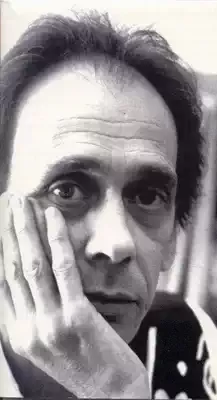
Al Berto
Cromo
andamos pelo mundo
experimentando a morte
dos brancos cabelos das palavras
atravessamos a vida com o nome do medo
e o consolo dalgum vinho que nos sustém
a urgência de escrever
não se sabe para quem
o fogo a seiva das plantas eivada de astros
a vida policopiada e distribuída assim
através da língua... gratuitamente
o amargo sabor deste país contaminado
as manchas de tinta na boca ferida dos tigres de papel
enquanto durmo à velocidade dos pipelines
esboço cromos para uma colecção de sonhos lunares
e ao acordar... a incoerente cidade odeia
quem deveria amar
o tempo escoa-se na música silente deste mar
ah meu amigo... como invejo essa tarde de fogo
em que apetecia morrer e voltar
1 520
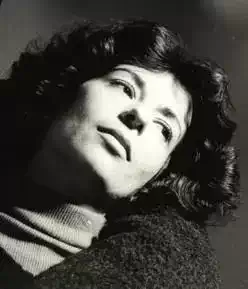
Alice Ruiz
Projesombras (nós)
por causa de
Regina Silveira
no mundo das sombras
os objetos incham
grávidos de outras formas
silhuetas dissimulando similaridades
paródias e paradoxos
linearidades em desalinho
aqui
armas são a alma das louças
ali
projesombras milimetricamente
calculadas
inauguram com humor
o outro lado do rigor
o primeiro plano
passa a pano de fundo
o que é o fundo?
o que é a figura?
o que é a coisa?
o que é a sombra?
em toda arte
as coisas sonham sombras
In: RUIZ, Alice. Vice-versos. São Paulo: Brasiliense, 1988. (Cantadas literárias
1 520
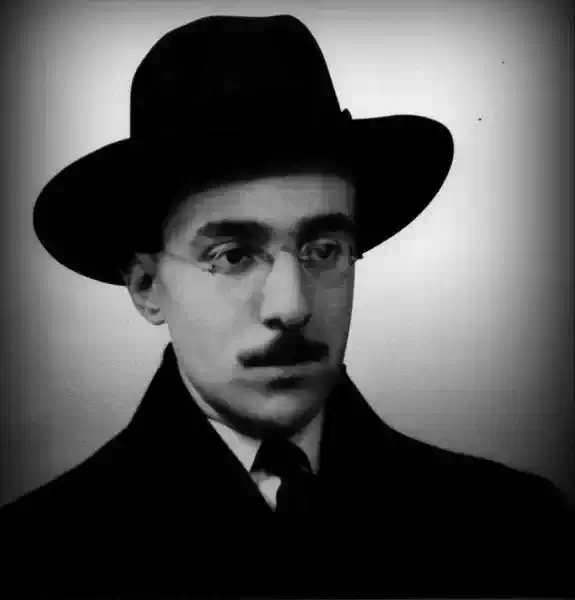
Fernando Pessoa
2 - the island
THE ISLAND
Weep, violin and viol,
Low flute and fine bassoon.
Lo, an enchanted isle
Moon‑bound beneath the moon!
My dream‑feet rustle through it
Chequered by shade and beam.
Oh, could my soul but woo it
From being but a dream!
Violin, viol and flute.
Lo, the isle hangs in air!
Through it I wander, mute
With too much loss of care.
And the air where't doth float
No air's, but light of moon.
Its paths are known to each note
Of viol and bassoon.
Yet is it real, that isle,
As our clear islands mortal?
Do flute, bassoon and viol
But ope with sound a portal,
And show, somehow, somewhere,
To what looks out from me
That pendulous island rare
In a moon‑woven sea?
Maybe 'tis truer than ours.
How true are these? But lo!
That isle that knows no hours
Nor needeth hours to know,
And that hath truth and root
Somewhere known of the moon,
Fades in the fading of flute,
Violin and bassoon.
1 500
Fernando Pessoa
Epigram (Alexander Search)
«I love my dreams», I said, a winter morn,
To the practical man, and he, in scorn,
Replied: «I am no slave of the Ideal,
But, as all men of sense, I love the Real.»
Poor fool, mistaking all that is and seems!
I love the Real when I love my dreams.
1906?
To the practical man, and he, in scorn,
Replied: «I am no slave of the Ideal,
But, as all men of sense, I love the Real.»
Poor fool, mistaking all that is and seems!
I love the Real when I love my dreams.
1906?
1 505
Fernando Pessoa
33 - the lost key
THE LOST KEY
Set out from sight of shore!
Grow tired of every sea!
All things are ever more
Than most they seem to be.
What steps are those that pass outside my door?
Fail out from shape and thought!
Let sense and feeling fade!
O sadness overwrought
With joy till bliss is strayed!
What birds are those that my swift window shade?
But be those steps no steps,
And be those birds dreamed wings,
Still one ache oversteps
The life to which it clings,
Though to know what ache no step in me helps
And what this pang is no bird in me sings.
1 501
Fernando Pessoa
52 - summerland
SUMMERLAND
One day, Time having ceased,
Our lives shall meet again,
From Place and Name released.
Only that shall remain
Of each of us that may
Seem natural to that Day.
There we will newly love,
Wondering at the old mood
With which love did us move,
When pain and solitude
Were what each soul had got
For its contingent lot.
There, heaven being between us
And touch a real thing,
The texture luminous
Of our true lives will bring
God into our love like breath.
Nowhere will there be death.
The need to suffer and sigh,
The inevitable cares,
The awaiting and the cry
That goes from joy to tears -
These have no need to be
In love's eternity.
The hours shall make our love
Grow younger, not more old.
Some trick of time shall move
Wont even to truer gold,
Regret shall not be aught
Possible there to thought.
That region light‑suspended
Under truer blue skies
Shall let our souls feel blended,
Yet be true unities.
Nought shall have power to fret
Our hearts to tire of it.
A golden land where God
Stayed a Day of His Time,
Not as the world, where not
A moment did he abide,
And where His passing left
The sense of aught bereft.
My heart, that thinks of this,
Pines, for it is nowhere,
And she that meets my bliss
With her new old love there -
She is unreal as all
That to this verse I call.
Yet who knows? Perhaps this
Is not wishing, but seeing.
Perhaps this love, this bliss,
This conscious glad not‑being
Is some reality
Through fancy seen by me.
Perhaps it casts a spell
From where it can be found.
What is impossible?
Where is God's bourne and bound?
Why, if I dream this, may
Not this be mine one day?
Who knows what our dreams are?
Who knows all that God makes?
Perhaps life doth but mar
The immediate truth that takes
Its beauty from being dreamed.
Nothing eter merely seemed.
Somewhere where God is nearer
These things are een now true.
Oh, let me be no fearer
That this may not be so!
All is more strange than that
Small glimpse of it we get.
Mine eyes are wild with joy
Because I have these thoughts.
They cannot tire nor cloy
Because God ever allots
To each high thing the power
To weigh not on its hour.
My flower garden is
Full of new flowers now.
My lips are kissed by bliss
Because I know not how.
My heart fails and I swim
Within a luminous rim.
A halo of hope comes round
My soul. I am that child
That cries: Lo! I have found
This flower strange and wild.
The unknown flower I have
Grew on my dead dreams' grave.
A trembling sense of being
More than my sense can hold,
A bird of feeling seeing
The great, earth‑hidden gold
Of the approaching dawn,
A breath, a light, a swoon,
A presence interwoven
With rays of other light,
A spell, a power untroven
Of my more clear delight,
I faint, I fade, I seem
Myself to be my dream.
And if this be not so,
Oh, God, make it now be!
Let me not find more woe
Because I so dreamed Thee!
Let aught for which I pine
Merit being divine.
Let this resemble heaven
And be my home for e'er,
Even if for e'er mean living
But this hour really fair.
An hour in God shall be
Enough eternity.
1 508
Fernando Pessoa
Não ter deveres, nem horas certas, nem realidades... (Álvaro de Campos)
Não ter deveres, nem horas certas, nem realidades...
Ser uma ave humana
Que passe haleyonica sobre a intransigência do mundo —
Ganhando o pão da sua noite com o suor da fronte dos outros —
Faz-tudo triste
No coliseu com lágrimas,
E compère antigo, um pouco mais cheio que Vénus de Milo,
Na insubsistência dos acasos.
E um pouco de sol, ao menos, para os sonhos onde não vivo.
1 494
Fernando Pessoa
Pia número SEIS
Pia número SEIS,
Para quem se penteia com bolos-reis.
Pia número SETE,
Para quem canta até que o telhado se derrete.
Pia número OITO,
Para quem parte nozes quando é afoito.
Pia número NOVE,
Para quem se parece com uma couve.
Pia número DEZ
Para quem cola selos nas unhas dos pés.
E, como as mãos já não estão frias,
Tampa nas pias!
1 494
Fernando Pessoa
No fim do mundo de tudo
No fim do mundo de tudo
Há grandes montes que tem
Ainda além para além
Um grande além mago e mudo.
São paisagens escondidas
Que são o que a alma quer.
Ali ser, ali viver
Vale por vidas e vidas.
Todos nós, que aqui cansamos
A alma com a negar,
Nesse momento de sonhar
Ali somos, ali estamos.
Mas, depois, volvidos onde
Há só a vida que há
Vemos que ante nós está
Só o que vela e que esconde.
Só dormindo os horizontes
Se alargam e há a visão
Dos montes que ao fundo estão
E o saber do além dos montes [.]
19-5-1934
1 494
Fernando Pessoa
44 - the king of gaps
THE KING OF GAPS
There lived, I know not when, never perhaps -
But the fact is he lived - an unknown king
Whose kingdom was the strange Kingdom of Gaps.
He was lord of what is twixt thing and thing,
Of interbeings, of that part of us
That lies between our waking and our sleep,
Between our silence and our speech, between
Us and the consciousness of us; and thus
A strange mute kingdom did that weird king keep
Sequestered from our thought of time and scene.
Those supreme purposes that never reach
The deed - between them and the deed undone
He rules uncrowned. He is the mystery which
Is between eyes and sight, nor blind nor seeing.
Himself is never ended nor begun,
Above his own void presence empty shelf.
All He is but a chasm in his own being,
The lidless box holding not‑being's no‑pelf.
All think that he is God, except himself.
1 483
Fernando Pessoa
IV - Que pandeiretas o silêncio deste quarto!...
IV
Que pandeiretas o silêncio deste quarto!...
As paredes estão na Andaluzia...
Há danças sensuais no brilho fixo da luz...
De repente todo o espaço pára....
Pára, escorrega, desembrulha-se...,
E num canto do tecto, muito mais longe do que ele está,
Abrem mãos brancas janelas secretas
E há ramos de violetas caindo
De haver uma noite de Primavera lá fora
Sobre o eu estar de olhos fechados...
8-3-1914
1 484

Asta Vonzodas
Desejo
Vem...
Que te espero... nua...
Não mais ha lugar para o pudor...
Vem...que te quero, nu...
Fecha-me os olhos com teus beijos,
faz-me sonhar com teus desejos...
Faça-me mulher com teu ardor...
Vem...
Que quero agora
acariciar teu corpo levemente,
beijar-te os lábios, sofregamente...
Sugar tua seiva com minha
boca quente...
Deixar-me penetrar por teu furor...
Vem...
que sou mulher,
te quero homem,
vem...
deixa-me viver esta fantasia
de amor...
1 487
Fernando Pessoa
34 - the sunflower
THE SUNFLOWER
I
All things that shine are God's eyes.
All things that move are God's speech.
Every thing has all to teach
To our awakening surmise.
Green are God's thoughts when they are leaves,
Yellow when sunflowers they are.
Yet they shine separate and far
From the hands wherewith God weaves.
Light are my steps on the ground
Yet they do echo through space,
Through terrible abysses that face
God at the side never found.
II
My dreams are angels' kisses.
Lightly they touch my heart,
Tip‑toe shadow caresses.
They are my Godder part.
There is a flower in my hand.
It is not found in fields.
God looks and can understand,
For He is the dreamer who builds.
He knows how dreams are set up,
He knows how flowers are made glad.
Look: I hold up my cup
And God gives me wine to be mad.
I. 11-6-1915; II. 6-5-1915
1 490

Edmir Domingues
Poema para Velhos
onde se fala da emoção imperdoável — e vergonhosa
— das lembranças do País chamado Infância.
Nas comarcas de Infância havia vida.
O que fiz dessa vida? Que sei eu?
Onde estão os anseios desse tempo?
Pois havia, no então, as borboletas
de asas azuis, que agora já não vejo,
as quais eu perseguia, sob as sombras
das bananeiras e dos laranjais.
Que fazer, neste instante, para vê-las
em viagem de volta aos tempos idos?
É muito tarde, Amor, é muito tarde.
Cantava o sabiá sobre as palmeiras
que os ventos marinheiros balançavam
como as brisas beijavam as bandeiras.
Como tornar atrás, sem instrumentos,
sem mapas nem roteiros, destruídos
no fragor dos combates os sextantes?
É muito tarde, Amor, é muito tarde.
Os perfumes de Infância, nos cabelos
da bem-amada, onde estarão nesta hora?
As pipas coloridas, os campinhos
de várzea, num País de Juventude?
Tudo isso acabou. Toda a pureza
morreu, estraçalhada pelas Máquinas.
As crianças de agora se realizam
na frieza dos seus computadores,
curtindo os seus Heróis da Violência,
com sangue, sangue. E cada vez mais sangue.
Não pisaram, jamais, terras de Infância.
já não creem no Lobo, na Avozinha
do Chapeuzinho, a Casa da Floresta
construída de puro chocolate.
Papai Noel existe, com certeza,
para aqueles que sempre creram nele.
A Pequena Sereia, Os Três Porquinhos,
sandálias de cristal da Cinderela,
e João, Maria, os Ovos de Ouro, tudo,
mesmo o Patinho Feio que era um cisne,
já não são coisas da imaginação.
São tevês, são cinema, sem o apelo
das histórias de Infância.
(Capineiro
do meu Pai, por que me cortas o cabelo?
Minha mãe me penteou, minha Madrasta me enterrou,
pelo figo da figueira que o pássaro picou... )
É muito tarde, Amor, é muito tarde.
Como as, outras histórias, sob a Lua
e sob os copiares, Lobisomens
e Mulas sem Cabeça, e Curupiras
com seus pés para trás, como antevendo
o para trás que cresce em tudo, agora.
E Anhangá, e a Alamoa, e o Negrinho
do Pastoreio entregue ao formigueiro.
Tudo morreu, nas garras do Progresso,
que é um bem, que é um mal inevitável.
A leitura está morta. Os livros todos
deverão ser lançados às fogueiras.
— Menos os bestasséleres que vendem
como vende o pão-quente em padaria.
Resta agora a pergunta: como então
apertar mãos de Acab e de Simbad,
encontrar Aladim, seu servo, o Gênio,
escutar Sherazade, noite a noite?
Tudo acabou, e os sons da vida nova
são pios de Corujas, retalhando
as mortalhas do tempo, do meu Tempo.
Habita agora o Corvo no meu quarto.
Nunca mais voltarei a Infância, a antiga
pátria dos sonhos bons, das esperanças.
É muito tarde, Amor, é muito tarde.
1 480
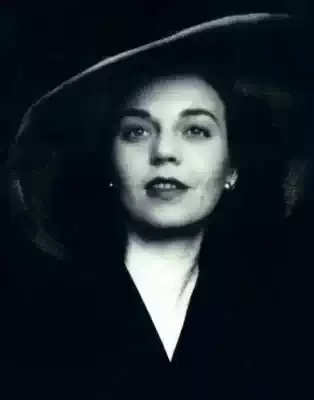
Sophia de Mello Breyner Andresen
Tudo me é uma dança em que procuro
A posição ideal,
Seguindo o fio dum sonhar obscuro
Onde invento o real.
À minha volta sinto naufragar
Tantos gestos perdidos
Mas a alma, dispersa nos sentidos,
Sobe os degraus do ar…
Seguindo o fio dum sonhar obscuro
Onde invento o real.
À minha volta sinto naufragar
Tantos gestos perdidos
Mas a alma, dispersa nos sentidos,
Sobe os degraus do ar…
1 474
Fernando Pessoa
Basta ser breve e transitória a vida
Basta ser breve e transitória a vida
Para ser sonho. A mim, como a quem sonha,
E obscuramente pesa a certa mágoa
De ter que despertar — a mim a morte
Mais como o horror de me tirar o sonho
E dar-me a realidade me apavora,
Que como morte. Quantas vezes, (...),
Em sonhos vários conscientemente
Imersos, nos não pesa ter que ver
A realidade e o dia!
Sim, este mundo com seu céu e terra,
Com seus mares e rios e montanhas,
Com seus arbustos, aves, bichos, homens
Com o que o homem, com translata arte
De qualquer outra, divina, faz —
Casas, cidades, cousas, modos —
Este mundo que sonho reconheço,
Por sonho amo, e por ser sonho o não
Quisera deixar nunca, e por ser certo
Que terei que deixá-lo e ver verdade,
Me toma a gorja com horror de negro
O pensamento da hora inevitável,
E a verdade da morte me confrange.
Pudesse eu, sim pudesse, eternamente
Alheio ao verdadeiro ser do mundo,
Viver sempre este sonho que é a vida!
Expulso embora da divina essência,
Ficção fingindo, vã mentira eterna,
Alma-sonho, que eu nunca despertasse!
Suave me é o sonho, e a vida porque é
Temo a verdade e a verdadeira vida.
Quantas vezes, pesada a vida, busco
No seio maternal da noite e do erro,
O alívio de sonhar, dormindo; e o sonho
Uma perfeita vida me parece...
Perfeita porque falsa, e porventura
Porque depressa passa. E assim é a vida.
3-3-1928
1 473

João Mendes de Briteiros
Deus! Que leda que m'esta noite vi
Deus! que leda que m'esta noite vi,
amiga, em um sonho que sonhei,
ca sonhava em como vos direi:
que me dizia meu amig'assi:
"Falade mig', ai meu lum'e meu bem".
Nom foi no mundo tam leda molher
em sonho, nen'o podia seer,
ca sonhei que me veera dizer
aquel que me milhor que a si quer:
"Falade migo, ai meu lum'e meu bem".
Des que m'espertei, houvi gram pesar,
ca em tal sonho havia gram sabor,
com o rogar-me, por Nostro Senhor,
o que me sabe mais que si amar:
"Falade migo, ai meu lum'e meu bem".
E, pois m'espertei, foi a Deus rogar
que me sacass'aqueste sonh'a bem.
1 476
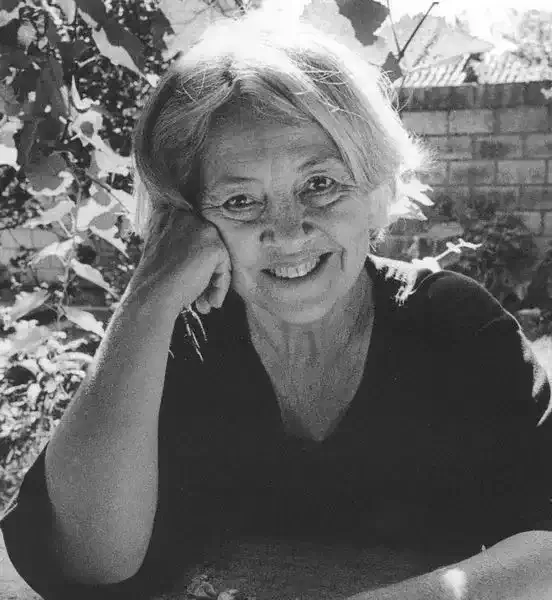
Adélia Prado
A tristeza cortesã me pisca os olhos
Eu procuro o mais triste, o que encontrado
nunca mais perderei, porque vai me seguir
mais fiel que um cachorro, o fantasma
de um cachorro, a tristeza sem verbo.
Eu tenho três escolhas: na primeira, um homem
que ainda está vivo à borda de sua cama me acena
e fala com seu tom mais baixo: ‘reza pra eu dormir, viu?’
Na outra, sonho que bato num menino. Bato, bato,
até apodrecer meu braço e ele ficar roxo. Eu bato mais
e ele ri sem raiva, ri pra mim que bato nele.
Na última, eu mesma engendro este horror:
a sirene apita chamando um homem já morto
e fica de noite e amanhece, ele não volta
e ela insiste e sua voz é humana.
Se não te basta, espia:
eu levanto o meu filho pelos órgãos sensíveis
e ele me beija o rosto.
1 474
Fernando Pessoa
Tell me again the music of that tale
Tell me again the music of that tale
Thy nurse wit sang so oft by my soul's bed,
Whose words and persons from my memory fade,
But in the melody remembered.
Thou mightst shift all the pawns of that told game
And, so the music made it far off be,
I shall still hear the tale as if the same,
Far bark on seas of the same melody.
What fairy castles and closed beauties lie
On moonlight of not‑life away from where
Loss is, truth kills, what charms must be put by,
And but the still‑to‑be keeps fresh & fair.
What matter the song, so by it the soul weeps
Lost kinship with its antenatal sleeps?
6-11-1920
1 472
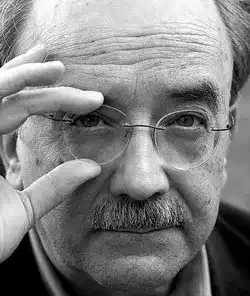
Manuel António Pina
[Tudo à minha volta ]
Tudo à minha volta cumpre
um destino silencioso e incompreensível
a que algum deus fugaz preside.
Fora de mim, nas costas da cadeira
o casaco, por exemplo, pertence
a uma ordem indistinta e inteira.
Dava bem todo o meu sentido prático
pela sua quieta permanência em si e na cadeira.
A realidade dos livros em cima da mesa
parece tão estritamente real!
As filhas falam, barulhentas e reais,
e eu próprio, em qualquer sítio, sou real.
Sob este rio real
o rio que me arrasta, de palavras,
como dentro de mim ou fora de mim?
O que pensa? Estou lá, ou está lá alguém,
como está neste lugar (qual?),
e como os livros na mesa?
O que fala falta-me
em que coração real?
É duro sonhar e ser o sonho,
falar e ser as palavras!
E, no entanto, alguém fala enquanto fujo,
e falo do que, em mim, foge.
Sem que palavras alguma coisa é real?
As filhas sabem-no não o sabendo
e falam alto fora de mim
sem falarem nem não falarem.
Em mim tudo é em alguém
em qualquer sítio escuro
como se houvesse um muro
entre o que fala (quem?)
Manuel António Pina | "Todas as palavras - poesia reunida 1974-2011", págs. 136 e 137 | Assírio & Alvim, 2012
1 467

Colombina
Exaltação
Olhas nos olhos meus. E eu vejo nesse instante
toda a terra subir a um céu que desconheço
Olho nos olhos teus, e fica tão distante
o mundo: e todo o fel que ele contém, esqueço.
Sorris...E, contemplando o teu lindo semblante,
o ideal de minha vida, enfim, eu reconheço.
Falas...ouço-te a voz, e, impetuosa, radiante,
num gesto de ternura, os lábios te ofereço.
Beijas a minha boca. E, nesse beijo grande
— como uma flor que ao sol desabrocha e se expande—,
todo o meu ser palpita e freme e vibra e estua.
Tudo é um sonho, no entanto; o teu beijo...o meu crime.
Mentirosa ilusão! Pobre ilusão que exprime
somente o meu desejo imenso de ser tua!
Publicado no livro Versos em lá menor (1930). Poema integrante da série Raletando...
In: CAVALHEIRO, Maria Thereza. Colombina e sua poesia romântica e erótica: esboço biográfico e seleção de poemas. São Paulo: J. Scortecci, 1987. p.33-10
1 469
Fernando Pessoa
Sonhos dentro de sonhos
Sonhos dentro de sonhos,
Involuções do sonhar,
Os pensamentos são medonhos
Quando se querem aprofundar;
E os corações ficam tristonhos, tristonhos
Quando se sentem sentir pensar.
ilusões dentro d'ilusões
Atormentando o descrer;
Descrenças e crenças são ambas visões
São ambas sonhar, são ambas crer.
14-12-1908
Involuções do sonhar,
Os pensamentos são medonhos
Quando se querem aprofundar;
E os corações ficam tristonhos, tristonhos
Quando se sentem sentir pensar.
ilusões dentro d'ilusões
Atormentando o descrer;
Descrenças e crenças são ambas visões
São ambas sonhar, são ambas crer.
14-12-1908
1 461
Fernando Pessoa
Aspiration (Alexander Search)
Joyless seeing me to be
Mother Nature asked of me:
«What desirest thou?
Whence comes this thy misery?
Whence the sadness on thy brow?
Tell me what thy wish is.»
- «To give it thou art powerless.
Something lovelier than love,
Bluer than the sky above,
Truer than the truth we have
Something better than the grave,
Aught that in the soul has root,
Something that no mistress' kiss
Nor mother's love can substitute.
But I, dreaming, do pollute
With my dream its object's day.»
In the silence absolute
Of my soul I hear it say:
´'Love can make me but to weep,
Glory maketh me but pine.
Give the world with my keep,
And still nothing will be mine.'»
- «But what feelest thou in thee?»
- «Hope and misery the first,
Then despair and misery.
´Oh, it is a desire, a thirst
The limits of my soul to burst,
To spring outside my consciousness,
I know not how nor why;
A wish with moonlight wings to fly
Past the high walls of distress.
Lifting my most daring flight
Up, far up, beyond all night,
More than eagles fly in air
Would I in that atmosphere.
«Something more near to me in space
Than my body is. In fine
Something than myself more mine.
Something (in what words to trace
Its nature?) nearer in its bliss
To me than my own consciousness.
The Something I desire is this.
It is further than far away
And yet (its nature how to find?)
Closer to me than my mind,
Nearer to me than to-day.»
22-10-1907
1 450

Jorge Viegas
Lenda dos Sonhos
Noite
lenta, eterna, magia dos espíritos...
Apalpo a distância do movimento...
O brilho profundo do luar
Aquece o gesto sentido do amor
E transformo-te na lenda dos sonhos.
As estrelas cantam o brilho sublime
Dentro da ternura do teu olhar
Reflectindo sobre a imensidão do oceano
O calor sensual do teu abraço.
Murmúrios delicioso povoam os céus
Embalando a doçura dos teus beijos
E o arco-íris eleva-se no horizonte
Colorindo as ondas quentes dos teus cabelos
Por onde navegam as verdades dos teus sentimentos.
Os sentidos flutuam pelo aroma verdadeiro
Da simplicidade da tua generosidade
Criando a simbiose dos teus desejos.
Na canção embriagante dos sinos celestiais
Envolvo-me na tua sinceridade
E torno-te eterna dentro do meu peito.
1 455