

Poemas neste tema
Memórias e Lembranças
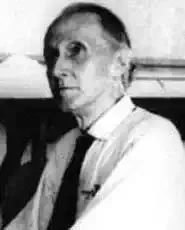
Joaquim Cardozo
Poesia da Presença Invisível
Através do quadro iluminado da janela
Olho as grandes nuvens que chegaram do Oriente
E me lembro dos homens que seriam meus amigos
Se eu tivesse nascido em Cingapura.
E aqueles que estiveram comigo nas horas concluídas
Ainda impressionam o ar
— Todos eles perderam-se no mar.
Agora, na praia deserta estou sozinho
— Caminho
Com os pés descalços na areia.
Nesta tarde morta o perfume das almas
Invade as enseadas, estende-se sobre os rios, paira sobre as
[colinas
— A Natureza assume a precária presença de um sonho;
Um trem corre sereno na planície dos homens ausentes;
Do fundo de minha memória sobe um canto de guitarras
[confusas;
Sinto correr de minha boca um rio de sombra,
A sombra contínua e suave da Noite.
Publicado no livro Poemas (1947).
In: CARDOZO, Joaquim. Poesias completas. 2.ed. Rio de Janeiro: Civilização Brasileira, 1979. p.18-19
Olho as grandes nuvens que chegaram do Oriente
E me lembro dos homens que seriam meus amigos
Se eu tivesse nascido em Cingapura.
E aqueles que estiveram comigo nas horas concluídas
Ainda impressionam o ar
— Todos eles perderam-se no mar.
Agora, na praia deserta estou sozinho
— Caminho
Com os pés descalços na areia.
Nesta tarde morta o perfume das almas
Invade as enseadas, estende-se sobre os rios, paira sobre as
[colinas
— A Natureza assume a precária presença de um sonho;
Um trem corre sereno na planície dos homens ausentes;
Do fundo de minha memória sobe um canto de guitarras
[confusas;
Sinto correr de minha boca um rio de sombra,
A sombra contínua e suave da Noite.
Publicado no livro Poemas (1947).
In: CARDOZO, Joaquim. Poesias completas. 2.ed. Rio de Janeiro: Civilização Brasileira, 1979. p.18-19
1 471
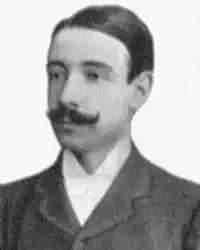
Alberto de Oliveira
Terceiro Canto
I
Embala-me, balanço da mangueira,
Embala-me, que enquanto vou contigo,
Contigo venho, o meu pesar esqueço.
Rompe a luz da manhã rosada e linda,
Tudo desperta. E essa por quem padeço,
Lânguida e preguiçosa,
Entre brancos lençóis repousa ainda.
Embala-me, pendente da mangueira,
Na tensa corda, meu balanço amigo!
Em claro a noite inteira
Passei, pensando nela. Ah! que formosa
Estava ontem à tarde no mirante,
Um livro ao colo, às tranças uma rosa,
E o olhar perdido na amplidão distante!
Pensava... Em quem pensava?
Se fosse em mim... Como formosa estava!
Oh! não pausado e manso,
Mas aos arrancos, estirado voa,
Leva-me, meu balanço!
II
Assim cismando, à toa,
Olhos voltados já para a querida
Visão de Laura, já para o céu claro,
Para o campo e arredores,
A manhã passo. Sobre a serra erguida
Em frente nasce e, coroando-a, brilha
O sol. Loureja o ipê com as áureas flores.
Late nos grotões fundos, indo ao faro
Da caça, ao buzinar dos caçadores,
Da fazenda a matilha.
E no ar que sopra dos capões escuros,
Sente-se, de mistura a essências finas
E ao cheiro das resinas,
Um sabor acre de cajás maduros.
III
Cajás! Não é que lembra à Laura um dia
(Que dia claro! esplende o mato e cheira!)
Chamar-me para em sua companhia
Saboreá-los sob a cajazeira!
— Vamos sós? perguntei-lhe. E a feiticeira:
— Então! tens medo de ir comigo? — E ria.
Compõe as tranças, salta-me ligeira
Ao braço, o braço no meu braço enfia.
— Uma carreira! — Uma carreira! — Aposto!
A um sinal breve dado de partida,
Corremos. Zune o vento em nosso rosto.
Mas eu me deixo atrás ficar, correndo,
Pois mais vale que a aposta da corrida
Ver-lhe as saias a voar, como vou vendo.
Imagem - 00020004
Publicado no livro Poesias: segunda série. Poema integrante da série Alma em Flor, 1900.
In: OLIVEIRA, Alberto de. Poesias completas. Ed. crít. Marco Aurélio Mello Reis. Rio de Janeiro: Núcleo Ed. da UERJ, 1978. v.2. (Fluminense)
NOTA: Alma em Flor é composto de 3 cantos. O terceiro tem 17 parte
Embala-me, balanço da mangueira,
Embala-me, que enquanto vou contigo,
Contigo venho, o meu pesar esqueço.
Rompe a luz da manhã rosada e linda,
Tudo desperta. E essa por quem padeço,
Lânguida e preguiçosa,
Entre brancos lençóis repousa ainda.
Embala-me, pendente da mangueira,
Na tensa corda, meu balanço amigo!
Em claro a noite inteira
Passei, pensando nela. Ah! que formosa
Estava ontem à tarde no mirante,
Um livro ao colo, às tranças uma rosa,
E o olhar perdido na amplidão distante!
Pensava... Em quem pensava?
Se fosse em mim... Como formosa estava!
Oh! não pausado e manso,
Mas aos arrancos, estirado voa,
Leva-me, meu balanço!
II
Assim cismando, à toa,
Olhos voltados já para a querida
Visão de Laura, já para o céu claro,
Para o campo e arredores,
A manhã passo. Sobre a serra erguida
Em frente nasce e, coroando-a, brilha
O sol. Loureja o ipê com as áureas flores.
Late nos grotões fundos, indo ao faro
Da caça, ao buzinar dos caçadores,
Da fazenda a matilha.
E no ar que sopra dos capões escuros,
Sente-se, de mistura a essências finas
E ao cheiro das resinas,
Um sabor acre de cajás maduros.
III
Cajás! Não é que lembra à Laura um dia
(Que dia claro! esplende o mato e cheira!)
Chamar-me para em sua companhia
Saboreá-los sob a cajazeira!
— Vamos sós? perguntei-lhe. E a feiticeira:
— Então! tens medo de ir comigo? — E ria.
Compõe as tranças, salta-me ligeira
Ao braço, o braço no meu braço enfia.
— Uma carreira! — Uma carreira! — Aposto!
A um sinal breve dado de partida,
Corremos. Zune o vento em nosso rosto.
Mas eu me deixo atrás ficar, correndo,
Pois mais vale que a aposta da corrida
Ver-lhe as saias a voar, como vou vendo.
Imagem - 00020004
Publicado no livro Poesias: segunda série. Poema integrante da série Alma em Flor, 1900.
In: OLIVEIRA, Alberto de. Poesias completas. Ed. crít. Marco Aurélio Mello Reis. Rio de Janeiro: Núcleo Ed. da UERJ, 1978. v.2. (Fluminense)
NOTA: Alma em Flor é composto de 3 cantos. O terceiro tem 17 parte
2 435
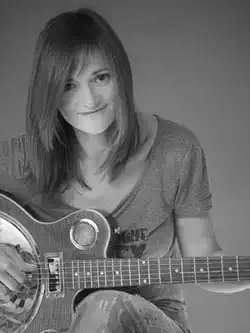
Mafalda Veiga
Fim do dia (no lado quente da saudade)
Esperei-te no fim de um dia cansado
À mesa do café de sempre
O fumo, o calor e o mesmo quadro
Na parede já azul poente
Alguém me sorri do balcão corrido
Alguém que me faz sentir
Que há lugares que são pequenos abrigos
Para onde podemos sempre fugir
Da tarde tão fria há gente que chega
E toma um café apressado
E há os que entram com o olhar perdido
À procura do futuro no avesso do passado
O tempo endurece qualquer armadura
E às vezes custa arrancar
Muralhas erguidas à volta do peito
Que não deixam partir nem deixam chegar
O escuro lá fora incendeia as estrelas
As janelas, os olhares, as ruas
Cá dentro o calor conforta os sentidos
Num pequeno reflexo da lua
Enquanto espero percorro os sinais
Do que fomos que ainda resiste
As marcas deixadas na alma e na pele
Do que foi feliz e do que foi triste
Sabe bem voltar-te a ver
Sabe bem quando estás ao meu lado
Quando o tempo me esvazia
Sabe bem o teu braço fechado
E tudo o que me dás quando és
Guarida junto à tempestade
Os rumos para caminhar
No lado quente da saudade
À mesa do café de sempre
O fumo, o calor e o mesmo quadro
Na parede já azul poente
Alguém me sorri do balcão corrido
Alguém que me faz sentir
Que há lugares que são pequenos abrigos
Para onde podemos sempre fugir
Da tarde tão fria há gente que chega
E toma um café apressado
E há os que entram com o olhar perdido
À procura do futuro no avesso do passado
O tempo endurece qualquer armadura
E às vezes custa arrancar
Muralhas erguidas à volta do peito
Que não deixam partir nem deixam chegar
O escuro lá fora incendeia as estrelas
As janelas, os olhares, as ruas
Cá dentro o calor conforta os sentidos
Num pequeno reflexo da lua
Enquanto espero percorro os sinais
Do que fomos que ainda resiste
As marcas deixadas na alma e na pele
Do que foi feliz e do que foi triste
Sabe bem voltar-te a ver
Sabe bem quando estás ao meu lado
Quando o tempo me esvazia
Sabe bem o teu braço fechado
E tudo o que me dás quando és
Guarida junto à tempestade
Os rumos para caminhar
No lado quente da saudade
1 259
Mafalda Veiga
Vestígios de ti
Os meus discos no chão
Os copos vazios
Vestígios da noite
As palavras perdidas
O calor e o frio
O meu corpo no chão
Um livro que eu li
O silêncio e a pele
As palavras sentidas
Os vestígios de ti
E o mundo e a rua
Despidos no vento
À espera de sentir o mar
Numa vaga de espuma
Em sentidos guardados
No fundo do olhar
As revistas no chão
Os copos vazios
Vestígios do tempo
As palavras trocadas
O calor e o frio
Cada gesto que abraça
E um filme que eu vi
O que fica marcado
E já nunca se afasta
Os vestígios de ti
E o mundo e a rua
Despidos no vento
À espera de sentir o mar
Numa vaga de espuma
Em sentidos guardados
No fundo do olhar
Os copos vazios
Vestígios da noite
As palavras perdidas
O calor e o frio
O meu corpo no chão
Um livro que eu li
O silêncio e a pele
As palavras sentidas
Os vestígios de ti
E o mundo e a rua
Despidos no vento
À espera de sentir o mar
Numa vaga de espuma
Em sentidos guardados
No fundo do olhar
As revistas no chão
Os copos vazios
Vestígios do tempo
As palavras trocadas
O calor e o frio
Cada gesto que abraça
E um filme que eu vi
O que fica marcado
E já nunca se afasta
Os vestígios de ti
E o mundo e a rua
Despidos no vento
À espera de sentir o mar
Numa vaga de espuma
Em sentidos guardados
No fundo do olhar
1 267
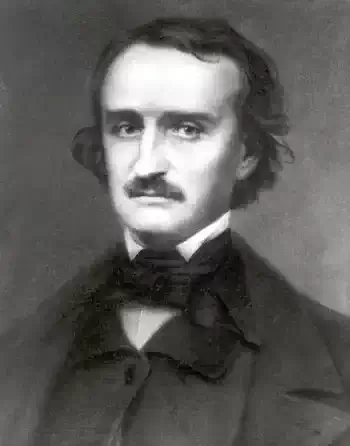
Edgar Allan Poe
Bridal Ballad
The ring is on my hand,
And the wreath is on my brow;
Satin and jewels grand
Are all at my command,
And many a rood of land
And I am happy now.
And my lord he loves me well;
But, when first he breathed his vow,
I felt my bosom swell—
And the voice seemed his who fell
For the words rang as a knell,
In the battle down the dell,
And who is happy now.
But he spoke to re-assure me,
And he kissed my pallid brow,
While a reverie came o'er me,
And to the church-yard bore me,
And I sighed to him before me,
"Oh, I am happy now!"
And thus the words were spoken,
And this the plighted vow,
And, though my faith be broken,
And, though my heart be broken,
Behold the golden token
That proves me happy now!
Would God I could awaken!
For I dream I know not how!
And my soul is sorely shaken
Lest an evil step be taken,—--
Lest the dead who is forsaken
May not be happy now.
1837
And the wreath is on my brow;
Satin and jewels grand
Are all at my command,
And many a rood of land
And I am happy now.
And my lord he loves me well;
But, when first he breathed his vow,
I felt my bosom swell—
And the voice seemed his who fell
For the words rang as a knell,
In the battle down the dell,
And who is happy now.
But he spoke to re-assure me,
And he kissed my pallid brow,
While a reverie came o'er me,
And to the church-yard bore me,
And I sighed to him before me,
"Oh, I am happy now!"
And thus the words were spoken,
And this the plighted vow,
And, though my faith be broken,
And, though my heart be broken,
Behold the golden token
That proves me happy now!
Would God I could awaken!
For I dream I know not how!
And my soul is sorely shaken
Lest an evil step be taken,—--
Lest the dead who is forsaken
May not be happy now.
1837
1 469
Mafalda Veiga
O Nome do Sal
Traz-me de novo a memória de outros dias
Ter raiz nas romarias
Nas danças, nas cantorias
Na forma de se espraiar de um sonho errante
Em terra vasta e distante
Procurando o sal
Sinto voltar a saudade na cumprida
De palavras e vontades
De gestos e ansiedades
Das coisas que ainda não há mas que já estão
Na forma da nossa mão
Procurando o sal
Ah que os mares abertos fossem ventos
Fossem caravelas
Novos sonhos conquistando
Ah que o céu descubra rumos nossos
Nossas estrelas
Navegando
Molha-se a alma no suor da descoberta
Na pulsação da terra
De sonho e de pão repleta
A raiz outra vez a rebentar
Nova terra, novo mar
Procurando o sal
Seja de novo o impulso de viver
Para além de ir aguentando
E às cegas ir caminhando
Porque o dia tem cor do que é preciso
E pulsa no chão que eu piso
O sangue de Portugal
Ah que os mares abertos fossem ventos
Fossem caravelas
Novos sonhos conquistando
Ah que o céu descubra rumos nossos
Nossas estrelas
Navegando
Ter raiz nas romarias
Nas danças, nas cantorias
Na forma de se espraiar de um sonho errante
Em terra vasta e distante
Procurando o sal
Sinto voltar a saudade na cumprida
De palavras e vontades
De gestos e ansiedades
Das coisas que ainda não há mas que já estão
Na forma da nossa mão
Procurando o sal
Ah que os mares abertos fossem ventos
Fossem caravelas
Novos sonhos conquistando
Ah que o céu descubra rumos nossos
Nossas estrelas
Navegando
Molha-se a alma no suor da descoberta
Na pulsação da terra
De sonho e de pão repleta
A raiz outra vez a rebentar
Nova terra, novo mar
Procurando o sal
Seja de novo o impulso de viver
Para além de ir aguentando
E às cegas ir caminhando
Porque o dia tem cor do que é preciso
E pulsa no chão que eu piso
O sangue de Portugal
Ah que os mares abertos fossem ventos
Fossem caravelas
Novos sonhos conquistando
Ah que o céu descubra rumos nossos
Nossas estrelas
Navegando
1 038
Edgar Allan Poe
To Helen [Sarah Helen Whitman
I saw thee once— once only — years ago:
I must not say how many — but not many.
It was a July midnight; and from out
A full-orbed moon, that, like thine own soul, soaring,
Sought a precipitate pathway up through heaven,
There fell a silvery-silken veil of light,
With quietude, and sultriness, and slumber,
Upon the upturned faces of a thousand
Roses that grew in an enchanted garden,
Where no wind dared to stir, unless on tiptoe —
Fell on the upturn'd faces of these roses
That gave out, in return for the love-light,
Their odorous souls in an ecstatic death —
Fell on the upturn'd faces of these roses
That smiled and died in this parterre, enchanted
By thee, and by the poetry of thy presence.
Clad all in white, upon a violet bank
I saw thee half reclining; while the moon
Fell on the upturn'd faces of the roses,
And on thine own, upturn'd— alas, in sorrow!
Was it not Fate, that, on this July midnight—
Was it not Fate, (whose name is also Sorrow,)
That bade me pause before that garden-gate,
To breathe the incense of those slumbering roses?
No footstep stirred: the hated world an slept,
Save only thee and me. (Oh, Heaven!— oh, God!
How my heart beats in coupling those two words!)
Save only thee and me. I paused— I looked—
And in an instant all things disappeared.
(Ah, bear in mind this garden was enchanted!)
The pearly lustre of the moon went out:
The mossy banks and the meandering paths,
The happy flowers and the repining trees,
Were seen no more: the very roses' odors
Died in the arms of the adoring airs.
All— all expired save thee— save less than thou:
Save only the divine light in thine eyes—
Save but the soul in thine uplifted eyes.
I saw but them— they were the world to me!
I saw but them— saw only them for hours,
Saw only them until the moon went down.
What wild heart-histories seemed to he enwritten
Upon those crystalline, celestial spheres!
How dark a woe, yet how sublime a hope!
How silently serene a sea of pride!
How daring an ambition; yet how deep—
How fathomless a capacity for love!
But now, at length, dear Dian sank from sight,
Into a western couch of thunder-cloud;
And thou, a ghost, amid the entombing trees
Didst glide away. Only thine eyes remained;
They would not go— they never yet have gone;
Lighting my lonely pathway home that night,
They have not left me (as my hopes have) since;
They follow me— they lead me through the years.
They are my ministers — yet I their slave.
Their office is to illumine and enkindle —
My duty, to be saved by their bright light,
And purified in their electric fire,
And sanctified in their elysian fire.
They fill my soul with Beauty (which is Hope),
And are far up in Heaven — the stars I kneel to
In the sad, silent watches of my night;
While even in the meridian glare of day
I see them still — two sweetly scintillant
Venuses, unextinguished by the sun!
1850
I must not say how many — but not many.
It was a July midnight; and from out
A full-orbed moon, that, like thine own soul, soaring,
Sought a precipitate pathway up through heaven,
There fell a silvery-silken veil of light,
With quietude, and sultriness, and slumber,
Upon the upturned faces of a thousand
Roses that grew in an enchanted garden,
Where no wind dared to stir, unless on tiptoe —
Fell on the upturn'd faces of these roses
That gave out, in return for the love-light,
Their odorous souls in an ecstatic death —
Fell on the upturn'd faces of these roses
That smiled and died in this parterre, enchanted
By thee, and by the poetry of thy presence.
Clad all in white, upon a violet bank
I saw thee half reclining; while the moon
Fell on the upturn'd faces of the roses,
And on thine own, upturn'd— alas, in sorrow!
Was it not Fate, that, on this July midnight—
Was it not Fate, (whose name is also Sorrow,)
That bade me pause before that garden-gate,
To breathe the incense of those slumbering roses?
No footstep stirred: the hated world an slept,
Save only thee and me. (Oh, Heaven!— oh, God!
How my heart beats in coupling those two words!)
Save only thee and me. I paused— I looked—
And in an instant all things disappeared.
(Ah, bear in mind this garden was enchanted!)
The pearly lustre of the moon went out:
The mossy banks and the meandering paths,
The happy flowers and the repining trees,
Were seen no more: the very roses' odors
Died in the arms of the adoring airs.
All— all expired save thee— save less than thou:
Save only the divine light in thine eyes—
Save but the soul in thine uplifted eyes.
I saw but them— they were the world to me!
I saw but them— saw only them for hours,
Saw only them until the moon went down.
What wild heart-histories seemed to he enwritten
Upon those crystalline, celestial spheres!
How dark a woe, yet how sublime a hope!
How silently serene a sea of pride!
How daring an ambition; yet how deep—
How fathomless a capacity for love!
But now, at length, dear Dian sank from sight,
Into a western couch of thunder-cloud;
And thou, a ghost, amid the entombing trees
Didst glide away. Only thine eyes remained;
They would not go— they never yet have gone;
Lighting my lonely pathway home that night,
They have not left me (as my hopes have) since;
They follow me— they lead me through the years.
They are my ministers — yet I their slave.
Their office is to illumine and enkindle —
My duty, to be saved by their bright light,
And purified in their electric fire,
And sanctified in their elysian fire.
They fill my soul with Beauty (which is Hope),
And are far up in Heaven — the stars I kneel to
In the sad, silent watches of my night;
While even in the meridian glare of day
I see them still — two sweetly scintillant
Venuses, unextinguished by the sun!
1850
1 865
Edgar Allan Poe
Enigma
The noblest name in Allegory's page,
The hand that traced inexorable rage;
A pleasing moralist whose page refined,
Displays the deepest knowledge of the mind;
A tender poet of a foreign tongue,
(Indited in the language that he sung.)
A bard of brilliant but unlicensed page
At once the shame and glory of our age,
The prince of harmony and stirling sense,
The ancient dramatist of eminence,
The bard that paints imagination's powers,
And him whose song revives departed hours,
Once more an ancient tragic bard recall,
In boldness of design surpassing all.
These names when rightly read, a name [make] known
Which gathers all their glories in its own.
1833
The hand that traced inexorable rage;
A pleasing moralist whose page refined,
Displays the deepest knowledge of the mind;
A tender poet of a foreign tongue,
(Indited in the language that he sung.)
A bard of brilliant but unlicensed page
At once the shame and glory of our age,
The prince of harmony and stirling sense,
The ancient dramatist of eminence,
The bard that paints imagination's powers,
And him whose song revives departed hours,
Once more an ancient tragic bard recall,
In boldness of design surpassing all.
These names when rightly read, a name [make] known
Which gathers all their glories in its own.
1833
2 010
Edgar Allan Poe
The Coliseum
Lone ampitheatre ! Grey Coliseum !
Type of the antique Rome ! Rich reliquary
Of lofty contemplation left to Time
By buried centuries of pomp and power !
At length, at length — after so many days
Of weary pilgrimage, and burning thirst,
(Thirst for the springs of love [lore] that in thee lie,)
I kneel, an altered, and an humble man,
Amid thy shadows, and so drink within
My very soul thy grandeur, gloom, and glory.
Vastness ! and Age ! and Memories of Eld !
Silence and Desolation! and dim Night!
Gaunt vestibules! and phantom-peopled aisles !
I feel ye now: I feel ye in your strength!
O spells more sure then [than] e'er Judæan king
Taught in the gardens of Gethsemane !
O charms more potent than the rapt Chaldee
Ever drew down from out the quiet stars !
Here, where a hero fell, a column falls :
Here, where the mimic eagle glared in gold,
A midnight vigil holds the swarthy bat:
Here, where the dames of Rome their yellow hair
Wav'd to the wind, now wave the reed and thistle :
Here, where on ivory couch the Cæsar sate,
On bed of moss lies gloating the foul adder :
Here, where on golden throne the monarch loll'd,
Glides spectre-like unto his marble home,
Lit by the wan light of the horned moon,
The swift and silent lizard of the stones.
These crumbling walls; these tottering arcades ;
These mouldering plinths; these sad, and blacken'd shafts ;
These vague entablatures; this broken frieze ;
These shattered cornices; this wreck; this ruin ;
These stones, alas! — these grey stones — are they all ;
All of the great and the colossal left
By the corrosive hours to Fate and me ?
"Not all," — the echoes answer me; "not all :
Prophetic sounds, and loud, arise forever
From us, and from all ruin, unto the wise,
As in old days from Memnon to the sun.
We rule the hearts of mightiest men: — we rule
With a despotic sway all giant minds.
We are not desolate — we pallid stones ;
Not all our power is gone; not all our Fame ;
Not all the magic of our high renown ;
Not all the wonder that encircles us ;
Not all the mysteries that in us lie;
Not all the memories that hang upon,
And cling around about us now and ever,
And clothe us in a robe of more than glory."
1833
Type of the antique Rome ! Rich reliquary
Of lofty contemplation left to Time
By buried centuries of pomp and power !
At length, at length — after so many days
Of weary pilgrimage, and burning thirst,
(Thirst for the springs of love [lore] that in thee lie,)
I kneel, an altered, and an humble man,
Amid thy shadows, and so drink within
My very soul thy grandeur, gloom, and glory.
Vastness ! and Age ! and Memories of Eld !
Silence and Desolation! and dim Night!
Gaunt vestibules! and phantom-peopled aisles !
I feel ye now: I feel ye in your strength!
O spells more sure then [than] e'er Judæan king
Taught in the gardens of Gethsemane !
O charms more potent than the rapt Chaldee
Ever drew down from out the quiet stars !
Here, where a hero fell, a column falls :
Here, where the mimic eagle glared in gold,
A midnight vigil holds the swarthy bat:
Here, where the dames of Rome their yellow hair
Wav'd to the wind, now wave the reed and thistle :
Here, where on ivory couch the Cæsar sate,
On bed of moss lies gloating the foul adder :
Here, where on golden throne the monarch loll'd,
Glides spectre-like unto his marble home,
Lit by the wan light of the horned moon,
The swift and silent lizard of the stones.
These crumbling walls; these tottering arcades ;
These mouldering plinths; these sad, and blacken'd shafts ;
These vague entablatures; this broken frieze ;
These shattered cornices; this wreck; this ruin ;
These stones, alas! — these grey stones — are they all ;
All of the great and the colossal left
By the corrosive hours to Fate and me ?
"Not all," — the echoes answer me; "not all :
Prophetic sounds, and loud, arise forever
From us, and from all ruin, unto the wise,
As in old days from Memnon to the sun.
We rule the hearts of mightiest men: — we rule
With a despotic sway all giant minds.
We are not desolate — we pallid stones ;
Not all our power is gone; not all our Fame ;
Not all the magic of our high renown ;
Not all the wonder that encircles us ;
Not all the mysteries that in us lie;
Not all the memories that hang upon,
And cling around about us now and ever,
And clothe us in a robe of more than glory."
1833
1 544
Edgar Allan Poe
Beloved Physician
The pulse beats ten and intermits;
God nerve the soul that ne'er forgets
In calm or storm, by night or day,
Its steady toil, its loyalty.
[. . . ]
[. . . ]
The pulse beats ten and intermits;
God shield the soul that ne'er forgets.
[. . . ]
[. . . ]
The pulse beats ten and intermits;
God guide the soul that ne'er forgets.
[. . . ]
[. . . ] so tired, so weary,
The soft head bows, the sweet eyes close,
The faithful heart yields to repose.
God nerve the soul that ne'er forgets
In calm or storm, by night or day,
Its steady toil, its loyalty.
[. . . ]
[. . . ]
The pulse beats ten and intermits;
God shield the soul that ne'er forgets.
[. . . ]
[. . . ]
The pulse beats ten and intermits;
God guide the soul that ne'er forgets.
[. . . ]
[. . . ] so tired, so weary,
The soft head bows, the sweet eyes close,
The faithful heart yields to repose.
1 281
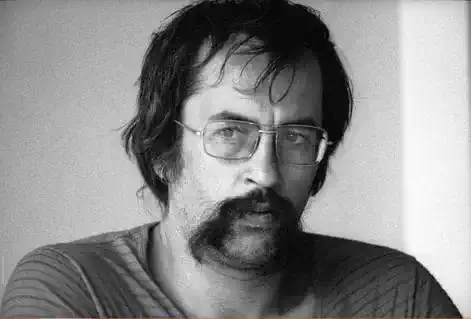
Paulo Leminski
desta vez não vai ter neve como em
desta vez não vai ter neve como em petrogrado aquele dia
o céu vai estar limpo e o sol brilhando
você dormindo e eu sonhando
nem casacos nem cossacos como em petrogrado aquele dia
apenas você nua e eu como nasci
eu dormindo e você sonhando
não vai mais ter multidões gritando como em petrogrado
[aquele dia
silêncio nós dois murmúrios azuis
eu e você dormindo e sonhando
nunca mais vai ter um dia como em petrogrado aquele dia
nada como um dia indo atrás do outro vindo
você e eu sonhando e dormindo
o céu vai estar limpo e o sol brilhando
você dormindo e eu sonhando
nem casacos nem cossacos como em petrogrado aquele dia
apenas você nua e eu como nasci
eu dormindo e você sonhando
não vai mais ter multidões gritando como em petrogrado
[aquele dia
silêncio nós dois murmúrios azuis
eu e você dormindo e sonhando
nunca mais vai ter um dia como em petrogrado aquele dia
nada como um dia indo atrás do outro vindo
você e eu sonhando e dormindo
1 824
Edgar Allan Poe
Untitled - A wilder'd being from my birth
A wilder'd being from my birth
My spirit spurn'd control,
But now, abroad on the wide earth,
Where wand'rest thou my soul?
In visions of the dark night
I have dream'd of joy departed —
But a waking dream of life and light
Hath left me broken-hearted.
And what is not a dream by day
To him whose eyes are cast
On things around him with a ray
Turn'd back upon the past?
That holy dream — that holy dream,
While all the world were chiding,
Hath cheer'd me as a lovely beam
A lonely spirit guiding —
What tho' that light, thro' misty night
So dimly shone afar—
What could there be more purely bright
In Truth's day — star ?
-The End-
My spirit spurn'd control,
But now, abroad on the wide earth,
Where wand'rest thou my soul?
In visions of the dark night
I have dream'd of joy departed —
But a waking dream of life and light
Hath left me broken-hearted.
And what is not a dream by day
To him whose eyes are cast
On things around him with a ray
Turn'd back upon the past?
That holy dream — that holy dream,
While all the world were chiding,
Hath cheer'd me as a lovely beam
A lonely spirit guiding —
What tho' that light, thro' misty night
So dimly shone afar—
What could there be more purely bright
In Truth's day — star ?
-The End-
1 190
Edgar Allan Poe
Imitation
A dark unfathom'd tide
Of interminable pride —
A mystery, and a dream,
Should my early life seem;
I say that dream was fraught
With a wild, and waking thought
Of beings that have been,
Which my spirit hath not seen.
Had I let them pass me by,
With a dreaming eye!
Let none of earth inherit
That vision on [of] my spirit;
Those thoughts I would controul,
As a spell upon his soul:
For that bright hope at last
And that light time have past,
And my worldly rest hath gone
With a sight [sigh] as it pass'd on
I care not tho' it perish
With a thought I then did cherish.
Of interminable pride —
A mystery, and a dream,
Should my early life seem;
I say that dream was fraught
With a wild, and waking thought
Of beings that have been,
Which my spirit hath not seen.
Had I let them pass me by,
With a dreaming eye!
Let none of earth inherit
That vision on [of] my spirit;
Those thoughts I would controul,
As a spell upon his soul:
For that bright hope at last
And that light time have past,
And my worldly rest hath gone
With a sight [sigh] as it pass'd on
I care not tho' it perish
With a thought I then did cherish.
1 492
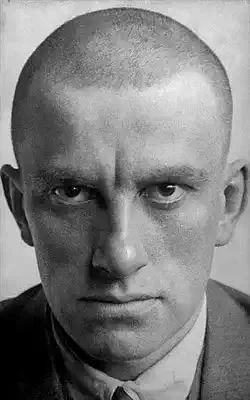
Vladimir Maiakovski
A FLAUTA VÉRTEBRA
(tradução: Haroldo de Campos e Boris Schnaiderman)
A todos vocês,
que eu amei e que eu amo,
ícones guardados num coração-caverna,
como quem num banquete ergue a taça e celebra,
repleto de versos levanto meu crânio.
Penso, mais de uma vez:
seria melhor talvez
pôr-me o ponto final de um balaço.
Em todo caso
eu
hoje vou dar meu concerto de adeus.
Memória!
Convoca aos salões do cérebro
um renque inumerável de amadas.
Verte o riso de pupila em pupila,
veste a noite de núpcias passadas.
De corpo a corpo verta a alegria.
esta noite ficará na História.
Hoje executarei meus versos
na flauta de minhas próprias vértebras.
A todos vocês,
que eu amei e que eu amo,
ícones guardados num coração-caverna,
como quem num banquete ergue a taça e celebra,
repleto de versos levanto meu crânio.
Penso, mais de uma vez:
seria melhor talvez
pôr-me o ponto final de um balaço.
Em todo caso
eu
hoje vou dar meu concerto de adeus.
Memória!
Convoca aos salões do cérebro
um renque inumerável de amadas.
Verte o riso de pupila em pupila,
veste a noite de núpcias passadas.
De corpo a corpo verta a alegria.
esta noite ficará na História.
Hoje executarei meus versos
na flauta de minhas próprias vértebras.
2 476
Edgar Allan Poe
A Dream
In visions of the dark night
I have dreamed of joy departed--
But a waking dream of life and light
Hath left me broken-hearted.
Ah! what is not a dream by day
To him whose eyes are cast
On things around him with a ray
Turned back upon the past?
That holy dream- that holy dream,
While all the world were chiding,
Hath cheered me as a lovely beam
A lonely spirit guiding.
What though that light, thro' storm and night,
So trembled from afar-
What could there be more purely bright
In Truth's day-star?
-The End-
I have dreamed of joy departed--
But a waking dream of life and light
Hath left me broken-hearted.
Ah! what is not a dream by day
To him whose eyes are cast
On things around him with a ray
Turned back upon the past?
That holy dream- that holy dream,
While all the world were chiding,
Hath cheered me as a lovely beam
A lonely spirit guiding.
What though that light, thro' storm and night,
So trembled from afar-
What could there be more purely bright
In Truth's day-star?
-The End-
2 218
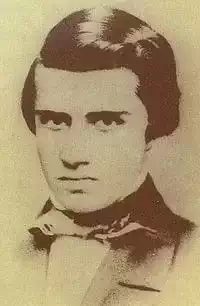
Álvares de Azevedo
PÁLIDA IMAGEM
Lira dos Vinte Anos
Segunda Parte
- J'ai cru que j'oublierais; mais j'avais mal sondé
Les abîmes du coeur que remplit un seul rêve:
Le souvenir est là, le souvenir se lève
Flot toujours renaissant et toujours débordé.
TURQUÉTY
No delírio da ardente mocidade
Por tua imagem pálida vivi!
A flor do coração no amor dos anjos
Orvalhei-a por ti!
O expirar de teu canto lamentoso
Sobre teus lábios que o palor cobria,
Minhas noites de lágrimas ardentes
E de sonhos enchia!
Foi por ti que eu pensei que a vida inteira
Não valia uma lágrima... sequer,
Senão num beijo trêmulo de noite...
Num olhar de mulher!
Mesmo nas horas de um amor insano,
Quando em meus braços outro seio ardia,
A tua imagem pálida passando
A minh'alma perdia.
Sempre e sempre teu rosto! as negras tranças,
Tua alma nos teus olhos se expandindo!
E o colo de cetim que pulsa e geme
E teus lábios sorrindo!
Nas longas horas do sonhar da noite
No teu peito eu sonhava que dormia;
Pousa em meu coração a mão de neve......
Treme... como tremia.
Como palpita agora se afogando
Na morna languidez do teu olhar...
Assim viveu e morrerá sonhando
Em teus seios amar!
Se a vida é lírio que a paixão desflora,
Meu lírio virginal eu conservei...
Somente no passado tive sonhos
E outrora nunca amei!
Foi por ti que na ardente mocidade
Por uma imagem pálida vivi!
E a flor do coração no amor dos anjos
Orvalhei... só por ti!
Segunda Parte
- J'ai cru que j'oublierais; mais j'avais mal sondé
Les abîmes du coeur que remplit un seul rêve:
Le souvenir est là, le souvenir se lève
Flot toujours renaissant et toujours débordé.
TURQUÉTY
No delírio da ardente mocidade
Por tua imagem pálida vivi!
A flor do coração no amor dos anjos
Orvalhei-a por ti!
O expirar de teu canto lamentoso
Sobre teus lábios que o palor cobria,
Minhas noites de lágrimas ardentes
E de sonhos enchia!
Foi por ti que eu pensei que a vida inteira
Não valia uma lágrima... sequer,
Senão num beijo trêmulo de noite...
Num olhar de mulher!
Mesmo nas horas de um amor insano,
Quando em meus braços outro seio ardia,
A tua imagem pálida passando
A minh'alma perdia.
Sempre e sempre teu rosto! as negras tranças,
Tua alma nos teus olhos se expandindo!
E o colo de cetim que pulsa e geme
E teus lábios sorrindo!
Nas longas horas do sonhar da noite
No teu peito eu sonhava que dormia;
Pousa em meu coração a mão de neve......
Treme... como tremia.
Como palpita agora se afogando
Na morna languidez do teu olhar...
Assim viveu e morrerá sonhando
Em teus seios amar!
Se a vida é lírio que a paixão desflora,
Meu lírio virginal eu conservei...
Somente no passado tive sonhos
E outrora nunca amei!
Foi por ti que na ardente mocidade
Por uma imagem pálida vivi!
E a flor do coração no amor dos anjos
Orvalhei... só por ti!
2 126
Álvares de Azevedo
LENÇO DELA
Lira dos Vinte Anos
Segunda Parte
Quando, a primeira vez, da minha terra
Deixei as noites de amoroso encanto,
A minha doce amante suspirando
Volveu-me os olhos úmidos de pranto.
Um romance cantou de despedida,
Mas a saudade amortecia o canto!
Lágrimas enxugou nos olhos belos...
E deu-me o lenço que molhava o pranto.
Quantos anos, contudo, já passaram!
Não olvido porém amor tão santo!
Guardo ainda num cofre perfumado
O lenço dela que molhava o pranto...
Nunca mais a encontrei na minha vida,
Eu contudo, meu Deus, amava-a tanto!
Oh! quando eu morra estendam no meu rosto
O lenço que eu banhei também de pranto!
Segunda Parte
Quando, a primeira vez, da minha terra
Deixei as noites de amoroso encanto,
A minha doce amante suspirando
Volveu-me os olhos úmidos de pranto.
Um romance cantou de despedida,
Mas a saudade amortecia o canto!
Lágrimas enxugou nos olhos belos...
E deu-me o lenço que molhava o pranto.
Quantos anos, contudo, já passaram!
Não olvido porém amor tão santo!
Guardo ainda num cofre perfumado
O lenço dela que molhava o pranto...
Nunca mais a encontrei na minha vida,
Eu contudo, meu Deus, amava-a tanto!
Oh! quando eu morra estendam no meu rosto
O lenço que eu banhei também de pranto!
2 549
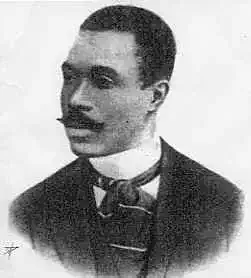
Cruz e Sousa
VOZ FUGITIVA
Últimos Sonetos
Às vezes na tu'alma, que adormece
tanto e tão fundo, alguma voz escuto
de timbre emocional, claro, impoluto
que uma voz bem amiga me parece.
E fico mudo a ouvi-la, como a prece
de um meigo coração que está de luto
e livre, já, de todo o mal corrupto,
mesmo as afrontas mais cruéis esquece.
Mas outras vezes, sempre em vão, procuro
dessa voz singular o timbre puro,
as essências do céu maravilhosas.
Procuro ansioso, inquieto, alvoroçado,
mas tudo na tu'alma está calado,
no silêncio fatal das nebulosas.
Às vezes na tu'alma, que adormece
tanto e tão fundo, alguma voz escuto
de timbre emocional, claro, impoluto
que uma voz bem amiga me parece.
E fico mudo a ouvi-la, como a prece
de um meigo coração que está de luto
e livre, já, de todo o mal corrupto,
mesmo as afrontas mais cruéis esquece.
Mas outras vezes, sempre em vão, procuro
dessa voz singular o timbre puro,
as essências do céu maravilhosas.
Procuro ansioso, inquieto, alvoroçado,
mas tudo na tu'alma está calado,
no silêncio fatal das nebulosas.
1 674
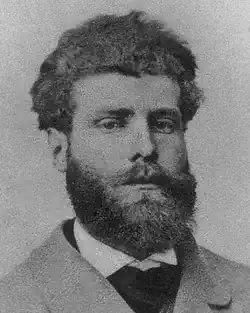
Antero de Quental
Com os mortos
Os que amei, onde estão? Idos, dispersos,
arrastados no giro dos tufões,
Levados, como em sonho, entre visões,
Na fuga, no ruir dos universos…
E eu mesmo, com os pés também imersos
Na corrente e à mercê dos turbilhões,
Só vejo espuma lívida, em cachões,
E entre ela, aqui e ali, vultos submersos…
Mas se paro um momento, se consigo
Fechar os olhos, sinto-os a meu lado
De novo, esses que amei vivem comigo,
Vejo-os, ouço-os e ouvem-me também,
Juntos no antigo amor, no amor sagrado,
Na comunhão ideal do eterno Bem.
arrastados no giro dos tufões,
Levados, como em sonho, entre visões,
Na fuga, no ruir dos universos…
E eu mesmo, com os pés também imersos
Na corrente e à mercê dos turbilhões,
Só vejo espuma lívida, em cachões,
E entre ela, aqui e ali, vultos submersos…
Mas se paro um momento, se consigo
Fechar os olhos, sinto-os a meu lado
De novo, esses que amei vivem comigo,
Vejo-os, ouço-os e ouvem-me também,
Juntos no antigo amor, no amor sagrado,
Na comunhão ideal do eterno Bem.
2 188
Álvares de Azevedo
MINHA MUSA
Lira dos Vinte Anos
Segunda Parte
Minha musa é a lembrança
Dos sonhos em que eu vivi,
É de uns lábios a esperança
E a saudade que eu nutri!
É a crença que alentei,
As luas belas que amei
E os olhos por quem morri!
Os meus cantos de saudade
São amores que eu chorei,
São lírios da mocidade
Que murcham porque te amei!
As minhas notas ardentes
São as lágrimas dementes
Que em teu seio derramei!
Do meu outono os desfolhos,
Os astros do teu verão,
A languidez de teus olhos
Inspiram minha canção...
Sou poeta porque és bela,
Tenho em teus olhos, donzela,
A musa do coração!
Se na lira voluptuosa
Entre as fibras que estalei
Um dia atei uma rosa
Cujo aroma respirei...
Foi nas noites de ventura,
Quando em tua formosura
Meus lábios embriaguei!
E se tu queres, donzela,
Sentir minh'alma vibrar,
Solta essa trança tão bela,
Quero nela suspirar!
E dá repousar-me teu seio...
Ouvirás no devaneio
A minha lira cantar!
Segunda Parte
Minha musa é a lembrança
Dos sonhos em que eu vivi,
É de uns lábios a esperança
E a saudade que eu nutri!
É a crença que alentei,
As luas belas que amei
E os olhos por quem morri!
Os meus cantos de saudade
São amores que eu chorei,
São lírios da mocidade
Que murcham porque te amei!
As minhas notas ardentes
São as lágrimas dementes
Que em teu seio derramei!
Do meu outono os desfolhos,
Os astros do teu verão,
A languidez de teus olhos
Inspiram minha canção...
Sou poeta porque és bela,
Tenho em teus olhos, donzela,
A musa do coração!
Se na lira voluptuosa
Entre as fibras que estalei
Um dia atei uma rosa
Cujo aroma respirei...
Foi nas noites de ventura,
Quando em tua formosura
Meus lábios embriaguei!
E se tu queres, donzela,
Sentir minh'alma vibrar,
Solta essa trança tão bela,
Quero nela suspirar!
E dá repousar-me teu seio...
Ouvirás no devaneio
A minha lira cantar!
2 992
Antero de Quental
Consulta
Chamei em volta do meu frio leito
As memórias melhores de outra idade,
Formas vagas, que às noites, com piedade,
Se inclinam, a espreitar, sobre o meu peito…
E disse-lhes: No mundo imenso e estreito
Valia a pena, acaso, em ansiedade
Ter nascido? Dizei-mo com verdade,
Pobres memórias que eu ao seio estreito.
Mas elas perturbaram-se – coitadas!
E empalideceram, contristadas,
Ainda a mais feliz, a mais serena…
E cada uma delas, lentamente,
Com um sorriso mórbido, pungente,
Me respondeu: – Não, não valia a pena!
As memórias melhores de outra idade,
Formas vagas, que às noites, com piedade,
Se inclinam, a espreitar, sobre o meu peito…
E disse-lhes: No mundo imenso e estreito
Valia a pena, acaso, em ansiedade
Ter nascido? Dizei-mo com verdade,
Pobres memórias que eu ao seio estreito.
Mas elas perturbaram-se – coitadas!
E empalideceram, contristadas,
Ainda a mais feliz, a mais serena…
E cada uma delas, lentamente,
Com um sorriso mórbido, pungente,
Me respondeu: – Não, não valia a pena!
2 889
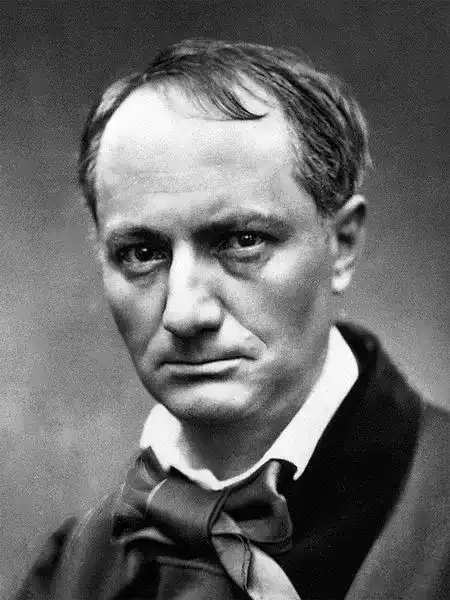
Charles Baudelaire
PERFUME EXÓTICO
Quando, cerrando os olhos, numa noite ardente,
Respiro a fundo o odor dos teus seios fogosos,
Vejo abrirem-se ao longe litorais radiosos
Tingidos por um sol monótono e dolente.
Uma ilha preguiçosa que nos traz à mente
Estranhas árvores e frutos saborosos;
Homens de corpos nus, esguios, vigorosos,
Mulheres cujo olhar faísca à nossa frente.
Guiado por teu perfume a tais paisagens belas,
Vejo um porto a ondular de mastror e de velas
Talvez exaustos de afrontar os vagalhões,
Enquanto o verde aroma dos tamarineiros,
Que à beira-mar circula e inunda-me os pulmões,
Confunde-se em minha alma à voz dos marinheiros.
Respiro a fundo o odor dos teus seios fogosos,
Vejo abrirem-se ao longe litorais radiosos
Tingidos por um sol monótono e dolente.
Uma ilha preguiçosa que nos traz à mente
Estranhas árvores e frutos saborosos;
Homens de corpos nus, esguios, vigorosos,
Mulheres cujo olhar faísca à nossa frente.
Guiado por teu perfume a tais paisagens belas,
Vejo um porto a ondular de mastror e de velas
Talvez exaustos de afrontar os vagalhões,
Enquanto o verde aroma dos tamarineiros,
Que à beira-mar circula e inunda-me os pulmões,
Confunde-se em minha alma à voz dos marinheiros.
5 248

Luís Vianna
CONTRACULTURA
Ah!
Que saudade tenho,
Deste tempo que não vivi.
Paz e amor,
“No War”,
“World Free”.
Tempo lindo
Da utopia possível.
Política “out”,
Cultura “in”.
Psicodélico mundo colorido.
Comunidades de mãos dadas.
O mundo todo e todo mundo,
Unidos.
Juventude fiel à filosofia “drop out”,
Regado aos
Bill Haley e outros mais,
No “only you”, “rock around the clock”
E mais algumas
Sentados na grama
Fumando umas...
O sonho acabou?
The dream is over?
Não, ele só se reciclou.
30/05/2001
Que saudade tenho,
Deste tempo que não vivi.
Paz e amor,
“No War”,
“World Free”.
Tempo lindo
Da utopia possível.
Política “out”,
Cultura “in”.
Psicodélico mundo colorido.
Comunidades de mãos dadas.
O mundo todo e todo mundo,
Unidos.
Juventude fiel à filosofia “drop out”,
Regado aos
Bill Haley e outros mais,
No “only you”, “rock around the clock”
E mais algumas
Sentados na grama
Fumando umas...
O sonho acabou?
The dream is over?
Não, ele só se reciclou.
30/05/2001
727

Manuel Machado
Melancolia
Sinto-me, às vezes, triste
como uma tarde do outono velho;
de saudades sem nomes,
de aflições melancólicas tão cheio...
Meu pensamento, então,
vaga junto às tumbas dos mortos
e em torno dos ciprestes e salgueiros
que abatidos, se inclinam... e me lembro
de historias tristes, sem poesia... Historias
que têm quase brancos meus cabelos.
como uma tarde do outono velho;
de saudades sem nomes,
de aflições melancólicas tão cheio...
Meu pensamento, então,
vaga junto às tumbas dos mortos
e em torno dos ciprestes e salgueiros
que abatidos, se inclinam... e me lembro
de historias tristes, sem poesia... Historias
que têm quase brancos meus cabelos.
1 342