

Poemas neste tema
Noite e Lua
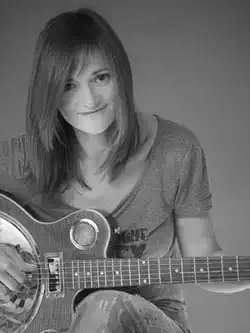
Mafalda Veiga
Ouve-se o mar
Agora
que a chuva cai devagar
lá fora
e a noite vem devorar
o sol
e tudo fica em silêncio
na rua
e ao fundo
ouve-se o mar
ouve-se o mar
agora
talvez te possas perder
devora
o que a saudade te der
a vida
leva pra longe pedaços
do tempo
deixa o sabor de um regaço
e ao fundo
ouve-se o mar
agora
que a água inunda os teus olhos
e o mundo
já não te deixa parar
no escuro
voltam as histórias perdidas
na alma
onde não podes tocar
e ao fundo
ouve-se o mar
que a chuva cai devagar
lá fora
e a noite vem devorar
o sol
e tudo fica em silêncio
na rua
e ao fundo
ouve-se o mar
ouve-se o mar
agora
talvez te possas perder
devora
o que a saudade te der
a vida
leva pra longe pedaços
do tempo
deixa o sabor de um regaço
e ao fundo
ouve-se o mar
agora
que a água inunda os teus olhos
e o mundo
já não te deixa parar
no escuro
voltam as histórias perdidas
na alma
onde não podes tocar
e ao fundo
ouve-se o mar
1 370
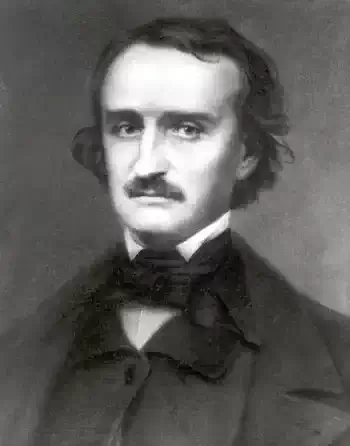
Edgar Allan Poe
Evening Star
'Twas noontide of summer,
And mid-time of night;
And stars, in their orbits,
Shone pale, thro' the light
Of the brighter, cold moon,
'Mid planets her slaves,
Herself in the Heavens,
Her beam on the waves.
I gazed awhile
On her cold smile;
Too cold— too cold for me—
There pass'd, as a shroud,
A fleecy cloud,
And I turned away to thee,
Proud Evening Star,
In thy glory afar,
And dearer thy beam shall be;
For joy to my heart
Is the proud part
Thou bearest in Heaven at night,
And more I admire
Thy distant fire,
Than that colder, lowly light.
And mid-time of night;
And stars, in their orbits,
Shone pale, thro' the light
Of the brighter, cold moon,
'Mid planets her slaves,
Herself in the Heavens,
Her beam on the waves.
I gazed awhile
On her cold smile;
Too cold— too cold for me—
There pass'd, as a shroud,
A fleecy cloud,
And I turned away to thee,
Proud Evening Star,
In thy glory afar,
And dearer thy beam shall be;
For joy to my heart
Is the proud part
Thou bearest in Heaven at night,
And more I admire
Thy distant fire,
Than that colder, lowly light.
1 823
Mafalda Veiga
Cidade
À noite
No silêncio da rua
Passavam ciganos cantando
E a cidade chamava
Nas luzes perdidas do rio
No teu carro
Andámos por aí
Bebemos cerveja e falámos
Entre sombras de prédios calados
E sonhos de homens cansados
E algo em mim sobrevive
Desesperadamente
Há escuro
Na inquietação do vento
Nas luzes esquecidas do rio
E tentam roubar-nos os dias
Tentam calar-nos as forças
Mas algo em mim sobrevive
Desesperadamente
Quero que por fim nos traga o sol
Andando pelo rio, perdidos na claridade
Hoje só quero deixar viver este momento
Hoje só quero caminhar pela cidade
No teu carro
Cruzámos as fronteiras
Bebemos cervejas e sonhámos
De tudo o que há sem regresso
Quem guardará o passado?
Entrego-me
Em passos sem destino
Até onde a fúria se acalma
vou procurando a gente
Que à noite na rua cantava
E algo em mim sobrevive
Desesperadamente
Quero que por fim nos traga o sol
Andando pelo rio perdidos na claridade
Hoje só quero deixar viver este momento
Hoje só quero caminhar pela cidade
No silêncio da rua
Passavam ciganos cantando
E a cidade chamava
Nas luzes perdidas do rio
No teu carro
Andámos por aí
Bebemos cerveja e falámos
Entre sombras de prédios calados
E sonhos de homens cansados
E algo em mim sobrevive
Desesperadamente
Há escuro
Na inquietação do vento
Nas luzes esquecidas do rio
E tentam roubar-nos os dias
Tentam calar-nos as forças
Mas algo em mim sobrevive
Desesperadamente
Quero que por fim nos traga o sol
Andando pelo rio, perdidos na claridade
Hoje só quero deixar viver este momento
Hoje só quero caminhar pela cidade
No teu carro
Cruzámos as fronteiras
Bebemos cervejas e sonhámos
De tudo o que há sem regresso
Quem guardará o passado?
Entrego-me
Em passos sem destino
Até onde a fúria se acalma
vou procurando a gente
Que à noite na rua cantava
E algo em mim sobrevive
Desesperadamente
Quero que por fim nos traga o sol
Andando pelo rio perdidos na claridade
Hoje só quero deixar viver este momento
Hoje só quero caminhar pela cidade
1 164
Mafalda Veiga
Baile
Deixei as cartas na mesa
alguém as há-de jogar
soltei a alma no vento
entre os claros do luar
vou cavalgar mais que o tempo
e antes do tempo chegar
à beira do sentimento
Correr os rumos do mundo
sem saber onde se vai
contar as estrelas no céu
respirar os vendavais
vou cavalgar mais que o vento
pra depois me demorar
à beira do sentimento
Vou dançar e escapar
numa fresta rasgada pela luz
vou rodar
pressentir
e fugir como o ar
vou dançar e escapar
numa fresta rasgada pela luz
vou rodar
pressentir
e fugir como o ar
Ser dono do infinito
que anda nos brilhos da noite
calor e fulgor do corpo
que a lua rouba o alento
vou cavalgar mais que o vento
pra depois me demorar
à beira do sentimento
Vou dançar e escapar
numa fresta rasgada pela luz
vou rodar
pressentir
e fugir como o ar
vou dançar e escapar
numa fresta rasgada pela luz
vou rodar
pressentir
e fugir como o ar
alguém as há-de jogar
soltei a alma no vento
entre os claros do luar
vou cavalgar mais que o tempo
e antes do tempo chegar
à beira do sentimento
Correr os rumos do mundo
sem saber onde se vai
contar as estrelas no céu
respirar os vendavais
vou cavalgar mais que o vento
pra depois me demorar
à beira do sentimento
Vou dançar e escapar
numa fresta rasgada pela luz
vou rodar
pressentir
e fugir como o ar
vou dançar e escapar
numa fresta rasgada pela luz
vou rodar
pressentir
e fugir como o ar
Ser dono do infinito
que anda nos brilhos da noite
calor e fulgor do corpo
que a lua rouba o alento
vou cavalgar mais que o vento
pra depois me demorar
à beira do sentimento
Vou dançar e escapar
numa fresta rasgada pela luz
vou rodar
pressentir
e fugir como o ar
vou dançar e escapar
numa fresta rasgada pela luz
vou rodar
pressentir
e fugir como o ar
1 317
Mafalda Veiga
Lenda de Uma Cigana
A lenda de uma cigana
Adormecida ao relento
Que perdeu a caravana
Por seguir o pensamento
Tem dias que anda pairando
Nos rumos do mundo
Tem dias que anda rolando
Nas presas do tempo
Diz a lenda que a cigana
Pelo caminho onde viera
O xaile tinha perdido
E um vagabundo o trouxera
Sacudindo o pó e as mágoas
Como se a cor acordasse
Num abraço dançou com ela
Antes que o vento a roubasse
Só o vento nos roda a saia
Só o vento nos faz dançar
Nos confunde os passos na areia
Muda o rumo às águas do mar
No silêncio mal se ouviam
Dançar descalços na areia
Numa noite quase fria
Estava a lua quase cheia
E pra rasgarem o escuro
Ou fugir à solidão
Ataram corpos cansados
Na sombra vaga do chão
Quando o sol entorna o dia
Ficara o xaile esquecido
E os passos da cigana
Já o vento tinha escondido
Ficou só o vagabundo
Resgatando uma ilusão
Com a alma amordaçada
Na palma da mão
Só o vento nos roda a saia
Só o vento nos faz dançar
Nos confunde os passos na areia
Muda o rumo às águas do mar
Adormecida ao relento
Que perdeu a caravana
Por seguir o pensamento
Tem dias que anda pairando
Nos rumos do mundo
Tem dias que anda rolando
Nas presas do tempo
Diz a lenda que a cigana
Pelo caminho onde viera
O xaile tinha perdido
E um vagabundo o trouxera
Sacudindo o pó e as mágoas
Como se a cor acordasse
Num abraço dançou com ela
Antes que o vento a roubasse
Só o vento nos roda a saia
Só o vento nos faz dançar
Nos confunde os passos na areia
Muda o rumo às águas do mar
No silêncio mal se ouviam
Dançar descalços na areia
Numa noite quase fria
Estava a lua quase cheia
E pra rasgarem o escuro
Ou fugir à solidão
Ataram corpos cansados
Na sombra vaga do chão
Quando o sol entorna o dia
Ficara o xaile esquecido
E os passos da cigana
Já o vento tinha escondido
Ficou só o vagabundo
Resgatando uma ilusão
Com a alma amordaçada
Na palma da mão
Só o vento nos roda a saia
Só o vento nos faz dançar
Nos confunde os passos na areia
Muda o rumo às águas do mar
1 259
Edgar Allan Poe
Fairy-Land
Dim vales— and shadowy floods—
And cloudy—looking woods,
Whose forms we can't discover
For the tears that drip all over!
Huge moons there wax and wane—
Again— again— again—
Every moment of the night—
Forever changing places—
And they put out the star—light
With the breath from their pale faces.
About twelve by the moon—dial,
One more filmy than the rest
(A kind which, upon trial,
They have found to be the best)
Comes down— still down— and down,
With its centre on the crown
Of a mountain's eminence,
While its wide circumference
In easy drapery falls
Over hamlets, over halls,
Wherever they may be—
O'er the strange woods— o'er the sea—
Over spirits on the wing—
Over every drowsy thing—
And buries them up quite
In a labyrinth of light—
And then, how deep!— O, deep!
Is the passion of their sleep.
In the morning they arise,
And their moony covering
Is soaring in the skies,
With the tempests as they toss,
Like— almost anything—
Or a yellow Albatross.
They use that moon no more
For the same end as before—
Videlicet, a tent—
Which I think extravagant:
Its atomies, however,
Into a shower dissever,
Of which those butterflies
Of Earth, who seek the skies,
And so come down again,
(Never—contented things!)
Have brought a specimen
Upon their quivering wings.
1829
And cloudy—looking woods,
Whose forms we can't discover
For the tears that drip all over!
Huge moons there wax and wane—
Again— again— again—
Every moment of the night—
Forever changing places—
And they put out the star—light
With the breath from their pale faces.
About twelve by the moon—dial,
One more filmy than the rest
(A kind which, upon trial,
They have found to be the best)
Comes down— still down— and down,
With its centre on the crown
Of a mountain's eminence,
While its wide circumference
In easy drapery falls
Over hamlets, over halls,
Wherever they may be—
O'er the strange woods— o'er the sea—
Over spirits on the wing—
Over every drowsy thing—
And buries them up quite
In a labyrinth of light—
And then, how deep!— O, deep!
Is the passion of their sleep.
In the morning they arise,
And their moony covering
Is soaring in the skies,
With the tempests as they toss,
Like— almost anything—
Or a yellow Albatross.
They use that moon no more
For the same end as before—
Videlicet, a tent—
Which I think extravagant:
Its atomies, however,
Into a shower dissever,
Of which those butterflies
Of Earth, who seek the skies,
And so come down again,
(Never—contented things!)
Have brought a specimen
Upon their quivering wings.
1829
1 358
Edgar Allan Poe
Spirits of the Dead
Thy soul shall find itself alone
'Mid dark thoughts of the grey tomb-stone;
Not one, of all the crowd, to pry
Into thine hour of secrecy.
Be silent in that solitude,
Which is not loneliness- for then
The spirits of the dead, who stood
In life before thee, are again
In death around thee, and their will
Shall overshadow thee; be still.
The night, though clear, shall frown,
And the stars shall not look down
From their high thrones in the Heaven
With light like hope to mortals given,
But their red orbs, without beam,
To thy weariness shall seem
As a burning and a fever
Which would cling to thee for ever.
Now are thoughts thou shalt not banish,
Now are visions ne'er to vanish;
From thy spirit shall they pass
No more, like dew-drop from the grass.
The breeze, the breath of God, is still,
And the mist upon the hill
Shadowy, shadowy, yet unbroken,
Is a symbol and a token.
How it hangs upon the trees,
A mystery of mysteries!
1827
'Mid dark thoughts of the grey tomb-stone;
Not one, of all the crowd, to pry
Into thine hour of secrecy.
Be silent in that solitude,
Which is not loneliness- for then
The spirits of the dead, who stood
In life before thee, are again
In death around thee, and their will
Shall overshadow thee; be still.
The night, though clear, shall frown,
And the stars shall not look down
From their high thrones in the Heaven
With light like hope to mortals given,
But their red orbs, without beam,
To thy weariness shall seem
As a burning and a fever
Which would cling to thee for ever.
Now are thoughts thou shalt not banish,
Now are visions ne'er to vanish;
From thy spirit shall they pass
No more, like dew-drop from the grass.
The breeze, the breath of God, is still,
And the mist upon the hill
Shadowy, shadowy, yet unbroken,
Is a symbol and a token.
How it hangs upon the trees,
A mystery of mysteries!
1827
1 441
Edgar Allan Poe
The Coliseum
Lone ampitheatre ! Grey Coliseum !
Type of the antique Rome ! Rich reliquary
Of lofty contemplation left to Time
By buried centuries of pomp and power !
At length, at length — after so many days
Of weary pilgrimage, and burning thirst,
(Thirst for the springs of love [lore] that in thee lie,)
I kneel, an altered, and an humble man,
Amid thy shadows, and so drink within
My very soul thy grandeur, gloom, and glory.
Vastness ! and Age ! and Memories of Eld !
Silence and Desolation! and dim Night!
Gaunt vestibules! and phantom-peopled aisles !
I feel ye now: I feel ye in your strength!
O spells more sure then [than] e'er Judæan king
Taught in the gardens of Gethsemane !
O charms more potent than the rapt Chaldee
Ever drew down from out the quiet stars !
Here, where a hero fell, a column falls :
Here, where the mimic eagle glared in gold,
A midnight vigil holds the swarthy bat:
Here, where the dames of Rome their yellow hair
Wav'd to the wind, now wave the reed and thistle :
Here, where on ivory couch the Cæsar sate,
On bed of moss lies gloating the foul adder :
Here, where on golden throne the monarch loll'd,
Glides spectre-like unto his marble home,
Lit by the wan light of the horned moon,
The swift and silent lizard of the stones.
These crumbling walls; these tottering arcades ;
These mouldering plinths; these sad, and blacken'd shafts ;
These vague entablatures; this broken frieze ;
These shattered cornices; this wreck; this ruin ;
These stones, alas! — these grey stones — are they all ;
All of the great and the colossal left
By the corrosive hours to Fate and me ?
"Not all," — the echoes answer me; "not all :
Prophetic sounds, and loud, arise forever
From us, and from all ruin, unto the wise,
As in old days from Memnon to the sun.
We rule the hearts of mightiest men: — we rule
With a despotic sway all giant minds.
We are not desolate — we pallid stones ;
Not all our power is gone; not all our Fame ;
Not all the magic of our high renown ;
Not all the wonder that encircles us ;
Not all the mysteries that in us lie;
Not all the memories that hang upon,
And cling around about us now and ever,
And clothe us in a robe of more than glory."
1833
Type of the antique Rome ! Rich reliquary
Of lofty contemplation left to Time
By buried centuries of pomp and power !
At length, at length — after so many days
Of weary pilgrimage, and burning thirst,
(Thirst for the springs of love [lore] that in thee lie,)
I kneel, an altered, and an humble man,
Amid thy shadows, and so drink within
My very soul thy grandeur, gloom, and glory.
Vastness ! and Age ! and Memories of Eld !
Silence and Desolation! and dim Night!
Gaunt vestibules! and phantom-peopled aisles !
I feel ye now: I feel ye in your strength!
O spells more sure then [than] e'er Judæan king
Taught in the gardens of Gethsemane !
O charms more potent than the rapt Chaldee
Ever drew down from out the quiet stars !
Here, where a hero fell, a column falls :
Here, where the mimic eagle glared in gold,
A midnight vigil holds the swarthy bat:
Here, where the dames of Rome their yellow hair
Wav'd to the wind, now wave the reed and thistle :
Here, where on ivory couch the Cæsar sate,
On bed of moss lies gloating the foul adder :
Here, where on golden throne the monarch loll'd,
Glides spectre-like unto his marble home,
Lit by the wan light of the horned moon,
The swift and silent lizard of the stones.
These crumbling walls; these tottering arcades ;
These mouldering plinths; these sad, and blacken'd shafts ;
These vague entablatures; this broken frieze ;
These shattered cornices; this wreck; this ruin ;
These stones, alas! — these grey stones — are they all ;
All of the great and the colossal left
By the corrosive hours to Fate and me ?
"Not all," — the echoes answer me; "not all :
Prophetic sounds, and loud, arise forever
From us, and from all ruin, unto the wise,
As in old days from Memnon to the sun.
We rule the hearts of mightiest men: — we rule
With a despotic sway all giant minds.
We are not desolate — we pallid stones ;
Not all our power is gone; not all our Fame ;
Not all the magic of our high renown ;
Not all the wonder that encircles us ;
Not all the mysteries that in us lie;
Not all the memories that hang upon,
And cling around about us now and ever,
And clothe us in a robe of more than glory."
1833
1 544
Edgar Allan Poe
Dreams
Oh! that my young life were a lasting dream!
My spirit not awakening, till the beam
Of an Eternity should bring the morrow.
Yes! tho' that long dream were of hopeless sorrow,
'Twere better than the cold reality
Of waking life, to him whose heart must be,
And hath been still, upon the lovely earth,
A chaos of deep passion, from his birth.
But should it be— that dream eternally
Continuing— as dreams have been to me
In my young boyhood— should it thus be given,
'Twere folly still to hope for higher Heaven.
For I have revell'd, when the sun was bright
I' the summer sky, in dreams of living light
And loveliness,— have left my very heart
In climes of my imagining, apart
From mine own home, with beings that have been
Of mine own thought— what more could I have seen?
'Twas once— and only once— and the wild hour
From my remembrance shall not pass— some power
Or spell had bound me— 'twas the chilly wind
Came o'er me in the night, and left behind
Its image on my spirit— or the moon
Shone on my slumbers in her lofty noon
Too coldly— or the stars— howe'er it was
That dream was as that night—wind— let it pass.
I have been happy, tho' in a dream.
I have been happy— and I love the theme:
Dreams! in their vivid coloring of life,
As in that fleeting, shadowy, misty strife
Of semblance with reality, which brings
To the delirious eye, more lovely things
Of Paradise and Love— and all our own!
Than young Hope in his sunniest hour hath known.
1827
My spirit not awakening, till the beam
Of an Eternity should bring the morrow.
Yes! tho' that long dream were of hopeless sorrow,
'Twere better than the cold reality
Of waking life, to him whose heart must be,
And hath been still, upon the lovely earth,
A chaos of deep passion, from his birth.
But should it be— that dream eternally
Continuing— as dreams have been to me
In my young boyhood— should it thus be given,
'Twere folly still to hope for higher Heaven.
For I have revell'd, when the sun was bright
I' the summer sky, in dreams of living light
And loveliness,— have left my very heart
In climes of my imagining, apart
From mine own home, with beings that have been
Of mine own thought— what more could I have seen?
'Twas once— and only once— and the wild hour
From my remembrance shall not pass— some power
Or spell had bound me— 'twas the chilly wind
Came o'er me in the night, and left behind
Its image on my spirit— or the moon
Shone on my slumbers in her lofty noon
Too coldly— or the stars— howe'er it was
That dream was as that night—wind— let it pass.
I have been happy, tho' in a dream.
I have been happy— and I love the theme:
Dreams! in their vivid coloring of life,
As in that fleeting, shadowy, misty strife
Of semblance with reality, which brings
To the delirious eye, more lovely things
Of Paradise and Love— and all our own!
Than young Hope in his sunniest hour hath known.
1827
1 676
Mafalda Veiga
Fonte dos Deuses
A lua dança na mata
Até despontar o dia
Andam ninfas na cascata
E os deuses em romaria
E os bravos guerreiro mouros
Cravam lanças ao luar
Pra afugentar maus agouros
Como a fonte a transbordar
Rio aberto, quase mar
Acaba todo o sossego
Inundada a pradaria
Se os deuses contam segredos
E água vem que não devi
E os bravos guerreiros
Cravam lanças ao luar
Pra afugentar maus agouros
Como a fonte a transbordar
Rio aberto, quase mar
E estava a princesa moura
A beber água na fonte
Onde a vida é uma espora
Cravada no horizonte
Todo o dia a toda a hora
Sempre vem o trovador
Cantar à princesa moura
E a toda a moirama em flor
Ai toda a moura é uma flor
Cantaria à luz do fogo
Se me fosse perdoado
Pelos deuses todo o sonho
Toda a falta de cuidado
Mas nem sempre acorda a chama
Onde a noite é demorada
Enquanto os deuses recolhem
Água em fonte transbordada
Luz em noite enluarada
E estava a princesa moura
A beber água na fonte
Onde a vida é uma espora
Cravada no horizonte
Todo o dia a toda a hora
Sempre vem o trovador
Cantar à princesa moura
E a toda a moirama em flor
Ai toda a moura é uma flor
Toco na lira dos deuses
Pela margem da ribeira
É esse o riso dos deuses
E das caraças da feira
Dias de amor nunca esquecem
Tirando algum que esqueceu
Quando os deuses enlouquecem
E arrancam estrelas do céu
E deixam noites de breu
E estava a princesa moura
A beber água na fonte
Onde a vida é uma espora
Cravada no horizonte
Todo o dia a toda a hora
Sempre vem o trovador
Cantar à princesa moura
E a toda a moirama em flor
Ai toda a moura é uma flor
Até despontar o dia
Andam ninfas na cascata
E os deuses em romaria
E os bravos guerreiro mouros
Cravam lanças ao luar
Pra afugentar maus agouros
Como a fonte a transbordar
Rio aberto, quase mar
Acaba todo o sossego
Inundada a pradaria
Se os deuses contam segredos
E água vem que não devi
E os bravos guerreiros
Cravam lanças ao luar
Pra afugentar maus agouros
Como a fonte a transbordar
Rio aberto, quase mar
E estava a princesa moura
A beber água na fonte
Onde a vida é uma espora
Cravada no horizonte
Todo o dia a toda a hora
Sempre vem o trovador
Cantar à princesa moura
E a toda a moirama em flor
Ai toda a moura é uma flor
Cantaria à luz do fogo
Se me fosse perdoado
Pelos deuses todo o sonho
Toda a falta de cuidado
Mas nem sempre acorda a chama
Onde a noite é demorada
Enquanto os deuses recolhem
Água em fonte transbordada
Luz em noite enluarada
E estava a princesa moura
A beber água na fonte
Onde a vida é uma espora
Cravada no horizonte
Todo o dia a toda a hora
Sempre vem o trovador
Cantar à princesa moura
E a toda a moirama em flor
Ai toda a moura é uma flor
Toco na lira dos deuses
Pela margem da ribeira
É esse o riso dos deuses
E das caraças da feira
Dias de amor nunca esquecem
Tirando algum que esqueceu
Quando os deuses enlouquecem
E arrancam estrelas do céu
E deixam noites de breu
E estava a princesa moura
A beber água na fonte
Onde a vida é uma espora
Cravada no horizonte
Todo o dia a toda a hora
Sempre vem o trovador
Cantar à princesa moura
E a toda a moirama em flor
Ai toda a moura é uma flor
1 159
Mafalda Veiga
Nazaré
Ainda hoje dormi na praia
Na acalmia da maré
E a lua inundou-me os olhos
E o mar despido afundou-me a fé
E hoje de que serve a jura
Se ele à praia não vai voltar
Esperei na noite mais escura
Até ver na água o azul clarear
Ai Nazaré
Deixa-me embalar o mar
Deixa-me embalar o mar
E o sal no brilho dos olhos
Sabe a tristeza sem fim
Que hoje o mar abraça e leva
O que Deus quis e arrancou de mim
Ai Nazaré
Deixa-me embalar o mar
Deixa-me embalar o mar
Ainda hoje acordei na praia
Nada ao longe se avistou
Só mais uma noite escura
Sob o azul e sob a lua
Esconde o que o mar me roubou
Ai Nazaré
Deixa-me embalar o mar
Deixa-me embalar o mar
Ai Nazaré
Deixa-me embalar o mar
Deixa-me embalar o mar
Na acalmia da maré
E a lua inundou-me os olhos
E o mar despido afundou-me a fé
E hoje de que serve a jura
Se ele à praia não vai voltar
Esperei na noite mais escura
Até ver na água o azul clarear
Ai Nazaré
Deixa-me embalar o mar
Deixa-me embalar o mar
E o sal no brilho dos olhos
Sabe a tristeza sem fim
Que hoje o mar abraça e leva
O que Deus quis e arrancou de mim
Ai Nazaré
Deixa-me embalar o mar
Deixa-me embalar o mar
Ainda hoje acordei na praia
Nada ao longe se avistou
Só mais uma noite escura
Sob o azul e sob a lua
Esconde o que o mar me roubou
Ai Nazaré
Deixa-me embalar o mar
Deixa-me embalar o mar
Ai Nazaré
Deixa-me embalar o mar
Deixa-me embalar o mar
2 520
Edgar Allan Poe
To Helen [Sarah Helen Whitman
I saw thee once— once only — years ago:
I must not say how many — but not many.
It was a July midnight; and from out
A full-orbed moon, that, like thine own soul, soaring,
Sought a precipitate pathway up through heaven,
There fell a silvery-silken veil of light,
With quietude, and sultriness, and slumber,
Upon the upturned faces of a thousand
Roses that grew in an enchanted garden,
Where no wind dared to stir, unless on tiptoe —
Fell on the upturn'd faces of these roses
That gave out, in return for the love-light,
Their odorous souls in an ecstatic death —
Fell on the upturn'd faces of these roses
That smiled and died in this parterre, enchanted
By thee, and by the poetry of thy presence.
Clad all in white, upon a violet bank
I saw thee half reclining; while the moon
Fell on the upturn'd faces of the roses,
And on thine own, upturn'd— alas, in sorrow!
Was it not Fate, that, on this July midnight—
Was it not Fate, (whose name is also Sorrow,)
That bade me pause before that garden-gate,
To breathe the incense of those slumbering roses?
No footstep stirred: the hated world an slept,
Save only thee and me. (Oh, Heaven!— oh, God!
How my heart beats in coupling those two words!)
Save only thee and me. I paused— I looked—
And in an instant all things disappeared.
(Ah, bear in mind this garden was enchanted!)
The pearly lustre of the moon went out:
The mossy banks and the meandering paths,
The happy flowers and the repining trees,
Were seen no more: the very roses' odors
Died in the arms of the adoring airs.
All— all expired save thee— save less than thou:
Save only the divine light in thine eyes—
Save but the soul in thine uplifted eyes.
I saw but them— they were the world to me!
I saw but them— saw only them for hours,
Saw only them until the moon went down.
What wild heart-histories seemed to he enwritten
Upon those crystalline, celestial spheres!
How dark a woe, yet how sublime a hope!
How silently serene a sea of pride!
How daring an ambition; yet how deep—
How fathomless a capacity for love!
But now, at length, dear Dian sank from sight,
Into a western couch of thunder-cloud;
And thou, a ghost, amid the entombing trees
Didst glide away. Only thine eyes remained;
They would not go— they never yet have gone;
Lighting my lonely pathway home that night,
They have not left me (as my hopes have) since;
They follow me— they lead me through the years.
They are my ministers — yet I their slave.
Their office is to illumine and enkindle —
My duty, to be saved by their bright light,
And purified in their electric fire,
And sanctified in their elysian fire.
They fill my soul with Beauty (which is Hope),
And are far up in Heaven — the stars I kneel to
In the sad, silent watches of my night;
While even in the meridian glare of day
I see them still — two sweetly scintillant
Venuses, unextinguished by the sun!
1850
I must not say how many — but not many.
It was a July midnight; and from out
A full-orbed moon, that, like thine own soul, soaring,
Sought a precipitate pathway up through heaven,
There fell a silvery-silken veil of light,
With quietude, and sultriness, and slumber,
Upon the upturned faces of a thousand
Roses that grew in an enchanted garden,
Where no wind dared to stir, unless on tiptoe —
Fell on the upturn'd faces of these roses
That gave out, in return for the love-light,
Their odorous souls in an ecstatic death —
Fell on the upturn'd faces of these roses
That smiled and died in this parterre, enchanted
By thee, and by the poetry of thy presence.
Clad all in white, upon a violet bank
I saw thee half reclining; while the moon
Fell on the upturn'd faces of the roses,
And on thine own, upturn'd— alas, in sorrow!
Was it not Fate, that, on this July midnight—
Was it not Fate, (whose name is also Sorrow,)
That bade me pause before that garden-gate,
To breathe the incense of those slumbering roses?
No footstep stirred: the hated world an slept,
Save only thee and me. (Oh, Heaven!— oh, God!
How my heart beats in coupling those two words!)
Save only thee and me. I paused— I looked—
And in an instant all things disappeared.
(Ah, bear in mind this garden was enchanted!)
The pearly lustre of the moon went out:
The mossy banks and the meandering paths,
The happy flowers and the repining trees,
Were seen no more: the very roses' odors
Died in the arms of the adoring airs.
All— all expired save thee— save less than thou:
Save only the divine light in thine eyes—
Save but the soul in thine uplifted eyes.
I saw but them— they were the world to me!
I saw but them— saw only them for hours,
Saw only them until the moon went down.
What wild heart-histories seemed to he enwritten
Upon those crystalline, celestial spheres!
How dark a woe, yet how sublime a hope!
How silently serene a sea of pride!
How daring an ambition; yet how deep—
How fathomless a capacity for love!
But now, at length, dear Dian sank from sight,
Into a western couch of thunder-cloud;
And thou, a ghost, amid the entombing trees
Didst glide away. Only thine eyes remained;
They would not go— they never yet have gone;
Lighting my lonely pathway home that night,
They have not left me (as my hopes have) since;
They follow me— they lead me through the years.
They are my ministers — yet I their slave.
Their office is to illumine and enkindle —
My duty, to be saved by their bright light,
And purified in their electric fire,
And sanctified in their elysian fire.
They fill my soul with Beauty (which is Hope),
And are far up in Heaven — the stars I kneel to
In the sad, silent watches of my night;
While even in the meridian glare of day
I see them still — two sweetly scintillant
Venuses, unextinguished by the sun!
1850
1 862
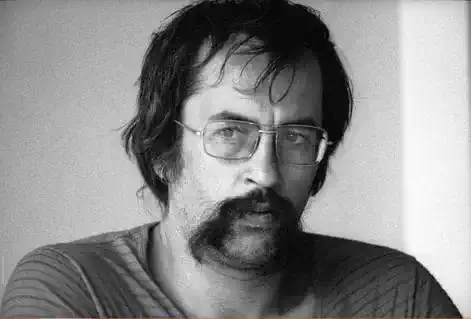

Eloise Petter
SOMBRA DE UM ABUTRE INSIDIOSO
Declaro a mim mesmo estes versos
Que a nuvem da paixão tornam dispersos
Encontrar meus desígnios absortos
Sombra de um abutre insidioso
Lua incandescente a derreter
Neste céu escuro deste ser
Carne flamejante, tenebrosa
Vaporosa se dissolve de prazer
Corpo insaciável desta vida
Lingua louca, contingente oceano
Nas palavras que te podem ser ditas
Não sucumbem à frieza ao teu encanto
Incorpórea sombra dança intermitente
Eu a sigo, apaixonada peregrina
Sobre o céu clemente e lento, eu me despeço
Uma noite no sepulcro do universo
Que a nuvem da paixão tornam dispersos
Encontrar meus desígnios absortos
Sombra de um abutre insidioso
Lua incandescente a derreter
Neste céu escuro deste ser
Carne flamejante, tenebrosa
Vaporosa se dissolve de prazer
Corpo insaciável desta vida
Lingua louca, contingente oceano
Nas palavras que te podem ser ditas
Não sucumbem à frieza ao teu encanto
Incorpórea sombra dança intermitente
Eu a sigo, apaixonada peregrina
Sobre o céu clemente e lento, eu me despeço
Uma noite no sepulcro do universo
928
Edgar Allan Poe
A Dream
In visions of the dark night
I have dreamed of joy departed--
But a waking dream of life and light
Hath left me broken-hearted.
Ah! what is not a dream by day
To him whose eyes are cast
On things around him with a ray
Turned back upon the past?
That holy dream- that holy dream,
While all the world were chiding,
Hath cheered me as a lovely beam
A lonely spirit guiding.
What though that light, thro' storm and night,
So trembled from afar-
What could there be more purely bright
In Truth's day-star?
-The End-
I have dreamed of joy departed--
But a waking dream of life and light
Hath left me broken-hearted.
Ah! what is not a dream by day
To him whose eyes are cast
On things around him with a ray
Turned back upon the past?
That holy dream- that holy dream,
While all the world were chiding,
Hath cheered me as a lovely beam
A lonely spirit guiding.
What though that light, thro' storm and night,
So trembled from afar-
What could there be more purely bright
In Truth's day-star?
-The End-
2 218
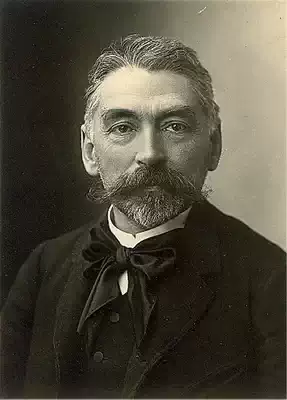
Stéphane Mallarmé
LES PURS ONGLES
As puras unhas do alto dedicando o onix
A angústia, meia-noite, sustem, lampadófora,
Vário vesperal sonho ardido p'la Fênix
Que não recolhe alguma cinerária ânfora.
Nas crede;ncias da sala vazia: nem ptix,
Abolido bib'lô de vaidade sonora
(Que o Mestre foi buscar, suas lágrimas ao Stix
Com tal único objeto que ao se Nada enflora),
Mas perto da janela ao norte aberta algo áureo
Agoniza segundo talvez o cenário
De licornes ruivando fogo contra a nixe,
Ela, defunta nua em espelho, apesar de ora,
Nesse esquecer que o fecha quadro, já se fixe
De só cintilações o septimimo agora.
(Tradução de Jorge de Sena)
A angústia, meia-noite, sustem, lampadófora,
Vário vesperal sonho ardido p'la Fênix
Que não recolhe alguma cinerária ânfora.
Nas crede;ncias da sala vazia: nem ptix,
Abolido bib'lô de vaidade sonora
(Que o Mestre foi buscar, suas lágrimas ao Stix
Com tal único objeto que ao se Nada enflora),
Mas perto da janela ao norte aberta algo áureo
Agoniza segundo talvez o cenário
De licornes ruivando fogo contra a nixe,
Ela, defunta nua em espelho, apesar de ora,
Nesse esquecer que o fecha quadro, já se fixe
De só cintilações o septimimo agora.
(Tradução de Jorge de Sena)
2 063
Eloise Petter
Oníricas metamorfoses
De longe um anjo parece voar
Nestes negros olhos que se parecem com as trevas
Estranhas feras na fronte singela
Fazem do anjo, demônio
E do homem, poeta
Um casulo envolve recôndita alma
Um sorriso esconde pútrido desejo
Escondido em seu corpo
Meu corpo eu vejo
Mas apenas um beijo o fará despertar
Em vão persigo nevoento olhar
Como se nele meu sono ousasse acordar
Como se nele meu pranto ousasse secar
A procura do encanto
Em seu sonho, sonhar
Ah!! Um vento infante no vendaval perdura
Assim como a minha paz anseia sua loucura
Nestes negros olhos que a chama incendeia
Revolve o meu peito
Que em ti clareia
Oníricas metamorfoses na noite funesta
Nestes negros olhos que se parecem com as trevas
Estranhas feras na fronte singela
Fazem do anjo, demônio
E do homem, poeta
Um casulo envolve recôndita alma
Um sorriso esconde pútrido desejo
Escondido em seu corpo
Meu corpo eu vejo
Mas apenas um beijo o fará despertar
Em vão persigo nevoento olhar
Como se nele meu sono ousasse acordar
Como se nele meu pranto ousasse secar
A procura do encanto
Em seu sonho, sonhar
Ah!! Um vento infante no vendaval perdura
Assim como a minha paz anseia sua loucura
Nestes negros olhos que a chama incendeia
Revolve o meu peito
Que em ti clareia
Oníricas metamorfoses na noite funesta
1 010
Edgar Allan Poe
Untitled - A wilder'd being from my birth
A wilder'd being from my birth
My spirit spurn'd control,
But now, abroad on the wide earth,
Where wand'rest thou my soul?
In visions of the dark night
I have dream'd of joy departed —
But a waking dream of life and light
Hath left me broken-hearted.
And what is not a dream by day
To him whose eyes are cast
On things around him with a ray
Turn'd back upon the past?
That holy dream — that holy dream,
While all the world were chiding,
Hath cheer'd me as a lovely beam
A lonely spirit guiding —
What tho' that light, thro' misty night
So dimly shone afar—
What could there be more purely bright
In Truth's day — star ?
-The End-
My spirit spurn'd control,
But now, abroad on the wide earth,
Where wand'rest thou my soul?
In visions of the dark night
I have dream'd of joy departed —
But a waking dream of life and light
Hath left me broken-hearted.
And what is not a dream by day
To him whose eyes are cast
On things around him with a ray
Turn'd back upon the past?
That holy dream — that holy dream,
While all the world were chiding,
Hath cheer'd me as a lovely beam
A lonely spirit guiding —
What tho' that light, thro' misty night
So dimly shone afar—
What could there be more purely bright
In Truth's day — star ?
-The End-
1 190
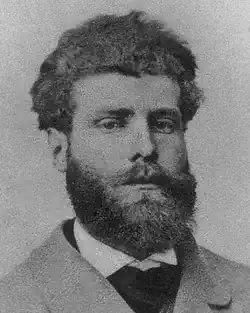
Antero de Quental
Sonho Oriental
Sonho-me às vezes rei, nalguma ilha,
Muito longe, nos mares do Oriente,
Onde a noite é balsâmica e fulgente
E a lua cheia sobre as águas brilha...
O aroma da mongólia e da baunilha
Paira no ar diáfano e dormente...
Lambe a orla dos bosques, vagamente,
O mar com umas finas ondas de escumilha...
E enquanto eu na varanda de marfim
Me encosto, absorto num cismar sem fim,
Tu, meu amor, divagas ao luar,
Do profundo jardim pelas clareiras,
Ou descansas debaixo das palmeiras,
Tendo aos pés um leão familiar.
Muito longe, nos mares do Oriente,
Onde a noite é balsâmica e fulgente
E a lua cheia sobre as águas brilha...
O aroma da mongólia e da baunilha
Paira no ar diáfano e dormente...
Lambe a orla dos bosques, vagamente,
O mar com umas finas ondas de escumilha...
E enquanto eu na varanda de marfim
Me encosto, absorto num cismar sem fim,
Tu, meu amor, divagas ao luar,
Do profundo jardim pelas clareiras,
Ou descansas debaixo das palmeiras,
Tendo aos pés um leão familiar.
3 087
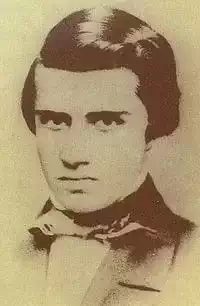
Álvares de Azevedo
MINHA AMANTE
Lira dos Vinte Anos
Segunda Parte
Coração de mulher, qual filomela,
É todo amor e canto ao pé da noite.
JOÃO DE LEMOS
Fulcite me floribus... quia amore langueo.
Cant. Canticorum
Ah! volta inda uma vez! foi só contigo
Que, à noite, de ventura eu desmaiava...
E só nos lábios teus eu me embebia
De volúpias divinas!
Volta, minha ventura! eu tenho sede
Desses beijos ardentes que os suspiros
Ofegando interrompem! quantas noites
Fui ditoso contigo!
E quantas vezes te embalei tremendo
Sobre os joelhos meus! Quanto amorosa
Unindo à minha tua face pálida
De amor e febre ardias!
Oh! volta inda uma vez! ergue-se a lua,
Formosa como dantes, é bem noite,
Na minha solidão brilha, de novo,
Estrela de minh'alma!
Desmaio-me de amor, descoro e tremo...
Morno suor me banha o peito langue...
Meu olhar se escurece e eu te procuro
Com os lábios sedentos!
Oh! quem pudera sempre em teus amores
Sobre teu seio perfumar seus dias,
Beijar a tua fronte e em teus cabelos
Respirar ebrioso!
És a coroa de meus anos breves,
És a corda de amor d'íntima lira,
O canto ignoto, que me enleva em sonhos
De saudosas ternuras!
E tu és como a lua: inda és mais bela,
Quando a sombra nos vales se derrama,
Astro misterioso à meia-noite
Te revela a minh'alma!
Ó! minha lira, ó viração noturna,
Flores, sombras do vale, à minha amante...
Dizei que nesta noite de desejos
E de ternuras morro!
Segunda Parte
Coração de mulher, qual filomela,
É todo amor e canto ao pé da noite.
JOÃO DE LEMOS
Fulcite me floribus... quia amore langueo.
Cant. Canticorum
Ah! volta inda uma vez! foi só contigo
Que, à noite, de ventura eu desmaiava...
E só nos lábios teus eu me embebia
De volúpias divinas!
Volta, minha ventura! eu tenho sede
Desses beijos ardentes que os suspiros
Ofegando interrompem! quantas noites
Fui ditoso contigo!
E quantas vezes te embalei tremendo
Sobre os joelhos meus! Quanto amorosa
Unindo à minha tua face pálida
De amor e febre ardias!
Oh! volta inda uma vez! ergue-se a lua,
Formosa como dantes, é bem noite,
Na minha solidão brilha, de novo,
Estrela de minh'alma!
Desmaio-me de amor, descoro e tremo...
Morno suor me banha o peito langue...
Meu olhar se escurece e eu te procuro
Com os lábios sedentos!
Oh! quem pudera sempre em teus amores
Sobre teu seio perfumar seus dias,
Beijar a tua fronte e em teus cabelos
Respirar ebrioso!
És a coroa de meus anos breves,
És a corda de amor d'íntima lira,
O canto ignoto, que me enleva em sonhos
De saudosas ternuras!
E tu és como a lua: inda és mais bela,
Quando a sombra nos vales se derrama,
Astro misterioso à meia-noite
Te revela a minh'alma!
Ó! minha lira, ó viração noturna,
Flores, sombras do vale, à minha amante...
Dizei que nesta noite de desejos
E de ternuras morro!
2 571

Felipe Vianna
VIDA
Dança dourado luar
No reflexo espelhado do mar.
Este amor platônico
As ondas vêm à praia chorar.
Choras porque tens consciência
Que o que tens é só referência
Já que a verdadeira lua não podes abraçar
Deves contentar-te apenas com a luz do luar.
Mas o que é a vida
Se não apenas um espelho
De uma coisa já ida
Que nunca veio.
24/06/2001
No reflexo espelhado do mar.
Este amor platônico
As ondas vêm à praia chorar.
Choras porque tens consciência
Que o que tens é só referência
Já que a verdadeira lua não podes abraçar
Deves contentar-te apenas com a luz do luar.
Mas o que é a vida
Se não apenas um espelho
De uma coisa já ida
Que nunca veio.
24/06/2001
907

Felipe Larson
COMPLEMENTAÇÃO
Não ficaremos aqui parados
Ouvindo vocês dizendo: - obrigado
Vendo o por do sol
No horizonte perdido no mar
Eu ficaria muito orgulhoso
Se visse você aqui de novo
Sem saber o que dizer
No momento que eu a ver
Mas não venha me falar
De coisas que não fiz
Querendo me agradar
Mas olha o que você me diz
Quando a noite chegar
No céu a lua vai brilhar
Pra realçar sua beleza
Pra contemplar nossas emoções
Eu te completo, você me completa.
Esta distância é tão discreta
Mas não te vendo mais
Sinto tanta saudade de você
Me liga
Me escreva
Mande recado
Mande noticias de você
Ouvindo vocês dizendo: - obrigado
Vendo o por do sol
No horizonte perdido no mar
Eu ficaria muito orgulhoso
Se visse você aqui de novo
Sem saber o que dizer
No momento que eu a ver
Mas não venha me falar
De coisas que não fiz
Querendo me agradar
Mas olha o que você me diz
Quando a noite chegar
No céu a lua vai brilhar
Pra realçar sua beleza
Pra contemplar nossas emoções
Eu te completo, você me completa.
Esta distância é tão discreta
Mas não te vendo mais
Sinto tanta saudade de você
Me liga
Me escreva
Mande recado
Mande noticias de você
717
Felipe Larson
UMA DA MANHÃ
Uma da manhã
Nada diferente
Mas de repente
O dia irá mudar
O sol irá brilhar
Na sua janela
E o pensamento nela
É o que irá sobrar
Mas nada sacia
A minha vontade
De poder criar
Uma nova verdade
Ganhando esquinas
Assim que descobre
Que em pouco rabisco
Escreve meu nome
Por pensar tanto em você
Eu imagino você em todo lugar
Perseguindo até em meus sonhos
E quem disse que será assim
O nosso final, o nosso final feliz
Nada diferente
Mas de repente
O dia irá mudar
O sol irá brilhar
Na sua janela
E o pensamento nela
É o que irá sobrar
Mas nada sacia
A minha vontade
De poder criar
Uma nova verdade
Ganhando esquinas
Assim que descobre
Que em pouco rabisco
Escreve meu nome
Por pensar tanto em você
Eu imagino você em todo lugar
Perseguindo até em meus sonhos
E quem disse que será assim
O nosso final, o nosso final feliz
602

Luís Vianna
CÉU
Sentado nesta pedra
Sobre um penhasco sem fim
Olho as estrelas
E elas olham p´ra mim.
Que tapete vivo
Costurado com linha brilhante
Dum bordado fantástico
De constelações e outros mil.
E a lua,
Hoje totalmente nua,
Parece sentir e gozar
Os prazeres de neste tapete deitar.
Ah! Que inveja,
Quem dera ser eu lá,
Deitado por entre as estrelas
A descansar.
26/05/2001
Sobre um penhasco sem fim
Olho as estrelas
E elas olham p´ra mim.
Que tapete vivo
Costurado com linha brilhante
Dum bordado fantástico
De constelações e outros mil.
E a lua,
Hoje totalmente nua,
Parece sentir e gozar
Os prazeres de neste tapete deitar.
Ah! Que inveja,
Quem dera ser eu lá,
Deitado por entre as estrelas
A descansar.
26/05/2001
765