
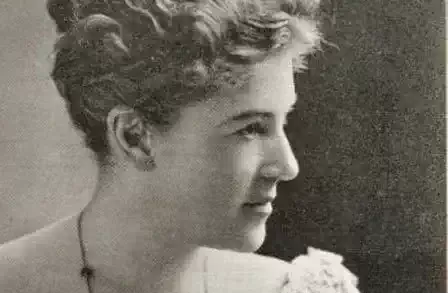

Custer: Book Second
Custer: Book Second
I
Oh, for the power to call to aid, of mine
Own humble Muse, the famed and sacred nine.
Then might she fitly sing, and only then,
Of those intrepid and unflinching men
Who knew no homes save ever moving tents,
And who 'twixt fierce unfriendly elements
And wild barbarians warred. Yet unfraid,
Since love impels thy strains, sing, sing, my modest maid.
II
Relate how Custer in midwinter sought
Far Washita's cold shores; tell why he fought
With savage nomads fortressed in deep snows.
Woman, thou source of half the sad world's woes
And all its joys, what sanguinary strife
Has vexed the earth and made contention rife
Because of thee! For, hidden in man's heart,
Ay, in his very soul, of his true self a part,
III
The natural impulse and the wish belongs
To win thy favor and redress thy wrongs.
Alas! for woman, and for man, alas!
If that dread hour should ever come to pass,
When, through her new-born passion for control,
She drives that beauteous impulse from his soul.
What were her vaunted independence worth
If to obtain she sells her sweetest rights of birth?
IV
God formed fair woman for her true estateMan's
tender comrade, and his equal mate,
Not his competitor in toil and trade.
While coarser man, with greater strength was made
To fight her battles and her rights protect.
Ay! to protect the rights of earth's elect
(The virgin maiden and the spotless wife)
From immemorial time has man laid down his life.
V
And now brave Custer's valiant army pressed
Across the dangerous desert of the West,
To rescue fair white captives from the hands
Of brutal Cheyenne and Comanche bands,
On Washita's bleak banks. Nine hundred strong
It moved its slow determined way along,
Past frontier homes left dark and desolate
By the wild Indians' fierce and unrelenting hate;
VI
Past forts where ranchmen, strong of heart and bold,
Wept now like orphaned children as they told,
With quivering muscles and with anguished breath,
Of captured wives, whose fate was worse than death;
Past naked bodies whose disfiguring wounds
Spoke of the hellish hate of human hounds;
Past bleaching skeleton and rifled grave,
On pressed th' avenging host, to rescue and to save.
VII
Uncertain Nature, like a fickle friend,
(Worse than the foe on whom we may depend)
Turned on these dauntless souls a brow of wrath
And hurled her icy jav'lins in their path.
With treacherous quicksands, and with storms that blight,
Entrapped their footsteps and confused their sight.
'Yet on,' urged Custer, 'on at any cost,
No hour is there to waste, no moment to be lost.'
VIII
Determined, silent, on they rode, and on,
Like fabled Centaurs, men and steeds seemed one.
No bugle echoed and no voice spoke near,
Lest on some lurking Indian's list'ning ear
The sound might fall. Through swift descending snow
The stealthy guides crept, tracing out the foe;
No fire was lighted, and no halt was made
From haggard gray-lipped dawn till night lent friendly shade.
IX
Then, by the shelt'ring river's bank at last,
The weary warriors paused for their repast.
A couch of ice and falling shows for spread
Made many a suffering soldier's chilling bed.
They slept to dream of glory and delight,
While the pale fingers of the pitying night
Wove ghostly winding sheets for that doomed score
Who, ere another eve, should sleep to wake no more.
X
But those who slept not, saw with startled eyes
Far off, athwart dim unprotecting skies,
Ascending slowly with majestic grace,
A lustrous rocket, rising out of space.
'Behold the signal of the foe,' cried one,
The field is lost before the strife's begun.
Yet no! for see! yon rays spread near and far;
It is the day's first smile, the radiant morning star.
XI
The long hours counting till the daylight broke,
In whispered words the restless warriors spoke.
They talked of battles, but they thought of home
(For hearts are faithful though the feet may roam).
Brave Hamilton, all eager for the strife,
Mused o'er that two-fold mystery-death and life;
'And when I die,' quoth he, 'mine be the part
To fall upon the field, a bullet in my heart.'
XII
At break of dawn the scouts crept in to say
The foe was camped a rifle shot away.
The baying of a dog, an infant's cry
Pierced through the air; sleep fled from every eye.
To horse! to arms! the dead demand the dead!
Let the grand charge upon the lodge be led!
Let the Mosaic law, life for a life
Pay the long standing debt of blood. War to the knife!
XIII
So spake each heart in that unholy rage
Which fires the brain, when war the thoughts engage.
War, hideous war, appealing to the worst
In complex man, and waking that wild thirst
For human blood which blood alone can slake.
Yet for their country's safety, and the sake
Of tortured captives moaning in alarm
The Indian must be made to fear the law's strong arm.
XIV
A noble vengeance burned in Custer's breast,
But, as he led his army to the crest,
Above the wigwams, ready for the charge
He felt the heart within him, swelling large
With human pity, as an infant's wail
Shrilled once again above the wintry gale.
Then hosts of murdered children seemed to rise;
And shame his halting thought with sad accusing eyes,
XV
And urge him on to action. Stern of brow
The just avenger, and the General now,
He gives the silent signal to the band
Which, all impatient, waits for his command.
Cold lips to colder metal press; the air
Echoes those merry strains which mean despair
For sleeping chieftain and for toiling squaw,
But joy to those stern hearts which glory in the law
XVI
Of murder paying murder's awful debt.
And now four squadrons in one charge are met.
From east and west, from north and south they come,
At call of bugle and at roll of drum.
Their rifles rain hot hail upon the foe,
Who flee from danger in death's jaws to go.
The Indians fight like maddened bulls at bay,
And dying shriek and groan, wound the young ear of day.
XVII
A pallid captive and a white-browed boy
Add to the tumult piercing cries of joy,
As forth they fly, with high hope animate.
A hideous squaw pursues them with her hate;
Her knife descends with sickening force and sound;
Their bloody entrails stain the snow-clad ground.
She shouts with glee, then yells with rage and falls
Dead by her victims' side, pierced by avenging balls.
XVIII
Now war runs riot, carnage reigns supreme.
All thoughts of mercy fade from Custer's scheme.
Inhuman methods for inhuman foes,
Who feed on horrors and exult in woes.
To conquer and subdue alone remains
In dealing with the red man on the plains.
The breast that knows no conscience yields to fear,
Strike! let the Indian meet his master now and here.
XIX
With thoughts like these was Custer's mind engaged.
The gentlest are the sternest when enraged.
All felt the swift contagion of his ire,
For he was one who could arouse and fire
The coldest heart, so ardent was his own.
His fearless eye, his calm intrepid tone,
Bespoke the leader, strong with conscious power,
Whom following friends will bless, while foes will curse and cower.
XX
Again they charge! and now among the killed
Lies Hamilton, his wish so soon fulfilled,
Brave Elliott pursues across the field
The flying foe, his own young life to yield.
But like the leaves in some autumnal gale
The red men fall in Washita's wild vale.
Each painted face and black befeathered head
Still more repulsive seems with death's grim pallor wed.
XXI
New forces gather on surrounding knolls,
And fierce and fiercer war's red river rolls.
With bright-hued pennants flying from each lance
The gayly costumed Kiowas advance.
And bold Comanches (Bedouins of the land)
Infuse fresh spirit in the Cheyenne band.
While from the ambush of some dark ravine
Flash arrows aimed by hands, unerring and unseen.
XXIII
The hours advance; the storm clouds roll away;
Still furious and more furious grows the fray.
The yellow sun makes ghastlier still the sight
Of painted corpses, staring in its light.
No longer slaves, but comrades of their griefs,
The squaws augment the forces of their chiefs.
They chant weird dirges in a minor key,
While from the narrow door of wigwam and tepee
XXIII
Cold glittering eyes above cold glittering steel
Their deadly purpose and their hate reveal.
The click of pistols and the crack of guns
Proclaim war's daughters dangerous as her sons.
She who would wield the soldier's sword and lance
Must be prepared to take the soldier's chance.
She who would shoot must serve as target, too;
The battle-frenzied men, infuriate now pursue.
XXIV
And blood of warrior, woman and papoose,
Flow free as waters when some dam breaks loose;
Consuming fire, the wanton friend of war
(Whom allies worship and whom foes abhor)
Now trails her crimson garments through the street,
And ruin marks the passing of her feet.
Full three-score lodges smoke upon the plain,
And all the vale is strewn with bodies of the slain.
XXV
And those who are not numbered with the dead
Before all-conquering Custer now are led.
To soothe their woes, and calm their fears he seeks;
An Osage guide interprets while he speaks.
The vanquished captives, humbled, cowed and spent
Read in the victor's eye his kind intent.
The modern victor is as kind as brave;
His captive is his guest, not his insulted slave.
XXVI
Mahwissa, sister of the slaughtered chief
Of all the Cheyennes, listens; and her grief
Yields now to hope; and o'er her withered face
There flits the stealthy cunning of her race.
Then forth she steps, and thus begins to speak:
'To aid the fallen and support the weak
Is man's true province; and to ease the pain
Of those o'er whom it is his purpose now to reign.
XXVII
'Let the strong chief unite with theirs his life,
And take this black-eyed maiden for a wife.'
Then, moving with an air of proud command,
She leads a dusky damsel by the hand,
And places her at wondering Custer's side,
Invoking choicest blessings on the bride
And all unwilling groom, who thus replies.
'Fair is the Indian maid, with bright bewildering eyes,
XXVIII
'But fairer still is one who, year on year,
Has borne man's burdens, conquered woman's fear;
And at my side rode mile on weary mile,
And faced all deaths, all dangers, with a smile,
Wise as Minerva, as Diana brave,
Is she whom generous gods in kindness gave
To share the hardships of my wandering life,
Companion, comrade, friend, my loved and loyal wife.
XXIX
'The white chief weds but one. Take back thy maid.'
He ceased, and o'er Mahwissa's face a shade
Of mingled scorn and pity and surprise
Sweeps as she slow retreats, and thus replies:
'Rich is the pale-faced chief in battle fame,
But poor is he who but one wife may claim.
Wives are the red-skinned heroes' rightful spoil;
In war they prove his strength, in times of peace they toil.'
XXX
But hark! The bugle echoes o'er the plains
And sounds again those merry Celtic strains
Which oft have called light feet to lilting dance,
But now they mean the order to advance.
Along the river's bank, beyond the hill
Two thousand foemen lodge, unconquered still.
Ere falls night's curtain on this bloody play,
The army must proceed, with feint of further fray.
XXXI
The weary warriors mount their foam-flecked steeds,
With flags unfurled the dauntless host proceeds.
What though the foe outnumbers two to one?
Boldness achieves what strength oft leaves undone;
A daring mein will cause brute force to cower,
And courage is the secret source of power.
As Custer's column wheels upon their sight
The frightened red men yield the untried field by flight.
XXXII
Yet when these conquering heroes sink to rest,
Dissatisfaction gnaws the leader's breast,
For far away across vast seas of snows
Held prisoners still by hostile Arapahoes
And Cheyennes unsubdued, two captives wait.
On God and Custer hangs their future fate.
May the Great Spirit nerve the mortal's arm
To rescue suffering souls from worse than death's alarm.
XXXIII
But ere they seek to rescue the oppressed,
The valiant dead, in state, are laid to rest.
Mourned Hamilton, the faithful and the brave,
Nine hundred comrades follow to the grave;
And close behind the banner-hidden corse
All draped in black, walks mournfully his horse;
While tears of sound drip through the sunlit day.
A soldier may not weep, but drums and bugles may.
XXXIV
Now, Muse, recount, how after long delays
And dangerous marches through untrodden ways,
Where cold and hunger on each hour attend,
At last the army gains the journey's end.
An Indian village bursts upon the eye;
Two hundred lodges, sleep-encompassed lie,
There captives moan their anguished prayers through tears,
While in the silent dawn the armied answer nears.
XXXV
To snatch two fragile victims from the foe
Nine hundred men have traversed leagues of snow.
Each woe they suffered in a hostile land
The flame of vengeance in their bosoms fanned.
They thirst for slaughter, and the signal wait
To wrest the captives from their horrid fate.
Each warrior's hand upon his rifle falls,
Each savage soldier's heart for awful bloodshed calls.
XXXVI
And one, in years a youth, in woe a man,
Sad Brewster, scarred by sorrow's blighting ban,
Looks, panting, where his captive sister sleeps,
And o'er his face the shade of murder creeps.
His nostrils quiver like a hungry beast
Who scents anear the bloody carnal feast.
He longs to leap down in that slumbering vale
And leave no foe alive to tell the awful tale.
XXXVII
Not so, calm Custer. Sick of gory strife,
He hopes for rescue with no loss of life;
And plans that bloodless battle of the plains
Where reasoning mind outwits mere savage brains.
The sullen soldiers follow where he leads;
No gun is emptied, and no foeman bleeds.
Fierce for the fight and eager for the fray
They look upon their Chief in undisguised dismay.
XXXVIII
He hears the murmur of their discontent,
But sneers can never change a strong mind's bent.
He knows his purpose and he does not swerve.
And with a quiet mien and steady nerve
He meets dark looks where'er his steps may go,
And silence that is bruising as a blow,
Where late were smiles and words of ardent praise.
So pass the lagging weeks of wearying delays.
XXXIX
Inaction is not always what it seems,
And Custer's mind with plan and project teems.
Fixed in his peaceful purpose he abides
With none takes counsel and in none confides;
But slowly weaves about the foe a net
Which leaves them wholly at his mercy, yet
He strikes no fateful blow; he takes no life,
And holds in check his men, who pant for bloody strife.
XL
Intrepid warrior and skilled diplomate,
In his strong hands he holds the red man's fate.
The craftiest plot he checks with counterplot,
Till tribe by tribe the tricky foe is brought
To fear his vengeance and to know his power.
As man's fixed gaze will make a wild beast cower,
So these crude souls feel that unflinching will
Which draws them by its force, yet does not deign to kill.
XLI
And one by one the hostile Indians send
Their chiefs to seek a peaceful treaty's end.
Great councils follow; skill with cunning copes
And conquers it; and Custer sees his hopes
So long delayed, like stars storm hidden, rise
To radiate with splendor all his skies.
The stubborn Cheyennes, cowed at last by fear,
Leading the captive pair, o'er spring-touched hills appear.
XLII
With breath suspended, now the whole command
Waits the approach of that equestrian band.
Nearer it comes, still nearer, then a cry,
Half sob, half shriek, goes piercing God's blue sky,
And Brewster, like a nimble-footed doe,
Or like an arrow hurrying from a bow,
Shoots swiftly through the intervening space
And that lost sister clasps, in sorrowing love's embrace.
XLIII
And men who leaned o'er Hamilton's rude bier
And saw his dead dear face without a tear,
Strong souls who early learned the manly art
Of keeping from the eye what's in the heart,
Soldiers who look unmoved on death's pale brow,
Avert their eyes, to hide their moisture now.
The briny flood forced back from shores of woe,
Needs but to touch the strands of joy to overflow.
XLIV
About the captives welcoming warriors crowd,
All eyes are wet, and Brewster sobs aloud.
Alas, the ravage wrought by toil and woe
On faces that were fair twelve moons ago.
Bronzed by exposure to the heat and cold,
Still young in years, yet prematurely old,
By insults humbled and by labor worn,
They stand in youth's bright hour, of all youth's graces shorn.
XLV
A scanty garment rudely made of sacks
Hangs from their loins; bright blankets drape their backs;
About their necks are twisted tangled strings
Of gaudy beads, while tinkling wire and rings
Of yellow brass on wrists and fingers glow.
Thus, to assuage the anger of the foe
The cunning Indians decked the captive pair
Who in one year have known a lifetime of despair.
XLVI
But love can resurrect from sorrow's tomb
The vanished beauty and the faded bloom,
As sunlight lifts the bruised flower from the sod,
Can lift crushed hearts to hope, for love is God.
Already now in freedom's glad release
The hunted look of fear gives place to peace,
And in their eyes at thought of home appears
That rainbow light of joy which brightest shines through tears.
XLVII
About the leader thick the warriors crowd;
Late loud in censure, now in praises loud,
They laud the tactics, and the skill extol
Which gained a bloodless yet a glorious goal.
Alone and lonely in the path of right
Full many a brave soul walks. When gods requite
And crown his actions as their worth demands,
Among admiring throngs the hero always stands.
XLVIII
Back to the East the valorous squadrons sweep;
The earth, arousing from her long, cold sleep,
Throws from her breast the coverlet of snow,
Revealing Spring's soft charms which lie below.
Suppressed emotions in each heart arise,
The wooer wakens and the warrior dies.
The bird of prey is vanquished by the dove,
And thoughts of bloody strife give place to thoughts of love.
XLIX
The mighty plains, devoid of whispering trees,
Guard well the secrets of departed seas.
Where once great tides swept by with ebb and flow
The scorching sun looks down in tearless woe.
And fierce tornadoes in ungoverned pain
Mourn still the loss of that mysterious main.
Across this ocean bed the soldiers fly-
Home is the gleaming goal that lures each eager eye.
L
Like some elixir which the gods prepare,
They drink the viewless tonic of the air,
Sweet with the breath of startled antelopes
Which speed before them over swelling slopes.
Now like a serpent writhing o'er the moor,
The column curves and makes a slight detour,
As Custer leads a thousand men away
To save a ground bird's nest which in the footpath lay.
LI
Mile following mile, against the leaning skies
Far off they see a dull dark cloud arise.
The hunter's instinct in each heart is stirred,
Beholding there in one stupendous herd
A hundred thousand buffaloes. Oh great
Unwieldy proof of Nature's cruder state,
Rough remnant of a prehistoric day,
Thou, with the red man, too, must shortly pass away.
LII
Upon those spreading plains is there not room
For man and bison, that he seals its doom?
What pleasure lies and what seductive charm
In slaying with no purpose but to harm?
Alas, that man, unable to create,
Should thirst forever to exterminate,
And in destruction find his fiercest joy.
The gods alone create, gods only should destroy.
LIII
The flying hosts a straggling bull pursue;
Unerring aim, the skillful Custer drew.
The wounded beast turns madly in despair
And man and horse are lifted high in air.
The conscious steed needs not the guiding rein;
Back with a bound and one quick cry of pain
He springs, and halts, well knowing where must fall
In that protected frame, the sure death dealing ball.
LIV
With minds intent upon the morrow's feast,
The men surround the carcass of the beast.
Rolled on his back, he lies with lolling tongue,
Soon to the saddle savory steaks are hung.
And from his mighty head, great tufts of hair
Are cut as trophies for some lady fair.
To vultures then they leave the torn remains
Of what an hour ago was monarch of the plains.
LV
Far off, two bulls in jealous war engage,
Their blood-shot eye balls roll in furious rage;
With maddened hoofs they mutilate the ground
And loud their angry bellowings resound;
With shaggy heads bent low they plunge and roar,
Till both broad bellies drip with purple gore.
Meanwhile, the heifer, whom the twain desire,
Stands browsing near the pair, indifferent to their ire.
LVI
At last she lifts her lazy head and heeds
The clattering hoofs of swift advancing steeds.
Off to the herd with cumb'rous gait she runs
And leaves the bulls to face the threatening guns.
No more for them the free life of the plains,
Its mating pleasures and its warring pains.
Their quivering flesh shall feed unnumbered foes,
Their tufted tails adorn the soldiers' saddle bows.
LVII
Now into camp the conquering hosts advance;
On burnished arms the brilliant sunbeams glance.
Brave Custer leads, blonde as the gods of old;
Back from his brow blow clustering locks of gold,
And, like a jewel in a brook, there lies,
Far in the depths of his blue guarded eyes,
The thought of one whose smiling lips upcurled,
Mean more of joy to him than plaudits of the world.
LVIII
The troops in columns of platoons appear
Close to the leader following. Ah, here
The poetry of war is fully seen,
Its prose forgotten; as against the green
Of Mother Nature, uniformed in blue,
The soldiers pass for Sheridan's review.
The motion-music of the moving throng,
Is like a silent tune, set to a wordless song.
LIX
The guides and trailers, weird in war's array,
Precede the troops along the grassy way.
They chant wild songs, and with loud noise and stress,
In savage manner savage joy express.
The Indian captives, blanketed in red,
On ponies mounted, by the scouts are led.
Like sumach bushes, etched on evening skies,
Against the blue-clad troops, this patch of color lies.
LX
High o'er the scene vast music billows bound,
And all the air is liquid with the sound
Of those invisible compelling waves.
Perchance they reach the low and lonely graves
Where sleep brave Elliott and Hamilton,
And whisper there the tale of victory won;
Or do the souls of soldiers tried and true
Come at the bugle call, and march in grand review?
LXI
The pleased Commander watches in surprise
This splendid pageant surge before his eyes.
Not in those mighty battle days of old
Did scenes like this upon his sight unfold.
But now it passes. Drums and bugles cease
To dash war billows on the shores of Peace.
The victors smile on fair broad bosomed Sleep
While in her soothing arms, the vanquished cease to weep
I
Oh, for the power to call to aid, of mine
Own humble Muse, the famed and sacred nine.
Then might she fitly sing, and only then,
Of those intrepid and unflinching men
Who knew no homes save ever moving tents,
And who 'twixt fierce unfriendly elements
And wild barbarians warred. Yet unfraid,
Since love impels thy strains, sing, sing, my modest maid.
II
Relate how Custer in midwinter sought
Far Washita's cold shores; tell why he fought
With savage nomads fortressed in deep snows.
Woman, thou source of half the sad world's woes
And all its joys, what sanguinary strife
Has vexed the earth and made contention rife
Because of thee! For, hidden in man's heart,
Ay, in his very soul, of his true self a part,
III
The natural impulse and the wish belongs
To win thy favor and redress thy wrongs.
Alas! for woman, and for man, alas!
If that dread hour should ever come to pass,
When, through her new-born passion for control,
She drives that beauteous impulse from his soul.
What were her vaunted independence worth
If to obtain she sells her sweetest rights of birth?
IV
God formed fair woman for her true estateMan's
tender comrade, and his equal mate,
Not his competitor in toil and trade.
While coarser man, with greater strength was made
To fight her battles and her rights protect.
Ay! to protect the rights of earth's elect
(The virgin maiden and the spotless wife)
From immemorial time has man laid down his life.
V
And now brave Custer's valiant army pressed
Across the dangerous desert of the West,
To rescue fair white captives from the hands
Of brutal Cheyenne and Comanche bands,
On Washita's bleak banks. Nine hundred strong
It moved its slow determined way along,
Past frontier homes left dark and desolate
By the wild Indians' fierce and unrelenting hate;
VI
Past forts where ranchmen, strong of heart and bold,
Wept now like orphaned children as they told,
With quivering muscles and with anguished breath,
Of captured wives, whose fate was worse than death;
Past naked bodies whose disfiguring wounds
Spoke of the hellish hate of human hounds;
Past bleaching skeleton and rifled grave,
On pressed th' avenging host, to rescue and to save.
VII
Uncertain Nature, like a fickle friend,
(Worse than the foe on whom we may depend)
Turned on these dauntless souls a brow of wrath
And hurled her icy jav'lins in their path.
With treacherous quicksands, and with storms that blight,
Entrapped their footsteps and confused their sight.
'Yet on,' urged Custer, 'on at any cost,
No hour is there to waste, no moment to be lost.'
VIII
Determined, silent, on they rode, and on,
Like fabled Centaurs, men and steeds seemed one.
No bugle echoed and no voice spoke near,
Lest on some lurking Indian's list'ning ear
The sound might fall. Through swift descending snow
The stealthy guides crept, tracing out the foe;
No fire was lighted, and no halt was made
From haggard gray-lipped dawn till night lent friendly shade.
IX
Then, by the shelt'ring river's bank at last,
The weary warriors paused for their repast.
A couch of ice and falling shows for spread
Made many a suffering soldier's chilling bed.
They slept to dream of glory and delight,
While the pale fingers of the pitying night
Wove ghostly winding sheets for that doomed score
Who, ere another eve, should sleep to wake no more.
X
But those who slept not, saw with startled eyes
Far off, athwart dim unprotecting skies,
Ascending slowly with majestic grace,
A lustrous rocket, rising out of space.
'Behold the signal of the foe,' cried one,
The field is lost before the strife's begun.
Yet no! for see! yon rays spread near and far;
It is the day's first smile, the radiant morning star.
XI
The long hours counting till the daylight broke,
In whispered words the restless warriors spoke.
They talked of battles, but they thought of home
(For hearts are faithful though the feet may roam).
Brave Hamilton, all eager for the strife,
Mused o'er that two-fold mystery-death and life;
'And when I die,' quoth he, 'mine be the part
To fall upon the field, a bullet in my heart.'
XII
At break of dawn the scouts crept in to say
The foe was camped a rifle shot away.
The baying of a dog, an infant's cry
Pierced through the air; sleep fled from every eye.
To horse! to arms! the dead demand the dead!
Let the grand charge upon the lodge be led!
Let the Mosaic law, life for a life
Pay the long standing debt of blood. War to the knife!
XIII
So spake each heart in that unholy rage
Which fires the brain, when war the thoughts engage.
War, hideous war, appealing to the worst
In complex man, and waking that wild thirst
For human blood which blood alone can slake.
Yet for their country's safety, and the sake
Of tortured captives moaning in alarm
The Indian must be made to fear the law's strong arm.
XIV
A noble vengeance burned in Custer's breast,
But, as he led his army to the crest,
Above the wigwams, ready for the charge
He felt the heart within him, swelling large
With human pity, as an infant's wail
Shrilled once again above the wintry gale.
Then hosts of murdered children seemed to rise;
And shame his halting thought with sad accusing eyes,
XV
And urge him on to action. Stern of brow
The just avenger, and the General now,
He gives the silent signal to the band
Which, all impatient, waits for his command.
Cold lips to colder metal press; the air
Echoes those merry strains which mean despair
For sleeping chieftain and for toiling squaw,
But joy to those stern hearts which glory in the law
XVI
Of murder paying murder's awful debt.
And now four squadrons in one charge are met.
From east and west, from north and south they come,
At call of bugle and at roll of drum.
Their rifles rain hot hail upon the foe,
Who flee from danger in death's jaws to go.
The Indians fight like maddened bulls at bay,
And dying shriek and groan, wound the young ear of day.
XVII
A pallid captive and a white-browed boy
Add to the tumult piercing cries of joy,
As forth they fly, with high hope animate.
A hideous squaw pursues them with her hate;
Her knife descends with sickening force and sound;
Their bloody entrails stain the snow-clad ground.
She shouts with glee, then yells with rage and falls
Dead by her victims' side, pierced by avenging balls.
XVIII
Now war runs riot, carnage reigns supreme.
All thoughts of mercy fade from Custer's scheme.
Inhuman methods for inhuman foes,
Who feed on horrors and exult in woes.
To conquer and subdue alone remains
In dealing with the red man on the plains.
The breast that knows no conscience yields to fear,
Strike! let the Indian meet his master now and here.
XIX
With thoughts like these was Custer's mind engaged.
The gentlest are the sternest when enraged.
All felt the swift contagion of his ire,
For he was one who could arouse and fire
The coldest heart, so ardent was his own.
His fearless eye, his calm intrepid tone,
Bespoke the leader, strong with conscious power,
Whom following friends will bless, while foes will curse and cower.
XX
Again they charge! and now among the killed
Lies Hamilton, his wish so soon fulfilled,
Brave Elliott pursues across the field
The flying foe, his own young life to yield.
But like the leaves in some autumnal gale
The red men fall in Washita's wild vale.
Each painted face and black befeathered head
Still more repulsive seems with death's grim pallor wed.
XXI
New forces gather on surrounding knolls,
And fierce and fiercer war's red river rolls.
With bright-hued pennants flying from each lance
The gayly costumed Kiowas advance.
And bold Comanches (Bedouins of the land)
Infuse fresh spirit in the Cheyenne band.
While from the ambush of some dark ravine
Flash arrows aimed by hands, unerring and unseen.
XXIII
The hours advance; the storm clouds roll away;
Still furious and more furious grows the fray.
The yellow sun makes ghastlier still the sight
Of painted corpses, staring in its light.
No longer slaves, but comrades of their griefs,
The squaws augment the forces of their chiefs.
They chant weird dirges in a minor key,
While from the narrow door of wigwam and tepee
XXIII
Cold glittering eyes above cold glittering steel
Their deadly purpose and their hate reveal.
The click of pistols and the crack of guns
Proclaim war's daughters dangerous as her sons.
She who would wield the soldier's sword and lance
Must be prepared to take the soldier's chance.
She who would shoot must serve as target, too;
The battle-frenzied men, infuriate now pursue.
XXIV
And blood of warrior, woman and papoose,
Flow free as waters when some dam breaks loose;
Consuming fire, the wanton friend of war
(Whom allies worship and whom foes abhor)
Now trails her crimson garments through the street,
And ruin marks the passing of her feet.
Full three-score lodges smoke upon the plain,
And all the vale is strewn with bodies of the slain.
XXV
And those who are not numbered with the dead
Before all-conquering Custer now are led.
To soothe their woes, and calm their fears he seeks;
An Osage guide interprets while he speaks.
The vanquished captives, humbled, cowed and spent
Read in the victor's eye his kind intent.
The modern victor is as kind as brave;
His captive is his guest, not his insulted slave.
XXVI
Mahwissa, sister of the slaughtered chief
Of all the Cheyennes, listens; and her grief
Yields now to hope; and o'er her withered face
There flits the stealthy cunning of her race.
Then forth she steps, and thus begins to speak:
'To aid the fallen and support the weak
Is man's true province; and to ease the pain
Of those o'er whom it is his purpose now to reign.
XXVII
'Let the strong chief unite with theirs his life,
And take this black-eyed maiden for a wife.'
Then, moving with an air of proud command,
She leads a dusky damsel by the hand,
And places her at wondering Custer's side,
Invoking choicest blessings on the bride
And all unwilling groom, who thus replies.
'Fair is the Indian maid, with bright bewildering eyes,
XXVIII
'But fairer still is one who, year on year,
Has borne man's burdens, conquered woman's fear;
And at my side rode mile on weary mile,
And faced all deaths, all dangers, with a smile,
Wise as Minerva, as Diana brave,
Is she whom generous gods in kindness gave
To share the hardships of my wandering life,
Companion, comrade, friend, my loved and loyal wife.
XXIX
'The white chief weds but one. Take back thy maid.'
He ceased, and o'er Mahwissa's face a shade
Of mingled scorn and pity and surprise
Sweeps as she slow retreats, and thus replies:
'Rich is the pale-faced chief in battle fame,
But poor is he who but one wife may claim.
Wives are the red-skinned heroes' rightful spoil;
In war they prove his strength, in times of peace they toil.'
XXX
But hark! The bugle echoes o'er the plains
And sounds again those merry Celtic strains
Which oft have called light feet to lilting dance,
But now they mean the order to advance.
Along the river's bank, beyond the hill
Two thousand foemen lodge, unconquered still.
Ere falls night's curtain on this bloody play,
The army must proceed, with feint of further fray.
XXXI
The weary warriors mount their foam-flecked steeds,
With flags unfurled the dauntless host proceeds.
What though the foe outnumbers two to one?
Boldness achieves what strength oft leaves undone;
A daring mein will cause brute force to cower,
And courage is the secret source of power.
As Custer's column wheels upon their sight
The frightened red men yield the untried field by flight.
XXXII
Yet when these conquering heroes sink to rest,
Dissatisfaction gnaws the leader's breast,
For far away across vast seas of snows
Held prisoners still by hostile Arapahoes
And Cheyennes unsubdued, two captives wait.
On God and Custer hangs their future fate.
May the Great Spirit nerve the mortal's arm
To rescue suffering souls from worse than death's alarm.
XXXIII
But ere they seek to rescue the oppressed,
The valiant dead, in state, are laid to rest.
Mourned Hamilton, the faithful and the brave,
Nine hundred comrades follow to the grave;
And close behind the banner-hidden corse
All draped in black, walks mournfully his horse;
While tears of sound drip through the sunlit day.
A soldier may not weep, but drums and bugles may.
XXXIV
Now, Muse, recount, how after long delays
And dangerous marches through untrodden ways,
Where cold and hunger on each hour attend,
At last the army gains the journey's end.
An Indian village bursts upon the eye;
Two hundred lodges, sleep-encompassed lie,
There captives moan their anguished prayers through tears,
While in the silent dawn the armied answer nears.
XXXV
To snatch two fragile victims from the foe
Nine hundred men have traversed leagues of snow.
Each woe they suffered in a hostile land
The flame of vengeance in their bosoms fanned.
They thirst for slaughter, and the signal wait
To wrest the captives from their horrid fate.
Each warrior's hand upon his rifle falls,
Each savage soldier's heart for awful bloodshed calls.
XXXVI
And one, in years a youth, in woe a man,
Sad Brewster, scarred by sorrow's blighting ban,
Looks, panting, where his captive sister sleeps,
And o'er his face the shade of murder creeps.
His nostrils quiver like a hungry beast
Who scents anear the bloody carnal feast.
He longs to leap down in that slumbering vale
And leave no foe alive to tell the awful tale.
XXXVII
Not so, calm Custer. Sick of gory strife,
He hopes for rescue with no loss of life;
And plans that bloodless battle of the plains
Where reasoning mind outwits mere savage brains.
The sullen soldiers follow where he leads;
No gun is emptied, and no foeman bleeds.
Fierce for the fight and eager for the fray
They look upon their Chief in undisguised dismay.
XXXVIII
He hears the murmur of their discontent,
But sneers can never change a strong mind's bent.
He knows his purpose and he does not swerve.
And with a quiet mien and steady nerve
He meets dark looks where'er his steps may go,
And silence that is bruising as a blow,
Where late were smiles and words of ardent praise.
So pass the lagging weeks of wearying delays.
XXXIX
Inaction is not always what it seems,
And Custer's mind with plan and project teems.
Fixed in his peaceful purpose he abides
With none takes counsel and in none confides;
But slowly weaves about the foe a net
Which leaves them wholly at his mercy, yet
He strikes no fateful blow; he takes no life,
And holds in check his men, who pant for bloody strife.
XL
Intrepid warrior and skilled diplomate,
In his strong hands he holds the red man's fate.
The craftiest plot he checks with counterplot,
Till tribe by tribe the tricky foe is brought
To fear his vengeance and to know his power.
As man's fixed gaze will make a wild beast cower,
So these crude souls feel that unflinching will
Which draws them by its force, yet does not deign to kill.
XLI
And one by one the hostile Indians send
Their chiefs to seek a peaceful treaty's end.
Great councils follow; skill with cunning copes
And conquers it; and Custer sees his hopes
So long delayed, like stars storm hidden, rise
To radiate with splendor all his skies.
The stubborn Cheyennes, cowed at last by fear,
Leading the captive pair, o'er spring-touched hills appear.
XLII
With breath suspended, now the whole command
Waits the approach of that equestrian band.
Nearer it comes, still nearer, then a cry,
Half sob, half shriek, goes piercing God's blue sky,
And Brewster, like a nimble-footed doe,
Or like an arrow hurrying from a bow,
Shoots swiftly through the intervening space
And that lost sister clasps, in sorrowing love's embrace.
XLIII
And men who leaned o'er Hamilton's rude bier
And saw his dead dear face without a tear,
Strong souls who early learned the manly art
Of keeping from the eye what's in the heart,
Soldiers who look unmoved on death's pale brow,
Avert their eyes, to hide their moisture now.
The briny flood forced back from shores of woe,
Needs but to touch the strands of joy to overflow.
XLIV
About the captives welcoming warriors crowd,
All eyes are wet, and Brewster sobs aloud.
Alas, the ravage wrought by toil and woe
On faces that were fair twelve moons ago.
Bronzed by exposure to the heat and cold,
Still young in years, yet prematurely old,
By insults humbled and by labor worn,
They stand in youth's bright hour, of all youth's graces shorn.
XLV
A scanty garment rudely made of sacks
Hangs from their loins; bright blankets drape their backs;
About their necks are twisted tangled strings
Of gaudy beads, while tinkling wire and rings
Of yellow brass on wrists and fingers glow.
Thus, to assuage the anger of the foe
The cunning Indians decked the captive pair
Who in one year have known a lifetime of despair.
XLVI
But love can resurrect from sorrow's tomb
The vanished beauty and the faded bloom,
As sunlight lifts the bruised flower from the sod,
Can lift crushed hearts to hope, for love is God.
Already now in freedom's glad release
The hunted look of fear gives place to peace,
And in their eyes at thought of home appears
That rainbow light of joy which brightest shines through tears.
XLVII
About the leader thick the warriors crowd;
Late loud in censure, now in praises loud,
They laud the tactics, and the skill extol
Which gained a bloodless yet a glorious goal.
Alone and lonely in the path of right
Full many a brave soul walks. When gods requite
And crown his actions as their worth demands,
Among admiring throngs the hero always stands.
XLVIII
Back to the East the valorous squadrons sweep;
The earth, arousing from her long, cold sleep,
Throws from her breast the coverlet of snow,
Revealing Spring's soft charms which lie below.
Suppressed emotions in each heart arise,
The wooer wakens and the warrior dies.
The bird of prey is vanquished by the dove,
And thoughts of bloody strife give place to thoughts of love.
XLIX
The mighty plains, devoid of whispering trees,
Guard well the secrets of departed seas.
Where once great tides swept by with ebb and flow
The scorching sun looks down in tearless woe.
And fierce tornadoes in ungoverned pain
Mourn still the loss of that mysterious main.
Across this ocean bed the soldiers fly-
Home is the gleaming goal that lures each eager eye.
L
Like some elixir which the gods prepare,
They drink the viewless tonic of the air,
Sweet with the breath of startled antelopes
Which speed before them over swelling slopes.
Now like a serpent writhing o'er the moor,
The column curves and makes a slight detour,
As Custer leads a thousand men away
To save a ground bird's nest which in the footpath lay.
LI
Mile following mile, against the leaning skies
Far off they see a dull dark cloud arise.
The hunter's instinct in each heart is stirred,
Beholding there in one stupendous herd
A hundred thousand buffaloes. Oh great
Unwieldy proof of Nature's cruder state,
Rough remnant of a prehistoric day,
Thou, with the red man, too, must shortly pass away.
LII
Upon those spreading plains is there not room
For man and bison, that he seals its doom?
What pleasure lies and what seductive charm
In slaying with no purpose but to harm?
Alas, that man, unable to create,
Should thirst forever to exterminate,
And in destruction find his fiercest joy.
The gods alone create, gods only should destroy.
LIII
The flying hosts a straggling bull pursue;
Unerring aim, the skillful Custer drew.
The wounded beast turns madly in despair
And man and horse are lifted high in air.
The conscious steed needs not the guiding rein;
Back with a bound and one quick cry of pain
He springs, and halts, well knowing where must fall
In that protected frame, the sure death dealing ball.
LIV
With minds intent upon the morrow's feast,
The men surround the carcass of the beast.
Rolled on his back, he lies with lolling tongue,
Soon to the saddle savory steaks are hung.
And from his mighty head, great tufts of hair
Are cut as trophies for some lady fair.
To vultures then they leave the torn remains
Of what an hour ago was monarch of the plains.
LV
Far off, two bulls in jealous war engage,
Their blood-shot eye balls roll in furious rage;
With maddened hoofs they mutilate the ground
And loud their angry bellowings resound;
With shaggy heads bent low they plunge and roar,
Till both broad bellies drip with purple gore.
Meanwhile, the heifer, whom the twain desire,
Stands browsing near the pair, indifferent to their ire.
LVI
At last she lifts her lazy head and heeds
The clattering hoofs of swift advancing steeds.
Off to the herd with cumb'rous gait she runs
And leaves the bulls to face the threatening guns.
No more for them the free life of the plains,
Its mating pleasures and its warring pains.
Their quivering flesh shall feed unnumbered foes,
Their tufted tails adorn the soldiers' saddle bows.
LVII
Now into camp the conquering hosts advance;
On burnished arms the brilliant sunbeams glance.
Brave Custer leads, blonde as the gods of old;
Back from his brow blow clustering locks of gold,
And, like a jewel in a brook, there lies,
Far in the depths of his blue guarded eyes,
The thought of one whose smiling lips upcurled,
Mean more of joy to him than plaudits of the world.
LVIII
The troops in columns of platoons appear
Close to the leader following. Ah, here
The poetry of war is fully seen,
Its prose forgotten; as against the green
Of Mother Nature, uniformed in blue,
The soldiers pass for Sheridan's review.
The motion-music of the moving throng,
Is like a silent tune, set to a wordless song.
LIX
The guides and trailers, weird in war's array,
Precede the troops along the grassy way.
They chant wild songs, and with loud noise and stress,
In savage manner savage joy express.
The Indian captives, blanketed in red,
On ponies mounted, by the scouts are led.
Like sumach bushes, etched on evening skies,
Against the blue-clad troops, this patch of color lies.
LX
High o'er the scene vast music billows bound,
And all the air is liquid with the sound
Of those invisible compelling waves.
Perchance they reach the low and lonely graves
Where sleep brave Elliott and Hamilton,
And whisper there the tale of victory won;
Or do the souls of soldiers tried and true
Come at the bugle call, and march in grand review?
LXI
The pleased Commander watches in surprise
This splendid pageant surge before his eyes.
Not in those mighty battle days of old
Did scenes like this upon his sight unfold.
But now it passes. Drums and bugles cease
To dash war billows on the shores of Peace.
The victors smile on fair broad bosomed Sleep
While in her soothing arms, the vanquished cease to weep