
Browse our collection of authors

Epicteto
0050-01-01
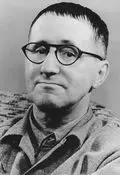
Bertolt Brecht

1898-02-10 – 1956-08-14
Bertolt Brecht was a highly influential German playwright, poet, and theatre director. He is renowned for his pioneering work in epic theatre, which aimed to provoke critical thought rather than emotional immersion. His writings often carried strong political and social messages, critiquing capitalism, war, and injustice. Brecht's innovative techniques, such as the alienation effect (Verfremdungseffekt), revolutionized modern theatre.
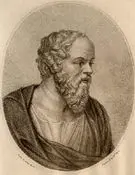
Sócrates
– 0399-02-15
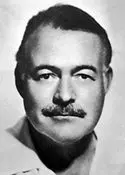
Ernest Hemingway
1899-07-21 – 1961-07-02
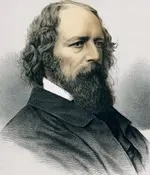
Alfred Lord Tennyson
1809-08-06 – 1892-10-06
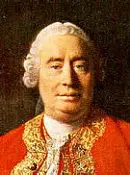
David Hume

1711-05-11 – 1629-01-01
David Hume was a Scottish philosopher, historian, economist, and essayist, considered one of the most important figures of the Scottish Enlightenment and Western philosophy. He is widely recognized as an empiricist and a radical skeptic. His works had a profound influence on the development of philosophy, especially in the areas of epistemology and philosophy of mind.
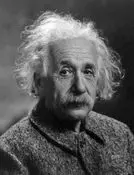
Albert Einstein

Mahatma Gandhi

1869-10-02 – 1948-01-30
Mahatma Gandhi was one of the most prominent leaders of India's independence movement against British rule. He was a tireless advocate of nonviolent resistance (Satyagraha) and civil disobedience, principles he successfully applied to achieve his country's freedom. His legacy transcends politics, inspiring civil rights and freedom movements worldwide.
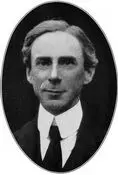
Bertrand Russell
1872-05-18 – 1970-02-02
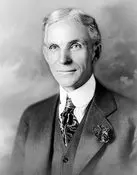
Henry Ford
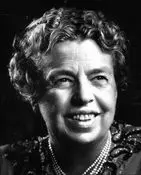
Eleanor Roosevelt
1884-10-11 – 1962-11-07
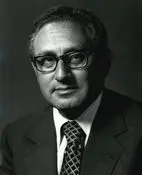
Henry Kissinger
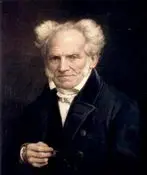
Arthur Schopenhauer
1788-02-22 – 1860-09-21
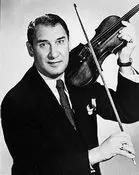
Henny Youngman
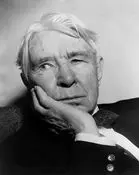
Carl Sandburg

1878-01-06 – 1967-07-22
Carl Sandburg was an American poet, historian, novelist, and lexicographer. He is considered one of the most important American poets of the 20th century, known for his free verse and his focus on the American working class and the landscapes of the American Midwest. His poetry often celebrated the common man and the industrial might of America, earning him a reputation as the "poet of the people." Beyond his poetry, Sandburg was also a prolific biographer, most notably of Abraham Lincoln, and a collector of folklore and songs.
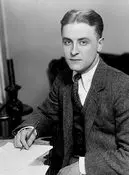
F. Scott Fitzgerald
1896-09-24 – 1940-12-21
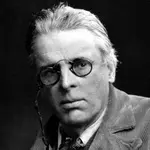
William Butler Yeats

1865-06-13 – 1939-01-28
William Butler Yeats was a prominent Irish poet, playwright, and mystic, widely regarded as one of the greatest poets of the 20th century. His early work was deeply influenced by Irish mythology and folklore, and he was a key figure in the Irish Literary Revival. Over his career, his style evolved, becoming more personal, symbolic, and philosophical, grappling with themes of love, aging, politics, and the spiritual life. Yeats's poetry is characterized by its rich imagery, musicality, and intellectual depth. He explored the complexities of the human condition, the nature of art, and the turbulent history of Ireland. His later works, in particular, are known for their aphoristic power and profound meditations on life and mortality. He received the Nobel Prize in Literature in 1923, solidifying his international literary stature.
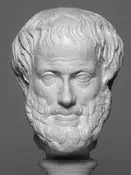
Aristóteles
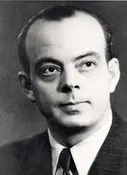
Antoine de Saint-Exupéry
1900-06-29 – 1944-07-31
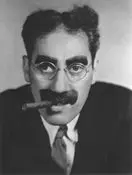
Groucho Marx
1890-10-02 – 1977-08-19
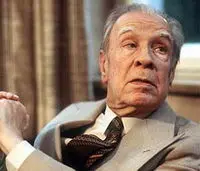
Jorge Luis Borges

1899-08-24 – 1986-06-14
Jorge Luis Borges was an Argentine writer, poet, essayist, and translator. His work is characterized by its philosophical depth, intricate plots, and exploration of themes such as time, infinity, identity, and the nature of reality. Borges is considered one of the most significant literary figures of the 20th century, renowned for his innovative use of literary devices and his profound influence on postmodern literature.
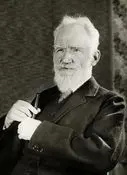
George Bernard Shaw
1856-07-26 – 1950-11-02
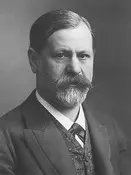
Sigmund Freud
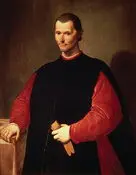
Niccolò Machiavelli
1469-05-03 – 1527-06-21