
Browse our collection of authors
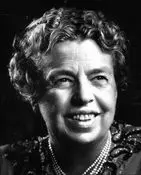
Eleanor Roosevelt
1884-10-11 – 1962-11-07
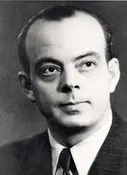
Antoine de Saint-Exupéry
1900-06-29 – 1944-07-31
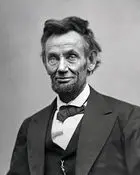
Abraham Lincoln
1809-02-12 – 1865-04-15
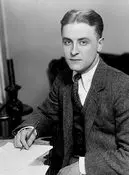
F. Scott Fitzgerald
1896-09-24 – 1940-12-21
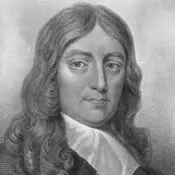
John Milton

1608-12-09 – 1674-11-08
John Milton was an English poet, polemicist, and civil servant for the Commonwealth of England under Oliver Cromwell. He is best known for his epic poem "Paradise Lost," one of the greatest works of English literature. Milton's work is characterized by its grand scope, theological depth, and masterful use of blank verse. His life and work were deeply intertwined with the political and religious turmoil of 17th-century England. Despite facing significant personal challenges, including blindness, Milton produced a body of work that continues to be studied and admired for its intellectual rigor and poetic artistry.
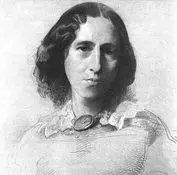
George Eliot
1819-11-22 – 1880-12-22
George Eliot is the pseudonym of Mary Ann Evans, a prominent English novelist of the Victorian era. Eliot is celebrated for her profound psychological insight, moral complexity, and realistic portrayal of English provincial life. Her works often explore themes of morality, religion, determinism, and the position of women in society.

Epicteto
0050-01-01
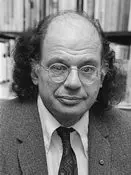
Allen Ginsberg

1926-06-03 – 1997-04-05
Allen Ginsberg was a pioneering American poet and a central figure of the Beat Generation. His work is characterized by its raw, confessional style, prophetic voice, and exploration of themes such as spirituality, sexuality, political dissent, and the critique of American materialism. He was a prominent activist, advocating for civil rights, environmental protection, and nuclear disarmament. His most famous poem, "Howl," became a symbol of countercultural rebellion and freedom of expression.
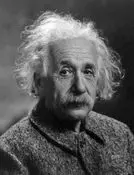
Albert Einstein
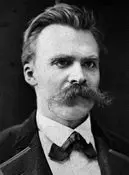
Friedrich Nietzsche

1844-10-15 – 1900-08-25
Friedrich Nietzsche was an influential German philosopher, philologist, and cultural critic. His work addresses themes such as morality, religion, truth, art, and the human condition, with a radical critique of traditional Western values. He is known for concepts such as the "death of God", the "superman" (Übermensch), and the "will to power" (Wille zur Macht). His writing is marked by an aphoristic and provocative style, which challenges the reader to rethink their beliefs and values.
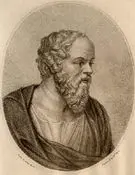
Sócrates
– 0399-02-15
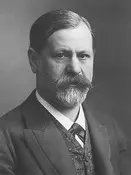
Sigmund Freud
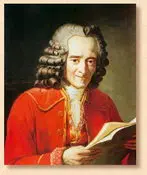
Voltaire

1694-11-21 – 1778-05-30
Voltaire was a prolific French writer, historian, and philosopher, a central figure of the Enlightenment. Known for his sharp intellect, sense of humor, and advocacy for freedom of speech, he vehemently criticized religious intolerance and the tyranny of the aristocracy and clergy of his time. His vast work spans poetry, essays, plays, correspondence, and philosophical texts, exerting a profound influence on Western thought.
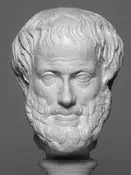
Aristóteles
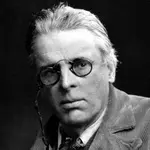
William Butler Yeats

1865-06-13 – 1939-01-28
William Butler Yeats was a prominent Irish poet, playwright, and mystic, widely regarded as one of the greatest poets of the 20th century. His early work was deeply influenced by Irish mythology and folklore, and he was a key figure in the Irish Literary Revival. Over his career, his style evolved, becoming more personal, symbolic, and philosophical, grappling with themes of love, aging, politics, and the spiritual life. Yeats's poetry is characterized by its rich imagery, musicality, and intellectual depth. He explored the complexities of the human condition, the nature of art, and the turbulent history of Ireland. His later works, in particular, are known for their aphoristic power and profound meditations on life and mortality. He received the Nobel Prize in Literature in 1923, solidifying his international literary stature.
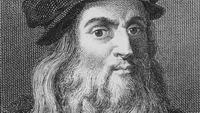
Leonardo da Vinci
1452-04-15 – 1519-05-02

H. L. Mencken

Warren Buffett
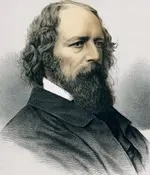
Alfred Lord Tennyson
1809-08-06 – 1892-10-06
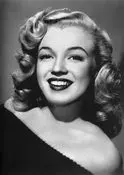
Marilyn Monroe
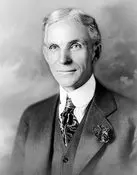
Henry Ford

Mahatma Gandhi

1869-10-02 – 1948-01-30
Mahatma Gandhi was one of the most prominent leaders of India's independence movement against British rule. He was a tireless advocate of nonviolent resistance (Satyagraha) and civil disobedience, principles he successfully applied to achieve his country's freedom. His legacy transcends politics, inspiring civil rights and freedom movements worldwide.
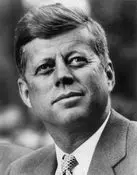
John F. Kennedy
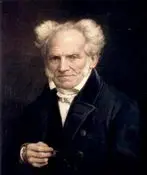
Arthur Schopenhauer
1788-02-22 – 1860-09-21