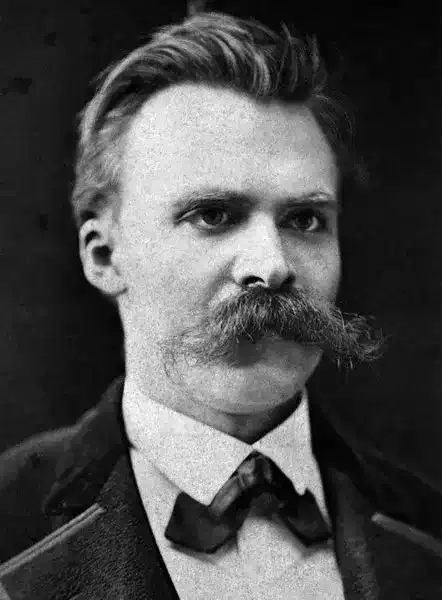
Friedrich Nietzsche
Author of the day

Friedrich Nietzsche

Friedrich Nietzsche was an influential German philosopher, philologist, and cultural critic. His work addresses themes such as morality, religion, truth, art, and the human condition, with a radical critique of traditional Western values. He is known for concepts such as the "death of God", the "superman" (Übermensch), and the "will to power" (Wille zur Macht). His writing is marked by an aphoristic and provocative style, which challenges the reader to rethink their beliefs and values.

Poem of the day

Grass

Carl Sandburg
Pile the bodies high at Austerlitz and Waterloo.
Shovel them under and let me work
-I am the grass; I cover all.

And pile them high at Gettysburg
And pile them high at Ypres and Verdun.
Shovel them under and let me work.
Two years, ten years, and the passengers ask the conductor:

What place is this?
Where are we now?

I am the grass.
Let me work.
Read full poem

Born on this day

11
François Villon

François Villon was a 15th-century French poet, known for his poetry that blends the lyrical, satirical, and autobiographical. His troubled life, marked by theft, imprisonment, and exile, is reflected in his works, filled with dark humor, melancholy, and a deep reflection on the transience of life and mortality.

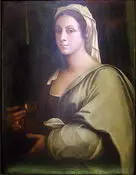
Vittoria Colonna

Vittoria Colonna was one of the most prominent Italian poets of the Renaissance, known for her lyrical and spiritual work. She received an excellent education that prepared her for a life of intellectuality and devotion. Her life was marked by profound religious experiences and an intense connection with important figures of her time.

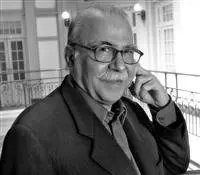
Mário Chamie

Mário Chamie was a Brazilian poet and translator, recognized for his work that moves between tradition and experimentation, exploring themes such as identity, religiosity, love, and the human condition. His poetry is marked by formal rigor, dense language, and innovative imagery, reflecting a deep interest in philosophy and various cultural manifestations. He was also an important promoter of foreign literature in Brazil through his translations.

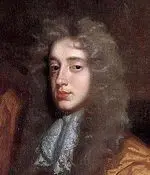
John Wilmot

John Wilmot, 2nd Earl of Rochester, was an English writer of the Restoration period. He is known for his satirical and licentious poetry, which frequently criticized the court and the morality of his time. His life was marked by excesses, dueling, and a sharp intellect.

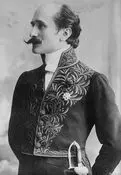
Edmond Rostand

Edmond Rostand was a French playwright and poet, famous for his play "Cyrano de Bergerac". His work is marked by romanticism, eloquent rhetoric, and a certain escapism that distinguished him from the naturalism dominant in his time.

António Cacho

António Cacho was a Portuguese poet whose work is part of the literary landscape of the 20th century. Marked by a unique sensibility, his poetry explores the depths of the human condition, addressing universal themes with a refined and emotional language. His contribution to Portuguese poetry stands out for its originality and its ability to touch the reader on different planes of existence. Through a writing that favors introspection and reflection on life, love, and death, Cacho left a poetic legacy that continues to be appreciated for its expressive power and existential relevance. His work is an invitation to contemplation and the discovery of the nuances that make up the human experience.

Sandro Veronesi

Sandro Veronesi is a renowned Italian writer, known for his engaging prose and ability to explore the complexity of human relationships. His work often moves between personal drama and broader social issues, winning over both the public and literary critics. He is an author of great sensitivity, whose stories resonate with the authenticity and psychological depth of his characters.

Conrad Detrez

Conrad Detrez was a French novelist and essayist, known for his engaging and reflective writing. His work frequently explored complex themes of the human condition, delving into the depths of the psyche and social interactions. With a distinctive literary style, Detrez constructed narratives that captivated with their originality and the depth of his characters. He stood out for his ability to weave plots that, at the same time, entertained and provoked the reader to think about existential and ethical questions.

Juan Gil Albert

Juan Gil-Albert was a Spanish poet, essayist, and literary critic, a key figure of the Generation of '27 and '36. His poetic work, characterized by profound existential reflection and refined language, explores themes such as time, memory, and the human condition. He carried out important work as an essayist and critic, analyzing Spanish literature and reflecting on the culture and society of his time. His legacy encompasses both his literary creation and his intellectual facet, being considered one of the benchmarks of 20th-century Spanish poetry and thought.

Francisco Cervantes

Francisco Cervantes, also known by his literary pseudonym 'El Vigía' (The Watchman), is a contemporary Spanish poet whose work belongs to the tradition of meditative and existential poetry. His verses deeply explore themes such as solitude, the passage of time, the search for meaning, and the confrontation with one's inner self. He is characterized by careful language, evocative imagery, and a reflective tone that invites introspection and contemplation of the human condition. His poetry seeks beauty in simplicity and truth in life experience.

Died on this day

8
Alfredo Castro

Alfredo Castro is a prominent figure in contemporary theater and cinema. Recognized for his versatility and interpretive intensity, he has built a career marked by the exploration of complex characters and his ability to move between different artistic languages. His work has been acclaimed both nationally and internationally, consolidating him as a reference artist.

Edmir Domingues

Edmir Domingues is a contemporary Brazilian poet, short story writer, and essayist. His poetic work is recognized for its exploration of language, subjectivity, and reflection on existential and social themes. With a writing style that ranges between lyricism and experimentation, Domingues has established himself as a relevant name in current Brazilian poetry.

Morais Filho

Antônio de Morais Filho, known as Morais Filho, was a Brazilian writer and intellectual, with a multifaceted work that spans poetry, prose, and essay. His writing is often associated with a deep reflection on Brazilian culture, identity, and social issues, using a rich and evocative language. Morais Filho left an important legacy, being recognized for his critical insight and his contribution to Brazilian cultural thought.

Sérgio de Mesquita Serra

Sérgio de Mesquita Serra was a Portuguese poet whose work is distinguished by the deep exploration of the human condition, marked by an unparalleled sensitivity to the pains and joys of existence. His poetry, with its poignant lyricism, addresses universal themes such as love, loss, and the search for meaning, often framed by a careful and evocative language. His compositions reveal a profound reflection on time and memory, central elements in his poetic architecture. Introspection and melancholy are recurring tones, giving his writing a deeply personal and, at the same time, universally resonant dimension, inviting the reader into an intimate dialogue with their own concerns.

Salvador Rueda

Spanish poet, a towering figure of culteranismo and Andalusian modernism. His work is characterized by an exuberant and sensorial style, the use of rich and musical language, and the evocation of the beauty of nature and the Andalusian world. He was an innovator of poetic meter and vocabulary.