Poem of the day

Do Not Go Gentle Into That Good Night

Dylan Thomas
Do not go gentle into that good night, 
Old age should burn and rave at close of day; 
Rage, rage against the dying of the light. 

Though wise men at their end know dark is right, 
Because their words had forked no lightning they 
Do not go gentle into that good night. 

Good men, the last wave by, crying how bright 
Their frail deeds might have danced in a green bay, 
Rage, rage against the dying of the light. 

Wild men who caught and sang the sun in flight, 
And learn, too late, they grieved it on its way, 
Do not go gentle into that good night. 

Grave men, near death, who see with blinding sight 
Blind eyes could blaze like meteors and be gay, 
Rage, rage against the dying of the light. 

And you, my father, there on that sad height, 
Curse, bless, me now with your fierce tears, I pray. 
Do not go gentle into that good night. 
Rage, rage against the dying of the light.
Read full poem

Born on this day

9
Nóbrega e Sousa

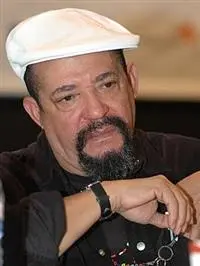
Nóbrega e Sousa was a Portuguese poet whose work is part of the literary landscape of the 20th century. His poetry is marked by a deep reflection on the human condition, time, and memory, exploring themes such as love, loss, and the ephemerality of existence. His poetic language, although at times dense and imagistic, reveals an intrinsic musicality and a careful use of verse. His literary career, although recognized later, has been revisited by critics and academics, who highlight the originality of his style and the relevance of his themes. Nóbrega e Sousa's work continues to resonate with readers who seek poetry that challenges and moves them, consolidating his place in Portuguese literature.

Rodrigo de Souza Leão

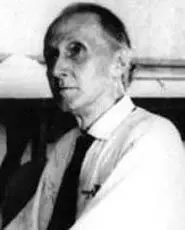
Rodrigo de Souza Leão was a Brazilian poet, highlighted for his innovative lyricism and for the exploration of urban and existential themes. His work is a landmark in Brazilian modern poetry.

Nico Fagundes

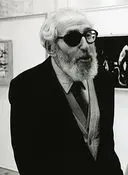
Nico Fagundes is a Cape Verdean poet and writer, whose work stands out for its deep connection with the identity and culture of Cape Verde. His poetry is a mirror of the islands, addressing themes such as saudade, the sea, emigration, the human condition, and the search for a place in the world. With a language that evokes Creole orality and musicality, Fagundes has established himself as an important voice in Cape Verdean and Lusophone literature, exploring the nuances of the soul and landscape of his archipelago.

Arnaldo França

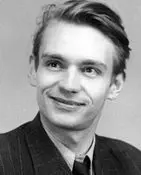
Arnaldo França was a Brazilian poet, translator, and literary critic. His poetic work, marked by erudition and lyrical sensitivity, explores themes such as memory, the passage of time, and the human condition. As a translator, he stood out for his competence in transposing important works of universal literature into Portuguese.

José Lopes Ferreira

José Lopes Ferreira was a poet whose work is notable for its strong connection to the land and traditions, but also for a profound reflection on identity and the human condition. His verses, often marked by a lyrical tone and evocative language, explore themes such as memory, time, and ancestry. With a writing that harks back to cultural roots, Ferreira managed to leave a personal and unique mark on Portuguese poetry. His poetry invites contemplation and appreciation of cultural heritage, establishing a dialogue between the past and the present.

Manuel Rui

Manuel Rui is an Angolan writer, recognized for his vast work encompassing poetry, prose, and theater, being a prominent figure in Portuguese-language African literature. His writing is marked by a strong social and political consciousness, reflecting the realities of Angola, from the struggle for independence to the challenges of post-coloniality. With an often colloquial language, but imbued with lyricism and irony, Manuel Rui addresses themes such as identity, memory, justice, and the human condition. His work is fundamental to understanding Angola's history and culture, offering a unique perspective on its conflicts and aspirations.

C. K. Williams

C. K. Williams was an acclaimed American poet, known for his visceral and often dark approach to modern life. His work frequently explored themes of poverty, crime, sexuality, and the complexities of the human psyche, using direct and unadorned language that resonated with the raw reality of his subjects. He was a master at capturing moments of intensity and vulnerability, painting a poignant portrait of urban experiences and individual struggles.

Patricia Beer

Patricia Beer was a British poet, novelist, and literary critic. Her poetic work is known for its intelligence, humor, and exploration of themes such as family life, relationships, and the female experience. She frequently used precise language and vivid imagery to capture nuances of everyday life. As a novelist, Beer wrote works that explored the complexities of human interactions, while her activity as a literary critic demonstrated a keen eye for English literature. She was an important voice in British poetry, admired for her originality and her ability to treat profound subjects with lightness and insight.

Gwyneth Lewis

Gwyneth Lewis was a renowned Welsh poet, novelist, and playwright. Her work is marked by its intelligence, humor, and exploration of themes such as Welsh identity, language, faith, and the human condition, often blending the personal with the political and historical.

Died on this day

14
William Dumbar

William Dumbar is a poet whose work is recognized for its thematic depth and formal mastery. His poetry explores the relationship of human beings with the universe, nature, and existence itself, in a language rich in symbolism and evocative imagery. His poetic compositions frequently address the passage of time, the ephemerality of life, the search for transcendence, and the contemplation of the world's beauty. Through careful writing and refined sensibility, Dumbar manages to touch the most intimate chords of the human soul, offering universal reflections on the human condition.

Célia Lamounier de Araújo

Célia Lamounier de Araújo is a Brazilian writer whose work stands out in the field of children's and young adult literature. With a career dedicated to education and literary creation, she has contributed to the enrichment of the literary collection for children and young people in Brazil. Her writing, often marked by educational themes, human values, and imagination, seeks to captivate the young reader and stimulate their development.

Carlos Magalhães de Azeredo

Carlos Magalhães de Azeredo was a distinguished Brazilian jurist, writer, and diplomat, whose literary work, although not extensive, is marked by an elegant and reflective prose. The author explored themes related to Brazilian culture, history, and society, with a critical and sometimes ironic eye. His production includes articles, chronicles, and essays, in which he demonstrated a profound knowledge of national reality and a refined literary style. Azeredo represents an important intellectual figure in Brazil, whose contributions, both in the public and literary spheres, deserve recognition.

Joaquim Cardozo

Joaquim Cardozo was an influential Brazilian poet and art critic, known for his poetry that explores themes such as faith, reason, art, and the human condition. His work, marked by erudition and philosophical depth, dialogues with classical tradition and modernity, presenting rigorous language and striking imagery. Cardozo also distinguished himself by his keen vision as an art critic, masterfully analyzing the works of various artists and leaving an important legacy for the understanding of modern art in Brazil.

Rodrigues Lobo

Francisco Rodrigues Lobo was a Portuguese poet and writer of the Renaissance, a contemporary of Camões, but with a style and themes that distinguish him. He is known for his lyrical poetry, especially sonnets, and for his prose, where pastoral eclogues stand out. His work reflects a deep knowledge of classical and Italian tradition, but also an attentive eye on the reality of Portuguese society of the time, with a frequently satirical and moralizing tone. Lobo navigated between devotion to the court and social criticism, using his writing to explore themes such as love, nature, the passage of time, and the human condition. His figure is that of a humanist who sought to reconcile erudition with the expression of feelings and observations of everyday life, leaving an important legacy in Portuguese literature.

Claude Aveline

Claude Aveline, real name René-Victorault, was a French writer, editor, and bookseller. He is known for his vast literary work and his role in promoting literature.

Stig Dagerman

Stig Dagerman was a Swedish writer, journalist, and playwright, considered one of the most important Swedish authors of the 20th century. His work is marked by a deep exploration of the human condition, addressing themes such as guilt, anxiety, freedom, and the search for meaning in a post-war world. He stood out for his lyrical prose and emotional intensity, which frequently portrayed characters in situations of existential crisis.

Essex Hemphill

Essex Hemphill was an American poet, activist, and editor whose works explored the intersections of race, sexuality, Black identity, and the LGBTQ+ experience. His poetry is marked by raw honesty and a powerful voice that directly confronted racism, homophobia, and marginalization. As a central figure in the African American literary movement and the Black LGBTQ+ community, Hemphill dedicated his life to giving voice to silenced experiences. His work, both individual and collective, remains a vital testament to the struggle for visibility, dignity, and equality, inspiring generations to confront and challenge social injustices.

Francisco Gomes de Amorim

Francisco Gomes de Amorim was a Portuguese poet, mainly known for his involvement in the Romanticism movement in Portugal. His work, marked by a strong lyrical sensibility and a deep love for his homeland and Portuguese traditions, reflects the ideals and concerns of his time. With a writing style that evokes nature, popular customs, and the noblest feelings, Amorim sought to exalt national identity and moral values, contributing to the affirmation of genuinely Portuguese poetry.

Rafael Laffón

Rafael Laffón is a Spanish writer and poet, known for his contribution to contemporary literature. His literary work encompasses both poetry and prose, exploring themes that reflect on the human condition and society, with a critical and sensitive perspective.

Wilfred Owen

Wilfred Owen was a prominent English poet, best known for his powerful and unflinching poems about the realities of trench warfare during World War I. He is considered one of the leading poets of the war, whose work vividly depicted the suffering, horror, and futility of combat. His poems were largely published posthumously but have since become seminal texts in understanding the experience of soldiers in the Great War.

[I Saw His Round Mouth's Crimson]
Ezequiel Martínez Estrada

Ezequiel Martínez Estrada was an Argentine essayist, poet, literary critic, and diplomat, whose work was characterized by a deep reflection on Argentine and Latin American reality. His critical thinking addressed themes such as national identity, history, literature, and the human condition, often with a pessimistic but lucid vision. Considered a central figure in 20th-century Argentine thought, Martínez Estrada was a tireless polemicist and a keen observer of the social and political complexities of his time. His legacy lies in his vast essayistic and poetic production, which continues to be an unavoidable reference for understanding the culture and history of Latin America.