
06 de June
Born on this day
14

Maysa Monção Matarazzo, known artistically as Maysa, was a Brazilian singer and songwriter, a prominent figure of Jovem Guarda and popular Brazilian music. She stood out for her powerful voice and emotive interpretations of songs that addressed love, the pain of loss, and the complexities of relationships. Her career, although marked by tremendous success, was also marked by an intense and turbulent personal life. Maysa left a significant musical legacy, with songs that became classics of MPB and continue to move generations with their authenticity and interpretive strength.
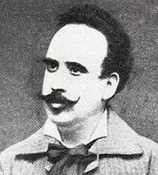
António Duarte Gomes Leal was a Portuguese poet and literary critic.
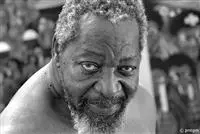
Malangatana Valente Ngwenya <small>GOIH</small> was a Mozambican visual artist and poet, internationally known by his first name "Malangatana", having produced works in various mediums and supports, ranging from drawing, painting, sculpture, ceramics, murals, poetry, and music.
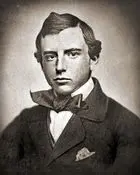
Henry Adams was an American historian, journalist, professor, and novelist. Descended from a prominent American family, Adams dedicated himself to analyzing the history and culture of the United States, especially the period of its founding. His work is known for its critical insight and its exploration of the forces that shape society.
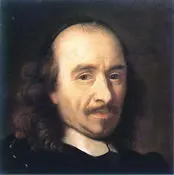
Pierre Corneille (June 6, 1606 - October 1, 1684) was a French playwright, considered one of the founders of French classical theater.

Milo De Angelis is a prominent contemporary Italian poet, known for his work that often moves between intense lyricism and profound philosophical reflection. His poetry is marked by precise language and an exploration of the great questions of existence, often with a tone of urgency and gravity. His work has been widely praised by critics for its originality and its ability to address the human condition in a direct and moving way, solidifying his position as one of the most important voices in contemporary Italian poetry.

Juan Bello is a Chilean author whose literary work focuses on narratives that frequently address the social reality and cultural identity of Chile. His writing is characterized by a direct and engaged style, seeking to authentically portray the experiences of his characters and the contexts in which they are situated. He contributes to Latin American literature with a distinctive voice.

Lee Harwood was an English poet associated with the counterculture and experimental poetry. His work is known for its fragmented, often surrealist approach, and for exploring themes of perception, language, and everyday life. Harwood is remembered as an important figure in British poetry of the second half of the 20th century, with a distinctive style that challenged literary conventions.

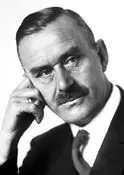


Died on this day
7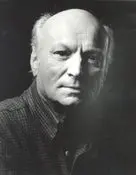
Albano Dias Martins is a Portuguese poet. Albano Martins was born in 1930 in the village of Telhado, municipality of Fundão, district of Castelo Branco, Beira Baixa province, Portugal.

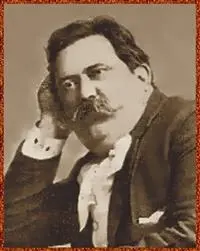
Emílio Nunes Correia de Meneses was a Brazilian journalist and Parnassian poet, immortal of the Brazilian Academy of Letters and master of satirical sonnets. For Glauco Mattoso, the poet from Paraná is the leading Brazilian satirical poet after Gregório de Matos.
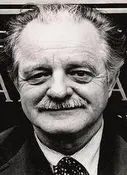
Kenneth Rexroth was an American poet, translator, and critical essayist. He was one of the first American poets to explore traditional forms of Japanese poetry in his work. He is considered one of the central figures of the so-called San Francisco Renaissance, and one of the fathers of the Beat Generation. He served as the inspiration for the character Rheinhold Cacoethes in <span class="no-conversion"><i>Brasil</i>: Os Vagabundos Iluminados /<i>Portugal:</i> Os Vagabundos do Dharma (2000) ou Os Vagabundos da verdade (1965)</span>, a novel by Jack Kerouac.

D. João de Castro was a notable Portuguese humanist, military man, and administrator, known for his intelligence and culture. Although most famous for his military exploits and his governorship in Goa, he also demonstrated an interest in writing and literary production, reflecting the Renaissance spirit of his time. His figure is emblematic of the ideal of the Renaissance man, capable of reconciling action and reflection.


Gerhart Hauptmann was a German playwright and novelist, considered one of the most important representatives of naturalism in German theater. Born in 1862, his work explored social themes, poverty, and the struggles of the working class, often in rural settings in Silesia. He was awarded the Nobel Prize in Literature in 1912 for his artistic output, which included dramas such as 'The Weavers' and 'Hannele's Ascension'. Hauptmann passed away in 1946.