Poem of the day

Grass

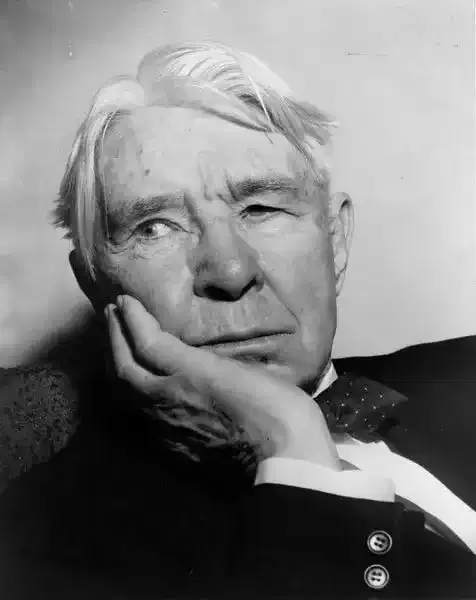
Carl Sandburg
Pile the bodies high at Austerlitz and Waterloo.
Shovel them under and let me work
-I am the grass; I cover all.

And pile them high at Gettysburg
And pile them high at Ypres and Verdun.
Shovel them under and let me work.
Two years, ten years, and the passengers ask the conductor:

What place is this?
Where are we now?

I am the grass.
Let me work.
Read full poem

Born on this day

15
Anísio Melhor

Anísio Melhor is a poet who stands out for his ability to weave verses that explore subjectivity, human passions, and the intrinsic beauty of the world. His poetry is often imbued with a particular lyricism, which shines through in vivid imagery and language that seeks emotional resonance. With a body of work that reflects on life experience and the search for meaning, Melhor belongs to the tradition of poetry that dialogues with the reader on an intimate and reflective level. His writing invites contemplation and the discovery of new layers of meaning, consolidating his voice in the literary landscape.

Iara Vieira

Iara Vieira is a writer whose poetic work is distinguished by its sensitivity and exploration of universal themes with a unique perspective. Her poetry is woven with evocative and imagistic language, delving into the depths of the human soul, addressing love, loss, nature, and the search for identity.

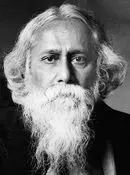
Rabindranath Tagore

Rabindranath Tagore was a Bengali poet, writer, playwright, composer, philosopher, social reformer, and painter, widely regarded as the most important figure in modern Indian literature. A polymath, his vast creative output spanned poetry, novels, short stories, dramas, essays, and songs, often exploring themes of nature, spirituality, human relationships, and the complexities of life in a changing world. Tagore was the first non-European to win the Nobel Prize in Literature in 1913, a testament to his profound lyrical genius and universal appeal. His work championed humanism, internationalism, and the harmonious integration of Eastern and Western thought.

At my dying hour, and over my long life, A clock s
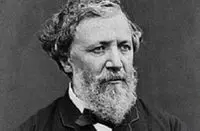
Robert Browning

Robert Browning was a prominent English poet and playwright whose mastery of the dramatic monologue and keen psychological insight made him one of the most influential figures of the Victorian era. His work often delves into complex characters and moral dilemmas, exploring the depths of human nature with a distinctive, vigorous style. Browning's expansive vocabulary, intricate plotting, and philosophical bent continue to fascinate readers and scholars alike.

Faultless to a fault.
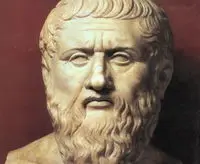
Platão

Plato was an influential Greek philosopher of antiquity, a student of Socrates and master of Aristotle. He is considered one of the most important figures in the history of Western thought, founder of the Academy of Athens and author of works that address themes such as justice, beauty, equality, politics, cosmology and the philosophy of mind.

To love rightly is to love what is orderly and bea
Horst Bienek

Horst Bienek was a prominent German novelist, poet, and playwright, known for his works that frequently explored the complexities of German identity and the memories of World War II and the post-war period. His writing is marked by a profound reflection on the human condition, guilt, and the search for redemption in a divided world. Bienek is especially remembered for his tetralogy "The Earth and the Sky," which offers a multifaceted portrait of life in East and West Germany. His poetry, though less known than his prose, shares similar themes of memory, loss, and the fragility of existence.

Susana Thénon

Susana Thénon was an Argentine poet, associated with the avant-garde movement and experimental poetry. Her work is known for its formal daring, its exploration of humor, irony, and its trenchant social criticism. Thénon challenged literary and social conventions, using language innovatively to address themes such as identity, the body, and power relations.

Maria Aurora Santos Costa

Maria Aurora Santos Costa was a poet whose work was characterized by profound lyrical sensitivity and an exploration of the themes of love, saudade, and the beauty of nature. Her poetry is marked by an evocative and musical language that creates vivid imagery and appeals directly to the reader's emotions. Her literary career, although it may not have achieved massive notoriety, contributed to the richness of contemporary poetry, offering an intimate and reflective perspective on the human experience and its connection with the world around.

Rosa Maria Martelo

Rosa Maria Martelo is a poet whose work is distinguished by its lyrical depth and exploration of existential themes. Her poetic compositions often address introspection, the passage of time, and the complexity of human relationships, all in a refined and evocative language. Her literary career has been consolidated through publications that reflect an authentic voice and a keen sensitivity to the nuances of human experience. Her poetry invites reflection and dialogue with the reader, establishing a bridge between the intimate and the universal.

Jenny Joseph

Jenny Joseph was an English poet celebrated for her distinctive voice and exploration of themes such as freedom, rebellion, and acceptance of life in its various facets. Her work is often marked by a direct tone, a peculiar sense of humor, and a deep observation of everyday life. Joseph is remembered for poems that capture the essence of complex emotions with simplicity and strength. Her poetry invites the reader to reflect on the nature of identity and the way we relate to the world around us.

Evaristo Carriego

Evaristo Carriego was an Argentine poet whose work focused on the life and environments of the Buenos Aires slums, anticipating lunfardo as poetic material. His poems crudely and melancholically portray the marginalization, poverty, crime, and life of the lower classes of Buenos Aires at the end of the 19th and beginning of the 20th centuries. Although his poetic output was relatively brief and marked by an early death, Carriego is considered a precursor to tango in poetry and a social chronicler of his time, whose work continues to resonate for its authenticity and its deep connection to Argentine popular roots.

Died on this day

6
Branquinho da Fonseca

Branquinho da Fonseca was a multifaceted Portuguese creator, standing out for his literary work that encompassed poetry and prose, but also for his work in cinema and art. His writing is marked by a profound reflection on the human condition, society, and art, with a style that oscillates between lyricism and a sharp social critique. He explored language and forms, demonstrating a versatility that made him a singular figure in the Portuguese cultural landscape.

Stanisław Jerzy Lec

Stanisław Jerzy Lec was a Polish poet, aphorist, essayist, and translator. He is known worldwide for his collections of aphorisms, such as "Unkempt Thoughts" (Pensamentos Desarrumados), which reveal a dark humor and a skeptical view of the human condition. His works often explore the irony of life and social contradictions with intelligence and conciseness.

Every stink that fights the ventilator thinks it i
Octavian Paler

Octavian Păunescu, better known as Octavian Paler, was a Romanian poet, essayist, and journalist. His poetic work is marked by a profound reflection on the human condition, time, memory, and the search for meaning, often with an elegiac and philosophical tone. Paler stood out for his lyrical prose and his ability to merge the personal with the universal, addressing existential themes with a refined and imagistic language. He was also a prominent intellectual figure in Romania, known for his penetrating essays and his commitment to freedom and truth.

Robin Blaser

Robin Blaser was a Canadian poet, a prominent figure in Vancouver's literary scene, known for his dense, philosophical poetry and his influence on experimental poetry and writing about art. His work explores language, perception, and the relationship between humanity and the cosmos.

Maurício de Queirós

Maurício de Queirós is a Portuguese poet whose verses explore the human condition with direct and, at times, raw language. His work reflects a keen eye on social reality and inner conflicts, addressing themes such as injustice, loneliness, and the search for meaning. Through poetry that combines expressive strength and sensitivity, Maurício de Queirós establishes himself as a relevant voice in contemporary literature.