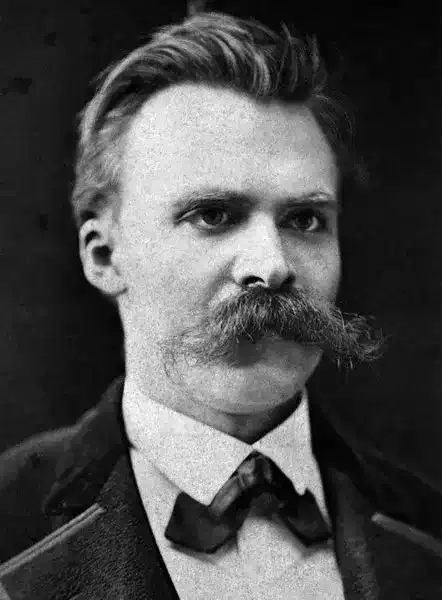
Friedrich Nietzsche
Author of the day

Friedrich Nietzsche

Friedrich Nietzsche was an influential German philosopher, philologist, and cultural critic. His work addresses themes such as morality, religion, truth, art, and the human condition, with a radical critique of traditional Western values. He is known for concepts such as the "death of God", the "superman" (Übermensch), and the "will to power" (Wille zur Macht). His writing is marked by an aphoristic and provocative style, which challenges the reader to rethink their beliefs and values.

Poem of the day

Do Not Go Gentle Into That Good Night

Dylan Thomas
Do not go gentle into that good night, 
Old age should burn and rave at close of day; 
Rage, rage against the dying of the light. 

Though wise men at their end know dark is right, 
Because their words had forked no lightning they 
Do not go gentle into that good night. 

Good men, the last wave by, crying how bright 
Their frail deeds might have danced in a green bay, 
Rage, rage against the dying of the light. 

Wild men who caught and sang the sun in flight, 
And learn, too late, they grieved it on its way, 
Do not go gentle into that good night. 

Grave men, near death, who see with blinding sight 
Blind eyes could blaze like meteors and be gay, 
Rage, rage against the dying of the light. 

And you, my father, there on that sad height, 
Curse, bless, me now with your fierce tears, I pray. 
Do not go gentle into that good night. 
Rage, rage against the dying of the light.
Read full poem

Born on this day

9
Egito Gonçalves

Egito Gonçalves was an Angolan poet, short story writer, and essayist, a prominent figure in African Portuguese-language literature. His work, marked by strong social and political engagement, addresses themes such as African identity, colonialism, the struggle for freedom, and the pursuit of a dignified future for his people. With a powerful and evocative poetic language, Egito Gonçalves left a significant legacy in the literature of Angola and other Portuguese-speaking countries.

Basílio da Gama

Basílio da Gama was a Luso-Brazilian poet, an important figure of Arcadianism in Portugal and Brazil. His work, marked by classical influence and the idealization of nature, celebrates bucolic life and the figure of the indigenous as a pure and noble being. His poetry, although part of a specific literary context, demonstrates a particular sensibility towards the natural environment and American landscapes, which distinguishes him from many of his contemporaries.

Lucídio Freitas

Lucídio Freitas was a poet whose work is marked by a strong connection to the land and traditions. His poetry explores the landscape, customs, and soul of his people, using language that evokes rusticity and authenticity. Freitas managed to capture the essence of rural life and its complexities, becoming a lyrical chronicler of his homeland.

Henry Brougham

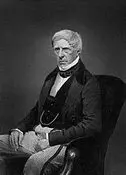
Henry Brougham was a prominent Scottish politician, jurist, and social reformer. Known for his intelligence and eloquence, Brougham played a significant role in British politics during the 19th century. He was a staunch advocate for public education and judicial reform, leaving a lasting legacy in these areas.

Jacques Brel

Jacques Brel was a Belgian musician, songwriter, and actor, widely regarded as one of the most important French-speaking artists of the 20th century. Although he wrote and performed most of his songs in French, his work transcended linguistic and cultural barriers, making him an iconic figure in popular music and French chanson. His career is marked by raw emotional intensity and a theatrical approach to his performances.

Renato Rezende

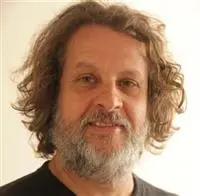
Renato Rezende is a contemporary Brazilian poet, known for his poetry that oscillates between introspective lyricism and attentive observation of everyday life. His work explores the delicacy of human relationships, the ephemerality of time, and the search for meaning amidst the banality of modern life. With accessible yet sensitive language, Rezende has been making a name for himself in the recent Brazilian literary scene.

Dias de Melo

Manuel da Luz de Melo, known as Dias de Melo, was a Cape Verdean poet and writer, whose works explore identity, the human condition, and the unique beauty of the archipelago. His poetry is marked by deep lyricism, evocative language, and a strong connection to the cultural roots of Cape Verde, including Creole. He was also a defender of Cape Verdean culture and language, actively participating in the country's cultural life.

Charles Dobzynski

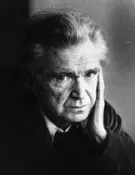
Charles Dobzynski was a French poet and translator, whose work is characterized by social and political engagement, combined with a deep lyrical sensibility. His poetry, often inspired by his Jewish origins and life experiences, addresses themes such as memory, identity, justice, and hope. Dobzynski was also an active promoter of culture and literature, especially regarding poetry and its dissemination.

Died on this day

11
Júlio Maciel

Júlio Maciel was a Portuguese poet whose work stands out for its connection to the surrealist movement and for the exploration of the unconscious and the dreamlike. His poems are characterized by innovative language, surprising imagery, and a deep investigation of the human psyche. Maciel left a significant mark on modern Portuguese poetry, influencing other creators with his avant-garde vision and his ability to deconstruct reality through words.

Bruno Seabra

Bruno Seabra is a Portuguese writer, translator, and editor, known for his foray into contemporary literature with works that explore the human condition, identity, and the complexity of interpersonal relationships. His writing is distinguished by its careful language and his ability to address profound themes with a modern and sometimes melancholic perspective. With a multifaceted career in the publishing world, Seabra has been consolidating his literary voice, engaging with the concerns of current society. His works invite reflection on existential dilemmas and the search for meaning in a constantly changing world.

Fernando J. B. Martinho

Fernando J. B. Martinho is a poet and essayist whose work is distinguished by its erudition and reflective depth. His poetry, often marked by a dialogue with literary and philosophical tradition, explores themes such as memory, time, and the human condition. With a style that combines formal rigor with evocative language, Martinho has built a notable literary career, establishing himself as an important voice in contemporary poetry. His writing invites meditation and critical analysis, leaving a legacy of reflection on culture and existence.

Carlyle Martins

Carlyle Martins is a poet whose work is part of the landscape of contemporary Portuguese-language poetry. His writing is marked by deep introspection and the exploration of universal themes such as the passage of time, memory, and the human condition. Through careful language and refined sensitivity, the author crafts verses that invite reflection on the self and the world around it, establishing an intimate dialogue with the reader.

Louis Pergaud

Louis Pergaud was a French writer, teacher, and soldier. Born in Belmont, in the Doubs department, he became known for his work "La Guerre des boutons" (The War of the Buttons), a novel that depicts the rivalry between two villages of boys and which became a classic of children's and youth literature. During World War I, Pergaud served as a soldier and died in combat. His work, often marked by a critical look at society and war, continues to be read and appreciated for its ability to evoke childhood and its complexities.

Lourenço de Médici

Lorenzo de' Medici, also known as Lorenzo the Magnificent, was a Florentine statesman, diplomat, and patron of the Renaissance. Born in Florence, he was the grandson of Cosimo de' Medici and played a crucial role in the politics and cultural life of his city and of Italy. As the de facto ruler of Florence, Lorenzo was a skilled diplomat, promoting peace and stability on the Italian Peninsula. He was also a passionate art collector and a patron of the arts and sciences, supporting artists such as Botticelli and Michelangelo, and assembling a vast library. His cultural influence was immense, consolidating Florence's role as a center of the Renaissance.

Gerard Reve

Gerard Reve was a prominent Dutch writer, known for his innovative and often controversial literary work. His writing is marked by a unique style, combining the everyday with the spiritual and the grotesque, exploring themes such as loneliness, love, death, and the search for meaning in a changing society. Reve is considered a central figure in post-war Dutch literature, whose work continues to provoke and inspire readers.

Erik Axel Karlfeldt

Erik Axel Karlfeldt was a Swedish poet, awarded the Nobel Prize in Literature. His work is deeply rooted in the landscape and rural life of Sweden, celebrating nature, work, and folk traditions with a rich and evocative language. His poems combine melancholic lyricism with subtle humor, exploring themes such as love, death, and the passage of time, always with a strong connection to Nordic culture and folklore.

João de Meneses

João de Meneses was a Portuguese poet and playwright, known for his contribution to Baroque literature. His work, though not extensive, reveals a singular talent for lyrical and satirical expression, reflecting the spirit of his time. He navigated between religious and secular poetry, demonstrating versatility in form and content. His legacy lies in the intrinsic quality of his verses and his participation in the vibrant literary scene of the 17th century.

João de Deus Rodrigues

João de Deus Rodrigues is a prominent figure in Portuguese poetry, known for his lyrical sensitivity and deep connection to the land and traditions. His work overflows with unparalleled musicality and an exploration of themes such as nature, childhood, saudade, and faith. With a style that evokes popular and religious lyricism, Rodrigues left a mark on Portuguese literature, with poems that became an integral part of the country's cultural identity.

Efraín Jara Idrovo

Efraín Jara Idrovo was an Ecuadorian poet, essayist, and critic, whose work is distinguished by his profound reflection on existence, identity, and the human condition, often tinged with sharp melancholy and lucidity. His poetry, characterized by purified language and great musicality, explores the labyrinths of being and the fleetingness of time, seeking in the word a refuge and a means to unravel the complexity of the world. Jara Idrovo is a central figure in 20th-century Ecuadorian poetry, appreciated for his aesthetic rigor and intellectual commitment.