
09 de June
Born on this day
9
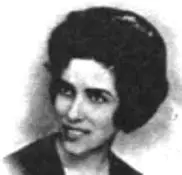
Alda Ferreira Pires Barreto de Lara Albuquerque, known as Alda Lara, was an Angolan poet who created a large body of poetic work, published only after her death through the collection of her poems made by her husband.

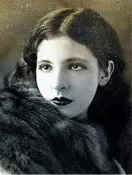
Patrícia Rehder Galvão, known as Pagu, was a Brazilian writer, poet, director, translator, illustrator, cartoonist, journalist, and communist political activist. She was a prominent figure in the modernist movement that began in 1922, although she did not participate in the Modern Art Week, being only twelve years old at the time. A communist militant, she was imprisoned for political reasons.


Omar Lara is a Chilean poet, essayist, and professor, whose work is situated in a context of strong social and cultural reflection. His poetry explores Latin American identity, memory, and resistance, with a language that combines lyricism and engagement. As an intellectual, Lara has a dedicated career to the study and dissemination of the literature and culture of his country and the continent.

José Antonio Ramos Sucre was a Venezuelan poet whose work is part of the modernist current and avant-garde poetry of the early 20th century. His literary production, although brief, is of profound lyrical and reflective quality, exploring themes such as the fleetingness of time, melancholy, death, and the search for transcendence. His style is characterized by careful language, subtle musicality, and evocative imagery, which position him as one of the most important voices in Hispanic American poetry of his time, despite his early demise.

Spanish writer, Corpus Barga is primarily recognized for his novel "Laquinolinia", a masterpiece of post-war literature that addresses the human condition in a context of alienation and dehumanization. His prose is characterized by great expressive force, raw and direct language, and profound social criticism. Throughout his career, he also explored short stories and essays, always maintaining an incisive perspective on reality. His figure is fundamental to understanding the literature of his time, marked by the experience of the civil war and its aftermath.

Died on this day
11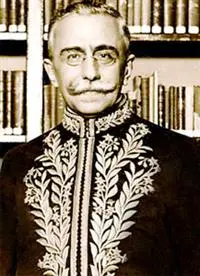
José Joaquim de Medeiros e Albuquerque was a Brazilian poet, short-story writer, playwright, journalist, and politician, known for his active participation in the cultural and literary life of the Empire. His poetic work, though not always the most prominent of his time, reflects the romantic spirit with a particular sensitivity to themes such as love, longing, and nature. As a journalist and politician, he played a relevant role in the society of his time, contributing to public debate and the formation of national identity. His versatility and engagement marked his trajectory, leaving a multifaceted legacy in Brazilian history.
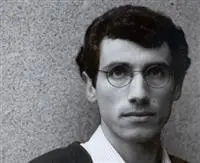
Daniel Faria was a Brazilian poet whose work stands out for its lyrical intensity, exploration of existential and spiritual themes, and for a language that oscillates between the sacred and the profane. His poetry, marked by deep restlessness and a search for transcendence, revealed a singular talent that left an indelible mark on Brazilian literature, despite his short life.

Chronicler and diplomat. Son of Rui Galvão, clerk of the chamber of D. Afonso V and general notary of the Kingdom, and of D. Branca Gonçalves and brother of D.
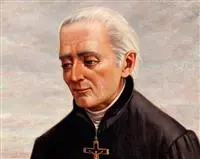
Saint José de Anchieta was a Spanish Jesuit priest, one of the founders of the Brazilian city of São Paulo. He was beatified in 1980 by Pope John Paul II and canonized in 2014 by Pope Francis, and is known as the Apostle of Brazil.
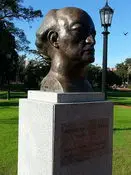
Miguel Ángel Asturias was a Guatemalan writer, awarded the Nobel Prize in Literature in 1967. His work is deeply rooted in the traditions, myths, and social realities of Guatemala and Latin America. Through poetic and innovative language, Asturias explored themes such as cultural identity, oppression, social injustice, and the relationship between the indigenous and Western worlds. He is considered one of the pioneers of magical realism in Latin American literature, influencing generations of writers. With a life marked by political activism and exile, Asturias dedicated his writing to giving voice to the marginalized and denouncing the power structures that oppressed indigenous peoples and the working classes. His literary contribution is fundamental to understanding the complex social and cultural reality of Central America, leaving a lasting legacy in universal literature.


Ernst Jandl was an Austrian poet, a pioneer of experimental and concrete poetry in the German language. His work is known for its playful exploration of language, its use of neologisms, unusual sounds and rhythms, challenging traditional poetic conventions and opening new paths for lyrical expression.

Armando Buscarini was a Spanish poet known for his avant-garde style and linguistic experimentation. His work, often surrealist and dreamlike, explored the limits of language and the representation of reality, seeking to create his own transgressive poetic universe. Buscarini stood out for his originality and his audacity in renewing poetic forms, leaving a legacy of surprising and provocative poems that continue to captivate with their boundless imagination and deep inquiry into the irrational.
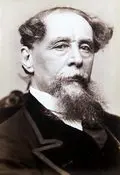
Charles Dickens was a towering figure of Victorian literature, renowned for his vivid portrayals of London life, unforgettable characters, and social commentary. His novels, such as 'Oliver Twist' and 'Great Expectations,' skillfully blended humor, pathos, and melodrama to expose the injustices and inequalities of his era. Dickens was a prolific writer, a keen observer of society, and a masterful storyteller whose works continue to be widely read and adapted.
For the love of God don’t condescend! Don’t assume
