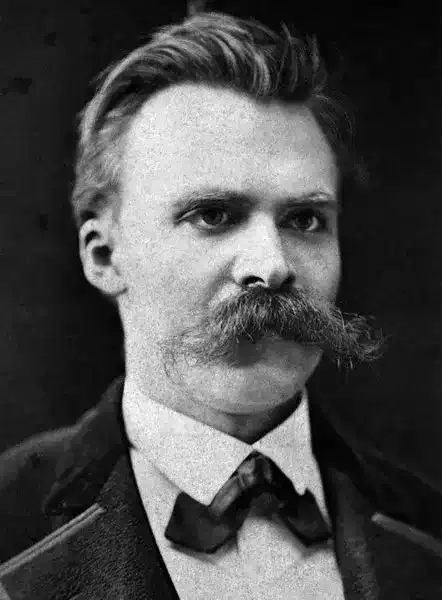
Friedrich Nietzsche
Author of the day

Friedrich Nietzsche

Friedrich Nietzsche was an influential German philosopher, philologist, and cultural critic. His work addresses themes such as morality, religion, truth, art, and the human condition, with a radical critique of traditional Western values. He is known for concepts such as the "death of God", the "superman" (Übermensch), and the "will to power" (Wille zur Macht). His writing is marked by an aphoristic and provocative style, which challenges the reader to rethink their beliefs and values.

Poem of the day

Grass

Carl Sandburg
Pile the bodies high at Austerlitz and Waterloo.
Shovel them under and let me work
-I am the grass; I cover all.

And pile them high at Gettysburg
And pile them high at Ypres and Verdun.
Shovel them under and let me work.
Two years, ten years, and the passengers ask the conductor:

What place is this?
Where are we now?

I am the grass.
Let me work.
Read full poem

Born on this day

10
Sosigenes Costa

Sosigenes Costa was a Brazilian poet known for his work that moves between lyricism and existential reflection. His poetry frequently explores melancholy, the passage of time, and the search for meaning amidst reality. His writing is marked by careful language and a refined sensitivity to capture the nuances of the human soul and the ephemeral beauties of the world.

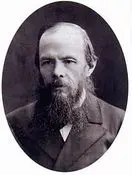
Fiódor Dostoiévski

Fyodor Dostoevsky was one of the greatest Russian novelists and existential thinkers. His work is known for its psychological depth and exploration of the human condition, addressing themes such as faith, doubt, morality, and suffering. Dostoevsky went through dramatic experiences, including a simulated death sentence and years of exile in Siberia. These trials shaped his worldview and permeated his most famous novels, such as "Crime and Punishment" and "The Brothers Karamazov".

I agree that two times two is four is an excellent
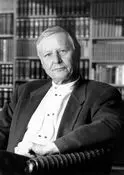
Hans Magnus Enzensberger

Hans Magnus Enzensberger was a prominent German poet, writer, editor, and political activist. His work is known for its intelligence, irony, and social and political engagement. He addressed a wide range of themes, from criticism of consumer society to the analysis of the complexities of international politics. Throughout his career, Enzensberger explored various literary genres, including poetry, essays, fiction, and documentaries. His writing frequently challenged conventions and provoked critical thinking. He was an influential figure in German and international literature, receiving numerous awards for his literary and intellectual contributions.

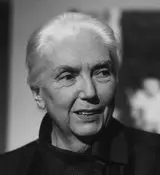
Lalla Romano

Lalla Romano was a prominent Italian writer and painter, known for her works of fiction and poetry that explored introspection and the complexity of human relationships. Her writing is marked by profound sensitivity, lyrical style, and particular attention to the details of everyday life and the landscapes of memory. She frequently explored the female condition and family dynamics, creating narratives that resonate with emotional authenticity and exploration of identity.

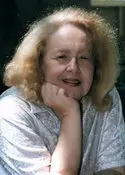
Rose Marie Muraro

Rose Marie Muraro was a Brazilian writer and activist, known for her literary output and her engagement in social causes, especially the defense of women's rights. Her work frequently explored themes such as female identity, sexuality, and power relations in society. As an activist, Muraro dedicated herself to promoting debate on feminism in Brazil, participating in conferences, publishing articles, and encouraging reflection on the role of women in society. Her work contributed to the visibility of feminist issues and the discussion of gender equality.

José Manuel Caballero Bonald

José Manuel Caballero Bonald was a Spanish poet and novelist, a prominent figure of the Generation of '50. His work is characterized by a deep social and existential charge, addressing themes such as injustice, marginalization, historical memory, and the human condition with a powerful and often heartbreaking language. He was a chronicler of the reality of his time, especially of Andalusia, capturing in his writing the harshness of rural life and the aftermath of the war and post-war period. His literary legacy is immense and his recognition encompasses numerous awards and distinctions.

Died on this day

10
Gonçalo Soares da Franca

Gonçalo Soares da Franca was a Portuguese poet whose work is notable for its exploration of existential themes and the musicality of his verses. His writing reflects a profound sensibility and a unique ability to translate the complexities of the human soul into words. His literary career contributed to the richness of Portuguese-language poetry.

Tenreiro Aranha

Tenreiro Aranha was a poet who made a presence in Brazilian literature, associated with literary movements of his time. His work is recognized for its expressive force, for the exploration of social and existential themes, and for a style that combines formal rigor with a vigorous and imagistic language.

Prado Kelly

Prado Kelly was a Brazilian poet and intellectual, known for his poetry that explored interiority and the search for meaning. His work is part of a context of reflection on the human condition and transcendence, marked by an elaborate language and an introspective tone. His literary journey demonstrates a constant concern with form and thematic depth, addressing existential questions with sensitivity. Kelly left a legacy of poems that invite contemplation and analysis of the human soul.

Søren Kierkegaard

Søren Kierkegaard was a Danish philosopher, theologian, poet, social critic, and religious thinker. He is often considered the first existentialist philosopher. Kierkegaard criticized Hegelianism and the Danish state church, emphasizing subjectivity, individual freedom, and the importance of faith.

Life can only be understood backwards…But it must
Yannis Ritsos

Yannis Ritsos was one of the most important Greek poets of the 20th century, known for his vast body of work and his political and social engagement. His poetry, deeply rooted in the Greek experience, addresses universal themes such as love, death, injustice, and human resistance. Considered one of the great names in modern poetry, Ritsos explored various poetic forms, from free verse to more elaborate structures, always with accessible language but loaded with symbolism and emotion.

Domitila de Carvalho

Domitila de Carvalho was a pioneer in the fields of physics and mathematics in Portugal, standing out for her academic career and her dedication to teaching and research. She was one of the first women to obtain a doctorate in Physical and Mathematical Sciences in Portugal, paving the way for future generations of women scientists. Her work, although centered on her area of expertise, represents a milestone in the fight for equal opportunities for women in science and higher education.

João Carlos Celestino Gomes

João Carlos Celestino Gomes is a poet whose work is part of the panorama of contemporary Portuguese-language poetry. His writing explores the depth of human experience, addressing universal themes such as love, the passage of time, and the search for meaning. With careful language and a refined lyrical sensitivity, the poet constructs verses that invite reflection and introspection. His poetry is distinguished by its ability to evoke strong images and subtle emotions, reflecting an attentive gaze upon the world and its complexities. Celestino Gomes establishes himself as a relevant voice in current poetry, offering the reader a mirror of the anxieties and beauties of existence.

António Ferro

António Ferro was a multifaceted figure in the 20th-century Portuguese cultural landscape, excelling as a journalist, critic, poet, and essayist. He was one of the main driving forces behind literary modernity in Portugal, particularly through the magazine "Orpheu" and the movement he led, Orphism. His writing is marked by a strong vocation for aesthetic renewal, formal experimentation, and the exploration of new artistic languages, reflecting a desire to align Portuguese culture with European avant-gardes. His role as a cultural catalyst, through exhibitions, conferences, and publications, was fundamental in introducing new artistic and literary trends to Portugal, leaving a lasting legacy in the affirmation of Portuguese modernism. Ferro is remembered as an active agent of cultural transformation and a visionary of modernity.

Carlos Edmundo de Ory

Carlos Edmundo de Ory was a Spanish poet, a key figure of the 1950 Generation and one of the founders of the poetic movement "Cántico". His work is characterized by a deep reflection on existence, time, and the human condition, exploring solitude, the fleetingness of life, and the search for meaning. With a refined style, often associated with existentialism and intellectual lyricism, Ory developed a unique poetic voice, marked by melancholy, irony, and lucid introspection. His poetry, devoid of unnecessary rhetorical artifice, seeks essential truth through precise and evocative language, leaving a legacy of intense and coherent work.

Miquel Martí Pol

Miquel Martí i Pol was a Catalan poet whose work is characterized by its deep lyricism and social commitment. Throughout his life, he explored themes such as love, death, time, and the human condition with particular sensitivity and direct yet evocative language. His poetry, often reflective and melancholic, connected deeply with the public, becoming an essential voice in contemporary Catalan poetry.