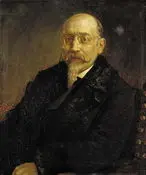
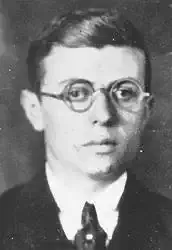
Guillaume Apollinaire
Author of the day

Guillaume Apollinaire

Guillaume Apollinaire was a highly influential French poet, playwright, short story writer, novelist, and art critic. He is considered one of the most important figures of early 20th-century European literature, particularly associated with the Symbolist movement and the development of Surrealism. Apollinaire is credited with coining the term 'Surrealism' and is renowned for his innovative use of language, experimental typography, and exploration of modern themes. His poetry often blends lyricis…

Poem of the day

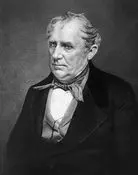
Grass

Carl Sandburg
Pile the bodies high at Austerlitz and Waterloo.
Shovel them under and let me work
-I am the grass; I cover all.

And pile them high at Gettysburg
And pile them high at Ypres and Verdun.
Shovel them under and let me work.
Two years, ten years, and the passengers ask the conductor:

What place is this?
Where are we now?

I am the grass.
Let me work.
Read full poem

Born on this day

9
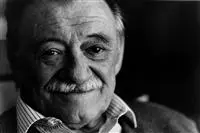
Mario Benedetti

Mario Benedetti was a renowned Uruguayan writer, poet, playwright, and journalist, considered one of the most important names in Latin American literature. His work is characterized by accessible language, a colloquial tone, and deep social sensitivity. Benedetti addressed universal themes such as love, loneliness, politics, and daily life, connecting with a vast readership through poetry and prose that reflect the anxieties and hopes of the common person.

Dimas Macedo

Dimas Macedo is a poet whose work is characterized by a deep exploration of language and the human condition, with strong lyricism and an unparalleled ability to transfigure the everyday into poetry. His writing is marked by musicality, imagistic density, and a constant reflection on time, memory, and the search for meaning. Dimas Macedo is recognized for his contribution to contemporary Brazilian poetry, with verses that resonate for their originality and expressive power.

Renato Castelo Branco

Renato Castelo Branco was a Brazilian poet whose works explore the depths of the human soul and the complexities of everyday life. His poetry is marked by accessible language, yet imbued with emotion and meaning, addressing themes such as love, longing, the passage of time, and the search for meaning. Throughout his career, Castelo Branco established himself as a singular poetic voice in the Brazilian literary landscape, with a body of work that resonates with its authenticity and sensitivity.

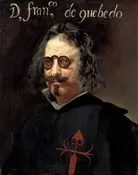
Francisco de Quevedo

Francisco de Quevedo y Villegas (1580-1645) was one of the greatest poets and prose writers of Spanish literature during the Golden Age. Known for his satirical, witty, and often dark style, Quevedo mastered a wide range of literary genres, from lyrical and philosophical poetry to satirical and political prose. His work reflects a cynical and realistic view of the society of his time, marked by social criticism and the exploration of themes of death, time, and the human condition. Quevedo is celebrated for his mastery of the Spanish language, his use of neologisms, and his ability to create vivid and impactful imagery.

Mário da Silva Brito

Mário da Silva Brito was a Portuguese poet and writer. His work often explored themes of Portuguese identity, history, and the human condition. He is recognized for his contributions to Portuguese literature in the 20th century.

Paulo Teixeira

Paulo Teixeira is a contemporary Portuguese poet, whose work is characterized by the exploration of universal themes such as memory, time, identity, and human relationships, with a lyrical and introspective language. His poetry, often marked by a keen sensibility and a profound reflection on the human condition, has been gaining a prominent place in recent Portuguese literature, through an authentic voice with a strong capacity for resonance.

Ricardo Aleixo

Ricardo Aleixo is a Brazilian poet and visual artist known for his exploration of the intersections between language, body, and technology. His work transcends the boundaries of traditional poetry, incorporating elements of performance, installation, and sound art. Aleixo is recognized for his experimental and critical approach, questioning social structures and forms of communication in contemporary times. His poetic production is marked by the deconstruction of the word and the search for new materialities for expression.

Michel Butor

Michel Butor was an influential French novelist and essayist, associated with the Nouveau Roman. His work is characterized by formal experimentation, exploration of the novel's structure, and interrogation of reality.

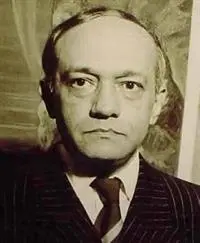
Ezequiel Martínez Estrada

Ezequiel Martínez Estrada was an Argentine essayist, poet, literary critic, and diplomat, whose work was characterized by a deep reflection on Argentine and Latin American reality. His critical thinking addressed themes such as national identity, history, literature, and the human condition, often with a pessimistic but lucid vision. Considered a central figure in 20th-century Argentine thought, Martínez Estrada was a tireless polemicist and a keen observer of the social and political complexities of his time. His legacy lies in his vast essayistic and poetic production, which continues to be an unavoidable reference for understanding the culture and history of Latin America.

Died on this day

2
José Echegaray

José Echegaray y Eizaguirre was a prominent Spanish playwright, novelist, and politician, whose work earned him the Nobel Prize in Literature in 1904. Recognized for his contribution to Spanish theater, Echegaray explored moral and social themes with an intense and often dark dramatic style. His plays, marked by passionate conflicts and ethical dilemmas, reflect the concerns of Spanish society of his time, addressing honor, duty, justice, and the consequences of human actions. As a public and intellectual figure, Echegaray played a significant role in Spain's political and cultural life. His vast literary production, which includes both theater and prose, solidified his position as one of the most important authors of the late 19th and early 20th centuries in Spain, influencing later generations of writers and artists.