Poem of the day

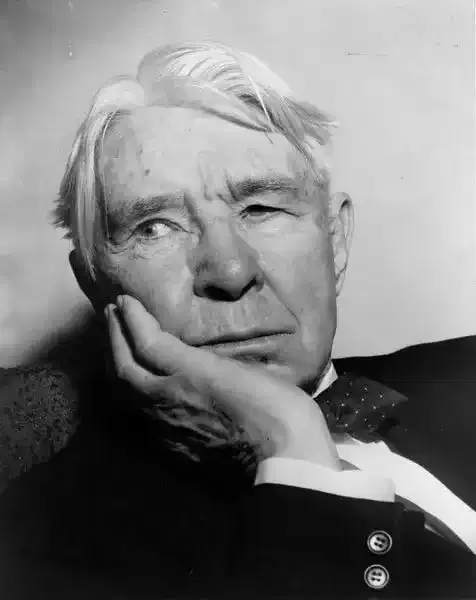
Grass

Carl Sandburg
Pile the bodies high at Austerlitz and Waterloo.
Shovel them under and let me work
-I am the grass; I cover all.

And pile them high at Gettysburg
And pile them high at Ypres and Verdun.
Shovel them under and let me work.
Two years, ten years, and the passengers ask the conductor:

What place is this?
Where are we now?

I am the grass.
Let me work.
Read full poem

Born on this day

12
Guy Corrêa

Guy Corrêa was a poet whose work was characterized by the exploration of social and existential themes, with a vigorous and often critical language. His poetry reflects a keen eye on the human condition in its rawest aspects and the complexities of modern life. His writing frequently addresses loneliness, alienation, social injustice, and the search for identity in a constantly changing world. Corrêa used poetry as a means to question realities, express discontent, and evoke deep empathy for human experiences.

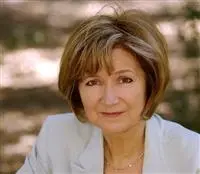
Lídia Jorge

Lídia Jorge is one of the most prominent and celebrated contemporary Portuguese writers, with a vast body of work that spans poetry, novels, and short stories. Her writing is often characterized by psychological depth, the exploration of themes such as memory, identity, the female condition, the history of Portugal, and the complexity of human relationships. With a rich and evocative language, Lídia Jorge has been building a significant literary legacy, marked by sensitivity, intelligence, and a critical look at society. Recognized with multiple national and international awards, her work is translated into several languages, attesting to her importance in the global literary scene. Lídia Jorge is an indispensable voice in Portuguese-language literature, whose work continues to captivate and provoke reflection in its readers.

Raymond Radiguet

Raymond Radiguet was a notable French writer, known for his work "The Devil in the Flesh" (Le Diable au corps). His writing is often associated with French modernism, exploring themes of youth, love, and the transition to adulthood with lyrical and melancholic sensitivity. Despite his short life, Radiguet left a significant mark on the literature of his time.

Arquimedes da Silva Santos

Arquimedes da Silva Santos was a Brazilian poet, recognized for his contribution to Portuguese-language poetry. His work is part of a literary context marked by the exploration of language and reflection on the human condition. Through careful writing, he addressed universal themes, leaving a poetic legacy that echoes the sensibility of his time.

António Mendes Portalegre

António Mendes Portalegre was a Portuguese poet whose work fits into literary contexts ranging from intimism to experimentation. Associated with various literary magazines, his poetry is characterized by reflection on the everyday, ephemerality, and the search for authentic expression. His work, although sometimes discreet in volume, is valued for its sensitivity and the way it captures the nuances of human existence.

Mário Saa

Mário Saa was a multifaceted Portuguese creator, known for his literary work, but also for his foray into the visual arts. His writing explored the human condition, the passage of time, and the ephemeral beauty of existence, often tinged with melancholy and reflection. His style was characterized by the musicality of verse and careful language, which sought to capture the essence of emotions and inner landscapes.

Ana de Castro Osório

Ana de Castro Osório was a Portuguese writer, journalist, republican, and feminist, a pioneer in advocating for the rights of women and children in Portugal. With a vast body of work encompassing children's literature, poetry, and essays, she stood out for her civic and political activism, becoming one of the most influential figures of the republican and feminist movement of her time. Her fight for education, gender equality, and social rights marked her life and writing, leaving a legacy of persistence and commitment to social justice. She was an essential figure in building a more just and egalitarian society in Portugal.

Silva Bastos

Silva Bastos was a poet whose work is part of the panorama of Portuguese poetry. His writing is marked by an exploration of existential and lyrical themes, with a language that seeks expressiveness and musicality. Through his verses, he addressed the complexity of human emotions and the individual's relationship with the world. His contribution to literature lies in the sensitivity and originality with which he approached the poetic experience.

João Mendes

João Mendes was a poet whose work stood out for its lyrical depth and exploration of universal themes. His writing is marked by careful language and a unique sensitivity in capturing the nuances of human experience. With a poetic production that moves between introspection and observation of the world, João Mendes left a legacy that continues to resonate with readers and literary critics.

Ivan Wernisch

Ivan Wernisch is a Czech poet, translator, and editor, known for his work that blends lyricism with humor and absurdity, frequently exploring themes of everyday life and memory. His poetry is characterized by accessible language, yet deep and inventive, seeking to capture the essence of human experiences in an original and captivating way.

Denise Emmer

Denise Emmer is a Brazilian writer and historian, known for her work that navigates between fiction and non-fiction, often exploring themes related to history, memory, and identity, with a sharp eye on the complexities of society.

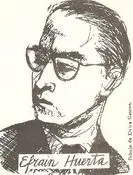
Efraín Huerta

Efraín Huerta was a Mexican poet, journalist, and communist militant, known for his social poetry and political commitment. His work is characterized by a passionate and combative voice, portraying the reality of the marginalized, the workers, and the struggle for justice. Nicknamed "El Ciano", his direct style and colloquial language connected deeply with the popular classes. He was a chronicler of his time, addressing themes such as social inequality, oppression, and the hope for a better world.

Died on this day

8
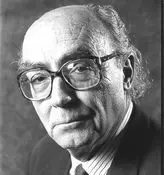
José Saramago

José Saramago was a Portuguese writer, awarded the Nobel Prize in Literature in 1998. His work, profoundly humanistic and critical, addresses existential, social, and political issues with a unique narrative style, marked by the absence of conventional punctuation in dialogue and by long sentences. He explored the human condition, memory, identity, and power, leaving a significant literary legacy. His writing is recognized for its complexity, philosophical reflection, and ability to question social structures and human behavior, inviting the reader to a deep immersion in dense and thought-provoking fictional universes.

António Feliciano de Castilho

António Feliciano de Castilho was an influential Portuguese writer, poet, and translator, a prominent figure of the 19th century. Known for his vast literary output and his defense of traditionalism and classicism, Castilho played a central role in Portuguese cultural life, both through his original work and his polemical interventions, notably in the orthography debate and his rivalry with Romanticism. His work encompasses poetry, prose, literary criticism, and translation, distinguished by its musicality, formal rigor, and inspiration from classical and Renaissance models. Despite being a controversial figure, especially in his opposition to Romanticism, Castilho left a lasting legacy in Portuguese literature, being studied and debated to this day.

João Carlos Teixeira Gomes

João Carlos Teixeira Gomes was a Portuguese poet, playwright, and short story writer, known for his lyrical work and his strong connection to the Generation of 50 movement. His poetry often explores themes such as solitude, the passage of time, and the search for meaning, with a careful language and a sometimes melancholic tone.

Sílvio Romero

Silvio Romero was a Brazilian writer, literary critic, historian, and politician. He stood out as one of the main exponents of Romanticism in Brazil, with a work that addresses themes such as national identity, slavery, and popular culture. He was an influential intellectual in the Brazilian scene of the 19th century, with a multifaceted career.

Henrique de Sá

Henrique de Sá was a Portuguese poet whose work is part of the contemporary literary landscape. Characterized by a writing that explores the depths of the human condition, his verses address universal themes such as love, the passage of time, and the search for meaning. His poetry is distinguished by its musicality and its exploration of evocative imagery, inviting the reader to an intimate reflection on existence.

Fernando de Paços

Fernando de Paços was a poet whose work is based on a deep reflection on existence, identity, and the inner landscape. His poetry is marked by dense and sometimes enigmatic language, which invites the reader to unravel layers of meaning, exploring the complexities of the human soul and its intrinsic relationship with the world. With a keen sensitivity to the nuances of feeling, Paços dedicated himself to a lyrical exploration that, although sometimes challenging, reveals a singular beauty and an unparalleled ability to evoke emotional and existential landscapes, consolidating his place as a distinctive voice in literature.

Elizabeth Bartlett

Elizabeth Bartlett was an American poet known for her poetry that frequently addressed themes of life, death, faith, and the complexities of human relationships. Her work is characterized by deep reflection and direct, accessible language. She published several books and gained recognition for her honesty and her ability to explore existential questions with sensitivity and clarity.