Poem of the day

Grass

Carl Sandburg
Pile the bodies high at Austerlitz and Waterloo.
Shovel them under and let me work
-I am the grass; I cover all.

And pile them high at Gettysburg
And pile them high at Ypres and Verdun.
Shovel them under and let me work.
Two years, ten years, and the passengers ask the conductor:

What place is this?
Where are we now?

I am the grass.
Let me work.
Read full poem

Born on this day

14
Walter Queiroz

Walter Queiroz was a Brazilian poet, writer, and literary critic, whose work was characterized by originality, the exploration of urban and existential themes, and a style marked by irreverence and linguistic experimentation. With a singular poetic voice, he addressed the complexity of modern life, human relationships, and the search for identity amidst the hustle and bustle of cities. His literary production encompassed poetry, short stories, and criticism, leaving a legacy of works that challenge conventions and invite reflection on society and the human condition.

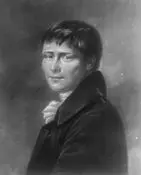
Heinrich von Kleist

Heinrich von Kleist was an influential German playwright, novelist, and poet, considered one of the most important figures of German Romanticism. His work is marked by complex characters, intense conflicts, and a deep exploration of the human condition, justice, and the perception of reality. Kleist is known for his dramatic plays, such as "The Marquise of O..." and "Michael Kohlhaas," which address themes like revenge, honor, and the difficulty of discerning truth. His writing is characterized by emotional intensity and an often dark view of existence, reflecting his own personal struggles.

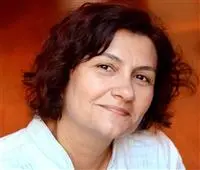
Cida Pedrosa

Cida Pedrosa is a Brazilian poet and writer, recognized for her work that explores themes such as ancestry, identity, memory, and the female condition, with strong inspiration from Afro-Brazilian culture and the landscapes of the Northeast. With a language rich in imagery and musicality, her poetry moves between the personal and the collective, the mythical and the real, establishing a deep dialogue with her roots. Her work has been widely disseminated and awarded, consolidating her as an important contemporary voice in Brazilian literature.

Eugénio Tavares

Eugénio Tavares was a Cape Verdean poet, journalist, and politician, a prominent figure in the literature and cultural identity formation of the archipelago. His work is marked by deep lyricism and a strong sense of belonging to his homeland, exploring themes such as saudade, love for the fatherland, and the social conditions of his people. He was a defender of Cape Verdean autonomy and culture, playing a crucial role in the press and political life.

Maria Aliete Galhoz

Maria Aliete Galhoz was a Portuguese writer whose work, though diverse, was marked by its deep connection to the cultural and historical roots of Portugal, especially in the Trás-os-Montes context. Her writing, characterized by a rich and evocative language, explored identity, memory, and traditions, with a keen eye on the landscapes and ways of life of Northeastern Trás-os-Montes. Her vast body of work includes poetry, prose, and essays, revealing a constant interest in popular cultural manifestations and the preservation of collective memory. Maria Aliete Galhoz is recognized for giving a voice to a profound Portugal and for her significant contribution to the appreciation of her region's cultural and literary heritage.

Américo Durão

Américo Durão was a Portuguese poet and essayist, whose work is notable for its strong reflective and spiritual component. Born in 1924, he explored in his verses man's relationship with the transcendent, the search for truth, and existential questioning. His writing, marked by dense language and profound erudition, belongs to a literary tradition that values introspection and philosophical debate.

Orlando Cardoso

Orlando Cardoso is a poet whose work is characterized by a deep connection to the land, its people, and its traditions. Through a language that often evokes the rural and the popular, but without sacrificing its lyrical and expressive force, Cardoso builds poems that celebrate identity, memory, and values rooted in the landscape. His poetry, marked by a tone that is sometimes epic and sometimes intimate, reflects a concern for the preservation of culture and the human condition, exploring themes such as work, family, faith, and the passage of time. His work is a valuable testimony to the soul of a people and their bond with the territory.

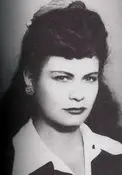
Eunice Odio

Costa Rican poet, Eunice Odio is an essential voice in 20th-century Spanish-language poetry. Her work is distinguished by a profound exploration of the human condition, spirituality, death, and the search for identity, often through language charged with symbolism and powerful imagery. Her poetry transcends geographical and temporal boundaries, inviting existential and transcendent reflection.

Died on this day

7
Casimiro de Abreu

Casimiro de Abreu was a Brazilian poet of Romanticism, known for his lyrical and sentimental poetry, which nostalgically evokes childhood, simple country life, and longing for his homeland. His work, though relatively scarce, deeply marked Brazilian literature with its delicacy, musicality, and exploration of universal themes such as lost innocence and familial love. Considered one of the main exponents of the second romantic generation in Brazil, Casimiro de Abreu left a legacy of verses that continue to move with their candor and representation of an idealized world, marked by purity and affection.

Otacílio Colares

Otacílio Colares was a poet of Brazilian origin, whose works explore the complexity of human emotions and the ephemeral beauty of existence. His poetry is marked by careful language and deep lyrical sensitivity, addressing themes such as love, saudade, and reflection on time. With a writing that captivates with its melody and introspection, Colares left a poetic legacy that invites contemplation and connection with the deepest feelings.

Pedro de Alcântara

D. Pedro de Alcântara is known primarily as the second Emperor of Brazil, but his life was also marked by cultural and artistic interests, including poetry. His trajectory as a monarch and his relationship with art reveal a complex individual, influenced by the historical context and aspirations of his time. His poetic work, although less prominent than his political role, reflects sensibilities and themes dear to his era.

Vázquez Montalbán

Manuel Vázquez Montalbán was a Spanish writer, journalist, and critic, famous for creating the detective Pepe Carvalho. His work spanned various genres, including detective novels, social chronicles, and poetry, always with a critical eye on contemporary Spanish society and its political and cultural intricacies.

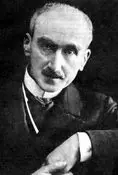
Manuel Teixeira Gomes

Manuel Teixeira Gomes was a Portuguese writer, diplomat, and politician, known for his engaging prose and unique style that blends realism and lyricism. His work often explores the human soul, the complexities of relationships, and the beauty of everyday life, with a rich and refined language.

Gabriel Pereira de Castro

Gabriel Pereira de Castro was a Brazilian poet, playwright, and chronicler, born in Minas Gerais. He stood out for his poetry that explored themes such as love, death, religiosity, and Brazilian identity, with a style that blended baroque and arcadian elements, evolving towards a more introspective lyricism. His work is recognized for its musicality and the depth of its reflections on the human condition and national identity.