Poem of the day

Grass

Carl Sandburg
Pile the bodies high at Austerlitz and Waterloo.
Shovel them under and let me work
-I am the grass; I cover all.

And pile them high at Gettysburg
And pile them high at Ypres and Verdun.
Shovel them under and let me work.
Two years, ten years, and the passengers ask the conductor:

What place is this?
Where are we now?

I am the grass.
Let me work.
Read full poem

Born on this day

10
Luís Filipe Castro Mendes

Luís Filipe Castro Mendes is a poet and essayist whose work is characterized by intelligence, erudition, and a profound reflection on the human condition, art, and society. His poetry, which oscillates between lyricism and essayism, addresses themes such as time, memory, identity, culture, and civic engagement, with careful language and notable formal rigor. With a multifaceted career, which also includes political and diplomatic activity, Castro Mendes builds a coherent and consistent body of work, marked by an attentive gaze on the world and its contradictions. His poetry is an invitation to contemplation and critical thinking, engaging with the literary tradition while proposing an innovative look at contemporary issues, establishing himself as one of the most significant voices in Portuguese literature.

Eduardo White

Eduardo White is a poet recognized for his work that oscillates between lyricism and reflection on existence. His poetry, often marked by an evocative and imagistic language, explores universal themes such as time, memory, and the search for meaning. His writing demonstrates a deep sensitivity to the complexities of the human condition, addressing them with a singular poetic voice.

Carvalho Nogueira

Carvalho Nogueira was a poet whose work stood out for its profound exploration of the human condition, addressing universal themes such as love, death, and time with a rich and imagistic language. His poetry, although sometimes melancholic, reveals a constant search for beauty and the meaning of existence, reflecting an introspective spirit and a refined sensitivity to the nuances of life. His literary career was marked by a dedication to poetic form, combined with a unique ability to translate the most complex emotions and reflections into verse. Carvalho Nogueira left a poetic legacy that continues to resonate for its expressive power and universality, inviting readers on an inner journey and a deep contemplation of the world.

Pinto de Monteiro

Pinto de Monteiro is a literary figure whose work is part of a tradition of reflection on identity and society. His poetry explores the complexities of human relationships, the passage of time, and the search for meaning amidst the transformations of the contemporary world. With a language that oscillates between the colloquial and the lyrical, his work invites a dive into the anxieties of being.

Antonio Risério

Antonio Risério is a Brazilian poet, essayist, journalist, and literary critic. His poetic work is marked by a deep reflection on identity, memory, and culture, with a style that moves between lyricism and erudition. He is recognized for his vast intellectual output and his engagement in the discussion about cultural diversity and the history of Brazil.

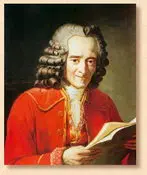
Voltaire

Voltaire was a prolific French writer, historian, and philosopher, a central figure of the Enlightenment. Known for his sharp intellect, sense of humor, and advocacy for freedom of speech, he vehemently criticized religious intolerance and the tyranny of the aristocracy and clergy of his time. His vast work spans poetry, essays, plays, correspondence, and philosophical texts, exerting a profound influence on Western thought.

The adjective is the enemy of the noun.
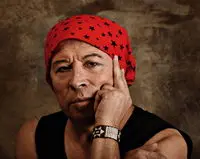
Pedro Lemebel

Pedro Lemebel was a Chilean writer, journalist, chronicler, and cultural activist, known for his work that blends humor, social criticism, and transgressive language, frequently exploring identity, marginality, and queer culture. His vibrant and irreverent writing made him an iconic figure in Latin American literature, challenging social norms and celebrating dissenting voices.

António Torrado

António Torrado was a Portuguese writer, especially known for his work aimed at children and young people. His writing is characterized by imagination, humor, irreverence, and the ability to address complex themes in an accessible and playful way. In addition to children's literature, he also wrote for theater and explored other literary genres.

Died on this day

8
Leonardo Fróes

Leonardo Fróes was a Brazilian poet whose work is distinguished by its originality and depth, exploring the complexity of human existence with a rich and imagistic language. His poetry navigates between the lyrical self and the universe, addressing themes such as solitude, love, the passage of time, and the search for meaning. With a style that moves between the lyrical and the philosophical, Fróes captivates the reader with his ability to articulate existential reflections with refined aesthetic sensitivity. His contribution to contemporary Brazilian poetry lies in how he reinvents tradition, infusing it with a personal and innovative vision, consolidating him as a relevant figure in the literary scene.

Raul de Leoni

Raul de Leoni was a Brazilian poet and diplomat, known for his poetry that blends Parnassian and Symbolist influences, with a touch of modernity. His work explores themes such as beauty, art, ephemerality, and the pursuit of formal perfection. He is an important figure in the transition between 19th-century poetry and Brazilian modernism.

Silvestre de Oliveira Serpa

Silvestre de Oliveira Serpa was a poet whose work is distinguished by its profound connection to the land, traditions, and the soul of the Portuguese people. In his verses, the rural landscape, customs, beliefs, and aspirations of the countryside people come to life, weaving a tapestry rich in color, sound, and feeling. His poetry is a mirror of Lusitanian identity, capturing the essence of an authentic Portugal, marked by simplicity, resilience, and a deep love for its land. Serpa's work is an invitation to rediscover roots, to value simplicity, and to recognize the intrinsic beauty of traditions. His poems celebrate life in its most genuine manifestations, offering the reader a refuge of authenticity and emotion in a constantly changing world. It is a legacy of affection and respect for popular culture and the intangible heritage of Portugal.

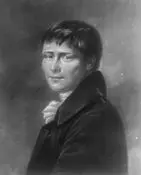
Heinrich von Kleist

Heinrich von Kleist was an influential German playwright, novelist, and poet, considered one of the most important figures of German Romanticism. His work is marked by complex characters, intense conflicts, and a deep exploration of the human condition, justice, and the perception of reality. Kleist is known for his dramatic plays, such as "The Marquise of O..." and "Michael Kohlhaas," which address themes like revenge, honor, and the difficulty of discerning truth. His writing is characterized by emotional intensity and an often dark view of existence, reflecting his own personal struggles.

António Marques Lésbio

António Marques Lésbio was a Portuguese poet whose work is part of the modernist and surrealist context in Portugal. His writing is marked by a strong lyrical vein, exploring themes such as love, sensuality, death, and the social dimension, often with an irreverent tone and innovative language. He was an active figure in the cultural and political life of his time.

Robert Bly

Robert Bly was an American poet, activist, and translator, known for his lyrical and meditative poetry, often exploring themes of nature, spirituality, and the human psyche. He was a prominent figure in the modern poetry movement, particularly associated with "Deep Image," and was a vocal critic of the Vietnam War. Bly also gained recognition for his translations of Scandinavian and Spanish poetry into English, making works by authors such as Neruda and Tranströmer accessible to a wider audience.

Luis Felipe Vivanco

Luis Felipe Vivanco was a Spanish poet and literary critic, associated with the Generation of 36 and the movement called "Rationalist Poetry" (Poesía Racionalista). His poetic work, although less numerous than that of some contemporaries, is recognized for its expressive force, existential reflection, and formal rigor. He explored themes such as anguish, solitude, the search for meaning, and social reality, with clear and objective language. As a critic, Vivanco contributed to the analysis and dissemination of the work of other poets, playing an important role in the understanding and appreciation of the poetry of his time. His literary trajectory represents a testament to the complexity and concerns that marked Spanish literature in the mid-20th century.