Poem of the day

Grass

Carl Sandburg
Pile the bodies high at Austerlitz and Waterloo.
Shovel them under and let me work
-I am the grass; I cover all.

And pile them high at Gettysburg
And pile them high at Ypres and Verdun.
Shovel them under and let me work.
Two years, ten years, and the passengers ask the conductor:

What place is this?
Where are we now?

I am the grass.
Let me work.
Read full poem

Born on this day

12
Gregório de Matos

Gregório de Matos, known as "Boca do Inferno" (Mouth of Hell), was a Brazilian Baroque poet of the 17th century. His work, characterized by a variety of registers — lyrical, satirical, erotic, and religious — reflects the colonial society of Brazil at the time with rawness and humor. He is widely considered the first great Brazilian poet, known for his biting satirical vein against the authorities and customs of Bahia, but also for his love lyrics and existential reflections.

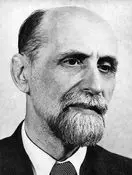
Juan Ramón Jiménez

Juan Ramón Jiménez was a Spanish poet, awarded the Nobel Prize in Literature in 1956. His work, profoundly marked by symbolism and the desire for "pure poetry," evolved towards an incessant search for beauty and transcendence. His poetry explores themes such as nature, spirituality, love, and the very essence of poetry, with a refined, musical, and visionary style. He is considered one of the great renovators of 20th-century Spanish poetry.

Jorge de Sousa Braga

Jorge de Sousa Braga was a Portuguese poet, essayist, and literary critic, known for his work marked by a profound reflection on existence, language, and the human condition. His poetry is characterized by dense language, intrinsic musicality, and formal rigor that often dialogues with classical tradition. With a vast and complex body of work, Braga established himself as one of the most unique voices in contemporary Portuguese poetry, influencing generations of poets and scholars. His writing, which explores themes such as temporality, memory, art, and the sacred, invites careful and in-depth reading.

Manuel Lopes

Manuel Lopes was a prominent Cape Verdean writer, known for his deep connection with the land and sea of Cape Verde, central themes in his work. His writing, marked by a vigorous style and a language rich in creolisms, authentically portrays the life, customs, and aspirations of the Cape Verdean people. He is considered one of the pillars of Cape Verdean literature.

César William

César William is a name that resonates with the intensity of human experience, exploring in his work the depths of the soul and the complexities of everyday life. His poetry is an invitation to reflection, where lyricism intertwines with social criticism, addressing universal themes with a unique sensitivity. Through accessible yet meaningful language, the poet builds bridges between the reader and the universe of feelings and thoughts that drive the human condition.

Silvio Cruz

Silvio Cruz was an Angolan poet and university professor. He was known for his engaged poetry, often addressing social and political issues in Angola. His work reflects a deep love for his homeland and a concern for the country's future, using lyrical language that was sometimes marked by strong musicality. He was an important voice in contemporary Angolan poetry, contributing to the consolidation of an African literary identity.

Raimundo Oswald Cavalcante Barroso

Raimundo Oswald Cavalcante Barroso was a Brazilian doctor and poet, whose work was marked by lyrical depth and the exploration of themes such as love, longing, and the ephemerality of life. His poetry is often associated with the lyrical tradition, but with a touch of modernity in its sensibility and approach to human feelings. Although he practiced medicine, his literary vein was always present, leaving a poetic legacy that stands out for its musicality and careful construction of language.

Charles Saint-Beuve

Charles-Augustin Sainte-Beuve was a French poet, literary critic, and biographer. He is considered one of the greatest literary critics in France. His work profoundly influenced the development of modern literary criticism.

Giovanni Berchet

Giovanni Berchet was an Italian poet and patriot, known for his lyrical and patriotic poetry that reflected the fervor of the Risorgimento. His work is marked by a strong national sentiment and a desire for freedom for Italy.

António Xavier Rodrigues Cordeiro

António Xavier Rodrigues Cordeiro, more commonly known as António Cordeiro, was a Portuguese poet of vast work and influence. His poetry, profoundly marked by symbolism and modernism, masterfully explores themes such as identity, death, religion, and the human condition, in a language rich in imagery, musicality, and symbolism. His often dense and allusive writing reveals a restless spirit and a profound capacity for introspection, consolidating him as a prominent figure in 20th-century Portuguese literature.

José Canelas

José Canelas is a contemporary poet whose work stands out for its exploration of the human condition, the fleetingness of time, and the search for meaning in a constantly changing world. His poetry is marked by careful language and a refined sensitivity to the nuances of existence, addressing universal themes from a personal and reflective perspective. Through verses that evoke strong images and deep emotions, Canelas invites the reader to introspection about life, love, and the inexorable passage of moments.

Robert Bly

Robert Bly was an American poet, activist, and translator, known for his lyrical and meditative poetry, often exploring themes of nature, spirituality, and the human psyche. He was a prominent figure in the modern poetry movement, particularly associated with "Deep Image," and was a vocal critic of the Vietnam War. Bly also gained recognition for his translations of Scandinavian and Spanish poetry into English, making works by authors such as Neruda and Tranströmer accessible to a wider audience.

Died on this day

10
Lêdo Ivo

Lêdo Ivo is a Brazilian poet, novelist, short-story writer, and essayist, a prominent figure in contemporary literature. His work, marked by a profound lyrical sensibility and a reflection on the human condition, explores themes such as memory, time, identity, and the northeastern landscape. With an elegant style and precise language, Ivo has built a consistent and influential body of work, establishing himself as one of the great names in Brazilian poetry.

Clóvis Moura

Clóvis Moura was a Brazilian intellectual, historian, and writer of great relevance to the study of social history and Afro-Brazilian culture. His work was dedicated to rescuing and analyzing the participation and resistance of Black people in the formation of Brazilian society, combating Eurocentric and stereotyped views. With a rigorous and engaged approach, Moura significantly contributed to the demystification of historical narratives and the valorization of Black identity and culture in Brazil.

Francisco Galvão

Francisco Galvão was a Portuguese poet whose work is part of the literary landscape of the 20th century. His poetry is marked by a deep reflection on the human condition, exploring themes such as time, memory, and the ephemerality of existence. He stands out for his careful language and his ability to evoke sensory images, creating an intimate and universal lyrical universe. His contribution to Portuguese poetry lies in the exploration of a unique authorial voice, which dialogues with literary tradition while pointing to new sensibilities. Galvão left a poetic legacy that continues to be appreciated for its depth and formal beauty.

Giovanni Berchet

Giovanni Berchet was an Italian poet and patriot, known for his lyrical and patriotic poetry that reflected the fervor of the Risorgimento. His work is marked by a strong national sentiment and a desire for freedom for Italy.

Marie Noel

Marie Noël was a French poet, known for her lyrical and spiritual work. Her poetry, often marked by an introspective melancholy and a deep religious faith, gained late recognition.

Anselmo Braamcamp Freire

Anselmo Braamcamp Freire was a notable Portuguese poet, jurist, and politician, a prominent figure in Arcadian and Neoclassical poetry. His work is distinguished by its erudition, formal rigor, and evocation of themes from classical antiquity, mythology, and history. With a refined language and an elevated style, Braamcamp Freire dedicated himself to lyric, epic, and satirical poetry, leaving a significant legacy in 18th-century Portuguese literature, influencing later generations of writers with his classicism and formal mastery.

João Pinto Delgado

João Pinto Delgado was a poet whose roots lie in the Jewish-Portuguese literary tradition, with a work marked by introspection, spirituality, and reflection on the human condition. His writing, often in Hebrew, explores universal themes such as faith, doubt, exile, and the search for redemption.

José Marques da Cruz

José Marques da Cruz was a Portuguese poet, considered one of the important names in contemporary poetry. His work is characterized by deep reflection on existence, time, memory, and the human condition, with a refined language and a contained, but intensely powerful, lyricism. He explored the existential and metaphysical dimension of life, engaging with literary tradition and modernity.

Humberto de Bettencourt

Humberto de Bettencourt was a poet whose work fits into an introspective and melancholic lyricism, exploring the depths of the human soul and the ephemerality of existence. His writing, marked by careful language and subtle musicality, reflects a deep sensitivity to the themes of the passage of time, longing, and the search for transcendental meaning. His poetry invites contemplation and reflection on the mysteries of life and the universe.