Poem of the day

Grass

Carl Sandburg
Pile the bodies high at Austerlitz and Waterloo.
Shovel them under and let me work
-I am the grass; I cover all.

And pile them high at Gettysburg
And pile them high at Ypres and Verdun.
Shovel them under and let me work.
Two years, ten years, and the passengers ask the conductor:

What place is this?
Where are we now?

I am the grass.
Let me work.
Read full poem

Born on this day

8
Rafael do Nascimento Monteiro

Rafael do Nascimento Monteiro was a poet whose work was characterized by the exploration of existential themes and the intrinsic musicality of his verses. His poetic compositions reflect a deep sensitivity to the human condition, often addressing the ephemerality of time, the search for meaning, and the beauty found in the simplicity of everyday life. His writing, marked by accessible yet emotionally charged language, sought to establish an intimate connection with the reader, inviting reflection and introspection. His legacy lies in his ability to touch the reader through authentic and sincere poetry, which, despite not overtly affiliating with specific literary movements, resonates with the universal lyrical tradition. Monteiro left a discreet but significant mark on the poetic landscape, prioritizing depth of feeling and the art of well-measured words.

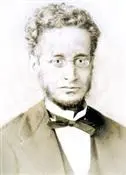
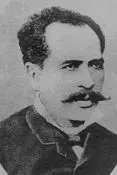
Francisco Otaviano

Francisco Otaviano de Almeida Rosa was a Brazilian writer, journalist, and politician, a prominent figure of Romanticism in Brazil, especially linked to the second romantic generation, Ultra-Romanticism. His poetic work, although not vast, is marked by a melancholic tone, the exaltation of feelings, the escape from reality, and the search for an unattainable ideal, distinctive characteristics of the "mal du siècle". Besides his literary production, Otaviano had an active career in politics and journalism, demonstrating a multifaceted intervention in 19th-century Brazilian public life. His poetry is a reflection of the anxieties and aspirations of a generation that sought to express subjectivity and idealism in a context of great social and political transformations.

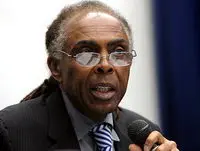
Gilberto Gil

Gilberto Gil is a Brazilian musician, singer, songwriter, and cultural activist, a prominent figure in Brazilian popular music and one of the creators of the tropicalist movement. His work is recognized for its fusion of Brazilian rhythms with international influences, addressing social, political, and existential themes with vibrant and innovative poetic language. He is a multifaceted artist with an extensive career and a significant impact on the culture of Brazil and the world.

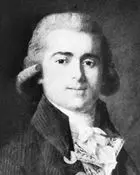
Antoine de Rivarol

Antoine Gombaud, Chevalier de Rivarol was a French writer and scholar, known for his wit and aphorisms. He was a prominent figure during the Age of Enlightenment, known for his critiques of the French Revolution.

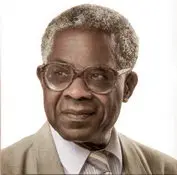
Aimé Césaire

Aimé Césaire was a Martinican poet, writer, and politician, a prominent figure in the literary and political movement of Négritude. His poetic work, marked by expressive force and denunciation of colonialism, deeply explored African and Caribbean identity. He was also an influential political leader, fighting for decolonization and the rights of oppressed peoples.

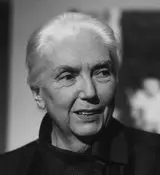
Esther Tellermann

Esther Tellermann is a contemporary writer and poet, whose work stands out for its originality and exploration of themes related to identity, the body, and the female experience. Her writing is often marked by innovative language and the courage to address social and existential issues in a raw and poetic way. With a strong and distinctive literary voice, Tellermann has contributed to the literary scene with texts that challenge conventions and invite reflection. Her poetry and prose explore the complexities of subjectivity and the search for expression in a world that does not always embrace diversity.

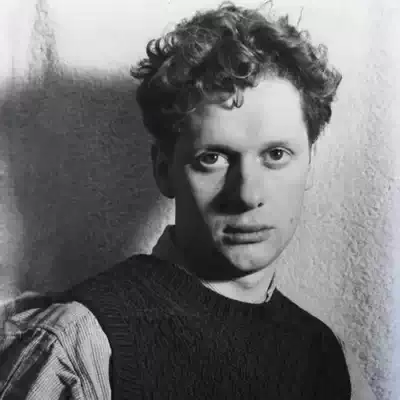
Antony Dunn

Antony Dunn is a British poet and educator, known for his lyrical and reflective poetry. His work often addresses the human experience, nature, and the passage of time, with careful language and evocative imagery. He is a poet who stands out for his sensitivity and the depth of his observations.

Died on this day

4
Tobias Barreto

Tobias Barreto was a Brazilian poet, jurist, and journalist, one of the main figures of pre-modernism and symbolism in Brazil. Born in Sergipe, he stood out for his poetry with a social and philosophical bent, marked by a vigorous and innovative style. He was a fierce critic of the society and politics of his time, advocating for reforms and freer thought. His work, although less known compared to other figures of his time, is fundamental for understanding the literary and intellectual trends of the late 19th and early 20th centuries in Brazil, anticipating many of the concerns that would be central to Brazilian modernism.

Lalla Romano

Lalla Romano was a prominent Italian writer and painter, known for her works of fiction and poetry that explored introspection and the complexity of human relationships. Her writing is marked by profound sensitivity, lyrical style, and particular attention to the details of everyday life and the landscapes of memory. She frequently explored the female condition and family dynamics, creating narratives that resonate with emotional authenticity and exploration of identity.

Leopoldo Marechal

Leopoldo Marechal was a distinguished Argentine writer, primarily recognized for his poetic and novelistic work. His writing is characterized by a profound existential and metaphysical inquiry, exploring themes such as identity, time, and the search for meaning. Marechal is the author of a singular body of work that departs from the prevailing literary currents of his time, forging his own unmistakable style. His novel "Adán Buenosayres" is considered a masterpiece of Argentine and Latin American literature, marking a milestone in 20th-century narrative. His equally dense and reflective poetry addresses transcendental issues with formal mastery and careful language. Throughout his career, Marechal maintained an independent intellectual stance and a rigorous dedication to his art, leaving a literary legacy of great depth and resonance.

Nicomedes Guzmán

Nicomedes Guzmán was a prominent Ecuadorian narrator and poet, a central figure in the indigenist narrative of his country. His work is characterized by deep empathy towards the oppressed and a forceful social critique, exploring the realities of the peasantry and indigenous communities. His writing is distinguished by a rich and evocative language, often capturing the worldview of the original peoples and the injustices they face. Guzmán became a representative voice for the social struggles and Ecuadorian cultural identity, leaving an important legacy in Latin American literature.