Poem of the day

Do Not Go Gentle Into That Good Night

Dylan Thomas
Do not go gentle into that good night, 
Old age should burn and rave at close of day; 
Rage, rage against the dying of the light. 

Though wise men at their end know dark is right, 
Because their words had forked no lightning they 
Do not go gentle into that good night. 

Good men, the last wave by, crying how bright 
Their frail deeds might have danced in a green bay, 
Rage, rage against the dying of the light. 

Wild men who caught and sang the sun in flight, 
And learn, too late, they grieved it on its way, 
Do not go gentle into that good night. 

Grave men, near death, who see with blinding sight 
Blind eyes could blaze like meteors and be gay, 
Rage, rage against the dying of the light. 

And you, my father, there on that sad height, 
Curse, bless, me now with your fierce tears, I pray. 
Do not go gentle into that good night. 
Rage, rage against the dying of the light.
Read full poem

Born on this day

17
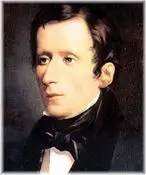
Giacomo Leopardi

Giacomo Leopardi was an Italian poet, philosopher, and scholar of great renown. His poetic work is marked by profound pessimism and intense reflection on the human condition, nature, and suffering. He is considered one of the greatest poets in Italian literature and one of the most important thinkers of the 19th century, with a body of work that continues to resonate for its universality and its lyrical and philosophical acuity.

Flávio Villa-Lobos

Flávio Villa-Lobos, a Brazilian poet, left a mark on literature with his work that oscillates between lyricism and experimentation. His poetry is recognized for exploring themes such as the city, existence, and the complexities of human relationships, with a language that sometimes approaches orality, but without losing depth and reflection.

Glauco Mattoso

Glauco Mattoso was a Brazilian poet, known for his experimental and irreverent work. His poetry challenged conventions, exploring everyday themes with often colloquial and critical language. He is frequently associated with the Concrete and Post-Concrete movements, but his work has a unique authorial mark.

Manoel Carlos de Almeida

Manoel Carlos de Almeida is a writer whose works are characterized by a profound exploration of the human condition and by his reflections on society. His writing, often marked by a melancholic and introspective tone, addresses themes such as the passage of time, memory, and the complexities of affective relationships. With rich language and a careful style, Almeida manages to create narratives that resonate with the universal experience, inviting the reader to dive into dense and significant inner universes. His literary career is marked by consistent production, which has allowed him to consolidate a prominent place in contemporary literature. The work of Manoel Carlos de Almeida is recognized for its thematic depth and aesthetic quality, establishing a significant dialogue with the challenges and reflections of the present day.

Afonso Schmidt

Afonso Schmidt was a Brazilian poet and writer, with a strong connection to regionalism and the theme of the northeastern sertão. His work portrays the life, customs, and hardships of the sertão dweller, with a language often marked by the region's accent and orality. Schmidt is recognized for his contribution to Brazilian regionalist literature.

Verónica Mendes

Verónica Mendes is a prominent figure in contemporary Portuguese-language poetry, with a body of work that explores the nuances of identity, memory, and human relationships. Her writing is marked by a lyrical and introspective voice, capable of capturing the complexity of emotions and everyday experiences. Mendes has stood out for her sensitivity and the way she deepens reflection on being and existence. The author has a consolidated presence in the literary scene, actively participating in events and publications, which gives her growing recognition. Her work is an invitation to contemplation and identification, resonating with readers who seek authentic and profoundly human poetry.

Vasko Popa

Vasko Popa was a Serbian poet considered one of the most important figures in modern Serbian and European poetry. His work, marked by concise and imagistic language, explores universal themes such as identity, memory, and the human condition, often through a mythical and folkloric approach. Popa is known for his ability to transform elements of everyday life and popular imagination into powerful metaphors, creating a unique poetic universe of great depth.

Manuel Garcia Monteiro

Manuel Garcia Monteiro was a poet whose work was characterized by introspective lyricism and a profound sensitivity to the subtleties of existence. His verses explore themes such as the passage of time, memory, nature, and the fragility of human relationships. With a refined language and an often melancholic tone, Monteiro built a body of work distinguished by its authenticity and its ability to evoke universal emotions. His poetry is an invitation to contemplation and reflection on the human condition.

José Figueira Lopes

José Figueira Lopes was a Portuguese poet whose work is part of a deep reflection on the human condition and the ephemerality of time. His poetry, marked by a refined language and a unique sensitivity, explores universal themes such as love, loneliness, and the search for meaning, often through images of nature and everyday life.

Circe Maia

Circe Maia is a Uruguayan poet and professor, whose works explore with delicacy and depth themes such as nature, everyday life, memory, and the passage of time. Her poetry, often characterized by apparent simplicity, reveals great sensitivity and a unique ability to capture the essence of human experiences and the natural world.

Biagio Marin

Biagio Marin was an Italian poet and linguist, known for his poetic work that celebrates the culture and landscape of the Istrian region, combining elements of the lyrical tradition with an innovative language deeply connected to the land and its cultural roots. His poetry is a testament to his identity and his deep love for his territory.

Juan de Dios Peza

Juan de Dios Peza was a Mexican poet and playwright recognized for his poetry of a popular and sentimental nature. His work, often centered on themes such as love, the homeland, and daily life, deeply connected with the feelings of the Mexican people of his time. He is considered one of the representative poets of late Romanticism in Mexico, although his style also incorporated elements of costumbrismo and accessible language that facilitated its dissemination. His facet as a playwright was also relevant, contributing to Mexican theater with works that reflected the customs and values of society. Peza left a legacy of verses that endure for their emotionality and their ability to evoke national identity, being remembered as a poet of the people.

Manuel Altolaguirre

Manuel Altolaguirre was a Spanish poet, linked to the Generation of '27 movement. His work is characterized by an intimate and reflective lyricism, often tinged with melancholy and a deep connection to the Andalusian landscape. He explored themes such as love, the passage of time, and the transience of existence, employing a refined and musical language. His work as a publisher and cultural manager was also significant, contributing to the dissemination of the poetry of his time.

Pedro Henríquez Ureña

Pedro Henríquez Ureña was a distinguished Dominican intellectual, literary critic, and essayist, considered one of the most important figures in 20th-century Hispano-American culture. His vast work encompassed philology, literary history, criticism, and philosophy, leaving a profound mark on the study of Spanish language literature and thought. He was characterized by his erudition, analytical rigor, and his integrative vision of Hispanic culture. Henríquez Ureña promoted the cultural unity of Latin America and advocated for the preservation and enrichment of the Spanish language.

Pablo García Baena

Pablo García Baena was a distinguished Spanish poet, recognized for his lyrical work of profound sensuality and his connection to surrealism and the Generation of '50. His poetry is characterized by the exploration of themes such as eroticism, the beauty of the body, classical mythology, and decadence, often tinged with a melancholic tone and great verbal plasticity. Baena cultivated a language rich in sensory images and symbolism, creating a poetic universe that is both intimate and universal. His literary career was recognized with important awards, consolidating him as a unique and fundamental figure in contemporary Spanish poetry.

Jorge Edwards

Jorge Edwards Valdés was a distinguished Chilean writer, recognized for his prolific narrative and essayistic work. His writing is characterized by a deep exploration of Chilean identity, memory, and history, often through complex characters and situations laden with social and political tension. His elegant and precise style earned him numerous accolades and established him as one of the most important voices in 20th and 21st-century Spanish-language literature.

Died on this day

13
Afonso Cautela

Afonso Cautela is a contemporary poet whose works explore the complexity of the human experience, the ephemerality of time, and the search for meaning in a constantly changing world. His poetry is distinguished by its reflective depth and by the way it manages to capture the melancholy and beauty intrinsic to existence. Through careful language and evocative imagery, Cautela builds bridges between the intimate and the universal, inviting the reader to an introspection on the human condition. His literary career has been marked by constant formal and thematic experimentation, exploring new ways to express feelings and ideas. Cautela's work has been gaining recognition for its originality and its ability to touch the reader viscerally, consolidating his position as a relevant voice in contemporary poetry.

Firmino Teixeira do Amaral

Firmino Teixeira do Amaral was a Portuguese poet, short-story writer, and columnist, known for his lyrical poetry and his careful prose. His work, although less prominent than that of other authors of his generation, reflects sensitivity and a mastery of language, exploring themes such as love, saudade, and nature.

Luis Aranha

Luis Aranha was a Brazilian poet whose work is part of the Modernism context, although with its own characteristics that distinguish him. His poetry is marked by colloquial language, an ironic tone, and a reflection on urban life and its contradictions. He explored themes such as love, loneliness, and the search for meaning in a transforming society, using expressive resources that blend the lyrical and the prosaic. Although he did not achieve the same notoriety as other contemporaries, Luis Aranha's work represents an important strand of Brazilian modernist poetry, revealing a unique sensitivity and a talent for creating innovative and highly impactful poetic images. His work continues to be appreciated by readers seeking authentic and challenging poetry.

Elizabeth Barrett Browning

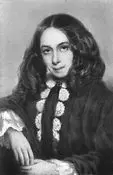
Elizabeth Barrett Browning was a highly regarded English poet of the Victorian era. Known for her passionate love sonnets and her socially conscious verses, she developed a significant literary reputation despite physical ailments and family opposition. Her marriage to fellow poet Robert Browning was a celebrated literary romance.

Now he muses deep the meaning of the Heaven-words as they come.
da Costa e Silva

António Feliciano de Castilho, pseudonym "da Costa e Silva", was a Portuguese poet, writer, and translator, a prominent figure of the Ultra-Romantic movement in Portugal. Known for his vast literary output and pedagogical work, Castilho dedicated himself to disseminating culture and literature, also being notable for his fight for education and his influence on several generations of intellectuals. His poetic work, although sometimes criticized for its excessive sentimentality, marked its time and addressed themes such as love, death, nature, and religiosity, in a melodious and accessible style that captivated a wide audience, leaving a multifaceted legacy in Portuguese literature and culture.

Delphine de Girardin

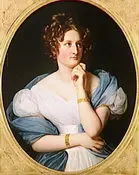
Delphine de Girardin was a French writer and poet. Known for her liveliness and intelligence, she actively participated in the Parisian literary salons of her time. Her work, which includes poetry, plays, and novels, is characterized by an elegant style and a keen observation of society.

Dan Pagis

Dan Pagis was an Israeli poet and scholar, known for his lyrical and introspective poetry, often marked by a melancholic tone and reflection on the human condition, memory, and the passage of time. His work is celebrated for its delicacy, depth, and ability to evoke vivid images.

Guilherme de Melo

Guilherme de Melo was a poet whose work was characterized by the exploration of existential themes and lyrical intensity. His writing, marked by a profound reflection on the human condition, the passage of time, and the search for meaning, left an indelible mark on literature. With a style that combines formal rigor and evocative language, Melo bequeathed a poetic body of work that continues to resonate for its universality and its ability to touch the deepest chords of the human soul.

Efraín Barquero

Efraín Barquero was a Chilean poet, whose work is characterized by musicality, the exploration of Latin American identity, and profound lyricism. His poetry stands out for its formal beauty and its ability to evoke intense landscapes and feelings, reflecting his connection to the land and the cultural roots of his continent.

Rafael Morales

Rafael Morales is a Spanish writer, with a work that spans different literary genres, but often leans towards poetry and short fiction. His writing is recognized for its musicality, exploration of universal themes, and a language that combines simplicity with depth.

Blas de Otero

Blas de Otero was one of the most relevant Spanish poets of the second half of the 20th century, a key figure of the so-called "social poetry." His work is characterized by a deep human and ethical commitment, addressing themes such as injustice, solidarity, hope, and the search for freedom. With a direct and emotional language, Otero managed to connect with a wide audience, becoming the voice of many who longed for a more just world. His poetry, marked by formal simplicity and expressive force, remains a reference for committed poetry in Spanish.

Dionisio Ridruejo

Dionisio Ridruejo was a Spanish poet, essayist, and literary critic, a prominent figure of the Generation of '50. His poetic work is characterized by a deep reflection on the human experience, identity, memory, and the passage of time, often rooted in the landscape and culture of Castile. His style is refined, precise, and emotional, seeking the sincere expression of feelings and formal beauty. Ridruejo was also an important intellectual and public figure, known for his civic commitment and his defense of democratic values. He is considered one of the most representative poets of Spanish poetry in the second half of the 20th century.