Poem of the day

Do Not Go Gentle Into That Good Night

Dylan Thomas
Do not go gentle into that good night, 
Old age should burn and rave at close of day; 
Rage, rage against the dying of the light. 

Though wise men at their end know dark is right, 
Because their words had forked no lightning they 
Do not go gentle into that good night. 

Good men, the last wave by, crying how bright 
Their frail deeds might have danced in a green bay, 
Rage, rage against the dying of the light. 

Wild men who caught and sang the sun in flight, 
And learn, too late, they grieved it on its way, 
Do not go gentle into that good night. 

Grave men, near death, who see with blinding sight 
Blind eyes could blaze like meteors and be gay, 
Rage, rage against the dying of the light. 

And you, my father, there on that sad height, 
Curse, bless, me now with your fierce tears, I pray. 
Do not go gentle into that good night. 
Rage, rage against the dying of the light.
Read full poem

Born on this day

20
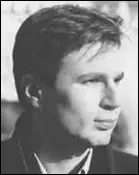
Lopito Feijóo

Lopito Feijóo is a Galician poet and essayist, known for his multifaceted work that ranges between poetry, prose, and literary criticism. His writing is often marked by a deep reflection on identity, Galician culture, and the human condition, with a vigorous style and a strong commitment to the language and reality of Galicia. With a poetic voice that combines tradition with experimentation, Lopito Feijóo addresses complex themes, using rich and expressive language. His work constitutes an important contribution to contemporary Galician literature, exploring its particularities and universalizing them through a critical and sensitive perspective.

Luís Miguel Nava

Luís Miguel Nava is a contemporary Portuguese poet, known for his work that explores the depths of the human condition, the ephemerality of time, and the complexity of interpersonal relationships. His poetry is distinguished by its musicality, imagistic density, and a language that combines erudition with apparent simplicity, inviting reflection on existence and memory. With a body of work marked by a strong lyrical and existential charge, Nava has been consolidating his place in recent Portuguese poetry. His writing addresses universal themes such as love, loss, loneliness, and the search for meaning, often through an introspective and melancholic tone, but also with moments of rare beauty and hope.

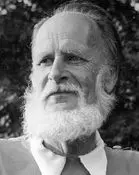
Lanza del Vasto

Lanza del Vasto, secular name of Jean-René, was an Italian poet, philosopher and activist, known for his philosophy of non-violence and his engagement in social and political causes. With a vast literary and essayistic work, Del Vasto explored themes such as spirituality, social justice and critique of industrial society, becoming an influential figure in the pacifist movement.

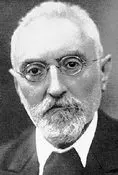
Miguel de Unamuno

Miguel de Unamuno was a prominent Spanish writer, philosopher, and professor, a central figure of the Generation of '98. His work, marked by profound existential reflection and a vigorous style, explored themes such as faith, mortality, and the search for meaning in a changing world. Unamuno is known for his ability to blend the essayistic with the narrative and poetic, constantly questioning established truths and calling for an intense experience of life.

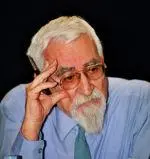
Aloísio Miguel Marques

Aloísio Miguel Marques is a poet whose work stands out for the depth of his reflections on the human condition, the passage of time, and the search for transcendence. His writing is marked by careful language, introspective lyricism, and a unique ability to evoke inner and outer landscapes. Throughout his career, Aloísio Miguel Marques has explored the duality between the ephemeral and the eternal, the visible and the invisible, building a body of work that invites meditation and contemplation. His poetry reveals a singular voice, attentive to the nuances of existence and the complexity of human feeling, establishing him as a relevant figure in contemporary poetry.

João Alexandre Júnior

João Alexandre Júnior was a poet whose work is part of the literary landscape of Portugal. His poetic production explored universal themes, marked by a deep lyrical sensibility and a reflection on the human condition. Although less known than other figures of Portuguese poetry, his work represents a valuable testimony of the poetic expression of his time.

Jurandir Argolo

Jurandir Argolo is a Brazilian poet whose work is distinguished by the exploration of social, existential, and cultural themes, with a language that oscillates between lyricism and the rawness of reality. His writing reflects a strong connection with the Bahian universe, addressing identity, ancestry, and the contradictions of Brazil.

Henrique Abranches

Henrique Abranches was a Portuguese poet and essayist, known for his work that bridges personal lyricism with reflection on society and the human condition. His writing is marked by precise language and a keen eye for the nuances of everyday life, exploring themes such as memory, time, and the search for meaning. Throughout his career, he demonstrated an interest in renewing poetic language and its capacity for dialogue with the world.

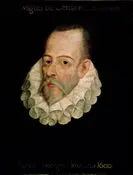
Miguel de Cervantes

Miguel de Cervantes Saavedra was a Spanish novelist, playwright, and poet, widely recognized as the greatest figure in Spanish literature and one of the world's foremost novelists.

For if he like a madman lived, At least he like a
Paulo Cid

Paulo Cid is a contemporary poet whose work explores the intrinsic relationship between human existence and the universe. His poetic compositions are marked by a profound reflection on time, memory, and the ephemerality of life, often intertwined with nature and the urban landscape. His writing is characterized by a careful and evocative language, inviting the reader to introspection about the human condition and the search for meaning.

Augusto Ricardo

Augusto Ricardo was a poet of notable expressiveness, known for his ability to capture the essence of human experience in verse. His work explores the depth of emotions, the complexity of interpersonal relationships, and the ephemerality of time. His writing, often marked by a subtle melancholy and deep sensitivity, established him as an important voice in contemporary poetry.

António Vilar da Costa

António Vilar da Costa was a Portuguese poet and professor, known for his work that explores identity, memory, and the human condition. His poetic compositions are marked by careful language and deep reflection on existence, addressing themes such as time, solitude, and the search for meaning. His writing demonstrates a particular sensitivity to the nuances of everyday experience and a keen eye for the complexity of human relationships.

Helena Carvalhão Buescu

Helena Carvalhão Buescu is a Portuguese academic and writer, with a notable body of work in the fields of literary criticism and poetry. Her poetic output is characterized by a deep reflection on language, memory, and the human experience, often intertwined with academic knowledge. Her literary writing, although sometimes understated compared to her vast academic work, reveals a refined sensibility and an ability to explore the complexities of existence and art, with a careful and intellectually stimulating style.

Rui Almeida

Rui Almeida is a poet whose work is distinguished by its lyrical depth and exploration of universal themes. His poetry navigates between melancholy and hope, using language rich in imagery and symbolism. Throughout his career, he has consolidated his own style that resonates with the poetic tradition, while also engaging with contemporary sensibilities, making him a relevant voice in the literary scene.

Jon Fosse

Jon Fosse is a Norwegian writer and playwright, widely recognized for his minimalist and theatrical prose. His work is characterized by lean language, repetitions, and a focus on exploring human emotions and interpersonal relationships. Fosse addresses themes such as love, death, faith, and loneliness, often through interior monologues and fragmented dialogues.

Silviano Santiago

Silviano Santiago is a renowned Brazilian writer, essayist, and literary critic. His work is marked by a deep reflection on cultural identity, language, and power relations in contemporary society. With a consolidated career, he moves between fiction and non-fiction, always with a sharp eye for the complexities of Brazil and Latin America. He is considered one of the most important intellectuals of his generation, influencing debates on literature and critical thinking. His writing, often challenging, invites the reader to immerse themselves in complex themes, exploring the nuances of the human experience and cultural production.

Arturo Reyes

Arturo Reyes was a Colombian journalist, writer, and politician, known for his work that portrays the life and customs of the Colombian Caribbean region. His writings are marked by a lively and detailed style, capturing the essence of the local people and culture. As a journalist, Reyes dedicated himself to covering events in his homeland, contributing to the press with chronicles and reports that often became the basis for his literary works. His political activity was also linked to the defense of the interests of the Caribbean region. Reyes' work is fundamental to understanding the cultural and social identity of Caribbean Colombia.

Ramón de Garciasol

Ramón de Garciasol was a Spanish poet whose work is inscribed in the tradition of classical and contemporary poetry, with a marked influence of popular lyricism and Andalusian tradition. His poetry is characterized by the depth of his thought, the musicality of his verses, and a constant reflection on the human being, love, death, and transcendence. Throughout his career, he demonstrated exceptional mastery of poetic forms, exploring both the sonnet and free verse, and leaving a significant mark on Spanish literature.

Died on this day

10
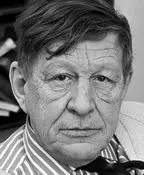
W. H. Auden

W. H. Auden was a British poet, naturalized American, widely considered one of the greatest poets of the 20th century. His work is characterized by thematic and stylistic diversity, addressing issues from social and political matters to intimate reflections on love, death, and faith. Auden stood out for his sharp intellect, mastery of language, and ability to move between the colloquial and the elevated.

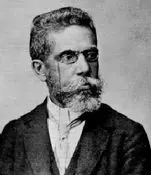
Machado de Assis

Joaquim Maria Machado de Assis is one of the greatest names in Brazilian and world literature, founder and first president of the Brazilian Academy of Letters. His work, which includes poetry, chronicles, short stories, novels, and plays, is notable for its psychological depth, subtle irony, and critical analysis of society. Machado de Assis bridged Romanticism and Realism, but transcended labels, developing a unique style marked by pessimism, skepticism, and metalanguage. His writing explores the complexities of the human soul and social hypocrisies with unparalleled mastery.

Lúcia Afonso

Lúcia Afonso is a poet whose work is characterized by its strong lyrical charge and exploration of intimate and existential themes. Her poetry is marked by careful language and a sensibility that deepens the human experience, often addressing love, longing, and the passage of time. With a poetic voice that moves between introspection and attentive observation of the world, Lúcia Afonso builds a personal and moving literary universe. Her writing invites reflection on the complexities of the soul and on human relationships, establishing a deep connection with the reader through the authenticity of her verses.

Jacira Lima

Jacira Lima is a Brazilian poet known for her work that straddles lyricism and social denunciation. Her poetry, often marked by strong emotional charge and the exploration of themes such as female identity, ancestry, and social inequalities, seeks to give voice to those who have historically been silenced. With a powerful and imagistic language, Jacira Lima constructs verses that invite reflection on Brazilian reality and the pursuit of justice and recognition.

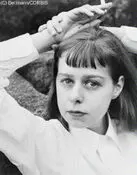
Carson McCullers

Carson McCullers was a prominent American writer, born in Columbus, Georgia, in 1917. She is known for her novels that explore loneliness, alienation, and complex human relationships, often in Southern United States settings. Her works frequently portray eccentric and marginalized characters who struggle to find connection and meaning in a challenging world.

I live with the people I create and it has always
Bob Cobbing

Bob Cobbing was a pioneer of visual and sound poetry, known for his experimental approach and the deconstruction of traditional poetic forms. His work, often performative, explored the materiality of language, the sonority of words, and the relationship between text and image. Cobbing was a central figure in the British artistic avant-garde, promoting experimentation and collaboration.

Fernando de Pamplona

Fernando de Pamplona was a Portuguese poet associated with the surrealist movement, whose work is marked by a strong dreamlike quality and the exploration of the subconscious. His poetry is characterized by lexical daring, the subversion of logic, and the creation of unusual and disturbing images, reflecting the influence of the artistic avant-gardes of the early 20th century. With a writing style that challenged conventions, Pamplona sought to break away from everyday reality to access other dimensions of existence, exploring humor, absurdity, and freedom of expression.

Liu Banjiu

Liu Banjiu was a distinguished Chinese intellectual and writer. His work spanned various literary genres, contributing significantly to his country's literature. He is remembered for his refined prose and the depth of his themes. Throughout his career, Liu Banjiu explored the complexities of the human condition and Chinese society. His narratives often featured well-developed characters and engaging plots, which secured him a prominent place in the literary scene.