
Awards
Academy of American Poets Fellowship
Description
Essential Support for Excellent American Poetry
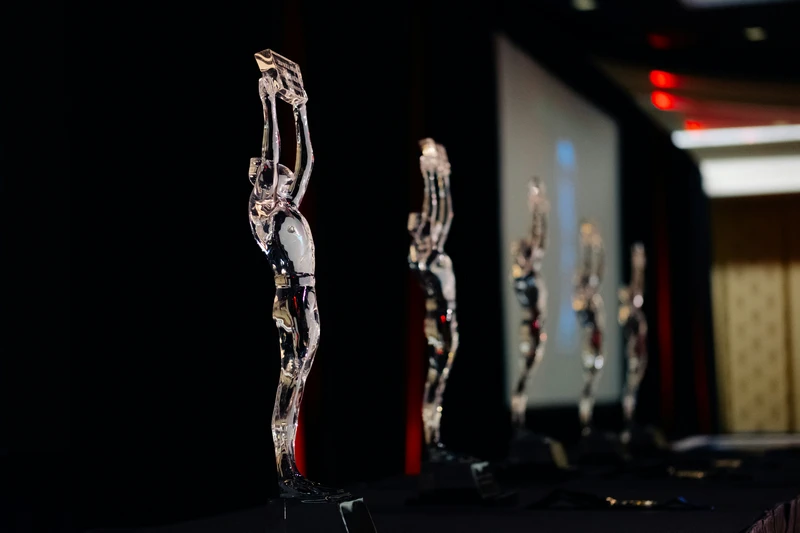
The Academy of American Poets Fellowship is one of the most prestigious and coveted awards in the field of poetry in the United States. Established in 1946, the fellowship is awarded annually to an American poet who has demonstrated an exceptional publication history and a significant impact on the country's literary landscape. The fellowship's primary goal is to support poets in the later stages of their careers, allowing them to continue their creative work without the usual financial pressures.
Value and Purpose of the Fellowship
The value of the fellowship is substantial, currently set at $100,000, making it one of the most financially valuable fellowships for a poet in the United States. This generous amount aims to provide financial security and creative freedom, allowing the poet to dedicate themselves entirely to their art. The fellowship is not awarded for a specific book but rather for a poet's body of work and their future potential.
Criteria and Selection Process
The criteria for awarding the Academy of American Poets Fellowship are rigorous. Candidates do not apply directly; they are nominated by a panel of renowned poets, critics, and academics. This nomination process ensures that only poets whose contributions are widely recognized and respected by the literary community are considered. The jury panel, which changes annually, evaluates the poet's published work, their influence on contemporary poetry, the originality of their voice, and the depth of their impact.
Relevance and Impact
The relevance of the fellowship lies in its ability to honor and sustain the careers of established poets, whose voices may not receive the commercial attention they deserve. By doing so, the Academy of American Poets Fellowship contributes to the preservation and promotion of American poetry, ensuring that these artists can continue to enrich culture with their unique perspectives. The fellowship also serves as a seal of approval, raising the poet's profile and opening new opportunities for the publication and dissemination of their work.
Notable Laureates
Over the years, the fellowship has been awarded to some of the most important names in American poetry, including Robert Frost, Elizabeth Bishop, Gwendolyn Brooks, John Ashbery, Adrienne Rich, Louise Glück (who would later win the Nobel Prize in Literature), and Natasha Trethewey, among many others. The list of laureates reflects the diversity and richness of American poetry, encompassing different styles, themes, and backgrounds.
The Academy of American Poets
The Academy of American Poets, the organization that grants the Fellowship, was founded in 1934 with the aim of supporting and promoting poetry in all its forms and making it more accessible to the public.
The fellowship is one of its most important and impactful initiatives. The organization also administers other awards and programs, but the Fellowship stands out for its prestige and the significant financial value it offers.
Winners

Aracelis Girmay


Evie Shockley

Major Jackson
Major Jackson is a renowned American poet, known for his poetry that explores urban life, African-American identity, and the search for meaning amidst the complexities of contemporary society. His work is marked by a strong musicality and a keen eye for the details of everyday life. A professor and literary critic, Jackson also stands out as an editor, contributing significantly to the literary scene. His poetic voice resonates with vibrant energy and deep social sensitivity, addressing themes of love, loss, justice, and the human condition.

Jericho Brown

Camille T. Dungy

Carmen Giménez Smith

Ilya Kaminsky

Ilya Kaminsky is a Ukrainian-born poet, critic, and translator, known for his poetry that explores language, memory, history, and the immigrant experience. His work is marked by a profound musicality and a keen eye for the complexities of the human condition.

MartÃn Espada

Ed Roberson
Ed Roberson is an American poet whose work is known for its exploration of African-American history, racial identity, and the urban landscape, with an experimental and visually rich language. His poems often stand out for their innovative structure and the way they address profound social and cultural issues. Roberson's career is marked by a commitment to language as a form of resistance and affirmation, using techniques that challenge poetic conventions to create new perceptions of the Black experience in America. He is considered an important voice in contemporary poetry, known for his originality and impact.

Natasha Trethewey

Marie Howe

Tracy K. Smith

Carolyn Forché

Brenda Hillman

Joan Larkin

Khaled Mattawa

Khaled Mattawa is a Libyan-born poet and translator, known for his works that explore themes of identity, exile, and the Middle Eastern experience. His poetry is often marked by a deep lyrical sensibility and an engagement with social and political issues.

Harryette Mullen
Harryette Mullen is an American poet, essayist, and scholar known for her experimental poetry that addresses themes of race, gender, language, and Black culture. Her work challenges literary conventions and explores the complexities of identity within an American context.

Brigit Pegeen Kelly

James McMichael

Carl Phillips

Claudia Rankine

Jane Hirshfield

Li-Young Lee
Li-Young Lee is an acclaimed American poet, known for his lyrical and introspective poetry that explores themes of memory, family, identity, and the search for meaning. His work often moves between the personal and the universal, using vivid imagery and sensitive language to address the complexity of the human experience.

Sharon Olds
Sharon Olds is an American poet whose work is known for its brutal honesty and intimate exploration of the body, sexuality, family, and politics. With a distinctly personal and direct voice, Olds tackles themes often considered taboo with a lyrical clarity and emotional force that resonates deeply with readers, addressing the human experience in its rawest and most vulnerable facets.

Ellen Bryant Voigt

Lyn Hejinian

Gwendolyn Brooks
Gwendolyn Brooks was a pioneering American poet whose work chronicled the lives of ordinary African Americans with vivid imagery and profound empathy. She broke significant ground as the first African American to win a Pulitzer Prize for Poetry, an achievement that underscored her distinctive voice and her commitment to portraying the realities of urban Black life. Brooks's poetry often explored themes of identity, social justice, community, and the challenges and triumphs of Black existence in America, using both traditional forms and more experimental approaches to capture the rhythms and spirit of her subjects.
Charles Simic

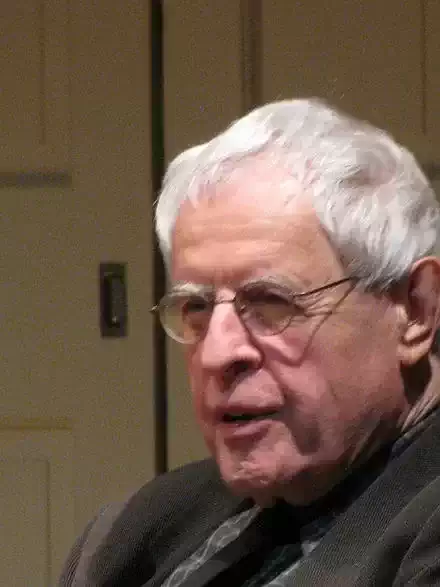
Charles Simic was a Serbian-American poet, essayist, and translator, known for his poetry that often explores the surreal, the absurd, and the dark, often with a touch of black humor. His work is marked by powerful and unexpected images, drawn from both everyday life and his experiences with war and exile. He is celebrated for his ability to transform the mundane into something mysterious and for his unmistakable poetic voice, which manages to be both intimate and universal. Simic was an influential figure in American poetry, known for his clarity and insight.

John Haines

Denise Levertov

David Ferry

Gerald Stern
Gerald Stern was an American poet whose poems are known for their exuberant energy, ironic humor, and ability to move between the personal and the universal. His work frequently celebrates life, nature, and simple joys, while also addressing the complexities and sorrows of existence. Stern used vibrant and accessible language, often incorporating elements of colloquialism and the American lyrical tradition. His poems invite the reader on a journey of discovery, where imagination and emotion intertwine with reflections on love, family, art, and the search for transcendence.
Adrienne Rich
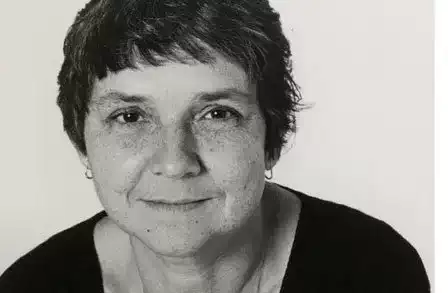
Adrienne Rich was an American poet, essayist, and feminist activist, recognized for her politically engaged poetry and her exploration of identity, sexuality, and social oppression. Throughout her career, her work evolved to address themes of radical feminism, lesbianism, pacifism, and social justice, becoming an influential voice in counterculture movements and gender studies.

J. D. McClatchy

William Meredith

Richard Howard

Donald Justice

Josephine Jacobsen
Josephine Jacobsen was an American poet and short story writer recognized for her lyrical and insightful voice. Her work frequently explores the complexity of human relationships, memory, and the existential condition, with a depth that resonates with many readers. She stood out for her ability to capture moments of introspection and for her elegant and meditative prose.

Howard Moss
Howard Moss was an American poet and editor, known for his lyrical and insightful poetry, which often touched on themes of everyday life, nature, and the complexities of human relationships. His work is distinguished by its clarity, elegance, and keen observation of detail. As an editor for the renowned magazine <em>The New Yorker</em> for many years, Moss had a significant influence on the American literary scene. His poetry is valued for its musicality, the precision of its language, and a tone that balances the introspective with the accessible.

Irving Feldman
Irving Feldman was an American poet whose works explored themes of philosophy, religion, and the human condition. His poetry is often marked by intellectual depth and an introspective style, seeking truth in everyday and transcendental experiences. He was known for his meditative approach to writing, which invited readers into deep reflection. Throughout his career, Feldman published several poetry collections that earned him recognition in literary circles. His work is distinguished by its clarity of thought and its ability to articulate complex ideas with accessible and emotive language, touching upon universal questions of existence and meaning.

Amy Clampitt
Amy Clampitt was an American poet whose work is recognized for its erudition, verbal richness, and a deep appreciation for art, history, and nature. Her poems frequently intertwine the personal with the cultural, exploring themes of identity, memory, and the complexity of the world. Considered one of the most important poetic voices of her generation, Clampitt demonstrated an exceptional command of language, combining scholarly references with a keen observation of everyday life. Her poetry is dense, musical, and often surprising in its associations and imagery.

Maxine Kumin

Harry Brown

James Schuyler

Philip Booth
John Ashbery
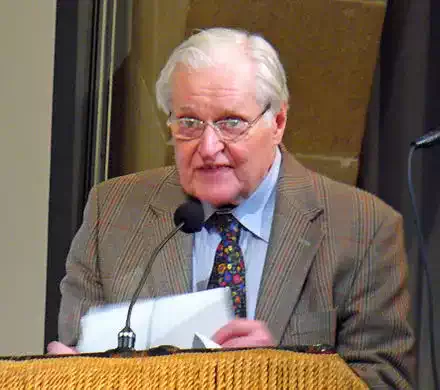
John Ashbery was one of the most influential American poets of the second half of the 20th century, known for his challenging and innovative poetry. His work explores the nature of language, consciousness, and reality, often through lengthy, stream-of-consciousness poems. Ashbery demonstrated a remarkable ability to blend the colloquial with the sublime, the personal with the impersonal, creating a unique style that defies easy categorization. He was also a respected literary critic and teacher, leaving a lasting legacy on contemporary poetry.

John Frederick Nims
John Frederick Nims was an American poet, literary critic, and editor, known for his poetry with a more classical approach and a fine lyrical sensibility. His work often explored universal themes such as love, time, and mortality, with careful language and polished structure. Nims also had a significant career as an editor, contributing to the dissemination of modern poetry. His work as a critic and educator helped shape the literary landscape, solidifying his role as a respected figure in American poetry.

Richard Hugo
Richard Hugo was an influential American poet, known for his lyrical and often melancholic poetry, which frequently explored the landscape and life in the lesser-known regions of America. His work is characterized by a deep sense of place, a keen eye for ordinary people, and an exploration of the human condition with honesty and compassion. Hugo was also an important creative writing teacher, inspiring many students with his passion for poetry and his dedication to the art.

Mona Van Duyn

Mark Strand

May Swenson

Josephine Miles
Josephine Miles was a prominent American poet, known for her innovative approach to language and poetic form. Her work frequently explored the nature of communication and the nuances of meaning, with a style that balanced intellectual rigor with emotional expressiveness. Miles dedicated much of her career to teaching and literary criticism, influencing generations of poets. Her poetry collections are celebrated for their intelligence, clarity, and the way they challenged established poetic conventions, making her an important figure in 20th-century American poetry.

Louis Coxe

J. V. Cunningham

Robert Hayden
Robert Hayden was a prominent American poet, known for his exploration of the African American experience and universal themes such as faith, identity, and history. His poetry is marked by a rich tapestry of language, an impressive formal mastery, and an emotional depth that established him as a significant voice in American literature.

Léonie Adams

W. S. Merwin

W. D. Snodgrass

James Wright

Howard Nemerov

Anthony Hecht

Richard Eberhart

Stanley Kunitz

Mark Van Doren

Archibald Mcleish
Archibald MacLeish was an influential American poet, playwright, and essayist. His work is marked by a strong sense of civic responsibility and a deep exploration of American identity and the individual's role in society. MacLeish sought in poetry a way to understand and articulate the complexities of his time, often resorting to historical and mythological themes.

John Berryman
John Berryman was a renowned American poet, known for his lyrical intensity and exploration of themes such as pain, identity, madness, and mortality. His most celebrated work, "The Dream Songs," is a monumental piece that earned him the Pulitzer Prize and the National Book Award, establishing him as one of the most important voices in 20th-century American poetry. Berryman struggled with mental health issues throughout his life, and this personal anguish often shines through in his poetry, giving it a brutal honesty and remarkable emotional depth.

Marianne Moore
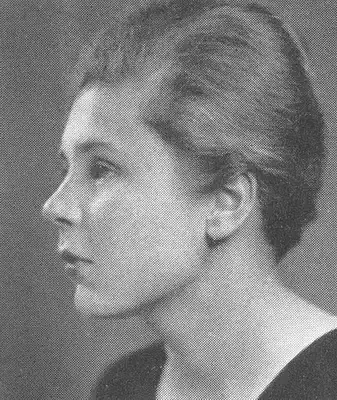
Elizabeth Bishop
Elizabeth Bishop was an American poet renowned for her meticulously crafted, observant, and subtly emotional verse. Her work is characterized by its precise imagery, quiet tone, and profound empathy for the subjects she described, often focusing on landscapes, travel, and the details of everyday life. Despite a relatively small output of published work during her lifetime, she gained significant critical acclaim and is now considered one of the most important American poets of the 20th century. Her poetry is marked by its formal control and deep engagement with the physical world.

John Crowe Ransom

Horace Gregory
Horace Gregory was an American poet, literary critic, and translator. His poetic work is known for its introspection, exploration of social and historical themes, and a style that often blends the lyrical with the narrative. He was also a long-time scholar of poetry, contributing critical analyses and important translations. As a critic, Gregory offered insightful reviews of modern and classical poets, while his translations, notably of Catullus, helped make ancient poetry more accessible to the contemporary audience.

Louise Bogan
Louise Bogan was an American poet known for her emotional intensity and technical skill in her work. Her poetry often explores themes of female identity, anguish, and the human condition, with precise and evocative language. Despite facing personal difficulties, Bogan maintained a consistent and influential literary output. Her work is marked by deep introspection and a lyrical approach that resonates with inner experience. She is considered one of the most significant voices in 20th-century American poetry, admired for her originality and expressive power.
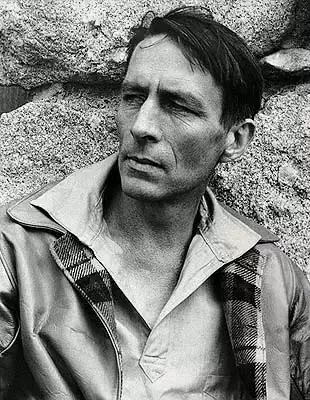
Robinson Jeffers
Robinson Jeffers was an American poet and environmentalist known for his poetry that frequently addresses themes such as nature, modern society, and the human condition. His work is marked by a powerful style and a philosophical pessimism.

Conrad Aiken
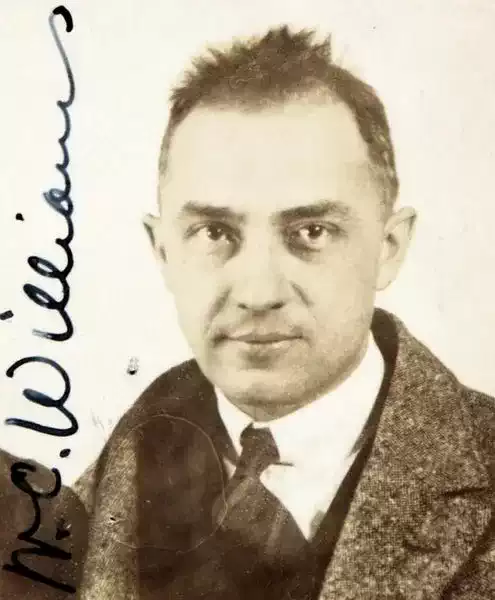
William Carlos Williams
William Carlos Williams was an American poet, physician, and writer closely associated with the Modernist movement. His poetry is characterized by its focus on everyday American life, colloquial speech, and vivid imagery, often drawing inspiration from the ordinary objects and experiences of his surroundings. Williams championed the idea of a distinctly American poetry, free from European influences, and his work significantly impacted the development of Imagism and later poetic movements.

Rolfe Humphries

Louise Townsend Nicholl
Louise Townsend Nicholl was an American poet known for her lyrical and contemplative poetry. Her work frequently explored nature, daily life, and personal reflections with delicate and precise language. She was associated with a group of poets who sought a more intimate and observational expression of the human experience.

Oliver St. John Gogarty

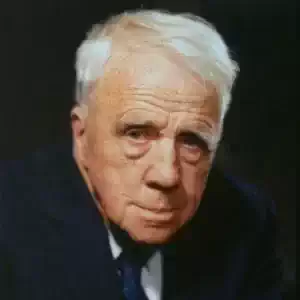
Robert Frost
Robert Frost was an American poet whose work is often associated with the rural life of New England. His poetry is characterized by its accessible language, conversational tone, and exploration of profound themes about nature, human existence, and the choices people make. Despite often being perceived as a simple observer of country life, Frost's poems delve into complex psychological states and philosophical questions, making him one of America's most celebrated and enduring literary figures.

Padraic Colum
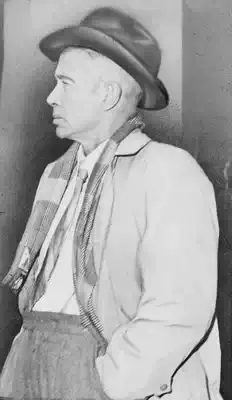
E. E. Cummings
E. E. Cummings was an American poet, painter, essayist, author, and playwright, renowned for his unconventional style that defied traditional grammar, syntax, and punctuation. His poetry often celebrated individualism, nature, and love, expressed through playful experimentation with form and a distinctive visual arrangement of words on the page. Cummings's work is characterized by its lyrical intensity, its embrace of the simple and the sublime, and its critique of conformity and societal norms. He was a prolific artist whose unique voice continues to resonate, making him one of the most beloved and accessible poets of the 20th century.

Percy MacKaye
Percy MacKaye was a prominent American playwright and poet, known for his involvement with community theater and civic poetry. He believed in the power of theater to inspire and unite communities, promoting public engagement through large-scale dramatic performances. His work is a testament to his idealism and his vision of accessible and participatory theater.

Ridgely Torrence

Edgar Lee Masters
Edgar Lee Masters was an American poet, lawyer, and playwright. He is best known for his work "Spoon River Anthology", a collection of poems depicting the lives and stories of the inhabitants of a fictional town. The work is notable for its free verse style and its frank exploration of human nature.

Edwin Markham
