
Awards
Pulitzer Prize for Poetry
Pulitzer Poetry
Description
History and Establishment
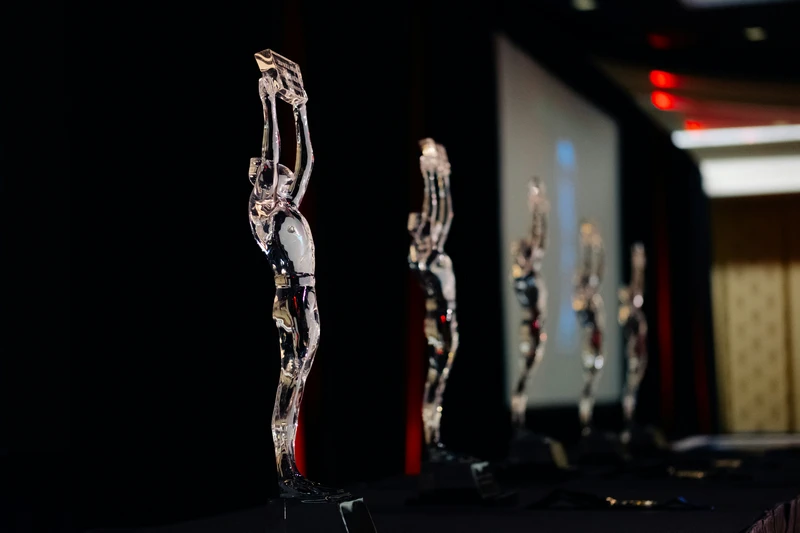
The Pulitzer Prize for Poetry, established in 1918, is one of the original Pulitzer Prize awards, administered by Columbia University. It is awarded annually to a book of poetry published by an American author in the preceding calendar year.
Goals and Mission
The award aims to recognize and celebrate excellence in the poetic art, highlighting works that demonstrate exceptional literary merit, originality, and thematic depth. Throughout its history, the award has been a significant indicator of the American poetic landscape, honoring both established poets and emerging voices.
Selection Criteria
The selection criteria are rigorous, focusing on artistic quality, formal and stylistic innovation, emotional and intellectual resonance, and the cultural relevance of the work. The jury, composed of poetry experts, evaluates a wide range of submissions, seeking to identify those that stand out for their technical mastery, their unique vision, and their ability to touch and inspire readers.
Importance and Impact
The importance of the Pulitzer Prize for Poetry lies not only in the prestige it confers upon the winners but also in its role in promoting poetry to a broader audience. By highlighting works of exceptional merit, the award helps ensure that poetry continues to be a vibrant and relevant art form in contemporary society.
Many poets who have won the Pulitzer Poetry have seen their careers significantly boosted, with their works achieving greater visibility and being widely discussed and studied.
Distinctive Features
Interestingly, the award is not given for a collection of poems, but rather for a specific book of poetry. On some occasions, the award has been divided between two poets, although this practice is rare.
Notable Winners
The list of winners includes some of the most influential names in American poetry of the 20th and 21st centuries, such as:
- T.S. Eliot
- Robert Frost
- Elizabeth Bishop
- Gwendolyn Brooks
- Rita Dove
- Louise Glück
- among many others.
Its longevity and continued impact solidify its status as one of the most important literary awards in the United States and the world.
Winners

Marie Howe


Brandon Som
Brandon Som is an American poet whose work explores the intersections of identity, culture, and personal experience, often with a focus on the complexities of the Asian diaspora and family relationships. His poetry is marked by careful language and an ability to evoke deep emotions from subtle observations. Som addresses themes such as belonging, memory, and the search for a place in the world, using a voice that is both intimate and reflective. His writing invites the reader to consider the nuances of identity in a multicultural context.

Carl Phillips

Diane Seuss

Natalie Diaz

Jericho Brown

Forrest Gander

Frank Bidart

Tyehimba Jess
Tyehimba Jess is an American poet, writer, and educator, known for his innovative exploration of Black identity, history, and culture in the United States. His poetic work is characterized by its formal experimentation and its approach to themes such as ancestry, trauma, and resilience. He is the author of two acclaimed poetry collections, including 'Leadbelly,' which won the PEN America Open Book Award and was named Best Poetry Book by The Washington Post. Jess is an influential figure in contemporary poetry, using his art to confront and reinterpret historical and cultural narratives.

Peter Balakian

Gregory Pardlo

Vijay Seshadri

Sharon Olds
Sharon Olds is an American poet whose work is known for its brutal honesty and intimate exploration of the body, sexuality, family, and politics. With a distinctly personal and direct voice, Olds tackles themes often considered taboo with a lyrical clarity and emotional force that resonates deeply with readers, addressing the human experience in its rawest and most vulnerable facets.

Tracy K. Smith

Kay Ryan

Rae Armantrout

W. S. Merwin

Philip Schultz

Robert Hass

Natasha Trethewey

Claudia Emerson

Ted Kooser

Franz Wright

Paul Muldoon

Carl Dennis

Stephen Dunn

C. K. Williams
C. K. Williams was an acclaimed American poet, known for his visceral and often dark approach to modern life. His work frequently explored themes of poverty, crime, sexuality, and the complexities of the human psyche, using direct and unadorned language that resonated with the raw reality of his subjects. He was a master at capturing moments of intensity and vulnerability, painting a poignant portrait of urban experiences and individual struggles.

Mark Strand

Charles Wright

Lisel Mueller

Jorie Graham
Jorie Graham is a contemporary American poet, known for her philosophical and experimental poetry that investigates themes such as nature, consciousness, time, and the human relationship with the world. Her work is marked by an intense and reflective approach, exploring language as a means to apprehend reality and human experience. Graham is also an important figure in creative writing education.

Philip Levine

Yusef Komunyakaa
Louise Glück
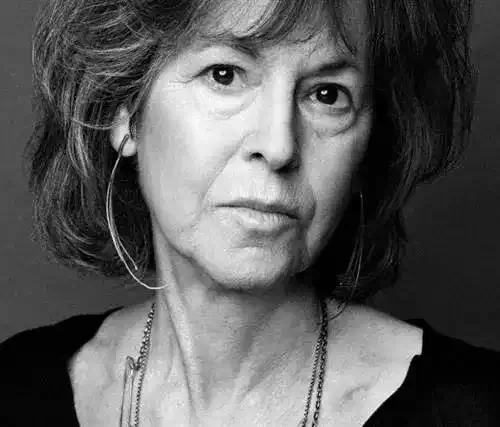
Louise Glück was an American poet known for her lyrical and introspective writing, which frequently explored themes of loss, desire, family, and nature. Her work is marked by raw emotional intensity, direct language, and careful structure, often revisiting classical myths and fairy tales to explore the human psyche. Throughout her career, Glück received widespread acclaim, culminating in the Nobel Prize in Literature in 2020, solidifying her place as one of the most significant voices in contemporary American poetry.

James Tate

Mona Van Duyn
Charles Simic

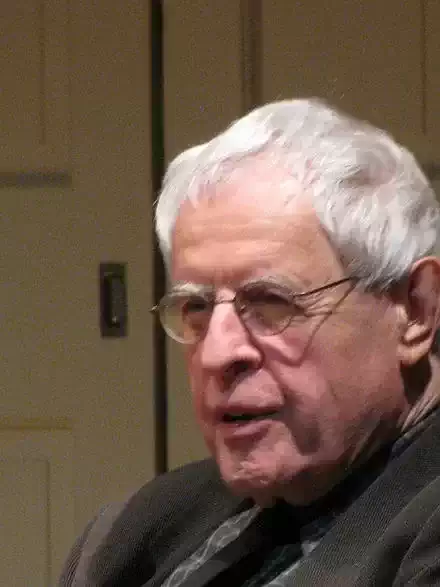
Charles Simic was a Serbian-American poet, essayist, and translator, known for his poetry that often explores the surreal, the absurd, and the dark, often with a touch of black humor. His work is marked by powerful and unexpected images, drawn from both everyday life and his experiences with war and exile. He is celebrated for his ability to transform the mundane into something mysterious and for his unmistakable poetic voice, which manages to be both intimate and universal. Simic was an influential figure in American poetry, known for his clarity and insight.

Richard Wilbur

William Meredith

Rita Dove

Henry S. Taylor

Carolyn Kizer

Mary Oliver

Galway Kinnell
Sylvia Plath
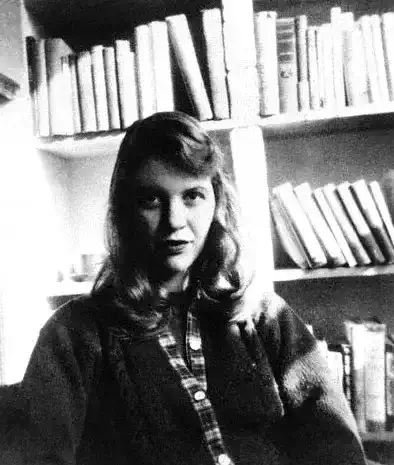
Sylvia Plath was an American poet, novelist, and short-story writer, known for the emotional intensity and visceral imagery of her work. Her writing explores themes of death, identity, motherhood, and the female condition, often reflecting her own struggles with mental illness. Plath is considered a central figure in 20th-century poetry and a pioneer of confessional poetry, whose work continues to resonate deeply with readers and critics.

James Schuyler

Donald Justice

Robert Penn Warren

Howard Nemerov

James Merrill
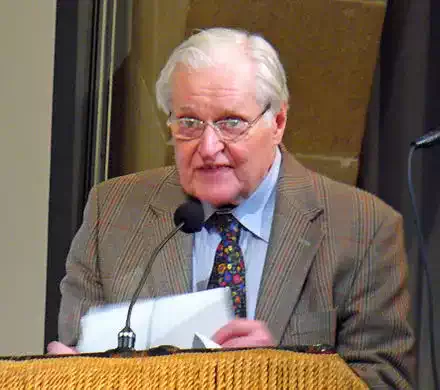
John Ashbery
John Ashbery was one of the most influential American poets of the second half of the 20th century, known for his challenging and innovative poetry. His work explores the nature of language, consciousness, and reality, often through lengthy, stream-of-consciousness poems. Ashbery demonstrated a remarkable ability to blend the colloquial with the sublime, the personal with the impersonal, creating a unique style that defies easy categorization. He was also a respected literary critic and teacher, leaving a lasting legacy on contemporary poetry.

Gary Snyder

Robert Lowell

Maxine Kumin

James Wright
W. S. Merwin

Richard Howard

George Oppen

Anthony Hecht
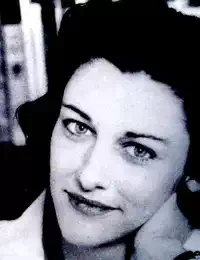
Anne Sexton
Anne Sexton was an American poet noted for her confessional and shocking work, addressing taboo subjects like mental health, sexuality, the female body, and motherhood with brutal frankness. Her poetry, often raw and visceral, explored the depths of the human psyche, existential crises, and internal conflicts, reflecting her own experiences with mental illness and hospitalizations. Sexton challenged the literary and social conventions of her time, using direct language and powerful imagery to express pain, anger, and desire. Her work provoked both admiration for its radical honesty and controversy for its disturbing nature, solidifying her as a unique and influential voice in 20th-century American poetry.

Richard Eberhart

John Berryman
John Berryman was a renowned American poet, known for his lyrical intensity and exploration of themes such as pain, identity, madness, and mortality. His most celebrated work, "The Dream Songs," is a monumental piece that earned him the Pulitzer Prize and the National Book Award, establishing him as one of the most important voices in 20th-century American poetry. Berryman struggled with mental health issues throughout his life, and this personal anguish often shines through in his poetry, giving it a brutal honesty and remarkable emotional depth.

Louis Simpson
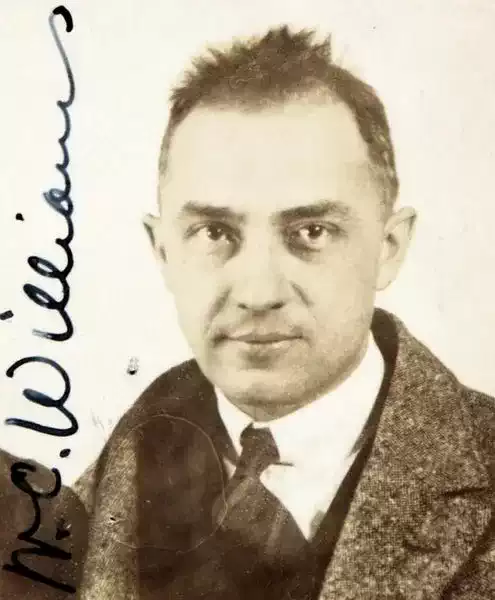
William Carlos Williams
William Carlos Williams was an American poet, physician, and writer closely associated with the Modernist movement. His poetry is characterized by its focus on everyday American life, colloquial speech, and vivid imagery, often drawing inspiration from the ordinary objects and experiences of his surroundings. Williams championed the idea of a distinctly American poetry, free from European influences, and his work significantly impacted the development of Imagism and later poetic movements.

Alan Dugan

Phyllis McGinley

W. D. Snodgrass

Stanley Kunitz
Robert Penn Warren
Richard Wilbur
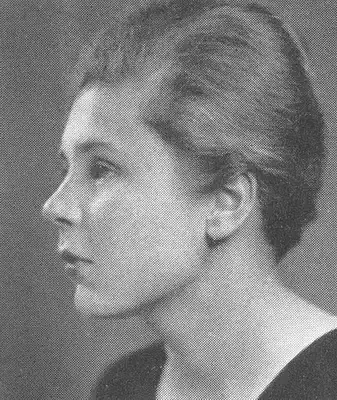
Elizabeth Bishop
Elizabeth Bishop was an American poet renowned for her meticulously crafted, observant, and subtly emotional verse. Her work is characterized by its precise imagery, quiet tone, and profound empathy for the subjects she described, often focusing on landscapes, travel, and the details of everyday life. Despite a relatively small output of published work during her lifetime, she gained significant critical acclaim and is now considered one of the most important American poets of the 20th century. Her poetry is marked by its formal control and deep engagement with the physical world.
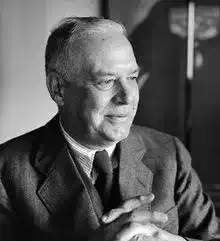
Wallace Stevens
Wallace Stevens was a prominent American Modernist poet. He is known for his meticulously crafted verse that explores the relationship between imagination and reality, the role of the poet in society, and the nature of beauty and perception. His work is characterized by its philosophical depth, vivid imagery, and distinctive use of language, often evoking a sense of rich, sensory experience.

Theodore Roethke
Theodore Roethke was an influential American poet known for his profound explorations of nature, the human psyche, and the existential condition. His work, marked by intense lyricism and a strong connection to the natural world, evolved from early symbolism to a more direct and introspective exploration. Roethke is remembered for his formal mastery and his ability to evoke inner and outer landscapes with equal vividness. Considered one of the most important American poets of his generation, Roethke left a lasting legacy through his poetry, which continues to resonate for its emotional honesty and profound observation of the world. His writing is characterized by a distinct musicality and powerful imagery, capturing both the beauty and the anguish of existence.

Archibald Mcleish
Archibald MacLeish was an influential American poet, playwright, and essayist. His work is marked by a strong sense of civic responsibility and a deep exploration of American identity and the individual's role in society. MacLeish sought in poetry a way to understand and articulate the complexities of his time, often resorting to historical and mythological themes.

Marianne Moore
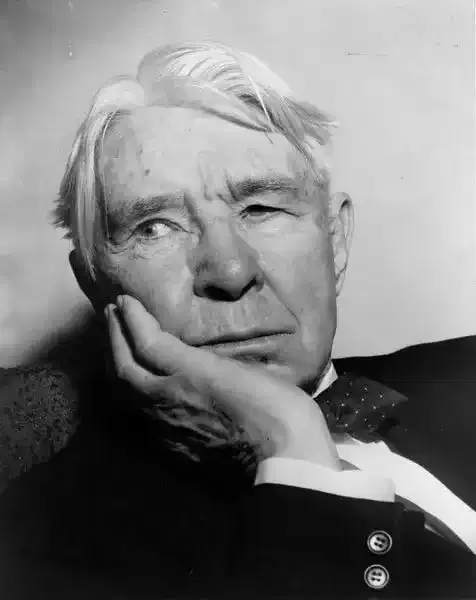
Carl Sandburg
Carl Sandburg was an American poet, historian, novelist, and lexicographer. He is considered one of the most important American poets of the 20th century, known for his free verse and his focus on the American working class and the landscapes of the American Midwest. His poetry often celebrated the common man and the industrial might of America, earning him a reputation as the "poet of the people." Beyond his poetry, Sandburg was also a prolific biographer, most notably of Abraham Lincoln, and a collector of folklore and songs.

Gwendolyn Brooks
Gwendolyn Brooks was a pioneering American poet whose work chronicled the lives of ordinary African Americans with vivid imagery and profound empathy. She broke significant ground as the first African American to win a Pulitzer Prize for Poetry, an achievement that underscored her distinctive voice and her commitment to portraying the realities of urban Black life. Brooks's poetry often explored themes of identity, social justice, community, and the challenges and triumphs of Black existence in America, using both traditional forms and more experimental approaches to capture the rhythms and spirit of her subjects.

Peter Viereck

W. H. Auden

W. H. Auden was a British poet, naturalized American, widely considered one of the greatest poets of the 20th century. His work is characterized by thematic and stylistic diversity, addressing issues from social and political matters to intimate reflections on love, death, and faith. Auden stood out for his sharp intellect, mastery of language, and ability to move between the colloquial and the elevated.
Robert Lowell

Karl Shapiro
Karl Shapiro was an American poet, known for his direct poetry, often socially and personally critical. He served in World War II, and this experience significantly influenced his work. His poetry is characterized by its use of colloquial language and its straightforward approach to themes such as war, identity, and American society.

Stephen Vincent Benét
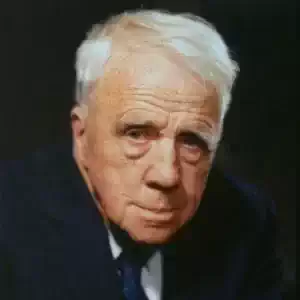
Robert Frost
Robert Frost was an American poet whose work is often associated with the rural life of New England. His poetry is characterized by its accessible language, conversational tone, and exploration of profound themes about nature, human existence, and the choices people make. Despite often being perceived as a simple observer of country life, Frost's poems delve into complex psychological states and philosophical questions, making him one of America's most celebrated and enduring literary figures.

William Rose Benét

Leonard Bacon

Mark Van Doren

John Gould Fletcher
John Gould Fletcher was an American poet associated with the Imagist movement. His work is known for its exploration of complex themes and formal experimentation. He sought to capture the essence of his observations and feelings through vivid imagery and precise language, reflecting a modern sensibility in his poetry.

Marya Zaturenska
Robert Frost
Robert Frost was an American poet whose work is often associated with the rural life of New England. His poetry is characterized by its accessible language, conversational tone, and exploration of profound themes about nature, human existence, and the choices people make. Despite often being perceived as a simple observer of country life, Frost's poems delve into complex psychological states and philosophical questions, making him one of America's most celebrated and enduring literary figures.

Robert P. T. Coffin

Audrey Wurdemann

Robert Hillyer
Archibald Mcleish
Archibald MacLeish was an influential American poet, playwright, and essayist. His work is marked by a strong sense of civic responsibility and a deep exploration of American identity and the individual's role in society. MacLeish sought in poetry a way to understand and articulate the complexities of his time, often resorting to historical and mythological themes.

George Dillon
Robert Frost
Robert Frost was an American poet whose work is often associated with the rural life of New England. His poetry is characterized by its accessible language, conversational tone, and exploration of profound themes about nature, human existence, and the choices people make. Despite often being perceived as a simple observer of country life, Frost's poems delve into complex psychological states and philosophical questions, making him one of America's most celebrated and enduring literary figures.

Conrad Aiken
Stephen Vincent Benét

Edwin Arlington Robinson

Leonora Speyer

Amy Lowell
Edwin Arlington Robinson
Robert Frost
Robert Frost was an American poet whose work is often associated with the rural life of New England. His poetry is characterized by its accessible language, conversational tone, and exploration of profound themes about nature, human existence, and the choices people make. Despite often being perceived as a simple observer of country life, Frost's poems delve into complex psychological states and philosophical questions, making him one of America's most celebrated and enduring literary figures.
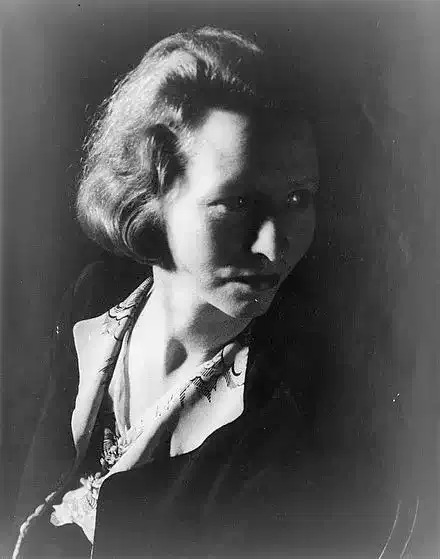
Edna St. Vincent Millay

Edna St. Vincent Millay was a prominent American poet and playwright, celebrated for her lyrical verse and her passionate, often rebellious, spirit. A leading voice of the "Lost Generation," her work captured the zeitgeist of the Jazz Age with its themes of love, freedom, social injustice, and the complexities of modern life. Millay's skillful use of traditional forms, such as the sonnet, combined with her bold modern sensibilities, earned her widespread acclaim and a devoted readership.
Edwin Arlington Robinson
Carl Sandburg
Carl Sandburg was an American poet, historian, novelist, and lexicographer. He is considered one of the most important American poets of the 20th century, known for his free verse and his focus on the American working class and the landscapes of the American Midwest. His poetry often celebrated the common man and the industrial might of America, earning him a reputation as the "poet of the people." Beyond his poetry, Sandburg was also a prolific biographer, most notably of Abraham Lincoln, and a collector of folklore and songs.

Margaret Widdemer

Sara Teasdale
Sara Teasdale was an influential American lyric poet celebrated for her emotionally resonant and accessible verse. Her work often explores themes of love, nature, loss, and the inner life of women with a delicate yet powerful voice. Teasdale's poems, characterized by their musicality and lyrical beauty, garnered significant popularity during her lifetime and continue to be cherished for their timeless exploration of the human heart.