

Awards
America Award in Literature
America Award
Description
A Critical Look at American Identity
The America Award in Literature, while not one of the oldest or most widely publicized literary awards globally, has been gaining recognition for its dedication to celebrating literature that reflects and questions American identity and experience. Created with the aim of distinguishing authors whose works contribute significantly to the literary landscape of the United States, the award seeks works that demonstrate thematic depth, stylistic innovation, and a lasting impact on the understanding of American society.
Selection Criteria
The selection criteria for the America Award in Literature are rigorous and focus on the intrinsic literary quality of the work, as well as its cultural and social relevance. The jury, composed of academics, literary critics, and renowned authors, evaluates the submitted works based on their originality, mastery of language, character complexity, and depth of exploration of themes such as diversity, social justice, American history, human relationships, and the human condition within the American context. The award is not limited to a specific genre, encompassing fiction (novels and short stories), poetry, and, in some editions, literary non-fiction that stands out for its quality and impact.
Relevance and Impact
The relevance of the America Award lies in its ability to highlight voices that may sometimes be underrepresented in more mainstream awards. By focusing on the American experience, the award encourages the exploration of diverse and multifaceted narratives that reflect the complexity and contradictions of the nation. This includes works that address issues of race, ethnicity, gender, social class, sexuality, and the intersection of these identities in American society. Its importance also lies in the support it offers to authors, both emerging and established, whose works provoke reflection and dialogue about the present and past of the United States.
Distinctive Features
One of the distinctive features of the America Award is its emphasis on the longevity and cultural impact of the work. It is not just about recognizing a specific book, but about celebrating a body of work that demonstrates a continuous commitment to literary excellence and the exploration of significant themes. The award ceremonies, though perhaps less grand than those of awards like the Pulitzer or the National Book Award, are important events for the literary community, providing a platform for winning authors to share their visions and inspire others.
Evolution and Future
Over the years, the America Award in Literature has sought to evolve, adapting to changes in the literary and social landscape. Its mission to celebrate high-quality American literature, with a critical and reflective view of the nation, ensures its continued relevance in the literary scene of the United States. Its ability to identify and promote works that challenge, inform, and enrich the understanding of the American experience gives it a prominent place among the literary awards dedicated to literature produced in the United States.
Winners

Charles Bernstein


Can Xue

Ismail Kadaré

Gerhard Rühm


Rosmarie Waldrop

Mario Vargas Llosa

Nicole Brossard

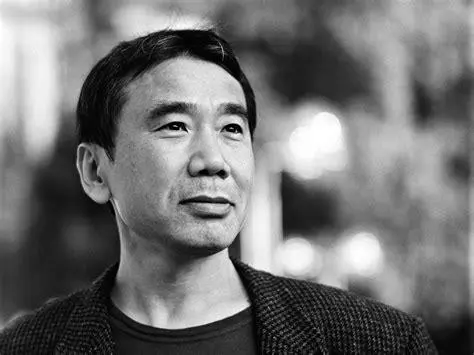
Haruki Murakami

Tom Stoppard

César Aira

Edward Albee

László Krasznahorkai


Reiner Kunze


Ivo Michiels


Ko Un

Ko Un is a prominent South Korean poet, known for his extensive body of work and his deep connection with nature and spirituality. His poetry frequently explores themes such as the human condition, the beauty of everyday life, and the search for meaning in a constantly changing world. Throughout his career, Ko Un has stood out for his lyrical voice and his ability to evoke vivid imagery and intense emotions in his readers. He is considered one of the most important living poets in South Korea and a cultural ambassador for his country.

Javier Marías

Günter Kunert
Günter Kunert was an influential German poet, writer, and essayist, whose works frequently addressed the complexities of life in East Germany under the communist regime, the experience of war, and the human condition. His poetry is marked by intelligence, irony, and a deep concern for individual freedom and truth.
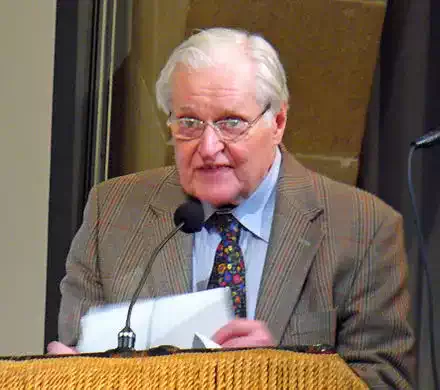
John Ashbery
John Ashbery was one of the most influential American poets of the second half of the 20th century, known for his challenging and innovative poetry. His work explores the nature of language, consciousness, and reality, often through lengthy, stream-of-consciousness poems. Ashbery demonstrated a remarkable ability to blend the colloquial with the sublime, the personal with the impersonal, creating a unique style that defies easy categorization. He was also a respected literary critic and teacher, leaving a lasting legacy on contemporary poetry.

Paavo Haavikko


Julien Gracq

Andrea Zanzotto

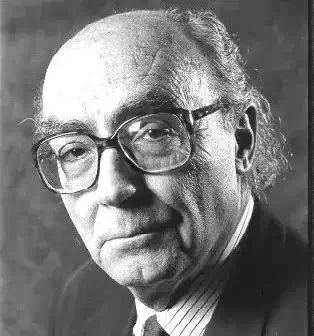
José Saramago

José Saramago was a Portuguese writer, awarded the Nobel Prize in Literature in 1998. His work, profoundly humanistic and critical, addresses existential, social, and political issues with a unique narrative style, marked by the absence of conventional punctuation in dialogue and by long sentences. He explored the human condition, memory, identity, and power, leaving a significant literary legacy. His writing is recognized for its complexity, philosophical reflection, and ability to question social structures and human behavior, inviting the reader to a deep immersion in dense and thought-provoking fictional universes.

Adonis

Peter Handke
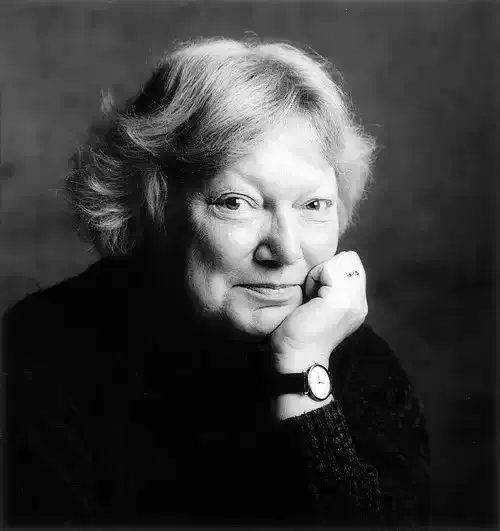
Inger Christensen

Inger Christensen was a Danish poet and essayist, known for her experimental and engaged poetry. Her work explores themes such as language, nature, existence, and the human condition, often using mathematical and scientific structures to organize her verses. She was a prominent figure in Scandinavian literature, with a production that spanned poetry, fiction, and essays, and which continues to be widely studied and admired for its originality and depth.

Eudora Welty

Jacques Roubaud

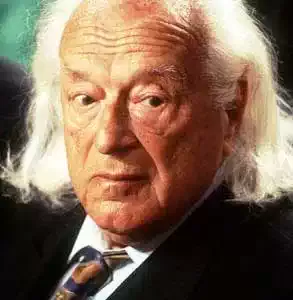
Rafael Alberti

Rafael Alberti was an internationally renowned Spanish poet, a central figure of the Generation of '27. His poetic work spans a wide range of themes and styles, from neopopularism and surrealism to social and exile poetry. His life, marked by a passion for art, political activism, and a long period of exile, is reflected in the richness and diversity of his literary output.

Friederike Mayröcker

José Donoso

Harold Pinter

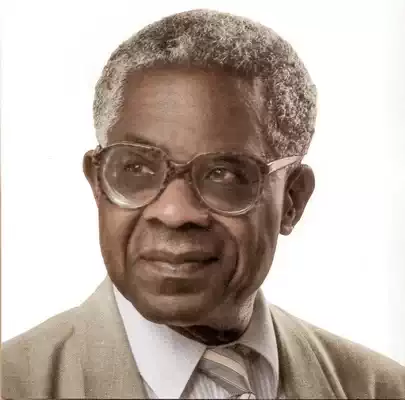
Aimé Césaire
Aimé Césaire was a Martinican poet, writer, and politician, a prominent figure in the literary and political movement of Négritude. His poetic work, marked by expressive force and denunciation of colonialism, deeply explored African and Caribbean identity. He was also an influential political leader, fighting for decolonization and the rights of oppressed peoples.