

Awards
Frost Medal
Description
Origin and Purpose
The Frost Medal is one of the most prestigious awards in American poetry, awarded annually by the Poetry Society of America (PSA). Founded in 1910, the PSA aims to promote poetry and support poets in the United States.
The Frost Medal, in particular, is awarded to honor an American poet for their body of work or for a specific work that has had a significant impact on the poetic landscape. The award is not limited to a specific genre of poetry and can encompass lyric, narrative, experimental poetry, among other forms.
Honoring Robert Frost
The award is named in honor of Robert Frost, one of the most celebrated American poets of the 20th century, known for his depiction of rural life in New England and his use of colloquial language.
Selection Process and Ceremony
The selection of laureates is made by a jury committee composed of renowned poets, critics, and academics. The award ceremony, usually held in New York, is an important event in the American literary calendar, attracting poets, publishers, academics, and poetry lovers.
The medal itself, often made of bronze or other precious metal, is a tangible symbol of the recognition and prestige associated with this award.
Distinguished Laureates
Over the years, the Frost Medal has been awarded to some of the most influential names in American poetry, including:
- T.S. Eliot
- Ezra Pound
- Marianne Moore
- Elizabeth Bishop
- John Ashbery
- Adrienne Rich
- W.S. Merwin
Cultural Impact and Relevance
The awarding of the prize to these poets underscores their fundamental role in shaping and evolving modern and contemporary American poetry. The relevance of the Frost Medal lies not only in the individual recognition of poets but also in its ability to highlight trends and movements within American poetry. By honoring different styles and voices over the decades, the award reflects the diversity and vitality of poetic production in the United States.
Legacy and Continuity
The Poetry Society of America, through the Frost Medal, continues to play a crucial role in promoting and valuing poetry as an essential art form, encouraging new generations of poets and ensuring that the work of great masters is celebrated and perpetuated.
The history of the Frost Medal is intrinsically linked to the history of the Poetry Society of America, reflecting the changes and developments in the American literary landscape since the early 20th century. Its longevity and the quality of its laureates solidify its position as one of the most important and respected literary awards in the United States, with a lasting impact on literature and culture.
Winners

Mei-mei Berssenbrugge

Nikki Giovanni


Joy Harjo

Juan Felipe Herrera

Sharon Olds
Sharon Olds is an American poet whose work is known for its brutal honesty and intimate exploration of the body, sexuality, family, and politics. With a distinctly personal and direct voice, Olds tackles themes often considered taboo with a lyrical clarity and emotional force that resonates deeply with readers, addressing the human experience in its rawest and most vulnerable facets.

N. Scott Momaday

Toi Derricotte

Eleanor Wilner

Ron Padgett

Susan Howe

Grace Schulman

Kamau Brathwaite

Edward Kamau Brathwaite was a Barbadian poet, historian, and educator, widely regarded as one of the most important voices in Caribbean and post-colonial poetry. His work explores themes of identity, history, culture, and the African diaspora, with a strong emphasis on musicality and the fusion of languages and traditions. Brathwaite is known for his formal innovation, particularly for the development of the "tri-continental" and the "Antillean rhythm," incorporating elements of orality, calypso, and jazz into his poetry. He sought to create an authentic voice that reflected the complexity and richness of the Caribbean experience, challenging colonial structures of language and thought.

Gerald Stern
Gerald Stern was an American poet whose poems are known for their exuberant energy, ironic humor, and ability to move between the personal and the universal. His work frequently celebrates life, nature, and simple joys, while also addressing the complexities and sorrows of existence. Stern used vibrant and accessible language, often incorporating elements of colloquialism and the American lyrical tradition. His poems invite the reader on a journey of discovery, where imagination and emotion intertwine with reflections on love, family, art, and the search for transcendence.

Robert Bly
Robert Bly was an American poet, activist, and translator, known for his lyrical and meditative poetry, often exploring themes of nature, spirituality, and the human psyche. He was a prominent figure in the modern poetry movement, particularly associated with "Deep Image," and was a vocal critic of the Vietnam War. Bly also gained recognition for his translations of Scandinavian and Spanish poetry into English, making works by authors such as Neruda and Tranströmer accessible to a wider audience.

Marilyn Nelson
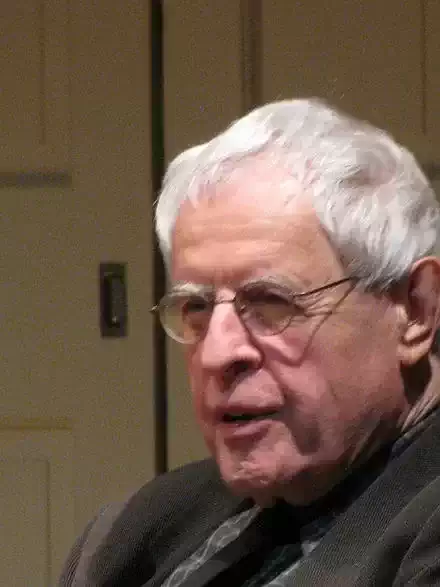
Charles Simic

Charles Simic was a Serbian-American poet, essayist, and translator, known for his poetry that often explores the surreal, the absurd, and the dark, often with a touch of black humor. His work is marked by powerful and unexpected images, drawn from both everyday life and his experiences with war and exile. He is celebrated for his ability to transform the mundane into something mysterious and for his unmistakable poetic voice, which manages to be both intimate and universal. Simic was an influential figure in American poetry, known for his clarity and insight.

Lucille Clifton

X.J. Kennedy

Michael S. Harper

John Hollander

Maxine Kumin

Marie Ponsot

Richard Howard

Lawrence Ferlinghetti

Galway Kinnell

Sonia Sanchez

Anthony Hecht
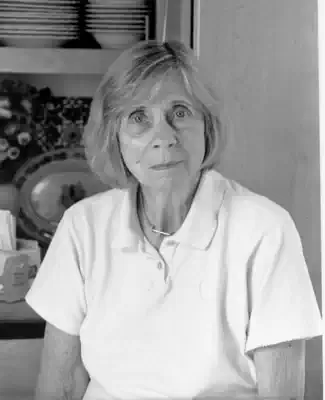
Barbara Guest
Barbara Guest was an American poet recognized for her contribution to modern poetry, particularly associated with the New York School. Her work explores the complexities of language, perception, and identity, often in an experimental and innovative manner. Guest challenged poetic conventions through her distinctive use of verse and her fragmented, interconnected approach to form. Throughout her career, she explored themes such as memory, nature, art, and the female condition, using precise and imagistic language. Her poetry is often characterized by its intelligence, subtle musicality, and profound reflection on the limits of representation and expression.

Stanley Kunitz

Josephine Jacobsen
Josephine Jacobsen was an American poet and short story writer recognized for her lyrical and insightful voice. Her work frequently explores the complexity of human relationships, memory, and the existential condition, with a depth that resonates with many readers. She stood out for her ability to capture moments of introspection and for her elegant and meditative prose.

Richard Wilbur
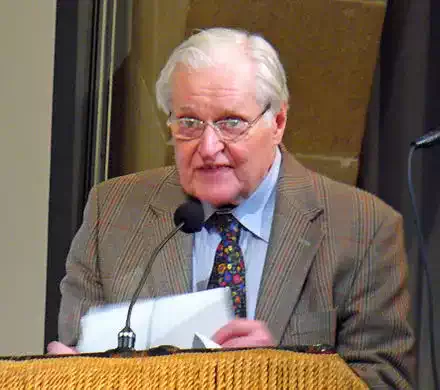
John Ashbery
John Ashbery was one of the most influential American poets of the second half of the 20th century, known for his challenging and innovative poetry. His work explores the nature of language, consciousness, and reality, often through lengthy, stream-of-consciousness poems. Ashbery demonstrated a remarkable ability to blend the colloquial with the sublime, the personal with the impersonal, creating a unique style that defies easy categorization. He was also a respected literary critic and teacher, leaving a lasting legacy on contemporary poetry.

A.R. Ammons

William Stafford
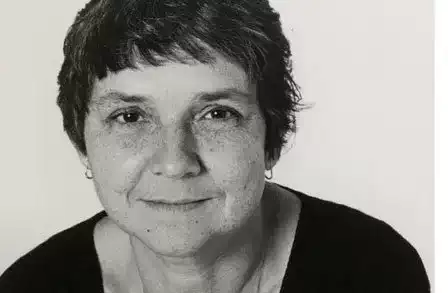
Adrienne Rich
Adrienne Rich was an American poet, essayist, and feminist activist, recognized for her politically engaged poetry and her exploration of identity, sexuality, and social oppression. Throughout her career, her work evolved to address themes of radical feminism, lesbianism, pacifism, and social justice, becoming an influential voice in counterculture movements and gender studies.

David Ignatow

Donald Hall

Denise Levertov

James Laughlin

Gwendolyn Brooks
Gwendolyn Brooks was a pioneering American poet whose work chronicled the lives of ordinary African Americans with vivid imagery and profound empathy. She broke significant ground as the first African American to win a Pulitzer Prize for Poetry, an achievement that underscored her distinctive voice and her commitment to portraying the realities of urban Black life. Brooks's poetry often explored themes of identity, social justice, community, and the challenges and triumphs of Black existence in America, using both traditional forms and more experimental approaches to capture the rhythms and spirit of her subjects.

Carolyn Kizer

Robert Creeley
Robert Creeley was an American poet, a central figure in post-war poetry and associated with the Black Mountain poets. His work is characterized by colloquial language, concision, and a deep exploration of personal experience and the human condition. He influenced generations of poets with his innovative approach. Creeley had a prolific career and an important role as an educator and editor, contributing significantly to the development of contemporary poetry.

Sterling Brown
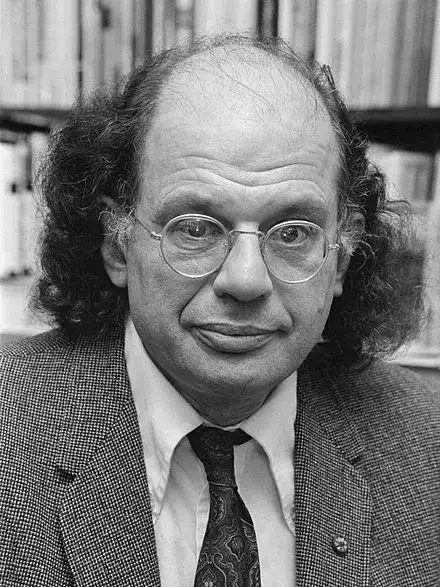
Allen Ginsberg
Allen Ginsberg was a pioneering American poet and a central figure of the Beat Generation. His work is characterized by its raw, confessional style, prophetic voice, and exploration of themes such as spirituality, sexuality, political dissent, and the critique of American materialism. He was a prominent activist, advocating for civil rights, environmental protection, and nuclear disarmament. His most famous poem, "Howl," became a symbol of countercultural rebellion and freedom of expression.

Richard Eberhart

Robert Penn Warren

Jack Stadler

A. M. Sullivan

John Hall Wheelock

Melville Cane

Marianne Moore

Leonora Speyer
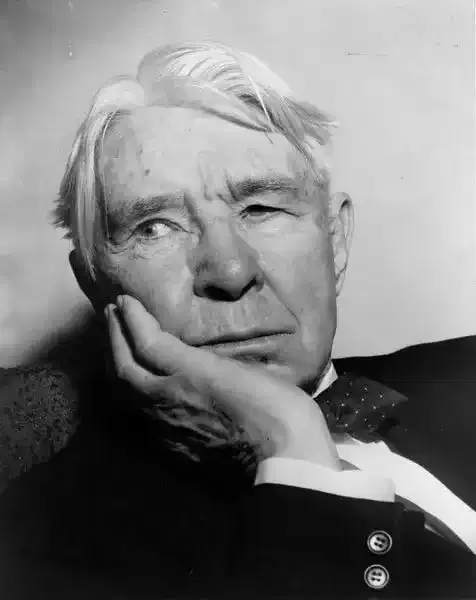
Carl Sandburg
Carl Sandburg was an American poet, historian, novelist, and lexicographer. He is considered one of the most important American poets of the 20th century, known for his free verse and his focus on the American working class and the landscapes of the American Midwest. His poetry often celebrated the common man and the industrial might of America, earning him a reputation as the "poet of the people." Beyond his poetry, Sandburg was also a prolific biographer, most notably of Abraham Lincoln, and a collector of folklore and songs.
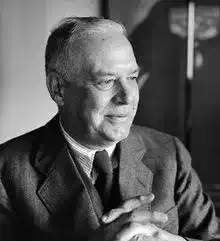
Wallace Stevens
Wallace Stevens was a prominent American Modernist poet. He is known for his meticulously crafted verse that explores the relationship between imagination and reality, the role of the poet in society, and the nature of beauty and perception. His work is characterized by its philosophical depth, vivid imagery, and distinctive use of language, often evoking a sense of rich, sensory experience.

Gustav Davidson
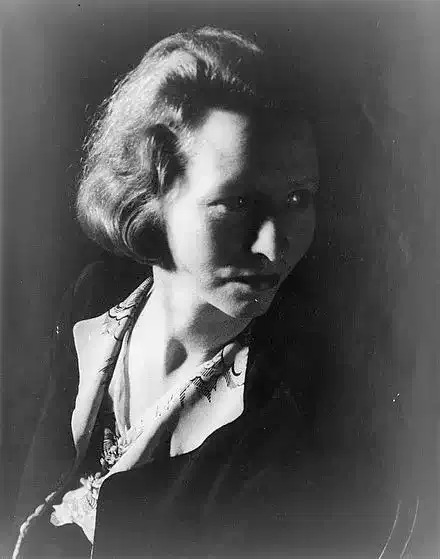
Edna St. Vincent Millay

Edna St. Vincent Millay was a prominent American poet and playwright, celebrated for her lyrical verse and her passionate, often rebellious, spirit. A leading voice of the "Lost Generation," her work captured the zeitgeist of the Jazz Age with its themes of love, freedom, social injustice, and the complexities of modern life. Millay's skillful use of traditional forms, such as the sonnet, combined with her bold modern sensibilities, earned her widespread acclaim and a devoted readership.

Edgar Lee Masters
Edgar Lee Masters was an American poet, lawyer, and playwright. He is best known for his work "Spoon River Anthology", a collection of poems depicting the lives and stories of the inhabitants of a fictional town. The work is notable for its free verse style and its frank exploration of human nature.
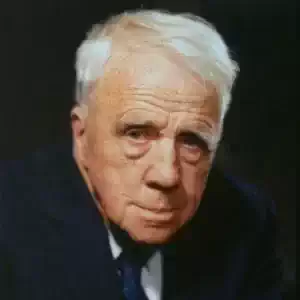
Robert Frost
Robert Frost was an American poet whose work is often associated with the rural life of New England. His poetry is characterized by its accessible language, conversational tone, and exploration of profound themes about nature, human existence, and the choices people make. Despite often being perceived as a simple observer of country life, Frost's poems delve into complex psychological states and philosophical questions, making him one of America's most celebrated and enduring literary figures.

Bliss Carman


George Edward Woodberry

Jessie Rittenhouse
Jessie Rittenhouse was an American poet and literary critic, known for her lyrical poetry and her contribution to the modernist literary movement. Her poetic work is marked by the exploration of female identity, nature, and inner experiences. As a critic, she offered valuable insights into the poetry of her time, advocating for new voices and forms of expression. Rittenhouse is remembered for her artistic sensitivity and her role in promoting American literature.