
Ethics and Morality

Ella Wheeler Wilcox
Preaching Vs Practice
It is easy to sit in the sunshine
And talk to the man in the shade;
It is easy to float in a well-trimmed boat,
And point out the places to wade.
But once we pass into the shadows,
We murmur and fret and frown,
And, our length from the bank, we shout for a plank,
Or throw up our hands and go down.
It is easy to sit in your carriage,
And counsel the man on foot,
But get down and walk, and you'll change your talk,
As you feel the peg in your boot.
It is easy to tell the toiler
How best he can carry his pack,
But no one can rate a burden's weight
Until it has been on his back.
The up-curled mouth of pleasure,
Can prate of sorrow's worth,
But give it a sip, and a wryer lip,
Was never made on earth.
359
Ella Wheeler Wilcox
PH. Best & Co.'s Lager-Beer
In every part of the thrifty town,
Whether my course be up or down,
In lane, and alley, and avenue,
Painted in yellow, and red, and blue,
This side and that, east and west,
Was this flaunting sign-board of 'Ph. Best.'
'Twas hung high up, and swung in the air
With a swaggering, bold-faced, 'devil-may-care
It-
is-none-of-your-business' sort of way;
Or, as if dreading the light o' the day,
It hung low, over a basement-stair,
And seemed ashamed when you saw it there.
Or it shone like a wicked and evil eye
From a 'restaurant' door on passers-by,
And seemed with a twinkling wink to say:
'Are you bound for hell? Then step this way;
This is the ticket-office of sin;
If you think of purchasing, pray, walk in.'
Or it glared from a window where the light
Of the lamps within shone full and bright,
And seemed to be saying, 'Come out of the storm!
Come into my haven snug and warm;
I will give you warmth from the flowing bowl,
And all I ask is your purse and soul.'
But whether on window, door, or stair,
Wherever I went, it was always there;
Painted in yellow, and red, and blue,
It stared from alley and avenue:
It was north, and south, and east, and west,
The lager-beer of this Philip Best.
And who was Philip Best, you ask?
Oh! he was a man, whose noble task
Was the brewing of beer-good beer, first-class-
That should sparkle, and bubble, and boil in the glass:
Should sparkle and flow till drank, and then
Feast like a vampire on brains of men.
Ah! Philip Best, you have passed from view,
But your name and your works live after you.
Come, brothers, raise him a monument,
Inscribed, 'Here lies the man who sent
A million of souls to the depths of hell;
Turned genius and worth to the prison-cell;
Stole bread from the mouth of the hungry child:
Made the father a brute, and the mother wild;
Filled happy homes with dread unrest:
Oh! a very great man was Philip Best.
O Ph. Best! you have passed from view,
But your nameand your deeds live after you.'
356

Henry Wadsworth Longfellow
The Witnesses
In Ocean's wide domains,
Half buried in the sands,
Lie skeletons in chains,
With shackled feet and hands.
Beyond the fall of dews,
Deeper than plummet lies,
Float ships, with all their crews,
No more to sink nor rise.
There the black Slave-ship swims,
Freighted with human forms,
Whose fettered, fleshless limbs
Are not the sport of storms.
These are the bones of Slaves;
They gleam from the abyss;
They cry, from yawning waves,
"We are the Witnesses!"
Within Earth's wide domains
Are markets for men's lives;
Their necks are galled with chains,
Their wrists are cramped with gyves.
Dead bodies, that the kite
In deserts makes its prey;
Murders, that with affright
Scare school-boys from their play!
All evil thoughts and deeds;
Anger, and lust, and pride;
The foulest, rankest weeds,
That choke Life's groaning tide!
These are the woes of Slaves;
They glare from the abyss;
They cry, from unknown graves,
"We are the Witnesses!"
356
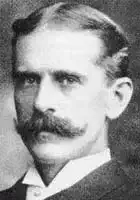
Henry Van Dyke
Milton
I
Lover of beauty, walking on the height
Of pure philosophy and tranquil song;
Born to behold the visions that belong
To those who dwell in melody and light;
Milton, thou spirit delicate and bright!
What drew thee down to join the Roundhead throng
Of iron-sided warriors, rude and strong,
Fighting for freedom in a world half night?
Lover of Liberty at heart wast thou,
Above all beauty bright, all music clear:
To thee she bared her bosom and her brow,
Breathing her virgin promise in thine ear,
And bound thee to her with a double vow, --
Exquisite Puritan, grave Cavalier!
II
The cause, the cause for which thy soul resigned
Her singing robes to battle on the plain,
Was won, O poet, and was lost again;
And lost the labour of thy lonely mind
On weary tasks of prose. What wilt thou find
To comfort thee for all the toil and pain?
What solace, now thy sacrifice is vain
And thou art left forsaken, poor, and blind?
Like organ-music comes the deep reply:
"The cause of truth looks lost, but shall be won.
For God hath given to mine inward eye
Vision of England soaring to the sun.
And granted me great peace before I die,
In thoughts of lowly duty bravely done."
III
O bend again above thine organ-board,
Thou blind old poet longing for repose!
Thy Master claims thy service not with those
Who only stand and wait for his reward.
He pours the heavenly gift of song restored
Into thy breast, and bids thee nobly close
A noble life, with poetry that flows
In mighty music of the major chord.
Where hast thou learned this deep, majestic strain,
Surpassing all thy youthful lyric grace,
To sing of Paradise? Ah, not in vain
The griefs that won at Dante's side thy place,
And made thee, Milton, by thy years of pain,
The loftiest poet of the Saxon race!
357

John Greenleaf Whittier
In Remembrance Of Joseph Sturge
In the fair land o'erwatched by Ischia's mountains,
Across the charmed bay
Whose blue waves keep with Capri's silver fountains
Perpetual holiday,
A king lies dead, his wafer duly eaten,
His gold-bought masses given;
And Rome's great altar smokes with gums to sweeten
Her foulest gift to Heaven.
And while all Naples thrills with mute thanksgiving,
The court of England's queen
For the dead monster so abhorred while living
In mourning garb is seen.
With a true sorrow God rebukes that feigning;
By lone Edgbaston's side
Stands a great city in the sky's sad raining,
Bareheaded and wet-eyed!
Silent for once the restless hive of labor,
Save the low funeral tread,
Or voice of craftsman whispering to his neighbor
The good deeds of the dead.
For him no minster's chant of the immortals
Rose from the lips of sin;
No mitred priest swung back the heavenly portals
To let the white soul in.
But Age and Sickness framed their tearful faces
In the low hovel's door,
And prayers went up from all the dark by-places
And Ghettos of the poor.
The pallid toiler and the negro chattel,
The vagrant of the street,
The human dice wherewith in games of battle
The lords of earth compete,
Touched with a grief that needs no outward draping,
All swelled the long lament,
Of grateful hearts, instead of marble, shaping
His viewless monument!
For never yet, with ritual pomp and splendor,
In the long heretofore,
A heart more loyal, warm, and true, and tender,
Has England's turf closed o'er.
And if there fell from out her grand old steeples
No crash of brazen wail,
The murmurous woe of kindreds, tongues, and peoples
Swept in on every gale.
It came from Holstein's birchen-belted meadows,
And from the tropic calms
Of Indian islands in the sunlit shadows
Of Occidental palms;
From the locked roadsteads of the Bothniaii peasants,
And harbors of the Finn,
Where war's worn victims saw his gentle presence
Come sailing, Christ-like, in,
To seek the lost, to build the old waste places,
To link the hostile shores
Of severing seas, and sow with England's daisies
The moss of Finland's moors.
Thanks for the good man's beautiful example,
Who in the vilest saw
Some sacred crypt or altar of a temple
Still vocal with God's law;
And heard with tender ear the spirit sighing
As from its prison cell,
Praying for pity, like the mournful crying
Of Jonah out of hell.
Not his the golden pen's or lip's persuasion,
But a fine sense of right,
And Truth's directness, meeting each occasion
Straight as a line of light.
His faith and works, like streams that intermingle,
In the same channel ran
The crystal clearness of an eye kept single
Shamed all the frauds of man.
The very gentlest of all human natures
He joined to courage strong,
And love outreaching unto all God's creatures
With sturdy hate of wrong.
Tender as woman, manliness and meekness
In him were so allied
That they who judged him by his strength or weakness
Saw but a single side.
Men failed, betrayed him, but his zeal seemed nourished
By failure and by fall;
Still a large faith in human-kind he cherished,
And in God's love for all.
And now he rests: his greatness and his sweetness
No more shall seem at strife,
And death has moulded into calm completeness
The statue of his life.
Where the dews glisten and the songbirds warble,
His dust to dust is laid,
In Nature's keeping, with no pomp of marble
To shame his modest shade.
The forges glow, the hammers all are ringing;
Beneath its smoky vale,
Hard by, the city of his love is swinging
Its clamorous iron flail.
But round his grave are quietude and beauty,
And the sweet heaven above,-The
fitting symbols of a life of duty
Transfigured into love!
358

Alexander Pope
EPISTLE II: TO A LADY (Of the Characters of Women )
NOTHING so true as what you once let fall,
"Most Women have no Characters at all."
Matter too soft a lasting mark to bear,
And best distinguish'd by black, brown, or fair.
How many pictures of one Nymph we view,
All how unlike each other, all how true!
Arcadia's Countess, here, in ermin'd pride,
Is, there, Pastora by a fountain side.
Here Fannia, leering on her own good man,
And there, a naked Leda with a Swan.
Let then the Fair one beautifully cry,
In Magdalen's loose hair and lifted eye,
Or drest in smiles of sweet Cecilia shine,
With simpering Angels, Palms, and Harps divine;
Whether the Charmer sinner it, or saint it,
If Folly grow romantic, I must paint it.
Come then, the colours and the ground prepare!
Dip in the Rainbow, trick her off in Air;
Choose a firm Cloud, before it fall, and in it
Catch, ere she change, the Cynthia of this minute.
Rufa, whose eye quick-glancing o'er the Park,
Attracts each light gay meteor of a Spark,
Agrees as ill with Rufa studying Locke,
As Sappho's diamonds with her dirty smock;
Or Sappho at her toilet's greasy task,
With Sappho fragrant at an evening Masque:
So morning Insects that in muck begun,
Shine, buzz, and flyblow in the setting sun.
How soft is Silia! fearful to offend;
The Frail one's advocate, the Weak one's friend:
To her, Calista prov'd her conduct nice;
And good Simplicius asks of her advice.
Sudden, she storms! she raves! You tip the wink,
But spare your censure; Silia does not drink.
All eyes may see from what the change arose,
All eyes may see--a Pimple on her nose.
Papillia, wedded to her amorous spark,
Sighs for the shades--"How charming is a Park!"
A Park is purchas'd, but the Fair he sees
All bath'd in tears--"Oh odious, odious Trees!"
Ladies, like variegated Tulips, show;
'Tis to their Changes half their charms we owe;
Fine by defect, and delicately weak,
Their happy Spots the nice admirer take,
'Twas thus Calypso once each heart alarm'd,
Aw'd without Virtue, without Beauty charmed;
Her tongue bewitch'd as oddly as her Eyes,
Less Wit than Mimic, more a Wit than wise;
Strange graces still, and stranger flights she had,
Was just not ugly, and was just not mad;
Yet ne'er so sure our passion to create,
As when she touch'd the brink of all we hate.
Narcissa's nature, tolerably mild,
To make a wash, would hardly stew a child;
Has ev'n been prov'd to grant a Lover's pray'r,
And paid a Tradesman once to make him stare;
Gave alms at Easter, in a Christian trim,
And made a Widow happy, for a whim.
Why then declare Good-nature is her scorn,
When 'tis by that alone she can be borne?
Why pique all mortals, yet affect a name?
A fool to Pleasure, yet a slave to Fame:
Now deep in Taylor and the Book of Martyrs,
Now drinking citron with his Grace and Chartres:
Now Conscience chills her, and now Passion burns;
And Atheism and Religion take their turns;
A very Heathen in the carnal part,
Yet still a sad, good Christian at her heart.
See Sin in State, majestically drunk;
Proud as a Peeress, prouder as a Punk;
Chaste to her Husband, frank to all beside,
A teeming Mistress, but a barren Bride.
What then? let Blood and Body bear the fault,
Her Head's untouch'd, that noble Seat of Thought:
Such this day's doctrine--in another fit
She sins with Poets thro' pure Love of Wit.
What has not fir'd her bosom or her brain?
Caesar and Tallboy, Charles and Charlemagne.
As Helluo, late Dictator of the Feast,
The Nose of Hautgout, and the Tip of Taste,
Critick'd your wine, and analyz'd your meat,
Yet on plain Pudding deign'd at home to eat;
So Philomede, lecturing all mankind
On the soft Passion, and the Taste refin'd,
Th' Address, the Delicacy--stoops at once,
And makes her hearty meal upon a Dunce.
Flavia's a Wit, has too much sense to Pray;
To Toast our wants and wishes, is her way;
Nor asks of God, but of her Stars, to give
The mighty blessing, "while we live, to live."
Then all for Death, that Opiate of the soul!
Lucretia's dagger, Rosamonda's bowl.
Say, what can cause such impotence of mind?
A spark too fickle, or a Spouse too kind.
Wise Wretch! with Pleasures too refin'd to please;
With too much Spirit to be e'er at ease;
With too much Quickness ever to be taught;
With too much Thinking to have common Thought:
You purchase Pain with all that Joy can give,
And die of nothing but a Rage to live.
Turn then from Wits; and look on Simo's Mate,
No Ass so meek, no Ass so obstinate.
Or her, that owns her Faults, but never mends,
Because she's honest, and the best of Friends.
Or her, whose life the Church and Scandal share,
For ever in a Passion, or a Pray'r.
Or her, who laughs at Hell, but (like her Grace)
Cries, "Ah! how charming, if there's no such place!"
Or who in sweet vicissitude appears
Of Mirth and Opium, Ratafie and Tears,
The daily Anodyne, and nightly Draught,
To kill those foes to Fair ones, Time and Thought.
Woman and Fool are two hard things to hit;
For true No-meaning puzzles more than Wit.
But what are these to great Atossa's mind?
Scarce once herself, by turns all Womankind!
Who, with herself, or others, from her birth
Finds all her life one warfare upon earth:
Shines, in exposing Knaves, and painting Fools,
Yet is, whate'er she hates and ridicules.
No Thought advances, but her Eddy Brain
Whisks it about, and down it goes again.
Full sixty years the World has been her Trade,
The wisest Fool much Time has ever made.
From loveless youth to unrespected age,
No passion gratify'd except her Rage.
So much the Fury still outran the Wit,
The Pleasure miss'd her, and the Scandal hit.
Who breaks with her, provokes Revenge from Hell,
But he's a bolder man who dares be well.
Her ev'ry turn with Violence pursu'd,
Nor more a storm her Hate than Gratitude:
To that each Passion turns, or soon or late;
Love, if it makes her yield, must make her hate:
Superiors? death! and Equals? what a curse!
But an Inferior not dependant? worse.
Offend her, and she knows not to forgive;
Oblige her, and she'll hate you while you live:
But die, and she'll adore you--Then the Bust
And Temple rise--then fall again to dust.
Last night, her Lord was all that's good and great;
A Knave this morning, and his Will a Cheat.
Strange! by the Means defeated of the Ends,
By Spirit robb'd of Pow'r, by Warmth of Friends,
By Wealth of Followers! without one distress
Sick of herself thro' very selfishness!
Atossa, curs'd with ev'ry granted pray'r,
Childless with all her Children, wants an Heir.
To Heirs unknown descends th' unguarded store,
Or wanders, Heav'n-directed, to the Poor.
Pictures like these, dear Madam, to design,
Asks no firm hand, and no unerring line;
Some wandering touches, some reflected light,
Some flying stroke alone can hit 'em right:
For how should equal Colours do the knack?
Chameleons who can paint in white and black?
"Yet Chloe sure was form'd without a spot--"
Nature in her then err'd not, but forgot.
"With ev'ry pleasing, ev'ry prudent part,
Say, what can Chloe want?"--She wants a Heart.
She speaks, behaves, and acts just as she ought;
But never, never, reach'd one gen'rous Thought.
Virtue she finds too painful an endeavour,
Content to dwell in Decencies for ever.
So very reasonable, so unmov'd,
As never yet to love, or to be lov'd.
She, while her Lover pants upon her breast,
Can mark the figures on an Indian chest;
And when she sees her Friend in deep despair,
Observes how much a Chintz exceeds Mohair.
Forbid it Heav'n, a Favour or a Debt
She e'er should cancel--but she may forget.
Safe is your Secret still in Chloe's ear;
But none of Chloe's shall you ever hear.
Of all her Dears she never slander'd one,
But cares not if a thousand are undone.
Would Chloe know if you're alive or dead?
She bids her Footman put it in her head.
Chloe is prudent--Would you too be wise?
Then never break your heart when Chloe dies.
One certain Portrait may (I grant) be seen,
Which Heav'n has varnish'd out, and made a Queen:
The same for ever! and describ'd by all
With Truth and Goodness, as with Crown and Ball.
Poets heap Virtues, Painters Gems at will,
And show their zeal, and hide their want of skill.
'Tis well--but, Artists! who can paint or write,
To draw the Naked is your true delight.
That robe of Quality so struts and swells,
None see what Parts of Nature it conceals:
Th' exactest traits of Body or of Mind,
We owe to models of an humble kind.
If QUEENSBURY to strip there's no compelling,
'Tis from a Handmaid we must take a Helen.
From Peer or Bishop 'tis no easy thing
To draw the man who loves his God, or King:
Alas! I copy (or my draught would fail)
From honest Mah'met, or plain Parson Hale.
But grant, in Public Men sometimes are shown,
A Woman's seen in Private life alone:
Our bolder Talents in full light displayed;
Your Virtues open fairest in the shade.
Bred to disguise, in Public 'tis you hide;
There, none distinguish twixt your Shame or Pride,
Weakness or Delicacy; all so nice,
That each may seem a Virtue, or a Vice.
In Men, we various Ruling Passions find;
In Women, two almost divide the kind;
Those, only fix'd, they first or last obey,
The Love of Pleasure, and the Love of Sway.
That, Nature gives; and where the lesson taught
Is but to please, can Pleasure seem a fault?
Experience, this; by Man's oppression curst,
They seek the second not to lose the first.
Men, some to Business, some to pleasure take;
But ev'ry Woman is at heart a Rake:
Men, some to Quiet, some to public Strife;
But ev'ry Lady would be Queen for life.
Yet mark the fate of a whole Sex of Queens!
Pow'r all their end, but Beauty all the means:
In Youth they conquer, with so wild a rage,
As leaves them scarce a subject in their Age:
For foreign glory, foreign joy, they roam;
No thought of peace or happiness at home.
But Wisdom's triumph is a well-tim'd Retreat,
As hard a science to the Fair as Great!
Beauties, like Tyrants, old and friendless grown,
Yet hate repose, and dread to be alone,
Worn out in public, weary ev'ry eye,
Nor leave one sigh behind them when they die.
Pleasures the sex, as children Birds, pursue,
Still out of reach, yet never out of view;
Sure, if they catch, to spoil the Toy at most,
To covet flying, and regret when lost:
At last, to follies Youth could scarce defend,
It grows their Age's prudence to pretend;
Asham'd to own they gave delight before,
Reduc'd to feign it, when they give no more:
As Hags hold Sabbaths, less for joy than spite,
So these their merry, miserable Night;
Still round and round the Ghosts of Beauty glide,
And haunt the places where their Honour died.
See how the World its Veterans rewards!
A Youth of Frolics, an old Age of Cards;
Fair to no purpose, artful to no end,
Young without Lovers, old without a Friend;
A Fop their Passion, but their Prize a Sot;
Alive, ridiculous, and dead, forgot!
Ah Friend! to dazzle let the Vain design;
To raise the Thought, and touch the Heart be thine!
That Charm shall grow, while what fatigues the Ring,
Flaunts and goes down, an unregarded thing:
So when the Sun's broad beam has tir'd the sight,
All mild ascends the Moon's more sober light,
Serene in Virgin Modesty she shines,
And unobserv'd the glaring Orb declines.
Oh! blest with Temper, whose unclouded ray
Can make tomorrow cheerful as today;
She, who can love a Sister's charms, or hear
Sighs for a Daughter with unwounded ear;
She, who ne'er answers till a Husband cools,
Or, if she rules him, never shows she rules;
Charms by accepting, by submitting sways,
Yet has her humour most, when she obeys;
Let Fops or Fortune fly which way they will;
Disdains all loss of Tickets, or Codille;
Spleen, Vapours, or Smallpox, above them all,
And Mistress of herself, though China fall.
And yet, believe me, good as well as ill,
Woman's at best a Contradiction still.
Heav'n, when it strives to polish all it can
Its last best work, but forms a softer Man;
Picks from each sex, to make the Favorite blest,
Your love of Pleasure, our desire of Rest:
Blends, in exception to all general rules,
Your Taste of Follies, with our Scorn of Fools:
Reserve with Frankness, Art with Truth ally'd,
Courage with Softness, Modesty with Pride;
Fix'd Principles, with Fancy ever new;
Shakes all together, and produces--You.
Be this a Woman's Fame: with this unblest,
Toasts live a scorn, and Queens may die a jest.
This Phoebus promis'd (I forget the year)
When those blue eyes first open'd on the sphere;
Ascendant Phoebus watch'd that hour with care,
Averted half your Parents' simple Pray'r;
And gave you Beauty, but deny'd the Pelf
That buys your sex a Tyrant o'er itself.
The generous God, who Wit and Gold refines,
And ripens Spirits as he ripens Mines,
Kept Dross for Duchesses, the world shall know it,
To you gave Sense, Good Humour, and a Poet.
358
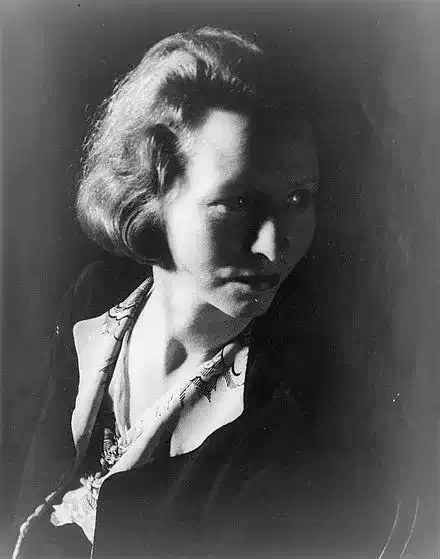
Edna St. Vincent Millay
Two Sonnets In Memory
(Nicola Sacco -- Bartolomeo Vanzetti)
Executed August 23, 1927
I
As men have loved their lovers in times past
And sung their wit, their virtue and their grace,
So have we loved sweet Justice to the last,
That now lies here in an unseemly place.
The child will quit the cradle and grow wise
And stare on beauty till his senses drown;
Yet shall be seen no more by mortal eyes
Such beauty as here walked and here went down.
Like birds that hear the winter crying plain
Her courtiers leave to seek the clement south;
Many have praised her, we alone remain
To break a fist against the lying mouth
Of any man who says this was not so:
Though she be dead now, as indeed we know.
II
Where can the heart be hidden in the ground
And be at peace, and be at peace forever,
Under the world, untroubled by the sound
Of mortal tears, that cease from pouring never?
Well for the heart, by stern compassion harried,
If death be deeper than the churchmen say, --
Gone from this world indeed what's graveward carried,
And laid to rest indeed what's laid away.
Anguish enough while yet the indignant breather
Have blood to spurt upon the oppressor's hand;
Who would eternal be, and hang in ether
A stuffless ghost above his struggling land,
Retching in vain to render up the groan
That is not there, being aching dust's alone?
356
John Greenleaf Whittier
The Trailing Arbutus
I wandered lonely where the pine-trees made
Against the bitter East their barricade,
And, guided by its sweet
Perfume, I found, within a narrow dell,
The trailing spring flower tinted like a shell
Amid dry leaves and mosses at my feet.
From under dead boughs, for whose loss the pines
Moaned ceaseless overhead, the blossoming vines
Lifted their glad surprise,
While yet the bluebird smoothed in leafless trees
His feathers ruffled by the chill sea-breeze,
And snow-drifts lingered under April skies.
As, pausing, o'er the lonely flower I bent,
I thought of lives thus lowly, clogged and pent,
Which yet find room,
Through care and cumber, coldness and decay,
To lend a sweetness to the ungenial day
And make the sad earth happier for their bloom.
357

William Shakespeare
Sonnet 117: Accuse me thus: that I have scanted all
Accuse me thus: that I have scanted all
Wherein I should your great deserts repay,
Forgot upon your dearest love to call,
Whereto all bonds do tie me day by day;
That I have frequent been with unknown minds
And given to time your own dear-purchased right
That I have hoisted sail to all the winds
Which should transport me farthest from your sight.
Book both my wilfulness and errors down
And on just proof surmise accumulate;
Bring me within the level of your frown,
But shoot not at me in your waken'd hate;
Since my appeal says I did strive to prove
The constancy and virtue of your love.
359
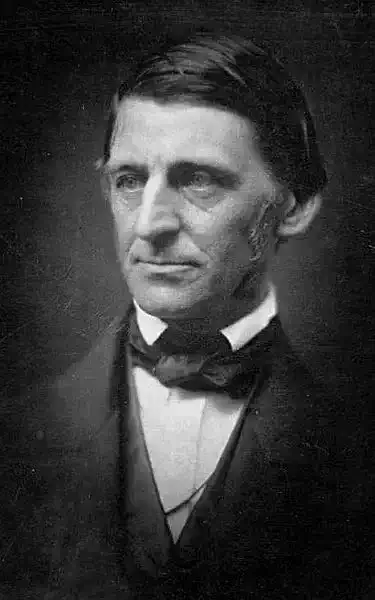
Ralph Waldo Emerson
Astræa
Himself it was who wrote
His rank, and quartered his own coat.
There is no king nor sovereign state
That can fix a hero's rate;
Each to all is venerable,
Cap-a-pie invulnerable,
Until he write, where all eyes rest,
Slave or master on his breast.
I saw men go up and down
In the country and the town,
With this prayer upon their neck,
"Judgment and a judge we seek."
Not to monarchs they repair,
Nor to learned jurist's chair,
But they hurry to their peers,
To their kinsfolk and their dears,
Louder than with speech they pray,
What am I? companion; say.
And the friend not hesitates
To assign just place and mates,
Answers not in word or letter,
Yet is understood the better;—
Is to his friend a looking-glass,
Reflects his figure that doth pass.
Every wayfarer he meets
What himself declared, repeats;
What himself confessed, records;
Sentences him in his words,
The form is his own corporal form,
And his thought the penal worm.
Yet shine for ever virgin minds,
Loved by stars and purest winds,
Which, o'er passion throned sedate,
Have not hazarded their state,
Disconcert the searching spy,
Rendering to a curious eye
The durance of a granite ledge
To those who gaze from the sea's edge.
It is there for benefit,
It is there for purging light,
There for purifying storms,
And its depths reflect all forms;
It cannot parley with the mean,
Pure by impure is not seen.
For there's no sequestered grot,
Lone mountain tam, or isle forgot,
But justice journeying in the sphere
Daily stoops to harbor there.
358
John Donne
Holy Sonnet I: Thou Hast Made Me
Thou hast made me, and shall thy work decay?
Repair me now, for now mine end doth haste;
I run to death, and death meets me as fast,
And all my pleasures are like yesterday.
I dare not move my dim eyes any way,
Despair behind, and death before doth cast
Such terror, and my feeble flesh doth waste
By sin in it, which it towards hell doth weigh.
Only thou art above, and when towards thee
By thy leave I can look, I rise again;
But our old subtle foe so tempteth me
That not one hour myself I can sustain.
Thy grace may wing me to prevent his art,
And thou like adamant draw mine iron heart.
358

William Butler Yeats
The Choice
The intellect of man is forced to choose
perfection of the life, or of the work,
And if it take the second must refuse
A heavenly mansion, raging in the dark.
When all that story's finished, what's the news?
In luck or out the toil has left its mark:
That old perplexity an empty purse,
Or the day's vanity, the night's remorse.
perfection of the life, or of the work,
And if it take the second must refuse
A heavenly mansion, raging in the dark.
When all that story's finished, what's the news?
In luck or out the toil has left its mark:
That old perplexity an empty purse,
Or the day's vanity, the night's remorse.
358
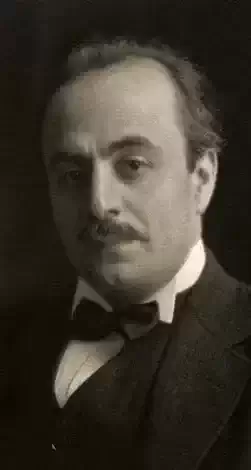
Khalil Gibran
The Playground of Life XIX
One hour devoted to the pursuit of Beauty
And Love is worth a full century of glory
Given by the frightened weak to the strong.
From that hour comes man's Truth; and
During that century Truth sleeps between
The restless arms of disturbing dreams.
In that hour the soul sees for herself
The Natural Law, and for that century she
Imprisons herself behind the law of man;
And she is shackled with irons of oppression.
That hour was the inspiration of the Songs
Of Solomon, an that century was the blind
Power which destroyed the temple of Baalbek.
That hour was the birth of the Sermon on the
Mount, and that century wrecked the castles of
Palmyra and the Tower of Babylon.
That hour was the Hegira of Mohammed and that
Century forgot Allah, Golgotha, and Sinai.
One hour devoted to mourning and lamenting the
Stolen equality of the weak is nobler than a
Century filled with greed and usurpation.
It is at that hour when the heart is
Purified by flaming sorrow and
Illuminated by the torch of Love.
And in that century, desires for Truth
Are buried in the bosom of the earth.
That hour is the root which must flourish.
That hour of meditation, the hour of
Prayer, and the hour of a new era of good.
And that century is a life of Nero spent
On self-investment taken solely from
Earthly substance.
This is life.
Portrayed on the stage for ages;
Recorded earthly for centuries;
Lived in strangeness for years;
Sung as a hymn for days;
Exalted but for an hour, but the
Hour is treasured by Eternity as a jewel.
358
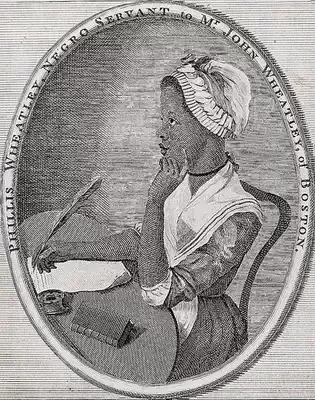
Phillis Wheatley
An Hymn to Humanity
I.
Lo! for this dark terrestrial ball
Forsakes his azure-paved hall
A prince of heav'nly birth!
Divine Humanity behold,
What wonders rise, what charms unfold
At his descent to earth!
II.
The bosoms of the great and good
With wonder and delight he view'd,
And fix'd his empire there:
Him, close compressing to his breast,
The sire of gods and men address'd,
"My son, my heav'nly fair!
III.
"Descend to earth, there place thy throne;
"To succour man's afflicted son
"Each human heart inspire:
"To act in bounties unconfin'd
"Enlarge the close contracted mind,
"And fill it with thy fire."
IV.
Quick as the word, with swift career
He wings his course from star to star,
And leaves the bright abode.
The Virtue did his charms impart;
Their G-----! then thy raptur'd heart
Perceiv'd the rushing God:
V.
For when thy pitying eye did see
The languid muse in low degree,
Then, then at thy desire
Descended the celestial nine;
O'er me methought they deign'd to shine,
And deign'd to string my lyre.
VI.
Can Afric's muse forgetful prove?
Or can such friendship fail to move
A tender human heart?
Immortal Friendship laurel-crown'd
The smiling Graces all surround
With ev'ry heav'nly Art.
359
William Butler Yeats
The Valley of the Black Pig
The dews drop slowly and dreams gather: unknown spears
Suddenly hurtle before my dream-awakened eyes,
And then the clash of fallen horsemen and the cries
Of unknown perishing armies beat about my ears.
We who still labour by the cromlech on the shore,
The grey caim on the hill, when day sinks drowned in dew,
Being weary of the world's empires, bow down to you.
Master of the still stars and of the flaming door.
355

Robert Louis Stevenson
Music At The Villa Marina
FOR some abiding central source of power,
Strong-smitten steady chords, ye seem to flow
And, flowing, carry virtue. Far below,
The vain tumultuous passions of the hour
Fleet fast and disappear; and as the sun
Shines on the wake of tempests, there is cast
O'er all the shattered ruins of my past
A strong contentment as of battles won.
And yet I cry in anguish, as I hear
The long drawn pageant of your passage roll
Magnificently forth into the night.
To yon fair land ye come from, to yon sphere
Of strength and love where now ye shape your flight,
O even wings of music, bear my soul!
Ye have the power, if but ye had the will,
Strong-smitten steady chords in sequence grand,
To bear me forth into that tranquil land
Where good is no more ravelled up with ill;
Where she and I, remote upon some hill
Or by some quiet river's windless strand,
May live, and love, and wander hand in hand,
And follow nature simply, and be still.
From this grim world, where, sadly, prisoned, we
Sit bound with others' heart-strings as with chains,
And, if one moves, all suffer, - to that Goal,
If such a land, if such a sphere, there be,
Thither, from life and all life's joys and pains,
O even wings of music, bear my soul!
356
William Shakespeare
Sonnet 10: For shame, deny that thou bear'st love to any
For shame, deny that thou bear'st love to any
Who for thy self art so unprovident.
Grant, if thou wilt, thou art beloved of many,
But that thou none lov'st is most evident;
For thou art so possessed with murd'rous hate,
That 'gainst thy self thou stick'st not to conspire,
Seeking that beauteous roof to ruinate
Which to repair should be thy chief desire.
O, change thy thought, that I may change my mind!
Shall hate be fairer lodged than gentle love?
Be as thy presence is gracious and kind,
Or to thy self at least kind-hearted prove,
Make thee another self, for love of me,
That beauty still may live in thine or thee.
355
Ella Wheeler Wilcox
What Would It Be?
Now what were the words of Jesus,
And what would He pause and say,
If we were to meet in home or street,
The Lord of the world to-day?
Oh, I think He would pause and say:
'Go on with your chosen labour;
Speak only good of your neighbour;
Widen your farms, and lay down your arms,
Or dig up the soil with each sabre.'
Now what were the answer of Jesus
If we should ask for a creed,
To carry us straight to the wonderful gate
When soul from body is freed?
Oh, I think He would give us this creed:
'Praise God whatever betide you;
Cast joy on the lives beside you;
Better the earth, by growing in worth,
With love as the law to guide you.'
Now what were the answer of Jesus
If we should ask Him to tell
Of the last great goal of the homing soul
Where each of us hopes to dwell?
Oh, I think it is this He would tell:
'The soul is the builder-then wake it;
The mind is the kingdom-then take it;
And thought upon thought let Eden be wrought,
For heaven will be what you make it.'
355
William Shakespeare
Blow, Blow, Thou Winter Wind
Blow, blow, thou winter wind
Thou art not so unkind
As man's ingratitude;
Thy tooth is not so keen,
Because thou art not seen,
Although thy breath be rude.
Heigh-ho! sing, heigh-ho! unto the green holly:
Most freindship if feigning, most loving mere folly:
Then heigh-ho, the holly!
This life is most jolly.
Freeze, freeze thou bitter sky,
That does not bite so nigh
As benefits forgot:
Though thou the waters warp,
Thy sting is not so sharp
As a friend remembered not.
Heigh-ho! sing, heigh-ho! unto the green holly:
Most friendship is feigning, most loving mere folly:
Then heigh-ho, the holly!
This life is most jolly.
355
William Shakespeare
Sonnet 93: So shall I live, supposing thou art true
So shall I live, supposing thou art true,
Like a deceived husband; so love's face
May still seem love to me, though altered new;
Thy looks with me, thy heart in other place:
For there can live no hatred in thine eye,
Therefore in that I cannot know thy change.
In many's looks, the false heart's history
Is writ in moods, and frowns, and wrinkles strange.
But heaven in thy creation did decree
That in thy face sweet love should ever dwell;
Whate'er thy thoughts, or thy heart's workings be,
Thy looks should nothing thence, but sweetness tell.
How like Eve's apple doth thy beauty grow,
If thy sweet virtue answer not thy show!
355
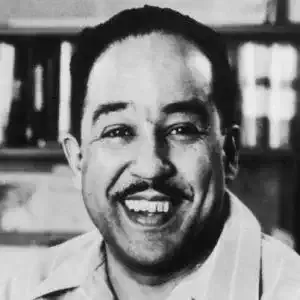
Langston Hughes
Wisdom and War
We do not care-
That much is clear.
Not enough
Of us care
Anywhere.
We are not wise-
For that reason,
Mankind dies.
To think
Is much against
The will.
Better-
And easier-
To kill.
That much is clear.
Not enough
Of us care
Anywhere.
We are not wise-
For that reason,
Mankind dies.
To think
Is much against
The will.
Better-
And easier-
To kill.
356
Henry Wadsworth Longfellow
The Good Part, That Shall Not Be Taken Away
She dwells by Great Kenhawa's side,
In valleys green and cool;
And all her hope and all her pride
Are in the village school.
Her soul, like the transparent air
That robes the hills above,
Though not of earth, encircles there
All things with arms of love.
And thus she walks among her girls
With praise and mild rebukes;
Subduing e'en rude village churls
By her angelic looks.
She reads to them at eventide
Of One who came to save;
To cast the captive's chains aside
And liberate the slave.
And oft the blessed time foretells
When all men shall be free;
And musical, as silver bells,
Their falling chains shall be.
And following her beloved Lord,
In decent poverty,
She makes her life one sweet record
And deed of charity.
For she was rich, and gave up all
To break the iron bands
Of those who waited in her hall,
And labored in her lands.
Long since beyond the Southern Sea
Their outbound sails have sped,
While she, in meek humility,
Now earns her daily bread.
It is their prayers, which never cease,
That clothe her with such grace;
Their blessing is the light of peace
That shines upon her face.
355
John Donne
To Mr. Rowland Woodward
LIKE one who in her third widowhood doth profess
Herself a nun, tied to retiredness,
So affects my Muse, now, a chaste fallowness.
Since she to few, yet to too many hath shown,
How love-song weeds and satiric thorns are grown,
Where seeds of better arts were early sown ;
Though to use and love poetry, to me,
Betroth'd to no one art, be no adultery ;
Omissions of good, ill, as ill deeds be.
For though to us it seems but light and thin,
Yet in those faithful scales, where God throws in
Men's works, vanity weighs as much as sin.
If our souls have stain'd their first white, yet we
May clothe them with faith, and dear honesty,
Which God imputes as native purity.
There is no virtue but religion.
Wise, valiant, sober, just, are names which none
Want, which want not vice-covering discretion.
Seek we then ourselves in ourselves ; for as
Men force the sun with much more force to pass,
By gathering his beams with a crystal glass,
So we—if we into ourselves will turn,
Blowing our spark of virtue—may out-burn
The straw which doth about our hearts sojourn.
You know physicians, when they would infuse
Into any oil the souls of simples, use
Places, where they may lie still warm, to choose.
So works retiredness in us. To roam
Giddily and be everywhere, but at home,
Such freedom doth a banishment become.
We are but farmers of ourselves, yet may,
If we can stock ourselves, and thrive, uplay
Much, much dear treasure for the great rent day.
Manure thyself then, to thyself be improved ;
And with vain outward things be no more moved,
But to know that I love thee and would be loved.
356
John Greenleaf Whittier
Forgiveness
My heart was heavy, for its trust had been
Abused, its kindness answered with foul wrong;
So, turning gloomily from my fellow-men,
One summer Sabbath day I strolled among
The green mounds of the village burial-place;
Where, pondering how all human love and hate
Find one sad level; and how, soon or late,
Wronged and wrongdoer, each with meekened face,
And cold hands folded over a still heart,
Pass the green threshold of our common grave,
Whither all footsteps tend, whence none depart,
Awed for myself, and pitying my race,
Our common sorrow, like a mighty wave,
Swept all my pride away, and trembling I forgave!
354