
Courage and Strength

Anonymous
Beowulf (Episode )
To him the stateliest spake in answer;
the warriors' leader his word-hoard unlocked: --
"We are by kin of the clan of Geats,
and Hygelac's own hearth-fellows we.
To folk afar was my father known,
noble atheling, Ecgtheow named.
Full of winters, he fared away
aged from earth; he is honored still
through width of the world by wise men all.
To thy lord and liege in loyal mood
we hasten hither, to Healfdene's son,
people-protector: be pleased to advise us!
To that mighty-one come we on mickle errand,
to the lord of the Danes; nor deem I right
that aught be hidden. We hear -- thou knowest
if sooth it is -- the saying of men,
that amid the Scyldings a scathing monster,
dark ill-doer, in dusky nights
shows terrific his rage unmatched,
hatred and murder. To Hrothgar I
in greatness of soul would succor bring,
so the Wise-and-Brave may worst his foes, --
if ever the end of ills is fated,
of cruel contest, if cure shall follow,
and the boiling care-waves cooler grow;
else ever afterward anguish-days
he shall suffer in sorrow while stands in place
high on its hill that house unpeered!"
Astride his steed, the strand-ward answered,
clansman unquailing: "The keen-souled thane
must be skilled to sever and sunder duly
words and works, if he well intends.
I gather, this band is graciously bent
to the Scyldings' master. March, then, bearing
weapons and weeds the way I show you.
I will bid my men your boat meanwhile
to guard for fear lest foemen come, --
your new-tarred ship by shore of ocean
faithfully watching till once again
it waft o'er the waters those well-loved thanes,
-- winding-neck'd wood, -- to Weders' bounds,
heroes such as the hest of fate
shall succor and save from the shock of war."
They bent them to march, -- the boat lay still,
fettered by cable and fast at anchor,
broad-bosomed ship. -- Then shone the boars
over the cheek-guard; chased with gold,
keen and gleaming, guard it kept
o'er the man of war, as marched along
heroes in haste, till the hall they saw,
broad of gable and bright with gold:
that was the fairest, 'mid folk of earth,
of houses 'neath heaven, where Hrothgar lived,
and the gleam of it lightened o'er lands afar.
The sturdy shieldsman showed that bright
burg-of-the-boldest; bade them go
straightway thither; his steed then turned,
hardy hero, and hailed them thus: --
"Tis time that I fare from you. Father Almighty
in grace and mercy guard you well,
safe in your seekings. Seaward I go,
'gainst hostile warriors hold my watch."
244

Robert W. Service
Bank Robber
I much admire, I must admit,
The man who robs a Bank;
It takes a lot of guts and grit,
For lack of which I thank
The gods: a chap 'twould make of me
You wouldn't ask to tea.
I do not mean a burglar cove
Who climbs into a house,
From room to room flash-lit to rove
As quiet as a mouse;
Ah no, in Crime he cannot rank
With him who robs a Bank.
Who seemeth not to care a whoop
For danger at its height;
Who handles what is known as 'soup,'
And dandles dynamite:
Unto a bloke who can do that
I doff my bowler hat.
I think he is the kind of stuff
To be a mighty man
In battlefield,--aye, brave enough
The Cross Victorian
To win and rise to high command,
A hero in the land.
What General with all his swank
Has guts enough to rob a Bank!
242
Anonymous
Beowulf (excerpt): Lo, now, this sea-booty, son of Healfdene
BEOWULF spake, bairn of Ecgtheow: --
"Lo, now, this sea-booty, son of Healfdene,
Lord of Scyldings, we've lustily brought thee,
sign of glory; thou seest it here.
Not lightly did I with my life escape!
In war under water this work I essayed
with endless effort; and even so
my strength had been lost had the Lord not shielded me.
Not a whit could I with Hrunting do
in work of war, though the weapon is good;
yet a sword the Sovran of Men vouchsafed me
to spy on the wall there, in splendor hanging,
old, gigantic, -- how oft He guides
the friendless wight! -- and I fought with that brand,
felling in fight, since fate was with me,
the house's wardens. That war-sword then
all burned, bright blade, when the blood gushed o'er it,
battle-sweat hot; but the hilt I brought back
from my foes. So avenged I their fiendish deeds
death-fall of Danes, as was due and right.
And this is my hest, that in Heorot now
safe thou canst sleep with thy soldier band,
and every thane of all thy folk
both old and young; no evil fear,
Scyldings' lord, from that side again,
aught ill for thy earls, as erst thou must!"
Then the golden hilt, for that gray-haired leader,
hoary hero, in hand was laid,
giant-wrought, old. So owned and enjoyed it
after downfall of devils, the Danish lord,
wonder-smiths' work, since the world was rid
of that grim-souled fiend, the foe of God,
murder-marked, and his mother as well.
Now it passed into power of the people's king,
best of all that the oceans bound
who have scattered their gold o'er Scandia's isle.
Hrothgar spake -- the hilt he viewed,
heirloom old, where was etched the rise
of that far-off fight when the floods o'erwhelmed,
raging waves, the race of giants
(fearful their fate!), a folk estranged
from God Eternal: whence guerdon due
in that waste of waters the Wielder paid them.
So on the guard of shining gold
in runic staves it was rightly said
for whom the serpent-traced sword was wrought,
best of blades, in bygone days,
and the hilt well wound. -- The wise-one spake,
son of Healfdene; silent were all: --
"Lo, so may he say who sooth and right
follows 'mid folk, of far times mindful,
a land-warden old, that this earl belongs
to the better breed! So, borne aloft,
thy fame must fly, O friend my Beowulf,
far and wide o'er folksteads many. Firmly thou
shalt all maintain,
mighty strength with mood of wisdom. Love of
mine will I assure thee,
as, awhile ago, I promised; thou shalt prove a stay
in future,
in far-off years, to folk of thine,
to the heroes a help. Was not Heremod thus
to offspring of Ecgwela, Honor-Scyldings,
nor grew for their grace, but for grisly slaughter,
for doom of death to the Danishmen.
He slew, wrath-swollen, his shoulder-comrades,
companions at board! So he passed alone,
chieftain haughty, from human cheer.
Though him the Maker with might endowed,
delights of power, and uplifted high
above all men, yet blood-fierce his mind,
his breast-hoard, grew, no bracelets gave he
to Danes as was due; he endured all joyless
strain of struggle and stress of woe,
long feud with his folk. Here find thy lesson!
Of virtue advise thee! This verse I have said for thee,
wise from lapsed winters. Wondrous seems
how to sons of men Almighty God
in the strength of His spirit sendeth wisdom,
estate, high station: He swayeth all things.
Whiles He letteth right lustily fare
the heart of the hero of high-born race, --
in seat ancestral assigns him bliss,
his folk's sure fortress in fee to hold,
puts in his power great parts of the earth,
empire so ample, that end of it
this wanter-of-wisdom weeneth none.
So he waxes in wealth, nowise can harm him
illness or age; no evil cares
shadow his spirit; no sword-hate threatens
from ever an enemy: all the world
wends at his will, no worse he knoweth,
till all within him obstinate pride
waxes and wakes while the warden slumbers,
the spirit's sentry; sleep is too fast
which masters his might, and the murderer nears,
stealthily shooting the shafts from his bow!
241
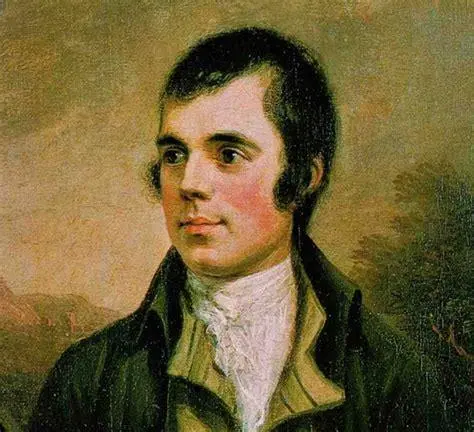
Robert Burns
Here's A Health To Them That's Awa
Here's a health to them that's awa,
Here's a health to them that's awa
And wha winna wish guid luck to our cause,
May never guid luck be their fa'!
It's guid to be merry and wise,
It's guid to be honest and true,
It's guid to support Caledonia's cause
And bide by the buff and the blue.
Here's a health to them that's awa,
Here's a health to them that's awa!
Here's a health to Charlie, the chief o' the clan,
Altho that his band be sma'!
May Liberty meet wi success,
May Prudence protect her frae evil!
May tyrants and Tyranny tine i' the mist
And wander their way to the Devil!
Here's a health to them that's awa,
Here's a health to them that's awa;
Here's a health to Tammie, the Norlan' laddie,
That lives at the lug o' the Law!
Here's freedom to thern that wad read,
Here's freedom to them that would write!
There's nane ever fear'd that the truth should be heard,
But they whom the truth would indite!
Here's a health to them that's awa,
An here's to them that's awa!
Here's to Maitland and Wycombe! let wha does na like 'em
Be built in a hole in the wa'!
Here's timmer that's red at the heart,
Here's fruit that is sound at the core,
And may he that wad turn the buff and blue coat
Be turn'd to the back o' the door!
Here's a health to them that's awa,
Here's a health to them that's awa,
Here's Chieftain M'Leod, a chieftain worth gowd,
Tho' bred amang mountains o' snaw!
Here's friends on baith sides o' the Firth,
And friends on baith sides o' the Tweed,
And wha wad betray old Albion's right,
May they never eat of her bread!
242
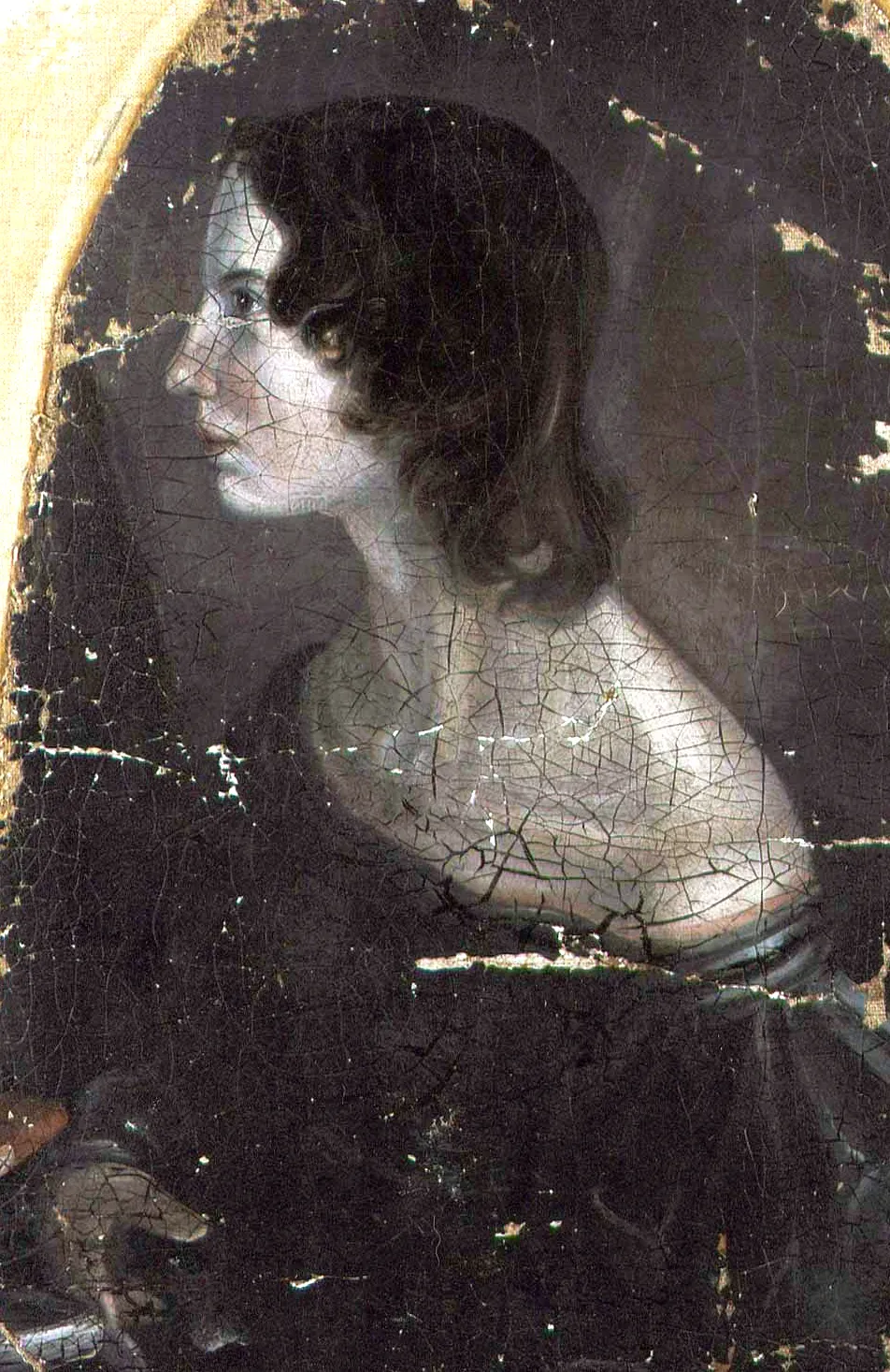
Emily Jane Brontë
The Visionary
Silent is the house: all are laid asleep:
One alone looks out o’er the snow-wreaths deep,
Watching every cloud, dreading every breeze
That whirls the wildering drift, and bends the groaning trees.
Cheerful is the hearth, soft the matted floor;
Not one shivering gust creeps through pane or door;
The little lamp burns straight, its rays shoot strong and far:
I trim it well, to be the wanderer’s guiding-star.
Frown, my haughty sire! chide, my angry dame!
Set your slaves to spy; threaten me with shame:
But neither sire nor dame nor prying serf shall know,
What angel nightly tracks that waste of frozen snow.
What I love shall come like visitant of air,
Safe in secret power from lurking human snare;
What loves me, no word of mine shall e’er betray,
Though for faith unstained my life must forfeit pay.
Burn, then, little lamp; glimmer straight and clear—
Hush! a rustling wing stirs, methinks, the air:
He for whom I wait, thus ever comes to me;
Strange Power! I trust thy might; trust thou my constancy.
239
Robert Burns
For a' That and a' That
Is there, for honest poverty,
That hings his head, an' a' that?
The coward slave, we pass him by,
We dare be poor for a' that!
For a' that, an' a' that,
Our toils obscure, an' a' that;
The rank is but the guinea's stamp;
The man's the gowd for a' that,
What tho' on hamely fare we dine,
Wear hoddin-gray, an' a' that;
Gie fools their silks, and knaves their wine,
A man's a man for a' that.
For a' that, an' a' that,
Their tinsel show an' a' that;
The honest man, tho' e'er sae poor,
Is king o' men for a' that.
Ye see yon birkie, ca'd a lord
Wha struts, an' stares, an' a' that;
Tho' hundreds worship at his word,
He's but a coof for a' that:
For a' that, an' a' that,
His riband, star, an' a' that,
The man o' independent mind,
He looks and laughs at a' that.
A prince can mak a belted knight,
A marquis, duke, an' a' that;
But an honest man's aboon his might,
Guid faith he mauna fa' that!
For a' that, an' a' that,
Their dignities, an' a' that,
The pith o' sense, an' pride o' worth,
Are higher rank than a' that.
Then let us pray that come it may,
As come it will for a' that,
That sense and worth, o'er a' the earth,
May bear the gree, an' a' that.
For a' that, an' a' that,
It's coming yet, for a' that,
That man to man, the warld o'er,
Shall brothers be for a' that.
240

Henry Wadsworth Longfellow
Charles Sumner. (Birds Of Passage. Flight The Fourth)
Garlands upon his grave
And flowers upon his hearse,
And to the tender heart and brave
The tribute of this verse.
His was the troubled life,
The conflict and the pain,
The grief, the bitterness of strife,
The honor without stain.
Like Winkelried, he took
Into his manly breast
The sheaf of hostile spears, and broke
A path for the oppressed.
Then from the fatal field
Upon a nation's heart
Borne like a warrior on his shield!--
So should the brave depart.
Death takes us by surprise,
And stays our hurrying feet;
The great design unfinished lies,
Our lives are incomplete.
But in the dark unknown
Perfect their circles seem,
Even as a bridge's arch of stone
Is rounded in the stream.
Alike are life and death,
When life in death survives,
And the uninterrupted breath
Inspires a thousand lives.
Were a star quenched on high,
For ages would its light,
Still travelling downward from the sky,
Shine on our mortal sight.
So when a great man dies,
For years beyond our ken,
The light he leaves behind him lies
Upon the paths of men.
240
Anonymous
Beowulf (Episode )
NOT in any wise would the earls'-defence
suffer that slaughterous stranger to live,
useless deeming his days and years
to men on earth. Now many an earl
of Beowulf brandished blade ancestral,
fain the life of their lord to shield,
their praised prince, if power were theirs;
never they knew, -- as they neared the foe,
hardy-hearted heroes of war,
aiming their swords on every side
the accursed to kill, -- no keenest blade,
no farest of falchions fashioned on earth,
could harm or hurt that hideous fiend!
He was safe, by his spells, from sword of battle,
from edge of iron. Yet his end and parting
on that same day of this our life
woful should be, and his wandering soul
far off flit to the fiends' domain.
Soon he found, who in former days,
harmful in heart and hated of God,
on many a man such murder wrought,
that the frame of his body failed him now.
For him the keen-souled kinsman of Hygelac
held in hand; hateful alive
was each to other. The outlaw dire
took mortal hurt; a mighty wound
showed on his shoulder, and sinews cracked,
and the bone-frame burst. To Beowulf now
the glory was given, and Grendel thence
death-sick his den in the dark moor sought,
noisome abode: he knew too well
that here was the last of life, an end
of his days on earth. -- To all the Danes
by that bloody battle the boon had come.
From ravage had rescued the roving stranger
Hrothgar's hall; the hardy and wise one
had purged it anew. His night-work pleased him,
his deed and its honor. To Eastern Danes
had the valiant Geat his vaunt made good,
all their sorrow and ills assuaged,
their bale of battle borne so long,
and all the dole they erst endured
pain a-plenty. -- 'Twas proof of this,
when the hardy-in-fight a hand laid down,
arm and shoulder, -- all, indeed,
of Grendel's gripe, -- 'neath the gabled roof.
238
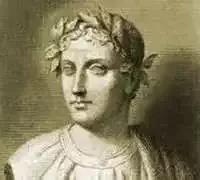
Horácio
BkIV:IV Drusus and the Claudians
Like the winged agent of the bright lightning-bolt,
to whom Jove granted power over wandering
birds, once the divine king had found him
faithful in snatching blond Ganymede:
youth and his native vigour first launching him
fresh to his labours, out from the nest: spring winds,
despite his fears, when the storms were past,
teaching him, then, unaccustomed effort:
now with a fierce, hostile assault sweeping down
on the sheepfold, and love of spoils, and the fight,
hurling him at writhing snakes: or like
a lion-cub newly weaned from rich milk
and its tawny mother, seeing a roe deer
intent on its browsing, that’s fated to die
in his inexperienced jaws, such
was Drusus, as the Vindelici found
waging war beneath the Rhaetian Alps:
(where the custom’s derived from that, as long as
is known, has forced them to arm themselves,
clutch, in their right hands, Amazonian
battle-axes, I’ve not tried to ascertain,
it’s not right to know everything) but those hordes,
triumphant everywhere, for so long,
were conquered by the young man’s strategies:
they came to realise what mind, and character
nurtured, with care, in a fortunate household,
by Augustus’ fatherly feelings
towards his stepsons, the Neros, could do.
By the brave and good, are the brave created:
their sire’s virtues exist in horses and men,
while the ferocious golden eagles
don’t produce shy doves, but education
improves inborn qualities, and its proper
cultivation strengthens the mind: whenever
moral behaviour falls short, its faults
dishonour whatever was good at birth.
The Metaurus river’s a witness, O Rome
to what you owe to the Neros, so too is
defeated Hasdrubal, and that day
as sweet, when the shadows fled Latium,
the first day to smile in its kindly glory,
since dread Hannibal rode through Italy’s
cities, a fire among the pine-trees,
or an East wind on Sicilian seas.
And after that, through favourable efforts,
the Roman youth grew in stature, and the shrines
destroyed by Carthaginians’
impious uproar, had their gods restored.
At last that treacherous Hannibal proclaimed:
‘Of our own will, like deer who become the prey
of ravening wolves, we’re chasing those
whom it’s a triumph to flee and evade.
Their race, still strong despite the burning of Troy,
brought their children, sacred icons, and aged
fathers, tossed about on Tuscan seas,
to the towns of Italy, as some oak,
rich in its dark leaves, high on Mount Algidus,
trimmed back by the double-bladed axe, draws strength
and life, despite loss and destruction,
from the very steel itself. The Hydra,
as its body was lopped, grew no mightier,
in grief at being conquered by Hercules,
nor was any greater monster reared
by Colchis or Echionian Thebes.
Drowned in the deep, it emerges lovelier:
contend, it defeats the freshest opponent,
with great glory, and wages wars
that the housewives will tell of in story.
I’ll send no more proud messages to Carthage:
every hope of mine is ended, and ended
the fortunes of all my family,
since my brother Hasdrubal’s destruction.
There’s nothing that Claudian power can’t achieve,
protected by Jove, protected by the god’s
authority, power for which shrewd minds
clear the way through the harsh dangers of war.’
238
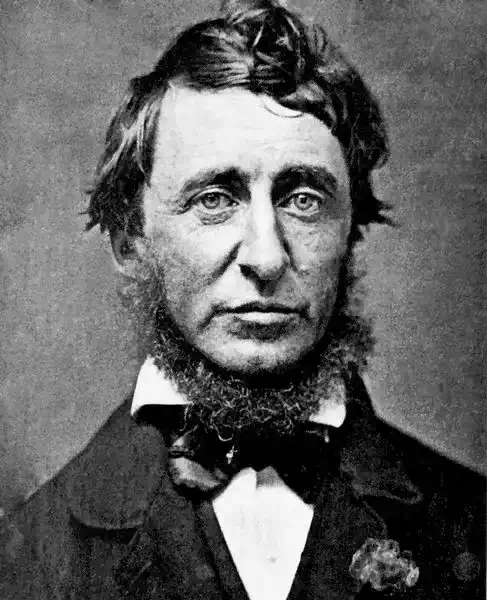
Henry David Thoreau
Away! Away! Away! Away!
Away! away! away! away!
Ye have not kept your secret well,
I will abide that other day,
Those other lands ye tell.
Has time no leisure left for these,
The acts that ye rehearse?
Is not eternity a lease
For better deeds than verse?
‘Tis sweet to hear of heroes dead,
To know them still alive,
But sweeter if we earn their bread,
And in us they survive.
Our life should feed the springs of fame
With a perennial wave,
As ocean feeds the babbling founts
Which find it in their grave.
Ye skies dropp gently round my breast,
And be my corselet blue,
Ye earth receive my lance in rest,
My faithful charger you;
Ye stars my spear-heads in the sky,
My arrow-tips ye are;
I see the routed foemen fly,
My bright spears fixed are.
Give me an angel for a foe,
Fix now the place and time,
And straight to meet him I will go
Above the starry chime.
And with our clashing bucklers’ clang
The heavenly spears shall ring,
While bright the northern lights shall hang
Beside our tourneying.
And if she lose her champion true,
Tell Heaven not despair,
For I will be her champion new,
Her fame I will repair.
238

Edward Lear
Limerick: There was a Young Lady of Norway
There was a Young Lady of Norway,
Who casually sat on a doorway;
When the door squeezed her flat,
She exclaimed, 'What of that?'
This courageous Young Lady of Norway.
Who casually sat on a doorway;
When the door squeezed her flat,
She exclaimed, 'What of that?'
This courageous Young Lady of Norway.
232

Emily Dickinson
Through the strait pass of suffering
Through the strait pass of suffering-
The Martyrs-even-trod.
Their feet-upon Temptations-
Their faces-upon God-
A stately-shriven-CompanyConvulsion-
playing round
Harmless-
as streaks of Meteor-
Upon a Planet's Bond-
Their faith-the everlasting troth-
Their Expectation-fair-
The Needle-to the North DegreeWades-
so-thro' polar Air!
The Martyrs-even-trod.
Their feet-upon Temptations-
Their faces-upon God-
A stately-shriven-CompanyConvulsion-
playing round
Harmless-
as streaks of Meteor-
Upon a Planet's Bond-
Their faith-the everlasting troth-
Their Expectation-fair-
The Needle-to the North DegreeWades-
so-thro' polar Air!
232
Robert W. Service
Cowardice
Although you deem it far from nice,
And it perchance may hurt you,
Let me suggest that cowardice
Can masquerade as virtue;
And many a maid remains a maid
Because she is afraid.
And many a man is chaste because
He fears the house of sin;
And though before the door he pause,
He dare not enter in:
So worse than being dissolute
At home he plays the flute.
And many an old cove such as I
Is troubled with the jitters,
And being as he's scared to die
Gives up his gin and bitters;
While dreading stomach ulcers he
Chucks dinner for high tea.
Well, we are wise. When life begins
To look so dour and dark
'Tis good to jettison our sins
And keep afloat the bark:
But don't let us claim lack of vice
For what's plumb cowardice!
232
Anonymous
The Moral
You mustn't groom an Arab with a file.
You hadn't ought to tension-spring a mule.
You couldn't push a brumby fifty mile
And drop him in a boiler-shed to cool.
I'll sling you through six counties in a day.
I'll hike you up a grade of one in ten.
I am Duty, Law and Order under way,
I'm the Mentor of banana-fingered men!
I will make you I know your left hand from your right.
I will teach you not to drink about your biz.
I'm the only temperance advocate in sight!
I am all the Education Act there is!
232
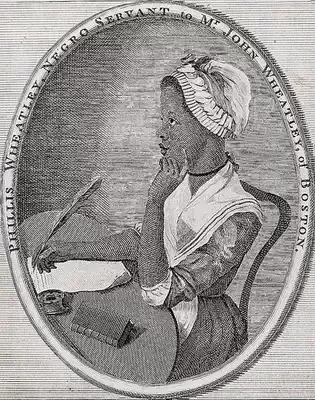
Phillis Wheatley
Isaiah Lxiii -------
SAY, heav'nly muse, what king or mighty God,
That moves sublime from Idumea's road?
In Bosrah's dies, with martial glories join'd,
His purple vesture waves upon the wind.
Why thus enrob'd delights he to appear
In the dread image of the Pow'r of war?
Compres'd in wrath the swelling wine-press groan'd,
It bled, and pour'd the gushing purple round.
"Mine was the act," th' Almighty Saviour said,
And shook the dazzling glories of his head,
"When all forsook I trod the press alone,
"And conquer'd by omnipotence my own;
"For man's release sustain'd the pond'rous load,
"For man the wrath of an immortal God:
"To execute th' Eternal's dread command
"My soul I sacrific'd with willing hand;
"Sinless I stood before the avenging frown,
"Atoning thus for vices not my own."
His eye the ample field of battle round
Survey'd, but no created succours found;
His own omnipotence sustain'd the right,
His vengeance sunk the haughty foes in night;
Beneath his feet the prostrate troops were spread,
And round him lay the dying, and the dead.
Great God, what light'ning flashes from thine eyes?
What pow'r withstands if thou indignant rise?
Against thy Zion though her foes may rage,
And all their cunning, all their strength engage,
Yet she serenely on thy bosom lies,
Smiles at their arts, and all their force defies.
230

Gwendolyn Brooks
Garbageman: The Man With The Orderly Mind
What do you think of us in fuzzy endeavor, you whose directions are
sterling, whose lunge is straight?
Can you make a reason, how can you pardon us who memorize the rules and never
score?
Who memorize the rules from your own text but never quite transfer them to the
game,
Who never quite receive the whistling ball, who gawk, begin to absorb the crowd's own
roar.
Is earnest enough, may earnest attract or lead to light;
Is light enough, if hands in clumsy frenzy, flimsy whimsically, enlist;
Is light enough when this bewilderment crying against the dark shuts down the
shades?
Dilute confusion. Find and explode our mist.
230
Anonymous
Episode
IT was heavy hap for that hero young
on his lord beloved to look and find him
lying on earth with life at end,
sorrowful sight. But the slayer too,
awful earth-dragon, empty of breath,
lay felled in fight, nor, fain of its treasure,
could the writhing monster rule it more.
For edges of iron had ended its days,
hard and battle-sharp, hammers' leaving;
and that flier-afar had fallen to ground
hushed by its hurt, its hoard all near,
no longer lusty aloft to whirl
at midnight, making its merriment seen,
proud of its prizes: prone it sank
by the handiwork of the hero-king.
Forsooth among folk but few achieve,
-- though sturdy and strong, as stories tell me,
and never so daring in deed of valor, --
the perilous breath of a poison-foe
to brave, and to rush on the ring-board hall,
whenever his watch the warden keeps
bold in the barrow. Beowulf paid
the price of death for that precious hoard;
and each of the foes had found the end
of this fleeting life.
Befell erelong
that the laggards in war the wood had left,
trothbreakers, cowards, ten together,
fearing before to flourish a spear
in the sore distress of their sovran lord.
Now in their shame their shields they carried,
armor of fight, where the old man lay;
and they gazed on Wiglaf. Wearied he sat
at his sovran's shoulder, shieldsman good,
to wake him with water. Nowise it availed.
Though well he wished it, in world no more
could he barrier life for that leader-of-battles
nor baffle the will of all-wielding God.
Doom of the Lord was law o'er the deeds
of every man, as it is to-day.
Grim was the answer, easy to get,
from the youth for those that had yielded to fear!
Wiglaf spake, the son of Weohstan, --
mournful he looked on those men unloved: --
"Who sooth will speak, can say indeed
that the ruler who gave you golden rings
and the harness of war in which ye stand
-- for he at ale-bench often-times
bestowed on hall-folk helm and breastplate,
lord to liegemen, the likeliest gear
which near of far he could find to give, --
threw away and wasted these weeds of battle,
on men who failed when the foemen came!
Not at all could the king of his comrades-in-arms
venture to vaunt, though the Victory-Wielder,
God, gave him grace that he got revenge
sole with his sword in stress and need.
To rescue his life, 'twas little that I
could serve him in struggle; yet shift I made
(hopeless it seemed) to help my kinsman.
Its strength ever waned, when with weapon I struck
that fatal foe, and the fire less strongly
flowed from its head. -- Too few the heroes
in throe of contest that thronged to our king!
Now gift of treasure and girding of sword,
joy of the house and home-delight
shall fail your folk; his freehold-land
every clansman within your kin
shall lose and leave, when lords highborn
hear afar of that flight of yours,
a fameless deed. Yea, death is better
for liegemen all than a life of shame!"
230
Anonymous
Beowulf (excerpt): Lo, we seafarers say our will
BEOWULF spake, bairn of Ecgtheow: --
"Lo, we seafarers say our will,
far-come men, that we fain would seek
Hygelac now. We here have found
hosts to our heart: thou hast harbored us well.
If ever on earth I am able to win me
more of thy love, O lord of men,
aught anew, than I now have done,
for work of war I am willing still!
If it come to me ever across the seas
that neighbor foemen annoy and fright thee, --
as they that hate thee erewhile have used, --
thousands then of thanes I shall bring,
heroes to help thee. Of Hygelac I know,
ward of his folk, that, though few his years,
the lord of the Geats will give me aid
by word and by work, that well I may serve thee,
wielding the war-wood to win thy triumph
and lending thee might when thou lackest men.
If thy Hrethric should come to court of Geats,
a sovran's son, he will surely there
find his friends. A far-off land
each man should visit who vaunts him brave."
Him then answering, Hrothgar spake: --
"These words of thine the wisest God
sent to thy soul! No sager counsel
from so young in years e'er yet have I heard.
Thou art strong of main and in mind art wary,
art wise in words! I ween indeed
if ever it hap that Hrethel's heir
by spear be seized, by sword-grim battle,
by illness or iron, thine elder and lord,
people's leader, -- and life be thine, --
no seemlier man will the Sea-Geats find
at all to choose for their chief and king,
for hoard-guard of heroes, if hold thou wilt
thy kinsman's kingdom! Thy keen mind pleases me
the longer the better, Beowulf loved!
Thou hast brought it about that both our peoples,
sons of the Geat and Spear-Dane folk,
shall have mutual peace, and from murderous strife,
such as once they waged, from war refrain.
Long as I rule this realm so wide,
let our hoards be common, let heroes with gold
each other greet o'er the gannet's-bath,
and the ringed-prow bear o'er rolling waves
tokens of love. I trow my landfolk
towards friend and foe are firmly joined,
and honor they keep in the olden way."
To him in the hall, then, Healfdene's son
gave treasures twelve, and the trust-of-earls
bade him fare with the gifts to his folk beloved,
hale to his home, and in haste return.
Then kissed the king of kin renowned,
Scyldings' chieftain, that choicest thane,
and fell on his neck. Fast flowed the tears
of the hoary-headed. Heavy with winters,
he had chances twain, but he clung to this, --
that each should look on the other again,
and hear him in hall. Was this hero so dear to him.
his breast's wild billows he banned in vain;
safe in his soul a secret longing,
locked in his mind, for that loved man
burned in his blood. Then Beowulf strode,
glad of his gold-gifts, the grass-plot o'er,
warrior blithe. The wave-roamer bode
riding at anchor, its owner awaiting.
As they hastened onward, Hrothgar's gift
they lauded at length. -- 'Twas a lord unpeered,
every way blameless, till age had broken
-- it spareth no mortal -- his splendid might.
229

Henry Lawson
The Star of Australasia
We boast no more of our bloodless flag, that rose from a nation's slime;
Better a shred of a deep-dyed rag from the storms of the olden time.
From grander clouds in our `peaceful skies' than ever were there before
I tell you the Star of the South shall rise -- in the lurid clouds of war.
It ever must be while blood is warm and the sons of men increase;
For ever the nations rose in storm, to rot in a deadly peace.
There comes a point that we will not yield, no matter if right or wrong,
And man will fight on the battle-field
while passion and pride are strong --
So long as he will not kiss the rod, and his stubborn spirit sours,
And the scorn of Nature and curse of God are heavy on peace like ours.
. . . . .
There are boys out there by the western creeks, who hurry away from school
To climb the sides of the breezy peaks or dive in the shaded pool,
Who'll stick to their guns when the mountains quake
to the tread of a mighty war,
And fight for Right or a Grand Mistake as men never fought before;
When the peaks are scarred and the sea-walls crack
till the furthest hills vibrate,
And the world for a while goes rolling back in a storm of love and hate.
. . . . .
There are boys to-day in the city slum and the home of wealth and pride
Who'll have one home when the storm is come, and fight for it side by side,
Who'll hold the cliffs 'gainst the armoured hells
that batter a coastal town,
Or grimly die in a hail of shells when the walls come crashing down.
And many a pink-white baby girl, the queen of her home to-day,
Shall see the wings of the tempest whirl the mist of our dawn away --
Shall live to shudder and stop her ears to the thud of the distant gun,
And know the sorrow that has no tears when a battle is lost and won, --
As a mother or wife in the years to come, will kneel, wild-eyed and white,
And pray to God in her darkened home for the `men in the fort to-night'.
. . . . .
But, oh! if the cavalry charge again as they did when the world was wide,
'Twill be grand in the ranks of a thousand men
in that glorious race to ride
And strike for all that is true and strong,
for all that is grand and brave,
And all that ever shall be, so long as man has a soul to save.
He must lift the saddle, and close his `wings', and shut his angels out,
And steel his heart for the end of things,
who'd ride with a stockman scout,
When the race they ride on the battle track, and the waning distance hums,
And the shelled sky shrieks or the rifles crack
like stockwhip amongst the gums -
And the `straight' is reached and the field is `gapped'
and the hoof-torn sward grows red
With the blood of those who are handicapped with iron and steel and lead;
And the gaps are filled, though unseen by eyes,
with the spirit and with the shades
Of the world-wide rebel dead who'll rise and rush with the Bush Brigades.
. . . . .
All creeds and trades will have soldiers there -
give every class its due --
And there'll be many a clerk to spare for the pride of the jackeroo.
They'll fight for honour and fight for love, and a few will fight for gold,
For the devil below and for God above, as our fathers fought of old;
And some half-blind with exultant tears, and some stiff-lipped, stern-eyed,
For the pride of a thousand after-years and the old eternal pride;
The soul of the world they will feel and see
in the chase and the grim retreat -They'll
know the glory of victory -- and the grandeur of defeat.
The South will wake to a mighty change ere a hundred years are done
With arsenals west of the mountain range and every spur its gun.
And many a rickety son of a gun, on the tides of the future tossed,
Will tell how battles were really won that History says were lost,
Will trace the field with his pipe, and shirk
the facts that are hard to explain,
As grey old mates of the diggings work the old ground over again --
How `this was our centre, and this a redoubt,
and that was a scrub in the rear,
And this was the point where the guards held out,
and the enemy's lines were here.'
. . . . .
They'll tell the tales of the nights before
and the tales of the ship and fort
Till the sons of Australia take to war as their fathers took to sport,
Their breath come deep and their eyes grow bright
at the tales of our chivalry,
And every boy will want to fight, no matter what cause it be --
When the children run to the doors and cry:
`Oh, mother, the troops are come!'
And every heart in the town leaps high at the first loud thud of the drum.
They'll know, apart from its mystic charm, what music is at last,
When, proud as a boy with a broken arm, the regiment marches past.
And the veriest wreck in the drink-fiend's clutch,
no matter how low or mean,
Will feel, when he hears the march, a touch
of the man that he might have been.
And fools, when the fiends of war are out and the city skies aflame,
Will have something better to talk about than an absent woman's shame,
Will have something nobler to do by far than jest at a friend's expense,
Or blacken a name in a public bar or over a backyard fence.
And this you learn from the libelled past,
though its methods were somewhat rude --
A nation's born where the shells fall fast, or its lease of life renewed.
We in part atone for the ghoulish strife,
and the crimes of the peace we boast,
And the better part of a people's life in the storm comes uppermost.
The self-same spirit that drives the man to the depths of drink and crime
Will do the deeds in the heroes' van that live till the end of time.
The living death in the lonely bush, the greed of the selfish town,
And even the creed of the outlawed push is chivalry -- upside down.
'Twill be while ever our blood is hot, while ever the world goes wrong,
The nations rise in a war, to rot in a peace that lasts too long.
And southern nation and southern state, aroused from their dream of ease,
Must sign in the Book of Eternal Fate their stormy histories.
226
Anonymous
Beowulf (Episode )
HROTHGAR answered, helmet of Scyldings: --
"I knew him of yore in his youthful days;
his aged father was Ecgtheow named,
to whom, at home, gave Hrethel the Geat
his only daughter. Their offspring bold
fares hither to seek the steadfast friend.
And seamen, too, have said me this, --
who carried my gifts to the Geatish court,
thither for thanks, -- he has thirty men's
heft of grasp in the gripe of his hand,
the bold-in-battle. Blessed God
out of his mercy this man hath sent
to Danes of the West, as I ween indeed,
against horror of Grendel. I hope to give
the good youth gold for his gallant thought.
Be thou in haste, and bid them hither,
clan of kinsmen, to come before me;
and add this word, -- they are welcome guests
to folk of the Danes."
[To the door of the hall
Wulfgar went] and the word declared: --
"To you this message my master sends,
East-Danes' king, that your kin he knows,
hardy heroes, and hails you all
welcome hither o'er waves of the sea!
Ye may wend your way in war-attire,
and under helmets Hrothgar greet;
but let here the battle-shields bide your parley,
and wooden war-shafts wait its end."
Uprose the mighty one, ringed with his men,
brave band of thanes: some bode without,
battle-gear guarding, as bade the chief.
Then hied that troop where the herald led them,
under Heorot's roof: [the hero strode,]
hardy 'neath helm, till the hearth he neared.
Beowulf spake, -- his breastplate gleamed,
war-net woven by wit of the smith: --
"Thou Hrothgar, hail! Hygelac's I,
kinsman and follower. Fame a plenty
have I gained in youth! These Grendel-deeds
I heard in my home-land heralded clear.
Seafarers say how stands this hall,
of buildings best, for your band of thanes
empty and idle, when evening sun
in the harbor of heaven is hidden away.
So my vassals advised me well, --
brave and wise, the best of men, --
O sovran Hrothgar, to seek thee here,
for my nerve and my might they knew full well.
Themselves had seen me from slaughter come
blood-flecked from foes, where five I bound,
and that wild brood worsted. I' the waves I slew
nicors by night, in need and peril
avenging the Weders, whose woe they sought, --
crushing the grim ones. Grendel now,
monster cruel, be mine to quell
in single battle! So, from thee,
thou sovran of the Shining-Danes,
Scyldings'-bulwark, a boon I seek, --
and, Friend-of-the-folk, refuse it not,
O Warriors'-shield, now I've wandered far, --
that I alone with my liegemen here,
this hardy band, may Heorot purge!
More I hear, that the monster dire,
in his wanton mood, of weapons recks not;
hence shall I scorn -- so Hygelac stay,
king of my kindred, kind to me! --
brand or buckler to bear in the fight,
gold-colored targe: but with gripe alone
must I front the fiend and fight for life,
foe against foe. Then faith be his
in the doom of the Lord whom death shall take.
Fain, I ween, if the fight he win,
in this hall of gold my Geatish band
will he fearless eat, -- as oft before, --
my noblest thanes. Nor need'st thou then
to hide my head; for his shall I be,
dyed in gore, if death must take me;
and my blood-covered body he'll bear as prey,
ruthless devour it, the roamer-lonely,
with my life-blood redden his lair in the fen:
no further for me need'st food prepare!
To Hygelac send, if Hild should take me,
best of war-weeds, warding my breast,
armor excellent, heirloom of Hrethel
and work of Wayland. Fares Wyrd as she must."
227
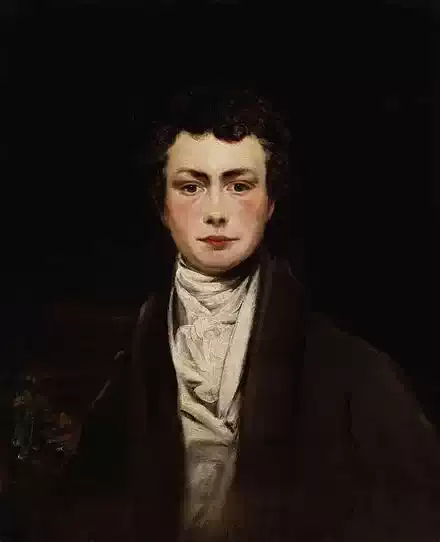
Thomas Moore
After the Battle
Night closed around the conqueror's way,
And lightnings show'd the distant hill,
Where those who lost that dreadful day
Stood few and faint, but fearless still.
The soldier's hope, the patriot's zeal,
For ever dimm'd, for ever crost --
Oh! who shall say what heroes feel,
When all but life and honour's lost?
The last sad hour of freedom's dream,
And valour's task, moved slowly by,
While mute they watch'd, till morning's beam
Should rise and give them light to die.
There's yet a world, where souls are free,
Where tyrants taint not nature's bliss; --
If death that world's bright opening be,
Oh! who would live a slave in this?
229
Robert W. Service
Clancy Of The Mounted Police
In the little Crimson Manual it's written plain and clear
That who would wear the scarlet coat shall say good-bye to fear;
Shall be a guardian of the right, a sleuth-hound of the trail--
In the little Crimson Manual there's no such word as "fail"--
Shall follow on though heavens fall, or hell's top-turrets freeze,
Half round the world, if need there be, on bleeding hands and knees.
It's duty, duty, first and last, the Crimson Manual saith;
The Scarlet Rider makes reply: "It's duty--to the death."
And so they sweep the solitudes, free men from all the earth;
And so they sentinel the woods, the wilds that know their worth;
And so they scour the startled plains and mock at hurt and pain,
And read their Crimson Manual, and find their duty plain.
Knights of the lists of unrenown, born of the frontier's need,
Disdainful of the spoken word, exultant in the deed;
Unconscious heroes of the waste, proud players of the game,
Props of the power behind the throne, upholders of the name:
For thus the Great White Chief hath said, "In all my lands be peace",
And to maintain his word he gave his West the Scarlet Police.
Livid-lipped was the valley, still as the grave of God;
Misty shadows of mountain thinned into mists of cloud;
Corpselike and stark was the land, with a quiet that crushed and awed,
And the stars of the weird sub-arctic glimmered over its shroud.
Deep in the trench of the valley two men stationed the Post,
Seymour and Clancy the reckless, fresh from the long patrol;
Seymour, the sergeant, and Clancy--Clancy who made his boast
He could cinch like a bronco the Northland, and cling to the prongs of the Pole.
Two lone men on detachment, standing for law on the trail;
Undismayed in the vastness, wise with the wisdom of old--
Out of the night hailed a half-breed telling a pitiful tale,
"White man starving and crazy on the banks of the Nordenscold."
Up sprang the red-haired Clancy, lean and eager of eye;
Loaded the long toboggan, strapped each dog at its post;
Whirled his lash at the leader; then, with a whoop and a cry,
Into the Great White Silence faded away like a ghost.
The clouds were a misty shadow, the hills were a shadowy mist;
Sunless, voiceless and pulseless, the day was a dream of woe;
Through the ice-rifts the river smoked and bubbled and hissed;
Behind was a trail fresh broken, in front the untrodden snow.
Ahead of the dogs ploughed Clancy, haloed by steaming breath;
Through peril of open water, through ache of insensate cold;
Up rivers wantonly winding in a land affianced to death,
Till he came to a cowering cabin on the banks of the Nordenscold.
Then Clancy loosed his revolver, and he strode through the open door;
And there was the man he sought for, crouching beside the fire;
The hair of his beard was singeing, the frost on his back was hoar,
And ever he crooned and chanted as if he never would tire:-
"I panned and I panned in the shiny sand, and I sniped on the river bar;
But I know, I know, that it's down below that the golden treasures are;
So I'll wait and wait till the floods abate, and I'll sink a shaft once more,
And I'd like to bet that I'll go home yet with a brass band playing before."
He was nigh as thin as a sliver, and he whined like a Moose-hide cur;
So Clancy clothed him and nursed him as a mother nurses a child;
Lifted him on the toboggan, wrapped him in robes of fur,
Then with the dogs sore straining started to face the Wild.
Said the Wild, "I will crush this Clancy, so fearless and insolent;
For him will I loose my fury, and blind and buffet and beat;
Pile up my snows to stay him; then when his strength is spent,
Leap on him from my ambush and crush him under my feet.
"Him will I ring with my silence, compass him with my cold;
Closer and closer clutch him unto mine icy breast;
Buffet him with my blizzards, deep in my snows enfold,
Claiming his life as my tribute, giving my wolves the rest."
Clancy crawled through the vastness; o'er him the hate of the Wild;
Full on his face fell the blizzard; cheering his huskies he ran;
Fighting, fierce-hearted and tireless, snows that drifted and piled,
With ever and ever behind him singing the crazy man.
"Sing hey, sing ho, for the ice and snow,
And a heart that's ever merry;
Let us trim and square with a lover's care
(For why should a man be sorry?)
A grave deep, deep, with the moon a-peep,
A grave in the frozen mould.
Sing hey, sing ho, for the winds that blow,
And a grave deep down in the ice and snow,
A grave in the land of gold."
Day after day of darkness, the whirl of the seething snows;
Day after day of blindness, the swoop of the stinging blast;
On through a blur of fury the swing of staggering blows;
On through a world of turmoil, empty, inane and vast.
Night with its writhing storm-whirl, night despairingly black;
Night with its hours of terror, numb and endlessly long;
Night with its weary waiting, fighting the shadows back,
And ever the crouching madman singing his crazy song.
Cold with its creeping terror, cold with its sudden clinch;
Cold so utter you wonder if 'twill ever again be warm;
Clancy grinned as he shuddered, "Surely it isn't a cinch
Being wet-nurse to a looney in the teeth of an arctic storm.
"The blizzard passed and the dawn broke, knife-edged and crystal clear;
The sky was a blue-domed iceberg, sunshine outlawed away;
Ever by snowslide and ice-rip haunted and hovered the Fear;
Ever the Wild malignant poised and panted to slay.
The lead-dog freezes in harness--cut him out of the team!
The lung of the wheel-dog's bleeding--shoot him and let him lie!
On and on with the others--lash them until they scream!
"Pull for your lives, you devils! On! To halt is to die."
There in the frozen vastness Clancy fought with his foes;
The ache of the stiffened fingers, the cut of the snowshoe thong;
Cheeks black-raw through the hood-flap, eyes that tingled and closed,
And ever to urge and cheer him quavered the madman's song.
Colder it grew and colder, till the last heat left the earth,
And there in the great stark stillness the bale fires glinted and gleamed,
And the Wild all around exulted and shook with a devilish mirth,
And life was far and forgotten, the ghost of a joy once dreamed.
Death! And one who defied it, a man of the Mounted Police;
Fought it there to a standstill long after hope was gone;
Grinned through his bitter anguish, fought without let or cease,
Suffering, straining, striving, stumbling, struggling on.
Till the dogs lay down in their traces, and rose and staggered and fell;
Till the eyes of him dimmed with shadows, and the trail was so hard to see;
Till the Wild howled out triumphant, and the world was a frozen hell-Then
said Constable Clancy: "I guess that it's up to me."
Far down the trail they saw him, and his hands they were blanched like bone;
His face was a blackened horror, from his eyelids the salt rheum ran;
His feet he was lifting strangely, as if they were made of stone,
But safe in his arms and sleeping he carried the crazy man.
So Clancy got into Barracks, and the boys made rather a scene;
And the O. C. called him a hero, and was nice as a man could be;
But Clancy gazed down his trousers at the place where his toes had been,
And then he howled like a husky, and sang in a shaky key:
"When I go back to the old love that's true to the finger-tips,
I'll say: `Here's bushels of gold, love,' and I'll kiss my girl on the lips;
It's yours to have and to hold, love.' It's the proud, proud boy I'll be,
When I go back to the old love that's waited so long for me."
229

William Wordsworth
November
. Another year!--another deadly blow!
Another mighty Empire overthrown!
And We are left, or shall be left, alone;
The last that dare to struggle with the Foe.
'Tis well! from this day forward we shall know
That in ourselves our safety must be sought;
That by our own right hands it must be wrought;
That we must stand unpropped, or be laid low.
O dastard whom such foretaste doth not cheer!
We shall exult, if they who rule the land
Be men who hold its many blessings dear,
Wise, upright, valiant; not a servile band,
Who are to judge of danger which they fear,
And honour which they do not understand.
229
Henry Wadsworth Longfellow
The Saga of King Olaf: XXII. The Nun Of Nidaros
In the convent of Drontheim,
Alone in her chamber
Knelt Astrid the Abbess,
At midnight, adoring,
Beseeching, entreating
The Virgin and Mother.
She heard in the silence
The voice of one speaking,
Without in the darkness,
In gusts of the night-wind,
Now louder, now nearer,
Now lost in the distance.
The voice of a stranger
It seemed as she listened,
Of some one who answered,
Beseeching, imploring,
A cry from afar off
She could not distinguish.
The voice of Saint John,
The beloved disciple,
Who wandered and waited
The Master's appearance,
Alone in the darkness,
Unsheltered and friendless.
'It is accepted
The angry defiance,
The challenge of battle!
It is accepted,
But not with the weapons
Of war that thou wieldest!
'Cross against corselet,
Love against hatred,
Peace-cry for war-cry!
Patience is powerful;
He that o'ercometh
Hath power o'er the nations!
'As torrents in summer,
Half dried in their channels,
Suddenly rise, though the
Sky is still cloudless,
For rain has been falling
Far off at their fountains;
So hearts that are fainting
Grow full to o'erflowing,
And they that behold it
Marvel, and know not
That God at their fountains
Far off has been raining!
'Stronger than steel
Is the sword of the Spirit;
Swifter than arrows
The light of the truth is,
Greater than anger
Is love, and subdueth!
'Thou art a phantom,
A shape of the sea-mist,
A shape of the brumal
Rain, and the darkness
Fearful and formless;
Day dawns and thou art not!
'The dawn is not distant,
Nor is the night starless;
Love is eternal!
God is still God, and
His faith shall not fail us;
Christ is eternal!'
228