
Hope and Optimism

Kazi Nazrul Islam
Don't be afraid, O human soul!
The power thrones of today represent devil's affair,
the power-hungry monsters are busy playing there.
Don't be afraid, O human soul! Don't break down in tear!
The drunkard of the underworld won't prevail much longer here.
With injustice and wrongs black-stained is his throne,
his sword is rusted with curse of those under oppression.
Painting the sky dark yellow approaches the monsoon storm in full power,
the greedy ones are beguiled thinking, this is beautiful twilight hour.
The fire they have spread around the world, now in its flame in turn,
like blazing fire, everywhere, these wretcheds will burn.
The traveler of the path of truth! Don't be afraid, don't fear!
Those who seek peace, defeat is not for them, my dear!
Sometimes the enemies of peace win in their disguise,
at the end only in humiliation and shame comes their inevitable demise.
Dusts of the road rise off the ground as wind blows strong,
if you think, they are on the rise, won't that be wrong?
Those who want to ascend above, these trash stand in their way;
they can make the road slippery, but the mud doesn't win the day.
In tranquility, win or defeat, we will treat the same,
if we win, we will dedicate it to His glory and name.
If we lose, we will be greeted by Him in the hereafter,
if we are battle-wounded, we will be His beloved, forever.
Sometimes they will win, but never shall we retreat!
Our Lord tests us - we will take it as His treat.
Does hatred ever bring back those who are lost?
To win their heart, with love first our heart must defrost.
Those who knowingly practice oppression and take away others' right,
it is against them, the sword of God is always ready and upright.
Don't be hard on those who, in ignorance, go astray!
They might return to the truth, if you show love, and pray!
In His one name, invite people of all nation;
Hold sword in hand, while offer your heart with love and affection.
The whole world would be in your favor, if at you His grace flashes;
all the enemies of the truth, you will see, will burn into ashes.
Those whose hearts among us are stained with temptation,
they also deserve discipline, before facing God's condemnation.
March forward, O the new warriors, indomitable!
Prevent our journey and progress? No one would be able!
Let faith and patience be the lasting friends - yours and mine.
On our path, the light of such and of moon will always shine.
Don't be afraid! Have no fear!
Falsehood will definitely disappear!
Truth will triumph, O my dear!
Those who treat the meek with bloody eyes, finished is their share!
This world belongs to people, not to any throne; declare!
Those who disgrace the blessed power from their power-bed,
at the command of the King of kings, they lose their head.
The rule of the ship-owners is ending; it won't be very long,
to the real king of the universe, all the countries will belong.
O blood-eyed vultures, monsters! Beware, beware!
To beguile others and make forget God's command, how do you dare?
We fear one God only; no one else do we fear!
Our guide is the Omnipotent, our Lord so dear!
Sky, earth, moon, planets, and stars are witnesses, I say,
as to who are the followers of truth, and who go astray.
Don't be afraid; have no fear!
Falsehood will surely disappear!
Truth will be triumphant, my dear!
[Original: Bhoy Koriyo Na, He Manobata; Translation: Mohammad Omar Farooq]
1,771
7
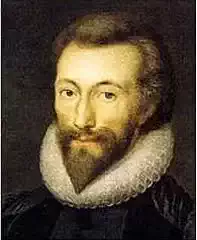
John Donne
Ascension
Salute the last and everlasting day,
Joy at th' uprising of this Sun, and Son,
Ye whose true tears, or tribulation
Have purely wash'd, or burnt your drossy clay.
Behold, the Highest, parting hence away,
Lightens the dark clouds, which He treads upon ;
Nor doth He by ascending show alone,
But first He, and He first enters the way.
O strong Ram, which hast batter'd heaven for me !
Mild Lamb, which with Thy Blood hast mark'd the path !
Bright Torch, which shinest, that I the way may see !
O, with Thy own Blood quench Thy own just wrath ;
And if Thy Holy Spirit my Muse did raise,
Deign at my hands this crown of prayer and praise.
410
8
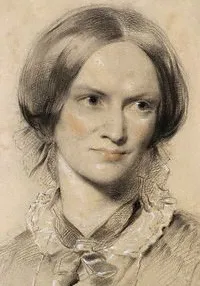
Charlotte Brontë
Parting
THERE'S no use in weeping,
Though we are condemned to part:
There's such a thing as keeping
A remembrance in one's heart:
There's such a thing as dwelling
On the thought ourselves have nurs'd,
And with scorn and courage telling
The world to do its worst.
We'll not let its follies grieve us,
We'll just take them as they come;
And then every day will leave us
A merry laugh for home.
When we've left each friend and brother,
When we're parted wide and far,
We will think of one another,
As even better than we are.
Every glorious sight above us,
Every pleasant sight beneath,
We'll connect with those that love us,
Whom we truly love till death !
In the evening, when we're sitting
By the fire perchance alone,
Then shall heart with warm heart meeting,
Give responsive tone for tone.
We can burst the bonds which chain us,
Which cold human hands have wrought,
And where none shall dare restrain us
We can meet again, in thought.
So there's no use in weeping,
Bear a cheerful spirit still;
Never doubt that Fate is keeping
Future good for present ill !
625
1

William Blake
From Milton: And did those feet
And did those feet in ancient time
Walk upon England's mountains green?
And was the holy Lamb of God
On England's pleasant pastures seen?
And did the Countenance Divine
Shine forth upon our clouded hills?
And was Jerusalem builded here,
Among these dark Satanic Mills?
Bring me my Bow of burning gold:
Bring me my Arrows of desire:
Bring me my Spear:O clouds unfold!
Bring me my Chariot of fire!
I will not cease from Mental Fight,
Nor shall my Sword sleep in my hand,
Till we have built Jerusalem
In England's green & pleasant Land.
1,288
Kazi Nazrul Islam
Bless us Oh Lord
Bless us Oh Lord, bless us all.
Let other love us and let us love others.
Let there be no hatred or malice or physical pain or mental agony.
Let the earth be another paradise Oh Lord.
Give us the light of knowledge, give us Herculean strength Oh Lord.
We will explore you in the light of knowledge you have
given, you strength will aid our work.
If righteousness by our companion, al fear and sorrow will end.
But if we fail in any danger save us from it Oh Lord.
[Translation: Abu Rushd]
1,380
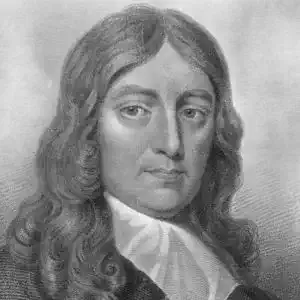
John Milton
Psalm 04
Aug. 10. 1653.
Answer me when I call
God of my righteousness;
In straights and in distress
Thou didst me disinthrall
And set at large; now spare,
Now pity me, and hear my earnest prai'r.
Great ones how long will ye
My glory have in scorn
How long be thus forlorn
Still to love vanity,
To love, to seek, to prize
Things false and vain and nothing else but lies?
Yet know the Lord hath chose
Chose to himself a part
The good and meek of heart
(For whom to chuse he knows)
Jehovah from on high
Will hear my voyce what time to him I crie.
Be aw'd, and do not sin,
Speak to your hearts alone,
Upon your beds, each one,
And be at peace within.
Offer the offerings just
Of righteousness and in Jehovah trust.
Many there be that say
Who yet will shew us good?
Talking like this worlds brood;
But Lord, thus let me pray,
On us lift up the light
Lift up the favour of thy count'nance bright.
Into my heart more joy
And gladness thou hast put
Then when a year of glut
Their stores doth over-cloy
And from their plenteous grounds
With vast increase their corn and wine abounds.
In peace at once will I
Both lay me down and sleep
For thou alone dost keep
Me safe where ere I lie
As in a rocky Cell
Thou Lord alone in safety mak'st me dwell.
1,041
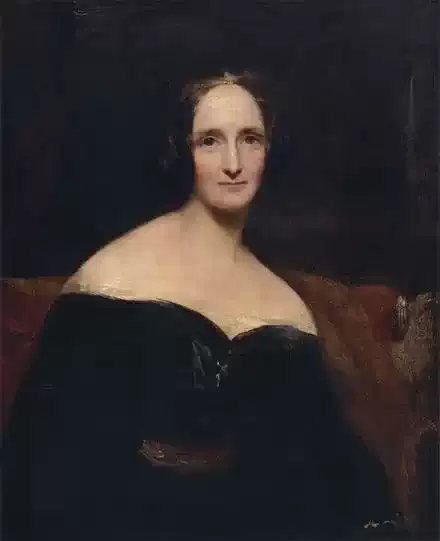
Percy Bysshe Shelley
Hymn to Intellectual Beauty
The awful shadow of some unseen Power
Floats through unseen among us, -- visiting
This various world with as inconstant wing
As summer winds that creep from flower to flower, --
Like moonbeams that behind some piny mountain shower,
It visits with inconstant glance
Each human heart and countenance;
Like hues and harmonies of evening, --
Like clouds in starlight widely spread, --
Like memory of music fled, --
Like aught that for its grace may be
Dear, and yet dearer for its mystery.
Spirit of Beauty, that dost consecrate
With thine own hues all thou dost shine upon
Of human thought or form, -- where art thou gone?
Why dost thou pass away and leave our state,
This dim vast vale of tears, vacant and desolate?
Ask why the sunlight not for ever
Weaves rainbows o'er yon mountain-river,
Why aught should fail and fade that once is shown,
Why fear and dream and death and birth
Cast on the daylight of this earth
Such gloom, -- why man has such a scope
For love and hate, despondency and hope?
No voice from some sublimer world hath ever
To sage or poet these responses given --
Therefore the names of Demon, Ghost, and Heaven,
Remain the records of their vain endeavour,
Frail spells -- whose uttered charm might not avail to sever,
From all we hear and all we see,
Doubt, chance, and mutability.
Thy light alone -- like mist oe'er the mountains driven,
Or music by the night-wind sent
Through strings of some still instrument,
Or moonlight on a midnight stream,
Gives grace and truth to life's unquiet dream.
Love, Hope, and Self-esteem, like clouds depart
And come, for some uncertain moments lent.
Man were immortal, and omnipotent,
Didst thou, unknown and awful as thou art,
Keep with thy glorious train firm state within his heart.
Thou messgenger of sympathies,
That wax and wane in lovers' eyes --
Thou -- that to human thought art nourishment,
Like darkness to a dying flame!
Depart not as thy shadow came,
Depart not -- lest the grave should be,
Like life and fear, a dark reality.
While yet a boy I sought for ghosts, and sped
Through many a listening chamber, cave and ruin,
And starlight wood, with fearful steps pursuing
Hopes of high talk with the departed dead.
I called on poisonous names with which our youth is fed;
I was not heard -- I saw them not --
When musing deeply on the lot
Of life, at that sweet time when winds are wooing
All vital things that wake to bring
News of birds and blossoming, --
Sudden, thy shadow fell on me;
I shrieked, and clasped my hands in ecstasy!
I vowed that I would dedicate my powers
To thee and thine -- have I not kept the vow?
With beating heart and streaming eyes, even now
I call the phantoms of a thousand hours
Each from his voiceless grave: they have in visioned bowers
Of studious zeal or love's delight
Outwatched with me the envious night --
They know that never joy illumed my brow
Unlinked with hope that thou wouldst free
This world from its dark slavery,
That thou - O awful Loveliness,
Wouldst give whate'er these words cannot express.
The day becomes more solemn and serene
When noon is past -- there is a harmony
In autumn, and a lustre in its sky,
Which through the summer is not heard or seen,
As if it could not be, as if it had not been!
Thus let thy power, which like the truth
Of nature on my passive youth
Descended, to my onward life supply
Its calm -- to one who worships thee,
And every form containing thee,
Whom, Spirit fair, thy spells did bind
To fear himself, and love all human kind.
1,127

Alfred Lord Tennyson
In Memoriam A. H. H. 116
Is it, then, regret for buried time
That keenlier in sweet April wakes,
And meets the year, and gives and takes
The colours of the crescent prime?
Not all: the songs, the stirring air,
The life re-orient out of dust,
Cry thro' the sense to hearten trust
In that which made the world so fair.
Not all regret: the face will shine
Upon me, while I muse alone;
And that dear voice, I once have known,
Still speak to me of me and mine:
Yet less of sorrow lives in me
For days of happy commune dead;
Less yearning for the friendship fled,
Than some strong bond which is to be.
844

Henry Wadsworth Longfellow
The Song Of Hiawatha XXII: Hiawatha's Departure
By the shore of Gitche Gumee,
By the shining Big-Sea-Water,
At the doorway of his wigwam,
In the pleasant Summer morning,
Hiawatha stood and waited.
All the air was full of freshness,
All the earth was bright and joyous,
And before him, through the sunshine,
Westward toward the neighboring forest
Passed in golden swarms the Ahmo,
Passed the bees, the honey-makers,
Burning, singing In the sunshine.
Bright above him shone the heavens,
Level spread the lake before him;
From its bosom leaped the sturgeon,
Sparkling, flashing in the sunshine;
On its margin the great forest
Stood reflected in the water,
Every tree-top had its shadow,
Motionless beneath the water.
From the brow of Hiawatha
Gone was every trace of sorrow,
As the fog from off the water,
As the mist from off the meadow.
With a smile of joy and triumph,
With a look of exultation,
As of one who in a vision
Sees what is to be, but is not,
Stood and waited Hiawatha.
Toward the sun his hands were lifted,
Both the palms spread out against it,
And between the parted fingers
Fell the sunshine on his features,
Flecked with light his naked shoulders,
As it falls and flecks an oak-tree
Through the rifted leaves and branches.
O'er the water floating, flying,
Something in the hazy distance,
Something in the mists of morning,
Loomed and lifted from the water,
Now seemed floating, now seemed flying,
Coming nearer, nearer, nearer.
Was it Shingebis the diver?
Or the pelican, the Shada?
Or the heron, the Shuh-shuh-gah?
Or the white goose, Waw-be-wawa,
With the water dripping, flashing,
From its glossy neck and feathers?
It was neither goose nor diver,
Neither pelican nor heron,
O'er the water floating, flying,
Through the shining mist of morning,
But a birch canoe with paddles,
Rising, sinking on the water,
Dripping, flashing in the sunshine;
And within it came a people
From the distant land of Wabun,
From the farthest realms of morning
Came the Black-Robe chief, the Prophet,
He the Priest of Prayer, the Pale-face,
With his guides and his companions.
And the noble Hiawatha,
With his hands aloft extended,
Held aloft in sign of welcome,
Waited, full of exultation,
Till the birch canoe with paddles
Grated on the shining pebbles,
Stranded on the sandy margin,
Till the Black-Robe chief, the Pale-face,
With the cross upon his bosom,
Landed on the sandy margin.
Then the joyous Hiawatha
Cried aloud and spake in this wise:
'Beautiful is the sun, O strangers,
When you come so far to see us!
All our town in peace awaits you,
All our doors stand open for you;
You shall enter all our wigwams,
For the heart's right hand we give you.
'Never bloomed the earth so gayly,
Never shone the sun so brightly,
As to-day they shine and blossom
When you come so far to see us!
Never was our lake so tranquil,
Nor so free from rocks, and sand-bars;
For your birch canoe in passing
Has removed both rock and sand-bar.
'Never before had our tobacco
Such a sweet and pleasant flavor,
Never the broad leaves of our cornfields
Were so beautiful to look on,
As they seem to us this morning,
When you come so far to see us!'
And the Black-Robe chief made answer,
Stammered In his speech a little,
Speaking words yet unfamiliar:
'Peace be with you, Hiawatha,
Peace be with you and your people,
Peace of prayer, and peace of pardon,
Peace of Christ, and joy of Mary!'
Then the generous Hiawatha
Led the strangers to his wigwam,
Seated them on skins of bison,
Seated them on skins of ermine,
And the careful old Nokomis
Brought them food in bowls of basswood,
Water brought in birchen dippers,
And the calumet, the peace-pipe,
Filled and lighted for their smoking.
All the old men of the village,
All the warriors of the nation,
All the Jossakeeds, the Prophets,
The magicians, the Wabenos,
And the Medicine-men, the Medas,
Came to bid the strangers welcome;
'It is well', they said, 'O brothers,
That you come so far to see us!'
In a circle round the doorway,
With their pipes they sat In silence,
Waiting to behold the strangers,
Waiting to receive their message;
Till the Black-Robe chief, the Pale-face,
From the wigwam came to greet them,
Stammering in his speech a little,
Speaking words yet unfamiliar;
'It Is well,' they said, 'O brother,
That you come so far to see us!'
Then the Black-Robe chief, the Prophet,
Told his message to the people,
Told the purport of his mission,
Told them of the Virgin Mary,
And her blessed Son, the Saviour,
How in distant lands and ages
He had lived on earth as we do;
How he fasted, prayed, and labored;
How the Jews, the tribe accursed,
Mocked him, scourged him, crucified him;
How he rose from where they laid him,
Walked again with his disciples,
And ascended into heaven.
And the chiefs made answer, saying:
'We have listened to your message,
We have heard your words of wisdom,
We will think on what you tell us.
It is well for us, O brothers,
That you come so far to see us!'
Then they rose up and departed
Each one homeward to his wigwam,
To the young men and the women
Told the story of the strangers
Whom the Master of Life had sent them
From the shining land of Wabun.
Heavy with the heat and silence
Grew the afternoon of Summer;
With a drowsy sound the forest
Whispered round the sultry wigwam,
With a sound of sleep the water
Rippled on the beach below it;
From the cornfields shrill and ceaseless
Sang the grasshopper, Pah-puk-keena;
And the guests of Hiawatha,
Weary with the heat of Summer,
Slumbered in the sultry wigwam.
Slowly o'er the simmering landscape
Fell the evening's dusk and coolness,
And the long and level sunbeams
Shot their spears into the forest,
Breaking through its shields of shadow,
Rushed into each secret ambush,
Searched each thicket, dingle, hollow;
Still the guests of Hiawatha
Slumbered In the silent wigwam.
From his place rose Hiawatha,
Bade farewell to old Nokomis,
Spake in whispers, spake in this wise,
Did not wake the guests, that slumbered.
'I am going, O Nokomis,
On a long and distant journey,
To the portals of the Sunset.
To the regions of the home-wind,
Of the Northwest-Wind, Keewaydin.
But these guests I leave behind me,
In your watch and ward I leave them;
See that never harm comes near them,
See that never fear molests them,
Never danger nor suspicion,
Never want of food or shelter,
In the lodge of Hiawatha!'
Forth into the village went he,
Bade farewell to all the warriors,
Bade farewell to all the young men,
Spake persuading, spake in this wise:
I am going, O my people,
On a long and distant journey;
Many moons and many winters
Will have come, and will have vanished,
Ere I come again to see you.
But my guests I leave behind me;
Listen to their words of wisdom,
Listen to the truth they tell you,
For the Master of Life has sent them
From the land of light and morning!'
On the shore stood Hiawatha,
Turned and waved his hand at parting;
On the clear and luminous water
Launched his birch canoe for sailing,
From the pebbles of the margin
Shoved it forth into the water;
Whispered to it, 'Westward! westward!'
And with speed it darted forward.
And the evening sun descending
Set the clouds on fire with redness,
Burned the broad sky, like a prairie,
Left upon the level water
One long track and trail of splendor,
Down whose stream, as down a river,
Westward, westward Hiawatha
Sailed into the fiery sunset,
Sailed into the purple vapors,
Sailed into the dusk of evening:
And the people from the margin
Watched him floating, rising, sinking,
Till the birch canoe seemed lifted
High into that sea of splendor,
Till it sank into the vapors
Like the new moon slowly, slowly
Sinking in the purple distance.
And they said, 'Farewell forever!'
Said, 'Farewell, O Hiawatha!'
And the forests, dark and lonely,
Moved through all their depths of darkness,
Sighed, 'Farewell, O Hiawatha!'
And the waves upon the margin
Rising, rippling on the pebbles,
Sobbed, 'Farewell, O Hiawatha!'
And the heron, the Shuh-shuh-gah,
From her haunts among the fen-lands,
Screamed, 'Farewell, O Hiawatha!'
Thus departed Hiawatha,
Hiawatha the Beloved,
In the glory of the sunset,.
In the purple mists of evening,
To the regions of the home-wind,
Of the Northwest-Wind, Keewaydin,
To the Islands of the Blessed,
To the Kingdom of Ponemah,
To the Land of the Hereafter!
832
Oscar Wilde
Vita Nuova
I stood by the unvintageable sea
Till the wet waves drenched face and hair with spray;
The long red fires of the dying day
Burned in the west; the wind piped drearily;
And to the land the clamorous gulls did flee:
'Alas!' I cried, 'my life is full of pain,
And who can garner fruit or golden grain
From these waste fields which travail ceaselessly!'
My nets gaped wide with many a break and flaw,
Nathless I threw them as my final cast
Into the sea, and waited for the end.
When lo! a sudden glory! and I saw
From the black waters of my tortured past
The argent splendour of white limbs ascend!
792
William Blake
Hear the Voice
HEAR the voice of the Bard,
Who present, past, and future, sees;
Whose ears have heard
The Holy Word
That walk'd among the ancient trees;
Calling the lapsed soul,
And weeping in the evening dew;
That might control
The starry pole,
And fallen, fallen light renew!
'O Earth, O Earth, return!
Arise from out the dewy grass!
Night is worn,
And the morn
Rises from the slumbrous mass.
'Turn away no more;
Why wilt thou turn away?
The starry floor,
The watery shore,
Is given thee till the break of day.'
771
Elizabeth Bishop
A Miracle for Breakfast
At six o'clock we were waiting for coffee,
waiting for coffee and the charitable crumb
that was going to be served from a certain balcony
--like kings of old, or like a miracle.
It was still dark. One foot of the sun
steadied itself on a long ripple in the river.
The first ferry of the day had just crossed the river.
It was so cold we hoped that the coffee
would be very hot, seeing that the sun
was not going to warm us; and that the crumb
would be a loaf each, buttered, by a miracle.
At seven a man stepped out on the balcony.
He stood for a minute alone on the balcony
looking over our heads toward the river.
A servant handed him the makings of a miracle,
consisting of one lone cup of coffee
and one roll, which he proceeded to crumb,
his head, so to speak, in the clouds--along with the sun.
Was the man crazy? What under the sun
was he trying to do, up there on his balcony!
Each man received one rather hard crumb,
which some flicked scornfully into the river,
and, in a cup, one drop of the coffee.
Some of us stood around, waiting for the miracle.
I can tell what I saw next; it was not a miracle.
A beautiful villa stood in the sun
and from its doors came the smell of hot coffee.
In front, a baroque white plaster balcony
added by birds, who nest along the river,
--I saw it with one eye close to the crumb-
and galleries and marble chambers. My crumb
my mansion, made for me by a miracle,
through ages, by insects, birds, and the river
working the stone. Every day, in the sun,
at breakfast time I sit on my balcony
with my feet up, and drink gallons of coffee.
We licked up the crumb and swallowed the coffee.
A window across the river caught the sun
as if the miracle were working, on the wrong balcony.
753
Sara Teasdale
The Garden
My heart is a garden tired with autumn,
Heaped with bending asters and dahlias heavy and dark,
In the hazy sunshine, the garden remembers April,
The drench of rains and a snow-drop quick and clear as a spark;
Daffodils blowing in the cold wind of morning,
And golden tulips, goblets holding the rain --
The garden will be hushed with snow, forgotten soon, forgotten --
After the stillness, will spring come again?
743
Alfred Lord Tennyson
Ring Out , Wild Bells
Ring out, wild bells, to the wild sky,
The flying cloud, the frosty light;
The year is dying in the night;
Ring out, wild bells, and let him die.
Ring out the old, ring in the new,
Ring, happy bells, across the snow:
The year is going, let him go;
Ring out the false, ring in the true.
Ring out the grief that saps the mind,
For those that here we see no more,
Ring out the feud of rich and poor,
Ring in redress to all mankind.
Ring out a slowly dying cause,
And ancient forms of party strife;
Ring in the nobler modes of life,
With sweeter manners, purer laws.
Ring out the want, the care the sin,
The faithless coldness of the times;
Ring out, ring out my mournful rhymes,
But ring the fuller minstrel in.
Ring out false pride in place and blood,
The civic slander and the spite;
Ring in the love of truth and right,
Ring in the common love of good.
Ring out old shapes of foul disease,
Ring out the narrowing lust of gold;
Ring out the thousand wars of old,
Ring in the thousand years of peace.
Ring in the valiant man and free,
The larger heart, the kindlier hand;
Ring out the darkness of the land,
Ring in the Christ that is to be.
725

Lord Byron
Stanzas To Augusta (II.)
I.
Though the day of my destiny's over,
And the star of my fate hath declined,
Thy soft heart refused to discover
The faults which so many could find;
Though thy soul with my grief was acquainted,
It shrunk not to share it with me,
And the love which my spirit hath painted
It never hath found but in thee.
II.
Then when nature around me is smiling,
The last smile which answers to mine,
I do not believe it beguiling,
Because it reminds me of thine;
And when winds are at war with the ocean.
As the breasts I believed in with me,
If their billows excite an emotion,
It is that they bear me from thee.
III.
Though the rock of my last hope is shiver'd,
And its fragments are sunk in the wave,
Though I feel that my soul is deliver'd
To pain it
shall not be its slave.
There is many a pang to pursue me:
They may crush, but they shall not contemn;
They may torture, but shall not subdue me
'Tis of thee that I think not
of them.
IV.
Though human, thou didst not deceive me,
Though woman, thou didst not forsake,
Though loved, thou forborest to grieve me,
Though slander'd, thou never couldst shake;
Though trusted, thou didst not disclaim me,
Though parted, it was not to fly,
Though watchful, 'twas not to defame me,
Nor, mute, that the world might belie.
V.
Yet I blame not the world, nor despise it,
Nor the war of the many with one;
If my soul was not fitted to prize it,
'Twas folly not sooner to shun:
And if dearly that error hath cost me,
And more than I once could foresee,
I have found that, whatever it lost me,
It could not deprive me of thee.
VI.
From the wreck of the past, which hath perish'd
Thus much I at least may recall
It hath taught me that what I most cherish'd
Deserved to be dearest of all:
In the desert a fountain is springing,
In the wide waste there still is a tree,
And a bird in the solitude singing,
Which speaks to my spirit of thee.
718
Edgar Albert Guest
A Christmas Greeting
Here's to you, little mother,
With your boy so far away;
May the joy of service smother
All your grief this Christmas day;
May the magic of his splendor
Thrill your spirit through and through
And may all that's fine and tender
Make a smiling day for you.
May you never know the sadness
That from day to day you dread;
May you never find but gladness
In the Flag that's overhead;
May the good God watch above him
As he stands to duty stern,
And at last to all who love him
May he have a safe return.
Little mother, take the blessing
Of a grateful nation's heart;
May the news that is distressing
Never cause your tears to start;
May there be no fears to haunt you,
And no lonely hours and sad;
May your trials never daunt you,
But may every day be glad.
Little Mother, could I do it,
This my Christmas gift would be:
That he'd safely battle through it,
This to you I'd guarantee.
And I'd pledge to you this morning
Joys to banish all your cares,
Gifts of gold and silver scorning,
I would answer all your prayers.
671
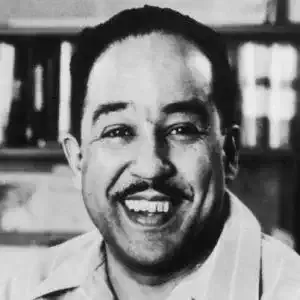
Langston Hughes
I Dream A World
I dream a world where man
No other man will scorn,
Where love will bless the earth
And peace its paths adorn
I dream a world where all
Will know sweet freedom's way,
Where greed no longer saps the soul
Nor avarice blights our day.
A world I dream where black or white,
Whatever race you be,
Will share the bounties of the earth
And every man is free,
Where wretchedness will hang its head
And joy, like a pearl,
Attends the needs of all mankind-
Of such I dream, my world!
675

Rabindranath Tagore
When Day Is Done
If the day is done,
if birds sing no more,
if the wind has flagged tired,
then draw the veil of darkness thick upon me,
even as thou hast wrapt the earth with the coverlet of sleep
and tenderly closed the petals of the drooping lotus at dusk.
From the traveler,
whose sack of provisions is empty before the voyage is ended,
whose garment is torn and dust-laden,
whose strength is exhausted,
remove shame and poverty,
and renew his life like a flower under the cover of thy kindly night.
655
Rabindranath Tagore
Closed Path
I thought that my voyage had come to its end
at the last limit of my power,---that the path before me was closed,
that provisions were exhausted
and the time come to take shelter in a silent obscurity.
But I find that thy will knows no end in me.
And when old words die out on the tongue,
new melodies break forth from the heart;
and where the old tracks are lost,
new country is revealed with its wonders.
633
Rabindranath Tagore
Stray Birds 71 - 80
THE woodcutter's axe begged for its handle from the tree.
The tree gave it.
72
IN my solitude of heart
I feel the sigh of this widowed evening
veiled with mist and rain.
73
CHASTITY
is a wealth that comes from
abundance of love.
74
THE mist,
like love,
plays upon the heart of the hills
and brings out surprises of beauty.
75
WE read the world wrong
and say that it deceives us.
76
THE poet wind is out over the sea
and the forest to seek his own voice.
77
EVERY child
comes with the message
that God is not yet discouraged
of man.
78
THE grass seeks her crowd in the earth.
The tree seeks his solitude of the sky.
79
MAN barricades against himself.
80
YOUR voice, my friend,
wanders in my heart,
like the muffled sound of the sea
among these listening pines.
638
Langston Hughes
The Negro Mother
Children, I come back today
To tell you a story of the long dark way
That I had to climb, that I had to know
In order that the race might live and grow.
Look at my face -- dark as the night --
Yet shining like the sun with love's true light.
I am the dark girl who crossed the red sea
Carrying in my body the seed of the free.
I am the woman who worked in the field
Bringing the cotton and the corn to yield.
I am the one who labored as a slave,
Beaten and mistreated for the work that I gave --
Children sold away from me, I'm husband sold, too.
No safety , no love, no respect was I due.
Three hundred years in the deepest South:
But God put a song and a prayer in my mouth .
God put a dream like steel in my soul.
Now, through my children, I'm reaching the goal.
Now, through my children, young and free,
I realized the blessing deed to me.
I couldn't read then. I couldn't write.
I had nothing, back there in the night.
Sometimes, the valley was filled with tears,
But I kept trudging on through the lonely years.
Sometimes, the road was hot with the sun,
But I had to keep on till my work was done:
I had to keep on! No stopping for me --
I was the seed of the coming Free.
I nourished the dream that nothing could smother
Deep in my breast -- the Negro mother.
I had only hope then , but now through you,
Dark ones of today, my dreams must come true:
All you dark children in the world out there,
Remember my sweat, my pain, my despair.
Remember my years, heavy with sorrow --
And make of those years a torch for tomorrow.
Make of my pass a road to the light
Out of the darkness, the ignorance, the night.
Lift high my banner out of the dust.
Stand like free men supporting my trust.
Believe in the right, let none push you back.
Remember the whip and the slaver's track.
Remember how the strong in struggle and strife
Still bar you the way, and deny you life --
But march ever forward, breaking down bars.
Look ever upward at the sun and the stars.
Oh, my dark children, may my dreams and my prayers
Impel you forever up the great stairs --
For I will be with you till no white brother
Dares keep down the children of the Negro Mother.
629
Rabindranath Tagore
Hard Times
Music is silenced, the dark descending slowly
Has stripped unending skies of all companions.
Weariness grips your limbs and within the locked horizons
Dumbly ring the bells of hugely gathering fears.
Still, O bird, O sightless bird,
Not yet, not yet the time to furl your wings.
It's not melodious woodlands but the leaps and falls
Of an ocean's drowsy booming,
Not a grove bedecked with flowers but a tumult flecked with foam.
Where is the shore that stored your buds and leaves?
Where the nest and the branch's hold?
Still, O bird, my sightless bird,
Not yet, not yet the time to furl your wings.
Stretching in front of you the night's immensity
Hides the western hill where sleeps the distant sun;
Still with bated breath the world is counting time and swimming
Across the shoreless dark a crescent moon
Has thinly just appeared upon the dim horizon.
-But O my bird, O sightless bird,
Not yet, not yet the time to furl your wings.
From upper skies the stars with pointing fingers
Intently watch your course and death's impatience
Lashes at you from the deeps in swirling waves;
And sad entreaties line the farthest shore
With hands outstretched and crooning 'Come, O come!'
Still, O bird, O sightless bird,
Not yet, not yet the time to furl your wings.
All that is past: your fears and loves and hopes;
All that is lost: your words and lamentation;
No longer yours a home nor a bed composed of flowers.
For wings are all you have, and the sky's broadening countryard,
And the dawn steeped in darkness, lacking all direction.
Dear bird, my sightless bird,
Not yet, not yet the time to furl your wings!
619
Henry Wadsworth Longfellow
Voices Of The Night : L'Envoi
Ye voices, that arose
After the Evening's close,
And whispered to my restless heart repose!
Go, breathe it in the ear
Of all who doubt and fear,
And say to them, 'Be of good cheer!'
Ye sounds, so low and calm,
That in the groves of balm
Seemed to me like an angel's psalm!
Go, mingle yet once more
With the perpetual roar
Of the pine forest dark and hoar!
Tongues of the dead, not lost
But speaking from deaths frost,
Like fiery tongues at Pentecost!
Glimmer, as funeral lamps,
Amid the chills and damps
Of the vast plain where Death encamps!
597

William Wordsworth
The Wishing Gate
[In the vale of Grasmere, by the side of an old highway
leading to Ambleside, is a gate, which, from time out of
mind, has been called the Wishing-gate, from a belief that
wishes formed or indulged there have a favorable issue.]
HOPE rules a land forever green:
All powers that serve the bright-eyed Queen
Are confident and gay;
Clouds at her bidding disappear;
Points she to aught?---the bliss draws near,
And Fancy smooths the way.
Not such the land of Wishes---there
Dwell fruitless day-dreams, lawless prayer,
And thoughts with things at strife;
Yet how forlorn, should ye depart
Ye superstitions of the heart,
How poor, were human life!
When magic lore abjured its might,
Ye did not forfeit one dear right,
One tender claim abate;
Witness this symbol of your sway,
Surnving near the public way,
The rustic Wishing-gate!
Inquire not if the faery race
Shed kindly influence on the place,
Ere northward they retired;
If here a warrior left a spell,
Panting for glory as he fell;
Or here a saint expired.
Enough that all arouud is fair,
Composed with Nature's finest care,
And in her fondest love---
Peace to embosom and content---
To overawe the turbulent,
The selfish to reprove.
Yea! even the Stranger from afar,
Reclining on this moss-grown bar,
Unknowing, and unknown,
The infection of the ground partakes,
Longing for his Beloved---who maker
All happiness her own.
Then why should conscious Spirits fear
The mystic stirrings that are here,
The ancient faith disclaim?
The local Genius ne'er befriends
Desires whose course in folly ends,
Whose just reward is shame.
Smile if thou wilt, but not in scorn,
If some, by ceaseless pains outworn,
Here crave an easier lot;
If some have thirsted to renew
A broken vow, or bind a true,
With firmer, holier knot.
And not in vain, when thoughts are cast
Upon the irrevocable past,
Some Penitent sincere
May for a worthier future sigh,
While trickles from his downcast eye
No unavailing tear.
The Worldling, pining to be freed
From turmoil, who would turn or speed
The current of his fate,
Might stop before this favored scene,
At Nature's call, nor blush to lean
Upon the Wishing-gate.
The Sage, who feels how blind, how weak
Is man, though loth such help to seek,
Yet, passing, here might pause,
And thirst for insight to allay
Misgiving, while the crimson day
In quietness withdraws;
Or when the church-clock's knell profound
To Time's first step across the bound
Of midnight makes reply;
Time pressing on with starry crest,
To filial sleep upon the breast
Of dread eternity.
573
Page 1
Next