
Hope and Optimism

Robert Louis Stevenson
The Wind Is Without There And Howls In The Trees
THE wind is without there and howls in the trees,
And the rain-flurries drum on the glass:
Alone by the fireside with elbows on knees
I can number the hours as they pass.
Yet now, when to cheer me the crickets begin,
And my pipe is just happily lit,
Believe me, my friend, tho' the evening draws in,
That not all uncontested I sit.
Alone, did I say? O no, nowise alone
With the Past sitting warm on my knee,
To gossip of days that are over and gone,
But still charming to her and to me.
With much to be glad of and much to deplore,
Yet, as these days with those we compare,
Believe me, my friend, tho' the sorrows seem more
They are somehow more easy to bear.
And thou, faded Future, uncertain and frail,
As I cherish thy light in each draught,
His lamp is not more to the miner - their sail
Is not more to the crew on the raft.
For Hope can make feeble ones earnest and brave,
And, as forth thro' the years I look on,
Believe me, my friend, between this and the grave,
I see wonderful things to be done.
To do or to try; and, believe me, my friend,
If the call should come early for me,
I can leave these foundations uprooted, and tend
For some new city over the sea.
To do or to try; and if failure be mine,
And if Fortune go cross to my plan,
Believe me, my friend, tho' I mourn the design
I shall never lament for the man.
572

Kazi Nazrul Islam
Song ( Ajo Dhoroni)
Half of the world is dark.
The other ha
If has light -
It heralds the dawn of
Someone's sorrowful night.
Half is hard earth,
The other half is water;
Half is full of thorn,
The other half is flower.
Half is melody,
The other half is wine,
Half abounds in hope -
Lonely hearts pine.
Half remains hidden,
The other half is known;
Half is full of love,
The other half disown.
Half of it is dawn,
The other half is twilight-
Half of it is dew,
And a moiety sunlight.
[Translation: Syed Mujibul Huq]
571
Kazi Nazrul Islam
The Destitutes
Encircled by the water-waves of suffering the
shoal of quicksand,
O insane! Who built a shack there
with your precious hand?
Lightening reveals a new attitude,
Leave this neighborhood, O destitute!
The flowing tear of motherly cloud
is raining over your head; and
The land over there is calling you,
waving its plants and trees' band.
Your daughters are flood-slaughtered weeping
bitterly,
They are being invited today
by the ocean, motherly.
O boatman! O boatman!
Lift your sail - delay? - no more you can,
Your ride is like a stormy fan,
swinging on the waves of sea.
O boatman! Why more delay?
Lift your anchor, let it be free.
Here in the broken life's span,
your time is almost gone!
Look, your gazelle, O boatman,
eyes at the shore for a new dawn.
Your friends have already begun the voyage,
as the night sets its dark stage,
mat-bound your shoulder's edge,
Don't, any more, live in yawn!
To give up the tie of this bondage,
how much more you need to be overdrawn?
Diamond or jewels, you didn't seek;
Millionaire's rich you didn't cherish;
Your want is of a miserable meek
That's as small as a potter's dish.
You sought to sleep in peace,
And, a small mat, even if torn, apiece,
A lamp offering light's kiss,
A small shack with a door, is what you wish!
Enough of death's hanging shadow, or illness' hiss,
No more burglars stealing your fish.
O boatman, sail your boat now
toward land, ashore.
From the hard soil
let your soft feet be bloodied, like never before!
You will roam around as a storm;
You will traverse through places of soft or rugged form;
Approaching rains, like dance they perform,
as they swirl from the Indus river's floor.
Come on, the riders of water now
to the land that invites you to its door.
[Original: Sharbohara (Bengali) , Translation by: Mohammad Omar Farooq]
570
Kazi Nazrul Islam
Faith and Hope
Don't look up to them-those
who have lost faith and hope.
They move-yet they're dead-the living dead,
the devil has finished them, robbed them
of their integrity.
Out of fear, their souls have escaped
to the land of Death.
If there are wants, poverty, debt, disease,
suffering, humiliation-don't just succumb
to hopelessness-fight them!
The real enemy is within-fear; and
only the ones who will accept defeat out of confusion,
lies and unnecessary fear will go on suffering every day.
'Oh, what is going to happen? '-those who just sit at home
trembling in fear, are the ones already defeated
in the battle of life.
They are the captives in the prison
of humiliation and subjugation.
They are repu
Isive-allowing the help
Iess
to be treated with injustice.
They are afraid for no reason, weak and ignorant.
More than pity, I feel infuriated by them.
They lie dead with their tongues stuck out.
Flowers blossom in burial grounds, but
in these dead trees, blossoms nothing.
They are fatalists-sitting alone they think,
'This is my fate, you can't change that! '
They deny their own power,
accepting defeat without a fight.
They are senile, morbid-.don't mix with them.
They are the death's leftover garbage in this world.
They are diseased from the inside,
they see only darkness around them.
With eyes closed, even when they see light,
they say, 'This is not light.'
For those with intense, unshakeable confidence,
waves of youth and life flow melodiously.
They enliven the dead earth-bountiful
with crops, flowers and fruits.
Nothing can block their way.
Fearless-any defeat is their ladder to heaven.
The darker the days, the more they see the light of hope.
Go to them-they wear the amulets
of fearlessness and victory over death.
Those who can imagine loftily, dream nobly,
they are the ones who bring welfare to the earth.
They show the paths of exploring the impossible,
even angels abide by them.
Possessing soul, yet allowing themselves
to suffer bodily pain,
not vowing their lives against the oppressorthey
are like caged animals, not human beings,
their hopelessness leads all human hopes and faith
to dissolution.
Possessing hands and feet, yet sitting inert
hiding faces in a dark muddy hole out of fearthey
have disavowed their humanity.
They belong to burial and cremation groundsnot
amongst us.
I say, listen people, lead a life of fulfillment.
You'll see, the earth is shaken by its power!
This is the message of God: 'Human beings get
what they wish for.'
Their hands, feet, eyes become God's own.
If hopes are lofty, and so are the efforts to achieve them,
then victory awaits at the door.
Impatience never overtakes that soldier
even at times of great difficulties.
Determined, calm, engrossed is the pioneer hero.
He replaces gloom with divine joy.
Like the moon, his love moves the sea of humanity.
His heart is filled with courage.
March along with him on that path of victory!
Have faith- you will get what you hope for!
And don't touch him-he's dead-one
who has lost faith.
[Original: Bishshash o Asha; Translation: Sajed Kamal]
561
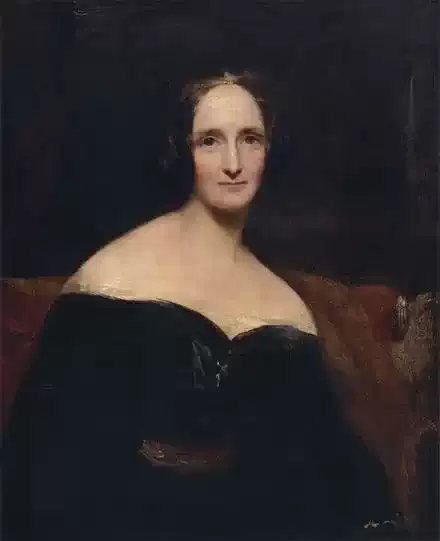
Percy Bysshe Shelley
Chorus from Hellas
The world`s great age begins anew,
The golden years return,
The earth doth like a snake renew
Her winter weeds outworn:
Heaven smiles, and faith and empires gleam,
Like a wrecks of a dissolving dream.
A brighter Hellas rears its mountains
From waves serener far;
A new Peneus rolls his fountains
Against the morning star.
Where fairer Tempes bloom, there sleep
Young Cyclads on a sunnier deep.
A loftier Argo cleaves the main,
Fraught with a later prize;
Another Orpheus sings again,
And loves, and weeps, and dies.
A new Ulyssses leaves once more
Calypso for his native shore...
550
Percy Bysshe Shelley
Hellas
THE world's great age begins anew,
The golden years return,
The earth doth like a snake renew
Her winter weeds outworn;
Heaven smiles, and faiths and empires gleam
Like wrecks of a dissolving dream.
A brighter Hellas rears its mountains
From waves serener far;
A new Peneus rolls his fountains
Against the morning star;
Where fairer Tempes bloom, there sleep
Young Cyclads on a sunnier deep.
A loftier Argo cleaves the main,
Fraught with a later prize;
Another Orpheus sings again,
And loves, and weeps, and dies;
A new Ulysses leaves once more
Calypso for his native shore.
O write no more the tale of Troy,
If earth Death's scroll must be--
Nor mix with Laian rage the joy
Which dawns upon the free,
Although a subtler Sphinx renew
Riddles of death Thebes never knew.
Another Athens shall arise,
And to remoter time
Bequeath, like sunset to the skies,
The splendour of its prime;
And leave, if naught so bright may live,
All earth can take or Heaven can give.
Saturn and Love their long repose
Shall burst, more bright and good
Than all who fell, than One who rose,
Than many unsubdued:
Not gold, not blood, their altar dowers,
But votive tears and symbol flowers.
O cease! must hate and death return?
Cease! must men kill and die?
Cease! drain not to its dregs the urn
Of bitter prophecy!
The world is weary of the past--
O might it die or rest at last!
546

Walt Whitman
O Sun Of Real Peace
O SUN of real peace! O hastening light!
O free and extatic! O what I here, preparing, warble for!
O the sun of the world will ascend, dazzling, and take his height-
and you too, O my Ideal, will surely ascend!
O so amazing and broad--up there resplendent, darting and burning!
O vision prophetic, stagger'd with weight of light! with pouring
glories!
O lips of my soul, already becoming powerless!
O ample and grand Presidentiads! Now the war, the war is over!
New history! new heroes! I project you!
Visions of poets! only you really last! sweep on! sweep on!
O heights too swift and dizzy yet!
O purged and luminous! you threaten me more than I can stand!
(I must not venture--the ground under my feet menaces me--it will not
support me:
O future too immense,)--O present, I return, while yet I may, to you.
535
Percy Bysshe Shelley
Invocation
Rarely, rarely, comest thou,
Spirit of Delight!
Wherefore hast thou left me now
Many a day and night?
Many a weary night and day
'Tis since thou art fled away.
How shall ever one like me
Win thee back again?
With the joyous and the free
Thou wilt scoff at pain.
Spirit false! thou hast forgot
All but those who need thee not.
As a lizard with the shade
Of a trembling leaf,
Thou with sorrow art dismayed;
Even the sighs of grief
Reproach thee, that thou art not near,
And reproach thou wilt not hear.
Let me set my mournful ditty
To a merry measure;
Thou wilt never come for pity,
Thou wilt come for pleasure; -
Pity then will cut away
Those cruel wings, and thou wilt stay.
I love all that thou lovest,
Spirit of Delight!
The fresh Earth in new leaves dressed,
And the starry night;
Autumn evening, and the morn
When the golden mists are born.
I love snow and all the forms
Of the radiant frost;
I love waves, and winds, and storms,
Everything almost
Which is Nature's, and may be
Untainted by man's misery.
I love tranquil solitude,
And such society
As is quiet, wise, and good: -
Between thee and me
What diff'rence? but thou dost possess
The things I seek, not love them less.
I love Love -though he has wings,
And like light can flee,
But above all other things,
Spirit, I love thee -
Thou art love and life! O come!
Make once more my heart thy home!
Spirit of Delight!
Wherefore hast thou left me now
Many a day and night?
Many a weary night and day
'Tis since thou art fled away.
How shall ever one like me
Win thee back again?
With the joyous and the free
Thou wilt scoff at pain.
Spirit false! thou hast forgot
All but those who need thee not.
As a lizard with the shade
Of a trembling leaf,
Thou with sorrow art dismayed;
Even the sighs of grief
Reproach thee, that thou art not near,
And reproach thou wilt not hear.
Let me set my mournful ditty
To a merry measure;
Thou wilt never come for pity,
Thou wilt come for pleasure; -
Pity then will cut away
Those cruel wings, and thou wilt stay.
I love all that thou lovest,
Spirit of Delight!
The fresh Earth in new leaves dressed,
And the starry night;
Autumn evening, and the morn
When the golden mists are born.
I love snow and all the forms
Of the radiant frost;
I love waves, and winds, and storms,
Everything almost
Which is Nature's, and may be
Untainted by man's misery.
I love tranquil solitude,
And such society
As is quiet, wise, and good: -
Between thee and me
What diff'rence? but thou dost possess
The things I seek, not love them less.
I love Love -though he has wings,
And like light can flee,
But above all other things,
Spirit, I love thee -
Thou art love and life! O come!
Make once more my heart thy home!
534

William Wordsworth
Ode, Composed On A May Morning
While from the purpling east departs
The star that led the dawn,
Blithe Flora from her couch upstarts,
For May is on the lawn.
A quickening hope, a freshening glee,
Foreran the expected Power,
Whose first-drawn breath, from bush and tree,
Shakes off that pearly shower.
All Nature welcomes Her whose sway
Tempers the year's extremes;
Who scattereth lustres o'er noon-day,
Like morning's dewy gleams;
While mellow warble, sprightly trill,
The tremulous heart excite;
And hums the balmy air to still
The balance of delight.
Time was, blest Power! when youth and maids
At peep of dawn would rise,
And wander forth, in forest glades
Thy birth to solemnize.
Though mute the song---to grace the rite
Untouched the hawthorn bough,
Thy Spirit triumphs o'er the slight;
Man changes, but not Thou!
Thy feathered Lieges bill and wings
In love's disport employ;
Warmed by thy influence, creeping things
Awake to silent joy:
Queen art thou still for each gay plant
Where the slim wild deer roves;
And served in depths where fishes haunt
Their own mysterious groves.
Cloud-piercing peak, and trackless heath,
Instinctive homage pay;
Nor wants the dim-lit cave a wreath
To honor thee, sweet May!
Where cities fanned by thy brisk airs
Behold a smokeless sky,
Their puniest flower-pot-nursling dares
To open a bright eye.
And if, on this thy natal morn,
The pole, from which thy name
Hath not departed, stands forlorn
Of song and dance and game;
Still from the village-green a vow
Aspires to thee addrest,
Wherever peace is on the brow,
Or love within the breast.
Yes! where Love nestles thou canst teach
The soul to love the more;
Hearts also shall thy lessons reach
That never loved before.
Stript is the haughty one of pride,
The bashful freed from fear,
While rising, like the ocean-tide,
In flow the joyous year.
Hush, feeble lyre! weak words refuse
The service to prolong!
To yon exulting thrush the Muse
Entrusts the imperfect song;
His voice shall chant, in accents clear,
Throughout the live-long day,
Till the first silver star appear,
The sovereignty of May.
531
Kazi Nazrul Islam
Help me do the crossing
Help me do the crossing,
Oh Lord of the Universe.
The boat is rocking on the waves of pity; endless is the crossing.
My boat is battered and there is no oarsman and the hope is
remote to get to the shore.
If you spurn me because I am helpless, whom shall I rely on.
In this unfeeling world those who were my companions
Have one after the other left me as this night of darkness approached.
You be my pole star and lit up the immense darkness.
Without your kindness, you universal friend,
I can't make the crossing.
[Original: Jagoter nath, karo par; Translation: Abu Rushd]
530
Walt Whitman
On The Beach At Night
ON the beach, at night,
Stands a child, with her father,
Watching the east, the autumn sky.
Up through the darkness,
While ravening clouds, the burial clouds, in black masses spreading,
Lower, sullen and fast, athwart and down the sky,
Amid a transparent clear belt of ether yet left in the east,
Ascends, large and calm, the lord-star Jupiter;
And nigh at hand, only a very little above,
Swim the delicate brothers, the Pleiades.
From the beach, the child, holding the hand of her father,
Those burial-clouds that lower, victorious, soon to devour all,
Watching, silently weeps.
Weep not, child,
Weep not, my darling,
With these kisses let me remove your tears;
The ravening clouds shall not long be victorious,
They shall not long possess the sky--shall devour the stars only in
apparition:
Jupiter shall emerge--be patient--watch again another night--the
Pleiades shall emerge,
They are immortal--all those stars, both silvery and golden, shall
shine out again,
The great stars and the little ones shall shine out again--they
endure;
The vast immortal suns, and the long-enduring pensive moons, shall
again shine.
Then, dearest child, mournest thou only for Jupiter?
Considerest thou alone the burial of the stars?
Something there is,
(With my lips soothing thee, adding, I whisper,
I give thee the first suggestion, the problem and indirection,)
Something there is more immortal even than the stars,
(Many the burials, many the days and nights, passing away,)
Something that shall endure longer even than lustrous Jupiter,
Longer than sun, or any revolving satellite,
Or the radiant brothers, the Pleiades.
531

Henry Wadsworth Longfellow
The Emperor's Bird's-Nest. (Birds Of Passage. Flight The First)
Once the Emperor Charles of Spain,
With his swarthy, grave commanders,
I forget in what campaign,
Long besieged, in mud and rain,
Some old frontier town of Flanders.
Up and down the dreary camp,
In great boots of Spanish leather,
Striding with a measured tramp,
These Hidalgos, dull and damp,
Cursed the Frenchmen, cursed the weather.
Thus as to and fro they went,
Over upland and through hollow,
Giving their impatience vent,
Perched upon the Emperor's tent,
In her nest, they spied a swallow.
Yes, it was a swallow's nest,
Built of clay and hair of horses,
Mane, or tail, or dragoon's crest,
Found on hedge-rows east and west,
After skirmish of the forces.
Then an old Hidalgo said,
As he twirled his gray mustachio,
'Sure this swallow overhead
Thinks the Emperor's tent a shed,
And the Emperor but a Macho!'
Hearing his imperial name
Coupled with those words of malice,
Half in anger, half in shame,
Forth the great campaigner came
Slowly from his canvas palace.
'Let no hand the bird molest,'
Said he solemnly, 'nor hurt her!'
Adding then, by way of jest,
'Golondrina is my guest,
'T is the wife of some deserter!'
Swift as bowstring speeds a shaft,
Through the camp was spread the rumor,
And the soldiers, as they quaffed
Flemish beer at dinner, laughed
At the Emperor's pleasant humor.
So unharmed and unafraid
Sat the swallow still and brooded,
Till the constant cannonade
Through the walls a breach had made,
And the siege was thus concluded.
Then the army, elsewhere bent,
Struck its tents as if disbanding,
Only not the Emperor's tent,
For he ordered, ere he went,
Very curtly, 'Leave it standing!'
So it stood there all alone,
Loosely flapping, torn and tattered,
Till the brood was fledged and flown,
Singing o'er those walls of stone
Which the cannon-shot had shattered.
519
Henry Van Dyke
Reliance
Not to the swift, the race:
Not to the strong, the fight:
Not to the righteous, perfect grace:
Not to the wise, the light.
But often faltering feet
Come surest to the goal;
And they who walk in darkness meet
The sunrise of the soul.
A thousand times by night
The Syrian hosts have died;
A thousand times the vanquished right
Hath risen, glorified.
The truth the wise men sought
Was spoken by a child;
The alabaster box was brought
In trembling hands defiled.
Not from my torch, the gleam,
But from the stars above:
Not from my heart, life's crystal stream,
But from the depths of Love.
518
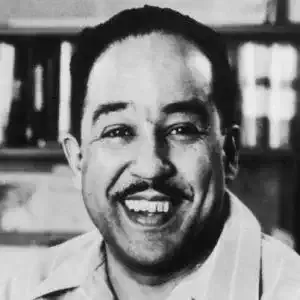
Langston Hughes
Mother to Son
Well, son, I'll tell you:
Life for me ain't been no crystal stair.
It's had tacks in it,
And splinters,
And boards torn up,
And places with no carpet on the floor—
Bare.
But all the time
I'se been a-climbin' on,
And reachin' landin's,
And turnin' corners,
And sometimes goin' in the dark
Where there ain't been no light.
So, boy, don't you turn back.
Don't you set down on the steps.
'Cause you finds it's kinder hard.
Don't you fall now—
For I'se still goin', honey,
I'se still climbin',
And life for me ain't been no crystal stair.
513
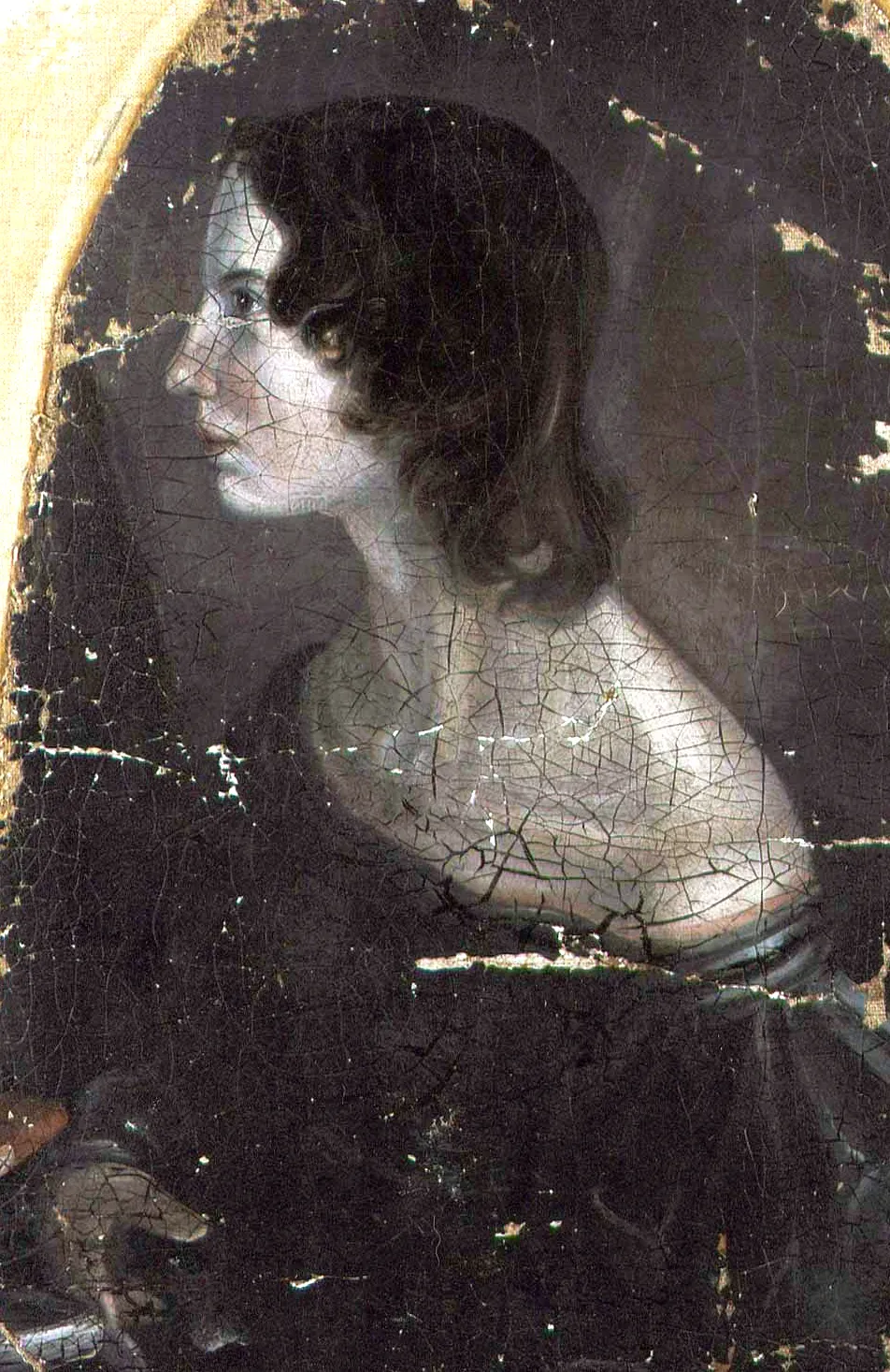
Emily Jane Brontë
No Coward Soul Is Mine
No coward soul is mine,
No trembler in the world,s storm-troubled sphere:
I see Heaven's glories shine,
And Faith shines equal arming me from Fear.
O God within my breast.
Almighty ever-present Deity!
Life , that in me has rest,
As I Undying Life, have power in thee!
Vain are the thousand creeds
That move men's hearts, unutterably vain;
Worthless as withered weeds,
Or idlest froth amid the boundless main,
To waken doubt in one
Holding so fast by Thy infinity;
So surely anchored on
The steadfast rock of Immortality.
With wide-embracing love
Thy Spirit animates eternal years,
Pervades and broods above,
Changes, sustains, dissolves, creates, and rears.
Though Earth and moon were gone,
And suns and universes ceased to be,
And Thou wert left alone,
Every Existence would exist in thee.
There is not room for Death,
Nor atom that his might could render void:
Since thou art Being and Breath,
And what thou art may never be destroyed.
514
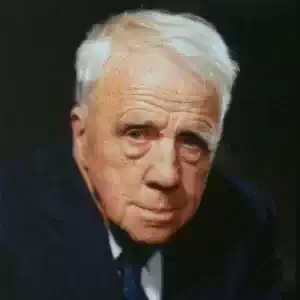
Robert Frost
Good-bye, and Keep Cold
This saying good-bye on the edge of the dark
And cold to an orchard so young in the bark
Reminds me of all that can happen to harm
An orchard away at the end of the farm
All winter, cut off by a hill from the house.
I don't want it girdled by rabbit and mouse,
I don't want it dreamily nibbled for browse
By deer, and I don't want it budded by grouse.
(If certain it wouldn't be idle to call
I'd summon grouse, rabbit, and deer to the wall
And warn them away with a stick for a gun.)
I don't want it stirred by the heat of the sun.
(We made it secure against being, I hope,
By setting it out on a northerly slope.)
No orchard's the worse for the wintriest storm;
But one thing about it, it mustn't get warm.
"How often already you've had to be told,
Keep cold, young orchard. Good-bye and keep cold.
Dread fifty above more than fifty below."
I have to be gone for a season or so.
My business awhile is with different trees,
Less carefully nourished, less fruitful than these,
And such as is done to their wood with an axe--
Maples and birches and tamaracks.
I wish I could promise to lie in the night
And think of an orchard's arboreal plight
When slowly (and nobody comes with a light)
Its heart sinks lower under the sod.
But something has to be left to God.
498
Kazi Nazrul Islam
The Eons in Waiting
Eons go by awaiting in hope's path
Like a desert traveler with no oasis in sight
Years Come and go quenching my thirst with tear drops
Burning the elusive lamp with hopeless mirages
The desert cactus beckons in million melodies.
This desert was a tumultuous sea one time
In my dreams I can still envision, but alas a wandering traveler.
On that sea shore the ship that drowned
Still searching in vain the shipmate rowing along the desert path.
[Original: Jonom Jonom Gelo; Translation: Kashfia Billah]
492
Walt Whitman
O Me! O Life!
O ME! O life!... of the questions of these recurring;
Of the endless trains of the faithless--of cities fill'd with the
foolish;
Of myself forever reproaching myself, (for who more foolish than I,
and who more faithless?)
Of eyes that vainly crave the light--of the objects mean--of the
struggle ever renew'd;
Of the poor results of all--of the plodding and sordid crowds I see
around me;
Of the empty and useless years of the rest--with the rest me
intertwined;
The question, O me! so sad, recurring--What good amid these, O me, O
life?
Answer.
That you are here--that life exists, and identity;
That the powerful play goes on, and you will contribute a verse.
492

Ezra Pound
Invern
Earth's winter cometh
And I being part of all
And sith the spirit of all moveth in me
I must needs bear earth's winter
Drawn cold and grey with hours
And joying in a momentary sun,
Lo I am withered with waiting till my spring cometh!
Or crouch covetous of warmth
O'er scant-logged ingle blaze,
Must take cramped joy in tomed Longinus
That, read I him first time
The woods agleam with summer
Or mid desirous winds of spring,
Had set me singing spheres
Or made heart to wander forth among warm roses
Or curl in grass next neath a kindly moon.
486
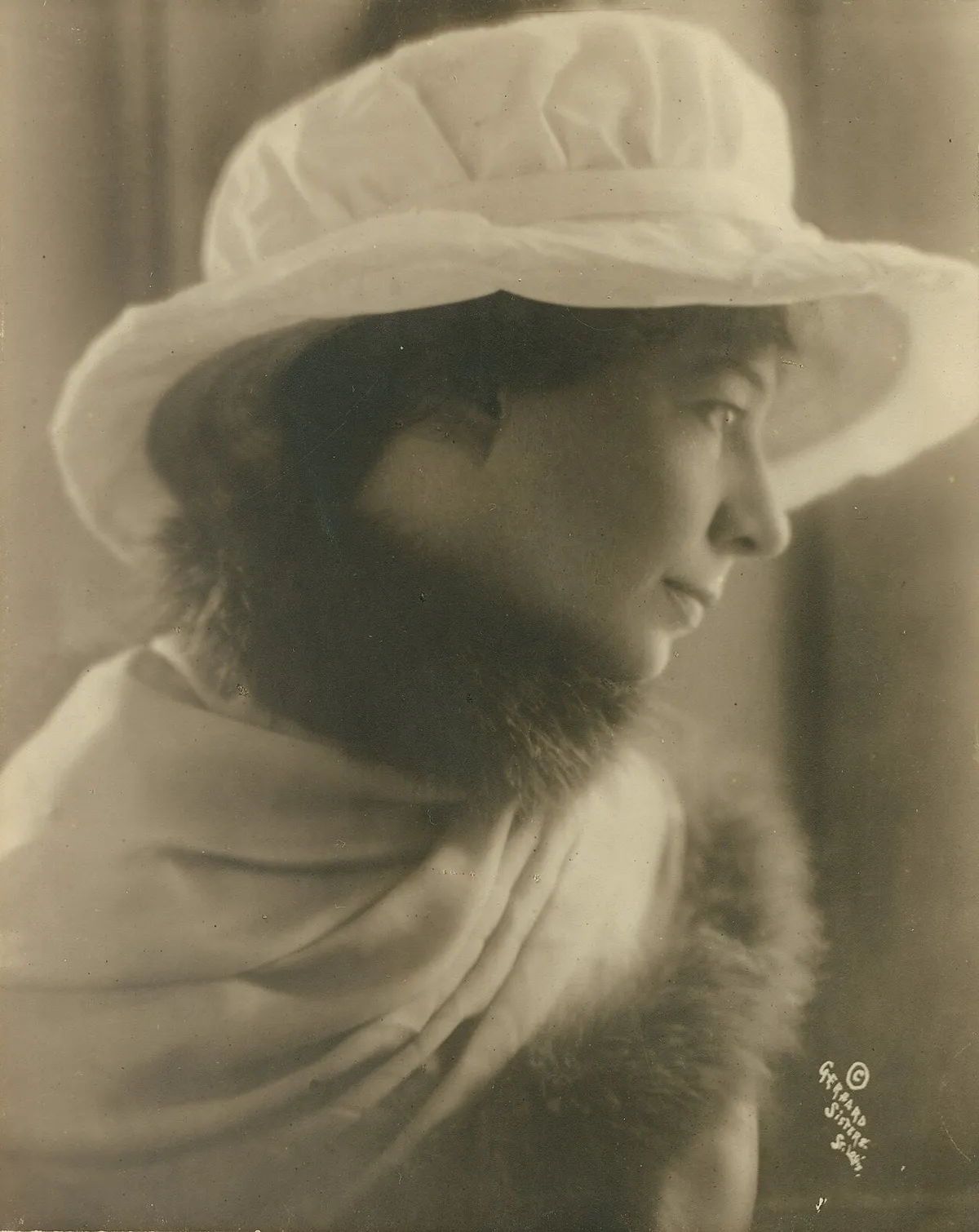
Sara Teasdale
In the End
All that could never be said,
All that could never be done,
Wait for us at last
Somewhere back of the sun;
All the heart broke to forego
Shall be ours without pain,
We shall take them as lightly as girls
Pluck flowers after rain.
And when they are ours in the end
Perhaps after all
The skies will not open for us
Nor heaven be there at our call.
485

Ella Wheeler Wilcox
Forward
Let me look always forward. Never back.
Was I not formed for progress? Otherwise
With onward pointing feet and searching eyes
Would God have set me squarely on the track
Up which we all must labour with life's pack?
Yonder the goal of all this travel lies.
What matters it, if yesterday the skies
With light were golden, or with clouds were black?
I would not lose to-morrow's glow of dawn
By peering backward after sun's long set.
New hope is fairer than an old regret;
Let me pursue my journey and press on-
Nor tearful eyed, stand ever in one spot,
A briny statue like the wife of Lot.
481

William Blake
To Spring
O thou with dewy locks, who lookest down
Thro' the clear windows of the morning, turn
Thine angel eyes upon our western isle,
Which in full choir hails thy approach, O Spring!
The hills tell each other, and the listening
Valleys hear; all our longing eyes are turned
Up to thy bright pavilions: issue forth,
And let thy holy feet visit our clime.
Come o'er the eastern hills, and let our winds
Kiss thy perfumed garments; let us taste
Thy morn and evening breath; scatter thy pearls
Upon our love-sick land that mourns for thee.
O deck her forth with thy fair fingers; pour
Thy soft kisses on her bosom; and put
Thy golden crown upon her languished head,
Whose modest tresses were bound up for thee.
482
Ella Wheeler Wilcox
Begin The Day
Begin each morning with a talk to God,
And ask for your divine inheritance
Of usefulness, contentment, and success.
Resign all fear, all doubt, and all despair.
The stars doubt not, and they are undismayed,
Though whirled through space for countless centuries,
And told not why or wherefore: and the sea
With everlasting ebb and flow obeys,
And leaves the purpose with the unseen Cause.
The star sheds its radiance on a million worlds,
The sea is prodigal with waves, and yet
No lustre from the star is lost, and not
One dropp missing from the ocean tides.
Oh! brother to the star and sea, know all
God’s opulence is held in trust for those
Who wait serenely and who work in faith.
480
Ella Wheeler Wilcox
Sorrow's Uses
The uses of sorrow I comprehend
Better and better at each year’s end.
Deeper and deeper I seem to see
Why and wherefore it has to be
Only after the dark, wet days
Do we fully rejoice in the sun’s bright rays.
Sweeter the crust tastes after the fast
Than the sated gourmand’s finest repast.
The faintest cheer sounds never amiss
To the actor who once has heard a hiss.
To one who the sadness of freedom knows,
Light seem the fetters love may impose.
And he who has dwelt with his heart alone,
Hears all the music in friendship’s tone.
So better and better I comprehend,
How sorrow ever would be our friend.
475