
Family
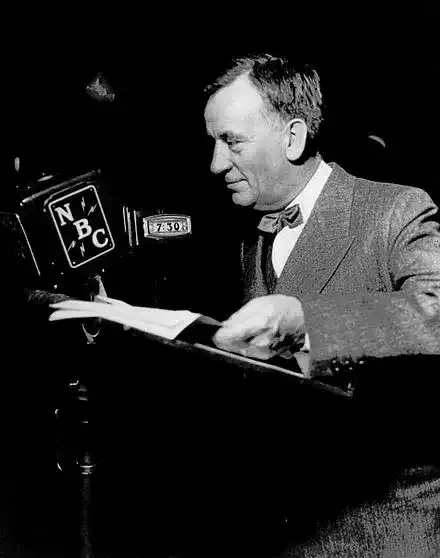
Edgar Albert Guest
A Father's Prayer
A Father's Prayer
Lord, make me tolerant and wise;
Incline my ears to hear him through;
Let him not stand with downcast eyes,
Fearing to trust me and be true.
Instruct me so that I may know
The way my son and I should go.
When he shall err, as once did I,
Or boyhood folly bids him stray,
Let me not into anger fly
And drive the good in him away.
Teach me to win his trust, that he
Shall keep no secret hid from me.
Lord, strengthen me that I may be .
A fit example for my son.
Grant he may never hear or see
A shameful deed that I have done.
However sorely I am tried,
Let me not undermine his pride.
In spite of years and temples gray,
Still let my spirit beat with joy;
Teach me to share in all his play
And be a comrade with my boy.
Wherever we may chance to be,
Let him find happiness with me.
Lord, as his father, now I pray
For manhood's strength and counsel wise;
Let me deal justly, day by day,
In all that fatherhood implies.
To be his father, keep me fit;
Let me not play the hypocrite!
1,343
1
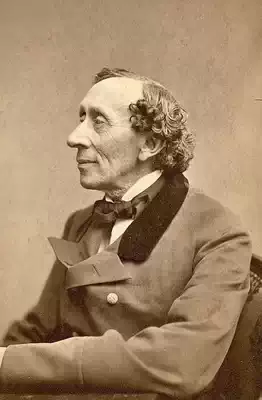
Hans Christian Andersen
The Dying Child
The Dying Child
Mother, I'm tired, and I would fain be sleeping;
Let me repose upon thy bosom sick;
But promise me that thou wilt leave off weeping,
Because thy tears fall hot upon my cheek.
Here it is cold: the tempest raveth madly;
But in my dreams all is so wondrous bright;
I see the angel-children smiling gladly,
When from my weary eyes I shut out light.
Mother, one stands beside me now! and, listen!
Dost thou not hear the music's sweet accord?
See how his white wings beautifully glisten?
Surely those wings were given him by the Lord!
Green, gold, and red, are floating all around me;
They are the flowers the angel scattereth.
Should I have also wings while life has bound me?
Or, mother, are they given alone in death?
Why dost thou clasp me as if I were going?
Why dost thou press thy cheek so unto mine?
Thy cheek is hot, and yet thy tears are flowing!
I will, dear mother, will be always thine!
Do not sigh thus - it marreth my reposing;
But if thou weep, then I must weep with thee!
Ah, I am tired - my weary eyes are closing -
Look, mother, look! the angel kisseth me!
729
1
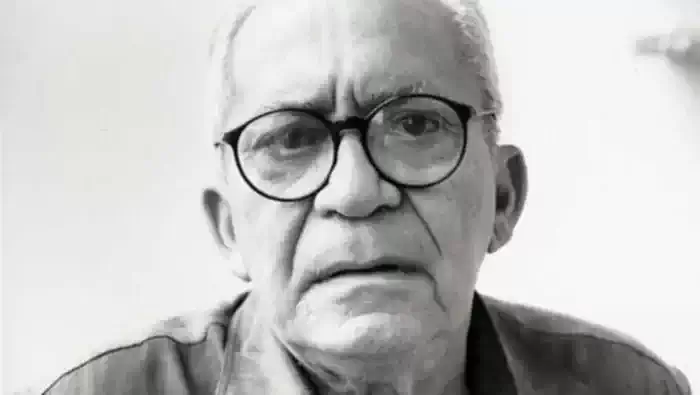
Lêdo Ivo
The Bats
Bats hide in the eaves of the customs house.
But where do the men hide who also fly
Their whole lives in the dark,
Bumping against white walls of love?
Our fathers house was full of bats
hanging like lanterns from the old rafters
that supported the roof threatened by the rains.
"These children suck our blood," my father would sigh.
What man will throw the first stone at that mammal
who, like himself, is nourished by the blood of other beasts
(my brother! my brother!) and, banded together, demands
the sweat of his like even in the dark?
Man hides on the halo of a breast as young as the night;
on the fabric of his pillow, in the lantern light
man hoards the golden coins of his love.
But the bat, sleeping like a pendulum, only hoards the
offended day.
When he died, our father left us (myself and my eight
brothers)
his house where, at night, it rained through the broken
tiles.
We redeemed the loan and saved the bats.
Between our walls they wrangle, blind as we.
Os morcegos Poema em Português
1,389

Antonio Roberval Miketen
For Simone
These hands of yours,
tiny little hands,
seaweeds in the silence,
bathed in light:
to what encounter,
tell me, daughter of mine,
to what fate
the fountain leads them?
tiny little hands,
seaweeds in the silence,
bathed in light:
to what encounter,
tell me, daughter of mine,
to what fate
the fountain leads them?
978

John Clare
The Wood-Cutter's Night Song
The Wood-Cutter's Night Song
Welcome, red and roundy sun,
Dropping lowly in the west;
Now my hard day's work is done,
I'm as happy as the best.
Joyful are the thoughts of home,
Now I'm ready for my chair,
So, till morrow-morning's come,
Bill and mittens, lie ye there!
Though to leave your pretty song,
Little birds, it gives me pain,
Yet to-morrow is not long,
Then I'm with you all again.
If I stop, and stand about,
Well I know how things will be,
Judy will be looking out
Every now-and-then for me.
So fare ye well! and hold your tongues,
Sing no more until I come;
They're not worthy of your songs
That never care to drop a crumb.
All day long I love the oaks,
But, at nights, yon little cot,
Where I see the chimney smokes,
Is by far the prettiest spot.
Wife and children all are there,
To revive with pleasant looks,
Table ready set, and chair,
Supper hanging on the hooks.
Soon as ever I get in,
When my faggot down I fling,
Little prattlers they begin
Teasing me to talk and sing.
Welcome, red and roundy sun,
Dropping lowly in the west;
Now my hard day's work is done,
I'm as happy as the best.
Joyful are the thoughts of home,
Now I'm ready for my chair,
So, till morrow-morning's come,
Bill and mittens, lie ye there!
Welcome, red and roundy sun,
Dropping lowly in the west;
Now my hard day's work is done,
I'm as happy as the best.
Joyful are the thoughts of home,
Now I'm ready for my chair,
So, till morrow-morning's come,
Bill and mittens, lie ye there!
Though to leave your pretty song,
Little birds, it gives me pain,
Yet to-morrow is not long,
Then I'm with you all again.
If I stop, and stand about,
Well I know how things will be,
Judy will be looking out
Every now-and-then for me.
So fare ye well! and hold your tongues,
Sing no more until I come;
They're not worthy of your songs
That never care to drop a crumb.
All day long I love the oaks,
But, at nights, yon little cot,
Where I see the chimney smokes,
Is by far the prettiest spot.
Wife and children all are there,
To revive with pleasant looks,
Table ready set, and chair,
Supper hanging on the hooks.
Soon as ever I get in,
When my faggot down I fling,
Little prattlers they begin
Teasing me to talk and sing.
Welcome, red and roundy sun,
Dropping lowly in the west;
Now my hard day's work is done,
I'm as happy as the best.
Joyful are the thoughts of home,
Now I'm ready for my chair,
So, till morrow-morning's come,
Bill and mittens, lie ye there!
894
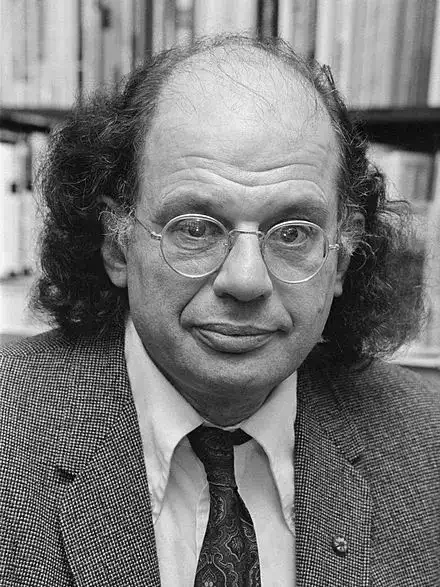
Allen Ginsberg
To Aunt Rose
To Aunt Rose
Aunt Rose—now—might I see you
with your thin face and buck tooth smile and pain
of rheumatism—and a long black heavy shoe
for your bony left leg
limping down the long hall in Newark on the running carpet
past the black grand piano
in the day room
where the parties were
and I sang Spanish loyalist songs
in a high squeaky voice
(hysterical) the committee listening
while you limped around the room
collected the money—
Aunt Honey, Uncle Sam, a stranger with a cloth arm
in his pocket
and huge young bald head
of Abraham Lincoln Brigade
—your long sad face
your tears of sexual frustration
(what smothered sobs and bony hips
under the pillows of Osborne Terrace)
—the time I stood on the toilet seat naked
and you powdered my thighs with calamine
against the poison ivy—my tender
and shamed first black curled hairs
what were you thinking in secret heart then
knowing me a man already—
and I an ignorant girl of family silence on the thin pedestal
of my legs in the bathroom—Museum of Newark.
Aunt Rose
Hitler is dead, Hitler is in Eternity; Hitler is with
Tamburlane and Emily Brontë
Though I see you walking still, a ghost on Osborne Terrace
down the long dark hall to the front door
limping a little with a pinched smile
in what must have been a silken
flower dress
welcoming my father, the Poet, on his visit to Newark
—see you arriving in the living room
dancing on your crippled leg
and clapping hands his book
had been accepted by Liveright
Hitler is dead and Liveright’s gone out of business
The Attic of the Past and Everlasting Minute are out of print
Uncle Harry sold his last silk stocking
Claire quit interpretive dancing school
Buba sits a wrinkled monument in Old
Ladies Home blinking at new babies
last time I saw you was the hospital
pale skull protruding under ashen skin
blue veined unconscious girl
in an oxygen tent
the war in Spain has ended long ago
Aunt Rose
800
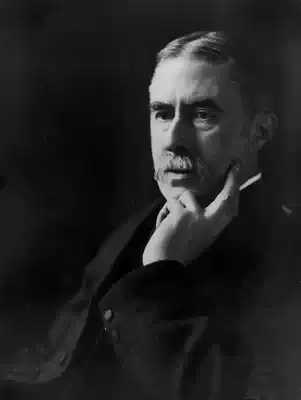
Alfred Edward Housman
Farewell to Barn and Stack and Tree
Farewell to Barn and Stack and Tree
"Farewell to barn and stack and tree,
Farewell to Severn shore.
Terence, look your last at me,
For I come home no more.
"The sun burns on the half-mown hill,
By now the blood is dried;
And Maurice amongst the hay lies still
And my knife is in his side.
"My mother thinks us long away;
'Tis time the field were mown.
She had two sons at rising day,
To-night she'll be alone.
"And here's a bloody hand to shake,
And oh, man, here's good-bye;
We'll sweat no more on scythe and rake,
My bloody hands and I.
"I wish you strength to bring you pride,
And a love to keep you clean,
And I wish you luck, come Lammastide,
At racing on the green.
"Long for me the rick will wait,
And long will wait the fold,
And long will stand the empty plate,
And dinner will be cold."
783

Kazi Nazrul Islam
I am a Proud Muslim Woman
I am a Proud Muslim Woman
I am a proud muslim woman,
I'm the scent of a flower in the household-desert.
The dark Ka'aba I've illuminated with a light,
and on Eid-day brought a plate of gifts.
I was the first to be converted,
I was the first to garland the prophet.
I have sacrificed my son, my husband,
my relations in the battles of karbala and badar
That is known to all the planets,
and to Allah.
[Ami gorobini muslim bala; Translation: Abu Rushd]
741
Edgar Albert Guest
Ideals
Ideals
Better than land or gold or trade
Are a high ideal and a purpose true;
Better than all of the wealth we've made
Is the work for others that now we do.
For Rome grew rich and she turned to song
And danced to music and drank her wine,
But she sapped the strength of her fibres strong
And a gilded shroud was her splendor fine.
The Rome of old with its wealth and wine
Was the handiwork of a sturdy race;
They builded well and they made it fine
And they dreamed of it as their children's place.
They thought the joys they had won to give,
And which seemed so certain and fixed and sure,
To the end of time in the world would live
And the Rome they'd fashioned would long endure.
They passed to their children the hoarded gold,
Their marble halls and their fertile fields!
But not the spirit of Rome of old,
Nor the Roman courage that never yields.
They left them the wealth that their hands had won,
But they failed to leave them a purpose true.
They left them thinking life's work all done,
And Rome went down and was lost to view.
We must guard ourselves lest we follow Rome.
We must leave our children the finer things.
We must teach them love of the spot called home
And the lasting joy that a purpose brings.
For vain are our Flag and our battles won,
And vain are our lands and our stores of gold,
If our children feel that life's work is done.
We must give them a high ideal to hold.
748

Rabindranath Tagore
The Chanpa Flower
The Chanpa Flower
Supposing I became a chanpa flower, just for fun, and grew on a
branch high up that tree, and shook in the wind with laughter and
danced upon the newly budded leaves, would you know me, mother?
You would call, "Baby, where are you?" and I should laugh to
myself and keep quite quiet.
I should slyly open my petals and watch you at your work.
When after your bath, with wet hair spread on your shoulders,
you walked through the shadow of the champ tree to the little court
where you say your prayers, you would notice the scent of the
flower, but not know that it cane from me.
When after the midday meal you sat at the window reading
ramayana, and the tree's shadow fell over your hair and your lap,
I should fling my wee little shadow on to the page of your book,
just where you were reading.
But would you guess that it was the tiny shadow of your
little child?
When in the evening you went to the cow shed with the lighted
lamp in your hand I should suddenly drop on to the earth again and
be your own baby once more, and beg you to tell me a story.
"Where have you been, you naughty child?"
"I won't tell you, mother." That's what you and I would say
then.
771
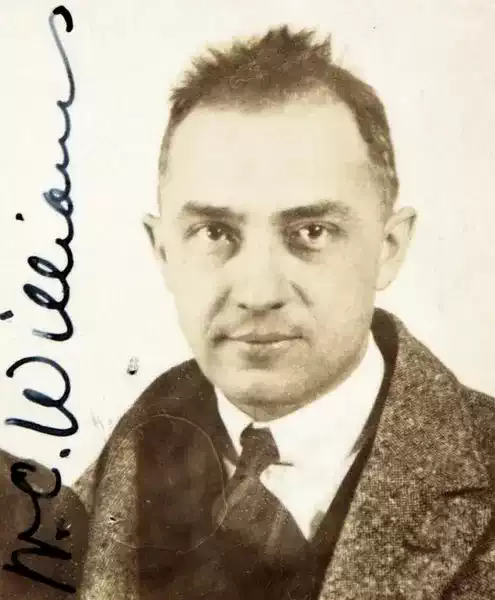
William Carlos Williams
The Last Words of My English Grandmother
The Last Words of My English Grandmother
There were some dirty plates
and a glass of milk
beside her on a small table
near the rank, disheveled bed--
Wrinkled and nearly blind
she lay and snored
rousing with anger in her tones
to cry for food,
Gimme something to eat--
They're starving me--
I'm all right--I won't go
to the hospital.No, no, no
Give me something to eat!
Let me take you
to the hospital, I said
and after you are well
you can do as you please.
She smiled, Yes
you do what you please first
then I can do what I please--
Oh, oh, oh! she cried
as the ambulance men lifted
her to the stretcher--
Is this what you call
making me comfortable?
By now her mind was clear--
Oh you think you're smart
you young people,
she said, but I'll tell you
you don't know anything.
Then we started.
On the way
we passed a long row
of elms. She looked at them
awhile out of
the ambulance window and said,
What are all those
fuzzy looking things out there?
Trees?Well, I'm tired
of them and rolled her head away.
723

Henry Wadsworth Longfellow
Village Blacksmith, The
Village Blacksmith, The
Under a spreading chestnut tree
The village smithy stands;
The Smith, a mighty man is he,
With large and sinewy hands;
And the muscles of his brawny arms
Are strong as iron bands.
His hair is crisp, and black, and long,
His face is like the tan;
His brow is wet with honest sweat,
He earns whate'er he can
And looks the whole world in the face
For he owes not any man.
Week in, week out, from morn till night,
You can hear his bellows blow;
You can hear him swing his heavy sledge,
With measured beat and slow,
Like a sexton ringing the village bell,
When the evening sun is low.
And children coming home from school
Look in at the open door;
They love to see the flaming furge,
And hear the bellows roar,
And catch the burning sparks that fly
Like chaff from a threshing floor.
He goes on Sunday to the church
and sits among his boys;
He hears the parson pray and preach.
He hears his daughter's voice
singing in the village choir,
And it makes his heart rejoice.
It sounds to him like her mother's voice,
Singing in Paradise!
He needs must think of her once more,
How in the grave she lies;
And with his hard, rough hand he wipes
A tear out of his eyes.
Toiling, rejoicing,-sorrowing,
Onward through life he goes;
Each morning sees some task begin,
Each evening sees it close;
Something attempted, something done,
Has earned a night's repose.
Thanks, thanks to thee, my worthy friend
For the lesson thou hast taught!
Thus at the flaming forge of life
Our fortunes must be wrought;
Thus on its sounding anvil shaped
Each burning deed and thought!
735
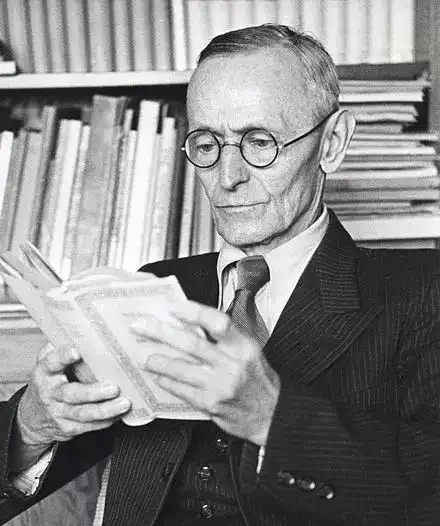
Hermann Hesse
Across The Fields
Across The Fields
Across the sky, the clouds move,
Across the fields, the wind,
Across the fields the lost child
Of my mother wanders.
Across the street, leaves blow,
Across the trees, birds cry --
Across the mountains, far away,
My home must be.
Across the sky, the clouds move,
Across the fields, the wind,
Across the fields the lost child
Of my mother wanders.
Across the street, leaves blow,
Across the trees, birds cry --
Across the mountains, far away,
My home must be.
689
Edgar Albert Guest
A Christmas Greeting
A Christmas Greeting
Here's to you, little mother,
With your boy so far away;
May the joy of service smother
All your grief this Christmas day;
May the magic of his splendor
Thrill your spirit through and through
And may all that's fine and tender
Make a smiling day for you.
May you never know the sadness
That from day to day you dread;
May you never find but gladness
In the Flag that's overhead;
May the good God watch above him
As he stands to duty stern,
And at last to all who love him
May he have a safe return.
Little mother, take the blessing
Of a grateful nation's heart;
May the news that is distressing
Never cause your tears to start;
May there be no fears to haunt you,
And no lonely hours and sad;
May your trials never daunt you,
But may every day be glad.
Little Mother, could I do it,
This my Christmas gift would be:
That he'd safely battle through it,
This to you I'd guarantee.
And I'd pledge to you this morning
Joys to banish all your cares,
Gifts of gold and silver scorning,
I would answer all your prayers.
671
Edgar Albert Guest
When Father Shook The Stove
When Father Shook The Stove
'Twas not so many years ago,
Say, twenty-two or three,
When zero weather or below
Held many a thrill for me.
Then in my icy room I slept
A youngster's sweet repose,
And always on my form I kept
My flannel underclothes.
Then I was roused by sudden shock
Though still to sleep I strove,
I knew that it was seven o'clock
When father shook the stove.
I never heard him quit his bed
Or his alarm clock ring;
I never heard his gentle tread,
Or his attempts to sing;
The sun that found my window pane
On me was wholly lost,
Though many a sunbeam tried in vain
To penetrate the frost.
To human voice I never stirred,
But deeper down I dove
Beneath the covers, when I heard
My father shake the stove.
To-day it all comes back to me
And I can hear it still;
He seemed to take a special glee
In shaking with a will.
He flung the noisy dampers back,
Then rattled steel on steel,
Until the force of his attack
The building seemed to feel.
Though I'd a youngster's heavy eyes
All sleep from them he drove;
It seemed to me the dead must rise
When father shook the stove.
Now radiators thump and pound
And every room is warm,
And modern men new ways have found
To shield us from the storm.
The window panes are seldom glossed
The way they used to be;
The pictures left by old Jack Frost
Our children never see.
And now that he has gone to rest
In God's great slumber grove,
I often think those days were best
When father shook the stove.
670

Sheldon Allan Silverstein
Crowded Tub
Crowded Tub
There are too many kids in this tub
There are too many elbows to scrub
I just washed a behind that I'm sure wasn't mine
There are too many kids in this tub.
There are too many kids in this tub
There are too many elbows to scrub
I just washed a behind that I'm sure wasn't mine
There are too many kids in this tub.
658
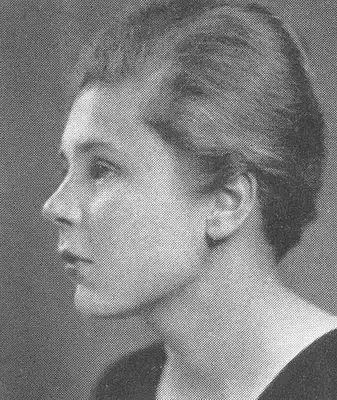
Elizabeth Bishop
Squatter's Children
Squatter's Children
On the unbreathing sides of hills
they play, a specklike girl and boy,
alone, but near a specklike house.
The Sun's suspended eye
blinks casually, and then they wade
gigantic waves of light and shade.
A dancing yellow spot, a pup,
attends them. Clouds are piling up;
a storm piles up behind the house.
The children play at digging holes.
The ground is hard; they try to use
one of their father's tools,
a mattock with a broken haft
the two of them can scarcely lift.
It drops and clangs. Their laughter spreads
effulgence in the thunderheads,
Weak flashes of inquiry
direct as is the puppy's bark.
But to their little, soluble,
unwarrantable ark,
apparently the rain's reply
consists of echolalia,
and Mother's voice, ugly as sin,
keeps calling to them to come in.
Children, the threshold of the storm
has slid beneath your muddy shoes;
wet and beguiled, you stand among
the mansions you may choose
out of a bigger house than yours,
whose lawfulness endures.
It's soggy documents retain
your rights in rooms of falling rain.
664
Rabindranath Tagore
The Beginning
The Beginning
"Where have I come from, where did you pick me up?" the baby asked
its mother.
She answered, half crying, half laughing, and clasping the
baby to her breast
"You were hidden in my heart as its desire, my darling.
You were in the dolls of my childhood's games; and when with
clay I made the image of my god every morning, I made the unmade
you then.
You were enshrined with our household deity, in his worship
I worshipped you.
In all my hopes and my loves, in my life, in the life of my
mother you have lived.
In the lap of the deathless Spirit who rules our home you have
been nursed for ages.
When in girlhood my heart was opening its petals, you hovered
as a fragrance about it.
Your tender softness bloomed in my youthful limbs, like a glow
in the sky before the sunrise.
Heaven's first darling, twain-born with the morning light, you
have floated down the stream of the world's life, and at last you
have stranded on my heart.
As I gaze on your face, mystery overwhelms me; you who belong
to all have become mine.
For fear of losing you I hold you tight to my breast. What
magic has snared the world's treasure in these slender arms of
mine?"
644
Edgar Albert Guest
Thanksgiving
Thanksgiving
Gettin' together to smile an' rejoice,
An' eatin' an' laughin' with folks of your choice;
An' kissin' the girls an' declarin' that they
Are growin' more beautiful day after day;
Chattin' an' braggin' a bit with the men,
Buildin' the old family circle again;
Livin' the wholesome an' old-fashioned cheer,
Just for awhile at the end of the year.
Greetings fly fast as we crowd through the door
And under the old roof we gather once more
Just as we did when the youngsters were small;
Mother's a little bit grayer, that's all.
Father's a little bit older, but still
Ready to romp an' to laugh with a will.
Here we are back at the table again
Tellin' our stories as women an' men.
Bowed are our heads for a moment in prayer;
Oh, but we're grateful an' glad to be there.
Home from the east land an' home from the west,
Home with the folks that are dearest an' best.
Out of the sham of the cities afar
We've come for a time to be just what we are.
Here we can talk of ourselves an' be frank,
Forgettin' position an' station an' rank.
Give me the end of the year an' its fun
When most of the plannin' an' toilin' is done;
Bring all the wanderers home to the nest,
Let me sit down with the ones I love best,
Hear the old voices still ringin' with song,
See the old faces unblemished by wrong,
See the old table with all of its chairs
An' I'll put soul in my Thanksgivin' prayers.
646

Lord Byron
Oscar Of Alva: A Tale
Oscar Of Alva: A Tale
How sweetly shines through azure skies,
The lamp of heaven on Lora's shore;
Where Alva's hoary turrets rise,
And hear the din of arms no more!
But often has yon rolling moon
On Alva's casques of silver play'd;
And view'd at midnight's silent noon,
Her chief's in gleaming mail array'd:
And on the crimson'd rocks beneath,
Which scowl o'er ocean's sullen flow,
Pale in the scatter'd runks of death,
She saw the gasping warrior low;
While many an eye which ne'er again
Could mark the rising orb of day,
T'urn'd feebly from the gory plain,
Beheld in death her fading ray.
Once to those eyes the lamp of Love,
They blest her dear propitious light;
But now she glimmer'd from above,
A sad, funereal torch of night.
Faded is Alva's noble race,
And gray her towers are seen afar;
No more her heroes urge the chase,
Or roll the crimson tide of war.
But who was last of Alva's clan?
Why grows the moss on Alva's stone?
Her towers resound no steps of man,
They echo to the gale alone.
And when that gale is fierce and high,
A sound is heard in yonder hall;
It rises hoarsely through the sky,
And vibrates o'er the mould'ring wall.
Yes, when the eddying tempest sighs,
It shakes the shield of Oscar brave;
But there no more his banners rise,
No more his plumes of sable wave.
Fair shone the sun on Oscar's birth,
When Angus hail'd his eldest born
The vassals round their chieftain's hearth
Crowd to applaud the happy morn.
They feast upon the mountain deer,
The pibroch raised its piercing note;
To gladden more their highland cheer,
The strains in martial numbers float:
And they who heard the warnotes
wild
Hoped that one day the pibroch's strain
Should play belore the hero's child
While he should lead the tartan train.
Another year is qulckly past,
And Angus hails another son;
His natal day is like the last,
Nor soon the jocund feast was done.
Taught by their sire to bend the bow,
On Alva's dusky hills of wind,
The boys in childhood chased the roe,
And left their hounds in speed behind.
But ere their years of youth are o'er,
They mingle in the ranks of war;
They lightly wheel the bright claymore
And send the whistling arrow far.
Dark was the flow of Oscar's hair,
Wildly it stream'd along the gale;
But Allan's locks were bright and fair,
And pensive seem'd his cheek, and pale.
But Oscar own'd a hero's soul,
His dark eye shone through beams of truth;
Allan had early learn'd control,
And smooth his words had been from youth.
Both, both were brave; the Saxon spear
Was shiver'd oft beneath their steel;
And Oscar's bosom scorn'd to fear,
But Oscar's bosom knew to feel;
While Allan's soul belied his form,
Unworthy with such charms to dwell:
Keen as the lightning of the storm,
On foe, his deadly vengeance fell.
From high Southannon's distant tower
Arrived a young and noble dame;
With Kenneth's lands to form her dower,
Glenalvon's blueeyed
daughter came;
And Oscar claim'd the beauteous bride,
And Angus on his Oscar srniled:
It soothed the father's feudal pride
Thus to obtain Glenalvon's child.
Hark to the pibroch's pleasing note!
Hark to the swelling nuptial song!
In joyous strains the voices float,
And still the choral peal prolong.
See how the heroes' bloodred
plumes
Assembled wave in Alva's hall;
Each youth his varied plaid assumes,
Attending on thir chieftain's call.
It is not war their aid demands,
The pibroch plays the song of peace;
To Oscar's nuptials throng the bands,
Nor yet the sounds of pleasure cease.
But where is Oscar? sure 'tis late:
Is this a bridegroom's ardent flame?
While thronging guests and ladies wait,
Nor Oscar nor his brother came.
At length young Allan join'd the bride;
'Why comes not Oscar?' Angus said:
Is he not here?' the youth replied;
'With me he roved not o'er the glade:
'Perchance, forgetful of the day,
'Tis his to chase the bounding roe;
Or ocean's waves prolong his stay;
Yet Oscar's bark is seldom slow.'
'Oh, no!' the anguish'd Sire rejoin'd,
'Nor chase nor wave, my boy delay;
Would he to Mora seem unkind?
Would aught to her impede his way?
'Oh, search, ye chiefs! oh, search around!
Allan, with these through Alva fly;
Till Oscar, till my son is found,
Haste, haste, nor dare attempt reply.'
All is confusion — through the vale
The name of Oscar hoarsely rings,
It rises on the murmuring gale,
Till night expands her dusky wings;
It breaks the stillness of the night,
But echoes through her shades in vain;
It sounds through morning's misty light,
But Oscar comes not o'er the plain.
Three days,three sleepless nights, the Chief
For Oscar search'd each mountaln cave:
Then hope is lost; in boundless grief,
His locks in graytorn
ringlets wave.
'Oscar! my son! thou God of heaven,
Restore the prop of sinking age!
Or if that hope no more is given,
Yield his assassin to my rage.
'Yes, on some desert rocky shore
My Oscar's whiten'd bones must lie;
Then grant, thou God! I ask no more,
With him his frantic sire may die!
'Yet he may live, — away, despalr!
Be calm, my soul! he yet may live;
T'arraign my fate, my voice forbear!
O God! my impious prayer forgive.
'What, if he live for me no more,
I sink forgotten in the dust,
The hope of Alva's age is o'er:
Alas! can pangs like these be just?'
Thus did the hapless parent mourn,
Till Time, which soothes severest woe,
Had bade serenity return
And made the teardrop
cease to flow.
For still some latent hope survived
That Oscar might once more appear;
His hope now droop'd and now revived,
Till Time had told a tedious year.
Days roll'd along, the orb of light
Again had run his destined race;
No Oscar bless'd his father's sight,
And sorrow left a fainter trace.
For youthful Allan still remain'd,
And now his father's only joy:
And Mora's heart was quickly gain'd,
For beauty crown'd the fairhair'd
boy.
She thought that Oscar low was laid,
And Allan's face was wondrous fair;
If Oscar lived, some other maid
Had clairn'd his faithless bosom's care.
And Angus said, if one year more
In fruitless hope was pass'd away,
His fondest scruples should be o'er,
And he would name their nuptial day.
Slow roll'd the moons, but blest at last
Arrived the dearly destined morn
The year of anxious trembling past,
What smiles the lovers' cheeks adorn!
Hark to the pibroch's pleasing note!
Hark to the swelling nuptial song!
In joyous strains the voices float,
And still the choral peal prolong.
Again the clan, in festive crowd,
Throng through the gate of Alva's hall;
The sounds of mirth reecho
loud,
And all their former joy recall.
But who is he, whose darken'd brow
Glooms in the midst of general mirth?
Before his eyes' far fiercer glow
The blue flames curdle o'er the hearth.
Dark is the robe which wraps his form,
And tall his plume of gory red;
His voice is like the rising storm,
But light and trackless is his tread.
'Tis noon of night, the pledge goes round,
The bridegroom's health is deeply quaff'd;
With shouts the vaulted roofs resound,
And all combine to hail the draught.
Sudden the strangerchief
arose,
And all the clamorous crowd are hush'd;
And Angus' cheek with wonder glows,
And Mora's tender bosom blush'd
'Old rnan!'he cried,'this pledge is done;
Thou saw'st 'twas duly drank by me;
It hail'd the nuptials of thy son:
Now will I claim a pledge from thee.
'While all around is mirth and joy,
To bless thy Allan's happy lot,
Say, hadst thou ne'er another boy?
Say, why should Oscar be forgot?'
'Alas!' the hapless sire replied,
The big tear starting as he spoke
'When Oscar left my hail, or died,
This aged heart was almost broke,
'Thrice has the earth revolved her course
Since Oscar's form has bless'd my sight;
And Allan is my last resource,
Since martial Oscar's death or flight.'
'Tis well,' replied the stranger stern,
And fiercely flash'd his rolling eye;
'Thy Oscar's fate I fain would learn;
Perhaps the hero did not die.
'Perhaps, if those whom most he loved
Would call, thy Oscar might return;
Perchance the chief has only roved;
For him thy beltane yet may burn.
'Fill high the bowl the table round,
We will not climb the pledge by stealth;
With wine let every cup be crown'd
Pledge me departed Oscar's health.'
'With all my soul,' old Angus said,
And fill'd his goblet to the brim:
'Here's to my boy! alive or dead'
I ne'er shall find a son like him'
'Bravely. old man this health has sped;
But why does Allan trembling stand?
Come, drink remembrance of the dead,
And raise thy cup with firmer hand.'
The crimson glow of Allan's face
Was turn'd at once to ghastly hue;
The drops of death each other chase
Adown in agonizing dew.
Thrice did he raise the goblet high,
And thrice his lips refused to taste;
For thrice he caught the stranger's eye
On his with deadly fury placed.
'And is it thus a brother's hails
A brother's fond remembrance here?
If thus affection's strength prevails'
What might we not expect from fear?'
Roused by the sneer, he raised the bowl,
'Would Oscar now could share our mirth!'
Internal fear appall'd his soul;
He said and dash'd the cap to earth,
'Tis he! I hear my murderer's voice!'
Loud shrieks a darkly gleaming form.
'A murderer's voice!' the roof replies,
And deeply swells the bursting storm,
The tapers wink, the chieftains shrink,
The stranger's gone, — amidst the crew,
A form was seen in tartan green,
And tall the shade terrific grew.
His waist was bound with a broad belt round,
His plume of sable stream'd on high;
But his breast was bare, with the red wounds there,
And fix'd was the glare of his glassy eye.
And thrice he smiled, with his eyes so wild,
On Angus bending low the knee;
And thrice he frown'd on a chief on the ground
Whom shivering crowds with horror see
The bolts loud roll from pole to pole
The thunders through the welkin ring,
And the gleaming form, through the mist of the storm,
Was borne on high by the whirlwind's wing
Cold was the feast, the revel ceased.
Who lies upon the stony floor?
Oblivion press'd old Angus' breast,
At length his lifepulse
throbs once more.
'Away, away! let the leech essay
To pour the light on Allan's eyes;'
His sand is done, – his race is run –
Oh! never more shall Allan rise!
But Oscar's breast is cold as clay,
His locks are lifted by the gale;
And Allan's barbed arrow lay
With him In dark Glentanar's vale.
And whence the dreadful stranger came,
Or who, no mortal wight can tell;
But no one doubts the form of flame,
For Alva's sons knew Oscar well.
Ambition nerved young Allan's hand,
Exulting demons wing'd his dart;
While Envy waved her burnng brand,
And pour'd her venom round his heart.
Swift is the shaft from Allan's bow;
Whose streaming lifeblood
stains his side?
Dark Oscar's sable crest is low,
The dart has drunk his vital tide.
And Mora's eyes could Allan move,
She bade his wounded pride rebel:
Alas! that eyes which beam'd with love
Should urge the soul to deeds of hell.
Lo! seest thou not a lonely tomb
Which rises o'er a warrior dead?
It glimmers through the twilight gloom;
Oh! that is Allan's nuptial bed.
Far distant far, the noble grave
Which held his clan's great ashes stood;
And o'er his corse no banners wave,
For they were stain'd with kindred blood.
What minstrel gray, what hoary bard,
Shall Allan's deeds on harpstrings
raise?
The song is glory's chief reward,
But who can strike a murderer's praise?
Unstrung, untouch'd, th harp must stand,
No minstrel dare the theme awake;
Guilt would benumb his palsied hand,
His harp in shuddering chords would break.
No lyre of fame, no hallow'd verse,
Shall sound his glories high in air:
A dying father's bitter curse,
A brother's deathgroan
echoes there.
616

Walt Whitman
Poems Of Joys
Poems Of Joys
O TO make the most jubilant poem!
Even to set off these, and merge with these, the carols of Death.
O full of music! full of manhood, womanhood, infancy!
Full of common employments! full of grain and trees.
O for the voices of animals! O for the swiftness and balance of
fishes!
O for the dropping of rain-drops in a poem!
O for the sunshine, and motion of waves in a poem.
O the joy of my spirit! it is uncaged! it darts like lightning!
It is not enough to have this globe, or a certain time--I will have
thousands of globes, and all time.
O the engineer's joys! 10
To go with a locomotive!
To hear the hiss of steam--the merry shriek--the steam-whistle--the
laughing locomotive!
To push with resistless way, and speed off in the distance.
O the gleesome saunter over fields and hill-sides!
The leaves and flowers of the commonest weeds--the moist fresh
stillness of the woods,
The exquisite smell of the earth at day-break, and all through the
forenoon.
O the horseman's and horsewoman's joys!
The saddle--the gallop--the pressure upon the seat--the cool gurgling
by the ears and hair.
O the fireman's joys!
I hear the alarm at dead of night, 20
I hear bells--shouts!--I pass the crowd--I run!
The sight of the flames maddens me with pleasure.
O the joy of the strong-brawn'd fighter, towering in the arena, in
perfect condition, conscious of power, thirsting to meet his
opponent.
O the joy of that vast elemental sympathy which only the human Soul
is capable of generating and emitting in steady and limitless
floods.
O the mother's joys!
The watching--the endurance--the precious love--the anguish--the
patiently yielded life.
O the joy of increase, growth, recuperation;
The joy of soothing and pacifying--the joy of concord and harmony.
O to go back to the place where I was born!
To hear the birds sing once more! 30
To ramble about the house and barn, and over the fields, once more,
And through the orchard and along the old lanes once more.
O male and female!
O the presence of women! (I swear there is nothing more exquisite to
me than the mere presence of women;)
O for the girl, my mate! O for the happiness with my mate!
O the young man as I pass! O I am sick after the friendship of him
who, I fear, is indifferent to me.
O the streets of cities!
The flitting faces--the expressions, eyes, feet, costumes! O I cannot
tell how welcome they are to me.
O to have been brought up on bays, lagoons, creeks, or along the
coast!
O to continue and be employ'd there all my life! 40
O the briny and damp smell--the shore--the salt weeds exposed at low
water,
The work of fishermen--the work of the eel-fisher and clam-fisher.
O it is I!
I come with my clam-rake and spade! I come with my eel-spear;
Is the tide out? I join the group of clam-diggers on the flats,
I laugh and work with them--I joke at my work, like a mettlesome
young man.
In winter I take my eel-basket and eel-spear and travel out on foot
on the ice--I have a small axe to cut holes in the ice;
Behold me, well-clothed, going gaily, or returning in the afternoon-my
brood of tough boys accompaning me,
My brood of grown and part-grown boys, who love to be with no one
else so well as they love to be with me,
By day to work with me, and by night to sleep with me. 50
Or, another time, in warm weather, out in a boat, to lift the
lobster-pots, where they are sunk with heavy stones, (I know
the buoys;)
O the sweetness of the Fifth-month morning upon the water, as I row,
just before sunrise, toward the buoys;
I pull the wicker pots up slantingly--the dark-green lobsters are
desperate with their claws, as I take them out--I insert wooden
pegs in the joints of their pincers,
I go to all the places, one after another, and then row back to the
shore,
There, in a huge kettle of boiling water, the lobsters shall be
boil'd till their color becomes scarlet.
Or, another time, mackerel-taking,
Voracious, mad for the hook, near the surface, they seem to fill the
water for miles:
Or, another time, fishing for rock-fish, in Chesapeake Bay--I one of
the brown-faced crew:
Or, another time, trailing for blue-fish off Paumanok, I stand with
braced body,
My left foot is on the gunwale--my right arm throws the coils of
slender rope, 60
In sight around me the quick veering and darting of fifty skiffs, my
companions.
O boating on the rivers!
The voyage down the Niagara, (the St. Lawrence,)--the superb
scenery--the steamers,
The ships sailing--the Thousand Islands--the occasional timber-raft,
and the raftsmen with long-reaching sweep-oars,
The little huts on the rafts, and the stream of smoke when they cook
their supper at evening.
O something pernicious and dread!
Something far away from a puny and pious life!
Something unproved! Something in a trance!
Something escaped from the anchorage, and driving free.
O to work in mines, or forging iron! 70
Foundry casting--the foundry itself--the rude high roof--the ample
and shadow'd space,
The furnace--the hot liquid pour'd out and running.
O to resume the joys of the soldier:
To feel the presence of a brave general! to feel his sympathy!
To behold his calmness! to be warm'd in the rays of his smile!
To go to battle! to hear the bugles play, and the drums beat!
To hear the crash of artillery! to see the glittering of the bayonets
and musket-barrels in the sun!
To see men fall and die, and not complain!
To taste the savage taste of blood! to be so devilish!
To gloat so over the wounds and deaths of the enemy. 80
O the whaleman's joys! O I cruise my old cruise again!
I feel the ship's motion under me--I feel the Atlantic breezes
fanning me,
I hear the cry again sent down from the mast-head--There--she blows!
--Again I spring up the rigging, to look with the rest--We see--we
descend, wild with excitement,
I leap in the lower'd boat--We row toward our prey, where he lies,
We approach, stealthy and silent--I see the mountainous mass,
lethargic, basking,
I see the harpooneer standing up--I see the weapon dart from his
vigorous arm:
O swift, again, now, far out in the ocean, the wounded whale,
settling, running to windward, tows me;
--Again I see him rise to breathe--We row close again,
I see a lance driven through his side, press'd deep, turn'd in the
wound, 90
Again we back off--I see him settle again--the life is leaving him
fast,
As he rises, he spouts blood--I see him swim in circles narrower and
narrower, swiftly cutting the water--I see him die;
He gives one convulsive leap in the centre of the circle, and then
falls flat and still in the bloody foam.
O the old manhood of me, my joy!
My children and grand-children--my white hair and beard,
My largeness, calmness, majesty, out of the long stretch of my life.
O the ripen'd joy of womanhood!
O perfect happiness at last!
I am more than eighty years of age--my hair, too, is pure white--I am
the most venerable mother;
How clear is my mind! how all people draw nigh to me! 100
What attractions are these, beyond any before? what bloom, more than
the bloom of youth?
What beauty is this that descends upon me, and rises out of me?
O the orator's joys!
To inflate the chest--to roll the thunder of the voice out from the
ribs and throat,
To make the people rage, weep, hate, desire, with yourself,
To lead America--to quell America with a great tongue.
O the joy of my soul leaning pois'd on itself--receiving identity
through materials, and loving them--observing characters, and
absorbing them;
O my soul, vibrated back to me, from them--from facts, sight,
hearing, touch, my phrenology, reason, articulation,
comparison, memory, and the like;
The real life of my senses and flesh, transcending my senses and
flesh;
My body, done with materials--my sight, done with my material
eyes; 110
Proved to me this day, beyond cavil, that it is not my material
eyes which finally see,
Nor my material body which finally loves, walks, laughs, shouts,
embraces, procreates.
O the farmer's joys!
Ohioan's, Illinoisian's, Wisconsinese', Kanadian's, Iowan's,
Kansian's, Missourian's, Oregonese' joys;
To rise at peep of day, and pass forth nimbly to work,
To plow land in the fall for winter-sown crops,
To plough land in the spring for maize,
To train orchards--to graft the trees--to gather apples in the fall.
O the pleasure with trees!
The orchard--the forest--the oak, cedar, pine, pekan-tree, 120
The honey-locust, black-walnut, cottonwood, and magnolia.
O Death! the voyage of Death!
The beautiful touch of Death, soothing and benumbing a few moments,
for reasons;
Myself, discharging my excrementitious body, to be burn'd, or
render'd to powder, or buried,
My real body doubtless left to me for other spheres,
My voided body, nothing more to me, returning to the purifications,
further offices, eternal uses of the earth.
O to bathe in the swimming-bath, or in a good place along shore!
To splash the water! to walk ankle-deep--to race naked along the
shore.
O to realize space!
The plenteousness of all--that there are no bounds; 130
To emerge, and be of the sky--of the sun and moon, and the flying
clouds, as one with them.
O the joy of a manly self-hood!
Personality--to be servile to none--to defer to none--not to any
tyrant, known or unknown,
To walk with erect carriage, a step springy and elastic,
To look with calm gaze, or with a flashing eye,
To speak with a full and sonorous voice, out of a broad chest,
To confront with your personality all the other personalities of the
earth.
Know'st thou the excellent joys of youth?
Joys of the dear companions, and of the merry word, and laughing
face?
Joys of the glad, light-beaming day--joy of the wide-breath'd
games? 140
Joy of sweet music--joy of the lighted ball-room, and the dancers?
Joy of the friendly, plenteous dinner--the strong carouse, and
drinking?
Yet, O my soul supreme!
Know'st thou the joys of pensive thought?
Joys of the free and lonesome heart--the tender, gloomy heart?
Joy of the solitary walk--the spirit bowed yet proud--the suffering
and the struggle?
The agonistic throes, the extasies--joys of the solemn musings, day
or night?
Joys of the thought of Death--the great spheres Time and Space?
Prophetic joys of better, loftier love's ideals--the Divine Wife--the
sweet, eternal, perfect Comrade?
Joys all thine own, undying one--joys worthy thee, O Soul. 150
O, while I live, to be the ruler of life--not a slave,
To meet life as a powerful conqueror,
No fumes--no ennui--no more complaints, or scornful criticisms.
O me repellent and ugly!
To these proud laws of the air, the water, and the ground, proving my
interior Soul impregnable,
And nothing exterior shall ever take command of me.
O to attract by more than attraction!
How it is I know not--yet behold! the something which obeys none of
the rest,
It is offensive, never defensive--yet how magnetic it draws.
O joy of suffering! 160
To struggle against great odds! to meet enemies undaunted!
To be entirely alone with them! to find how much one can stand!
To look strife, torture, prison, popular odium, death, face to face!
To mount the scaffold! to advance to the muzzles of guns with perfect
nonchalance!
To be indeed a God!
O, to sail to sea in a ship!
To leave this steady, unendurable land!
To leave the tiresome sameness of the streets, the sidewalks and the
houses;
To leave you, O you solid motionless land, and entering a ship,
To sail, and sail, and sail! 170
O to have my life henceforth a poem of new joys!
To dance, clap hands, exult, shout, skip, leap, roll on, float on,
To be a sailor of the world, bound for all ports,
A ship itself, (see indeed these sails I spread to the sun and air,)
A swift and swelling ship, full of rich words--full of joys.
617
Edgar Albert Guest
The Bachelor's Soliloquy
The Bachelor's Soliloquy
To wed, or not to wed; that is the question;
Whether 'tis nobler in the mind to suffer
The bills and house rent of a wedded fortune,
Or to say "nit" when she proposes,
And by declining cut her. To wed; to smoke
No more; And have a wife at home to mend
The holes in socks and shirts
And underwear and so forth. 'Tis a consummation
Devoutly to be wished. To wed for life;
To wed; perchance to fight; ay, there's the rub;
For in that married life what fights may come,
When we have honeymooning ceased
Must give us pause; there's the respect
That makes the joy of single life.
For who would bear her mother's scornful tongue,
Canned goods for tea, the dying furnace fire;
The pangs of sleepless nights when baby cries;
The pain of barking shins upon a chair and
Closing waists that button down the back,
When he himself might all these troubles shirk
With a bare refusal? Who would bundles bear,
And grunt and sweat under a shopping load?
Who would samples match; buy rats for hair,
Cart cheese and crackers home to serve at night
For lunch to feed your friends; play pedro
After tea; sing rag time songs, amusing
Friendly neighbors. Buy garden tools
To lend unto the same. Stay home at nights
In smoking coat and slippers and slink to bed
At ten o'clock to save the light bills?
Thus duty does make cowards of us all,
And thus the native hue of matrimony
Is sicklied o'er with the pale cast of chores;
And thus the gloss of marriage fades away,
And loses its attraction.
612

John Milton
To the Lady Margaret Ley
To the Lady Margaret Ley
Daughter to that good Earl, one President
Of England’s Council and her Treasury,
Who lived in both unstained with gold or fee,
And left them both, more in himself content,
Till the sad breaking of that Parliament
Broke him, as that dishonest victory
At Chæronea, fatal to liberty,
Killed with report that old man eloquent,
Though later born than to have known the days
Wherein your father flourished, yet by you,
Madam, methinks I see him living yet:
So well your words his noble virtues praise
That all both judge you to relate them true
And to possess them, honoured Margaret.
589
Rabindranath Tagore
The Gift
The Gift
I want to give you something, my child, for we are drifting in the
stream of the world.
Our lives will be carried apart, and our love forgotten.
But I am not so foolish as to hope that I could buy your heart
with my gifts.
Young is your life, your path long, and you drink the love we
bring you at one draught and turn and run away from us.
You have your play and your playmates. What harm is there if
you have no time or thought for us!
We, indeed, have leisure enough in old age to count the days
that are past, to cherish in our hearts what our hands have lost
for ever.
The river runs swift with a song, breaking through all
barriers. But the mountain stays and remembers, and follows her
with his love.
600
Page 1
Next