
Humanity and Solidarity

Robert Frost
The Exposed Nest
You were forever finding some new play.
So when I saw you down on hands and knees
I the meadow, busy with the new-cut hay,
Trying, I thought, to set it up on end,
I went to show you how to make it stay,
If that was your idea, against the breeze,
And, if you asked me, even help pretend
To make it root again and grow afresh.
But 'twas no make-believe with you today,
Nor was the grass itself your real concern,
Though I found your hand full of wilted fern,
Steel-bright June-grass, and blackening heads of clovers.
'Twas a nest full of young birds on the ground
The cutter-bar had just gone champing over
(Miraculously without tasking flesh)
And left defenseless to the heat and light.
You wanted to restore them to their right
Of something interposed between their sight
And too much world at once--could means be found.
The way the nest-full every time we stirred
Stood up to us as to a mother-bird
Whose coming home has been too long deferred,
Made me ask would the mother-bird return
And care for them in such a change of scene
And might out meddling make her more afraid.
That was a thing we could not wait to learn.
We saw the risk we took in doing good,
But dared not spare to do the best we could
Though harm should come of it; so built the screen
You had begun, and gave them back their shade.
All this to prove we cared. Why is there then
No more to tell? We turned to other things.
I haven't any memory--have you?--
Of ever coming to the place again
To see if the birds lived the first night through,
And so at last to learn to use their wings.
487

Rabindranath Tagore
Poems On Man
Man goes into the noisy crowd
to drown his own clamour of silence.
Man is immortal; therefore he must die endlessly.
For life is a creative idea;
it can only find itself in changing forms.
Man's abiding happiness is not in getting anything
but in giving himself up to what is greater than himself,
to ideas which are larger than his individual life,
the idea of his country,
of humanity,
of God.
488

Ella Wheeler Wilcox
American Boys, Hello!
Oh! we love all the French, and we speak in French
As along through France we go.
But the moments to us that are keen and sweet
Are the ones when our khaki boys we meet,
Stalwart and handsome and trim and neat;
And we call to them-'Boys, hello!'
'Hello, American boys,
Luck to you, and life's best joys!
American boys, hello!'
We couldn't do that if we were at home-
It never would do you know!
For there you must wait till you're told who's who,
And to meet in the way that nice folks do.
Though you knew his name, and your name he knew-
You never would say 'Hello, hello, American boy!'
But here it's just a joy,
As we pass along in the stranger throng,
To call out, 'Boys, hello!'
For each is a brother away from home;
And this we are sure is so,
There's a lonesome spot in his heart somewhere,
And we want him to feel there are friends
right there
In this foreign land, and so we dare
To call out 'Boys, hello!'
'Hello, American boys,
Luck to you, and life's best joys!
American boys, hello!'
485
Ella Wheeler Wilcox
The Cry Of The People
Fire! Fire! Fire! the cry rang out on the night air,
The roving winds caught it up, and the very heavens resounded.
Louder and louder still, by voices grown hoarse with terror,
The cry went up and out and a nation stood still to listen.
'Come, for the love of God, and help us fight the demon!
Come and help us to chain the fiend that is making us homeless:
His hot and scorching breath has melted our hard-earned fortunes,
And, not contented with this, he is snatching our loved ones from us.
The air is thick with the stream that pours in clouds from his nostrils:
Come, for the love of God, and help us to fetter or slay him.'
The ear of the Nation heard, the heart of the Nation responded:
The smith left anvil and forge, and hastened to render assistance;
The clergyman went from the pulpit, the lawyer went from his office,
The houses of trade were closed, and a Nation was in commotion.
For the hungry tongue of Fire was lapping the skirts of the city,
The royal Queen of the West, and her people were crying in anguish.
Nobly and well they worked, till they chained and fettered the demon,
Bound him hand and foot, and hindered his work of destruction.
Over the land on wires, over the mighty cable,
Flashed the terrible truth: 'Ruin and destitution
Reigns where but yesterday there was lavish wealth and plenty.'
And up from the South came aid, and aid came down from the Northland,
And it came from East and West, wholesome food for the hungry,
Shelter for houseless heads, and clothes to cover the naked.
Hark! there's a sound abroad, like the cry of a suffering people,
Loud and louder it swells, and echoes from ocean to ocean,
The raving winds catch it up, and from throats that are hoarse with crying
The wail goes up and out, but is answered only by echoes.
'Come for the love of God, and help us to fetter the demon
That is taking the bread from our mouths, and the mouths of our helpless children;
He is walking abroad in the land, and all things perish before him:
Homesteads crumble away, and fortunes vanish like snow wreaths;
And, not contented with this, he is slaying our best and our fairest,
Stealing the brains of the wise, and bringing the young to the gallows;
He is making the home forlorn, and crowding the jails and the prisons,
He moves the hand of the thief-he drives the assassin's dagger.'
The ear of the Nation is deaf, the heart of the Nation is hardened:
The smith at his anvil and forge sings in the midst of his labor;
The clergyman stands in his pulpit, and prays for the soul of the sinner,
But says no word of the fiend who wrecked and ruined the mortal;
The lawyer smokes his cigar or sips his glass of Burgundy;
The merchant, day after day, thinks only of buying and selling.
And up and down through the land, night and day, walks the demon,
Poverty, sorrow, and shame follow the print of his footsteps.
The cry of the people goes up, a cry of anguish and pleading,
But only a few respond, a few too feeble to chain him.
The multitude stands aloof, or aids the fiend of destruction,
While he tramples under his hoofs hundreds and thousands of victims-
And the multitude's ear is deaf to the wail of the beggared orphans.
Shame, oh! shame to the Nation that leaves the demon of Traffic
Free to roam through the land, and pillage and rob the helpless.
Shame to the multitude that will not render assistance,
But leaves a few to do what many can only accomplish.
Arouse! ye listless hosts! and answer the suffering people!
Spring to the aid of the million, as ye sprang to the aid of the thousand:
As you fettered the demon Fire, fetter the demon Traffic,
Who slays his tens of thousands, where the other slew only hundreds.
477
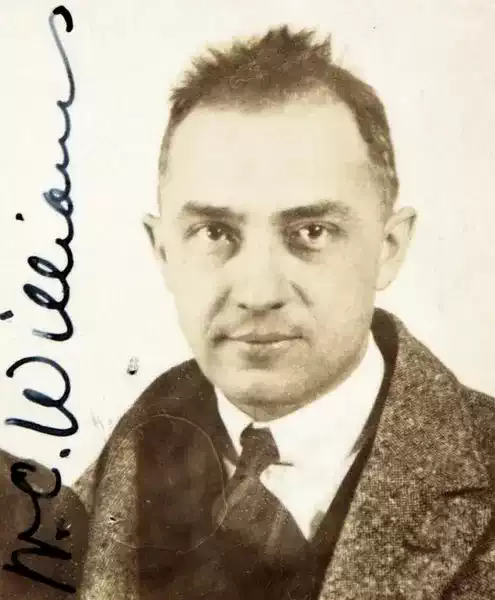
William Carlos Williams
The Poor
By constantly tormenting them
with reminders of the lice in
their children's hair, the
School Physician first
brought their hatred down on him.
But by this familiarity
they grew used to him, and so,
at last,
took him for their friend and adviser.
with reminders of the lice in
their children's hair, the
School Physician first
brought their hatred down on him.
But by this familiarity
they grew used to him, and so,
at last,
took him for their friend and adviser.
479

Walt Whitman
Behold This Swarthy Face
BEHOLD this swarthy face--these gray eyes,
This beard--the white wool, unclipt upon my neck,
My brown hands, and the silent manner of me, without charm;
Yet comes one, a Manhattanese, and ever at parting, kisses me lightly
on the lips with robust love,
And I, on the crossing of the street, or on the ship's deck, give a
kiss in return;
We observe that salute of American comrades, land and sea,
We are those two natural and nonchalant persons.
480
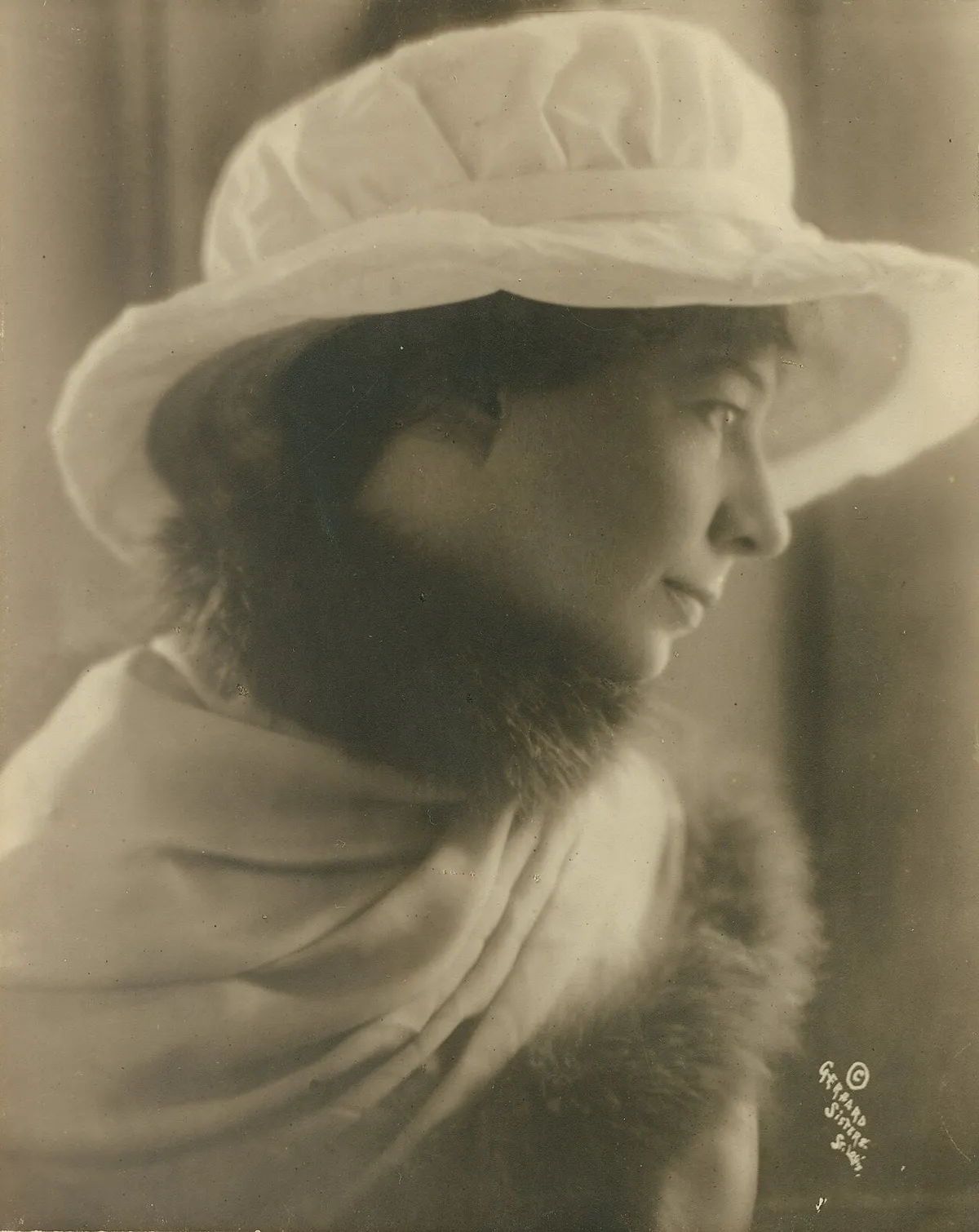
Sara Teasdale
Lights
When we come home at night and close the door,
Standing together in the shadowy room,
Safe in our own love and the gentle gloom,
Glad of familiar wall and chair and floor,
Glad to leave far below the clanging city;
Looking far downward to the glaring street
Gaudy with light, yet tired with many feet,
In both of us wells up a wordless pity;
Men have tried hard to put away the dark;
A million lighted windows brilliantly
Inlay with squares of gold the winter night,
But to us standing here there comes the stark
Sense of the lives behind each yellow light,
And not one wholly joyous, proud, or free.
474

Rudyard Kipling
L'envoi To Life's Handicap
My new-cut ashlar takes the light
Where crimson-blank the windows flare;
By my own work, before the night,
Great Overseer I make my prayer.
If there be good in that I wrought,
Thy hand compelled it, Master, Thine;
Where I have failed to meet Thy thought
I know, through Thee, the blame is mine.
One instant's toil to Thee denied
Stands all Eternity's offence,
Of that I did with Thee to guide
To Thee, through Thee, be excellence.
Who, lest all thought of Eden fade,
Bring'st Eden to the craftsman's brain,
Godlike to muse o'er his own trade
And Manlike stand with God again.
The depth and dream of my desire,
The bitter paths wherein I stray,
Thou knowest Who hast made the Fire,
Thou knowest Who hast made the Clay!
One stone the more swings to her place
In that dread Temple of Thy Worth --
It is enough that through Thy grace
I saw naught common on Thy earth.
Take not that vision from my ken;
Oh whatsoe'er may spoil or speed,
Help me to need no aid from men
That I may help such men as need!
470

Lord Byron
Inscription On The Monument Of A Newfoundland Dog
When some proud son of man returns to earth,
Unknown to glory, but upheld by birth,
The sculptor's art exhausts the pomp of woe,
And storied urns record who rest below:
When all is done, upon the tomb is seen,
Not what he was, but what he should have been:
But the poor dog, in life the firmest friend,
The first to welcome, foremost to defend,
Whose honest heart, is still his master's own,
Who labours, fights, lives, breathes for him alone,
Unhonour'd falls, unnoticed all his worth,
Denied in heaven the soul he held on earth,
While man, vain insect! hopes to be forgiven,
And claims himself a sole exclusive heaven.
Oh man! thou feeble tenant of an hour,
Debased by slavery, or corrupt by power,
Who knows thee well must quit thee with disgust,
Degraded mass of animated dust!
Thy love is lust, thy friendship all a cheat,
Thy smiles hypocrisy, thy words deceit!
By nature vile, ennobled but by name,
Each kindred brute might bid thee blush for shame.
Ye! who perchance behold this simple urn,
Pass onit
honours none you wish to mourn:
To mark a friend's remains these stones arise;
I never knew but one,and
here he lies.
470

William Blake
Three Things to Remember
A Robin Redbreast in a cage,
Puts all Heaven in a rage.
A skylark wounded on the wing
Doth make a cherub cease to sing.
He who shall hurt the little wren
Shall never be beloved by men.
Puts all Heaven in a rage.
A skylark wounded on the wing
Doth make a cherub cease to sing.
He who shall hurt the little wren
Shall never be beloved by men.
465
Ella Wheeler Wilcox
A Grey Mood
As we hurry away to the end, my friend,
Of this sad little farce called existence,
We are sure that the future will bring one thing,
And that is the grave in the distance.
And so when our lives run along all wrong,
And nothing seems real or certain,
We can comfort ourselves with the thought (or not)
Of that spectre behind the curtain.
But we haven’t much time to repine or whine,
Or to wound or jostle each other;
And the hour for us each is to-day, I say,
If we mean to assist a brother.
And there is no pleasure that earth gives birth,
But the worry it brings is double;
And all that repays for the strife of life,
Is helping some soul in trouble.
I tell you, if I could go back the track
To my life’s morning hour,
I would not set forth, seeking name or fame,
Or that poor bauble called power.
I would be like the sunlight, and live to give;
I would lend, but I would not borrow;
Nor would I be blind and complain of pain,
Forgetting the meaning of sorrow.
This world is a vaporous jest at best,
Tossed off by the gods in laughter;
And a cruel attempt at wit were it
If nothing better came after.
It is reeking with hearts that ache and break,
Which we ought to comfort and strengthen,
As we hurry away to the end, my friend,
And the shadows behind us lengthen.
464
Rudyard Kipling
Russia to the Pacifists
God rest you, peaceful gentlemen, let nothing you dismay,
But--leave your sports a little while--the dead are borne
this way!
Armies dead and Cities dead, past all count or care.
God rest you, merry gentlemen, what portent see you there?
Singing:--Break ground for a wearied host
That have no ground to keep.
Give them the rest that they covet most . . .
And who shall next to sleep, good sirs,
In such a trench to sleep?
God rest you, peaceful gentlemen, but give us leave to pass.
We go to dig a nation's grave as great as England was.
For this Kingdom and this Glory and this Power and this Pride
Three hundred years it flourished--in three hundred days it
died.
Singing:--Pour oil for a frozen throng,
That lie about the ways.
Give them the warmth they have lacked so
long . . .
And what shall be next to blaze, good sirs,
On such a pyre to blaze?
God rest you, thoughtful gentlemen, and send your sleep is light!
Remains of this dominion no shadow, sound, or sight,
Except the sound of weeping and the sight of burning fire,
And the shadow of a people that is trampled into mire.
Singing:--Break bread for a starving folk
That perish in the field.
Give them their food as they take the yoke . . .
And who shall be next to yield, good sirs,
For such a bribe to yield?
God rest you merry gentlemen, and keep you in your mirth!
Was ever Kingdom turned so soon to ashes, blood and earth?
'Twixt the summer and the snow-seeding-time and frost--
Arms and victual, hope and counsel, name and country lost!
Singing:--Let down by the foot and the head--
Shovel and smooth it all !
So do we bury a Nation dead . . .
And who shall be next to fall, good sirs,
With your good help to fall?
465
Sara Teasdale
The Voice
Atoms as old as stars,
Mutation on mutation,
Millions and millions of cells
Dividing yet still the same,
From air and changing earth,
From ancient Eastern rivers,
From turquoise tropic seas,
Unto myself I came.
My spirit like my flesh
Sprang from a thousand sources,
From cave-man, hunter and shepherd,
From Karnak, Cyprus, Rome;
The living thoughts in me
Spring from dead men and women,
Forgotten time out of mind
And many as bubbles of foam.
Here for a moment's space
Into the light out of darkness,
I come and they come with me
Finding words with my breath;
From the wisdom of many life-times
Seek for Beauty, she only
Fights with man against Death!"
463
William Carlos Williams
To Elsie
The pure products of America
go crazy--
mountain folk from Kentucky
or the ribbed north end of
Jersey
with its isolate lakes and
valleys, its deaf-mutes, thieves
old names
and promiscuity between
devil-may-care men who have taken
to railroading
out of sheer lust of adventure--
and young slatterns, bathed
in filth
from Monday to Saturday
to be tricked out that night
with gauds
from imaginations which have no
peasant traditions to give them
character
but flutter and flaunt
sheer rags-succumbing without
emotion
save numbed terror
under some hedge of choke-cherry
or viburnumwhich
they cannot express--
Unless it be that marriage
perhaps
with a dash of Indian blood
will throw up a girl so desolate
so hemmed round
with disease or murder
that she'll be rescued by an
agent--
reared by the state and
sent out at fifteen to work in
some hard-pressed
house in the suburbs--
some doctor's family, some Elsie--
voluptuous water
expressing with broken
brain the truth about us--
her great
ungainly hips and flopping breasts
addressed to cheap
jewelry
and rich young men with fine eyes
as if the earth under our feet
were
an excrement of some sky
and we degraded prisoners
destined
to hunger until we eat filth
while the imagination strains
after deer
going by fields of goldenrod in
the stifling heat of September
Somehow
it seems to destroy us
It is only in isolate flecks that
something
is given off
No one
to witness
and adjust, no one to drive the car
461
Walt Whitman
I Was Looking A Long While
I WAS looking a long while for a clue to the history of the past for
myself, and for these chants--and now I have found it;
It is not in those paged fables in the libraries, (them I neither
accept nor reject;)
It is no more in the legends than in all else;
It is in the present--it is this earth to-day;
It is in Democracy--(the purport and aim of all the past;)
It is the life of one man or one woman to-day--the average man of
to-day;
It is in languages, social customs, literatures, arts;
It is in the broad show of artificial things, ships, machinery,
politics, creeds, modern improvements, and the interchange of
nations,
All for the average man of to-day.
461
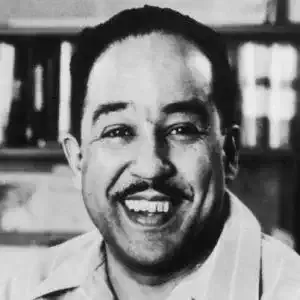
Langston Hughes
Gods
The ivory gods,
And the ebony gods,
And the gods of diamond and jade,
Sit silently on their temple shelves
While the people
Are afraid.
Yet the ivory gods,
And the ebony gods,
And the gods of diamond-jade,
Are only silly puppet gods
That the people themselves
Have made.
And the ebony gods,
And the gods of diamond and jade,
Sit silently on their temple shelves
While the people
Are afraid.
Yet the ivory gods,
And the ebony gods,
And the gods of diamond-jade,
Are only silly puppet gods
That the people themselves
Have made.
459

Kazi Nazrul Islam
Resurrection
Wake up
You captives of hunger, arise.
You harassed, down-trodden masses,
Spell thunder at the oppressors -
The stirred voices of the sufferers cry.
A new world reborn is soon to dawn.
These fetters of ancient scriptures
Wrought this utter ruin;
Come, let us break in,
Shattering the devil's dungeon.
Wake up,
Ye, hapless masses, arise,
So that no 'one beneath
The feet of others lies.
On a new foundation
A young world shall dawn.
Listen, you tyrant!
Listen, you rich!
Though destitute,
Through the war,
Our rights
We shall recover
With the unity of sufferers
All the world over.
[Translation: Syed Mujibul Huq]
460
Walt Whitman
Years Of The Modern
YEARS of the modern! years of the unperform'd!
Your horizon rises--I see it parting away for more august dramas;
I see not America only--I see not only Liberty's nation, but other
nations preparing;
I see tremendous entrances and exits--I see new combinations--I see
the solidarity of races;
I see that force advancing with irresistible power on the world's
stage;
(Have the old forces, the old wars, played their parts? are the acts
suitable to them closed?)
I see Freedom, completely arm'd, and victorious, and very haughty,
with Law on one side, and Peace on the other,
A stupendous Trio, all issuing forth against the idea of caste;
--What historic denouements are these we so rapidly approach?
I see men marching and countermarching by swift millions;
I see the frontiers and boundaries of the old aristocracies broken;
I see the landmarks of European kings removed;
I see this day the People beginning their landmarks, (all others give
way;)
--Never were such sharp questions ask'd as this day;
Never was average man, his soul, more energetic, more like a God;
Lo! how he urges and urges, leaving the masses no rest;
His daring foot is on land and sea everywhere--he colonizes the
Pacific, the archipelagoes;
With the steam-ship, the electric telegraph, the newspaper, the
wholesale engines of war,
With these, and the world-spreading factories, he interlinks all
geography, all lands;
--What whispers are these, O lands, running ahead of you, passing
under the seas?
Are all nations communing? is there going to be but one heart to the
globe?
Is humanity forming, en-masse?--for lo! tyrants tremble, crowns grow
dim;
The earth, restive, confronts a new era, perhaps a general divine
war;
No one knows what will happen next--such portents fill the days and
nights;
Years prophetical! the space ahead as I walk, as I vainly try to
pierce it, is full of phantoms;
Unborn deeds, things soon to be, project their shapes around me;
This incredible rush and heat--this strange extatic fever of dreams,
O years!
Your dreams, O year, how they penetrate through me! (I know not
whether I sleep or wake!)
The perform'd America and Europe grow dim, retiring in shadow behind
me,
The unperform'd, more gigantic than ever, advance, advance upon
me.
461
Walt Whitman
As I Walk These Broad, Majestic Days
AS I walk these broad, majestic days of peace,
(For the war, the struggle of blood finish'd, wherein, O terrific
Ideal!
Against vast odds, having gloriously won,
Now thou stridest on--yet perhaps in time toward denser wars,
Perhaps to engage in time in still more dreadful contests, dangers,
Longer campaigns and crises, labors beyond all others;
--As I walk solitary, unattended,
Around me I hear that eclat of the world--politics, produce,
The announcements of recognized things--science,
The approved growth of cities, and the spread of inventions.
I see the ships, (they will last a few years,)
The vast factories, with their foremen and workmen,
And here the indorsement of all, and do not object to it.
But I too announce solid things;
Science, ships, politics, cities, factories, are not nothing--I watch
them,
Like a grand procession, to music of distant bugles, pouring,
triumphantly moving--and grander heaving in sight;
They stand for realities--all is as it should be.
Then my realities;
What else is so real as mine?
Libertad, and the divine average--Freedom to every slave on the face
of the earth,
The rapt promises and luminé of seers--the spiritual world--these
centuries lasting songs,
And our visions, the visions of poets, the most solid announcements
of any.
For we support all, fuse all,
After the rest is done and gone, we remain;
There is no final reliance but upon us;
Democracy rests finally upon us (I, my brethren, begin it,)
And our visions sweep through eternity.
457
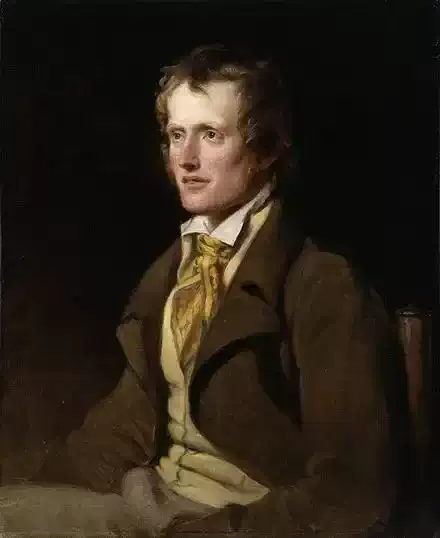
John Clare
The Stranger
When trouble haunts me, need I sigh?
No, rather smile away despair;
For those have been more sad than I,
With burthens more than I could bear;
Aye, gone rejoicing under care
Where I had sunk in black despair.
When pain disturbs my peace and rest,
Am I a hopeless grief to keep,
When some have slept on torture's breast
And smiled as in the sweetest sleep,
Aye, peace on thorns, in faith forgiven,
And pillowed on the hope of heaven?
Though low and poor and broken down,
Am I to think myself distrest?
No, rather laugh where others frown
And think my being truly blest;
For others I can daily see
More worthy riches worse than me.
Aye, once a stranger blest the earth
Who never caused a heart to mourn,
Whose very voice gave sorrow mirth--
And how did earth his worth return?
It spurned him from its lowliest lot,
The meanest station owned him not;
An outcast thrown in sorrow's way,
A fugitive that knew no sin,
Yet in lone places forced to stray--
Men would not take the stranger in.
Yet peace, though much himself he mourned,
Was all to others he returned.
* * * * *
His presence was a peace to all,
He bade the sorrowful rejoice.
Pain turned to pleasure at his call,
Health lived and issued from his voice.
He healed the sick and sent abroad
The dumb rejoicing in the Lord.
The blind met daylight in his eye,
The joys of everlasting day;
The sick found health in his reply;
The cripple threw his crutch away.
Yet he with troubles did remain
And suffered poverty and pain.
Yet none could say of wrong he did,
And scorn was ever standing bye;
Accusers by their conscience chid,
When proof was sought, made no reply.
Yet without sin he suffered more
Than ever sinners did before.
453

William Butler Yeats
The Magi
NOW as at all times I can see in the mind's eye,
In their stiff, painted clothes, the pale unsatisfied ones
Appear and disappear in the blue depth of the sky
With all their ancient faces like rain-beaten stones,
And all their helms of Silver hovering side by side,
And all their eyes still fixed, hoping to find once more,
Being by Calvary's turbulence unsatisfied,
The uncontrollable mystery on the bestial floor.
453

Claude Mckay
In Bondage
I would be wandering in distant fields
Where man, and bird, and beast, lives leisurely,
And the old earth is kind, and ever yields
Her goodly gifts to all her children free;
Where life is fairer, lighter, less demanding,
And boys and girls have time and space for play
Before they come to years of understanding--
Somewhere I would be singing, far away.
For life is greater than the thousand wars
Men wage for it in their insatiate lust,
And will remain like the eternal stars,
When all that shines to-day is drift and dust
But I am bound with you in your mean graves,
O black men, simple slaves of ruthless slaves.
453
Rudyard Kipling
The Song of the Women
How shall she know the worship we would do her?
The walls are high, and she is very far.
How shall the woman's message reach unto her
Above the tumult of the packed bazaar?
Free wind of March, against the lattice blowing,
Bear thou our thanks, lest she depart unknowing.
Go forth across the fields we may not roam in,
Go forth beyond the trees that rim the city,
To whatsoe'er fair place she hath her home in,
Who dowered us with walth of love and pity.
Out of our shadow pass, and seek her singing --
"I have no gifts but Love alone for bringing."
Say that we be a feeble folk who greet her,
But old in grief, and very wise in tears;
Say that we, being desolate, entreat her
That she forget us not in after years;
For we have seen the light, and it were grievous
To dim that dawning if our lady leave us.
By life that ebbed with none to stanch the failing
By Love's sad harvest garnered in the spring,
When Love in ignorance wept unavailing
O'er young buds dead before their blossoming;
By all the grey owl watched, the pale moon viewed,
In past grim years, declare our gratitude!
By hands uplifted to the Gods that heard not,
By fits that found no favor in their sight,
By faces bent above the babe that stirred not,
By nameless horrors of the stifling night;
By ills foredone, by peace her toils discover,
Bid Earth be good beneath and Heaven above her!
If she have sent her servants in our pain
If she have fought with Death and dulled his sword;
If she have given back our sick again.
And to the breast the wakling lips restored,
Is it a little thing that she has wrought?
Then Life and Death and Motherhood be nought.
Go forth, O wind, our message on thy wings,
And they shall hear thee pass and bid thee speed,
In reed-roofed hut, or white-walled home of kings,
Who have been helpen by ther in their need.
All spring shall give thee fragrance, and the wheat
Shall be a tasselled floorcloth to thy feet.
Haste, for our hearts are with thee, take no rest!
Loud-voiced ambassador, from sea to sea
Proclaim the blessing, mainfold, confessed.
Of those in darkness by her hand set free.
Then very softly to her presence move,
And whisper: "Lady, lo, they know and love!"
445

Alexander Pope
Universal Prayer
Father of all! In every age,
In ev'ry clime ador'd,
By saint, by savage, and by sage,
Jehovah, Jove, or Lord!
Thou Great First Cause, least understood,
Who all my sense confin'd
To know but this, that Thou art good,
And that myself am blind:
Yet gave me, in this dark estate,
To see the good from ill;
And, binding Nature fast in Fate,
Left free the human Will.
What Conscience dictates to be done,
Or warns me not to do;
This teach me more than Hell to shun,
That more than Heav'n pursue.
What blessings thy free bounty gives
Let me not cast away;
For God is paid when man receives;
T' enjoy is to obey.
Yet not to earth's contracted span
Thy goodness let me bound,
Or think thee Lord alone of man,
When thousand worlds are round.
Let not this weak, unknowing hand
Presume thy bolts to throw,
And teach damnation round the land
On each I judge thy foe.
If I am right, thy grace impart,
Still in the right to stay;
If I am wrong, O teach my heart
To find that better way.
Save me alike from foolish Pride
Or impious Discontent,
At aught thy wisdom has denied,
Or aught that goodness lent.
Teach me to feel another's woe,
To right the fault I see:
That mercy I to others show,
That mercy show to me.
Mean tho' I am, not wholly so,
Since quicken'd by thy breath;
O lead me whereso'er I go,
Thro' this day's life or death!
This day be bread and peace my lot:
All else beneath the sun
Though know'st if best bestow'd or not,
And let Thy will be done.
To Thee, whose temple is of Space,
Whose altar earth, sea, skies,
One chorus let all Beings raise!
All Nature's incense rise!
445