
Passion

Elizabeth Barrett Browning
A Woman's Shortcomings
She has laughed as softly as if she sighed,
She has counted six, and over,
Of a purse well filled, and a heart well tried -
Oh, each a worthy lover!
They "give her time"; for her soul must slip
Where the world has set the grooving;
She will lie to none with her fair red lip:
But love seeks truer loving.
She trembles her fan in a sweetness dumb,
As her thoughts were beyond recalling;
With a glance for one, and a glance for some,
From her eyelids rising and falling;
Speaks common words with a blushful air,
Hears bold words, unreproving;
But her silence says - what she never will swear -
And love seeks better loving.
Go, lady! lean to the night-guitar,
And drop a smile to the bringer;
Then smile as sweetly, when he is far,
At the voice of an in-door singer.
Bask tenderly beneath tender eyes;
Glance lightly, on their removing;
And join new vows to old perjuries -
But dare not call it loving!
Unless you can think, when the song is done,
No other is soft in the rhythm;
Unless you can feel, when left by One,
That all men else go with him;
Unless you can know, when unpraised by his breath,
That your beauty itself wants proving;
Unless you can swear "For life, for death!" -
Oh, fear to call it loving!
Unless you can muse in a crowd all day
On the absent face that fixed you;
Unless you can love, as the angels may,
With the breadth of heaven betwixt you;
Unless you can dream that his faith is fast,
Through behoving and unbehoving;
Unless you can die when the dream is past -
Oh, never call it loving!
536

Ella Wheeler Wilcox
Love's Language
How does Love speak?
In the faint flush upon the tell-tale cheek,
And in the pallor that succeeds it; by
The quivering lid of an averted eye –
The smile that proves the parent to a sigh –
Thus doth Love speak.
How does Love speak?
By the uneven heart-throbs, and the freak
Of bounding pulses that stand still and ache,
While new emotions, like strange barques, make
Along vein-channels their disturbing course;
Still as the dawn, and with the dawn’s swift force –
Thus doth Love speak.
How does Love speak?
In the avoidance of that which we seek –
The sudden silence and reserve when near –
The eye that glistens with an unshed tear –
The joy that seems the counterpart of fear,
As the alarmed heart leaps in the breast,
And knows, and names, the greets its god-like guest –
Thus doth Love speak.
How doth Love speak?
In the proud spirit suddenly grown meek –
The haughty heart grown humble; in the tender
And unnamed light that floods the world with splendour,
In the resemblance which the fond eyes trace
In all things to one beloved face;
In the shy touch of hands that thrill and tremble;
In looks and lips that can no more dissemble –
Thus doth Love speak.
How doth Love speak?
In the wild words that uttered seem so weak
They shrink ashamed to silence; in the fire
Glance strikes with glance, swift flashing high and higher,
Like lightnings that precede the mighty storm;
In the deep, soulful stillness; in the warm,
Impassioned tide that sweeps through throbbing veins,
Between the shores of keen delights and pains;
In the embrace where madness melts in bliss,
And in convulsive rapture of a kiss –
Thus doth Love speak.
536

Johann Wolfgang von Goethe
Christel
My senses ofttimes are oppress'd,
Oft stagnant is my blood;
But when by Christel's sight I'm blest,
I feel my strength renew'd.
I see her here, I see her there,
And really cannot tell
The manner how, the when, the where,
The why I love her well.
If with the merest glance I view
Her black and roguish eyes,
And gaze on her black eyebrows too,
My spirit upward flies.
Has any one a mouth so sweet,
Such love-round cheeks as she?
Ah, when the eye her beauties meet,
It ne'er content can be.
And when in airy German dance
I clasp her form divine,
So quick we whirl, so quick advance,
What rapture then like mine!
And when she's giddy, and feels warm,
I cradle her, poor thing,
Upon my breast, and in mine arm,-I'm
then a very king!
And when she looks with love on me,
Forgetting all but this,
When press'd against my bosom, she
Exchanges kiss for kiss,
All through my marrow runs a thrill,
Runs e'en my foot along!
I feel so well, I feel so ill,
I feel so weak, so strong!
Would that such moments ne'er would end!
The day ne'er long I find;
Could I the night too with her spend,
E'en that I should not mind.
If she were in mine arms but held,
To quench love's thirst I'd try;
And could my torments not be quell'd,
Upon her breast would die.
528
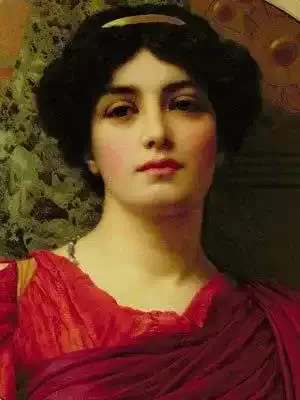
Safo
Like the gods. . .
In my eyes he matches the gods, that man who
sits there facing you--any man whatever--
listening from closeby to the sweetness of your
voice as you talk, the
sweetness of your laughter: yes, that--I swear it--
sets the heart to shaking inside my breast, since
once I look at you for a moment, I can't
speak any longer,
but my tongue breaks down, and then all at once a
subtle fire races inside my skin, my
eyes can't see a thing and a whirring whistle
thrums at my hearing,
cold sweat covers me and a trembling takes
ahold of me all over: I'm greener than the
grass is and appear to myself to be little
short of dying.
But all must be endured, since even a poor [
517
Ella Wheeler Wilcox
I Love You
I love your lips when they're wet with wine
And red with a wild desire;
I love your eyes when the lovelight lies
Lit with a passionate fire.
I love your arms when the warm white flesh
Touches mine in a fond embrace;
I love your hair when the strands enmesh
Your kisses against my face.
Not for me the cold calm kiss
Of a virgin's bloodless love;
Not for me the saint's white bliss,
Nor the heart of a spotless dove.
But give me the love that so freely gives
And laughs at the whole world's blame,
With your body so young and warm in my arms,
It sets my poor heart aflame.
So kiss me sweet with your warm wet mouth,
Still fragrant with ruby wine,
And say with a fervor born of the South
That your body and soul are mine.
Clasp me close in your warm young arms,
While the pale stars shine above,
And we'll live our whole young lives away
In the joys of a living love.
517
Safo
Ode to a Loved One
LEST as the immortal gods is he,
The youth who fondly sits by thee,
And hears and sees thee, all the while,
Softly speaks and sweetly smile.
'Twas this deprived my soul of rest,
And raised such tumults in my breast;
For, while I gazed, in transport tossed,
My breath was gone, my voice was lost;
My bosom glowed; the subtle flame
Ran quick through all my vital frame;
O'er my dim eyes a darkness hung;
My ears with hollow murmurs rung;
In dewy damps my limbs were chilled;
My blood with gentle horrors thrilled:
My feeble pulse forgot to play;
I fainted, sunk, and died away.
514

Rabindranath Tagore
We Are To Play The Game Of Death
WE are to play the game of death to-night, my bride and I.
The night is black, the clouds in the sky are capricious, and the waves are raving at
sea.
We have left our bed of dreams, flung open the door and come out, my bride and I.
We sit upon a swing, and the storm winds give us a wild push from behind.
My bride starts up with fear and delight, she trembles and clings to my breast.
Long have I served her tenderly.
I made for her a bed of flowers and I closed the doors to shut out the rude light from
her eyes.
I kissed her gently on her lips and whispered softly in her ears till she half swooned in
languor.
She was lost in the endless mist of vague sweetness.
She answered not to my touch, my songs failed to arouse her.
To-night has come to us the call of the storm from the wild.
My bride has shivered and stood up, she has clasped my hand and come out.
Her hair is flying in the wind, her veil is fluttering, her garland rustles over her breast.
The push of death has swung her into life.
We are face to face and heart to heart, my bride and I.
508

John Keats
Song of the Indian Maid, from 'Endymion'
O SORROW!
Why dost borrow
The natural hue of health, from vermeil lips?-
To give maiden blushes
To the white rose bushes?
Or is it thy dewy hand the daisy tips?
O Sorrow!
Why dost borrow
The lustrous passion from a falcon-eye?-To
give the glow-worm light?
Or, on a moonless night,
To tinge, on siren shores, the salt sea-spry?
O Sorrow!
Why dost borrow
The mellow ditties from a mourning tongue?-To
give at evening pale
Unto the nightingale,
That thou mayst listen the cold dews among?
O Sorrow!
Why dost borrow
Heart's lightness from the merriment of May?-A
lover would not tread
A cowslip on the head,
Though he should dance from eve till peep of day-Nor
any drooping flower
Held sacred for thy bower,
Wherever he may sport himself and play.
To Sorrow
I bade good morrow,
And thought to leave her far away behind;
But cheerly, cheerly,
She loves me dearly;
She is so constant to me, and so kind:
I would deceive her
And so leave her,
But ah! she is so constant and so kind.
Beneath my palm-trees, by the river side,
I sat a-weeping: in the whole world wide
There was no one to ask me why I wept,-
And so I kept
Brimming the water-lily cups with tears
Cold as my fears.
Beneath my palm-trees, by the river side,
I sat a-weeping: what enamour'd bride,
Cheated by shadowy wooer from the clouds,
But hides and shrouds
Beneath dark palm-trees by a river side?
And as I sat, over the light blue hills
There came a noise of revellers: the rills
Into the wide stream came of purple hue-
'Twas Bacchus and his crew!
The earnest trumpet spake, and silver thrills
From kissing cymbals made a merry din-
'Twas Bacchus and his kin!
Like to a moving vintage down they came,
Crown'd with green leaves, and faces all on flame;
All madly dancing through the pleasant valley,
To scare thee, Melancholy!
O then, O then, thou wast a simple name!
And I forgot thee, as the berried holly
By shepherds is forgotten, when in June
Tall chestnuts keep away the sun and moon:-
I rush'd into the folly!
Within his car, aloft, young Bacchus stood,
Trifling his ivy-dart, in dancing mood,
With sidelong laughing;
And little rills of crimson wine imbrued
His plump white arms and shoulders, enough white
For Venus' pearly bite;
And near him rode Silenus on his ass,
Pelted with flowers as he on did pass
Tipsily quaffing.
'Whence came ye, merry Damsels! whence came ye,
So many, and so many, and such glee?
Why have ye left your bowers desolate,
Your lutes, and gentler fate?'-'
We follow Bacchus! Bacchus on the wing,
A-conquering!
Bacchus, young Bacchus! good or ill betide,
We dance before him thorough kingdoms wide:--
Come hither, lady fair, and joined be
To our wild minstrelsy!'
'Whence came ye, jolly Satyrs! whence came ye,
So many, and so many, and such glee?
Why have ye left your forest haunts, why left
Your nuts in oak-tree cleft?'-'
For wine, for wine we left our kernel tree;
For wine we left our heath, and yellow brooms,
And cold mushrooms;
For wine we follow Bacchus through the earth;
Great god of breathless cups and chirping mirth!
Come hither, lady fair, and joined be
To our mad minstrelsy!'
Over wide streams and mountains great we went,
And, save when Bacchus kept his ivy tent,
Onward the tiger and the leopard pants,
With Asian elephants:
Onward these myriads--with song and dance,
With zebras striped, and sleek Arabians' prance,
Web-footed alligators, crocodiles,
Bearing upon their scaly backs, in files,
Plump infant laughers mimicking the coil
Of seamen, and stout galley-rowers' toil:
With toying oars and silken sails they glide,
Nor care for wind and tide.
Mounted on panthers' furs and lions' manes,
From rear to van they scour about the plains;
A three days' journey in a moment done;
And always, at the rising of the sun,
About the wilds they hunt with spear and horn,
On spleenful unicorn.
I saw Osirian Egypt kneel adown
Before the vine-wreath crown!
I saw parch'd Abyssinia rouse and sing
To the silver cymbals' ring!
I saw the whelming vintage hotly pierce
Old Tartary the fierce!
The kings of Ind their jewel-sceptres vail,
And from their treasures scatter pearled hail;
Great Brahma from his mystic heaven groans,
And all his priesthood moans,
Before young Bacchus' eye-wink turning pale.
Into these regions came I, following him,
Sick-hearted, weary--so I took a whim
To stray away into these forests drear,
Alone, without a peer:
And I have told thee all thou mayest hear.
Young Stranger!
I've been a ranger
In search of pleasure throughout every clime;
Alas! 'tis not for me!
Bewitch'd I sure must be,
To lose in grieving all my maiden prime.
Come then, Sorrow,
Sweetest Sorrow!
Like an own babe I nurse thee on my breast:
I thought to leave thee,
And deceive thee,
But now of all the world I love thee best.
There is not one,
No, no, not one
But thee to comfort a poor lonely maid;
Thou art her mother,
And her brother,
Her playmate, and her wooer in the shade.
Why dost borrow
The natural hue of health, from vermeil lips?-
To give maiden blushes
To the white rose bushes?
Or is it thy dewy hand the daisy tips?
O Sorrow!
Why dost borrow
The lustrous passion from a falcon-eye?-To
give the glow-worm light?
Or, on a moonless night,
To tinge, on siren shores, the salt sea-spry?
O Sorrow!
Why dost borrow
The mellow ditties from a mourning tongue?-To
give at evening pale
Unto the nightingale,
That thou mayst listen the cold dews among?
O Sorrow!
Why dost borrow
Heart's lightness from the merriment of May?-A
lover would not tread
A cowslip on the head,
Though he should dance from eve till peep of day-Nor
any drooping flower
Held sacred for thy bower,
Wherever he may sport himself and play.
To Sorrow
I bade good morrow,
And thought to leave her far away behind;
But cheerly, cheerly,
She loves me dearly;
She is so constant to me, and so kind:
I would deceive her
And so leave her,
But ah! she is so constant and so kind.
Beneath my palm-trees, by the river side,
I sat a-weeping: in the whole world wide
There was no one to ask me why I wept,-
And so I kept
Brimming the water-lily cups with tears
Cold as my fears.
Beneath my palm-trees, by the river side,
I sat a-weeping: what enamour'd bride,
Cheated by shadowy wooer from the clouds,
But hides and shrouds
Beneath dark palm-trees by a river side?
And as I sat, over the light blue hills
There came a noise of revellers: the rills
Into the wide stream came of purple hue-
'Twas Bacchus and his crew!
The earnest trumpet spake, and silver thrills
From kissing cymbals made a merry din-
'Twas Bacchus and his kin!
Like to a moving vintage down they came,
Crown'd with green leaves, and faces all on flame;
All madly dancing through the pleasant valley,
To scare thee, Melancholy!
O then, O then, thou wast a simple name!
And I forgot thee, as the berried holly
By shepherds is forgotten, when in June
Tall chestnuts keep away the sun and moon:-
I rush'd into the folly!
Within his car, aloft, young Bacchus stood,
Trifling his ivy-dart, in dancing mood,
With sidelong laughing;
And little rills of crimson wine imbrued
His plump white arms and shoulders, enough white
For Venus' pearly bite;
And near him rode Silenus on his ass,
Pelted with flowers as he on did pass
Tipsily quaffing.
'Whence came ye, merry Damsels! whence came ye,
So many, and so many, and such glee?
Why have ye left your bowers desolate,
Your lutes, and gentler fate?'-'
We follow Bacchus! Bacchus on the wing,
A-conquering!
Bacchus, young Bacchus! good or ill betide,
We dance before him thorough kingdoms wide:--
Come hither, lady fair, and joined be
To our wild minstrelsy!'
'Whence came ye, jolly Satyrs! whence came ye,
So many, and so many, and such glee?
Why have ye left your forest haunts, why left
Your nuts in oak-tree cleft?'-'
For wine, for wine we left our kernel tree;
For wine we left our heath, and yellow brooms,
And cold mushrooms;
For wine we follow Bacchus through the earth;
Great god of breathless cups and chirping mirth!
Come hither, lady fair, and joined be
To our mad minstrelsy!'
Over wide streams and mountains great we went,
And, save when Bacchus kept his ivy tent,
Onward the tiger and the leopard pants,
With Asian elephants:
Onward these myriads--with song and dance,
With zebras striped, and sleek Arabians' prance,
Web-footed alligators, crocodiles,
Bearing upon their scaly backs, in files,
Plump infant laughers mimicking the coil
Of seamen, and stout galley-rowers' toil:
With toying oars and silken sails they glide,
Nor care for wind and tide.
Mounted on panthers' furs and lions' manes,
From rear to van they scour about the plains;
A three days' journey in a moment done;
And always, at the rising of the sun,
About the wilds they hunt with spear and horn,
On spleenful unicorn.
I saw Osirian Egypt kneel adown
Before the vine-wreath crown!
I saw parch'd Abyssinia rouse and sing
To the silver cymbals' ring!
I saw the whelming vintage hotly pierce
Old Tartary the fierce!
The kings of Ind their jewel-sceptres vail,
And from their treasures scatter pearled hail;
Great Brahma from his mystic heaven groans,
And all his priesthood moans,
Before young Bacchus' eye-wink turning pale.
Into these regions came I, following him,
Sick-hearted, weary--so I took a whim
To stray away into these forests drear,
Alone, without a peer:
And I have told thee all thou mayest hear.
Young Stranger!
I've been a ranger
In search of pleasure throughout every clime;
Alas! 'tis not for me!
Bewitch'd I sure must be,
To lose in grieving all my maiden prime.
Come then, Sorrow,
Sweetest Sorrow!
Like an own babe I nurse thee on my breast:
I thought to leave thee,
And deceive thee,
But now of all the world I love thee best.
There is not one,
No, no, not one
But thee to comfort a poor lonely maid;
Thou art her mother,
And her brother,
Her playmate, and her wooer in the shade.
496

Sara Teasdale
I Am Not Yours
I am not yours, not lost in you,
Not lost, although I long to be
Lost as a candle lit at noon,
Lost as a snowflake in the sea.
You love me, and I find you still
A spirit beautiful and bright,
Yet I am I, who long to be
Lost as a light is lost in light.
Oh plunge me deep in love -- put out
My senses, leave me deaf and blind,
Swept by the tempest of your love,
A taper in a rushing wind.
488
Johann Wolfgang von Goethe
Book Of Suleika - Suleika 04
WITH what inward joy, sweet lay,
I thy meaning have descried!
Lovingly thou seem'st to say
That I'm ever by his side;
That he ever thinks of me,
That he to the absent gives
All his love's sweet ecstasy,
While for him alone she lives.
Yes, the mirror which reveals
Thee, my loved one, is my breast;
This the bosom, where thy seals
Endless kisses have impress'd.
Numbers sweet, unsullied truth,
Chain me down in sympathy!
Love's embodied radiant youth,
In the garb of poesy!
478

Boris Pasternak
Oh terrible, beloved! A poet's loving
Oh terrible, beloved! A poet's loving
Is a restless god's passionate rage,
And chaos out into the world comes creeping,
As in the ancient fossil age.
His eyes weep him mist by the ton,
Enveloped in tears he is mammoth-like,
Out of fashion. He knows it must not be done.
Ages have passed-he does not know why.
He sees wedding parties all around,
Drunken unions celebrated unaware,
Common frogspawn found in every pond
Ritually adorned as precious caviare.
Like some Watteau pearl, how cleverly
A snuffbox embraces all life's matter,
And vengeance is wreaked on him, probably
Because, where they distort and flatter,
Where simpering comfort lies and fawns,
Where they rub idle shoulders, crawl like drones,
He will raise your sister from the ground,
Use her like a bacchante from the Grecian urns,
And pour into his kiss the Andes' melting,
And morning in the steppe, under the sway
Of dusted stars, as night's pallid bleating
Bustles about the village on its way.
And the botanical vestry's dense blackness,
And all the ravine's age-old breath,
Waft over the ennui of the stuffed mattress,
And the forest's ancient chaos spurts forth
472

William Butler Yeats
Chosen
The lot of love is chosen. I learnt that much
Struggling for an image on the track
Of the whirling Zodiac.
Scarce did he my body touch,
Scarce sank he from the west
Or found a subtetranean rest
On the maternal midnight of my breast
Before I had marked him on his northern way,
And seemed to stand although in bed I lay.
I struggled with the horror of daybreak,
I chose it for my lot! If questioned on
My utmost pleasure with a man
By some new-married bride, I take
That stillness for a theme
Where his heart my heart did seem
And both adrift on the miraculous stream
Where -- wrote a learned astrologer --
The Zodiac is changed into a sphere.
467
William Butler Yeats
Crazy Jane On The Day Of Judgment
'Love is all
Unsatisfied
That cannot take the whole
Body and soul';
And that is what Jane said.
'Take the sour
If you take me
I can scoff and lour
And scold for an hour.'
"That's certainly the case,' said he.
'Naked I lay,
The grass my bed;
Naked and hidden away,
That black day';
And that is what Jane said.
'What can be shown?
What true love be?
All could be known or shown
If Time were but gone.'
'That's certainly the case,' said he.
451
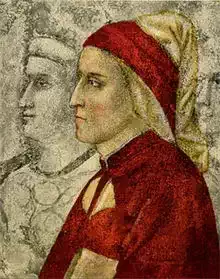
Dante Alighieri
Sonnet: Beauty Of Her Face
For certain he hath seen all perfectness
Who among other ladies hath seen mine:
They that go with her humbly should combine
To thank their God for such peculiar grace.
So perfect is the beauty of her face
That is begets in no wise any sigh
Of envy, but draws round her a clear line
Of love, and blessed faith, and gentleness.
Merely the sight of her makes all things bow:
Not she herself alone is holier
Than all; but hers, through her, are raised above.
From all her acts such lovely graces flow
That truly one may never think of her
Without a passion of exceeding love.
443
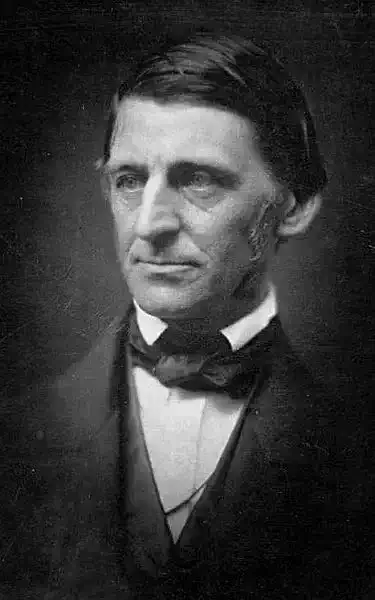
Ralph Waldo Emerson
Initial Love
Venus, when her son was lost,
Cried him up and down the coast,
In hamlets, palaces, and parks,
And told the truant by his marks,
Golden curls, and quiver, and bow;—
This befell long ago.
Time and tide are strangely changed,
Men and manners much deranged;
None will now find Cupid latent
By this foolish antique patent.
He came late along the waste,
Shod like a traveller for haste,
With malice dared me to proclaim him,
That the maids and boys might name him.
Boy no more, he wears all coats,
Frocks, and blouses, capes, capôtes,
He bears no bow, or quiver, or wand,
Nor chaplet on his head or hand:
Leave his weeds and heed his eyes,
All the rest he can disguise.
In the pit of his eyes a spark
Would bring back day if it were dark,
And,—if I tell you all my thought,
Though I comprehend it not,—
In those unfathomable orbs
Every function he absorbs;
He doth eat, and drink, and fish, and shoot,
And write, and reason, and compute,
And ride, and run, and have, and hold,
And whine, and flatter, and regret,
And kiss, and couple, and beget,
By those roving eye-balls bold;
Undaunted are their courages,
Right Cossacks in their forages;
Fleeter they than any creature,
They are his steeds and not his feature,
Inquisitive, and fierce, and fasting,
Restless, predatory, hasting,—
And they pounce on other eyes,
As lions on their prey;
And round their circles is writ,
Plainer than the day,
Underneath, within, above,
Love, love, love, love.
He lives in his eyes,
There doth digest, and work, and spin,
And buy, and sell, and lose, and win;
He rolls them with delighted motion,
Joy-tides swell their mimic ocean.
Yet holds he them with tortest rein,
That they may seize and entertain
The glance that to their glance opposes,
Like fiery honey sucked from roses.
He palmistry can understand,
Imbibing virtue by his hand
As if it were a living root;
The pulse of hands will make him mute;
With all his force he gathers balms
Into those wise thrilling palms.
Cupid is a casuist,
A mystic, and a cabalist,
Can your lurking Thought surprise,
And interpret your device;
Mainly versed in occult science,
In magic, and in clairvoyance.
Oft he keeps his fine ear strained,
And reason on her tiptoe pained,
For aery intelligence,
And for strange coincidence.
But it touches his quick heart
When Fate by omens takes his part,
And chance-dropt hints from Nature's sphere
Deeply soothe his anxious ear.
Heralds high before him run,
He has ushers many a one,
Spreads his welcome where he goes,
And touches all things with his rose.
All things wait for and divine him,—
How shall I dare to malign him,
Or accuse the god of sport?—
I must end my true report,
Painting him from head to foot,
In as far as I took note,
Trusting well the matchless power
Of this young-eyed emperor
Will clear his fame from every cloud,
With the bards, and with the crowd.
He is wilful, mutable,
Shy, untamed, inscrutable,
Swifter-fashioned than the fairies,
Substance mixed of pure contraries,
His vice some elder virtue's token,
And his good is evil spoken.
Failing sometimes of his own,
He is headstrong and alone;
He affects the wood and wild,
Like a flower-hunting child,
Buries himself in summer waves,
In trees, with beasts, in mines, and caves,
Loves nature like a horned cow,
Bird, or deer, or cariboo.
Shun him, nymphs, on the fleet horses!
He has a total world of wit,
O how wise are his discourses!
But he is the arch-hypocrite,
And through all science and all art,
Seeks alone his counterpart.
He is a Pundit of the east,
He is an augur and a priest,
And his soul will melt in prayer,
But word and wisdom are a snare;
Corrupted by the present toy,
He follows joy, and only joy.
There is no mask but he will wear,
He invented oaths to swear,
He paints, he carves, he chants, he prays,
And holds all stars in his embrace,
Godlike, —but 'tis for his fine pelf,
The social quintessence of self.
Well, said I, he is hypocrite,
And folly the end of his subtle wit,
He takes a sovran privilege
Not allowed to any liege,
For he does go behind all law,
And right into himself does draw,
For he is sovranly allied.
Heaven's oldest blood flows in his side,
And interchangeably at one
With every king on every throne,
That no God dare say him nay,
Or see the fault, or seen betray;
He has the Muses by the heart,
And the Parcæ all are of his part.
His many signs cannot be told,
He has not one mode, but manifold,
Many fashions and addresses,
Piques, reproaches, hurts, caresses,
Action, service, badinage,
He will preach like a friar,
And jump like Harlequin,
He will read like a crier,
And fight like a Paladin.
Boundless is his memory,
Plans immense his term prolong,
He is not of counted age,
Meaning always to be young.
And his wish is intimacy,
Intimater intimacy,
And a stricter privacy,
The impossible shall yet be done,
And being two shall still be one.
As the wave breaks to foam on shelves,
Then runs into a wave again,
So lovers melt their sundered selves,
Yet melted would be twain.
440
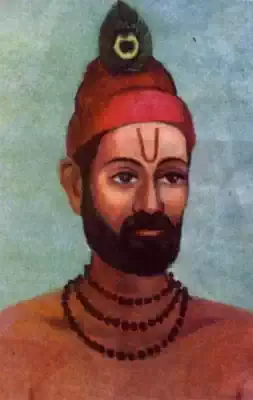
Kabir
My body is flooded
My body is flooded
With the flame of Love.
My soul lives in
A furnace of bliss.
Love's fragrance
Fills my mouth,
And fans through all things
With each outbreath.
With the flame of Love.
My soul lives in
A furnace of bliss.
Love's fragrance
Fills my mouth,
And fans through all things
With each outbreath.
440
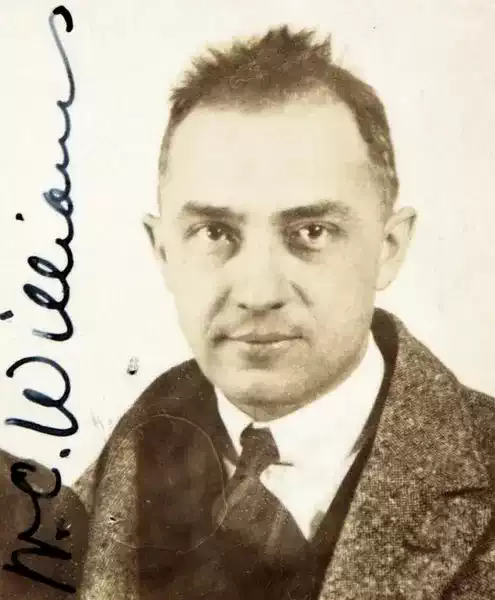
William Carlos Williams
Love Song
I lie here thinking of you:---
the stain of love
is upon the world!
Yellow, yellow, yellow
it eats into the leaves,
smears with saffron
the horned branched the lean
heavily
against a smooth purple sky!
There is no light
only a honey-thick stain
that drips from leaf to leaf
and limb to limb
spoiling the colors
of the whole worldyou
far off there under
the wine-red selvage of the west!
439
Ella Wheeler Wilcox
Art and Heart
Though critics may bow to art, and I am its own true lover,
It is not art, but heart, which wins the wide world over.
Though smooth be the heartless prayer, no ear in Heaven will mind it,
And the finest phrase falls dead if there is no feeling behind it.
Though perfect the player's touch, little, if any, he sways us,
Unless we feel his heart throb through the music he plays us.
Though the poet may spend his life in skilfully rounding a measure,
Unless he writes from a full, warm heart he gives us little pleasure.
So it is not the speech which tells, but the impulse which goes with the saying;
And it is not the words of the prayer, but the yearning back of the praying.
It is not the artist's skill which into our soul comes stealing
With a joy that is almost pain, but it is the player's feeling.
And it is not the poet's song, though sweeter than sweet bells chiming,
Which thrills us through and through, but the heart which beats under the rhyming.
And therefore I say again, though I am art's own true lover,
That it is not art, but heart, which wins the wide world over.
438
Johann Wolfgang von Goethe
Book Of Suleika - Hatem 03
HOLD me, locks, securely caught
In the circle of her face!
Dear brown serpents, I have nought
To repay this act of grace,
Save a heart whose love ne'er dies,
Throbbing with aye-youthful glow;
For a raging ETA lies
'Neath its veil of mist and snow.
Yonder mountain's stately brow
Thou, like morning beams, dost shame;
Once again feels Hatem now
Spring's soft breath and summer's flame.
One more bumper! Fill the glass;
This last cup I pledge to thee!--
By mine ashes if she pass,
"He consumed," she'll say, "for me."
431

Robert Browning
In A Gondola
He sings_.
I send my heart up to thee, all my heart
In this my singing.
For the stars help me, and the sea bears part;
The very night is clinging
Closer to Venice' streets to leave one space
Above me, whence thy face
May light my joyous heart to thee its dwelling-place.
_She speaks_.
Say after me, and try to say
My very words, as if each word
Came from you of your own accord,
In your own voice, in your own way:
``This woman's heart and soul and brain
``Are mine as much as this gold chain
``She bids me wear; which'' (say again)
``I choose to make by cherishing
``A precious thing, or choose to fling
``Over the boat-side, ring by ring.''
And yet once more say ... no word more!
Since words are only words. Give o'er!
Unless you call me, all the same,
Familiarly by my pet name,
Which if the Three should hear you call,
And me reply to, would proclaim
At once our secret to them all.
Ask of me, too, command me, blame---
Do, break down the partition-wall
'Twixt us, the daylight world beholds
Curtained in dusk and splendid folds!
What's left but---all of me to take?
I am the Three's: prevent them, slake
Your thirst! 'Tis said, the Arab sage,
In practising with gems, can loose
Their subtle spirit in his cruce
And leave but ashes: so, sweet mage,
Leave them my ashes when thy use
Sucks out my soul, thy heritage!
_He sings_.
I.
Past we glide, and past, and past!
What's that poor Agnese doing
Where they make the shutters fast?
Grey Zanobi's just a-wooing
To his couch the purchased bride:
Past we glide!
II.
Past we glide, and past, and past!
Why's the Pucci Palace flaring
Like a beacon to the blast?
Guests by hundreds, not one caring
If the dear host's neck were wried:
Past we glide!
_She sings_.
I.
The moth's kiss, first!
Kiss me as if you made believe
You were not sure, this eve,
How my face, your flower, had pursed
Its petals up; so, here and there
You brush it, till I grow aware
Who wants me, and wide ope I burst.
II.
The bee's kiss, now!
Kiss me as if you entered gay
My heart at some noonday,
A bud that dares not disallow
The claim, so all is rendered up,
And passively its shattered cup
Over your head to sleep I bow.
_He sings_.
I.
What are we two?
I am a Jew,
And carry thee, farther than friends can pursue,
To a feast of our tribe;
Where they need thee to bribe
The devil that blasts them unless he imbibe
Thy ... Scatter the vision for ever! And now,
As of old, I am I, thou art thou!
II.
Say again, what we are?
The sprite of a star,
I lure thee above where the destinies bar
My plumes their full play
Till a ruddier ray
Than my pale one announce there is withering away
Some ... Scatter the vision for ever! And now,
As of old, I am I, thou art thou!
_He muses_.
Oh, which were best, to roam or rest?
The land's lap or the water's breast?
To sleep on yellow millet-sheaves,
Or swim in lucid shallows just
Eluding water-lily leaves,
An inch from Death's black fingers, thrust
To lock you, whom release he must;
Which life were best on Summer eves?
_He speaks, musing_.
Lie back; could thought of mine improve you?
From this shoulder let there spring
A wing; from this, another wing;
Wings, not legs and feet, shall move you!
Snow-white must they spring, to blend
With your flesh, but I intend
They shall deepen to the end,
Broader, into burning gold,
Till both wings crescent-wise enfold
Your perfect self, from 'neath your feet
To o'er your head, where, lo, they meet
As if a million sword-blades hurled
Defiance from you to the world!
Rescue me thou, the only real!
And scare away this mad ideal
That came, nor motions to depart!
Thanks! Now, stay ever as thou art!
_Still he muses_.
I.
What if the Three should catch at last
Thy serenader? While there's cast
Paul's cloak about my head, and fast
Gian pinions me, himself has past
His stylet thro' my back; I reel;
And ... is it thou I feel?
II.
They trail me, these three godless knaves,
Past every church that saints and saves,
Nor stop till, where the cold sea raves
By Lido's wet accursed graves,
They scoop mine, roll me to its brink,
And ... on thy breast I sink
_She replies, musing_.
Dip your arm o'er the boat-side, elbow-deep,
As I do: thus: were death so unlike sleep,
Caught this way? Death's to fear from flame or steel,
Or poison doubtless; but from water---feel!
Go find the bottom! Would you stay me? There!
Now pluck a great blade of that ribbon-grass
To plait in where the foolish jewel was,
I flung away: since you have praised my hair,
'Tis proper to be choice in what I wear.
_He speaks_.
Row home? must we row home? Too surely
Know I where its front's demurely
Over the Giudecca piled;
Window just with window mating,
Door on door exactly waiting,
All's the set face of a child:
But behind it, where's a trace
Of the staidness and reserve,
And formal lines without a curve,
In the same child's playing-face?
No two windows look one way
O'er the small sea-water thread
Below them. Ah, the autumn day
I, passing, saw you overhead!
First, out a cloud of curtain blew,
Then a sweet cry, and last came you---
To catch your lory that must needs
Escape just then, of all times then,
To peck a tall plant's fleecy seeds,
And make me happiest of men.
I scarce could breathe to see you reach
So far back o'er the balcony
To catch him ere he climbed too high
Above you in the Smyrna peach
That quick the round smooth cord of gold,
This coiled hair on your head, unrolled,
Fell down you like a gorgeous snake
The Roman girls were wont, of old,
When Rome there was, for coolness' sake
To let lie curling o'er their bosoms.
Dear lory,* may his beak retain
Ever its delicate rose stain
As if the wounded lotus-blossoms
Had marked their thief to know again!
Stay longer yet, for others' sake
Than mine! What should your chamber do?
---With all its rarities that ache
In silence while day lasts, but wake
At night-time and their life renew,
Suspended just to pleasure you
Who brought against their will together
These objects, and, while day lasts, weave
Around them such a magic tether
That dumb they look: your harp, believe,
With all the sensitive tight strings
Which dare not speak, now to itself
Breathes slumberously, as if some elf
Went in and out the chords, his wings
Make murmur wheresoe'er they graze,
As an angel may, between the maze
Of midnight palace-pillars, on
And on, to sow God's plagues, have gone
Through guilty glorious Babylon.
And while such murmurs flow, the nymph
Bends o'er the harp-top from her shell
As the dry limpet for the lymph
Come with a tune be knows so well.
And how your statues' hearts must swell!
And how your pictures must descend
To see each other, friend with friend!
Oh, could you take them by surprise,
You'd find Schidone's eager Duke
Doing the quaintest courtesies
To that prim saint by Haste-thee-Luke!
And, deeper into her rock den,
Bold Castelfranco's Magdalen
You'd find retreated from the ken
Of that robed counsel-keeping Ser---
As if the Tizian thinks of her,
And is not, rather, gravely bent
On seeing for himself what toys
Are these, his progeny invent,
What litter now the board employs
Whereon he signed a document
That got him murdered! Each enjoys
Its night so well, you cannot break
The sport up, so, indeed must make
More stay with me, for others' sake.
_She speaks_.
I.
To-morrow, if a harp-string, say,
Is used to tie the jasmine back
That overfloods my room with sweets,
Contrive your Zorzi somehow meets
My Zanze! If the ribbon's black,
The Three are watching: keep away!
II.
Your gondola---let Zorzi wreathe
A mesh of water-weeds about
its prow, as if he unaware
Had struck some quay or bridge-foot stair!
That I may throw a paper out
As you and he go underneath.
There's Zanze's vigilant taper; safe are we.
Only one minute more to-night with me?
Resume your past self of a month ago!
Be you the bashful gallant, I will be
The lady with the colder breast than snow.
Now bow you, as becomes, nor touch my hand
More than I touch yours when I step to land,
And say, ``All thanks, Siora!''---
Heart to heart
And lips to lips! Yet once more, ere we part,
Clasp me and make me thine, as mine thou art!
[_He is surprised, and stabbed_.
It was ordained to be so, sweet!---and best
Comes now, beneath thine eyes, upon thy breast.
Still kiss me! Care not for the cowards! Care
Only to put aside thy beauteous hair
My blood will hurt! The Three, I do not scorn
To death, because they never lived: but I
Have lived indeed, and so---(yet one more kiss)---can die!
425

Carl Sandburg
Joy
Let a joy keep you.
Reach out your hands
And take it when it runs by,
As the Apache dancer
Clutches his woman.
I have seen them
Live long and laugh loud,
Sent on singing, singing,
Smashed to the heart
Under the ribs
With a terrible love.
Joy always,
Joy everywhere--
Let joy kill you!
Keep away from the little deaths.
Reach out your hands
And take it when it runs by,
As the Apache dancer
Clutches his woman.
I have seen them
Live long and laugh loud,
Sent on singing, singing,
Smashed to the heart
Under the ribs
With a terrible love.
Joy always,
Joy everywhere--
Let joy kill you!
Keep away from the little deaths.
423

Kazi Nazrul Islam
What a Fire
What a fire burns on, O confidante,
What a fire it is!
My eyes are filled with tears, O confidante
What a fire burns in my heart!
I went callous crazy, not forsaking the body,
on this moonface fell the shadow of my eclipsed love.
my heart swells up with waves of seven seas
What a fire bums on, what a fire it is!
[Original: Ki Anol jole go shoi; Translation: Mohammad Nurul Huda]
422
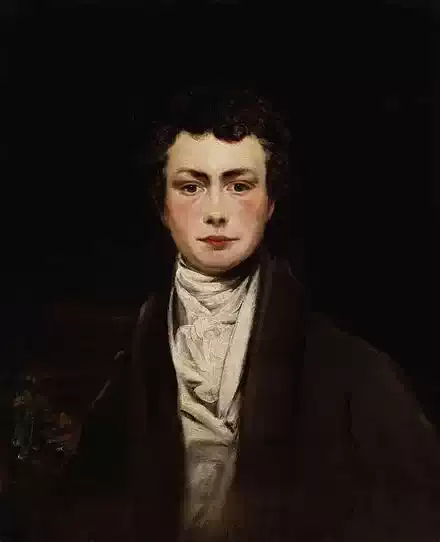
Thomas Moore
Did Not
'Twas a new feeling - something more
Than we had dared to own before,
Which then we hid not;
We saw it in each other's eye,
And wished, in every half-breathed sigh,
To speak, but did not.
She felt my lips' impassioned touch -
'Twas the first time I dared so much,
And yet she chid not;
But whispered o'er my burning brow,
'Oh, do you doubt I love you now?'
Sweet soul! I did not.
Warmly I felt her bosom thrill,
I pressed it closer, closer still,
Though gently bid not;
Till - oh! the world hath seldom heard
Of lovers, who so nearly erred,
And yet, who did not.
421
William Butler Yeats
Upon A House Shaken By The Land Agitation
HOW should the world be luckier if this house,
Where passion and precision have been one
Time out of mind, became too ruinous
To breed the lidle
Ss eye that loves the sun?
And the sweet laughing eagle thoughts that grow
Where wings have memory of wings, and all
That comes of the best knit to the best? Although
Mean roof-trees were the sturdier for its fall.
How should their luck run high enough to reach
The gifts that govern men, and after these
To gradual Time's last gift, a written speech
Wrought of high laughter, loveliness and ease?
420