
Sadness and Melancholy
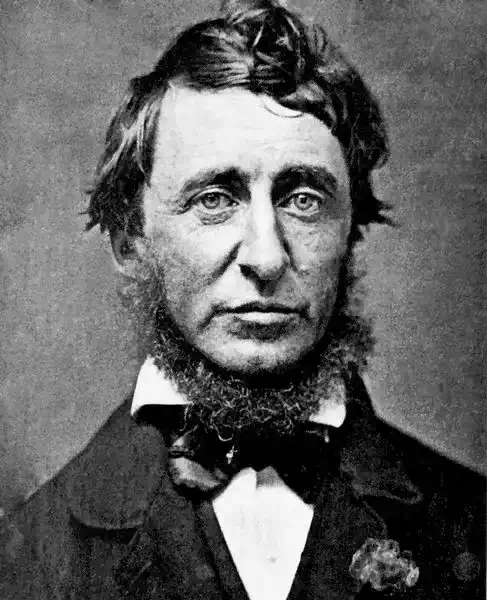
Henry David Thoreau
I am the Autumnal Sun
Sometimes a mortal feels in himself Nature
-- not his Father but his Mother stirs
within him, and he becomes immortal with her
immortality. From time to time she claims
kindredship with us, and some globule
from her veins steals up into our own.
I am the autumnal sun,
With autumn gales my race is run;
When will the hazel put forth its flowers,
Or the grape ripen under my bowers?
When will the harvest or the hunter's moon
Turn my midnight into mid-noon?
I am all sere and yellow,
And to my core mellow.
The mast is dropping within my woods,
The winter is lurking within my moods,
And the rustling of the withered leaf
Is the constant music of my grief...
244
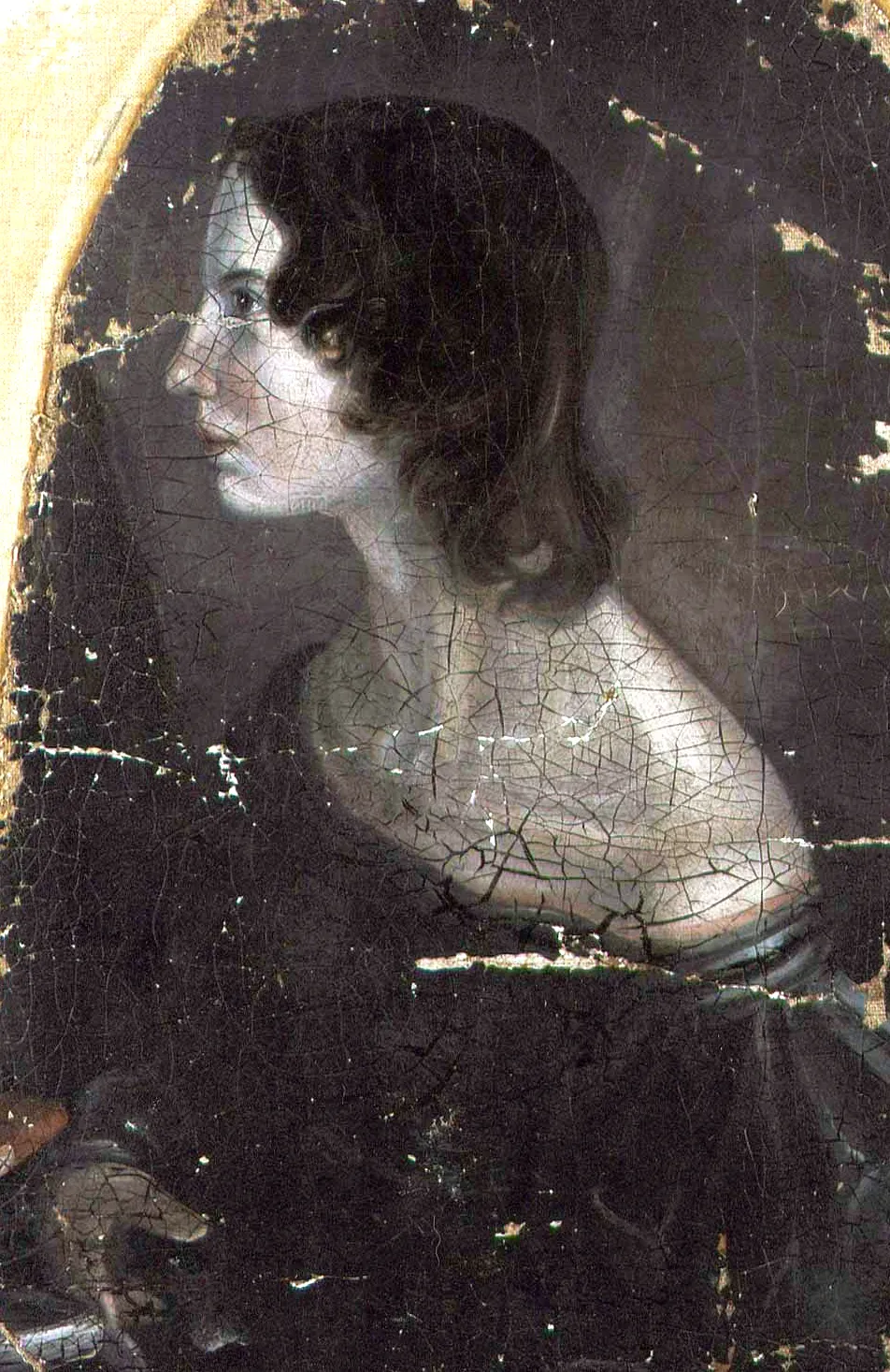
Emily Jane Brontë
Me thinks this heart...
Me thinks this heart should rest awhile
So stilly round the evening falls
The veiled sun sheds no parting smile
Nor mirth nor music wakes my Halls
I have sat lonely all the day
Watching the drizzly mist descend
And first conceal the hills in grey
And then along the valleys wend
And I have sat and watched the trees
And the sad flowers how drear they blow
Those flowers were formed to feel the breeze
Wave their light leaves in summer's glow
Yet their lives passed in gloomy woe
And hopeless comes its dark decline
And I lament because I know
That cold departure pictures mine
243
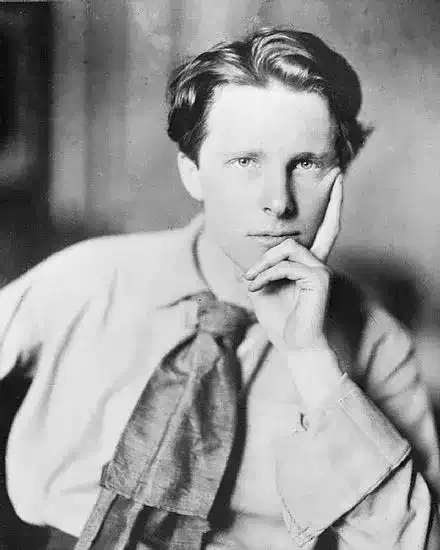
Rupert Brooke
Paralysis
For moveless limbs no pity I crave,
That never were swift! Still all I prize,
Laughter and thought and friends, I have;
No fool to heave luxurious sighs
For the woods and hills that I never knew.
The more excellent way's yet mine! And you
Flower-laden come to the clean white cell,
And we talk as ever -- am I not the same?
With our hearts we love, immutable,
You without pity, I without shame.
We talk as of old; as of old you go
Out under the sky, and laughing, I know,
Flit through the streets, your heart all me;
Till you gain the world beyond the town.
Then -- I fade from your heart, quietly;
And your fleet steps quicken. The strong down
Smiles you welcome there; the woods that love you
Close lovely and conquering arms above you.
O ever-moving, O lithe and free!
Fast in my linen prison I press
On impassable bars, or emptily
Laugh in my great loneliness.
And still in the white neat bed I strive
Most impotently against that gyve;
Being less now than a thought, even,
To you alone with your hills and heaven.
242

Robert W. Service
Missis Moriarty's Boy
Missis Moriarty called last week, and says she to me, says she:
"Sure the heart of me's broken entirely now -- it's the fortunate woman you are;
You've still got your Dinnis to cheer up your home, but me Patsy boy where is he?
Lyin' alone, cold as a stone, kilt in the weariful wahr.
Oh, I'm seein' him now as I looked on him last, wid his hair all curly and bright,
And the wonderful, tenderful heart he had, and his eyes as he wint away,
Shinin' and lookin' down on me from the pride of his proper height:
Sure I'll remember me boy like that if I live to me dyin' day."
And just as she spoke them very same words me Dinnis came in at the door,
Came in from McGonigle's ould shebeen, came in from drinkin' his pay;
And Missis Moriarty looked at him, and she didn't say anny more,
And she wrapped her head in her ould black shawl, and she quietly wint away.
And what was I thinkin', I ask ye now, as I put me Dinnis to bed,
Wid him ravin' and cursin' one half of the night, as cold by his side I sat;
Was I thinkin' the poor ould woman she was wid her Patsy slaughtered and dead?
Was I weepin' for Missis Moriarty? I'm not so sure about that.
Missis Moriarty goes about wid a shinin' look on her face;
Wid her grey hair under her ould black shawl, and the eyes of her mother-mild;
Some say she's a little bit off her head; but annyway it's the case,
Her timper's so swate that you nivver would tell she'd be losin' her only child.
And I think, as I wait up ivery night for me Dinnis to come home blind,
And I'm hearin' his stumblin' foot on the stair along about half-past three:
Sure there's many a way of breakin' a heart, and I haven't made up me mind -Would
I be Missis Moriarty, or Missis Moriarty me?
238

Christina Rossetti
L. e. l.
'Whose heart was breaking for a little love.'
Downstairs I laugh, I sport and jest with all;
But in my solitary room above
I turn my face in silence to the wall;
My heart is breaking for a little love.
Though winter frosts are done,
And birds pair every one,
And leaves peep out, for springtide is begun.
I feel no spring, while spring is wellnigh blown,
I find no nest, while nests are in the grove:
Woe's me for mine own heart that dwells alone,
My heart that breaketh for a little love.
While golden in the sun
Rivulets rise and run,
While lilies bud, for springtide is begun.
All love, are loved, save only I; their hearts
Beat warm with love and joy, beat full thereof:
They cannot guess, who play the pleasant parts,
My heart is breaking for a little love.
While beehives wake and whirr,
And rabbit thins his fur,
In living spring that sets the world astir.
I deck myself with skills and jewelry,
I plume myself like any mated dove:
They praise my rustling show, and never see
My heart is breaking for a little love.
While sprouts green lavender
With rosemary and myrrh,
For in quick spring the sap is all astir.
Perhaps some saints in glory guess the truth,
Perhaps some angels read it as they move,
And cry one to another full of ruth,
'Her heart is breaking for a little love.'
Though other things have birth,
And leap and sing for mirth,
When springtime wakes and clothes and feeds the earth.
Yet saith a saint: 'Take patience for thy scathe;'
Yet saith an angel: 'Wait, for thou shalt prove
True best is last, true life is born of death,
O thou, heart-broken for a little love.
Then love shall fill they girth,
And love make fat thy dearth,
When new spring builds new heaven and clean new earth.'
233
Emily Jane Brontë
Hope
Hope was but a timid friend;
She sat without the grated den,
Watching how my fate would tend,
Even as selfish-hearted men.
She was cruel in her fear;
Through the bars, one dreary day,
I looked out to see her there,
And she turned her face away!
Like a false guard, false watch keeping,
Still, in strife, she whispered peace;
She would sing while I was weeping;
If I listened, she would cease.
False she was, and unrelenting;
When my last joys strewed the ground,
Even Sorrow saw, repenting,
Those sad relics scattered round;
Hope, whose whisper would have given
Balm to all my frenzied pain,
Stretched her wings, and soared to heaven,
Went, and ne'er returned again!
227

James Whitcomb Riley
Last Night-- And This
Last night-- how deep the darkness was!
And well I knew its depths, because
I waded it from shore to shore,
Thinking to reach the light no more.
She would not even touch my hand---.
The winds rose and the cedars fanned
The moon out, and the stars fled back
In heaven and hid-- and all was black!
But ah! To-night a summons came,
Signed with a tear-drop for a name,
For as I wondering kissed it, lo
A line beneath it told me so.
And now-- the moon hangs over me
A disk of dazzling brilliancy,
And every star-tip stabs my sights
With splintered glitterings of light!
225
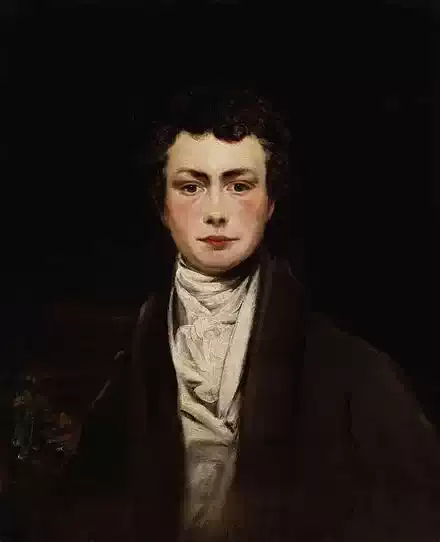
Thomas Moore
Whene'er I See Those Smiling Eyes
Whene'er I see those smiling eyes,
So full of hope, and joy, and light,
As if no cloud could ever rise,
To dim a heaven so purely bright --
I sigh to think how soon that brow
In grief may lose its every ray,
And that light heart, so joyous now,
Almost forget it once was gay.
For time will come with all its blights,
The ruin'd hope, the friend unkind,
And love, that leaves, where'er it lights,
A chill'd or burning heart behind:
While youth, that now like snow appears,
Ere sullied by the darkening rain,
When once 'tis touch'd by sorrow's tears,
Can never shine so bright again.
221

Edward Lear
Limerick: There was an Old Man in a boat
There was an Old Man in a boat,
Who said, 'I'm afloat! I'm afloat!'
When they said, 'No! you aint!'
He was ready to faint,
That unhappy Old Man in a boat.
Who said, 'I'm afloat! I'm afloat!'
When they said, 'No! you aint!'
He was ready to faint,
That unhappy Old Man in a boat.
220
Emily Jane Brontë
I Am the Only Being Whose Doom
I am the only being whose doom
No tongue would ask no eye would mourn
I never caused a thought of gloom
A smile of joy since I was born
In secret pleasure - secret tears
This changeful life has slipped away
As friendless after eighteen years
As lone as on my natal day
There have been times I cannot hide
There have been times when this was drear
When my sad soul forgot its pride
And longed for one to love me here
But those were in the early glow
Of feelings since subdued by care
And they have died so long ago
I hardly now believe they were
First melted off the hope of youth
Then Fancy's rainbow fast withdrew
And then experience told me truth
In mortal bosoms never grew
'Twas grief enough to think mankind
All hollow servile insincere -
But worse to trust to my own mind
And find the same corruption there
220
Robert W. Service
Florrie
Because I was a wonton wild
And welcomed many a lover,
Who is the father of my child
I wish I could discover.
For though I know it is not right
In tender arms to tarry,
A barmaid has to be polite
To Tom and Dick and Harry.
My truest love was Poacher Jim:
I wish my babe was his'n.
Yet I can't father it on him
Because he was in prison.
As uniforms I like, I had
A soldier and a sailor;
Then there was Pete the painter lad,
And Timothy the tailor.
Though virtue hurt you vice ain't nice;
They say to err is human;
Alas! one pays a bitter price,
It's hell to be a woman.
Oh dear! Why was I born a lass
Who hated to say: No, sir.
I'd better in my sorry pass
Blame Mister Simms, the grocer.
219

Thomas Hardy
Satires of Circumstance in Fifteen Glimpses VIII: In the St
He enters, and mute on the edge of a chair
Sits a thin-faced lady, a stranger there,
A type of decayed gentility;
And by some small signs he well can guess
That she comes to him almost breakfastless.
"I have called -- I hope I do not err --
I am looking for a purchaser
Of some score volumes of the works
Of eminent divines I own, --
Left by my father -- though it irks
My patience to offer them." And she smiles
As if necessity were unknown;
"But the truth of it is that oftenwhiles
I have wished, as I am fond of art,
To make my rooms a little smart,
And these old books are so in the way."
And lightly still she laughs to him,
As if to sell were a mere gay whim,
And that, to be frank, Life were indeed
To her not vinegar and gall,
But fresh and honey-like; and Need
No household skeleton at all.
220
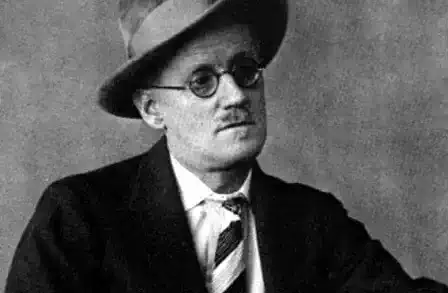
James Joyce
Be Not Sad
Be not sad because all men
Prefer a lying clamour before you:
Sweetheart, be at peace again -- -
Can they dishonour you?
They are sadder than all tears;
Their lives ascend as a continual sigh.
Proudly answer to their tears:
As they deny, deny.
Prefer a lying clamour before you:
Sweetheart, be at peace again -- -
Can they dishonour you?
They are sadder than all tears;
Their lives ascend as a continual sigh.
Proudly answer to their tears:
As they deny, deny.
215

Emily Dickinson
Smiling back from Coronation
Smiling back from Coronation
May be Luxury-
On the Heads that started with us
Being's
Peasantry-
Recognizing in Procession
Ones We former knew-
When Ourselves were also dusty-
Centuries ago-
Had the Triumph no Conviction
Of how many be
Stimulated-
by the Contrast-
Unto Misery-
May be Luxury-
On the Heads that started with us
Being's
Peasantry-
Recognizing in Procession
Ones We former knew-
When Ourselves were also dusty-
Centuries ago-
Had the Triumph no Conviction
Of how many be
Stimulated-
by the Contrast-
Unto Misery-
216
Thomas Moore
I Wish I Was By That Dim Lake
I wish I was by that dim Lake,
Where sinful souls their farewell take
Of this vain world, and half-way lie
In death's cold shadow, ere they die.
There, there, far from thee,
Deceitful world, my home should be;
Where, come what might of gloom and pain,
False hope should n'er deceive again.
The lifeless sky, the mournful sound
Of unseen waters falling round;
The dry leaves, quivering o'er my head,
Like man, unquiet even when dead!
These, ay, these shall wean
My soul from life's deluding scene,
And turn each thought, o'ercharged with gloom
Like willows, downward towards the tomb.
As they, who to their couch at night
Would win repose, first quench the light,
So must the hopes, that keep this breast
Awake, be quench'd, ere it can rest.
Cold, cold, this heart must grow,
Unmmoved by either joy or woe,
Like freezing founts, where all that's thrown
Within their current turns to stone.
216
Thomas Hardy
How Great My Grief (Triolet)
How great my grief, my joys how few,
Since first it was my fate to know thee!
- Have the slow years not brought to view
How great my grief, my joys how few,
Nor memory shaped old times anew,
Nor loving-kindness helped to show thee
How great my grief, my joys how few,
Since first it was my fate to know thee?
Since first it was my fate to know thee!
- Have the slow years not brought to view
How great my grief, my joys how few,
Nor memory shaped old times anew,
Nor loving-kindness helped to show thee
How great my grief, my joys how few,
Since first it was my fate to know thee?
211
Robert W. Service
Maids In May
Three maids there were in meadow bright,
The eldest less then seven;
Their eyes were dancing with delight,
And innocent as Heaven.
Wild flowers they wound with tender glee,
Their cheeks with rapture rosy;
All radiant they smiled at me,
When I besought a posy.
She gave me a columbine,
And one a poppy brought me;
The tiniest, with eyes ashine,
A simple daisy sought me.
And as I went my sober way,
I heard their careless laughter;
Their hearts too happy with to-day
To care for what comes after.
. . . . . . .
That's long ago; they're gone, all three,
To walk amid the shadows;
Forgotten is their lyric glee
In still and sunny meadows.
For Columbine loved life too well,
And went adventure fairing;
And sank into the pit of hell,
And passed but little caring.
While Poppy was a poor man's wife,
And children had a-plenty;
And went, worn out with toil and strife
When she was five-and-twenty.
And Daisy died while yet a child,
As fragile blossoms perish,
When Winter winds are harsh and wild,
With none to shield and cherish.
Ah me! How fate is dark and dour
To little Children of the Poor.
213
Christina Rossetti
Heart’s Chill Between
I did not chide him, though I knew
That he was false to me.
Chide the exhaling of the dew,
The ebbing of the sea,
The fading of a rosy hue,—
But not inconstancy.
Why strive for love when love is o'er?
Why bind a restive heart?—
He never knew the pain I bore
In saying: 'We must part;
Let us be friends and nothing more.'
—Oh, woman's shallow art!
But it is over, it is done,—
I hardly heed it now;
So many weary years have run
Since then, I think not how
Things might have been,—but greet each one
With an unruffled brow.
What time I am where others be,
My heart seems very calm—
Stone calm; but if all go from me,
There comes a vague alarm,
A shrinking in the memory
From some forgotten harm.
And often through the long, long night,
Waking when none are near,
I feel my heart beat fast with fright,
Yet know not what I fear.
Oh how I long to see the light,
And the sweet birds to hear!
To have the sun upon my face,
To look up through the trees,
To walk forth in the open space
And listen to the breeze,—
And not to dream the burial-place
Is clogging my weak knees.
Sometimes I can nor weep nor pray,
But am half stupefied:
And then all those who see me say
Mine eyes are opened wide
And that my wits seem gone away—
Ah, would that I had died!
Would I could die and be at peace,
Or living could forget!
My grief nor grows nor doth decrease,
But ever is:—and yet
Methinks, now, that all this shall cease
Before the sun shall set.
207
Thomas Moore
This Life Is All Chequer'd With Pleasures and Woes
This life is all chequer'd with pleasures and woes,
That chase one another like waves of the deep --
Each brightly or darkly, as onward it flows,
Reflecting our eyes, as they sparkle or weep.
So closely our whims on our miseries tread,
That the laugh is awaked ere the tear can be dried;
And, as fast as the rain-drop of Pity is shed,
The goose-plumage of Folly can turn it aside.
But pledge me the cup -- if existence would cloy,
With hearts ever happy and heads ever wise,
Be ours the light Sorrow, half-sister to Joy,
And the light brilliant Folly that flashes and dies.
When Hylas was sent with his urn to the fount,
Through fields full of light, and with heart full of play,
Light rambled the boy, over meadow and mount,
And neglected his task for the flowers on the way.
Thus many, like me, who in youth should have tasted
The fountain that runs by Philosophy's shrine,
Their time with the flowers on the margin have wasted,
And left their light urns all as empty as mine.
But pledge me the goblet; -- while idleness weaves
These flowerets together, should Wisdom but see
One bright drop or two that has fall'n on the leaves
From her fountain divine, 'tis sufficient for me.
205
Emily Dickinson
There's a certain Slant of light (258)
There's a certain Slant of light,
Winter Afternoons--
That oppresses, like the Heft
Of Cathedral Tunes--
Heavenly Hurt, it gives us--
We can find no scar,
But internal difference,
Where the Meanings, are--
None may teach it--Any-'
Tis the Seal Despair--
An imperial affliction
Sent us of the air--
When it comes, the Landscape listens-Shadows--
hold their breath--
When it goes, 'tis like the Distance
On the look of Death--
204
Thomas Moore
As a Beam O'er the Face of the Waters May Glow
As a beam o'er the face of the waters may glow
While the tide runs in darkness and coldness below,
So the cheek may be tinged with a warm sunny smile,
Though the cold heart to ruin runs darkly the while.
One fatal remembrance, one sorrow that throws
Its bleak shade alike o'er our joys and our woes,
To which life nothing darker or brighter can bring,
For which joy has no balm and affliction no sting --
Oh! this thought in the midst of enjoyment will stay,
Like a dead, leafless branch in the summer's bright ray;
The beams of the warm sun play round it in vain;
It may smile in his light, but it blooms not again.
197

Wilfred Owen
Happiness
Ever again to breathe pure happiness,
So happy that we gave away our toy?
We smiled at nothings, needing no caress?
Have we not laughed too often since with Joy?
Have we not stolen too strange and sorrowful wrongs
For her hands' pardoning? The sun may cleanse,
And time, and starlight. Life will sing great songs,
And gods will show us pleasures more than men's.
Yet heaven looks smaller than the old doll's-home,
No nestling place is left in bluebell bloom,
And the wide arms of trees have lost their scope.
The former happiness is unreturning:
Boys' griefs are not so grievous as our yearning,
Boys have no sadness sadder than our hope.
194
Robert W. Service
The Low-Down White
This is the pay-day up at the mines, when the bearded brutes come down;
There's money to burn in the streets to-night, so I've sent my klooch to town,
With a haggard face and a ribband of red entwined in her hair of brown.
And I know at the dawn she'll come reeling home with the bottles, one, two, three --
One for herself, to drown her shame, and two big bottles for me,
To make me forget the thing I am and the man I used to be.
To make me forget the brand of the dog, as I crouch in this hideous place;
To make me forget once I kindled the light of love in a lady's face,
Where even the squalid Siwash now holds me a black disgrace.
Oh, I have guarded my secret well! And who would dream as I speak
In a tribal tongue like a rogue unhung, 'mid the ranch-house filth and reek,
I could roll to bed with a Latin phrase and rise with a verse of Greek?
Yet I was a senior prizeman once, and the pride of a college eight;
Called to the bar -- my friends were true! but they could not keep me straight;
Then came the divorce, and I went abroad and "died" on the River Plate.
But I'm not dead yet; though with half a lung there isn't time to spare,
And I hope that the year will see me out, and, thank God, no one will care --
Save maybe the little slim Siwash girl with the rose of shame in her hair.
She will come with the dawn, and the dawn is near; I can see its evil glow,
Like a corpse-light seen through a frosty pane in a night of want and woe;
And yonder she comes by the bleak bull-pines, swift staggering through the snow.
196
Robert W. Service
The Hat
In city shop a hat I saw
That to my fancy seemed to strike,
I gave my wage to buy the straw,
And make myself a one the like.
I wore it to the village fair;
Oh proud I was, though poor was I.
The maids looked at me with a stare,
The lads looked at me with a sigh.
I wore it Sunday to the Mass.
The other girls wore handkerchiefs.
I saw them darkly watch and pass,
With sullen smiles, with hidden griefs.
And then with sobbing fear I fled,
But they waylayed me on the street,
And tore the hat from off my head,
And trampled it beneath their feet.
I sought the Church; my grief was wild,
And by my mother's grave I sat:
. . . I've never cried for clay-cold child,
As I wept for that ruined hat.
196