
Soul
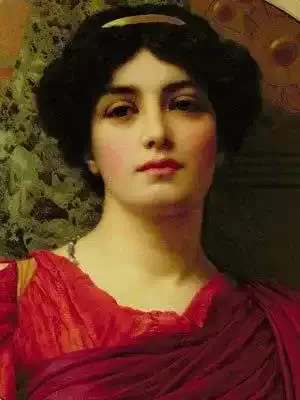
Safo
The Anactoria Poem
Some say thronging cavalry, some say foot soldiers,
others call a fleet the most beautiful of
sights the dark earth offers, but I say it's whatever
you love best.
And it's easy to make this understood by
everyone, for she who surpassed all human
kind in beauty, Helen, abandoning her
husband--that best of
men--went sailing off to the shores of Troy and
never spent a thought on her child or loving
parents: when the goddess seduced her wits and
left her to wander,
she forgot them all, she could not remember
anything but longing, and lightly straying
aside, lost her way. But that reminds me
now: Anactória,
she's not here, and I'd rather see her lovely
step, her sparkling glance and her face than gaze on
all the troops in Lydia in their chariots and
glittering armor.
Read more →
others call a fleet the most beautiful of
sights the dark earth offers, but I say it's whatever
you love best.
And it's easy to make this understood by
everyone, for she who surpassed all human
kind in beauty, Helen, abandoning her
husband--that best of
men--went sailing off to the shores of Troy and
never spent a thought on her child or loving
parents: when the goddess seduced her wits and
left her to wander,
she forgot them all, she could not remember
anything but longing, and lightly straying
aside, lost her way. But that reminds me
now: Anactória,
she's not here, and I'd rather see her lovely
step, her sparkling glance and her face than gaze on
all the troops in Lydia in their chariots and
glittering armor.
679
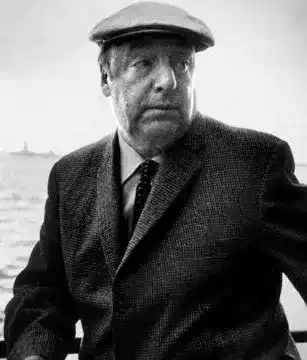
Pablo Neruda
Absence
I have scarcely left you
When you go in me, crystalline,
Or trembling,
Or uneasy, wounded by me
Or overwhelmed with love, as
when your eyes
Close upon the gift of life
That without cease I give you.
My love,
We have found each other
Thirsty and we have
Drunk up all the water and the
Blood,
We found each other
Hungry
And we bit each other
As fire bites,
Leaving wounds in us.
But wait for me,
Keep for me your sweetness.
I will give you too
A rose.
Read more →
When you go in me, crystalline,
Or trembling,
Or uneasy, wounded by me
Or overwhelmed with love, as
when your eyes
Close upon the gift of life
That without cease I give you.
My love,
We have found each other
Thirsty and we have
Drunk up all the water and the
Blood,
We found each other
Hungry
And we bit each other
As fire bites,
Leaving wounds in us.
But wait for me,
Keep for me your sweetness.
I will give you too
A rose.
685
Pablo Neruda
Sonnet LXXXI
And now you're mine. Rest with your dream in my dream.
Love and pain and work should all sleep, now.
The night turns on its invisible wheels,
and you are pure beside me as a sleeping amber.
No one else, Love, will sleep in my dreams. You will go,
we will go together, over the waters of time.
No one else will travel through the shadows with me,
only you, evergreen, ever sun, ever moon.
Your hands have already opened their delicate fists
and let their soft drifting signs drop away; your eyes closed like two gray
wings, and I move
after, following the folding water you carry, that carries
me away. The night, the world, the wind spin out their destiny.
Without you, I am your dream, only that, and that is all.
Read more →
Love and pain and work should all sleep, now.
The night turns on its invisible wheels,
and you are pure beside me as a sleeping amber.
No one else, Love, will sleep in my dreams. You will go,
we will go together, over the waters of time.
No one else will travel through the shadows with me,
only you, evergreen, ever sun, ever moon.
Your hands have already opened their delicate fists
and let their soft drifting signs drop away; your eyes closed like two gray
wings, and I move
after, following the folding water you carry, that carries
me away. The night, the world, the wind spin out their destiny.
Without you, I am your dream, only that, and that is all.
695
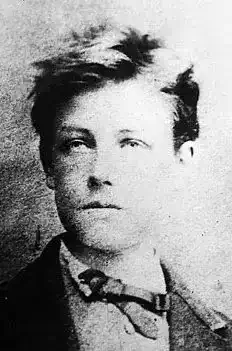
Arthur Rimbaud
Sensation
In the blue summer evenings, I will go along the paths,
And walk over the short grass, as I am pricked by the wheat:
Daydreaming I will feel the coolness on my feet.
I will let the wind bathe my bare head.
I will not speak, I will have no thoughts:
But infinite love will mount in my soul;
And I will go far, far off, like a gypsy,
Through the country side-joyous as if I were with a woman.
Read more →
And walk over the short grass, as I am pricked by the wheat:
Daydreaming I will feel the coolness on my feet.
I will let the wind bathe my bare head.
I will not speak, I will have no thoughts:
But infinite love will mount in my soul;
And I will go far, far off, like a gypsy,
Through the country side-joyous as if I were with a woman.
691
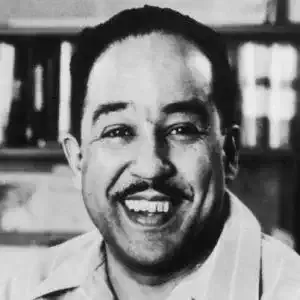
Langston Hughes
I Dream A World
I dream a world where man
No other man will scorn,
Where love will bless the earth
And peace its paths adorn
I dream a world where all
Will know sweet freedom's way,
Where greed no longer saps the soul
Nor avarice blights our day.
A world I dream where black or white,
Whatever race you be,
Will share the bounties of the earth
And every man is free,
Where wretchedness will hang its head
And joy, like a pearl,
Attends the needs of all mankind-
Of such I dream, my world!
Read more →
No other man will scorn,
Where love will bless the earth
And peace its paths adorn
I dream a world where all
Will know sweet freedom's way,
Where greed no longer saps the soul
Nor avarice blights our day.
A world I dream where black or white,
Whatever race you be,
Will share the bounties of the earth
And every man is free,
Where wretchedness will hang its head
And joy, like a pearl,
Attends the needs of all mankind-
Of such I dream, my world!
675

Lord Byron
When I Roved A Young Highlander
When I roved a young Highlander o'er the dark heath,
And climb'd thy steep sumrnit, oh Morven of snow!
To gaze on the torrent that thunder'd beneath,
Or the mist of the tempest that gather'd below,
Untutor'd by science, a stranger to fear,
And rude as the rocks where my infancy grew,
No feeling, save one, to my bosom was dear
Need I say, my sweet Mary, 'twas centred in you?
Yet it could not be love, for I knew not the name,
What
passion can dwell in the heart of a child?
But still I pereceive an emotion the same
As I felt, when a boy, on the crag cover'd wild:
One image alone on my bosom impress'd
I loved my bleak regions, nor panted for new;
And few were my wants, for my wishes were bless'd;
And pure were my thoughts, for my soul was with you.
I arose with the dawn; with my dog as my guide,
From mountain to mountain I bounded along
I breasted the billows of Dee's rushing tide,
And heard at a distance the Highlander's song:
At eve, on my heathcover'd
couch of repose,
No dreams, save of Mary, were spread to my view;
And warm to the skies my devotions aoose,
For the first of my prayers was a blessing on you.
I left my bleak home, and my visions are gone;
The mountains are vanish'd, my youth is no more;
As the last of my race, I must wither alone,
And delight but in days I have witness'd before:
Ah! splendour has raised but embitter'd my lot;
More dear were the scenes which my infancy knew:
Though my hopes may have fail'd, yet they are not forgot;
Though cold is my heart, still it lingers with you.
When I see some dark hill point its crest to the sky,
I think of the rocks that o'ershadow Colbleen
When I see the soft blue of a lovespeaking
eye
I think of those eyes that endear'd the rude scene;
When, haply, some lightwaving
locks I behold,
That faintly resemble my Mary's in hue,
I think on the long, flowing ringlets of gold,
The locks that were sacred to beauty, and you.
Yet the day may arrive when the mountains once more
Shall rise to my sight In their mantles of snow:
But while these soar above me, unchanged as before
Will Mary be there to receive me? ah,
no!
Adieu, then, ye hills, where my childhood was bred!
Thou sweet flowing Dee, to thy waters adieu!
No home in the forest shall shelter my head,
Ah! Mary, what home could be mine but with you?
Read more →
And climb'd thy steep sumrnit, oh Morven of snow!
To gaze on the torrent that thunder'd beneath,
Or the mist of the tempest that gather'd below,
Untutor'd by science, a stranger to fear,
And rude as the rocks where my infancy grew,
No feeling, save one, to my bosom was dear
Need I say, my sweet Mary, 'twas centred in you?
Yet it could not be love, for I knew not the name,
What
passion can dwell in the heart of a child?
But still I pereceive an emotion the same
As I felt, when a boy, on the crag cover'd wild:
One image alone on my bosom impress'd
I loved my bleak regions, nor panted for new;
And few were my wants, for my wishes were bless'd;
And pure were my thoughts, for my soul was with you.
I arose with the dawn; with my dog as my guide,
From mountain to mountain I bounded along
I breasted the billows of Dee's rushing tide,
And heard at a distance the Highlander's song:
At eve, on my heathcover'd
couch of repose,
No dreams, save of Mary, were spread to my view;
And warm to the skies my devotions aoose,
For the first of my prayers was a blessing on you.
I left my bleak home, and my visions are gone;
The mountains are vanish'd, my youth is no more;
As the last of my race, I must wither alone,
And delight but in days I have witness'd before:
Ah! splendour has raised but embitter'd my lot;
More dear were the scenes which my infancy knew:
Though my hopes may have fail'd, yet they are not forgot;
Though cold is my heart, still it lingers with you.
When I see some dark hill point its crest to the sky,
I think of the rocks that o'ershadow Colbleen
When I see the soft blue of a lovespeaking
eye
I think of those eyes that endear'd the rude scene;
When, haply, some lightwaving
locks I behold,
That faintly resemble my Mary's in hue,
I think on the long, flowing ringlets of gold,
The locks that were sacred to beauty, and you.
Yet the day may arrive when the mountains once more
Shall rise to my sight In their mantles of snow:
But while these soar above me, unchanged as before
Will Mary be there to receive me? ah,
no!
Adieu, then, ye hills, where my childhood was bred!
Thou sweet flowing Dee, to thy waters adieu!
No home in the forest shall shelter my head,
Ah! Mary, what home could be mine but with you?
695
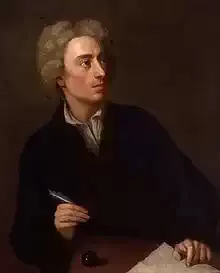
Alexander Pope
Solitude: An Ode
I.
How happy he, who free from care
The rage of courts, and noise of towns;
Contented breaths his native air,
In his own grounds.
II.
Whose herds with milk, whose fields with bread,
Whose flocks supply him with attire,
Whose trees in summer yield him shade,
In winter fire.
III.
Blest! who can unconcern'dly find
Hours, days, and years slide swift away,
In health of body, peace of mind,
Quiet by day,
IV.
Sound sleep by night; study and ease
Together mix'd; sweet recreation,
And innocence, which most does please,
With meditation.
V.
Thus let me live, unheard, unknown;
Thus unlamented let me dye;
Steal from the world, and not a stone
Tell where I lye.
Read more →
How happy he, who free from care
The rage of courts, and noise of towns;
Contented breaths his native air,
In his own grounds.
II.
Whose herds with milk, whose fields with bread,
Whose flocks supply him with attire,
Whose trees in summer yield him shade,
In winter fire.
III.
Blest! who can unconcern'dly find
Hours, days, and years slide swift away,
In health of body, peace of mind,
Quiet by day,
IV.
Sound sleep by night; study and ease
Together mix'd; sweet recreation,
And innocence, which most does please,
With meditation.
V.
Thus let me live, unheard, unknown;
Thus unlamented let me dye;
Steal from the world, and not a stone
Tell where I lye.
691

William Shakespeare
Sonnet 39: O, how thy worth with manners may I sing
O, how thy worth with manners may I sing,
When thou art all the better part of me?
What can mine own praise to mine own self bring?
And what is't but mine own when I praise thee?
Even for this let us divided live,
And our dear love lose name of single one,
That by this separation I may give
That due to thee which thou deserv'st alone.
O, absence what a torment wouldst thou prove,
Were it not thy sour leisure gave sweet leave
To entertain the time with thoughts of love,
Which time and thoughts so sweetly doth deceive,
And that thou teachest how to make one twain
By praising him here who doth hence remain!
Read more →
When thou art all the better part of me?
What can mine own praise to mine own self bring?
And what is't but mine own when I praise thee?
Even for this let us divided live,
And our dear love lose name of single one,
That by this separation I may give
That due to thee which thou deserv'st alone.
O, absence what a torment wouldst thou prove,
Were it not thy sour leisure gave sweet leave
To entertain the time with thoughts of love,
Which time and thoughts so sweetly doth deceive,
And that thou teachest how to make one twain
By praising him here who doth hence remain!
682

Kazi Nazrul Islam
Coward
I know,
Why you do not look back
You have left your abode
For the temple of God
To while away the time
With the dolls.
And to flitter the self away
Oh dear,
Not knowing that playing with heart:
Leads up to endless tears.
So great is the debt
When the eyes meet, |
And the moments smack.
I know,
Why you do not look back.
I know,
Why you do not look back.
When the eyes get lost In the eyes.
And the word slowly dies..
When you are all alone.
In the sanctum of your home
There is collyrium In your bright eyes
And not the tears.
No deceit rings
In the anklets you wear.
As you walk,
I know,
Why you do hot look back
I know,
Why you do not look back,
When no creepers
On your feet roll
As you stroll,
In the wilderness.
You plucked flowers
In sheer absent mindness,
Without hurting your fingers.
Not knowing the truth either
That, with the garlands
The heart also withers.
Not knowing that
Behind a scurrilous mouth,
A loneliness lurks.
I know,
Why you do not look back.
I am conscious
Of your deceitfulness and skill
But you never knew, indeed
That on your cheeks,
There is a hue
Of pomegranate seeds.
Never knew that,
The timid hearts of women,
Like a creeper laden with a bee,
For those untold words and the denials
Shiver in agony.
And as much as the eye wails
The modesty prevails;
I know you coward,
Why your own image
That you unwittingly fear.
Of man, you have known,
And he is a stone
To whom you never bowed.
You have desired
A pair of covetous hands
And bowed to touch the feet,
Not knowing though
A heart becomes a touch-stone
With another touch on it.
I know coward
Why you wander.
I know what is your fear
When the desires of the heart
In the two shores of body whisper.
The fragrance of
A blooming heart
The petals can never thwart.
However much you wish to hide,
It breaks far and wide.
All the secret words
Have gathered in you dear
I know what is your fear.
I know,
Why you cannot say openly:
The nightingale has carried
The message secretly.
The words you wanted to hear,
How did she know of it, oh dear?
The same words
The bride murmured
Gently raising her eyes:
Who knew that in her cruel fingers
Such magic lies.
I know,
Why you cannot say openly.
I know,
Why no ornaments you wear
The flame of agony
Has burnt your flesh Into gold oh dear!
To adorn a doll
Of clay with attire?
Why should gold
Mere gold desire?
Leaving the shores of the body
The mind seeks purity.
The agony of mine, oh dear.
Now adorns your beauty
I know,
Why no ornament you wear.
I know
They will not abide;
The maiden
Who slept in the night
Woke up as a bride.
She swims with the foam
Not really knowing
The oyster's home.
The pearl you have found
But the shell of the eyes
In the tears got drowned
When the burden
Is too heavy to bear,
The heart also sinks
In utter despair.
Oh unlucky woman!
How shall you make it clear?
[Original: Bhiru; Translation: Syed Mujibul Huq]
Read more →
Why you do not look back
You have left your abode
For the temple of God
To while away the time
With the dolls.
And to flitter the self away
Oh dear,
Not knowing that playing with heart:
Leads up to endless tears.
So great is the debt
When the eyes meet, |
And the moments smack.
I know,
Why you do not look back.
I know,
Why you do not look back.
When the eyes get lost In the eyes.
And the word slowly dies..
When you are all alone.
In the sanctum of your home
There is collyrium In your bright eyes
And not the tears.
No deceit rings
In the anklets you wear.
As you walk,
I know,
Why you do hot look back
I know,
Why you do not look back,
When no creepers
On your feet roll
As you stroll,
In the wilderness.
You plucked flowers
In sheer absent mindness,
Without hurting your fingers.
Not knowing the truth either
That, with the garlands
The heart also withers.
Not knowing that
Behind a scurrilous mouth,
A loneliness lurks.
I know,
Why you do not look back.
I am conscious
Of your deceitfulness and skill
But you never knew, indeed
That on your cheeks,
There is a hue
Of pomegranate seeds.
Never knew that,
The timid hearts of women,
Like a creeper laden with a bee,
For those untold words and the denials
Shiver in agony.
And as much as the eye wails
The modesty prevails;
I know you coward,
Why your own image
That you unwittingly fear.
Of man, you have known,
And he is a stone
To whom you never bowed.
You have desired
A pair of covetous hands
And bowed to touch the feet,
Not knowing though
A heart becomes a touch-stone
With another touch on it.
I know coward
Why you wander.
I know what is your fear
When the desires of the heart
In the two shores of body whisper.
The fragrance of
A blooming heart
The petals can never thwart.
However much you wish to hide,
It breaks far and wide.
All the secret words
Have gathered in you dear
I know what is your fear.
I know,
Why you cannot say openly:
The nightingale has carried
The message secretly.
The words you wanted to hear,
How did she know of it, oh dear?
The same words
The bride murmured
Gently raising her eyes:
Who knew that in her cruel fingers
Such magic lies.
I know,
Why you cannot say openly.
I know,
Why no ornaments you wear
The flame of agony
Has burnt your flesh Into gold oh dear!
To adorn a doll
Of clay with attire?
Why should gold
Mere gold desire?
Leaving the shores of the body
The mind seeks purity.
The agony of mine, oh dear.
Now adorns your beauty
I know,
Why no ornament you wear.
I know
They will not abide;
The maiden
Who slept in the night
Woke up as a bride.
She swims with the foam
Not really knowing
The oyster's home.
The pearl you have found
But the shell of the eyes
In the tears got drowned
When the burden
Is too heavy to bear,
The heart also sinks
In utter despair.
Oh unlucky woman!
How shall you make it clear?
[Original: Bhiru; Translation: Syed Mujibul Huq]
684
William Shakespeare
Sonnet 131: Thou art as tyrannous, so as thou art
Thou art as tyrannous, so as thou art,
As those whose beauties proudly make them cruel;
For well thou know'st to my dear doting heart
Thou art the fairest and most precious jewel.
Yet, in good faith, some say that thee behold
Thy face hath not the power to make love groan;
To say they err I dare not be so bold,
Although I swear it to myself alone.
And to be sure that is not false I swear,
A thousand groans but thinking on thy face,
One on another's neck do witness bear
Thy black is fairest in my judgment's place.
In nothing art thou black save in thy deeds,
And thence this slander, as I think, proceeds.
Read more →
As those whose beauties proudly make them cruel;
For well thou know'st to my dear doting heart
Thou art the fairest and most precious jewel.
Yet, in good faith, some say that thee behold
Thy face hath not the power to make love groan;
To say they err I dare not be so bold,
Although I swear it to myself alone.
And to be sure that is not false I swear,
A thousand groans but thinking on thy face,
One on another's neck do witness bear
Thy black is fairest in my judgment's place.
In nothing art thou black save in thy deeds,
And thence this slander, as I think, proceeds.
675
William Shakespeare
Sonnet 141: In faith, I do not love thee with mine eyes
In faith, I do not love thee with mine eyes,
For they in thee a thousand errors note;
But 'tis my heart that loves what they despise,
Who in despite of view is pleased to dote.
Nor are mine cars with thy tongue's tune delighted,
Nor tender feeling to base touches prone,
Nor taste, nor smell, desire to be invited
To any sensual feast with thee alone;
But my five wits, nor my five senses can
Dissuade one foolish heart from serving thee,
Who leaves unswayed the likeness of a man,
Thy proud heart's slave and vassal wretch to be.
Only my plague thus far I count my gain,
That she that makes me sin awards me pain.
Read more →
For they in thee a thousand errors note;
But 'tis my heart that loves what they despise,
Who in despite of view is pleased to dote.
Nor are mine cars with thy tongue's tune delighted,
Nor tender feeling to base touches prone,
Nor taste, nor smell, desire to be invited
To any sensual feast with thee alone;
But my five wits, nor my five senses can
Dissuade one foolish heart from serving thee,
Who leaves unswayed the likeness of a man,
Thy proud heart's slave and vassal wretch to be.
Only my plague thus far I count my gain,
That she that makes me sin awards me pain.
668
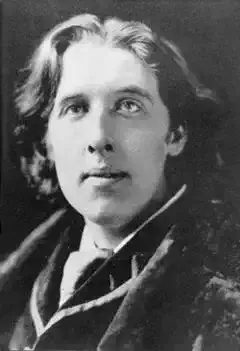
Oscar Wilde
Sonnet On Approaching Italy
I reached the Alps: the soul within me burned,
Italia, my Italia, at thy name:
And when from out the mountain's heart I came
And saw the land for which my life had yearned,
I laughed as one who some great prize had earned:
And musing on the marvel of thy fame
I watched the day, till marked with wounds of flame
The turquoise sky to burnished gold was turned.
The pine-trees waved as waves a woman's hair,
And in the orchards every twining spray
Was breaking into flakes of blossoming foam:
But when I knew that far away at Rome
In evil bonds a second Peter lay,
I wept to see the land so very fair.
TURIN.
Read more →
Italia, my Italia, at thy name:
And when from out the mountain's heart I came
And saw the land for which my life had yearned,
I laughed as one who some great prize had earned:
And musing on the marvel of thy fame
I watched the day, till marked with wounds of flame
The turquoise sky to burnished gold was turned.
The pine-trees waved as waves a woman's hair,
And in the orchards every twining spray
Was breaking into flakes of blossoming foam:
But when I knew that far away at Rome
In evil bonds a second Peter lay,
I wept to see the land so very fair.
TURIN.
673
Pablo Neruda
Your Feet
When I cannot look at your face
I look at your feet.
Your feet of arched bone,
your hard little feet.
I know that they support you,
and that your sweet weight
rises upon them.
Your waist and your breasts,
the doubled purple
of your nipples,
the sockets of your eyes
that have just flown away,
your wide fruit mouth,
your red tresses,
my little tower.
But I love your feet
only because they walked
upon the earth and upon
the wind and upon the waters,
until they found me.
Read more →
I look at your feet.
Your feet of arched bone,
your hard little feet.
I know that they support you,
and that your sweet weight
rises upon them.
Your waist and your breasts,
the doubled purple
of your nipples,
the sockets of your eyes
that have just flown away,
your wide fruit mouth,
your red tresses,
my little tower.
But I love your feet
only because they walked
upon the earth and upon
the wind and upon the waters,
until they found me.
672
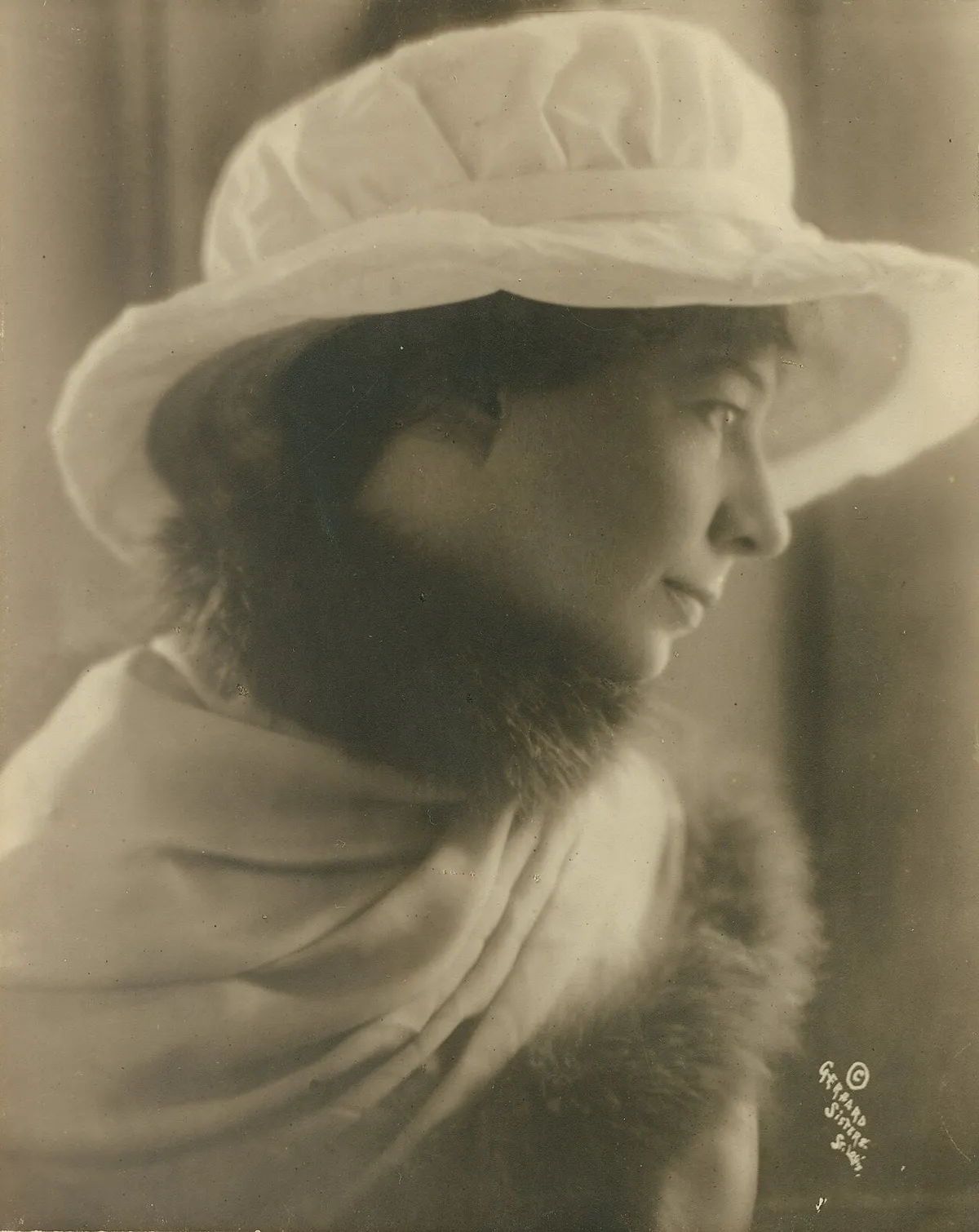
Sara Teasdale
Barter
Life has loveliness to sell,
All beautiful and splendid things,
Blue waves whitened on a cliff,
Soaring fire that sways and sings,
And children's faces looking up
Holding wonder like a cup.
Life has loveliness to sell,
Music like a curve of gold,
Scent of pine trees in the rain,
Eyes that love you, arms that hold,
And for your spirit's still delight,
Holy thoughts that star the night.
Spend all you have for loveliness,
Buy it and never count the cost;
For one white singing hour of peace
Count many a year of strife well lost,
And for a breath of ecstasy
Give all you have been, or could be.
Read more →
All beautiful and splendid things,
Blue waves whitened on a cliff,
Soaring fire that sways and sings,
And children's faces looking up
Holding wonder like a cup.
Life has loveliness to sell,
Music like a curve of gold,
Scent of pine trees in the rain,
Eyes that love you, arms that hold,
And for your spirit's still delight,
Holy thoughts that star the night.
Spend all you have for loveliness,
Buy it and never count the cost;
For one white singing hour of peace
Count many a year of strife well lost,
And for a breath of ecstasy
Give all you have been, or could be.
669

Federico García Lorca
Debussy [with English translation]
Mi sombra va silenciosa
por el agua de la acecia.
Por mi sombra están las ranas
privadas de las estrellas.
La sombra manda a mi cuerpo
reflejos de cosas quietas.
Mi sombra va como inmenso
cínife color violeta.
Cien grillos quieren dorar
la luz de la cañavera.
Una luz nace en mi pecho,
reflejado, de la acequia.
~~~~~~~
My shadow glides in silence
over the watercourse.
On account of my shadow
the frogs are deprived of stars.
The shadow sends my body
reflections of quiet things.
My shadow moves like a huge
violet-colored mosquito.
A hundred crickets are trying
to gild the glow of the reeds.
A glow arises in my breast,
the one mirrored in the water.
Read more →
por el agua de la acecia.
Por mi sombra están las ranas
privadas de las estrellas.
La sombra manda a mi cuerpo
reflejos de cosas quietas.
Mi sombra va como inmenso
cínife color violeta.
Cien grillos quieren dorar
la luz de la cañavera.
Una luz nace en mi pecho,
reflejado, de la acequia.
~~~~~~~
My shadow glides in silence
over the watercourse.
On account of my shadow
the frogs are deprived of stars.
The shadow sends my body
reflections of quiet things.
My shadow moves like a huge
violet-colored mosquito.
A hundred crickets are trying
to gild the glow of the reeds.
A glow arises in my breast,
the one mirrored in the water.
670

William Wordsworth
Strange Fits of Passion Have I Known
Strange fits of passion have I known:
And I will dare to tell,
But in the lover's ear alone,
What once to me befell.
When she I loved looked every day
Fresh as a rose in June,
I to her cottage bent my way,
Beneath an evening-moon.
Upon the moon I fixed my eye,
All over the wide lea;
With quickening pace my horse drew nigh
Those paths so dear to me.
And now we reached the orchard-plot;
And, as we climbed the hill,
The sinking moon to Lucy's cot
Came near, and nearer still.
In one of those sweet dreams I slept,
Kind Nature's gentlest boon!
And all the while my eye I kept
On the descending moon.
My horse moved on; hoof after hoof
He raised, and never stopped:
When down behind the cottage roof,
At once, the bright moon dropped.
What fond and wayward thoughts will slide
Into a Lover's head!
"O mercy!" to myself I cried,
"If Lucy hould be dead!"
Read more →
And I will dare to tell,
But in the lover's ear alone,
What once to me befell.
When she I loved looked every day
Fresh as a rose in June,
I to her cottage bent my way,
Beneath an evening-moon.
Upon the moon I fixed my eye,
All over the wide lea;
With quickening pace my horse drew nigh
Those paths so dear to me.
And now we reached the orchard-plot;
And, as we climbed the hill,
The sinking moon to Lucy's cot
Came near, and nearer still.
In one of those sweet dreams I slept,
Kind Nature's gentlest boon!
And all the while my eye I kept
On the descending moon.
My horse moved on; hoof after hoof
He raised, and never stopped:
When down behind the cottage roof,
At once, the bright moon dropped.
What fond and wayward thoughts will slide
Into a Lover's head!
"O mercy!" to myself I cried,
"If Lucy hould be dead!"
668

Rabindranath Tagore
Lost Star
When the creation was new and all the stars shone in their first
splendor, the gods held their assembly in the sky and sang
`Oh, the picture of perfection! the joy unalloyed!'
But one cried of a sudden
---`It seems that somewhere there is a break in the chain of light
and one of the stars has been lost.'
The golden string of their harp snapped,
their song stopped, and they cried in dismay
---`Yes, that lost star was the best,
she was the glory of all heavens!'
From that day the search is unceasing for her,
and the cry goes on from one to the other
that in her the world has lost its one joy!
Only in the deepest silence of night the stars smile
and whisper among themselves
---`Vain is this seeking! unbroken perfection is over all!'
Read more →
splendor, the gods held their assembly in the sky and sang
`Oh, the picture of perfection! the joy unalloyed!'
But one cried of a sudden
---`It seems that somewhere there is a break in the chain of light
and one of the stars has been lost.'
The golden string of their harp snapped,
their song stopped, and they cried in dismay
---`Yes, that lost star was the best,
she was the glory of all heavens!'
From that day the search is unceasing for her,
and the cry goes on from one to the other
that in her the world has lost its one joy!
Only in the deepest silence of night the stars smile
and whisper among themselves
---`Vain is this seeking! unbroken perfection is over all!'
672
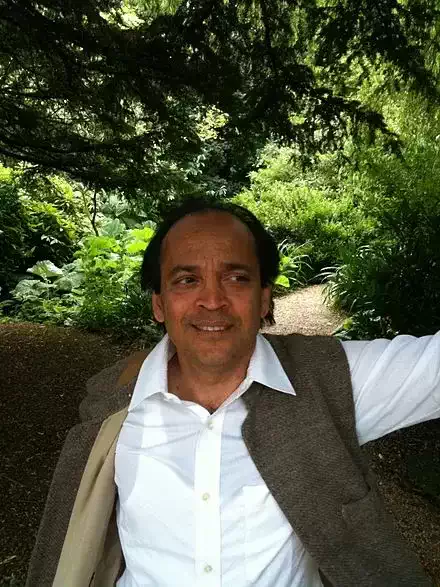
Vikram Seth
From California
Sunday night in the house.
The blinds drawn, the phone dead.
The sound of the kettle, the rain.
Supper: cheese, celery, bread.
For company, old letters
In the same disjointed script.
Old love wells up again,
All that I thought had slipped
Through the sieve of long absence
Is here with me again:
The long stone walls, the green
Hillsides renewed with rain.
The way you would lick your finger
And touch your forehead, the way
You hummed a phrase from the flute
Sonatas, or turned to say,
"Larches--the only conifers
That honestly blend with Wales."
I walk with you again
Along these settled trails.
It seems I started this poem
So many years ago
I cannt follow its ending
And must begin anew.
Blame, some bitterness,
I recall there were these.
Yet what survives is Bach
And a few blackberries
Something of the "falling starlight",
In the phrase of Wang Wei,
Falls on my shadowed self.
I thank you that today
His words are open to me.
How much you have inspired
You cannot know. The end
Left much to be desired.
"There is a comfort in
The strength of love." I quote
Another favourite
You vouchsafed me. Please note
The lack of hope or faith:
Neither is justified.
I have closed out the night.
The random rain outside
Rejuvenates the parched
Foothills along the Bay.
Anaesthetised by years
I think of you today
Not with impassionedness
So much as half a smile
To see the weathered past
Still worth my present while.
Read more →
The blinds drawn, the phone dead.
The sound of the kettle, the rain.
Supper: cheese, celery, bread.
For company, old letters
In the same disjointed script.
Old love wells up again,
All that I thought had slipped
Through the sieve of long absence
Is here with me again:
The long stone walls, the green
Hillsides renewed with rain.
The way you would lick your finger
And touch your forehead, the way
You hummed a phrase from the flute
Sonatas, or turned to say,
"Larches--the only conifers
That honestly blend with Wales."
I walk with you again
Along these settled trails.
It seems I started this poem
So many years ago
I cannt follow its ending
And must begin anew.
Blame, some bitterness,
I recall there were these.
Yet what survives is Bach
And a few blackberries
Something of the "falling starlight",
In the phrase of Wang Wei,
Falls on my shadowed self.
I thank you that today
His words are open to me.
How much you have inspired
You cannot know. The end
Left much to be desired.
"There is a comfort in
The strength of love." I quote
Another favourite
You vouchsafed me. Please note
The lack of hope or faith:
Neither is justified.
I have closed out the night.
The random rain outside
Rejuvenates the parched
Foothills along the Bay.
Anaesthetised by years
I think of you today
Not with impassionedness
So much as half a smile
To see the weathered past
Still worth my present while.
668
William Shakespeare
Sonnet 53: What is your substance, whereof are you made
What is your substance, whereof are you made,
That millions of strange shadows on you tend?
Since everyone hath, every one, one shade,
And you, but one, can every shadow lend.
Describe Adonis, and the counterfeit
Is poorly imitated after you;
On Helen's cheek all art of beauty set,
And you in Grecian tires are painted new.
Speak of the spring, and foison of the year;
The one doth shadow of your beauty show,
The other as your bounty doth appear,
And you in every blessèd shape we know.
In all external grace you have some part,
But you like none, none you, for constant heart.
Read more →
That millions of strange shadows on you tend?
Since everyone hath, every one, one shade,
And you, but one, can every shadow lend.
Describe Adonis, and the counterfeit
Is poorly imitated after you;
On Helen's cheek all art of beauty set,
And you in Grecian tires are painted new.
Speak of the spring, and foison of the year;
The one doth shadow of your beauty show,
The other as your bounty doth appear,
And you in every blessèd shape we know.
In all external grace you have some part,
But you like none, none you, for constant heart.
669
Lord Byron
I Speak Not, I Trace Not, I Breathe Not Thy Name
I speak not, I trace not, I breathe not thy name;
There is grief in the sound, there is guilt in the fame;
But the tear that now burns on my cheek may impart
The deep thoughts that dwell in that silence of heart.
Too brief for our passion, too long for our peace,
Were those hours can
their joy or their bitterness cease?
We repent, we abjure, we will break from our chain, We
will part, we will fly to unite
it again!
Oh! thine be the gladness, and mine be the guilt!
Forgive me, adored one! forsake
if thou wilt;
But the heart which is thine shall expire undebased,
And man shall not break it whatever
thou may'st.
And stern to the haughty, but humble to thee,
This soul in its bitterest blackness shall be;
And our days seem as swift, and our moments more sweet,
With thee at my side, than with worlds at our feet.
One sigh of thy sorrow, one look of thy love,
Shall turn me or fix, shall reward or reprove.
And the heartless may wonder at all I resign Thy
lips shall reply, not to them, but to mine.
May, 1814.
Read more →
There is grief in the sound, there is guilt in the fame;
But the tear that now burns on my cheek may impart
The deep thoughts that dwell in that silence of heart.
Too brief for our passion, too long for our peace,
Were those hours can
their joy or their bitterness cease?
We repent, we abjure, we will break from our chain, We
will part, we will fly to unite
it again!
Oh! thine be the gladness, and mine be the guilt!
Forgive me, adored one! forsake
if thou wilt;
But the heart which is thine shall expire undebased,
And man shall not break it whatever
thou may'st.
And stern to the haughty, but humble to thee,
This soul in its bitterest blackness shall be;
And our days seem as swift, and our moments more sweet,
With thee at my side, than with worlds at our feet.
One sigh of thy sorrow, one look of thy love,
Shall turn me or fix, shall reward or reprove.
And the heartless may wonder at all I resign Thy
lips shall reply, not to them, but to mine.
May, 1814.
673
Pablo Neruda
Lost In The Forest
Lost in the forest, I broke off a dark twig
and lifted its whisper to my thirsty lips:
maybe it was the voice of the rain crying,
a cracked bell, or a torn heart.
Something from far off it seemed
deep and secret to me, hidden by the earth,
a shout muffled by huge autumns,
by the moist half-open darkness of the leaves.
Wakening from the dreaming forest there, the hazel-sprig
sang under my tongue, its drifting fragrance
climbed up through my conscious mind
as if suddenly the roots I had left behind
cried out to me, the land I had lost with my childhood-and
I stopped, wounded by the wandering scent.
Read more →
and lifted its whisper to my thirsty lips:
maybe it was the voice of the rain crying,
a cracked bell, or a torn heart.
Something from far off it seemed
deep and secret to me, hidden by the earth,
a shout muffled by huge autumns,
by the moist half-open darkness of the leaves.
Wakening from the dreaming forest there, the hazel-sprig
sang under my tongue, its drifting fragrance
climbed up through my conscious mind
as if suddenly the roots I had left behind
cried out to me, the land I had lost with my childhood-and
I stopped, wounded by the wandering scent.
670
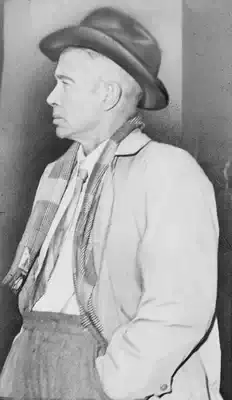
E. E. Cummings
if everything happens that can't be done
if everything happens that can't be done
(and anything's righter
than books
could plan)
the stupidest teacher will almost guess
(with a run
skip
around we go yes)
there's nothing as something as one
one hasn't a why or because or although
(and buds know better
than books
don't grow)
one's anything old being everything new
(with a what
which
around we come who)
one's everyanything so
so world is a leaf so tree is a bough
(and birds sing sweeter
than books
tell how)
so here is away and so your is a my
(with a down
up
around again fly)
forever was never till now
now i love you and you love me
(and books are shutter
than books
can be)
and deep in the high that does nothing but fall
(with a shout
each
around we go all)
there's somebody calling who's we
we're anything brighter than even the sun
(we're everything greater
than books
might mean)
we're everanything more than believe
(with a spin
leap
alive we're alive)
we're wonderful one times one
Read more →
(and anything's righter
than books
could plan)
the stupidest teacher will almost guess
(with a run
skip
around we go yes)
there's nothing as something as one
one hasn't a why or because or although
(and buds know better
than books
don't grow)
one's anything old being everything new
(with a what
which
around we come who)
one's everyanything so
so world is a leaf so tree is a bough
(and birds sing sweeter
than books
tell how)
so here is away and so your is a my
(with a down
up
around again fly)
forever was never till now
now i love you and you love me
(and books are shutter
than books
can be)
and deep in the high that does nothing but fall
(with a shout
each
around we go all)
there's somebody calling who's we
we're anything brighter than even the sun
(we're everything greater
than books
might mean)
we're everanything more than believe
(with a spin
leap
alive we're alive)
we're wonderful one times one
667

Elizabeth Barrett Browning
A Sea-Side Walk
We walked beside the sea,
After a day which perished silently
Of its own glory---like the Princess weird
Who, combating the Genius, scorched and seared,
Uttered with burning breath, 'Ho! victory!'
And sank adown, an heap of ashes pale;
So runs the Arab tale.
The sky above us showed
An universal and unmoving cloud,
On which, the cliffs permitted us to see
Only the outline of their majesty,
As master-minds, when gazed at by the crowd!
And, shining with a gloom, the water grey
Swang in its moon-taught way.
Nor moon nor stars were out.
They did not dare to tread so soon about,
Though trembling, in the footsteps of the sun.
The light was neither night's nor day's, but one
Which, life-like, had a beauty in its doubt;
And Silence's impassioned breathings round
Seemed wandering into sound.
O solemn-beating heart
Of nature! I have knowledge that thou art
Bound unto man's by cords he cannot sever---
And, what time they are slackened by him ever,
So to attest his own supernal part,
Still runneth thy vibration fast and strong,
The slackened cord along.
For though we never spoke
Of the grey water anal the shaded rock,---
Dark wave and stone, unconsciously, were fused
Into the plaintive speaking that we used,
Of absent friends and memories unforsook;
And, had we seen each other's face, we had
Seen haply, each was sad.
Read more →
After a day which perished silently
Of its own glory---like the Princess weird
Who, combating the Genius, scorched and seared,
Uttered with burning breath, 'Ho! victory!'
And sank adown, an heap of ashes pale;
So runs the Arab tale.
The sky above us showed
An universal and unmoving cloud,
On which, the cliffs permitted us to see
Only the outline of their majesty,
As master-minds, when gazed at by the crowd!
And, shining with a gloom, the water grey
Swang in its moon-taught way.
Nor moon nor stars were out.
They did not dare to tread so soon about,
Though trembling, in the footsteps of the sun.
The light was neither night's nor day's, but one
Which, life-like, had a beauty in its doubt;
And Silence's impassioned breathings round
Seemed wandering into sound.
O solemn-beating heart
Of nature! I have knowledge that thou art
Bound unto man's by cords he cannot sever---
And, what time they are slackened by him ever,
So to attest his own supernal part,
Still runneth thy vibration fast and strong,
The slackened cord along.
For though we never spoke
Of the grey water anal the shaded rock,---
Dark wave and stone, unconsciously, were fused
Into the plaintive speaking that we used,
Of absent friends and memories unforsook;
And, had we seen each other's face, we had
Seen haply, each was sad.
667
William Shakespeare
Sonnet 46: Mine eye and heart are at a mortal war
Mine eye and heart are at a mortal war
How to divide the conquest of thy sight;
Mine eye my heart thy picture's sight would bar,
My heart mine eye the freedom of that right,
My heart doth plead that thou in him dost lie—
A closet never pierced with crystal eyes—
But the defendant doth that plea deny,
And says in him thy fair appearance lies.
To 'cide this title is impanellèd
A quest of thoughts, all tenants to the heart,
And by their verdict is determinèd
The clear eye's moiety, and the dear heart's part.
As thus, mine eye's due is thy outward part,
And my heart's right thy inward love of heart.
Read more →
How to divide the conquest of thy sight;
Mine eye my heart thy picture's sight would bar,
My heart mine eye the freedom of that right,
My heart doth plead that thou in him dost lie—
A closet never pierced with crystal eyes—
But the defendant doth that plea deny,
And says in him thy fair appearance lies.
To 'cide this title is impanellèd
A quest of thoughts, all tenants to the heart,
And by their verdict is determinèd
The clear eye's moiety, and the dear heart's part.
As thus, mine eye's due is thy outward part,
And my heart's right thy inward love of heart.
664