
Soul

Lord Byron
Herod's Lament For Mariamne
Oh, Mariamne! now for thee
The heart of which thou bled'st is bleeding;
Revenge is lost in agony,
And wild remorse to rage succeeding.
Oh, Mariamne! where art thou?
Thou canst not hear my bitter pleading:
Ah! could'st thouthou
would'st pardon now,
Though Heaven were to my prayer unheeding.
And is she dead?and
did they dare
Obey my frenzy's jealous raving?
My wrath but doom'd my own despair:
The sword that smote her's o'er me waving.
But
thou art cold, my murder'd love!
And this dark heart is vainly craving
For her who soars alone above,
And leaves my soul unworthy saving.
She's gone, who shared my diadem;
She sunk, with her my joys entombing;
I swept that flower from Judah's stem,
Whose leaves for me alone were blooming;
And mine's the guilt, and mine the hell,
This bosom's desolation dooming;
And I have earn'd those tortures well,
Which unconsumed are still consuming!
Read more →
The heart of which thou bled'st is bleeding;
Revenge is lost in agony,
And wild remorse to rage succeeding.
Oh, Mariamne! where art thou?
Thou canst not hear my bitter pleading:
Ah! could'st thouthou
would'st pardon now,
Though Heaven were to my prayer unheeding.
And is she dead?and
did they dare
Obey my frenzy's jealous raving?
My wrath but doom'd my own despair:
The sword that smote her's o'er me waving.
But
thou art cold, my murder'd love!
And this dark heart is vainly craving
For her who soars alone above,
And leaves my soul unworthy saving.
She's gone, who shared my diadem;
She sunk, with her my joys entombing;
I swept that flower from Judah's stem,
Whose leaves for me alone were blooming;
And mine's the guilt, and mine the hell,
This bosom's desolation dooming;
And I have earn'd those tortures well,
Which unconsumed are still consuming!
703
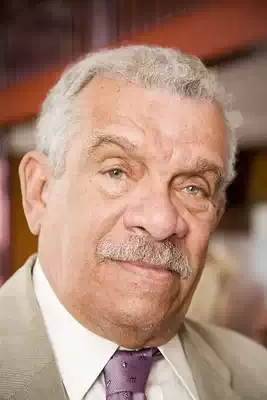
Derek Walcott
Coral
This coral's hape ecohes the hand
It hollowed. Its
Immediate absence is heavy. As pumice,
As your breast in my cupped palm.
Sea-cold, its nipple rasps like sand,
Its pores, like yours, shone with salt sweat.
Bodies in absence displace their weight,
And your smooth body, like none other,
Creates an exact absence like this stone
Set on a table with a whitening rack
Of souvenirs. It dares my hand
To claim what lovers' hands have never known:
The nature of the body of another.
Read more →
It hollowed. Its
Immediate absence is heavy. As pumice,
As your breast in my cupped palm.
Sea-cold, its nipple rasps like sand,
Its pores, like yours, shone with salt sweat.
Bodies in absence displace their weight,
And your smooth body, like none other,
Creates an exact absence like this stone
Set on a table with a whitening rack
Of souvenirs. It dares my hand
To claim what lovers' hands have never known:
The nature of the body of another.
708
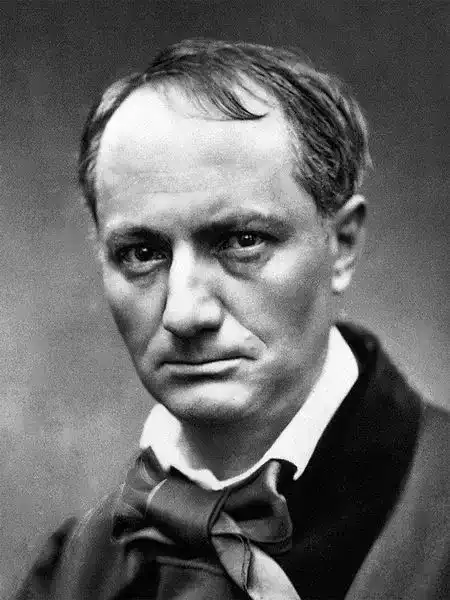
Charles Baudelaire
Evening Harmony
The hour has come at last when, trembling to and fro,
Each flower is a censer sifting its perfume;
The scent and sounds all swirl in evening’s gentle fume;
A melancholy waltz, a languid vertigo!
Each flower is a censer sifting its perfume;
A violin’s vibrato wounds the heart of woe;
A melancholy waltz, a languid vertigo!
The sky, a lofty altar, lovely in the gloom,
A violin’s vibrato wounds the heart of woe,
A tender heart detests the black of nullity,
The sky, a lofty altar, lovely in the gloom;
The sun is drowning in the evening’s blood-red glow.
A tender heart detests the black of nullity,
And lovingly preserves each trace of long ago!
The sun is drowning in the evening’s blood-red glow …
Your memory shines through me like an ostensory!
Read more →
Each flower is a censer sifting its perfume;
The scent and sounds all swirl in evening’s gentle fume;
A melancholy waltz, a languid vertigo!
Each flower is a censer sifting its perfume;
A violin’s vibrato wounds the heart of woe;
A melancholy waltz, a languid vertigo!
The sky, a lofty altar, lovely in the gloom,
A violin’s vibrato wounds the heart of woe,
A tender heart detests the black of nullity,
The sky, a lofty altar, lovely in the gloom;
The sun is drowning in the evening’s blood-red glow.
A tender heart detests the black of nullity,
And lovingly preserves each trace of long ago!
The sun is drowning in the evening’s blood-red glow …
Your memory shines through me like an ostensory!
707

William Shakespeare
Sonnet 36: Let me confess that we two must be twain
Let me confess that we two must be twain,
Although our undivided loves are one;
So shall those blots that do with me remain,
Without thy help, by me be borne alone.
In our two loves there is but one respect,
Though in our lives a separable spite,
Which, though it alter not love's sole effect,
Yet doth it steal sweet hours from love's delight.
I may not evermore acknowledge thee,
Lest my bewailèd guilt should do thee shame,
Nor thou with public kindness honour me
Unless thou take that honour from thy name.
But do not so; I love thee in such sort
As, thou being mine, mine is thy good report.
Read more →
Although our undivided loves are one;
So shall those blots that do with me remain,
Without thy help, by me be borne alone.
In our two loves there is but one respect,
Though in our lives a separable spite,
Which, though it alter not love's sole effect,
Yet doth it steal sweet hours from love's delight.
I may not evermore acknowledge thee,
Lest my bewailèd guilt should do thee shame,
Nor thou with public kindness honour me
Unless thou take that honour from thy name.
But do not so; I love thee in such sort
As, thou being mine, mine is thy good report.
698
Charles Baudelaire
Voyage to Cythera
Free as a bird and joyfully my heart
Soared up among the rigging, in and out;
Under a cloudless sky the ship rolled on
Like an angel drunk with brilliant sun.
"That dark, grim island there--which would that be?"
"Cythera," we're told, "the legendary isle
Old bachelors tell stories of and smile.
There's really not much to it, you can see."
O place of many a mystic sacrament!
Archaic Aphrodite's splendid shade
Lingers above your waters like a scent
Infusing spirits with an amorous mood.
Worshipped from of old by every nation,
Myrtle-green isle, where each new bud discloses
Sighs of souls in loving adoration
Breathing like incense from a bank of roses
Or like a dove roo-cooing endlessly . . .
No; Cythera was a poor infertile rock,
A stony desert harrowed by the shriek
Of gulls. And yet there was something to see:
This was no temple deep in flowers and trees
With a young priestess moving to and fro,
Her body heated by a secret glow,
Her robe half-opening to every breeze;
But coasting nearer, close enough to land
To scatter flocks of birds as we passed by,
We saw a tall cypress-shaped thing at hand--
A triple gibbet black against the sky.
Ferocious birds, each perched on its own meal,
Were madly tearing at the thing that hung
And ripened; each, its filthy beak a drill,
Made little bleeding holes to root among.
The eyes were hollowed. Heavy guts cascading
Flowed like water halfway down the thighs;
The torturers, though gorged on these vile joys,
Had also put their beaks to use castrating
The corpse. A pack of dogs beneath its feet,
Their muzzles lifted, whirled and snapped and gnawed;
One bigger beast amidst this jealous lot
Looked like an executioner with his guard.
O Cytherean, child of this fair clime,
Silently you suffered these attacks,
Paying the penalty for whatever acts
Of infamy had kept you from a tomb.
Grotesquely dangling, somehow you brought on--
Violent as vomit rising from the chest,
Strong as a river bilious to taste--
A flow of sufferings I'd thought long gone.
Confronted with such dear remembered freight,
Poor devil, now it was my turn to feel
A panther's slavering jaws, a beak's cruel drill--
Once it was my flesh they loved to eat.
The sky was lovely, and the sea divine,
but something thick and binding like a shroud
Wrapped my heart in layers of black and blood;
Henceforth this allegory would be mine.
O Venus! On your isle what did I see
But my own image on the gallows tree?
O God, give me the strength to contemplate
My own heart, my own body without hate!
Read more →
Soared up among the rigging, in and out;
Under a cloudless sky the ship rolled on
Like an angel drunk with brilliant sun.
"That dark, grim island there--which would that be?"
"Cythera," we're told, "the legendary isle
Old bachelors tell stories of and smile.
There's really not much to it, you can see."
O place of many a mystic sacrament!
Archaic Aphrodite's splendid shade
Lingers above your waters like a scent
Infusing spirits with an amorous mood.
Worshipped from of old by every nation,
Myrtle-green isle, where each new bud discloses
Sighs of souls in loving adoration
Breathing like incense from a bank of roses
Or like a dove roo-cooing endlessly . . .
No; Cythera was a poor infertile rock,
A stony desert harrowed by the shriek
Of gulls. And yet there was something to see:
This was no temple deep in flowers and trees
With a young priestess moving to and fro,
Her body heated by a secret glow,
Her robe half-opening to every breeze;
But coasting nearer, close enough to land
To scatter flocks of birds as we passed by,
We saw a tall cypress-shaped thing at hand--
A triple gibbet black against the sky.
Ferocious birds, each perched on its own meal,
Were madly tearing at the thing that hung
And ripened; each, its filthy beak a drill,
Made little bleeding holes to root among.
The eyes were hollowed. Heavy guts cascading
Flowed like water halfway down the thighs;
The torturers, though gorged on these vile joys,
Had also put their beaks to use castrating
The corpse. A pack of dogs beneath its feet,
Their muzzles lifted, whirled and snapped and gnawed;
One bigger beast amidst this jealous lot
Looked like an executioner with his guard.
O Cytherean, child of this fair clime,
Silently you suffered these attacks,
Paying the penalty for whatever acts
Of infamy had kept you from a tomb.
Grotesquely dangling, somehow you brought on--
Violent as vomit rising from the chest,
Strong as a river bilious to taste--
A flow of sufferings I'd thought long gone.
Confronted with such dear remembered freight,
Poor devil, now it was my turn to feel
A panther's slavering jaws, a beak's cruel drill--
Once it was my flesh they loved to eat.
The sky was lovely, and the sea divine,
but something thick and binding like a shroud
Wrapped my heart in layers of black and blood;
Henceforth this allegory would be mine.
O Venus! On your isle what did I see
But my own image on the gallows tree?
O God, give me the strength to contemplate
My own heart, my own body without hate!
711
Lord Byron
Oh! Weep For Those
I.
Oh! Weep for those that wept by Babel's stream,
Whose shrines are desolate, whose land a dream,
Weep for the harp of Judah's broken shell
Mournwhere
their God that dweltthe
Godless dwell!
II.
And where shall Israel lave her bleeding feet?
And when shall Zion's songs agains seem sweet?
And Judah's melody once more rejoice
The hearts that leap'd before its heavenly voice?
III.
Tribes of the wandering foot and weary breast!
How shall ye flee away and be at rest!
The wilddove
hath her nestthe
fox his cave
Mankind
their CountryIsrael
but the grave.
Read more →
Oh! Weep for those that wept by Babel's stream,
Whose shrines are desolate, whose land a dream,
Weep for the harp of Judah's broken shell
Mournwhere
their God that dweltthe
Godless dwell!
II.
And where shall Israel lave her bleeding feet?
And when shall Zion's songs agains seem sweet?
And Judah's melody once more rejoice
The hearts that leap'd before its heavenly voice?
III.
Tribes of the wandering foot and weary breast!
How shall ye flee away and be at rest!
The wilddove
hath her nestthe
fox his cave
Mankind
their CountryIsrael
but the grave.
714
William Shakespeare
Sonnet 48: How careful was I, when I took my way
How careful was I, when I took my way,
Each trifle under truest bars to thrust,
That to my use it might unusèd stay
From hands of falsehood, in sure wards of trust!
But thou, to whom my jewels trifles are,
Most worthy comfort, now my greatest grief,
Thou best of dearest, and mine only care,
Art left the prey of every vulgar thief.
Thee have I not locked up in any chest,
Save where thou art not—though I feel thou art—
Within the gentle closure of my breast,
From whence at pleasure thou mayst come and part;
And even thence thou wilt be stol'n, I fear,
For truth proves thievish for a prize so dear.
Read more →
Each trifle under truest bars to thrust,
That to my use it might unusèd stay
From hands of falsehood, in sure wards of trust!
But thou, to whom my jewels trifles are,
Most worthy comfort, now my greatest grief,
Thou best of dearest, and mine only care,
Art left the prey of every vulgar thief.
Thee have I not locked up in any chest,
Save where thou art not—though I feel thou art—
Within the gentle closure of my breast,
From whence at pleasure thou mayst come and part;
And even thence thou wilt be stol'n, I fear,
For truth proves thievish for a prize so dear.
697

Federico García Lorca
Ditty of First Desire
In the green morning
I wanted to be a heart.
A heart.
And in the ripe evening
I wanted to be a nightingale.
A nightingale.
(Soul,
turn orange-colored.
Soul,
turn the color of love.)
In the vivid morning
I wanted to be myself.
A heart.
And at the evening's end
I wanted to be my voice.
A nightingale.
Soul,
turn orange-colored.
Soul,
turn the color of love.
Read more →
I wanted to be a heart.
A heart.
And in the ripe evening
I wanted to be a nightingale.
A nightingale.
(Soul,
turn orange-colored.
Soul,
turn the color of love.)
In the vivid morning
I wanted to be myself.
A heart.
And at the evening's end
I wanted to be my voice.
A nightingale.
Soul,
turn orange-colored.
Soul,
turn the color of love.
714

Boris Pasternak
In Memory of Marina Tsvetaeva
Dismal day, with the weather inclement.
Inconsolably rivulets run
Down the porch in front of the doorway;
Through my wide-open windows they come.
But behind the old fence on the roadside,
See, the public gardens are flooded.
Like wild beasts in a den, the rainclouds
Sprawl about in shaggy disorder.
In such weather, I dream of a volume
On the beauties of Earth in our age,
And I draw an imp of the forest
Just for you on the title-page.
Oh, Marina, I'd find it no burden,
And the time has been long overdue:
Your sad clay should be brought from Yelabuga
By a requiem written for you.
All the triumph of your homecoming
I considered last year in a place
Near a snow-covered bend in the river
Where boats winter, locked in the ice.
What can I do to be of service?
Convey somehow your own request,
For in the silence of your going
There's a reproach left unexpressed.
A loss is always enigmatic.
I hunt for clues to no avail,
And rack my brains in fruitless torment:
Death has no lineaments at all.
Words left half-spoken, self-deception,
Promises, shadows-all are vain,
And only faith in resurrection
Can give the semblance of a sign.
Step out into the open country:
Winter's a sumptuous funeral wake.
Add currants to the dusk, then wine,
And there you have your funeral cake.
The apple-tree stands in a snowdrift
Outside. All this year long, to me,
The snow-clad city's been a massive
Monument to your memory.
With your face turned to meet your Maker.
You yearn for Him from here on Earth,
As in the days when those upon it
Were yet to appreciate your worth
Read more →
Inconsolably rivulets run
Down the porch in front of the doorway;
Through my wide-open windows they come.
But behind the old fence on the roadside,
See, the public gardens are flooded.
Like wild beasts in a den, the rainclouds
Sprawl about in shaggy disorder.
In such weather, I dream of a volume
On the beauties of Earth in our age,
And I draw an imp of the forest
Just for you on the title-page.
Oh, Marina, I'd find it no burden,
And the time has been long overdue:
Your sad clay should be brought from Yelabuga
By a requiem written for you.
All the triumph of your homecoming
I considered last year in a place
Near a snow-covered bend in the river
Where boats winter, locked in the ice.
What can I do to be of service?
Convey somehow your own request,
For in the silence of your going
There's a reproach left unexpressed.
A loss is always enigmatic.
I hunt for clues to no avail,
And rack my brains in fruitless torment:
Death has no lineaments at all.
Words left half-spoken, self-deception,
Promises, shadows-all are vain,
And only faith in resurrection
Can give the semblance of a sign.
Step out into the open country:
Winter's a sumptuous funeral wake.
Add currants to the dusk, then wine,
And there you have your funeral cake.
The apple-tree stands in a snowdrift
Outside. All this year long, to me,
The snow-clad city's been a massive
Monument to your memory.
With your face turned to meet your Maker.
You yearn for Him from here on Earth,
As in the days when those upon it
Were yet to appreciate your worth
679

Henry Wadsworth Longfellow
Ultima Thule: Jugurtha
How cold are thy baths, Apollo!
Cried the African monarch, the splendid,
As down to his death in the hollow
Dark dungeons of Rome he descended,
Uncrowned, unthroned, unattended;
How cold are thy baths, Apollo!
How cold are thy baths, Apollo!
Cried the Poet, unknown, unbefriended,
As the vision, that lured him to follow,
With the mist and the darkness blended,
And the dream of his life was ended;
How cold are thy baths, Apollo!
Read more →
Cried the African monarch, the splendid,
As down to his death in the hollow
Dark dungeons of Rome he descended,
Uncrowned, unthroned, unattended;
How cold are thy baths, Apollo!
How cold are thy baths, Apollo!
Cried the Poet, unknown, unbefriended,
As the vision, that lured him to follow,
With the mist and the darkness blended,
And the dream of his life was ended;
How cold are thy baths, Apollo!
675
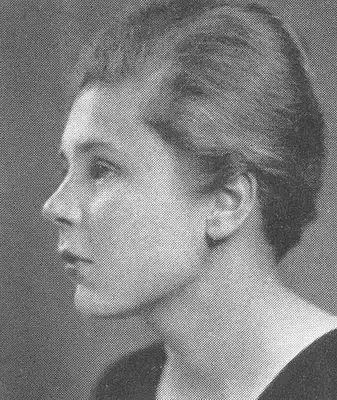
Elizabeth Bishop
Large Bad Picture
Remembering the Strait of Belle Isle or
some northerly harbor of Labrador,
before he became a schoolteacher
a great-uncle painted a big picture.
Receding for miles on either side
into a flushed, still sky
are overhanging pale blue cliffs
hundreds of feet high,
their bases fretted by little arches,
the entrances to caves
running in along the level of a bay
masked by perfect waves.
On the middle of that quiet floor
sits a fleet of small black ships,
square-rigged, sails furled, motionless,
their spars like burnt match-sticks.
And high above them, over the tall cliffs'
semi-translucent ranks,
are scribbled hundreds of fine black birds
hanging in n's in banks.
One can hear their crying, crying,
the only sound there is
except for occasional sizhine
as a large aquatic animal breathes.
In the pink light
the small red sun goes rolling, rolling,
round and round and round at the same height
in perpetual sunset, comprehensive, consoling,
while the ships consider it.
Apparently they have reached their destination.
It would be hard to say what brought them there,
commerce or contemplation.
Read more →
some northerly harbor of Labrador,
before he became a schoolteacher
a great-uncle painted a big picture.
Receding for miles on either side
into a flushed, still sky
are overhanging pale blue cliffs
hundreds of feet high,
their bases fretted by little arches,
the entrances to caves
running in along the level of a bay
masked by perfect waves.
On the middle of that quiet floor
sits a fleet of small black ships,
square-rigged, sails furled, motionless,
their spars like burnt match-sticks.
And high above them, over the tall cliffs'
semi-translucent ranks,
are scribbled hundreds of fine black birds
hanging in n's in banks.
One can hear their crying, crying,
the only sound there is
except for occasional sizhine
as a large aquatic animal breathes.
In the pink light
the small red sun goes rolling, rolling,
round and round and round at the same height
in perpetual sunset, comprehensive, consoling,
while the ships consider it.
Apparently they have reached their destination.
It would be hard to say what brought them there,
commerce or contemplation.
675
Lord Byron
Childe Harold's Pilgrimage: A Romaunt. Canto III.
I.
Is thy face like thy mother's, my fair child!
Ada! sole daughter of my house and heart?
When last I saw thy young blue eyes they smiled,
And then we parted,not
as now we part,
But with a hope.
Awaking
with a start,
The waters heave around me; and on high
The winds lift up their voices: I depart,
Whither I know not; but the hour's gone by,
When Albion's lessening shores could grieve or glad mine eye.
II.
Once more upon the waters! yet once more!
And the waves bound beneath me as a steed
That knows his rider. Welcome, to their roar!
Swift be their guidance, wheresoe'er it lead!
Though the strain'd mast should quiver as a reed,
And the rent canvas fluttering strew the gale,
Still must I on; for I am as a weed,
Flung from the rock, on Ocean's foam, to sail
Where'er the surge may sweep, or tempest's breath prevail.
III.
In my youth's summer I did sing of One,
The wandering outlaw of his own dark mind;
Again I seize the theme then but begun,
And bear it with me, as the rushing wind
Bears the cloud onwards: in that Tale I find
The furrows of long thought, and driedup
tears,
Which, ebbing, leave a sterile track behind,
O'er which all heavily the journeying years
Plod the last sands of life,where
not a flower appears.
IV.
Since my young days of passionjoy,
or pain,
Perchance my heart and harp have lost a string,
And both may jar: it may be, that in vain
I would essay as I have sung to sing.
Yet, though a dreary strain, to this I cling;
So that it wean me from the weary dream
Of selfish grief or gladnessso
it fling
Forgetfulness around meit
shall seem
To me, though to none else, a not ungrateful theme.
V.
He, who grown aged in this world of woe,
In deeds, not years, piercing the depths of life,
So that no wonder waits him; nor below
Can love, or sorrow, fame, ambition, strife,
Cut to his heart again with the keen knife
Of silent, sharp endurance: he can tell
Why thought seeks refuge in lone caves, yet rife
With airy images, and shapes which dwell
Still unimpair'd, though old, in the soul's haunted cell.
VI.
'Tis to create, and in creating life
A being more intense, that we endow
With form our fancy, gaining as we give
The life we image, even as I do now.
What am I? Nothing; but not so art thou,
Soul of my thought! with whom I traverse earth,
Invisible but gazing, as I grow
Mix'd with thy spirit, blended with thy birth,
And feeling still with thee in my crush'd feeling's dearth.
VII.
Yet must I think less wildly:
I
have thought
Too long and darkly, till my brain became,
In its own eddy boiling and o'erwrought,
A whirling gulf of phantasy and flame:
And thus, untaught in youth my heart to tame,
My springs of life were poison'd. 'Tis too late!
Yet am I chang'd; though still enough the same
In strength to bear what time can not abate,
And feed on bitter fruits without accusing Fate.
VIII.
Something too much of this:but
now 'tis past,
And the spell closes with its silent seal.
Long absent HAROLD reappears
at last;
He of the breast which fain no more would feel,
Wrung with the wounds which kill not, but ne'er heal;
Yet Time, who changes all, had altered him
In sould and aspect as in age: years steal
Fire from the mind as vigour from the limb;
And life's enchanted cup but sparkles near the brim.
IX.
His had been quaff'd too quickly, and he found
The dregs were wormwood; but he fill'd again,
And from a purer fount, on holier ground,
And deem'd its spring perpetual; but in vain!
Still round him clung invisibly a chain
Which gall'd for ever, fettering though unseen,
And heavy though it clank'd not; worn with pain,
Which pined although it spoke not, and grew keen,
Entering with every step, he took, through many a scene.
X.
Secure in guarded coldness, he had mix'd
Again in fancied safety with his kind,
And deem'd his spirit now so firmly fix'd
And sheath'd with an invulnerable mind,
That, if no joy, no sorrow lurk'd behind;
And he, as one, might midst the many stand
Unheeded, searching through the crowd to find
Fit speculation! such as in strange land
He found in wonderworks
of God and Nature's hand.
XI.
But who can view the ripened rose, nor seek
To wear it? who can curiously behold
The smoothness and the sheen of beauty's cheek,
Nor feel the heart can never all grow old?
Who can contemplate Fame through clouds unfold
The star which rises o'er her steep, nor climb?
Harold, once more within the vortex, roll'd
On with the giddy circle, chasing Time,
Yet with a nobler aim than in his youth's fond prime.
XII.
But soon he knew himself the most unfit
Of men to herd with man; with whom he held
Little in common; untaught to submit
His thoughts to others, though his soul was quell'd
In youth by his own thoughts; still uncompell'd,
He would not yield dominion of his mind
To spirits against whom his own rebell'd;
Proud though in desolation; which could find
A life within itself, to breathe without mankind.
XIII.
Where rose the mountains, there to him were friends;
Where roll'd the ocean, theron was his home;
Where a blue sky, and glowing clime, extends,
He had the passion and the power to roam;
The desert, forest, cavern, breaker's foam,
Were unto him companionship; they spake
A mutual language, clearer than the tome
Of his land's tongue, which he would oft forsake
For Nature's pages glass'd by sunbeams on the lake.
XIV.
Like the Chaldean, he could watch the stars,
Till he had peopled them with beings bright
As their own beams; and earth, and earthborn
jars,
And human frailties, were forgotten quite:
Could he have kept his spirit to that flight
He had been happy; but this clay will sink
Its spark immortal, envying it the light
To which it mounts, as if to break the link
That keeps us from yon heaven which woos us to its brink.
XV.
But in Man's dwellings he became a thing
Restless and worn, and stern and wearisome,
Droop'd as a wildborn
falcon with clipt wing,
To whom the boundless air alone were home:
Then came his fit again, which to o'ercome,
As eagerly the barr'dup
bird will beat
His breast and beak against his wiry dome
Till the blood tinge his plumage, so the heat
Of his impeded soul would through his bosom eat.
XVI.
Selfexiled
Harold wanders forth again,
With nought of hope left, but with less of gloom;
The very knowledge that he lived in vain,
That all was over on this side the tomb,
Had made Despair a smilingness assume,
Which, though 'twer wild,as
on the plundered wreck
When mariners would madly meet their doom
With draughts intemperate on the sinking deck,
Did
yet inspire a cheer, which he forbore to check.
XVII.
Stop!for
thy tread is on an Empire's dust!
An earthquake's spoil is sepulchred below!
Is the spot mark'd with no colossal bust?
Nor column trophied for triumphal show?
None; but the moral's truth tells simpler so,
As the ground was before, thus let it be;
How
that red rain hath made the harvest grow!
And is this all the world has gained by thee
Thou first and last of fields! kingmaking
Victory?
XVIII.
And Harold stands upon this place of skulls,
The grave of France, the deadly Waterloo!
How in an hour the power which gave annuls
Its gifts, transferring fame as fleeting too!
In 'pride of place' here last the eagle flew,
Then tore with bloody talon the rent plain,
Pierced by the shaft of banded nations through;
Ambition's life and labours all were vain;
He wears the shattered links of the world's broken chain.
XIX.
Fit retribution! Gaul may champ the bit
And foam in fetters;but
is Earth more free?
Did nations combat to make One submit;
Or league to teach all kings true sovereignty?
What! shall reviving Thraldom again be
The patchedup
idol of enlightened days?
Shall we, who struck the Lion down, shall we
Pay the Wolf homage? proffering lowly gaze
And servile knees to thrones? No; prove before ye praise!
XX.
If not, o'er one fallen despot boast no more!
In vain fair cheeks were furrowed with hot tears
For Europe's flowers long rooted up before
The trampler of her vineyards; in vain years
Of death, depopulation, bondage, fears,
Have all been borne, and broken by the accord
Of rousedup
millions: all tha tmost endears
Glory, is when the myrtle wreathes a sword
Such as Harmodius drew on Athen's tyrant lord.
XXI.
There was a sound of revelry by night,
And Belgium's capital had gathered then
Her Beauty and her Chivalry, and bright
The lamps shone o'er fair women and brave men;
A thousand hearts beat happily; and when
Music arose with its voluptuous swell,
Soft eyes look'd love to eyes which spake again,
And all went merry as a marriagebell;
But hush! hark! a deep sound strikes like a rising knell!
XXII.
Did ye not hear it?
No;
'twas but the wind,
Or the car rattling o'er the stony stret;
On with the dance! let joy e unconfined;
No sleep till morn, when Youth and Pleasure meet
To chase the glowing Hours with flying feet
But,
hark!that
heavy sound breaks in once more,
As if the clouds its echo would repeat;
And nearer, clearer, deadlier than before!
Arm! Arm! and outit
isthe
cannon's opening roar!
XXIII.
Within a windowed niche of that high hall
Sate Brunswick's fated chieftain; he did hear
That sound the first amidst the festival,
And caught its tone with Death's prophetic ear;
And when they smiled because he deem'd it near,
His heart more turly knew hat peal too well
Which stretch'd his father on a bloody bier,
And roused the vengeance blood alone could quell:
He rush'd into the field, and, foremost fighting, fell.
XXIV.
Ah! then and there was hurrying to and fro,
And gathering tears, and tremblings of distress,
And cheeks all pale, which but an hour ago
Blush'd at the priase of their own loveliness;
And there were sudden partings, such as press
The life from out young hearts, and choking sighs
Which ne'er might be repeated; who could guess
If ever more should meet those mutual eyes,
Since upon nights so sweet such awful morn could rise?
XXV.
And there was mounting in hot haste: the steed,
The mustering squadron, and the clattering car,
Went pouring forward in impetuous speed,
And swiftly forming in the ranks of war;
And the deep thunder peal on peal afar;
And near, the beat of the alarming drum
Roused up the soldier ere the morning star;
While throng'd the citizens with terror dumb,
Or whispering, with white lips'
The foe! They come! they come!'
XXVI.
And wild and high the 'Cameron's gathering' rose!
The warnote
of Lochiel, which Albyn's hills
Have heard, and heard, too, have her Saxon foes:
How
in the noon of night that pibroch thrills,
Savage and shrill! But with the breath which fills
Their mountainpipe,
so fill the mountaineers
With the fierce native daring which instils
The stirring memory of a thousand years,
And Evan's, Donald's fame rings in each clansman's ears!
XXVII.
And Ardennes waves above them her green leaves,
Dewy with nature's teardrops,
as they pass,
Grieving, if aught inanimate e'er grieves,
Over the unreturning brave,alas!
Ere evening to be trodden like the grass
Which now beneath them, but above shall grow
In its next verdure, when this fiery mass
Of living valour, rolling on the foe
And burning with high hope, shall moulder cold and low.
XXVIII.
Last noon beheld them full of lusty life,
Last eve in Beauty's circle proudly gay,
The midnight brought the signalsound
of strife,
The morn the marshalling in arms,the
day
Battle's magnificentlystern
array!
The thunderclouds
close o'er it, which when rent
The earth is covered thick with other clay,
Which her own clay shall cover, heaped and pent,
Rider and horse,friend,
foe,in
one red burial blent!
XXIX.
Their praise is hymn'd by loftier harps than mine;
Yet one I would select from that proud throng,
Partly because they blend me with his line,
And partly that I did his sire some wrong,
And partly that bright names will hallow song;
And his was of the bravest, and when shower'd
The deathbolts
deadliest the thinn'd files along,
Even where the thickest of war's tempest lower'd,
They reach'd no nobler breast than thine, young, gallant Howard!
XXX.
There have been tears and breaking hearts for thee,
And mine were nothing, had I such to give;
But when I stood beneath the fresh green tree,
Which living waves where thou didst cease to live,
And saw around me the wide field revive
With fruits and fertile promise, and the Spring
Come forth her work of gladness to contrive,
With all her reckless birds upon the wing,
I turn'd from all she brought to those she could not bring.
XXXI.
I turn'd to thee, to thousands, of whom each
And one as all a ghastly gap did make
In his own kind and kindred, whom to teach
Forgetfulness were mercy for their sake;
The Archangel's trump, not Glory's, must awake
Those whom they thirst for; though the sound of Fame
May for a moment sooth, it cannot slake
The fever of vain longing, and the name
So honoured but assumes a stronger, bitterer claim.
XXXII.
They mourn, but smile at length; and, smiling, mourn:
The tree will wither long before it fall;
The hull drives on, though mast and sail be torn;
The rooftree
sinks, but moulders on the hall
In massy hoariness; the ruined wall
Stands when its windworn
batlements are gone;
The bars survive the captive they enthral;
The day drags through though storms keep out the sun;
And thus the heart will break, yet brokenly live on:
XXXIII.
Even as a broken mirrow, which the glass
In every fragment multiplies; and makes
A thousand images of one that was,
The same, and still the more, the more it breaks;
And thus the heart will do which not forsakes,
Living in shattered guise, and still, and cold,
And bloodless, with its sleepless sorrow aches,
Yet withers on till all without is old,
Shewing no visible sign, for such things are untold.
XXXIV.
There is a very life in our despair,
Vitality of poison,a
quick root
Which feeds these deadly brances; for it were
As nothing did we die; but Life will suit
Itself to Sorrow's most detested fruit,
Like to the apples on the Dead Sea's shore,
All ashes to the taste: Did man compute
Existence by enjoyment, and count o'er
Such hours 'gainst years of life,says,
would he name threescore?
XXXV.
The Psalmist numbered out the years of man:
They are enough; and if thy tale be true,
Thou, who didst grudge him even that fleeting span,
More than enough, thoufatal Waterloo!
Millions of tongues record thee, and anew
Their children's lips shall echo them, and say'
Here, where the sword united nations drew,
Our countrymen were warring on that day!'
And this is much, and all which will not pass away.
XXXVI.
There sunk the greatest, nor the worst of men,
Whose spirit antithetically mixt
One moment of the mightiest, and again
On little objects with like firmness fixt,
Extreme in all things! hadst thou been betwixt,
Thy throne had still been thine, or never been;
For daring made thy rise as fall: thou seek'st
Even now to reassume
the imperial mien,
And shake the world, the Thunderer of the scene!
XXXVII.
Conqueror and captive of the earth art thou!
She trembles at thee still, and thy wild name
Was ne'er more bruited in men's minds than now
That thou art nothing, save the jest of Fame,
Who wooed thee once, thy vassal, and became
The flatterer of thy fierceness, till thou wert
A god unto thyself; nor less the same
To the astounded kingdoms all inert,
Who deem'd thee for a time whate'er thou didst assert.
XXXVIII.
Oh, more or less than manin
high or low,
Battling with nations, flying from the field;
Now making monarchs' necks thy footstool, now
More than thy meanest soldier taught to yield;
An empire thou couldst crush, command, rebuild,
But govern not thy pettiest passion, nor,
However deeply in men's spirits skill'd,
Look through thine own, nor curb the lust of war,
Nor learn that tempted Fate will leave the loftiest star.
XXXIX.
Yet well thy sould hath brook'd the turning tide
With that untaught innate philosophy,
Which, be it wisdom, coldness, or deep pride,
Is gall and wormwood to an enemy.
When the whole host of hatred stood hard by,
To watch and mock thee shrinking, thou hast smiled
With a sedate and allenduring
eye;
When
Fortune fled her spoil'd and favourite child,
He stood unbowed beneath the ills upon him piled.
XL.
Sager than in thy fortunes; for in them
Ambition steel'd thee on too far to show
That just habitual scorn which could contemn
Men and their thoughts; 'twas wise to feel, not so
To wear it ever on thy lip and brow,
And spurn the instruments thou wert to use
Till they were turn'd unto thine overthrow:
'Tis but a worthless world to win or lose;
So hath it proved to thee, and all such lot who choose.
XLI.
If, like a tower upon a headlong rock,
Thou hadst been made to stand or fall alone,
Such scorn of man had help'd to brave the shock;
But men's thoughts were the steps which paved thy throne,
Their admiratio nthy best weapon sone;
The part of Philip's son was thine, not then
(Unless aside thy purple had been thrown)
Like stern Diogenes to mock at men;
For sceptred cynics earth were far too wide a den.
XLII.
But quiet to quick bosoms is a hell,
And there had been thy bane; there is a fire
And motion of the sould which will not dwell
In its own narrow being, but aspire
Beyond the fitting medium of desire;
And, but once kindled, quenchless evermore,
Preys upon high adventure, nor can tire
Of aught but rest; a fever at the core,
Fatal to him who bears, to all who ever bore.
XLIII.
This makes the madmen who have made men mad
By their contagion; Conquerors and Kings,
Founders of sects and systems, to whom add
Sophists, Bards, Statesmen, all unquiet things
Which stir too strongly the soul's secret springs,
And are themselves the fools to whose they fool;
Envied, yet how unenviable! what stings
Are theirs! One breast laid open were a school
Which would unteach mankind the lust to shine or rule:
XLIV.
Their breath is agitation, and their life
A storm whereon they ride, to sink at last,
And yet so nurs'd and bigotted to strife,
That should their days, surviving perils past,
Melt to calm twilight, they feel overcast
With sorrow and supineness, and so die;
Even as a flame unfed, which runs to waste
With its own flickering, or a sword laid by
Which eats into itself, and rusts ingloriously.
XLV.
He who ascends to mountaintops,
shall find
The loftiest peaks most wrapt in clouds and snow;
He who surpasses or subdues mankind,
Must look down on the hate of those below.
Though high above the sun of glory glow,
And far beneath the earth and ocean ocean spread,
Round him are icy rocks, and loudly blow
Contending tempests on his naked head,
And thus reward the toils which to those summits led.
XLVI.
Away with these! true Wisdom's world will be
Within its own creation, or in thine,
Maternal Nature! for who teems like thee,
Thus on the banks of thy majestic Rhine?
There Harold gazes on a work divine,
A blending of all beauties; streams and dells,
Fruit, foilage, crag, wood, cornfield, mountain, vine,
And chiefless castles breathing stern farewells
From gray but leafy walls, where Ruin greenly dwells.
XLVII.
And there they stand, as stands a lofty mind,
Worn, but unstooping to the baser crowd,
All tenantless, save to the crannying wind,
Or holding dark communion with the cloud.
There was a day when they were young and proud,
Banners on high, and battles pass'd below;
But they who fought are in a bloody shroud,
And those which waved are shredless dust ere now,
And the bleak battlements shall bear no future blow.
XLVIII.
Beneath these battlements, within those walls,
Power dwelt amidst her passions; in proud state
Each robber chief upheld his armed halls,
Doing his evil will, nor less elate
Than mightier heroes of a longer date.
What want these outlaws conquerors should have
But History's purchased page to call them great?
A wider space, an ornamented grave?
Their hopes were not less warm, their souls were full as brave.
XLIX.
In their baronial feuds and single fields,
What deed of prowess unrecorded died!
And Love, which lent a blazon to their shields,
With emblems well devised by amorous pride,
Through all the mail of iron hearts would glide;
But still their flame was fierceness, and drew on
Keen contest and destruction near allied,
And many a tower for some fair mischief won,
Saw the discoloured Rhine beneath its ruin run.
L.
But Thou, exulting and abounding river!
Making thy waves a blessing as they flow
Through banks whose beauty would endure for ever
Could man but leave thy bright creation so,
Nor its fair promise from the surface mow
With the sharp scythe of conflict,then
to see
Thy valley of sweet waters, were to know
Earth paved like Heaven; and to seem such to me
Even now what wants thy stream?that
it should Lethe be.
LI.
A thousand battles have assail'd thy banks,
But these and half their fame have pass'd away,
And Slaughter heap'd on high his weltering ranks;
Their very graves are gone, band what are they?
Thy tide wash'd down the blood of yesterday,
And all was stainless, and on thy clear stream
Glass'd with its dancing light the sunny ray;
But o'er the blackened memory's blighting dream
Thy waves would vainly roll, all sweeping as they seem.
LII.
Thus Harold inly said, and pass'd along,
Yet not insensibly to all which here
Awoke the jocund birds to early song
In glens which might have made even exile dear:
Though on his brow were graven lines austere,
And tranquil sternnes which had ta'en the place
Of feelings fierier far but less severe,
Joy was not always absent from his face,
But o'er it in such scenes would steal with transient trace.
LIII.
Nor was all love shut from him, though his days
Of passion had consumed themselves to dust.
It is in vain that we would coldly gaze
On such as smile upon us; the heart must
Leak kindly back to kindness, though disgust
Hath wean'd it from all worldlings: thus he felt,
For there was soft remembrance, and sweet trust
In one fond breast, to which his own would melt,
And in its tenderer hour on that his bosom dwelt.
LIV.
And he had learn'd to love,
I
know not why,
For this in such as him seems strange of mood,
The
helpless looks of blooming infancy,
Even in its earliest nurture; what subdued,
To change like this, a mind so far imbued
With scorn of man, it little boots to know;
But thus it was; and though in solitude
Small power the nipp'd affections have to grow,
In him this glowed when all beside had ceased to glow.
LV.
And there was one soft breast, as hath been said,
Which unto his was bound by stronger ties
Than the church links withal; and, though unwed,
That love was pure, and, far above disguise,
Had stood the test of mortal enmities
Still undivided, and cemented more
By peril, dreaded most in female eyes;
But this was firm, and from a foreign shore
Well to that heart might his these absent greetings pour!
1
The castled crag of Drachenfels
Frowns o'er the wide and winding Rhine,
Whose breast of waters broadly swells
Between the banks which bear the vine,
And hills all rich with blossomed trees,
And fields which promise corn and wine,
And scattered cities crowning these,
Whose far white walls along them shine,
Have strewed a scene, which I should see
With double joy were thou with me!
2
And peasant girls, with deep blue eyes,
And hand which offer early flowers,
Walk smiling o'er this paradise
Above, the frequent feudal towers
Through green leaves lift their walls of grey,
And many a rock which steeply lours,
And noble arch in proud decay,
Look o'er this vale of vintagebowers;
But one thing want these banks of Rhine,Thy
gentle hand to clasp in mine!
3
I send the lilies given to me;
Though long before thy hand they touch,
I know that they must withered be,
But yet reject them not as such;
For I have cherish'd them as dear,
Because they yet may meet thine eye,
And guide thy sould to mine even here,
When thou behold'st them drooping night,
And knowst them gathered by the Rhine,
And offered from my heart to thine!
4
The river nobly foams and flows,
The charm of this enchanted ground,
And all its thousand turns disclose
Some fresher beauty varying round;
The haughtiest breast its wish might bound
Through life to dwell delighted here;
Nor could on earth a spot be found
To nature and to me so dear,
Could thy dear eyes in following mine
Still sweeten more these banks of Rhine!
LVI.
By Coblentz, on a rise of gentle ground,
There is a small and simply pyramid,
Crowning the summit of the verdant mound;
Beneath its base are heroes' ashes hid,
Our enemy's,but
let not that forbid
Honour to Marceau! o'er whose early tomb
Tears, big tears, gush'd from the rough soldier's lid,
Lamenting and yet envying such a doom,
Falling for France, whose rights he battled to resume.
LVII.
Brief, brave, and glorious was his young career,
His
mourners were two hosts, his friends and foes;
And fitly may the stranger lingering here
Pray for his gallant spirit's bright repose;
For he was Freedom's champion, one of those,
The few in number, who had not o'erstept
The charter to chastise which she bestows
On such as wield her weapons; he had kept
The whiteness of his soul, and thus men o'er him wept.
LVIII.
Here Ehrenbreitstein, with her shattered wall
Black with the miner's blast, upon her height
Yet shows of what she was, when shell and ball
Rebounding idly on her strength did light;
A tower of victory! from whence the flight
Of baffled foes was watch'd along the plain:
But Peace destroy'd what War could never blight,
And laid those proud roofs bare to Summer's rain
On
which the iron shower for years had pour'd in vain.
LIX.
Adieu to thee, fair Rhine! How long delighted
The stranger fain would linger on his way!
Thine is a scene alike where souls united
Or lonely Contemplation thus might stray;
And could the ceaseless vultures cease to prey
On selfcondemning
bosoms, it were here,
Where Nature, nor too sombre nor too gay,
Wild but not rude, awful yet not austere,
Is to the mellow Earth as Autumn to the year.
LX.
Adieu to thee again! a vain adieu!
There can be found no farewell to scene like thine;
The mind is coloured by thy every hue;
And if reluctantly the eyes resign
Their cherish'd gaze upon thee, lovely Rhine!
'Tis with the thankful glance of parting praise;
More mighty spots may risemore
glaring shine,
But none unite in one attaching maze
The brilliant, fair, and soft,the
glories of old days,
LXI.
The negligently grand, the fruitful bloom
Of coming ripeness, the white city's sheen,
The rolling stream, the precipice's gloom,
The forest's growth, and Gothic's walls between,
The wild rocks shaped as they had turrets been
In mockery of man's art; and these withal
A race of faces happy as the scene,
Whose fertile bounties extend to all,
Still sprining o'er thy banks, though Empires near them fall.
LXII.
But these recede. Above me are the Alps,
The palaces of Nature, whose vast walls
Have pinnacled in clouds their snowy scalps,
And throned Eternity in icy halls
Of cold sublimity, where forms and falls
The avalanchethe
thunderbolt of snow!
All which expands the spirit, yet appals,
Gather around these summits, as to show
How Earth may pierce to Heaven, yet leave vain man below.
LXIII.
But ere these matchless heights I dare to scan,
There is a spot should not be pass'd in vain,
Morat!
the proud, the patriot field! where man
May gaze on ghastly trophies of the slain,
Nor blush for those who conquered on that plain;
Here Burgundy bequeath'd his tombless host,
A bony heap, through ages to remain,
Themselves their monument;the
Stygian coast
Unsepulchred they roam'd, and shriek'd each wandering ghost.
LXIV.
While Waterloo with Cannae's carnage vies,
Morat and Marathon twin names shall stand;
They were true Glory's stainless victories,
Won by the unambitious heart and hand
Of a proud, brotherly, and civic band,
All unbought champions in no princely cause
Of viceentail'd
Corruption; they no land
Doom'd to bewail the blasphemy of laws
Making kings' rights divine, by some Draconic clause.
LXV.
By a lone wall a lonelier column rears
A gray and griefworn
aspect of old days,
'Tis the last remnant of the wreck of years,
And looks as with the wildbewildered
gaze
Of one to stone converted by amaze,
Yet still with consciousness; and there it stands
Making a marvel that it not decays,
When the coeval pride of human hands,
Levell'd Aventicum, hath strewed her subject lands.
LXVI.
And thereoh!
sweet and sacred be the name!
Juliathe
daughter, the devotedgave
Her youth to Heaven; her heart, beneath a claim
Nearest to Heaven's, broke o'er a father's grave.
Justice is sworn 'gainst tears, and hers would crave
The life she lived in; but the judge was just,
And then she died on him she could not save.
Their tomb was simple, and without a bust,
And held within their urn one mind, one heart, one dust.
LXVII.
But these are deeds which should not ass away,
And names that must not wither, though the earth
Forgets her empires with a just decay,
The enslavers and the enslaved, their death and birth;
The high, the mountainmajesty
of worth
Should be, and shall, survivor of its woe,
And from its immortality look forth
In the sun's face, like yonder Alpine snow;
Imperishably pure beyond all things below.
LXVIII.
Lake Leman woos me with its crystal face,
The mirror where the stars and mountains view
The stillness of their aspect in each trace
Its clear depth yields of their far height and hue:
There is too much of man here, to look through
With a fit mindt he might which I behold;
But soon in me shall Loneliness renew
Thoughts hid, but not less cherish'd than of old,
Ere mingling with the herd had penn'd me in their fold.
LXIX.
To fly from, need not be to hate, mankind;
All are not fit with them to stire and toil,
Nor is it discontent to keep the mind
Deep in its fountain, lest it overvoil
In the hot throng, where we become the spoil
Of our infection, till too late and long
We may deplore and struggle with the coil,
In wretched interchange of wrong for wrong
'Midst a contentious world, striving where none are strong.
LXX.
There, in a moment, we may plunge our years
In fatal penitence, and in the blight
Of our own soul, turn all our blood to tears,
And colour things to come with hues of Night;
The race of life becomes a hopeless flight
To those that walk in darkness: on the sea,
The boldest steer but where their ports invite,
But there are wanderers o'er Eternity
Whose bark drives on and one, and anchored ne'er shall be.
LXXI.
Is it not better, then, to be alone,
And love Earth only for its earthly sake?
By the blue rushing of the arrowy Rhone,
Or the pure bosom of its nursing lake,
Which feeds it as a mother who doth make
A fair but froward infant her own care,
Kissing its cries away as these awake;
Is
it not better thus our lives to wear,
Than join the crushing crowd, doom'd to inflict or bear?
LXXII.
I live not in myself, but I become
Portion of that around me; and to me
High mountains are a feeling, but the hum
Of human cities torture: I can see
Nothing to loathe in nature, save to be
A link reluctant in a fleshly chain,
Class'd among creatures, when the soul can flee,
And with the sky, the peak, the heaving plain
Of ocean, or the stars, mingle, and not in vain.
LXXIII.
And thus I am absorb'd, and this is life:
I look upon the peopled desart past,
As on a place of agony and strife,
Where, for some sin, to Sorrow I was cast,
To act and suffer, but remount at last
With a fresh pinion; which I feel to spring,
Though young, yet waxing vigorous, as the blast
Which it would cope with, on delighted wing,
Spurning the claycold
bonds with round our being cling.
LXXIV.
And when, at length, the mind shall all be free
From what it hates in this degraded form,
Reft of its carnal life, save what shall be
Existent happier in the fly and worm,
When
elements to elements conform,
And dust is as it should be, shall I note
Feel all I see, less dazzling, but more warm?
The bodiless thought? the Spirit of each spot?
Of which, even now, I share at times the immortal lot?
LXXV.
Are not the mountains, waves, and skies, a part
Of me and of my soul, as I of them?
Is not the love of these deep in my heart
With a pure passion? should I not contemn
All objects, if compared with these? and stem
A tide of suffering, rather than forego
Such feelings for the hard and worldly phlegm
Of those whose eyes are only turn'd below,
Gazing upon the ground, with thoughts which dare not glow?
LXXVI.
But this is not my theme; and I return
To that which is immediate, and require
Those who find contemplation in the urn,
To look on One, whose dust was once all fire,
A native of the land where I respire
The clear air for a whilea
passing guest,
Where he became a being,whose
desire
Was to be glorious; 'twas a foolish quest,
The which to gain and keep, he sacrificied all rest.
LXXVII.
Here the selftorturing
sophist, wild Rousseau,
The apostle of affliction, he who threw
Enchantment over passion, and from woe
Wrung overwhelming eloquence, first drew
The breath which made him wretched; yet he knew
How to make madness beautiful, and cast
O'er erring deeds and thoughts, a heavenly hue
Of words, like sunbeams, dazzling as they past
The eyes, which o'er them shed tears feelingly and fast.
LXXVIII.
His love was passion's essenceas
a tree
On fire by lightning; with ethereal flame
Kindled he was, and blasted; for to be
Thus, and enamoured, were in him the same.
But his was not the love of living dame,
Nor of the dead who rise upon our dreams
But of ideal beauty, which became
In him existence, and o'erflowering teems
Along his burning page, distempered though it seems
LXXIX.
This breathed itself to life in Júlie, this
Invested her with all that's wild and sweet;
This hallowed, too, the memorable kiss
Which every morn his fevered lip would greet,
From hers, who but with friendship his would meet;
But to that gentle touch, through brain and breast
Flash'd the thrill'd spirit's lovedevouring
heat;
In that absorbing sigh perchance more blest,
Than vulgar minds may be with all they seek possest.
LXXX.
His life was one long war with selfsought
foes,
Or friends by him selfbanish'd;
for his mind
Had grown Suspicion's sanctuary, and chose
For its own cruel sacrifice, the kind,
'Gainst whom he raged with fury strange and blind.
But he was phrenzied,wherefore,
who may know?
Since cause might be which skill could never find;
But he was phrenzied by disease or woe,
To that worst pitch of all, which wears a reasoning show.
LXXXI.
For then he was inspired, and from him came,
As from the Pythian's mystic cave of your,
Those oracles which set the world in flame,
Nor ceased to burn till kingdoms were no more:
Did he not this for France? which lay before
Bowed to the inborn tyranny of years?
Broken and trembling, to the yoke she bore,
Till by the voice of him and his compeers,
Roused up too much wrath which follows o'ergrown fears?
LXXXII.
They made themselves a fearful monument!
The wreck of old opinionsthings
which grew
Breathed from the birth of time: the veil they rent,
And what behind it lay, all earth shall view.
But good with ill they also overthrew,
Leaving but ruins, wherewith to rebuild
Upon the same foundation, and renew
Dungeons and thrones, which the same hour refill'd,
As heretofore, because ambitio was selfwill'd.
LXXXIII.
But this will not endure, nor be endured!
Mankind have felt their strength, and made it felt.
They might have used it better, but, allured
By their new vigour, sternly have they dealt
On one another; pity ceased to melt
With her once natural charities. But they,
Who in oppression's darkness caved had dwelt,
They were not eagles, nourish'd with the day;
What marvel then, at times, if they mistook their prey?
LXXXIV.
What deep wounds ever closed without a scar?
The heart's bleed longest, and but heal to wear
That which disfigures it; and they who war
With their own hopes, and have been vanquish'd, bear
Silence, but not submission: in his lair
Fix'd Passion holds his breath, until the hour
Which shall atone for years; none need despair:
It came, it cometh, and will come,the
power
To punish or forgivein
one we shall be slower.
LXXXV.
Clear, placid Leman! thy contrasted lake,
With the wild world I dwelt in, is a thing
Which warns me, with its stillness, to forsake
Earth's troubled waters for a purer spring.
This quiet sail is as a noiseless wing
To waft me from distraction; once I loved
Torn ocean's roar, but thy soft murmuring
Sounds sweet as if a sister's voice reproved,
That I with stern delights should e'er have been so moved.
LXXXVI.
It is the hush of night, and all between
Thy margin and the mountains, dusk, yet clear,
Mellowed and mingling, yet distinctly seen,
Save darken'd Jura, whose capt heights appear
Precipitously steep; and drawing near,
There breathes a living fragrance from the shore,
Of flowers yet fresh with childhood; on the ear
Drops the light drip of the suspended oar,
Or chirps the grasshopped one goodnight
carol more;
LXXXVII.
He is an evening reveller, who makes
His life an infancy, and sings his fill;
At intervals, some bird from out the brakes,
Starts into voice a moment, then is still.
There seems a floating whisper on the hill,
But that is fancy, for the starlight dews
All silently their tears of love instil,
Weeping themselves away, till they infuse
Deep into Nature's breast the spirit of her hues.
LXXXVIII.
Ye stars! which are the poetry of heaven!
If in your bright leaves we would read the fate
Of men and empires,'
tis to be forgiven,
That in our aspirations to be great,
Our destinies o'erleap their mortal state,
And claim a kindred with you; for ye are
A beauty and a mystery, and create
In us such love and reverence from afar,
That fortune, fame, power, life, have named themselves a star.
LXXXIX.
All heaven and earth are stillthough
not in sleep,
But breathless, as we grow when feeling most;
And silent, as we stand in thoughts too deep:
All
heaven and earth are still: From the high host
Of stars, to the lull'd lake and mountaincoast,
All is concentered in a life intense,
Where not a beam, nor air, nor leaf is lost,
But hath a part of beings, and a sense
Of that which is of all Creator and defence.
XC.
Then stirs the feeling infinite, so felt
In solitude, where we are least alone;
A truth, which through our being then doth melt
And purifies from self: it is a tone,
The soul and source of music, which makes known
Eternal harmony, and sheds a charm,
Like to the fabled Cytherea's zone,
Binding all things with beauty;'
twould disarm
The spectre Death, had he substantial power to harm.
XCI.
Not vainly did the early Persian make
His altar the high places and the peak
Of eartho'ergazing
mountains, and thus take
A fit and unwall'd temple, there to seek
The Spirit, in whose honour shrines are weak,
Uprear'd of human hands. Come, and compare
Columns and idoldwellings,
Goth or Greek,
With Nature's realms of worship, earth and air,
Nor fix on fond abodes to circumscribe thy prayer!
XCII.
The sky is changed!and
such a change! Oh night,
And storm, and darkness, ye are wondrous strong,
Yet lovely in your strength, as is the light
Of a dark eye in woman! Far along,
From peak to peak, the rattling crags among
Leaps the live thunder! Not from one lone cloud,
But every mountain now hath found a tongue,
And Jura answers, through her misty shroud,
Back to the joyous Alps, who call to her aloud!
XCIII.
And this is in the night:
Most
glorious night!
Thou wert not sent for slumber! let me be
A sharer in thy fierce and far delight,
A
portion of the tempest and of thee!
How the lit lake shines, a phosphoric sea,
And the big rain comes dancing to the earth!
And now again 'tis black,and
now, the glee
Of the loud hills shakes with its mountainmirth,
As if they did rejoice o'er a young earthquake's birth.
XCIV.
Now, where the swift Rhone cleaves his way between
Heights which appear as lovers who have parted
In hate, whose mining depths so intervene,
That they can meet no more, though brokenhearted;
Though in their souls, which thus each other thwarted,
Love was the very root of the fond rage
Which blighted their life's bloom, and then departed:
Itself
expired, but leaving them an age
Of years all winters,war
within themselves to wage.
XCV.
Now, where the quick Rhone thus hath cleft his way,
The mightiest of the storms hath ta'en his stand:
For here, not one, but many, make their play,
And fling their thunderbolts
from hand to hand,
Flashinig and cast around: of all the band,
The brightest throught these parted hills hath fork'd
His lightnings,as
if he did understand,
That in such gaps as desolation work'd,
There the hot shaft should blast whatever therein lurk'd.
XCVI.
Sky, mountains, river, winds, lake, lightnings! ye!
With night, and clouds, and thunder, and a soul
To make these felt and feeling, well may be
Things that have made me watchful; the far rool
Of your departing voices, is the knoll
Of what in me is sleepless,if
I rest.
But where of ye, oh tempests! is the goal?
Are ye like those within the human breast?
Or do ye find, at length, like eagles, some high nest?
XCVII.
Could I embody and unbosom now
That which is most within me,could
I wreak
My thoughts upon expression, and thus throw
Soul, heart, mind, passions, feelings, strong or weak,
All that I would have sought, and all I seek,
Bear, know, feel, and yet breathinto
one word,
And that one word were Lightning, I would speak;
But as it is, I live and die unheard,
With a most voiceless thought, sheathing it as a sword.
XCVIII.
The morn is up again, the dewy morn,
With breath all incense, and with cheek all bloom,
Laughing the clouds away with playful scorn,
And living as if earth contain'd no tomb,
And
glowing into day: we may resume
The march of our existence: and thus I,
Still on thy shores, fair Leman! may find room
And food for meditation, nor pass by
Much, that may give us pause, if pondered fittingly.
XCIX.
Clarens! sweet Clarens, birthplace
of deep Love!
Thine air is the young breath of passionate thought;
Thy trees take root in Love; the snows above
The very Glaciers have his colours caught,
And sunset
into rosehues
sees them wrought
By rays which sleep there lovingly: the rocks,
The permanent crags, tell here of Love, who sought
In them a refuge from the worldly shocks,
Which stir and sting the soul with hope that woos, then mocks.
C.
Clarens! by heavenly feet thy paths are trod,
Undying
Love's who here ascends a throne
To which the steps are mountains; where the god
Is a pervading life and light,so
shown
Not on those summits solely, nor alone
In the still cave and forest: o'er the flower
His eye is sparkling, and his breath hath blown,
His soft and summer breath, whose tender power
Passes the strength of storms in their most desolate hour.
CI.
All things are here of him; from the black pines,
Which are his shade on high, and the loud roar
Of torrents, where he listeneth, to the vines
Which slope his green path downward to the shore,
Where the bowed waters meet him, and adore,
Kissing his feet with murmurs; and the wood,
The covert of old trees, with trunks all hoar,
But light leaves, young as joy, stands were it stood,
Offering to him, and his, a populous solitude,
CII.
A populous solitude of bees and birds,
And fairy form'd and many coloured things,
Who worship him with notes more sweet than words,
And innocently open their glad wings,
Fearless and full of life: the gush of springs,
And fall of lofty fountains, and the bend
Of stirring brances, and the bud which brings
The swiftest thought of beauty, here extend,
Mingling, and made by Love, unto one mighty end.
CIII.
He who hath loved not, here would learn that lore,
And make his heart a spirit; he who knows
That tender mystery, will love the more,
For this is Love's recess, where vain men's woes,
And the world's waste, have driven him far from those,
For 'tis his nature to advance or die;
He stands not still, but or decays, or grows
Into a boundless blessing, which may vie
With the immortal lights, in its eternity!
CIV.
'Twas not for fiction chose Rousseau this spot,
Peopling it with affections; but he found
It was the scene which passio nmust allot
To the mind's purifed beings; 'twas the ground
Where early Love his Psyche's zone unbound,
And hallowed it with loveliness: 'tis ne,
And wonderful, and deep, and hath a sound,
And sense, and sight of sweetness; here the Rhone
Hath spread himself a couch, the Alps have rear'd a throne.
CV.
Lausanne! and Ferney! ye have been the abodes
Of names which unto you bequeath'd a name;
Mortals, who sought and found, by dangerous roads,
A path to perpetuity of fame:
They were gigantic minds, and their steep aim,
Was, Titanlike,
on daring doubts to pile
Thoughts which should call down thunder, and the flame
Of Heaven, again assail'd, if Heaven the while
On man and man's research could deign to more than smile.
CVI.
The one was fire and fickleness, a child,
Most mutable in wishes, but in mind,
A wit as various,gay,
grave, sage, or wild,
Historian,
board, philosopher, combined;
He multiplied himself among mankind,
The Proteus of their talents: But his own
Breathed most in ridicult,which,
as the wind,
Blew where it listed, laying all things prine,
Now
to o'erthrow a fool, and now to shake a throne.
CVII.
The other, deep and slow, exhausting thought,
And hiving wisdom with each studious year,
In meditation dwelt, with learning wrought,
And shaped his weapon with an edge severe,
Sapping a solemn creed with solemn sneer;
The lord of irony,that
masterspell,
Which stung his foes to wrath, which grew from fear,
And doom'd him to the zealot's ready Hell,
Which answers to all doubts so eloquently well.
CVIII.
Yet, peace be with their ashes,for
by them,
If merited, the penalty is paid;
It is not ours to judge,far
less condemn;
The hour must come when such things shall be made
Known unto all,or
hope and dread allay'd
By slumber, on one pillow,in
the dust,
Which, thus much we are sure, must lie decay'd;
And when it shall revive, as is our trust,
'Twill be to be forgiven, or suffer what is just.
CIX.
But let me quit man's works, again to read
His Maker's, spread around me, and suspend
This page, which from my reveries I feed,
Until it seems prolonging without end.
The clouds above me to the white Alps tend,
And I must pierce them, and survey whate'er
May be permitted, as my steps I bend
To their most great and growing region, where
The earth to her embrace compels the powers of air.
CX.
Italia! too, Italia! looking on thee,
Full flashes on the soul the light of ages,
Since the fierce Carthaginian almost won thee,
TO the last halo of the chiefs and sages,
Who glorify thy consecrated pages;
Thou wert the throne and grave of empires; still,
The fount at which the panting mind assuages
Her thirst for knowledge, quaffing there her fill,
Flowers from the eternal source of Rome's imperial hill.
CXI.
Thus far I have proceeded in a theme
Renewed with no kind auspices:to
feel
We are not what we have been, and to deem
We are not what we should be,and
to steel
The heart against itself; and to conceal,
With a proud caution, love, or hate, or aught,
Passion
or feeling, purpose, grief or zeal,
Which
is the tyrant spirit of our thought,
Is a stern task of soul:
No
matter,it
is taught.
CXII.
And for these words, thus woven into song,
It may be that they are a harmless wile,
The
colouring of the scenes which fleet along,
Which I would seize, in passing, to beguile
My breast, or that of others, for a while.
Fame is the thirst of youth,but
I am not
So young as to regard men's frown or smile,
As loss or guerdon of a glorious lot;
I stood and stand alone,remembered
or forgot.
CXIII.
I have not loved the world, nor the world me;
I have not flattered its rank breath, nor bow'd
To its idolatries a patient knee,
Nor
coin'd my cheek to smiles,nor
cried aloud
In worship of an echo; in the crowd
They could not deem me one of such; I stood
Among them, but not of them; in a shroud
Of thoughts which were not their thoughts, and still could,
Had I not filed my mind, which thus itself subdued.
CXIV.
I have not loved the world, nor the world me,
But
let us part fair foes; I do believe,
Though I have found them not, that there may be
Words which are things,hopes
which will not deceive,
And virtues which are merciful, nor weave
Snares for the failing: I would also deem
O'er others' griefs that some sincerely grieve;
That two, or one, are almost what the seem,
That
goodness is no name, and happiness no dream.
CXV.
My daughter! with thy name this song begun
My
daughter! with thy name thus much shall end
I
see thee not,
I
hear thee not,but
none
Can be so wrapt in thee; thou art the friend
To whom the shadows of far years extend:
Albeit my brow thou never should'st behold,
My voice shall with thy future visions blend,
And reach into thy heart,when
mine is cold,
A
token and a tone, even from thy father's mould.
CXVI.
To aid thy mind's development,to
watch
Thy dawn of litle joys,to
sit and see
Almost thy very growth,to
view thee catch
Knowledge of objects,wonders
yet to thee!
To hold thee lightly on a gentle knee,
And print on thy soft cheek a parent's kiss,
Thsi,
it should seem, was not reserv'd for me;
Yet this was in my nature:as
it is,
I know not what is there, yet something like to this.
CXVII.
Yet, though dull Hate as duty should be taught,
I know that thou wilt love me; though my name
Should be shut from thee, as a spell still fraught
With desolation,and
a broken claim:
Though the grave closed between us,'
twere the same,
I know that thou wilt love me; thought to drain
My blood from out thy being, were an aim,
And an attainment,all
would be in vain,
Still
thou would'st love me, still that more than life retain.
CXVIII.
The child of love,though
born in bitterness,
And nurtured in convulsion,of
thy sire
These were the elements,and
thine no less.
As yet such are around thee,but
thy fire
Shall be more tempered, and thy hope far higher.
Sweet be thy cradled slumbers! O'er the sea,
And from the mountains where I now respire,
Fain would I waft such blessing upon thee,
As, with a sigh, I deem thou might'st have been to me!
Read more →
Is thy face like thy mother's, my fair child!
Ada! sole daughter of my house and heart?
When last I saw thy young blue eyes they smiled,
And then we parted,not
as now we part,
But with a hope.
Awaking
with a start,
The waters heave around me; and on high
The winds lift up their voices: I depart,
Whither I know not; but the hour's gone by,
When Albion's lessening shores could grieve or glad mine eye.
II.
Once more upon the waters! yet once more!
And the waves bound beneath me as a steed
That knows his rider. Welcome, to their roar!
Swift be their guidance, wheresoe'er it lead!
Though the strain'd mast should quiver as a reed,
And the rent canvas fluttering strew the gale,
Still must I on; for I am as a weed,
Flung from the rock, on Ocean's foam, to sail
Where'er the surge may sweep, or tempest's breath prevail.
III.
In my youth's summer I did sing of One,
The wandering outlaw of his own dark mind;
Again I seize the theme then but begun,
And bear it with me, as the rushing wind
Bears the cloud onwards: in that Tale I find
The furrows of long thought, and driedup
tears,
Which, ebbing, leave a sterile track behind,
O'er which all heavily the journeying years
Plod the last sands of life,where
not a flower appears.
IV.
Since my young days of passionjoy,
or pain,
Perchance my heart and harp have lost a string,
And both may jar: it may be, that in vain
I would essay as I have sung to sing.
Yet, though a dreary strain, to this I cling;
So that it wean me from the weary dream
Of selfish grief or gladnessso
it fling
Forgetfulness around meit
shall seem
To me, though to none else, a not ungrateful theme.
V.
He, who grown aged in this world of woe,
In deeds, not years, piercing the depths of life,
So that no wonder waits him; nor below
Can love, or sorrow, fame, ambition, strife,
Cut to his heart again with the keen knife
Of silent, sharp endurance: he can tell
Why thought seeks refuge in lone caves, yet rife
With airy images, and shapes which dwell
Still unimpair'd, though old, in the soul's haunted cell.
VI.
'Tis to create, and in creating life
A being more intense, that we endow
With form our fancy, gaining as we give
The life we image, even as I do now.
What am I? Nothing; but not so art thou,
Soul of my thought! with whom I traverse earth,
Invisible but gazing, as I grow
Mix'd with thy spirit, blended with thy birth,
And feeling still with thee in my crush'd feeling's dearth.
VII.
Yet must I think less wildly:
I
have thought
Too long and darkly, till my brain became,
In its own eddy boiling and o'erwrought,
A whirling gulf of phantasy and flame:
And thus, untaught in youth my heart to tame,
My springs of life were poison'd. 'Tis too late!
Yet am I chang'd; though still enough the same
In strength to bear what time can not abate,
And feed on bitter fruits without accusing Fate.
VIII.
Something too much of this:but
now 'tis past,
And the spell closes with its silent seal.
Long absent HAROLD reappears
at last;
He of the breast which fain no more would feel,
Wrung with the wounds which kill not, but ne'er heal;
Yet Time, who changes all, had altered him
In sould and aspect as in age: years steal
Fire from the mind as vigour from the limb;
And life's enchanted cup but sparkles near the brim.
IX.
His had been quaff'd too quickly, and he found
The dregs were wormwood; but he fill'd again,
And from a purer fount, on holier ground,
And deem'd its spring perpetual; but in vain!
Still round him clung invisibly a chain
Which gall'd for ever, fettering though unseen,
And heavy though it clank'd not; worn with pain,
Which pined although it spoke not, and grew keen,
Entering with every step, he took, through many a scene.
X.
Secure in guarded coldness, he had mix'd
Again in fancied safety with his kind,
And deem'd his spirit now so firmly fix'd
And sheath'd with an invulnerable mind,
That, if no joy, no sorrow lurk'd behind;
And he, as one, might midst the many stand
Unheeded, searching through the crowd to find
Fit speculation! such as in strange land
He found in wonderworks
of God and Nature's hand.
XI.
But who can view the ripened rose, nor seek
To wear it? who can curiously behold
The smoothness and the sheen of beauty's cheek,
Nor feel the heart can never all grow old?
Who can contemplate Fame through clouds unfold
The star which rises o'er her steep, nor climb?
Harold, once more within the vortex, roll'd
On with the giddy circle, chasing Time,
Yet with a nobler aim than in his youth's fond prime.
XII.
But soon he knew himself the most unfit
Of men to herd with man; with whom he held
Little in common; untaught to submit
His thoughts to others, though his soul was quell'd
In youth by his own thoughts; still uncompell'd,
He would not yield dominion of his mind
To spirits against whom his own rebell'd;
Proud though in desolation; which could find
A life within itself, to breathe without mankind.
XIII.
Where rose the mountains, there to him were friends;
Where roll'd the ocean, theron was his home;
Where a blue sky, and glowing clime, extends,
He had the passion and the power to roam;
The desert, forest, cavern, breaker's foam,
Were unto him companionship; they spake
A mutual language, clearer than the tome
Of his land's tongue, which he would oft forsake
For Nature's pages glass'd by sunbeams on the lake.
XIV.
Like the Chaldean, he could watch the stars,
Till he had peopled them with beings bright
As their own beams; and earth, and earthborn
jars,
And human frailties, were forgotten quite:
Could he have kept his spirit to that flight
He had been happy; but this clay will sink
Its spark immortal, envying it the light
To which it mounts, as if to break the link
That keeps us from yon heaven which woos us to its brink.
XV.
But in Man's dwellings he became a thing
Restless and worn, and stern and wearisome,
Droop'd as a wildborn
falcon with clipt wing,
To whom the boundless air alone were home:
Then came his fit again, which to o'ercome,
As eagerly the barr'dup
bird will beat
His breast and beak against his wiry dome
Till the blood tinge his plumage, so the heat
Of his impeded soul would through his bosom eat.
XVI.
Selfexiled
Harold wanders forth again,
With nought of hope left, but with less of gloom;
The very knowledge that he lived in vain,
That all was over on this side the tomb,
Had made Despair a smilingness assume,
Which, though 'twer wild,as
on the plundered wreck
When mariners would madly meet their doom
With draughts intemperate on the sinking deck,
Did
yet inspire a cheer, which he forbore to check.
XVII.
Stop!for
thy tread is on an Empire's dust!
An earthquake's spoil is sepulchred below!
Is the spot mark'd with no colossal bust?
Nor column trophied for triumphal show?
None; but the moral's truth tells simpler so,
As the ground was before, thus let it be;
How
that red rain hath made the harvest grow!
And is this all the world has gained by thee
Thou first and last of fields! kingmaking
Victory?
XVIII.
And Harold stands upon this place of skulls,
The grave of France, the deadly Waterloo!
How in an hour the power which gave annuls
Its gifts, transferring fame as fleeting too!
In 'pride of place' here last the eagle flew,
Then tore with bloody talon the rent plain,
Pierced by the shaft of banded nations through;
Ambition's life and labours all were vain;
He wears the shattered links of the world's broken chain.
XIX.
Fit retribution! Gaul may champ the bit
And foam in fetters;but
is Earth more free?
Did nations combat to make One submit;
Or league to teach all kings true sovereignty?
What! shall reviving Thraldom again be
The patchedup
idol of enlightened days?
Shall we, who struck the Lion down, shall we
Pay the Wolf homage? proffering lowly gaze
And servile knees to thrones? No; prove before ye praise!
XX.
If not, o'er one fallen despot boast no more!
In vain fair cheeks were furrowed with hot tears
For Europe's flowers long rooted up before
The trampler of her vineyards; in vain years
Of death, depopulation, bondage, fears,
Have all been borne, and broken by the accord
Of rousedup
millions: all tha tmost endears
Glory, is when the myrtle wreathes a sword
Such as Harmodius drew on Athen's tyrant lord.
XXI.
There was a sound of revelry by night,
And Belgium's capital had gathered then
Her Beauty and her Chivalry, and bright
The lamps shone o'er fair women and brave men;
A thousand hearts beat happily; and when
Music arose with its voluptuous swell,
Soft eyes look'd love to eyes which spake again,
And all went merry as a marriagebell;
But hush! hark! a deep sound strikes like a rising knell!
XXII.
Did ye not hear it?
No;
'twas but the wind,
Or the car rattling o'er the stony stret;
On with the dance! let joy e unconfined;
No sleep till morn, when Youth and Pleasure meet
To chase the glowing Hours with flying feet
But,
hark!that
heavy sound breaks in once more,
As if the clouds its echo would repeat;
And nearer, clearer, deadlier than before!
Arm! Arm! and outit
isthe
cannon's opening roar!
XXIII.
Within a windowed niche of that high hall
Sate Brunswick's fated chieftain; he did hear
That sound the first amidst the festival,
And caught its tone with Death's prophetic ear;
And when they smiled because he deem'd it near,
His heart more turly knew hat peal too well
Which stretch'd his father on a bloody bier,
And roused the vengeance blood alone could quell:
He rush'd into the field, and, foremost fighting, fell.
XXIV.
Ah! then and there was hurrying to and fro,
And gathering tears, and tremblings of distress,
And cheeks all pale, which but an hour ago
Blush'd at the priase of their own loveliness;
And there were sudden partings, such as press
The life from out young hearts, and choking sighs
Which ne'er might be repeated; who could guess
If ever more should meet those mutual eyes,
Since upon nights so sweet such awful morn could rise?
XXV.
And there was mounting in hot haste: the steed,
The mustering squadron, and the clattering car,
Went pouring forward in impetuous speed,
And swiftly forming in the ranks of war;
And the deep thunder peal on peal afar;
And near, the beat of the alarming drum
Roused up the soldier ere the morning star;
While throng'd the citizens with terror dumb,
Or whispering, with white lips'
The foe! They come! they come!'
XXVI.
And wild and high the 'Cameron's gathering' rose!
The warnote
of Lochiel, which Albyn's hills
Have heard, and heard, too, have her Saxon foes:
How
in the noon of night that pibroch thrills,
Savage and shrill! But with the breath which fills
Their mountainpipe,
so fill the mountaineers
With the fierce native daring which instils
The stirring memory of a thousand years,
And Evan's, Donald's fame rings in each clansman's ears!
XXVII.
And Ardennes waves above them her green leaves,
Dewy with nature's teardrops,
as they pass,
Grieving, if aught inanimate e'er grieves,
Over the unreturning brave,alas!
Ere evening to be trodden like the grass
Which now beneath them, but above shall grow
In its next verdure, when this fiery mass
Of living valour, rolling on the foe
And burning with high hope, shall moulder cold and low.
XXVIII.
Last noon beheld them full of lusty life,
Last eve in Beauty's circle proudly gay,
The midnight brought the signalsound
of strife,
The morn the marshalling in arms,the
day
Battle's magnificentlystern
array!
The thunderclouds
close o'er it, which when rent
The earth is covered thick with other clay,
Which her own clay shall cover, heaped and pent,
Rider and horse,friend,
foe,in
one red burial blent!
XXIX.
Their praise is hymn'd by loftier harps than mine;
Yet one I would select from that proud throng,
Partly because they blend me with his line,
And partly that I did his sire some wrong,
And partly that bright names will hallow song;
And his was of the bravest, and when shower'd
The deathbolts
deadliest the thinn'd files along,
Even where the thickest of war's tempest lower'd,
They reach'd no nobler breast than thine, young, gallant Howard!
XXX.
There have been tears and breaking hearts for thee,
And mine were nothing, had I such to give;
But when I stood beneath the fresh green tree,
Which living waves where thou didst cease to live,
And saw around me the wide field revive
With fruits and fertile promise, and the Spring
Come forth her work of gladness to contrive,
With all her reckless birds upon the wing,
I turn'd from all she brought to those she could not bring.
XXXI.
I turn'd to thee, to thousands, of whom each
And one as all a ghastly gap did make
In his own kind and kindred, whom to teach
Forgetfulness were mercy for their sake;
The Archangel's trump, not Glory's, must awake
Those whom they thirst for; though the sound of Fame
May for a moment sooth, it cannot slake
The fever of vain longing, and the name
So honoured but assumes a stronger, bitterer claim.
XXXII.
They mourn, but smile at length; and, smiling, mourn:
The tree will wither long before it fall;
The hull drives on, though mast and sail be torn;
The rooftree
sinks, but moulders on the hall
In massy hoariness; the ruined wall
Stands when its windworn
batlements are gone;
The bars survive the captive they enthral;
The day drags through though storms keep out the sun;
And thus the heart will break, yet brokenly live on:
XXXIII.
Even as a broken mirrow, which the glass
In every fragment multiplies; and makes
A thousand images of one that was,
The same, and still the more, the more it breaks;
And thus the heart will do which not forsakes,
Living in shattered guise, and still, and cold,
And bloodless, with its sleepless sorrow aches,
Yet withers on till all without is old,
Shewing no visible sign, for such things are untold.
XXXIV.
There is a very life in our despair,
Vitality of poison,a
quick root
Which feeds these deadly brances; for it were
As nothing did we die; but Life will suit
Itself to Sorrow's most detested fruit,
Like to the apples on the Dead Sea's shore,
All ashes to the taste: Did man compute
Existence by enjoyment, and count o'er
Such hours 'gainst years of life,says,
would he name threescore?
XXXV.
The Psalmist numbered out the years of man:
They are enough; and if thy tale be true,
Thou, who didst grudge him even that fleeting span,
More than enough, thoufatal Waterloo!
Millions of tongues record thee, and anew
Their children's lips shall echo them, and say'
Here, where the sword united nations drew,
Our countrymen were warring on that day!'
And this is much, and all which will not pass away.
XXXVI.
There sunk the greatest, nor the worst of men,
Whose spirit antithetically mixt
One moment of the mightiest, and again
On little objects with like firmness fixt,
Extreme in all things! hadst thou been betwixt,
Thy throne had still been thine, or never been;
For daring made thy rise as fall: thou seek'st
Even now to reassume
the imperial mien,
And shake the world, the Thunderer of the scene!
XXXVII.
Conqueror and captive of the earth art thou!
She trembles at thee still, and thy wild name
Was ne'er more bruited in men's minds than now
That thou art nothing, save the jest of Fame,
Who wooed thee once, thy vassal, and became
The flatterer of thy fierceness, till thou wert
A god unto thyself; nor less the same
To the astounded kingdoms all inert,
Who deem'd thee for a time whate'er thou didst assert.
XXXVIII.
Oh, more or less than manin
high or low,
Battling with nations, flying from the field;
Now making monarchs' necks thy footstool, now
More than thy meanest soldier taught to yield;
An empire thou couldst crush, command, rebuild,
But govern not thy pettiest passion, nor,
However deeply in men's spirits skill'd,
Look through thine own, nor curb the lust of war,
Nor learn that tempted Fate will leave the loftiest star.
XXXIX.
Yet well thy sould hath brook'd the turning tide
With that untaught innate philosophy,
Which, be it wisdom, coldness, or deep pride,
Is gall and wormwood to an enemy.
When the whole host of hatred stood hard by,
To watch and mock thee shrinking, thou hast smiled
With a sedate and allenduring
eye;
When
Fortune fled her spoil'd and favourite child,
He stood unbowed beneath the ills upon him piled.
XL.
Sager than in thy fortunes; for in them
Ambition steel'd thee on too far to show
That just habitual scorn which could contemn
Men and their thoughts; 'twas wise to feel, not so
To wear it ever on thy lip and brow,
And spurn the instruments thou wert to use
Till they were turn'd unto thine overthrow:
'Tis but a worthless world to win or lose;
So hath it proved to thee, and all such lot who choose.
XLI.
If, like a tower upon a headlong rock,
Thou hadst been made to stand or fall alone,
Such scorn of man had help'd to brave the shock;
But men's thoughts were the steps which paved thy throne,
Their admiratio nthy best weapon sone;
The part of Philip's son was thine, not then
(Unless aside thy purple had been thrown)
Like stern Diogenes to mock at men;
For sceptred cynics earth were far too wide a den.
XLII.
But quiet to quick bosoms is a hell,
And there had been thy bane; there is a fire
And motion of the sould which will not dwell
In its own narrow being, but aspire
Beyond the fitting medium of desire;
And, but once kindled, quenchless evermore,
Preys upon high adventure, nor can tire
Of aught but rest; a fever at the core,
Fatal to him who bears, to all who ever bore.
XLIII.
This makes the madmen who have made men mad
By their contagion; Conquerors and Kings,
Founders of sects and systems, to whom add
Sophists, Bards, Statesmen, all unquiet things
Which stir too strongly the soul's secret springs,
And are themselves the fools to whose they fool;
Envied, yet how unenviable! what stings
Are theirs! One breast laid open were a school
Which would unteach mankind the lust to shine or rule:
XLIV.
Their breath is agitation, and their life
A storm whereon they ride, to sink at last,
And yet so nurs'd and bigotted to strife,
That should their days, surviving perils past,
Melt to calm twilight, they feel overcast
With sorrow and supineness, and so die;
Even as a flame unfed, which runs to waste
With its own flickering, or a sword laid by
Which eats into itself, and rusts ingloriously.
XLV.
He who ascends to mountaintops,
shall find
The loftiest peaks most wrapt in clouds and snow;
He who surpasses or subdues mankind,
Must look down on the hate of those below.
Though high above the sun of glory glow,
And far beneath the earth and ocean ocean spread,
Round him are icy rocks, and loudly blow
Contending tempests on his naked head,
And thus reward the toils which to those summits led.
XLVI.
Away with these! true Wisdom's world will be
Within its own creation, or in thine,
Maternal Nature! for who teems like thee,
Thus on the banks of thy majestic Rhine?
There Harold gazes on a work divine,
A blending of all beauties; streams and dells,
Fruit, foilage, crag, wood, cornfield, mountain, vine,
And chiefless castles breathing stern farewells
From gray but leafy walls, where Ruin greenly dwells.
XLVII.
And there they stand, as stands a lofty mind,
Worn, but unstooping to the baser crowd,
All tenantless, save to the crannying wind,
Or holding dark communion with the cloud.
There was a day when they were young and proud,
Banners on high, and battles pass'd below;
But they who fought are in a bloody shroud,
And those which waved are shredless dust ere now,
And the bleak battlements shall bear no future blow.
XLVIII.
Beneath these battlements, within those walls,
Power dwelt amidst her passions; in proud state
Each robber chief upheld his armed halls,
Doing his evil will, nor less elate
Than mightier heroes of a longer date.
What want these outlaws conquerors should have
But History's purchased page to call them great?
A wider space, an ornamented grave?
Their hopes were not less warm, their souls were full as brave.
XLIX.
In their baronial feuds and single fields,
What deed of prowess unrecorded died!
And Love, which lent a blazon to their shields,
With emblems well devised by amorous pride,
Through all the mail of iron hearts would glide;
But still their flame was fierceness, and drew on
Keen contest and destruction near allied,
And many a tower for some fair mischief won,
Saw the discoloured Rhine beneath its ruin run.
L.
But Thou, exulting and abounding river!
Making thy waves a blessing as they flow
Through banks whose beauty would endure for ever
Could man but leave thy bright creation so,
Nor its fair promise from the surface mow
With the sharp scythe of conflict,then
to see
Thy valley of sweet waters, were to know
Earth paved like Heaven; and to seem such to me
Even now what wants thy stream?that
it should Lethe be.
LI.
A thousand battles have assail'd thy banks,
But these and half their fame have pass'd away,
And Slaughter heap'd on high his weltering ranks;
Their very graves are gone, band what are they?
Thy tide wash'd down the blood of yesterday,
And all was stainless, and on thy clear stream
Glass'd with its dancing light the sunny ray;
But o'er the blackened memory's blighting dream
Thy waves would vainly roll, all sweeping as they seem.
LII.
Thus Harold inly said, and pass'd along,
Yet not insensibly to all which here
Awoke the jocund birds to early song
In glens which might have made even exile dear:
Though on his brow were graven lines austere,
And tranquil sternnes which had ta'en the place
Of feelings fierier far but less severe,
Joy was not always absent from his face,
But o'er it in such scenes would steal with transient trace.
LIII.
Nor was all love shut from him, though his days
Of passion had consumed themselves to dust.
It is in vain that we would coldly gaze
On such as smile upon us; the heart must
Leak kindly back to kindness, though disgust
Hath wean'd it from all worldlings: thus he felt,
For there was soft remembrance, and sweet trust
In one fond breast, to which his own would melt,
And in its tenderer hour on that his bosom dwelt.
LIV.
And he had learn'd to love,
I
know not why,
For this in such as him seems strange of mood,
The
helpless looks of blooming infancy,
Even in its earliest nurture; what subdued,
To change like this, a mind so far imbued
With scorn of man, it little boots to know;
But thus it was; and though in solitude
Small power the nipp'd affections have to grow,
In him this glowed when all beside had ceased to glow.
LV.
And there was one soft breast, as hath been said,
Which unto his was bound by stronger ties
Than the church links withal; and, though unwed,
That love was pure, and, far above disguise,
Had stood the test of mortal enmities
Still undivided, and cemented more
By peril, dreaded most in female eyes;
But this was firm, and from a foreign shore
Well to that heart might his these absent greetings pour!
1
The castled crag of Drachenfels
Frowns o'er the wide and winding Rhine,
Whose breast of waters broadly swells
Between the banks which bear the vine,
And hills all rich with blossomed trees,
And fields which promise corn and wine,
And scattered cities crowning these,
Whose far white walls along them shine,
Have strewed a scene, which I should see
With double joy were thou with me!
2
And peasant girls, with deep blue eyes,
And hand which offer early flowers,
Walk smiling o'er this paradise
Above, the frequent feudal towers
Through green leaves lift their walls of grey,
And many a rock which steeply lours,
And noble arch in proud decay,
Look o'er this vale of vintagebowers;
But one thing want these banks of Rhine,Thy
gentle hand to clasp in mine!
3
I send the lilies given to me;
Though long before thy hand they touch,
I know that they must withered be,
But yet reject them not as such;
For I have cherish'd them as dear,
Because they yet may meet thine eye,
And guide thy sould to mine even here,
When thou behold'st them drooping night,
And knowst them gathered by the Rhine,
And offered from my heart to thine!
4
The river nobly foams and flows,
The charm of this enchanted ground,
And all its thousand turns disclose
Some fresher beauty varying round;
The haughtiest breast its wish might bound
Through life to dwell delighted here;
Nor could on earth a spot be found
To nature and to me so dear,
Could thy dear eyes in following mine
Still sweeten more these banks of Rhine!
LVI.
By Coblentz, on a rise of gentle ground,
There is a small and simply pyramid,
Crowning the summit of the verdant mound;
Beneath its base are heroes' ashes hid,
Our enemy's,but
let not that forbid
Honour to Marceau! o'er whose early tomb
Tears, big tears, gush'd from the rough soldier's lid,
Lamenting and yet envying such a doom,
Falling for France, whose rights he battled to resume.
LVII.
Brief, brave, and glorious was his young career,
His
mourners were two hosts, his friends and foes;
And fitly may the stranger lingering here
Pray for his gallant spirit's bright repose;
For he was Freedom's champion, one of those,
The few in number, who had not o'erstept
The charter to chastise which she bestows
On such as wield her weapons; he had kept
The whiteness of his soul, and thus men o'er him wept.
LVIII.
Here Ehrenbreitstein, with her shattered wall
Black with the miner's blast, upon her height
Yet shows of what she was, when shell and ball
Rebounding idly on her strength did light;
A tower of victory! from whence the flight
Of baffled foes was watch'd along the plain:
But Peace destroy'd what War could never blight,
And laid those proud roofs bare to Summer's rain
On
which the iron shower for years had pour'd in vain.
LIX.
Adieu to thee, fair Rhine! How long delighted
The stranger fain would linger on his way!
Thine is a scene alike where souls united
Or lonely Contemplation thus might stray;
And could the ceaseless vultures cease to prey
On selfcondemning
bosoms, it were here,
Where Nature, nor too sombre nor too gay,
Wild but not rude, awful yet not austere,
Is to the mellow Earth as Autumn to the year.
LX.
Adieu to thee again! a vain adieu!
There can be found no farewell to scene like thine;
The mind is coloured by thy every hue;
And if reluctantly the eyes resign
Their cherish'd gaze upon thee, lovely Rhine!
'Tis with the thankful glance of parting praise;
More mighty spots may risemore
glaring shine,
But none unite in one attaching maze
The brilliant, fair, and soft,the
glories of old days,
LXI.
The negligently grand, the fruitful bloom
Of coming ripeness, the white city's sheen,
The rolling stream, the precipice's gloom,
The forest's growth, and Gothic's walls between,
The wild rocks shaped as they had turrets been
In mockery of man's art; and these withal
A race of faces happy as the scene,
Whose fertile bounties extend to all,
Still sprining o'er thy banks, though Empires near them fall.
LXII.
But these recede. Above me are the Alps,
The palaces of Nature, whose vast walls
Have pinnacled in clouds their snowy scalps,
And throned Eternity in icy halls
Of cold sublimity, where forms and falls
The avalanchethe
thunderbolt of snow!
All which expands the spirit, yet appals,
Gather around these summits, as to show
How Earth may pierce to Heaven, yet leave vain man below.
LXIII.
But ere these matchless heights I dare to scan,
There is a spot should not be pass'd in vain,
Morat!
the proud, the patriot field! where man
May gaze on ghastly trophies of the slain,
Nor blush for those who conquered on that plain;
Here Burgundy bequeath'd his tombless host,
A bony heap, through ages to remain,
Themselves their monument;the
Stygian coast
Unsepulchred they roam'd, and shriek'd each wandering ghost.
LXIV.
While Waterloo with Cannae's carnage vies,
Morat and Marathon twin names shall stand;
They were true Glory's stainless victories,
Won by the unambitious heart and hand
Of a proud, brotherly, and civic band,
All unbought champions in no princely cause
Of viceentail'd
Corruption; they no land
Doom'd to bewail the blasphemy of laws
Making kings' rights divine, by some Draconic clause.
LXV.
By a lone wall a lonelier column rears
A gray and griefworn
aspect of old days,
'Tis the last remnant of the wreck of years,
And looks as with the wildbewildered
gaze
Of one to stone converted by amaze,
Yet still with consciousness; and there it stands
Making a marvel that it not decays,
When the coeval pride of human hands,
Levell'd Aventicum, hath strewed her subject lands.
LXVI.
And thereoh!
sweet and sacred be the name!
Juliathe
daughter, the devotedgave
Her youth to Heaven; her heart, beneath a claim
Nearest to Heaven's, broke o'er a father's grave.
Justice is sworn 'gainst tears, and hers would crave
The life she lived in; but the judge was just,
And then she died on him she could not save.
Their tomb was simple, and without a bust,
And held within their urn one mind, one heart, one dust.
LXVII.
But these are deeds which should not ass away,
And names that must not wither, though the earth
Forgets her empires with a just decay,
The enslavers and the enslaved, their death and birth;
The high, the mountainmajesty
of worth
Should be, and shall, survivor of its woe,
And from its immortality look forth
In the sun's face, like yonder Alpine snow;
Imperishably pure beyond all things below.
LXVIII.
Lake Leman woos me with its crystal face,
The mirror where the stars and mountains view
The stillness of their aspect in each trace
Its clear depth yields of their far height and hue:
There is too much of man here, to look through
With a fit mindt he might which I behold;
But soon in me shall Loneliness renew
Thoughts hid, but not less cherish'd than of old,
Ere mingling with the herd had penn'd me in their fold.
LXIX.
To fly from, need not be to hate, mankind;
All are not fit with them to stire and toil,
Nor is it discontent to keep the mind
Deep in its fountain, lest it overvoil
In the hot throng, where we become the spoil
Of our infection, till too late and long
We may deplore and struggle with the coil,
In wretched interchange of wrong for wrong
'Midst a contentious world, striving where none are strong.
LXX.
There, in a moment, we may plunge our years
In fatal penitence, and in the blight
Of our own soul, turn all our blood to tears,
And colour things to come with hues of Night;
The race of life becomes a hopeless flight
To those that walk in darkness: on the sea,
The boldest steer but where their ports invite,
But there are wanderers o'er Eternity
Whose bark drives on and one, and anchored ne'er shall be.
LXXI.
Is it not better, then, to be alone,
And love Earth only for its earthly sake?
By the blue rushing of the arrowy Rhone,
Or the pure bosom of its nursing lake,
Which feeds it as a mother who doth make
A fair but froward infant her own care,
Kissing its cries away as these awake;
Is
it not better thus our lives to wear,
Than join the crushing crowd, doom'd to inflict or bear?
LXXII.
I live not in myself, but I become
Portion of that around me; and to me
High mountains are a feeling, but the hum
Of human cities torture: I can see
Nothing to loathe in nature, save to be
A link reluctant in a fleshly chain,
Class'd among creatures, when the soul can flee,
And with the sky, the peak, the heaving plain
Of ocean, or the stars, mingle, and not in vain.
LXXIII.
And thus I am absorb'd, and this is life:
I look upon the peopled desart past,
As on a place of agony and strife,
Where, for some sin, to Sorrow I was cast,
To act and suffer, but remount at last
With a fresh pinion; which I feel to spring,
Though young, yet waxing vigorous, as the blast
Which it would cope with, on delighted wing,
Spurning the claycold
bonds with round our being cling.
LXXIV.
And when, at length, the mind shall all be free
From what it hates in this degraded form,
Reft of its carnal life, save what shall be
Existent happier in the fly and worm,
When
elements to elements conform,
And dust is as it should be, shall I note
Feel all I see, less dazzling, but more warm?
The bodiless thought? the Spirit of each spot?
Of which, even now, I share at times the immortal lot?
LXXV.
Are not the mountains, waves, and skies, a part
Of me and of my soul, as I of them?
Is not the love of these deep in my heart
With a pure passion? should I not contemn
All objects, if compared with these? and stem
A tide of suffering, rather than forego
Such feelings for the hard and worldly phlegm
Of those whose eyes are only turn'd below,
Gazing upon the ground, with thoughts which dare not glow?
LXXVI.
But this is not my theme; and I return
To that which is immediate, and require
Those who find contemplation in the urn,
To look on One, whose dust was once all fire,
A native of the land where I respire
The clear air for a whilea
passing guest,
Where he became a being,whose
desire
Was to be glorious; 'twas a foolish quest,
The which to gain and keep, he sacrificied all rest.
LXXVII.
Here the selftorturing
sophist, wild Rousseau,
The apostle of affliction, he who threw
Enchantment over passion, and from woe
Wrung overwhelming eloquence, first drew
The breath which made him wretched; yet he knew
How to make madness beautiful, and cast
O'er erring deeds and thoughts, a heavenly hue
Of words, like sunbeams, dazzling as they past
The eyes, which o'er them shed tears feelingly and fast.
LXXVIII.
His love was passion's essenceas
a tree
On fire by lightning; with ethereal flame
Kindled he was, and blasted; for to be
Thus, and enamoured, were in him the same.
But his was not the love of living dame,
Nor of the dead who rise upon our dreams
But of ideal beauty, which became
In him existence, and o'erflowering teems
Along his burning page, distempered though it seems
LXXIX.
This breathed itself to life in Júlie, this
Invested her with all that's wild and sweet;
This hallowed, too, the memorable kiss
Which every morn his fevered lip would greet,
From hers, who but with friendship his would meet;
But to that gentle touch, through brain and breast
Flash'd the thrill'd spirit's lovedevouring
heat;
In that absorbing sigh perchance more blest,
Than vulgar minds may be with all they seek possest.
LXXX.
His life was one long war with selfsought
foes,
Or friends by him selfbanish'd;
for his mind
Had grown Suspicion's sanctuary, and chose
For its own cruel sacrifice, the kind,
'Gainst whom he raged with fury strange and blind.
But he was phrenzied,wherefore,
who may know?
Since cause might be which skill could never find;
But he was phrenzied by disease or woe,
To that worst pitch of all, which wears a reasoning show.
LXXXI.
For then he was inspired, and from him came,
As from the Pythian's mystic cave of your,
Those oracles which set the world in flame,
Nor ceased to burn till kingdoms were no more:
Did he not this for France? which lay before
Bowed to the inborn tyranny of years?
Broken and trembling, to the yoke she bore,
Till by the voice of him and his compeers,
Roused up too much wrath which follows o'ergrown fears?
LXXXII.
They made themselves a fearful monument!
The wreck of old opinionsthings
which grew
Breathed from the birth of time: the veil they rent,
And what behind it lay, all earth shall view.
But good with ill they also overthrew,
Leaving but ruins, wherewith to rebuild
Upon the same foundation, and renew
Dungeons and thrones, which the same hour refill'd,
As heretofore, because ambitio was selfwill'd.
LXXXIII.
But this will not endure, nor be endured!
Mankind have felt their strength, and made it felt.
They might have used it better, but, allured
By their new vigour, sternly have they dealt
On one another; pity ceased to melt
With her once natural charities. But they,
Who in oppression's darkness caved had dwelt,
They were not eagles, nourish'd with the day;
What marvel then, at times, if they mistook their prey?
LXXXIV.
What deep wounds ever closed without a scar?
The heart's bleed longest, and but heal to wear
That which disfigures it; and they who war
With their own hopes, and have been vanquish'd, bear
Silence, but not submission: in his lair
Fix'd Passion holds his breath, until the hour
Which shall atone for years; none need despair:
It came, it cometh, and will come,the
power
To punish or forgivein
one we shall be slower.
LXXXV.
Clear, placid Leman! thy contrasted lake,
With the wild world I dwelt in, is a thing
Which warns me, with its stillness, to forsake
Earth's troubled waters for a purer spring.
This quiet sail is as a noiseless wing
To waft me from distraction; once I loved
Torn ocean's roar, but thy soft murmuring
Sounds sweet as if a sister's voice reproved,
That I with stern delights should e'er have been so moved.
LXXXVI.
It is the hush of night, and all between
Thy margin and the mountains, dusk, yet clear,
Mellowed and mingling, yet distinctly seen,
Save darken'd Jura, whose capt heights appear
Precipitously steep; and drawing near,
There breathes a living fragrance from the shore,
Of flowers yet fresh with childhood; on the ear
Drops the light drip of the suspended oar,
Or chirps the grasshopped one goodnight
carol more;
LXXXVII.
He is an evening reveller, who makes
His life an infancy, and sings his fill;
At intervals, some bird from out the brakes,
Starts into voice a moment, then is still.
There seems a floating whisper on the hill,
But that is fancy, for the starlight dews
All silently their tears of love instil,
Weeping themselves away, till they infuse
Deep into Nature's breast the spirit of her hues.
LXXXVIII.
Ye stars! which are the poetry of heaven!
If in your bright leaves we would read the fate
Of men and empires,'
tis to be forgiven,
That in our aspirations to be great,
Our destinies o'erleap their mortal state,
And claim a kindred with you; for ye are
A beauty and a mystery, and create
In us such love and reverence from afar,
That fortune, fame, power, life, have named themselves a star.
LXXXIX.
All heaven and earth are stillthough
not in sleep,
But breathless, as we grow when feeling most;
And silent, as we stand in thoughts too deep:
All
heaven and earth are still: From the high host
Of stars, to the lull'd lake and mountaincoast,
All is concentered in a life intense,
Where not a beam, nor air, nor leaf is lost,
But hath a part of beings, and a sense
Of that which is of all Creator and defence.
XC.
Then stirs the feeling infinite, so felt
In solitude, where we are least alone;
A truth, which through our being then doth melt
And purifies from self: it is a tone,
The soul and source of music, which makes known
Eternal harmony, and sheds a charm,
Like to the fabled Cytherea's zone,
Binding all things with beauty;'
twould disarm
The spectre Death, had he substantial power to harm.
XCI.
Not vainly did the early Persian make
His altar the high places and the peak
Of eartho'ergazing
mountains, and thus take
A fit and unwall'd temple, there to seek
The Spirit, in whose honour shrines are weak,
Uprear'd of human hands. Come, and compare
Columns and idoldwellings,
Goth or Greek,
With Nature's realms of worship, earth and air,
Nor fix on fond abodes to circumscribe thy prayer!
XCII.
The sky is changed!and
such a change! Oh night,
And storm, and darkness, ye are wondrous strong,
Yet lovely in your strength, as is the light
Of a dark eye in woman! Far along,
From peak to peak, the rattling crags among
Leaps the live thunder! Not from one lone cloud,
But every mountain now hath found a tongue,
And Jura answers, through her misty shroud,
Back to the joyous Alps, who call to her aloud!
XCIII.
And this is in the night:
Most
glorious night!
Thou wert not sent for slumber! let me be
A sharer in thy fierce and far delight,
A
portion of the tempest and of thee!
How the lit lake shines, a phosphoric sea,
And the big rain comes dancing to the earth!
And now again 'tis black,and
now, the glee
Of the loud hills shakes with its mountainmirth,
As if they did rejoice o'er a young earthquake's birth.
XCIV.
Now, where the swift Rhone cleaves his way between
Heights which appear as lovers who have parted
In hate, whose mining depths so intervene,
That they can meet no more, though brokenhearted;
Though in their souls, which thus each other thwarted,
Love was the very root of the fond rage
Which blighted their life's bloom, and then departed:
Itself
expired, but leaving them an age
Of years all winters,war
within themselves to wage.
XCV.
Now, where the quick Rhone thus hath cleft his way,
The mightiest of the storms hath ta'en his stand:
For here, not one, but many, make their play,
And fling their thunderbolts
from hand to hand,
Flashinig and cast around: of all the band,
The brightest throught these parted hills hath fork'd
His lightnings,as
if he did understand,
That in such gaps as desolation work'd,
There the hot shaft should blast whatever therein lurk'd.
XCVI.
Sky, mountains, river, winds, lake, lightnings! ye!
With night, and clouds, and thunder, and a soul
To make these felt and feeling, well may be
Things that have made me watchful; the far rool
Of your departing voices, is the knoll
Of what in me is sleepless,if
I rest.
But where of ye, oh tempests! is the goal?
Are ye like those within the human breast?
Or do ye find, at length, like eagles, some high nest?
XCVII.
Could I embody and unbosom now
That which is most within me,could
I wreak
My thoughts upon expression, and thus throw
Soul, heart, mind, passions, feelings, strong or weak,
All that I would have sought, and all I seek,
Bear, know, feel, and yet breathinto
one word,
And that one word were Lightning, I would speak;
But as it is, I live and die unheard,
With a most voiceless thought, sheathing it as a sword.
XCVIII.
The morn is up again, the dewy morn,
With breath all incense, and with cheek all bloom,
Laughing the clouds away with playful scorn,
And living as if earth contain'd no tomb,
And
glowing into day: we may resume
The march of our existence: and thus I,
Still on thy shores, fair Leman! may find room
And food for meditation, nor pass by
Much, that may give us pause, if pondered fittingly.
XCIX.
Clarens! sweet Clarens, birthplace
of deep Love!
Thine air is the young breath of passionate thought;
Thy trees take root in Love; the snows above
The very Glaciers have his colours caught,
And sunset
into rosehues
sees them wrought
By rays which sleep there lovingly: the rocks,
The permanent crags, tell here of Love, who sought
In them a refuge from the worldly shocks,
Which stir and sting the soul with hope that woos, then mocks.
C.
Clarens! by heavenly feet thy paths are trod,
Undying
Love's who here ascends a throne
To which the steps are mountains; where the god
Is a pervading life and light,so
shown
Not on those summits solely, nor alone
In the still cave and forest: o'er the flower
His eye is sparkling, and his breath hath blown,
His soft and summer breath, whose tender power
Passes the strength of storms in their most desolate hour.
CI.
All things are here of him; from the black pines,
Which are his shade on high, and the loud roar
Of torrents, where he listeneth, to the vines
Which slope his green path downward to the shore,
Where the bowed waters meet him, and adore,
Kissing his feet with murmurs; and the wood,
The covert of old trees, with trunks all hoar,
But light leaves, young as joy, stands were it stood,
Offering to him, and his, a populous solitude,
CII.
A populous solitude of bees and birds,
And fairy form'd and many coloured things,
Who worship him with notes more sweet than words,
And innocently open their glad wings,
Fearless and full of life: the gush of springs,
And fall of lofty fountains, and the bend
Of stirring brances, and the bud which brings
The swiftest thought of beauty, here extend,
Mingling, and made by Love, unto one mighty end.
CIII.
He who hath loved not, here would learn that lore,
And make his heart a spirit; he who knows
That tender mystery, will love the more,
For this is Love's recess, where vain men's woes,
And the world's waste, have driven him far from those,
For 'tis his nature to advance or die;
He stands not still, but or decays, or grows
Into a boundless blessing, which may vie
With the immortal lights, in its eternity!
CIV.
'Twas not for fiction chose Rousseau this spot,
Peopling it with affections; but he found
It was the scene which passio nmust allot
To the mind's purifed beings; 'twas the ground
Where early Love his Psyche's zone unbound,
And hallowed it with loveliness: 'tis ne,
And wonderful, and deep, and hath a sound,
And sense, and sight of sweetness; here the Rhone
Hath spread himself a couch, the Alps have rear'd a throne.
CV.
Lausanne! and Ferney! ye have been the abodes
Of names which unto you bequeath'd a name;
Mortals, who sought and found, by dangerous roads,
A path to perpetuity of fame:
They were gigantic minds, and their steep aim,
Was, Titanlike,
on daring doubts to pile
Thoughts which should call down thunder, and the flame
Of Heaven, again assail'd, if Heaven the while
On man and man's research could deign to more than smile.
CVI.
The one was fire and fickleness, a child,
Most mutable in wishes, but in mind,
A wit as various,gay,
grave, sage, or wild,
Historian,
board, philosopher, combined;
He multiplied himself among mankind,
The Proteus of their talents: But his own
Breathed most in ridicult,which,
as the wind,
Blew where it listed, laying all things prine,
Now
to o'erthrow a fool, and now to shake a throne.
CVII.
The other, deep and slow, exhausting thought,
And hiving wisdom with each studious year,
In meditation dwelt, with learning wrought,
And shaped his weapon with an edge severe,
Sapping a solemn creed with solemn sneer;
The lord of irony,that
masterspell,
Which stung his foes to wrath, which grew from fear,
And doom'd him to the zealot's ready Hell,
Which answers to all doubts so eloquently well.
CVIII.
Yet, peace be with their ashes,for
by them,
If merited, the penalty is paid;
It is not ours to judge,far
less condemn;
The hour must come when such things shall be made
Known unto all,or
hope and dread allay'd
By slumber, on one pillow,in
the dust,
Which, thus much we are sure, must lie decay'd;
And when it shall revive, as is our trust,
'Twill be to be forgiven, or suffer what is just.
CIX.
But let me quit man's works, again to read
His Maker's, spread around me, and suspend
This page, which from my reveries I feed,
Until it seems prolonging without end.
The clouds above me to the white Alps tend,
And I must pierce them, and survey whate'er
May be permitted, as my steps I bend
To their most great and growing region, where
The earth to her embrace compels the powers of air.
CX.
Italia! too, Italia! looking on thee,
Full flashes on the soul the light of ages,
Since the fierce Carthaginian almost won thee,
TO the last halo of the chiefs and sages,
Who glorify thy consecrated pages;
Thou wert the throne and grave of empires; still,
The fount at which the panting mind assuages
Her thirst for knowledge, quaffing there her fill,
Flowers from the eternal source of Rome's imperial hill.
CXI.
Thus far I have proceeded in a theme
Renewed with no kind auspices:to
feel
We are not what we have been, and to deem
We are not what we should be,and
to steel
The heart against itself; and to conceal,
With a proud caution, love, or hate, or aught,
Passion
or feeling, purpose, grief or zeal,
Which
is the tyrant spirit of our thought,
Is a stern task of soul:
No
matter,it
is taught.
CXII.
And for these words, thus woven into song,
It may be that they are a harmless wile,
The
colouring of the scenes which fleet along,
Which I would seize, in passing, to beguile
My breast, or that of others, for a while.
Fame is the thirst of youth,but
I am not
So young as to regard men's frown or smile,
As loss or guerdon of a glorious lot;
I stood and stand alone,remembered
or forgot.
CXIII.
I have not loved the world, nor the world me;
I have not flattered its rank breath, nor bow'd
To its idolatries a patient knee,
Nor
coin'd my cheek to smiles,nor
cried aloud
In worship of an echo; in the crowd
They could not deem me one of such; I stood
Among them, but not of them; in a shroud
Of thoughts which were not their thoughts, and still could,
Had I not filed my mind, which thus itself subdued.
CXIV.
I have not loved the world, nor the world me,
But
let us part fair foes; I do believe,
Though I have found them not, that there may be
Words which are things,hopes
which will not deceive,
And virtues which are merciful, nor weave
Snares for the failing: I would also deem
O'er others' griefs that some sincerely grieve;
That two, or one, are almost what the seem,
That
goodness is no name, and happiness no dream.
CXV.
My daughter! with thy name this song begun
My
daughter! with thy name thus much shall end
I
see thee not,
I
hear thee not,but
none
Can be so wrapt in thee; thou art the friend
To whom the shadows of far years extend:
Albeit my brow thou never should'st behold,
My voice shall with thy future visions blend,
And reach into thy heart,when
mine is cold,
A
token and a tone, even from thy father's mould.
CXVI.
To aid thy mind's development,to
watch
Thy dawn of litle joys,to
sit and see
Almost thy very growth,to
view thee catch
Knowledge of objects,wonders
yet to thee!
To hold thee lightly on a gentle knee,
And print on thy soft cheek a parent's kiss,
Thsi,
it should seem, was not reserv'd for me;
Yet this was in my nature:as
it is,
I know not what is there, yet something like to this.
CXVII.
Yet, though dull Hate as duty should be taught,
I know that thou wilt love me; though my name
Should be shut from thee, as a spell still fraught
With desolation,and
a broken claim:
Though the grave closed between us,'
twere the same,
I know that thou wilt love me; thought to drain
My blood from out thy being, were an aim,
And an attainment,all
would be in vain,
Still
thou would'st love me, still that more than life retain.
CXVIII.
The child of love,though
born in bitterness,
And nurtured in convulsion,of
thy sire
These were the elements,and
thine no less.
As yet such are around thee,but
thy fire
Shall be more tempered, and thy hope far higher.
Sweet be thy cradled slumbers! O'er the sea,
And from the mountains where I now respire,
Fain would I waft such blessing upon thee,
As, with a sigh, I deem thou might'st have been to me!
678

Emily Dickinson
It's such a little thing to weep
It's such a little thing to weep-
So short a thing to sigh-
And yet-by Trades-the size of these
We men and women die!
Read more →
So short a thing to sigh-
And yet-by Trades-the size of these
We men and women die!
690

Rabindranath Tagore
Only Thee
That I want thee, only thee---let my heart repeat without end.
All desires that distract me, day and night,
are false and empty to the core.
As the night keeps hidden in its gloom the petition for light,
even thus in the depth of my unconsciousness rings the cry
---`I want thee, only thee'.
As the storm still seeks its end in peace
when it strikes against peace with all its might,
even thus my rebellion strikes against thy love
and still its cry is
---`I want thee, only thee'.
Read more →
All desires that distract me, day and night,
are false and empty to the core.
As the night keeps hidden in its gloom the petition for light,
even thus in the depth of my unconsciousness rings the cry
---`I want thee, only thee'.
As the storm still seeks its end in peace
when it strikes against peace with all its might,
even thus my rebellion strikes against thy love
and still its cry is
---`I want thee, only thee'.
688

Walt Whitman
Out of the Cradle Endlessly Rocking
Out of the cradle endlessly rocking,
Out of the mocking-bird's throat, the musical shuttle,
Out of the Ninth-month midnight,
Over the sterile sands and the fields beyond, where the child
leaving his bed wander'd alone, bareheaded, barefoot,
Down from the shower'd halo,
Up from the mystic play of shadows twining and twisting as
if they were alive,
Out from the patches of briers and blackberries,
From the memories of the bird that chanted to me,
From your memories sad brother, from the fitful risings and
fallings I heard,
From under that yellow half-moon late-risen and swollen as
if with tears,
From those beginning notes of yearning and love there in
the mist,
From the thousand responses of my heart never to cease,
From the myriad thence-arous'd words,
From the word stronger and more delicious than any,
From such as now they start the scene revisiting,
As a flock, twittering, rising, or overhead passing,
Borne hither, ere all eludes me, hurriedly,
A man, yet by these tears a little boy again,
Throwing myself on the sand, confronting the waves,
I, chanter of pains and joys, uniter of here and hereafter,
Taking all hints to use them, but swiftly leaping beyond them,
A reminiscence sing.
Once Paumanok,
When the lilac-scent was in the air and Fifth-month grass
was growing,
Up this seashore in some briers,
Two feather'd guests from Alabama, two together,
And their nest, and four light-green eggs spotted with brown,
And every day the he-bird to and fro near at hand,
And every day the she-bird crouch'd on her nest, silent, with
bright eyes,
And every day I, a curious boy, never too close, never
disturbing them,
Cautiously peering, absorbing, translating.
Shine! shine! shine!
Pour down your warmth, great sun!
While we bask, we two together.
Two together!
Winds blow south, or winds blow north,
Day come white, or niqht come black,
Home, or rivers and mountains from home,
Singing all time, minding no time,
While we two keep together.
Till of a sudden,
May-be kill'd, unknown to her mate,
One forenoon the she-bird crouch'd not on the nest,
Nor return'd that afternoon, nor the next,
Nor ever appear'd again.
And thenceforward all summer in the sound of the sea,
And at night under the full of the moon in calmer weather,
Over the hoarse surging of the sea,
Or flitting from brier to brier by day,
I saw, I heard at intervals the remaining one, the he-bird,
The solitary guest from Alabama.
Blow! blow! blow!
Blow up sea-winds along Paumanok's shore;
I wait and I wait till you blow my mate to me.
Yes, when the stars glisten'd,
All night long on the prong of a moss-scallop'd stake,
Down almost amid the slapping waves,
Sat the lone singer wonderful causing tears.
He call'd on his mate,
He pour'd forth the meanings which I of all men know.
Yes my brother I know,
The rest might not, but I have treasur'd every note,
For more than once dimly down to the beach gliding,
Silent, avoiding the moonbeams, blending myself with the
shadows,
Recalling now the obscure shapes, the echoes, the sounds
and sights after their sorts,
The white arms out in the breakers tirelessly tossing,
I, with bare feet, a child, the wind wafting my hair,
Listen'd long and long.
Listen'd to keep, to sing, now translating the notes,
Following you my brother.
Soothe! soothe! soothe!
Close on its wave soothes the wave behind,
And again another behind embracing and lapping, every one close,
But my love soothes not me, not me.
Low hangs the moon, it rose late,
It is lagging--O I think it is heavy with love, with love.
O madly the sea pushes upon the land,
With love, with love.
O night! do I not see my love fluttering out among the breakers?
What is that little black thing I see there in the white?
Loud! loud! loud!
Loud I call to you, my love!
Hiqh and clear I shoot my voice over the waves,
Surely you must know who is here, is here,
You must know who I am, my love.
Low-hanging moon!
What is that dusky spot in your brown yellow?
O it is the shape, the shape of my mate!
O moon do not keep her from me any longer.
Land! land! O land!
Whichever way I turn, 0 I think you could give me my mate
back again if you only would,
For I am almost sure I see her dimly whichever way I look.
O rising stars!
Perhaps the one I want so much will rise, will rise with some of you.
O throat! 0 trembling throat!
Sound clearer through the atmosphere!
Pierce the woods, the earth,
Somewhere listening to catch you must be the one I want.
Shake out carols!
Solitary here, the niqht's carols!
Carols of lonesome love! death's carols!
Carols under that lagging, yellow, waning moon!
O under that moon where she droops almost down into the sea!
O reckless despairing carols.
But soft! sink low!
Soft! let me just murmur,
And do you wait a moment you husky-nois'd sea,
For somewhere I believe I heard my mate responding to me,
So faint, I must be still, be still to listen,
But not altogether still, for then she miqht not come immediately
to me.
Hither my love!
Here I am! here!
With this just-sustain'd note I announce myself to you,
This gentle call is for you my love, for you.
Do not be decoy'd elsewhere,
That is the whistle of the wind, it is not my voice,
That is the fluttering, the fluttering of the spray,
Those are the shadows of leaves.
O darkness! 0 in vain!
0 I am very sick and sorrowful.
O brown halo in the sky near the moon, drooping upon the sea!
O troubled reflection in the sea!
O throat! 0 throbbing heart!
And I singing uselessly, uselessly all the niqht.
0 past! 0 happy life! 0 songs of joy!
In the air, in the woods, over fields,
Loved! loved! loved! loved! loved!
But my mate no more, no more with me!
We two together no more.
The aria sinking,
All else continuing, the stars shining,
The winds blowing, the notes of the bird continuous echoing,
With angry moans the fierce old mother incessantly moaning,
On the sands of Paumanok's shore gray and rustling,
The yellow half-moon enlarged, sagging down, drooping,
the face of the sea almost touching,
The boy ecstatic, with his bare feet the waves, with his hair
the atmosphere dallying,
The love in the heart long pent, now loose, now at last
tumultuously bursting,
The aria's meaning, the ears, the soul, swiftly depositing,
The strange tears down the cheeks coursing,
The colloquy there, the trio, each uttering,
The undertone, the savage old mother incessantly crying,
To the boy's soul's questions sullenly timing, some drown'd
secret hissing,
To the outsetting bard.
Demon or bird! (said the boy's soul,)
Is it indeed toward your mate you sing? or is it really to me?
For I, that was a child, my tongue's use sleeping, now I
have heard you,
Now in a moment I know what I am for, I awake,
And already a thousand singers, a thousand songs, clearer,
louder and more sorrowful than yours,
A thousand warbling echoes have started to life within me,
never to die.
O you singer solitary, singing by yourself, projecting me,
O solitary me listening, never more shall I cease
perpetuating you,
Never more shall I escape, never more the reverberations,
Never more the cries of unsatisfied love be absent from me,
Never again leave me to be the peaceful child I was before
what there in the night,
By the sea under the yellow and sagging moon,
The messenger there arous'd, the fire, the sweet hell within,
The unknown want, the destiny of me.
O give me the clew! (it lurks in the night here somewhere,)
O if I am to have so much, let me have more!
A word then, (for I will conquer it,)
The word final, superior to all,
Subtle, sent up--what is it?--I listen;
Are you whispering it, and have been all the time, you seawaves?
Is that it from your liquid rims and wet sands?
Whereto answering, the sea,
Delaying not, hurrying not,
Whisper'd me through the night, and very plainly before
daybreak,
Lisp'd to me the low and delicious word death,
And again death, death, death, death,
Hissing melodious, neither like the bird nor like my arous'd
child's heart,
But edging near as privately for me rustling at my feet,
Creeping thence steadily up to my ears and laving me softly
all over,
Death, death, death, death, death.
Which I do not forget,
But fuse the song of my dusky demon and brother,
That he sang to me in the moonlight on Paumanok's gray
beach,
With the thousand responsive songs at random,
My own songs awaked from that hour,
And with them the key, the word up from the waves,
The word of the sweetest song and all songs,
That strong and delicious word which, creeping to my feet,
(Or like some old crone rocking the cradle, swathed in sweet
garments, bending aside,)
The sea whisper'd me.
Read more →
Out of the mocking-bird's throat, the musical shuttle,
Out of the Ninth-month midnight,
Over the sterile sands and the fields beyond, where the child
leaving his bed wander'd alone, bareheaded, barefoot,
Down from the shower'd halo,
Up from the mystic play of shadows twining and twisting as
if they were alive,
Out from the patches of briers and blackberries,
From the memories of the bird that chanted to me,
From your memories sad brother, from the fitful risings and
fallings I heard,
From under that yellow half-moon late-risen and swollen as
if with tears,
From those beginning notes of yearning and love there in
the mist,
From the thousand responses of my heart never to cease,
From the myriad thence-arous'd words,
From the word stronger and more delicious than any,
From such as now they start the scene revisiting,
As a flock, twittering, rising, or overhead passing,
Borne hither, ere all eludes me, hurriedly,
A man, yet by these tears a little boy again,
Throwing myself on the sand, confronting the waves,
I, chanter of pains and joys, uniter of here and hereafter,
Taking all hints to use them, but swiftly leaping beyond them,
A reminiscence sing.
Once Paumanok,
When the lilac-scent was in the air and Fifth-month grass
was growing,
Up this seashore in some briers,
Two feather'd guests from Alabama, two together,
And their nest, and four light-green eggs spotted with brown,
And every day the he-bird to and fro near at hand,
And every day the she-bird crouch'd on her nest, silent, with
bright eyes,
And every day I, a curious boy, never too close, never
disturbing them,
Cautiously peering, absorbing, translating.
Shine! shine! shine!
Pour down your warmth, great sun!
While we bask, we two together.
Two together!
Winds blow south, or winds blow north,
Day come white, or niqht come black,
Home, or rivers and mountains from home,
Singing all time, minding no time,
While we two keep together.
Till of a sudden,
May-be kill'd, unknown to her mate,
One forenoon the she-bird crouch'd not on the nest,
Nor return'd that afternoon, nor the next,
Nor ever appear'd again.
And thenceforward all summer in the sound of the sea,
And at night under the full of the moon in calmer weather,
Over the hoarse surging of the sea,
Or flitting from brier to brier by day,
I saw, I heard at intervals the remaining one, the he-bird,
The solitary guest from Alabama.
Blow! blow! blow!
Blow up sea-winds along Paumanok's shore;
I wait and I wait till you blow my mate to me.
Yes, when the stars glisten'd,
All night long on the prong of a moss-scallop'd stake,
Down almost amid the slapping waves,
Sat the lone singer wonderful causing tears.
He call'd on his mate,
He pour'd forth the meanings which I of all men know.
Yes my brother I know,
The rest might not, but I have treasur'd every note,
For more than once dimly down to the beach gliding,
Silent, avoiding the moonbeams, blending myself with the
shadows,
Recalling now the obscure shapes, the echoes, the sounds
and sights after their sorts,
The white arms out in the breakers tirelessly tossing,
I, with bare feet, a child, the wind wafting my hair,
Listen'd long and long.
Listen'd to keep, to sing, now translating the notes,
Following you my brother.
Soothe! soothe! soothe!
Close on its wave soothes the wave behind,
And again another behind embracing and lapping, every one close,
But my love soothes not me, not me.
Low hangs the moon, it rose late,
It is lagging--O I think it is heavy with love, with love.
O madly the sea pushes upon the land,
With love, with love.
O night! do I not see my love fluttering out among the breakers?
What is that little black thing I see there in the white?
Loud! loud! loud!
Loud I call to you, my love!
Hiqh and clear I shoot my voice over the waves,
Surely you must know who is here, is here,
You must know who I am, my love.
Low-hanging moon!
What is that dusky spot in your brown yellow?
O it is the shape, the shape of my mate!
O moon do not keep her from me any longer.
Land! land! O land!
Whichever way I turn, 0 I think you could give me my mate
back again if you only would,
For I am almost sure I see her dimly whichever way I look.
O rising stars!
Perhaps the one I want so much will rise, will rise with some of you.
O throat! 0 trembling throat!
Sound clearer through the atmosphere!
Pierce the woods, the earth,
Somewhere listening to catch you must be the one I want.
Shake out carols!
Solitary here, the niqht's carols!
Carols of lonesome love! death's carols!
Carols under that lagging, yellow, waning moon!
O under that moon where she droops almost down into the sea!
O reckless despairing carols.
But soft! sink low!
Soft! let me just murmur,
And do you wait a moment you husky-nois'd sea,
For somewhere I believe I heard my mate responding to me,
So faint, I must be still, be still to listen,
But not altogether still, for then she miqht not come immediately
to me.
Hither my love!
Here I am! here!
With this just-sustain'd note I announce myself to you,
This gentle call is for you my love, for you.
Do not be decoy'd elsewhere,
That is the whistle of the wind, it is not my voice,
That is the fluttering, the fluttering of the spray,
Those are the shadows of leaves.
O darkness! 0 in vain!
0 I am very sick and sorrowful.
O brown halo in the sky near the moon, drooping upon the sea!
O troubled reflection in the sea!
O throat! 0 throbbing heart!
And I singing uselessly, uselessly all the niqht.
0 past! 0 happy life! 0 songs of joy!
In the air, in the woods, over fields,
Loved! loved! loved! loved! loved!
But my mate no more, no more with me!
We two together no more.
The aria sinking,
All else continuing, the stars shining,
The winds blowing, the notes of the bird continuous echoing,
With angry moans the fierce old mother incessantly moaning,
On the sands of Paumanok's shore gray and rustling,
The yellow half-moon enlarged, sagging down, drooping,
the face of the sea almost touching,
The boy ecstatic, with his bare feet the waves, with his hair
the atmosphere dallying,
The love in the heart long pent, now loose, now at last
tumultuously bursting,
The aria's meaning, the ears, the soul, swiftly depositing,
The strange tears down the cheeks coursing,
The colloquy there, the trio, each uttering,
The undertone, the savage old mother incessantly crying,
To the boy's soul's questions sullenly timing, some drown'd
secret hissing,
To the outsetting bard.
Demon or bird! (said the boy's soul,)
Is it indeed toward your mate you sing? or is it really to me?
For I, that was a child, my tongue's use sleeping, now I
have heard you,
Now in a moment I know what I am for, I awake,
And already a thousand singers, a thousand songs, clearer,
louder and more sorrowful than yours,
A thousand warbling echoes have started to life within me,
never to die.
O you singer solitary, singing by yourself, projecting me,
O solitary me listening, never more shall I cease
perpetuating you,
Never more shall I escape, never more the reverberations,
Never more the cries of unsatisfied love be absent from me,
Never again leave me to be the peaceful child I was before
what there in the night,
By the sea under the yellow and sagging moon,
The messenger there arous'd, the fire, the sweet hell within,
The unknown want, the destiny of me.
O give me the clew! (it lurks in the night here somewhere,)
O if I am to have so much, let me have more!
A word then, (for I will conquer it,)
The word final, superior to all,
Subtle, sent up--what is it?--I listen;
Are you whispering it, and have been all the time, you seawaves?
Is that it from your liquid rims and wet sands?
Whereto answering, the sea,
Delaying not, hurrying not,
Whisper'd me through the night, and very plainly before
daybreak,
Lisp'd to me the low and delicious word death,
And again death, death, death, death,
Hissing melodious, neither like the bird nor like my arous'd
child's heart,
But edging near as privately for me rustling at my feet,
Creeping thence steadily up to my ears and laving me softly
all over,
Death, death, death, death, death.
Which I do not forget,
But fuse the song of my dusky demon and brother,
That he sang to me in the moonlight on Paumanok's gray
beach,
With the thousand responsive songs at random,
My own songs awaked from that hour,
And with them the key, the word up from the waves,
The word of the sweetest song and all songs,
That strong and delicious word which, creeping to my feet,
(Or like some old crone rocking the cradle, swathed in sweet
garments, bending aside,)
The sea whisper'd me.
675
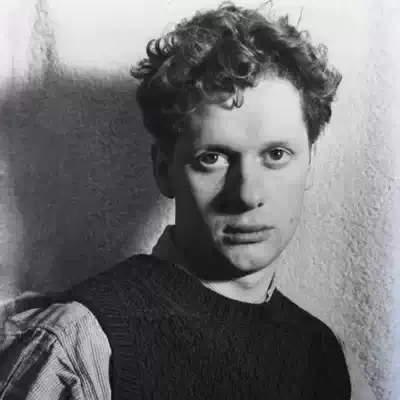
Dylan Thomas
Author's Prologue
This day winding down now
At God speeded summer's end
In the torrent salmon sun,
In my seashaken house
On a breakneck of rocks
Tangled with chirrup and fruit,
Froth, flute, fin, and quill
At a wood's dancing hoof,
By scummed, starfish sands
With their fishwife cross
Gulls, pipers, cockles, and snails,
Out there, crow black, men
Tackled with clouds, who kneel
To the sunset nets,
Geese nearly in heaven, boys
Stabbing, and herons, and shells
That speak seven seas,
Eternal waters away
From the cities of nine
Days' night whose towers will catch
In the religious wind
Like stalks of tall, dry straw,
At poor peace I sing
To you strangers (though song
Is a burning and crested act,
The fire of birds in
The world's turning wood,
For my swan, splay sounds),
Out of these seathumbed leaves
That will fly and fall
Like leaves of trees and as soon
Crumble and undie
Into the dogdayed night.
Seaward the salmon, sucked sun slips,
And the dumb swans drub blue
My dabbed bay's dusk, as I hack
This rumpus of shapes
For you to know
How I, a spining man,
Glory also this star, bird
Roared, sea born, man torn, blood blest.
Hark: I trumpet the place,
From fish to jumping hill! Look:
I build my bellowing ark
To the best of my love
As the flood begins,
Out of the fountainhead
Of fear, rage read, manalive,
Molten and mountainous to stream
Over the wound asleep
Sheep white hollow farms
To Wales in my arms.
Hoo, there, in castle keep,
You king singsong owls, who moonbeam
The flickering runs and dive
The dingle furred deer dead!
Huloo, on plumbed bryns,
O my ruffled ring dove
in the hooting, nearly dark
With Welsh and reverent rook,
Coo rooning the woods' praise,
who moons her blue notes from her nest
Down to the curlew herd!
Ho, hullaballoing clan
Agape, with woe
In your beaks, on the gabbing capes!
Heigh, on horseback hill, jack
Whisking hare! who
Hears, there, this fox light, my flood ship's
Clangour as I hew and smite
(A clash of anvils for my
Hubbub and fiddle, this tune
On atounged puffball)
But animals thick as theives
On God's rough tumbling grounds
(Hail to His beasthood!).
Beasts who sleep good and thin,
Hist, in hogback woods! The haystacked
Hollow farms ina throng
Of waters cluck and cling,
And barnroofs cockcrow war!
O kingdom of neighbors finned
Felled and quilled, flash to my patch
Work ark and the moonshine
Drinking Noah of the bay,
With pelt, and scale, and fleece:
Only the drowned deep bells
Of sheep and churches noise
Poor peace as the sun sets
And dark shoals every holy field.
We will ride out alone then,
Under the stars of Wales,
Cry, Multiudes of arks! Across
The water lidded lands,
Manned with their loves they'll move
Like wooden islands, hill to hill.
Huloo, my prowed dove with a flute!
Ahoy, old, sea-legged fox,
Tom tit and Dai mouse!
My ark sings in the sun
At God speeded summer's end
And the flood flowers now.
Read more →
At God speeded summer's end
In the torrent salmon sun,
In my seashaken house
On a breakneck of rocks
Tangled with chirrup and fruit,
Froth, flute, fin, and quill
At a wood's dancing hoof,
By scummed, starfish sands
With their fishwife cross
Gulls, pipers, cockles, and snails,
Out there, crow black, men
Tackled with clouds, who kneel
To the sunset nets,
Geese nearly in heaven, boys
Stabbing, and herons, and shells
That speak seven seas,
Eternal waters away
From the cities of nine
Days' night whose towers will catch
In the religious wind
Like stalks of tall, dry straw,
At poor peace I sing
To you strangers (though song
Is a burning and crested act,
The fire of birds in
The world's turning wood,
For my swan, splay sounds),
Out of these seathumbed leaves
That will fly and fall
Like leaves of trees and as soon
Crumble and undie
Into the dogdayed night.
Seaward the salmon, sucked sun slips,
And the dumb swans drub blue
My dabbed bay's dusk, as I hack
This rumpus of shapes
For you to know
How I, a spining man,
Glory also this star, bird
Roared, sea born, man torn, blood blest.
Hark: I trumpet the place,
From fish to jumping hill! Look:
I build my bellowing ark
To the best of my love
As the flood begins,
Out of the fountainhead
Of fear, rage read, manalive,
Molten and mountainous to stream
Over the wound asleep
Sheep white hollow farms
To Wales in my arms.
Hoo, there, in castle keep,
You king singsong owls, who moonbeam
The flickering runs and dive
The dingle furred deer dead!
Huloo, on plumbed bryns,
O my ruffled ring dove
in the hooting, nearly dark
With Welsh and reverent rook,
Coo rooning the woods' praise,
who moons her blue notes from her nest
Down to the curlew herd!
Ho, hullaballoing clan
Agape, with woe
In your beaks, on the gabbing capes!
Heigh, on horseback hill, jack
Whisking hare! who
Hears, there, this fox light, my flood ship's
Clangour as I hew and smite
(A clash of anvils for my
Hubbub and fiddle, this tune
On atounged puffball)
But animals thick as theives
On God's rough tumbling grounds
(Hail to His beasthood!).
Beasts who sleep good and thin,
Hist, in hogback woods! The haystacked
Hollow farms ina throng
Of waters cluck and cling,
And barnroofs cockcrow war!
O kingdom of neighbors finned
Felled and quilled, flash to my patch
Work ark and the moonshine
Drinking Noah of the bay,
With pelt, and scale, and fleece:
Only the drowned deep bells
Of sheep and churches noise
Poor peace as the sun sets
And dark shoals every holy field.
We will ride out alone then,
Under the stars of Wales,
Cry, Multiudes of arks! Across
The water lidded lands,
Manned with their loves they'll move
Like wooden islands, hill to hill.
Huloo, my prowed dove with a flute!
Ahoy, old, sea-legged fox,
Tom tit and Dai mouse!
My ark sings in the sun
At God speeded summer's end
And the flood flowers now.
688
Rabindranath Tagore
At The Last Watch
Pity, in place of love,
That pettiest of gifts,
Is but a sugar-coating over neglect.
Any passerby can make a gift of it
To a street beggar,
Only to forget the moment the first corner is turned.
I had not hoped for anything more that day.
You left during the last watch of night.
I had hoped you would say goodbye,
Just say 'Adieu' before going away,
What you had said another day,
What I shall never hear again.
In their place, just that one word,
Bound by the thin fabric of a little compassion
Would even that have been too much for you to bear?
When I first awoke from sleep
My heart fluttered with fear
Lest the time had been over.
I rushed out of bed.
The distant church clock chimed half past twelve
I sat waiting near the door of my room
Resting my head against it,
Facing the porch through which you would come out.
Even that tiniest of chances
Was snatched away by fate from hapless me;
I fell asleep
Shortly before you left.
Perhaps you cast a sidelong glance
At my reclining body
Like a broken boat left high and dry.
Perhaps you walked away with care
Lest you wake me up.
Awaking with a start I knew at once
That my vigil had been wasted
I realised, what was to go went away in a moment,
What was to stay behind stayed on
For all time.
Silence everywhere
Like that of a birds' nest bereft of birds
On the bough of a songless tree.
With the lifeless light of the waning moon was now blended
The pallor of dawn
Spreading itself over the greyness of my empty life.
I walked towards your bedroom
For no reason.
Outside the door
Burnt a smoky lantern covered with soot,
The porch smelt of the smouldering wick.
Over the abandoned bed the flaps of the rolled-up mosquito-net
Fluttered a little in the breeze.
Seen in the sky outside through the window
Was the morning star,
Witness of all sleepless people
Bereft of hope.
Suddenly I found you had left behind by mistake
Your gold-mounted ivory walking stick.
If there were time, I thought,
You might come back from the station to look for it,
But not because
You had not seen me before going away.
Read more →
That pettiest of gifts,
Is but a sugar-coating over neglect.
Any passerby can make a gift of it
To a street beggar,
Only to forget the moment the first corner is turned.
I had not hoped for anything more that day.
You left during the last watch of night.
I had hoped you would say goodbye,
Just say 'Adieu' before going away,
What you had said another day,
What I shall never hear again.
In their place, just that one word,
Bound by the thin fabric of a little compassion
Would even that have been too much for you to bear?
When I first awoke from sleep
My heart fluttered with fear
Lest the time had been over.
I rushed out of bed.
The distant church clock chimed half past twelve
I sat waiting near the door of my room
Resting my head against it,
Facing the porch through which you would come out.
Even that tiniest of chances
Was snatched away by fate from hapless me;
I fell asleep
Shortly before you left.
Perhaps you cast a sidelong glance
At my reclining body
Like a broken boat left high and dry.
Perhaps you walked away with care
Lest you wake me up.
Awaking with a start I knew at once
That my vigil had been wasted
I realised, what was to go went away in a moment,
What was to stay behind stayed on
For all time.
Silence everywhere
Like that of a birds' nest bereft of birds
On the bough of a songless tree.
With the lifeless light of the waning moon was now blended
The pallor of dawn
Spreading itself over the greyness of my empty life.
I walked towards your bedroom
For no reason.
Outside the door
Burnt a smoky lantern covered with soot,
The porch smelt of the smouldering wick.
Over the abandoned bed the flaps of the rolled-up mosquito-net
Fluttered a little in the breeze.
Seen in the sky outside through the window
Was the morning star,
Witness of all sleepless people
Bereft of hope.
Suddenly I found you had left behind by mistake
Your gold-mounted ivory walking stick.
If there were time, I thought,
You might come back from the station to look for it,
But not because
You had not seen me before going away.
687
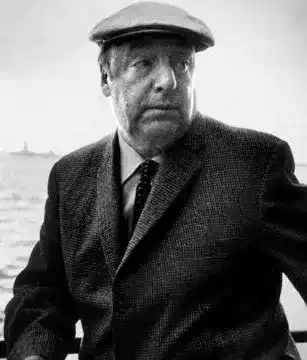
Pablo Neruda
Sonnet XXXIV
You are the daughter of the sea, oregano's first cousin.
Swimmer, your body is pure as the water;
cook, your blood is quick as the soil.
Everything you do is full of flowers, rich with the earth.
Your eyes go out toward the water, and the waves rise;
your hands go out to the earth and the seeds swell;
you know the deep essence of water and the earth,
conjoined in you like a formula for clay.
Naiad: cut your body into turquoise pieces,
they will bloom resurrected in the kitchen.
This is how you become everything that lives.
And so at last, you sleep, in the circle of my arms
that push back the shadows so that you can restvegetables,
seaweed, herbs: the foam of your dreams.
Translated by Stephen Tapscott
Read more →
Swimmer, your body is pure as the water;
cook, your blood is quick as the soil.
Everything you do is full of flowers, rich with the earth.
Your eyes go out toward the water, and the waves rise;
your hands go out to the earth and the seeds swell;
you know the deep essence of water and the earth,
conjoined in you like a formula for clay.
Naiad: cut your body into turquoise pieces,
they will bloom resurrected in the kitchen.
This is how you become everything that lives.
And so at last, you sleep, in the circle of my arms
that push back the shadows so that you can restvegetables,
seaweed, herbs: the foam of your dreams.
Translated by Stephen Tapscott
693

Elizabeth Barrett Browning
The Runaway Slave at Pilgrim's Point
I.
I stand on the mark beside the shore
Of the first white pilgrim's bended knee,
Where exile turned to ancestor,
And God was thanked for liberty.
I have run through the night, my skin is as dark,
I bend my knee down on this mark . . .
I look on the sky and the sea.
II.
O pilgrim-souls, I speak to you!
I see you come out proud and slow
From the land of the spirits pale as dew. . .
And round me and round me ye go!
O pilgrims, I have gasped and run
All night long from the whips of one
Who in your names works sin and woe.
III.
And thus I thought that I would come
And kneel here where I knelt before,
And feel your souls around me hum
In undertone to the ocean's roar;
And lift my black face, my black hand,
Here, in your names, to curse this land
Ye blessed in freedom's evermore.
IV.
I am black, I am black;
And yet God made me, they say.
But if He did so, smiling back
He must have cast His work away
Under the feet of His white creatures,
With a look of scorn,--that the dusky features
Might be trodden again to clay.
V.
And yet He has made dark things
To be glad and merry as light.
There's a little dark bird sits and sings;
There's a dark stream ripples out of sight;
And the dark frogs chant in the safe morass,
And the sweetest stars are made to pass
O'er the face of the darkest night.
VI.
But we who are dark, we are dark!
Ah, God, we have no stars!
About our souls in care and cark
Our blackness shuts like prison bars:
The poor souls crouch so far behind,
That never a comfort can they find
By reaching through the prison-bars.
VII.
Indeed, we live beneath the sky, . . .
That great smooth Hand of God, stretched out
On all His children fatherly,
To bless them from the fear and doubt,
Which would be, if, from this low place,
All opened straight up to His face
Into the grand eternity.
VIII.
And still God's sunshine and His frost,
They make us hot, they make us cold,
As if we were not black and lost:
And the beasts and birds, in wood and fold,
Do fear and take us for very men!
Could the weep-poor-will or the cat of the glen
Look into my eyes and be bold?
IX.
I am black, I am black!--
But, once, I laughed in girlish glee;
For one of my colour stood in the track
Where the drivers drove, and looked at me--
And tender and full was the look he gave:
Could a slave look so at another slave?--
I look at the sky and the sea.
X.
And from that hour our spirits grew
As free as if unsold, unbought:
Oh, strong enough, since we were two
To conquer the world, we thought!
The drivers drove us day by day;
We did not mind, we went one way,
And no better a liberty sought.
XI.
In the sunny ground between the canes,
He said 'I love you' as he passed:
When the shingle-roof rang sharp with the rains,
I heard how he vowed it fast:
While others shook, he smiled in the hut
As he carved me a bowl of the cocoa-nut,
Through the roar of the hurricanes.
XII.
I sang his name instead of a song;
Over and over I sang his name--
Upward and downward I drew it along
My various notes; the same, the same!
I sang it low, that the slave-girls near
Might never guess from aught they could hear,
It was only a name.
XIII.
I look on the sky and the sea--
We were two to love, and two to pray,--
Yes, two, O God, who cried to Thee,
Though nothing didst Thou say.
Coldly Thou sat'st behind the sun!
And now I cry who am but one,
How wilt Thou speak to-day?--
XIV.
We were black, we were black!
We had no claim to love and bliss:
What marvel, if each turned to lack?
They wrung my cold hands out of his,--
They dragged him . . . where ? . . . I crawled to touch
His blood's mark in the dust! . . . not much,
Ye pilgrim-souls, . . . though plain as this!
XV.
Wrong, followed by a deeper wrong!
Mere grief's too good for such as I.
So the white men brought the shame ere long
To strangle the sob of my agony.
They would not leave me for my dull
Wet eyes!--it was too merciful
To let me weep pure tears and die.
XVI.
I am black, I am black!--
I wore a child upon my breast
An amulet that hung too slack,
And, in my unrest, could not rest:
Thus we went moaning, child and mother,
One to another, one to another,
Until all ended for the best:
XVII.
For hark ! I will tell you low . . . Iow . . .
I am black, you see,--
And the babe who lay on my bosom so,
Was far too white . . . too white for me;
As white as the ladies who scorned to pray
Beside me at church but yesterday;
Though my tears had washed a place for my knee.
XVIII.
My own, own child! I could not bear
To look in his face, it was so white.
I covered him up with a kerchief there;
I covered his face in close and tight:
And he moaned and struggled, as well might be,
For the white child wanted his liberty--
Ha, ha! he wanted his master right.
XIX.
He moaned and beat with his head and feet,
His little feet that never grew--
He struck them out, as it was meet,
Against my heart to break it through.
I might have sung and made him mild--
But I dared not sing to the white-faced child
The only song I knew.
XX.
I pulled the kerchief very close:
He could not see the sun, I swear,
More, then, alive, than now he does
From between the roots of the mango . . . where
. . . I know where. Close! a child and mother
Do wrong to look at one another,
When one is black and one is fair.
XXI.
Why, in that single glance I had
Of my child's face, . . . I tell you all,
I saw a look that made me mad . . .
The master's look, that used to fall
On my soul like his lash . . . or worse!
And so, to save it from my curse,
I twisted it round in my shawl.
XXII.
And he moaned and trembled from foot to head,
He shivered from head to foot;
Till, after a time, he lay instead
Too suddenly still and mute.
I felt, beside, a stiffening cold, . . .
I dared to lift up just a fold . . .
As in lifting a leaf of the mango-fruit.
XXIII.
But my fruit . . . ha, ha!--there, had been
(I laugh to think on't at this hour! . . .)
Your fine white angels, who have seen
Nearest the secret of God's power, . . .
And plucked my fruit to make them wine,
And sucked the soul of that child of mine,
As the humming-bird sucks the soul of the flower.
XXIV.
Ha, ha, for the trick of the angels white!
They freed the white child's spirit so.
I said not a word, but, day and night,
I carried the body to and fro;
And it lay on my heart like a stone . . . as chill.
--The sun may shine out as much as he will:
I am cold, though it happened a month ago.
XXV.
From the white man's house, and the black man's hut,
I carried the little body on,
The forest's arms did round us shut,
And silence through the trees did run:
They asked no question as I went,--
They stood too high for astonishment,--
They could see God sit on His throne.
XXVI.
My little body, kerchiefed fast,
I bore it on through the forest . . . on:
And when I felt it was tired at last,
I scooped a hole beneath the moon.
Through the forest-tops the angels far,
With a white sharp finger from every star,
Did point and mock at what was done.
XXVII.
Yet when it was all done aright, . . .
Earth, 'twixt me and my baby, strewed,
All, changed to black earth, . . . nothing white, . . .
A dark child in the dark,--ensued
Some comfort, and my heart grew young:
I sate down smiling there and sung
The song I learnt in my maidenhood.
XXVIII.
And thus we two were reconciled,
The white child and black mother, thus:
For, as I sang it, soft and wild
The same song, more melodious,
Rose from the grave whereon I sate!
It was the dead child singing that,
To join the souls of both of us.
XXIX.
I look on the sea and the sky!
Where the pilgrims' ships first anchored lay,
The free sun rideth gloriously;
But the pilgrim-ghosts have slid away
Through the earliest streaks of the morn.
My face is black, but it glares with a scorn
Which they dare not meet by day.
XXX.
Ah!--in their 'stead, their hunter sons!
Ah, ah! they are on me--they hunt in a ring--
Keep off! I brave you all at once--
I throw off your eyes like snakes that sting!
You have killed the black eagle at nest, I think:
Did you never stand still in your triumph, and shrink
From the stroke of her wounded wing?
XXXI.
(Man, drop that stone you dared to lift!--)
I wish you, who stand there five a-breast,
Each, for his own wife's joy and gift,
A little corpse as safely at rest
As mine in the mangos!--Yes, but she
May keep live babies on her knee,
And sing the song she liketh best.
XXXll.
I am not mad: I am black.
I see you staring in my face--
I know you, staring, shrinking back--
Ye are born of the Washington-race:
And this land is the free America:
And this mark on my wrist . . . (I prove what I say)
Ropes tied me up here to the flogging-place.
XXXIII.
You think I shrieked then? Not a sound!
I hung, as a gourd hangs in the sun.
I only cursed them all around,
As softly as I might have done
My very own child!--From these sands
Up to the mountains, lift your hands,
O slaves, and end what I begun!
XXXIV.
Whips, curses; these must answer those!
For in this UNION, you have set
Two kinds of men in adverse rows,
Each loathing each: and all forget
The seven wounds in Christ's body fair;
While HE sees gaping everywhere
Our countless wounds that pay no debt.
XXXV.
Our wounds are different. Your white men
Are, after all, not gods indeed,
Nor able to make Christs again
Do good with bleeding. We who bleed . . .
(Stand off!) we help not in our loss!
We are too heavy for our cross,
And fall and crush you and your seed.
XXXVI.
I fall, I swoon! I look at the sky:
The clouds are breaking on my brain;
I am floated along, as if I should die
Of liberty's exquisite pain--
In the name of the white child, waiting for me
In the death-dark where we may kiss and agree,
White men, I leave you all curse-free
In my broken heart's disdain!
Read more →
I stand on the mark beside the shore
Of the first white pilgrim's bended knee,
Where exile turned to ancestor,
And God was thanked for liberty.
I have run through the night, my skin is as dark,
I bend my knee down on this mark . . .
I look on the sky and the sea.
II.
O pilgrim-souls, I speak to you!
I see you come out proud and slow
From the land of the spirits pale as dew. . .
And round me and round me ye go!
O pilgrims, I have gasped and run
All night long from the whips of one
Who in your names works sin and woe.
III.
And thus I thought that I would come
And kneel here where I knelt before,
And feel your souls around me hum
In undertone to the ocean's roar;
And lift my black face, my black hand,
Here, in your names, to curse this land
Ye blessed in freedom's evermore.
IV.
I am black, I am black;
And yet God made me, they say.
But if He did so, smiling back
He must have cast His work away
Under the feet of His white creatures,
With a look of scorn,--that the dusky features
Might be trodden again to clay.
V.
And yet He has made dark things
To be glad and merry as light.
There's a little dark bird sits and sings;
There's a dark stream ripples out of sight;
And the dark frogs chant in the safe morass,
And the sweetest stars are made to pass
O'er the face of the darkest night.
VI.
But we who are dark, we are dark!
Ah, God, we have no stars!
About our souls in care and cark
Our blackness shuts like prison bars:
The poor souls crouch so far behind,
That never a comfort can they find
By reaching through the prison-bars.
VII.
Indeed, we live beneath the sky, . . .
That great smooth Hand of God, stretched out
On all His children fatherly,
To bless them from the fear and doubt,
Which would be, if, from this low place,
All opened straight up to His face
Into the grand eternity.
VIII.
And still God's sunshine and His frost,
They make us hot, they make us cold,
As if we were not black and lost:
And the beasts and birds, in wood and fold,
Do fear and take us for very men!
Could the weep-poor-will or the cat of the glen
Look into my eyes and be bold?
IX.
I am black, I am black!--
But, once, I laughed in girlish glee;
For one of my colour stood in the track
Where the drivers drove, and looked at me--
And tender and full was the look he gave:
Could a slave look so at another slave?--
I look at the sky and the sea.
X.
And from that hour our spirits grew
As free as if unsold, unbought:
Oh, strong enough, since we were two
To conquer the world, we thought!
The drivers drove us day by day;
We did not mind, we went one way,
And no better a liberty sought.
XI.
In the sunny ground between the canes,
He said 'I love you' as he passed:
When the shingle-roof rang sharp with the rains,
I heard how he vowed it fast:
While others shook, he smiled in the hut
As he carved me a bowl of the cocoa-nut,
Through the roar of the hurricanes.
XII.
I sang his name instead of a song;
Over and over I sang his name--
Upward and downward I drew it along
My various notes; the same, the same!
I sang it low, that the slave-girls near
Might never guess from aught they could hear,
It was only a name.
XIII.
I look on the sky and the sea--
We were two to love, and two to pray,--
Yes, two, O God, who cried to Thee,
Though nothing didst Thou say.
Coldly Thou sat'st behind the sun!
And now I cry who am but one,
How wilt Thou speak to-day?--
XIV.
We were black, we were black!
We had no claim to love and bliss:
What marvel, if each turned to lack?
They wrung my cold hands out of his,--
They dragged him . . . where ? . . . I crawled to touch
His blood's mark in the dust! . . . not much,
Ye pilgrim-souls, . . . though plain as this!
XV.
Wrong, followed by a deeper wrong!
Mere grief's too good for such as I.
So the white men brought the shame ere long
To strangle the sob of my agony.
They would not leave me for my dull
Wet eyes!--it was too merciful
To let me weep pure tears and die.
XVI.
I am black, I am black!--
I wore a child upon my breast
An amulet that hung too slack,
And, in my unrest, could not rest:
Thus we went moaning, child and mother,
One to another, one to another,
Until all ended for the best:
XVII.
For hark ! I will tell you low . . . Iow . . .
I am black, you see,--
And the babe who lay on my bosom so,
Was far too white . . . too white for me;
As white as the ladies who scorned to pray
Beside me at church but yesterday;
Though my tears had washed a place for my knee.
XVIII.
My own, own child! I could not bear
To look in his face, it was so white.
I covered him up with a kerchief there;
I covered his face in close and tight:
And he moaned and struggled, as well might be,
For the white child wanted his liberty--
Ha, ha! he wanted his master right.
XIX.
He moaned and beat with his head and feet,
His little feet that never grew--
He struck them out, as it was meet,
Against my heart to break it through.
I might have sung and made him mild--
But I dared not sing to the white-faced child
The only song I knew.
XX.
I pulled the kerchief very close:
He could not see the sun, I swear,
More, then, alive, than now he does
From between the roots of the mango . . . where
. . . I know where. Close! a child and mother
Do wrong to look at one another,
When one is black and one is fair.
XXI.
Why, in that single glance I had
Of my child's face, . . . I tell you all,
I saw a look that made me mad . . .
The master's look, that used to fall
On my soul like his lash . . . or worse!
And so, to save it from my curse,
I twisted it round in my shawl.
XXII.
And he moaned and trembled from foot to head,
He shivered from head to foot;
Till, after a time, he lay instead
Too suddenly still and mute.
I felt, beside, a stiffening cold, . . .
I dared to lift up just a fold . . .
As in lifting a leaf of the mango-fruit.
XXIII.
But my fruit . . . ha, ha!--there, had been
(I laugh to think on't at this hour! . . .)
Your fine white angels, who have seen
Nearest the secret of God's power, . . .
And plucked my fruit to make them wine,
And sucked the soul of that child of mine,
As the humming-bird sucks the soul of the flower.
XXIV.
Ha, ha, for the trick of the angels white!
They freed the white child's spirit so.
I said not a word, but, day and night,
I carried the body to and fro;
And it lay on my heart like a stone . . . as chill.
--The sun may shine out as much as he will:
I am cold, though it happened a month ago.
XXV.
From the white man's house, and the black man's hut,
I carried the little body on,
The forest's arms did round us shut,
And silence through the trees did run:
They asked no question as I went,--
They stood too high for astonishment,--
They could see God sit on His throne.
XXVI.
My little body, kerchiefed fast,
I bore it on through the forest . . . on:
And when I felt it was tired at last,
I scooped a hole beneath the moon.
Through the forest-tops the angels far,
With a white sharp finger from every star,
Did point and mock at what was done.
XXVII.
Yet when it was all done aright, . . .
Earth, 'twixt me and my baby, strewed,
All, changed to black earth, . . . nothing white, . . .
A dark child in the dark,--ensued
Some comfort, and my heart grew young:
I sate down smiling there and sung
The song I learnt in my maidenhood.
XXVIII.
And thus we two were reconciled,
The white child and black mother, thus:
For, as I sang it, soft and wild
The same song, more melodious,
Rose from the grave whereon I sate!
It was the dead child singing that,
To join the souls of both of us.
XXIX.
I look on the sea and the sky!
Where the pilgrims' ships first anchored lay,
The free sun rideth gloriously;
But the pilgrim-ghosts have slid away
Through the earliest streaks of the morn.
My face is black, but it glares with a scorn
Which they dare not meet by day.
XXX.
Ah!--in their 'stead, their hunter sons!
Ah, ah! they are on me--they hunt in a ring--
Keep off! I brave you all at once--
I throw off your eyes like snakes that sting!
You have killed the black eagle at nest, I think:
Did you never stand still in your triumph, and shrink
From the stroke of her wounded wing?
XXXI.
(Man, drop that stone you dared to lift!--)
I wish you, who stand there five a-breast,
Each, for his own wife's joy and gift,
A little corpse as safely at rest
As mine in the mangos!--Yes, but she
May keep live babies on her knee,
And sing the song she liketh best.
XXXll.
I am not mad: I am black.
I see you staring in my face--
I know you, staring, shrinking back--
Ye are born of the Washington-race:
And this land is the free America:
And this mark on my wrist . . . (I prove what I say)
Ropes tied me up here to the flogging-place.
XXXIII.
You think I shrieked then? Not a sound!
I hung, as a gourd hangs in the sun.
I only cursed them all around,
As softly as I might have done
My very own child!--From these sands
Up to the mountains, lift your hands,
O slaves, and end what I begun!
XXXIV.
Whips, curses; these must answer those!
For in this UNION, you have set
Two kinds of men in adverse rows,
Each loathing each: and all forget
The seven wounds in Christ's body fair;
While HE sees gaping everywhere
Our countless wounds that pay no debt.
XXXV.
Our wounds are different. Your white men
Are, after all, not gods indeed,
Nor able to make Christs again
Do good with bleeding. We who bleed . . .
(Stand off!) we help not in our loss!
We are too heavy for our cross,
And fall and crush you and your seed.
XXXVI.
I fall, I swoon! I look at the sky:
The clouds are breaking on my brain;
I am floated along, as if I should die
Of liberty's exquisite pain--
In the name of the white child, waiting for me
In the death-dark where we may kiss and agree,
White men, I leave you all curse-free
In my broken heart's disdain!
681
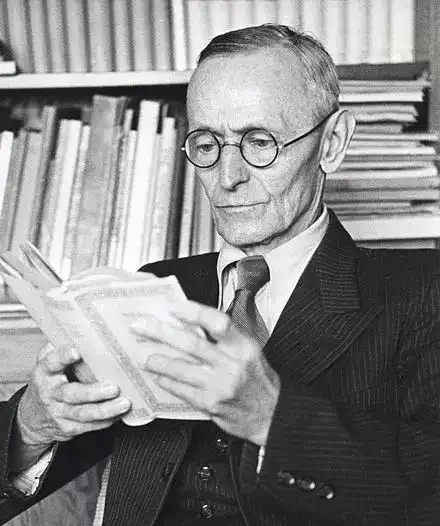
Hermann Hesse
Lying In Grass
Is this everything now, the quick delusions of flowers,
And the down colors of the bright summer meadow,
The soft blue spread of heaven, the bees' song,
Is this everything only a god's
Groaning dream,
The cry of unconscious powers for deliverance?
The distant line of the mountain,
That beautifully and courageously rests in the blue,
Is this too only a convulsion,
Only the wild strain of fermenting nature,
Only grief, only agony, only meaningless fumbling,
Never resting, never a blessed movement?
No! Leave me alone, you impure dream
Of the world in suffering!
The dance of tiny insects cradles you in an evening radiance,
The bird's cry cradles you,
A breath of wind cools my forehead
With consolation.
Leave me alone, you unendurably old human grief!
Let it all be pain.
Let it all be suffering, let it be wretched-
But not this one sweet hour in the summer,
And not the fragrance of the red clover,
And not the deep tender pleasure
In my soul.
Translated by James Wright
Read more →
And the down colors of the bright summer meadow,
The soft blue spread of heaven, the bees' song,
Is this everything only a god's
Groaning dream,
The cry of unconscious powers for deliverance?
The distant line of the mountain,
That beautifully and courageously rests in the blue,
Is this too only a convulsion,
Only the wild strain of fermenting nature,
Only grief, only agony, only meaningless fumbling,
Never resting, never a blessed movement?
No! Leave me alone, you impure dream
Of the world in suffering!
The dance of tiny insects cradles you in an evening radiance,
The bird's cry cradles you,
A breath of wind cools my forehead
With consolation.
Leave me alone, you unendurably old human grief!
Let it all be pain.
Let it all be suffering, let it be wretched-
But not this one sweet hour in the summer,
And not the fragrance of the red clover,
And not the deep tender pleasure
In my soul.
Translated by James Wright
694

Oscar Wilde
My Voice
Within this restless, hurried, modern world
We took our hearts' full pleasure - You and I,
And now the white sails of our ship are furled,
And spent the lading of our argosy.
Wherefore my cheeks before their time are wan,
For very weeping is my gladness fled,
Sorrow has paled my young mouth's vermilion,
And Ruin draws the curtains of my bed.
But all this crowded life has been to thee
No more than lyre, or lute, or subtle spell
Of viols, or the music of the sea
That sleeps, a mimic echo, in the shell.
Read more →
We took our hearts' full pleasure - You and I,
And now the white sails of our ship are furled,
And spent the lading of our argosy.
Wherefore my cheeks before their time are wan,
For very weeping is my gladness fled,
Sorrow has paled my young mouth's vermilion,
And Ruin draws the curtains of my bed.
But all this crowded life has been to thee
No more than lyre, or lute, or subtle spell
Of viols, or the music of the sea
That sleeps, a mimic echo, in the shell.
677
Pablo Neruda
The Weary One
The weary one, orphan
of the masses, the self,
the crushed one, the one made of concrete,
the one without a country in crowded restaurants,
he who wanted to go far away, always farther away,
didn't know what to do there, whether he wanted
or didn't want to leave or remain on the island,
the hesitant one, the hybrid, entangled in himself,
had no place here: the straight-angled stone,
the infinite look of the granite prism,
the circular solitude all banished him:
he went somewhere else with his sorrows,
he returned to the agony of his native land,
to his indecisions, of winter and summer.
Read more →
of the masses, the self,
the crushed one, the one made of concrete,
the one without a country in crowded restaurants,
he who wanted to go far away, always farther away,
didn't know what to do there, whether he wanted
or didn't want to leave or remain on the island,
the hesitant one, the hybrid, entangled in himself,
had no place here: the straight-angled stone,
the infinite look of the granite prism,
the circular solitude all banished him:
he went somewhere else with his sorrows,
he returned to the agony of his native land,
to his indecisions, of winter and summer.
678
Oscar Wilde
Her Voice
The wild bee reels from bough to bough
With his furry coat and his gauzy wing,
Now in a lily-cup, and now
Setting a jacinth bell a-swing,
In his wandering;
Sit closer love: it was here I trow
I made that vow,
Swore that two lives should be like one
As long as the sea-gull loved the sea,
As long as the sunflower sought the sun, -
It shall be, I said, for eternity
'Twixt you and me!
Dear friend, those times are over and done;
Love's web is spun.
Look upward where the poplar trees
Sway and sway in the summer air,
Here in the valley never a breeze
Scatters the thistledown, but there
Great winds blow fair
From the mighty murmuring mystical seas,
And the wave-lashed leas.
Look upward where the white gull screams,
What does it see that we do not see?
Is that a star? or the lamp that gleams
On some outward voyaging argosy, -
Ah! can it be
We have lived our lives in a land of dreams!
How sad it seems.
Sweet, there is nothing left to say
But this, that love is never lost,
Keen winter stabs the breasts of May
Whose crimson roses burst his frost,
Ships tempest-tossed
Will find a harbour in some bay,
And so we may.
And there is nothing left to do
But to kiss once again, and part,
Nay, there is nothing we should rue,
I have my beauty, - you your Art,
Nay, do not start,
One world was not enough for two
Like me and you.
Read more →
With his furry coat and his gauzy wing,
Now in a lily-cup, and now
Setting a jacinth bell a-swing,
In his wandering;
Sit closer love: it was here I trow
I made that vow,
Swore that two lives should be like one
As long as the sea-gull loved the sea,
As long as the sunflower sought the sun, -
It shall be, I said, for eternity
'Twixt you and me!
Dear friend, those times are over and done;
Love's web is spun.
Look upward where the poplar trees
Sway and sway in the summer air,
Here in the valley never a breeze
Scatters the thistledown, but there
Great winds blow fair
From the mighty murmuring mystical seas,
And the wave-lashed leas.
Look upward where the white gull screams,
What does it see that we do not see?
Is that a star? or the lamp that gleams
On some outward voyaging argosy, -
Ah! can it be
We have lived our lives in a land of dreams!
How sad it seems.
Sweet, there is nothing left to say
But this, that love is never lost,
Keen winter stabs the breasts of May
Whose crimson roses burst his frost,
Ships tempest-tossed
Will find a harbour in some bay,
And so we may.
And there is nothing left to do
But to kiss once again, and part,
Nay, there is nothing we should rue,
I have my beauty, - you your Art,
Nay, do not start,
One world was not enough for two
Like me and you.
690

Kazi Nazrul Islam
A Call from Behind
Dear! Wilt thou remember me in thy new home?
There dost thou begin the world under
new auspices with new offerings
Deserted is now the leafy cottage; its
shady neighborhood where we two
first exchanged our looks, where
every particle of dust, every.
creeper and leaf is redolent
of the wealth of eternal acquaintance
in the worship of hearts,
And a dismal void now cries in the wilderness.
As didst thou forget me, many a man could
come to thee,
Then out of sympathy for me would that
cottage weep out an offended heart,
Wherever dist thou turn thy eyes,
my reminiscences there made thy heart ache,
Thou wilt drown that reproach here
in the depths of new field;
I alone am lost in the woods' of oblivion.
The distance between thee and me was so
long no real distance,
As that old mansion would bring my
distance into nearness.
Now hast thou formed new ties,
Opened a new fountain of laughter and tears,
New performance and new revelry of song,
Under the impulse of new welcome!
To the cold storage my own tune is consigned.
Dear! Mine is today forlorn hope, as
pre-ordained by the divinity,
Today on my grave will be built thy bridal
sanctum sanatorium
In the air is echoed and re-echoed
The music of the Sylvan flute in the mouth
of some cow-herd,
Lost, lost am I in the western horizon!
Farewell, Dear, our role comes to an end
with the setting sun,
Now art thou a new one in a new home!
[Translation: Abdul Hakim]
Read more →
There dost thou begin the world under
new auspices with new offerings
Deserted is now the leafy cottage; its
shady neighborhood where we two
first exchanged our looks, where
every particle of dust, every.
creeper and leaf is redolent
of the wealth of eternal acquaintance
in the worship of hearts,
And a dismal void now cries in the wilderness.
As didst thou forget me, many a man could
come to thee,
Then out of sympathy for me would that
cottage weep out an offended heart,
Wherever dist thou turn thy eyes,
my reminiscences there made thy heart ache,
Thou wilt drown that reproach here
in the depths of new field;
I alone am lost in the woods' of oblivion.
The distance between thee and me was so
long no real distance,
As that old mansion would bring my
distance into nearness.
Now hast thou formed new ties,
Opened a new fountain of laughter and tears,
New performance and new revelry of song,
Under the impulse of new welcome!
To the cold storage my own tune is consigned.
Dear! Mine is today forlorn hope, as
pre-ordained by the divinity,
Today on my grave will be built thy bridal
sanctum sanatorium
In the air is echoed and re-echoed
The music of the Sylvan flute in the mouth
of some cow-herd,
Lost, lost am I in the western horizon!
Farewell, Dear, our role comes to an end
with the setting sun,
Now art thou a new one in a new home!
[Translation: Abdul Hakim]
680