
Soul
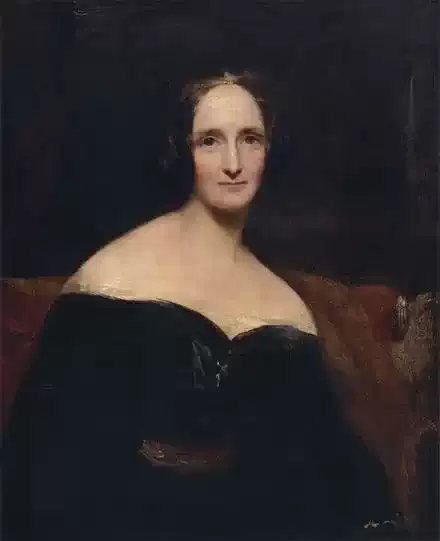
Percy Bysshe Shelley
Adonais
I weep for Adonais -he is dead!
O, weep for Adonais! though our tears
Thaw not the frost which binds so dear a head!
And thou, sad Hour, selected from all years
To mourn our loss, rouse thy obscure compeers,
And teach them thine own sorrow, say: "With me
Died Adonais; till the Future dares
Forget the Past, his fate and fame shall be
An echo and a light unto eternity!"
Where wert thou, mighty Mother, when he lay,
When thy Son lay, pierced by the shaft which flies
In darkness? where was lorn Urania
When Adonais died? With veiled eyes,
Mid listening Echoes, in her Paradise
She sate, while one, with soft enamoured breath,
Rekindled all the fading melodies
With which, like flowers that mock the corse beneath,
He had adorned and hid the coming bulk of death.
O, weep for Adonais -he is dead!
Wake, melancholy Mother, wake and weep!
Yet wherefore? Quench within their burning bed
Thy fiery tears, and let thy loud heart keep
Like his, a mute and uncomplaining sleep;
For he is gone, where all things wise and fair
Descend; -oh, dream not that the amorous Deep
Will yet restore him to the vital air;
Death feeds on his mute voice, and laughs at our despair.
Most musical of mourners, weep again!
Lament anew, Urania! -He died,
Who was the Sire of an immortal strain,
Blind, old, and lonely, when his country's pride,
The priest, the slave, and the liberticide
Trampled and mocked with many a loathed rite
Of lust and blood; he went, unterrified,
Into the gulf of death; but his clear Sprite
Yet reigns o'er earth; the third among the sons of light.
Most musical of mourners, weep anew!
Not all to that bright station dared to climb;
And happier they their happiness who knew,
Whose tapers yet burn through that night of time
In which suns perished; others more sublime,
Struck by the envious wrath of man or god,
Have sunk, extinct in their refulgent prime;
And some yet live, treading the thorny road
Which leads, through toil and hate, to Fame's serene abode.
But now, thy youngest, dearest one, has perished -
The nursling of thy widowhood, who grew,
Like a pale flower by some sad maiden cherished,
And fed with true-love tears, instead of dew;
Most musical of mourners, weep anew!
Thy extreme hope, the loveliest and the last,
The bloom, whose petals nipped before they blew
Died on the promise of the fruit, is waste;
The broken lily lies -the storm is overpast.
To that high Capital, where kingly Death
Keeps his pale court in beauty and decay,
He came; and bought, with price of purest breath,
A grave among the eternal. -Come away!
Haste, while the vault of blue Italian day
Is yet his fitting charnel-roof! while still
He lies, as if in dewy sleep he lay;
Awake him not! surely he takes his fill
Of deep and liquid rest, forgetful of all ill.
He will awake no more, oh, never more! -
Within the twilight chamber spreads apace
The shadow of white Death, and at the door
Invisible Corruption waits to trace
His extreme way to her dim dwelling-place;
The eternal Hunger sits, but pity and awe
Soothe her pale rage, nor dares she to deface
So fair a prey, till darkness, and the law
Of change, shall o'er his sleep the mortal curtain draw.
O, weep for Adonais! -The quick Dreams,
The passion-winged Ministers of thought,
Who were his flocks, whom near the living streams
Of his young spirit he fed, and whom he taught
The love which was its music, wander not, -
Wander no more, from kindling brain to brain,
But droop there, whence they sprung; and mourn their lot
Round the cold heart, where, after their sweet pain,
They ne'er will gather strength, or find a home again.
And one with trembling hands clasps his cold head,
And fans him with her moonlight wings, and cries,
"Our love, our hope, our sorrow, is not dead;
See, on the silken fringe of his faint eyes,
Like dew upon a sleeping flower, there lies
A tear some Dream has loosened from his brain."
Lost Angel of a ruined Paradise!
She knew not 'twas her own; as with no stain
She faded, like a cloud which had outwept its rain.
One from a lucid urn of starry dew
Washed his light limbs as if embalming them;
Another clipped her profuse locks, and threw
The wreath upon him, like an anadem,
Which frozen tears instead of pearls begem;
Another in her wilful grief would break
Her bow and winged reeds, as if to stem
A greater loss with one which was more weak;
And dull the barbed fire against his frozen cheek.
Another Splendour on his mouth alit,
That mouth, whence it was wont to draw the breath
Which gave it strength to pierce the guarded wit,
And pass into the panting heart beneath
With lightning and with music: the damp death
Quenched its caress upon his icy lips;
And, as a dying meteor stains a wreath
Of moonlight vapour, which the cold night clips,
It flushed through his pale limbs, and passed to its eclipse.
And others came... Desires and Adorations,
Winged Persuasions and veiled Destinies,
Splendours, and Glooms, and glimmering Incarnations
Of hopes and fears, and twilight Phantasies;
And Sorrow, with her family of Sighs,
And Pleasure, blind with tears, led by the gleam
Of her own dying smile instead of eyes,
Came in slow pomp; -the moving pomp might seem
Like pageantry of mist on an autumnal stream.
All he had loved, and moulded into thought,
From shape, and hue, and odour, and sweet sound,
Lamented Adonais. Morning sought
Her eastern watch-tower, and her hair unbound,
Wet with the tears which should adorn the ground,
Dimmed the aereal eyes that kindle day;
Afar the melancholy thunder moaned,
Pale Ocean in unquiet slumber lay,
And the wild Winds flew round, sobbing in their dismay.
Lost Echo sits amid the voiceless mountains,
And feeds her grief with his remembered lay,
And will no more reply to winds or fountains,
Or amorous birds perched on the young green spray,
Or herdsman's horn, or bell at closing day;
Since she can mimic not his lips, more dear
Than those for whose disdain she pined away
Into a shadow of all sounds: -a drear
Murmur, between their songs, is all the woodmen hear.
Grief made the young Spring wild, and she threw down
Her kindling buds, as if she Autumn were,
Or they dead leaves; since her delight is flown,
For whom should she have waked the sullen year?
To Phoebus was not Hyacinth so dear
Nor to himself Narcissus, as to both
Thou, Adonais: wan they stand and sere
Amid the faint companions of their youth,
With dew all turned to tears; odour, to sighing ruth.
Thy spirit's sister, the lorn nightingale
Mourns not her mate with such melodious pain;
Not so the eagle, who like thee could scale
Heaven, and could nourish in the sun's domain
Her mighty youth with morning, doth complain,
Soaring and screaming round her empty nest,
As Albion wails for thee: the curse of Cain
Light on his head who pierced thy innocent breast,
And scared the angel soul that was its earthly guest!
Ah, woe is me! Winter is come and gone,
But grief returns with the revolving year;
The airs and streams renew their joyous tone;
The ants, the bees, the swallows reappear;
Fresh leaves and flowers deck the dead Season's bier;
The amorous birds now pair in every brake,
And build their mossy homes in field and brere;
And the green lizard, and the golden snake,
Like unimprisoned flames, out of their trance awake.
Through wood and stream and field and hill and Ocean
A quickening life from the Earth's heart has burst
As it has ever done, with change and motion,
From the great morning of the world when first
God dawned on Chaos; in its stream immersed,
The lamps of Heaven flash with a softer light;
All baser things pant with life's sacred thirst;
Diffuse themselves; and spend in love's delight
The beauty and the joy of their renewed might.
The leprous corpse, touched by this spirit tender,
Exhales itself in flowers of gentle breath;
Like incarnations of the stars, when splendour
Is changed to fragrance, they illumine death
And mock the merry worm that wakes beneath;
Nought we know, dies. Shall that alone which knows
Be as a sword consumed before the sheath
By sightless lightning? -the intense atom glows
A moment, then is quenched in a most cold repose.
Alas! that all we loved of him should be,
But for our grief, as if it had not been,
And grief itself be mortal! Woe is me!
Whence are we, and why are we? of what scene
The actors or spectators? Great and mean
Meet massed in death, who lends what life must borrow.
As long as skies are blue, and fields are green,
Evening must usher night, night urge the morrow,
Month follow month with woe, and year wake year to sorrow.
He will awake no more, oh, never more!
"Wake thou," cried Misery, "childless Mother, rise
Out of thy sleep, and slake, in thy heart's core,
A wound more fierce than his with tears and sighs."
And all the Dreams that watched Urania's eyes,
And all the Echoes whom their sister's song
Had held in holy silence, cried: "Arise!"
Swift as a Thought by the snake Memory stung,
From her ambrosial rest the fading Splendour sprung.
She rose like an autumnal Night, that springs
Our of the East, and follows wild and drear
The golden Day, which, on eternal wings,
Even as a ghost abandoning a bier,
Had left the Earth a corpse. Sorrow and fear
So struck, so roused, so rapt Urania;
So saddened round her like an atmosphere
Of stormy mist; so swept her on her way
Even to the mournful place where Adonais lay.
Our of her secret Paradise she sped,
Through camps and cities rough with stone, and steel,
And human hearts, which to her aery tread
Yielding not, wounded the invisible
Palms of her tender feet where'er they fell:
And barbed tongues, and thoughts more sharp than they,
Rent the soft Form they never could repel,
Whose sacred blood, like the young tears of May,
Paved with eternal flowers that undeserving way.
In the death-chamber for a moment Death,
Shamed by the presence of that living Might,
Blushed to annihilation, and the breath
Revisited those lips, and Life's pale light
Flashed through those limbs, so late her dear delight.
"Leave me not wild and drear and comfortless,
As silent lightning leaves the starless night!
Leave me not!" cried Urania: her distress
Roused Death: Death rose and smiled, and met her vain caress.
"'Stay yet awhile! speak to me once again;
Kiss me, so long but as a kiss may live;
And in my heartless breast and burning brain
That word, that kiss, shall all thoughts else survive,
With food of saddest memory kept alive,
Now thou art dead, as if it were a part
Of thee, my Adonais! I would give
All that I am to be as thou now art!
But I am chained to Time, and cannot thence depart!
"O gentle child, beautiful as thou wert,
Why didst thou leave the trodden paths of men
Too soon, and with weak hands though mighty heart
Dare the unpastured dragon in his den?
Defenceless as thou wert, oh, where was then
Wisdom the mirrored shield, or scorn the spear?
Or hadst thou waited the full cycle, when
Thy spirit should have filled its crescent sphere,
The monsters of life's waste had fled from thee like deer.
"The herded wolves, bold only to pursue;
The obscene ravens, clamorous o'er the dead;
The vultures to the conqueror's banner true
Who feed where Desolation first has fed,
And whose wings rain contagion; -how they fled,
When, like Apollo, from his golden bow
The Pythian of the age one arrow sped
And smiled! -The spoilers tempt no second blow,
They fawn on the proud feet that spurn them lying low.
"The sun comes forth, and many reptiles spawn;
He sets, and each ephemeral insect then
Is gathered into death without a dawn,
And the immortal stars awake again;
So is it in the world of living men:
A godlike mind soars forth, in its delight
Making earth bare and veiling heaven, and when
It sinks, the swarms that dimmed or shared its light
Leave to its kindred lamps the spirit's awful night."
Thus ceased she: and the mountain shepherds came,
Their garlands sere, their magic mantles rent;
The Pilgrim of Eternity, whose fame
Over his living head like Heaven is bent,
An early but enduring monument,
Came, veiling all the lightnings of his song
In sorrow; from her wilds Irene sent
The sweetest lyrist of her saddest wrong,
And Love taught Grief to fall like music from his tongue.
Midst others of less note, came one frail Form,
A phantom among men; companionless
As the last cloud of an expiring storm
Whose thunder is its knell; he, as I guess,
Had gazed on Nature's naked loveliness,
Actaeon-like, and now he fled astray
With feeble steps o'er the world's wilderness,
And his own thoughts, along that rugged way,
Pursued, like raging hounds, their father and their prey.
A pardlike Spirit beautiful and swift -
A Love in desolation masked; -a Power
Girt round with weakness; -it can scarce uplift
The weight of the superincumbent hour;
It is a dying lamp, a falling shower,
A breaking billow; -even whilst we speak
Is it not broken? On the withering flower
The killing sun smiles brightly: on a cheek
The life can burn in blood, even while the heart may break.
His head was bound with pansies overblown,
And faded violets, white, and pied, and blue;
And a light spear topped with a cypress cone,
Round whose rude shaft dark ivy-tresses grew
Yet dripping with the forest's noonday dew,
Vibrated, as the ever-beating heart
Shook the weak hand that grasped it; of that crew
He came the last, neglected and apart;
A herd-abandoned deer struck by the hunter's dart.
All stood aloof, and at his partial moan
Smiled through their tears; well knew that gentle band
Who in another's fate now wept his own,
As in the accents of an unknown land
He sung new sorrow; sad Urania scanned
The Stranger's mien, and murmured: "Who art thou?"
He answered not, but with a sudden hand
Made bare his branded and ensanguined brow,
Which was like Cain's or Christ's -oh! that it should be so!
What softer voice is hushed over the dead?
Athwart what brow is that dark mantle thrown?
What form leans sadly o'er the white death-bed,
In mockery of monumental stone,
The heavy heart heaving without a moan?
If it be He, who, gentlest of the wise,
Taught, soothed, loved, honoured the departed one,
Let me not vex, with inharmonious sighs,
The silence of that heart's accepted sacrifice.
Our Adonais has drunk poison -oh!
What deaf and viperous murderer could crown
Life's early cup with such a draught of woe?
The nameless worm would now itself disown:
It felt, yet could escape, the magic tone
Whose prelude held all envy, hate, and wrong,
But what was howling in one breast alone,
Silent with expectation of the song,
Whose master's hand is cold, whose silver lyre unstrung.
Live thou, whose infamy is not thy fame!
Live! fear no heavier chastisement from me,
Thou noteless blot on a remembered name!
But be thyself, and know thyself to be!
And ever at thy season be thou free
To spill the venom when thy fangs o'erflow:
Remorse and Self-contempt shall cling to thee;
Hot Shame shall burn upon thy secret brow,
And like a beaten hound tremble thou shalt -as now.
Nor let us weep that our delight is fled
Far from these carrion kites that scream below;
He wakes or sleeps with the enduring dead;
Thou canst not soar where he is sitting now -
Dust to the dust! but the pure spirit shall flow
Back to the burning fountain whence it came,
A portion of the Eternal, which must glow
Through time and change, unquenchably the same,
Whilst thy cold embers choke the sordid hearth of shame.
Peace, peace! he is not dead, he doth not sleep -
He hath awakened from the dream of life -
'Tis we, who lost in stormy visions, keep
With phantoms an unprofitable strife,
And in mad trance, strike with our spirit's knife
Invulnerable nothings. -We decay
Like corpses in a charnel; fear and grief
Convulse us and consume us day by day,
And cold hopes swarm like worms within our living clay.
He has outsoared the shadow of our night;
Envy and calumny and hate and pain,
And that unrest which men miscall delight,
Can touch him not and torture not again;
From the contagion of the world's slow stain
He is secure, and now can never mourn
A heart grown cold, a head grown grey in vain;
Nor, when the spirit's self has ceased to burn,
With sparkless ashes load an unlamented urn.
He lives, he wakes -'tis Death is dead, not he;
Mourn not for Adonais. -Thou young Dawn,
Turn all thy dew to splendour, for from thee
The spirit thou lamentest is not gone;
Ye caverns and ye forests, cease to moan!
Cease, ye faint flowers and fountains, and thou Air
Which like a mourning veil thy scarf hadst thrown
O'er the abandoned Earth, now leave it bare
Even to the joyous stars which smile on its despair!
He is made one with Nature: there is heard
His voice in all her music, from the moan
Of thunder, to the song of night's sweet bird;
He is a presence to be felt and known
In darkness and in light, from herb and stone,
Spreading itself where'er that Power may move
Which has withdrawn his being to its own;
Which wields the world with never-wearied love,
Sustains it from beneath, and kindles it above.
He is a portion of the loveliness
Which once he made more lovely: he doth bear
His part, while the one Spirit's plastic stress
Sweeps through the dull dense world, compelling there
All new successions to the forms they wear;
Torturing th' unwilling dross that checks its flight
To its own likeness, as each mass may bear;
And bursting in its beauty and its might
From trees and beasts and men into the Heavens' light.
The splendours of the firmament of time
May be eclipsed, but are extinguished not;
Like stars to their appointed height they climb,
And death is a low mist which cannot blot
The brightness it may veil. When lofty thought
Lifts a young heart above its mortal lair,
And love and life contend in it, for what
Shall be its earthly doom, the dead live there
And move like winds of light on dark and stormy air.
The inheritors of unfulfilled renown
Rose from their thrones, built beyond mortal thought,
Far in the Unapparent. Chatterton
Rose pale, -his solemn agony had not
Yet faded from him; Sidney, as he fought
And as he fell and as he lived and loved
Sublimely mild, a Spirit without spot,
Arose; and Lucan, by his death approved:
Oblivion as they rose shrank like a thing reproved.
And many more, whose names on Earth are dark,
But whose transmitted effluence cannot die
So long as fire outlives the parent spark,
Rose, robed in dazzling immortality.
"Thou art become as one of us," they cry,
"It was for thee yon kingless sphere has long
Swung blind in unascended majesty,
Silent alone amid an Heaven of Song.
Assume thy winged throne, thou Vesper of our throng!"
Who mourns for Adonais? Oh, come forth,
Fond wretch! and know thyself and him aright.
Clasp with thy panting soul the pendulous Earth;
As from a centre, dart thy spirit's light
Beyond all worlds, until its spacious might
Satiate the void circumference: then shrink
Even to a point within our day and night;
And keep thy heart light lest it make thee sink
When hope has kindled hope, and lured thee to the brink.
Or go to Rome, which is the sepulchre,
Oh, not of him, but of our joy: 'tis nought
That ages, empires, and religions there
Lie buried in the ravage they have wrought;
For such as he can lend, -they borrow not
Glory from those who made the world their prey;
And he is gathered to the kings of thought
Who waged contention with their time's decay,
And of the past are all that cannot pass away.
Go thou to Rome, -at once the Paradise,
The grave, the city, and the wilderness;
And where its wrecks like shattered mountains rise,
And flowering weeds, and fragrant copses dress
The bones of Desolation's nakedness
Pass, till the spirit of the spot shall lead
Thy footsteps to a slope of green access
Where, like an infant's smile, over the dead
A light of laughing flowers along the grass is spread;
And grey walls moulder round, on which dull Time
Feeds, like slow fire upon a hoary brand;
And one keen pyramid with wedge sublime,
Pavilioning the dust of him who planned
This refuge for his memory, doth stand
Like flame transformed to marble; and beneath,
A field is spread, on which a newer band
Have pitched in Heaven's smile their camp of death,
Welcoming him we lose with scarce extinguished breath.
Here pause: these graves are all too young as yet
To have outgrown the sorrow which consigned
Its charge to each; and if the seal is set,
Here, on one fountain of a mourning mind,
Break it not thou! too surely shalt thou find
Thine own well full, if thou returnest home,
Of tears and gall. From the world's bitter wind
Seek shelter in the shadow of the tomb.
What Adonais is, why fear we to become?
The One remains, the many change and pass;
Heaven's light forever shines, Earth's shadows fly;
Life, like a dome of many-coloured glass,
Stains the white radiance of Eternity,
Until Death tramples it to fragments. -Die,
If thou wouldst be with that which thou dost seek!
Follow where all is fled! -Rome's azure sky,
Flowers, ruins, statues, music, words, are weak
The glory they transfuse with fitting truth to speak.
Why linger, why turn back, why shrink, my Heart?
Thy hopes are gone before: from all things here
They have departed; thou shouldst now depart!
A light is passed from the revolving year,
And man, and woman; and what still is dear
Attracts to crush, repels to make thee wither.
The soft sky smiles, -the low wind whispers near:
'Tis Adonais calls! oh, hasten thither,
No more let Life divide what Death can join together.
That Light whose smile kindles the Universe,
That Beauty in which all things work and move,
That Benediction which the eclipsing Curse
Of birth can quench not, that sustaining Love
Which through the web of being blindly wove
By man and beast and earth and air and sea,
Burns bright or dim, as each are mirrors of
The fire for which all thirst, now beams on me,
Consuming the last clouds of cold mortality.
The breath whose might I have invoked in song
Descends on me; my spirit's bark is driven
Far from the shore, far from the trembling throng
Whose sails were never to the tempest given;
The massy earth and sphered skies are riven!
I am borne darkly, fearfully, afar;
Whilst, burning through the inmost veil of Heaven,
The soul of Adonais, like a star,
Beacons from the abode where the Eternal are.
Read more →
O, weep for Adonais! though our tears
Thaw not the frost which binds so dear a head!
And thou, sad Hour, selected from all years
To mourn our loss, rouse thy obscure compeers,
And teach them thine own sorrow, say: "With me
Died Adonais; till the Future dares
Forget the Past, his fate and fame shall be
An echo and a light unto eternity!"
Where wert thou, mighty Mother, when he lay,
When thy Son lay, pierced by the shaft which flies
In darkness? where was lorn Urania
When Adonais died? With veiled eyes,
Mid listening Echoes, in her Paradise
She sate, while one, with soft enamoured breath,
Rekindled all the fading melodies
With which, like flowers that mock the corse beneath,
He had adorned and hid the coming bulk of death.
O, weep for Adonais -he is dead!
Wake, melancholy Mother, wake and weep!
Yet wherefore? Quench within their burning bed
Thy fiery tears, and let thy loud heart keep
Like his, a mute and uncomplaining sleep;
For he is gone, where all things wise and fair
Descend; -oh, dream not that the amorous Deep
Will yet restore him to the vital air;
Death feeds on his mute voice, and laughs at our despair.
Most musical of mourners, weep again!
Lament anew, Urania! -He died,
Who was the Sire of an immortal strain,
Blind, old, and lonely, when his country's pride,
The priest, the slave, and the liberticide
Trampled and mocked with many a loathed rite
Of lust and blood; he went, unterrified,
Into the gulf of death; but his clear Sprite
Yet reigns o'er earth; the third among the sons of light.
Most musical of mourners, weep anew!
Not all to that bright station dared to climb;
And happier they their happiness who knew,
Whose tapers yet burn through that night of time
In which suns perished; others more sublime,
Struck by the envious wrath of man or god,
Have sunk, extinct in their refulgent prime;
And some yet live, treading the thorny road
Which leads, through toil and hate, to Fame's serene abode.
But now, thy youngest, dearest one, has perished -
The nursling of thy widowhood, who grew,
Like a pale flower by some sad maiden cherished,
And fed with true-love tears, instead of dew;
Most musical of mourners, weep anew!
Thy extreme hope, the loveliest and the last,
The bloom, whose petals nipped before they blew
Died on the promise of the fruit, is waste;
The broken lily lies -the storm is overpast.
To that high Capital, where kingly Death
Keeps his pale court in beauty and decay,
He came; and bought, with price of purest breath,
A grave among the eternal. -Come away!
Haste, while the vault of blue Italian day
Is yet his fitting charnel-roof! while still
He lies, as if in dewy sleep he lay;
Awake him not! surely he takes his fill
Of deep and liquid rest, forgetful of all ill.
He will awake no more, oh, never more! -
Within the twilight chamber spreads apace
The shadow of white Death, and at the door
Invisible Corruption waits to trace
His extreme way to her dim dwelling-place;
The eternal Hunger sits, but pity and awe
Soothe her pale rage, nor dares she to deface
So fair a prey, till darkness, and the law
Of change, shall o'er his sleep the mortal curtain draw.
O, weep for Adonais! -The quick Dreams,
The passion-winged Ministers of thought,
Who were his flocks, whom near the living streams
Of his young spirit he fed, and whom he taught
The love which was its music, wander not, -
Wander no more, from kindling brain to brain,
But droop there, whence they sprung; and mourn their lot
Round the cold heart, where, after their sweet pain,
They ne'er will gather strength, or find a home again.
And one with trembling hands clasps his cold head,
And fans him with her moonlight wings, and cries,
"Our love, our hope, our sorrow, is not dead;
See, on the silken fringe of his faint eyes,
Like dew upon a sleeping flower, there lies
A tear some Dream has loosened from his brain."
Lost Angel of a ruined Paradise!
She knew not 'twas her own; as with no stain
She faded, like a cloud which had outwept its rain.
One from a lucid urn of starry dew
Washed his light limbs as if embalming them;
Another clipped her profuse locks, and threw
The wreath upon him, like an anadem,
Which frozen tears instead of pearls begem;
Another in her wilful grief would break
Her bow and winged reeds, as if to stem
A greater loss with one which was more weak;
And dull the barbed fire against his frozen cheek.
Another Splendour on his mouth alit,
That mouth, whence it was wont to draw the breath
Which gave it strength to pierce the guarded wit,
And pass into the panting heart beneath
With lightning and with music: the damp death
Quenched its caress upon his icy lips;
And, as a dying meteor stains a wreath
Of moonlight vapour, which the cold night clips,
It flushed through his pale limbs, and passed to its eclipse.
And others came... Desires and Adorations,
Winged Persuasions and veiled Destinies,
Splendours, and Glooms, and glimmering Incarnations
Of hopes and fears, and twilight Phantasies;
And Sorrow, with her family of Sighs,
And Pleasure, blind with tears, led by the gleam
Of her own dying smile instead of eyes,
Came in slow pomp; -the moving pomp might seem
Like pageantry of mist on an autumnal stream.
All he had loved, and moulded into thought,
From shape, and hue, and odour, and sweet sound,
Lamented Adonais. Morning sought
Her eastern watch-tower, and her hair unbound,
Wet with the tears which should adorn the ground,
Dimmed the aereal eyes that kindle day;
Afar the melancholy thunder moaned,
Pale Ocean in unquiet slumber lay,
And the wild Winds flew round, sobbing in their dismay.
Lost Echo sits amid the voiceless mountains,
And feeds her grief with his remembered lay,
And will no more reply to winds or fountains,
Or amorous birds perched on the young green spray,
Or herdsman's horn, or bell at closing day;
Since she can mimic not his lips, more dear
Than those for whose disdain she pined away
Into a shadow of all sounds: -a drear
Murmur, between their songs, is all the woodmen hear.
Grief made the young Spring wild, and she threw down
Her kindling buds, as if she Autumn were,
Or they dead leaves; since her delight is flown,
For whom should she have waked the sullen year?
To Phoebus was not Hyacinth so dear
Nor to himself Narcissus, as to both
Thou, Adonais: wan they stand and sere
Amid the faint companions of their youth,
With dew all turned to tears; odour, to sighing ruth.
Thy spirit's sister, the lorn nightingale
Mourns not her mate with such melodious pain;
Not so the eagle, who like thee could scale
Heaven, and could nourish in the sun's domain
Her mighty youth with morning, doth complain,
Soaring and screaming round her empty nest,
As Albion wails for thee: the curse of Cain
Light on his head who pierced thy innocent breast,
And scared the angel soul that was its earthly guest!
Ah, woe is me! Winter is come and gone,
But grief returns with the revolving year;
The airs and streams renew their joyous tone;
The ants, the bees, the swallows reappear;
Fresh leaves and flowers deck the dead Season's bier;
The amorous birds now pair in every brake,
And build their mossy homes in field and brere;
And the green lizard, and the golden snake,
Like unimprisoned flames, out of their trance awake.
Through wood and stream and field and hill and Ocean
A quickening life from the Earth's heart has burst
As it has ever done, with change and motion,
From the great morning of the world when first
God dawned on Chaos; in its stream immersed,
The lamps of Heaven flash with a softer light;
All baser things pant with life's sacred thirst;
Diffuse themselves; and spend in love's delight
The beauty and the joy of their renewed might.
The leprous corpse, touched by this spirit tender,
Exhales itself in flowers of gentle breath;
Like incarnations of the stars, when splendour
Is changed to fragrance, they illumine death
And mock the merry worm that wakes beneath;
Nought we know, dies. Shall that alone which knows
Be as a sword consumed before the sheath
By sightless lightning? -the intense atom glows
A moment, then is quenched in a most cold repose.
Alas! that all we loved of him should be,
But for our grief, as if it had not been,
And grief itself be mortal! Woe is me!
Whence are we, and why are we? of what scene
The actors or spectators? Great and mean
Meet massed in death, who lends what life must borrow.
As long as skies are blue, and fields are green,
Evening must usher night, night urge the morrow,
Month follow month with woe, and year wake year to sorrow.
He will awake no more, oh, never more!
"Wake thou," cried Misery, "childless Mother, rise
Out of thy sleep, and slake, in thy heart's core,
A wound more fierce than his with tears and sighs."
And all the Dreams that watched Urania's eyes,
And all the Echoes whom their sister's song
Had held in holy silence, cried: "Arise!"
Swift as a Thought by the snake Memory stung,
From her ambrosial rest the fading Splendour sprung.
She rose like an autumnal Night, that springs
Our of the East, and follows wild and drear
The golden Day, which, on eternal wings,
Even as a ghost abandoning a bier,
Had left the Earth a corpse. Sorrow and fear
So struck, so roused, so rapt Urania;
So saddened round her like an atmosphere
Of stormy mist; so swept her on her way
Even to the mournful place where Adonais lay.
Our of her secret Paradise she sped,
Through camps and cities rough with stone, and steel,
And human hearts, which to her aery tread
Yielding not, wounded the invisible
Palms of her tender feet where'er they fell:
And barbed tongues, and thoughts more sharp than they,
Rent the soft Form they never could repel,
Whose sacred blood, like the young tears of May,
Paved with eternal flowers that undeserving way.
In the death-chamber for a moment Death,
Shamed by the presence of that living Might,
Blushed to annihilation, and the breath
Revisited those lips, and Life's pale light
Flashed through those limbs, so late her dear delight.
"Leave me not wild and drear and comfortless,
As silent lightning leaves the starless night!
Leave me not!" cried Urania: her distress
Roused Death: Death rose and smiled, and met her vain caress.
"'Stay yet awhile! speak to me once again;
Kiss me, so long but as a kiss may live;
And in my heartless breast and burning brain
That word, that kiss, shall all thoughts else survive,
With food of saddest memory kept alive,
Now thou art dead, as if it were a part
Of thee, my Adonais! I would give
All that I am to be as thou now art!
But I am chained to Time, and cannot thence depart!
"O gentle child, beautiful as thou wert,
Why didst thou leave the trodden paths of men
Too soon, and with weak hands though mighty heart
Dare the unpastured dragon in his den?
Defenceless as thou wert, oh, where was then
Wisdom the mirrored shield, or scorn the spear?
Or hadst thou waited the full cycle, when
Thy spirit should have filled its crescent sphere,
The monsters of life's waste had fled from thee like deer.
"The herded wolves, bold only to pursue;
The obscene ravens, clamorous o'er the dead;
The vultures to the conqueror's banner true
Who feed where Desolation first has fed,
And whose wings rain contagion; -how they fled,
When, like Apollo, from his golden bow
The Pythian of the age one arrow sped
And smiled! -The spoilers tempt no second blow,
They fawn on the proud feet that spurn them lying low.
"The sun comes forth, and many reptiles spawn;
He sets, and each ephemeral insect then
Is gathered into death without a dawn,
And the immortal stars awake again;
So is it in the world of living men:
A godlike mind soars forth, in its delight
Making earth bare and veiling heaven, and when
It sinks, the swarms that dimmed or shared its light
Leave to its kindred lamps the spirit's awful night."
Thus ceased she: and the mountain shepherds came,
Their garlands sere, their magic mantles rent;
The Pilgrim of Eternity, whose fame
Over his living head like Heaven is bent,
An early but enduring monument,
Came, veiling all the lightnings of his song
In sorrow; from her wilds Irene sent
The sweetest lyrist of her saddest wrong,
And Love taught Grief to fall like music from his tongue.
Midst others of less note, came one frail Form,
A phantom among men; companionless
As the last cloud of an expiring storm
Whose thunder is its knell; he, as I guess,
Had gazed on Nature's naked loveliness,
Actaeon-like, and now he fled astray
With feeble steps o'er the world's wilderness,
And his own thoughts, along that rugged way,
Pursued, like raging hounds, their father and their prey.
A pardlike Spirit beautiful and swift -
A Love in desolation masked; -a Power
Girt round with weakness; -it can scarce uplift
The weight of the superincumbent hour;
It is a dying lamp, a falling shower,
A breaking billow; -even whilst we speak
Is it not broken? On the withering flower
The killing sun smiles brightly: on a cheek
The life can burn in blood, even while the heart may break.
His head was bound with pansies overblown,
And faded violets, white, and pied, and blue;
And a light spear topped with a cypress cone,
Round whose rude shaft dark ivy-tresses grew
Yet dripping with the forest's noonday dew,
Vibrated, as the ever-beating heart
Shook the weak hand that grasped it; of that crew
He came the last, neglected and apart;
A herd-abandoned deer struck by the hunter's dart.
All stood aloof, and at his partial moan
Smiled through their tears; well knew that gentle band
Who in another's fate now wept his own,
As in the accents of an unknown land
He sung new sorrow; sad Urania scanned
The Stranger's mien, and murmured: "Who art thou?"
He answered not, but with a sudden hand
Made bare his branded and ensanguined brow,
Which was like Cain's or Christ's -oh! that it should be so!
What softer voice is hushed over the dead?
Athwart what brow is that dark mantle thrown?
What form leans sadly o'er the white death-bed,
In mockery of monumental stone,
The heavy heart heaving without a moan?
If it be He, who, gentlest of the wise,
Taught, soothed, loved, honoured the departed one,
Let me not vex, with inharmonious sighs,
The silence of that heart's accepted sacrifice.
Our Adonais has drunk poison -oh!
What deaf and viperous murderer could crown
Life's early cup with such a draught of woe?
The nameless worm would now itself disown:
It felt, yet could escape, the magic tone
Whose prelude held all envy, hate, and wrong,
But what was howling in one breast alone,
Silent with expectation of the song,
Whose master's hand is cold, whose silver lyre unstrung.
Live thou, whose infamy is not thy fame!
Live! fear no heavier chastisement from me,
Thou noteless blot on a remembered name!
But be thyself, and know thyself to be!
And ever at thy season be thou free
To spill the venom when thy fangs o'erflow:
Remorse and Self-contempt shall cling to thee;
Hot Shame shall burn upon thy secret brow,
And like a beaten hound tremble thou shalt -as now.
Nor let us weep that our delight is fled
Far from these carrion kites that scream below;
He wakes or sleeps with the enduring dead;
Thou canst not soar where he is sitting now -
Dust to the dust! but the pure spirit shall flow
Back to the burning fountain whence it came,
A portion of the Eternal, which must glow
Through time and change, unquenchably the same,
Whilst thy cold embers choke the sordid hearth of shame.
Peace, peace! he is not dead, he doth not sleep -
He hath awakened from the dream of life -
'Tis we, who lost in stormy visions, keep
With phantoms an unprofitable strife,
And in mad trance, strike with our spirit's knife
Invulnerable nothings. -We decay
Like corpses in a charnel; fear and grief
Convulse us and consume us day by day,
And cold hopes swarm like worms within our living clay.
He has outsoared the shadow of our night;
Envy and calumny and hate and pain,
And that unrest which men miscall delight,
Can touch him not and torture not again;
From the contagion of the world's slow stain
He is secure, and now can never mourn
A heart grown cold, a head grown grey in vain;
Nor, when the spirit's self has ceased to burn,
With sparkless ashes load an unlamented urn.
He lives, he wakes -'tis Death is dead, not he;
Mourn not for Adonais. -Thou young Dawn,
Turn all thy dew to splendour, for from thee
The spirit thou lamentest is not gone;
Ye caverns and ye forests, cease to moan!
Cease, ye faint flowers and fountains, and thou Air
Which like a mourning veil thy scarf hadst thrown
O'er the abandoned Earth, now leave it bare
Even to the joyous stars which smile on its despair!
He is made one with Nature: there is heard
His voice in all her music, from the moan
Of thunder, to the song of night's sweet bird;
He is a presence to be felt and known
In darkness and in light, from herb and stone,
Spreading itself where'er that Power may move
Which has withdrawn his being to its own;
Which wields the world with never-wearied love,
Sustains it from beneath, and kindles it above.
He is a portion of the loveliness
Which once he made more lovely: he doth bear
His part, while the one Spirit's plastic stress
Sweeps through the dull dense world, compelling there
All new successions to the forms they wear;
Torturing th' unwilling dross that checks its flight
To its own likeness, as each mass may bear;
And bursting in its beauty and its might
From trees and beasts and men into the Heavens' light.
The splendours of the firmament of time
May be eclipsed, but are extinguished not;
Like stars to their appointed height they climb,
And death is a low mist which cannot blot
The brightness it may veil. When lofty thought
Lifts a young heart above its mortal lair,
And love and life contend in it, for what
Shall be its earthly doom, the dead live there
And move like winds of light on dark and stormy air.
The inheritors of unfulfilled renown
Rose from their thrones, built beyond mortal thought,
Far in the Unapparent. Chatterton
Rose pale, -his solemn agony had not
Yet faded from him; Sidney, as he fought
And as he fell and as he lived and loved
Sublimely mild, a Spirit without spot,
Arose; and Lucan, by his death approved:
Oblivion as they rose shrank like a thing reproved.
And many more, whose names on Earth are dark,
But whose transmitted effluence cannot die
So long as fire outlives the parent spark,
Rose, robed in dazzling immortality.
"Thou art become as one of us," they cry,
"It was for thee yon kingless sphere has long
Swung blind in unascended majesty,
Silent alone amid an Heaven of Song.
Assume thy winged throne, thou Vesper of our throng!"
Who mourns for Adonais? Oh, come forth,
Fond wretch! and know thyself and him aright.
Clasp with thy panting soul the pendulous Earth;
As from a centre, dart thy spirit's light
Beyond all worlds, until its spacious might
Satiate the void circumference: then shrink
Even to a point within our day and night;
And keep thy heart light lest it make thee sink
When hope has kindled hope, and lured thee to the brink.
Or go to Rome, which is the sepulchre,
Oh, not of him, but of our joy: 'tis nought
That ages, empires, and religions there
Lie buried in the ravage they have wrought;
For such as he can lend, -they borrow not
Glory from those who made the world their prey;
And he is gathered to the kings of thought
Who waged contention with their time's decay,
And of the past are all that cannot pass away.
Go thou to Rome, -at once the Paradise,
The grave, the city, and the wilderness;
And where its wrecks like shattered mountains rise,
And flowering weeds, and fragrant copses dress
The bones of Desolation's nakedness
Pass, till the spirit of the spot shall lead
Thy footsteps to a slope of green access
Where, like an infant's smile, over the dead
A light of laughing flowers along the grass is spread;
And grey walls moulder round, on which dull Time
Feeds, like slow fire upon a hoary brand;
And one keen pyramid with wedge sublime,
Pavilioning the dust of him who planned
This refuge for his memory, doth stand
Like flame transformed to marble; and beneath,
A field is spread, on which a newer band
Have pitched in Heaven's smile their camp of death,
Welcoming him we lose with scarce extinguished breath.
Here pause: these graves are all too young as yet
To have outgrown the sorrow which consigned
Its charge to each; and if the seal is set,
Here, on one fountain of a mourning mind,
Break it not thou! too surely shalt thou find
Thine own well full, if thou returnest home,
Of tears and gall. From the world's bitter wind
Seek shelter in the shadow of the tomb.
What Adonais is, why fear we to become?
The One remains, the many change and pass;
Heaven's light forever shines, Earth's shadows fly;
Life, like a dome of many-coloured glass,
Stains the white radiance of Eternity,
Until Death tramples it to fragments. -Die,
If thou wouldst be with that which thou dost seek!
Follow where all is fled! -Rome's azure sky,
Flowers, ruins, statues, music, words, are weak
The glory they transfuse with fitting truth to speak.
Why linger, why turn back, why shrink, my Heart?
Thy hopes are gone before: from all things here
They have departed; thou shouldst now depart!
A light is passed from the revolving year,
And man, and woman; and what still is dear
Attracts to crush, repels to make thee wither.
The soft sky smiles, -the low wind whispers near:
'Tis Adonais calls! oh, hasten thither,
No more let Life divide what Death can join together.
That Light whose smile kindles the Universe,
That Beauty in which all things work and move,
That Benediction which the eclipsing Curse
Of birth can quench not, that sustaining Love
Which through the web of being blindly wove
By man and beast and earth and air and sea,
Burns bright or dim, as each are mirrors of
The fire for which all thirst, now beams on me,
Consuming the last clouds of cold mortality.
The breath whose might I have invoked in song
Descends on me; my spirit's bark is driven
Far from the shore, far from the trembling throng
Whose sails were never to the tempest given;
The massy earth and sphered skies are riven!
I am borne darkly, fearfully, afar;
Whilst, burning through the inmost veil of Heaven,
The soul of Adonais, like a star,
Beacons from the abode where the Eternal are.
716
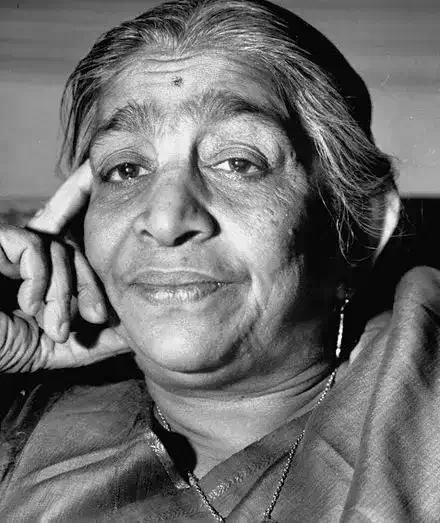
Sarojini Naidu
Wandering Singers
WHERE the voice of the wind calls our wandering feet,
Through echoing forest and echoing street,
With lutes in our hands ever-singing we roam,
All men are our kindred, the world is our home.
Our lays are of cities whose lustre is shed,
The laughter and beauty of women long dead;
The sword of old battles, the crown of old kings,
And happy and simple and sorrowful things.
What hope shall we gather, what dreams shall we sow?
Where the wind calls our wandering footsteps we go.
No love bids us tarry, no joy bids us wait:
The voice of the wind is the voice of our fate.
Read more →
Through echoing forest and echoing street,
With lutes in our hands ever-singing we roam,
All men are our kindred, the world is our home.
Our lays are of cities whose lustre is shed,
The laughter and beauty of women long dead;
The sword of old battles, the crown of old kings,
And happy and simple and sorrowful things.
What hope shall we gather, what dreams shall we sow?
Where the wind calls our wandering footsteps we go.
No love bids us tarry, no joy bids us wait:
The voice of the wind is the voice of our fate.
707

Walt Whitman
A Woman Waits For Me
A WOMAN waits for me--she contains all, nothing is lacking,
Yet all were lacking, if sex were lacking, or if the moisture of the
right man were lacking.
Sex contains all,
Bodies, Souls, meanings, proofs, purities, delicacies, results,
promulgations,
Songs, commands, health, pride, the maternal mystery, the seminal
milk;
All hopes, benefactions, bestowals,
All the passions, loves, beauties, delights of the earth,
All the governments, judges, gods, follow'd persons of the earth,
These are contain'd in sex, as parts of itself, and justifications of
itself.
Without shame the man I like knows and avows the deliciousness of his
sex,
Without shame the woman I like knows and avows hers.
Now I will dismiss myself from impassive women,
I will go stay with her who waits for me, and with those women that
are warm-blooded and sufficient for me;
I see that they understand me, and do not deny me;
I see that they are worthy of me--I will be the robust husband of
those women.
They are not one jot less than I am,
They are tann'd in the face by shining suns and blowing winds,
Their flesh has the old divine suppleness and strength,
They know how to swim, row, ride, wrestle, shoot, run, strike,
retreat, advance, resist, defend themselves,
They are ultimate in their own right--they are calm, clear, wellpossess'd
of themselves.
I draw you close to me, you women!
I cannot let you go, I would do you good,
I am for you, and you are for me, not only for our own sake, but for
others' sakes;
Envelop'd in you sleep greater heroes and bards,
They refuse to awake at the touch of any man but me.
It is I, you women--I make my way,
I am stern, acrid, large, undissuadable--but I love you,
I do not hurt you any more than is necessary for you,
I pour the stuff to start sons and daughters fit for These States--I
press with slow rude muscle,
I brace myself effectually--I listen to no entreaties,
I dare not withdraw till I deposit what has so long accumulated
within me.
Through you I drain the pent-up rivers of myself,
In you I wrap a thousand onward years,
On you I graft the grafts of the best-beloved of me and America,
The drops I distil upon you shall grow fierce and athletic girls, new
artists, musicians, and singers,
The babes I beget upon you are to beget babes in their turn,
I shall demand perfect men and women out of my love-spendings,
I shall expect them to interpenetrate with others, as I and you
interpenetrate now,
I shall count on the fruits of the gushing showers of them, as I
count on the fruits of the gushing showers I give now,
I shall look for loving crops from the birth, life, death,
immortality, I plant so lovingly now.
Read more →
Yet all were lacking, if sex were lacking, or if the moisture of the
right man were lacking.
Sex contains all,
Bodies, Souls, meanings, proofs, purities, delicacies, results,
promulgations,
Songs, commands, health, pride, the maternal mystery, the seminal
milk;
All hopes, benefactions, bestowals,
All the passions, loves, beauties, delights of the earth,
All the governments, judges, gods, follow'd persons of the earth,
These are contain'd in sex, as parts of itself, and justifications of
itself.
Without shame the man I like knows and avows the deliciousness of his
sex,
Without shame the woman I like knows and avows hers.
Now I will dismiss myself from impassive women,
I will go stay with her who waits for me, and with those women that
are warm-blooded and sufficient for me;
I see that they understand me, and do not deny me;
I see that they are worthy of me--I will be the robust husband of
those women.
They are not one jot less than I am,
They are tann'd in the face by shining suns and blowing winds,
Their flesh has the old divine suppleness and strength,
They know how to swim, row, ride, wrestle, shoot, run, strike,
retreat, advance, resist, defend themselves,
They are ultimate in their own right--they are calm, clear, wellpossess'd
of themselves.
I draw you close to me, you women!
I cannot let you go, I would do you good,
I am for you, and you are for me, not only for our own sake, but for
others' sakes;
Envelop'd in you sleep greater heroes and bards,
They refuse to awake at the touch of any man but me.
It is I, you women--I make my way,
I am stern, acrid, large, undissuadable--but I love you,
I do not hurt you any more than is necessary for you,
I pour the stuff to start sons and daughters fit for These States--I
press with slow rude muscle,
I brace myself effectually--I listen to no entreaties,
I dare not withdraw till I deposit what has so long accumulated
within me.
Through you I drain the pent-up rivers of myself,
In you I wrap a thousand onward years,
On you I graft the grafts of the best-beloved of me and America,
The drops I distil upon you shall grow fierce and athletic girls, new
artists, musicians, and singers,
The babes I beget upon you are to beget babes in their turn,
I shall demand perfect men and women out of my love-spendings,
I shall expect them to interpenetrate with others, as I and you
interpenetrate now,
I shall count on the fruits of the gushing showers of them, as I
count on the fruits of the gushing showers I give now,
I shall look for loving crops from the birth, life, death,
immortality, I plant so lovingly now.
702

Alfred Lord Tennyson
Sir Galahad
MY good blade carves the casques of men,
My tough lance thrusteth sure,
My strength is as the strength of ten,
Because my heart is pure.
The shattering trumpet shrilleth high,
The hard brands shiver on the steel,
The splinter'd spear-shafts crack and fly,
The horse and rider reel:
They reel, they roll in clanging lists,
And when the tide of combat stands,
Perfume and flowers fall in showers,
That lightly rain from ladies' hands.
How sweet are looks that ladies bend
On whom their favours fall !
For them I battle till the end,
To save from shame and thrall:
But all my heart is drawn above,
My knees are bow'd in crypt and shrine:
I never felt the kiss of love,
Nor maiden's hand in mine.
More bounteous aspects on me beam,
Me mightier transports move and thrill;
So keep I fair thro' faith and prayer
A virgin heart in work and will.
When down the stormy crescent goes,
A light before me swims,
Between dark stems the forest glows,
I hear a noise of hymns:
Then by some secret shrine I ride;
I hear a voice but none are there;
The stalls are void, the doors are wide,
The tapers burning fair.
Fair gleams the snowy altar-cloth,
The silver vessels sparkle clean,
The shrill bell rings, the censer swings,
And solemn chaunts resound between.
Sometimes on lonely mountain-meres
I find a magic bark;
I leap on board: no helmsman steers:
I float till all is dark.
A gentle sound, an awful light !
Three arngels bear the holy Grail:
With folded feet, in stoles of white,
On sleeping wings they sail.
Ah, blessed vision! blood of God!
My spirit beats her mortal bars,
As down dark tides the glory slides,
And star-like mingles with the stars.
When on my goodly charger borne
Thro' dreaming towns I go,
The cock crows ere the Christmas morn,
The streets are dumb with snow.
The tempest crackles on the leads,
And, ringing, springs from brand and mail;
But o'er the dark a glory spreads,
And gilds the driving hail.
I leave the plain, I climb the height;
No branchy thicket shelter yields;
But blessed forms in whistling storms
Fly o'er waste fens and windy fields.
A maiden knight--to me is given
Such hope, I know not fear;
I yearn to breathe the airs of heaven
That often meet me here.
I muse on joy that will not cease,
Pure spaces clothed in living beams,
Pure lilies of eternal peace,
Whose odours haunt my dreams;
And, stricken by an angel's hand,
This mortal armour that I wear,
This weight and size, this heart and eyes,
Are touch'd, are turn'd to finest air.
The clouds are broken in the sky,
And thro' the mountain-walls
A rolling organ-harmony
Swells up, and shakes and falls.
Then move the trees, the copses nod,
Wings flutter, voices hover clear:
'O just and faithful knight of God!
Ride on ! the prize is near.'
So pass I hostel, hall, and grange;
By bridge and ford, by park and pale,
All-arm'd I ride, whate'er betide,
Until I find the holy Grail.
Read more →
My tough lance thrusteth sure,
My strength is as the strength of ten,
Because my heart is pure.
The shattering trumpet shrilleth high,
The hard brands shiver on the steel,
The splinter'd spear-shafts crack and fly,
The horse and rider reel:
They reel, they roll in clanging lists,
And when the tide of combat stands,
Perfume and flowers fall in showers,
That lightly rain from ladies' hands.
How sweet are looks that ladies bend
On whom their favours fall !
For them I battle till the end,
To save from shame and thrall:
But all my heart is drawn above,
My knees are bow'd in crypt and shrine:
I never felt the kiss of love,
Nor maiden's hand in mine.
More bounteous aspects on me beam,
Me mightier transports move and thrill;
So keep I fair thro' faith and prayer
A virgin heart in work and will.
When down the stormy crescent goes,
A light before me swims,
Between dark stems the forest glows,
I hear a noise of hymns:
Then by some secret shrine I ride;
I hear a voice but none are there;
The stalls are void, the doors are wide,
The tapers burning fair.
Fair gleams the snowy altar-cloth,
The silver vessels sparkle clean,
The shrill bell rings, the censer swings,
And solemn chaunts resound between.
Sometimes on lonely mountain-meres
I find a magic bark;
I leap on board: no helmsman steers:
I float till all is dark.
A gentle sound, an awful light !
Three arngels bear the holy Grail:
With folded feet, in stoles of white,
On sleeping wings they sail.
Ah, blessed vision! blood of God!
My spirit beats her mortal bars,
As down dark tides the glory slides,
And star-like mingles with the stars.
When on my goodly charger borne
Thro' dreaming towns I go,
The cock crows ere the Christmas morn,
The streets are dumb with snow.
The tempest crackles on the leads,
And, ringing, springs from brand and mail;
But o'er the dark a glory spreads,
And gilds the driving hail.
I leave the plain, I climb the height;
No branchy thicket shelter yields;
But blessed forms in whistling storms
Fly o'er waste fens and windy fields.
A maiden knight--to me is given
Such hope, I know not fear;
I yearn to breathe the airs of heaven
That often meet me here.
I muse on joy that will not cease,
Pure spaces clothed in living beams,
Pure lilies of eternal peace,
Whose odours haunt my dreams;
And, stricken by an angel's hand,
This mortal armour that I wear,
This weight and size, this heart and eyes,
Are touch'd, are turn'd to finest air.
The clouds are broken in the sky,
And thro' the mountain-walls
A rolling organ-harmony
Swells up, and shakes and falls.
Then move the trees, the copses nod,
Wings flutter, voices hover clear:
'O just and faithful knight of God!
Ride on ! the prize is near.'
So pass I hostel, hall, and grange;
By bridge and ford, by park and pale,
All-arm'd I ride, whate'er betide,
Until I find the holy Grail.
709

William Blake
The Chimney-Sweeper
When my mother died I was very young,
And my father sold me while yet my tongue
Could scarcely cry 'Weep! weep! weep! weep!'
So your chimneys I sweep, and in soot I sleep.
There's little Tom Dacre, who cried when his head,
That curled like a lamb's back, was shaved; so I said,
'Hush, Tom! never mind it, for, when your head's bare,
You know that the soot cannot spoil your white hair.'
And so he was quiet, and that very night,
As Tom was a-sleeping, he had such a sight! --
That thousands of sweepers, Dick, Joe, Ned, and Jack,
Were all of them locked up in coffins of black.
And by came an angel, who had a bright key,
And he opened the coffins, and let them all free;
Then down a green plain, leaping, laughing, they run,
And wash in a river, and shine in the sun.
Then naked and white, all their bags left behind,
They rise upon clouds, and sport in the wind;
And the Angel told Tom, if he'd be a good boy,
He'd have God for his father, and never want joy.
And so Tom awoke, and we rose in the dark,
And got with our bags and our brushes to work.
Though the morning was cold, Tom was happy and warm:
So, if all do their duty, they need not fear harm.
Read more →
And my father sold me while yet my tongue
Could scarcely cry 'Weep! weep! weep! weep!'
So your chimneys I sweep, and in soot I sleep.
There's little Tom Dacre, who cried when his head,
That curled like a lamb's back, was shaved; so I said,
'Hush, Tom! never mind it, for, when your head's bare,
You know that the soot cannot spoil your white hair.'
And so he was quiet, and that very night,
As Tom was a-sleeping, he had such a sight! --
That thousands of sweepers, Dick, Joe, Ned, and Jack,
Were all of them locked up in coffins of black.
And by came an angel, who had a bright key,
And he opened the coffins, and let them all free;
Then down a green plain, leaping, laughing, they run,
And wash in a river, and shine in the sun.
Then naked and white, all their bags left behind,
They rise upon clouds, and sport in the wind;
And the Angel told Tom, if he'd be a good boy,
He'd have God for his father, and never want joy.
And so Tom awoke, and we rose in the dark,
And got with our bags and our brushes to work.
Though the morning was cold, Tom was happy and warm:
So, if all do their duty, they need not fear harm.
715

Paul Laurence Dunbar
The Barrier
The Midnight wooed the Morning Star,
And prayed her: "Love come nearer;
Your swinging coldly there afar
To me but makes you dearer."
The Morning Star was pale with dole
As said she, low replying:
"Oh, lover mine, soul of my soul,
For you I too am sighing."
"But One ordained when we were born,
In spite of love's insistence,
That night might only view the Morn
Adoring at a distance."
But as she spoke, the jealous Sun
Across the heavens panted;
"Oh, whining fools," he cried, "have done,
Your wishes shall be granted."
He hurled his flaming lances far;
The twain stood unaffrighted,
And Midnight and the Morning Star
Lay down in death united.
Read more →
And prayed her: "Love come nearer;
Your swinging coldly there afar
To me but makes you dearer."
The Morning Star was pale with dole
As said she, low replying:
"Oh, lover mine, soul of my soul,
For you I too am sighing."
"But One ordained when we were born,
In spite of love's insistence,
That night might only view the Morn
Adoring at a distance."
But as she spoke, the jealous Sun
Across the heavens panted;
"Oh, whining fools," he cried, "have done,
Your wishes shall be granted."
He hurled his flaming lances far;
The twain stood unaffrighted,
And Midnight and the Morning Star
Lay down in death united.
713

John Milton
From 'Arcades'
O'RE the smooth enameld green
Where no print of step hath been,
Follow me as I sing,
And touch the warbled string.
Under the shady roof
Of branching Elm Star-proof,
Follow me,
I will bring you where she sits
Clad in splendor as befits
Her deity.
Such a rural Queen
All Arcadia hath not seen.
313. From 'Comus'
i
THE Star that bids the Shepherd fold,
Now the top of Heav'n doth hold,
And the gilded Car of Day,
His glowing Axle doth allay
In the steep Atlantick stream,
And the slope Sun his upward beam
Shoots against the dusky Pole,
Pacing toward the other gole
Of his Chamber in the East.
Mean while welcom Joy, and Feast,
Midnight shout, and revelry,
Tipsie dance, and Jollity.
Braid your Locks with rosie Twine
Dropping odours, dropping Wine.
Rigor now is gon to bed,
And Advice with scrupulous head,
Strict Age, and sowre Severity,
With their grave Saws in slumber ly.
We that are of purer fire
Imitate the Starry Quire,
Who in their nightly watchfull Sphears,
Lead in swift round the Months and Years.
The Sounds, and Seas with all their finny drove
Now to the Moon in wavering Morrice move,
And on the Tawny Sands and Shelves,
Trip the pert Fairies and the dapper Elves;
By dimpled Brook, and Fountain brim,
The Wood-Nymphs deckt with Daisies trim,
Their merry wakes and pastimes keep:
What hath night to do with sleep?
Night hath better sweets to prove,
Venus now wakes, and wak'ns Love....
Com, knit hands, and beat the ground,
In a light fantastick round.
John Milton. 1608-1674
314. From' Comus'
ii. Echo
SWEET Echo, sweetest Nymph that liv'st unseen
Within thy airy shell
By slow Meander's margent green,
And in the violet imbroider'd vale
Where the love-lorn Nightingale
Nightly to thee her sad Song mourneth well.
Canst thou not tell me of a gentle Pair
That likest thy Narcissus are?
O if thou have
Hid them in som flowry Cave,
Tell me but where
Sweet Queen of Parly, Daughter of the Sphear!
So maist thou be translated to the skies,
And give resounding grace to all Heav'ns Harmonies!
John Milton. 1608-1674
315. From' Comus'
iii. Sabrina
The Spirit sings: SABRINA fair
Listen where thou art sitting
Under the glassie, cool, translucent wave,
In twisted braids of Lillies knitting
The loose train of thy amber-dropping hair,
Listen for dear honour's sake,
Goddess of the silver lake,
Listen and save!
Listen and appear to us,
In name of great Oceanus,
By the earth-shaking Neptune's mace,
And Tethys grave majestick pace,
By hoary Nereus wrincled look,
And the Carpathian wisards hook,
By scaly Tritons winding shell,
And old sooth-saying Glaucus spell,
By Leucothea's lovely hands,
And her son that rules the strands,
By Thetis tinsel-slipper'd feet,
And the Songs of Sirens sweet,
By dead Parthenope's dear tomb,
And fair Ligea's golden comb,
Wherwith she sits on diamond rocks
Sleeking her soft alluring locks,
By all the Nymphs that nightly dance
Upon thy streams with wily glance,
Rise, rise, and heave thy rosie head
From thy coral-pav'n bed,
And bridle in thy headlong wave,
Till thou our summons answered have.
Listen and save!
Sabrina replies: By the rushy-fringed bank,
Where grows the Willow and the Osier dank,
My sliding Chariot stayes,
Thick set with Agat, and the azurn sheen
Of Turkis blew, and Emrauld green
That in the channell strayes,
Whilst from off the waters fleet
Thus I set my printless feet
O're the Cowslips Velvet head,
That bends not as I tread,
Gentle swain at thy request
I am here.
John Milton. 1608-1674
316. From 'Comus'
iv
The Spirit epiloguizes: TO the Ocean now I fly,
And those happy climes that ly
Where day never shuts his eye,
Up in the broad fields of the sky:
There I suck the liquid ayr
All amidst the Gardens fair
Of Hesperus, and his daughters three
That sing about the golden tree:
Along the crisped shades and bowres
Revels the spruce and jocond Spring,
The Graces, and the rosie-boosom'd Howres,
Thither all their bounties bring,
That there eternal Summer dwels,
And West winds, with musky wing
About the cedar'n alleys fling
Nard, and Cassia's balmy smels.
Iris there with humid bow,
Waters the odorous banks that blow
Flowers of more mingled hew
Than her purfl'd scarf can shew,
And drenches with Elysian dew
(List mortals, if your ears be true)
Beds of Hyacinth, and roses
Where young Adonis oft reposes,
Waxing well of his deep wound
In slumber soft, and on the ground
Sadly sits th' Assyrian Queen;
But far above in spangled sheen
Celestial Cupid her fam'd son advanc't,
Holds his dear Psyche sweet intranc't
After her wandring labours long,
Till free consent the gods among
Make her his eternal Bride,
And from her fair unspotted side
Two blissful twins are to be born,
Youth and Joy; so Jove hath sworn.
But now my task is smoothly don,
I can fly, or I can run
Quickly to the green earths end,
Where the bow'd welkin slow doth bend,
And from thence can soar as soon
To the corners of the Moon.
Mortals that would follow me,
Love vertue, she alone is free.
She can teach ye how to clime
Higher then the Spheary chime;
Or if Vertue feeble were,
Heav'n it self would stoop to her.
YET once more, O ye Laurels, and once more
Ye Myrtles brown, with Ivy never-sear,
I com to pluck your Berries harsh and crude,
And with forc'd fingers rude,
Shatter your leaves before the mellowing year.
Bitter constraint, and sad occasion dear,
Compels me to disturb your season due:
For Lycidas is dead, dead ere his prime
Young Lycidas, and hath not left his peer:
Who would not sing for Lycidas? he knew
Himself to sing, and build the lofty rhyme.
He must not flote upon his watry bear
Unwept, and welter to the parching wind,
Without the meed of som melodious tear.
Begin, then, Sisters of the sacred well,
That from beneath the seat of Jove doth spring,
Begin, and somwhat loudly sweep the string.
Hence with denial vain, and coy excuse,
So may som gentle Muse
With lucky words favour my destin'd Urn,
And as he passes turn,
And bid fair peace be to my sable shrowd.
For we were nurst upon the self-same hill,
Fed the same flock, by fountain, shade, and rill.
Together both, ere the high Lawns appear'd
Under the opening eye-lids of the morn,
We drove a field, and both together heard
What time the Gray-fly winds her sultry horn,
Batt'ning our flocks with the fresh dews of night,
Oft till the Star that rose, at Ev'ning, bright
Toward Heav'ns descent had slop'd his westering wheel.
Mean while the Rural ditties were not mute,
Temper'd to th'Oaten Flute;
Rough Satyrs danc'd, and Fauns with clov'n heel,
From the glad sound would not be absent long,
And old Damaetas lov'd to hear our song.
But O the heavy change, now thou art gon,
Now thou art gon, and never must return!
Thee Shepherd, thee the Woods, and desert Caves,
With wilde Thyme and the gadding Vine o'regrown,
And all their echoes mourn.
The Willows, and the Hazle Copses green,
Shall now no more be seen,
Fanning their joyous Leaves to thy soft layes.
As killing as the Canker to the Rose,
Or Taint-worm to the weanling Herds that graze,
Or Frost to Flowers, that their gay wardrop wear,
When first the White thorn blows;
Such, Lycidas, thy loss to Shepherds ear.
Where were ye Nymphs when the remorseless deep
Clos'd o're the head of your lov'd Lycidas?
For neither were ye playing on the steep,
Where your old Bards, the famous Druids ly,
Nor on the shaggy top of Mona high,
Nor yet where Deva spreads her wisard stream:
Ay me, I fondly dream!
Had ye bin there--for what could that have don?
What could the Muse her self that Orpheus bore,
The Muse her self, for her inchanting son
Whom Universal nature did lament,
When by the rout that made the hideous roar,
His goary visage down the stream was sent,
Down the swift Hebrus to the Lesbian shore.
Alas! what boots it with uncessant care
To tend the homely slighted Shepherds trade,
And strictly meditate the thankles Muse,
Were it not better don as others use,
To sport with Amaryllis in the shade,
Or with the tangles of Neaera's hair?
Fame is the spur that the clear spirit doth raise
(That last infirmity of Noble mind)
To scorn delights, and live laborious dayes;
But the fair Guerdon when we hope to find,
And think to burst out into sudden blaze,
Comes the blind Fury with th'abhorred shears,
And slits the thin spun life. But not the praise,
Phoebus repli'd, and touch'd my trembling ears;
Fame is no plant that grows on mortal soil,
Nor in the glistering foil
Set off to th'world, nor in broad rumour lies,
But lives and spreds aloft by those pure eyes,
And perfet witnes of all judging Jove;
As he pronounces lastly on each deed,
Of so much fame in Heav'n expect thy meed.
O fountain Arethuse, and thou honour'd floud,
Smooth-sliding Mincius, crown'd with vocall reeds,
That strain I heard was of a higher mood:
But now my Oate proceeds,
And listens to the Herald of the Sea
That came in Neptune's plea,
He ask'd the Waves, and ask'd the Fellon winds,
What hard mishap hath doom'd this gentle swain?
And question'd every gust of rugged wings
That blows from off each beaked Promontory,
They knew not of his story,
And sage Hippotades their answer brings,
That not a blast was from his dungeon stray'd,
The Ayr was calm, and on the level brine,
Sleek Panope with all her sisters play'd.
It was that fatall and perfidious Bark
Built in th'eclipse, and rigg'd with curses dark,
That sunk so low that sacred head of thine.
Next Camus, reverend Sire, went footing slow,
His Mantle hairy, and his Bonnet sedge,
Inwrought with figures dim, and on the edge
Like to that sanguine flower inscrib'd with woe.
Ah; Who hath reft (quoth he) my dearest pledge?
Last came, and last did go,
The Pilot of the Galilean lake,
Two massy Keyes he bore of metals twain,
(The Golden opes, the Iron shuts amain)
He shook his Miter'd locks, and stern bespake,
How well could I have spar'd for thee, young swain,
Anow of such as for their bellies sake,
Creep and intrude, and climb into the fold?
Of other care they little reck'ning make,
Then how to scramble at the shearers feast,
And shove away the worthy bidden guest.
Blind mouthes! that scarce themselves know how to hold
A Sheep-hook, or have learn'd ought els the least
That to the faithfull Herdmans art belongs!
What recks it them? What need they? They are sped;
And when they list, their lean and flashy songs
Grate on their scrannel Pipes of wretched straw,
The hungry Sheep look up, and are not fed,
But swoln with wind, and the rank mist they draw,
Rot inwardly, and foul contagion spread:
Besides what the grim Woolf with privy paw
Daily devours apace, and nothing sed,
But that two-handed engine at the door,
Stands ready to smite once, and smite no more.
Return Alpheus, the dread voice is past,
That shrunk thy streams; Return Sicilian Muse,
And call the Vales, and bid them hither cast
Their Bels, and Flourets of a thousand hues.
Ye valleys low where the milde whispers use,
Of shades and wanton winds, and gushing brooks,
On whose fresh lap the swart Star sparely looks,
Throw hither all your quaint enameld eyes,
That on the green terf suck the honied showres,
And purple all the ground with vernal flowres.
Bring the rathe Primrose that forsaken dies.
The tufted Crow-toe, and pale Gessamine,
The white Pink, and the Pansie freakt with jeat,
The glowing Violet.
The Musk-rose, and the well attir'd Woodbine.
With Cowslips wan that hang the pensive hed,
And every flower that sad embroidery wears:
Bid Amaranthus all his beauty shed,
And Daffadillies fill their cups with tears,
To strew the Laureat Herse where Lycid lies.
For so to interpose a little ease,
Let our frail thoughts dally with false surmise.
Ay me! Whilst thee the shores, and sounding Seas
Wash far away, where ere thy bones are hurld,
Whether beyond the stormy Hebrides,
Where thou perhaps under the whelming tide
Visit'st the bottom of the monstrous world;
Or whether thou to our moist vows deny'd,
Sleep'st by the fable of Bellerus old,
Where the great vision of the guarded Mount
Looks toward Namancos and Bayona's hold;
Look homeward Angel now, and melt with ruth.
And, O ye Dolphins, waft the haples youth.
Weep no more, woful Shepherds weep no more,
For Lycidas your sorrow is not dead,
Sunk though he be beneath the watry floar,
So sinks the day-star in the Ocean bed,
And yet anon repairs his drooping head,
And tricks his beams, and with new spangled Ore,
Flames in the forehead of the morning sky:
So Lycidas sunk low, but mounted high,
Through the dear might of him that walk'd the waves
Where other groves, and other streams along,
With Nectar pure his oozy Lock's he laves,
And hears the unexpressive nuptiall Song,
In the blest Kingdoms meek of joy and love.
There entertain him all the Saints above,
In solemn troops, and sweet Societies
That sing, and singing in their glory move,
And wipe the tears for ever from his eyes.
Now Lycidas the Shepherds weep no more;
Hence forth thou art the Genius of the shore,
In thy large recompense, and shalt be good
To all that wander in that perilous flood.
Thus sang the uncouth Swain to th'Okes and rills,
While the still morn went out with Sandals gray,
He touch'd the tender stops of various Quills,
With eager thought warbling his Dorick lay:
And now the Sun had stretch'd out all the hills,
And now was dropt into the Western bay;
At last he rose, and twitch'd his Mantle blew:
To morrow to fresh Woods, and Pastures new.
Read more →
Where no print of step hath been,
Follow me as I sing,
And touch the warbled string.
Under the shady roof
Of branching Elm Star-proof,
Follow me,
I will bring you where she sits
Clad in splendor as befits
Her deity.
Such a rural Queen
All Arcadia hath not seen.
313. From 'Comus'
i
THE Star that bids the Shepherd fold,
Now the top of Heav'n doth hold,
And the gilded Car of Day,
His glowing Axle doth allay
In the steep Atlantick stream,
And the slope Sun his upward beam
Shoots against the dusky Pole,
Pacing toward the other gole
Of his Chamber in the East.
Mean while welcom Joy, and Feast,
Midnight shout, and revelry,
Tipsie dance, and Jollity.
Braid your Locks with rosie Twine
Dropping odours, dropping Wine.
Rigor now is gon to bed,
And Advice with scrupulous head,
Strict Age, and sowre Severity,
With their grave Saws in slumber ly.
We that are of purer fire
Imitate the Starry Quire,
Who in their nightly watchfull Sphears,
Lead in swift round the Months and Years.
The Sounds, and Seas with all their finny drove
Now to the Moon in wavering Morrice move,
And on the Tawny Sands and Shelves,
Trip the pert Fairies and the dapper Elves;
By dimpled Brook, and Fountain brim,
The Wood-Nymphs deckt with Daisies trim,
Their merry wakes and pastimes keep:
What hath night to do with sleep?
Night hath better sweets to prove,
Venus now wakes, and wak'ns Love....
Com, knit hands, and beat the ground,
In a light fantastick round.
John Milton. 1608-1674
314. From' Comus'
ii. Echo
SWEET Echo, sweetest Nymph that liv'st unseen
Within thy airy shell
By slow Meander's margent green,
And in the violet imbroider'd vale
Where the love-lorn Nightingale
Nightly to thee her sad Song mourneth well.
Canst thou not tell me of a gentle Pair
That likest thy Narcissus are?
O if thou have
Hid them in som flowry Cave,
Tell me but where
Sweet Queen of Parly, Daughter of the Sphear!
So maist thou be translated to the skies,
And give resounding grace to all Heav'ns Harmonies!
John Milton. 1608-1674
315. From' Comus'
iii. Sabrina
The Spirit sings: SABRINA fair
Listen where thou art sitting
Under the glassie, cool, translucent wave,
In twisted braids of Lillies knitting
The loose train of thy amber-dropping hair,
Listen for dear honour's sake,
Goddess of the silver lake,
Listen and save!
Listen and appear to us,
In name of great Oceanus,
By the earth-shaking Neptune's mace,
And Tethys grave majestick pace,
By hoary Nereus wrincled look,
And the Carpathian wisards hook,
By scaly Tritons winding shell,
And old sooth-saying Glaucus spell,
By Leucothea's lovely hands,
And her son that rules the strands,
By Thetis tinsel-slipper'd feet,
And the Songs of Sirens sweet,
By dead Parthenope's dear tomb,
And fair Ligea's golden comb,
Wherwith she sits on diamond rocks
Sleeking her soft alluring locks,
By all the Nymphs that nightly dance
Upon thy streams with wily glance,
Rise, rise, and heave thy rosie head
From thy coral-pav'n bed,
And bridle in thy headlong wave,
Till thou our summons answered have.
Listen and save!
Sabrina replies: By the rushy-fringed bank,
Where grows the Willow and the Osier dank,
My sliding Chariot stayes,
Thick set with Agat, and the azurn sheen
Of Turkis blew, and Emrauld green
That in the channell strayes,
Whilst from off the waters fleet
Thus I set my printless feet
O're the Cowslips Velvet head,
That bends not as I tread,
Gentle swain at thy request
I am here.
John Milton. 1608-1674
316. From 'Comus'
iv
The Spirit epiloguizes: TO the Ocean now I fly,
And those happy climes that ly
Where day never shuts his eye,
Up in the broad fields of the sky:
There I suck the liquid ayr
All amidst the Gardens fair
Of Hesperus, and his daughters three
That sing about the golden tree:
Along the crisped shades and bowres
Revels the spruce and jocond Spring,
The Graces, and the rosie-boosom'd Howres,
Thither all their bounties bring,
That there eternal Summer dwels,
And West winds, with musky wing
About the cedar'n alleys fling
Nard, and Cassia's balmy smels.
Iris there with humid bow,
Waters the odorous banks that blow
Flowers of more mingled hew
Than her purfl'd scarf can shew,
And drenches with Elysian dew
(List mortals, if your ears be true)
Beds of Hyacinth, and roses
Where young Adonis oft reposes,
Waxing well of his deep wound
In slumber soft, and on the ground
Sadly sits th' Assyrian Queen;
But far above in spangled sheen
Celestial Cupid her fam'd son advanc't,
Holds his dear Psyche sweet intranc't
After her wandring labours long,
Till free consent the gods among
Make her his eternal Bride,
And from her fair unspotted side
Two blissful twins are to be born,
Youth and Joy; so Jove hath sworn.
But now my task is smoothly don,
I can fly, or I can run
Quickly to the green earths end,
Where the bow'd welkin slow doth bend,
And from thence can soar as soon
To the corners of the Moon.
Mortals that would follow me,
Love vertue, she alone is free.
She can teach ye how to clime
Higher then the Spheary chime;
Or if Vertue feeble were,
Heav'n it self would stoop to her.
YET once more, O ye Laurels, and once more
Ye Myrtles brown, with Ivy never-sear,
I com to pluck your Berries harsh and crude,
And with forc'd fingers rude,
Shatter your leaves before the mellowing year.
Bitter constraint, and sad occasion dear,
Compels me to disturb your season due:
For Lycidas is dead, dead ere his prime
Young Lycidas, and hath not left his peer:
Who would not sing for Lycidas? he knew
Himself to sing, and build the lofty rhyme.
He must not flote upon his watry bear
Unwept, and welter to the parching wind,
Without the meed of som melodious tear.
Begin, then, Sisters of the sacred well,
That from beneath the seat of Jove doth spring,
Begin, and somwhat loudly sweep the string.
Hence with denial vain, and coy excuse,
So may som gentle Muse
With lucky words favour my destin'd Urn,
And as he passes turn,
And bid fair peace be to my sable shrowd.
For we were nurst upon the self-same hill,
Fed the same flock, by fountain, shade, and rill.
Together both, ere the high Lawns appear'd
Under the opening eye-lids of the morn,
We drove a field, and both together heard
What time the Gray-fly winds her sultry horn,
Batt'ning our flocks with the fresh dews of night,
Oft till the Star that rose, at Ev'ning, bright
Toward Heav'ns descent had slop'd his westering wheel.
Mean while the Rural ditties were not mute,
Temper'd to th'Oaten Flute;
Rough Satyrs danc'd, and Fauns with clov'n heel,
From the glad sound would not be absent long,
And old Damaetas lov'd to hear our song.
But O the heavy change, now thou art gon,
Now thou art gon, and never must return!
Thee Shepherd, thee the Woods, and desert Caves,
With wilde Thyme and the gadding Vine o'regrown,
And all their echoes mourn.
The Willows, and the Hazle Copses green,
Shall now no more be seen,
Fanning their joyous Leaves to thy soft layes.
As killing as the Canker to the Rose,
Or Taint-worm to the weanling Herds that graze,
Or Frost to Flowers, that their gay wardrop wear,
When first the White thorn blows;
Such, Lycidas, thy loss to Shepherds ear.
Where were ye Nymphs when the remorseless deep
Clos'd o're the head of your lov'd Lycidas?
For neither were ye playing on the steep,
Where your old Bards, the famous Druids ly,
Nor on the shaggy top of Mona high,
Nor yet where Deva spreads her wisard stream:
Ay me, I fondly dream!
Had ye bin there--for what could that have don?
What could the Muse her self that Orpheus bore,
The Muse her self, for her inchanting son
Whom Universal nature did lament,
When by the rout that made the hideous roar,
His goary visage down the stream was sent,
Down the swift Hebrus to the Lesbian shore.
Alas! what boots it with uncessant care
To tend the homely slighted Shepherds trade,
And strictly meditate the thankles Muse,
Were it not better don as others use,
To sport with Amaryllis in the shade,
Or with the tangles of Neaera's hair?
Fame is the spur that the clear spirit doth raise
(That last infirmity of Noble mind)
To scorn delights, and live laborious dayes;
But the fair Guerdon when we hope to find,
And think to burst out into sudden blaze,
Comes the blind Fury with th'abhorred shears,
And slits the thin spun life. But not the praise,
Phoebus repli'd, and touch'd my trembling ears;
Fame is no plant that grows on mortal soil,
Nor in the glistering foil
Set off to th'world, nor in broad rumour lies,
But lives and spreds aloft by those pure eyes,
And perfet witnes of all judging Jove;
As he pronounces lastly on each deed,
Of so much fame in Heav'n expect thy meed.
O fountain Arethuse, and thou honour'd floud,
Smooth-sliding Mincius, crown'd with vocall reeds,
That strain I heard was of a higher mood:
But now my Oate proceeds,
And listens to the Herald of the Sea
That came in Neptune's plea,
He ask'd the Waves, and ask'd the Fellon winds,
What hard mishap hath doom'd this gentle swain?
And question'd every gust of rugged wings
That blows from off each beaked Promontory,
They knew not of his story,
And sage Hippotades their answer brings,
That not a blast was from his dungeon stray'd,
The Ayr was calm, and on the level brine,
Sleek Panope with all her sisters play'd.
It was that fatall and perfidious Bark
Built in th'eclipse, and rigg'd with curses dark,
That sunk so low that sacred head of thine.
Next Camus, reverend Sire, went footing slow,
His Mantle hairy, and his Bonnet sedge,
Inwrought with figures dim, and on the edge
Like to that sanguine flower inscrib'd with woe.
Ah; Who hath reft (quoth he) my dearest pledge?
Last came, and last did go,
The Pilot of the Galilean lake,
Two massy Keyes he bore of metals twain,
(The Golden opes, the Iron shuts amain)
He shook his Miter'd locks, and stern bespake,
How well could I have spar'd for thee, young swain,
Anow of such as for their bellies sake,
Creep and intrude, and climb into the fold?
Of other care they little reck'ning make,
Then how to scramble at the shearers feast,
And shove away the worthy bidden guest.
Blind mouthes! that scarce themselves know how to hold
A Sheep-hook, or have learn'd ought els the least
That to the faithfull Herdmans art belongs!
What recks it them? What need they? They are sped;
And when they list, their lean and flashy songs
Grate on their scrannel Pipes of wretched straw,
The hungry Sheep look up, and are not fed,
But swoln with wind, and the rank mist they draw,
Rot inwardly, and foul contagion spread:
Besides what the grim Woolf with privy paw
Daily devours apace, and nothing sed,
But that two-handed engine at the door,
Stands ready to smite once, and smite no more.
Return Alpheus, the dread voice is past,
That shrunk thy streams; Return Sicilian Muse,
And call the Vales, and bid them hither cast
Their Bels, and Flourets of a thousand hues.
Ye valleys low where the milde whispers use,
Of shades and wanton winds, and gushing brooks,
On whose fresh lap the swart Star sparely looks,
Throw hither all your quaint enameld eyes,
That on the green terf suck the honied showres,
And purple all the ground with vernal flowres.
Bring the rathe Primrose that forsaken dies.
The tufted Crow-toe, and pale Gessamine,
The white Pink, and the Pansie freakt with jeat,
The glowing Violet.
The Musk-rose, and the well attir'd Woodbine.
With Cowslips wan that hang the pensive hed,
And every flower that sad embroidery wears:
Bid Amaranthus all his beauty shed,
And Daffadillies fill their cups with tears,
To strew the Laureat Herse where Lycid lies.
For so to interpose a little ease,
Let our frail thoughts dally with false surmise.
Ay me! Whilst thee the shores, and sounding Seas
Wash far away, where ere thy bones are hurld,
Whether beyond the stormy Hebrides,
Where thou perhaps under the whelming tide
Visit'st the bottom of the monstrous world;
Or whether thou to our moist vows deny'd,
Sleep'st by the fable of Bellerus old,
Where the great vision of the guarded Mount
Looks toward Namancos and Bayona's hold;
Look homeward Angel now, and melt with ruth.
And, O ye Dolphins, waft the haples youth.
Weep no more, woful Shepherds weep no more,
For Lycidas your sorrow is not dead,
Sunk though he be beneath the watry floar,
So sinks the day-star in the Ocean bed,
And yet anon repairs his drooping head,
And tricks his beams, and with new spangled Ore,
Flames in the forehead of the morning sky:
So Lycidas sunk low, but mounted high,
Through the dear might of him that walk'd the waves
Where other groves, and other streams along,
With Nectar pure his oozy Lock's he laves,
And hears the unexpressive nuptiall Song,
In the blest Kingdoms meek of joy and love.
There entertain him all the Saints above,
In solemn troops, and sweet Societies
That sing, and singing in their glory move,
And wipe the tears for ever from his eyes.
Now Lycidas the Shepherds weep no more;
Hence forth thou art the Genius of the shore,
In thy large recompense, and shalt be good
To all that wander in that perilous flood.
Thus sang the uncouth Swain to th'Okes and rills,
While the still morn went out with Sandals gray,
He touch'd the tender stops of various Quills,
With eager thought warbling his Dorick lay:
And now the Sun had stretch'd out all the hills,
And now was dropt into the Western bay;
At last he rose, and twitch'd his Mantle blew:
To morrow to fresh Woods, and Pastures new.
711
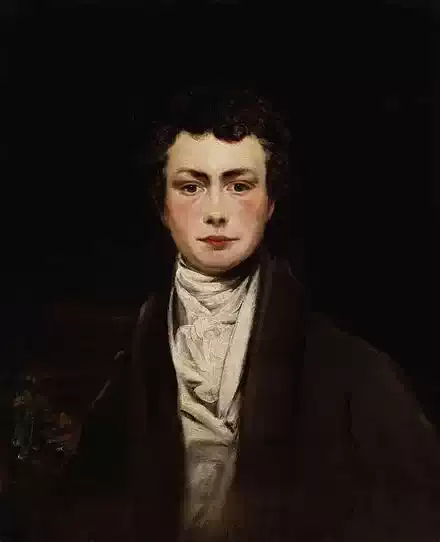
Thomas Moore
Oft, in the Stilly Night
Oft, in the stilly night,
Ere slumber's chain has bound me,
Fond memory brings the light
Of other days around me;
The smiles, the tears,
Of boyhood's years,
The words of love then spoken;
The eyes that shone,
Now dimm'd and gone,
The cheerful hearts now broken!
Thus, in the stilly night,
Ere slumber's chain hath bound me,
Sad memory brings the light
Of other days around me.
When I remember all
The friends, so link'd together,
I've seen around me fall,
Like leaves in wintry weather;
I feel like one
Who treads alone
Some banquet-hall deserted,
Whose lights are fled,
Whose garlands dead,
And all but he departed!
Thus, in the stilly night,
Ere slumber's chain has bound me,
Sad memory brings the light
Of other days around me.
Read more →
Ere slumber's chain has bound me,
Fond memory brings the light
Of other days around me;
The smiles, the tears,
Of boyhood's years,
The words of love then spoken;
The eyes that shone,
Now dimm'd and gone,
The cheerful hearts now broken!
Thus, in the stilly night,
Ere slumber's chain hath bound me,
Sad memory brings the light
Of other days around me.
When I remember all
The friends, so link'd together,
I've seen around me fall,
Like leaves in wintry weather;
I feel like one
Who treads alone
Some banquet-hall deserted,
Whose lights are fled,
Whose garlands dead,
And all but he departed!
Thus, in the stilly night,
Ere slumber's chain has bound me,
Sad memory brings the light
Of other days around me.
704

Emily Dickinson
I dreaded that first Robin, so
I dreaded that first Robin, so,
But He is mastered, now,
I'm accustomed to Him grown,
He hurts a little, though-
I thought If I could only live
Till that first Shout got by-
Not all Pianos in the Woods
Had power to mangle me-
I dared not meet the Daffodils-
For fear their Yellow Gown
Would pierce me with a fashion
So foreign to my own-
I wished the Grass would hurry
So-
when 'twas time to see
He'd
be too tall, the tallest one
Could stretch-to look at me-
I could not bear the Bees should come,
I wished they'd stay away
In those dim countries where they go,
What word had they, for me?
They're here, though; not a creature failed-
No Blossom stayed away
In gentle deference to me-
The Queen of Calvary-
Each one salutes me, as he goes,
And I, my childish Plumes,
Lift, in bereaved acknowledgment
Of their unthinking Drums-
Read more →
But He is mastered, now,
I'm accustomed to Him grown,
He hurts a little, though-
I thought If I could only live
Till that first Shout got by-
Not all Pianos in the Woods
Had power to mangle me-
I dared not meet the Daffodils-
For fear their Yellow Gown
Would pierce me with a fashion
So foreign to my own-
I wished the Grass would hurry
So-
when 'twas time to see
He'd
be too tall, the tallest one
Could stretch-to look at me-
I could not bear the Bees should come,
I wished they'd stay away
In those dim countries where they go,
What word had they, for me?
They're here, though; not a creature failed-
No Blossom stayed away
In gentle deference to me-
The Queen of Calvary-
Each one salutes me, as he goes,
And I, my childish Plumes,
Lift, in bereaved acknowledgment
Of their unthinking Drums-
702
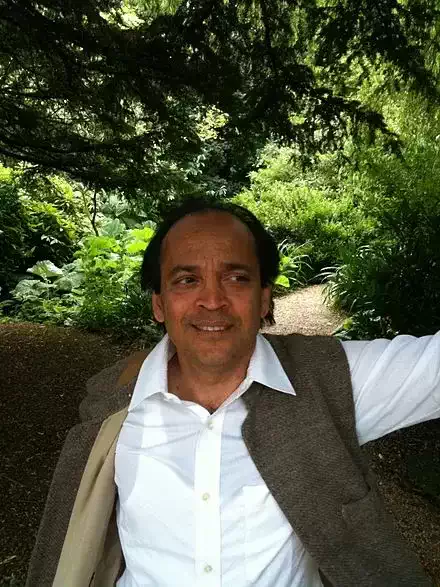
Vikram Seth
Across
Across these miles I wish you well.
May nothing haunt your heart but sleep.
May you not sense what I don't tell.
May you not dream, or doubt, or weep.
May what my pen this peaceless day
Writes on this page not reach your view
Till its deferred print lets you say
It speaks to someone else than you.
Read more →
May nothing haunt your heart but sleep.
May you not sense what I don't tell.
May you not dream, or doubt, or weep.
May what my pen this peaceless day
Writes on this page not reach your view
Till its deferred print lets you say
It speaks to someone else than you.
701
Langston Hughes
The Weary Blues
Droning a drowsy syncopated tune,
Rocking back and forth to a mellow croon,
I heard a Negro play.
Down on Lenox Avenue the other night
By the pale dull pallor of an old gas light
He did a lazy sway ....
He did a lazy sway ....
To the tune o' those Weary Blues.
With his ebony hands on each ivory key
He made that poor piano moan with melody.
O Blues!
Swaying to and fro on his rickety stool
He played that sad raggy tune like a musical fool.
Sweet Blues!
Coming from a black man's soul.
O Blues!
In a deep song voice with a melancholy tone
I heard that Negro sing, that old piano moan-"
Ain't got nobody in all this world,
Ain't got nobody but ma self.
I's gwine to quit ma frownin'
And put ma troubles on the shelf."
Thump, thump, thump, went his foot on the floor.
He played a few chords then he sang some more-"
I got the Weary Blues
And I can't be satisfied.
Got the Weary Blues
And can't be satisfied--
I ain't happy no mo'
And I wish that I had died."
And far into the night he crooned that tune.
The stars went out and so did the moon.
The singer stopped playing and went to bed
While the Weary Blues echoed through his head.
He slept like a rock or a man that's dead.
Read more →
Rocking back and forth to a mellow croon,
I heard a Negro play.
Down on Lenox Avenue the other night
By the pale dull pallor of an old gas light
He did a lazy sway ....
He did a lazy sway ....
To the tune o' those Weary Blues.
With his ebony hands on each ivory key
He made that poor piano moan with melody.
O Blues!
Swaying to and fro on his rickety stool
He played that sad raggy tune like a musical fool.
Sweet Blues!
Coming from a black man's soul.
O Blues!
In a deep song voice with a melancholy tone
I heard that Negro sing, that old piano moan-"
Ain't got nobody in all this world,
Ain't got nobody but ma self.
I's gwine to quit ma frownin'
And put ma troubles on the shelf."
Thump, thump, thump, went his foot on the floor.
He played a few chords then he sang some more-"
I got the Weary Blues
And I can't be satisfied.
Got the Weary Blues
And can't be satisfied--
I ain't happy no mo'
And I wish that I had died."
And far into the night he crooned that tune.
The stars went out and so did the moon.
The singer stopped playing and went to bed
While the Weary Blues echoed through his head.
He slept like a rock or a man that's dead.
706
Charles Baudelaire
The Sick Muse
My impoverished muse, alas! What have you for me this morning?
Your empty eyes are stocked with nocturnal visions,
In your cheek's cold and taciturn reflection,
I see insanity and horror forming.
The green succubus and the red urchin,
Have they poured you fear and love from their urns?
The nightmare of a mutinous fist that despotically turns,
Does it drown you at the bottom of a loch beyond searching?
I wish that your breast exhaled the scent of sanity,
That your womb of thought was not a tomb more frequently
And that your Christian blood flowed around a buoy that was rhythmical,
Like the numberless sounds of antique syllables,
Where reigns in turn the father of songs,
Phoebus, and the great Pan, the harvest sovereign.
Translated by William A. Sigler
Read more →
Your empty eyes are stocked with nocturnal visions,
In your cheek's cold and taciturn reflection,
I see insanity and horror forming.
The green succubus and the red urchin,
Have they poured you fear and love from their urns?
The nightmare of a mutinous fist that despotically turns,
Does it drown you at the bottom of a loch beyond searching?
I wish that your breast exhaled the scent of sanity,
That your womb of thought was not a tomb more frequently
And that your Christian blood flowed around a buoy that was rhythmical,
Like the numberless sounds of antique syllables,
Where reigns in turn the father of songs,
Phoebus, and the great Pan, the harvest sovereign.
Translated by William A. Sigler
711
Jorge Luis Borges
To a Cat
Mirrors are not more silent
nor the creeping dawn more secretive;
in the moonlight, you are that panther
we catch sight of from afar.
By the inexplicable workings of a divine law,
we look for you in vain;
More remote, even, than the Ganges or the setting sun,
yours is the solitude, yours the secret.
Your haunch allows the lingering
caress of my hand. You have accepted,
since that long forgotten past,
the love of the distrustful hand.
You belong to another time. You are lord
of a place bounded like a dream.
Read more →
nor the creeping dawn more secretive;
in the moonlight, you are that panther
we catch sight of from afar.
By the inexplicable workings of a divine law,
we look for you in vain;
More remote, even, than the Ganges or the setting sun,
yours is the solitude, yours the secret.
Your haunch allows the lingering
caress of my hand. You have accepted,
since that long forgotten past,
the love of the distrustful hand.
You belong to another time. You are lord
of a place bounded like a dream.
698

Henry Lawson
Talbragar
Jack Denver died on Talbragar when Christmas Eve began,
And there was sorrow round the place, for Denver was a man;
Jack Denver’s wife bowed down her head—her daughter’s grief was wild,
And big Ben Duggan by the bed stood sobbing like a child.
But big Ben Duggan saddled up, and galloped fast and far,
To raise the biggest funeral ever seen on Talbragar.
By station home
And shearing shed
Ben Duggan cried, “Jack Denver’s dead!
Roll up at Talbragar!”
He borrowed horses here and there, and rode all Christmas Eve,
And scarcely paused a moment’s time the mournful news to leave;
He rode by lonely huts and farms, until the day was done
And then he turned his horse’s head and made for Ross’s Run.
No Bushman in a single day had ridden half so far
Since Johnson brought the doctor to his wife at Talbragar.
By diggers’ camps
Ben Duggan sped—
At each he cried, “Jack Denver’s dead!
Roll up at Talbragar!”
That night he passed the humpies of the splitters on the ridge,
And roused the bullock-drivers camped at Belinfante’s Bridge;
And as he climbed the ridge again the moon shone on the rise;
The soft white moonbeams glistened in the tears that filled his eyes;
He dashed the rebel drops away—for blinding things they are—
But ’twas his best and truest friend who died on Talbragar.
At Blackman’s Run
Before the dawn,
Ben Duggan cried, “Jack Denver’s gone!
Roll up at Talbragar!”
At all the shanties round the place they‘d beard his horse’s tramp,
He took the track to Wilson’s Luck, and told the diggers’ camp;
But in the gorge by Deadman’s Gap the mountain shades were black,
And there a newly-fallen tree was lying on the track—
He saw too late, and then he heard the swift hoof ’s sudden jar,
And big Ben Duggan ne’er again rode home to Talbragar.
“The wretch is drunk,
And Denver’s dead—
A burning shame!” the people said
Next day at Talbragar.
For thirty miles round Talbragar the boys rolled up in strength,
And Denver had a funeral a good long mile in length;
Round Denver’s grave that Christmas day rough Bushmen’s eyes were dim—
The Western Bushmen knew the way to bury dead like him;
But some returning homeward found, by light of moon and star,
Ben Duggan dying in the rocks, ten miles from Talbragar.
They knelt around.
He raised his head
And faintly gasped, “Jack Denver’s dead,
Roll up at Talbragar!”
But one short hour before he died he woke and understood;
They told him, when he asked them, that the funeral was good;
And then there came into his eyes a sad and softened light.
He said. “Poor Denver’s wife and kids—you’ll see that they’re all right?”
And still the careless Bushmen tell by tent and shanty bar
How Duggan raised a funeral years back on Talbragar.
And far and wide
When Duggan died.
The bushmen of the western side
Rode in to Talbragar.
Read more →
And there was sorrow round the place, for Denver was a man;
Jack Denver’s wife bowed down her head—her daughter’s grief was wild,
And big Ben Duggan by the bed stood sobbing like a child.
But big Ben Duggan saddled up, and galloped fast and far,
To raise the biggest funeral ever seen on Talbragar.
By station home
And shearing shed
Ben Duggan cried, “Jack Denver’s dead!
Roll up at Talbragar!”
He borrowed horses here and there, and rode all Christmas Eve,
And scarcely paused a moment’s time the mournful news to leave;
He rode by lonely huts and farms, until the day was done
And then he turned his horse’s head and made for Ross’s Run.
No Bushman in a single day had ridden half so far
Since Johnson brought the doctor to his wife at Talbragar.
By diggers’ camps
Ben Duggan sped—
At each he cried, “Jack Denver’s dead!
Roll up at Talbragar!”
That night he passed the humpies of the splitters on the ridge,
And roused the bullock-drivers camped at Belinfante’s Bridge;
And as he climbed the ridge again the moon shone on the rise;
The soft white moonbeams glistened in the tears that filled his eyes;
He dashed the rebel drops away—for blinding things they are—
But ’twas his best and truest friend who died on Talbragar.
At Blackman’s Run
Before the dawn,
Ben Duggan cried, “Jack Denver’s gone!
Roll up at Talbragar!”
At all the shanties round the place they‘d beard his horse’s tramp,
He took the track to Wilson’s Luck, and told the diggers’ camp;
But in the gorge by Deadman’s Gap the mountain shades were black,
And there a newly-fallen tree was lying on the track—
He saw too late, and then he heard the swift hoof ’s sudden jar,
And big Ben Duggan ne’er again rode home to Talbragar.
“The wretch is drunk,
And Denver’s dead—
A burning shame!” the people said
Next day at Talbragar.
For thirty miles round Talbragar the boys rolled up in strength,
And Denver had a funeral a good long mile in length;
Round Denver’s grave that Christmas day rough Bushmen’s eyes were dim—
The Western Bushmen knew the way to bury dead like him;
But some returning homeward found, by light of moon and star,
Ben Duggan dying in the rocks, ten miles from Talbragar.
They knelt around.
He raised his head
And faintly gasped, “Jack Denver’s dead,
Roll up at Talbragar!”
But one short hour before he died he woke and understood;
They told him, when he asked them, that the funeral was good;
And then there came into his eyes a sad and softened light.
He said. “Poor Denver’s wife and kids—you’ll see that they’re all right?”
And still the careless Bushmen tell by tent and shanty bar
How Duggan raised a funeral years back on Talbragar.
And far and wide
When Duggan died.
The bushmen of the western side
Rode in to Talbragar.
707

Oscar Wilde
Chanson
A ring of gold and a milk-white dove
Are goodly gifts for thee,
And a hempen rope for your own love
To hang upon a tree.
For you a House of Ivory,
(Roses are white in the rose-bower)!
A narrow bed for me to lie,
(White, O white, is the hemlock flower)!
Myrtle and jessamine for you,
(O the red rose is fair to see)!
For me the cypress and the rue,
(Finest of all is rosemary)!
For you three lovers of your hand,
(Green grass where a man lies dead)!
For me three paces on the sand,
(Plant lilies at my head)!
Read more →
Are goodly gifts for thee,
And a hempen rope for your own love
To hang upon a tree.
For you a House of Ivory,
(Roses are white in the rose-bower)!
A narrow bed for me to lie,
(White, O white, is the hemlock flower)!
Myrtle and jessamine for you,
(O the red rose is fair to see)!
For me the cypress and the rue,
(Finest of all is rosemary)!
For you three lovers of your hand,
(Green grass where a man lies dead)!
For me three paces on the sand,
(Plant lilies at my head)!
697

Walter de la Mare
Arabia
Far are the shades of Arabia,
Where the Princes ride at noon,
'Mid the verdurous vales and thickets,
Under the ghost of the moon;
And so dark is that vaulted purple
Flowers in the forest rise
And toss into blossom 'gainst the phantom stars
Pale in the noonday skies.
Sweet is the music of Arabia
In my heart, when out of dreams
I still in the thin clear mirk of dawn
Descry her gliding streams;
Hear her strange lutes on the green banks
Ring loud with the grief and delight
Of the dim-silked, dark-haired Musicians
In the brooding silence of night.
They haunt me -- her lutes and her forests;
No beauty on earth I see
But shadowed with that dream recalls
Her loveliness to me:
Still eyes look coldly upon me,
Cold voices whisper and say --
'He is crazed with the spell of far Arabia,
They have stolen his wits away.'
Read more →
Where the Princes ride at noon,
'Mid the verdurous vales and thickets,
Under the ghost of the moon;
And so dark is that vaulted purple
Flowers in the forest rise
And toss into blossom 'gainst the phantom stars
Pale in the noonday skies.
Sweet is the music of Arabia
In my heart, when out of dreams
I still in the thin clear mirk of dawn
Descry her gliding streams;
Hear her strange lutes on the green banks
Ring loud with the grief and delight
Of the dim-silked, dark-haired Musicians
In the brooding silence of night.
They haunt me -- her lutes and her forests;
No beauty on earth I see
But shadowed with that dream recalls
Her loveliness to me:
Still eyes look coldly upon me,
Cold voices whisper and say --
'He is crazed with the spell of far Arabia,
They have stolen his wits away.'
702
John Milton
Paradise Lost: Book 04
O, for that warning voice, which he, who saw
The Apocalypse, heard cry in Heaven aloud,
Then when the Dragon, put to second rout,
Came furious down to be revenged on men,
Woe to the inhabitants on earth! that now,
While time was, our first parents had been warned
The coming of their secret foe, and 'scaped,
Haply so 'scaped his mortal snare: For now
Satan, now first inflamed with rage, came down,
The tempter ere the accuser of mankind,
To wreak on innocent frail Man his loss
Of that first battle, and his flight to Hell:
Yet, not rejoicing in his speed, though bold
Far off and fearless, nor with cause to boast,
Begins his dire attempt; which nigh the birth
Now rolling boils in his tumultuous breast,
And like a devilish engine back recoils
Upon himself; horrour and doubt distract
His troubled thoughts, and from the bottom stir
The Hell within him; for within him Hell
He brings, and round about him, nor from Hell
One step, no more than from himself, can fly
By change of place: Now conscience wakes despair,
That slumbered; wakes the bitter memory
Of what he was, what is, and what must be
Worse; of worse deeds worse sufferings must ensue.
Sometimes towards Eden, which now in his view
Lay pleasant, his grieved look he fixes sad;
Sometimes towards Heaven, and the full-blazing sun,
Which now sat high in his meridian tower:
Then, much revolving, thus in sighs began.
O thou, that, with surpassing glory crowned,
Lookest from thy sole dominion like the God
Of this new world; at whose sight all the stars
Hide their diminished heads; to thee I call,
But with no friendly voice, and add thy name,
Of Sun! to tell thee how I hate thy beams,
That bring to my remembrance from what state
I fell, how glorious once above thy sphere;
Till pride and worse ambition threw me down
Warring in Heaven against Heaven's matchless King:
Ah, wherefore! he deserved no such return
From me, whom he created what I was
In that bright eminence, and with his good
Upbraided none; nor was his service hard.
What could be less than to afford him praise,
The easiest recompence, and pay him thanks,
How due! yet all his good proved ill in me,
And wrought but malice; lifted up so high
I sdeined subjection, and thought one step higher
Would set me highest, and in a moment quit
The debt immense of endless gratitude,
So burdensome still paying, still to owe,
Forgetful what from him I still received,
And understood not that a grateful mind
By owing owes not, but still pays, at once
Indebted and discharged; what burden then
O, had his powerful destiny ordained
Me some inferiour Angel, I had stood
Then happy; no unbounded hope had raised
Ambition! Yet why not some other Power
As great might have aspired, and me, though mean,
Drawn to his part; but other Powers as great
Fell not, but stand unshaken, from within
Or from without, to all temptations armed.
Hadst thou the same free will and power to stand?
Thou hadst: whom hast thou then or what to accuse,
But Heaven's free love dealt equally to all?
Be then his love accursed, since love or hate,
To me alike, it deals eternal woe.
Nay, cursed be thou; since against his thy will
Chose freely what it now so justly rues.
Me miserable! which way shall I fly
Infinite wrath, and infinite despair?
Which way I fly is Hell; myself am Hell;
And, in the lowest deep, a lower deep
Still threatening to devour me opens wide,
To which the Hell I suffer seems a Heaven.
O, then, at last relent: Is there no place
Left for repentance, none for pardon left?
None left but by submission; and that word
Disdain forbids me, and my dread of shame
Among the Spirits beneath, whom I seduced
With other promises and other vaunts
Than to submit, boasting I could subdue
The Omnipotent. Ay me! they little know
How dearly I abide that boast so vain,
Under what torments inwardly I groan,
While they adore me on the throne of Hell.
With diadem and scepter high advanced,
The lower still I fall, only supreme
In misery: Such joy ambition finds.
But say I could repent, and could obtain,
By act of grace, my former state; how soon
Would highth recall high thoughts, how soon unsay
What feigned submission swore? Ease would recant
Vows made in pain, as violent and void.
For never can true reconcilement grow,
Where wounds of deadly hate have pierced so deep:
Which would but lead me to a worse relapse
And heavier fall: so should I purchase dear
Short intermission bought with double smart.
This knows my Punisher; therefore as far
From granting he, as I from begging, peace;
All hope excluded thus, behold, in stead
Mankind created, and for him this world.
So farewell, hope; and with hope farewell, fear;
Farewell, remorse! all good to me is lost;
Evil, be thou my good; by thee at least
Divided empire with Heaven's King I hold,
By thee, and more than half perhaps will reign;
As Man ere long, and this new world, shall know.
Thus while he spake, each passion dimmed his face
Thrice changed with pale, ire, envy, and despair;
Which marred his borrowed visage, and betrayed
Him counterfeit, if any eye beheld.
For heavenly minds from such distempers foul
Are ever clear. Whereof he soon aware,
Each perturbation smoothed with outward calm,
Artificer of fraud; and was the first
That practised falsehood under saintly show,
Deep malice to conceal, couched with revenge:
Yet not enough had practised to deceive
Uriel once warned; whose eye pursued him down
The way he went, and on the Assyrian mount
Saw him disfigured, more than could befall
Spirit of happy sort; his gestures fierce
He marked and mad demeanour, then alone,
As he supposed, all unobserved, unseen.
So on he fares, and to the border comes
Of Eden, where delicious Paradise,
Now nearer, crowns with her enclosure green,
As with a rural mound, the champaign head
Of a steep wilderness, whose hairy sides
Access denied; and overhead upgrew
Insuperable height of loftiest shade,
Cedar, and pine, and fir, and branching palm,
A sylvan scene, and, as the ranks ascend,
Shade above shade, a woody theatre
Of stateliest view. Yet higher than their tops
The verdurous wall of Paradise upsprung;
Which to our general sire gave prospect large
Into his nether empire neighbouring round.
And higher than that wall a circling row
Of goodliest trees, loaden with fairest fruit,
Blossoms and fruits at once of golden hue,
Appeared, with gay enamelled colours mixed:
On which the sun more glad impressed his beams
Than in fair evening cloud, or humid bow,
When God hath showered the earth; so lovely seemed
That landskip: And of pure now purer air
Meets his approach, and to the heart inspires
Vernal delight and joy, able to drive
All sadness but despair: Now gentle gales,
Fanning their odoriferous wings, dispense
Native perfumes, and whisper whence they stole
Those balmy spoils. As when to them who fail
Beyond the Cape of Hope, and now are past
Mozambick, off at sea north-east winds blow
Sabean odours from the spicy shore
Of Araby the blest; with such delay
Well pleased they slack their course, and many a league
Cheered with the grateful smell old Ocean smiles:
So entertained those odorous sweets the Fiend,
Who came their bane; though with them better pleased
Than Asmodeus with the fishy fume
That drove him, though enamoured, from the spouse
Of Tobit's son, and with a vengeance sent
From Media post to Egypt, there fast bound.
Now to the ascent of that steep savage hill
Satan had journeyed on, pensive and slow;
But further way found none, so thick entwined,
As one continued brake, the undergrowth
Of shrubs and tangling bushes had perplexed
All path of man or beast that passed that way.
One gate there only was, and that looked east
On the other side: which when the arch-felon saw,
Due entrance he disdained; and, in contempt,
At one flight bound high over-leaped all bound
Of hill or highest wall, and sheer within
Lights on his feet. As when a prowling wolf,
Whom hunger drives to seek new haunt for prey,
Watching where shepherds pen their flocks at eve
In hurdled cotes amid the field secure,
Leaps o'er the fence with ease into the fold:
Or as a thief, bent to unhoard the cash
Of some rich burgher, whose substantial doors,
Cross-barred and bolted fast, fear no assault,
In at the window climbs, or o'er the tiles:
So clomb this first grand thief into God's fold;
So since into his church lewd hirelings climb.
Thence up he flew, and on the tree of life,
The middle tree and highest there that grew,
Sat like a cormorant; yet not true life
Thereby regained, but sat devising death
To them who lived; nor on the virtue thought
Of that life-giving plant, but only used
For prospect, what well used had been the pledge
Of immortality. So little knows
Any, but God alone, to value right
The good before him, but perverts best things
To worst abuse, or to their meanest use.
Beneath him with new wonder now he views,
To all delight of human sense exposed,
In narrow room, Nature's whole wealth, yea more,
A Heaven on Earth: For blissful Paradise
Of God the garden was, by him in the east
Of Eden planted; Eden stretched her line
From Auran eastward to the royal towers
Of great Seleucia, built by Grecian kings,
Of where the sons of Eden long before
Dwelt in Telassar: In this pleasant soil
His far more pleasant garden God ordained;
Out of the fertile ground he caused to grow
All trees of noblest kind for sight, smell, taste;
And all amid them stood the tree of life,
High eminent, blooming ambrosial fruit
Of vegetable gold; and next to life,
Our death, the tree of knowledge, grew fast by,
Knowledge of good bought dear by knowing ill.
Southward through Eden went a river large,
Nor changed his course, but through the shaggy hill
Passed underneath ingulfed; for God had thrown
That mountain as his garden-mould high raised
Upon the rapid current, which, through veins
Of porous earth with kindly thirst up-drawn,
Rose a fresh fountain, and with many a rill
Watered the garden; thence united fell
Down the steep glade, and met the nether flood,
Which from his darksome passage now appears,
And now, divided into four main streams,
Runs diverse, wandering many a famous realm
And country, whereof here needs no account;
But rather to tell how, if Art could tell,
How from that sapphire fount the crisped brooks,
Rolling on orient pearl and sands of gold,
With mazy errour under pendant shades
Ran nectar, visiting each plant, and fed
Flowers worthy of Paradise, which not nice Art
In beds and curious knots, but Nature boon
Poured forth profuse on hill, and dale, and plain,
Both where the morning sun first warmly smote
The open field, and where the unpierced shade
Imbrowned the noontide bowers: Thus was this place
A happy rural seat of various view;
Groves whose rich trees wept odorous gums and balm,
Others whose fruit, burnished with golden rind,
Hung amiable, Hesperian fables true,
If true, here only, and of delicious taste:
Betwixt them lawns, or level downs, and flocks
Grazing the tender herb, were interposed,
Or palmy hillock; or the flowery lap
Of some irriguous valley spread her store,
Flowers of all hue, and without thorn the rose:
Another side, umbrageous grots and caves
Of cool recess, o'er which the mantling vine
Lays forth her purple grape, and gently creeps
Luxuriant; mean while murmuring waters fall
Down the slope hills, dispersed, or in a lake,
That to the fringed bank with myrtle crowned
Her crystal mirrour holds, unite their streams.
The birds their quire apply; airs, vernal airs,
Breathing the smell of field and grove, attune
The trembling leaves, while universal Pan,
Knit with the Graces and the Hours in dance,
Led on the eternal Spring. Not that fair field
Of Enna, where Proserpine gathering flowers,
Herself a fairer flower by gloomy Dis
Was gathered, which cost Ceres all that pain
To seek her through the world; nor that sweet grove
Of Daphne by Orontes, and the inspired
Castalian spring, might with this Paradise
Of Eden strive; nor that Nyseian isle
Girt with the river Triton, where old Cham,
Whom Gentiles Ammon call and Libyan Jove,
Hid Amalthea, and her florid son
Young Bacchus, from his stepdame Rhea's eye;
Nor where Abassin kings their issue guard,
Mount Amara, though this by some supposed
True Paradise under the Ethiop line
By Nilus' head, enclosed with shining rock,
A whole day's journey high, but wide remote
From this Assyrian garden, where the Fiend
Saw, undelighted, all delight, all kind
Of living creatures, new to sight, and strange
Two of far nobler shape, erect and tall,
Godlike erect, with native honour clad
In naked majesty seemed lords of all:
And worthy seemed; for in their looks divine
The image of their glorious Maker shone,
Truth, wisdom, sanctitude severe and pure,
(Severe, but in true filial freedom placed,)
Whence true authority in men; though both
Not equal, as their sex not equal seemed;
For contemplation he and valour formed;
For softness she and sweet attractive grace;
He for God only, she for God in him:
His fair large front and eye sublime declared
Absolute rule; and hyacinthine locks
Round from his parted forelock manly hung
Clustering, but not beneath his shoulders broad:
She, as a veil, down to the slender waist
Her unadorned golden tresses wore
Dishevelled, but in wanton ringlets waved
As the vine curls her tendrils, which implied
Subjection, but required with gentle sway,
And by her yielded, by him best received,
Yielded with coy submission, modest pride,
And sweet, reluctant, amorous delay.
Nor those mysterious parts were then concealed;
Then was not guilty shame, dishonest shame
Of nature's works, honour dishonourable,
Sin-bred, how have ye troubled all mankind
With shows instead, mere shows of seeming pure,
And banished from man's life his happiest life,
Simplicity and spotless innocence!
So passed they naked on, nor shunned the sight
Of God or Angel; for they thought no ill:
So hand in hand they passed, the loveliest pair,
That ever since in love's embraces met;
Adam the goodliest man of men since born
His sons, the fairest of her daughters Eve.
Under a tuft of shade that on a green
Stood whispering soft, by a fresh fountain side
They sat them down; and, after no more toil
Of their sweet gardening labour than sufficed
To recommend cool Zephyr, and made ease
More easy, wholesome thirst and appetite
More grateful, to their supper-fruits they fell,
Nectarine fruits which the compliant boughs
Yielded them, side-long as they sat recline
On the soft downy bank damasked with flowers:
The savoury pulp they chew, and in the rind,
Still as they thirsted, scoop the brimming stream;
Nor gentle purpose, nor endearing smiles
Wanted, nor youthful dalliance, as beseems
Fair couple, linked in happy nuptial league,
Alone as they. About them frisking played
All beasts of the earth, since wild, and of all chase
In wood or wilderness, forest or den;
Sporting the lion ramped, and in his paw
Dandled the kid; bears, tigers, ounces, pards,
Gambolled before them; the unwieldy elephant,
To make them mirth, used all his might, and wreathed
His?kithetmroboscis; close the serpent sly,
Insinuating, wove with Gordian twine
His braided train, and of his fatal guile
Gave proof unheeded; others on the grass
Couched, and now filled with pasture gazing sat,
Or bedward ruminating; for the sun,
Declined, was hasting now with prone career
To the ocean isles, and in the ascending scale
Of Heaven the stars that usher evening rose:
When Satan still in gaze, as first he stood,
Scarce thus at length failed speech recovered sad.
O Hell! what do mine eyes with grief behold!
Into our room of bliss thus high advanced
Creatures of other mould, earth-born perhaps,
Not Spirits, yet to heavenly Spirits bright
Little inferiour; whom my thoughts pursue
With wonder, and could love, so lively shines
In them divine resemblance, and such grace
The hand that formed them on their shape hath poured.
Ah! gentle pair, ye little think how nigh
Your change approaches, when all these delights
Will vanish, and deliver ye to woe;
More woe, the more your taste is now of joy;
Happy, but for so happy ill secured
Long to continue, and this high seat your Heaven
Ill fenced for Heaven to keep out such a foe
As now is entered; yet no purposed foe
To you, whom I could pity thus forlorn,
Though I unpitied: League with you I seek,
And mutual amity, so strait, so close,
That I with you must dwell, or you with me
Henceforth; my dwelling haply may not please,
Like this fair Paradise, your sense; yet such
Accept your Maker's work; he gave it me,
Which I as freely give: Hell shall unfold,
To entertain you two, her widest gates,
And send forth all her kings; there will be room,
Not like these narrow limits, to receive
Your numerous offspring; if no better place,
Thank him who puts me loth to this revenge
On you who wrong me not for him who wronged.
And should I at your harmless innocence
Melt, as I do, yet publick reason just,
Honour and empire with revenge enlarged,
By conquering this new world, compels me now
To do what else, though damned, I should abhor.
So spake the Fiend, and with necessity,
The tyrant's plea, excused his devilish deeds.
Then from his lofty stand on that high tree
Down he alights among the sportful herd
Of those four-footed kinds, himself now one,
Now other, as their shape served best his end
Nearer to view his prey, and, unespied,
To mark what of their state he more might learn,
By word or action marked. About them round
A lion now he stalks with fiery glare;
Then as a tiger, who by chance hath spied
In some purlieu two gentle fawns at play,
Straight couches close, then, rising, changes oft
His couchant watch, as one who chose his ground,
Whence rushing, he might surest seize them both,
Griped in each paw: when, Adam first of men
To first of women Eve thus moving speech,
Turned him, all ear to hear new utterance flow.
Sole partner, and sole part, of all these joys,
Dearer thyself than all; needs must the Power
That made us, and for us this ample world,
Be infinitely good, and of his good
As liberal and free as infinite;
That raised us from the dust, and placed us here
In all this happiness, who at his hand
Have nothing merited, nor can perform
Aught whereof he hath need; he who requires
From us no other service than to keep
This one, this easy charge, of all the trees
In Paradise that bear delicious fruit
So various, not to taste that only tree
Of knowledge, planted by the tree of life;
So near grows death to life, whate'er death is,
Some dreadful thing no doubt; for well thou knowest
God hath pronounced it death to taste that tree,
The only sign of our obedience left,
Among so many signs of power and rule
Conferred upon us, and dominion given
Over all other creatures that possess
Earth, air, and sea. Then let us not think hard
One easy prohibition, who enjoy
Free leave so large to all things else, and choice
Unlimited of manifold delights:
But let us ever praise him, and extol
His bounty, following our delightful task,
To prune these growing plants, and tend these flowers,
Which were it toilsome, yet with thee were sweet.
To whom thus Eve replied. O thou for whom
And from whom I was formed, flesh of thy flesh,
And without whom am to no end, my guide
And head! what thou hast said is just and right.
For we to him indeed all praises owe,
And daily thanks; I chiefly, who enjoy
So far the happier lot, enjoying thee
Pre-eminent by so much odds, while thou
Like consort to thyself canst no where find.
That day I oft remember, when from sleep
I first awaked, and found myself reposed
Under a shade on flowers, much wondering where
And what I was, whence thither brought, and how.
Not distant far from thence a murmuring sound
Of waters issued from a cave, and spread
Into a liquid plain, then stood unmoved
Pure as the expanse of Heaven; I thither went
With unexperienced thought, and laid me down
On the green bank, to look into the clear
Smooth lake, that to me seemed another sky.
As I bent down to look, just opposite
A shape within the watery gleam appeared,
Bending to look on me: I started back,
It started back; but pleased I soon returned,
Pleased it returned as soon with answering looks
Of sympathy and love: There I had fixed
Mine eyes till now, and pined with vain desire,
Had not a voice thus warned me; 'What thou seest,
'What there thou seest, fair Creature, is thyself;
'With thee it came and goes: but follow me,
'And I will bring thee where no shadow stays
'Thy coming, and thy soft embraces, he
'Whose image thou art; him thou shalt enjoy
'Inseparably thine, to him shalt bear
'Multitudes like thyself, and thence be called
'Mother of human race.' What could I do,
But follow straight, invisibly thus led?
Till I espied thee, fair indeed and tall,
Under a platane; yet methought less fair,
Less winning soft, less amiably mild,
Than that smooth watery image: Back I turned;
Thou following cryedst aloud, 'Return, fair Eve;
'Whom flyest thou? whom thou flyest, of him thou art,
'His flesh, his bone; to give thee being I lent
'Out of my side to thee, nearest my heart,
'Substantial life, to have thee by my side
'Henceforth an individual solace dear;
'Part of my soul I seek thee, and thee claim
'My other half:' With that thy gentle hand
Seised mine: I yielded;and from that time see
How beauty is excelled by manly grace,
And wisdom, which alone is truly fair.
So spake our general mother, and with eyes
Of conjugal attraction unreproved,
And meek surrender, half-embracing leaned
On our first father; half her swelling breast
Naked met his, under the flowing gold
Of her loose tresses hid: he in delight
Both of her beauty, and submissive charms,
Smiled with superiour love, as Jupiter
On Juno smiles, when he impregns the clouds
That shed Mayflowers; and pressed her matron lip
With kisses pure: Aside the Devil turned
For envy; yet with jealous leer malign
Eyed them askance, and to himself thus plained.
Sight hateful, sight tormenting! thus these two,
Imparadised in one another's arms,
The happier Eden, shall enjoy their fill
Of bliss on bliss; while I to Hell am thrust,
Where neither joy nor love, but fierce desire,
Among our other torments not the least,
Still unfulfilled with pain of longing pines.
Yet let me not forget what I have gained
From their own mouths: All is not theirs, it seems;
One fatal tree there stands, of knowledge called,
Forbidden them to taste: Knowledge forbidden
Suspicious, reasonless. Why should their Lord
Envy them that? Can it be sin to know?
Can it be death? And do they only stand
By ignorance? Is that their happy state,
The proof of their obedience and their faith?
O fair foundation laid whereon to build
Their ruin! hence I will excite their minds
With more desire to know, and to reject
Envious commands, invented with design
To keep them low, whom knowledge might exalt
Equal with Gods: aspiring to be such,
They taste and die: What likelier can ensue
But first with narrow search I must walk round
This garden, and no corner leave unspied;
A chance but chance may lead where I may meet
Some wandering Spirit of Heaven by fountain side,
Or in thick shade retired, from him to draw
What further would be learned. Live while ye may,
Yet happy pair; enjoy, till I return,
Short pleasures, for long woes are to succeed!
So saying, his proud step he scornful turned,
But with sly circumspection, and began
Through wood, through waste, o'er hill, o'er dale, his roam
Mean while in utmost longitude, where Heaven
With earth and ocean meets, the setting sun
Slowly descended, and with right aspect
Against the eastern gate of Paradise
Levelled his evening rays: It was a rock
Of alabaster, piled up to the clouds,
Conspicuous far, winding with one ascent
Accessible from earth, one entrance high;
The rest was craggy cliff, that overhung
Still as it rose, impossible to climb.
Betwixt these rocky pillars Gabriel sat,
Chief of the angelick guards, awaiting night;
About him exercised heroick games
The unarmed youth of Heaven, but nigh at hand
Celestial armoury, shields, helms, and spears,
Hung high with diamond flaming, and with gold.
Thither came Uriel, gliding through the even
On a sun-beam, swift as a shooting star
In autumn thwarts the night, when vapours fired
Impress the air, and shows the mariner
From what point of his compass to beware
Impetuous winds: He thus began in haste.
Gabriel, to thee thy course by lot hath given
Charge and strict watch, that to this happy place
No evil thing approach or enter in.
This day at highth of noon came to my sphere
A Spirit, zealous, as he seemed, to know
More of the Almighty's works, and chiefly Man,
God's latest image: I described his way
Bent all on speed, and marked his aery gait;
But in the mount that lies from Eden north,
Where he first lighted, soon discerned his looks
Alien from Heaven, with passions foul obscured:
Mine eye pursued him still, but under shade
Lost sight of him: One of the banished crew,
I fear, hath ventured from the deep, to raise
New troubles; him thy care must be to find.
To whom the winged warriour thus returned.
Uriel, no wonder if thy perfect sight,
Amid the sun's bright circle where thou sitst,
See far and wide: In at this gate none pass
The vigilance here placed, but such as come
Well known from Heaven; and since meridian hour
No creature thence: If Spirit of other sort,
So minded, have o'er-leaped these earthly bounds
On purpose, hard thou knowest it to exclude
Spiritual substance with corporeal bar.
But if within the circuit of these walks,
In whatsoever shape he lurk, of whom
Thou tellest, by morrow dawning I shall know.
So promised he; and Uriel to his charge
Returned on that bright beam, whose point now raised
Bore him slope downward to the sun now fallen
Beneath the Azores; whether the prime orb,
Incredible how swift, had thither rolled
Diurnal, or this less volubil earth,
By shorter flight to the east, had left him there
Arraying with reflected purple and gold
The clouds that on his western throne attend.
Now came still Evening on, and Twilight gray
Had in her sober livery all things clad;
Silence accompanied; for beast and bird,
They to their grassy couch, these to their nests
Were slunk, all but the wakeful nightingale;
She all night long her amorous descant sung;
Silence was pleased: Now glowed the firmament
With living sapphires: Hesperus, that led
The starry host, rode brightest, till the moon,
Rising in clouded majesty, at length
Apparent queen unveiled her peerless light,
And o'er the dark her silver mantle threw.
When Adam thus to Eve. Fair Consort, the hour
Of night, and all things now retired to rest,
Mind us of like repose; since God hath set
Labour and rest, as day and night, to men
Successive; and the timely dew of sleep,
Now falling with soft slumbrous weight, inclines
Our eye-lids: Other creatures all day long
Rove idle, unemployed, and less need rest;
Man hath his daily work of body or mind
Appointed, which declares his dignity,
And the regard of Heaven on all his ways;
While other animals unactive range,
And of their doings God takes no account.
To-morrow, ere fresh morning streak the east
With first approach of light, we must be risen,
And at our pleasant labour, to reform
Yon flowery arbours, yonder alleys green,
Our walk at noon, with branches overgrown,
That mock our scant manuring, and require
More hands than ours to lop their wanton growth:
Those blossoms also, and those dropping gums,
That lie bestrown, unsightly and unsmooth,
Ask riddance, if we mean to tread with ease;
Mean while, as Nature wills, night bids us rest.
To whom thus Eve, with perfect beauty adorned
My Author and Disposer, what thou bidst
Unargued I obey: So God ordains;
God is thy law, thou mine: To know no more
Is woman's happiest knowledge, and her praise.
With thee conversing I forget all time;
All seasons, and their change, all please alike.
Sweet is the breath of Morn, her rising sweet,
With charm of earliest birds: pleasant the sun,
When first on this delightful land he spreads
His orient beams, on herb, tree, fruit, and flower,
Glistering with dew; fragrant the fertile earth
After soft showers; and sweet the coming on
Of grateful Evening mild; then silent Night,
With this her solemn bird, and this fair moon,
And these the gems of Heaven, her starry train:
But neither breath of Morn, when she ascends
With charm of earliest birds; nor rising sun
On this delightful land; nor herb, fruit, flower,
Glistering with dew; nor fragrance after showers;
Nor grateful Evening mild; nor silent Night,
With this her solemn bird, nor walk by moon,
Or glittering star-light, without thee is sweet.
But wherefore all night long shine these? for whom
This glorious sight, when sleep hath shut all eyes?
To whom our general ancestor replied.
Daughter of God and Man, accomplished Eve,
These have their course to finish round the earth,
By morrow evening, and from land to land
In order, though to nations yet unborn,
Ministring light prepared, they set and rise;
Lest total Darkness should by night regain
Her old possession, and extinguish life
In Nature and all things; which these soft fires
Not only enlighten, but with kindly heat
Of various influence foment and warm,
Temper or nourish, or in part shed down
Their stellar virtue on all kinds that grow
On earth, made hereby apter to receive
Perfection from the sun's more potent ray.
These then, though unbeheld in deep of night,
Shine not in vain; nor think, though men were none,
That Heaven would want spectators, God want praise:
Millions of spiritual creatures walk the earth
Unseen, both when we wake, and when we sleep:
All these with ceaseless praise his works behold
Both day and night: How often from the steep
Of echoing hill or thicket have we heard
Celestial voices to the midnight air,
Sole, or responsive each to others note,
Singing their great Creator? oft in bands
While they keep watch, or nightly rounding walk,
With heavenly touch of instrumental sounds
In full harmonick number joined, their songs
Divide the night, and lift our thoughts to Heaven.
Thus talking, hand in hand alone they passed
On to their blissful bower: it was a place
Chosen by the sovran Planter, when he framed
All things to Man's delightful use; the roof
Of thickest covert was inwoven shade
Laurel and myrtle, and what higher grew
Of firm and fragrant leaf; on either side
Acanthus, and each odorous bushy shrub,
Fenced up the verdant wall; each beauteous flower,
Iris all hues, roses, and jessamin,
Reared high their flourished heads between, and wrought
Mosaick; underfoot the violet,
Crocus, and hyacinth, with rich inlay
Broidered the ground, more coloured than with stone
Of costliest emblem: Other creature here,
Bird, beast, insect, or worm, durst enter none,
Such was their awe of Man. In shadier bower
More sacred and sequestered, though but feigned,
Pan or Sylvanus never slept, nor Nymph
Nor Faunus haunted. Here, in close recess,
With flowers, garlands, and sweet-smelling herbs,
Espoused Eve decked first her nuptial bed;
And heavenly quires the hymenaean sung,
What day the genial Angel to our sire
Brought her in naked beauty more adorned,
More lovely, than Pandora, whom the Gods
Endowed with all their gifts, and O! too like
In sad event, when to the unwiser son
Of Japhet brought by Hermes, she ensnared
Mankind with her fair looks, to be avenged
On him who had stole Jove's authentick fire.
Thus, at their shady lodge arrived, both stood,
Both turned, and under open sky adored
The God that made both sky, air, earth, and heaven,
Which they beheld, the moon's resplendent globe,
And starry pole: Thou also madest the night,
Maker Omnipotent, and thou the day,
Which we, in our appointed work employed,
Have finished, happy in our mutual help
And mutual love, the crown of all our bliss
Ordained by thee; and this delicious place
For us too large, where thy abundance wants
Partakers, and uncropt falls to the ground.
But thou hast promised from us two a race
To fill the earth, who shall with us extol
Thy goodness infinite, both when we wake,
And when we seek, as now, thy gift of sleep.
This said unanimous, and other rites
Observing none, but adoration pure
Which God likes best, into their inmost bower
Handed they went; and, eased the putting off
These troublesome disguises which we wear,
Straight side by side were laid; nor turned, I ween,
Adam from his fair spouse, nor Eve the rites
Mysterious of connubial love refused:
Whatever hypocrites austerely talk
Of purity, and place, and innocence,
Defaming as impure what God declares
Pure, and commands to some, leaves free to all.
Our Maker bids encrease; who bids abstain
But our Destroyer, foe to God and Man?
Hail, wedded Love, mysterious law, true source
Of human offspring, sole propriety
In Paradise of all things common else!
By thee adulterous Lust was driven from men
Among the bestial herds to range; by thee
Founded in reason, loyal, just, and pure,
Relations dear, and all the charities
Of father, son, and brother, first were known.
Far be it, that I should write thee sin or blame,
Or think thee unbefitting holiest place,
Perpetual fountain of domestick sweets,
Whose bed is undefiled and chaste pronounced,
Present, or past, as saints and patriarchs used.
Here Love his golden shafts employs, here lights
His constant lamp, and waves his purple wings,
Reigns here and revels; not in the bought smile
Of harlots, loveless, joyless, unendeared,
Casual fruition; nor in court-amours,
Mixed dance, or wanton mask, or midnight ball,
Or serenate, which the starved lover sings
To his proud fair, best quitted with disdain.
These, lulled by nightingales, embracing slept,
And on their naked limbs the flowery roof
Showered roses, which the morn repaired. Sleep on,
Blest pair; and O!yet happiest, if ye seek
No happier state, and know to know no more.
Now had night measured with her shadowy cone
Half way up hill this vast sublunar vault,
And from their ivory port the Cherubim,
Forth issuing at the accustomed hour, stood armed
To their night watches in warlike parade;
When Gabriel to his next in power thus spake.
Uzziel, half these draw off, and coast the south
With strictest watch; these other wheel the north;
Our circuit meets full west. As flame they part,
Half wheeling to the shield, half to the spear.
From these, two strong and subtle Spirits he called
That near him stood, and gave them thus in charge.
Ithuriel and Zephon, with winged speed
Search through this garden, leave unsearched no nook;
But chiefly where those two fair creatures lodge,
Now laid perhaps asleep, secure of harm.
This evening from the sun's decline arrived,
Who tells of some infernal Spirit seen
Hitherward bent (who could have thought?) escaped
The bars of Hell, on errand bad no doubt:
Such, where ye find, seise fast, and hither bring.
So saying, on he led his radiant files,
Dazzling the moon; these to the bower direct
In search of whom they sought: Him there they found
Squat like a toad, close at the ear of Eve,
Assaying by his devilish art to reach
The organs of her fancy, and with them forge
Illusions, as he list, phantasms and dreams;
Or if, inspiring venom, he might taint
The animal spirits, that from pure blood arise
Like gentle breaths from rivers pure, thence raise
At least distempered, discontented thoughts,
Vain hopes, vain aims, inordinate desires,
Blown up with high conceits ingendering pride.
Him thus intent Ithuriel with his spear
Touched lightly; for no falshood can endure
Touch of celestial temper, but returns
Of force to its own likeness: Up he starts
Discovered and surprised. As when a spark
Lights on a heap of nitrous powder, laid
Fit for the tun some magazine to store
Against a rumoured war, the smutty grain,
With sudden blaze diffused, inflames the air;
So started up in his own shape the Fiend.
Back stept those two fair Angels, half amazed
So sudden to behold the grisly king;
Yet thus, unmoved with fear, accost him soon.
Which of those rebel Spirits adjudged to Hell
Comest thou, escaped thy prison? and, transformed,
Why sat'st thou like an enemy in wait,
Here watching at the head of these that sleep?
Know ye not then said Satan, filled with scorn,
Know ye not me? ye knew me once no mate
For you, there sitting where ye durst not soar:
Not to know me argues yourselves unknown,
The lowest of your throng; or, if ye know,
Why ask ye, and superfluous begin
Your message, like to end as much in vain?
To whom thus Zephon, answering scorn with scorn.
Think not, revolted Spirit, thy shape the same,
Or undiminished brightness to be known,
As when thou stoodest in Heaven upright and pure;
That glory then, when thou no more wast good,
Departed from thee; and thou resemblest now
Thy sin and place of doom obscure and foul.
But come, for thou, be sure, shalt give account
To him who sent us, whose charge is to keep
This place inviolable, and these from harm.
So spake the Cherub; and his grave rebuke,
Severe in youthful beauty, added grace
Invincible: Abashed the Devil stood,
And felt how awful goodness is, and saw
Virtue in her shape how lovely; saw, and pined
His loss; but chiefly to find here observed
His lustre visibly impaired; yet seemed
Undaunted. If I must contend, said he,
Best with the best, the sender, not the sent,
Or all at once; more glory will be won,
Or less be lost. Thy fear, said Zephon bold,
Will save us trial what the least can do
Single against thee wicked, and thence weak.
The Fiend replied not, overcome with rage;
But, like a proud steed reined, went haughty on,
Champing his iron curb: To strive or fly
He held it vain; awe from above had quelled
His heart, not else dismayed. Now drew they nigh
The western point, where those half-rounding guards
Just met, and closing stood in squadron joined,
A waiting next command. To whom their Chief,
Gabriel, from the front thus called aloud.
O friends! I hear the tread of nimble feet
Hasting this way, and now by glimpse discern
Ithuriel and Zephon through the shade;
And with them comes a third of regal port,
But faded splendour wan; who by his gait
And fierce demeanour seems the Prince of Hell,
Not likely to part hence without contest;
Stand firm, for in his look defiance lours.
He scarce had ended, when those two approached,
And brief related whom they brought, where found,
How busied, in what form and posture couched.
To whom with stern regard thus Gabriel spake.
Why hast thou, Satan, broke the bounds prescribed
To thy transgressions, and disturbed the charge
Of others, who approve not to transgress
By thy example, but have power and right
To question thy bold entrance on this place;
Employed, it seems, to violate sleep, and those
Whose dwelling God hath planted here in bliss!
To whom thus Satan with contemptuous brow.
Gabriel? thou hadst in Heaven the esteem of wise,
And such I held thee; but this question asked
Puts me in doubt. Lives there who loves his pain!
Who would not, finding way, break loose from Hell,
Though thither doomed! Thou wouldst thyself, no doubt
And boldly venture to whatever place
Farthest from pain, where thou mightst hope to change
Torment with ease, and soonest recompense
Dole with delight, which in this place I sought;
To thee no reason, who knowest only good,
But evil hast not tried: and wilt object
His will who bounds us! Let him surer bar
His iron gates, if he intends our stay
In that dark durance: Thus much what was asked.
The rest is true, they found me where they say;
But that implies not violence or harm.
Thus he in scorn. The warlike Angel moved,
Disdainfully half smiling, thus replied.
O loss of one in Heaven to judge of wise
Since Satan fell, whom folly overthrew,
And now returns him from his prison 'scaped,
Gravely in doubt whether to hold them wise
Or not, who ask what boldness brought him hither
Unlicensed from his bounds in Hell prescribed;
So wise he judges it to fly from pain
However, and to 'scape his punishment!
So judge thou still, presumptuous! till the wrath,
Which thou incurrest by flying, meet thy flight
Sevenfold, and scourge that wisdom back to Hell,
Which taught thee yet no better, that no pain
Can equal anger infinite provoked.
But wherefore thou alone? wherefore with thee
Came not all hell broke loose? or thou than they
Less hardy to endure? Courageous Chief!
The first in flight from pain! hadst thou alleged
To thy deserted host this cause of flight,
Thou surely hadst not come sole fugitive.
To which the Fiend thus answered, frowning stern.
Not that I less endure, or shrink from pain,
Insulting Angel! well thou knowest I stood
Thy fiercest, when in battle to thy aid
The blasting vollied thunder made all speed,
And seconded thy else not dreaded spear.
But still thy words at random, as before,
Argue thy inexperience what behoves
From hard assays and ill successes past
A faithful leader, not to hazard all
Through ways of danger by himself untried:
I, therefore, I alone first undertook
To wing the desolate abyss, and spy
This new created world, whereof in Hell
Fame is not silent, here in hope to find
Better abode, and my afflicted Powers
To settle here on earth, or in mid air;
Though for possession put to try once more
What thou and thy gay legions dare against;
Whose easier business were to serve their Lord
High up in Heaven, with songs to hymn his throne,
And practised distances to cringe, not fight,
To whom the warriour Angel soon replied.
To say and straight unsay, pretending first
Wise to fly pain, professing next the spy,
Argues no leader but a liear traced,
Satan, and couldst thou faithful add? O name,
O sacred name of faithfulness profaned!
Faithful to whom? to thy rebellious crew?
Army of Fiends, fit body to fit head.
Was this your discipline and faith engaged,
Your military obedience, to dissolve
Allegiance to the acknowledged Power supreme?
And thou, sly hypocrite, who now wouldst seem
Patron of liberty, who more than thou
Once fawned, and cringed, and servily adored
Heaven's awful Monarch? wherefore, but in hope
To dispossess him, and thyself to reign?
But mark what I arreed thee now, Avant;
Fly neither whence thou fledst! If from this hour
Within these hallowed limits thou appear,
Back to the infernal pit I drag thee chained,
And seal thee so, as henceforth not to scorn
The facile gates of Hell too slightly barred.
So threatened he; but Satan to no threats
Gave heed, but waxing more in rage replied.
Then when I am thy captive talk of chains,
Proud limitary Cherub! but ere then
Far heavier load thyself expect to feel
From my prevailing arm, though Heaven's King
Ride on thy wings, and thou with thy compeers,
Us'd to the yoke, drawest his triumphant wheels
In progress through the road of Heaven star-paved.
While thus he spake, the angelick squadron bright
Turned fiery red, sharpening in mooned horns
Their phalanx, and began to hem him round
With ported spears, as thick as when a field
Of Ceres ripe for harvest waving bends
Her bearded grove of ears, which way the wind
Sways them; the careful plowman doubting stands,
Left on the threshing floor his hopeless sheaves
Prove chaff. On the other side, Satan, alarmed,
Collecting all his might, dilated stood,
Like Teneriff or Atlas, unremoved:
His stature reached the sky, and on his crest
Sat Horrour plumed; nor wanted in his grasp
What seemed both spear and shield: Now dreadful deeds
Might have ensued, nor only Paradise
In this commotion, but the starry cope
Of Heaven perhaps, or all the elements
At least had gone to wrack, disturbed and torn
With violence of this conflict, had not soon
The Eternal, to prevent such horrid fray,
Hung forth in Heaven his golden scales, yet seen
Betwixt Astrea and the Scorpion sign,
Wherein all things created first he weighed,
The pendulous round earth with balanced air
In counterpoise, now ponders all events,
Battles and realms: In these he put two weights,
The sequel each of parting and of fight:
The latter quick up flew, and kicked the beam,
Which Gabriel spying, thus bespake the Fiend.
Satan, I know thy strength, and thou knowest mine;
Neither our own, but given: What folly then
To boast what arms can do? since thine no more
Than Heaven permits, nor mine, though doubled now
To trample thee as mire: For proof look up,
And read thy lot in yon celestial sign;
Where thou art weighed, and shown how light, how weak,
If thou resist. The Fiend looked up, and knew
His mounted scale aloft: Nor more;but fled
Murmuring, and with him fled the shades of night.
Read more →
The Apocalypse, heard cry in Heaven aloud,
Then when the Dragon, put to second rout,
Came furious down to be revenged on men,
Woe to the inhabitants on earth! that now,
While time was, our first parents had been warned
The coming of their secret foe, and 'scaped,
Haply so 'scaped his mortal snare: For now
Satan, now first inflamed with rage, came down,
The tempter ere the accuser of mankind,
To wreak on innocent frail Man his loss
Of that first battle, and his flight to Hell:
Yet, not rejoicing in his speed, though bold
Far off and fearless, nor with cause to boast,
Begins his dire attempt; which nigh the birth
Now rolling boils in his tumultuous breast,
And like a devilish engine back recoils
Upon himself; horrour and doubt distract
His troubled thoughts, and from the bottom stir
The Hell within him; for within him Hell
He brings, and round about him, nor from Hell
One step, no more than from himself, can fly
By change of place: Now conscience wakes despair,
That slumbered; wakes the bitter memory
Of what he was, what is, and what must be
Worse; of worse deeds worse sufferings must ensue.
Sometimes towards Eden, which now in his view
Lay pleasant, his grieved look he fixes sad;
Sometimes towards Heaven, and the full-blazing sun,
Which now sat high in his meridian tower:
Then, much revolving, thus in sighs began.
O thou, that, with surpassing glory crowned,
Lookest from thy sole dominion like the God
Of this new world; at whose sight all the stars
Hide their diminished heads; to thee I call,
But with no friendly voice, and add thy name,
Of Sun! to tell thee how I hate thy beams,
That bring to my remembrance from what state
I fell, how glorious once above thy sphere;
Till pride and worse ambition threw me down
Warring in Heaven against Heaven's matchless King:
Ah, wherefore! he deserved no such return
From me, whom he created what I was
In that bright eminence, and with his good
Upbraided none; nor was his service hard.
What could be less than to afford him praise,
The easiest recompence, and pay him thanks,
How due! yet all his good proved ill in me,
And wrought but malice; lifted up so high
I sdeined subjection, and thought one step higher
Would set me highest, and in a moment quit
The debt immense of endless gratitude,
So burdensome still paying, still to owe,
Forgetful what from him I still received,
And understood not that a grateful mind
By owing owes not, but still pays, at once
Indebted and discharged; what burden then
O, had his powerful destiny ordained
Me some inferiour Angel, I had stood
Then happy; no unbounded hope had raised
Ambition! Yet why not some other Power
As great might have aspired, and me, though mean,
Drawn to his part; but other Powers as great
Fell not, but stand unshaken, from within
Or from without, to all temptations armed.
Hadst thou the same free will and power to stand?
Thou hadst: whom hast thou then or what to accuse,
But Heaven's free love dealt equally to all?
Be then his love accursed, since love or hate,
To me alike, it deals eternal woe.
Nay, cursed be thou; since against his thy will
Chose freely what it now so justly rues.
Me miserable! which way shall I fly
Infinite wrath, and infinite despair?
Which way I fly is Hell; myself am Hell;
And, in the lowest deep, a lower deep
Still threatening to devour me opens wide,
To which the Hell I suffer seems a Heaven.
O, then, at last relent: Is there no place
Left for repentance, none for pardon left?
None left but by submission; and that word
Disdain forbids me, and my dread of shame
Among the Spirits beneath, whom I seduced
With other promises and other vaunts
Than to submit, boasting I could subdue
The Omnipotent. Ay me! they little know
How dearly I abide that boast so vain,
Under what torments inwardly I groan,
While they adore me on the throne of Hell.
With diadem and scepter high advanced,
The lower still I fall, only supreme
In misery: Such joy ambition finds.
But say I could repent, and could obtain,
By act of grace, my former state; how soon
Would highth recall high thoughts, how soon unsay
What feigned submission swore? Ease would recant
Vows made in pain, as violent and void.
For never can true reconcilement grow,
Where wounds of deadly hate have pierced so deep:
Which would but lead me to a worse relapse
And heavier fall: so should I purchase dear
Short intermission bought with double smart.
This knows my Punisher; therefore as far
From granting he, as I from begging, peace;
All hope excluded thus, behold, in stead
Mankind created, and for him this world.
So farewell, hope; and with hope farewell, fear;
Farewell, remorse! all good to me is lost;
Evil, be thou my good; by thee at least
Divided empire with Heaven's King I hold,
By thee, and more than half perhaps will reign;
As Man ere long, and this new world, shall know.
Thus while he spake, each passion dimmed his face
Thrice changed with pale, ire, envy, and despair;
Which marred his borrowed visage, and betrayed
Him counterfeit, if any eye beheld.
For heavenly minds from such distempers foul
Are ever clear. Whereof he soon aware,
Each perturbation smoothed with outward calm,
Artificer of fraud; and was the first
That practised falsehood under saintly show,
Deep malice to conceal, couched with revenge:
Yet not enough had practised to deceive
Uriel once warned; whose eye pursued him down
The way he went, and on the Assyrian mount
Saw him disfigured, more than could befall
Spirit of happy sort; his gestures fierce
He marked and mad demeanour, then alone,
As he supposed, all unobserved, unseen.
So on he fares, and to the border comes
Of Eden, where delicious Paradise,
Now nearer, crowns with her enclosure green,
As with a rural mound, the champaign head
Of a steep wilderness, whose hairy sides
Access denied; and overhead upgrew
Insuperable height of loftiest shade,
Cedar, and pine, and fir, and branching palm,
A sylvan scene, and, as the ranks ascend,
Shade above shade, a woody theatre
Of stateliest view. Yet higher than their tops
The verdurous wall of Paradise upsprung;
Which to our general sire gave prospect large
Into his nether empire neighbouring round.
And higher than that wall a circling row
Of goodliest trees, loaden with fairest fruit,
Blossoms and fruits at once of golden hue,
Appeared, with gay enamelled colours mixed:
On which the sun more glad impressed his beams
Than in fair evening cloud, or humid bow,
When God hath showered the earth; so lovely seemed
That landskip: And of pure now purer air
Meets his approach, and to the heart inspires
Vernal delight and joy, able to drive
All sadness but despair: Now gentle gales,
Fanning their odoriferous wings, dispense
Native perfumes, and whisper whence they stole
Those balmy spoils. As when to them who fail
Beyond the Cape of Hope, and now are past
Mozambick, off at sea north-east winds blow
Sabean odours from the spicy shore
Of Araby the blest; with such delay
Well pleased they slack their course, and many a league
Cheered with the grateful smell old Ocean smiles:
So entertained those odorous sweets the Fiend,
Who came their bane; though with them better pleased
Than Asmodeus with the fishy fume
That drove him, though enamoured, from the spouse
Of Tobit's son, and with a vengeance sent
From Media post to Egypt, there fast bound.
Now to the ascent of that steep savage hill
Satan had journeyed on, pensive and slow;
But further way found none, so thick entwined,
As one continued brake, the undergrowth
Of shrubs and tangling bushes had perplexed
All path of man or beast that passed that way.
One gate there only was, and that looked east
On the other side: which when the arch-felon saw,
Due entrance he disdained; and, in contempt,
At one flight bound high over-leaped all bound
Of hill or highest wall, and sheer within
Lights on his feet. As when a prowling wolf,
Whom hunger drives to seek new haunt for prey,
Watching where shepherds pen their flocks at eve
In hurdled cotes amid the field secure,
Leaps o'er the fence with ease into the fold:
Or as a thief, bent to unhoard the cash
Of some rich burgher, whose substantial doors,
Cross-barred and bolted fast, fear no assault,
In at the window climbs, or o'er the tiles:
So clomb this first grand thief into God's fold;
So since into his church lewd hirelings climb.
Thence up he flew, and on the tree of life,
The middle tree and highest there that grew,
Sat like a cormorant; yet not true life
Thereby regained, but sat devising death
To them who lived; nor on the virtue thought
Of that life-giving plant, but only used
For prospect, what well used had been the pledge
Of immortality. So little knows
Any, but God alone, to value right
The good before him, but perverts best things
To worst abuse, or to their meanest use.
Beneath him with new wonder now he views,
To all delight of human sense exposed,
In narrow room, Nature's whole wealth, yea more,
A Heaven on Earth: For blissful Paradise
Of God the garden was, by him in the east
Of Eden planted; Eden stretched her line
From Auran eastward to the royal towers
Of great Seleucia, built by Grecian kings,
Of where the sons of Eden long before
Dwelt in Telassar: In this pleasant soil
His far more pleasant garden God ordained;
Out of the fertile ground he caused to grow
All trees of noblest kind for sight, smell, taste;
And all amid them stood the tree of life,
High eminent, blooming ambrosial fruit
Of vegetable gold; and next to life,
Our death, the tree of knowledge, grew fast by,
Knowledge of good bought dear by knowing ill.
Southward through Eden went a river large,
Nor changed his course, but through the shaggy hill
Passed underneath ingulfed; for God had thrown
That mountain as his garden-mould high raised
Upon the rapid current, which, through veins
Of porous earth with kindly thirst up-drawn,
Rose a fresh fountain, and with many a rill
Watered the garden; thence united fell
Down the steep glade, and met the nether flood,
Which from his darksome passage now appears,
And now, divided into four main streams,
Runs diverse, wandering many a famous realm
And country, whereof here needs no account;
But rather to tell how, if Art could tell,
How from that sapphire fount the crisped brooks,
Rolling on orient pearl and sands of gold,
With mazy errour under pendant shades
Ran nectar, visiting each plant, and fed
Flowers worthy of Paradise, which not nice Art
In beds and curious knots, but Nature boon
Poured forth profuse on hill, and dale, and plain,
Both where the morning sun first warmly smote
The open field, and where the unpierced shade
Imbrowned the noontide bowers: Thus was this place
A happy rural seat of various view;
Groves whose rich trees wept odorous gums and balm,
Others whose fruit, burnished with golden rind,
Hung amiable, Hesperian fables true,
If true, here only, and of delicious taste:
Betwixt them lawns, or level downs, and flocks
Grazing the tender herb, were interposed,
Or palmy hillock; or the flowery lap
Of some irriguous valley spread her store,
Flowers of all hue, and without thorn the rose:
Another side, umbrageous grots and caves
Of cool recess, o'er which the mantling vine
Lays forth her purple grape, and gently creeps
Luxuriant; mean while murmuring waters fall
Down the slope hills, dispersed, or in a lake,
That to the fringed bank with myrtle crowned
Her crystal mirrour holds, unite their streams.
The birds their quire apply; airs, vernal airs,
Breathing the smell of field and grove, attune
The trembling leaves, while universal Pan,
Knit with the Graces and the Hours in dance,
Led on the eternal Spring. Not that fair field
Of Enna, where Proserpine gathering flowers,
Herself a fairer flower by gloomy Dis
Was gathered, which cost Ceres all that pain
To seek her through the world; nor that sweet grove
Of Daphne by Orontes, and the inspired
Castalian spring, might with this Paradise
Of Eden strive; nor that Nyseian isle
Girt with the river Triton, where old Cham,
Whom Gentiles Ammon call and Libyan Jove,
Hid Amalthea, and her florid son
Young Bacchus, from his stepdame Rhea's eye;
Nor where Abassin kings their issue guard,
Mount Amara, though this by some supposed
True Paradise under the Ethiop line
By Nilus' head, enclosed with shining rock,
A whole day's journey high, but wide remote
From this Assyrian garden, where the Fiend
Saw, undelighted, all delight, all kind
Of living creatures, new to sight, and strange
Two of far nobler shape, erect and tall,
Godlike erect, with native honour clad
In naked majesty seemed lords of all:
And worthy seemed; for in their looks divine
The image of their glorious Maker shone,
Truth, wisdom, sanctitude severe and pure,
(Severe, but in true filial freedom placed,)
Whence true authority in men; though both
Not equal, as their sex not equal seemed;
For contemplation he and valour formed;
For softness she and sweet attractive grace;
He for God only, she for God in him:
His fair large front and eye sublime declared
Absolute rule; and hyacinthine locks
Round from his parted forelock manly hung
Clustering, but not beneath his shoulders broad:
She, as a veil, down to the slender waist
Her unadorned golden tresses wore
Dishevelled, but in wanton ringlets waved
As the vine curls her tendrils, which implied
Subjection, but required with gentle sway,
And by her yielded, by him best received,
Yielded with coy submission, modest pride,
And sweet, reluctant, amorous delay.
Nor those mysterious parts were then concealed;
Then was not guilty shame, dishonest shame
Of nature's works, honour dishonourable,
Sin-bred, how have ye troubled all mankind
With shows instead, mere shows of seeming pure,
And banished from man's life his happiest life,
Simplicity and spotless innocence!
So passed they naked on, nor shunned the sight
Of God or Angel; for they thought no ill:
So hand in hand they passed, the loveliest pair,
That ever since in love's embraces met;
Adam the goodliest man of men since born
His sons, the fairest of her daughters Eve.
Under a tuft of shade that on a green
Stood whispering soft, by a fresh fountain side
They sat them down; and, after no more toil
Of their sweet gardening labour than sufficed
To recommend cool Zephyr, and made ease
More easy, wholesome thirst and appetite
More grateful, to their supper-fruits they fell,
Nectarine fruits which the compliant boughs
Yielded them, side-long as they sat recline
On the soft downy bank damasked with flowers:
The savoury pulp they chew, and in the rind,
Still as they thirsted, scoop the brimming stream;
Nor gentle purpose, nor endearing smiles
Wanted, nor youthful dalliance, as beseems
Fair couple, linked in happy nuptial league,
Alone as they. About them frisking played
All beasts of the earth, since wild, and of all chase
In wood or wilderness, forest or den;
Sporting the lion ramped, and in his paw
Dandled the kid; bears, tigers, ounces, pards,
Gambolled before them; the unwieldy elephant,
To make them mirth, used all his might, and wreathed
His?kithetmroboscis; close the serpent sly,
Insinuating, wove with Gordian twine
His braided train, and of his fatal guile
Gave proof unheeded; others on the grass
Couched, and now filled with pasture gazing sat,
Or bedward ruminating; for the sun,
Declined, was hasting now with prone career
To the ocean isles, and in the ascending scale
Of Heaven the stars that usher evening rose:
When Satan still in gaze, as first he stood,
Scarce thus at length failed speech recovered sad.
O Hell! what do mine eyes with grief behold!
Into our room of bliss thus high advanced
Creatures of other mould, earth-born perhaps,
Not Spirits, yet to heavenly Spirits bright
Little inferiour; whom my thoughts pursue
With wonder, and could love, so lively shines
In them divine resemblance, and such grace
The hand that formed them on their shape hath poured.
Ah! gentle pair, ye little think how nigh
Your change approaches, when all these delights
Will vanish, and deliver ye to woe;
More woe, the more your taste is now of joy;
Happy, but for so happy ill secured
Long to continue, and this high seat your Heaven
Ill fenced for Heaven to keep out such a foe
As now is entered; yet no purposed foe
To you, whom I could pity thus forlorn,
Though I unpitied: League with you I seek,
And mutual amity, so strait, so close,
That I with you must dwell, or you with me
Henceforth; my dwelling haply may not please,
Like this fair Paradise, your sense; yet such
Accept your Maker's work; he gave it me,
Which I as freely give: Hell shall unfold,
To entertain you two, her widest gates,
And send forth all her kings; there will be room,
Not like these narrow limits, to receive
Your numerous offspring; if no better place,
Thank him who puts me loth to this revenge
On you who wrong me not for him who wronged.
And should I at your harmless innocence
Melt, as I do, yet publick reason just,
Honour and empire with revenge enlarged,
By conquering this new world, compels me now
To do what else, though damned, I should abhor.
So spake the Fiend, and with necessity,
The tyrant's plea, excused his devilish deeds.
Then from his lofty stand on that high tree
Down he alights among the sportful herd
Of those four-footed kinds, himself now one,
Now other, as their shape served best his end
Nearer to view his prey, and, unespied,
To mark what of their state he more might learn,
By word or action marked. About them round
A lion now he stalks with fiery glare;
Then as a tiger, who by chance hath spied
In some purlieu two gentle fawns at play,
Straight couches close, then, rising, changes oft
His couchant watch, as one who chose his ground,
Whence rushing, he might surest seize them both,
Griped in each paw: when, Adam first of men
To first of women Eve thus moving speech,
Turned him, all ear to hear new utterance flow.
Sole partner, and sole part, of all these joys,
Dearer thyself than all; needs must the Power
That made us, and for us this ample world,
Be infinitely good, and of his good
As liberal and free as infinite;
That raised us from the dust, and placed us here
In all this happiness, who at his hand
Have nothing merited, nor can perform
Aught whereof he hath need; he who requires
From us no other service than to keep
This one, this easy charge, of all the trees
In Paradise that bear delicious fruit
So various, not to taste that only tree
Of knowledge, planted by the tree of life;
So near grows death to life, whate'er death is,
Some dreadful thing no doubt; for well thou knowest
God hath pronounced it death to taste that tree,
The only sign of our obedience left,
Among so many signs of power and rule
Conferred upon us, and dominion given
Over all other creatures that possess
Earth, air, and sea. Then let us not think hard
One easy prohibition, who enjoy
Free leave so large to all things else, and choice
Unlimited of manifold delights:
But let us ever praise him, and extol
His bounty, following our delightful task,
To prune these growing plants, and tend these flowers,
Which were it toilsome, yet with thee were sweet.
To whom thus Eve replied. O thou for whom
And from whom I was formed, flesh of thy flesh,
And without whom am to no end, my guide
And head! what thou hast said is just and right.
For we to him indeed all praises owe,
And daily thanks; I chiefly, who enjoy
So far the happier lot, enjoying thee
Pre-eminent by so much odds, while thou
Like consort to thyself canst no where find.
That day I oft remember, when from sleep
I first awaked, and found myself reposed
Under a shade on flowers, much wondering where
And what I was, whence thither brought, and how.
Not distant far from thence a murmuring sound
Of waters issued from a cave, and spread
Into a liquid plain, then stood unmoved
Pure as the expanse of Heaven; I thither went
With unexperienced thought, and laid me down
On the green bank, to look into the clear
Smooth lake, that to me seemed another sky.
As I bent down to look, just opposite
A shape within the watery gleam appeared,
Bending to look on me: I started back,
It started back; but pleased I soon returned,
Pleased it returned as soon with answering looks
Of sympathy and love: There I had fixed
Mine eyes till now, and pined with vain desire,
Had not a voice thus warned me; 'What thou seest,
'What there thou seest, fair Creature, is thyself;
'With thee it came and goes: but follow me,
'And I will bring thee where no shadow stays
'Thy coming, and thy soft embraces, he
'Whose image thou art; him thou shalt enjoy
'Inseparably thine, to him shalt bear
'Multitudes like thyself, and thence be called
'Mother of human race.' What could I do,
But follow straight, invisibly thus led?
Till I espied thee, fair indeed and tall,
Under a platane; yet methought less fair,
Less winning soft, less amiably mild,
Than that smooth watery image: Back I turned;
Thou following cryedst aloud, 'Return, fair Eve;
'Whom flyest thou? whom thou flyest, of him thou art,
'His flesh, his bone; to give thee being I lent
'Out of my side to thee, nearest my heart,
'Substantial life, to have thee by my side
'Henceforth an individual solace dear;
'Part of my soul I seek thee, and thee claim
'My other half:' With that thy gentle hand
Seised mine: I yielded;and from that time see
How beauty is excelled by manly grace,
And wisdom, which alone is truly fair.
So spake our general mother, and with eyes
Of conjugal attraction unreproved,
And meek surrender, half-embracing leaned
On our first father; half her swelling breast
Naked met his, under the flowing gold
Of her loose tresses hid: he in delight
Both of her beauty, and submissive charms,
Smiled with superiour love, as Jupiter
On Juno smiles, when he impregns the clouds
That shed Mayflowers; and pressed her matron lip
With kisses pure: Aside the Devil turned
For envy; yet with jealous leer malign
Eyed them askance, and to himself thus plained.
Sight hateful, sight tormenting! thus these two,
Imparadised in one another's arms,
The happier Eden, shall enjoy their fill
Of bliss on bliss; while I to Hell am thrust,
Where neither joy nor love, but fierce desire,
Among our other torments not the least,
Still unfulfilled with pain of longing pines.
Yet let me not forget what I have gained
From their own mouths: All is not theirs, it seems;
One fatal tree there stands, of knowledge called,
Forbidden them to taste: Knowledge forbidden
Suspicious, reasonless. Why should their Lord
Envy them that? Can it be sin to know?
Can it be death? And do they only stand
By ignorance? Is that their happy state,
The proof of their obedience and their faith?
O fair foundation laid whereon to build
Their ruin! hence I will excite their minds
With more desire to know, and to reject
Envious commands, invented with design
To keep them low, whom knowledge might exalt
Equal with Gods: aspiring to be such,
They taste and die: What likelier can ensue
But first with narrow search I must walk round
This garden, and no corner leave unspied;
A chance but chance may lead where I may meet
Some wandering Spirit of Heaven by fountain side,
Or in thick shade retired, from him to draw
What further would be learned. Live while ye may,
Yet happy pair; enjoy, till I return,
Short pleasures, for long woes are to succeed!
So saying, his proud step he scornful turned,
But with sly circumspection, and began
Through wood, through waste, o'er hill, o'er dale, his roam
Mean while in utmost longitude, where Heaven
With earth and ocean meets, the setting sun
Slowly descended, and with right aspect
Against the eastern gate of Paradise
Levelled his evening rays: It was a rock
Of alabaster, piled up to the clouds,
Conspicuous far, winding with one ascent
Accessible from earth, one entrance high;
The rest was craggy cliff, that overhung
Still as it rose, impossible to climb.
Betwixt these rocky pillars Gabriel sat,
Chief of the angelick guards, awaiting night;
About him exercised heroick games
The unarmed youth of Heaven, but nigh at hand
Celestial armoury, shields, helms, and spears,
Hung high with diamond flaming, and with gold.
Thither came Uriel, gliding through the even
On a sun-beam, swift as a shooting star
In autumn thwarts the night, when vapours fired
Impress the air, and shows the mariner
From what point of his compass to beware
Impetuous winds: He thus began in haste.
Gabriel, to thee thy course by lot hath given
Charge and strict watch, that to this happy place
No evil thing approach or enter in.
This day at highth of noon came to my sphere
A Spirit, zealous, as he seemed, to know
More of the Almighty's works, and chiefly Man,
God's latest image: I described his way
Bent all on speed, and marked his aery gait;
But in the mount that lies from Eden north,
Where he first lighted, soon discerned his looks
Alien from Heaven, with passions foul obscured:
Mine eye pursued him still, but under shade
Lost sight of him: One of the banished crew,
I fear, hath ventured from the deep, to raise
New troubles; him thy care must be to find.
To whom the winged warriour thus returned.
Uriel, no wonder if thy perfect sight,
Amid the sun's bright circle where thou sitst,
See far and wide: In at this gate none pass
The vigilance here placed, but such as come
Well known from Heaven; and since meridian hour
No creature thence: If Spirit of other sort,
So minded, have o'er-leaped these earthly bounds
On purpose, hard thou knowest it to exclude
Spiritual substance with corporeal bar.
But if within the circuit of these walks,
In whatsoever shape he lurk, of whom
Thou tellest, by morrow dawning I shall know.
So promised he; and Uriel to his charge
Returned on that bright beam, whose point now raised
Bore him slope downward to the sun now fallen
Beneath the Azores; whether the prime orb,
Incredible how swift, had thither rolled
Diurnal, or this less volubil earth,
By shorter flight to the east, had left him there
Arraying with reflected purple and gold
The clouds that on his western throne attend.
Now came still Evening on, and Twilight gray
Had in her sober livery all things clad;
Silence accompanied; for beast and bird,
They to their grassy couch, these to their nests
Were slunk, all but the wakeful nightingale;
She all night long her amorous descant sung;
Silence was pleased: Now glowed the firmament
With living sapphires: Hesperus, that led
The starry host, rode brightest, till the moon,
Rising in clouded majesty, at length
Apparent queen unveiled her peerless light,
And o'er the dark her silver mantle threw.
When Adam thus to Eve. Fair Consort, the hour
Of night, and all things now retired to rest,
Mind us of like repose; since God hath set
Labour and rest, as day and night, to men
Successive; and the timely dew of sleep,
Now falling with soft slumbrous weight, inclines
Our eye-lids: Other creatures all day long
Rove idle, unemployed, and less need rest;
Man hath his daily work of body or mind
Appointed, which declares his dignity,
And the regard of Heaven on all his ways;
While other animals unactive range,
And of their doings God takes no account.
To-morrow, ere fresh morning streak the east
With first approach of light, we must be risen,
And at our pleasant labour, to reform
Yon flowery arbours, yonder alleys green,
Our walk at noon, with branches overgrown,
That mock our scant manuring, and require
More hands than ours to lop their wanton growth:
Those blossoms also, and those dropping gums,
That lie bestrown, unsightly and unsmooth,
Ask riddance, if we mean to tread with ease;
Mean while, as Nature wills, night bids us rest.
To whom thus Eve, with perfect beauty adorned
My Author and Disposer, what thou bidst
Unargued I obey: So God ordains;
God is thy law, thou mine: To know no more
Is woman's happiest knowledge, and her praise.
With thee conversing I forget all time;
All seasons, and their change, all please alike.
Sweet is the breath of Morn, her rising sweet,
With charm of earliest birds: pleasant the sun,
When first on this delightful land he spreads
His orient beams, on herb, tree, fruit, and flower,
Glistering with dew; fragrant the fertile earth
After soft showers; and sweet the coming on
Of grateful Evening mild; then silent Night,
With this her solemn bird, and this fair moon,
And these the gems of Heaven, her starry train:
But neither breath of Morn, when she ascends
With charm of earliest birds; nor rising sun
On this delightful land; nor herb, fruit, flower,
Glistering with dew; nor fragrance after showers;
Nor grateful Evening mild; nor silent Night,
With this her solemn bird, nor walk by moon,
Or glittering star-light, without thee is sweet.
But wherefore all night long shine these? for whom
This glorious sight, when sleep hath shut all eyes?
To whom our general ancestor replied.
Daughter of God and Man, accomplished Eve,
These have their course to finish round the earth,
By morrow evening, and from land to land
In order, though to nations yet unborn,
Ministring light prepared, they set and rise;
Lest total Darkness should by night regain
Her old possession, and extinguish life
In Nature and all things; which these soft fires
Not only enlighten, but with kindly heat
Of various influence foment and warm,
Temper or nourish, or in part shed down
Their stellar virtue on all kinds that grow
On earth, made hereby apter to receive
Perfection from the sun's more potent ray.
These then, though unbeheld in deep of night,
Shine not in vain; nor think, though men were none,
That Heaven would want spectators, God want praise:
Millions of spiritual creatures walk the earth
Unseen, both when we wake, and when we sleep:
All these with ceaseless praise his works behold
Both day and night: How often from the steep
Of echoing hill or thicket have we heard
Celestial voices to the midnight air,
Sole, or responsive each to others note,
Singing their great Creator? oft in bands
While they keep watch, or nightly rounding walk,
With heavenly touch of instrumental sounds
In full harmonick number joined, their songs
Divide the night, and lift our thoughts to Heaven.
Thus talking, hand in hand alone they passed
On to their blissful bower: it was a place
Chosen by the sovran Planter, when he framed
All things to Man's delightful use; the roof
Of thickest covert was inwoven shade
Laurel and myrtle, and what higher grew
Of firm and fragrant leaf; on either side
Acanthus, and each odorous bushy shrub,
Fenced up the verdant wall; each beauteous flower,
Iris all hues, roses, and jessamin,
Reared high their flourished heads between, and wrought
Mosaick; underfoot the violet,
Crocus, and hyacinth, with rich inlay
Broidered the ground, more coloured than with stone
Of costliest emblem: Other creature here,
Bird, beast, insect, or worm, durst enter none,
Such was their awe of Man. In shadier bower
More sacred and sequestered, though but feigned,
Pan or Sylvanus never slept, nor Nymph
Nor Faunus haunted. Here, in close recess,
With flowers, garlands, and sweet-smelling herbs,
Espoused Eve decked first her nuptial bed;
And heavenly quires the hymenaean sung,
What day the genial Angel to our sire
Brought her in naked beauty more adorned,
More lovely, than Pandora, whom the Gods
Endowed with all their gifts, and O! too like
In sad event, when to the unwiser son
Of Japhet brought by Hermes, she ensnared
Mankind with her fair looks, to be avenged
On him who had stole Jove's authentick fire.
Thus, at their shady lodge arrived, both stood,
Both turned, and under open sky adored
The God that made both sky, air, earth, and heaven,
Which they beheld, the moon's resplendent globe,
And starry pole: Thou also madest the night,
Maker Omnipotent, and thou the day,
Which we, in our appointed work employed,
Have finished, happy in our mutual help
And mutual love, the crown of all our bliss
Ordained by thee; and this delicious place
For us too large, where thy abundance wants
Partakers, and uncropt falls to the ground.
But thou hast promised from us two a race
To fill the earth, who shall with us extol
Thy goodness infinite, both when we wake,
And when we seek, as now, thy gift of sleep.
This said unanimous, and other rites
Observing none, but adoration pure
Which God likes best, into their inmost bower
Handed they went; and, eased the putting off
These troublesome disguises which we wear,
Straight side by side were laid; nor turned, I ween,
Adam from his fair spouse, nor Eve the rites
Mysterious of connubial love refused:
Whatever hypocrites austerely talk
Of purity, and place, and innocence,
Defaming as impure what God declares
Pure, and commands to some, leaves free to all.
Our Maker bids encrease; who bids abstain
But our Destroyer, foe to God and Man?
Hail, wedded Love, mysterious law, true source
Of human offspring, sole propriety
In Paradise of all things common else!
By thee adulterous Lust was driven from men
Among the bestial herds to range; by thee
Founded in reason, loyal, just, and pure,
Relations dear, and all the charities
Of father, son, and brother, first were known.
Far be it, that I should write thee sin or blame,
Or think thee unbefitting holiest place,
Perpetual fountain of domestick sweets,
Whose bed is undefiled and chaste pronounced,
Present, or past, as saints and patriarchs used.
Here Love his golden shafts employs, here lights
His constant lamp, and waves his purple wings,
Reigns here and revels; not in the bought smile
Of harlots, loveless, joyless, unendeared,
Casual fruition; nor in court-amours,
Mixed dance, or wanton mask, or midnight ball,
Or serenate, which the starved lover sings
To his proud fair, best quitted with disdain.
These, lulled by nightingales, embracing slept,
And on their naked limbs the flowery roof
Showered roses, which the morn repaired. Sleep on,
Blest pair; and O!yet happiest, if ye seek
No happier state, and know to know no more.
Now had night measured with her shadowy cone
Half way up hill this vast sublunar vault,
And from their ivory port the Cherubim,
Forth issuing at the accustomed hour, stood armed
To their night watches in warlike parade;
When Gabriel to his next in power thus spake.
Uzziel, half these draw off, and coast the south
With strictest watch; these other wheel the north;
Our circuit meets full west. As flame they part,
Half wheeling to the shield, half to the spear.
From these, two strong and subtle Spirits he called
That near him stood, and gave them thus in charge.
Ithuriel and Zephon, with winged speed
Search through this garden, leave unsearched no nook;
But chiefly where those two fair creatures lodge,
Now laid perhaps asleep, secure of harm.
This evening from the sun's decline arrived,
Who tells of some infernal Spirit seen
Hitherward bent (who could have thought?) escaped
The bars of Hell, on errand bad no doubt:
Such, where ye find, seise fast, and hither bring.
So saying, on he led his radiant files,
Dazzling the moon; these to the bower direct
In search of whom they sought: Him there they found
Squat like a toad, close at the ear of Eve,
Assaying by his devilish art to reach
The organs of her fancy, and with them forge
Illusions, as he list, phantasms and dreams;
Or if, inspiring venom, he might taint
The animal spirits, that from pure blood arise
Like gentle breaths from rivers pure, thence raise
At least distempered, discontented thoughts,
Vain hopes, vain aims, inordinate desires,
Blown up with high conceits ingendering pride.
Him thus intent Ithuriel with his spear
Touched lightly; for no falshood can endure
Touch of celestial temper, but returns
Of force to its own likeness: Up he starts
Discovered and surprised. As when a spark
Lights on a heap of nitrous powder, laid
Fit for the tun some magazine to store
Against a rumoured war, the smutty grain,
With sudden blaze diffused, inflames the air;
So started up in his own shape the Fiend.
Back stept those two fair Angels, half amazed
So sudden to behold the grisly king;
Yet thus, unmoved with fear, accost him soon.
Which of those rebel Spirits adjudged to Hell
Comest thou, escaped thy prison? and, transformed,
Why sat'st thou like an enemy in wait,
Here watching at the head of these that sleep?
Know ye not then said Satan, filled with scorn,
Know ye not me? ye knew me once no mate
For you, there sitting where ye durst not soar:
Not to know me argues yourselves unknown,
The lowest of your throng; or, if ye know,
Why ask ye, and superfluous begin
Your message, like to end as much in vain?
To whom thus Zephon, answering scorn with scorn.
Think not, revolted Spirit, thy shape the same,
Or undiminished brightness to be known,
As when thou stoodest in Heaven upright and pure;
That glory then, when thou no more wast good,
Departed from thee; and thou resemblest now
Thy sin and place of doom obscure and foul.
But come, for thou, be sure, shalt give account
To him who sent us, whose charge is to keep
This place inviolable, and these from harm.
So spake the Cherub; and his grave rebuke,
Severe in youthful beauty, added grace
Invincible: Abashed the Devil stood,
And felt how awful goodness is, and saw
Virtue in her shape how lovely; saw, and pined
His loss; but chiefly to find here observed
His lustre visibly impaired; yet seemed
Undaunted. If I must contend, said he,
Best with the best, the sender, not the sent,
Or all at once; more glory will be won,
Or less be lost. Thy fear, said Zephon bold,
Will save us trial what the least can do
Single against thee wicked, and thence weak.
The Fiend replied not, overcome with rage;
But, like a proud steed reined, went haughty on,
Champing his iron curb: To strive or fly
He held it vain; awe from above had quelled
His heart, not else dismayed. Now drew they nigh
The western point, where those half-rounding guards
Just met, and closing stood in squadron joined,
A waiting next command. To whom their Chief,
Gabriel, from the front thus called aloud.
O friends! I hear the tread of nimble feet
Hasting this way, and now by glimpse discern
Ithuriel and Zephon through the shade;
And with them comes a third of regal port,
But faded splendour wan; who by his gait
And fierce demeanour seems the Prince of Hell,
Not likely to part hence without contest;
Stand firm, for in his look defiance lours.
He scarce had ended, when those two approached,
And brief related whom they brought, where found,
How busied, in what form and posture couched.
To whom with stern regard thus Gabriel spake.
Why hast thou, Satan, broke the bounds prescribed
To thy transgressions, and disturbed the charge
Of others, who approve not to transgress
By thy example, but have power and right
To question thy bold entrance on this place;
Employed, it seems, to violate sleep, and those
Whose dwelling God hath planted here in bliss!
To whom thus Satan with contemptuous brow.
Gabriel? thou hadst in Heaven the esteem of wise,
And such I held thee; but this question asked
Puts me in doubt. Lives there who loves his pain!
Who would not, finding way, break loose from Hell,
Though thither doomed! Thou wouldst thyself, no doubt
And boldly venture to whatever place
Farthest from pain, where thou mightst hope to change
Torment with ease, and soonest recompense
Dole with delight, which in this place I sought;
To thee no reason, who knowest only good,
But evil hast not tried: and wilt object
His will who bounds us! Let him surer bar
His iron gates, if he intends our stay
In that dark durance: Thus much what was asked.
The rest is true, they found me where they say;
But that implies not violence or harm.
Thus he in scorn. The warlike Angel moved,
Disdainfully half smiling, thus replied.
O loss of one in Heaven to judge of wise
Since Satan fell, whom folly overthrew,
And now returns him from his prison 'scaped,
Gravely in doubt whether to hold them wise
Or not, who ask what boldness brought him hither
Unlicensed from his bounds in Hell prescribed;
So wise he judges it to fly from pain
However, and to 'scape his punishment!
So judge thou still, presumptuous! till the wrath,
Which thou incurrest by flying, meet thy flight
Sevenfold, and scourge that wisdom back to Hell,
Which taught thee yet no better, that no pain
Can equal anger infinite provoked.
But wherefore thou alone? wherefore with thee
Came not all hell broke loose? or thou than they
Less hardy to endure? Courageous Chief!
The first in flight from pain! hadst thou alleged
To thy deserted host this cause of flight,
Thou surely hadst not come sole fugitive.
To which the Fiend thus answered, frowning stern.
Not that I less endure, or shrink from pain,
Insulting Angel! well thou knowest I stood
Thy fiercest, when in battle to thy aid
The blasting vollied thunder made all speed,
And seconded thy else not dreaded spear.
But still thy words at random, as before,
Argue thy inexperience what behoves
From hard assays and ill successes past
A faithful leader, not to hazard all
Through ways of danger by himself untried:
I, therefore, I alone first undertook
To wing the desolate abyss, and spy
This new created world, whereof in Hell
Fame is not silent, here in hope to find
Better abode, and my afflicted Powers
To settle here on earth, or in mid air;
Though for possession put to try once more
What thou and thy gay legions dare against;
Whose easier business were to serve their Lord
High up in Heaven, with songs to hymn his throne,
And practised distances to cringe, not fight,
To whom the warriour Angel soon replied.
To say and straight unsay, pretending first
Wise to fly pain, professing next the spy,
Argues no leader but a liear traced,
Satan, and couldst thou faithful add? O name,
O sacred name of faithfulness profaned!
Faithful to whom? to thy rebellious crew?
Army of Fiends, fit body to fit head.
Was this your discipline and faith engaged,
Your military obedience, to dissolve
Allegiance to the acknowledged Power supreme?
And thou, sly hypocrite, who now wouldst seem
Patron of liberty, who more than thou
Once fawned, and cringed, and servily adored
Heaven's awful Monarch? wherefore, but in hope
To dispossess him, and thyself to reign?
But mark what I arreed thee now, Avant;
Fly neither whence thou fledst! If from this hour
Within these hallowed limits thou appear,
Back to the infernal pit I drag thee chained,
And seal thee so, as henceforth not to scorn
The facile gates of Hell too slightly barred.
So threatened he; but Satan to no threats
Gave heed, but waxing more in rage replied.
Then when I am thy captive talk of chains,
Proud limitary Cherub! but ere then
Far heavier load thyself expect to feel
From my prevailing arm, though Heaven's King
Ride on thy wings, and thou with thy compeers,
Us'd to the yoke, drawest his triumphant wheels
In progress through the road of Heaven star-paved.
While thus he spake, the angelick squadron bright
Turned fiery red, sharpening in mooned horns
Their phalanx, and began to hem him round
With ported spears, as thick as when a field
Of Ceres ripe for harvest waving bends
Her bearded grove of ears, which way the wind
Sways them; the careful plowman doubting stands,
Left on the threshing floor his hopeless sheaves
Prove chaff. On the other side, Satan, alarmed,
Collecting all his might, dilated stood,
Like Teneriff or Atlas, unremoved:
His stature reached the sky, and on his crest
Sat Horrour plumed; nor wanted in his grasp
What seemed both spear and shield: Now dreadful deeds
Might have ensued, nor only Paradise
In this commotion, but the starry cope
Of Heaven perhaps, or all the elements
At least had gone to wrack, disturbed and torn
With violence of this conflict, had not soon
The Eternal, to prevent such horrid fray,
Hung forth in Heaven his golden scales, yet seen
Betwixt Astrea and the Scorpion sign,
Wherein all things created first he weighed,
The pendulous round earth with balanced air
In counterpoise, now ponders all events,
Battles and realms: In these he put two weights,
The sequel each of parting and of fight:
The latter quick up flew, and kicked the beam,
Which Gabriel spying, thus bespake the Fiend.
Satan, I know thy strength, and thou knowest mine;
Neither our own, but given: What folly then
To boast what arms can do? since thine no more
Than Heaven permits, nor mine, though doubled now
To trample thee as mire: For proof look up,
And read thy lot in yon celestial sign;
Where thou art weighed, and shown how light, how weak,
If thou resist. The Fiend looked up, and knew
His mounted scale aloft: Nor more;but fled
Murmuring, and with him fled the shades of night.
704
Alfred Lord Tennyson
Tithonus
The woods decay, the woods decay and fall,
The vapours weep their burthen to the ground,
Man comes and tills the field and lies beneath,
And after many a summer dies the swan.
Me only cruel immortality
Consumes; I wither slowly in thine arms,
Here at the quiet limit of the world,
A white-hair'd shadow roaming like a dream
The ever-silent spaces of the East,
Far-folded mists, and gleaming halls of morn.
Alas! for this gray shadow, once a man-So
glorious in his beauty and thy choice,
Who madest him thy chosen, that he seem'd
To his great heart none other than a God!
I ask'd thee, "Give me immortality."
Then didst thou grant mine asking with a smile,
Like wealthy men who care not how they give.
But thy strong Hours indignant work'd their wills,
And beat me down and marr'd and wasted me,
And tho' they could not end me, left me maim'd
To dwell in presence of immortal youth,
Immortal age beside immortal youth,
And all I was in ashes. Can thy love
Thy beauty, make amends, tho' even now,
Close over us, the silver star, thy guide,
Shines in those tremulous eyes that fill with tears
To hear me? Let me go: take back thy gift:
Why should a man desire in any way
To vary from the kindly race of men,
Or pass beyond the goal of ordinance
Where all should pause, as is most meet for all?
A soft air fans the cloud apart; there comes
A glimpse of that dark world where I was born.
Once more the old mysterious glimmer steals
From any pure brows, and from thy shoulders pure,
And bosom beating with a heart renew'd.
Thy cheek begins to redden thro' the gloom,
Thy sweet eyes brighten slowly close to mine,
Ere yet they blind the stars, and the wild team
Which love thee, yearning for thy yoke, arise,
And shake the darkness from their loosen'd manes,
And beat the twilight into flakes of fire.
Lo! ever thus thou growest beautiful
In silence, then before thine answer given
Departest, and thy tears are on my cheek.
Why wilt thou ever scare me with thy tears,
And make me tremble lest a saying learnt,
In days far-off, on that dark earth, be true?
"The Gods themselves cannot recall their gifts."
Ay me! ay me! with what another heart
In days far-off, and with what other eyes
I used to watch if I be he that watch'd
The lucid outline forming round thee; saw
The dim curls kindle into sunny rings;
Changed with thy mystic change, and felt my blood
Glow with the glow that slowly crimson'd all
Thy presence and thy portals, while I lay,
Mouth, forehead, eyelids, growing dewy-warm
With kisses balmier than half-opening buds
Of April, and could hear the lips that kiss'd
Whispering I knew not what of wild and sweet,
Like that strange song I heard Apollo sing,
While Ilion like a mist rose into towers.
Yet hold me not for ever in thine East;
How can my nature longer mix with thine?
Coldly thy rosy shadows bathe me, cold
Are all thy lights, and cold my wrinkled feet
Upon thy glimmering thresholds, when the steam
Floats up from those dim fields about the homes
Of happy men that have the power to die,
And grassy barrows of the happier dead.
Release me, and restore me to the ground;
Thou seest all things, thou wilt see my grave:
Thou wilt renew thy beauty morn by morn;
I earth in earth forget these empty courts,
And thee returning on thy silver wheels.
Read more →
The vapours weep their burthen to the ground,
Man comes and tills the field and lies beneath,
And after many a summer dies the swan.
Me only cruel immortality
Consumes; I wither slowly in thine arms,
Here at the quiet limit of the world,
A white-hair'd shadow roaming like a dream
The ever-silent spaces of the East,
Far-folded mists, and gleaming halls of morn.
Alas! for this gray shadow, once a man-So
glorious in his beauty and thy choice,
Who madest him thy chosen, that he seem'd
To his great heart none other than a God!
I ask'd thee, "Give me immortality."
Then didst thou grant mine asking with a smile,
Like wealthy men who care not how they give.
But thy strong Hours indignant work'd their wills,
And beat me down and marr'd and wasted me,
And tho' they could not end me, left me maim'd
To dwell in presence of immortal youth,
Immortal age beside immortal youth,
And all I was in ashes. Can thy love
Thy beauty, make amends, tho' even now,
Close over us, the silver star, thy guide,
Shines in those tremulous eyes that fill with tears
To hear me? Let me go: take back thy gift:
Why should a man desire in any way
To vary from the kindly race of men,
Or pass beyond the goal of ordinance
Where all should pause, as is most meet for all?
A soft air fans the cloud apart; there comes
A glimpse of that dark world where I was born.
Once more the old mysterious glimmer steals
From any pure brows, and from thy shoulders pure,
And bosom beating with a heart renew'd.
Thy cheek begins to redden thro' the gloom,
Thy sweet eyes brighten slowly close to mine,
Ere yet they blind the stars, and the wild team
Which love thee, yearning for thy yoke, arise,
And shake the darkness from their loosen'd manes,
And beat the twilight into flakes of fire.
Lo! ever thus thou growest beautiful
In silence, then before thine answer given
Departest, and thy tears are on my cheek.
Why wilt thou ever scare me with thy tears,
And make me tremble lest a saying learnt,
In days far-off, on that dark earth, be true?
"The Gods themselves cannot recall their gifts."
Ay me! ay me! with what another heart
In days far-off, and with what other eyes
I used to watch if I be he that watch'd
The lucid outline forming round thee; saw
The dim curls kindle into sunny rings;
Changed with thy mystic change, and felt my blood
Glow with the glow that slowly crimson'd all
Thy presence and thy portals, while I lay,
Mouth, forehead, eyelids, growing dewy-warm
With kisses balmier than half-opening buds
Of April, and could hear the lips that kiss'd
Whispering I knew not what of wild and sweet,
Like that strange song I heard Apollo sing,
While Ilion like a mist rose into towers.
Yet hold me not for ever in thine East;
How can my nature longer mix with thine?
Coldly thy rosy shadows bathe me, cold
Are all thy lights, and cold my wrinkled feet
Upon thy glimmering thresholds, when the steam
Floats up from those dim fields about the homes
Of happy men that have the power to die,
And grassy barrows of the happier dead.
Release me, and restore me to the ground;
Thou seest all things, thou wilt see my grave:
Thou wilt renew thy beauty morn by morn;
I earth in earth forget these empty courts,
And thee returning on thy silver wheels.
705
Oscar Wilde
Theoretikos
This mighty empire hath but feet of clay:
Of all its ancient chivalry and might
Our little island is forsaken quite:
Some enemy hath stolen its crown of bay,
And from its hills that voice hath passed away
Which spake of Freedom: O come out of it,
Come out of it, my Soul, thou art not fit
For this vile traffic-house, where day by day
Wisdom and reverence are sold at mart,
And the rude people rage with ignorant cries
Against an heritage of centuries.
It mars my calm: wherefore in dreams of Art
And loftiest culture I would stand apart,
Neither for God, nor for his enemies.
Read more →
Of all its ancient chivalry and might
Our little island is forsaken quite:
Some enemy hath stolen its crown of bay,
And from its hills that voice hath passed away
Which spake of Freedom: O come out of it,
Come out of it, my Soul, thou art not fit
For this vile traffic-house, where day by day
Wisdom and reverence are sold at mart,
And the rude people rage with ignorant cries
Against an heritage of centuries.
It mars my calm: wherefore in dreams of Art
And loftiest culture I would stand apart,
Neither for God, nor for his enemies.
707

William Shakespeare
Sonnet 133: Beshrew that heart that makes my heart to groan
Beshrew that heart that makes my heart to groan
For that deep wound it gives my friend and me!
Is't not enough to torture me alone,
But slave to slavery my sweet'st friend must be?
Me from my self thy cruel eye hath taken,
And my next self thou harder hast engrossed.
Of him, myself, and thee I am forsaken—
A torment thrice threefold thus to be crossed.
Prison my heart in thy steel bosom's ward,
But then my friend's heart let my poor heart bail;
Whoe'er keeps me, let my heart be his guard,
Thou canst not then use rigour in my jail.
And yet thou wilt; for I, being pent in thee,
Perforce am thine, and all that is in me.
Read more →
For that deep wound it gives my friend and me!
Is't not enough to torture me alone,
But slave to slavery my sweet'st friend must be?
Me from my self thy cruel eye hath taken,
And my next self thou harder hast engrossed.
Of him, myself, and thee I am forsaken—
A torment thrice threefold thus to be crossed.
Prison my heart in thy steel bosom's ward,
But then my friend's heart let my poor heart bail;
Whoe'er keeps me, let my heart be his guard,
Thou canst not then use rigour in my jail.
And yet thou wilt; for I, being pent in thee,
Perforce am thine, and all that is in me.
704
William Shakespeare
Sonnet 66: Tired with all these, for restful death I cry
Tired with all these, for restful death I cry,
As to behold desert a beggar born,
And needy nothing trimmed in jollity,
And purest faith unhappily forsworn,
And gilded honour shamefully misplaced,
And maiden virtue rudely strumpeted,
And right perfection wrongfully disgraced,
And strength by limping sway disablèd
And art made tongue-tied by authority,
And folly doctor-like controlling skill,
And simple truth miscalled simplicity,
And captive good attending captain ill.
Tired with all these, from these would I be gone,
Save that to die, I leave my love alone.
Read more →
As to behold desert a beggar born,
And needy nothing trimmed in jollity,
And purest faith unhappily forsworn,
And gilded honour shamefully misplaced,
And maiden virtue rudely strumpeted,
And right perfection wrongfully disgraced,
And strength by limping sway disablèd
And art made tongue-tied by authority,
And folly doctor-like controlling skill,
And simple truth miscalled simplicity,
And captive good attending captain ill.
Tired with all these, from these would I be gone,
Save that to die, I leave my love alone.
697

Kazi Nazrul Islam
The Curse
When I shall be no more
You will suffer, I promise,
Cursed, friendless and alone.
Then you will ask the evening star about me,
And with my picture engrave, fin your heart
Will roam through forests and seas
And around hills and dales,
Weeping many a desolate tear.
Then you will realise, my dear,
Then you will search for me desperately
Far and near.
When your soul will tremble
At some one's familiar touch,
And your heart will gladden
Imagining my presence by your bed,
You will suddenly wake up with a start
From your sleep,
And discover with a freezing heart
That it was nothing but an empty dream.
With eager arms spread
You will advance to embrace,
But there will be no trace of me.
Instead, you will meet
An emptiness, dull and dreary.
In anguish you will close your eyes,
Then my darling will you realise.
Trying to sing
You will find your voice choked with tears.
And, all around, people will whisper
About the song, taught by that stranger,
And then you will remember me,
And the fond caresses I bestowed on you.
Thinking of those nights
Your hard and glittering eyes
Will overflow with brimming tears
Then will you regret your past deceptions,
Then will you realise the pang of separation.
When your garden will grow fragrant
With daisies, jasmine and ivy bowers
You will suddenly think of my grave
Covered with snow-white flowers,
And your fingers, busy in making a garland
Will suddenly grow1hesitant and numb.
Your smiling face will turn pale and wan,
And tears will swim in your eyes,
Then, my dear, will you realise.
Autumn wind will come again,
And the lovely dewy nights will reappear
All, all will remain
Save this traveller, bound for the eternal night.
Friends will gather by your side.
And the love will take you in his arms,
But suddenly his touch
Will bring to your mind
The touch of another one.
Turning the joyous moment poisonous and bitter.
That is my cruse for you, sweetheart dear.
Winter nights will come again
But I will return no more.
Yet you will remember the time
When resting your head on my loving arm
You quietly slept, with only contempt in your heart.
The memory of those days
Will make your bed one of singing thorns,
I forecast.
The tide will come in the river again.
Again the boat will float en a pleasure cruise
With gay and loving company.
And yet, the memory of other voyages,
Of a boat speeding by the dark coast,
And of me sitting close beside
Will haunt you like a ghost relentlessly.
Then will Your tears mingle with your sighs,
Then you will realise..
When Your friend will be imprisoned like me
You will shed bitter tears,
When he will treat You negligently
Your happiness will lie in ruins
Then will You find Your days
Cheerless, dreary and lying.
Then will you realise, how very wrong
You were about me.
The rises will blossom again
Again the stars will shine,
And the pale moon reign in the sky:
Season will follow season in regular order,.
But for you
There will be no pleasure.
You will only cry and bewail your lost treasure.
The storm will come,
All tornado will appear,
All ties will break asunder.
And your tiny cottage will tremble in fear.
Then you will remember him
Who will not be by your side.
And you will hanker for his caresses, my dear.
At that hour will you realise.
At that hour will you regret your profuse lies.
The wound in my bosom
That once hurt you so..
Would perhaps appear sweet to. you now.
Tired and weary and forlorn at last
You might now seek it yourself,
And then shall I reappear.
And who knows
You will probably throw yourself
In my arms in a pleasant swoon
And worship me in humility.
Then will you know, my dear,
Then will the final truth be simple and clear.
[Translation: Kabir Chowdhury]
Read more →
You will suffer, I promise,
Cursed, friendless and alone.
Then you will ask the evening star about me,
And with my picture engrave, fin your heart
Will roam through forests and seas
And around hills and dales,
Weeping many a desolate tear.
Then you will realise, my dear,
Then you will search for me desperately
Far and near.
When your soul will tremble
At some one's familiar touch,
And your heart will gladden
Imagining my presence by your bed,
You will suddenly wake up with a start
From your sleep,
And discover with a freezing heart
That it was nothing but an empty dream.
With eager arms spread
You will advance to embrace,
But there will be no trace of me.
Instead, you will meet
An emptiness, dull and dreary.
In anguish you will close your eyes,
Then my darling will you realise.
Trying to sing
You will find your voice choked with tears.
And, all around, people will whisper
About the song, taught by that stranger,
And then you will remember me,
And the fond caresses I bestowed on you.
Thinking of those nights
Your hard and glittering eyes
Will overflow with brimming tears
Then will you regret your past deceptions,
Then will you realise the pang of separation.
When your garden will grow fragrant
With daisies, jasmine and ivy bowers
You will suddenly think of my grave
Covered with snow-white flowers,
And your fingers, busy in making a garland
Will suddenly grow1hesitant and numb.
Your smiling face will turn pale and wan,
And tears will swim in your eyes,
Then, my dear, will you realise.
Autumn wind will come again,
And the lovely dewy nights will reappear
All, all will remain
Save this traveller, bound for the eternal night.
Friends will gather by your side.
And the love will take you in his arms,
But suddenly his touch
Will bring to your mind
The touch of another one.
Turning the joyous moment poisonous and bitter.
That is my cruse for you, sweetheart dear.
Winter nights will come again
But I will return no more.
Yet you will remember the time
When resting your head on my loving arm
You quietly slept, with only contempt in your heart.
The memory of those days
Will make your bed one of singing thorns,
I forecast.
The tide will come in the river again.
Again the boat will float en a pleasure cruise
With gay and loving company.
And yet, the memory of other voyages,
Of a boat speeding by the dark coast,
And of me sitting close beside
Will haunt you like a ghost relentlessly.
Then will Your tears mingle with your sighs,
Then you will realise..
When Your friend will be imprisoned like me
You will shed bitter tears,
When he will treat You negligently
Your happiness will lie in ruins
Then will You find Your days
Cheerless, dreary and lying.
Then will you realise, how very wrong
You were about me.
The rises will blossom again
Again the stars will shine,
And the pale moon reign in the sky:
Season will follow season in regular order,.
But for you
There will be no pleasure.
You will only cry and bewail your lost treasure.
The storm will come,
All tornado will appear,
All ties will break asunder.
And your tiny cottage will tremble in fear.
Then you will remember him
Who will not be by your side.
And you will hanker for his caresses, my dear.
At that hour will you realise.
At that hour will you regret your profuse lies.
The wound in my bosom
That once hurt you so..
Would perhaps appear sweet to. you now.
Tired and weary and forlorn at last
You might now seek it yourself,
And then shall I reappear.
And who knows
You will probably throw yourself
In my arms in a pleasant swoon
And worship me in humility.
Then will you know, my dear,
Then will the final truth be simple and clear.
[Translation: Kabir Chowdhury]
709
William Shakespeare
Sonnet 113: Since I left you, mine eye is in my mind
Since I left you, mine eye is in my mind,
And that which governs me to go about
Doth part his function, and is partly blind,
Seems seeing, but effectually is out;
For it no form delivers to the heart
Of bird, of flower, or shape which it doth latch;
Of his quick objects hath the mind no part,
Nor his own vision holds what it doth catch;
For if it see the rud'st or gentlest sight,
The most sweet-favour or deformed'st creature,
The mountain or the sea, the day or night,
The crow or dove, it shapes them to your feature.
Incapable of more, replete with you,
My most true mind thus maketh mine untrue.
Read more →
And that which governs me to go about
Doth part his function, and is partly blind,
Seems seeing, but effectually is out;
For it no form delivers to the heart
Of bird, of flower, or shape which it doth latch;
Of his quick objects hath the mind no part,
Nor his own vision holds what it doth catch;
For if it see the rud'st or gentlest sight,
The most sweet-favour or deformed'st creature,
The mountain or the sea, the day or night,
The crow or dove, it shapes them to your feature.
Incapable of more, replete with you,
My most true mind thus maketh mine untrue.
712