

Poems in this topic
Faith, Spirituality and Religion

Phillis Wheatley
An Hymn To The Evening
An Hymn To The Evening
SOON as the sun forsook the eastern main
The pealing thunder shook the heav'nly plain;
Majestic grandeur! From the zephyr's wing,
Exhales the incense of the blooming spring.
Soft purl the streams, the birds renew their notes,
And through the air their mingled music floats.
Through all the heav'ns what beauteous dies are
spread!
But the west glories in the deepest red:
So may our breasts with ev'ry virtue glow,
The living temples of our God below!
Fill'd with the praise of him who gives the light,
And draws the sable curtains of the night,
Let placid slumbers sooth each weary mind,
At morn to wake more heav'nly, more refin'd;
So shall the labours of the day begin
More pure, more guarded from the snares of sin.
Night's leaden sceptre seals my drowsy eyes,
SOON as the sun forsook the eastern main
The pealing thunder shook the heav'nly plain;
Majestic grandeur! From the zephyr's wing,
Exhales the incense of the blooming spring.
Soft purl the streams, the birds renew their notes,
And through the air their mingled music floats.
Through all the heav'ns what beauteous dies are
spread!
But the west glories in the deepest red:
So may our breasts with ev'ry virtue glow,
The living temples of our God below!
Fill'd with the praise of him who gives the light,
And draws the sable curtains of the night,
Let placid slumbers sooth each weary mind,
At morn to wake more heav'nly, more refin'd;
So shall the labours of the day begin
More pure, more guarded from the snares of sin.
Night's leaden sceptre seals my drowsy eyes,
360
Phillis Wheatley
An Hymn to Humanity
An Hymn to Humanity
I.
Lo! for this dark terrestrial ball
Forsakes his azure-paved hall
A prince of heav'nly birth!
Divine Humanity behold,
What wonders rise, what charms unfold
At his descent to earth!
II.
The bosoms of the great and good
With wonder and delight he view'd,
And fix'd his empire there:
Him, close compressing to his breast,
The sire of gods and men address'd,
"My son, my heav'nly fair!
III.
"Descend to earth, there place thy throne;
"To succour man's afflicted son
"Each human heart inspire:
"To act in bounties unconfin'd
"Enlarge the close contracted mind,
"And fill it with thy fire."
IV.
Quick as the word, with swift career
He wings his course from star to star,
And leaves the bright abode.
The Virtue did his charms impart;
Their G-----! then thy raptur'd heart
Perceiv'd the rushing God:
V.
For when thy pitying eye did see
The languid muse in low degree,
Then, then at thy desire
Descended the celestial nine;
O'er me methought they deign'd to shine,
And deign'd to string my lyre.
VI.
Can Afric's muse forgetful prove?
Or can such friendship fail to move
A tender human heart?
Immortal Friendship laurel-crown'd
The smiling Graces all surround
With ev'ry heav'nly Art.
I.
Lo! for this dark terrestrial ball
Forsakes his azure-paved hall
A prince of heav'nly birth!
Divine Humanity behold,
What wonders rise, what charms unfold
At his descent to earth!
II.
The bosoms of the great and good
With wonder and delight he view'd,
And fix'd his empire there:
Him, close compressing to his breast,
The sire of gods and men address'd,
"My son, my heav'nly fair!
III.
"Descend to earth, there place thy throne;
"To succour man's afflicted son
"Each human heart inspire:
"To act in bounties unconfin'd
"Enlarge the close contracted mind,
"And fill it with thy fire."
IV.
Quick as the word, with swift career
He wings his course from star to star,
And leaves the bright abode.
The Virtue did his charms impart;
Their G-----! then thy raptur'd heart
Perceiv'd the rushing God:
V.
For when thy pitying eye did see
The languid muse in low degree,
Then, then at thy desire
Descended the celestial nine;
O'er me methought they deign'd to shine,
And deign'd to string my lyre.
VI.
Can Afric's muse forgetful prove?
Or can such friendship fail to move
A tender human heart?
Immortal Friendship laurel-crown'd
The smiling Graces all surround
With ev'ry heav'nly Art.
345
Phillis Wheatley
A Funeral Poem On The Death Of C. E. An Infant Of Twelve Months
A Funeral Poem On The Death Of C. E. An Infant Of Twelve Months
THROUGH airy roads he wings his instant flight
To purer regions of celestial light;
Enlarg'd he sees unnumber'd systems roll,
Beneath him sees the universal whole,
Planets on planets run their destin'd round,
And circling wonders fill the vast profound.
Th' ethereal now, and now th' empyreal skies
With growing splendors strike his wond'ring eyes:
The angels view him with delight unknown,
Press his soft hand, and seat him on his throne;
Then smilling thus: "To this divine abode,
"The seat of saints, of seraphs, and of God,
"Thrice welcome thou." The raptur'd babe replies,
"Thanks to my God, who snatch'd me to the skies,
"E'er vice triumphant had possess'd my heart,
"E'er yet the tempter had beguil d my heart,
"E'er yet on sin's base actions I was bent,
"E'er yet I knew temptation's dire intent;
"E'er yet the lash for horrid crimes I felt,
"E'er vanity had led my way to guilt,
"But, soon arriv'd at my celestial goal,
"Full glories rush on my expanding soul."
Joyful he spoke: exulting cherubs round
Clapt their glad wings, the heav'nly vaults resound.
Say, parents, why this unavailing moan?
Why heave your pensive bosoms with the groan?
To Charles, the happy subject of my song,
A brighter world, and nobler strains belong.
Say would you tear him from the realms above
By thoughtless wishes, and prepost'rous love?
Doth his felicity increase your pain?
Or could you welcome to this world again
The heir of bliss? with a superior air
Methinks he answers with a smile severe,
"Thrones and dominions cannot tempt me there."
But still you cry, "Can we the sigh borbear,
"And still and still must we not pour the tear?
"Our only hope, more dear than vital breath,
"Twelve moons revolv'd, becomes the prey of death;
"Delightful infant, nightly visions give
"Thee to our arms, and we with joy receive,
"We fain would clasp the Phantom to our breast,
"The Phantom flies, and leaves the soul unblest."
To yon bright regions let your faith ascend,
Prepare to join your dearest infant friend
In pleasures without measure, without end.
THROUGH airy roads he wings his instant flight
To purer regions of celestial light;
Enlarg'd he sees unnumber'd systems roll,
Beneath him sees the universal whole,
Planets on planets run their destin'd round,
And circling wonders fill the vast profound.
Th' ethereal now, and now th' empyreal skies
With growing splendors strike his wond'ring eyes:
The angels view him with delight unknown,
Press his soft hand, and seat him on his throne;
Then smilling thus: "To this divine abode,
"The seat of saints, of seraphs, and of God,
"Thrice welcome thou." The raptur'd babe replies,
"Thanks to my God, who snatch'd me to the skies,
"E'er vice triumphant had possess'd my heart,
"E'er yet the tempter had beguil d my heart,
"E'er yet on sin's base actions I was bent,
"E'er yet I knew temptation's dire intent;
"E'er yet the lash for horrid crimes I felt,
"E'er vanity had led my way to guilt,
"But, soon arriv'd at my celestial goal,
"Full glories rush on my expanding soul."
Joyful he spoke: exulting cherubs round
Clapt their glad wings, the heav'nly vaults resound.
Say, parents, why this unavailing moan?
Why heave your pensive bosoms with the groan?
To Charles, the happy subject of my song,
A brighter world, and nobler strains belong.
Say would you tear him from the realms above
By thoughtless wishes, and prepost'rous love?
Doth his felicity increase your pain?
Or could you welcome to this world again
The heir of bliss? with a superior air
Methinks he answers with a smile severe,
"Thrones and dominions cannot tempt me there."
But still you cry, "Can we the sigh borbear,
"And still and still must we not pour the tear?
"Our only hope, more dear than vital breath,
"Twelve moons revolv'd, becomes the prey of death;
"Delightful infant, nightly visions give
"Thee to our arms, and we with joy receive,
"We fain would clasp the Phantom to our breast,
"The Phantom flies, and leaves the soul unblest."
To yon bright regions let your faith ascend,
Prepare to join your dearest infant friend
In pleasures without measure, without end.
250
Phillis Wheatley
And veil her charms around.
And veil her charms around.
X.
Why, Phoebus, moves thy car so slow?
So slow thy rising ray?
Give us the famous town to view,
Thou glorious king of day!
XI.
For thee, Britannia, I resign
New-England's smiling fields;
To view again her charms divine,
What joy the prospect yields!
XII.
But thou! Temptation hence away,
With all thy fatal train,
Nor once seduce my soul away,
By thine enchanting strain.
XIII.
Thrice happy they, whose heav'nly shield
Secures their souls from harms,
And fell Temptation on the field
Of all its pow'r disarms!
X.
Why, Phoebus, moves thy car so slow?
So slow thy rising ray?
Give us the famous town to view,
Thou glorious king of day!
XI.
For thee, Britannia, I resign
New-England's smiling fields;
To view again her charms divine,
What joy the prospect yields!
XII.
But thou! Temptation hence away,
With all thy fatal train,
Nor once seduce my soul away,
By thine enchanting strain.
XIII.
Thrice happy they, whose heav'nly shield
Secures their souls from harms,
And fell Temptation on the field
Of all its pow'r disarms!
198
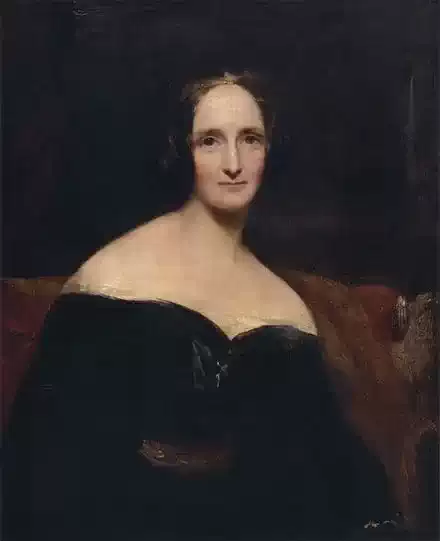
Percy Bysshe Shelley
Queen Mab: Part VI (excerpts)
Queen Mab: Part VI (excerpts)
"Throughout these infinite orbs of mingling light,
Of which yon earth is one, is wide diffus'd
A Spirit of activity and life,
That knows no term, cessation, or decay;
That fades not when the lamp of earthly life,
Extinguish'd in the dampness of the grave,
Awhile there slumbers, more than when the babe
In the dim newness of its being feels
The impulses of sublunary things,
And all is wonder to unpractis'd sense:
But, active, steadfast and eternal, still
Guides the fierce whirlwind, in the tempest roars,
Cheers in the day, breathes in the balmy groves,
Strengthens in health, and poisons in disease;
And in the storm of change, that ceaselessly
Rolls round the eternal universe and shakes
Its undecaying battlement, presides,
Apportioning with irresistible law
The place each spring of its machine shall fill;
So that when waves on waves tumultuous heap
Confusion to the clouds, and fiercely driven
Heaven's lightnings scorch the uprooted ocean-fords,
Whilst, to the eye of shipwreck'd mariner,
Lone sitting on the bare and shuddering rock,
All seems unlink'd contingency and chance,
No atom of this turbulence fulfils
A vague and unnecessitated task,
Or acts but as it must and ought to act.
Even the minutest molecule of light,
That in an April sunbeam's fleeting glow
Fulfils its destin'd, though invisible work,
The universal Spirit guides; nor less,
When merciless ambition, or mad zeal,
Has led two hosts of dupes to battlefield,
That, blind, they there may dig each other's graves,
And call the sad work glory, does it rule
All passions: not a thought, a will, an act,
No working of the tyrant's moody mind,
Nor one misgiving of the slaves who boast
Their servitude to hide the shame they feel,
Nor the events enchaining every will,
That from the depths of unrecorded time
Have drawn all-influencing virtue, pass
Unrecogniz'd or unforeseen by thee,
Soul of the Universe! eternal spring
Of life and death, of happiness and woe,
Of all that chequers the phantasmal scene
That floats before our eyes in wavering light,
Which gleams but on the darkness of our prison,
Whose chains and massy walls
We feel, but cannot see.
"Spirit of Nature! all-sufficing Power,
Necessity! thou mother of the world!
Unlike the God of human error, thou
Requir'st no prayers or praises; the caprice
Of man's weak will belongs no more to thee
Than do the changeful passions of his breast
To thy unvarying harmony: the slave,
Whose horrible lusts spread misery o'er the world,
And the good man, who lifts with virtuous pride
His being in the sight of happiness
That springs from his own works; the poison-tree,
Beneath whose shade all life is wither'd up,
And the fair oak, whose leafy dome affords
A temple where the vows of happy love
Are register'd, are equal in thy sight:
No love, no hate thou cherishest; revenge
And favouritism, and worst desire of fame
Thou know'st not: all that the wide world contains
Are but thy passive instruments, and thou
Regard'st them all with an impartial eye,
Whose joy or pain thy nature cannot feel,
Because thou hast not human sense,
Because thou art not human mind.
"Yes! when the sweeping storm of time
Has sung its death-dirge o'er the ruin'd fanes
And broken altars of the almighty Fiend
Whose name usurps thy honours, and the blood
Through centuries clotted there has floated down
The tainted flood of ages, shalt thou live
Unchangeable! A shrine is rais'd to thee,
Which, nor the tempest-breath of time,
Nor the interminable flood
Over earth's slight pageant rolling,
Availeth to destroy--
The sensitive extension of the world.
That wondrous and eternal fane,
Where pain and pleasure, good and evil join,
To do the will of strong necessity,
And life, in multitudinous shapes,
Still pressing forward where no term can be,
Like hungry and unresting flame
Curls round the eternal columns of its strength."
"Throughout these infinite orbs of mingling light,
Of which yon earth is one, is wide diffus'd
A Spirit of activity and life,
That knows no term, cessation, or decay;
That fades not when the lamp of earthly life,
Extinguish'd in the dampness of the grave,
Awhile there slumbers, more than when the babe
In the dim newness of its being feels
The impulses of sublunary things,
And all is wonder to unpractis'd sense:
But, active, steadfast and eternal, still
Guides the fierce whirlwind, in the tempest roars,
Cheers in the day, breathes in the balmy groves,
Strengthens in health, and poisons in disease;
And in the storm of change, that ceaselessly
Rolls round the eternal universe and shakes
Its undecaying battlement, presides,
Apportioning with irresistible law
The place each spring of its machine shall fill;
So that when waves on waves tumultuous heap
Confusion to the clouds, and fiercely driven
Heaven's lightnings scorch the uprooted ocean-fords,
Whilst, to the eye of shipwreck'd mariner,
Lone sitting on the bare and shuddering rock,
All seems unlink'd contingency and chance,
No atom of this turbulence fulfils
A vague and unnecessitated task,
Or acts but as it must and ought to act.
Even the minutest molecule of light,
That in an April sunbeam's fleeting glow
Fulfils its destin'd, though invisible work,
The universal Spirit guides; nor less,
When merciless ambition, or mad zeal,
Has led two hosts of dupes to battlefield,
That, blind, they there may dig each other's graves,
And call the sad work glory, does it rule
All passions: not a thought, a will, an act,
No working of the tyrant's moody mind,
Nor one misgiving of the slaves who boast
Their servitude to hide the shame they feel,
Nor the events enchaining every will,
That from the depths of unrecorded time
Have drawn all-influencing virtue, pass
Unrecogniz'd or unforeseen by thee,
Soul of the Universe! eternal spring
Of life and death, of happiness and woe,
Of all that chequers the phantasmal scene
That floats before our eyes in wavering light,
Which gleams but on the darkness of our prison,
Whose chains and massy walls
We feel, but cannot see.
"Spirit of Nature! all-sufficing Power,
Necessity! thou mother of the world!
Unlike the God of human error, thou
Requir'st no prayers or praises; the caprice
Of man's weak will belongs no more to thee
Than do the changeful passions of his breast
To thy unvarying harmony: the slave,
Whose horrible lusts spread misery o'er the world,
And the good man, who lifts with virtuous pride
His being in the sight of happiness
That springs from his own works; the poison-tree,
Beneath whose shade all life is wither'd up,
And the fair oak, whose leafy dome affords
A temple where the vows of happy love
Are register'd, are equal in thy sight:
No love, no hate thou cherishest; revenge
And favouritism, and worst desire of fame
Thou know'st not: all that the wide world contains
Are but thy passive instruments, and thou
Regard'st them all with an impartial eye,
Whose joy or pain thy nature cannot feel,
Because thou hast not human sense,
Because thou art not human mind.
"Yes! when the sweeping storm of time
Has sung its death-dirge o'er the ruin'd fanes
And broken altars of the almighty Fiend
Whose name usurps thy honours, and the blood
Through centuries clotted there has floated down
The tainted flood of ages, shalt thou live
Unchangeable! A shrine is rais'd to thee,
Which, nor the tempest-breath of time,
Nor the interminable flood
Over earth's slight pageant rolling,
Availeth to destroy--
The sensitive extension of the world.
That wondrous and eternal fane,
Where pain and pleasure, good and evil join,
To do the will of strong necessity,
And life, in multitudinous shapes,
Still pressing forward where no term can be,
Like hungry and unresting flame
Curls round the eternal columns of its strength."
406
Percy Bysshe Shelley
Hymn to Intellectual Beauty
Hymn to Intellectual Beauty
The awful shadow of some unseen Power
Floats through unseen among us, -- visiting
This various world with as inconstant wing
As summer winds that creep from flower to flower, --
Like moonbeams that behind some piny mountain shower,
It visits with inconstant glance
Each human heart and countenance;
Like hues and harmonies of evening, --
Like clouds in starlight widely spread, --
Like memory of music fled, --
Like aught that for its grace may be
Dear, and yet dearer for its mystery.
Spirit of Beauty, that dost consecrate
With thine own hues all thou dost shine upon
Of human thought or form, -- where art thou gone?
Why dost thou pass away and leave our state,
This dim vast vale of tears, vacant and desolate?
Ask why the sunlight not for ever
Weaves rainbows o'er yon mountain-river,
Why aught should fail and fade that once is shown,
Why fear and dream and death and birth
Cast on the daylight of this earth
Such gloom, -- why man has such a scope
For love and hate, despondency and hope?
No voice from some sublimer world hath ever
To sage or poet these responses given --
Therefore the names of Demon, Ghost, and Heaven,
Remain the records of their vain endeavour,
Frail spells -- whose uttered charm might not avail to sever,
From all we hear and all we see,
Doubt, chance, and mutability.
Thy light alone -- like mist oe'er the mountains driven,
Or music by the night-wind sent
Through strings of some still instrument,
Or moonlight on a midnight stream,
Gives grace and truth to life's unquiet dream.
Love, Hope, and Self-esteem, like clouds depart
And come, for some uncertain moments lent.
Man were immortal, and omnipotent,
Didst thou, unknown and awful as thou art,
Keep with thy glorious train firm state within his heart.
Thou messgenger of sympathies,
That wax and wane in lovers' eyes --
Thou -- that to human thought art nourishment,
Like darkness to a dying flame!
Depart not as thy shadow came,
Depart not -- lest the grave should be,
Like life and fear, a dark reality.
While yet a boy I sought for ghosts, and sped
Through many a listening chamber, cave and ruin,
And starlight wood, with fearful steps pursuing
Hopes of high talk with the departed dead.
I called on poisonous names with which our youth is fed;
I was not heard -- I saw them not --
When musing deeply on the lot
Of life, at that sweet time when winds are wooing
All vital things that wake to bring
News of birds and blossoming, --
Sudden, thy shadow fell on me;
I shrieked, and clasped my hands in ecstasy!
I vowed that I would dedicate my powers
To thee and thine -- have I not kept the vow?
With beating heart and streaming eyes, even now
I call the phantoms of a thousand hours
Each from his voiceless grave: they have in visioned bowers
Of studious zeal or love's delight
Outwatched with me the envious night --
They know that never joy illumed my brow
Unlinked with hope that thou wouldst free
This world from its dark slavery,
That thou - O awful Loveliness,
Wouldst give whate'er these words cannot express.
The day becomes more solemn and serene
When noon is past -- there is a harmony
In autumn, and a lustre in its sky,
Which through the summer is not heard or seen,
As if it could not be, as if it had not been!
Thus let thy power, which like the truth
Of nature on my passive youth
Descended, to my onward life supply
Its calm -- to one who worships thee,
And every form containing thee,
Whom, Spirit fair, thy spells did bind
To fear himself, and love all human kind.
The awful shadow of some unseen Power
Floats through unseen among us, -- visiting
This various world with as inconstant wing
As summer winds that creep from flower to flower, --
Like moonbeams that behind some piny mountain shower,
It visits with inconstant glance
Each human heart and countenance;
Like hues and harmonies of evening, --
Like clouds in starlight widely spread, --
Like memory of music fled, --
Like aught that for its grace may be
Dear, and yet dearer for its mystery.
Spirit of Beauty, that dost consecrate
With thine own hues all thou dost shine upon
Of human thought or form, -- where art thou gone?
Why dost thou pass away and leave our state,
This dim vast vale of tears, vacant and desolate?
Ask why the sunlight not for ever
Weaves rainbows o'er yon mountain-river,
Why aught should fail and fade that once is shown,
Why fear and dream and death and birth
Cast on the daylight of this earth
Such gloom, -- why man has such a scope
For love and hate, despondency and hope?
No voice from some sublimer world hath ever
To sage or poet these responses given --
Therefore the names of Demon, Ghost, and Heaven,
Remain the records of their vain endeavour,
Frail spells -- whose uttered charm might not avail to sever,
From all we hear and all we see,
Doubt, chance, and mutability.
Thy light alone -- like mist oe'er the mountains driven,
Or music by the night-wind sent
Through strings of some still instrument,
Or moonlight on a midnight stream,
Gives grace and truth to life's unquiet dream.
Love, Hope, and Self-esteem, like clouds depart
And come, for some uncertain moments lent.
Man were immortal, and omnipotent,
Didst thou, unknown and awful as thou art,
Keep with thy glorious train firm state within his heart.
Thou messgenger of sympathies,
That wax and wane in lovers' eyes --
Thou -- that to human thought art nourishment,
Like darkness to a dying flame!
Depart not as thy shadow came,
Depart not -- lest the grave should be,
Like life and fear, a dark reality.
While yet a boy I sought for ghosts, and sped
Through many a listening chamber, cave and ruin,
And starlight wood, with fearful steps pursuing
Hopes of high talk with the departed dead.
I called on poisonous names with which our youth is fed;
I was not heard -- I saw them not --
When musing deeply on the lot
Of life, at that sweet time when winds are wooing
All vital things that wake to bring
News of birds and blossoming, --
Sudden, thy shadow fell on me;
I shrieked, and clasped my hands in ecstasy!
I vowed that I would dedicate my powers
To thee and thine -- have I not kept the vow?
With beating heart and streaming eyes, even now
I call the phantoms of a thousand hours
Each from his voiceless grave: they have in visioned bowers
Of studious zeal or love's delight
Outwatched with me the envious night --
They know that never joy illumed my brow
Unlinked with hope that thou wouldst free
This world from its dark slavery,
That thou - O awful Loveliness,
Wouldst give whate'er these words cannot express.
The day becomes more solemn and serene
When noon is past -- there is a harmony
In autumn, and a lustre in its sky,
Which through the summer is not heard or seen,
As if it could not be, as if it had not been!
Thus let thy power, which like the truth
Of nature on my passive youth
Descended, to my onward life supply
Its calm -- to one who worships thee,
And every form containing thee,
Whom, Spirit fair, thy spells did bind
To fear himself, and love all human kind.
1,110

Paul Laurence Dunbar
Theology
Theology
There is a heaven, for ever, day by day,
The upward longing of my soul doth tell me so.
There is a hell, I'm quite as sure; for pray
If there were not, where would my neighbours go?
There is a heaven, for ever, day by day,
The upward longing of my soul doth tell me so.
There is a hell, I'm quite as sure; for pray
If there were not, where would my neighbours go?
884
Paul Laurence Dunbar
Old
Old
I have seen peoples come and go
Alike the Ocean'd ebb and flow;
I have seen kingdoms rise and fall
Like springtime shadows on a wall.
I have seen houses rendered great
That grew from life's debased estate,
And all, all, all is change I see,
So, dearest God, take me, take me.
I have seen peoples come and go
Alike the Ocean'd ebb and flow;
I have seen kingdoms rise and fall
Like springtime shadows on a wall.
I have seen houses rendered great
That grew from life's debased estate,
And all, all, all is change I see,
So, dearest God, take me, take me.
631
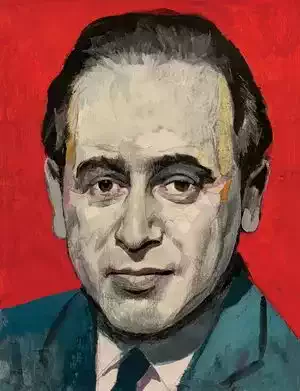
Paul Celan
Psalm
Psalm
No-man kneads us again out of Earth and Loam,
no-man spirits our Dust.
No-man.
Praise to you, No-man.
For love of you
we will flower.
Moving
towards you.
A Nothing
we were, we are, we shall
be still, flowering:
the Nothing-, the
No-man’s-rose.
With
our Pistil soul-bright,
our Stamen heaven-torn,
our Corolla red
with the Violet-Word that we sang
over, O over
the thorn.
No-man kneads us again out of Earth and Loam,
no-man spirits our Dust.
No-man.
Praise to you, No-man.
For love of you
we will flower.
Moving
towards you.
A Nothing
we were, we are, we shall
be still, flowering:
the Nothing-, the
No-man’s-rose.
With
our Pistil soul-bright,
our Stamen heaven-torn,
our Corolla red
with the Violet-Word that we sang
over, O over
the thorn.
507
Paul Celan
In Front of a Candle
In Front of a Candle
I formed the holder of gold,
as you told me to mother,
gold, out of which She comes,
a shade, to me, in the middle
of fracturing hours,
your
being-dead’s daughter.
Slender in shape,
a thin, almond-eyed shadow,
her mouth and her sex
danced round by creatures from sleep,
out of the cave of the gold,
she rises up,
to the summit of Now.
With night-dark-shrouded
lips,
I speak the Prayer:
In the name of the Three
who fight with each other, until
heaven reaches down into the graveyard of feeling,
in the name of the Three, whose rings
gleam on my finger, whenever
I loose the hair of the trees into the abyss,
so that the richer floods rush down through the deeps
in the name of the first of the Three
who shrieked,
when he was called on to live,
where his word went before him,
in the name of the second, who watched it and wept,
in the name of the third, who piles
white stones in the middle –
I say you are free
of the amen that overpowers us,
of the ice-filled light at its rim,
there, where tower-high it enters the sea,
there, where the grey one, the dove
picks at the names
this side and that side of dying:
You still, you still, you still,
a dead woman’s child,
sealed to the No of my yearning,
wedded to a cleft in time
to which the mother-word led me,
so that a single spasm
would pass through the hand
that now, and now, grasps at my heart!
I formed the holder of gold,
as you told me to mother,
gold, out of which She comes,
a shade, to me, in the middle
of fracturing hours,
your
being-dead’s daughter.
Slender in shape,
a thin, almond-eyed shadow,
her mouth and her sex
danced round by creatures from sleep,
out of the cave of the gold,
she rises up,
to the summit of Now.
With night-dark-shrouded
lips,
I speak the Prayer:
In the name of the Three
who fight with each other, until
heaven reaches down into the graveyard of feeling,
in the name of the Three, whose rings
gleam on my finger, whenever
I loose the hair of the trees into the abyss,
so that the richer floods rush down through the deeps
in the name of the first of the Three
who shrieked,
when he was called on to live,
where his word went before him,
in the name of the second, who watched it and wept,
in the name of the third, who piles
white stones in the middle –
I say you are free
of the amen that overpowers us,
of the ice-filled light at its rim,
there, where tower-high it enters the sea,
there, where the grey one, the dove
picks at the names
this side and that side of dying:
You still, you still, you still,
a dead woman’s child,
sealed to the No of my yearning,
wedded to a cleft in time
to which the mother-word led me,
so that a single spasm
would pass through the hand
that now, and now, grasps at my heart!
444
Paul Celan
Alchemical
Alchemical
Silence, like Gold cooked in
charred
Hands.
Vast, grey,
near as all that is Lost
Sisterly-Shape:
All the Names, all the with-
Burnt up
Names. So much
Ash to be blessed. So much
Land gained
above
the light, so light
Soul-
Rings.
Vast. Grey. Clinkerless.
You, then.
You with the pale
bitten-out bud,
You in the Wine-Flood.
(Did it not discharge
us too, this Hour?
Good,
Good, that your Word died away here.)
Silence, like Gold cooked, in
charred, charred
Hands.
Fingers, smoke-thin. Like Crowns, Air-Crowns
around – –
Vast. Grey. Trackless.
Queenlike.
Silence, like Gold cooked in
charred
Hands.
Vast, grey,
near as all that is Lost
Sisterly-Shape:
All the Names, all the with-
Burnt up
Names. So much
Ash to be blessed. So much
Land gained
above
the light, so light
Soul-
Rings.
Vast. Grey. Clinkerless.
You, then.
You with the pale
bitten-out bud,
You in the Wine-Flood.
(Did it not discharge
us too, this Hour?
Good,
Good, that your Word died away here.)
Silence, like Gold cooked, in
charred, charred
Hands.
Fingers, smoke-thin. Like Crowns, Air-Crowns
around – –
Vast. Grey. Trackless.
Queenlike.
454
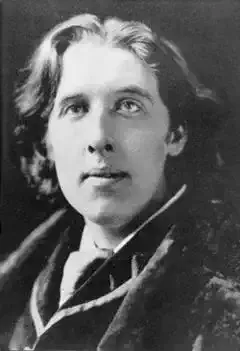
Oscar Wilde
Urbs Sacra Æterna
Urbs Sacra Æterna
ROME! what a scroll of History thine has been
In the first days thy sword republican
Ruled the whole world for many an age's span:
Then of thy peoples thou wert crownèd Queen,
Till in thy streets the bearded Goth was seen;
And now upon thy walls the breezes fan
(Ah, city crowned by God, discrowned by man!)
The hated flag of red and white and green.
When was thy glory! when in search for power
Thine eagles flew to greet the double sun,
And all the nations trembled at thy rod?
Nay, but thy glory tarried for this hour,
When pilgrims kneel before the Holy One,
The prisoned shepherd of the Church of God.
ROME! what a scroll of History thine has been
In the first days thy sword republican
Ruled the whole world for many an age's span:
Then of thy peoples thou wert crownèd Queen,
Till in thy streets the bearded Goth was seen;
And now upon thy walls the breezes fan
(Ah, city crowned by God, discrowned by man!)
The hated flag of red and white and green.
When was thy glory! when in search for power
Thine eagles flew to greet the double sun,
And all the nations trembled at thy rod?
Nay, but thy glory tarried for this hour,
When pilgrims kneel before the Holy One,
The prisoned shepherd of the Church of God.
249
Oscar Wilde
The True Knowledge
The True Knowledge
Thou knowest all; I seek in vain
What lands to till or sow with seed -
The land is black with briar and weed,
Nor cares for falling tears or rain.
Thou knowest all; I sit and wait
With blinded eyes and hands that fail,
Till the last lifting of the veil
And the first opening of the gate.
Thou knowest all; I cannot see.
I trust I shall not live in vain,
I know that we shall meet again
In some divine eternity.
Thou knowest all; I seek in vain
What lands to till or sow with seed -
The land is black with briar and weed,
Nor cares for falling tears or rain.
Thou knowest all; I sit and wait
With blinded eyes and hands that fail,
Till the last lifting of the veil
And the first opening of the gate.
Thou knowest all; I cannot see.
I trust I shall not live in vain,
I know that we shall meet again
In some divine eternity.
228
Oscar Wilde
The Burden Of Itys
The Burden Of Itys
THIS English Thames is holier far than Rome,
Those harebells like a sudden flush of sea
Breaking across the woodland, with the foam
Of meadow-sweet and white anemone
To fleck their blue waves,--God is likelier there,
Than hidden in that crystal-hearted star the pale monks bear!
Those violet-gleaming butterflies that take
Yon creamy lily for their pavilion
Are monsignores, and where the rushes shake
A lazy pike lies basking in the sun
His eyes half-shut,--He is some mitred old
Bishop in partibus! look at those gaudy scales all green and gold.
The wind the restless prisoner of the trees
Does well for Palæstrina, one would say
The mighty master's hands were on the keys
Of the Maria organ, which they play
When early on some sapphire Easter morn
In a high litter red as blood or sin the Pope is borne
From his dark House out to the Balcony
Above the bronze gates and the crowded square,
Whose very fountains seem for ecstasy
To toss their silver lances in the air,
And stretching out weak hands to East and West
In vain sends peace to peaceless lands, to restless nations rest.
Is not yon lingering orange afterglow
That stays to vex the moon more fair than all
Rome's lordliest pageants! strange, a year ago
I knelt before some crimson Cardinal
Who bare the Host across the Esquiline,
And now--those common poppies in the wheat seem twice as fine.
The blue-green beanfields yonder, tremulous
With the last shower, sweeter perfume bring
Through this cool evening than the odorous
Flame-jewelled censers the young deacons swing,
When the grey priest unlocks the curtained shrine,
And makes God's body from the common fruit of corn and vine.
Poor Fra Giovanni bawling at the mass
Were out of tune now, for a small brown bird
Sings overhead, and through the long cool grass
I see that throbbing throat which once I heard
On starlit hills of flower-starred Arcady,
Once where the white and crescent sand of Salamis meets sea.
Sweet is the swallow twittering on the eaves
At daybreak, when the mower whets his scythe,
And stock-doves murmur, and the milkmaid leaves
Her little lonely bed, and carols blithe
To see the heavy-lowing cattle wait
Stretching their huge and dripping mouths across the farmyard gate.
And sweet the hops upon the Kentish leas,
And sweet the wind that lifts the new-mown hay,
And sweet the fretful swarms of grumbling bees
That round and round the linden blossoms play;
And sweet the heifer breathing in the stall,
And the green bursting figs that hang upon the red-brick wall.
And sweet to hear the cuckoo mock the spring
While the last violet loiters by the well,
And sweet to hear the shepherd Daphnis sing
The song of Linus through a sunny dell
Of warm Arcadia where the corn is gold
And the slight lithe-limbed reapers dance about the wattled fold.
And sweet with young Lycoris to recline
In some Illyrian valley far away,
Where canopied on herbs amaracine
We too might waste the summer-trancèd day
Matching our reeds in sportive rivalry,
While far beneath us frets the troubled purple of the sea.
But sweeter far if silver-sandalled foot
Of some long-hidden God should ever tread
The Nuneham meadows, if with reeded flute
Pressed to his lips some Faun might raise his head
By the green water-flags, ah! sweet indeed
To see the heavenly herdsman call his white-fleeced flock to feed.
Then sing to me thou tuneful chorister,
Though what thou sing'st be thine own requiem!
Tell me thy tale thou hapless chronicler
Of thine own tragedies! do not contemn
These unfamiliar haunts, this English field,
For many a lovely coronal our northern isle can yield,
Which Grecian meadows know not, many a rose,
Which all day long in vales Æolian
A lad might seek in vain for, overgrows
Our hedges like a wanton courtezan
Unthrifty of her beauty, lilies too
Ilissus never mirrored star our streams, and cockles blue
Dot the green wheat which, though they are the signs
For swallows going south, would never spread
Their azure tents between the Attic vines;
Even that little weed of ragged red,
Which bids the robin pipe, in Arcady
Would be a trespasser, and many an unsung elegy
Sleeps in the reeds that fringe our winding Thames
Which to awake were sweeter ravishment
Than ever Syrinx wept for, diadems
Of brown bee-studded orchids which were meant
For Cytheræa's brows are hidden here
Unknown to Cytheræa, and by yonder pasturing steer
There is a tiny yellow daffodil,
The butterfly can see it from afar,
Although one summer evening's dew could fill
Its little cup twice over ere the star
Had called the lazy shepherd to his fold
And be no prodigal, each leaf is flecked with spotted gold
As if Jove's gorgeous leman Danaé
Hot from his gilded arms had stooped to kiss
The trembling petals, or young Mercury
Low-flying to the dusky ford of Dis
Had with one feather of his pinions
Just brushed them!--the slight stem which bears the burden of its
suns
Is hardly thicker than the gossamer,
Or poor Arachne's silver tapestry,--
Men say it bloomed upon the sepulchre
Of One I sometime worshipped, but to me
It seems to bring diviner memories
Of faun-loved Heliconian glades and blue nymph-haunted seas,
Of an untrodden vale at Tempe where
On the clear river's marge Narcissus lies,
The tangle of the forest in his hair,
The silence of the woodland in his eyes,
Wooing that drifting imagery which is
No sooner kissed than broken, memories of Salmacis
Who is not boy or girl and yet is both,
Fed by two fires and unsatisfied
Through their excess, each passion being loth
For love's own sake to leave the other's side
Yet killing love by staying, memories
Of Oreads peeping through the leaves of silent moon-lit trees,
Of lonely Ariadne on the wharf
At Naxos, when she saw the treacherous crew
Far out at sea, and waved her crimson scarf
And called false Theseus back again nor knew
That Dionysos on an amber pard
Was close behind her, memories of what Maeonia's bard
With sightless eyes beheld, the wall of Troy,
Queen Helen lying in the carven room,
And at her side an amorous red-lipped boy
Trimming with dainty hand his helmet's plume,
And far away the moil, the shout, the groan,
As Hector shielded off the spear and Ajax hurled the stone;
Of wingèd Perseus with his flawless sword
Cleaving the snaky tresses of the witch,
And all those tales imperishably stored
In little Grecian urns, freightage more rich
Than any gaudy galleon of Spain
Bare from the Indies ever! these at least bring back again,
For well I know they are not dead at all,
The ancient Gods of Grecian poesy,
They are asleep, and when they hear thee call
Will wake and think 't is very Thessaly,
This Thames the Daulian waters, this cool glade
The yellow-irised mead where once young Itys laughed and played.
If it was thou dear jasmine-cradled bird
Who from the leafy stillness of thy throne
Sang to the wondrous boy, until he heard
The horn of Atalanta faintly blown
Across the Cumner hills, and wandering
Through Bagley wood at evening found the Attic poets' spring,--
Ah! tiny sober-suited advocate
That pleadest for the moon against the day!
If thou didst make the shepherd seek his mate
On that sweet questing, when Proserpina
Forgot it was not Sicily and leant
Across the mossy Sandford stile in ravished wonderment,--
Light-winged and bright-eyed miracle of the wood!
If ever thou didst soothe with melody
One of that little clan, that brotherhood
Which loved the morning-star of Tuscany
More than the perfect sun of Raphael
And is immortal, sing to me! for I too love thee well,
Sing on! sing on! let the dull world grow young,
Let elemental things take form again,
And the old shapes of Beauty walk among
The simple garths and open crofts, as when
The son of Leto bare the willow rod,
And the soft sheep and shaggy goats followed the boyish God.
Sing on! sing on! and Bacchus will be here
Astride upon his gorgeous Indian throne,
And over whimpering tigers shake the spear
With yellow ivy crowned and gummy cone,
While at his side the wanton Bassarid
Will throw the lion by the mane and catch the mountain kid!
Sing on! and I will wear the leopard skin,
And steal the moonéd wings of Ashtaroth,
Upon whose icy chariot we could win
Cithæron in an hour e'er the froth
Has overbrimmed the wine-vat or the Faun
Ceased from the treading! ay, before the flickering lamp of dawn
Has scared the hooting owlet to its nest,
And warned the bat to close its filmy vans,
Some Mænad girl with vine-leaves on her breast
Will filch their beechnuts from the sleeping Pans
So softly that the little nested thrush
Will never wake, and then with shrilly laugh and leap will rush
Down the green valley where the fallen dew
Lies thick beneath the elm and count her store,
Till the brown Satyrs in a jolly crew
Trample the loosestrife down along the shore,
And where their hornèd master sits in state
Bring strawberries and bloomy plums upon a wicker crate!
Sing on! and soon with passion-wearied face
Through the cool leaves Apollo's lad will come,
The Tyrian prince his bristled boar will chase
Adown the chestnut-copses all a-bloom,
And ivory-limbed, grey-eyed, with look of pride,
After yon velvet-coated deer the virgin maid will ride.
Sing on! and I the dying boy will see
Stain with his purple blood the waxen bell
That overweighs the jacinth, and to me
The wretched Cyprian her woe will tell,
And I will kiss her mouth and streaming eyes,
And lead her to the myrtle-hidden grove where Adon lies!
Cry out aloud on Itys! memory
That foster-brother of remorse and pain
Drops poison in mine ear,--O to be free,
To burn one's old ships! and to launch again
Into the white-plumed battle of the waves
And fight old Proteus for the spoil of coral-flowered caves!
O for Medea with her poppied spell!
O for the secret of the Colchian shrine!
O for one leaf of that pale asphodel
Which binds the tired brows of Proserpine,
And sheds such wondrous dews at eve that she
Dreams of the fields of Enna, by the far Sicilian sea,
Where oft the golden-girdled bee she chased
From lily to lily on the level mead,
Ere yet her sombre Lord had bid her taste
The deadly fruit of that pomegranate seed,
Ere the black steeds had harried her away
Down to the faint and flowerless land, the sick and sunless day.
O for one midnight and as paramour
The Venus of the little Melian farm!
O that some antique statue for one hour
Might wake to passion, and that I could charm
The Dawn at Florence from its dumb despair
Mix with those mighty limbs and make that giant breast my lair!
Sing on! sing on! I would be drunk with life,
Drunk with the trampled vintage of my youth,
I would forget the wearying wasted strife,
The riven vale, the Gorgon eyes of Truth,
The prayerless vigil and the cry for prayer,
The barren gifts, the lifted arms, the dull insensate air!
Sing on! sing on! O feathered Niobe,
Thou canst make sorrow beautiful, and steal
From joy its sweetest music, not as we
Who by dead voiceless silence strive to heal
Our too untented wounds, and do but keep
Pain barricadoed in our hearts, and murder pillowed sleep.
Sing louder yet, why must I still behold
The wan white face of that deserted Christ,
Whose bleeding hands my hands did once enfold,
Whose smitten lips my lips so oft have kissed,
And now in mute and marble misery
Sits in his lone dishonoured House and weeps, perchance for me.
O memory cast down thy wreathèd shell!
Break thy hoarse lute O sad Melpomene!
O sorrow sorrow keep thy cloistered cell
Nor dim with tears this limpid Castaly!
Cease, cease, sad bird, thou dost the forest wrong
To vex its sylvan quiet with such wild impassioned song!
Cease, cease, or if 'tis anguish to be dumb
Take from the pastoral thrush her simpler air,
Whose jocund carelessness doth more become
This English woodland than thy keen despair,
Ah! cease and let the northwind bear thy lay
Back to the rocky hills of Thrace, the stormy Daulian bay.
A moment more, the startled leaves had stirred,
Endymion would have passed across the mead
Moonstruck with love, and this still Thames had heard
Pan plash and paddle groping for some reed
To lure from her blue cave that Naiad maid
Who for such piping listens half in joy and half afraid.
A moment more, the waking dove had cooed,
The silver daughter of the silver sea
With the fond gyves of clinging hands had wooed
Her wanton from the chase, and Dryope
Had thrust aside the branches of her oak
To see the lusty gold-haired lad rein in his snorting yoke.
A moment more, the trees had stooped to kiss
Pale Daphne just awakening from the swoon
Of tremulous laurels, lonely Salmacis
Had bared his barren beauty to the moon,
And through the vale with sad voluptuous smile
Antinous had wandered, the red lotus of the Nile
Down leaning from his black and clustering hair
To shade those slumberous eyelids' caverned bliss,
Or else on yonder grassy slope with bare
High-tuniced limbs unravished Artemis
Had bade her hounds give tongue, and roused the deer
From his green ambuscade with shrill halloo and pricking spear.
Lie still, lie still, O passionate heart, lie still!
O Melancholy, fold thy raven wing!
O sobbing Dryad, from thy hollow hill
Come not with such desponded answering!
No more thou wingèd Marsyas complain,
Apollo loveth not to hear such troubled songs of pain!
It was a dream, the glade is tenantless,
No soft Ionian laughter moves the air,
The Thames creeps on in sluggish leadenness,
And from the copse left desolate and bare
Fled is young Bacchus with his revelry,
Yet still from Nuneham wood there comes that thrilling melody
So sad, that one might think a human heart
Brake in each separate note, a quality
Which music sometimes has, being the Art
Which is most nigh to tears and memory,
Poor mourning Philomel, what dost thou fear?
Thy sister doth not haunt these fields, Pandion is not here,
Here is no cruel Lord with murderous blade,
No woven web of bloody heraldries,
But mossy dells for roving comrades made,
Warm valleys where the tired student lies
With half-shut book, and many a winding walk
Where rustic lovers stray at eve in happy simple talk.
The harmless rabbit gambols with its young
Across the trampled towing-path, where late
A troop of laughing boys in jostling throng
Cheered with their noisy cries the racing eight;
The gossamer, with ravelled silver threads,
Works at its little loom, and from the dusky red-eaved sheds
Of the lone Farm a flickering light shines out
Where the swinked shepherd drives his bleating flock
Back to their wattled sheep-cotes, a faint shout
Comes from some Oxford boat at Sandford lock,
And starts the moor-hen from the sedgy rill,
And the dim lengthening shadows flit like swallows up the hill.
The heron passes homeward to the mere,
The blue mist creeps among the shivering trees,
Gold world by world the silent stars appear,
And like a blossom blown before the breeze,
A white moon drifts across the shimmering sky,
Mute arbitress of all thy sad, thy rapturous threnody.
She does not heed thee, wherefore should she heed,
She knows Endymion is not far away,
'Tis I, 'tis I, whose soul is as the reed
Which has no message of its own to play,
So pipes another's bidding, it is I,
Drifting with every wind on the wide sea of misery.
Ah! the brown bird has ceased: one exquisite trill
About the sombre woodland seems to cling,
Dying in music, else the air is still,
So still that one might hear the bat's small wing
Wander and wheel above the pines, or tell
Each tiny dewdrop dripping from the blue-bell's brimming cell.
And far away across the lengthening wold,
Across the willowy flats and thickets brown,
Magdalen's tall tower tipped with tremulous gold
Marks the long High Street of the little town,
And warns me to return; I must not wait,
Hark! 'tis the curfew booming from the bell at Christ Church gate.
THIS English Thames is holier far than Rome,
Those harebells like a sudden flush of sea
Breaking across the woodland, with the foam
Of meadow-sweet and white anemone
To fleck their blue waves,--God is likelier there,
Than hidden in that crystal-hearted star the pale monks bear!
Those violet-gleaming butterflies that take
Yon creamy lily for their pavilion
Are monsignores, and where the rushes shake
A lazy pike lies basking in the sun
His eyes half-shut,--He is some mitred old
Bishop in partibus! look at those gaudy scales all green and gold.
The wind the restless prisoner of the trees
Does well for Palæstrina, one would say
The mighty master's hands were on the keys
Of the Maria organ, which they play
When early on some sapphire Easter morn
In a high litter red as blood or sin the Pope is borne
From his dark House out to the Balcony
Above the bronze gates and the crowded square,
Whose very fountains seem for ecstasy
To toss their silver lances in the air,
And stretching out weak hands to East and West
In vain sends peace to peaceless lands, to restless nations rest.
Is not yon lingering orange afterglow
That stays to vex the moon more fair than all
Rome's lordliest pageants! strange, a year ago
I knelt before some crimson Cardinal
Who bare the Host across the Esquiline,
And now--those common poppies in the wheat seem twice as fine.
The blue-green beanfields yonder, tremulous
With the last shower, sweeter perfume bring
Through this cool evening than the odorous
Flame-jewelled censers the young deacons swing,
When the grey priest unlocks the curtained shrine,
And makes God's body from the common fruit of corn and vine.
Poor Fra Giovanni bawling at the mass
Were out of tune now, for a small brown bird
Sings overhead, and through the long cool grass
I see that throbbing throat which once I heard
On starlit hills of flower-starred Arcady,
Once where the white and crescent sand of Salamis meets sea.
Sweet is the swallow twittering on the eaves
At daybreak, when the mower whets his scythe,
And stock-doves murmur, and the milkmaid leaves
Her little lonely bed, and carols blithe
To see the heavy-lowing cattle wait
Stretching their huge and dripping mouths across the farmyard gate.
And sweet the hops upon the Kentish leas,
And sweet the wind that lifts the new-mown hay,
And sweet the fretful swarms of grumbling bees
That round and round the linden blossoms play;
And sweet the heifer breathing in the stall,
And the green bursting figs that hang upon the red-brick wall.
And sweet to hear the cuckoo mock the spring
While the last violet loiters by the well,
And sweet to hear the shepherd Daphnis sing
The song of Linus through a sunny dell
Of warm Arcadia where the corn is gold
And the slight lithe-limbed reapers dance about the wattled fold.
And sweet with young Lycoris to recline
In some Illyrian valley far away,
Where canopied on herbs amaracine
We too might waste the summer-trancèd day
Matching our reeds in sportive rivalry,
While far beneath us frets the troubled purple of the sea.
But sweeter far if silver-sandalled foot
Of some long-hidden God should ever tread
The Nuneham meadows, if with reeded flute
Pressed to his lips some Faun might raise his head
By the green water-flags, ah! sweet indeed
To see the heavenly herdsman call his white-fleeced flock to feed.
Then sing to me thou tuneful chorister,
Though what thou sing'st be thine own requiem!
Tell me thy tale thou hapless chronicler
Of thine own tragedies! do not contemn
These unfamiliar haunts, this English field,
For many a lovely coronal our northern isle can yield,
Which Grecian meadows know not, many a rose,
Which all day long in vales Æolian
A lad might seek in vain for, overgrows
Our hedges like a wanton courtezan
Unthrifty of her beauty, lilies too
Ilissus never mirrored star our streams, and cockles blue
Dot the green wheat which, though they are the signs
For swallows going south, would never spread
Their azure tents between the Attic vines;
Even that little weed of ragged red,
Which bids the robin pipe, in Arcady
Would be a trespasser, and many an unsung elegy
Sleeps in the reeds that fringe our winding Thames
Which to awake were sweeter ravishment
Than ever Syrinx wept for, diadems
Of brown bee-studded orchids which were meant
For Cytheræa's brows are hidden here
Unknown to Cytheræa, and by yonder pasturing steer
There is a tiny yellow daffodil,
The butterfly can see it from afar,
Although one summer evening's dew could fill
Its little cup twice over ere the star
Had called the lazy shepherd to his fold
And be no prodigal, each leaf is flecked with spotted gold
As if Jove's gorgeous leman Danaé
Hot from his gilded arms had stooped to kiss
The trembling petals, or young Mercury
Low-flying to the dusky ford of Dis
Had with one feather of his pinions
Just brushed them!--the slight stem which bears the burden of its
suns
Is hardly thicker than the gossamer,
Or poor Arachne's silver tapestry,--
Men say it bloomed upon the sepulchre
Of One I sometime worshipped, but to me
It seems to bring diviner memories
Of faun-loved Heliconian glades and blue nymph-haunted seas,
Of an untrodden vale at Tempe where
On the clear river's marge Narcissus lies,
The tangle of the forest in his hair,
The silence of the woodland in his eyes,
Wooing that drifting imagery which is
No sooner kissed than broken, memories of Salmacis
Who is not boy or girl and yet is both,
Fed by two fires and unsatisfied
Through their excess, each passion being loth
For love's own sake to leave the other's side
Yet killing love by staying, memories
Of Oreads peeping through the leaves of silent moon-lit trees,
Of lonely Ariadne on the wharf
At Naxos, when she saw the treacherous crew
Far out at sea, and waved her crimson scarf
And called false Theseus back again nor knew
That Dionysos on an amber pard
Was close behind her, memories of what Maeonia's bard
With sightless eyes beheld, the wall of Troy,
Queen Helen lying in the carven room,
And at her side an amorous red-lipped boy
Trimming with dainty hand his helmet's plume,
And far away the moil, the shout, the groan,
As Hector shielded off the spear and Ajax hurled the stone;
Of wingèd Perseus with his flawless sword
Cleaving the snaky tresses of the witch,
And all those tales imperishably stored
In little Grecian urns, freightage more rich
Than any gaudy galleon of Spain
Bare from the Indies ever! these at least bring back again,
For well I know they are not dead at all,
The ancient Gods of Grecian poesy,
They are asleep, and when they hear thee call
Will wake and think 't is very Thessaly,
This Thames the Daulian waters, this cool glade
The yellow-irised mead where once young Itys laughed and played.
If it was thou dear jasmine-cradled bird
Who from the leafy stillness of thy throne
Sang to the wondrous boy, until he heard
The horn of Atalanta faintly blown
Across the Cumner hills, and wandering
Through Bagley wood at evening found the Attic poets' spring,--
Ah! tiny sober-suited advocate
That pleadest for the moon against the day!
If thou didst make the shepherd seek his mate
On that sweet questing, when Proserpina
Forgot it was not Sicily and leant
Across the mossy Sandford stile in ravished wonderment,--
Light-winged and bright-eyed miracle of the wood!
If ever thou didst soothe with melody
One of that little clan, that brotherhood
Which loved the morning-star of Tuscany
More than the perfect sun of Raphael
And is immortal, sing to me! for I too love thee well,
Sing on! sing on! let the dull world grow young,
Let elemental things take form again,
And the old shapes of Beauty walk among
The simple garths and open crofts, as when
The son of Leto bare the willow rod,
And the soft sheep and shaggy goats followed the boyish God.
Sing on! sing on! and Bacchus will be here
Astride upon his gorgeous Indian throne,
And over whimpering tigers shake the spear
With yellow ivy crowned and gummy cone,
While at his side the wanton Bassarid
Will throw the lion by the mane and catch the mountain kid!
Sing on! and I will wear the leopard skin,
And steal the moonéd wings of Ashtaroth,
Upon whose icy chariot we could win
Cithæron in an hour e'er the froth
Has overbrimmed the wine-vat or the Faun
Ceased from the treading! ay, before the flickering lamp of dawn
Has scared the hooting owlet to its nest,
And warned the bat to close its filmy vans,
Some Mænad girl with vine-leaves on her breast
Will filch their beechnuts from the sleeping Pans
So softly that the little nested thrush
Will never wake, and then with shrilly laugh and leap will rush
Down the green valley where the fallen dew
Lies thick beneath the elm and count her store,
Till the brown Satyrs in a jolly crew
Trample the loosestrife down along the shore,
And where their hornèd master sits in state
Bring strawberries and bloomy plums upon a wicker crate!
Sing on! and soon with passion-wearied face
Through the cool leaves Apollo's lad will come,
The Tyrian prince his bristled boar will chase
Adown the chestnut-copses all a-bloom,
And ivory-limbed, grey-eyed, with look of pride,
After yon velvet-coated deer the virgin maid will ride.
Sing on! and I the dying boy will see
Stain with his purple blood the waxen bell
That overweighs the jacinth, and to me
The wretched Cyprian her woe will tell,
And I will kiss her mouth and streaming eyes,
And lead her to the myrtle-hidden grove where Adon lies!
Cry out aloud on Itys! memory
That foster-brother of remorse and pain
Drops poison in mine ear,--O to be free,
To burn one's old ships! and to launch again
Into the white-plumed battle of the waves
And fight old Proteus for the spoil of coral-flowered caves!
O for Medea with her poppied spell!
O for the secret of the Colchian shrine!
O for one leaf of that pale asphodel
Which binds the tired brows of Proserpine,
And sheds such wondrous dews at eve that she
Dreams of the fields of Enna, by the far Sicilian sea,
Where oft the golden-girdled bee she chased
From lily to lily on the level mead,
Ere yet her sombre Lord had bid her taste
The deadly fruit of that pomegranate seed,
Ere the black steeds had harried her away
Down to the faint and flowerless land, the sick and sunless day.
O for one midnight and as paramour
The Venus of the little Melian farm!
O that some antique statue for one hour
Might wake to passion, and that I could charm
The Dawn at Florence from its dumb despair
Mix with those mighty limbs and make that giant breast my lair!
Sing on! sing on! I would be drunk with life,
Drunk with the trampled vintage of my youth,
I would forget the wearying wasted strife,
The riven vale, the Gorgon eyes of Truth,
The prayerless vigil and the cry for prayer,
The barren gifts, the lifted arms, the dull insensate air!
Sing on! sing on! O feathered Niobe,
Thou canst make sorrow beautiful, and steal
From joy its sweetest music, not as we
Who by dead voiceless silence strive to heal
Our too untented wounds, and do but keep
Pain barricadoed in our hearts, and murder pillowed sleep.
Sing louder yet, why must I still behold
The wan white face of that deserted Christ,
Whose bleeding hands my hands did once enfold,
Whose smitten lips my lips so oft have kissed,
And now in mute and marble misery
Sits in his lone dishonoured House and weeps, perchance for me.
O memory cast down thy wreathèd shell!
Break thy hoarse lute O sad Melpomene!
O sorrow sorrow keep thy cloistered cell
Nor dim with tears this limpid Castaly!
Cease, cease, sad bird, thou dost the forest wrong
To vex its sylvan quiet with such wild impassioned song!
Cease, cease, or if 'tis anguish to be dumb
Take from the pastoral thrush her simpler air,
Whose jocund carelessness doth more become
This English woodland than thy keen despair,
Ah! cease and let the northwind bear thy lay
Back to the rocky hills of Thrace, the stormy Daulian bay.
A moment more, the startled leaves had stirred,
Endymion would have passed across the mead
Moonstruck with love, and this still Thames had heard
Pan plash and paddle groping for some reed
To lure from her blue cave that Naiad maid
Who for such piping listens half in joy and half afraid.
A moment more, the waking dove had cooed,
The silver daughter of the silver sea
With the fond gyves of clinging hands had wooed
Her wanton from the chase, and Dryope
Had thrust aside the branches of her oak
To see the lusty gold-haired lad rein in his snorting yoke.
A moment more, the trees had stooped to kiss
Pale Daphne just awakening from the swoon
Of tremulous laurels, lonely Salmacis
Had bared his barren beauty to the moon,
And through the vale with sad voluptuous smile
Antinous had wandered, the red lotus of the Nile
Down leaning from his black and clustering hair
To shade those slumberous eyelids' caverned bliss,
Or else on yonder grassy slope with bare
High-tuniced limbs unravished Artemis
Had bade her hounds give tongue, and roused the deer
From his green ambuscade with shrill halloo and pricking spear.
Lie still, lie still, O passionate heart, lie still!
O Melancholy, fold thy raven wing!
O sobbing Dryad, from thy hollow hill
Come not with such desponded answering!
No more thou wingèd Marsyas complain,
Apollo loveth not to hear such troubled songs of pain!
It was a dream, the glade is tenantless,
No soft Ionian laughter moves the air,
The Thames creeps on in sluggish leadenness,
And from the copse left desolate and bare
Fled is young Bacchus with his revelry,
Yet still from Nuneham wood there comes that thrilling melody
So sad, that one might think a human heart
Brake in each separate note, a quality
Which music sometimes has, being the Art
Which is most nigh to tears and memory,
Poor mourning Philomel, what dost thou fear?
Thy sister doth not haunt these fields, Pandion is not here,
Here is no cruel Lord with murderous blade,
No woven web of bloody heraldries,
But mossy dells for roving comrades made,
Warm valleys where the tired student lies
With half-shut book, and many a winding walk
Where rustic lovers stray at eve in happy simple talk.
The harmless rabbit gambols with its young
Across the trampled towing-path, where late
A troop of laughing boys in jostling throng
Cheered with their noisy cries the racing eight;
The gossamer, with ravelled silver threads,
Works at its little loom, and from the dusky red-eaved sheds
Of the lone Farm a flickering light shines out
Where the swinked shepherd drives his bleating flock
Back to their wattled sheep-cotes, a faint shout
Comes from some Oxford boat at Sandford lock,
And starts the moor-hen from the sedgy rill,
And the dim lengthening shadows flit like swallows up the hill.
The heron passes homeward to the mere,
The blue mist creeps among the shivering trees,
Gold world by world the silent stars appear,
And like a blossom blown before the breeze,
A white moon drifts across the shimmering sky,
Mute arbitress of all thy sad, thy rapturous threnody.
She does not heed thee, wherefore should she heed,
She knows Endymion is not far away,
'Tis I, 'tis I, whose soul is as the reed
Which has no message of its own to play,
So pipes another's bidding, it is I,
Drifting with every wind on the wide sea of misery.
Ah! the brown bird has ceased: one exquisite trill
About the sombre woodland seems to cling,
Dying in music, else the air is still,
So still that one might hear the bat's small wing
Wander and wheel above the pines, or tell
Each tiny dewdrop dripping from the blue-bell's brimming cell.
And far away across the lengthening wold,
Across the willowy flats and thickets brown,
Magdalen's tall tower tipped with tremulous gold
Marks the long High Street of the little town,
And warns me to return; I must not wait,
Hark! 'tis the curfew booming from the bell at Christ Church gate.
241
Oscar Wilde
Sonnet On Hearing The Dies Ira Sung In The Sistine Chapel
Sonnet On Hearing The Dies Ira Sung In The Sistine Chapel
NAY, Lord, not thus! white lilies in the spring,
Sad olive-groves, or silver-breasted dove,
Teach me more clearly of Thy life and love
Than terrors of red flame and thundering.
The empurpled vines dear memories of Thee bring:
A bird at evening flying to its nest,
Tells me of One who had no place of rest:
I think it is of Thee the sparrows sing.
Come rather on some autumn afternoon,
When red and brown are burnished on the leaves,
And the fields echo to the gleaner's song,
Come when the splendid fulness of the moon
Looks down upon the rows of golden sheaves,
And reap Thy harvest: we have waited long.
NAY, Lord, not thus! white lilies in the spring,
Sad olive-groves, or silver-breasted dove,
Teach me more clearly of Thy life and love
Than terrors of red flame and thundering.
The empurpled vines dear memories of Thee bring:
A bird at evening flying to its nest,
Tells me of One who had no place of rest:
I think it is of Thee the sparrows sing.
Come rather on some autumn afternoon,
When red and brown are burnished on the leaves,
And the fields echo to the gleaner's song,
Come when the splendid fulness of the moon
Looks down upon the rows of golden sheaves,
And reap Thy harvest: we have waited long.
226
Oscar Wilde
Sonnet
Sonnet
CHRIST, dost thou live indeed? or are thy bones
Still straightened in their rock-hewn sepulchre?
And was thy Rising only dreamed by Her
Whose love of thee for all her sin atones?
For here the air is horrid with men's groans,
The priests who call upon thy name are slain,
Dost thou not hear the bitter wail of pain
From those whose children lie upon the stones?
Come down, O Son of God! incestuous gloom
Curtains the land, and through the starless night
Over thy Cross the Crescent moon I see!
If thou in very truth didst burst the tomb
Come down, O Son of Man! and show thy might,
Lest Mahomet be crowned instead of Thee!
CHRIST, dost thou live indeed? or are thy bones
Still straightened in their rock-hewn sepulchre?
And was thy Rising only dreamed by Her
Whose love of thee for all her sin atones?
For here the air is horrid with men's groans,
The priests who call upon thy name are slain,
Dost thou not hear the bitter wail of pain
From those whose children lie upon the stones?
Come down, O Son of God! incestuous gloom
Curtains the land, and through the starless night
Over thy Cross the Crescent moon I see!
If thou in very truth didst burst the tomb
Come down, O Son of Man! and show thy might,
Lest Mahomet be crowned instead of Thee!
213
Oscar Wilde
San Miniato
San Miniato
SEE, I have climbed the mountain side
Up to this holy house of God,
Where once that Angel-Painter trod
Who saw the heavens opened wide,
And throned upon the crescent moon
The Virginal white Queen of Grace,--
Mary! could I but see thy face
Death could not come at all too soon.
O crowned by God with thorns and pain!
Mother of Christ! O mystic wife!
My heart is weary of this life
And over-sad to sing again.
O crowned by God with love and flame!
O crowned by Christ the Holy One!
O listen ere the searching sun
Show to the world my sin and shame.
SEE, I have climbed the mountain side
Up to this holy house of God,
Where once that Angel-Painter trod
Who saw the heavens opened wide,
And throned upon the crescent moon
The Virginal white Queen of Grace,--
Mary! could I but see thy face
Death could not come at all too soon.
O crowned by God with thorns and pain!
Mother of Christ! O mystic wife!
My heart is weary of this life
And over-sad to sing again.
O crowned by God with love and flame!
O crowned by Christ the Holy One!
O listen ere the searching sun
Show to the world my sin and shame.
188
Oscar Wilde
On Easter Day
On Easter Day
The silver trumpets rang across the Dome:
The people knelt upon the ground with awe:
And borne upon the necks of men I saw,
Like some great God, the Holy Lord of Rome.
Priest-like, he wore a robe more white than foam,
And, king-like, swathed himself in royal red,
Three crowns of gold rose high upon his head:
In splendor and in light the Pope passed home.
My heart stole back across wide wastes of years
To One who wandered by a lonely sea,
And sought in vain for any place of rest:
"Foxes have holes, and every bird its nest,
I, only I, must wander wearily,
And bruise My feet, and drink wine salt with tears."
The silver trumpets rang across the Dome:
The people knelt upon the ground with awe:
And borne upon the necks of men I saw,
Like some great God, the Holy Lord of Rome.
Priest-like, he wore a robe more white than foam,
And, king-like, swathed himself in royal red,
Three crowns of gold rose high upon his head:
In splendor and in light the Pope passed home.
My heart stole back across wide wastes of years
To One who wandered by a lonely sea,
And sought in vain for any place of rest:
"Foxes have holes, and every bird its nest,
I, only I, must wander wearily,
And bruise My feet, and drink wine salt with tears."
203
Oscar Wilde
Holy Week at Genoa
Holy Week at Genoa
I wandered through Scoglietto's far retreat,
The oranges on each o'erhanging spray
Burned as bright lamps of gold to shame the day;
Some startled bird with fluttering wings and fleet
Made snow of all the blossoms; at my feet
Like silver moons the pale narcissi lay:
And the curved waves that streaked the great green bay
Laughed i' the sun, and life seemed very sweet.
Outside the young boy-priest passed singing clear,
'Jesus the son of Mary has been slain,
O come and fill His sepulchre with flowers.'
Ah, God! Ah, God! those dear Hellenic hours
Had drowned all memory of Thy bitter pain,
The Cross, the Crown, the Soldiers and the Spear.
I wandered through Scoglietto's far retreat,
The oranges on each o'erhanging spray
Burned as bright lamps of gold to shame the day;
Some startled bird with fluttering wings and fleet
Made snow of all the blossoms; at my feet
Like silver moons the pale narcissi lay:
And the curved waves that streaked the great green bay
Laughed i' the sun, and life seemed very sweet.
Outside the young boy-priest passed singing clear,
'Jesus the son of Mary has been slain,
O come and fill His sepulchre with flowers.'
Ah, God! Ah, God! those dear Hellenic hours
Had drowned all memory of Thy bitter pain,
The Cross, the Crown, the Soldiers and the Spear.
207
Oscar Wilde
E Tenebris
E Tenebris
COME down, O Christ, and help me! reach thy hand,
For I am drowning in a stormier sea
Than Simon on thy lake of Galilee:
The wine of life is spilt upon the sand,
My heart is as some famine-murdered land,
Whence all good things have perished utterly,
And well I know my soul in Hell must lie
If I this night before God's throne should stand.
'He sleeps perchance, or rideth to the chase,
Like Baal, when his prophets howled that name
From morn to noon on Carmel's smitten height.'
Nay, peace, I shall behold before the night,
The feet of brass, the robe more white than flame,
The wounded hands, the weary human face.
COME down, O Christ, and help me! reach thy hand,
For I am drowning in a stormier sea
Than Simon on thy lake of Galilee:
The wine of life is spilt upon the sand,
My heart is as some famine-murdered land,
Whence all good things have perished utterly,
And well I know my soul in Hell must lie
If I this night before God's throne should stand.
'He sleeps perchance, or rideth to the chase,
Like Baal, when his prophets howled that name
From morn to noon on Carmel's smitten height.'
Nay, peace, I shall behold before the night,
The feet of brass, the robe more white than flame,
The wounded hands, the weary human face.
237
Oscar Wilde
At Verona
At Verona
HOW steep the stairs within Kings' houses are
For exile-wearied feet as mine to tread,
And O how salt and bitter is the bread
Which falls from this Hound's table,--better far
That I had died in the red ways of war,
Or that the gate of Florence bare my head,
Than to live thus, by all things comraded
Which seek the essence of my soul to mar.
'Curse God and die: what better hope than this?
He hath forgotten thee in all the bliss
Of his gold city, and eternal day'--
Nay peace: behind my prison's blinded bars
I do possess what none can take away,
My love, and all the glory of the stars.
HOW steep the stairs within Kings' houses are
For exile-wearied feet as mine to tread,
And O how salt and bitter is the bread
Which falls from this Hound's table,--better far
That I had died in the red ways of war,
Or that the gate of Florence bare my head,
Than to live thus, by all things comraded
Which seek the essence of my soul to mar.
'Curse God and die: what better hope than this?
He hath forgotten thee in all the bliss
Of his gold city, and eternal day'--
Nay peace: behind my prison's blinded bars
I do possess what none can take away,
My love, and all the glory of the stars.
255
Novalis
Hymns to the Night :
Hymns to the Night :
Must the morning always return? Will the despotism of the earthly never cease? Unholy
activity consumes the angel-visit of the Night. Will the time never come when Love's
hidden sacrifice shall burn eternally? To the Light a season was set; but everlasting and
boundless is the dominion of the Night. -- Endless is the duration of sleep. Holy Sleep
-- gladden not too seldom in this earthly day-labor, the devoted servant of the Night.
Fools alone mistake thee, knowing nought of sleep but the shadow which, in the
twilight of the real Night, thou pitifully castest over us. They feel thee not in the golden
flood of the grapes -- in the magic oil of the almond tree -- and the brown juice of the
poppy. They know not that it is thou who hauntest the bosom of the tender maiden,
and makest a heaven of her lap -- never suspect it is thou, opening the doors to
Heaven, that steppest to meet them out of ancient stories, bearing the key to the
dwellings of the blessed, silent messenger of secrets infinite.
Must the morning always return? Will the despotism of the earthly never cease? Unholy
activity consumes the angel-visit of the Night. Will the time never come when Love's
hidden sacrifice shall burn eternally? To the Light a season was set; but everlasting and
boundless is the dominion of the Night. -- Endless is the duration of sleep. Holy Sleep
-- gladden not too seldom in this earthly day-labor, the devoted servant of the Night.
Fools alone mistake thee, knowing nought of sleep but the shadow which, in the
twilight of the real Night, thou pitifully castest over us. They feel thee not in the golden
flood of the grapes -- in the magic oil of the almond tree -- and the brown juice of the
poppy. They know not that it is thou who hauntest the bosom of the tender maiden,
and makest a heaven of her lap -- never suspect it is thou, opening the doors to
Heaven, that steppest to meet them out of ancient stories, bearing the key to the
dwellings of the blessed, silent messenger of secrets infinite.
330

