

Poemas neste tema
Emoções e Sentimentos
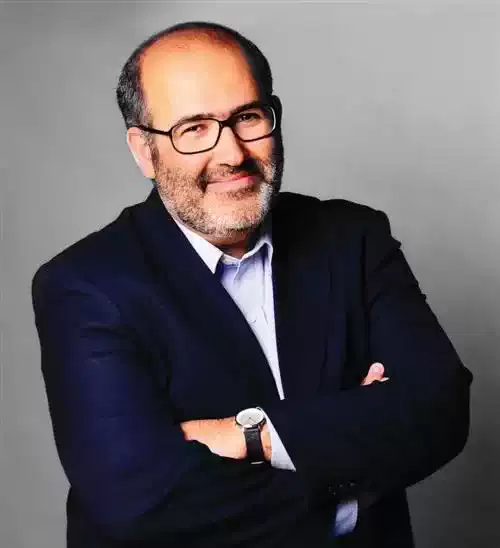
José Tolentino Mendonça
Os Girassóis
Às vezes ouves-me chorar
não é fácil deixar a tua mão
De quarto em quarto
quem espera
o terror de não haver ninguém
As paisagens alteram-se sem resolução
narrativas imortais desaparecem
e os girassóis assim
vulneráveis a desconhecidas ordens
Tu estás tão perto
mas sofro tanto
porque não vejo
como possa falar de ti
entre dois ou três séculos
2 680
1
José Tolentino Mendonça
Uma Coisa A Menos Para Adorar
Já vi matar um homem
é terrível a desolação que um corpo deixa
sobre a terra
uma coisa a menos para adorar
quando tudo se apaga
as paisagens descobrem-se perdidas
irreconciliáveis
entendes por isso o meu pânico
nessas noites em que volto sem razão nenhuma
a correr pelo pontão de madeira
onde um homem foi morto
arranco como os atletas ao som de um disparo seco
mas sou apenas alguém que de noite
grita pela casa
há quem diga
a vida é um pau de fósforo
escasso demais
para o milagre do fogo
hoje estive tão triste
que ardi centenas de fósforos
pela tarde fora
enquanto pensava no homem que vi matar
e de quem não soube nunca nada
nem o nome
2 484
1

Emily Dickinson
Im Nobody! Who are you?
Im Nobody! Who are you?
Im Nobody! Who are you?
Are you--Nobody--Too?
Then theres a pair of us?
Dont tell! theyd advertise--you know!
How dreary--to be--Somebody!
How public--like a Frog--
To tell ones name--the livelong June--
To an admiring Bog!
Im Nobody! Who are you?
Are you--Nobody--Too?
Then theres a pair of us?
Dont tell! theyd advertise--you know!
How dreary--to be--Somebody!
How public--like a Frog--
To tell ones name--the livelong June--
To an admiring Bog!
1 389
1
José Tolentino Mendonça
Calle Principe, 25
Perdemos repentinamente
a profundidade dos campos
os enigmas singulares
a claridade que juramos
a conservar
mas levamos anos
a esquecer alguém
que nos olhou apenas
a profundidade dos campos
os enigmas singulares
a claridade que juramos
a conservar
mas levamos anos
a esquecer alguém
que nos olhou apenas
3 211
1
José Tolentino Mendonça
Mercado velho, Machico
Uma paisagem muito ao longe
quando se regressa
continuamos a vê-la no escuro
fechamos os olhos,sentimo-nos vivos
na sucessão dos séculos
falamos de súbito
daquilo que nos assusta
um segredo demasiado intenso
o malogro dos códigos
qualquer ideia extrema
que destrói o mundo e não queríamos
mas estamos tão pouco
onde estamos
quando se regressa
continuamos a vê-la no escuro
fechamos os olhos,sentimo-nos vivos
na sucessão dos séculos
falamos de súbito
daquilo que nos assusta
um segredo demasiado intenso
o malogro dos códigos
qualquer ideia extrema
que destrói o mundo e não queríamos
mas estamos tão pouco
onde estamos
2 007
1
José Tolentino Mendonça
Murmúrios do mar
"Paga-me um café e
conto-te a minha vida" o inverno avançava
nessa tarde em que te ouvi assaltado por dores
o céu quebrava-se aos disparos de uma criança
muito assustada que corria o vento batia-lhe no
rosto com violência a infância inteira disso me
lembro outra noite cortaste o sono da casa
com frio e medo apagavas cigarros nas palmas das
mãos e os que te viam choravam mas tu
,não,nunca choraste por amores que se perdem os
naufrágios são belos sentimo-nos tão vivos entre as
ilhas ,acreditas? E temos saudades desse mar
que derruba primeiro no nosso corpo tudo o que
seremos depois "pago-te um café se me contares
o teu amor"
7 449
1
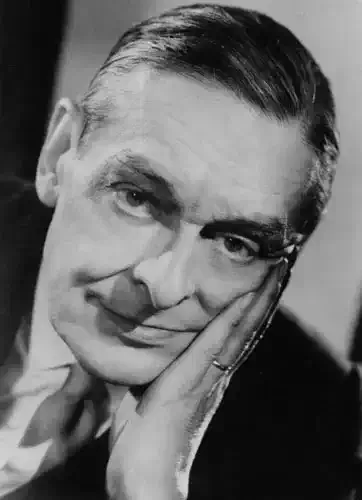
T. S. Eliot
The Love Song of J Alfred Prufrock
The Love Song of J. Alfred Prufrock
Sio credesse che mia risposta fosse
A persona che mai tornasse al mondo,
Questa fiamma staria senza piu scosse.
Ma perciocche giammai di questo fondo
Non torno vivo alcun, siodo il vero,
Senza tema dinfamia ti rispondo.
LET us go then, you and I,
When the evening is spread out against the sky
Like a patient etherised upon a table;
Let us go, through certain half-deserted streets,
The muttering retreats
Of restless nights in one-night cheap hotels
And sawdust restaurants with oyster-shells:
Streets that follow like a tedious argument
Of insidious intent
To lead you to an overwhelming question...
Oh, do not ask, "What is it?"
Let us go and make our visit.
In the room the women come and go
Talking of Michelangelo.
The yellow fog that rubs its back upon the window-panes,
The yellow smoke that rubs its muzzle on the window-panes
Licked its tongue into the corners of the evening,
Lingered upon the pools that stand in drains,
Let fall upon its back the soot that falls from chimneys,
Slipped by the terrace, made a sudden leap,
And seeing that it was a soft October night,
Curled once about the house, and fell asleep.
And indeed there will be time
For the yellow smoke that slides along the street,
Rubbing its back upon the window-panes;
There will be time, there will be time
To prepare a face to meet the faces that you meet;
There will be time to murder and create,
And time for all the works and days of hands
That lift and drop a question on your plate;
Time for you and time for me,
And time yet for a hundred indecisions,
And for a hundred visions and revisions,
Before the taking of a toast and tea.
In the room the women come and go
Talking of Michelangelo.
And indeed there will be time
To wonder, "Do I dare?" and, "Do I dare?"
Time to turn back and descend the stair,
With a bald spot in the middle of my hair—
[They will say: "How his hair is growing thin!"]
My morning coat, my collar mounting firmly to the chin,
My necktie rich and modest, but asserted by a simple pin—
[They will say: "But how his arms and legs are thin!"]
Do I dare
Disturb the universe?
In a minute there is time
For decisions and revisions which a minute will reverse.
For I have known them all already, known them all:—
Have known the evenings, mornings, afternoons,
I have measured out my life with coffee spoons;
I know the voices dying with a dying fall
Beneath the music from a farther room.
So how should I presume?
And I have known the eyes already, known them all—
The eyes that fix you in a formulated phrase,
And when I am formulated, sprawling on a pin,
When I am pinned and wriggling on the wall,
Then how should I begin
To spit out all the butt-ends of my days and ways?
And how should I presume?
And I have known the arms already, known them all—
Arms that are braceleted and white and bare
[But in the lamplight, downed with light brown hair!]
It is perfume from a dress
That makes me so digress?
Arms that lie along a table, or wrap about a shawl.
And should I then presume?
And how should I begin?
. . . . .
Shall I say, I have gone at dusk through narrow streets
And watched the smoke that rises from the pipes
Of lonely men in shirt-sleeves, leaning out of windows?...
I should have been a pair of ragged claws
Scuttling across the floors of silent seas.
. . . . .
And the afternoon, the evening, sleeps so peacefully!
Smoothed by long fingers,
Asleep ... tired ... or it malingers,
Stretched on the floor, here beside you and me.
Should I, after tea and cakes and ices,
Have the strength to force the moment to its crisis?
But though I have wept and fasted, wept and prayed,
Though I have seen my head [grown slightly bald] brought in upon a platter,
I am no prophet—and heres no great matter;
I have seen the moment of my greatness flicker,
And I have seen the eternal Footman hold my coat, and snicker,
And in short, I was afraid.
And would it have been worth it, after all,
After the cups, the marmalade, the tea,
Among the porcelain, among some talk of you and me,
Would it have been worth while,
To have bitten off the matter with a smile,
To have squeezed the universe into a ball
To roll it toward some overwhelming question,
To say: "I am Lazarus, come from the dead,
Come back to tell you all, I shall tell you all"—
If one, settling a pillow by her head,
Should say: "That is not what I meant at all.
That is not it, at all."
And would it have been worth it, after all,
Would it have been worth while,
After the sunsets and the dooryards and the sprinkled streets,
After the novels, after the teacups, after the skirts that trail along the floor—
And this, and so much more?—
It is impossible to say just what I mean!
But as if a magic lantern threw the nerves in patterns on a screen:
Would it have been worth while
If one, settling a pillow or throwing off a shawl,
And turning toward the window, should say:
"That is not it at all,
That is not what I meant, at all."
. . . . .
No! I am not Prince Hamlet, nor was meant to be;
Am an attendant lord, one that will do
To swell a progress, start a scene or two,
Advise the prince; no doubt, an easy tool,
Deferential, glad to be of use,
Politic, cautious, and meticulous;
Full of high sentence, but a bit obtuse;
At times, indeed, almost ridiculous—
Almost, at times, the Fool.
I grow old ... I grow old...
I shall wear the bottoms of my trousers rolled.
Shall I part my hair behind? Do I dare to eat a peach?
I shall wear white flannel trousers, and walk upon the beach.
I have heard the mermaids singing, each to each.
I do not think that they will sing to me.
I have seen them riding seaward on the waves
Combing the white hair of the waves blown back
When the wind blows the water white and black.
We have lingered in the chambers of the sea
By sea-girls wreathed with seaweed red and brown
Till human voices wake us, and we drown.
2 505
1
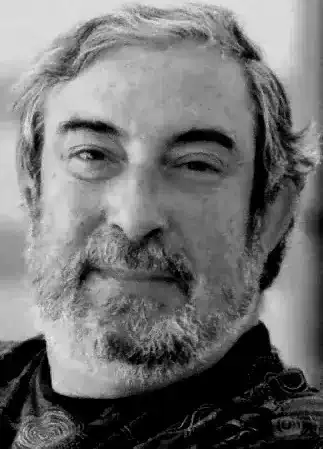
Fernando Assis Pacheco
Mas agora que vai descer a noite na minha vida
Mas agora que vai descer a noite na minha vida
Triste de mim mais triste que a tristeza
triste como a mão que segura o copo
como a luz do farol esgaçando a névoa
triste como o cão manco
deixado na estrada pelos caçadores
triste como a sopa entretanto azeda
mais triste que a idiotia congénita
ou que a palavra ampola
triste de mim triste e perdido
entre duas ruas
uma que vai para o Norte outra para o Sul
e ambas cortadas aos peões
que não cooperam devidamente
(com este governo de merda é claro)
triste como uma puta alentejana
num bar de Ourense
que me viu à cerveja e lesta
me chamou compadre
vozes que a gente colecciona
a tarde triste os anos tristes
a grande costura da tristeza
do esterno ao baixo ventre
triste e já sem nenhum reparo
a fazer à metafísica
senão que é um défice
porventura do córtex cerebral
1 421
1
José Tolentino Mendonça
Caminho do forte, machico
No caminho onde aprendi o outono
sob o azul magoado
os pescadores cruzavam ainda linhas
províncias clareiras
e esse gesto masculino de apagar a dor
chegava pelos percalços da terra
o carro do gelo
e os miúdos tiravam bocados para comer às dentadas
em retrato selvagem mas,juro-vos,havia encanto
havia qualquer coisa,outra coisa
nesse instante em perda
as mulheres sentavam-se à porta com os bordados
quando passavam estrangeiros
ficavam sempre a sorrir nas suas fotografias
2 438
1
João Miguel Fernandes Jorge
Abrimos as portas sorrindo
ou a lata de bolos de infância.
Era uma criança pela fadiga
dos olhos, pela idade das excursões
pelas praças da cidade.
demoradas visitas de indiferença
e receio.
Um tímido sinal descendo levemente
o corpo, depois a face, os lábios
trémulos e um balbuciado “não
volto mais”.
“Está bem. Eis-me aqui ao teu lado”.
Esquecera a segunda cor do mar.
De um segundo fizera horas, mesmo que,
de ti, não tenha conseguido enumerar
senão as chaves na porta do quarto.
A próxima explosão.
Tudo é tão verdadeiro, tão claro,
neste canto de sonho.
2 429
1
Helder Moura Pereira
Escrevias pela noite fora Olhava-te, olhava
Escrevias pela noite fora. Olhava-te, olhava
o que ia ficando nas pausas entre cada
sorriso. Por ti mudei a razão das coisas,
faz de conta que não sei as coisas que não queres
que saiba, acabei por te pensar com crianças
à volta. Agora há prédios onde havia
laranjeiras e romãs no chão e as palavras
nem o sabem dizer, apenas apontam a rua
que foi comum, o quarto estreito. Um livro
é suficiente neste passeio. Quando não escreves
estás a ler e ao lado das árvores o silêncio
é maior. Decerto te digo o que penso
baixando a cabeça e tu respondes sempre
com a cabeça inclinada e o fumo suspenso
no ar. As verdades nunca se disseram. Queria
prender-te, tornar a perder-te, achar-te
assim por acaso no meu dia livre a meio
da semana. Mantêm-se as causas iguais
das pequenas alegrias, longe da alegria, a rotina
dos sorrisos vem de nenhum vício. Este abandono
custa. Porque estou contigo e me deixas
a tua imagem passa pelas noites sem sono,
está aqui a cadeira em que te sentaste
a escrever lendo. Pudesse eu propor-te
vida menos igual, outras iguais obrigações.
Havias de rir, sair à rua, comprar o jornal.
1 077
1
António Franco Alexandre
poderemos,um dia,amar estas vitrinas
poderemos,um dia,amar estas vitrinas
como quem ama uma ideia imperdoável, ou uma
breve hesitação dos condutores
a meio do percurso? quero dizer,
estaremos vivos para o desbotar destas
folhas de plástico que brilham
uma vez cada noite; e para
o assobio das nuvens
ao passar sobre a roupa?
ou, fechando a gaveta, engoliremos o receio
destes bolos roubados
na prateleira de água?
ou será este o dilema que nos propõem
as minuciosas escavações telefónicas?
são questões ignorantes, delas depende o rumo
dos grandes navios japoneses à entrada da doca.
de Os Objectos Principais
1 482
1
Ana Hatherly
Wer abend sind sie, sag
Wer abend sind sie, sag
mir, die Fahrenden
Os errantesos fugazes
viajantesque nós somosbuscando sempre a vibração
perdidadiariamente caemda árvore da memóriaonde brilha o
nomeo melancólico ansiado barcoOh que percurso
essencialdescrevem os errantesna sua busca em queda
abismadossobre si mesmos voltadospercorrendoa arriscada
síntese do exílio!E tuvontade
insatisfeitaonde encontrarásos frutos da árvore do
quereras alegrias do estar e do serque nos rompem o
peitode tanto as ansiar?A rosa do olharque na
procura reverdecea todo o instante esqueceo som
da quedae escuta sóo tilintar da sorteno
inventado bolso da esperançaque nos
empurraimpelelisonjeianum breve sorriso captadonum furtivo
afagoilusão de ternuraMas logo logoalgo nos
arranca o curativonos retira o tapete mágico do
repousonso remetepara a nossa condição de feridos
atingidosE na busca heróicado instante
transfiguradoo activo martírio de prosseguirfaz de
nóseternos estrangeiros
mal-amadosdesamparadosperegrinos recém-chegados
1 557
1
Daniel Faria
Estou a um palmo da parede
Estou a um palmo da parede.Pergunto-se queres saber o que oiço-
O que disseste a Elias:Elias
O que fazes aqui?
Sim,alteio os meus olhos
Conto-te o que nunca escrevo nos muros
Junto-me aos animais com sede
Estou a um palmo do teu palmo e depois
Não estás nas águas nem na sede ou no teu nome
Estou a um palmo do teu silêncio e alteio
O silêncio.A boca mais alta do meu grito
de Dos Líquidos (2000)
1 668
1