

Poemas neste tema
Emoções e Sentimentos
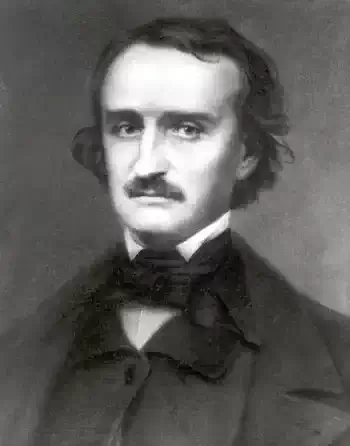
Edgar Allan Poe
A Dream
In visions of the dark night
I have dreamed of joy departed--
But a waking dream of life and light
Hath left me broken-hearted.
Ah! what is not a dream by day
To him whose eyes are cast
On things around him with a ray
Turned back upon the past?
That holy dream- that holy dream,
While all the world were chiding,
Hath cheered me as a lovely beam
A lonely spirit guiding.
What though that light, thro' storm and night,
So trembled from afar-
What could there be more purely bright
In Truth's day-star?
-The End-
I have dreamed of joy departed--
But a waking dream of life and light
Hath left me broken-hearted.
Ah! what is not a dream by day
To him whose eyes are cast
On things around him with a ray
Turned back upon the past?
That holy dream- that holy dream,
While all the world were chiding,
Hath cheered me as a lovely beam
A lonely spirit guiding.
What though that light, thro' storm and night,
So trembled from afar-
What could there be more purely bright
In Truth's day-star?
-The End-
2 236
Edgar Allan Poe
Song
I saw thee on thy bridal day —
When a burning blush came o'er thee,
Though happiness around thee lay,
The world all love before thee:
And in thine eye a kindling light
(Whatever it might be)
Was all on Earth my aching sight
Of Loveliness could see.
That blush, perhaps, was maiden shame —
As such it well may pass —
Though its glow hath raised a fiercer flame
In the breast of him, alas!
Who saw thee on that bridal day,
When that deep blush would come o'er thee,
Though happiness around thee lay,
The world all love before thee.
1845
When a burning blush came o'er thee,
Though happiness around thee lay,
The world all love before thee:
And in thine eye a kindling light
(Whatever it might be)
Was all on Earth my aching sight
Of Loveliness could see.
That blush, perhaps, was maiden shame —
As such it well may pass —
Though its glow hath raised a fiercer flame
In the breast of him, alas!
Who saw thee on that bridal day,
When that deep blush would come o'er thee,
Though happiness around thee lay,
The world all love before thee.
1845
1 247
Edgar Allan Poe
The Divine Right Of Kings
The only king by right divine
Is Ellen King, and were she mine
I'd strive for liberty no more,
But hug the glorious chains I wore.
Her bosom is an ivory throne,
Where tyrant virtue reigns alone ;
No subject vice dare interfere,
To check the power that governs here.
O! would she deign to rule my fate,
I'd worship Kings and kingly state,
And hold this maxim all life long,
The King — my King — can do no wrong. P
1845
Is Ellen King, and were she mine
I'd strive for liberty no more,
But hug the glorious chains I wore.
Her bosom is an ivory throne,
Where tyrant virtue reigns alone ;
No subject vice dare interfere,
To check the power that governs here.
O! would she deign to rule my fate,
I'd worship Kings and kingly state,
And hold this maxim all life long,
The King — my King — can do no wrong. P
1845
1 216
Edgar Allan Poe
The Divine Right Of Kings
The only king by right divine
Is Ellen King, and were she mine
I'd strive for liberty no more,
But hug the glorious chains I wore.
Her bosom is an ivory throne,
Where tyrant virtue reigns alone ;
No subject vice dare interfere,
To check the power that governs here.
O! would she deign to rule my fate,
I'd worship Kings and kingly state,
And hold this maxim all life long,
The King — my King — can do no wrong. P
1845
Is Ellen King, and were she mine
I'd strive for liberty no more,
But hug the glorious chains I wore.
Her bosom is an ivory throne,
Where tyrant virtue reigns alone ;
No subject vice dare interfere,
To check the power that governs here.
O! would she deign to rule my fate,
I'd worship Kings and kingly state,
And hold this maxim all life long,
The King — my King — can do no wrong. P
1845
1 216
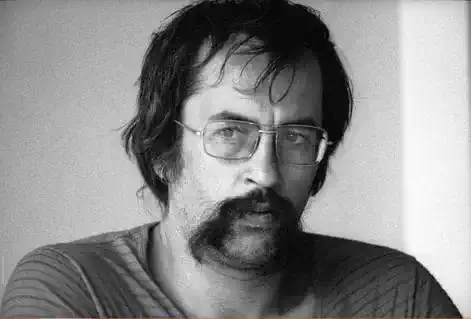
Paulo Leminski
ascenção apogeu e queda da vida paixão
ascenção apogeu e queda da vida paixão
e morte
do poeta enquanto ser que chora enquanto
chove lá fora e alguém canta
a última esperança da luz e pegar o primeiro trem
para muito além das serras que azulam no
horizonte
e o separam da aurora da sua vida
e morte
do poeta enquanto ser que chora enquanto
chove lá fora e alguém canta
a última esperança da luz e pegar o primeiro trem
para muito além das serras que azulam no
horizonte
e o separam da aurora da sua vida
1 781

Mafalda Veiga
Por Outras Palavras
Ninguém disse que os dias eram nossos
Ninguém prometeu nada
Fui eu que julguei que podia arrancar sempre
Mais uma madrugada
Ninguém disse que o riso nos pertence
Ninguém prometeu nada
Fui eu que julguei que podia arrancar sempre
Mais uma gargalhada
E deixar-me devorar pelos sentidos
E rasgar-me do mais fundo que há em mim
Emaranhar-me no mundo
E morrer por ser preciso
Nunca por chegar ao fim
Ninguém disse que os dias eram nossos
Ninguém prometeu nada
Fui eu que julguei que sabia arrancar sempre
Mais uma gargalhada
E deixar-me devorar pelos sentidos
E rasgar-me do mais fundo que há em mim
Emaranhar-me no mundo
E morrer por ser preciso
Nunca por chegar ao fim
Ninguém prometeu nada
Fui eu que julguei que podia arrancar sempre
Mais uma madrugada
Ninguém disse que o riso nos pertence
Ninguém prometeu nada
Fui eu que julguei que podia arrancar sempre
Mais uma gargalhada
E deixar-me devorar pelos sentidos
E rasgar-me do mais fundo que há em mim
Emaranhar-me no mundo
E morrer por ser preciso
Nunca por chegar ao fim
Ninguém disse que os dias eram nossos
Ninguém prometeu nada
Fui eu que julguei que sabia arrancar sempre
Mais uma gargalhada
E deixar-me devorar pelos sentidos
E rasgar-me do mais fundo que há em mim
Emaranhar-me no mundo
E morrer por ser preciso
Nunca por chegar ao fim
1 252
Edgar Allan Poe
Fairy-Land
Dim vales— and shadowy floods—
And cloudy—looking woods,
Whose forms we can't discover
For the tears that drip all over!
Huge moons there wax and wane—
Again— again— again—
Every moment of the night—
Forever changing places—
And they put out the star—light
With the breath from their pale faces.
About twelve by the moon—dial,
One more filmy than the rest
(A kind which, upon trial,
They have found to be the best)
Comes down— still down— and down,
With its centre on the crown
Of a mountain's eminence,
While its wide circumference
In easy drapery falls
Over hamlets, over halls,
Wherever they may be—
O'er the strange woods— o'er the sea—
Over spirits on the wing—
Over every drowsy thing—
And buries them up quite
In a labyrinth of light—
And then, how deep!— O, deep!
Is the passion of their sleep.
In the morning they arise,
And their moony covering
Is soaring in the skies,
With the tempests as they toss,
Like— almost anything—
Or a yellow Albatross.
They use that moon no more
For the same end as before—
Videlicet, a tent—
Which I think extravagant:
Its atomies, however,
Into a shower dissever,
Of which those butterflies
Of Earth, who seek the skies,
And so come down again,
(Never—contented things!)
Have brought a specimen
Upon their quivering wings.
1829
And cloudy—looking woods,
Whose forms we can't discover
For the tears that drip all over!
Huge moons there wax and wane—
Again— again— again—
Every moment of the night—
Forever changing places—
And they put out the star—light
With the breath from their pale faces.
About twelve by the moon—dial,
One more filmy than the rest
(A kind which, upon trial,
They have found to be the best)
Comes down— still down— and down,
With its centre on the crown
Of a mountain's eminence,
While its wide circumference
In easy drapery falls
Over hamlets, over halls,
Wherever they may be—
O'er the strange woods— o'er the sea—
Over spirits on the wing—
Over every drowsy thing—
And buries them up quite
In a labyrinth of light—
And then, how deep!— O, deep!
Is the passion of their sleep.
In the morning they arise,
And their moony covering
Is soaring in the skies,
With the tempests as they toss,
Like— almost anything—
Or a yellow Albatross.
They use that moon no more
For the same end as before—
Videlicet, a tent—
Which I think extravagant:
Its atomies, however,
Into a shower dissever,
Of which those butterflies
Of Earth, who seek the skies,
And so come down again,
(Never—contented things!)
Have brought a specimen
Upon their quivering wings.
1829
1 376
Edgar Allan Poe
Imitation
A dark unfathom'd tide
Of interminable pride —
A mystery, and a dream,
Should my early life seem;
I say that dream was fraught
With a wild, and waking thought
Of beings that have been,
Which my spirit hath not seen.
Had I let them pass me by,
With a dreaming eye!
Let none of earth inherit
That vision on [of] my spirit;
Those thoughts I would controul,
As a spell upon his soul:
For that bright hope at last
And that light time have past,
And my worldly rest hath gone
With a sight [sigh] as it pass'd on
I care not tho' it perish
With a thought I then did cherish.
Of interminable pride —
A mystery, and a dream,
Should my early life seem;
I say that dream was fraught
With a wild, and waking thought
Of beings that have been,
Which my spirit hath not seen.
Had I let them pass me by,
With a dreaming eye!
Let none of earth inherit
That vision on [of] my spirit;
Those thoughts I would controul,
As a spell upon his soul:
For that bright hope at last
And that light time have past,
And my worldly rest hath gone
With a sight [sigh] as it pass'd on
I care not tho' it perish
With a thought I then did cherish.
1 515
Edgar Allan Poe
Imitation
A dark unfathom'd tide
Of interminable pride —
A mystery, and a dream,
Should my early life seem;
I say that dream was fraught
With a wild, and waking thought
Of beings that have been,
Which my spirit hath not seen.
Had I let them pass me by,
With a dreaming eye!
Let none of earth inherit
That vision on [of] my spirit;
Those thoughts I would controul,
As a spell upon his soul:
For that bright hope at last
And that light time have past,
And my worldly rest hath gone
With a sight [sigh] as it pass'd on
I care not tho' it perish
With a thought I then did cherish.
Of interminable pride —
A mystery, and a dream,
Should my early life seem;
I say that dream was fraught
With a wild, and waking thought
Of beings that have been,
Which my spirit hath not seen.
Had I let them pass me by,
With a dreaming eye!
Let none of earth inherit
That vision on [of] my spirit;
Those thoughts I would controul,
As a spell upon his soul:
For that bright hope at last
And that light time have past,
And my worldly rest hath gone
With a sight [sigh] as it pass'd on
I care not tho' it perish
With a thought I then did cherish.
1 515
Edgar Allan Poe
To M
O! I care not that my earthly lot
Hath little of Earth in it,
That years of love have been forgot
In the fever of a minute:
I heed not that the desolate
Are happier, sweet, than I,
But that you meddle with my fate
Who am a passer by.
It is not that my founts of bliss
Are gushing — strange! with tears—
Or that the thrill of a single kiss
Hath palsied many years—
'Tis not that the flowers of twenty springs
Which have wither'd as they rose
Lie dead on my heart-strings
With the weight of an age of snows.
Not that the grass— O! may it thrive!
On my grave is growing or grown—
But that, while I am dead yet alive
I cannot be, lady, alone.
1828
Hath little of Earth in it,
That years of love have been forgot
In the fever of a minute:
I heed not that the desolate
Are happier, sweet, than I,
But that you meddle with my fate
Who am a passer by.
It is not that my founts of bliss
Are gushing — strange! with tears—
Or that the thrill of a single kiss
Hath palsied many years—
'Tis not that the flowers of twenty springs
Which have wither'd as they rose
Lie dead on my heart-strings
With the weight of an age of snows.
Not that the grass— O! may it thrive!
On my grave is growing or grown—
But that, while I am dead yet alive
I cannot be, lady, alone.
1828
1 187
Edgar Allan Poe
The Valley of Unrest
Once it smiled a silent dell
Where the people did not dwell;
They had gone unto the wars,
Trusting to the mild-eyed stars,
Nightly, from their azure towers,
To keep watch above the flowers,
In the midst of which all day
The red sunlight lazily lay.
Now each visitor shall confess
The sad valley's restlessness.
Nothing there is motionless-
Nothing save the airs that brood
Over the magic solitude.
Ah, by no wind are stirred those trees
That palpitate like the chill seas
Around the misty Hebrides!
Ah, by no wind those clouds are driven
That rustle through the unquiet Heaven
Uneasily, from morn till even,
Over the violets there that lie
In myriad types of the human eye-
Over the lilies there that wave
And weep above a nameless grave!
They wave: — from out their fragrant tops
Eternal dews come down in drops.
They weep: — from off their delicate stems
Perennial tears descend in gems.
1845
Where the people did not dwell;
They had gone unto the wars,
Trusting to the mild-eyed stars,
Nightly, from their azure towers,
To keep watch above the flowers,
In the midst of which all day
The red sunlight lazily lay.
Now each visitor shall confess
The sad valley's restlessness.
Nothing there is motionless-
Nothing save the airs that brood
Over the magic solitude.
Ah, by no wind are stirred those trees
That palpitate like the chill seas
Around the misty Hebrides!
Ah, by no wind those clouds are driven
That rustle through the unquiet Heaven
Uneasily, from morn till even,
Over the violets there that lie
In myriad types of the human eye-
Over the lilies there that wave
And weep above a nameless grave!
They wave: — from out their fragrant tops
Eternal dews come down in drops.
They weep: — from off their delicate stems
Perennial tears descend in gems.
1845
1 274
Edgar Allan Poe
Untitled - A wilder'd being from my birth
A wilder'd being from my birth
My spirit spurn'd control,
But now, abroad on the wide earth,
Where wand'rest thou my soul?
In visions of the dark night
I have dream'd of joy departed —
But a waking dream of life and light
Hath left me broken-hearted.
And what is not a dream by day
To him whose eyes are cast
On things around him with a ray
Turn'd back upon the past?
That holy dream — that holy dream,
While all the world were chiding,
Hath cheer'd me as a lovely beam
A lonely spirit guiding —
What tho' that light, thro' misty night
So dimly shone afar—
What could there be more purely bright
In Truth's day — star ?
-The End-
My spirit spurn'd control,
But now, abroad on the wide earth,
Where wand'rest thou my soul?
In visions of the dark night
I have dream'd of joy departed —
But a waking dream of life and light
Hath left me broken-hearted.
And what is not a dream by day
To him whose eyes are cast
On things around him with a ray
Turn'd back upon the past?
That holy dream — that holy dream,
While all the world were chiding,
Hath cheer'd me as a lovely beam
A lonely spirit guiding —
What tho' that light, thro' misty night
So dimly shone afar—
What could there be more purely bright
In Truth's day — star ?
-The End-
1 197
Mafalda Veiga
Restolho
geme o restolho triste e solitário
a embalar a noite escura e fria
e a perder-se no olhar da ventania
que canta ao tom do velho campanário
geme o restolho preso de saudade
esquecido, enlouquecido, dominado
escondido entre as sombras do montado
sem forças e sem côr e sem vontade
geme o restolho a transpirar de chuva
nos campos que a ceifeira mutilou
dormindo em velhos sonhos que sonhou
na alma a mágoa enorme, intensa, aguda
mas é preciso morrer e nascer de novo
semear no pó e voltar a colher
há que ser trigo, depois ser restolho
há que penar pra aprender a viver
e a vida não é existir sem mais nada
a vida não é dia sim dia não
é feita em cada entrega alucinada
pra receber daquilo que aumenta o coração
geme o restolho a transpirar de chuva
nos campos que a ceifeira mutilou
dormindo em velhos sonhos que sonhou
na alma a mágoa é enorme, intensa, aguda
mas é preciso morrer e nascer de novo
semear no pó e voltar a colher
há que ser trigo, depois ser restolho
há que penar pra aprender a viver
e a vida não é existir sem mais nada
a vida não é dia sim dia não
é feita em cada entrega alucinada
pra receber daquilo que aumenta o coração
a embalar a noite escura e fria
e a perder-se no olhar da ventania
que canta ao tom do velho campanário
geme o restolho preso de saudade
esquecido, enlouquecido, dominado
escondido entre as sombras do montado
sem forças e sem côr e sem vontade
geme o restolho a transpirar de chuva
nos campos que a ceifeira mutilou
dormindo em velhos sonhos que sonhou
na alma a mágoa enorme, intensa, aguda
mas é preciso morrer e nascer de novo
semear no pó e voltar a colher
há que ser trigo, depois ser restolho
há que penar pra aprender a viver
e a vida não é existir sem mais nada
a vida não é dia sim dia não
é feita em cada entrega alucinada
pra receber daquilo que aumenta o coração
geme o restolho a transpirar de chuva
nos campos que a ceifeira mutilou
dormindo em velhos sonhos que sonhou
na alma a mágoa é enorme, intensa, aguda
mas é preciso morrer e nascer de novo
semear no pó e voltar a colher
há que ser trigo, depois ser restolho
há que penar pra aprender a viver
e a vida não é existir sem mais nada
a vida não é dia sim dia não
é feita em cada entrega alucinada
pra receber daquilo que aumenta o coração
2 365
Paulo Leminski
HAI
Eis que nasce completo
e, ao morrer, morre germe,
o desejo, analfabeto,
de saber como reger-me,
ah, saber como me ajeito
para que eu seja quem fui,
eis o que nasce perfeito
e, ao crescer, diminui.
e, ao morrer, morre germe,
o desejo, analfabeto,
de saber como reger-me,
ah, saber como me ajeito
para que eu seja quem fui,
eis o que nasce perfeito
e, ao crescer, diminui.
1 628
Paulo Leminski
ver
ver
é dor
ouvir
é dor
ter
é dor
perder
é dor
só doer
não é dor
delícia
de experimentador
é dor
ouvir
é dor
ter
é dor
perder
é dor
só doer
não é dor
delícia
de experimentador
1 821
Paulo Leminski
ver
ver
é dor
ouvir
é dor
ter
é dor
perder
é dor
só doer
não é dor
delícia
de experimentador
é dor
ouvir
é dor
ter
é dor
perder
é dor
só doer
não é dor
delícia
de experimentador
1 821
Edgar Allan Poe
Sonnet
"Seldom we find," says Solomon Don Dunce,
"Half an idea in the profoundest sonnet.
Through all the flimsy things we see at once
As easily as through a Naples bonnet —
Trash of all trash! — how can a lady don it?
Yet heavier far than your Petrarchan stuff—
Owl-downy nonsense that the faintest puff
Twirls into trunk-paper the while you con it."
And, veritably, Sol is right enough.
The general Petrarchanities are arrant
Bubbles — ephemeral and so transparent —
But this is, now, — you may depend upon it —
Stable, opaque, immortal — all by dint
Of the dear names that lie concealed within 't.
1848
"Half an idea in the profoundest sonnet.
Through all the flimsy things we see at once
As easily as through a Naples bonnet —
Trash of all trash! — how can a lady don it?
Yet heavier far than your Petrarchan stuff—
Owl-downy nonsense that the faintest puff
Twirls into trunk-paper the while you con it."
And, veritably, Sol is right enough.
The general Petrarchanities are arrant
Bubbles — ephemeral and so transparent —
But this is, now, — you may depend upon it —
Stable, opaque, immortal — all by dint
Of the dear names that lie concealed within 't.
1848
1 337
Edgar Allan Poe
Spirits of the Dead
Thy soul shall find itself alone
'Mid dark thoughts of the grey tomb-stone;
Not one, of all the crowd, to pry
Into thine hour of secrecy.
Be silent in that solitude,
Which is not loneliness- for then
The spirits of the dead, who stood
In life before thee, are again
In death around thee, and their will
Shall overshadow thee; be still.
The night, though clear, shall frown,
And the stars shall not look down
From their high thrones in the Heaven
With light like hope to mortals given,
But their red orbs, without beam,
To thy weariness shall seem
As a burning and a fever
Which would cling to thee for ever.
Now are thoughts thou shalt not banish,
Now are visions ne'er to vanish;
From thy spirit shall they pass
No more, like dew-drop from the grass.
The breeze, the breath of God, is still,
And the mist upon the hill
Shadowy, shadowy, yet unbroken,
Is a symbol and a token.
How it hangs upon the trees,
A mystery of mysteries!
1827
'Mid dark thoughts of the grey tomb-stone;
Not one, of all the crowd, to pry
Into thine hour of secrecy.
Be silent in that solitude,
Which is not loneliness- for then
The spirits of the dead, who stood
In life before thee, are again
In death around thee, and their will
Shall overshadow thee; be still.
The night, though clear, shall frown,
And the stars shall not look down
From their high thrones in the Heaven
With light like hope to mortals given,
But their red orbs, without beam,
To thy weariness shall seem
As a burning and a fever
Which would cling to thee for ever.
Now are thoughts thou shalt not banish,
Now are visions ne'er to vanish;
From thy spirit shall they pass
No more, like dew-drop from the grass.
The breeze, the breath of God, is still,
And the mist upon the hill
Shadowy, shadowy, yet unbroken,
Is a symbol and a token.
How it hangs upon the trees,
A mystery of mysteries!
1827
1 467
Edgar Allan Poe
Eulalie
I dwelt alone
In a world of moan,
And my soul was a stagnant tide,
Till the fair and gentle Eulalie became my blushing bride—
Till the yellow-haired young Eulalie became my smiling bride.
Ah, less— less bright
The stars of the night
Than the eyes of the radiant girl!
That the vapor can make
With the moon-tints of purple and pearl,
Can vie with the modest Eulalie's most unregarded curl—
Can compare with the bright-eyed Eulalie's most humble and careless curl.
Now Doubt- now Pain
Come never again,
For her soul gives me sigh for sigh,
And all day long
Shines, bright and strong,
Astarte within the sky,
While ever to her dear Eulalie upturns her matron eye—
While ever to her young Eulalie upturns her violet eye.
1850
In a world of moan,
And my soul was a stagnant tide,
Till the fair and gentle Eulalie became my blushing bride—
Till the yellow-haired young Eulalie became my smiling bride.
Ah, less— less bright
The stars of the night
Than the eyes of the radiant girl!
That the vapor can make
With the moon-tints of purple and pearl,
Can vie with the modest Eulalie's most unregarded curl—
Can compare with the bright-eyed Eulalie's most humble and careless curl.
Now Doubt- now Pain
Come never again,
For her soul gives me sigh for sigh,
And all day long
Shines, bright and strong,
Astarte within the sky,
While ever to her dear Eulalie upturns her matron eye—
While ever to her young Eulalie upturns her violet eye.
1850
2 265
Edgar Allan Poe
Dreams
Oh! that my young life were a lasting dream!
My spirit not awakening, till the beam
Of an Eternity should bring the morrow.
Yes! tho' that long dream were of hopeless sorrow,
'Twere better than the cold reality
Of waking life, to him whose heart must be,
And hath been still, upon the lovely earth,
A chaos of deep passion, from his birth.
But should it be— that dream eternally
Continuing— as dreams have been to me
In my young boyhood— should it thus be given,
'Twere folly still to hope for higher Heaven.
For I have revell'd, when the sun was bright
I' the summer sky, in dreams of living light
And loveliness,— have left my very heart
In climes of my imagining, apart
From mine own home, with beings that have been
Of mine own thought— what more could I have seen?
'Twas once— and only once— and the wild hour
From my remembrance shall not pass— some power
Or spell had bound me— 'twas the chilly wind
Came o'er me in the night, and left behind
Its image on my spirit— or the moon
Shone on my slumbers in her lofty noon
Too coldly— or the stars— howe'er it was
That dream was as that night—wind— let it pass.
I have been happy, tho' in a dream.
I have been happy— and I love the theme:
Dreams! in their vivid coloring of life,
As in that fleeting, shadowy, misty strife
Of semblance with reality, which brings
To the delirious eye, more lovely things
Of Paradise and Love— and all our own!
Than young Hope in his sunniest hour hath known.
1827
My spirit not awakening, till the beam
Of an Eternity should bring the morrow.
Yes! tho' that long dream were of hopeless sorrow,
'Twere better than the cold reality
Of waking life, to him whose heart must be,
And hath been still, upon the lovely earth,
A chaos of deep passion, from his birth.
But should it be— that dream eternally
Continuing— as dreams have been to me
In my young boyhood— should it thus be given,
'Twere folly still to hope for higher Heaven.
For I have revell'd, when the sun was bright
I' the summer sky, in dreams of living light
And loveliness,— have left my very heart
In climes of my imagining, apart
From mine own home, with beings that have been
Of mine own thought— what more could I have seen?
'Twas once— and only once— and the wild hour
From my remembrance shall not pass— some power
Or spell had bound me— 'twas the chilly wind
Came o'er me in the night, and left behind
Its image on my spirit— or the moon
Shone on my slumbers in her lofty noon
Too coldly— or the stars— howe'er it was
That dream was as that night—wind— let it pass.
I have been happy, tho' in a dream.
I have been happy— and I love the theme:
Dreams! in their vivid coloring of life,
As in that fleeting, shadowy, misty strife
Of semblance with reality, which brings
To the delirious eye, more lovely things
Of Paradise and Love— and all our own!
Than young Hope in his sunniest hour hath known.
1827
1 692
Edgar Allan Poe
Dreams
Oh! that my young life were a lasting dream!
My spirit not awakening, till the beam
Of an Eternity should bring the morrow.
Yes! tho' that long dream were of hopeless sorrow,
'Twere better than the cold reality
Of waking life, to him whose heart must be,
And hath been still, upon the lovely earth,
A chaos of deep passion, from his birth.
But should it be— that dream eternally
Continuing— as dreams have been to me
In my young boyhood— should it thus be given,
'Twere folly still to hope for higher Heaven.
For I have revell'd, when the sun was bright
I' the summer sky, in dreams of living light
And loveliness,— have left my very heart
In climes of my imagining, apart
From mine own home, with beings that have been
Of mine own thought— what more could I have seen?
'Twas once— and only once— and the wild hour
From my remembrance shall not pass— some power
Or spell had bound me— 'twas the chilly wind
Came o'er me in the night, and left behind
Its image on my spirit— or the moon
Shone on my slumbers in her lofty noon
Too coldly— or the stars— howe'er it was
That dream was as that night—wind— let it pass.
I have been happy, tho' in a dream.
I have been happy— and I love the theme:
Dreams! in their vivid coloring of life,
As in that fleeting, shadowy, misty strife
Of semblance with reality, which brings
To the delirious eye, more lovely things
Of Paradise and Love— and all our own!
Than young Hope in his sunniest hour hath known.
1827
My spirit not awakening, till the beam
Of an Eternity should bring the morrow.
Yes! tho' that long dream were of hopeless sorrow,
'Twere better than the cold reality
Of waking life, to him whose heart must be,
And hath been still, upon the lovely earth,
A chaos of deep passion, from his birth.
But should it be— that dream eternally
Continuing— as dreams have been to me
In my young boyhood— should it thus be given,
'Twere folly still to hope for higher Heaven.
For I have revell'd, when the sun was bright
I' the summer sky, in dreams of living light
And loveliness,— have left my very heart
In climes of my imagining, apart
From mine own home, with beings that have been
Of mine own thought— what more could I have seen?
'Twas once— and only once— and the wild hour
From my remembrance shall not pass— some power
Or spell had bound me— 'twas the chilly wind
Came o'er me in the night, and left behind
Its image on my spirit— or the moon
Shone on my slumbers in her lofty noon
Too coldly— or the stars— howe'er it was
That dream was as that night—wind— let it pass.
I have been happy, tho' in a dream.
I have been happy— and I love the theme:
Dreams! in their vivid coloring of life,
As in that fleeting, shadowy, misty strife
Of semblance with reality, which brings
To the delirious eye, more lovely things
Of Paradise and Love— and all our own!
Than young Hope in his sunniest hour hath known.
1827
1 692
Paulo Leminski
quatro dias sem te ver
quatro dias sem te ver
e não mudaste nada
falta açúcar na limonada
me perdi da minha namorada
nadei nadei e não dei em nada
sempre o mesmo poeta de bosta
perdendo tempo com a humanidade
e não mudaste nada
falta açúcar na limonada
me perdi da minha namorada
nadei nadei e não dei em nada
sempre o mesmo poeta de bosta
perdendo tempo com a humanidade
3 194
Edgar Allan Poe
The Bells — A Song
The bells! — hear the bells!
The merry wedding bells!
The little silver bells!
How fairy-like a melody there swells
From the silver tinkling cells
Of the bells, bells, bells!
Of the bells!
The bells! — ah, the bells!
The heavy iron bells!
Hear the tolling of the bells!
Hear the knells!
How horrible a monody there floats
From their throats —
From their deep-toned throats!
How I shudder at the notes
From the melancholy throats
Of the bells, bells, bells —
Of the bells —
1849
The merry wedding bells!
The little silver bells!
How fairy-like a melody there swells
From the silver tinkling cells
Of the bells, bells, bells!
Of the bells!
The bells! — ah, the bells!
The heavy iron bells!
Hear the tolling of the bells!
Hear the knells!
How horrible a monody there floats
From their throats —
From their deep-toned throats!
How I shudder at the notes
From the melancholy throats
Of the bells, bells, bells —
Of the bells —
1849
1 158