
Desejo

Camila Sintra
Entrega
Um beijo desce pelo corpo
passeia pelas pernas
beijando cada dedinho do pé
sobe pelas curvas das ancas
deslizando no meio das nádegas
serpenteando pelas costas acima
até atingir a nuca
afastar teus cabelos
tornear tuas orelhas
buscando teus lábios abertos.
Encontro de línguas em fogo
e mãos que descem aos seios
teus mamilos em minha boca
teu arfar em meu coração
minha alma em teus braços.
No meio de tuas pernas
o cheiro perfumado do prazer
atrai meu encaixe que busca
tua entrada que acolhe
sem pensar em mais nada...
1 201
2
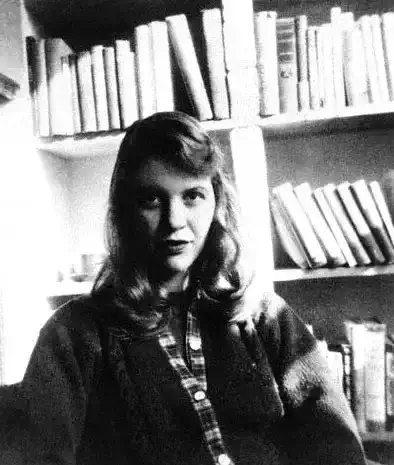
Sylvia Plath
Febre, 40°
Pura? Como assim?
As línguas do inferno
São sujas, sujas como as três
Línguas do sujo e gordo Cérbero
Que arfa ao portão. Incapaz
De lamber e limpar
O membro em febre, o pecado, o pecado.
A chama chora.
O cheiro inconfundível
De um toco de vela!
Amor, amor, a fumaça escapa de mim
Como a écharpe de Isadora, e temo
Que uma das pontas ancore-se na roda.
Uma fumaça amarela e lenta assim
faz de si seu elemento. Não vai subir,
Mas envolver o globo
Sufocando o velho e o oprimido,
O frágil
Bebê em seu berço,
Orquídea pálida
Suspensa em seu jardim suspenso no ar,
Leopardo diabólico!
A radiação o embarque
E o mata em uma hora.
Engordurando os corpos dos adúlteros
Como as cinzas de Hiroshima que os devora.
O pecado. O pecado.
Meu bem, passei a noite
Me virando, indo e vindo, indo e vindo,
Os lençóis me oprimindo como o beijo de um devasso.
Três dias. Três noites.
Limonada, canja
Aguarda, água me deixe enjoada.
Sou pura demais pra você ou pra qualquer um.
Seu corpo
Me ofende como o mundo ofende Deus. Sou uma lanterna –
Minha cabeça uma lua
De papel japonês, minha pele folheada a ouro
Infinitamente delicada e infinitamente cara.
Meu calor não te assusta. Nem minha luz.
Sou uma camélia imensa
Que oscila e jorra e brilha, gozo a gozo.
Acho que estou chegando,
Acho que posso levantar –
Contas de metal ardente voam, e eu, amor, eu
Sou uma virgem pura
De acetileno
Cercada de rosas,
De beijos, de querubins,
Ou do que sejam essas coisas róseas.
Não você, nem ele,
Não ele, nem ele
(Eu me dissolvo toda, anágua de puta velha) –
Ao Paraíso.
1 148
2
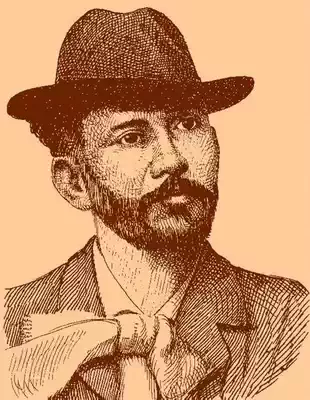
Bernardino Lopes
Toda
Pela curva do pé já se adivinha
A perna, o tronco, o dorso, o colo, os braços...
Nunca vi outra de mais belos traços,
De mais pureza e correção de linha.
Que expressão de semblante! Uma pontinha
De malícia nos olhos — dois palhaços
Bons e chistosos, piruetando, lassos,
Quebrando chulas e a cantar modinha...
Sinto-a, às vezes, Bacante, em nudez plena,
— Cabelos pretos sobre tez morena —
Outras — laureada por meus sonhos passa.
Legionária de Vênus, desfraldando,
À frente de áureo e feminino bando,
A vitoriosa flâmula da graça!
Publicado no livro Sinhá Flor (1899).
In: LOPES, B. Poesias completas. Pref. Andrade Muricy. Rio de Janeiro: Z. Valverde, 1945. v.
1 264
2
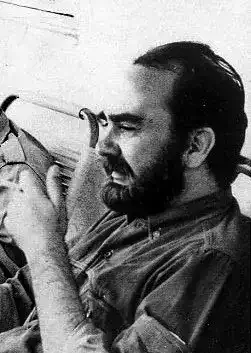
Herberto Helder
Petite pute deitada toda nua sobre a cama à espera
l’amour la mort
petite pute deitada toda nua sobre a cama à espera,
e inexplicavelmente eu entro nela de corpo inteiro e idade inteira
petite pute deitada toda nua sobre a cama à espera,
e inexplicavelmente eu entro nela de corpo inteiro e idade inteira
1 236
2

Gaitano Antonaccio
Cheiro de Banho
Sempre pela noite quando venho,
Quando te tenho, quando não tenho,
Eu sinto um prazer estranho
Um cheiro de corpo, cheiro de banho,
E meu corpo, da noite cansado,
Repouso no teu colo molhado.
E ao enlaçar teus braços macios
Sinto nas mãos teus selos frios,
Que se intumescem, se aquecem
E numa volúpia voraz, endurecem
E aí me invade um desejo carnal
E eu te afago no prazer sexual ...
Depois, quando retorno e te deixo
Me sinto feliz, de nada me queixo,
É como se a vida me reanimasse
E o nosso amor jamais terminasse.
1 155
2
Fernando Correia Pina
Soneto a Bill Clinton – 2
Não há nos pavorosos arsenais
que da paz desmentem as esperanças
outra arma de efeitos tão letais
como aquele cacete do Arkansas.
Cada vez que ele se entesa, as capitais
entram em crise, tremem as finanças,
as bolsas caem, sobem os jornais,
experimenta o mundo drásticas mudanças.
Picha mirífica, quase omnipotente,
carnal farol que guia o ocidente,
purpúreo sol da potência hegemónica.
Se eu tivesse um instrumento assim,
guardava-o numa torre de marfim,
jamais o dava a chupar à Mónica.
1 188
2

Jairo de Raguna Cabral
Haicai
O Perigo
Dois olhos cerrados.
Dois lábios suaves e sábios,
tremendo, calados...
Abandono
A jovem sentada
na ponta da rede tonta
e a poeira na estrada...
Dois olhos cerrados.
Dois lábios suaves e sábios,
tremendo, calados...
Abandono
A jovem sentada
na ponta da rede tonta
e a poeira na estrada...
1 176
2

Carlos Gildemar Pontes
Como o Leite das Putas
Pegar um carro e partir louco
rumo ao desejo
depois desejar fugir
para o esconderijo dos anjos
os becos escuros
onde dormem os trombadinhas
e a minha infância
lembrar das moças adolescentes
com seus peitos adolescentes
furando a eternidade
fumar junto com elas
seus primeiros cigarros
fumegando suas taras
no meu corpo escancarado
retorcido de paixões moleques
puro como o leite dos peitos das putas
como os filhos dos filhos das putas
beber nos olhos das putas
a solidão de todos os homens
farejar em seus corpos
o perfume das éguas no cio
e desencarnar estúpido e ruidoso
a saliva grossa de deus
1 264
2

Raimundo Bento Sotero
Os bastardos
Alta noite e eu andava descontente
Pela cidade horrivelmente feia;
Meia noite ou meia noite e meia
Um relógio bateu sinistramente.
Os meus passos rebeldes pela rua,
Assim como se fosse de animal,
Reboavam num silêncio sepulcral,
Enquanto lá no céu surgia a lua,
Que mais se parecia uma caveira
Amortalhando com a luz mortiça
Em cada escura esquina uma carniça
Que apodrecia até virar poeira.
Exalava na podre madrugada
Um bafio a cortar o meu pulmão
Do lixo revirado por um cão,
Que farejava à beira da calçada.
A cidade dormia convulsiva,
E só eu, como um verme solitário,
Ia seguindo meu itinerário
Com uma ansiedade compulsiva.
A rua parecia um cemitério,
E toda casa era uma sepultura
Onde jazia cada criatura
Amortalhada num mortal mistério;
Mas eu seguia pela rua torta,
Escutando as pancadas do meu peito
Que de tudo pulsava insatisfeito
Por entre as casas da cidade morta.
De repente, porém, um burburinho:
Era uma casa de carnal comércio,
Que me deixou mais triste que Propércio,
E eu não pude seguir o meu caminho.
Era de ser o foco, com certeza,
De toda podridão da vil cidade
Onde os homens em animalidade,
No cio, como um bicho atrás da presa,
Vinham à tentação de tais pecados
E assim como um bando de possessos,
Na fúria mais lasciva dos excessos,
Contorciam-se como invertebrados.
E cada um era um pai irresponsável
Que outro filho gerava ao desconforto,
E eu que observava tudo aquilo torto,
Achava aquilo tudo abominável.
Uma calça esquecida pelo dono
Sobre a saia da moça quase virgem
Provava todo mal que dava origem
À criança que vive no abandono.
E na fornicação de tal orgia,
Quem sabe um deles cometesse incesto
E fosse ao leito, sem nenhum protesto,
Da própria filha que desconhecia.
Cantava o galo pela noite afora;
Mas na luxúria de Sardanapalo
Não respeitavam o cantar do galo,
Nem davam conta do romper da Aurora.
E às pancadas do sino da matriz,
Lembraram-se de ir a santa missa,
E cada qual com a consciência omissa
De ter gerado mais um infeliz.
Era quase manhã e a contragosto
Um tardio que vinha à socapa,
Tentava se esconder atrás da capa;
Mas era tarde pra cobrir o rosto.
1 228
2

Elíude Viana
Rota de Colisão
Digo para o meu desejo
esquecer o rumo do teu corpo
te largar numa esquina feminina
perder o endereço das tuas mãos.
Ando amnesiada pelos sóis de agosto
distribuindo risos postais
mostrando que não te quero
...Mas te busco
nas bocas que beijam avidamente
como se a vertente
de incontroláveis prazeres
atraísse a velocidade dos ônibus metropolitanos
aos becos escuros dos subúrbios.
1 111
2

Matheus Tonello
Agonia
Cai-se uma gota de orvalho,
Na fria e ríspida manhã
É tão fácil sentir-se doente, uma pessoa carente,
Que só resta ao descrente, inundar a relva de lágrimas.
É claro, logicamente, inconstante,
Que traz na rua, o sentimento errante,
Da mulher nua, presa ao relento
Do desespero, cíngulo e fatal.
Ao encorajar-se no dia, único, presente...
Não se deve abaixar, ó vidente, tu és prudente?
Que digas para mim o quão me queres
Que se edifique entre os poucos as chacotas...
De um sentimento insano, indistinguível
Que perturba o coração desesperado
Que grita, pede que retornes
Se desvaria na rústica senzala, seu interior é oco e desumano...
Ó criatura que ajoelha e pede,
Em tom de adeus, chora o fim do anunciado;
Às linhas tortas, se tornaram erradas
Na insanidade nega o perdão: pobre algoz!
O globo que gira sem cessar,
E que o guerreiro fortemente armado,
Possa fazer da lágrima escorrida,
Uma bela canção de amor...
Esse guerreiro que clama por justiça,
Briga, luta, excede-se à raiva,
Beija aquela boca proibida, porém desejada,
Tornando realidade, ao ímpeto desejo de te amar.
De querer, muito mais e mais
Exigir do destino, um final feliz,
Para que eu lhe diga, que foi válida
A vontade de te ter que eu sempre quis.
1 067
2
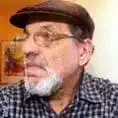
Bruno Kampel
O convite
Se vieres...
...esta noite seremos
um canto gregoriano
o azul mediterrâneo
um esforço
sobre-humano
uma estrada
e seu atalho
uma valsa
e seu compasso
uma dança
na esperança
de que a noite
cheire a vinho
e tenha gosto
e que o encontro
seja um pacto
e tenha essência.
Se quiseres...
...esta noite teremos
nossa pele
dedilhando suores
nossas mãos
visitando os calores
nossas bocas
cheirando sabores
nossa urgência
implorando favores
nossa cama
hospedando os clamores
nossos ais
declamando os ardores
nosso amor
desenhando os louvores.
Se deixares...
...esta noite veremos
os silêncios cantando
sem palavras
os poemas tremendo
de alegria
as estrelas gemendo
sem vergonha
a emoção delirando
docemente
a canção galopando
sem arreios
a ternura gerando
gestos quentes
eloquentes
dementes
frementes
urgentes.
Se pedires...
...esta noite
será então
um planeta
sem fronteiras
a pergunta
e a resposta
um delírio
sem limites
dois amantes
e seus jogos
o desejo
realizado
um encontro
de mutantes
sem idade
procurando
sem receio
prometendo
sem descanso
conjugando
grito e eco
olho e brilho
dia e lua
uma rua
e sua esquina
uma noite
ensolarada
o deserto
e seus camelos
vela e vento
cruz e espada.
Esta noite
então...
se vieres
e quiseres...
se deixares
e pedires...
1 025
2

Fernando Tanajura Menezes
Poucas palavras
Fique nu no meu quarto.
Mostre toda sua gana.
Dê um beijo moreno.
Diga que ainda me ama.
Negue que teve outras.
Vista a roupa ligeiro.
Vá correr pelo mundo.
Minta que é o primeiro.
Faça assim um romance.
Conte a intimidade.
Fale tudo que sente.
Prove a toda cidade.
Volte logo que possa.
Bata a porta de leve.
Caia louco em meus braços.
Fale não. Seja breve.
973
2
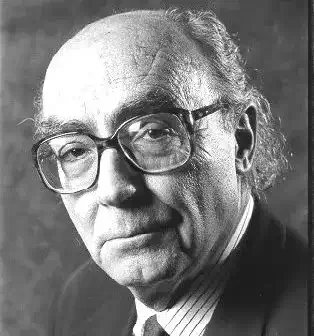
José Saramago
Exercício militar
És campo de batalha, ou simples mapa?
És combate geral, ou de guerrilhas?
Na cortina de fumo que te tapa,
É paz que vem, ou novas armadilhas?
Fechado neste posto de comando,
Avanço as minhas tropas ao acaso
E tão depressa forço como abrando:
Capitão sem poder, soldado raso.
A lutar com fantasmas e desejos,
Nem sequer sinto as balas disparadas,
E disponho as bandeiras dos meus beijos
Em vez de abrir crateras a dentadas.
834
2

Helena Amin
Manhã
Estais de volta!
Espirais de luz...
Múltiplas faces!
Cala em mim
a corrosão do desencanto.
Dá-me o direito
de tê-la assim:
desejada e liberta
— infinitamente! —
Espirais de luz...
Múltiplas faces!
Cala em mim
a corrosão do desencanto.
Dá-me o direito
de tê-la assim:
desejada e liberta
— infinitamente! —
813
2
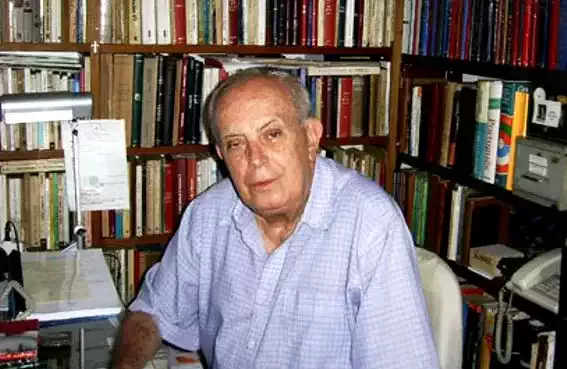
Gilberto Mendonça Teles
Chá das Cinco
A Jorge Amado
chá de poejo para o teu desejo
chá de alfavaca já que a carne é fraca
chá de poaia e rabo de saia
chá de erva-cidreira se ela for solteira
chá de beldroega se ela foge e nega
chá de panela para as coisas dela
chá de alecrim se ela for ruim
chá de losna se ela late ou rosna
chá de abacate se ela rosna e late
chá de sabugueiro para ser ligeiro
chá de funcho quando houver carunhco
chá de trepadeira para a noite inteira
chá de boldo se ela pedir soldo
chá de confrei se ela for de lei
chá de macela se não for donzela
chá de alho para um ato falho
chá de bico quando houver fuxico
chá de sumiço quando houver enguiço
chá de estrada se ela for casada
chá de marmelo quando houver duelo
chá de douradinha se ela for gordinha
chá de fedegoso pra mijar gostoso
chá de cadeira para a vez primeira
chá de jalapa quando for no tapa
chá de catuaba quando não se acaba
chá de jurema se exigir poema
chá de hortelã e até manhã
chá de erva-doce e acabou-se
(pelo sim pelo não
chá de barbatimão)
7 075
1
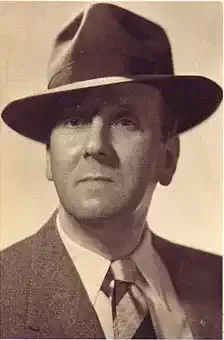
António Botto
Inédito
Nunca te foram ao cu
Nem nas perninhas, aposto!
Mas um homem como tu,
Lavadinho , todo nu, gosto!
Sem ter pentelho nenhum
com certeza, não desgosto,
Até gosto!
Mas... gosto mais de fedelhos.
Vou-lhes ao cu
Dou-lhes conselhos,
Enfim... gosto!
Nem nas perninhas, aposto!
Mas um homem como tu,
Lavadinho , todo nu, gosto!
Sem ter pentelho nenhum
com certeza, não desgosto,
Até gosto!
Mas... gosto mais de fedelhos.
Vou-lhes ao cu
Dou-lhes conselhos,
Enfim... gosto!
12 036
1
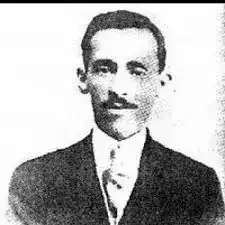
Augusto dos Anjos
Ode ao Amor
Enches o peito de cada homem, medras
N'alma de cada virgem, e toda a alma
Enches de beijos de infinita calma...
E o aroma dos teus beijos infinitos
Entra na terra, bate nos granitos
E quebra as rochas e arrebenta as pedras!
És soberano! Sangras e torturas!
Ora, tangendo tiorbas em volatas,
Cantas a Vida que sangrando matas,
Ora, clavas brandindo em seva a insana
Fúria, lembras, Amor, a soberana
Imagem pétrea das montanhas duras.
Beijam-te o passo multidões escravas
Dos Desgraçados! - Estas multidões
Sonham pátrias douradas de ilusões
Entre os tórculos negros da Desgraça
- Flores que tombam quando a neve passaa
No turbilhão das avalanches bravas!
Tudo dominas! - Dos vergéis tranqüilos
Aos Capitólios, e dos Capitólios
Aos claros pulcros e brilhantes sólios
De esplendor pulcro e de fulgências claras,
Rendilhados de fulvas gemas raras
E pontilhados de crisoberilos.
Sobes ao monte onde o edelweiss pompeia
N'alma do que subiu àquele monte!
Mas, vezes, desces ao segredo insonte
Do mar profundo onde a sereia canta
E onde a Alcíone trêmula se espanta
Ouvindo a gusla crebra da sereia!
Rompe a manhã. Sinos além bimbalham.
Troa o conúbio dos amores velhos
- As borboletas e os escaravelhos
Beijam-se no ar... Retroa o sino. E, quietos
Beijam-se além os silfos e os insetos
Sob a esteira dos campos que se orvalham.
E em tudo estruge a tua dúlia - dúlia
Que na fibra mais forte e até na fibra
Mais tênue, chora e se lamenta e vibra...
E em cada peito onde um Ocaso chora
Levanta a cruz da redenção da Aurora
Como a Judite a redimir Betúlia!
Bem haja, pois, esse poder terrível,
- Essa dominação aterradora
- Enorme força regeneradora
Que faz dos homens um leão que dorme
E do Amor faz uma potência enorme
Que vela sobre os homens, impassível!
Esta de amor onde queixosa, Irene,
Quedo, sonhei-a, aos astros, ontem quando
Entre estrias de estrelas, fosforeando,
Egrégia estavas no teu plaustro egrégio
Mais bela do que a Virgem de Corrégio
E os quadros divinais de Guido Reni!
Qual um crente em asiático pagode,
Entre timbales e anafis estrídulos,
Cativo, beija os áureos pés dos ídolos,
Assim, Irene, eis-me de ti cativo!
Cativaste-me, Irene, e eis o motivo,
Eis o motivo por que fiz esta ode.
7 633
1
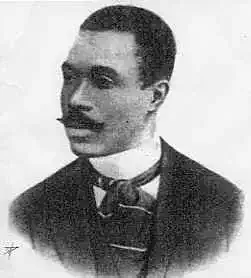
Cruz e Sousa
Braços
Braços nervosos, brancas opulências,
Brumais brancuras, fúlgidas brancuras,
Alvuras castas, virginais alvuras,
Lactescências das raras lactescências.
As fascinantes, mórbidas dormências
Dos teus abraços de letais flexuras,
Produzem sensações de agres torturas,
Dos desejos as mornas florescências.
Braços nervosos, tentadoras serpes
Que prendem, tetanizam como os herpes,
Dos delírios na trêmula coorte...
Pompa de carnes tépidas e flóreas,
Braços de estranhas correções marmóreas,
Abertos para o Amor e para a Morte!
Publicado no livro Broquéis (1893).
In: SOUSA, Cruz e. Poesia completa. Introd. Maria Helena Camargo Régis. Florianópolis: Fundação Catarinenses de Cultura, 1985. p.10
7 040
1
Herberto Helder
O amor em visita
Dai-me uma jovem mulher com sua harpa de sombra
e seu arbusto de sangue. Com ela
encantarei a noite.
Dai-me uma folha viva de erva, uma mulher.
Seus ombros beijarei, a pedra pequena
do sorriso de um momento.
Mulher quase incriada, mas com a gravidade
de dois seios, com o peso lúbrico e triste
da boca. Seus ombros beijarei.
Cantar? Longamente cantar,
Uma mulher com quem beber e morrer.
Quando fora se abrir o instinto da noite e uma ave
o atravessar trespassada por um grito marítimo
e o pão for invadido pelas ondas,
seu corpo arderá mansamente sob os meus olhos palpitantes
ele - imagem inacessível e casta de um certo pensamento
de alegria e de impudor.
Seu corpo arderá para mim
sobre um lençol mordido por flores com água.
Ah! em cada mulher existe uma morte silenciosa;
e enquanto o dorso imagina, sob nossos dedos,
os bordões da melodia,
a morte sobe pelos dedos, navega o sangue,
desfaz-se em embriaguez dentro do coração faminto.
- Ó cabra no vento e na urze, mulher nua sob
as mãos, mulher de ventre escarlate onde o sal põe o espírito,
mulher de pés no branco, transportadora
da morte e da alegria.
Dai-me uma mulher tão nova como a resina
e o cheiro da terra.
Com uma flecha em meu flanco, cantarei.
E enquanto manar de minha carne uma videira de sangue,
cantarei seu sorriso ardendo,
suas mamas de pura substância,
a curva quente dos cabelos.
Beberei sua boca, para depois cantar a morte
e a alegria da morte.
Dai-me um torso dobrado pela música, um ligeiro
pescoço de planta,
onde uma chama comece a florir o espírito.
À tona da sua face se moverão as águas,
dentro da sua face estará a pedra da noite.
- Então cantarei a exaltante alegria da morte.
Nem sempre me incendeiam o acordar das ervas e a estrela
despenhada de sua órbita viva.
- Porém, tu sempre me incendeias.
Esqueço o arbusto impregnado de silêncio diurno, a noite
imagem pungente
com seu deus esmagado e ascendido.
- Porém, não te esquecem meus corações de sal e de brandura.
Entontece meu hálito com a sombra,
tua boca penetra a minha voz como a espada
se perde no arco.
E quando gela a mãe em sua distância amarga, a lua
estiola, a paisagem regressa ao ventre, o tempo
se desfibra - invento para ti a música, a loucura
e o mar.
Toco o peso da tua vida: a carne que fulge, o sorriso,
a inspiração.
E eu sei que cercaste os pensamentos com mesa e harpa.
Vou para ti com a beleza oculta,
o corpo iluminado pelas luzes longas.
Digo: eu sou a beleza, seu rosto e seu durar. Teus olhos
transfiguram-se, tuas mãos descobrem
a sombra da minha face. Agarro tua cabeça
áspera e luminosa, e digo: ouves, meu amor?, eu sou
aquilo que se espera para as coisas, para o tempo -
eu sou a beleza.
Inteira, tua vida o deseja. Para mim se erguem
teus olhos de longe. Tu própria me duras em minha velada beleza.
Então sento-me à tua mesa. Porque é de ti
que me vem o fogo.
Não há gesto ou verdade onde não dormissem
tua noite e loucura,
não há vindima ou água
em que não estivesses pousando o silêncio criador.
Digo: olha, é o mar e a ilha dos mitos
originais.
Tu dás-me a tua mesa, descerras na vastidão da terra
a carne transcendente. E em ti
principiam o mar e o mundo.
Minha memória perde em sua espuma
o sinal e a vinha.
Plantas, bichos, águas cresceram como religião
sobre a vida - e eu nisso demorei
meu frágil instante. Porém
teu silêncio de fogo e leite repõe
a força maternal, e tudo circula entre teu sopro
e teu amor. As coisas nascem de ti
como as luas nascem dos campos fecundos,
os instantes começam da tua oferenda
como as guitarras tiram seu início da música nocturna.
Mais inocente que as árvores, mais vasta
que a pedra e a morte,
a carne cresce em seu espírito cego e abstracto,
tinge a aurora pobre,
insiste de violência a imobilidade aquática.
E os astros quebram-se em luz sobre
as casas, a cidade arrebata-se,
os bichos erguem seus olhos dementes,
arde a madeira - para que tudo cante
pelo teu poder fechado.
Com minha face cheia de teu espanto e beleza,
eu sei quanto és o íntimo pudor
e a água inicial de outros sentidos.
Começa o tempo onde a mulher começa,
é sua carne que do minuto obscuro e morto
se devolve à luz.
Na morte referve o vinho, e a promessa tinge as pálpebras
com uma imagem.
Espero o tempo com a face espantada junto ao teu peito
de sal e de silêncio, concebo para minha serenidade
uma ideia de pedra e de brancura.
És tu que me aceitas em teu sorriso, que ouves,
que te alimentas de desejos puros.
E une-se ao vento o espírito, rarefaz-se a auréola,
a sombra canta baixo.
Começa o tempo onde a boca se desfaz na lua,
onde a beleza que transportas como um peso árduo
se quebra em glória junto ao meu flanco
martirizado e vivo.
- Para consagração da noite erguerei um violino,
beijarei tuas mãos fecundas, e à madrugada
darei minha voz confundida com a tua.
Oh teoria de instintos, dom de inocência,
taça para beber junto à perturbada intimidade
em que me acolhes.
Começa o tempo na insuportável ternura
com que te adivinho, o tempo onde
a vária dor envolve o barro e a estrela, onde
o encanto liga a ave ao trevo. E em sua medida
ingénua e cara, o que pressente o coração
engasta seu contorno de lume ao longe.
Bom será o tempo, bom será o espírito,
boa será nossa carne presa e morosa.
- Começa o tempo onde se une a vida
à nossa vida breve.
Estás profundamente na pedra e a pedra em mim, ó urna
salina, imagem fechada em sua força e pungência.
E o que se perde de ti, como espírito de música estiolado
em torno das violas, a morte que não beijo,
a erva incendiada que se derrama na íntima noite
- o que se perde de ti, minha voz o renova
num estilo de prata viva.
Quando o fruto empolga um instante a eternidade
inteira, eu estou no fruto como sol
e desfeita pedra, e tu és o silêncio, a cerrada
matriz de sumo e vivo gosto.
- E as aves morrem para nós, os luminosos cálices
das nuvens florescem, a resina tinge
a estrela, o aroma distancia o barro vermelho da manhã.
E estás em mim como a flor na ideia
e o livro no espaço triste.
Se te apreendessem minhas mãos, forma do vento
na cevada pura, de ti viriam cheias
minhas mãos sem nada. Se uma vida dormisses
em minha espuma,
que frescura indecisa ficaria no meu sorriso?
- No entanto és tu que te moverás na matéria
da minha boca, e serás uma árvore
dormindo e acordando onde existe o meu sangue.
Beijar teus olhos será morrer pela esperança.
Ver no aro de fogo de uma entrega
tua carne de vinho roçada pelo espírito de Deus
será criar-te para luz dos meus pulsos e instante
do meu perpétuo instante.
- Eu devo rasgar minha face para que a tua face
se encha de um minuto sobrenatural,
devo murmurar cada coisa do mundo
até que sejas o incêndio da minha voz.
As águas que um dia nasceram onde marcaste o peso
jovem da carne aspiram longamente
a nossa vida. As sombras que rodeiam
o êxtase, os bichos que levam ao fim do instinto
seu bárbaro fulgor, o rosto divino
impresso no lodo, a casa morta, a montanha
inspirada, o mar, os centauros do crepúsculo
- aspiram longamente a nossa vida.
Por isso é que estamos morrendo na boca
um do outro. Por isso é que
nos desfazemos no arco do verão, no pensamento
da brisa, no sorriso, no peixe,
no cubo, no linho, no mosto aberto
- no amor mais terrível do que a vida.
Beijo o degrau e o espaço. O meu desejo traz
o perfume da tua noite.
Murmuro os teus cabelos e o teu ventre, ó mais nua
e branca das mulheres. Correm em mim o lacre
e a cânfora, descubro tuas mãos, ergue-se tua boca
ao círculo de meu ardente pensamento.
Onde está o mar? Aves bêbedas e puras que voam
sobre o teu sorriso imenso.
Em cada espasmo eu morrerei contigo.
E peço ao vento: traz do espaço a luz inocente
das urzes, um silêncio, uma palavra;
traz da montanha um pássaro de resina, uma lua
vermelha.
Oh amados cavalos com flor de giesta nos olhos novos,
casa de madeira do planalto,
rios imaginados,
espadas, danças, superstições, cânticos, coisas
maravilhosas da noite. Ó meu amor,
em cada espasmo eu morrerei contigo.
De meu recente coração a vida inteira sobe,
o povo renasce,
o tempo ganha a alma. Meu desejo devora
a flor do vinho, envolve tuas ancas com uma espuma
de crepúsculos e crateras.
Ó pensada corola de linho, mulher que a fome
encanta pela noite equilibrada, imponderável -
em cada espasmo eu morrerei contigo.
E à alegria diurna descerro as mãos. Perde-se
entre a nuvem e o arbusto o cheiro acre e puro
da tua entrega. Bichos inclinam-se
para dentro do sono, levantam-se rosas respirando
contra o ar. Tua voz canta
o horto e a água - e eu caminho pelas ruas frias com
o lento desejo do teu corpo.
Beijarei em ti a vida enorme, e em cada espasmo
eu morrerei contigo.
9 550
1
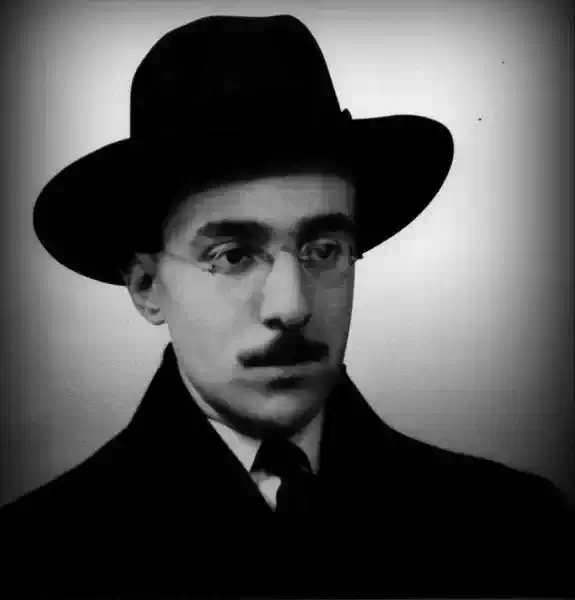
Fernando Pessoa
Antinous
The rain outside was cold in Hadrian’s soul.
The boy lay dead
On the low couch, on whose denuded whole,
To Hadrian's eyes, whose sorrow was a dread,
The shadowy light of Death's eclipse was shed.
The boy lay dead, and te day seemed a night
Outside. The rain fell like a sick affright
Of Nature at her work in killing him.
Memory of what he was gave no delight,
Delight at what he was was dead and dim.
O hands that once had clasped Hadrian's warm hands,
Whose cold now found them cold!
O hair bound erstwhile with the pressing bands!
O eyes half-diffidently bold!
O bare female male-body such
As a god's likeness to humanity!
O lips whose opening redness erst could touch
Lust's seats with a live art's variety!
O fingers skilled in things not to be told!
O tongue which, counter-tongued, made the blood bold!
O complete regency of lust throned on
Raged consciousness's spilled suspension!
These things are things that now must be no more.
The rain is silent, and the Emperor
Sinks by te couch. His grief is like a rage,
For the gods take away the life they give
And spoil te beauty they made live.
He weeps and knows that every future age
Is looking on him out of the to-be;
His love is on a universal stage;
A thousand unborn eyes weep with his misery.
Antinous is dead, is dead for ever,
Is dead for ever and all loves lament.
Venus herself, that was Adonis' lover,
Seeing him, that newly lived, now dead again,
Lends her old grief's renewal to be blent
With Hadrian's pain.
Now is Apollo sad because te stealer
Of his white body is for ever cold.
No careful kisses on that nippled point
Covering his heart-beats' silent place restore
His life again to ope his eyes and feel her
Presence along his veins Love's fortress hold.
No warmth of his another's warmth demands.
Now will his hands behind his head no more
Linked, in that posture giving all but hands,
On the projected body hands implore.
The rain falls, and he lies like one who hath
Forgotten all the gestures of his love
And lies awake waiting their hot return.
But all his arts and toys are now with Death.
This human ice no way of heat can move;
These ashes of a fire no flame can burn.
O Hadrian, what will now thy cold life be?
What boots it to be lord of men and might?
His absence o' er thy visible empery
Comes like a night,
Nor is there morn in hopes of new delight.
Now are thy nights widowed of love and kisses;
Now are thy days robbed of the night's awaiting;
Now have thy lips no purpose for thy blisses,
Left but to speak the name that Death is mating
With solitude and sorrow and affright.
Thy vague hands grope, as if they had dropped joy.
To hear that the rain ceases lift thy head,
And thy raised glance take to the lovely boy.
Naked he lies upon that memoried bed;
By thine own hand he lies uncoverèd.
There was he wont thy dangling sense to cloy,
Ande uncloy with more cloying, and annoy
With newer uncloying till thy senses bled.
His hand and mouth knew games to reinstal
Desire that thy worn spine was hurt to follow.
Sometimes it seemed to thee that all was hollow
In sense in each new straining of sucked lust.
Then still new turns of toying would he call
To thy nerves’ flesh, and thou wouldst tremble and fall
Back on thy cushions with thy mind's sense hushed.
«Beautiful was my love, yet melancholy.
He had that art, that makes love captive wholly,
Of being slowly sad among lust's rages.
Now the Nile gave him up, the eternal Nile.
Under his wet locks Death's blue paleness wages
Now war upon our wishing with sad smile.»
Even as he thinks, the lust that is no more
Than a memory of lust revives and takes
His senses by the hand, his felt flesh wakes,
And all becomes again what 'twas before.
The dead body on the bed starts up and lives
And comes to lie with him, close, closer, and
A creeping love-wise and invisible hand
At every body-entrance to his lust
Whispers caresses which flit off yet just
Remain enough to bleed his last nerve's strand,
O sweet and cruel Parthian fugitives!
So he half rises, looking on his lover,
That now can love nothing but what none know.
Vaguely half-seeing what he doth behold,
He runs his cold lips all the body over.
And so ice-senseless are his lips that, lo!,
He scarce tastes death from the dead body's cold,
But it seems both are dead or living both
And love is still the presence and the mover.
Then his lips cease on the other lips' cold sloth.
Ah, there the wanting breath reminds his lips
That from beyond the gods hath moved a mist
Between him and this boy. His finger-tips,
Still idly searching o'er the body, list
For some flesh-response to their waking mood.
But their love-question is not understood:
The god is dead whose cult was to be kissed!
He lifts his hand up to where heaven should be
And cries on the mute gods to know his pain.
Let your calm faces turn aside to his plea,
O granting powers! He will yield up his reign.
In the still deserts he will parchèd live,
In the far barbarous roads beggar or slave,
But to his arins again the warm boy give!
Forego that space ye meant to be his grave!
Take all the female loveliness of earth
And in one mound of death its remnant spill!
But, by sweet Ganymede, that Jove found worth
And above Hebe did elect to fill
His cup at his high feasting, and instil
The friendlier love that fills the other's dearth,
The clod of female embraces resolve
To dust, O father of the gods, but spare
This boy and his white body and golden hair!
Maybe thy better Ganymede thou feel'st
That he should be, and out of jealous care
From Hadrian's arms to thine his beauty steal'st.
He was a kitten playing with lust, playing
With his own and with Hadrian's, sometimes one
And sometimes two, now linking, now undone;
Now Ieaving lust, now lust's high lusts delaying;
Now eyeing lust not wide, but from askance
Jumping round on lust's half-unexpectance;
Now softly gripping, then with fury holding,
Now playfully playing, now seriously, now lying
By th' side of lust looking at it, now spying
Which way to take lust in his lust's withholding.
Thus did the hours slide from their tangled hands
And from their mixèd limbs the moments slip.
Now were his arms dead leaves, now iron bands;
Now were his lips cups, now the things that sip;
Now were his eyes too closed and now too looking;
Now were his uncontinuings frenzy working;
Now were his arts a feather and now a whip.
That love they lived as a religion
Offered to gods that come themselves to men.
Sometimes he was adorned or made to don
Half-vestures, then in statued nudity
Did imitate some god that seems to be
By marble's accurate virtue men's again.
Now was he Venus, white out of the seas;
And now was he Apollo, young and golden;
Now as Jove sate he in mock judgment over
The presence at his feet of his slaved lover;
Now was he an acted rite, by one beholden,
In ever-repositioned mysteries.
Now he is something anyone can be.
O stark negation of the thing it is!
O golden-haired moon-cold loveliness!
Too cold! too cold! and love as cold as he!
Love through the memories of his love doth roam
As through a labyrinth, in sad madness glad,
And now calls on his name and bids him come,
And now is smiling at his imaged coming
That is i'th' heart like faces in the gloaming —
Mere shining shadows of the forms they had.
The rain again like a vague pain arose
And put the sense of wetness in the air.
Suddenly did the Emperor suppose
He saw this room and all in it from far.
He saw the couch, the boy, and his own frame
Cast down against the couch, and he became
A clearer presence to himself, and said
These words unuttered, save to his soul's dread:
« I shall build thee a statue that will be
To the continued future evidence
Of my love and thy beauty and the sense
That beauty giveth ot divinity.
Though death with subtle uncovering hands remove
The apparel of life and empire from our love,
Yet its nude statue, that thou dost inspirit,
All future times, whether they will't or not,
Shall, like a gift a forcing god hath brought,
Inevitably inherit.
«Ay, this thy statue shall I build, and set
Upon the pinnacle of being thine, that Time
By its subtle dim crime
Will fear to eat it from life, or to fret
With war's or envy's rage from bulk and stone.
Fate cannot be that! Gods themselves, that make
Things change, Fate's own hand, that doth overtake
The gods themselves with darkness, will draw back
From marring thus thy statue and my boon,
Leaving the wide world hollow with thy lack.
«This picture of our love will bridge the ages.
It will loom white out of the past and be
Eternal, like a Roman victory,
In every heart ,the future will give rages
Of not being our love's contemporary.
«Yet oh that this were needed not, and thou
Wert the red flower perfuming my life,
The garland on the brows of my delight,
The living flame on altars of my soul!
Would all this were a thing thou mightest now
Smile at from under thy death-mocking lids
And wonder that I should so put a strife
Twixt me and gods for thy lost presence bright;
Were there nought in this but my empty dole
And thy awakening smile half to condole
With what my dreaming pain to hope forbids.»
Thus went he, like a lover who is waiting,
From place to place in his dim doubting mind.
Now was his hope a great intention fating
Its wish to being, now felt he he was blind
In some point of his seen wish undefined.
When love meets death we know not what to feel.
When death foils love we know not what to know.
Now did his doubt hope, now did his hope doubt;
Now what his wish dreamed the dream's sense did flout
And to a sullen emptiness congeal.
Thcn again the gods fanned love's darkening glow.
«Thy death has given me a higher lust —
A flesh-lust raging for eternity.
On mine imperial fate I set my trust
That the high gods,that made me emperor be,
Will not annul from a more real life
My wish that thou should'st live for e'er and stand
A fleshly presence on their better land,
More lovely yet not lovelier, for there
No things impossible our wishes mar
Nor pain our hearts with change and time and strife.
«Love, love, my love! thou art already a god.
This thought of mine, which I a wish believe,
Is no wish, but a sight, to me allowed
By the great gods, that love love and can give
To mortal hearts, under the shape of wishes —
Of wishes having undiscovered reaches —,
A vision of the real things beyond
Our life-imprisoned life, our sense-bound sense.
Ay, what I wish thee to be thou art now
Already. Already on Olympic ground
Thou walkest and art perfect, yet art thou,
For thou needst no excess of thee to don
Perfect to be, being perfection.
«My heart is singing like a morning bird.
A great hope from the gods comes down to me
And bids my heart to subtler sense be stirred
And think not that strange evil of thee
That to think thee mortal would be.
«My love, my love, my god-love! Let me kiss
On thy cold lips thy hot lips now immortal,
Greeting thee at Death's portal's happiness,
For to the gods Death's portal is Life's portal.
«Were no Olympus yet for thee, my love
Would make thee one, where thou sole god mightst prove,
And I thy sole adorer, glad to be
Thy sole adorer through infinity.
That were a universe divine enough
For love and me and what to me thou art.
To have thee is a thing made of gods' stuff
And to look on thee eternity's best part.
«But this is true and mine own art: the god
Thou art now is a body made by me,
For, if thou art now flesh reality
Beyond where men age and night cometh still,
'Tis to my love's great making power thou owest
'I'hat life thou on thy merúory bestowest
And mak'st it carnal. Had my love not held
An empire of my mighty legioned will,
Thou to gods' consort hadst not been compelled.
«My love that found thee, when it found thee did
But find its own true body and exact look.
Therefore when now thy memory I bid
Become a god where gods are, I but move
To death's high column's top the shape it took
And set it there for vision of all love.
«O love, my love, put up with my strong will
Of loving to Olympus, be thou there
The latest god, whose honey-coloured hair
Takes divine eyes! As thou wert on earthe, still
In heaven bodifully be and roam,
A prisoner of that happiness of home,
With elder gods, while I on earth do make
A statue for thy deathlessness' seen sake.
«Yet thy true deathless statue I shall build
Will be no stone thing, but that same regret
By which our love's eternity is willed.
One side of that is thou, as gods see thee
Now, and the other, here, thy memory.
My sorrow wiII make that men's god, and set
Thy naked memory on the parapet
That looks upon the seas of future times.
Some will say all our love was but our crimes;
Others against our names the knives will whet
Of their glad hate of beauty's beauty, and make
Our names a base of heap whereon to rake
The names of all our brothers with quick scorn.
Yet will our presence, like eternal Morn,
Ever return at Beauty's hour, and shine
Out of the East of Love, in light to enshrine
New gods to come, the lacking world to adorn.
«All that thou art now is thyself and I.
Our dual presence has its unity
In that perfection of body which my love
By loving it, became, and did from life
Raise into godness, calm above the strife
Of times, and changing passions far above.
«But since men see more with the eyes than soul,
Still I in stone shall utter this great dole;
Still, eager that men hunger by thy presence,
I shall to marble carry this regret
That in my heart like a great star is set.
Thus, even in stone, our love shall stand so great
In thy statue of us, like a god's fate,
Our love’s incarnate and discarnate essence,
That, like a trumpet reaching over seas
And going from continent to continent,
Our love shall speak its joy and woe, death-blent,
Over infinities and eternities.
«And here, memory or statue, we shall stand,
Still the same one, as we were hand in hand
Nor felt each other's hand for feeling feeling.
Men still will see me when thy sense they take.
The entire gods might pass, in the vast wheeling
Of the globed ages. If but for thy sake,
That, being theirs, hadst gone with their gone band,
They would return, as they had slept to wake.
«Then the end of days when Jove were born again
And Ganymede again pour at his feast
Would see our dual soul from death released
And recreated unto joy, fear, pain —
All that love doth contain;
Life — all the beauty that doth make a lust
Of love's own true love, at the spell amazed;
And, if our very memory wore to dust,
By some god's race of the end of ages must
Our dual unity again be raised.»
It rained still. But slow-treading night came in,
Closing the weary eyelids of each sense.
The very consciousness of self and soul
Grew, like a landscape through dim raining, dim.
The Emperor lay still, so still that now
He half forgot where now he lay, or whence
The sorrow that was still salt on his lips.
All had been something very far, a scroll
Rolled up. The things he felt were like the rim
That haloes round the moon when the night weeps.
His head was bowed into his arms, and they
On the low couch, foreign to his sense, lay.
His closed eyes seemed open to him, and seeing
The naked floor, dark, cold, sad and unmeaning.
His hurting breath was all his sense could know.
Out of the falling darkness the wind rose
And fell; a voice swooned in the courts below;
And the Emperor slept.
The gods came now
And bore something away, no sense knows how,
On unseen arms of power and repose.
1915
6 210
1
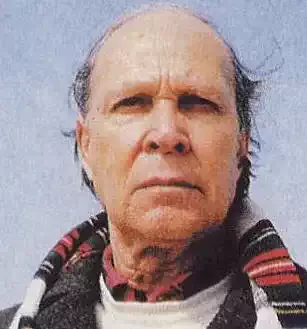
Eugénio de Andrade
Ignoro o que seja a flor da água
mas conheço o seu aroma:
depois das primeiras chuvas
sobe ao terraço,
entra nu pela varanda,
o corpo inda molhado
procura o nosso corpo e começa a tremer:
então é como se na sua boca
um resto de imortalidade
nos fosse dado a beber,
e toda a música da terra,
toda a música do céu fosse nossa,
até ao fim do mundo,
até amanhecer.
de Branco No Branco
6 583
1
Eugénio de Andrade
Desde a aurora
Como um sol de polpa escura
para levar à boca,
eis as mãos:
procuram-te desde o chão,
entre os veios do sono
e da memória procuram-te:
à vertigem do ar
abrem as portas:
vai entrar o vento ou o violento
aroma de uma candeia,
e subitamente a ferida
recomeça a sangrar:
é tempo de colher: a noite
iluminou-se bago a bago:vais surgir
para beber de um trago
como um grito contra o muro.
Sou eu, desde a aurora,
eu-a terra-que te procuro.
de Obscuro Domínio
6 751
1